Dining out has gotten noticeably more expensive in recent years, and restaurants are feeling the pressure just as much as customers are. To stay afloat, some places quietly cut costs in ways that aren’t always obvious at first — until your plate looks smaller, your bill looks bigger, or the experience just doesn’t feel the same.
From shrinking portions to surprise fees and downgraded ingredients, diners across the country have been taking to Reddit to vent about the subtle (and not so subtle) ways restaurants are cutting corners and changing the dining experience. Here are some of the biggest warning signs your favorite spot may be doing the same.
Shrinking Portions While Prices Stay the Same or Go Up
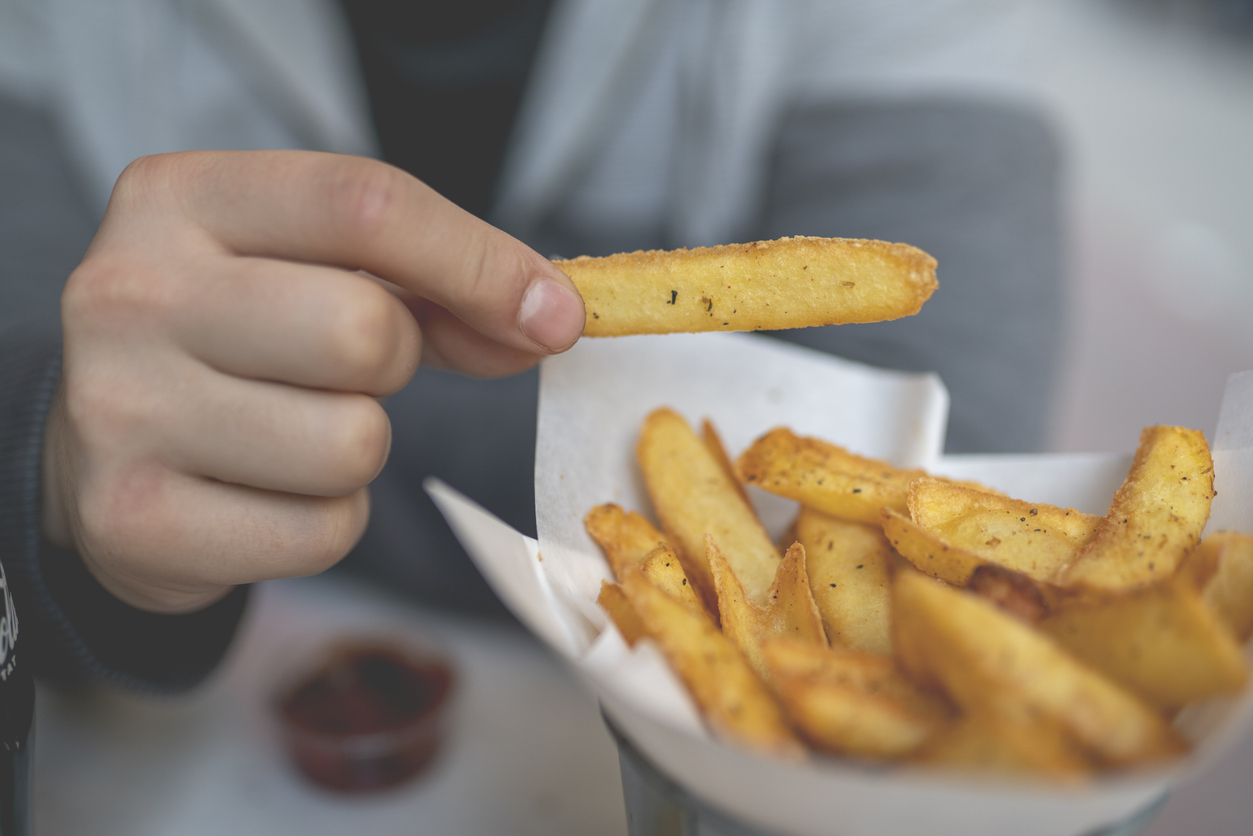
Many diners say plates look noticeably smaller than they used to, even as menu prices climb. This “shrinkflation” trend shows up often in Reddit posts comparing old orders to new ones, especially when it comes to proteins, fries, and sides.
Five Guys built its reputation on overflowing fries, but some customers say those portions are shrinking. One Reddit user complained that their usual extra fries were gone, writing, “I’ve always just bought a small because they’re always overflowing… I left this meal still hungry.” For a chain known for excess, that’s a noticeable shift.
Weird or Hidden Fees Show Up On the Bill
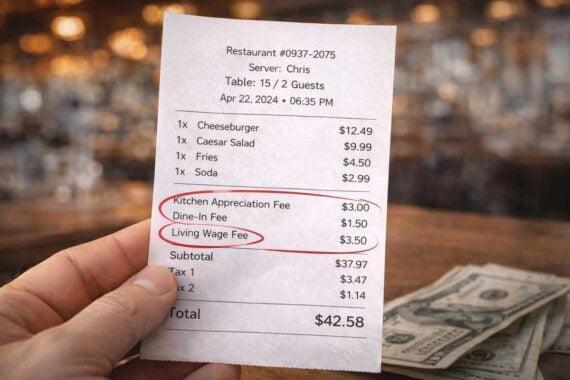
From surprise service charges to unexplained surcharges, diners are increasingly reporting extra fees they never agreed to — and the trend isn’t limited to a few isolated cases. Today’s restaurant bills can include automatic service charges, living wage fees, credit-card processing costs, or other add-ons that only appear at checkout, often with euphemistic names that make them hard to spot until it’s time to pay.
In response to a “kitchen appreciation fee,” one Redditor shared a receipt and noted, “I understand it’s only 2% & $7 isn’t egregious, but the principal alone is annoying.” It’s a frustration that reflects a broader transparency crisis in hospitality pricing practices.
Condiments and Extras Are Suddenly Limited or Cost Extra
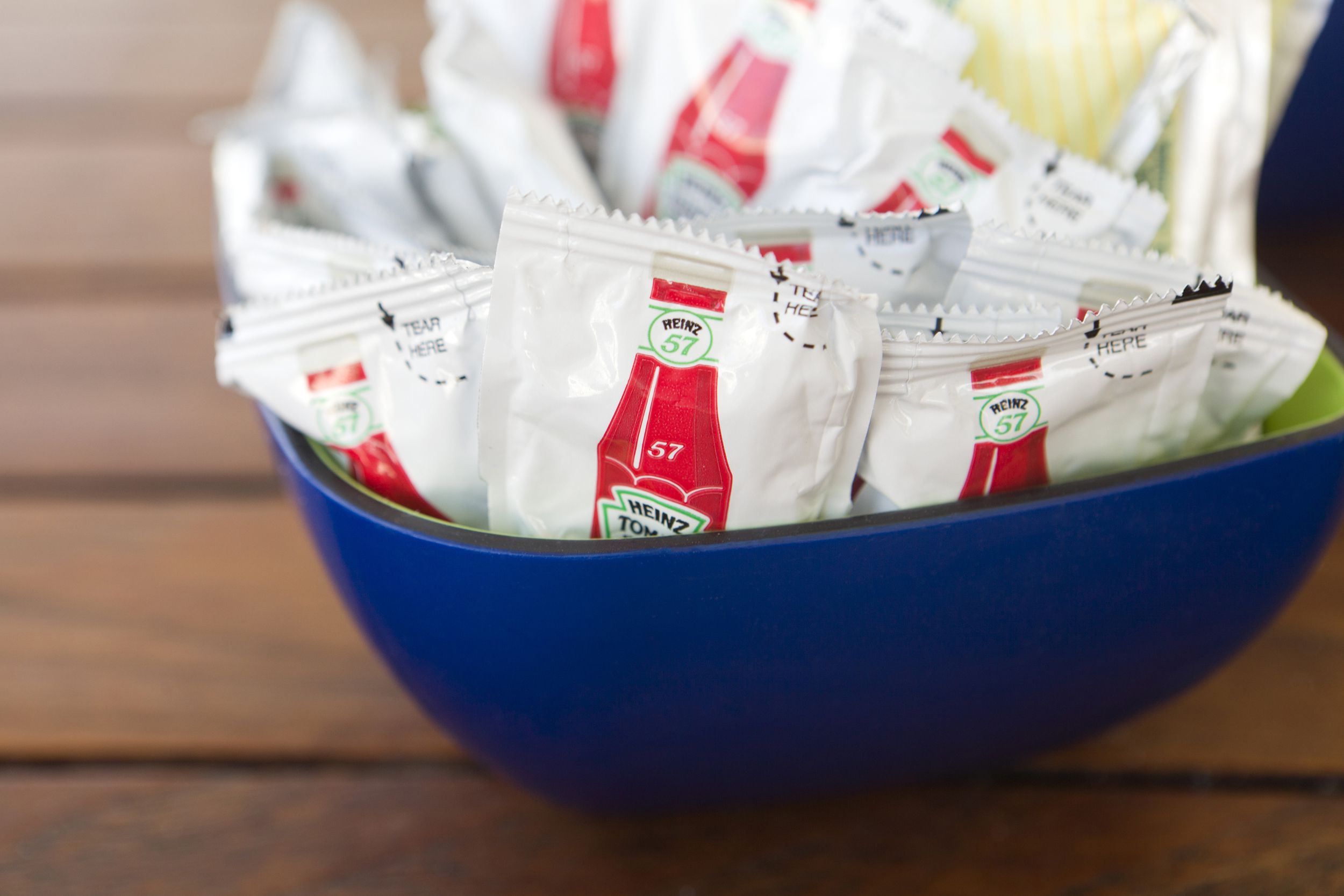
If sauces, bread, chips, or toppings that used to be free now come with a charge or strict limits, that’s often a cost-cutting move.
Many diners say something as simple as sauce — once a given — is now treated like an extra add-on. In a recent Reddit thread about fast food, one user complained that places that used to include sauces with meals now charge “a whole dollar (75 cents if it’s a real tiny portion) for sauce,” and if you don’t pay, “you don’t get sauce.”
Menu Items Quietly Disappear or Get Simplified
When longtime menu items quietly disappear or choices get stripped down, it’s often less about trends and more about cutting costs. Removing popular dishes, limiting sides, or simplifying options can reduce ingredient and labor expenses, but it also chips away at what made a restaurant appealing in the first place — especially for regulars who notice the changes immediately.
Ingredients Taste Cheaper or Less Fresh
Switching to lower-quality ingredients is a common way restaurants cut costs, and many diners say they can tell the difference. Fast-food customers frequently describe food as tasting more processed, less fresh, or noticeably blander than it used to be. Others mention an increased reliance on frozen or pre-packaged items, which they feel replaces the made-from-scratch quality they remember from earlier visits. Over time, these subtle changes can add up, leaving longtime fans disappointed by meals that no longer live up to past standards.
Trending on Cheapism
Service Feels Understaffed and Chaotic
When a restaurant is clearly understaffed, the effects show up fast. One server juggling too many tables, long waits for food and drinks, and frequent order mistakes are often signs that management has cut back on labor to save money.
While understaffing may reduce costs on paper, it usually leads to a worse experience for diners — slower service, frustrated employees, and an overall sense that the restaurant is stretched too thin to operate properly.
The Dining Room Is Empty During Peak Hours
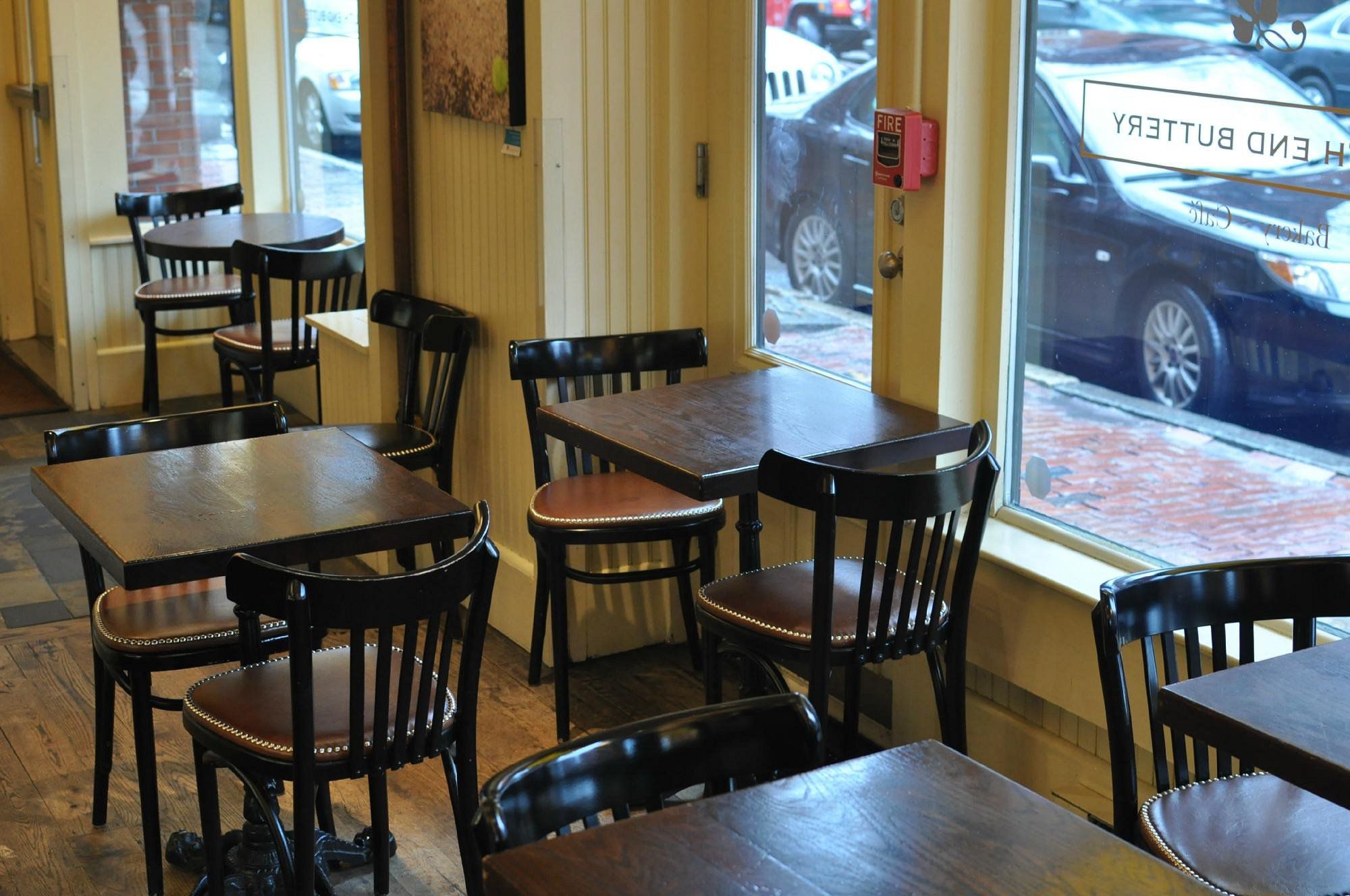
A restaurant that’s noticeably quiet during peak lunch or dinner hours can be a warning sign. Empty parking lots and half-filled dining rooms often mean regular customers have already stopped coming back, usually after repeated disappointments with food, service, or value.
While every place has slow days, a consistently empty restaurant suggests deeper problems that can push owners to cut corners even further in an attempt to stay afloat.
Online Reviews Suddenly Focus on the Same Complaints
When a wave of recent reviews all point to the same problems — smaller portions, slower service, or higher prices — it’s rarely a coincidence. Patterns like these usually signal a broader shift in how a restaurant is operating, especially when complaints come from different locations and longtime customers. Taken together, they suggest a decline that’s happening system-wide, not just on an off day.
In recent online discussions, Outback Steakhouse diners across different locations have raised the same complaints about declining steak quality, describing meals as tough, rubbery, or not worth the price anymore.
Sign up for our newsletter
Customization and Flexibility Disappear
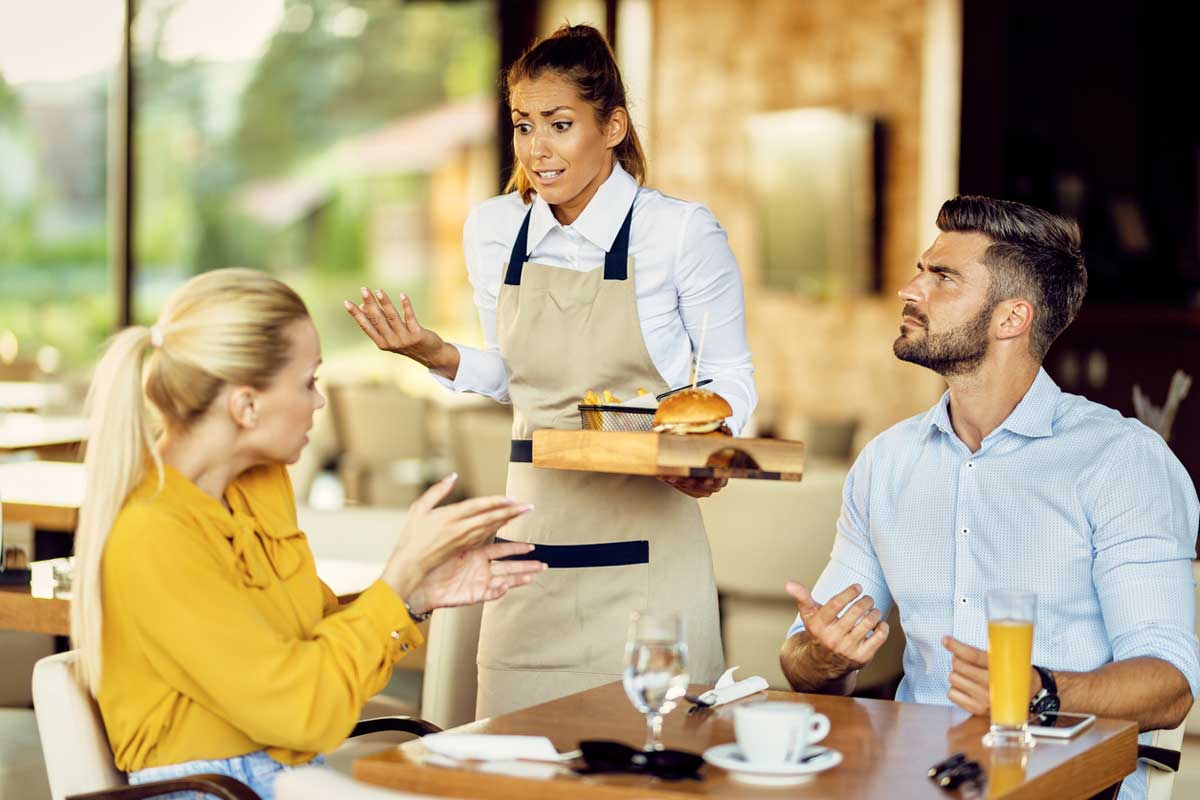
Restaurants looking to reduce costs or minimize waste may tighten their rules around substitutions and customization. Simple requests that were once accommodated — swapping a side, removing an ingredient, or making a small adjustment — can now come with an extra charge or be denied altogether.
While these policies may make operations easier, they can also make a restaurant feel inflexible and less welcoming, especially to regulars who remember when small tweaks weren’t a problem.
More From Cheapism
- The 6 Worst Restaurant Ripoffs, According to Chefs — Chefs weigh in on Reddit about the menu items and markup tricks that feel like blatant ripoffs, from overpriced sides to drinks with tiny actual cost.
- The Best All-You-Can-Eat Restaurant in Every State — A state-by-state guide to buffets and endless-meal spots where hungry diners can feast without regret, from sushi to BBQ and classic comfort food.
- Best Under-the-Radar Restaurants in Every State — Discover hidden local favorites across the U.S. that fly under the mainstream radar but serve unforgettable food worth seeking out.