Starting Jan. 1, grocery shopping will look different for some SNAP recipients in five states — and the changes may come with confusion at the checkout line. Indiana, Iowa, Nebraska, Utah, and West Virginia are rolling out new restrictions on what foods can be purchased with SNAP benefits. The bans target items like soda, candy, and certain sweetened or prepared foods, depending on the state, affecting roughly 1.4 million people. The changes stem from new federal waivers that allow states to limit SNAP purchases of foods considered unhealthy.
Which Foods Are Being Restricted?
The exact rules vary by state, which is one of the driving forces of consumer confusion.
Here’s what’s known so far:
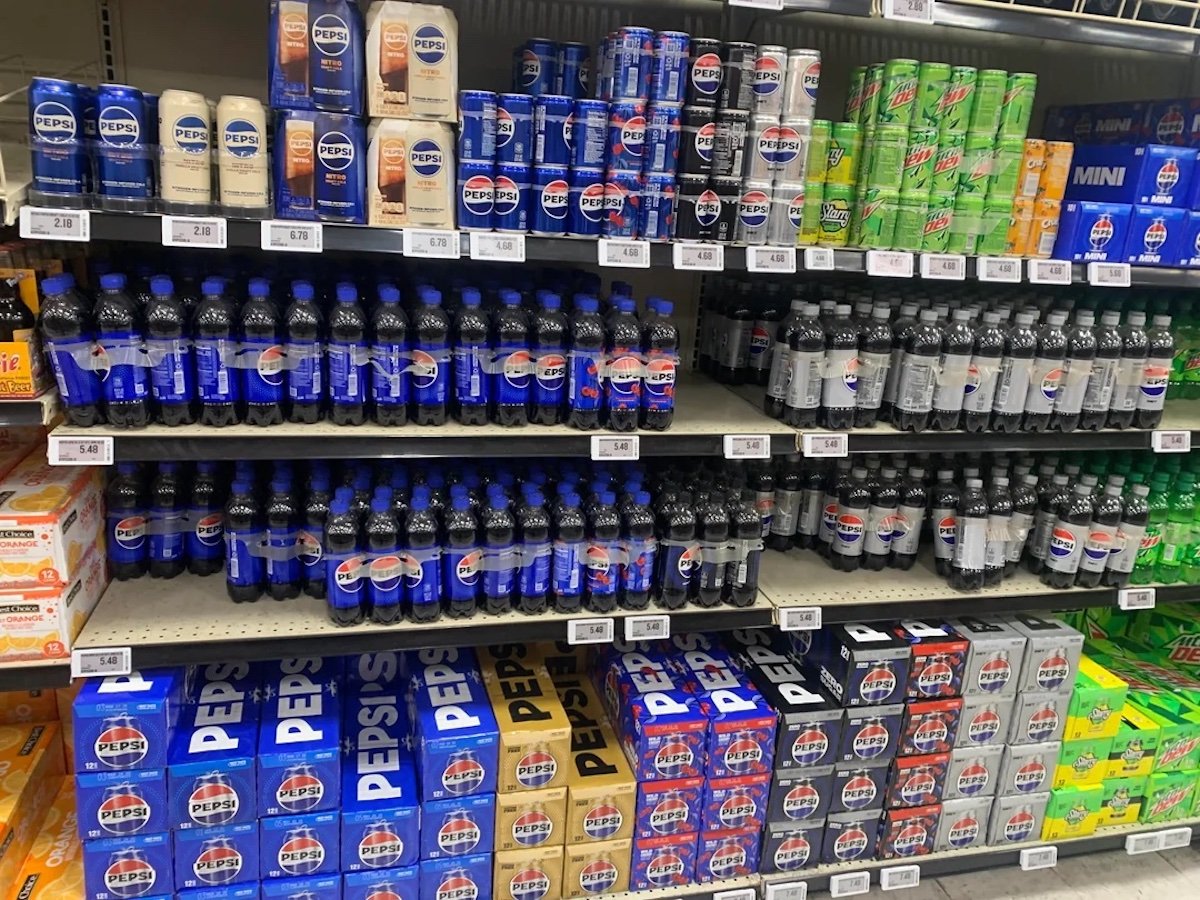
- Utah and West Virginia: SNAP can no longer be used to buy soda and soft drinks.
- Nebraska: Soda and energy drinks are prohibited.
- Indiana: Soft drinks and candy are restricted.
- Iowa: The most sweeping changes, banning SNAP purchases of taxable foods, including soda, candy, and some prepared foods.
Advocacy groups say the lists provided to SNAP households don’t always clearly spell out which items are affected, especially when it comes to prepared or borderline foods — meaning shoppers may not know an item is banned until it’s rejected at checkout.
Why This May Be Frustrating at the Store
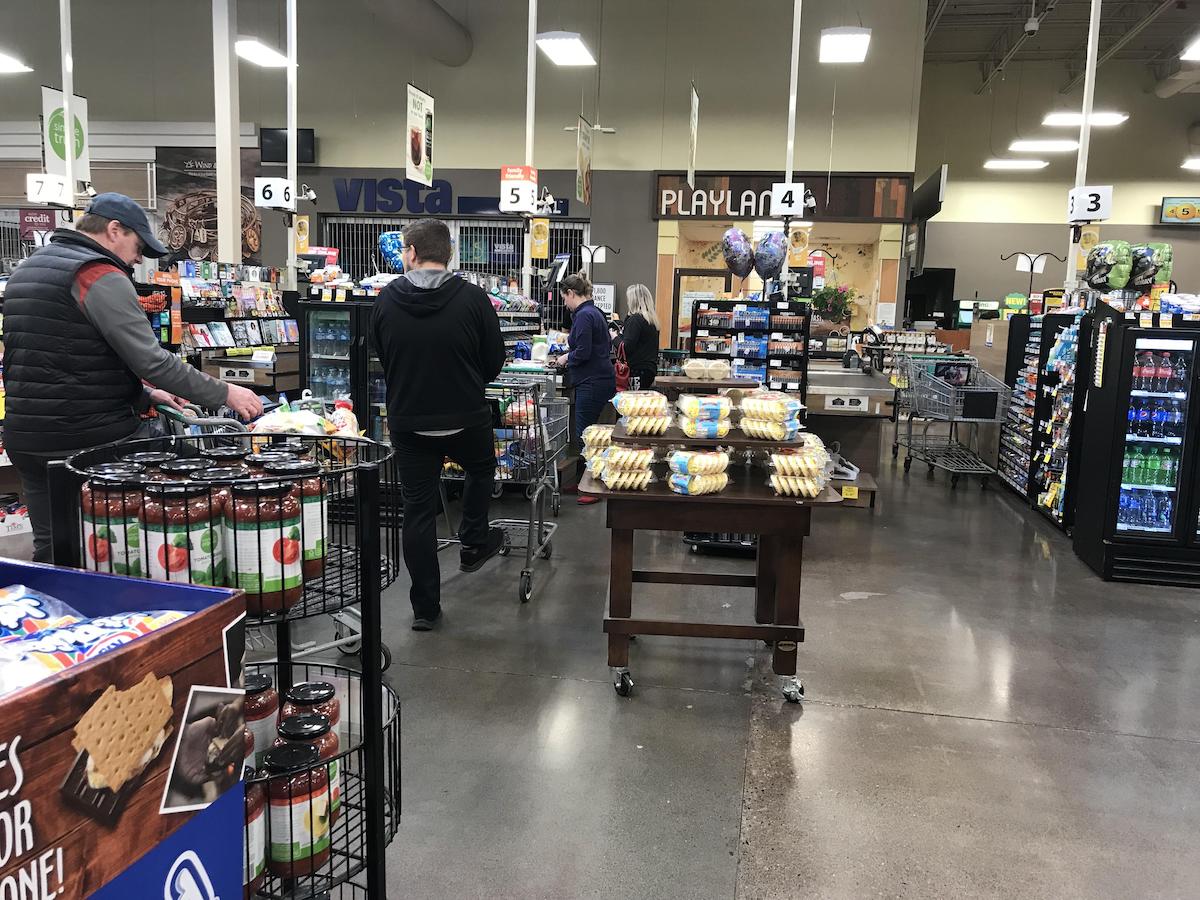
Inevitably, the changes could slow down checkout lines and lead to more declined transactions, particularly in the early weeks. Because SNAP systems operate differently by state and even by retailer, grocery stores must update point-of-sale systems to recognize which items are allowed (and which ones got voted off the island). Industry estimates suggest the changes will cost retailers billions nationwide to implement (costs that can ripple out to all shoppers).
For SNAP recipients, that can mean:
- Items ringing up as ineligible without a clear explanation.
- Needing to put food back at the register.
- A rise in stigma or embarrassment during checkout.
Will the Bans Improve Health?
Supporters of the restrictions argue they could help reduce chronic conditions like obesity and diabetes by discouraging purchases of sugary drinks and treats. But research on whether SNAP food bans actually change eating habits is mixed. Some health experts say the rules overlook a larger issue: Healthier foods are often more expensive and harder to access than processed alternatives, especially in food deserts.
What SNAP Shoppers Can Do to Prepare
If you live in one of the affected states, a little planning may help reduce frustration:
- Check state guidance carefully. Each state administers SNAP differently, and restrictions aren’t identical.
- Watch for prepared foods. Items from deli counters, heated foods, or foods with added sugar may be more likely to be flagged.
- Separate purchases if needed. Paying for restricted items separately can speed things up at checkout.
- Ask store staff, but expect uncertainty. Retail workers may also be learning the new rules in real time. Be patient with them.
More Changes May Be Coming
The five-state rollout is just the beginning. At least 18 states have applied for similar SNAP waivers, and more restrictions could take effect later this year or next. The current waivers are set to last two years, with the option to extend them for three more. Each state is required to evaluate how the restrictions affect shopping behavior and health outcomes, though for now, many shoppers are bracing for trial-and-error grocery runs.
Trending on Cheapism


More From Cheapism
- What You Can and Can’t Buy With SNAP Benefits — Here are some surprising things you can buy with EBT in 2025 — as well as some things that SNAP benefits don’t cover.
- Plan Ahead: These Pantry Essentials Can Help You Weather SNAP Program Delays — Make sure you have the essentials stocked for when SNAP issues arise.
- FDA Bans Red Dye No. 3: These Beloved Foods Will Be Affected — Long criticized for its potential health risks, including links to cancer and behavioral issues in children, the dye is finally being phased out in the United States.