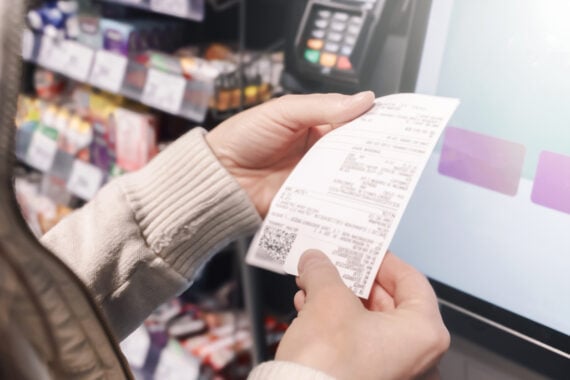
You’re just trying to buy the thing you came for — a blender, a pair of jeans, a concert ticket, a $12 phone charger — and then, right at the finish line, the checkout screen turns into an obstacle course. One click here, one “recommended” upgrade there, and suddenly your total is higher than the price you agreed to in your head.
Retailers know checkout is the moment when shoppers are most likely to say yes: You’re already committed, you’re trying to move fast, and the add-ons are framed as “small” protections, conveniences, or good deeds. Some are genuinely helpful in the right circumstances. But many are designed to quietly pad your receipt — sometimes through defaults (pre-checked boxes), confusing wording, or last-second fees. Consumer-protection rules are increasingly targeting these tactics (like “drip pricing,” where fees show up late in the process). California, for example, bans advertising a price that doesn’t include required fees in most cases.
The good news: Once you know what to look for, these sneaky retail add-ons at checkout get a lot easier to dodge.
Extended Warranties on Low-Cost Items
When you’re buying a $25 coffee maker or a $40 pair of headphones, a $9.99 extended warranty might not seem like much. But on lower-cost products, extended warranties can represent a large percentage of the purchase price. Many items already come with a manufacturer warranty, and some credit cards automatically extend that coverage. In many cases, replacing the product outright would cost about the same as the plan itself.
Product Protection Prompts at Self-Checkout
Self-checkout screens often flash warranty or protection offers just before payment. The timing is intentional — you’re ready to tap your card and move on. Because there’s no salesperson involved, the offer can feel automated and harmless, but it’s still an upsell designed to increase the transaction total in seconds.
Shipping Insurance or ‘Package Protection’ Online

Online retailers increasingly offer optional shipping protection at checkout, sometimes pre-selected. It’s presented as a safeguard against lost or damaged packages, but many major carriers already include limited coverage. The small added fee can feel negligible — until you realize you’re paying it on nearly every order.
Free Trials That Turn Into Paid Subscriptions
A “free” membership, rewards club, or subscription perk can be just one click away at checkout. But once the trial ends, the recurring charge begins — sometimes automatically and monthly. These negative-option enrollments rely on shoppers forgetting to cancel or overlooking the fine print.
Store Credit Card Sign-Up Discounts
“Save 15% today” is a powerful incentive when you’re standing at the register. Retail credit cards are pushed heavily at checkout because they’re profitable for stores. However, they often carry significantly higher interest rates than general credit cards. If the balance isn’t paid off quickly, the interest can wipe out the initial savings.
Trending on Cheapism


Assembly Fees for Simple Furniture

When buying flat-pack furniture or home items online, an assembly service may be added as an optional upgrade. While complex pieces may justify the fee, simpler builds can cost far more to assemble than they’re worth. The convenience is appealing, especially when you’re already spending hundreds, but the added charge can inflate the final bill quickly.
Premium Delivery Upgrades
Retailers frequently offer tiered delivery options at checkout: white-glove service, room-of-choice placement, packaging removal, installation, or faster shipping windows. These services can double or triple delivery costs. They’re positioned as upgrades, but many shoppers would be perfectly fine with standard delivery.
‘Convenience’ or Processing Fees Revealed at the End
Some purchases — especially tickets, travel bookings, and online services — come with added service or processing fees that appear late in the checkout process. This practice, sometimes called drip pricing, relies on customers feeling too invested to abandon the purchase once the extra charges appear.
Sign up for our newsletter
Checkout Donation Prompts

Round-up campaigns and charity donation requests have become standard at both physical and online checkouts. The small amount makes it easy to agree without thinking twice. While the causes may be legitimate, the prompt capitalizes on social pressure and impulse generosity in a moment designed for speed.
Tip Prompts in Unexpected Places
Tablet checkout systems now suggest tip amounts in businesses that traditionally weren’t tipped environments. Suggested percentages are often prominently displayed, creating subtle pressure to choose one. Even when service is minimal, the prompt can make declining feel awkward.
More From Cheapism

- Remember Coupons? Here’s Why Those Little Pieces of Paper Are Nearly Extinct — Once a staple of savvy savings, coupons have faded from view as digital deals, shifting shopping habits, and tighter margins make paper and even online coupons far less common than they used to be.
- 17 Ways to Outsmart Your Grocery Store and Save Money — Grocery stores use sneaky shelf math, placement tricks, and marketing cues to get you to spend more than you planned — but knowing how they work can cut big chunks off your bill.
- Map Shows America’s Most Financially Distressed Cities — A new WalletHub analysis highlights which U.S. cities are hardest hit by financial strain — from high debt and declining credit to rising bankruptcies — showing just how widespread money pressure has become.