

Americans are feeling significant economic pressure due to soaring prices. Insurance, utilities, healthcare, and everyday living costs have skyrocketed due to inflation. While many of these factors stem from global issues, others are national and rooted in each state. This is why many leaders have taken note of the problem and offered different forms of assistance depending on the state you live in. There is still much political debate surrounding this action, and the potential solutions vary by region. Keep reading to understand which states have implemented these programs and how they will be a cost of living relief!
Minnesota

Minnesota has taken action through its leaders, offering residents an expanded child tax credit of $3000 U$D maximum per child, with no limit on the number of children. In addition, it has implemented tax rebates for residents who have paid more taxes than they owe and has addressed the housing problem by increasing financial support to help more people access housing. The state government has also invested in food assistance and childcare. Minnesota’s approach focuses less on reducing broad tax rates and more on assisting residents facing economic hardship.
Michigan
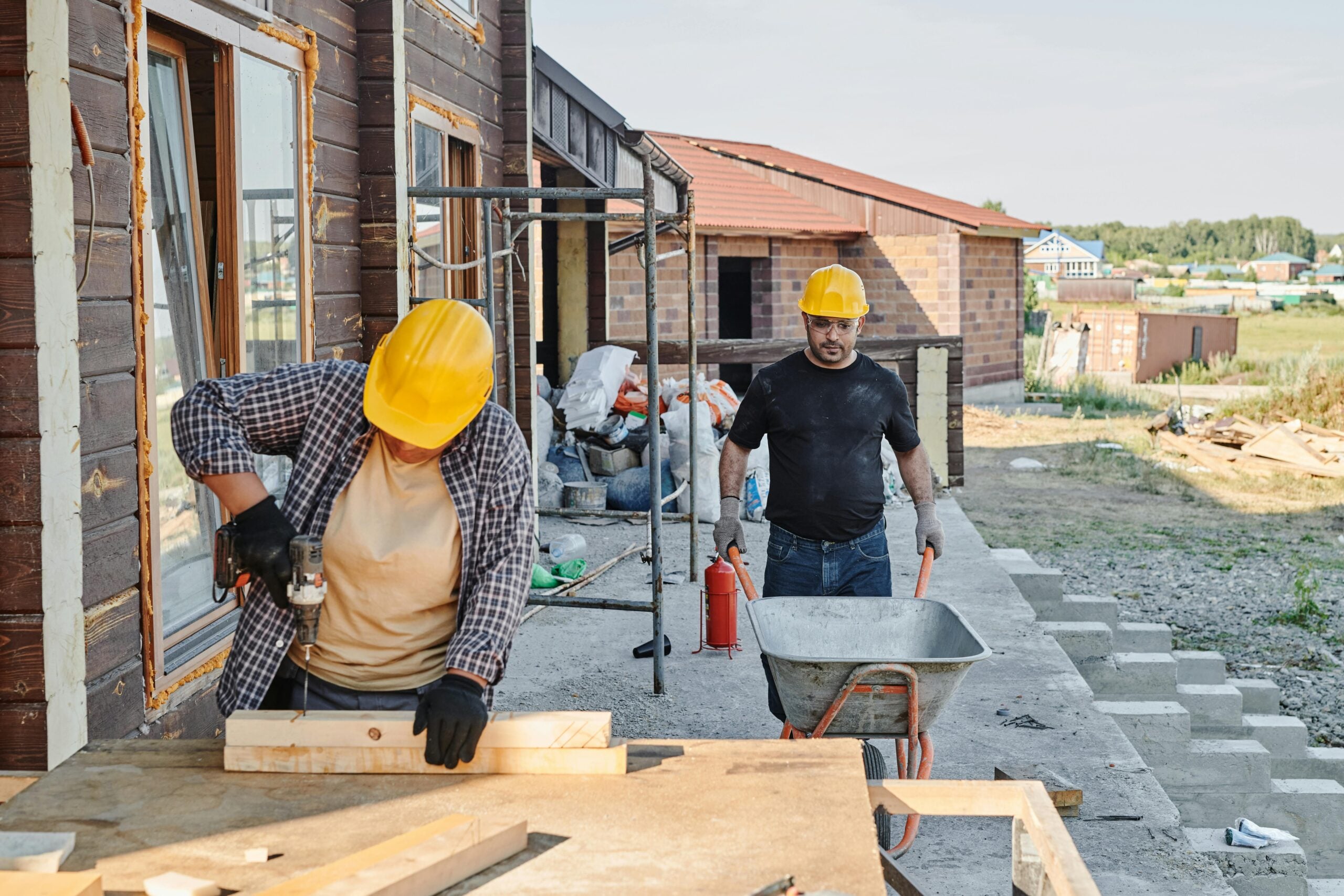
Michigan’s government is working to reduce childcare and prescription drug costs while also seeking to increase housing assistance. These measures target middle-class homeowners, who typically earn enough to afford traditional assistance, so they don’t get it from the government, but struggle daily with the ever-increasing cost of living.
New Mexico

New Mexico achieved revenue surpluses in its regional economy, so it decided to refund money to taxpayers who had paid taxes they didn’t yet owe and initiated child tax credit programs. Furthermore, New Mexico expanded its school meal assistance programs and invested in access to healthcare. In this region, politicians understand the cost of living needs to decrease because it’s a major problem in rural areas and among people who don’t have as high incomes as in other states.
California

The most pressing problem for Californians is the high cost of housing, which is why one of the most ambitious housing initiatives in the state has been launched. There are several programs to address this issue, being one of them the HSP that aims to provide stability to people who already have a home but are at risk of losing it; the HA that provides housing or shelter to people who are homeless. Then you have HDAP that helps people with disabilities access housing; the Home Safe Program which protects adults at risk of being attacked by another person or themselves, or being abused; and finally the CCE program which focuses on building, preserving and improving facilities where adults live.
Illinois

The tax credits Illinois has introduced are intended to benefit working families. At the same time, the government is investing in making homes less expensive and healthcare more affordable. While the middle class isn’t the only one receiving assistance, those at risk of losing their homes have had their utility burdens reduced to help them improve their situation, and prescription drug costs have also been lowered.
Trending on Cheapism


Vermont

Vermont is looking to retain its residents, so its policies aim to make childcare more affordable, healthcare more accessible, and housing more readily available. This way, they hope to not only retain Vermonters but also attract people from other states. Another area the state government is evaluating is how to reduce the cost of healthcare and prescription drugs.
Maine

Like California, Maine faces significant housing challenges. This has led Maine to launch several initiatives specifically targeting senior citizens to help them maintain their homes. Since Maine is largely rural, expanding programs to ease the tax burden and support older adults is a primary focus. This is especially important because many young people choose to leave Maine, seeking employment and university education in other states because they don’t identify with rural life.
Massachusetts

Massachusetts has a clear goal: To build more homes, lower the cost of children’s healthcare, and improve access ti healthcare overall. However, in the Boston area, the cost of housing is very high, ranking among the top most expensive cities in the United States. To improve the housing situation, Boston leaders aim to increase supply by building more houses.
Sign up for our newsletter
Washington

To improve access to housing, Boston leaders aim to increase supply by building more homes. In addition, a variety of programs are being developed to provide credit to working families, offer assistance with home services, and improve access to healthcare. Direct financial support from Washington to improve eligible households is based on the tax credit that families have received.
New Jersey

New Jersey is targeting the middle class by expanding property tax relief, increasing the child tax credit, and investing heavily in housing access initiatives. Governments know that having more people working in their state generates more tax revenue, which can then be used for better infrastructure, a positive virtuous cycle. This is a state where having extra money to spend is not usually common after so many costs to maintain.
Oregon

Oregon has pursued policies to reduce the housing instability it has experienced in recent years, while also seeking to expand its support for low-income households. The state is attempting to address housing access problems, protect renters, and improve access to healthcare and energy assistance. The problem is that Oregon’s population has grown so much in recent decades that there hasn’t been enough time to respond with adequate infrastructure.
Connecticut
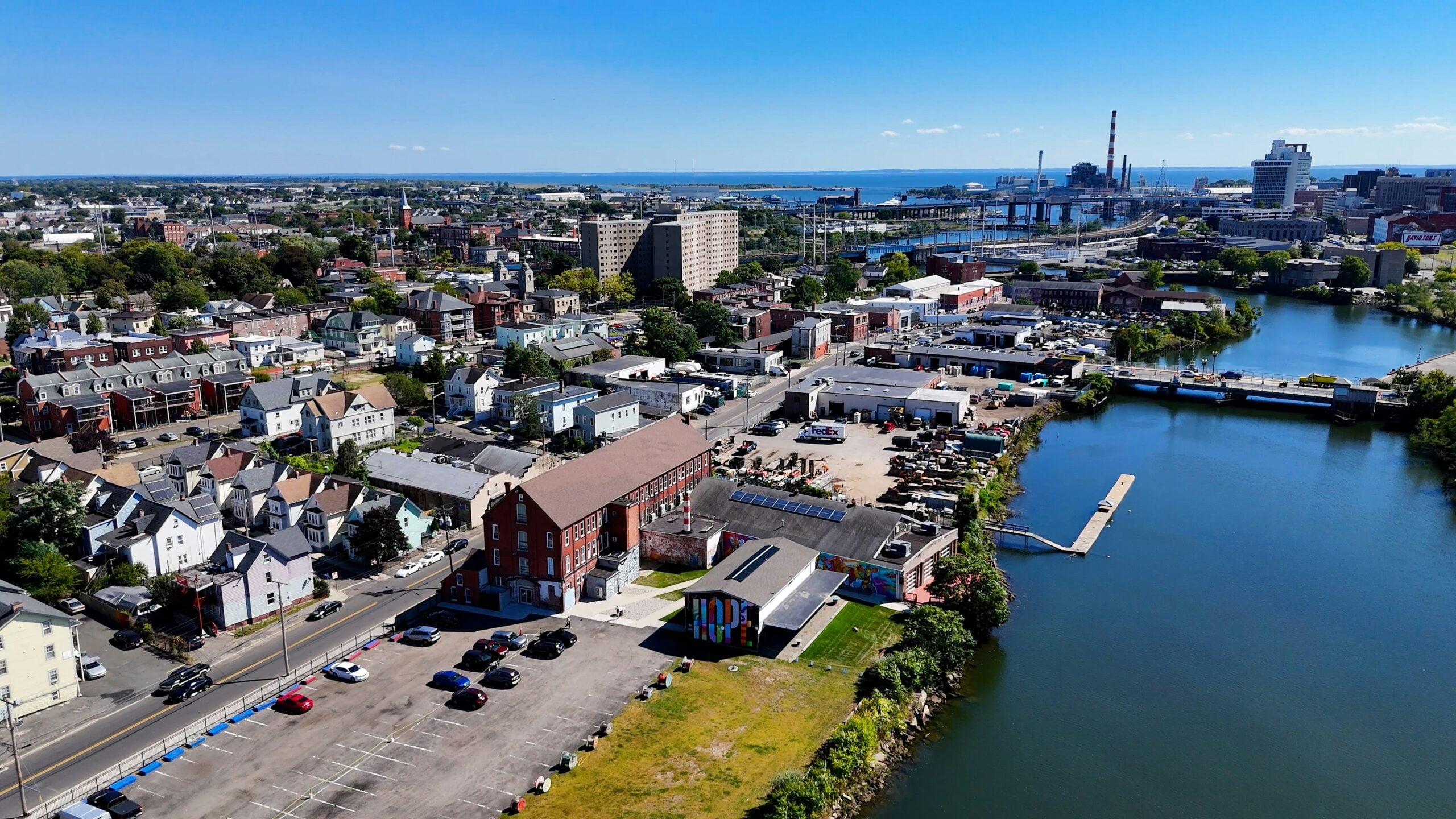
Connecticut’s efforts to combat inflation within its borders focus on measures that ease monthly expenses, such as healthcare and housing programs. The importance of supporting the middle class and their daily lives is vital for this state. Connecticut has also invested in energy affordability initiatives.
Why Housing Is At The Center of Most Affordability Plans

The big problem in the United States is that owing a home isn’t easy. People rent or buy, but those statistics have decreased because costs have risen too much. That’s where the government intervenes and tries to provide financial assistance to households and reduce the barriers that hinder development. The housing problem is linked to economic growth, population stability, and the availability of people with daily work in the area.
What States Can -and Can’t- Control

The influence of the state on society can be vital, though care policies, health programs, and assistance for services, as we have previously mentioned in each case. However, states do not control national economic issues such as inflation, interest rates, global supply chains, and other factors that ultimately affect the wealth of those living in these homes. States have limitations, so thy focus their efforts on reducing specific expenditures rather than lowering prices across the economy.