
Credit card debt by state shows how differently Americans are feeling the cost-of-living squeeze. High balances can reflect expensive housing, insurance, groceries, and medical bills, while lower balances may reflect lower costs, lower incomes, or less access to credit. Using recent state-level data from LendingTree, this list looks at where credit card debt is highest and lowest, and what those numbers say about everyday household pressure.
Most Credit Card Debt – Connecticut
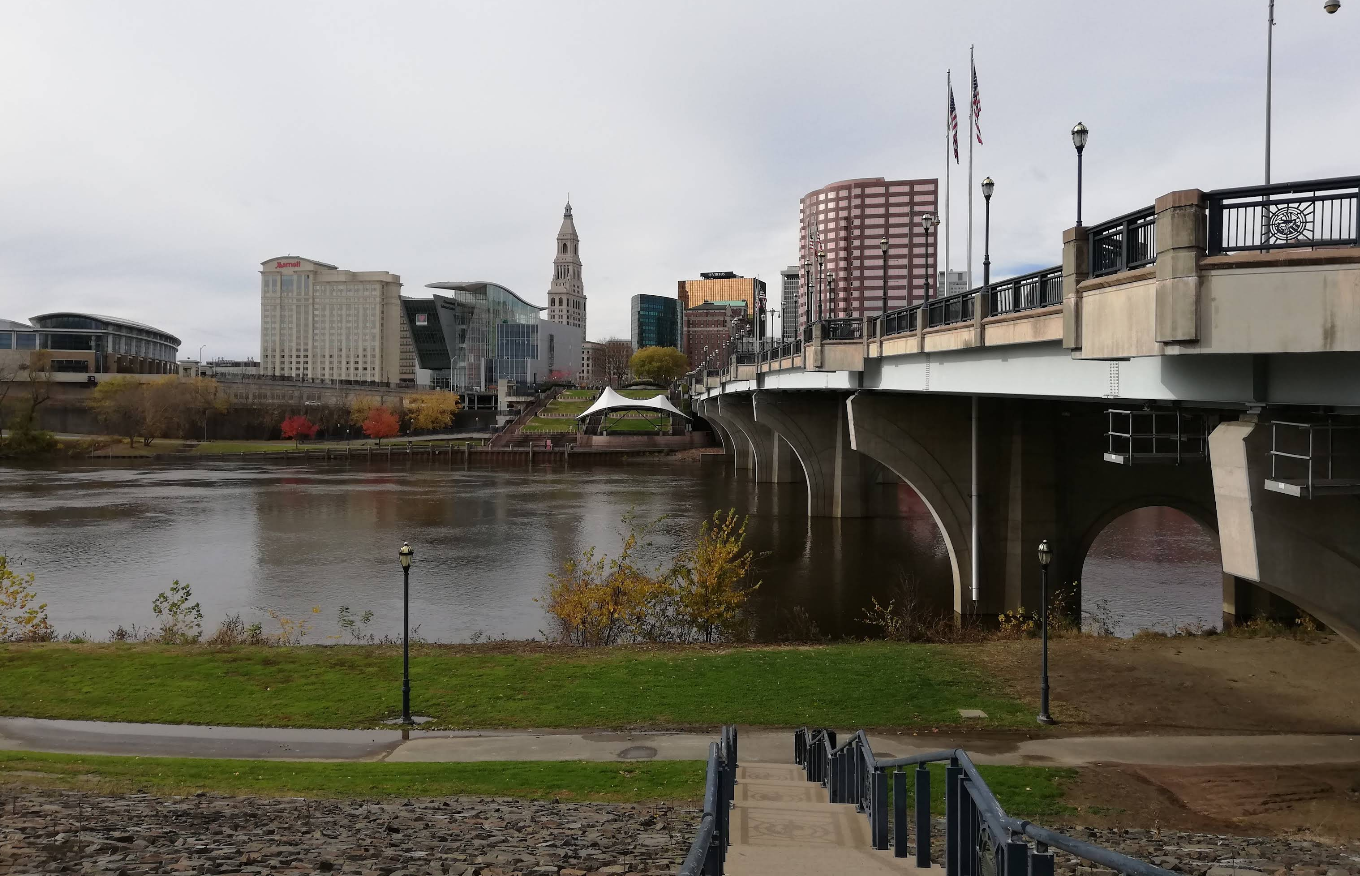
Connecticut has the highest average credit card debt in the country, at $9,778. That number fits a state where many households have higher incomes but also face expensive housing, property taxes, insurance, and everyday costs. For older homeowners, even staying put can be pricey once taxes, maintenance, utilities, and medical bills are added up. Connecticut’s ranking is a reminder that credit card debt is not just a low-income problem. In high-cost states, even comfortable households can end up carrying balances longer than planned.
Most Credit Card Debt – New Jersey

New Jersey ranks second, with average credit card debt of $9,748. The state has plenty of high earners, but it also has some of the country’s toughest household expenses, from property taxes to commuting costs. Families near New York City or Philadelphia may earn more on paper while still feeling squeezed every month. For retirees, fixed income can make those costs feel even sharper. New Jersey’s high balance suggests that suburban life, especially in expensive counties, can quietly push people toward credit cards.
Most Credit Card Debt – Maryland

Maryland comes in third, with average credit card debt of $9,630. The state includes wealthy Washington, D.C., suburbs, but high incomes do not erase high mortgage payments, rent, childcare, transportation, and taxes. Many Maryland households also live in areas where commuting is part of daily life, which adds gas, tolls, parking, and car costs to the budget. The result is a state where people may look financially secure from the outside but still use credit cards to manage cash flow.
Most Credit Card Debt – Hawaii

Hawaii ranks fourth, with average credit card debt of $9,448. That is not too surprising when you consider the cost of island living. Groceries, housing, utilities, and basic goods often cost more because so much has to be shipped in. For residents, a higher credit card balance can reflect ordinary necessities, not just vacations or splurges. Hawaii also depends heavily on tourism, which can make income less predictable for some workers. When prices are high and paychecks vary, credit cards can become a bridge.
Most Credit Card Debt – California

California ranks fifth among states, with average credit card debt of $9,396. The state is huge and financially complicated, but housing is the obvious pressure point in many areas. Coastal cities, high rents, long commutes, insurance, groceries, and utilities can all eat into a paycheck quickly. That matters for retirees as well as working families, especially if they are living on savings or fixed income in an expensive county. California’s debt level shows how high everyday costs can turn credit into a monthly survival tool.
Trending on Cheapism


Most Credit Card Debt – Alaska

Alaska ranks sixth among states, with average credit card debt of $9,261. Like Hawaii, Alaska’s geography matters. Food, fuel, home heating, travel, and shipped goods can be expensive, especially outside major population centers. Some jobs are also seasonal, which can make credit cards useful during slower months. This is not just a story about big-city spending or luxury purchases. In Alaska, higher balances may reflect the practical cost of living in a remote state where basic expenses can be harder to avoid.
Most Credit Card Debt – Massachusetts

Massachusetts ranks seventh among states, with average credit card debt of $9,244. The state has strong wages and a deep job market, but the cost of living around Boston and nearby suburbs can be punishing. Rent, home prices, insurance, medical costs, and childcare can leave even good earners with less breathing room than expected. For older residents, staying close to family, doctors, and familiar neighborhoods can also come at a high price. Massachusetts shows how debt can rise in places with both opportunity and expensive basics.
Most Credit Card Debt – Florida

Florida ranks eighth among states, with average credit card debt of $9,184. The state has attracted retirees and new residents for years, but affordability is not as simple as it used to be. Housing costs, homeowners insurance, car insurance, storm preparation, and repairs can all hit hard. For retirees on fixed incomes, even modest price increases can make a credit card tempting for groceries, medical expenses, or home maintenance. Florida’s ranking suggests that sunshine does not always come with financial relief.
Sign up for our newsletter
Most Credit Card Debt – New York

New York ranks ninth among states, with average credit card debt of $9,089. The statewide number is shaped by New York City and its expensive suburbs, but the state is more mixed than outsiders often realize. Upstate households face different pressures, including heating costs, property taxes, car expenses, and lower wages in some areas. Still, the overall ranking points to a familiar problem: where housing, food, transportation, and medical bills are high, credit cards often become part of the household budget.
Most Credit Card Debt – Washington

Washington rounds out the highest-debt states, with average credit card debt of $9,039. It also had one of the sharpest year-over-year increases in the LendingTree data, rising 11.8%. That jump matters because Washington already has pricey housing markets around Seattle and other fast-growing areas. Even outside the biggest metro areas, residents can feel pressure from transportation, insurance, and everyday costs. Washington’s entry shows that debt rankings are not frozen; a state can move quickly when costs rise faster than budgets.
Least Credit Card Debt – Mississippi

Mississippi has the lowest average credit card debt in the country, at $4,887. That is roughly half the balance seen in the highest-debt states. Lower housing costs in many areas may help, but the number should not be read as proof that households are financially comfortable. Mississippi also has lower average incomes and, for some residents, less access to credit. In other words, a lower balance may mean less borrowing room, not less stress. Still, it stands out clearly in the national ranking.
Least Credit Card Debt – Arkansas

Arkansas has the second-lowest average credit card debt, at $5,259. The state is generally more affordable than many coastal markets, especially when it comes to housing. That can help keep balances down. But lower debt can also reflect lower credit limits, lower incomes, or a more cautious approach to borrowing. For older readers, Arkansas is a useful example of why debt data needs context. A smaller balance may be better than a larger one, but it does not automatically mean household finances are easy.
Least Credit Card Debt – West Virginia

West Virginia ranks third-lowest, with average credit card debt of $5,336. It also saw balances fall 2.9% year over year, one of the bigger declines in the LendingTree data. Lower costs in many communities may help keep card balances below national levels. Even so, West Virginia households may still face serious financial pressure from medical bills, transportation, utilities, and limited local job options. The state’s low ranking is encouraging in one sense, but it should not be confused with a complete picture of financial health.
Least Credit Card Debt – Kentucky

Kentucky ranks fourth-lowest, with average credit card debt of $5,368. Compared with many high-debt states, Kentucky benefits from lower housing costs and a generally lower cost base. That can make it easier for some households to avoid large card balances. Still, residents may face other budget pressures, including medical expenses, car repairs, groceries, and rural transportation costs. Kentucky’s place on the low-debt side shows that lower costs can help, but they do not make families immune to financial strain.
Least Credit Card Debt – Louisiana
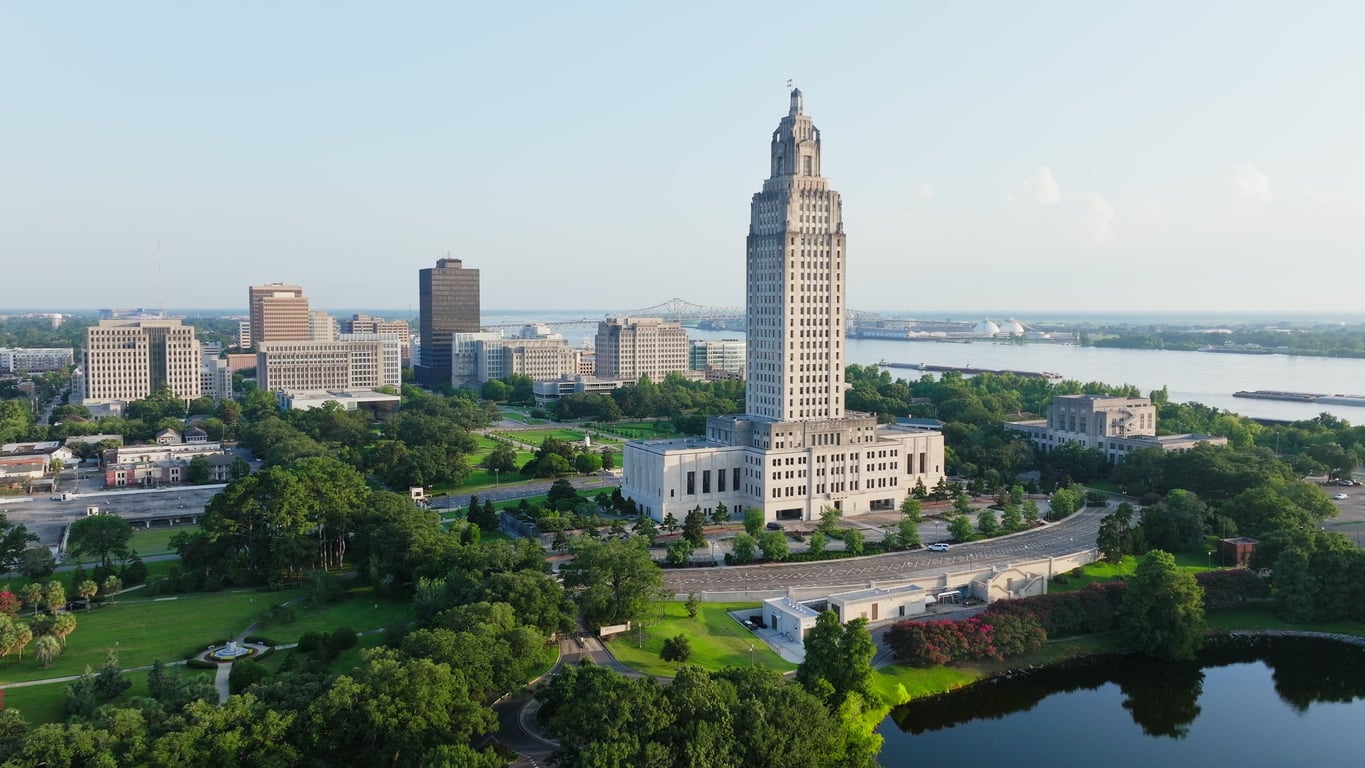
Louisiana has the fifth-lowest average credit card debt, at $5,421. The state also saw balances decline 2.0% year over year. That drop is notable at a time when many states saw balances rise. Still, Louisiana households face plenty of money pressures, including insurance costs, storm risk, energy bills, and uneven income growth. Lower card debt may reflect cautious credit use or limited borrowing capacity as much as affordability. The number is low, but the financial picture for many residents remains complicated.
Least Credit Card Debt – Tennessee

Tennessee ranks sixth-lowest, with average credit card debt of $5,846. The state still looks relatively low compared with coastal states, but affordability is changing in popular areas such as Nashville and Knoxville. New residents, higher housing demand, and rising rents can alter the picture quickly. For now, Tennessee’s average balance remains below the national average for cardholders carrying unpaid debt. The caution is that lower debt today does not guarantee lower debt tomorrow, especially in fast-growing markets where everyday costs keep climbing.
Least Credit Card Debt – New Mexico

New Mexico ranks seventh-lowest, with average credit card debt of $5,871. It also had the largest year-over-year decline in LendingTree’s state data, falling 10.3%. That is a major drop compared with states where balances rose. The decline could reflect people paying down debt, borrowing less, changes in the sample, or more cautious spending. For readers, the main takeaway is not that New Mexico is suddenly worry-free. It is that its credit card debt moved sharply in the opposite direction from many other states.
Least Credit Card Debt – Alabama
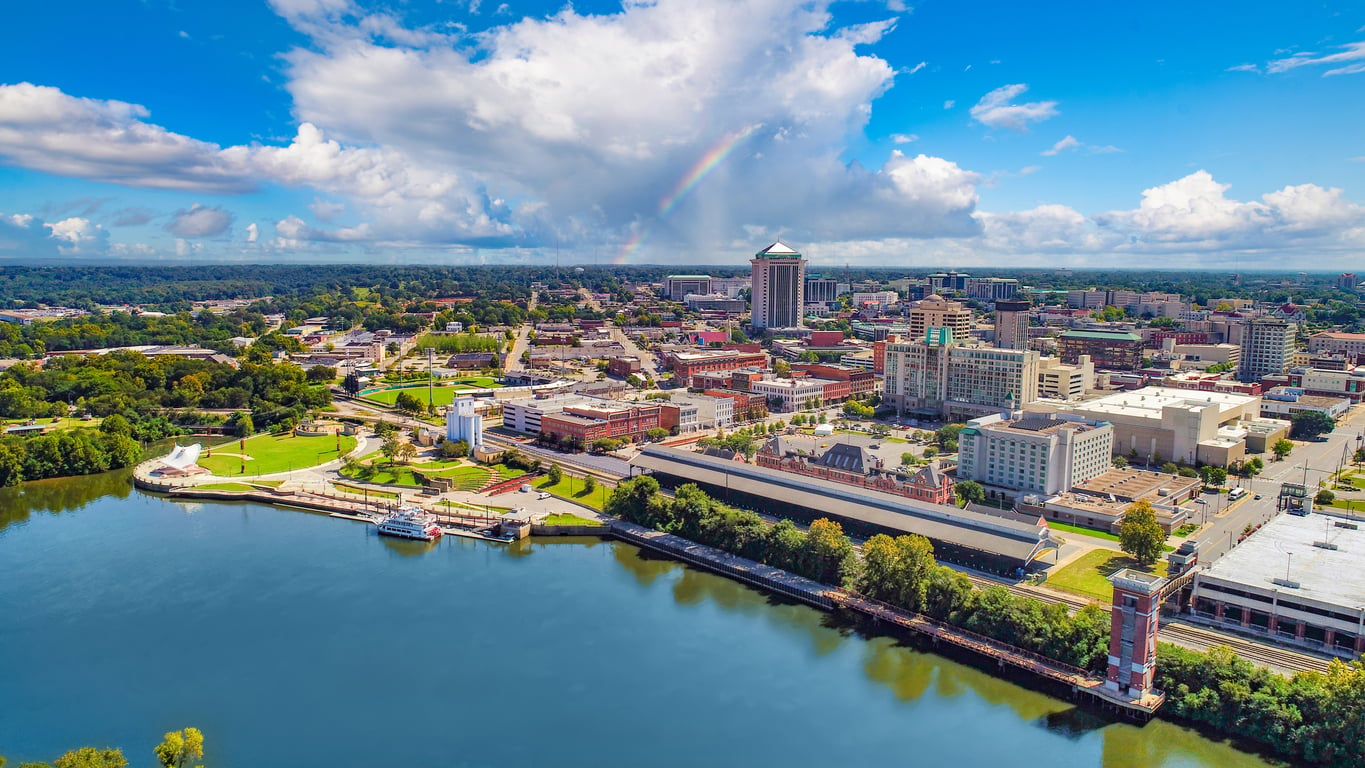
Alabama ranks eighth-lowest, with average credit card debt of $5,889. Lower housing costs in many parts of the state may help keep balances down, especially compared with expensive states in the Northeast and West. But lower debt does not always mean less financial pressure. Some households may rely more on cash, have lower credit limits, or avoid cards because interest rates are too high. Alabama’s ranking is meaningful, but it is only one piece of the affordability story.
Least Credit Card Debt – Oklahoma
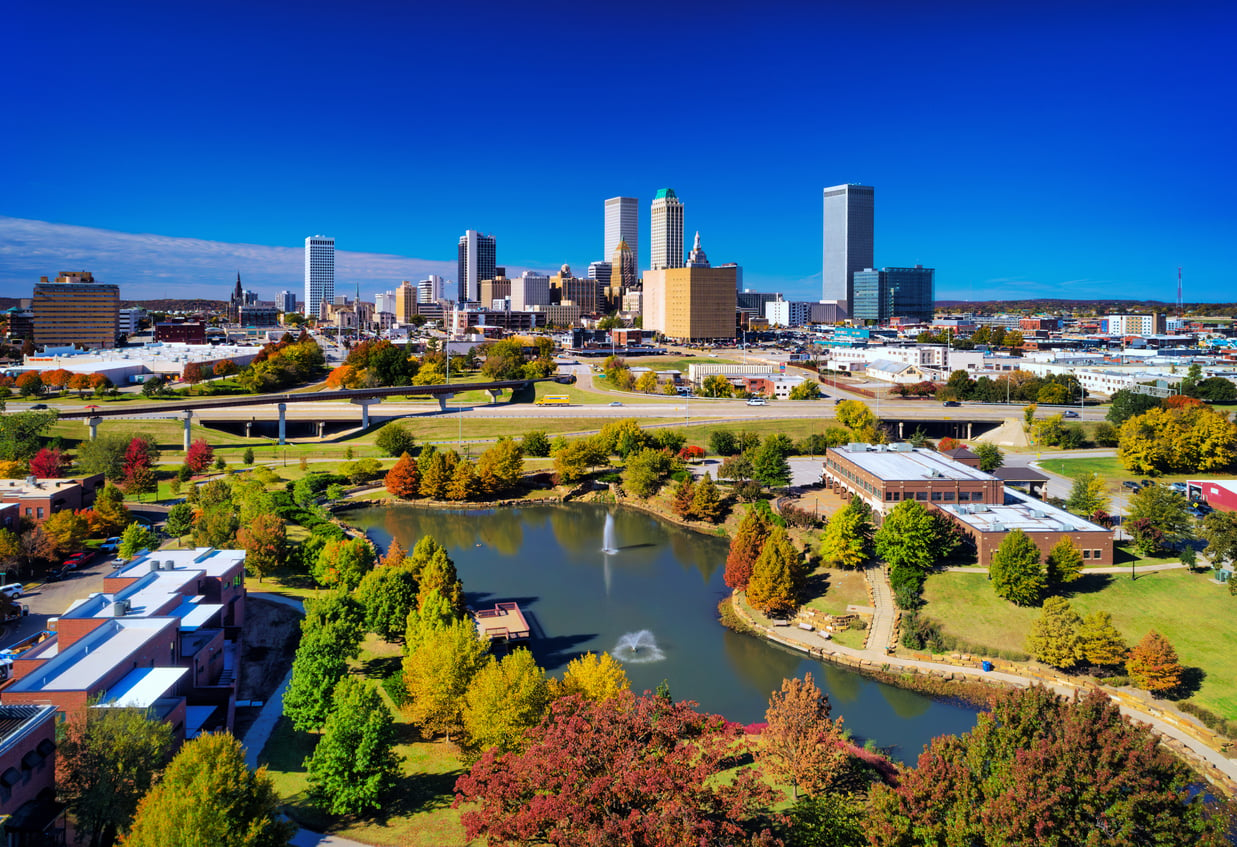
Oklahoma ranks ninth-lowest, with average credit card debt of $5,963. It was also one of the states where balances dipped slightly year over year, falling 0.7%. Lower costs in many communities may help residents avoid bigger card balances, but that does not mean expenses are easy. Rural transportation, car costs, utilities, and income swings can still create pressure. Oklahoma’s ranking is best read as lower credit card exposure, not a guarantee that families are free from financial stress.
Least Credit Card Debt – Indiana

Indiana rounds out the 10 lowest states, with average credit card debt of $6,096. That is still a serious balance for anyone paying interest, but it is lower than the national average among cardholders with unpaid balances. Indiana’s relatively affordable housing and Midwestern cost structure may help. Still, balances rose 3.7% year over year, showing that even lower-debt states are not insulated from rising prices. Groceries, utilities, car payments, prescriptions, and home repairs can still end up on a credit card.