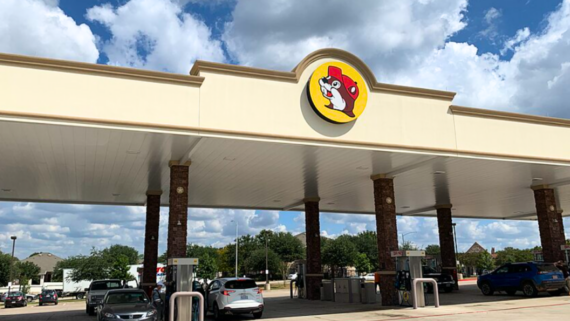
Cheap gas stops are becoming part of the road trip plan for many Americans in 2026. Road trips used to be planned around beaches, national parks, diners, and hotel pools, but now a lot of travelers are also planning them around gas prices. With gas prices staying elevated for several months so far this year, the pump can shape a vacation almost as much as the hotel rate. Travelers are checking gas-price apps before exits, choosing hotels near warehouse clubs, saving grocery fuel points, and using rewards apps like part of the travel plan. The goal is not to make the trip perfect; it is to avoid paying the most expensive price on the route.
Planning Routes Around Costco Gas Stations
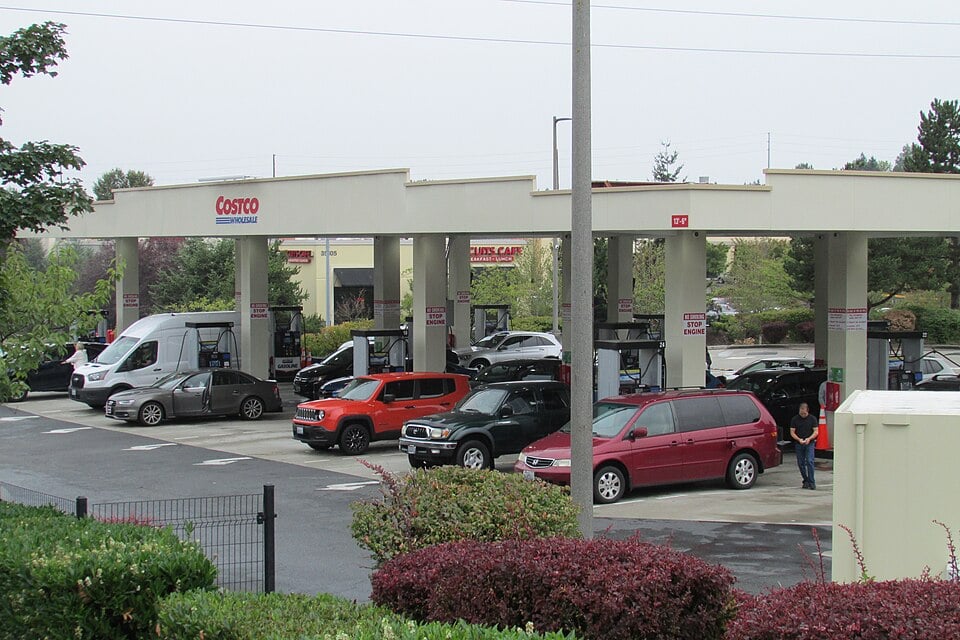
For travelers with a membership, Costco can become a road-trip anchor. Many drivers check whether a Costco sits near the highway before a long drive, especially in expensive metro areas where even a small per-gallon gap adds up quickly. The smartest move is to compare the local price before committing, because not every Costco is convenient and a long detour can erase the savings. But when the route already passes nearby, a Costco fill-up plus bulk snacks and bottled drinks can make the whole travel day feel cheaper.
Crossing State Lines for Lower Fuel Taxes
Some road-trippers now think about state lines the way they think about tolls. Fuel taxes vary widely, and AAA state averages often show big differences between neighboring states. That is why drivers traveling through the Midwest, South, or Northeast may fill up before crossing into a more expensive state. The savings may not be huge on a small top-off, but on a full tank, they can matter. Border-town stations also know they are competing for price-aware drivers, which can help keep prices more aggressive.
Using GasBuddy Before Every Fill-Up
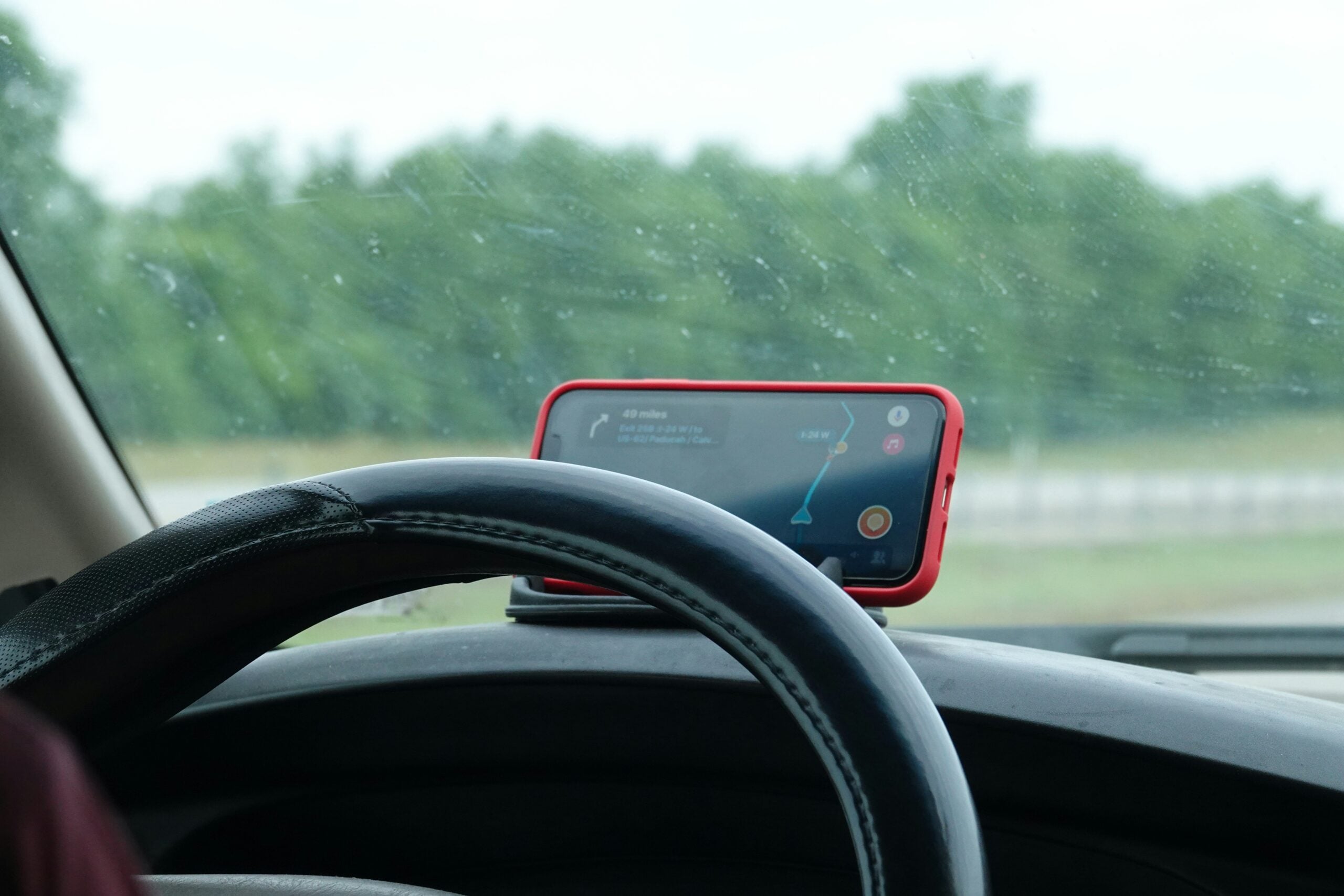
GasBuddy has become the modern version of asking a local where the cheap gas is. The app lets drivers search stations by price, location, and amenities, using a mix of community-reported prices and station data. That matters on a road trip because the most visible station at an exit is not always the cheapest one. A quick check can show whether driving two more minutes is actually worth the savings. In 2026, many travelers treat that check as automatic.
Choosing Hotels Near Cheap Fuel Corridors
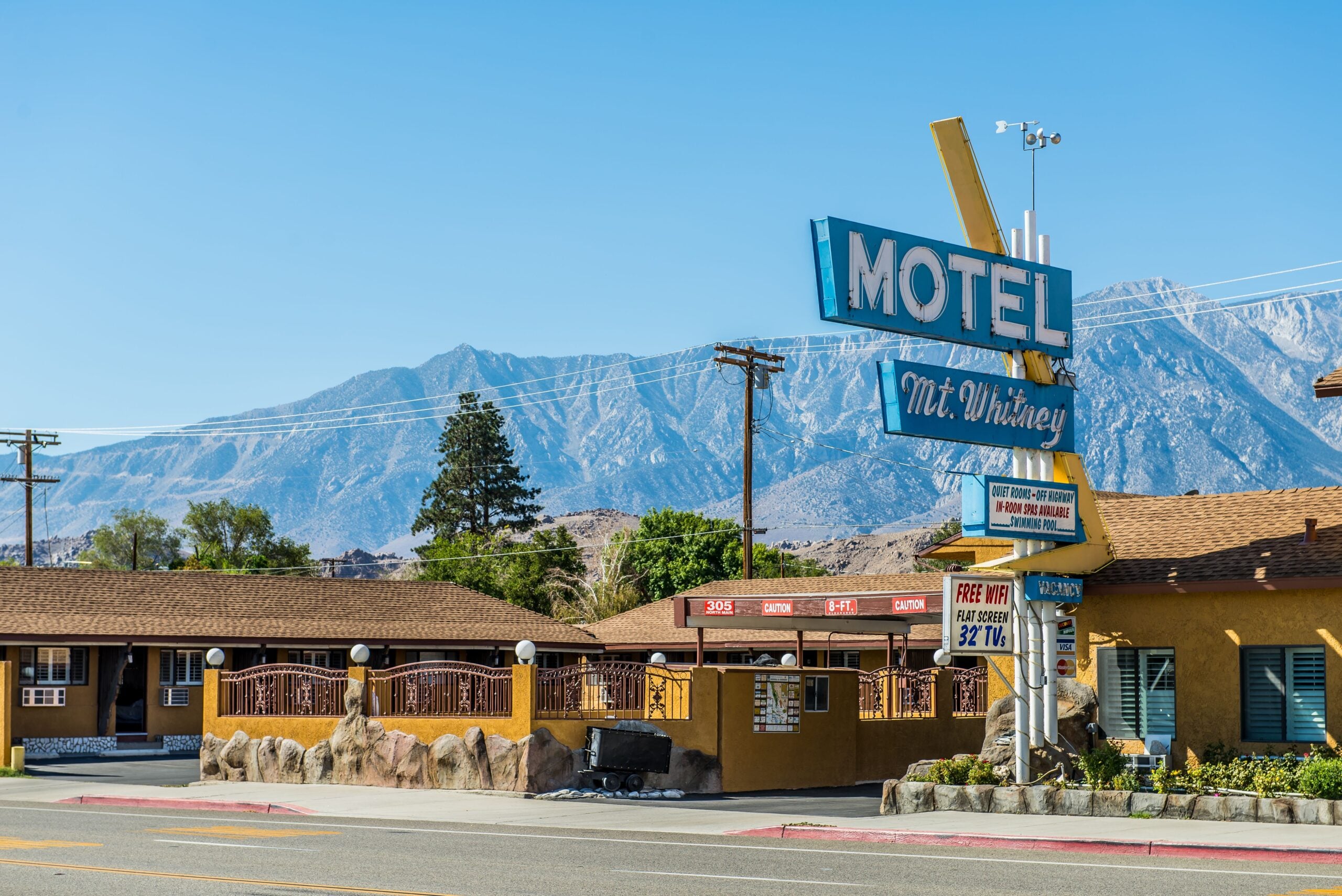
Hotel price still matters most, but fuel access is starting to influence where people stop for the night. A hotel near several competing gas stations, a warehouse club, or a lower-tax corridor can make the next morning cheaper and easier. The idea is simple: do not wake up trapped near one overpriced pump. This works especially well near interstate exits with multiple brands, where prices are easier to compare. For families doing multi-day drives, one smart overnight stop can reduce both fuel stress and breakfast-stop spending.
Driving Slightly Slower To Stretch Fuel Further
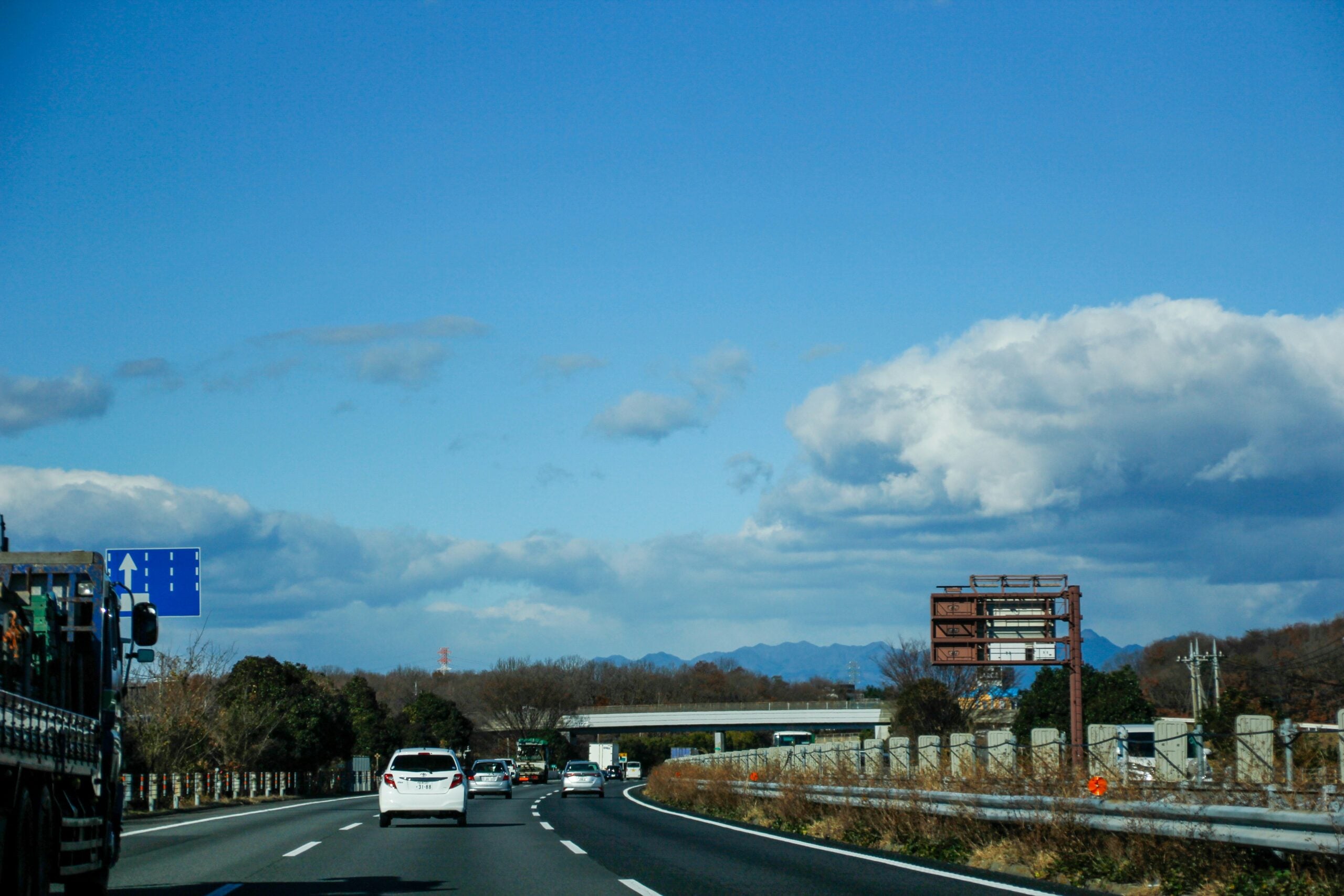
The cheapest gallon is the one you do not burn. The U.S. Department of Energy says aggressive driving can lower gas mileage by roughly 15% to 30% at highway speeds, and fuel economy drops quickly when drivers push higher speeds. That is why some road-trippers are easing off a little during long drives, especially when gas is expensive. Nobody wants a vacation to feel like a driving lesson, but smoother acceleration, fewer hard brakes, and a steadier cruising speed can help stretch a tank without changing the destination.
Trending on Cheapism

Avoiding Tourist-Town Gas Stations
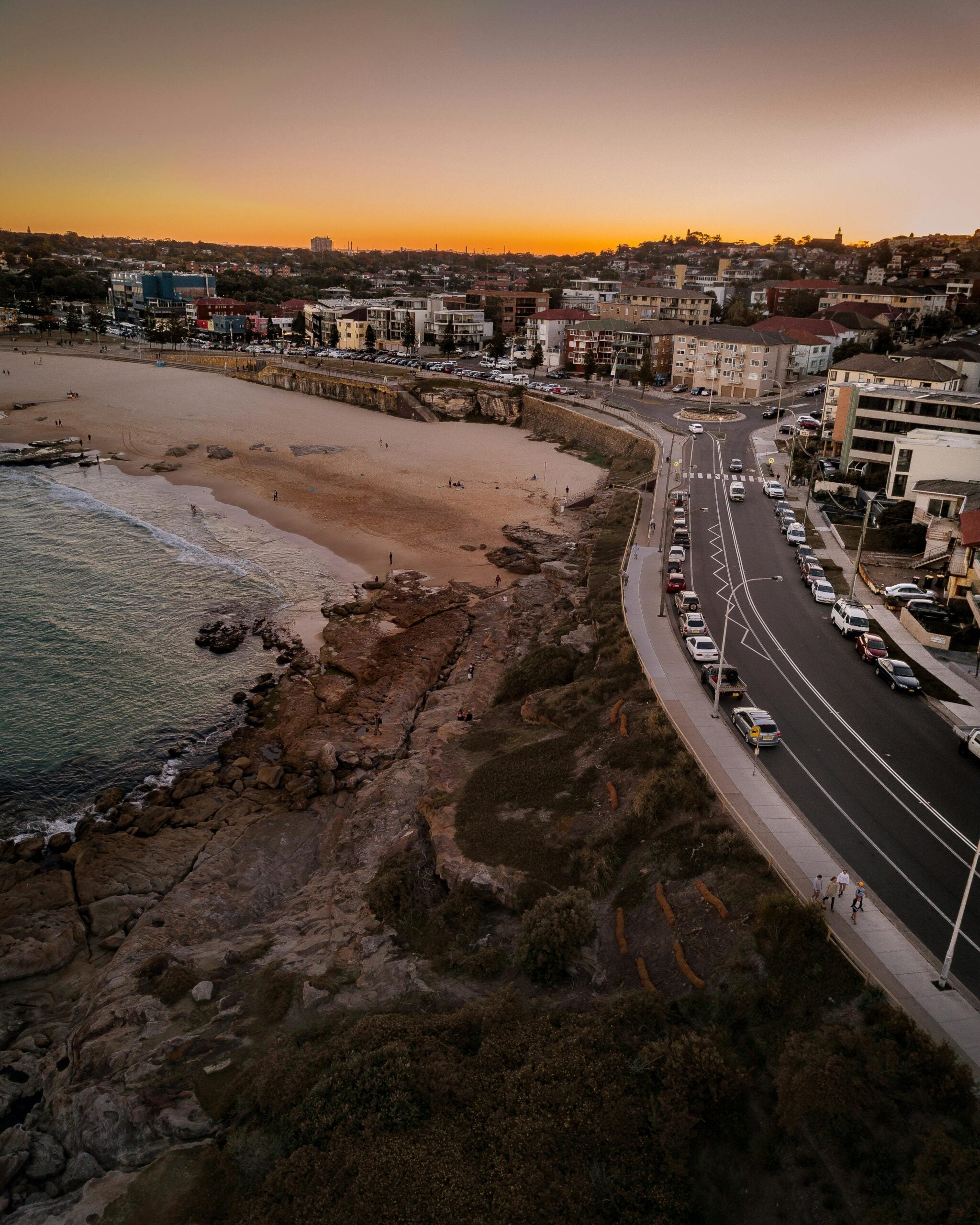
Experienced road-trippers know the painful pump is often the one closest to the beach, airport, resort, or national park gate. Those stations can charge more because convenience is on their side and drivers may not have many nearby alternatives. In 2026, more travelers are trying to fill up before entering expensive tourism zones, then leaving enough in the tank to get back out. This is not about skipping the destination. It is about refusing to let the most convenient pump become the most expensive part of the day.
Timing Fill-Ups Earlier in the Week
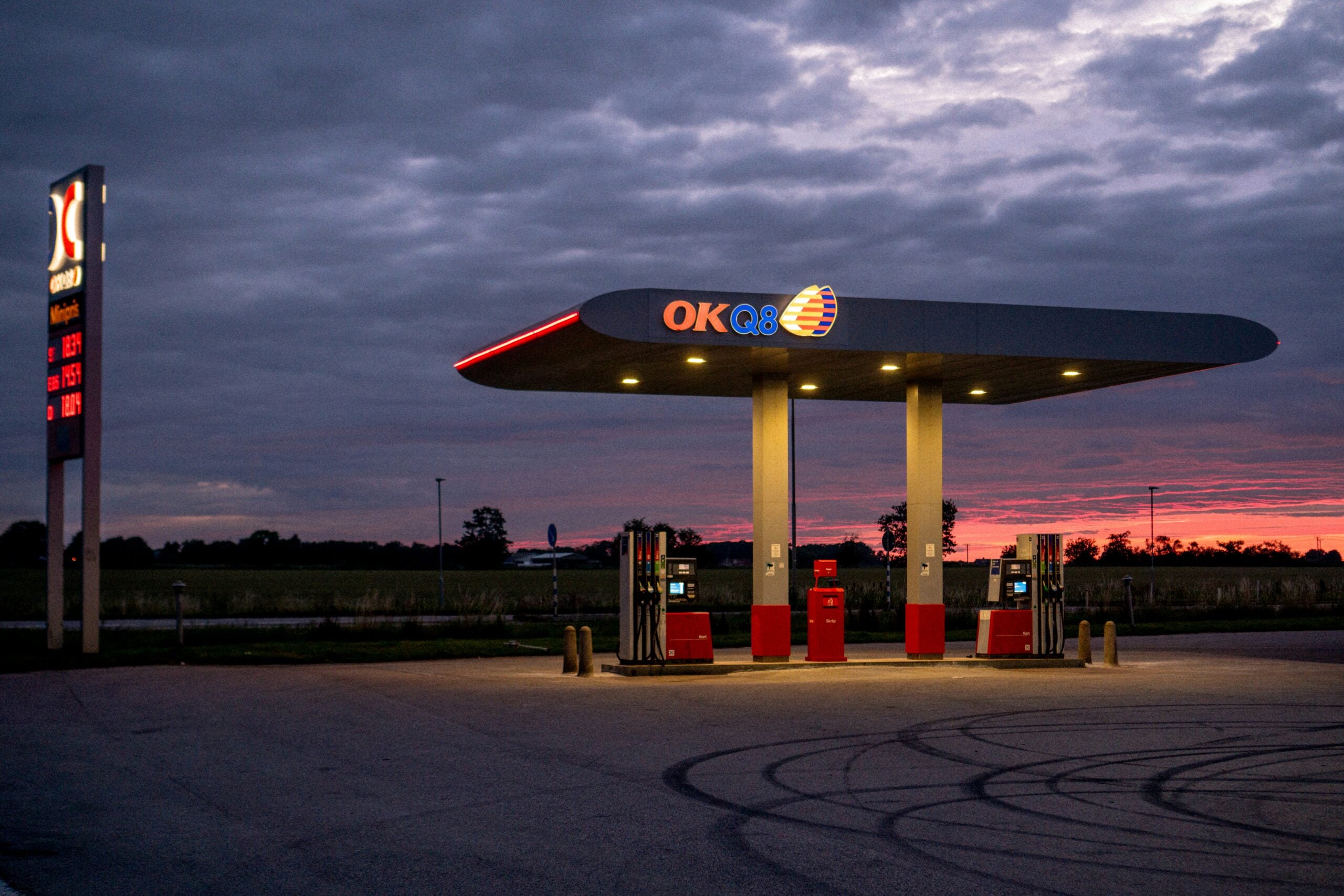
GasBuddy has often reported that some days are better than others for filling up, although the cheapest day can shift by market and season. The practical takeaway is not to obsess over one magic day; it is to avoid waiting until a crowded weekend travel period or the last minute if you already know you need gas. Filling up before a Friday departure can also prevent panic-buying at the first station near the interstate. For road trips, timing is another small way to stay in control.
Stacking Grocery Store Fuel Rewards
Grocery fuel points have become one of the easiest road-trip savings tools because they build up through ordinary shopping. Kroger shoppers can earn fuel points on everyday purchases and redeem them for discounts at the pump, including up to $1 off per gallon at Kroger fuel centers, subject to program limits. That means a family can plan grocery spending before a trip and use the discount when the tank is close to empty. The savings work best when the fuel center is already on the route, not when it requires a long detour.
Sign up for our newsletter
Targeting Buc-ee’s Stops
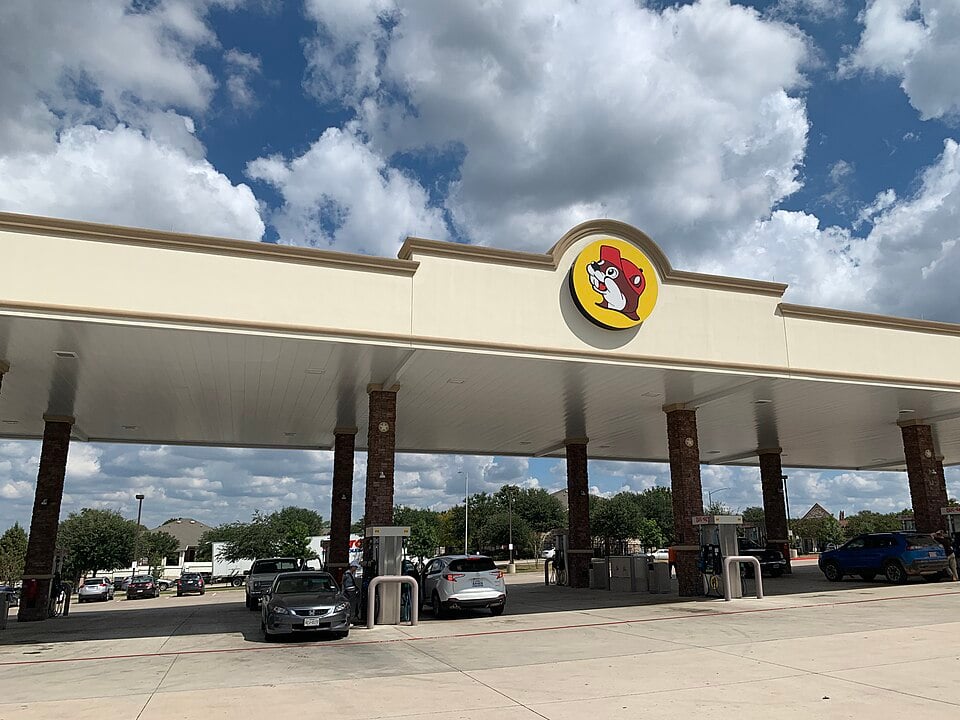
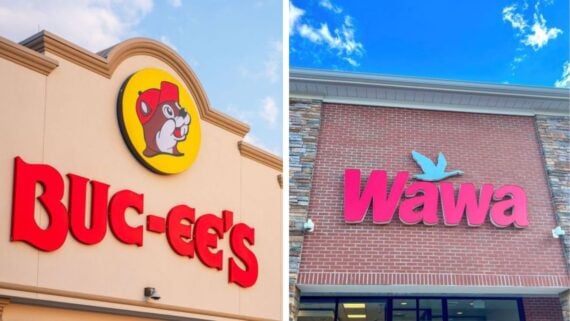
Buc-ee’s has become a destination because it solves several road-trip problems at once: fuel, bathrooms, snacks, hot food, and a place where everyone can stretch their legs. The chain is known for clean bathrooms and huge fueling areas, and many travelers now treat it as a planned stop rather than a backup. It is best described as competitive on fuel, not automatically the cheapest everywhere. But for families trying to combine gas, food, and a real break into one stop, Buc-ee’s can still help make the overall trip feel easier and more controlled.
Avoiding Interstate “Last Exit” Traps
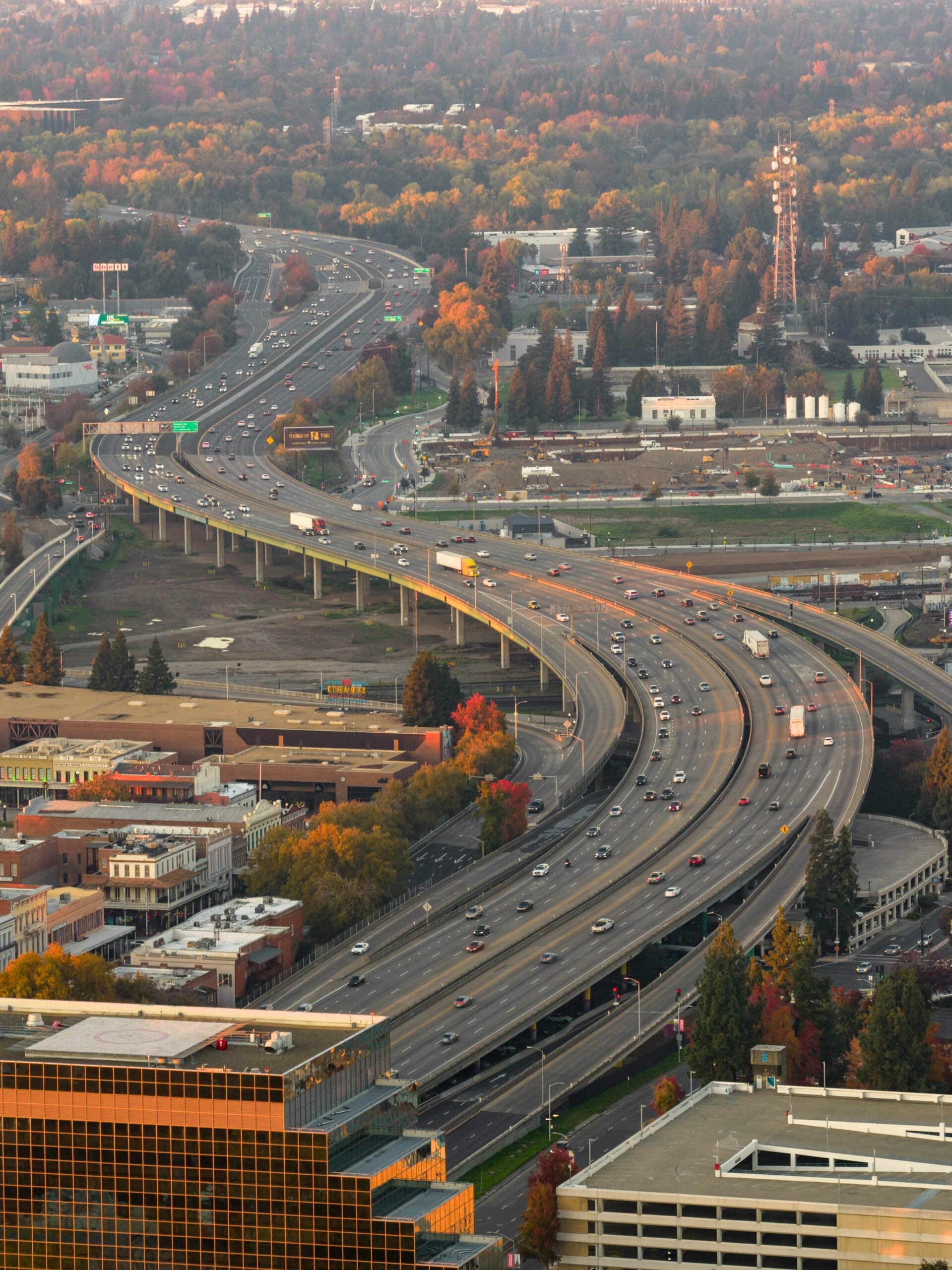
The most expensive fill-up is often the one you make because you waited too long. Remote exits, last-stop-before-toll-road stations, and isolated highway pumps can charge more because drivers feel stuck. Road-trippers can avoid that trap by refueling a little earlier, especially when the tank drops below half in an unfamiliar area. Apps make this easier because they can show whether better options are a few exits ahead or behind. The goal is not to stop constantly; it is to avoid turning low fuel into a high-priced emergency.
Using Cashback Credit Cards Specifically for Fuel
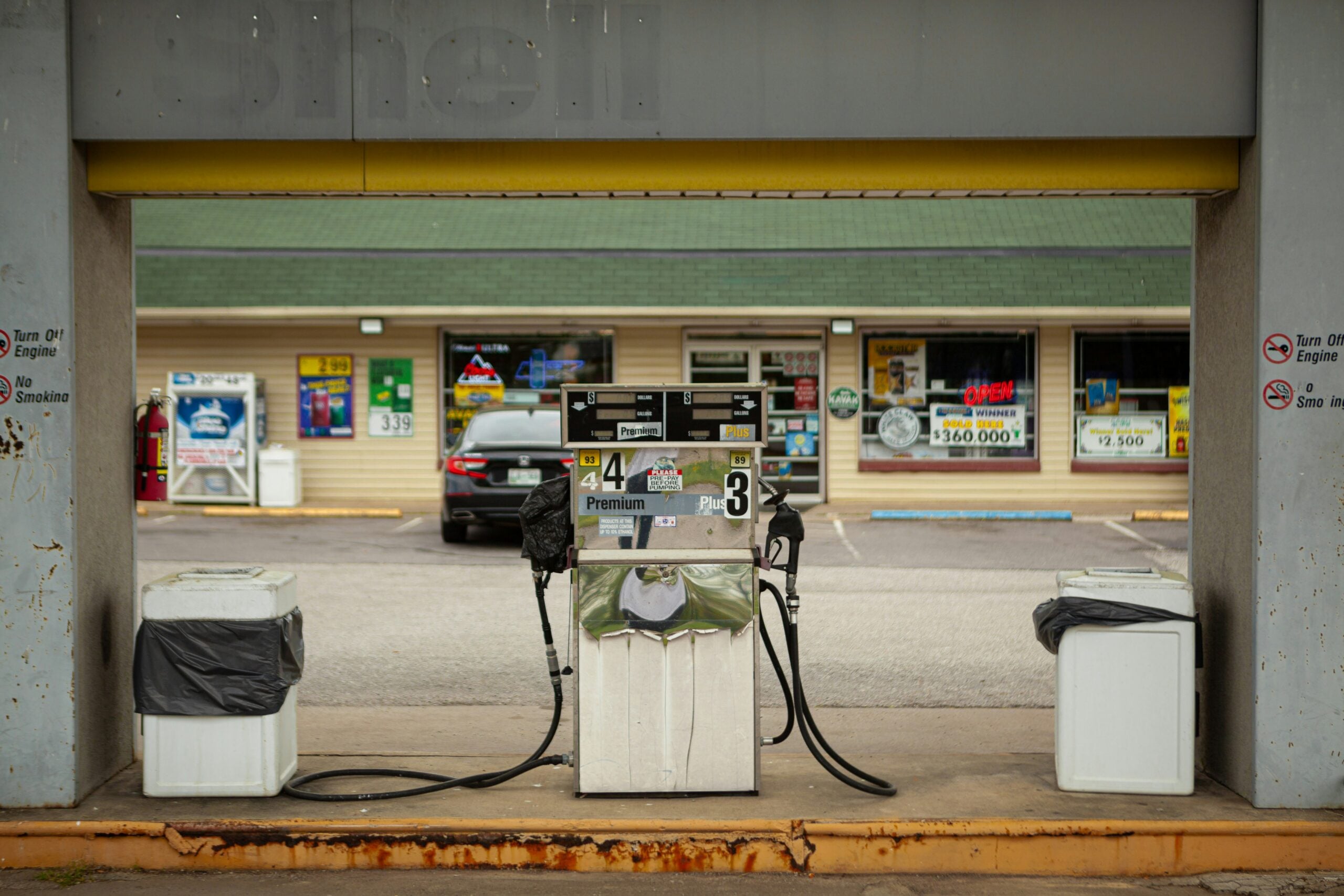
Some households now treat fuel rewards like a small travel budget line. Depending on the card, gas purchases can earn elevated cash back, often around 3% to 5% on eligible spending. That can beat a few cents-per-gallon discount when gas prices are high, but only if the card fits the driver’s habits and does not encourage carrying a balance. For road trips, the safest strategy is simple: use a card that already makes sense, pair it with a cheaper station, and pay it off before interest wipes out the savings.
Picking Vacation States With Lower Average Gas Prices
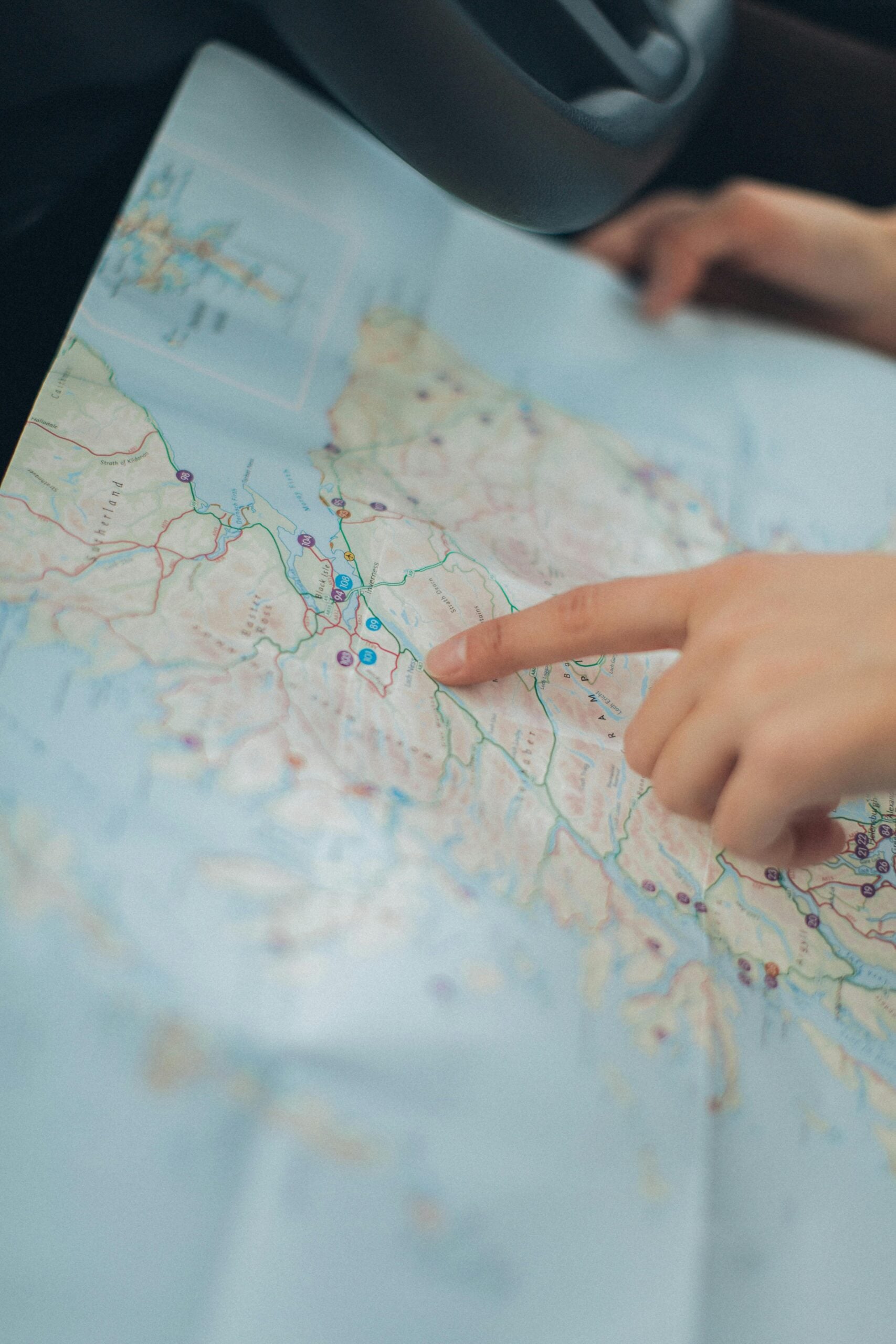
Some travelers are not just choosing cheaper stations, they are choosing cheaper regions. AAA state averages often show lower pump prices across parts of the South and Midwest than in high-cost West Coast or tourism-heavy areas. That does not mean people are vacationing only for gas, but it can influence whether a family chooses one road trip over another. When hotel prices, restaurant prices, and fuel all line up better in a lower-cost state, the whole getaway can feel more realistic.
Filling Up at Night During Heat Waves
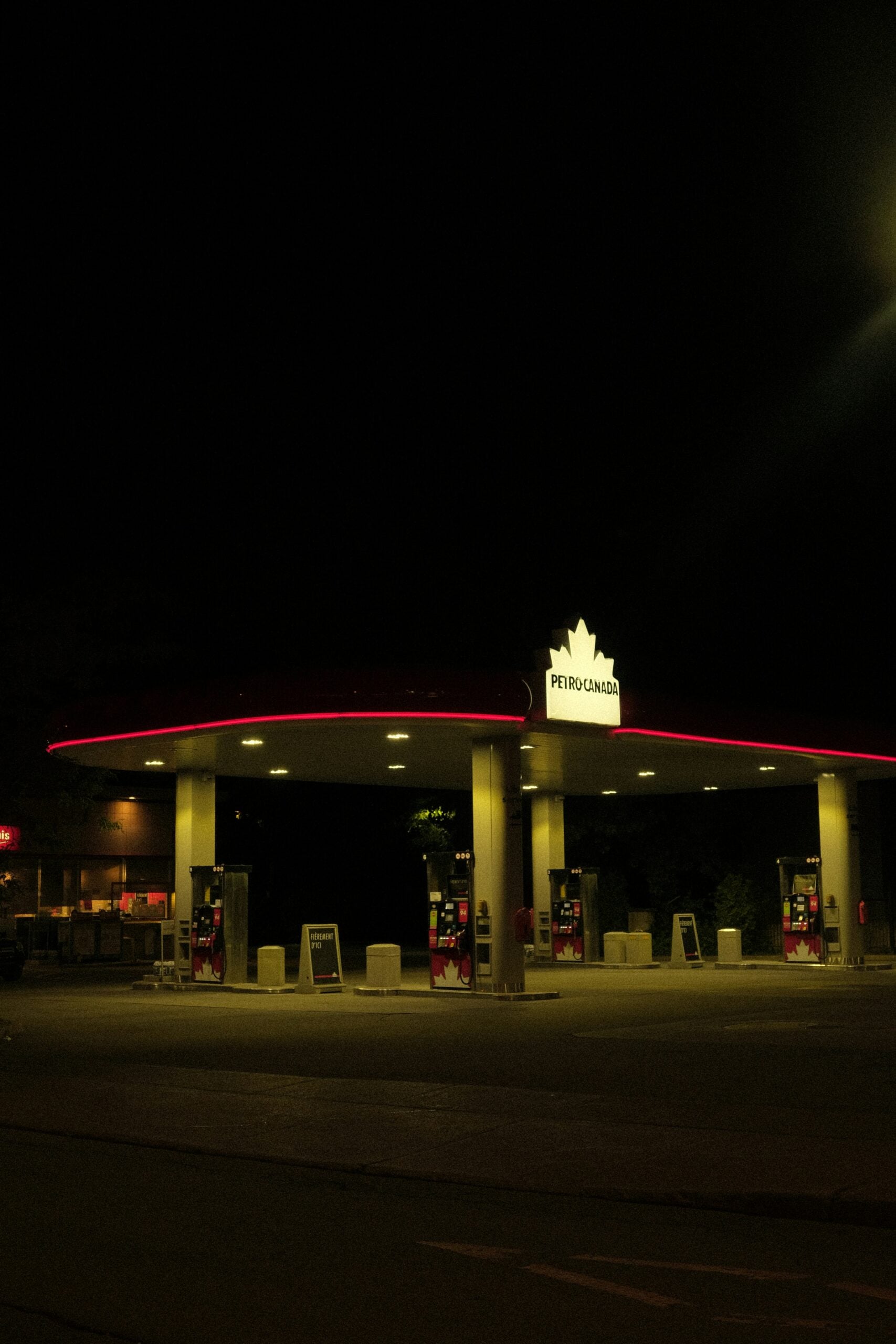
Filling up at night is not a reliable money-saving trick by itself, so this one needs careful wording. The real benefit is comfort and convenience, not guaranteed savings. During heat waves, some travelers prefer evening stops because stations may be less crowded, the car feels cooler, and nobody wants to stand at a pump in brutal midday heat. It is more of a road-trip routine change than a fuel-price hack, but for summer travelers, it can still make the trip feel easier.
Combining EV Chargers With Cheap Hotels
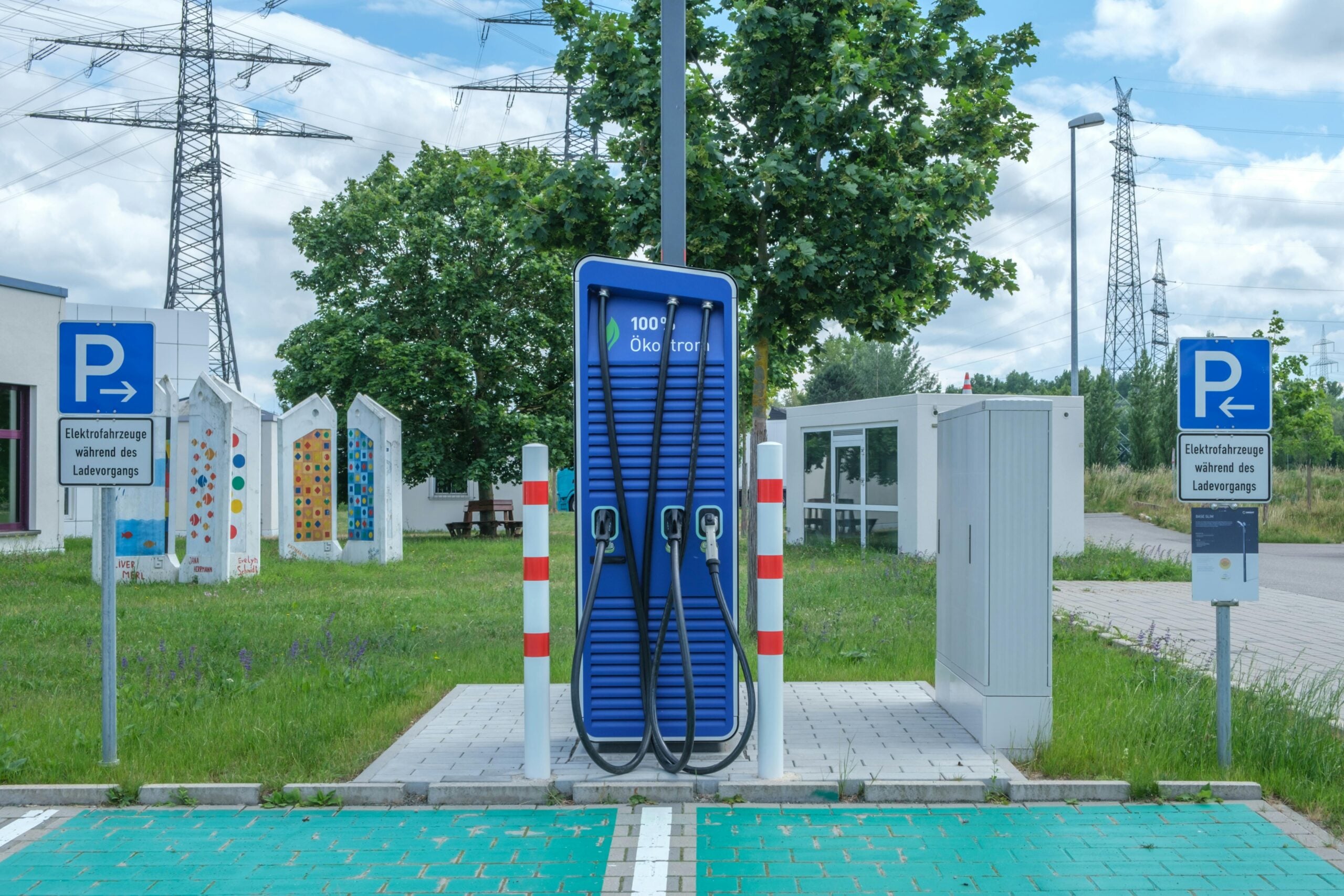
For EV drivers, the cheap-gas-stop version of planning is finding charging near affordable hotels. The Department of Energy’s Alternative Fuels Data Center and apps like PlugShare help drivers locate chargers along a route, and many hotels now advertise charging as an amenity. Free or reasonably priced overnight charging can cut the next day’s travel cost, but availability varies, and chargers can be busy or out of service. Smart EV travelers still check recent app comments before booking, just like gas drivers check price reports before choosing an exit.
Choosing Smaller Towns Over Major Tourism Corridors
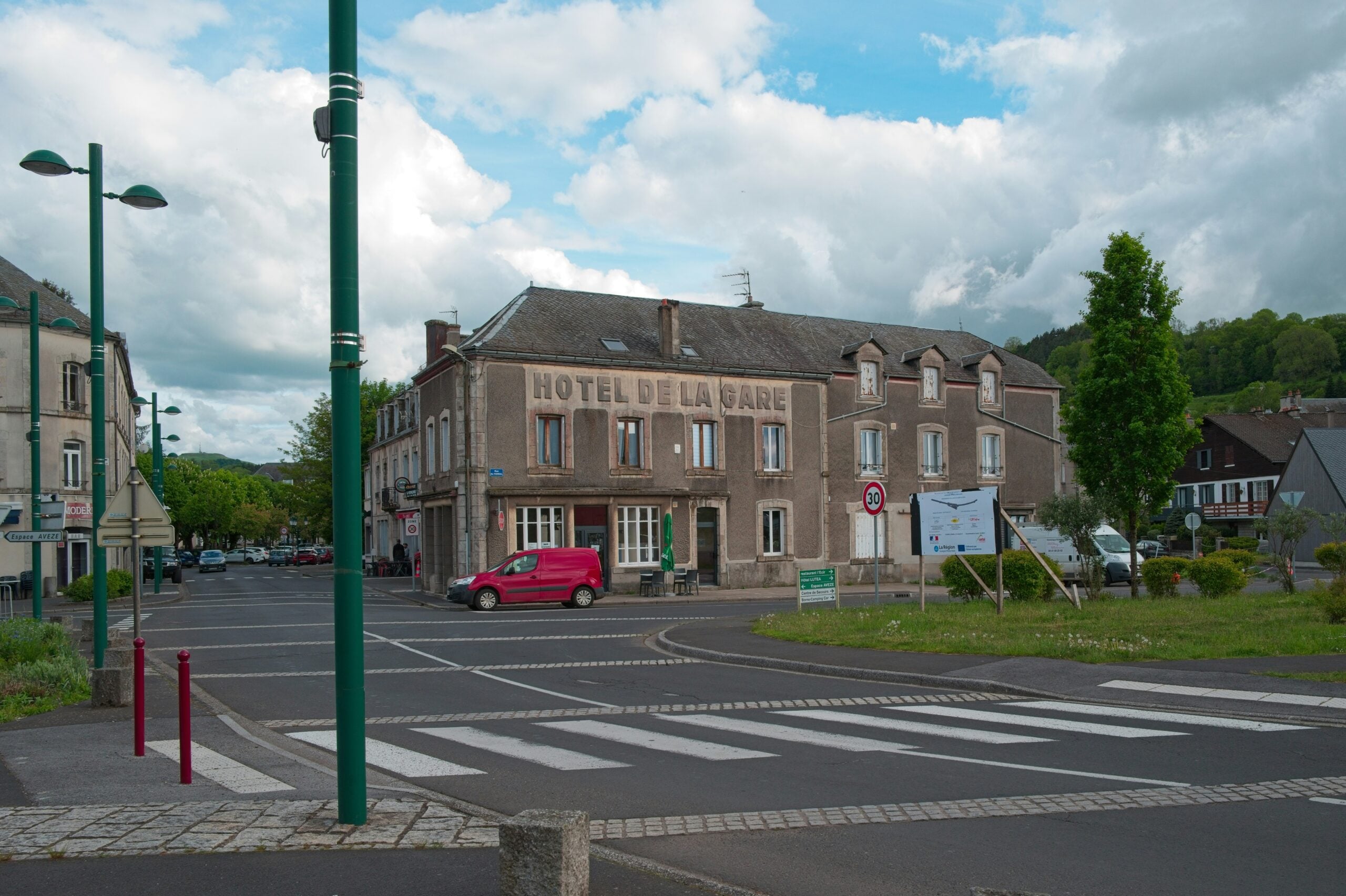
Cheap fuel is rarely the only reason to choose a smaller town, but it can be part of the appeal. Smaller stops outside major tourism corridors often have cheaper hotels, easier parking, less crowded restaurants, and more normal gas prices. That is why some travelers now stay one town over from the expensive destination and drive in for the day. It can make a weekend trip feel calmer and cheaper without giving up the main attraction. For families, avoiding resort-zone pricing can matter just as much as saving at the pump.
Using Fuel Stops as Meal Stops Too
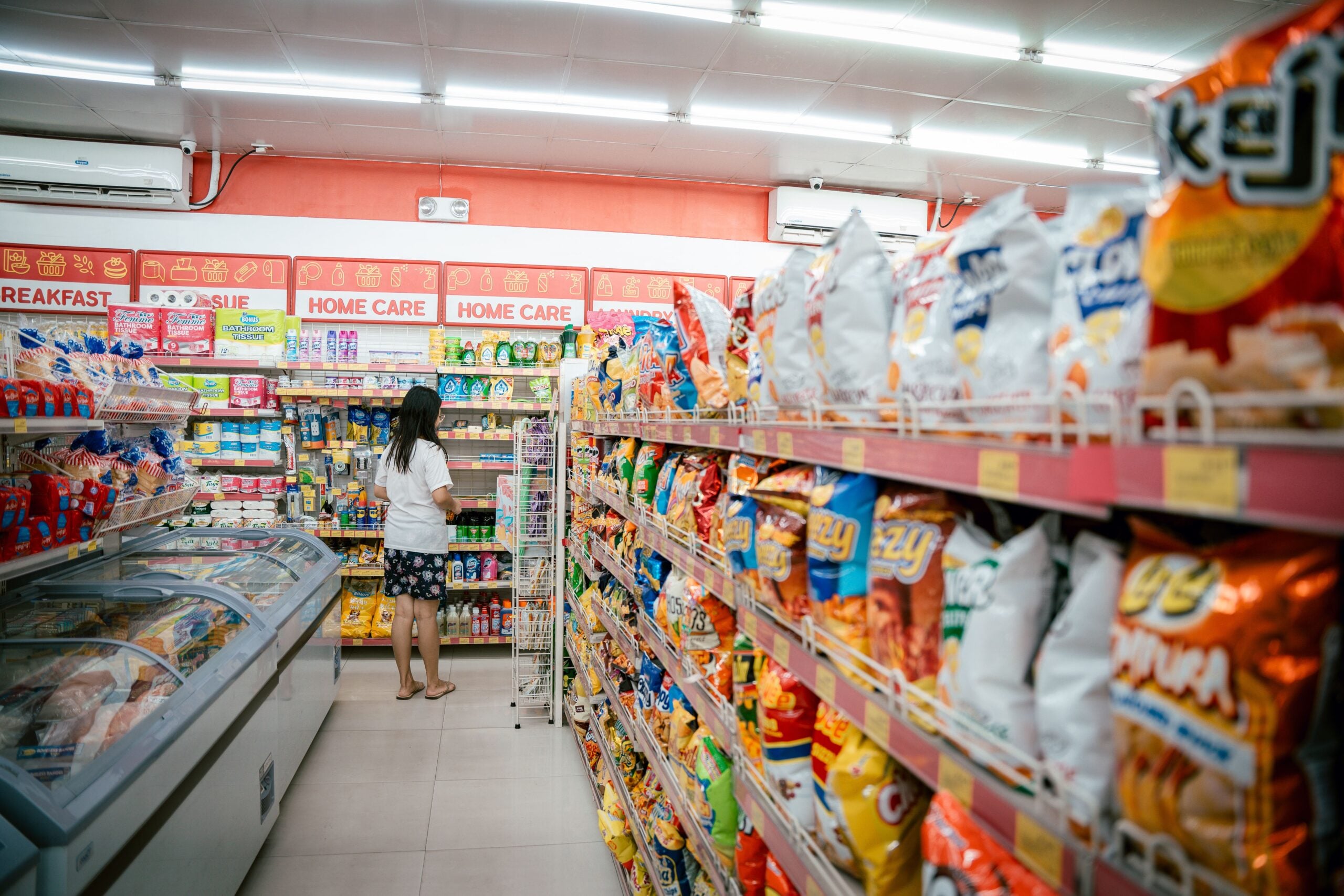
The cheapest road trip stop is often the one that solves two problems at once. Chains like Wawa, Sheetz, QuikTrip, Buc-ee’s, Love’s, and Pilot have turned fuel stops into meal stops, with coffee, sandwiches, breakfast items, snacks, and clean restrooms all in one place. When travelers can fill up, grab lunch, use the bathroom, and avoid an extra detour, the savings are not just about gas. They are also saving time, hassle, and the cost of another stop.
Cheap gas stops are no longer an afterthought. They can influence where people sleep, when they fill up, which apps they open, and even which states feel realistic for a long weekend. The best strategy is not one magic trick; it is stacking small choices that add up: compare prices, avoid tourist markups, use rewards you already have, drive efficiently, and stop before the tank becomes a problem. In 2026, road trips are still possible for many Americans, but the smartest ones are planned around the pump almost as carefully as the destination.
More from Cheapism:
- The Cheapest Places To Get Gas Near Major U.S. Cities Right Now – A city-by-city guide to cheaper fuel stops near major metros, including warehouse clubs, border towns, suburbs, and interstate corridors.
- These Are The Best Times of Day To Find Slightly Cheaper Gas – A timing-focused gas guide on when drivers say prices are often lower and why checking apps before filling up can help.
- Here’s Why Costco’s Cheap Gas is Good for Your Engine – An explainer on Costco gas quality, Top Tier fuel standards, member savings, and why drivers often choose Costco for fill-ups.