
The economic pressure Americans are experiencing is reflected in the fact that many are postponing purchases. In addition to slowing consumption, people tend to think twice about spending when there is rampant inflation like the current situation. Global and national factors are causing Americans to not replace, upgrade, repair or renew their possessions as quickly as they once did. Learn about these new trends of delayed purchases, which the Federal Reserve provides statistics on, and which can apply to smartphones as well as vehicles.
New Cars
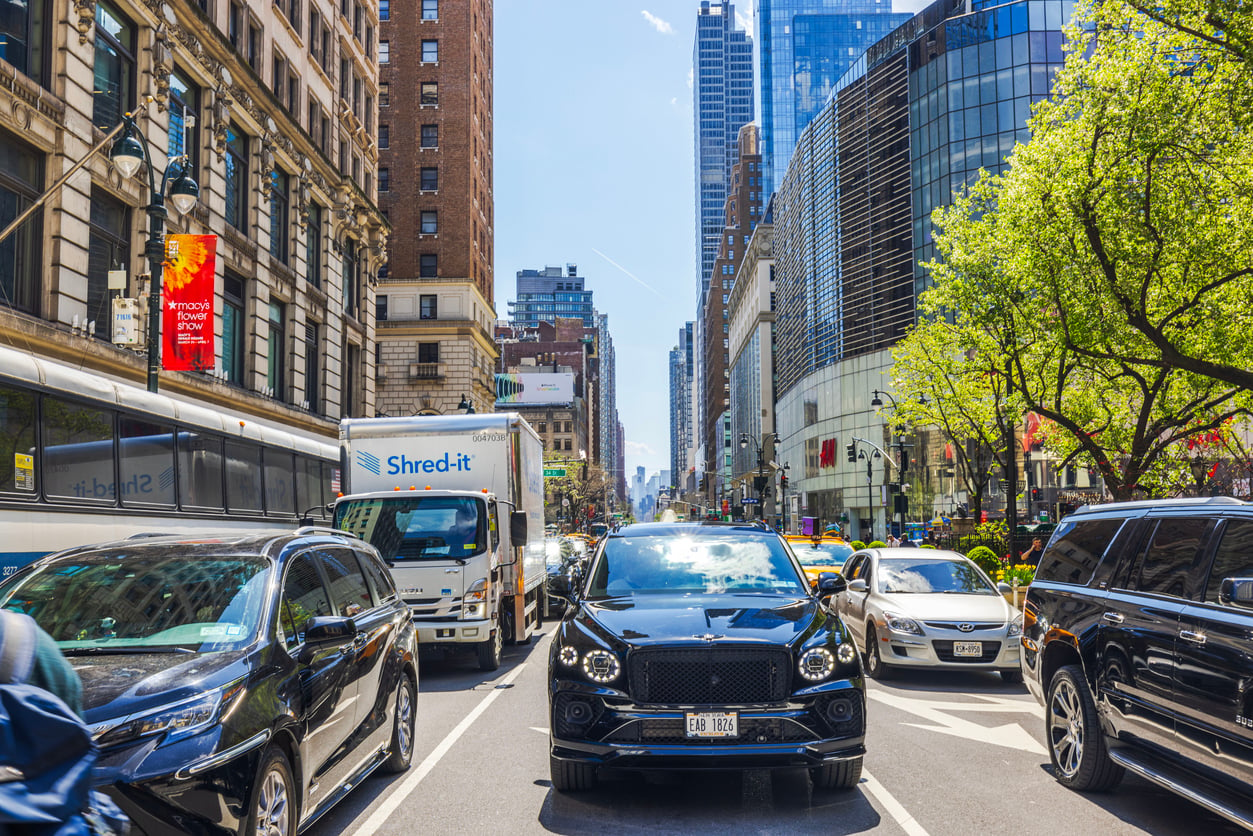
Several factors contribute to the high price of new cars, such as high interest rates and insurance costs. Even in the post-pandemic period, when prices rose, the situation is worse. This market analysis is evident in the number of older cars on the road, and their average lifespan is steadily increasing.
Smartphones

A few years ago, people considered changing their cellphones every two years, a trend that has faded due to rising costs. Nowadays, people try to keep their smartphones for four or six years and hope they don’t miss out on any updates that actually improve their phone’s features. Since there haven’t been any major leaps in cellphone technology in recent years, and they all seem more or less the same, people are wondering if it’s really worth buying a new phone at such a high price.
Mattresses
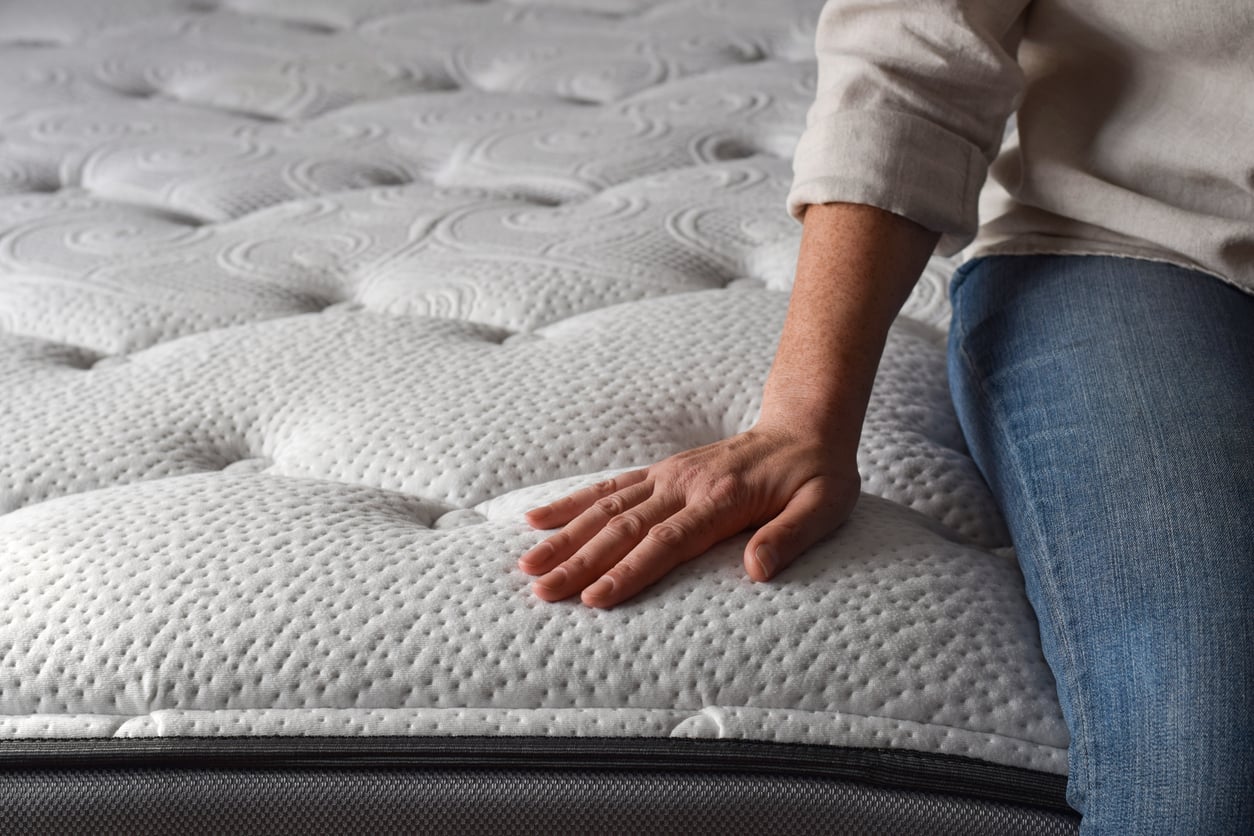
Mattresses may have become one of the most delayed home purchases in recent years, but their price has increased to the point that a good quality one can exceed $1000 U$D. That’s when you wonder if that minor discomfort while sleeping is worth replacing your old mattress with a new one. The rising cost of raw materials like polyurethane foam and maritime transport of steel make changing the mattress not a priority.
Living Room Furniture

The cost of wood, fabrics, and hardware has increased, and the transportation of these materials has also become more expensive. This is why Americans who were thinking of replacing their living room furniture are opting to repair it, if possible, or keeping the old furniture as long as they can.
Kitchen Appliance Replacements
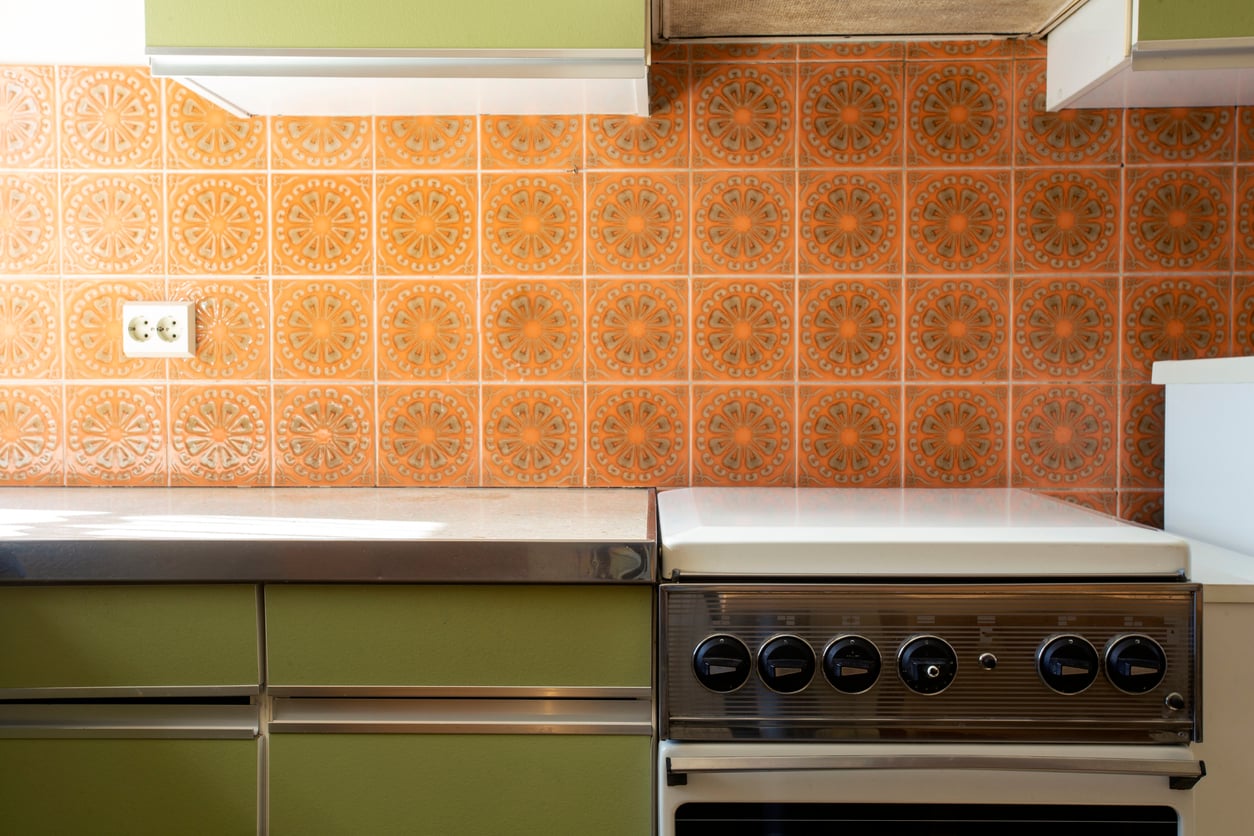
It’s often the case that repairing a kitchen appliance can be cheaper than buying a new one, but a few years ago, the difference wasn’t so significant, so some people spent more money on a new appliance. However, rising costs have led Americans to adopt the “run it until it dies” approach. The idea is to squeeze every last second of use of the appliances before spending a fortune.
Trending on Cheapism

Home Renovations
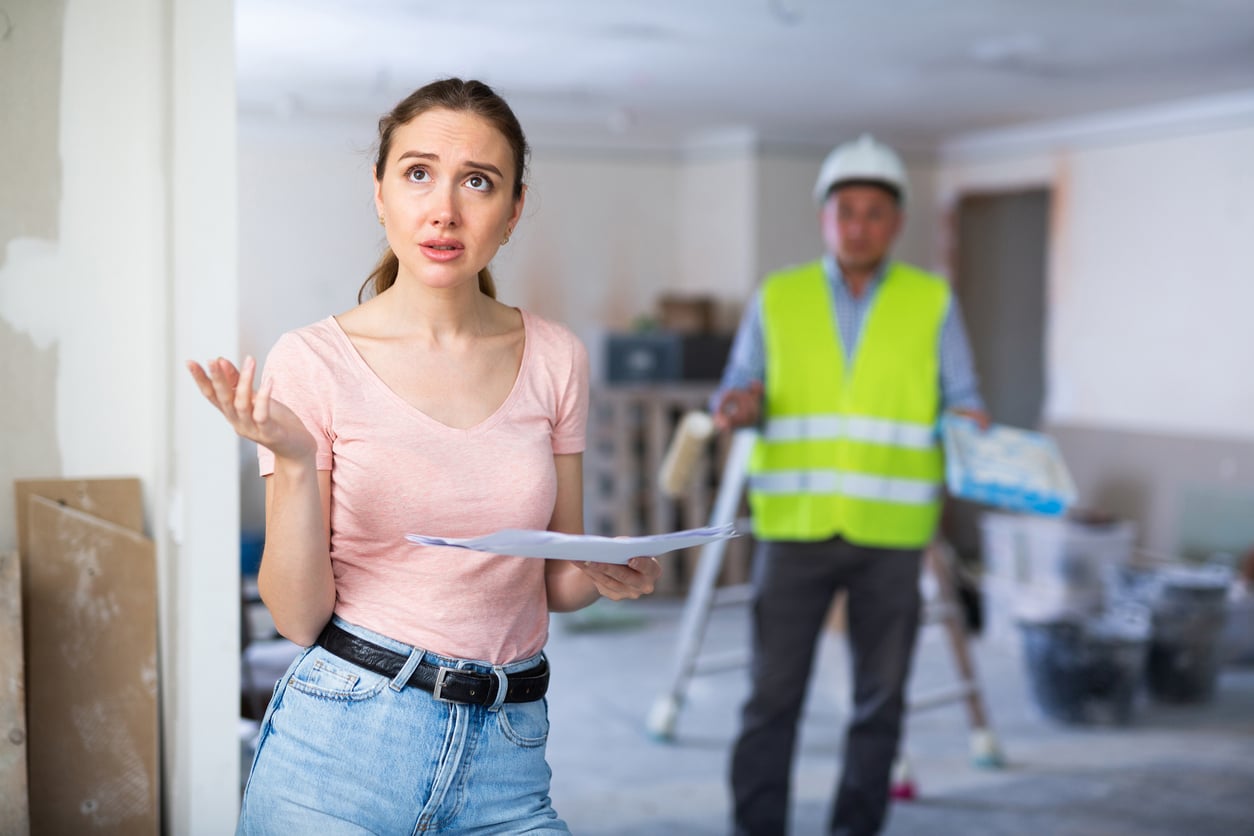
The cost of materials for home renovations, such as porcelain for toilets, has increased due to logistical and manufacturing issues. Materials like quartz and granite, used in kitchens, have also seen a rise in their raw material costs. Consequently, home renovation projects in the United States have slowed, with the promise that they will resume someday.
New Laptops

Computers need built-in memory to function, but there isn’t as much space for storage because trends like AI are absorbing global production. That’s why their cost is higher these days than in previous years. And when they start to fail, Americans choose to replace the batteries, upgrade storage, or tolerate slower performance rather than spend a lot of money on a new computer.
Major Vacations
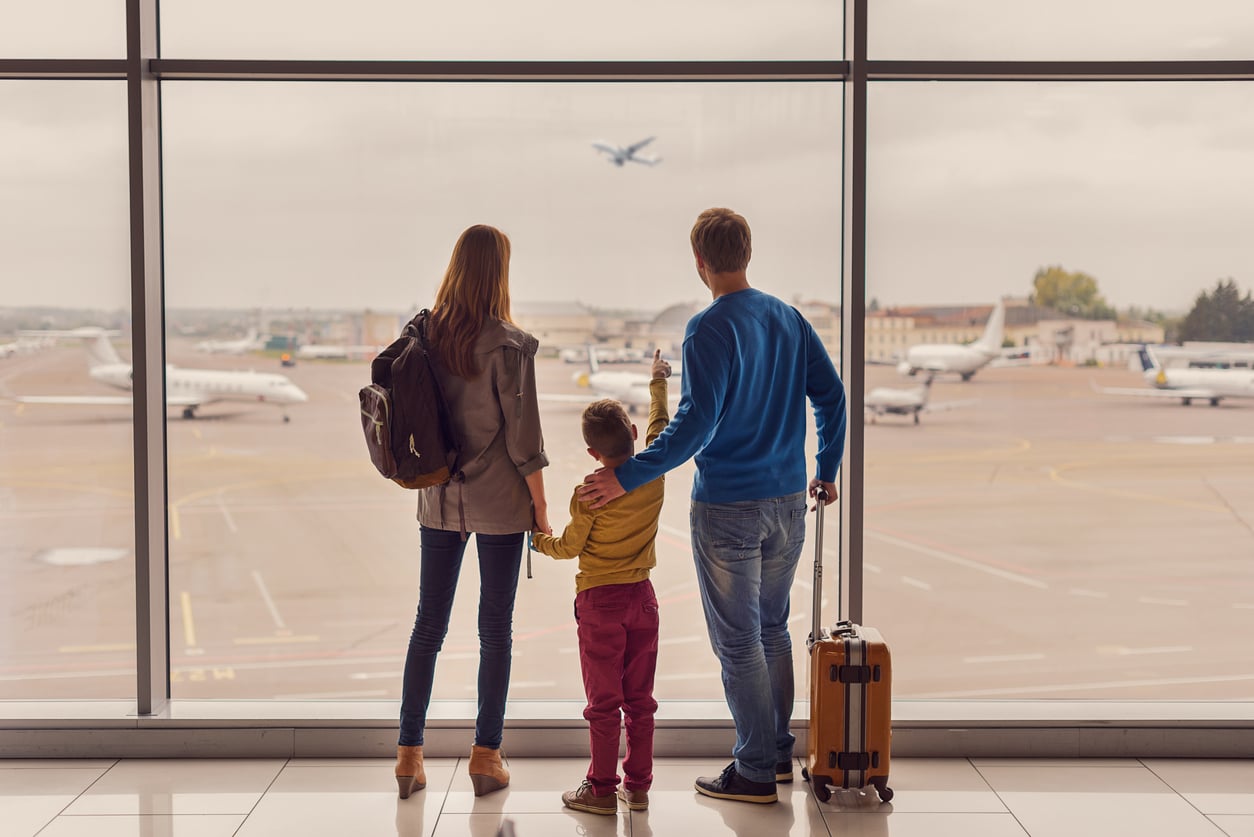
The big vacations of years past no longer exist. Families still travel, but they’re cutting out the most expensive destinations or postponing them. Those who could afford international trips are now opting for road trips to closer destinations where they can unwind from work or embark on regional journeys.
Sign up for our newsletter
Heating, Ventilation and Air Conditioning Systems
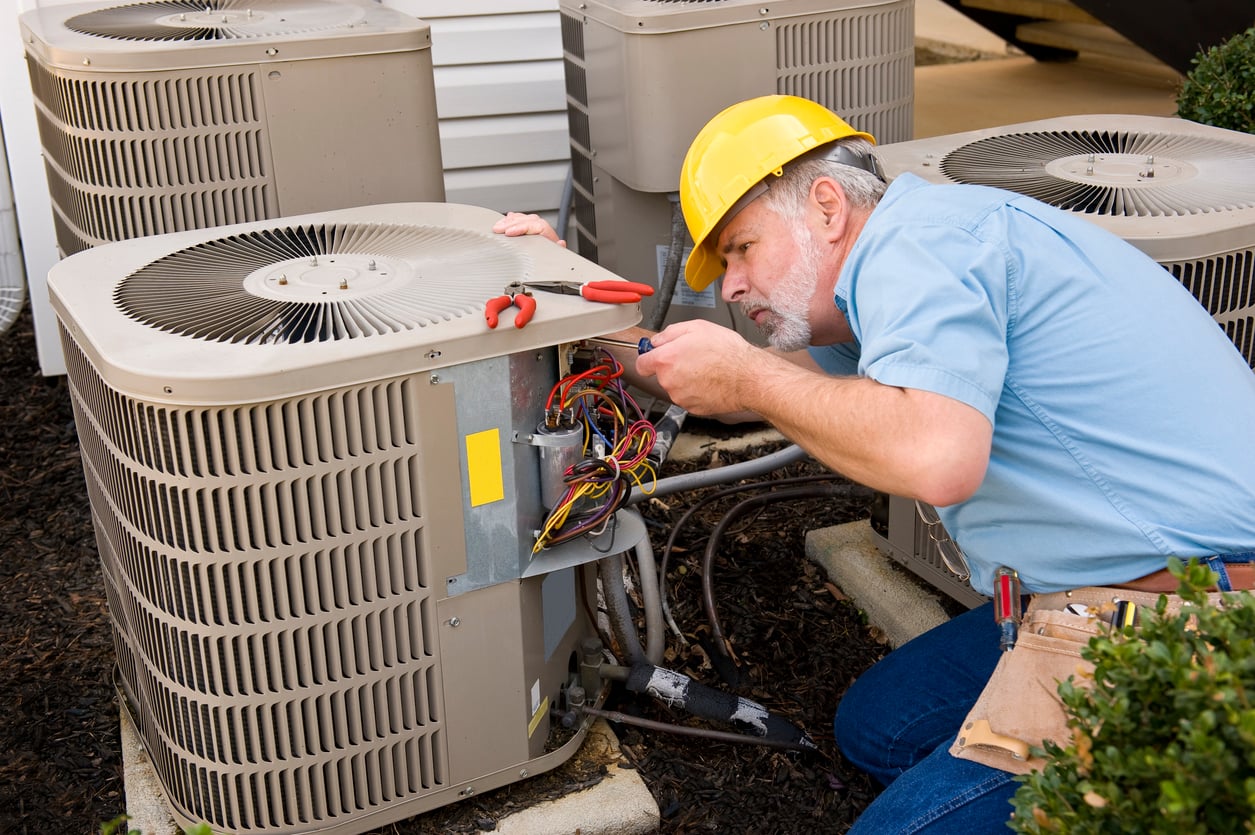
HVAC systems maintain the desired air quality and temperature, but their operation is complex and requires specialized technicians, which is why maintenance is so expensive. Customers complain about paying a lot of money for repairs, but it will be much cheaper than replacing the entire system. These are efficient systems with advanced filters and custom-made air ducts, but that doesn’t guarantee they won’t fail and need repair. This is one of the delayed purchases that your body will have to endure.
Clothing Purchases
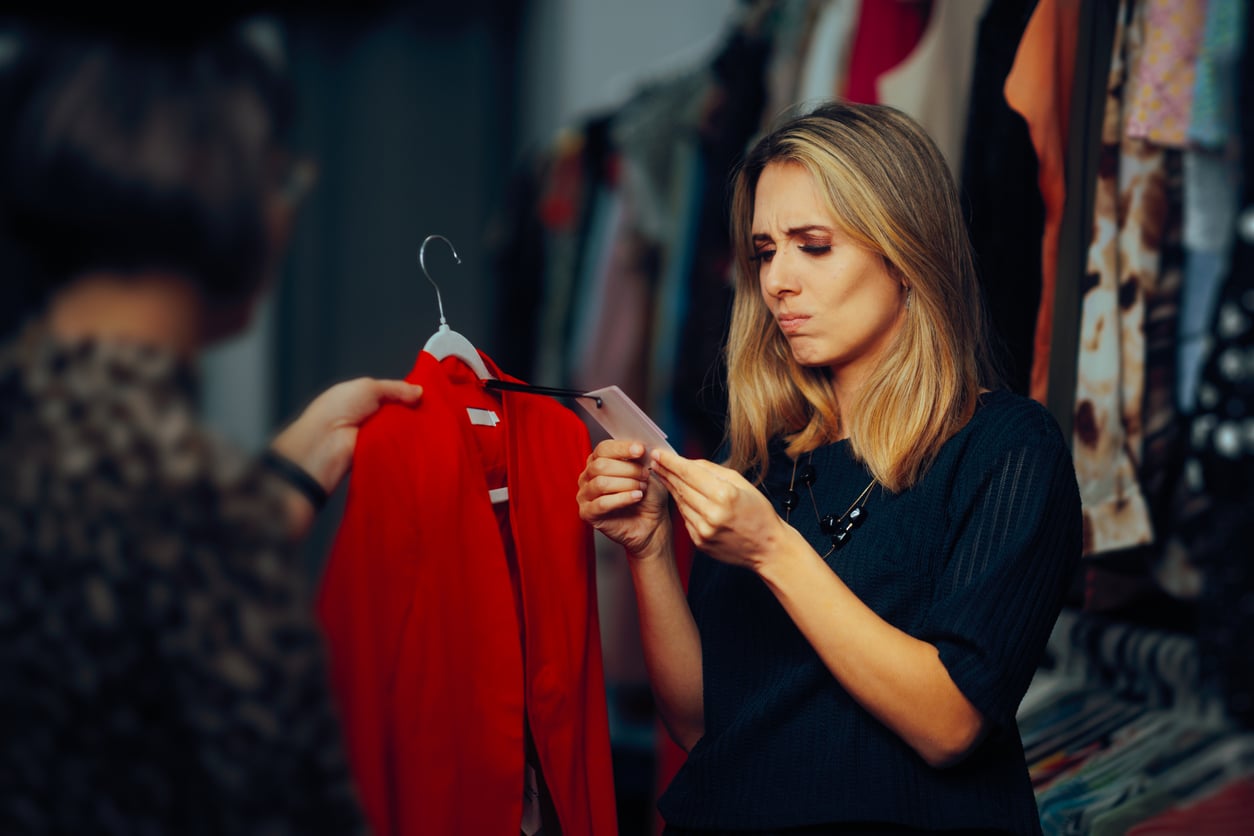
Many people have reported buying less clothing and choosing to wear what they already own for longer periods. Instead of buying new clothes because they’re old and out of style, Americans are replacing their garments when they’re worn out. This is one of the delayed purchases where you can’t get carried away by promotions and fleeting fashion trends. Remember that old trends have a cycle an reappear over the years.
Televisions
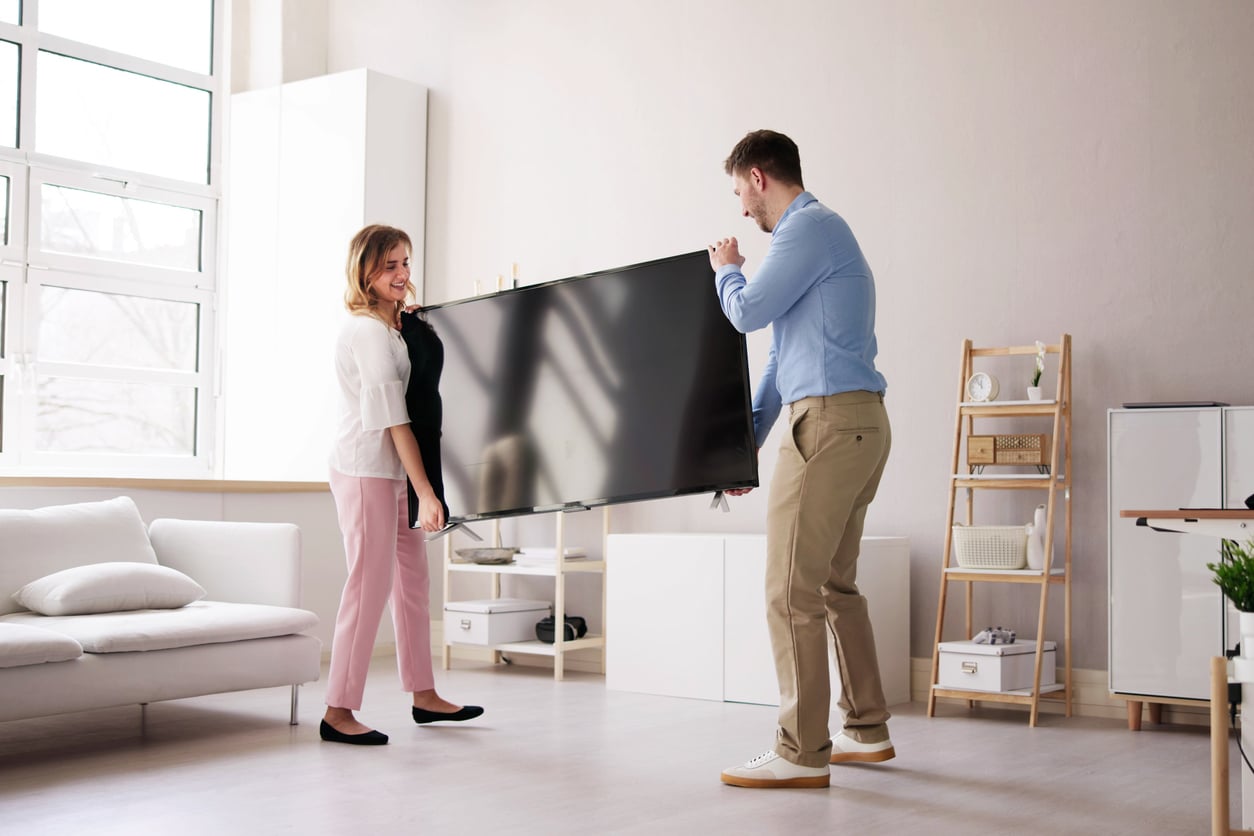
Television technology seems to have peaked, and no single feature in newer models significantly surpasses its predecessors, so people don’t feel pressured to buy a new one. A few years ago, you might have replaced your TV after five years, but the improvements in newer TVs aren’t substantial, and there’s no urgency as long as it’s still working. it’s one of the delayed purchases you can afford without feeling too much of a change in your daily life.
Dental Work That Isn’t Urgent

Going to the dentist shouldn’t be a problem unless it’s an emergency. However, if it’s manageable inconvenience, Americans admit to postponing procedures more often than usual. Those delayed purchases like cosmetic treatments, optional teeth alignment corrections, and certain restorative procedures can be kicked down the road until there’s more money available.
Roof Replacements
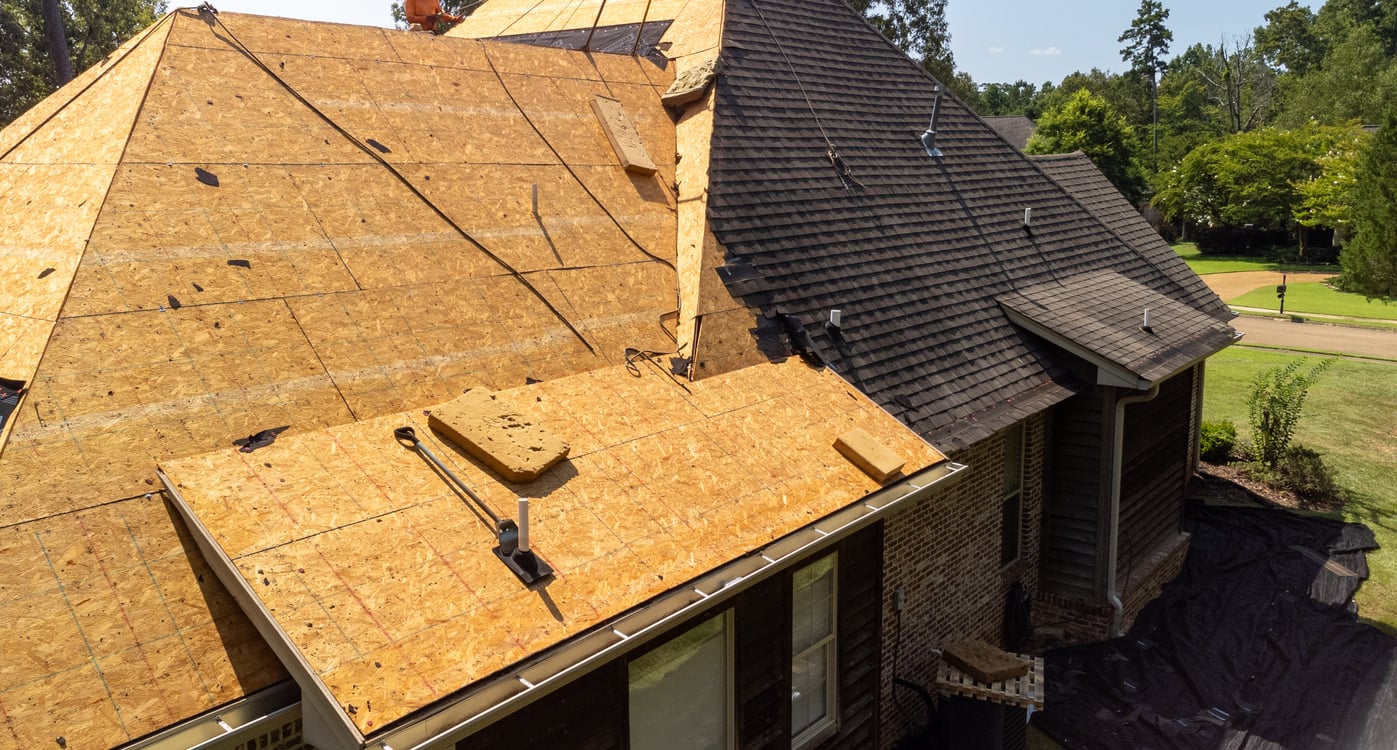
Replacing a roof can cost thousands of dollars, so it’s an expense you’ll want to postpone as long as possible. However, it’s a serious problem, so don’t overlook one of these delayed purchases when you can invest in temporary fixes until you can replace them with a proper, custom-made solution.
Second Vehicles
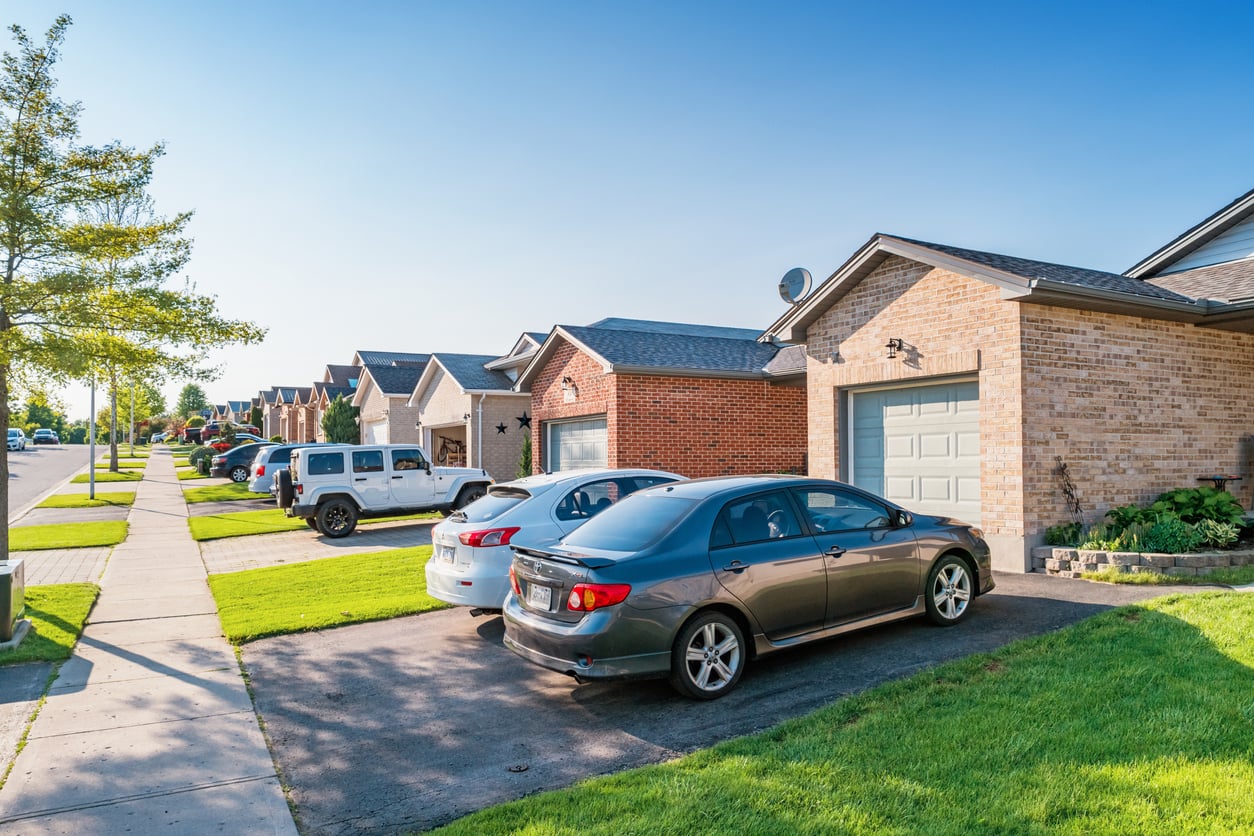
Some families who had planned to own two cars are now questioning whether it’s really worth the expense, and may include it to a list of delayed purchases. Gasoline prices are at record highs, but if you’re unlucky enough to have your car break down, the repairs will decimate your savings. And that’s without even considering the insurance you’ll have to pay.
Why “Making It Last” Has Become America’s Default Strategy

The strategy Americans are developing is to make their belongings last as long as possible. They don’t replace their appliances at the first sign of failure if they still function properly. There will be many delayed purchases, and they’ll keep track of them, but for the future.