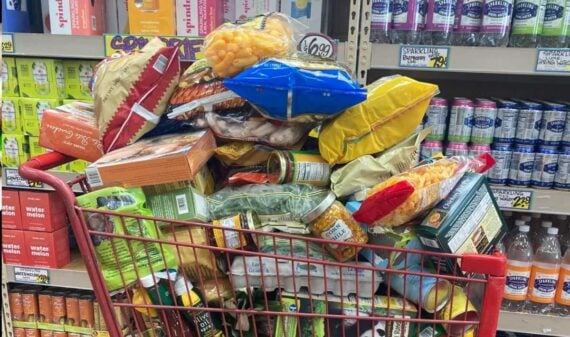
Meals that once felt affordable no longer do. You don’t need to dine at an upscale restaurant to experience sticker shock, inflation has driven up the cost of groceries and home-cooked meals as well. Rising transportation, labor, and insurance expenses have pushed food prices higher across the board. Everyday meals that were once budget-friendly now cost significantly more, and dining out is no exception. This guide highlights simple foods whose prices have climbed dramatically in recent years.
Pizza Night
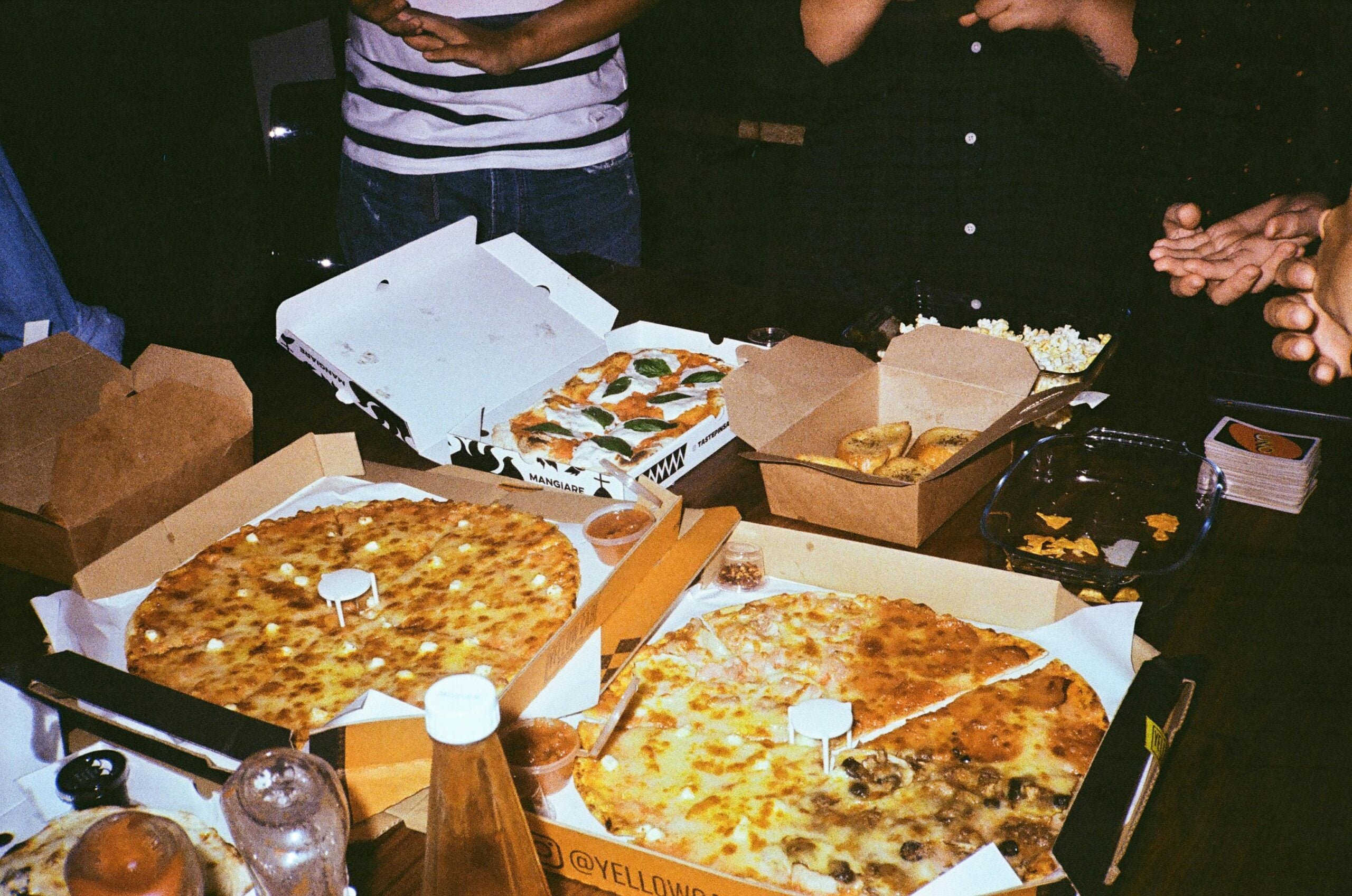
A few years ago, the thought of eating pizza with your family meant a pleasant moment, with food that almost everyone liked and that was also inexpensive enough to feed the whole clan. The problem is that delivery fees have increased, as have the prices of cheese and premium toppings. All of this can mean that a pizza night at home while watching TV can cost between $40 and $60 U$D. For that price, you could eat at an average restaurant.
Chicken Wings
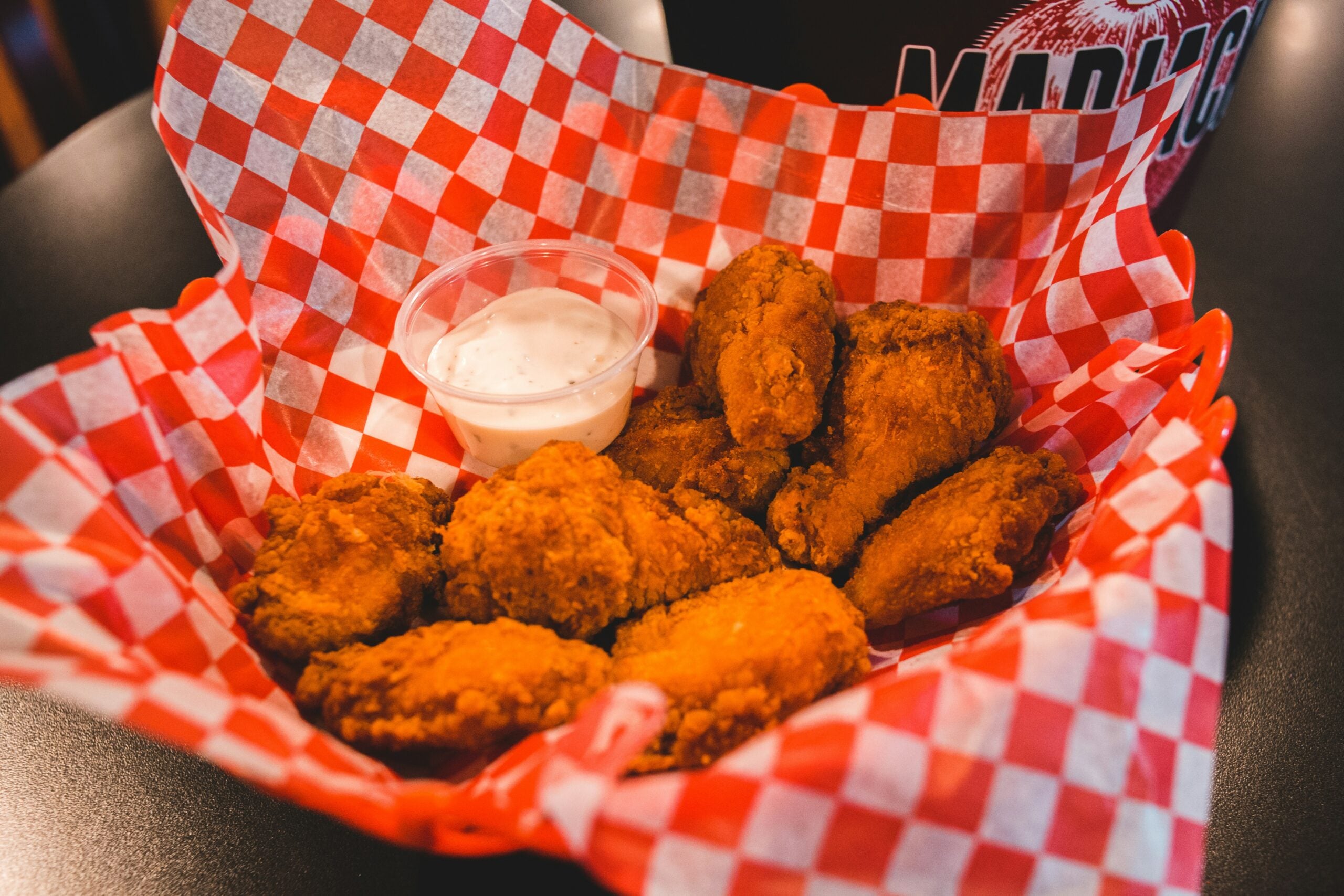
Chicken wings used to be one of the cheapest items on the menu. Kids ate them, and adults still choose them because they can be paired with various sauces. However, the price of chicken wings has risen due to demand, the cost of ingredients, and their popularity. If you compare the cost of a chicken wing night a few years ago with what you pay nowadays, you’ll be surprised. A serving for a family group easily costs more than $50 U$D, and that doesn’t include the special sauces that cost extra.
Grilled Cheese and Tomato Soup
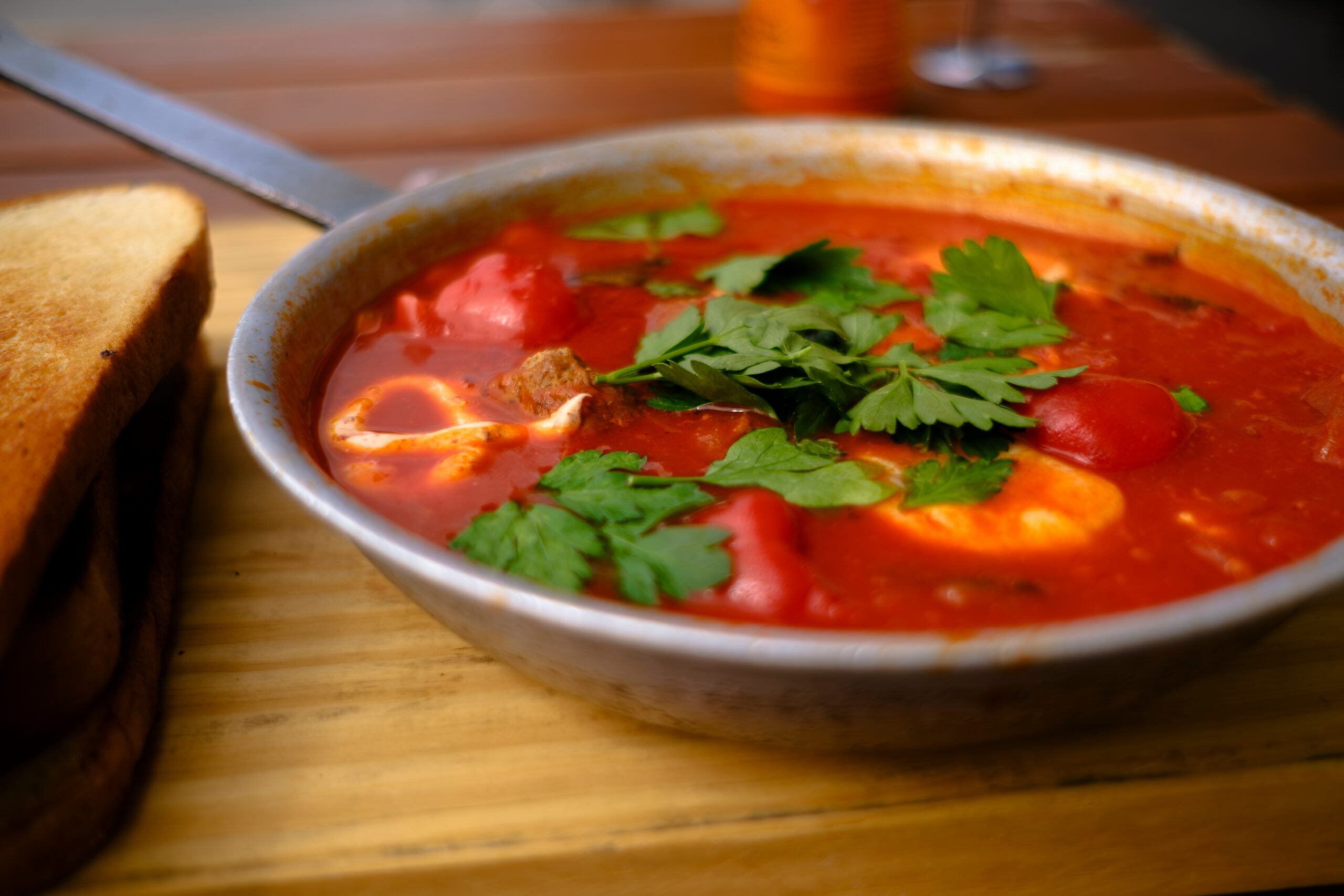
The combination of grilled cheese and tomato soup makes a comfort food that, in times of financial hardship, can feed you without breaking the bank. As long as you use pantry staples, you’ll know the cost of your meal won’t skyrocket. The problem arises if you order it at a restaurant, as many have transformed it into a gourmet dish. They add artisan bread, specialty cheeses, and upgraded ingredients, resulting in a truly unique soup. These versions can cost between $15 to $20 U$D for a nostalgic meal that loses its appeal.
Burritos
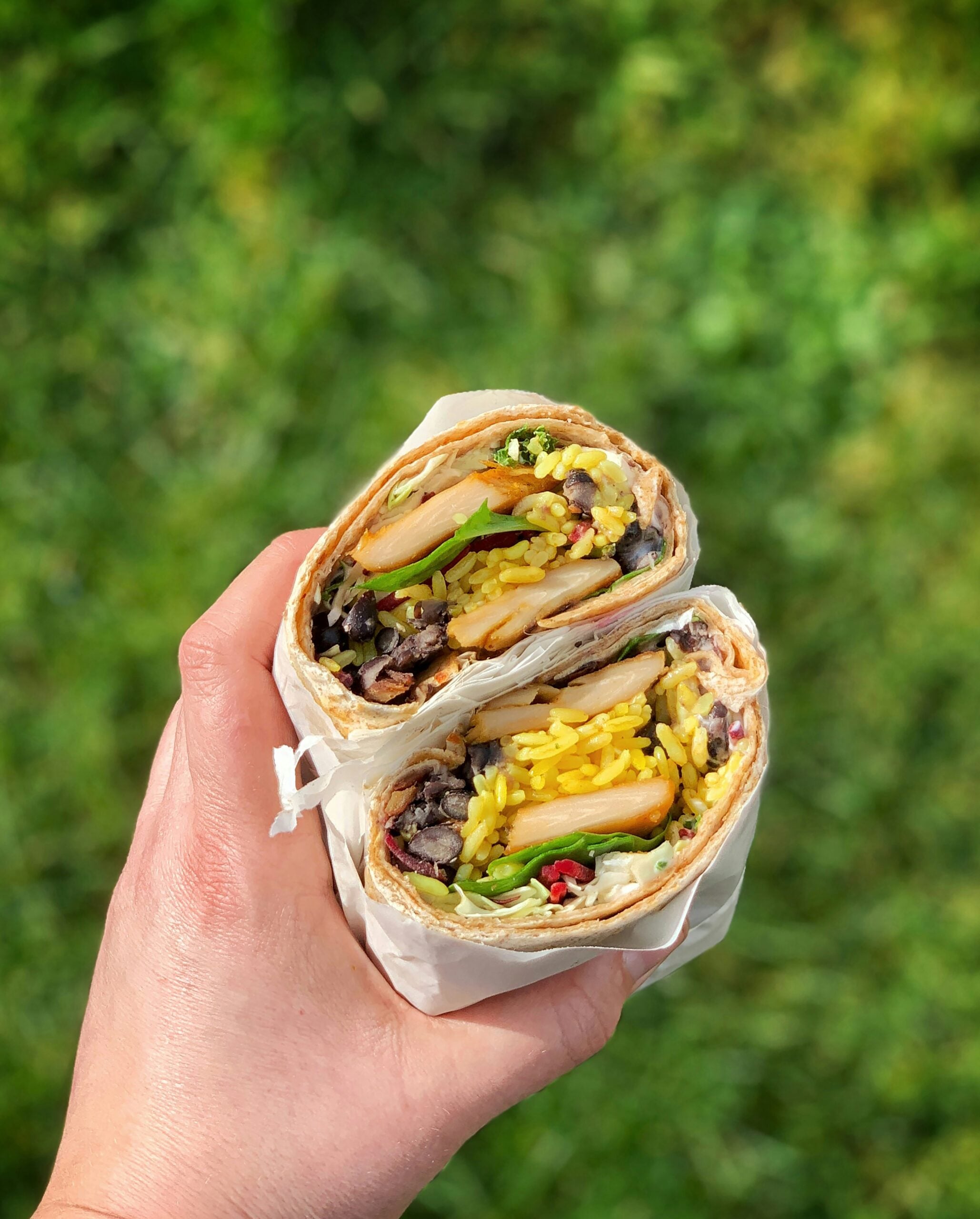
It’s easy to see why burritos are such a popular food. They’re made with simple ingredients like rice, beans, tortillas, and some kind of protein, making them easy to transport and eat. But with ingredients like guacamole, cheese, premium meats, and a specific drink, they now can cost between $12 and $18 U$D per person. Just a few years ago, paying that much for a burrito was unthinkable.
Chinese Takeout
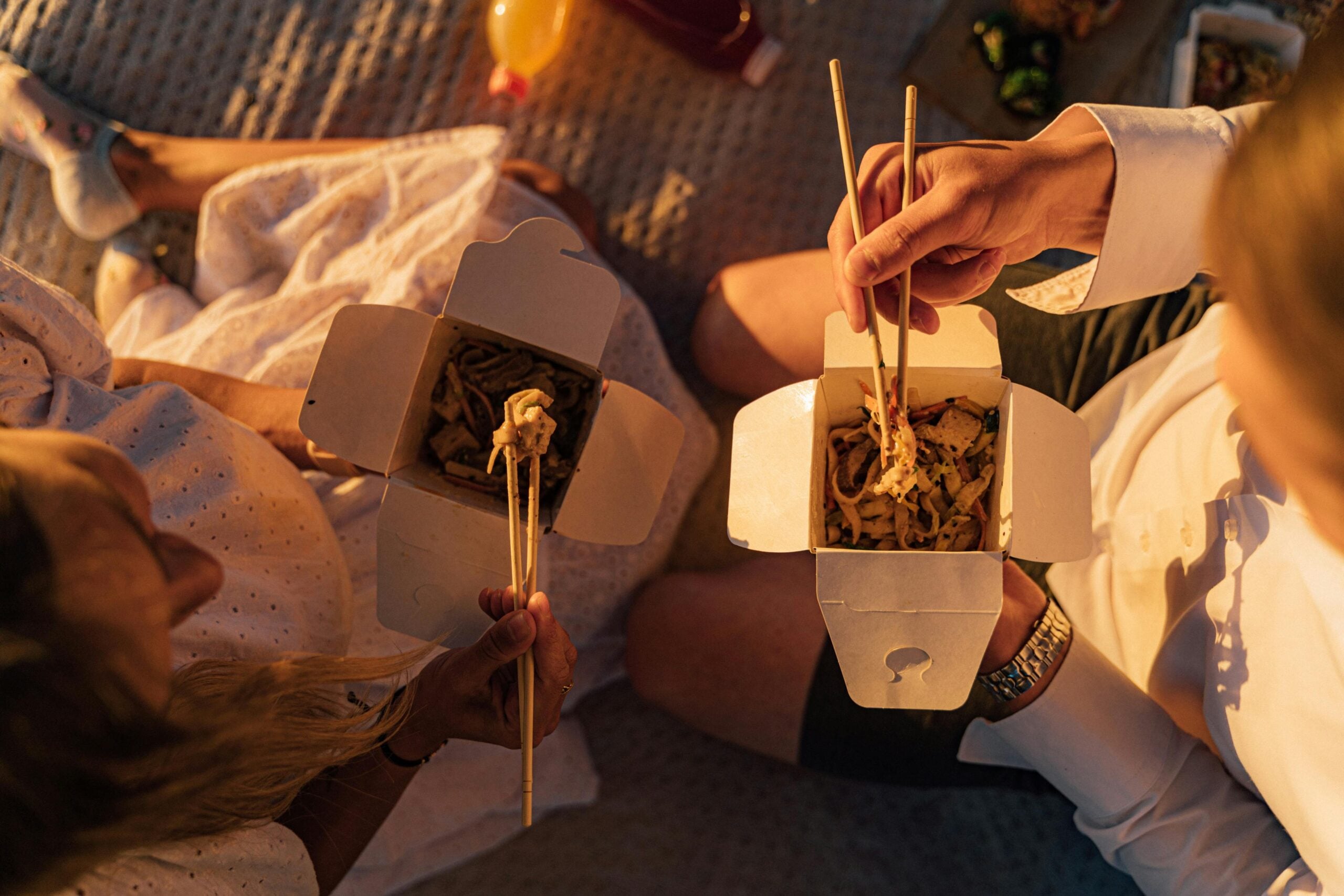
The portions at Chinese restaurants are usually quite generous. Those boxes that many places put the food in give the impression that it’s a food you’ll enjoy right away and have leftovers for another meal. The impact of inflation no longer makes ordering Chinese food for delivery as cost-effective, because the platforms have changed their prices, and if you plan to eat with your whole family, you’d easily spend over $60 U$D in total. A few years ago, you probably paid that amount, but that included eating in the restaurant and tipping.
Trending on Cheapism

Sandwich Shop Lunches
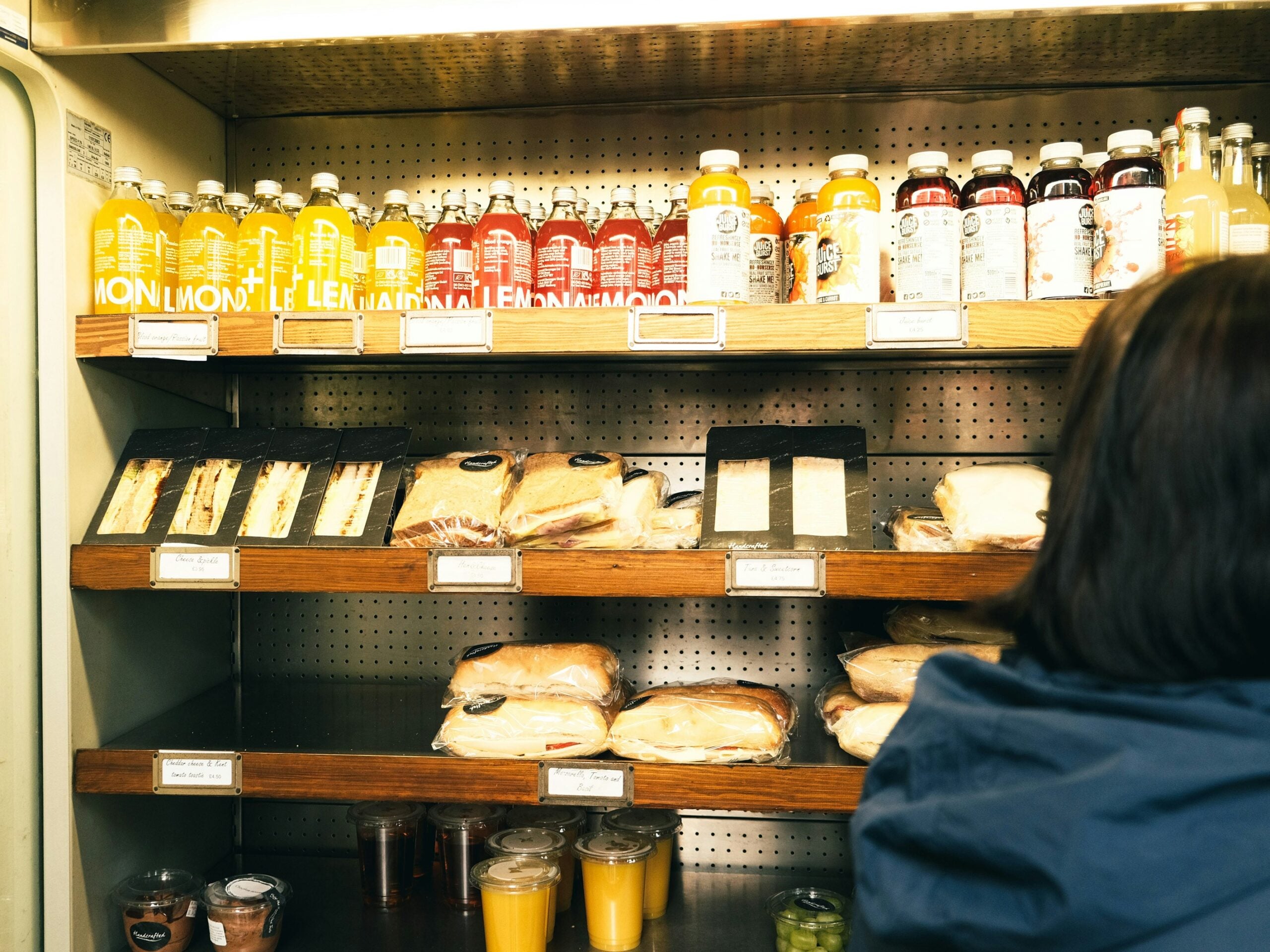
That packaged sandwiches you see in stores were meals that local workers used to buy when they hadn’t brought food to their office jobs. They don’t contain premium ingredients and are quick and easy to eat. However, these combo meals have now increased to between $15 and $20 U$D. Furthermore, you have the global factor like rising labor costs, which also affect the price.
Burgers at Casual Restaurants
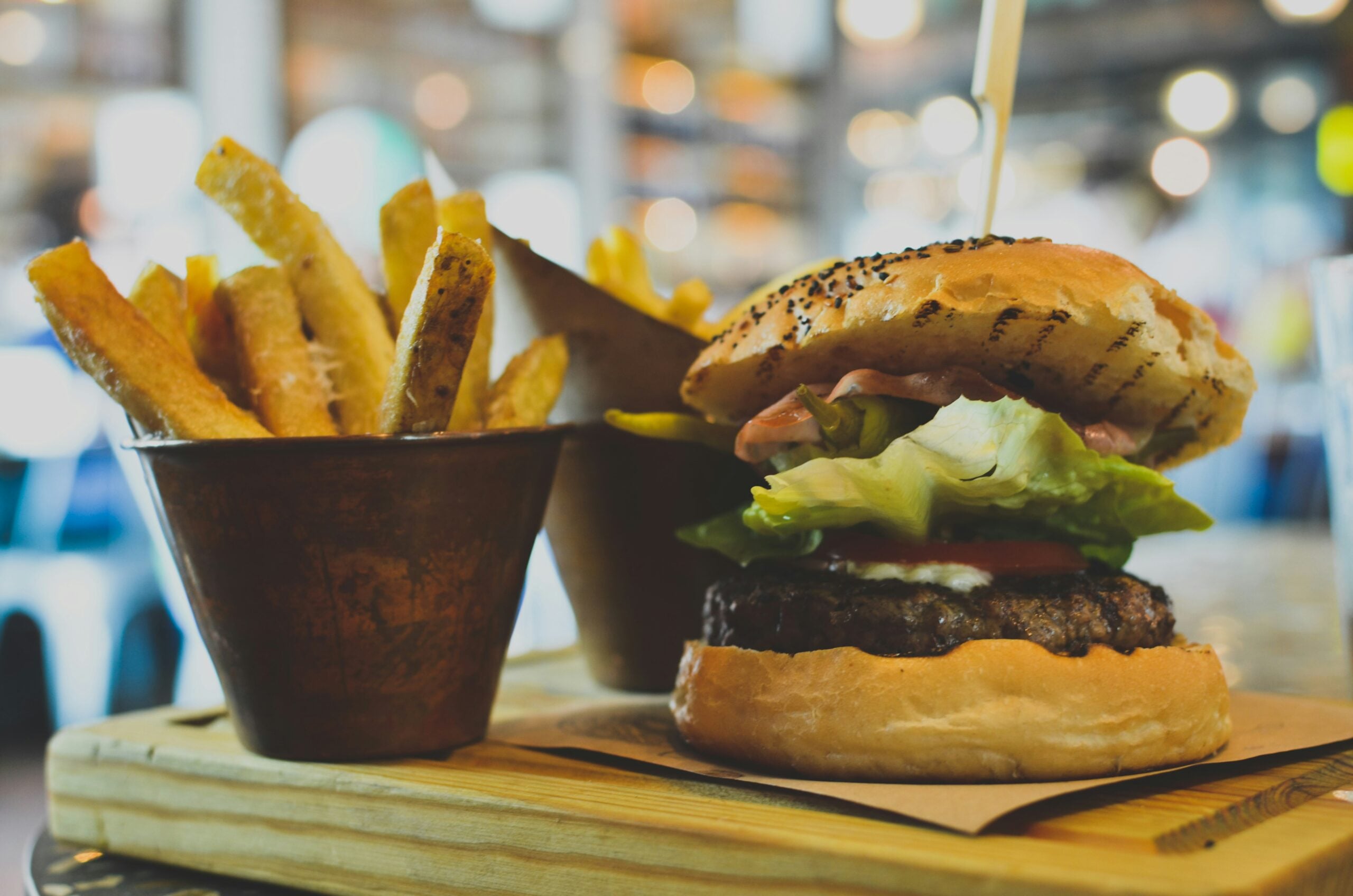
Burgers can cost between $18 and $25 U$D these days, whereas just a few years ago they were among the most affordable main courses. Transforming a hamburger into a premium dish with upgraded ingredients and expensive condiment wasn’t a good decision. And often, for that price, you don’t even get fries and a drink. Terrible.
Tacos
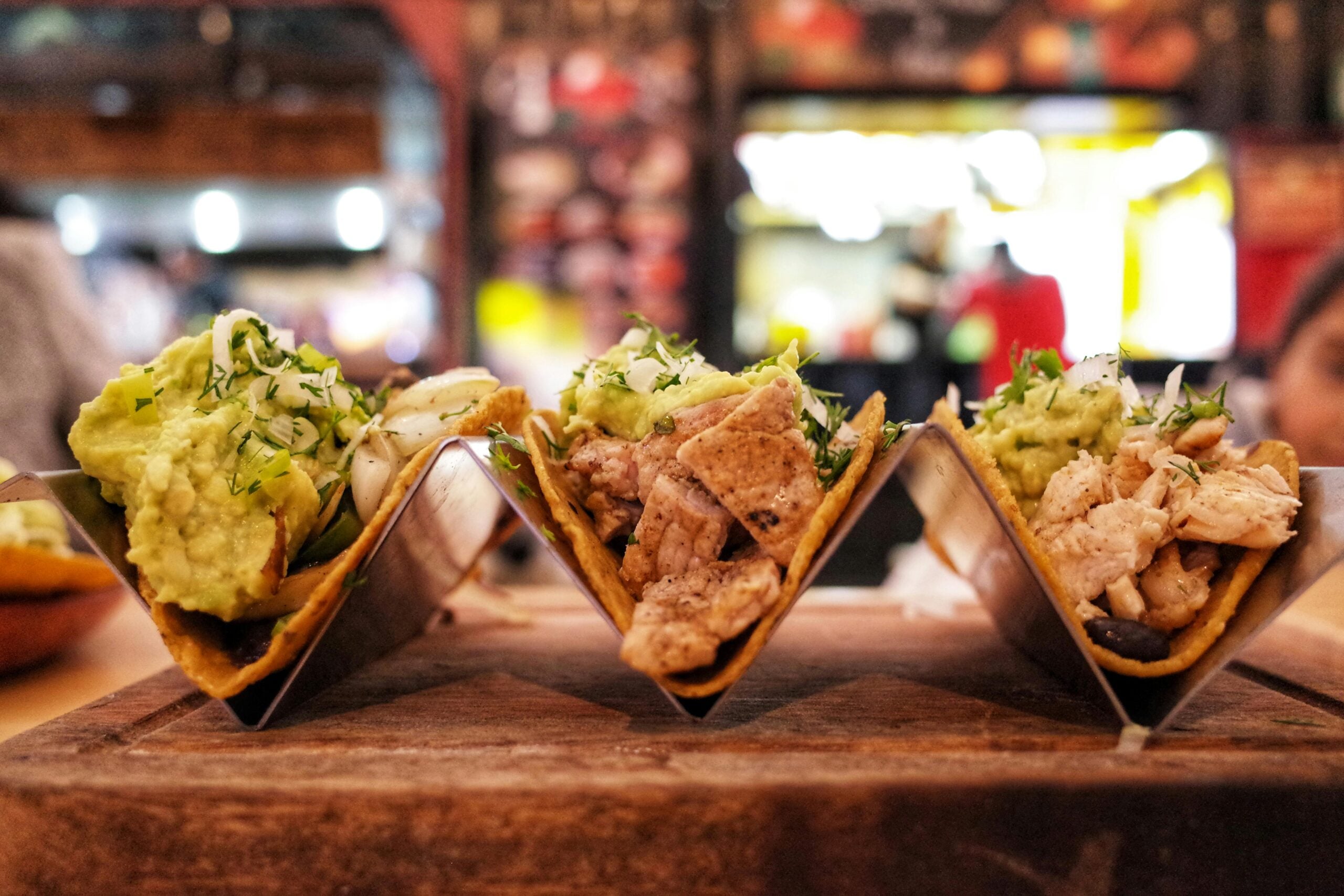
Tacos are similar to burritos in that they have simple ingredients, are easy to eat, and are portable, thus broadening their potential customer base. But the most important thing about tacos is that they used to be inexpensive, but that’s a thing of the past. The proliferation of tacos stands worldwide, the addition of premium ingredients to the proteins, and improved presentation have driven up the cost of the food. And the size of the taco remains the same, just at a higher price!
Sign up for our newsletter
Mac and Cheese
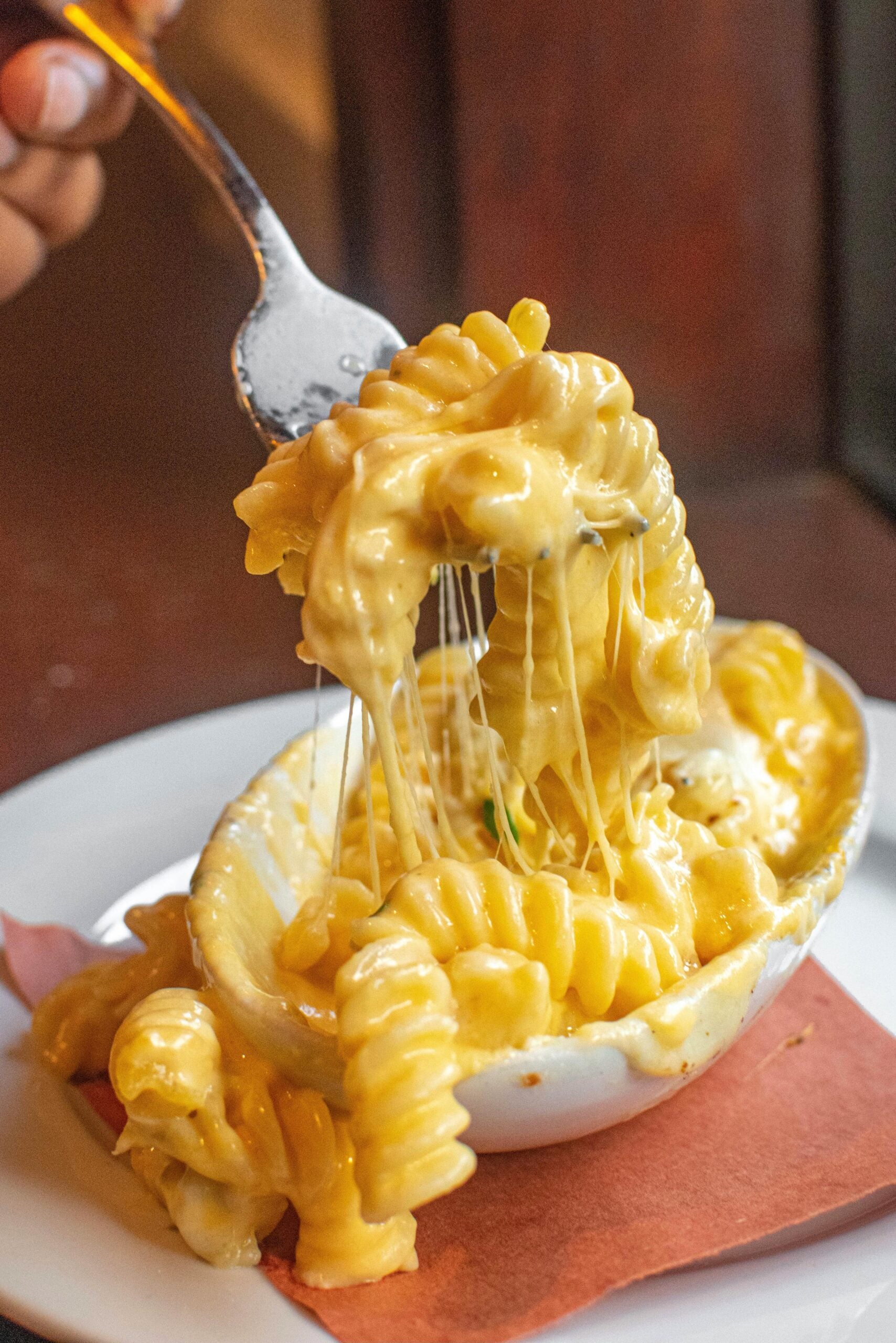
Let’s be honest, homemade Mac and cheese is still an affordable meal, and it evokes that feeling of eating it as a kid, bringing back memories and a sense of security. But insecurity is what you feel when you order Mac and cheese at a restaurant. The price could easily exceed $15 U$D for the gourmet version they try to sell you, with upgraded ingredients, that can contribute to it becoming the expensive side dish on a menu.
Fish and Chips
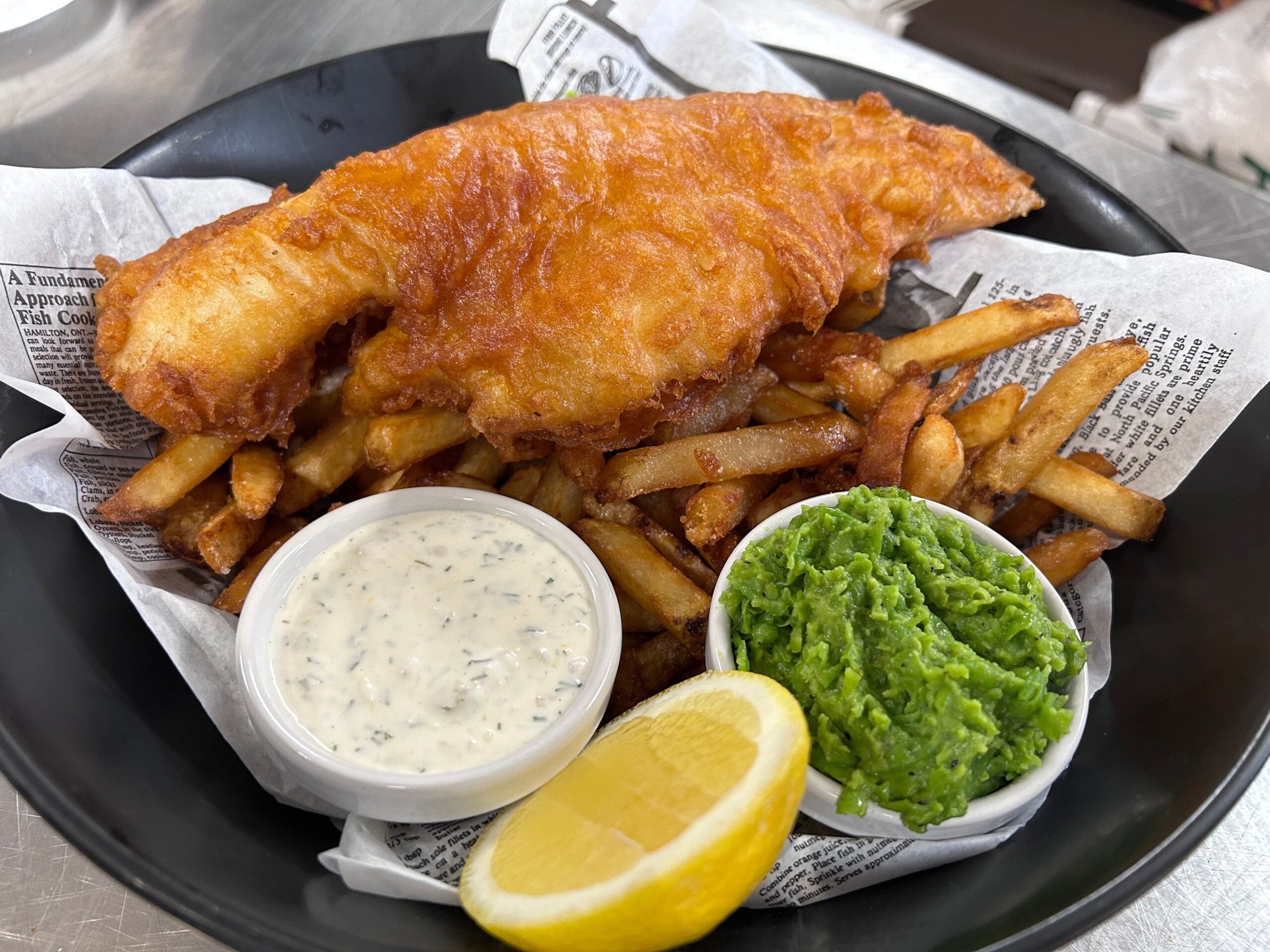
The ingredients that make up fish and chips have always been inexpensive, even today. The cost of this dish has changed because it has become a globally recognized food, and some restaurants have added premium fish or extra ingredients to the chips instead of sticking to the original recipe. If you compare what you pay for fish and chips with the cost of a premium chicken or steak, you won’t be far off.
Pancake Breakfast
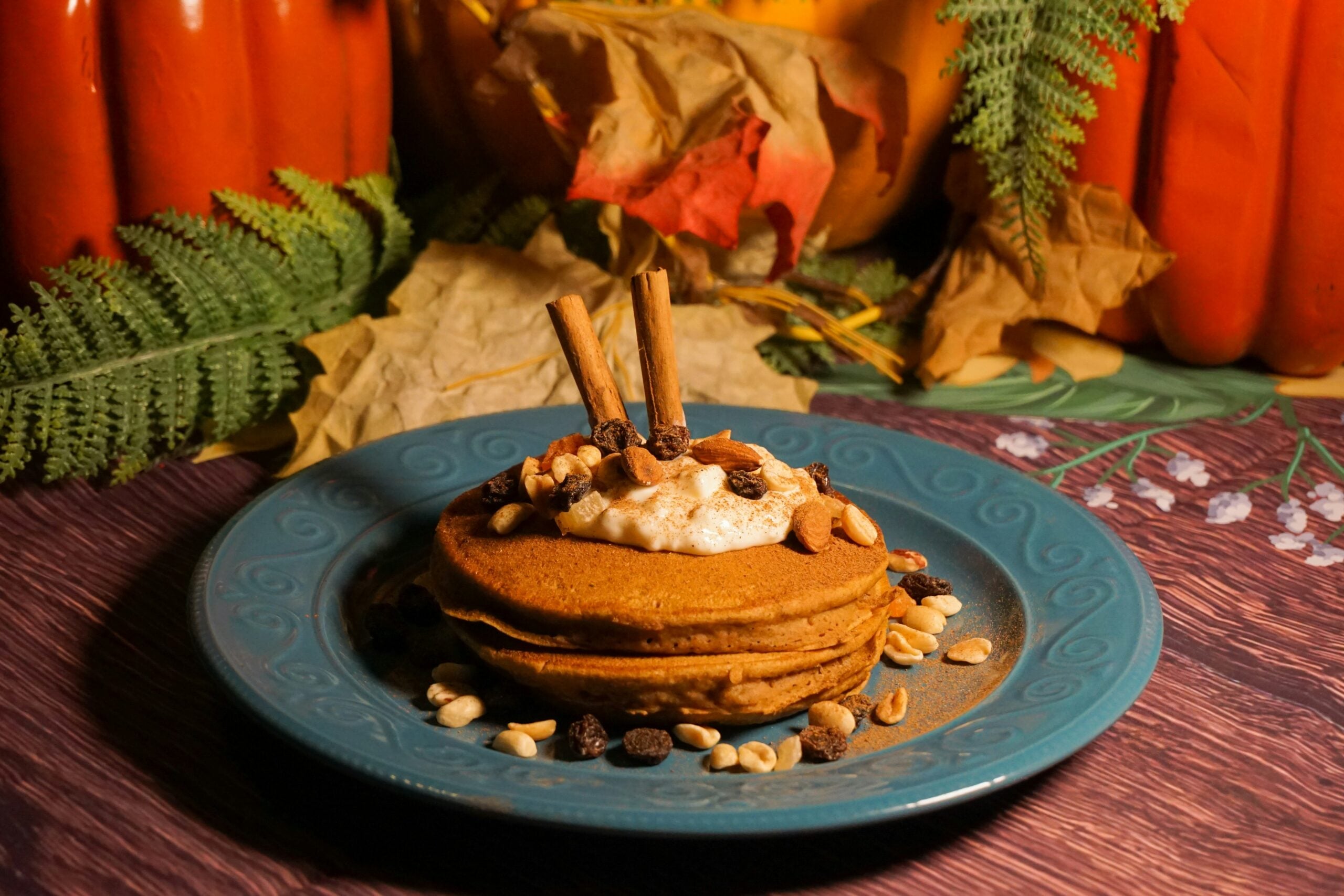
You’re probably wondering how a pancake, made with basic and inexpensive ingredients like flour, eggs, and syrup, has become so expensive. In some restaurants specializing in this food, you’ll find exorbitant prices. These places take advantage of attractive decor and creating a pleasant atmosphere, but they forget that people are there to eat, that’s the most important thing. A specialty pancake can cost over $15 U$D and doesn’t even include coffee or any other extras.
Rotisserie Chicken Diners
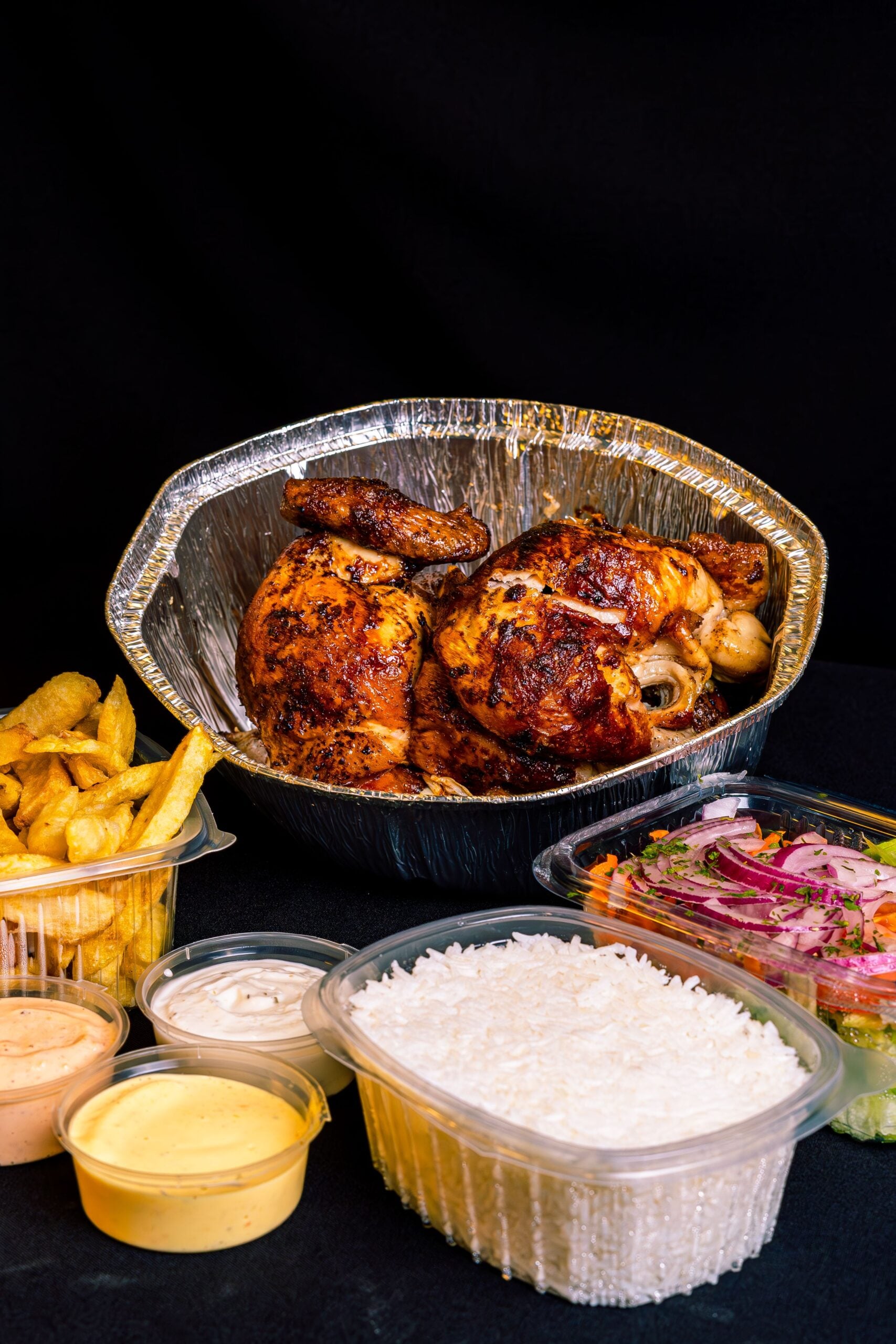
When you bought a chicken rotisserie from a grocery store, you knew you only had to worry about the side dish because the cost would be low, and if the market had an affiliate promotion, even cheaper. This is still the case in some places, but others have decided to raise their food prices by replacing the ingredients with more premium versions. This family meal will cost significantly more than you expected if you don’t shop at the right grocery stores.
Why Consumers Feel Food Inflation So Personally
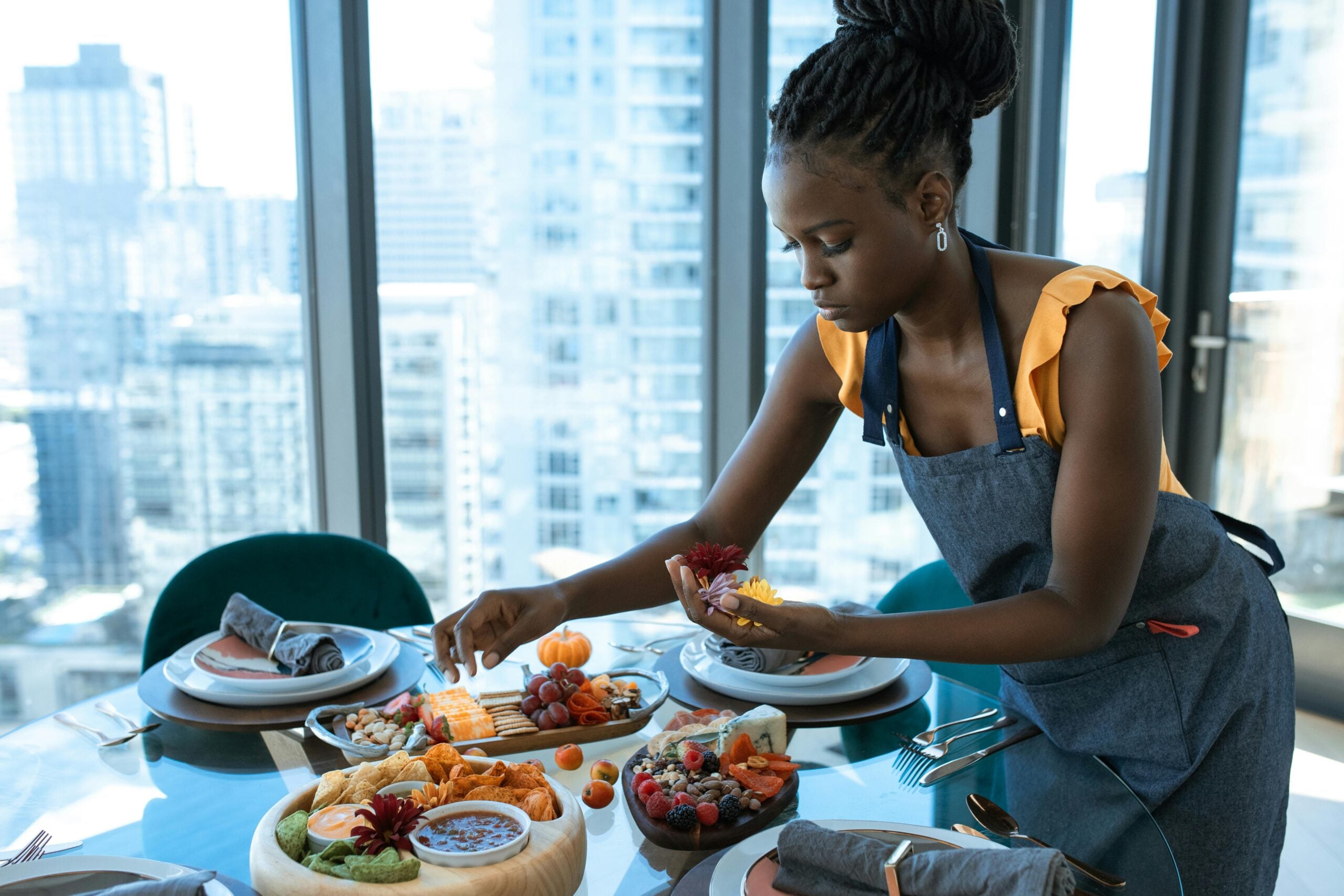
The reason people feel food prices inflation more acutely is because they’re dealing with preparing meals at home more often. Families aren’t going to restaurants as frequently, maybe once a month or every two months, but they are ordering takeout more than before. When you’re spending so much money on the same product you used to not even notice the price of, that’s a problem. The situation worsens when you compare prices not just to last month, but to several years ago; that’s where the difference is most striking.
The Meals that Still Feel Like Bargains
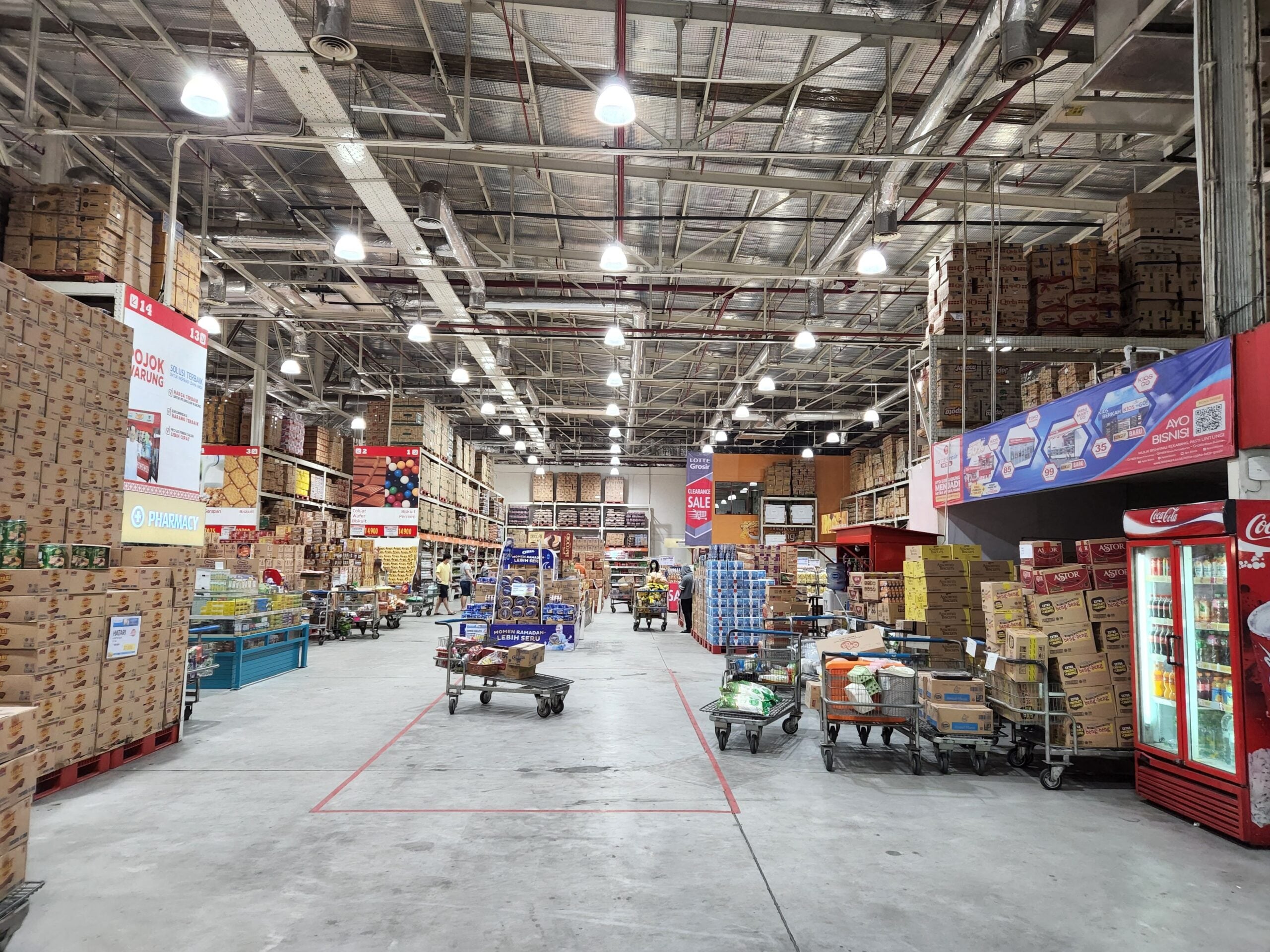
Despite the staggering inflation that’s driving up the cost of living, including the food prices, there are still some safe heavens where you can find reasonably priced food that still offers good value. Warehouse-Club food courts, comfort food prepared at home, rotisserie chicken, breakfast-for-dinner meals, and certain regional specialty restaurants haven’t raised their prices yet. Those responsible for cooking for their families try to identify meals that maximize satisfaction, provide value, and, if possible, leave leftovers.