Americans haven’t stopped eating fast food, but they have become much more selective about what they order.
Across Reddit, Facebook groups, consumer surveys, and fast-food forums, customers repeatedly mention specific menu items they still enjoy but no longer believe offer good value. Many of these products have become examples of overpriced fast food, according to consumers who remember when they felt like bargains. The common theme is not always quality. Many of these products remain popular, and some still have loyal fan bases. The issue is that customers remember when they felt like bargains.
In 2026, some menu items have reached a point where consumers increasingly compare them against local diners, grocery-store meals, fast-casual restaurants, or simply making the same thing at home. Once that comparison begins, a familiar favorite can suddenly feel difficult to justify.
These are the specific fast-food orders that repeatedly show up in discussions about prices crossing a psychological line.
Taco Bell Chicken Quesadilla
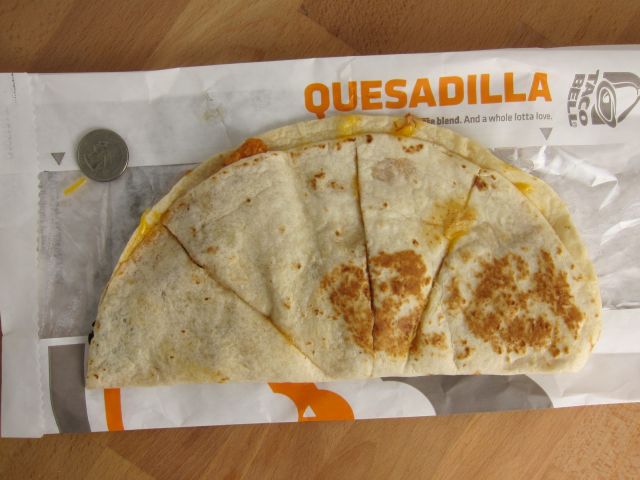
The Chicken Quesadilla may be the single most frequently cited “overpriced” item in fast food. Customers routinely point out that it contains a tortilla, chicken, cheese, and sauce, yet often costs around $6 to $8 by itself, depending on location.
That price is what makes people pause. Taco Bell built much of its reputation around affordability, so paying nearly the cost of a small combo meal for one quesadilla feels jarring to many longtime fans. Reddit threads about overpriced fast-food items almost always mention it, and even devoted Taco Bell customers often admit they love the item but refuse to pay full price.
The frustration is not that the quesadilla tastes bad. It is that many people look at the ingredients and decide they can make something similar at home for far less.
McDonald’s Big Mac Meal
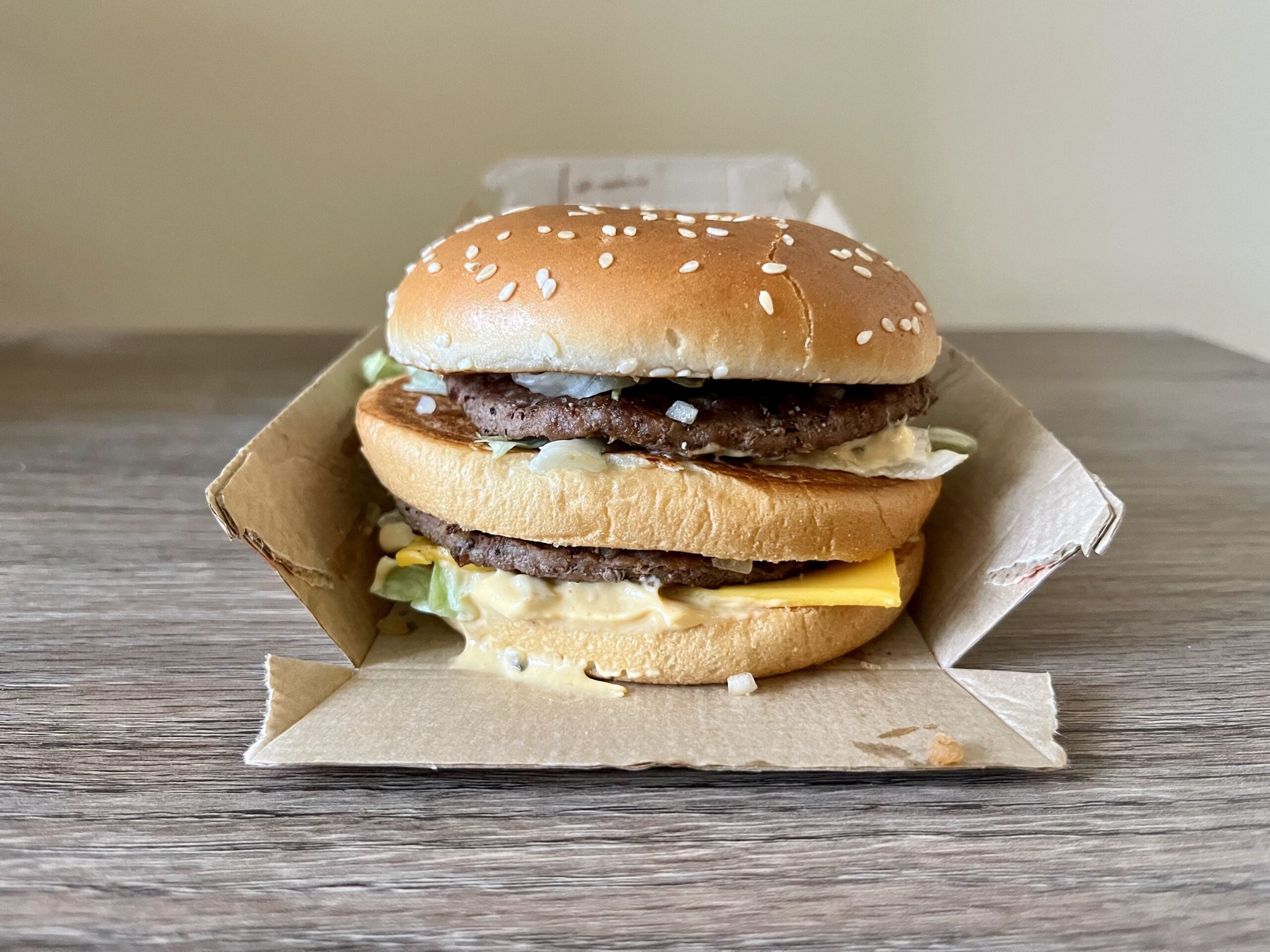
The Big Mac’s reputation was built on affordability. For decades, it represented the kind of fast-food meal people could grab without thinking too hard about the price. Today, many customers report experiencing sticker shock when a Big Mac meal lands around $11 to $15, depending on market.
What frustrates customers is that the sandwich itself has not changed dramatically, but the price has. A Big Mac, fries, and drink now compete with diner burgers, local sandwich shops, and grocery-store prepared meals in many cities.
Many customers still buy it, but increasingly only through the McDonald’s app, limited-time promotions, or value meal deals. Without a discount, the Big Mac meal has shifted from an automatic order to something many people now reconsider.
Five Guys Cheeseburger, Fries, and Drink
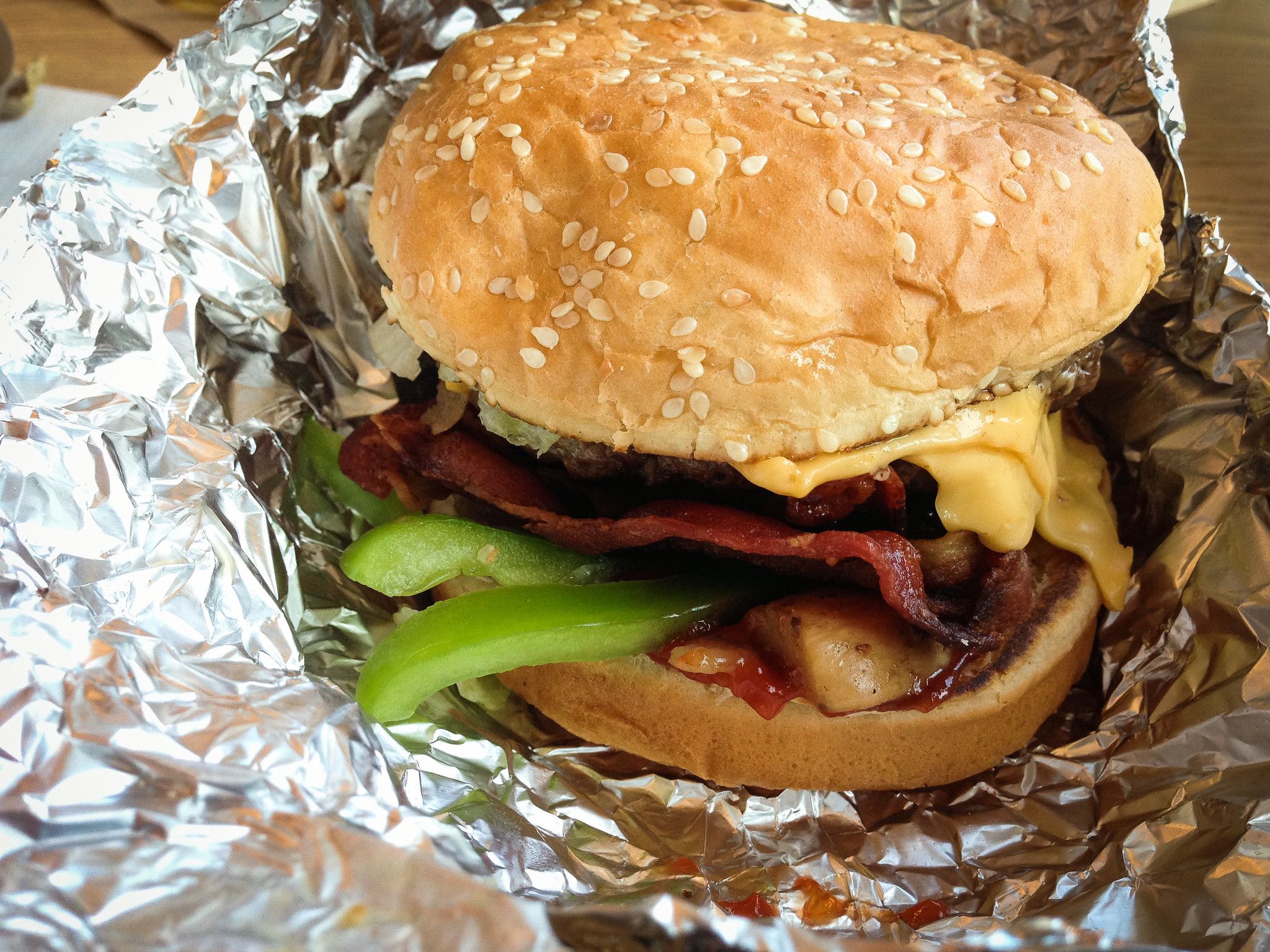
Five Guys may be the chain most often mentioned when consumers talk about fast food that no longer feels affordable. A cheeseburger, fries, and fountain drink can easily reach $20 to $25 or more in many markets.
The chain still has plenty of defenders. Fans point to the fresh beef, free toppings, large fry portions, and better-than-average fast-food quality. But even many loyal customers admit they have reduced their visits because the final total feels closer to a sit-down restaurant than a quick-service meal.
That is the key complaint. People are not necessarily saying the burger is bad. They are saying that once the meal crosses the $20 line, they start comparing it to restaurants with table service, local burger spots, or meals they could make at home.
Subway Footlong Steak & Cheese

The ghost of the “$5 Footlong” continues to haunt Subway. Customers who grew up with that promotion still compare current menu prices against the deal they remember, even though food and labor costs have changed dramatically.
A Footlong Steak & Cheese can now cost roughly $11 to $15 in many areas before chips, cookies, or a drink. Once customers turn it into a full meal, the price can climb even higher.
The Steak & Cheese appears frequently in discussions about how much Subway pricing has changed. Many customers still like the sandwich, but they wait for coupons, app discounts, or BOGO promotions before ordering. Without a deal, the value proposition feels much weaker than it once did.
Chipotle Burrito With Double Meat and Guacamole
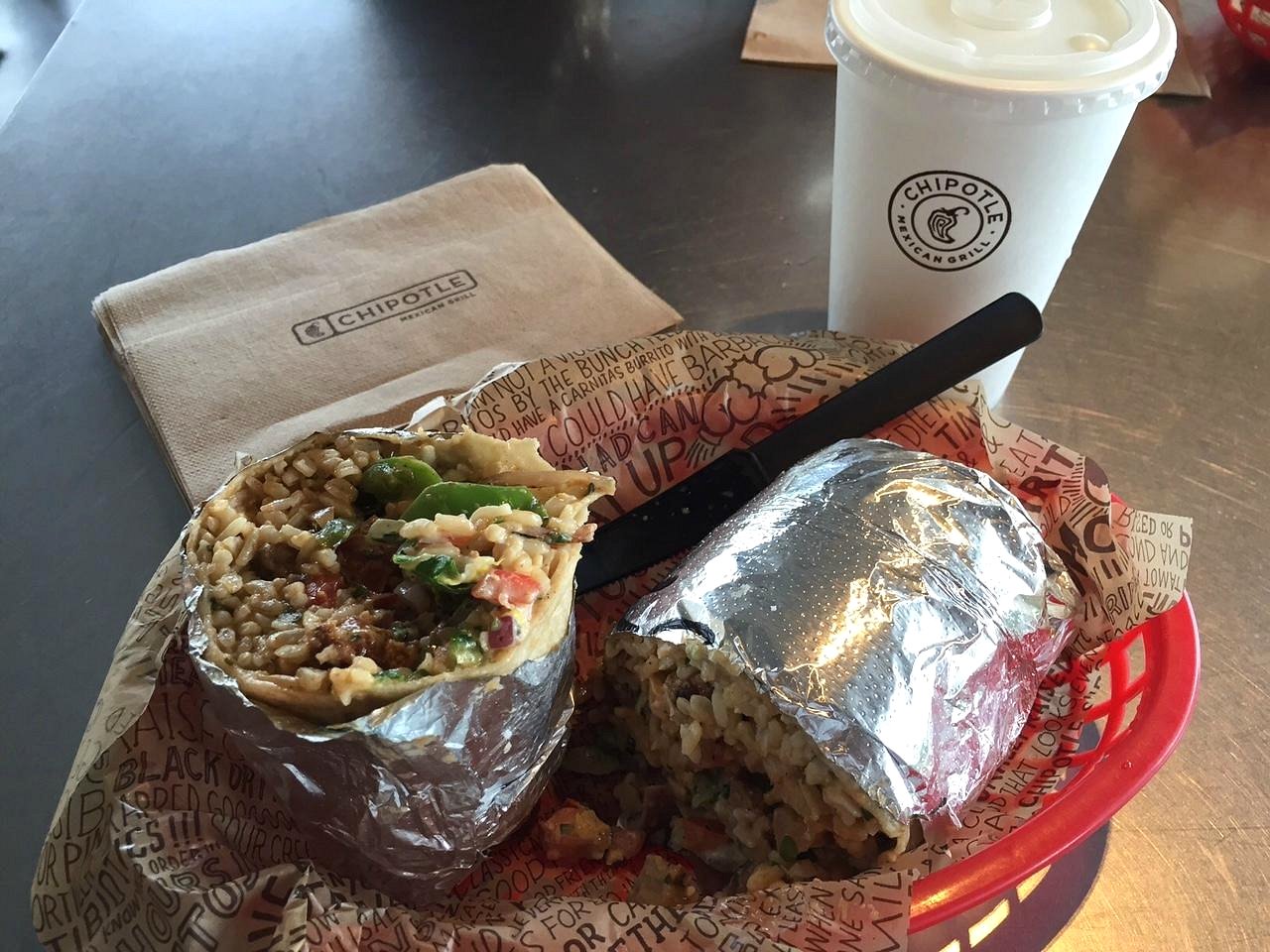
Chipotle’s base burrito can still offer decent value, especially compared with some fast-casual competitors. The problem starts when customers add double protein, guacamole, queso, chips, and a drink.
A burrito with double meat and guacamole can easily land around $16 to $22, depending on location and protein choice. Add chips and a beverage, and the order can approach the price of a full sit-down meal.
Customers often say the extras are where the price shock happens. The burrito may still be filling, but diners who remember lower prices often feel like their standard order has quietly turned into a premium purchase.
Trending on Cheapism
KFC 8-Piece Family Meal
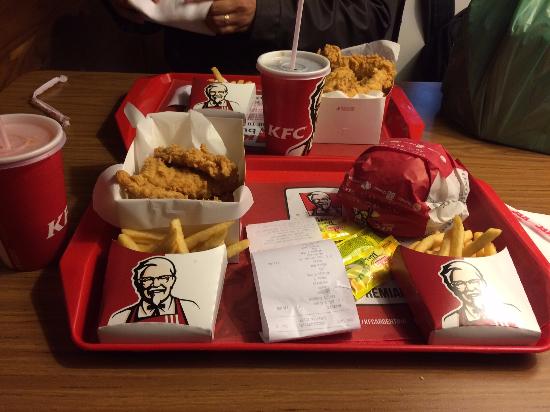
Family meals generate some of the strongest sticker shock in fast food because customers are usually buying for several people at once. A KFC 8-piece family meal can cost roughly $25 to $40 or more, depending on the market, sides, and promotions.
For families who once saw fried chicken as an easy weeknight dinner, that price can be hard to swallow. Add extra sides, drinks, sauces, or delivery fees, and the total can start to resemble a casual restaurant bill.
Many customers still enjoy KFC, but they increasingly treat it as an occasional splurge rather than a regular family dinner option.
Arby’s Beef ‘N Cheddar Combo
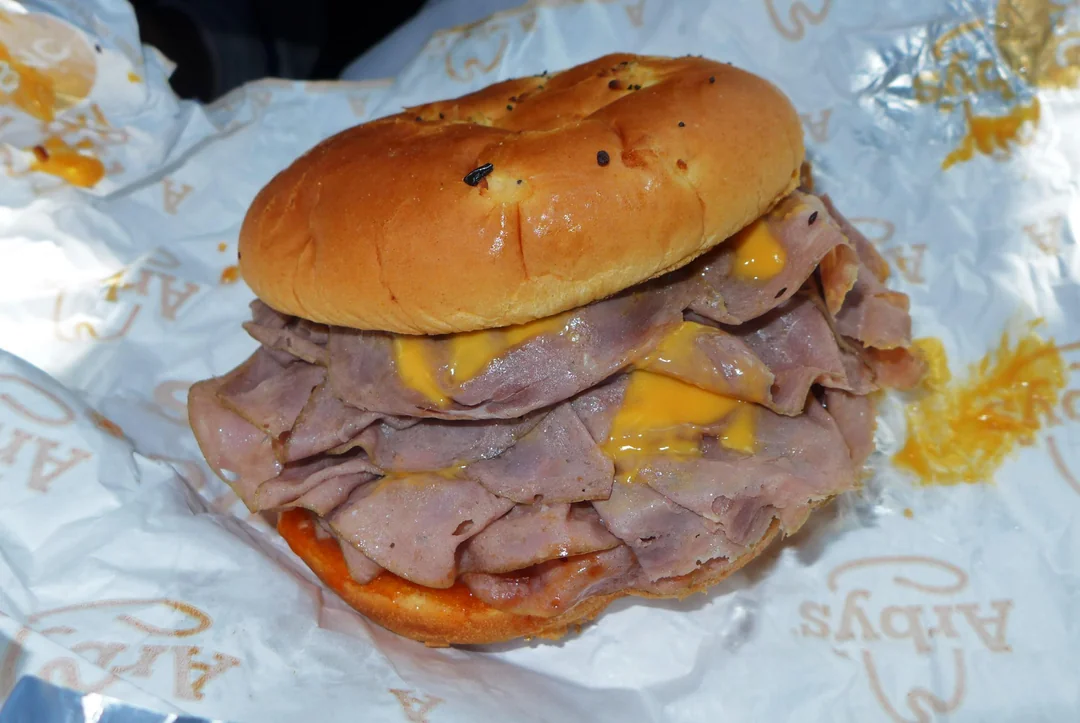
Arby’s still has loyal fans, but customers increasingly say the chain relies heavily on coupons because regular menu prices feel difficult to justify. A Beef ‘N Cheddar combo can commonly land around $10 to $14, depending on location and size.
The sandwich has not lost its appeal for many fans. The combination of roast beef, cheddar sauce, and onion roll remains one of Arby’s most recognizable orders. The issue is that customers often feel the full-price combo does not match their expectations for fast-food value.
That is why so many Arby’s discussions come back to coupons, app offers, and limited-time deals. For many diners, the discount price has become the real price.
Starbucks Bacon, Gouda & Egg Sandwich and Latte
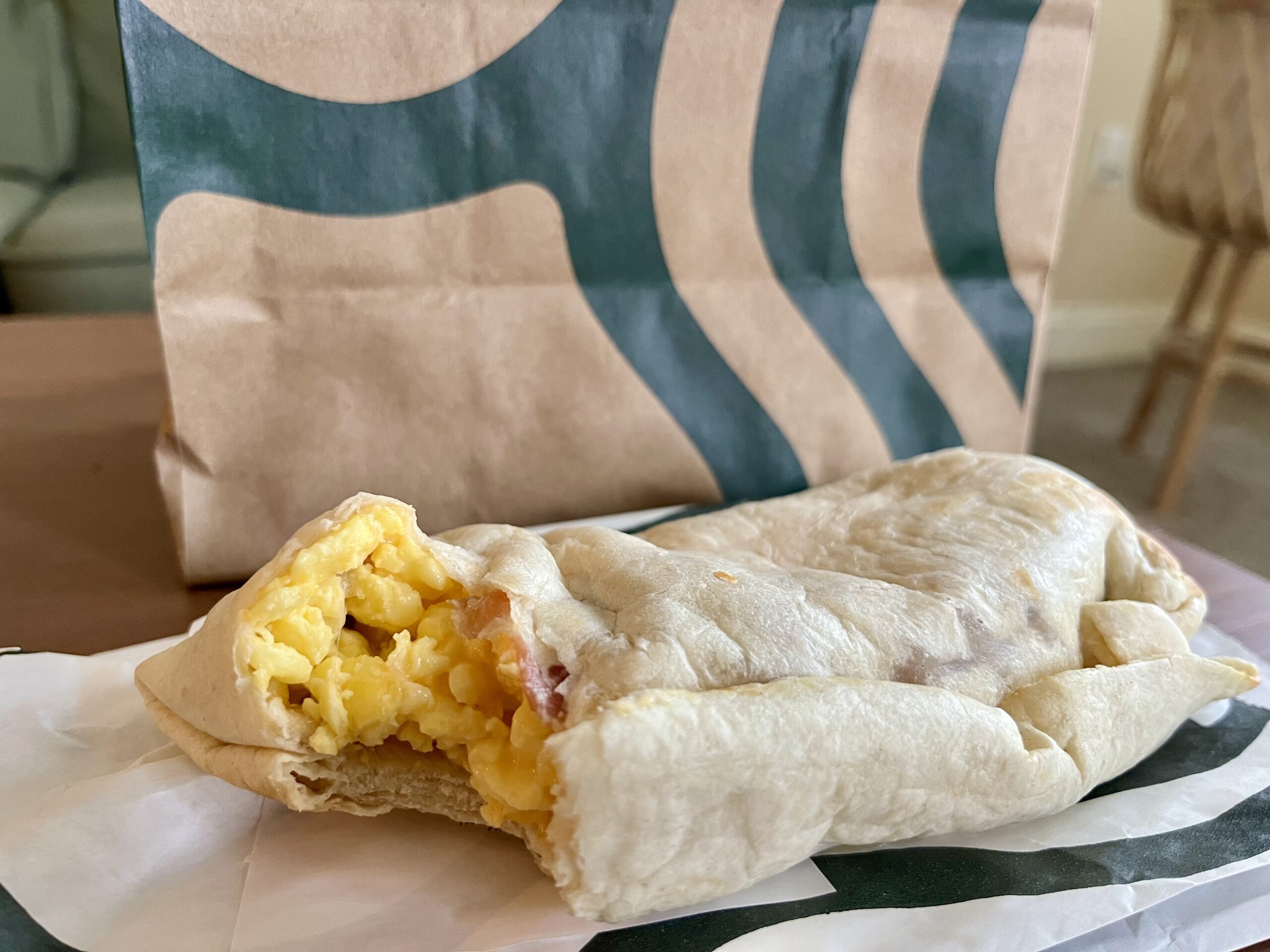
Many customers do not think of Starbucks as fast food, but the pricing complaints are very similar. A Bacon, Gouda & Egg Sandwich paired with a latte can easily cost around $11 to $15, depending on drink size, milk choice, and location.
For commuters, that routine can add up quickly. A breakfast sandwich and coffee that once felt like a convenient treat may now feel like a daily expense worth cutting.
Customers increasingly compare the purchase against making coffee at home, buying breakfast from a local bakery, or grabbing a larger meal elsewhere. The sandwich and latte are still popular, but many people no longer see them as an everyday habit.
Sign up for our newsletter
Popeyes 5-Piece Tenders Combo
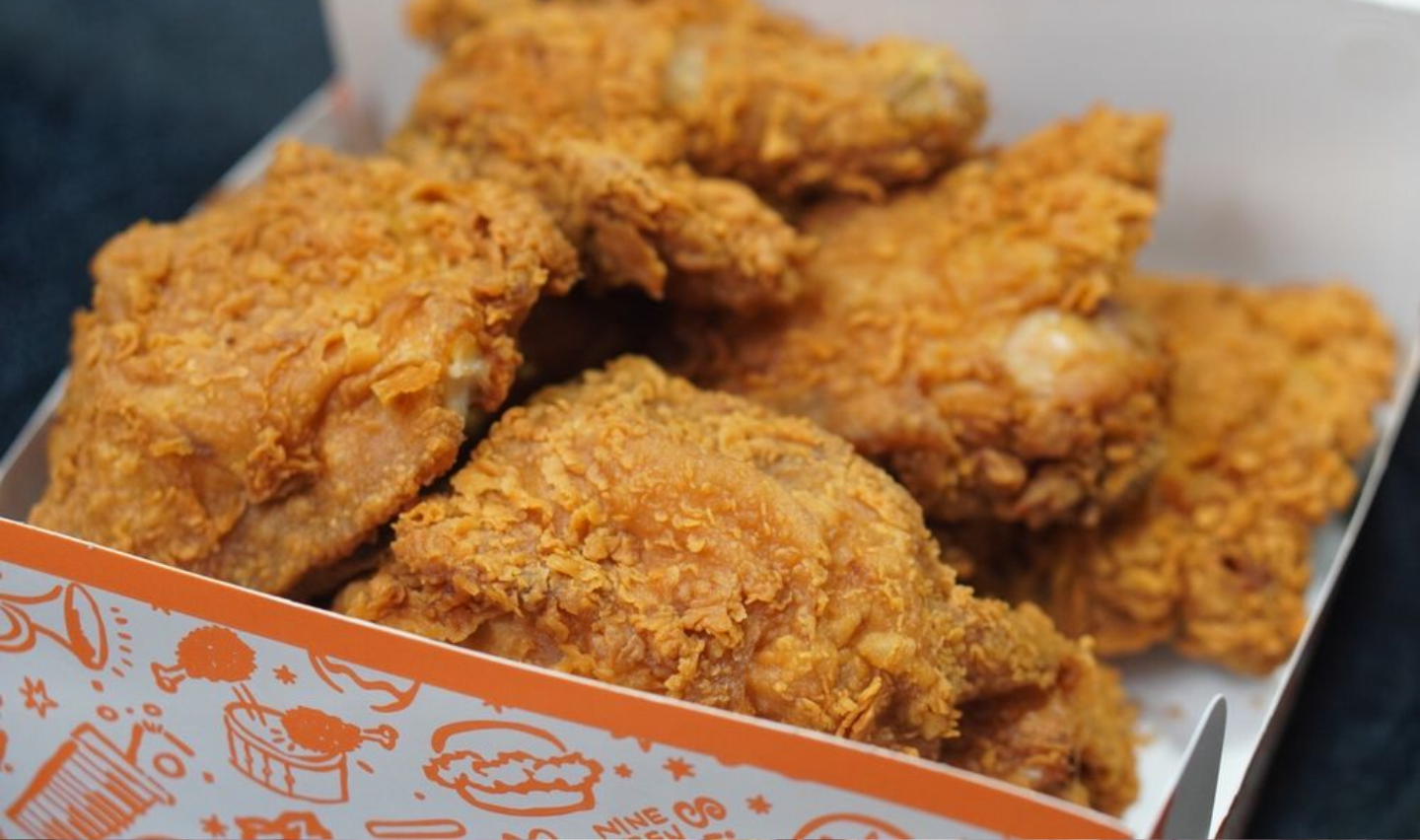
Popeyes remains popular, and many customers still praise the chain’s chicken. But combo meals have reached a point where some diners no longer view them as strong fast-food value.
A 5-piece tenders combo often costs around $11 to $15, depending on location. That usually includes tenders, a side, a biscuit, and a drink, but customers who remember lower prices may still feel the meal has crossed a line.
The complaint is rarely that the food lacks flavor. Popeyes has a loyal fan base for a reason. The concern is that the final price now invites comparisons with local chicken shops, grocery-store fried chicken, or sit-down lunch specials.
Dairy Queen Chicken Strip Basket
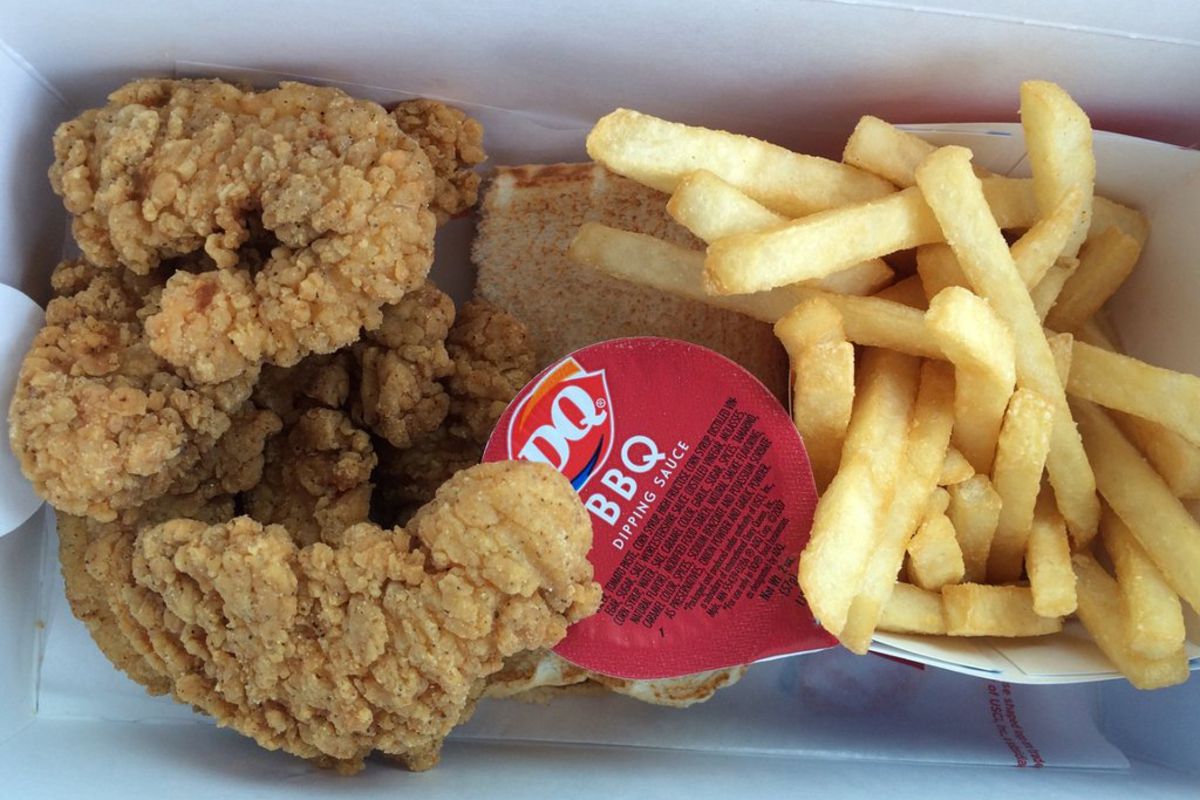
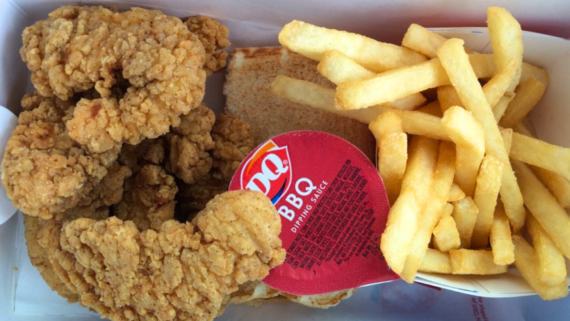
The Dairy Queen Chicken Strip Basket was once viewed as one of the chain’s strongest savory values. It delivered chicken strips, fries, Texas toast, and dipping sauce in one familiar meal.
Today, many customers say the basket, which commonly costs around $10 to $14, no longer feels like the bargain it used to be. The price can climb further with larger sizes, drinks, or location-based markups.
For longtime fans, this is less about quality and more about memory. The Chicken Strip Basket used to be a go-to order. Now, many people describe it as something they buy occasionally rather than automatically.
Panera Bread You Pick Two
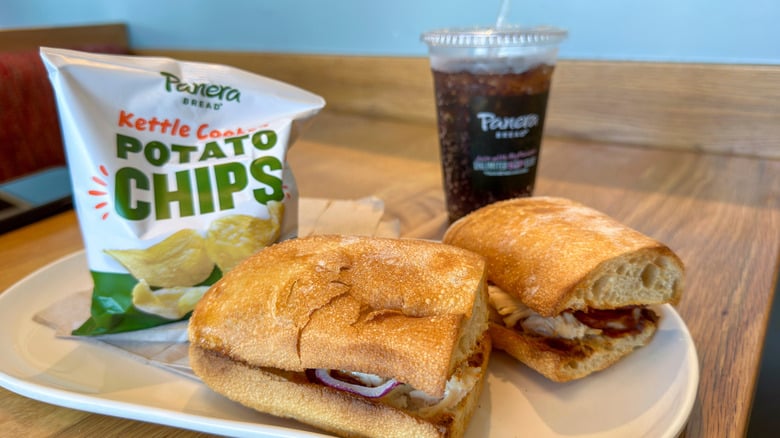
Panera’s You Pick Two was once viewed as a relatively affordable lunch option: half a sandwich, soup, salad, or mac and cheese in a customizable combo. Today, customers increasingly report paying around $11 to $16, depending on the items selected.
The value debate comes up often because portions can feel modest compared with the final bill. Customers who choose premium sandwiches, add drinks, or order bakery items can see the total rise quickly.
Panera still appeals to diners who want something lighter or more comfortable than traditional fast food. But once a partial sandwich and cup of soup approach restaurant-lunch pricing, some customers begin questioning how often it deserves a spot in their routine.
Sonic Footlong Quarter Pound Coney Combo
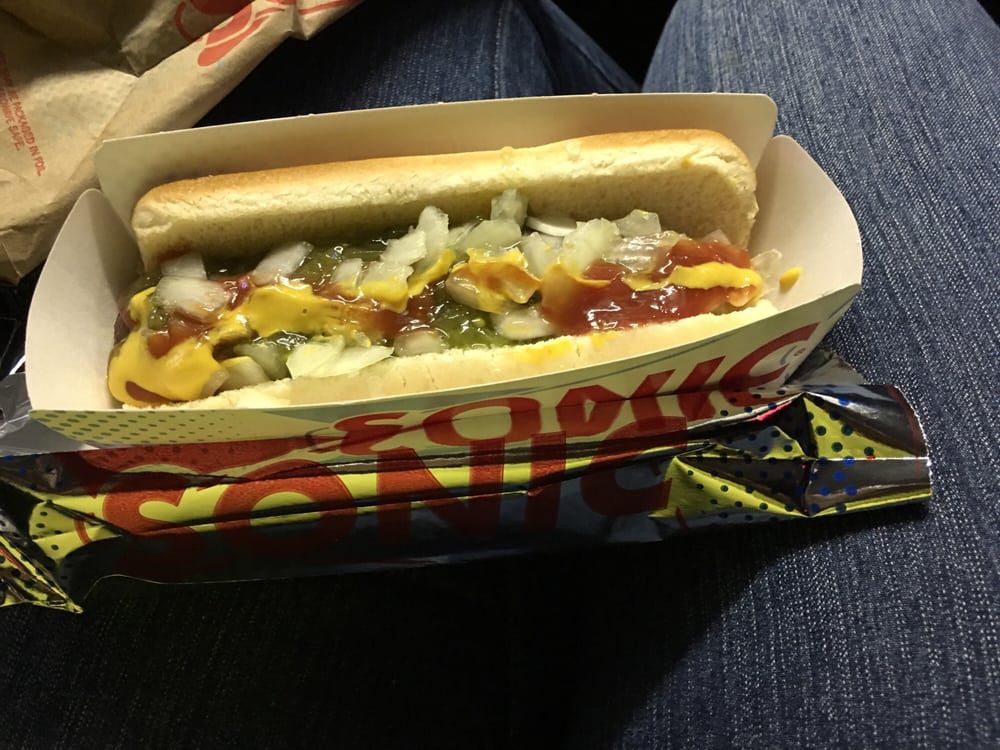
Sonic customers frequently mention that specialty hot dog meals have become unexpectedly expensive relative to what they are ordering. A Footlong Quarter Pound Coney combo can commonly cost around $10 to $14, depending on location and drink choice.
The psychological hurdle is simple: many customers look at it and think, “It’s a hot dog.” Even if they enjoy the chili, cheese, and drive-in nostalgia, the price invites comparison with grocery-store hot dogs or casual restaurant meals.
Sonic still has strong appeal through happy-hour drinks, slushes, and limited-time deals. But full-price specialty combos can feel much harder to justify than they once did.
Shake Shack ShackBurger Meal
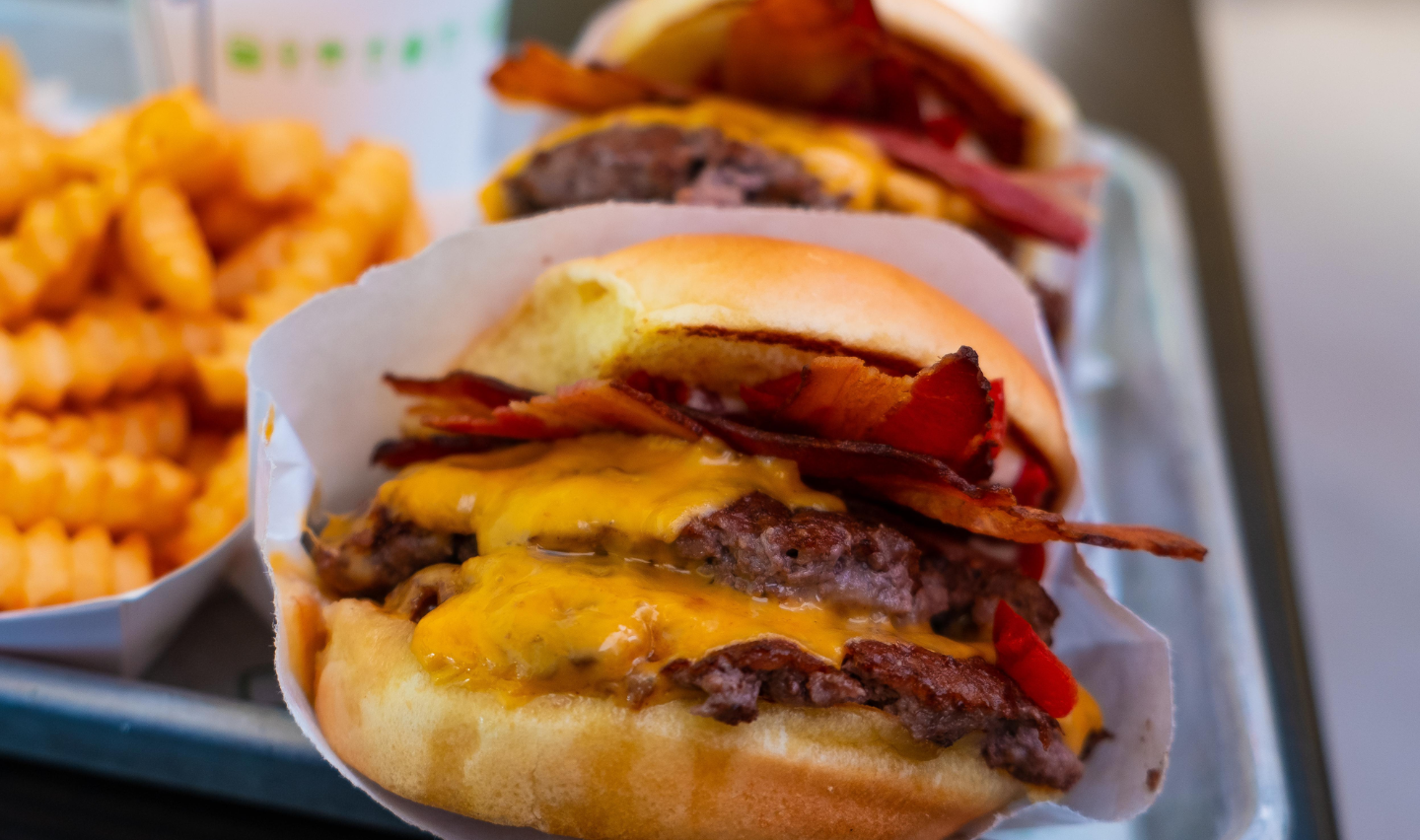
Shake Shack remains highly regarded, but customers increasingly debate whether the premium burger experience still justifies the premium pricing. A ShackBurger, fries, and drink can easily cost around $15 to $20 in many markets.
Fans often praise the burger quality, crinkle-cut fries, shakes, and overall experience. But Shake Shack sits in a tricky space: it is more expensive than traditional fast food but not always cheap enough to avoid comparison with local burger restaurants.
For many customers, Shake Shack has shifted from a casual stop to an occasional treat. They still like it, but the price makes it harder to visit as often.
The Real Breaking Point: When Fast Food Starts Competing With Restaurants
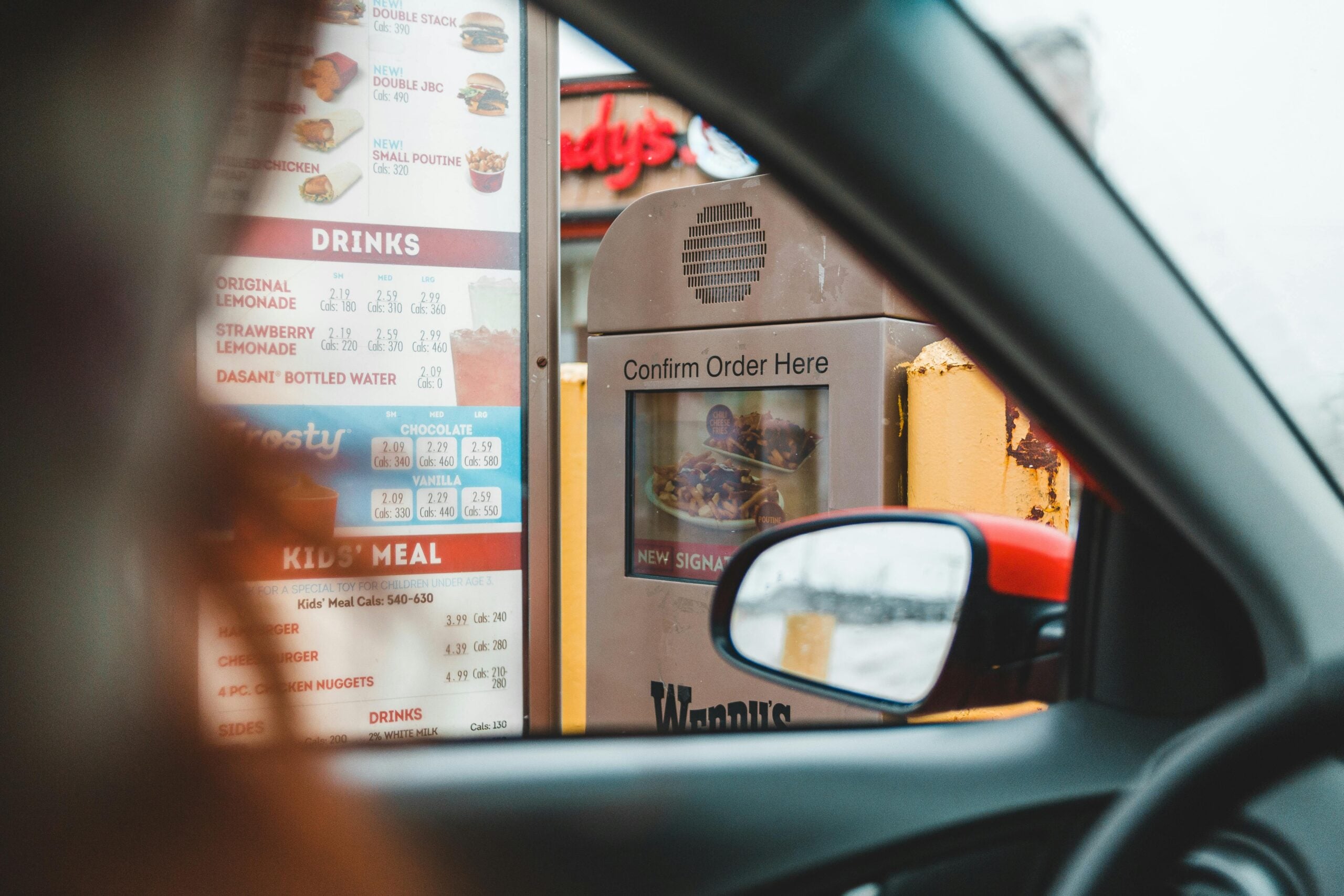
The strongest trend across consumer discussions is not that people dislike these menu items. In fact, many remain extremely popular. The issue is that customers increasingly compare them against alternatives.
A $15 Big Mac meal is not just competing against another fast-food meal anymore. It is competing against diners, local sandwich shops, grocery-store prepared meals, fast-casual bowls, and even some sit-down restaurants.
That shift changes consumer behavior. Once a fast-food order feels expensive enough to require comparison shopping, it loses one of the biggest advantages fast food used to have: the feeling that it was quick, easy, and cheap enough not to think about.
For many Americans, the line has already been crossed. They may still crave these items, but they are buying them less often, waiting for app deals, or quietly replacing them with something that feels like a better value.