Restaurant closures have largely returned to levels that look much more like the years before the pandemic after several years of unusually aggressive expansion and recovery. Industry analysts say many restaurant companies are once again taking a hard look at their portfolios, choosing to close weaker-performing locations rather than keeping marginal stores open in hopes that business will improve.
That doesn’t necessarily mean these brands are disappearing. In many cases, they’re intentionally reducing their footprints to strengthen the company as a whole. Older restaurants, changing consumer habits, higher labor costs, expensive leases, and increased competition have all made it more difficult for underperforming locations to survive.
Some chains are restructuring after bankruptcy, others are focusing on franchising, while several are investing heavily in newer restaurant formats designed for takeout, delivery, and drive-thru customers. These restaurant chain closures involve brands that have either announced closures, are actively shrinking their footprints, or have indicated that additional closures remain possible—not because they’re going out of business, but because they’re reshaping their operations for the future.
Denny’s Is Still Trimming Older Restaurants
Denny’s has made it clear that its restaurant reduction plan is part of a long-term strategy rather than a sign of collapse. The company previously announced plans to close roughly 150 underperforming U.S. restaurants, with most of the affected locations being older diners that have experienced years of declining traffic.
Executives have repeatedly said remodeled restaurants continue to outperform aging locations, making it more worthwhile to invest in stronger stores instead of maintaining restaurants that consistently lose money. Surprise local closures have continued into 2026, suggesting the company’s portfolio cleanup is still ongoing. Rather than abandoning markets, Denny’s is trying to create a healthier network of restaurants that better matches today’s customer demand.
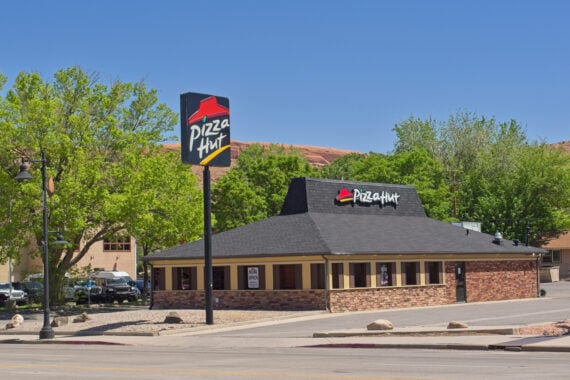
Pizza Hut Is Shrinking Parts of Its U.S. Footprint
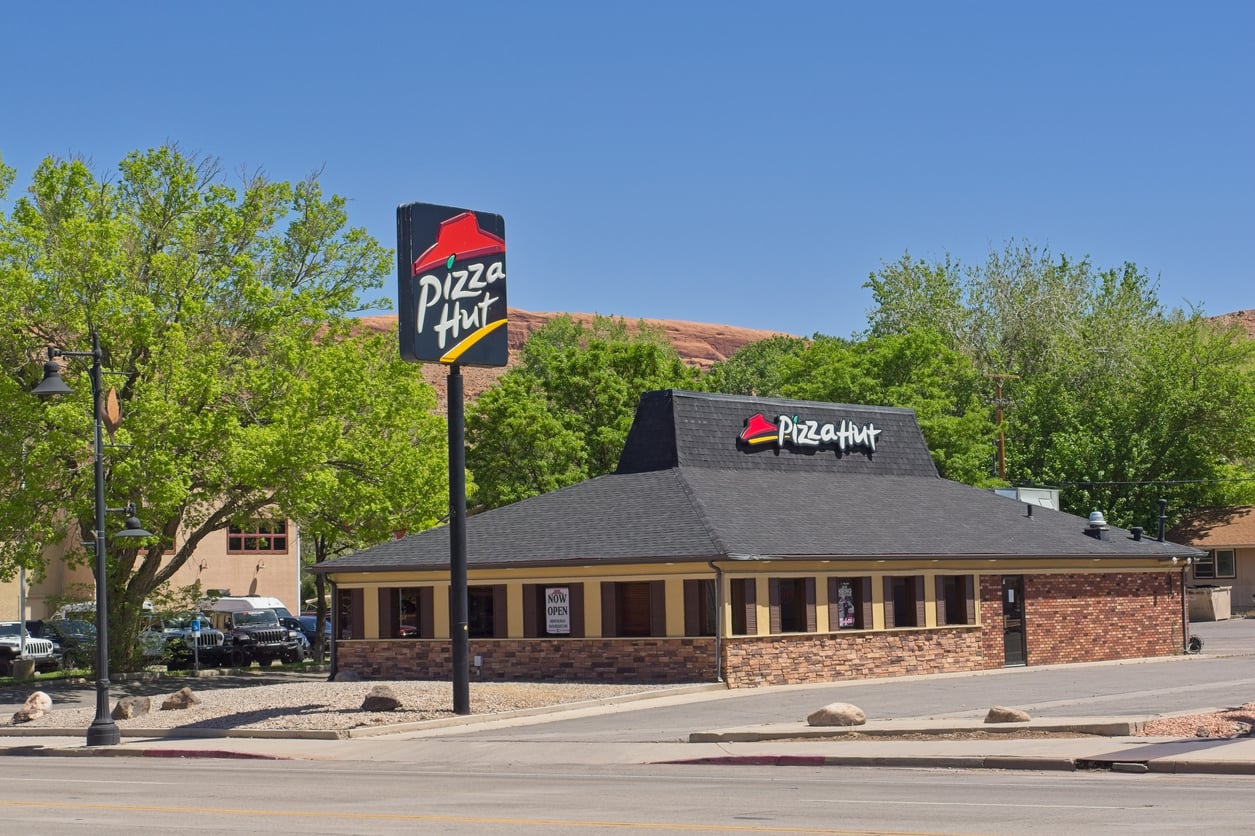
Pizza Hut’s footprint looks very different from the chain’s peak during the 1990s, when its iconic red-roof dine-in restaurants dominated suburban shopping centers across America. Today, many customers primarily order pizza for delivery or pickup, leaving large dining rooms far less essential than they once were.
The company continues reducing older dine-in restaurants while concentrating on delivery-focused and carryout locations. Hundreds of weaker stores have either closed or changed ownership over the past several years. Competition from Domino’s, regional pizza chains, and independent pizzerias has only increased the pressure. Rather than leaving markets entirely, Pizza Hut’s strategy focuses on replacing outdated restaurants with formats that better fit modern ordering habits.
Jack in the Box Is Cutting Underperforming Restaurants
Jack in the Box has announced plans to close dozens of lower-performing restaurants as part of a broader effort to improve profitability. Company executives have described the move as an important step toward strengthening the overall business rather than simply shrinking the brand.
Higher labor costs, inflation, and softer customer traffic have made certain locations increasingly difficult to operate profitably. These restaurant chain closures haven’t stopped Jack in the Box from pursuing expansion opportunities in stronger markets where newer restaurants are expected to generate better returns. Many investors view this type of selective pruning as a healthier long-term strategy than keeping unprofitable locations open indefinitely.
Papa Johns Is Cleaning Up Its Store Base
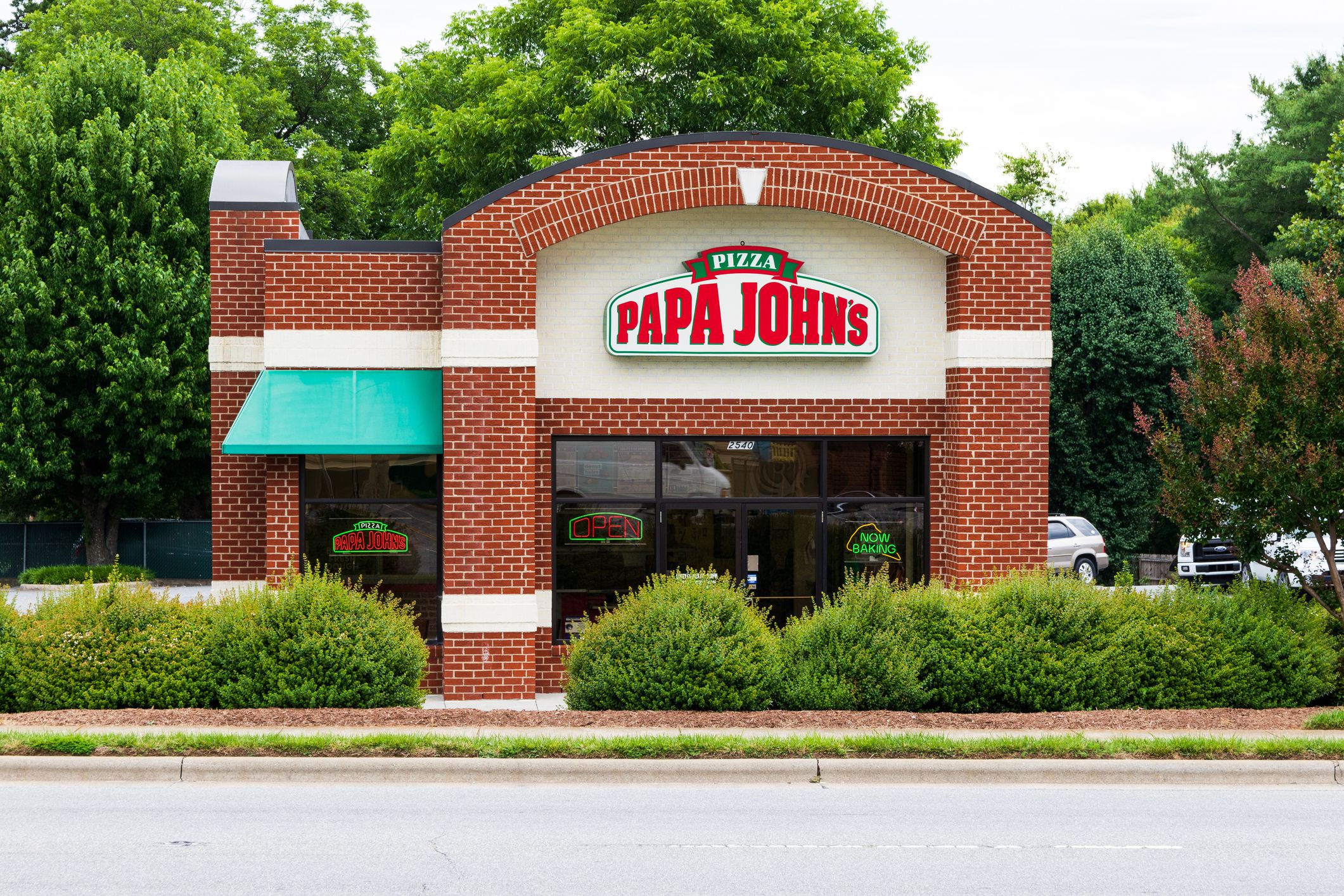
Papa Johns has announced plans to close roughly 300 North American restaurants by 2027, including around 200 locations during 2026. Most of the affected restaurants are older franchise-operated stores that have struggled to keep pace with stronger-performing locations.
At the same time, the company continues investing heavily in digital ordering, loyalty programs, and technology designed to increase customer retention. Newer restaurants often outperform many legacy locations, highlighting the difference between individual restaurant performance and the health of the overall brand. While some stores are disappearing, Papa Johns continues focusing its resources on restaurants with stronger long-term potential.
Red Robin Continues Evaluating Weak Locations
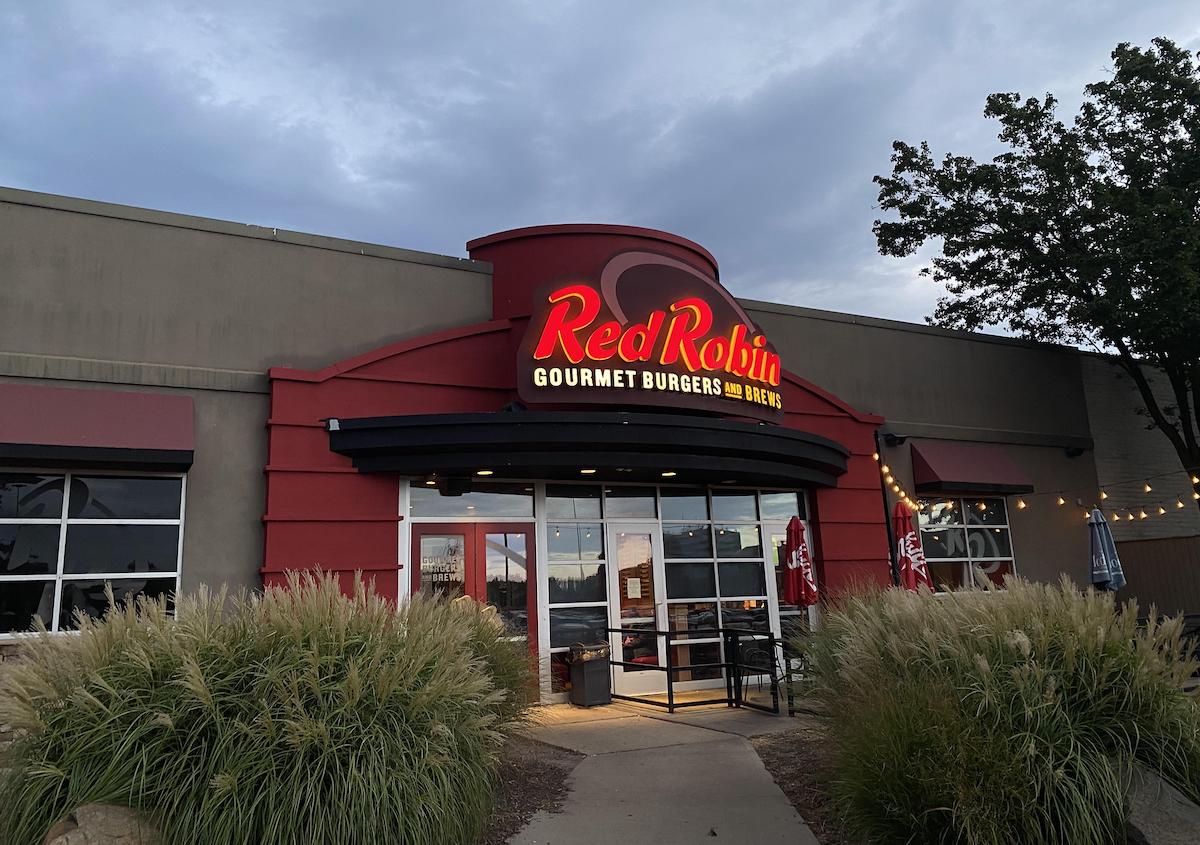
Red Robin has spent the past several years working to stabilize its finances while carefully reviewing restaurants that consistently underperform. Executives have acknowledged that additional closures remain possible as the company continues reducing debt and improving profitability.
The burger chain has simplified its menu, streamlined operations, and worked to improve guest satisfaction. Traffic has shown signs of improvement during some recent quarters, reducing the number of expected closures compared to earlier projections. Rather than pursuing rapid expansion, Red Robin appears focused on strengthening its existing restaurants before considering future growth.
Trending on Cheapism
Noodles & Company Is Getting Smaller Before Trying to Grow Again
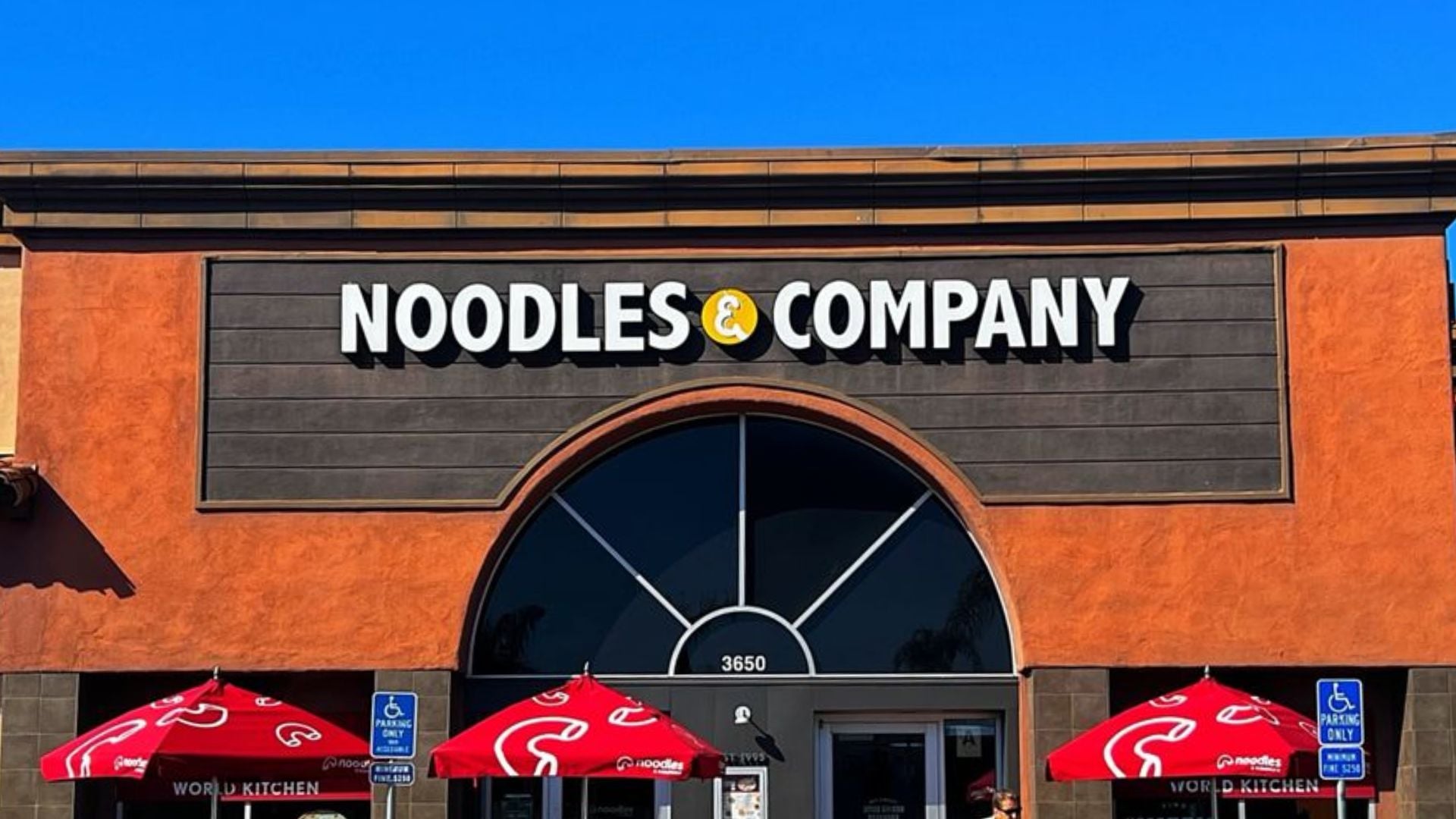
Noodles & Company has been reducing its restaurant count while concentrating on markets where individual stores generate stronger financial results. Leadership has openly acknowledged that not every historical location still makes economic sense in today’s restaurant environment.
The chain has refreshed its menu, redesigned portions of its restaurants, and introduced operational improvements intended to boost efficiency. Company leaders have indicated that future expansion is more likely after the current portfolio becomes more profitable. Closing weaker restaurants may temporarily reduce the overall store count, but it can improve average performance across the remaining locations.
Red Lobster Is Still Recovering From Bankruptcy
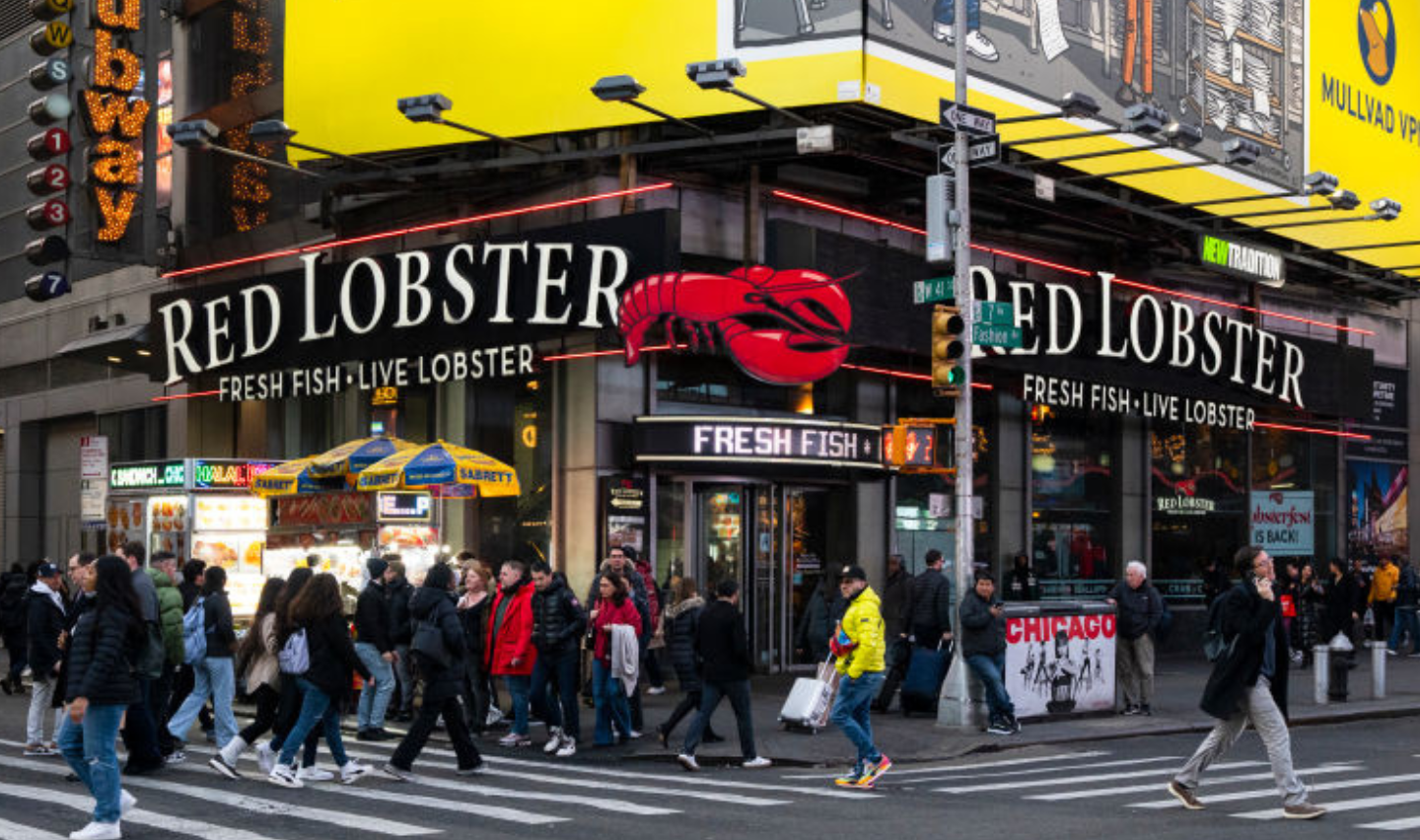
Red Lobster continues rebuilding after its bankruptcy restructuring, and that process still includes closing restaurants that no longer fit the company’s recovery strategy. Numerous locations have already shut down, including several longtime restaurants that were once fixtures in their communities.
Under new ownership, Red Lobster has focused on simplifying operations, improving profitability, and rebuilding customer confidence. Although the chain still operates hundreds of restaurants across North America, additional targeted closures remain possible as management continues evaluating its portfolio. Bankruptcy often leads to years of gradual adjustments rather than one large wave of closures.
On The Border’s Future Looks Especially Uncertain
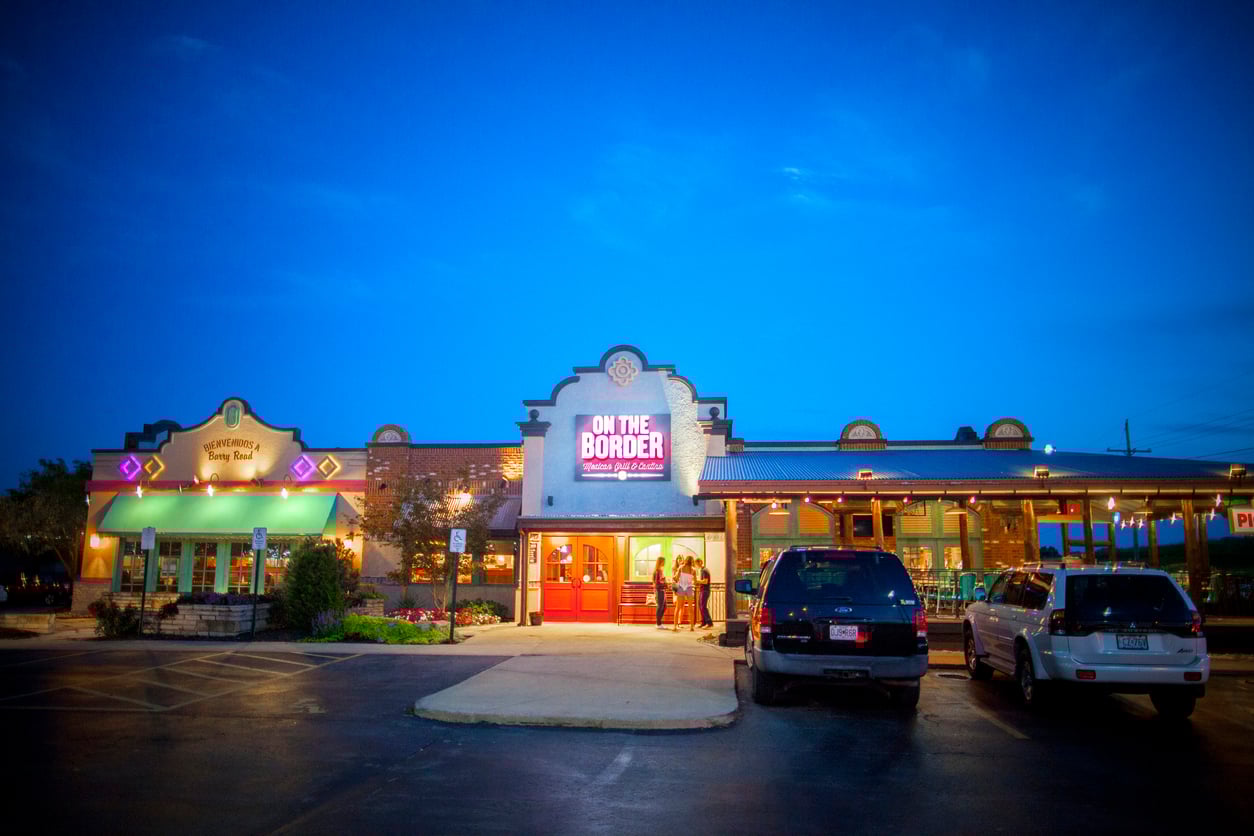
Few restaurant chains have experienced a more dramatic decline recently than On The Border. Roughly 70 restaurants have closed over the past 15 months as the company struggled with declining traffic, inflation, and rising operating costs.
The situation became even more severe after parent company OTB Hospitality moved from Chapter 11 restructuring into Chapter 7 liquidation, ending company-owned operations. However, some independently owned franchise restaurants continue operating, making it important to distinguish between the corporate business and surviving franchise locations. While the brand hasn’t disappeared entirely, its future remains highly uncertain.
Sign up for our newsletter
Hooters Is Rebuilding With Fewer Restaurants
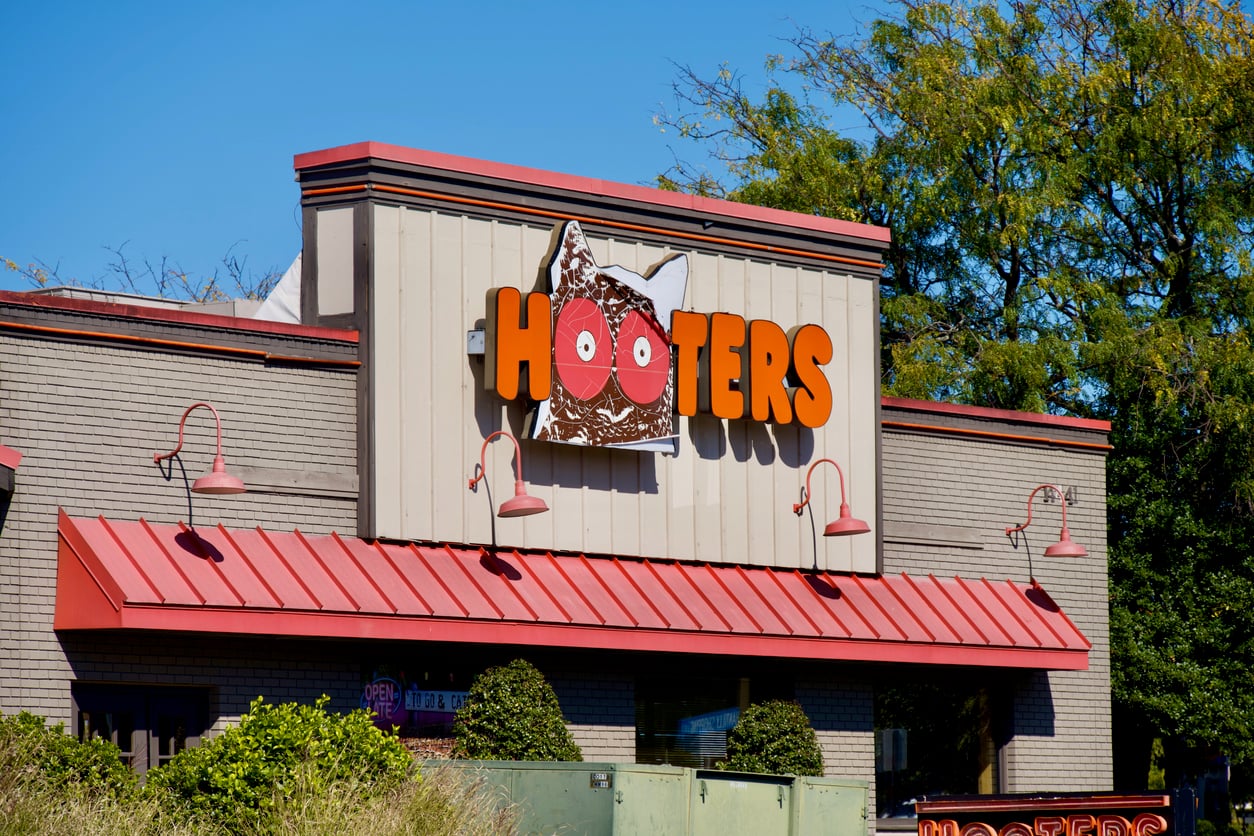
Hooters has closed dozens of company-owned restaurants following its bankruptcy filing, but management has consistently emphasized that the closures are part of a broader restructuring plan rather than the end of the brand.
Franchise-operated restaurants continue to represent a significant portion of Hooters’ business, and many remain open across the United States and internationally. Company leaders hope a leaner restaurant base will improve long-term financial stability while allowing remaining locations to operate more efficiently. Customers may notice fewer restaurants, but the company continues working toward a more sustainable future.
TGI Fridays Continues Looking Much Smaller Than It Once Was
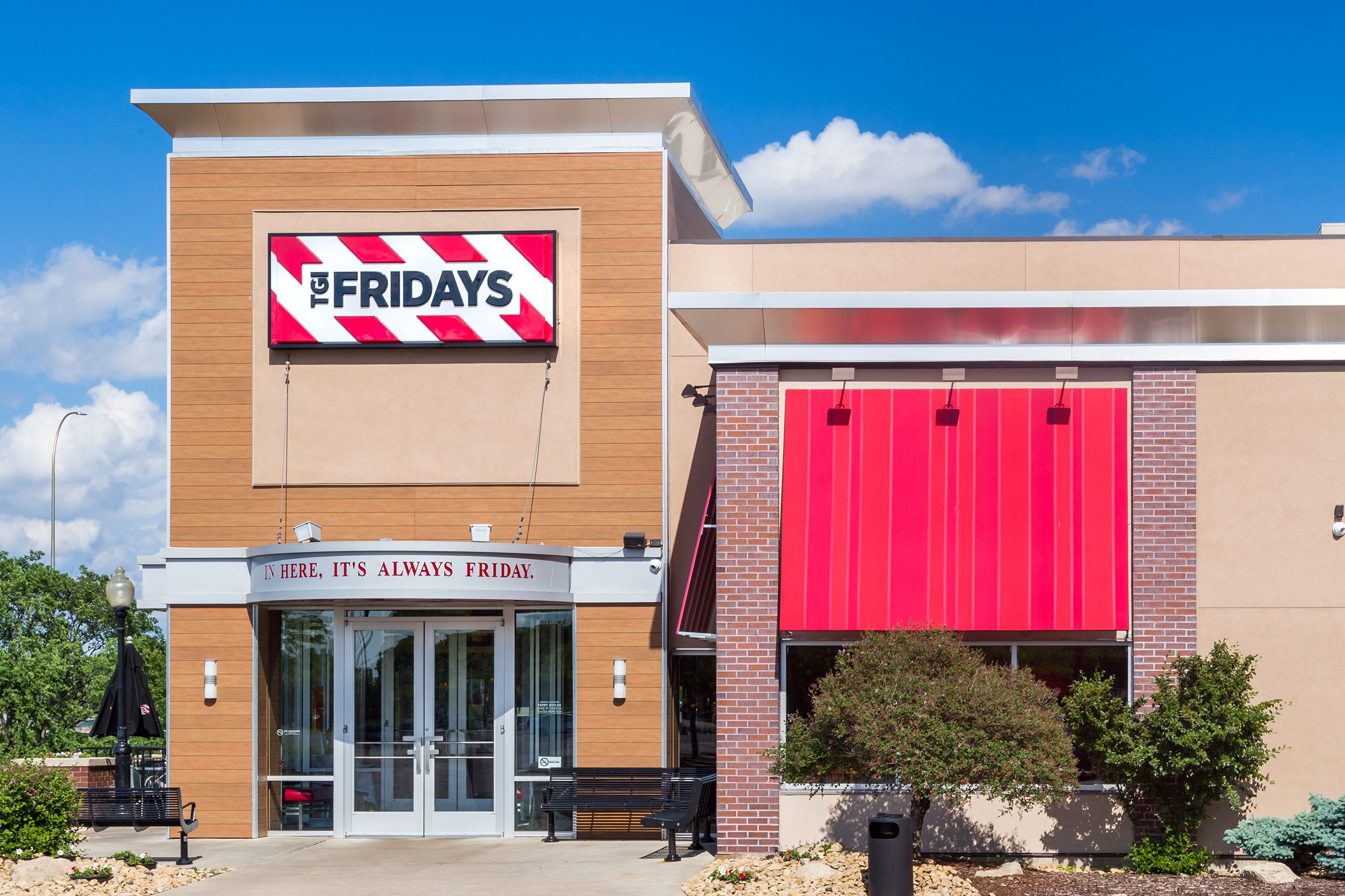
TGI Fridays has spent years shrinking after multiple ownership changes, financial struggles, and shifting consumer preferences. Many longtime customers have already noticed that the chain operates far fewer restaurants today than it did during its peak years.
The company continues focusing on stronger franchise markets while exiting weaker locations. At the same time, traditional casual dining has faced growing competition from fast-casual restaurants that often offer quicker service and lower prices. Although TGI Fridays still maintains a presence in many markets, its footprint remains considerably smaller than it once was.
Applebee’s Is Still Selectively Closing Restaurants
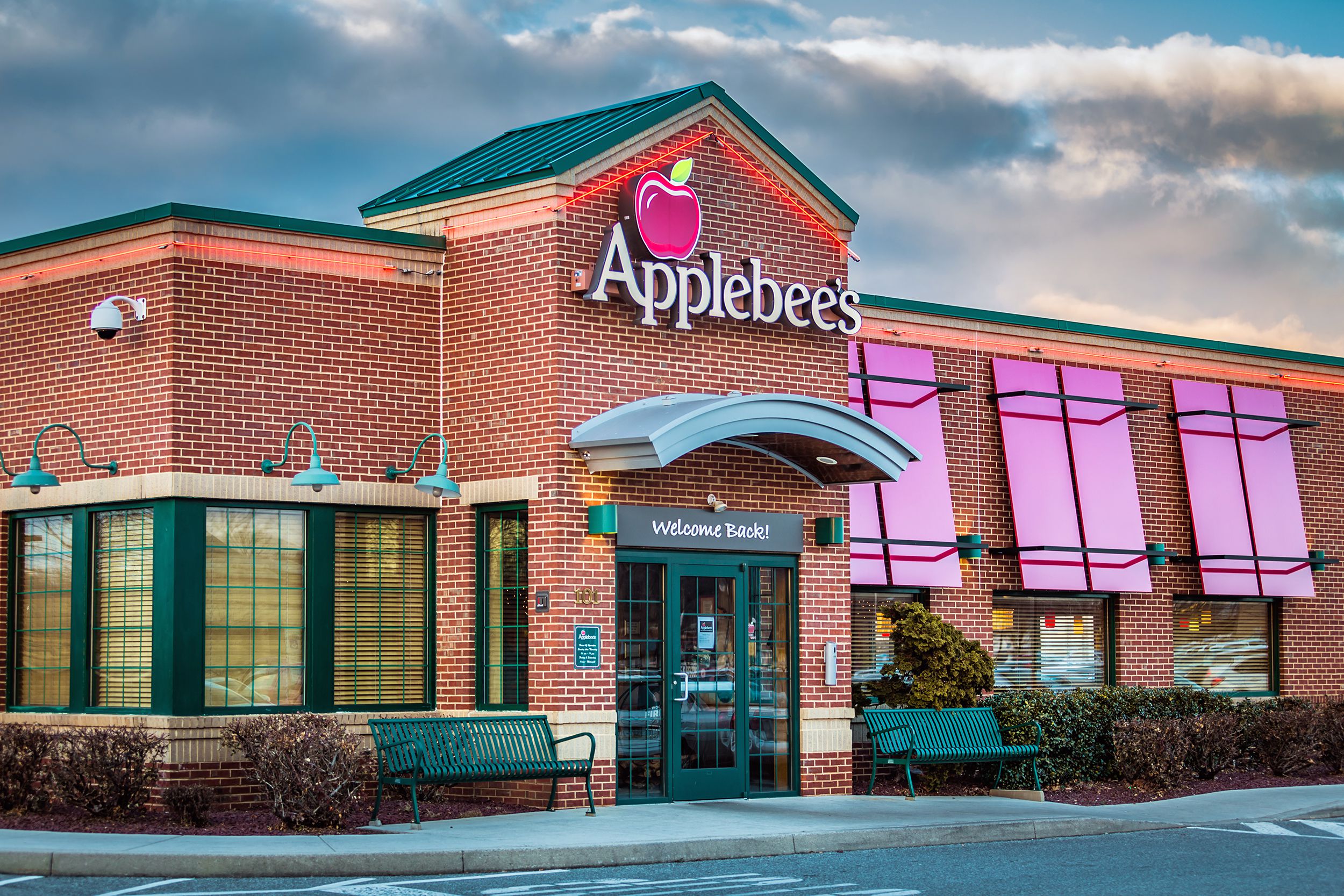
Applebee’s remains one of the country’s largest casual dining chains, but like many mature restaurant brands, it regularly closes underperforming locations while opening restaurants in stronger markets. Many of the closures involve older restaurants located in areas where competition or changing demographics have reduced sales.
Parent company Dine Brands continues investing in remodeled restaurants, digital ordering, and off-premise dining as customer habits evolve. Rather than signaling widespread trouble, these selective closures reflect a common strategy used by many national restaurant companies to maintain healthier portfolios over time.
Casual Dining as a Whole Is Facing a New Reality
Industry analysts say today’s restaurant environment has largely returned to normal after the unusual disruptions of the pandemic years. Higher wages, elevated food costs, expensive leases, and more cautious consumer spending have made it increasingly difficult for average-performing restaurants to remain profitable.
As a result, many chains are becoming far more willing to close weaker restaurants instead of subsidizing them. While that often leads to fewer total locations, it can also create healthier companies with stronger-performing stores that are better positioned for long-term success.
Bigger Picture: Why These Closures Matter

Restaurant closures don’t automatically mean a brand is failing. In fact, investors often view targeted closures positively because eliminating consistently unprofitable restaurants can improve financial performance and free up resources for stronger locations.
Consumer habits continue shifting toward convenience, value, digital ordering, and drive-thru service, encouraging many chains to replace older, expensive restaurants with smaller, more efficient formats. Over the next several years, diners will likely continue seeing restaurant footprints evolve as companies adapt to permanently higher labor costs, changing customer expectations, and an increasingly competitive industry.