Long international flights can be exhausting before the trip even begins, especially when hours of sitting, dry cabin air, disrupted sleep, and time-zone changes pile up at once. The CDC notes that extended air travel can bring issues ranging from dehydration and ear discomfort to an increased risk of blood clots for some travelers. Avoiding a few common mistakes can make long international flights much safer, more comfortable, and easier to recover from after landing.
Never Sit Motionless for the Entire Flight
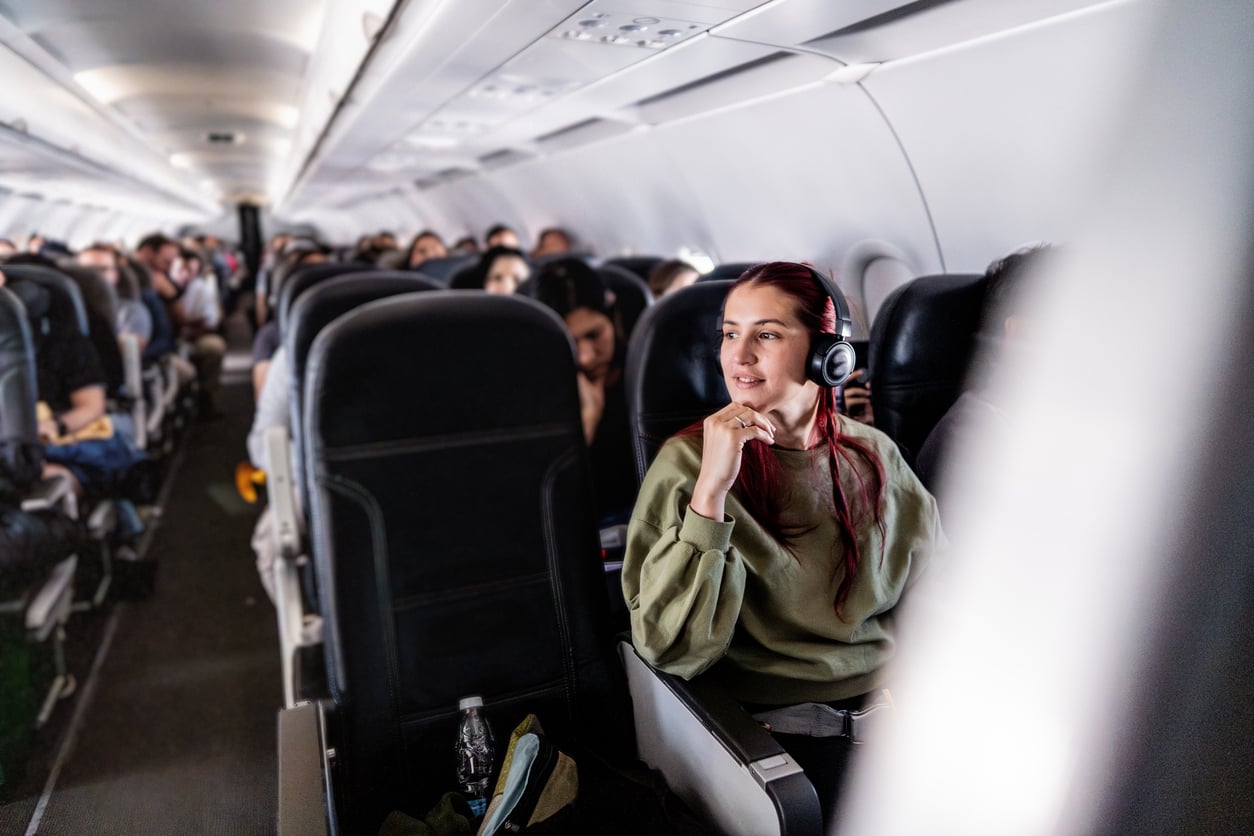
Settling in for a movie marathon is understandable, but remaining virtually motionless for eight or 10 hours is not a great plan. The CDC says trips longer than four hours can increase blood-clot risk, particularly for travelers who already have risk factors. Move your legs regularly, flex your ankles and calves, and walk occasionally when conditions permit. The overall risk is small for most people, but previous clots, recent surgery, pregnancy, cancer, and other factors can increase it.
Never Ignore the Seatbelt Sign
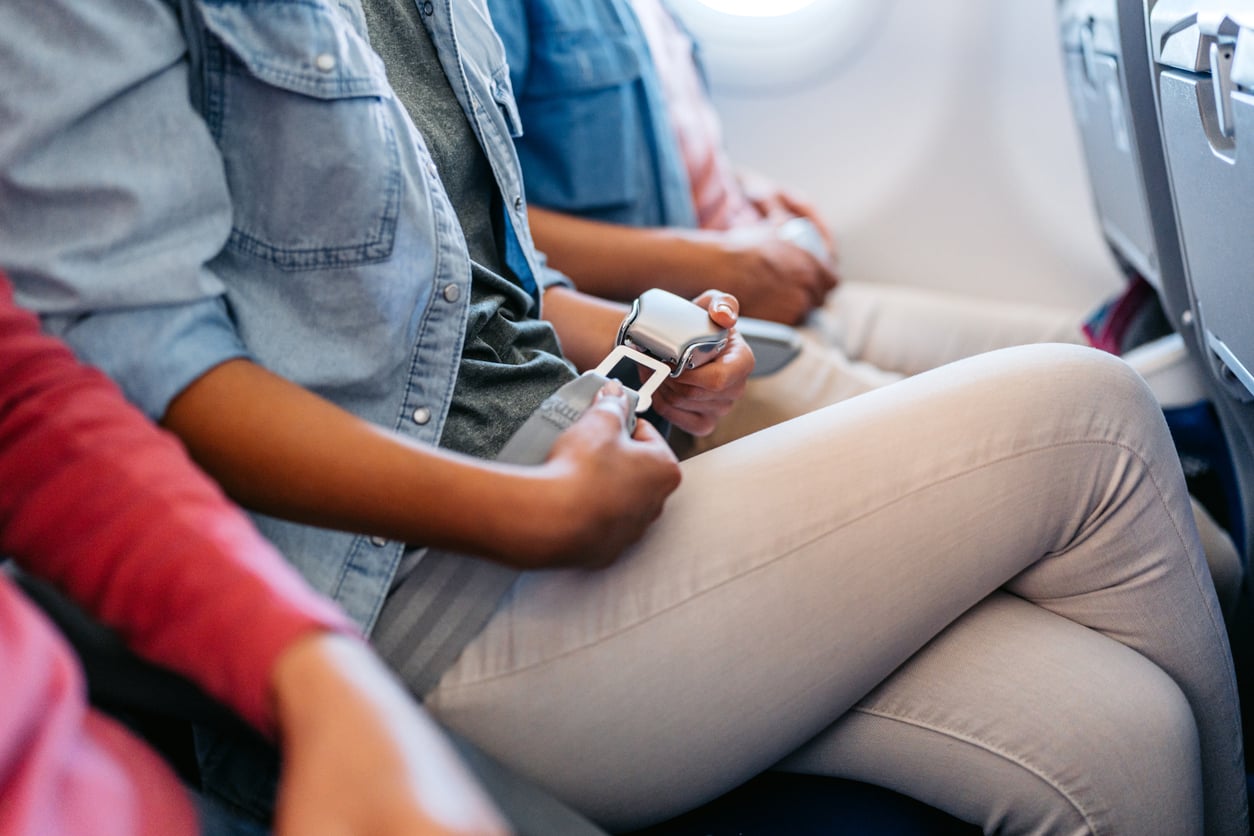
A smooth flight can become turbulent without much warning, including when the sky looks perfectly clear. The FAA says passengers who are not buckled can be thrown from their seats during unexpected turbulence and recommends keeping the belt fastened whenever you are seated, not only when the sign is illuminated. On a long flight, keep it comfortably secured over your lap while sleeping too. Stretching your legs is important, but cabin crew instructions and the seatbelt sign come first.
Never Treat the Drink Cart Like an Open Bar
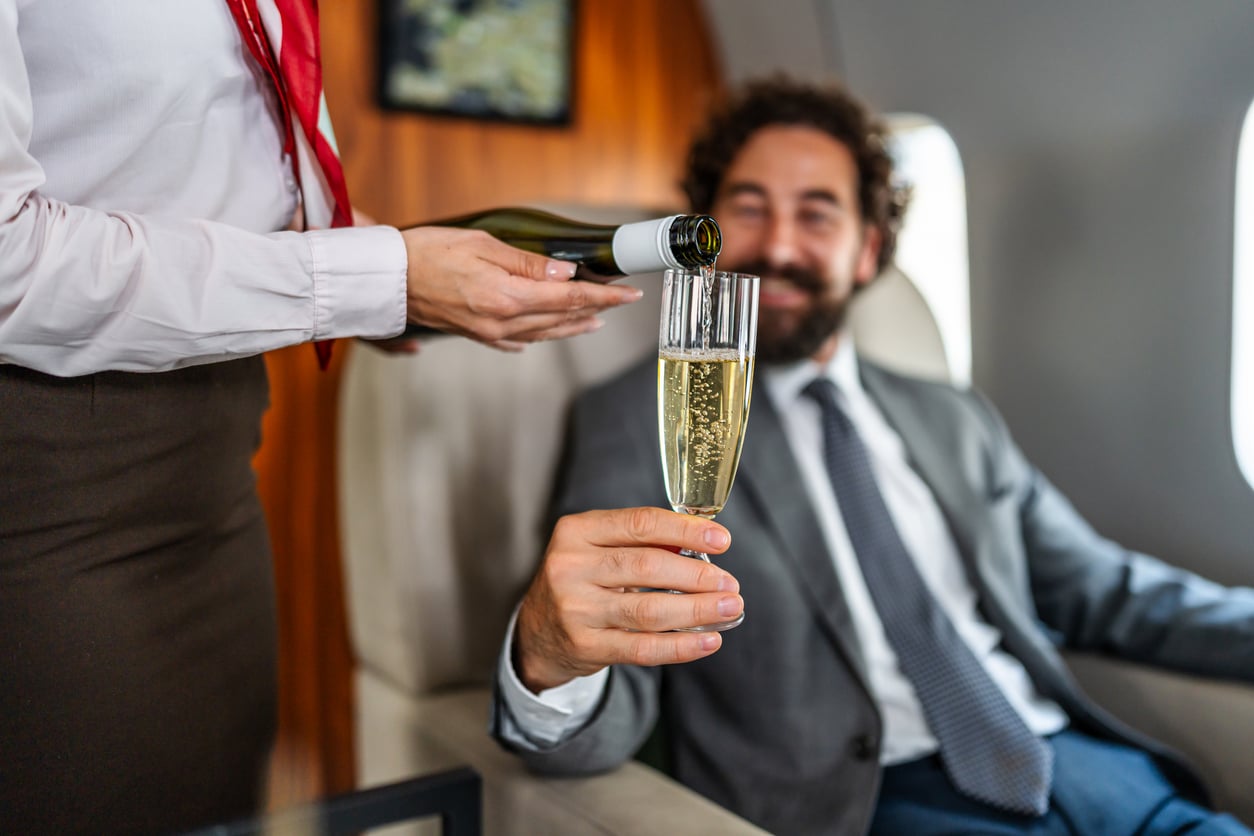
A glass of wine with dinner is one thing; drinking your way through an overnight flight is another. Alcohol may make you fall asleep sooner, but CDC guidance notes that it can fragment sleep and contribute to dehydration, leaving you less rested when you land. There is also a legal wrinkle Americans sometimes overlook: FAA rules prohibit passengers from drinking their own alcohol aboard a flight unless the airline serves it. If sleep and jet lag matter, moderation is the more useful strategy.
Never Keep Drinking Coffee Without Checking the Clock
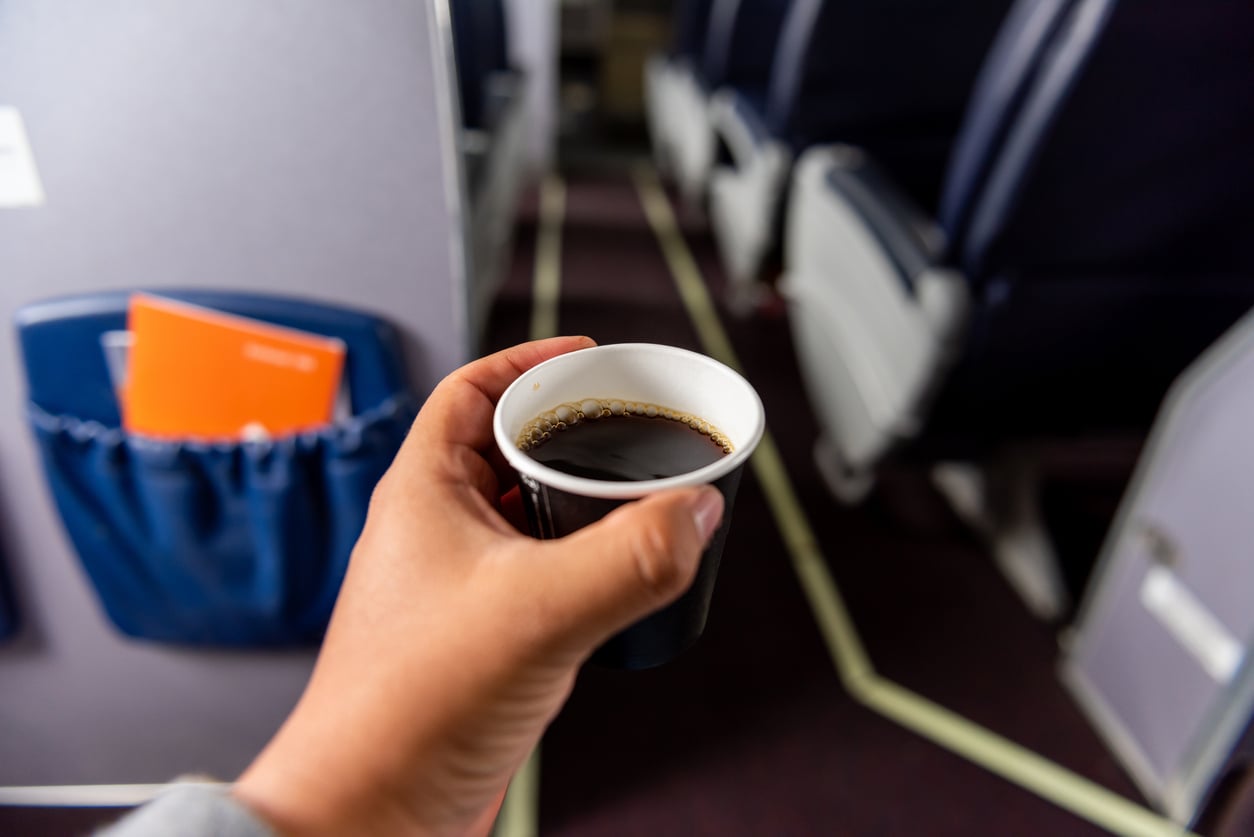
Coffee is not automatically the enemy on a long flight. Timing is what matters. Caffeine can help you remain alert when your destination is experiencing daytime, but drinking it close to the sleep period you’re trying to adopt can work against you. CDC jet-lag guidance recommends timing sleep, meals, light exposure, and caffeine around destination time. Before ordering another cup simply because you’re bored or tired, check the clock where you’re headed and decide whether you actually want to be awake.
Never Put Essential Medication in Your Checked Bag
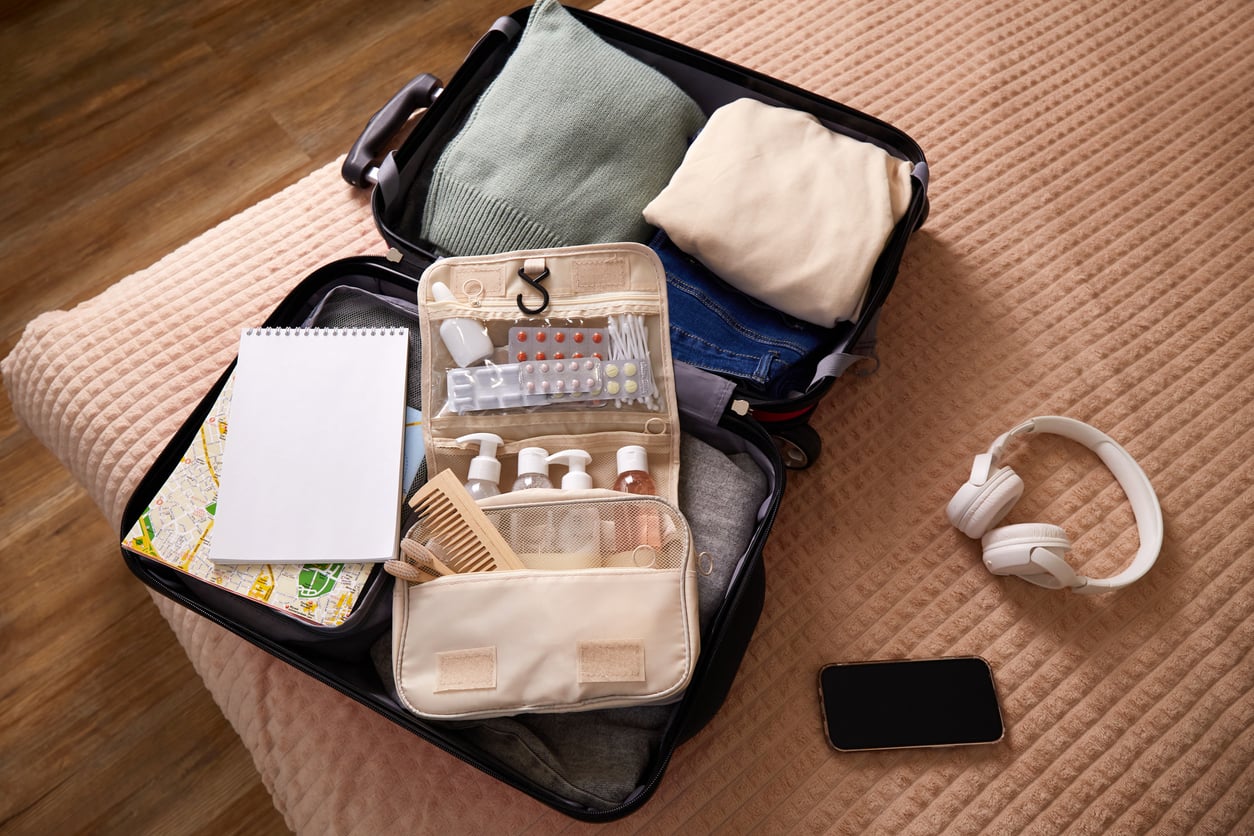
Medication you may need should travel with you, not somewhere beneath the airplane. TSA allows medication in carry-on baggage and specifically recommends carrying it there when immediate access may be necessary. Medically necessary liquids can also exceed the usual 3.4-ounce limit when properly presented for screening. International travelers have another concern: a prescription that is legal at home may be restricted abroad, particularly some ADHD medications, sleeping pills, cannabis products, and controlled drugs. Check destination rules before departure.
Trending on Cheapism


Never Try a New Sleeping Pill for the First Time in the Air
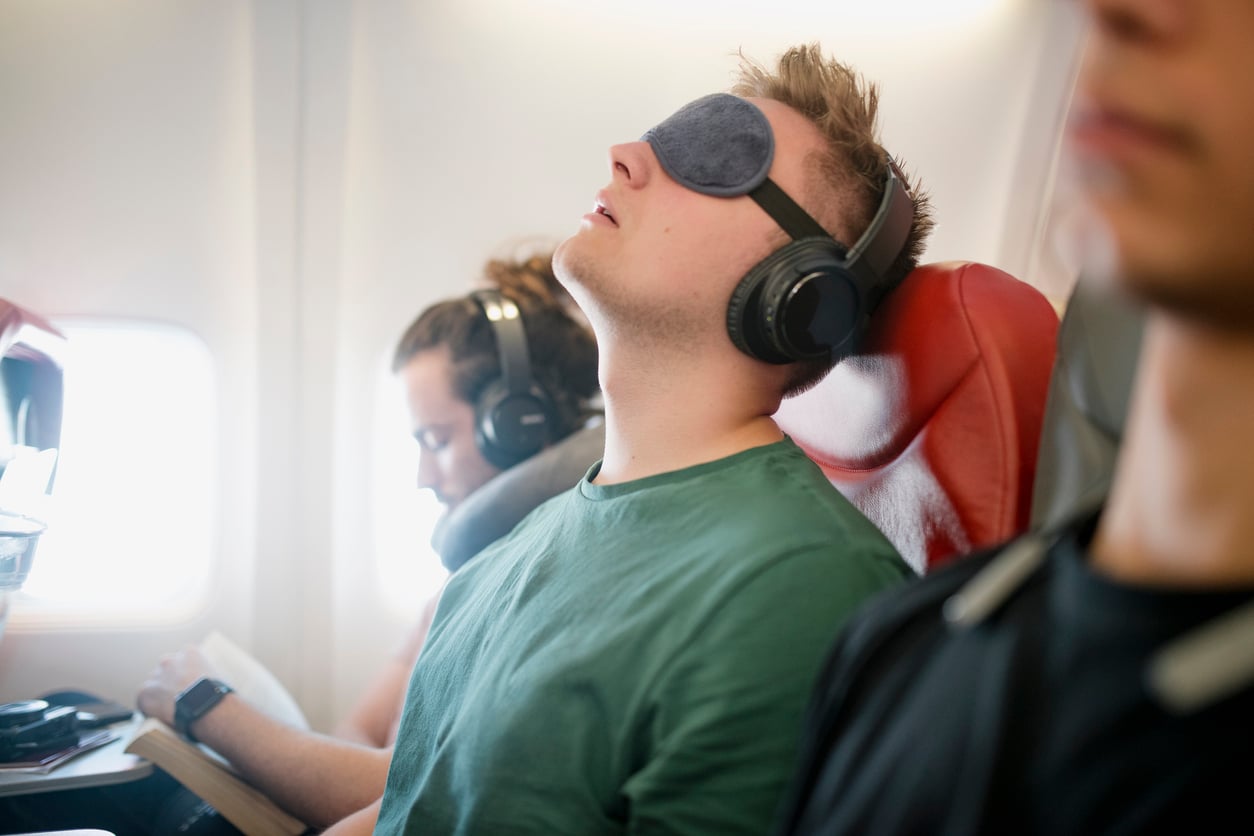
A 10-hour flight is a poor place to discover that a sleep aid leaves you confused, dizzy, nauseated, or unusually groggy. The CDC’s 2026 jet-lag guidance advises avoiding sedatives with long half-lives and notes that some long-acting medications can worsen cognitive impairment, fall risk, and physical performance. If you’re considering medication or melatonin, discuss it with a healthcare professional beforehand rather than experimenting over the Atlantic. An eye mask, earplugs, and sensible sleep timing remain much simpler first steps.
Never Wait Until Landing to Think About Destination Time
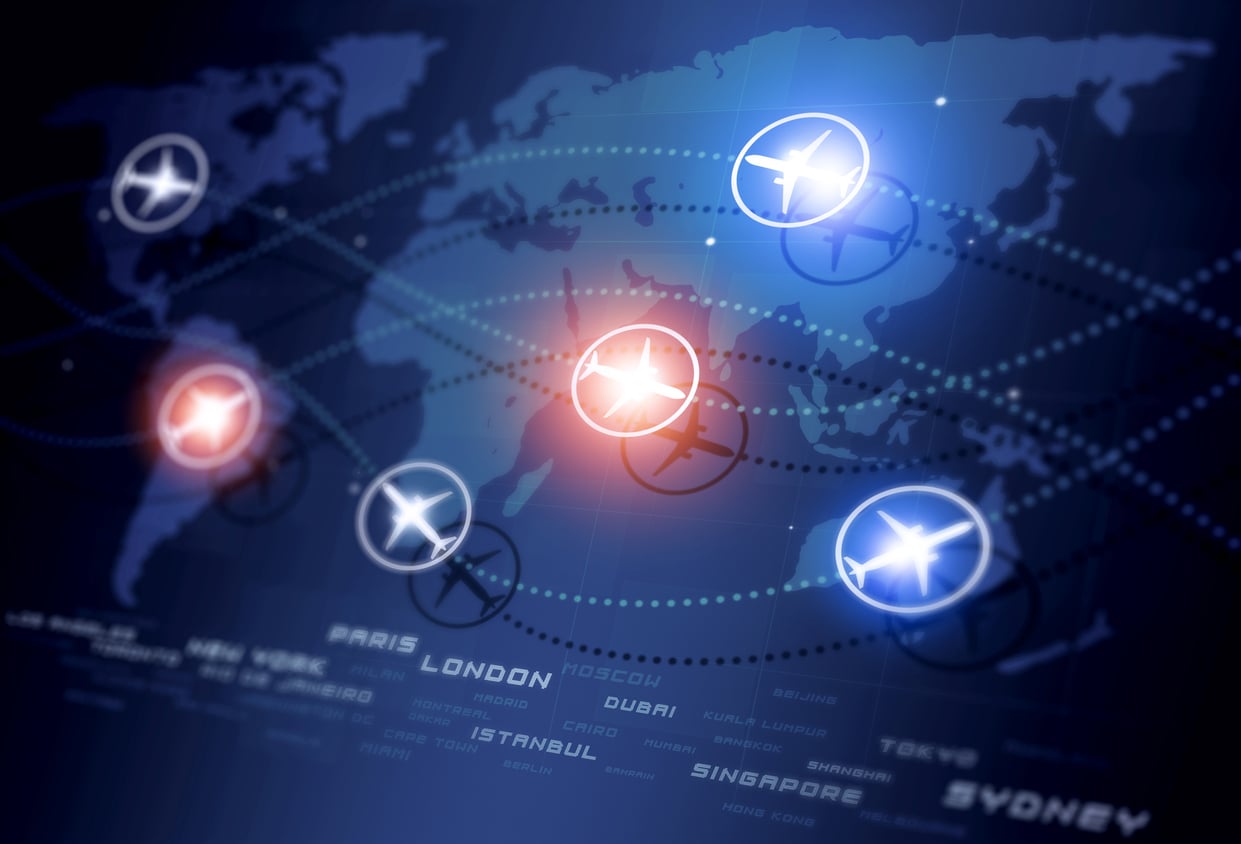
If you’re flying across several time zones, your body clock will not instantly reset when the wheels touch down. The CDC recommends timing activities such as sleep, meals, and light exposure around the destination during travel. Setting your phone to local time after boarding can make that easier. If it is nighttime where you’re headed, try to create a reasonable sleep period; if it’s daytime, staying awake may help. Natural light after arrival is also an important cue for resetting your internal clock.
Never Go the Whole Flight Without Drinking Water
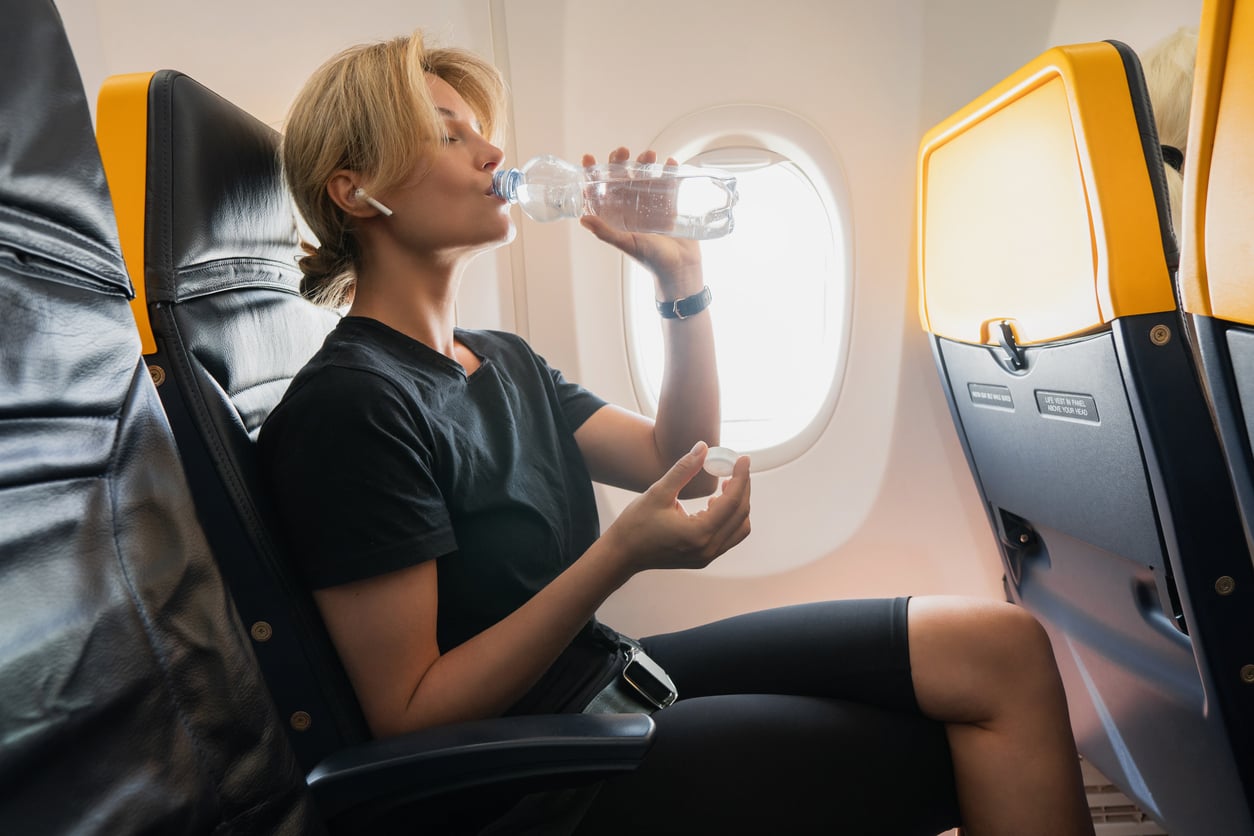
Aircraft cabins are extremely dry compared with many homes and offices; the CDC says cabin humidity is typically only about 10% to 20%. That can contribute to dry eyes, nose, throat, and general discomfort over a long journey. Drink water regularly rather than deliberately avoiding it because you don’t want to visit the lavatory. Just don’t expect hydration to magically eliminate jet lag. Water supports comfort and helps avoid volume depletion, while the time-zone shift itself still has to be managed.
Sign up for our newsletter
Never Turn a 12-Hour Flight Into a 12-Hour Buffet
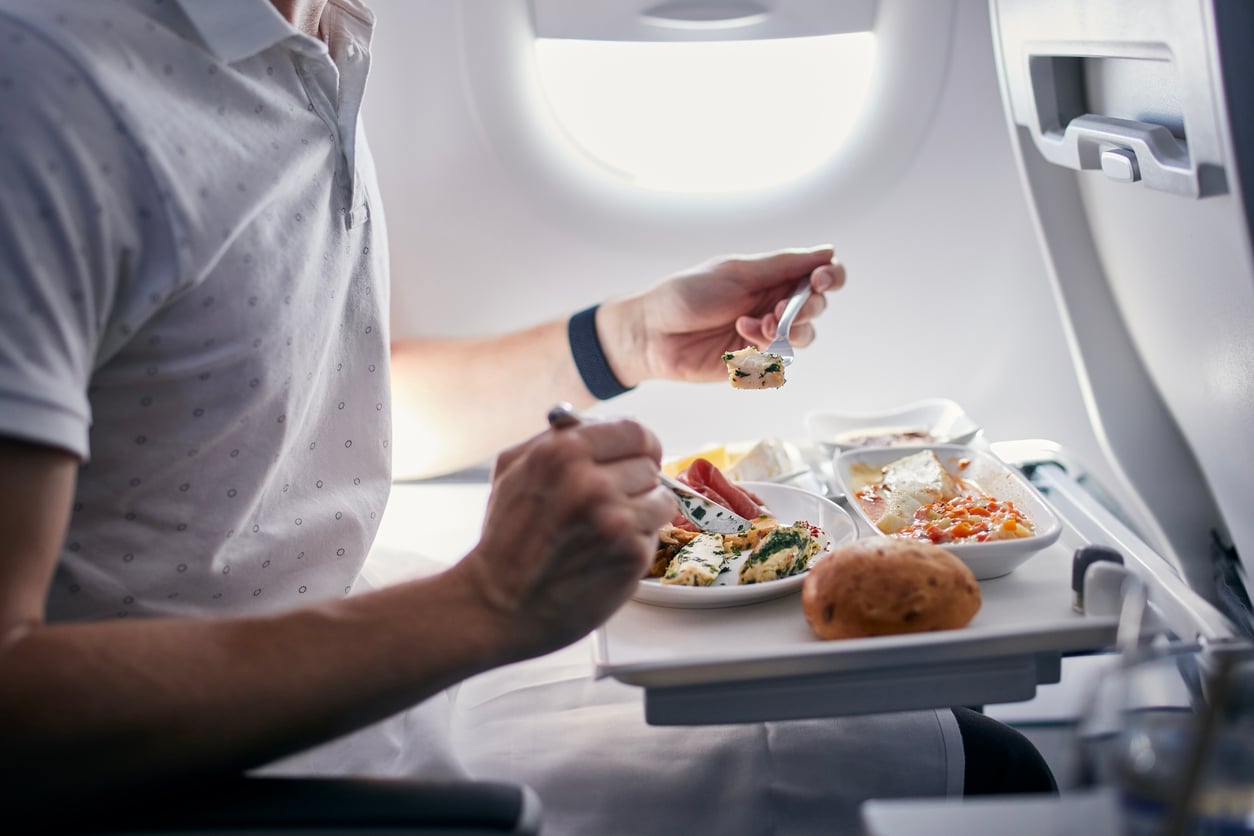
Long-haul flights can become a parade of airport meals, airline dinners, snacks, breakfast, and boredom eating. You don’t need to refuse food, but eating every time something appears may leave you uncomfortable after hours of barely moving. CDC jet-lag advice suggests smaller meals when stomach trouble is an issue. A few familiar solid snacks in your personal bag can also be useful when airline meal timing does not match your appetite. The goal is comfort, not turning the flight into a diet plan.
Never Ignore Serious Congestion Before Flying
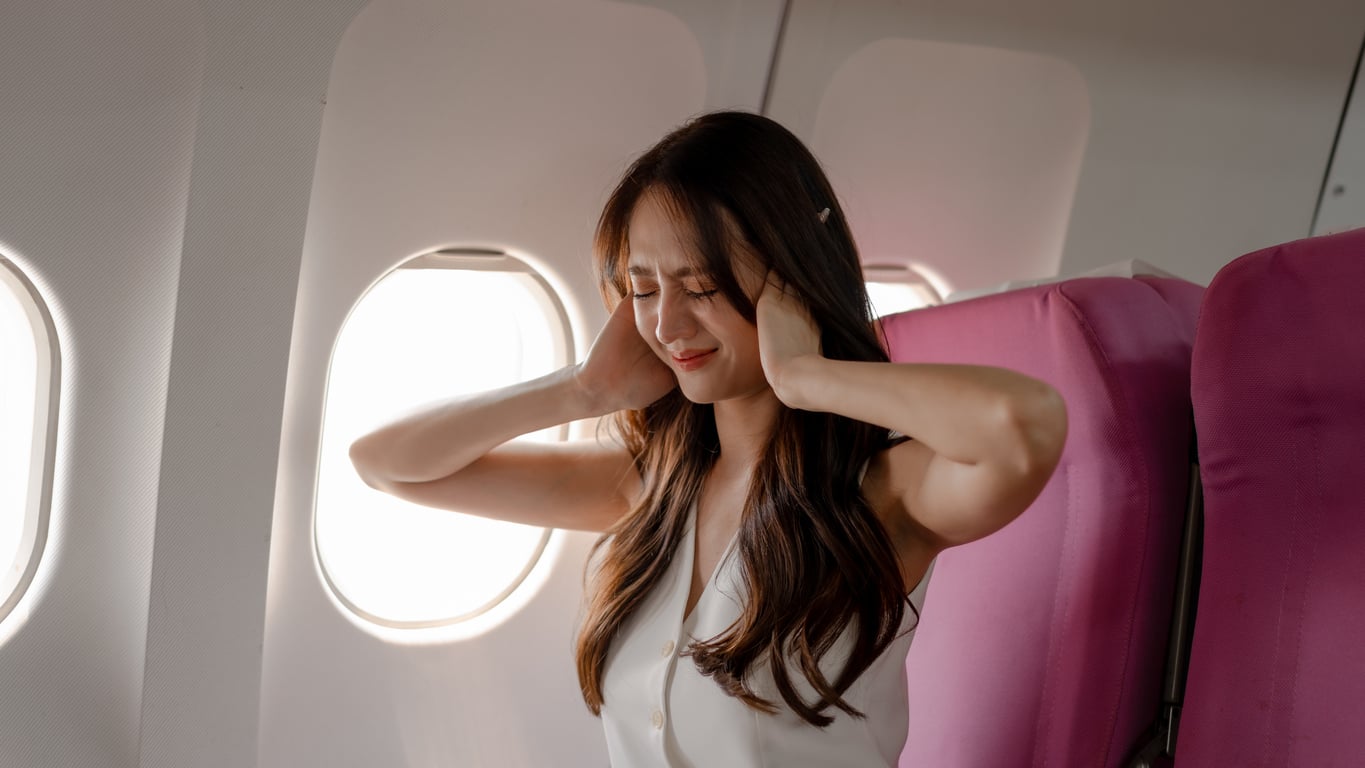
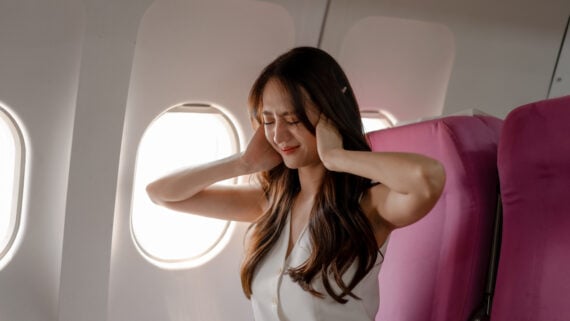
Pressure changes during ascent and especially descent can become painful when your ears or sinuses are badly congested. The CDC explains that barotrauma occurs when pressure inside spaces such as the middle ear cannot equalize with cabin pressure. Travelers with severe congestion, sinus infections, or ear problems may even want to discuss postponing a flight with a healthcare professional. Swallowing and yawning can help equalize pressure, but medication advice deserves caution because common decongestants are not appropriate for everyone.
Never Forget That Your Seatmates Are Stuck There Too
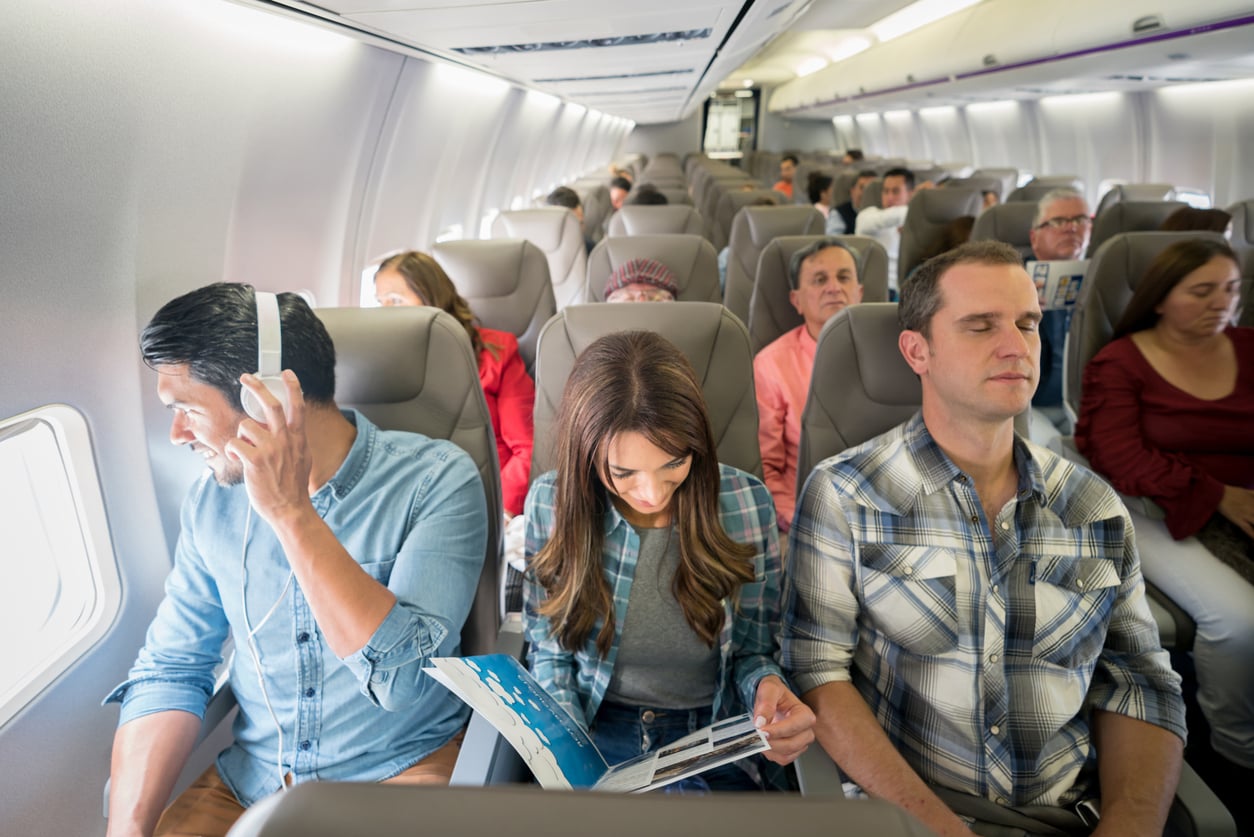
On a two-hour flight, an awkward recline or blocked aisle may be a minor annoyance. Over 11 hours, it can become exhausting. Give window-seat passengers a reasonable chance to get out, keep bags and blankets in your own space, and avoid suddenly reclining while the person behind you is eating or using their tray table. Long-haul passengers also have legitimate reasons to get up periodically. Courtesy does not require sitting rigidly upright all night; it simply means remembering that everyone is sharing very limited space.
Never Leave Your Passport in the Seatback Pocket
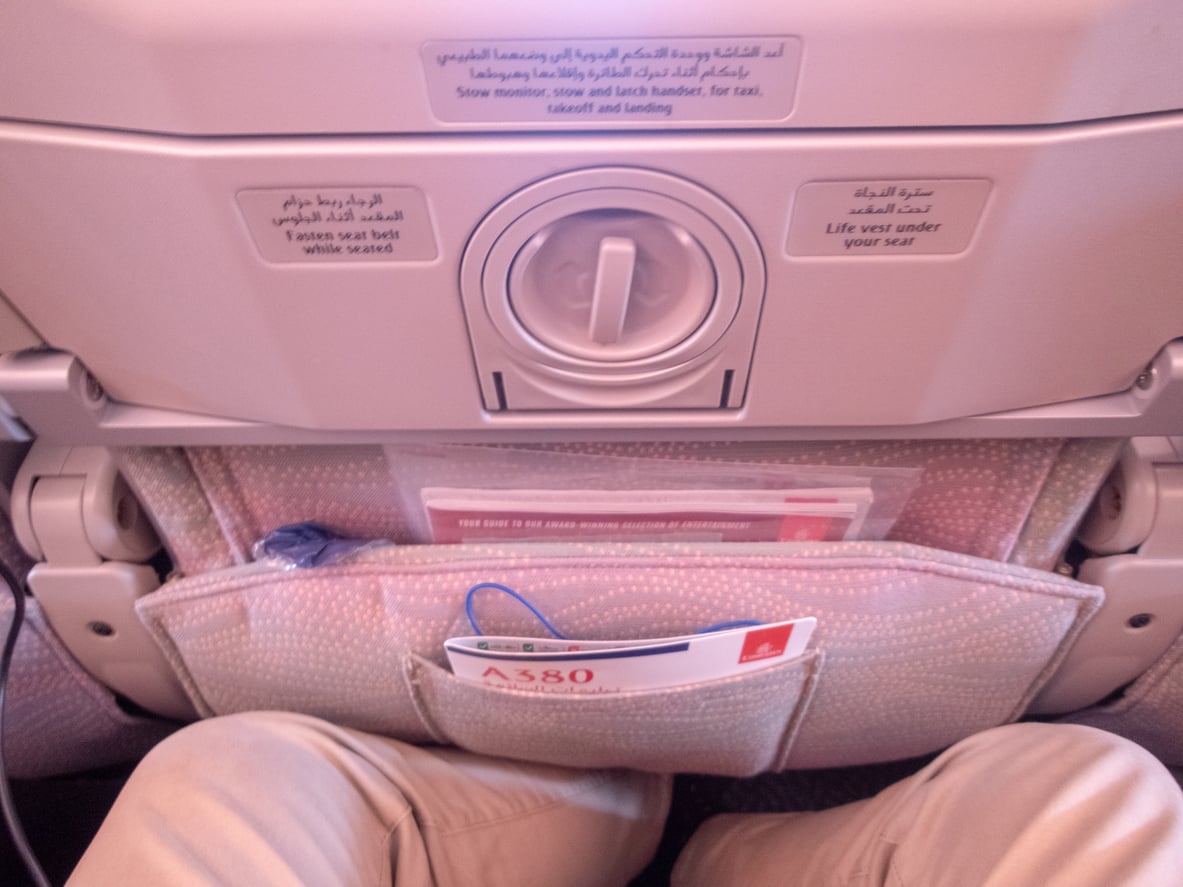
The seatback pocket feels convenient until you’re tired, rushing for a connection, and halfway through immigration before realizing what you left behind. Keep your passport, wallet, phone, medication, and important travel documents together in a zipped pocket or small bag instead. The State Department also recommends traveling with prescription documentation where appropriate, so those papers deserve the same care. Before leaving the aircraft, do one deliberate check: passport, phone, wallet, medication. Thirty seconds can save a remarkably complicated international travel problem.