International travel doesn’t have to wreck your budget, but it does reward travelers who are intentional about everyday decisions. Saving money on international travel often comes down to small choices, from how you eat and sleep to how you book and move around, that can quietly save hundreds over the course of a trip.
These savvy tips focus on practical ways to stretch your money abroad without sacrificing the experience.
Eat From the Grocery Store
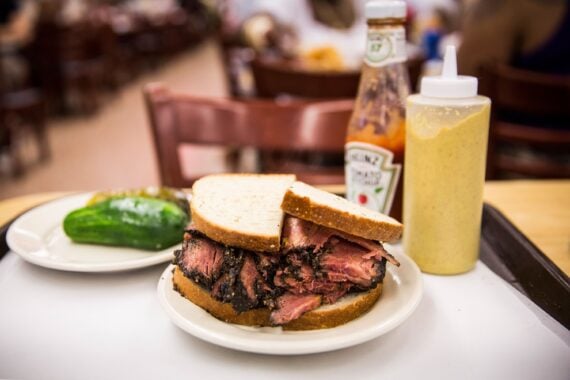
Shopping at grocery stores instead of eating every meal at restaurants is one of the fastest ways to cut daily travel costs. Supermarkets and local markets often sell prepared foods, bakery items, and regional staples at a fraction of restaurant prices, even in expensive cities. Replacing just one sit-down meal per day with grocery food can add up to serious savings by the end of a trip.
That mindset also extends to where you choose to eat when you do go out. As one traveler on Reddit advised, “NEVER eat near tourist hotspots. Turn down any side street and walk a few blocks until I find myself in a little locals-only neighborhood and find a cafe or restaurant there with menus that are NOT in English.”
Cut Back on Alcohol
Alcohol is one of the easiest ways to blow through a travel budget without realizing it. Drinks in tourist areas are often heavily marked up, and nights out can quickly spiral into triple-digit spending.
As one traveler put it, “Not joking and being dead serious, cutting out alcohol [saved money]. Decided to take a break from the beer for a while and I’m so shocked at how much I’ve saved.” Cutting back — or even taking a temporary break from drinking altogether — can free up money for experiences you’ll actually remember long after the trip ends.
Stay in Hostels With Kitchens
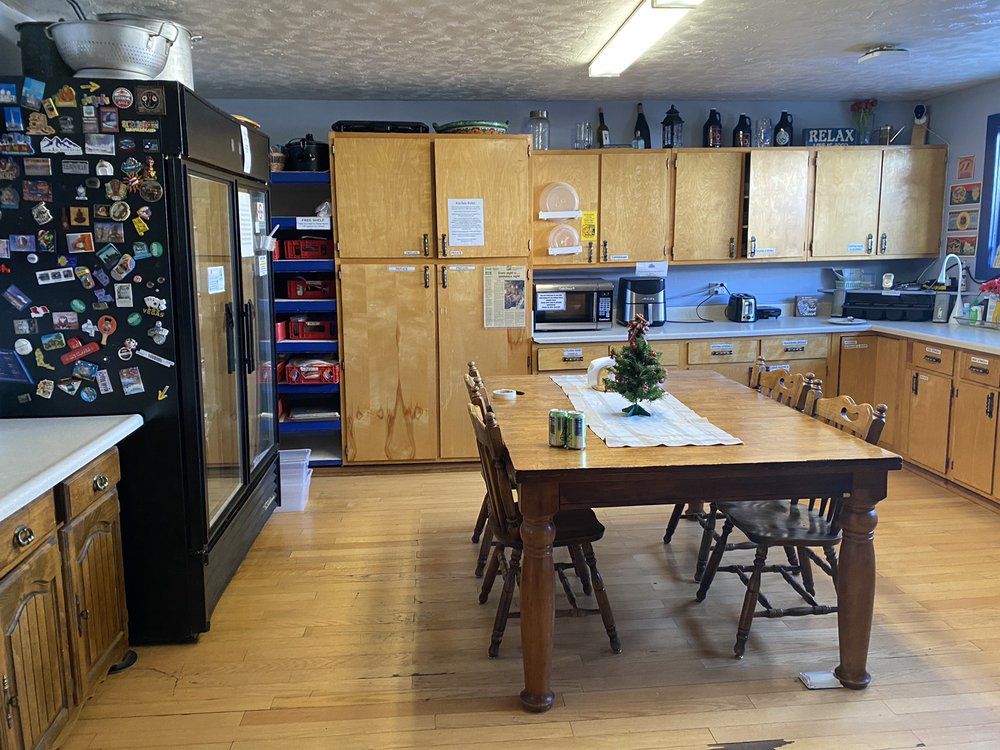
Accommodations with kitchens make long-term travel far more affordable. Hostels and guesthouses with shared kitchens allow you to cook simple meals, store leftovers, and avoid relying on restaurants when you’re tired or short on time. Even occasional use of a kitchen can dramatically lower daily food costs.
Skip Booking Sites When Possible
Third-party booking platforms are convenient, but they often include extra fees and less flexible cancellation policies. Many travelers search online to find accommodations, then reach out directly to the property to ask about availability and pricing. Booking direct can result in lower rates and better communication if plans change.
Contact Accommodations Directly With Your Budget
Instead of asking for a room rate, some travelers email accommodations and clearly state their nightly budget. Smaller hotels, guesthouses, and B&Bs often have flexibility, especially during slower seasons, and may offer a discounted rate to secure a booking. This approach works best when you’re polite, flexible, and staying multiple nights.
Trending on Cheapism

Choose Local Guesthouses Over Chain Hotels
Budget hotels, pensiones, bed-and-breakfasts, and family-run guesthouses are often cheaper than large hotel chains and include extras like breakfast or local advice. These accommodations tend to offer better value while also providing a more authentic experience of the destination.
Travel During Shoulder Season
Flying just outside peak travel months can significantly reduce the cost of flights, hotels, and tours. Shoulder season travel often comes with better availability, fewer crowds, and more negotiating power, making it one of the most effective ways to stretch a travel budget without changing destinations.
Use Public Transportation Instead of Taxis
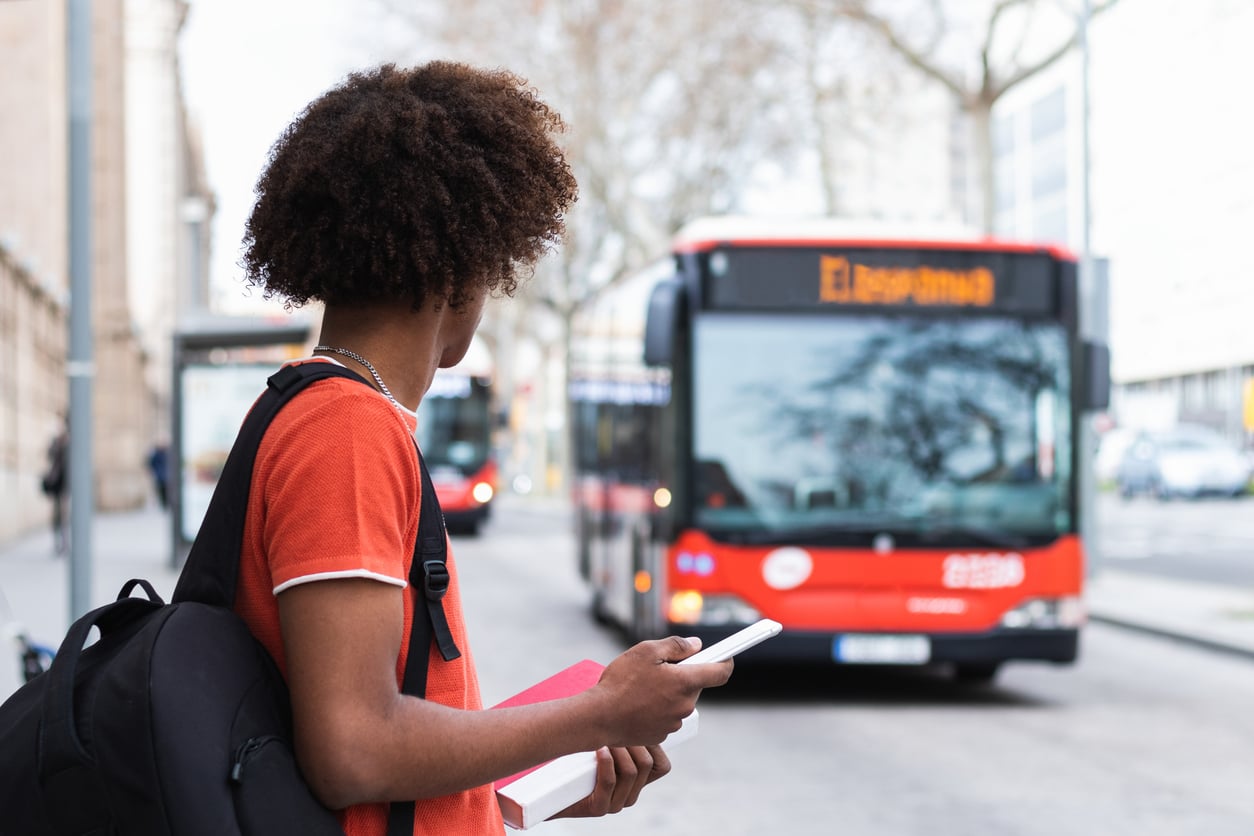
Public transportation is usually far cheaper than taxis or ride-shares, especially in major cities. Weekly transit passes, regional trains, and airport buses can save a significant amount over the course of a trip. Learning the local transit system also makes it easier to explore neighborhoods beyond tourist areas.
Sign up for our newsletter
Book Flights Directly With Airlines
Flight search engines are great for comparing prices, but booking directly with the airline usually offers better protection if plans change. Airlines are more flexible with rebooking, delays, and cancellations when you book through them rather than a third party.
Avoid Currency Exchange Counters
Airport currency exchange kiosks typically offer poor rates and high fees. Using ATMs or credit cards with no foreign transaction fees almost always results in better exchange rates. Withdrawing larger amounts at once can also reduce repeated ATM fees.
Get a Local SIM or eSIM

International roaming plans are convenient but often expensive. Local SIM cards or eSIMs are usually far cheaper and provide faster data for navigation, transit, and reservations. Having reliable data also helps avoid costly mistakes or last-minute bookings.
Prioritize Free Attractions
Many of the best travel experiences cost nothing. Parks, beaches, walking tours, markets, festivals, and free museum days offer insight into local culture without draining your budget. Planning your days around free activities leaves more room for the experiences that are worth paying for.
Track Spending as You Go
Keeping an eye on daily spending helps prevent small expenses from snowballing. Travelers who check in on their budget regularly are more likely to adjust habits mid-trip instead of being shocked by the total at the end. Awareness alone often leads to better choices.
Stay Longer in Fewer Places
Slow travel is often cheaper than constantly moving. Staying longer in one location reduces transportation costs, opens the door to discounted accommodation rates, and makes everyday expenses more predictable. Fewer travel days also mean fewer opportunities for impulse spending.
More From Cheapism
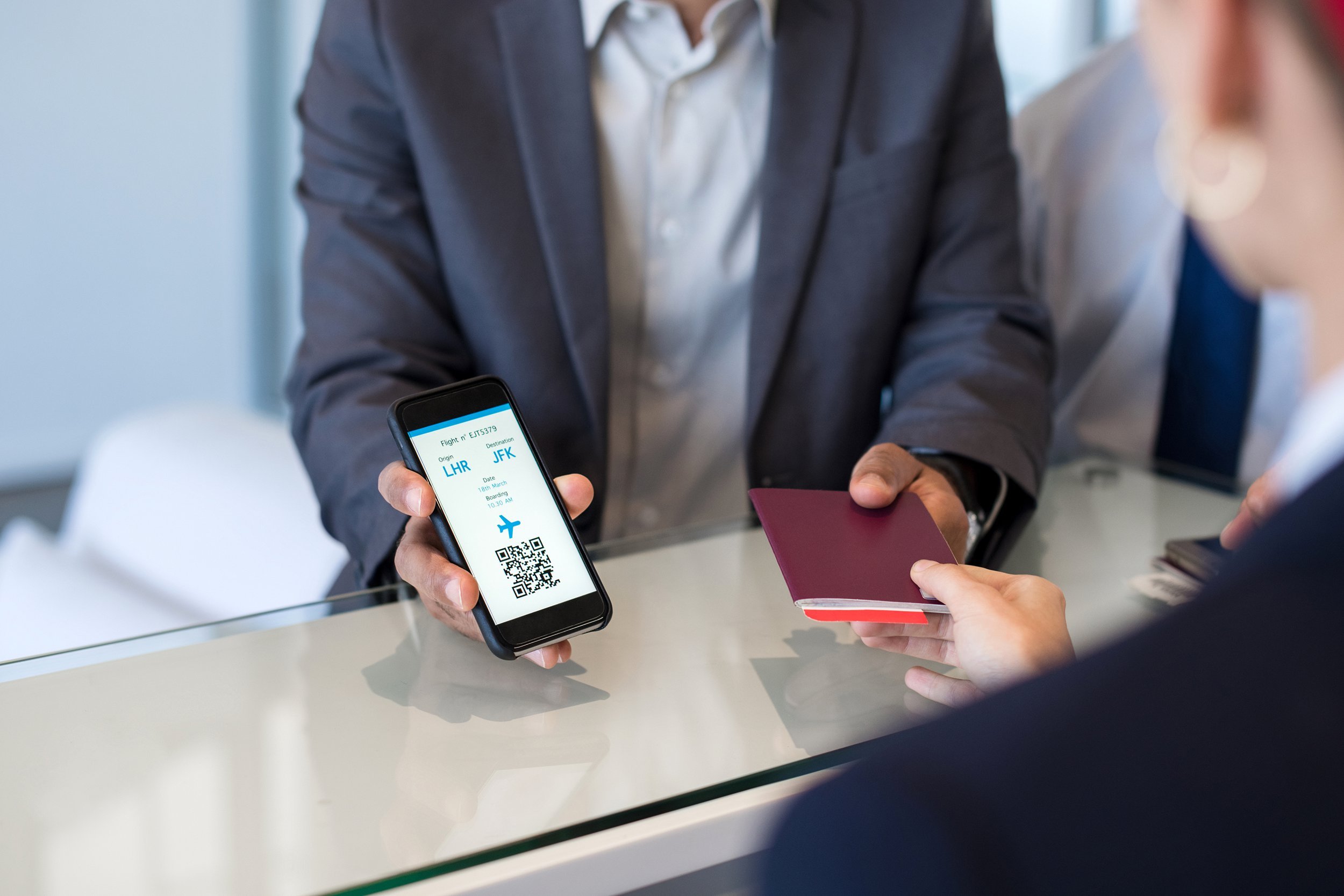
- No REAL ID, No Mercy: TSA’s $45 Fee Is on the Way — If you’re flying domestically after February 1 2026 without a REAL ID or other accepted identification, you may be hit with a surprise $45 airport security fee unless you plan ahead to avoid it.
- 27 Travel Hacks That Turn Chaos Into Something Manageable — From clever packing tricks and offline maps to little-known ways to find local food and save on flights, this mega list shares travel tips that most travelers don’t think about until it’s too late.
- 10 Ways Airlines Are Nickel-and-Diming Passengers With Extra Fees — Even when a flight seems cheap, sneaky airline charges for things like seat selection, checked bags, boarding passes, and name changes can quietly turn your ticket into a much more expensive trip.