
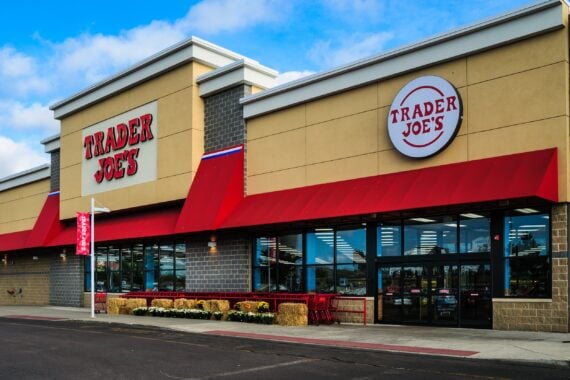
Trader Joe’s is the modern shopper’s dream: a friendly shopping experience, a quirky store with a Tiki vibe, unique products, and — most importantly — prices that are generally easy on the budget. On paper, everything holds up, but that doesn’t guarantee you’re getting the most value out of every trip.
These money-saving hacks can help you shop smarter and make sure your cart actually reflects Trader Joe’s reputation for affordability.
Avoid Most of the Fresh Produce
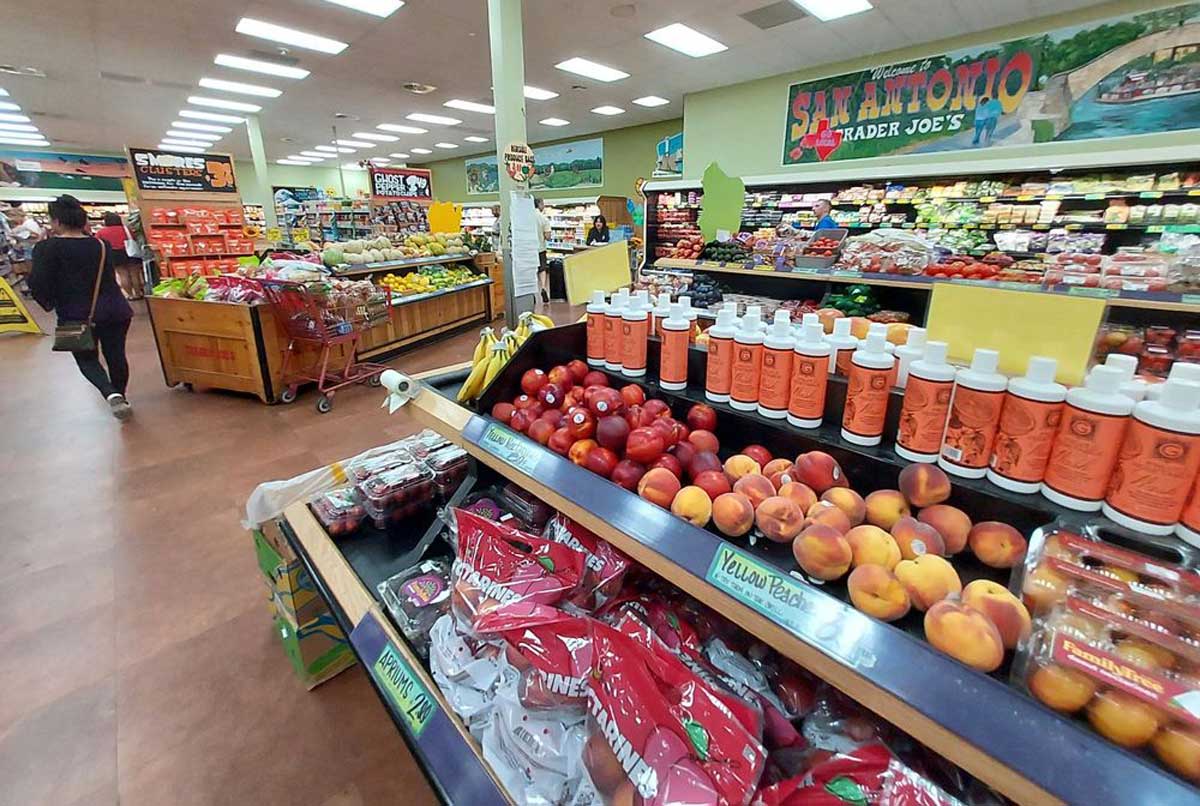
You can walk into Trader Joe’s and reasonably expect a solid bang for your buck in almost every aisle. Almost. The glaring exception is the produce section, which has earned a reputation as the store’s Achilles’ heel — save for a few outliers, like the famously cheap 19-cent bananas.
One of the reasons why it’s a good idea to pass on fresh produce is a now well-known fact: It goes bad very fast, so you can’t really stock up on it. Shoppers frequently turn to the internet, whether TikTok or Reddit, to complain about how produce bought from Trader Joe’s turns into a rotten mush shortly after leaving the shelves.
“My berries turn within a couple days… they get mushy and fuzzy… noooo ma’am,” shared one Redditor.
Always Choose Loose Produce Over Bagged
Heather S. / Yelp
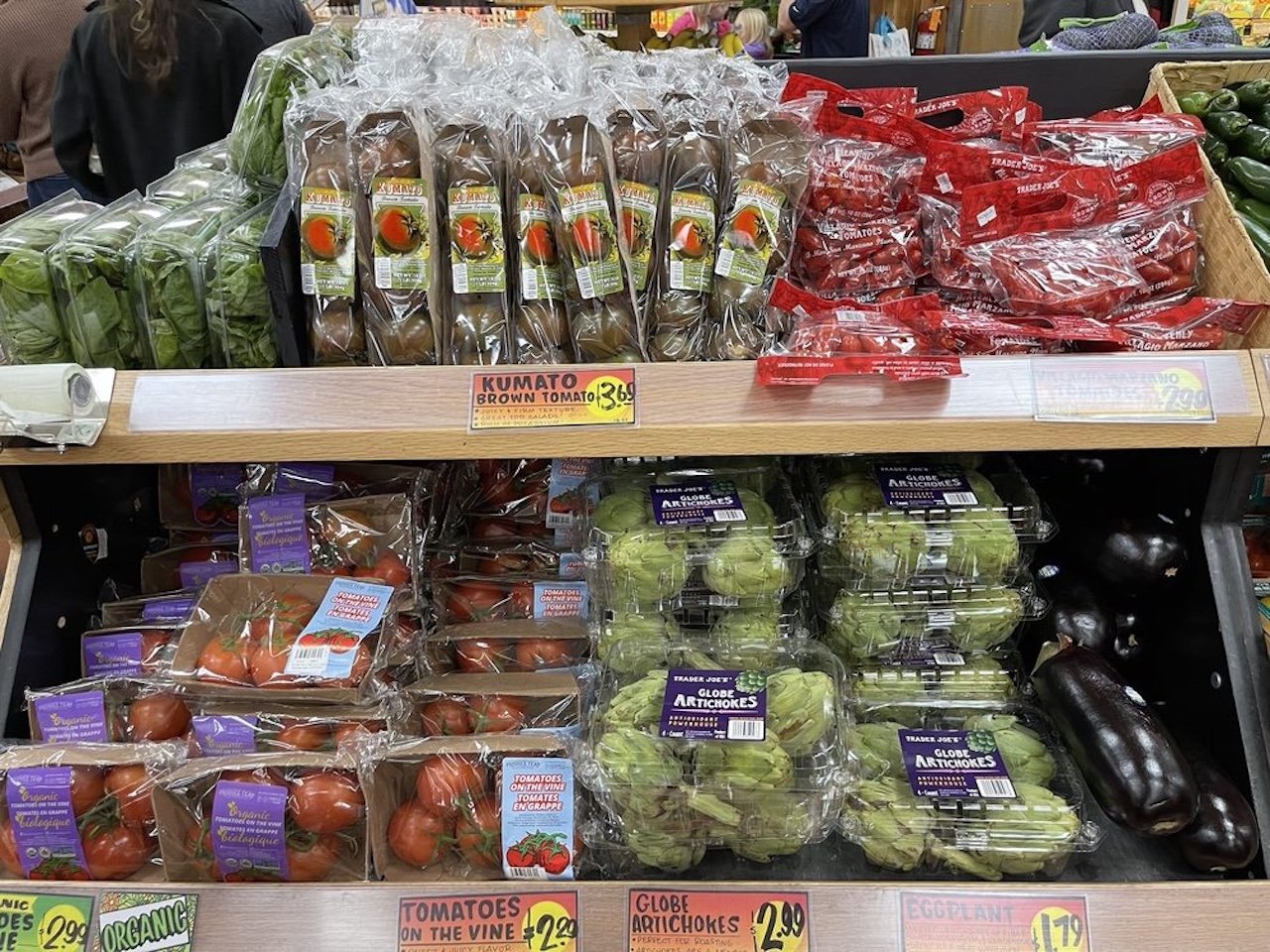
If you do insist on buying broccoli or onions there, it helps to understand Trader Joe’s pricing strategy. Unlike most grocery stores, produce is often priced by item instead of by weight, which can quietly inflate the cost.
Shoppers also warn against prepackaged produce, which tends to be noticeably more expensive — and not necessarily better.
“The bag of 4 teeny tiny avocados costs about the same as 4 regular sized loose avocados,” shared one shopper.
“This adds up! I stopped getting bags of potatoes specifically because 10% to 25% of the spuds were bad / damaged / not great quality and would become waste,” agreed another.
Shop From the ‘Best Of’ List
One thing the grocer gets very right is its marketing — and you can actually use that to your advantage. Trader Joe’s Annual Customer Choice Awards, where longtime shoppers vote on their favorite products, are a reliable shortcut to items that consistently deliver on value, taste, and quality, specially if you are a newbie.
Instead of wandering the aisles hoping for the best, the list highlights what regulars keep rebuying year after year, which is a great guide for what’s actually worth putting in your cart — and what you shouldn’t waste your money on.
Stock Up On Greeting Cards for 99 Cents

It’s the small things that add up. With every Valentine’s Day, Mother’s Day, Father’s Day, this day, that day, we end up forking over $5 or more for a greeting card that’s going to be read once and tossed. That’s where Trader Joe’s quietly saves the day.
The grocer sells greeting cards for 99 cents, and they’re not the flimsy, sad ones you’d expect for that price. Stocking up on a few for different occasions saves time and a surprising amount of money over the course of a year.
“I absolutely refuse to buy a greeting card anywhere else,” one Reddit user said.
“Same! I have a friend who sends me sweet cards for no reason and I cringe when I see the price!” another added.
Use Their Return Policy
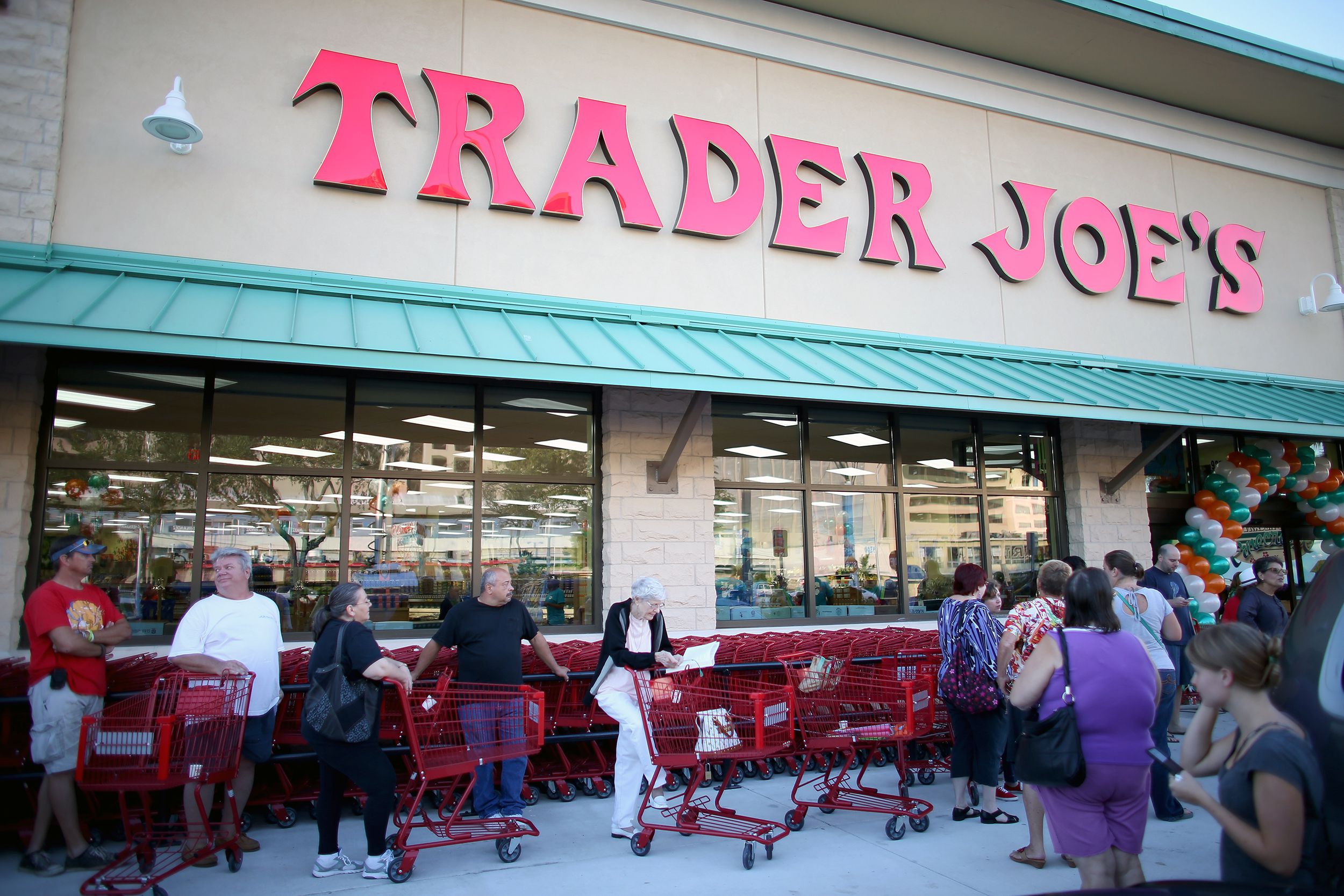
You’ll see plenty of posts online claiming that Trader Joe’s lets you try any item before buying it, thanks to its old “Try Anything” policy. And yes, that used to be a thing. But it quietly faded away after the pandemic, for obvious reasons.
Some shoppers say you can still ask to sample certain items, and it never hurts to check with a crew member. But even if that’s a no, there’s another policy that’s arguably more useful.
Trader Joe’s has one of the most forgiving return policies out there. If you buy something and don’t like it, you can bring it back for a refund.
“As a crew member, I always encourage people to return stuff,” a TJ employee shared on Reddit. “We have an amazing no hassle policy for a reason and it’s kind of like giving your feedback with your money. It gives us an opportunity to recognize the items that were a “miss” and hopefully our buyers can make better decisions in the future.”
Trending on Cheapism

Find Recipes on the Trader Joe’s Website
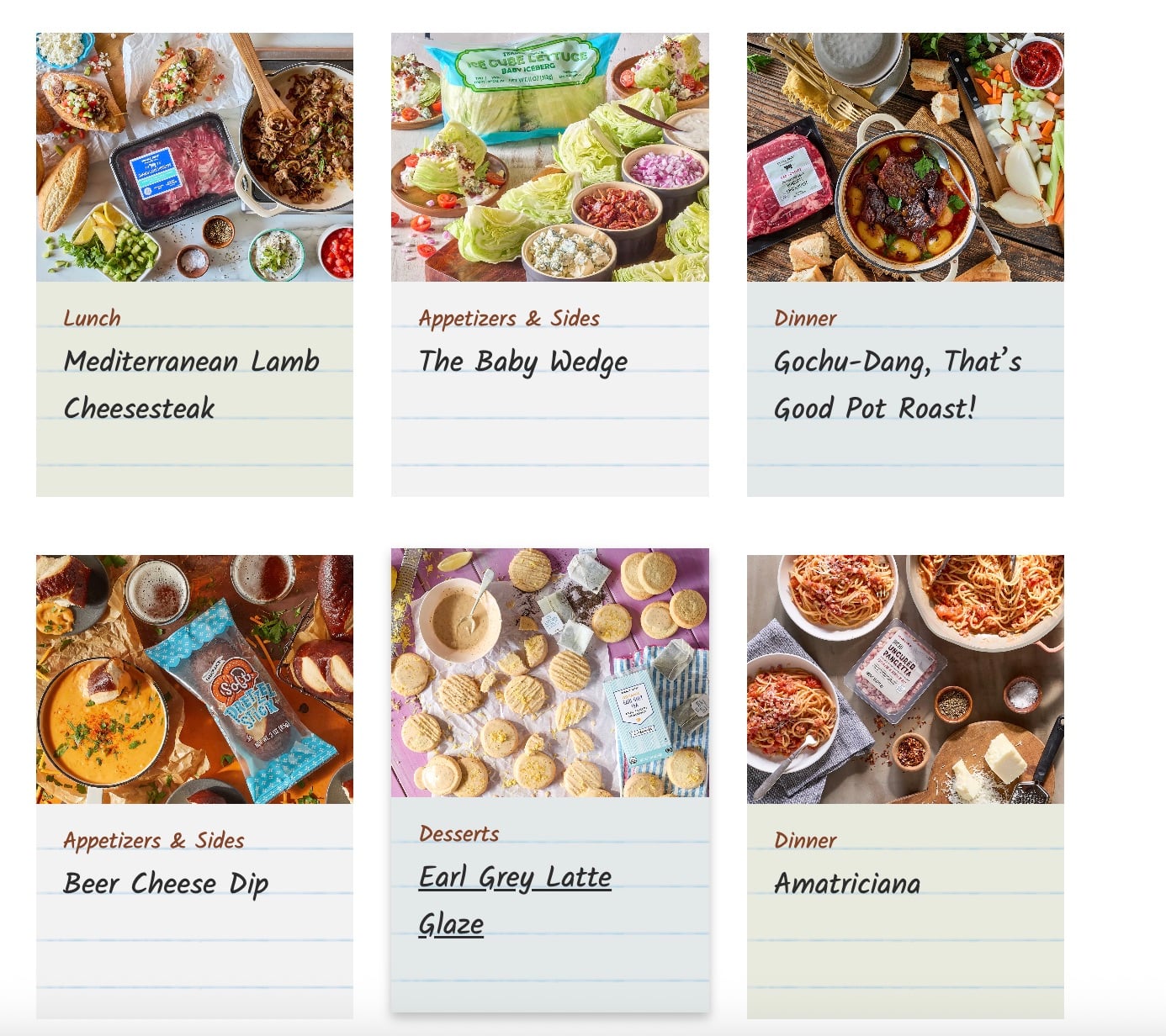
If you’re trying to stretch groceries instead of buying more, the Trader Joe’s website is actually useful. The recipe section is built around ingredients the store already sells, which means fewer impulse buys and less wasted food sitting in the fridge.
It’s a good way to turn one sauce, frozen item, or pantry staple into multiple meals, instead of ordering takeout because you “don’t know what to do with it.”
Stock up on Frozen Foods
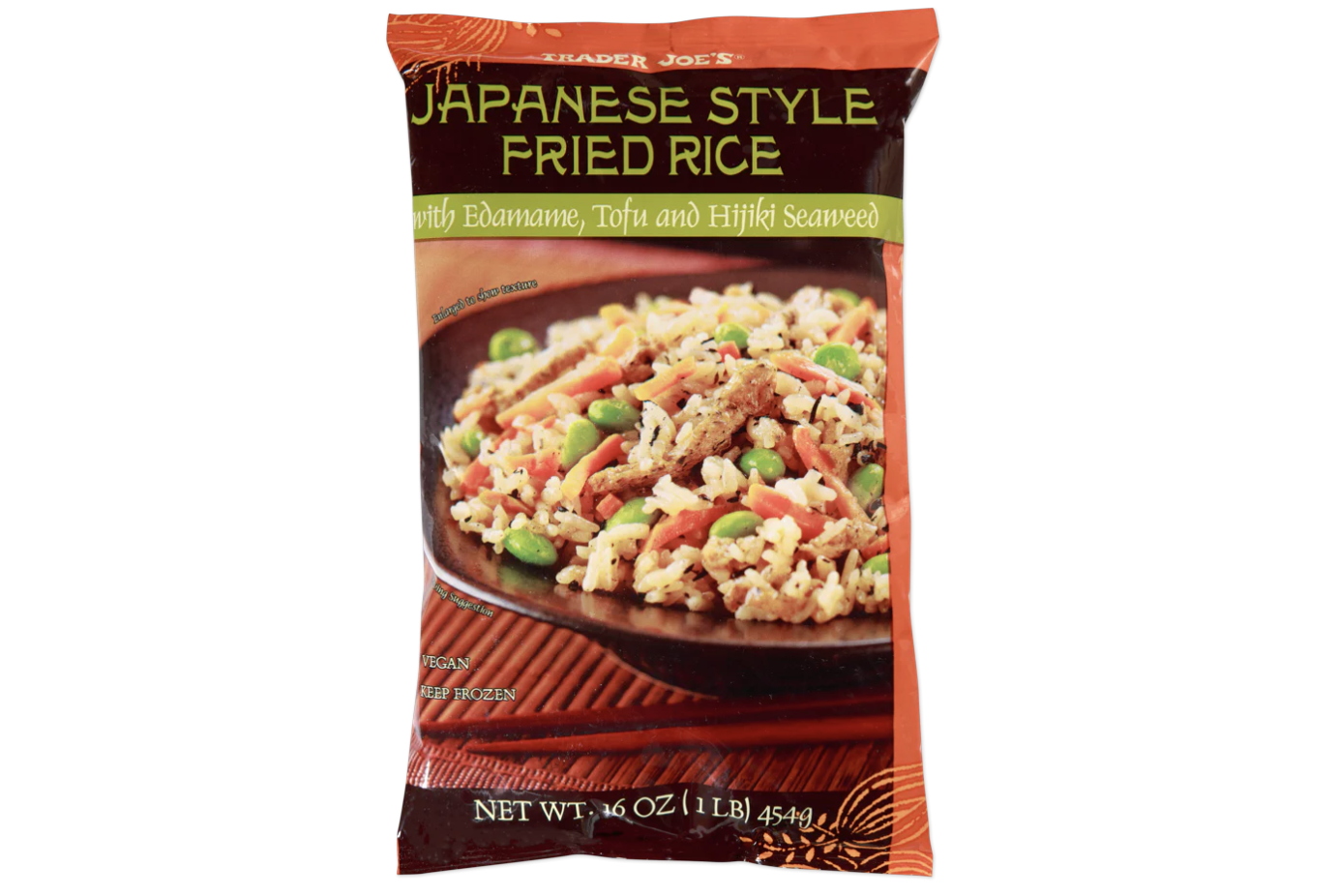
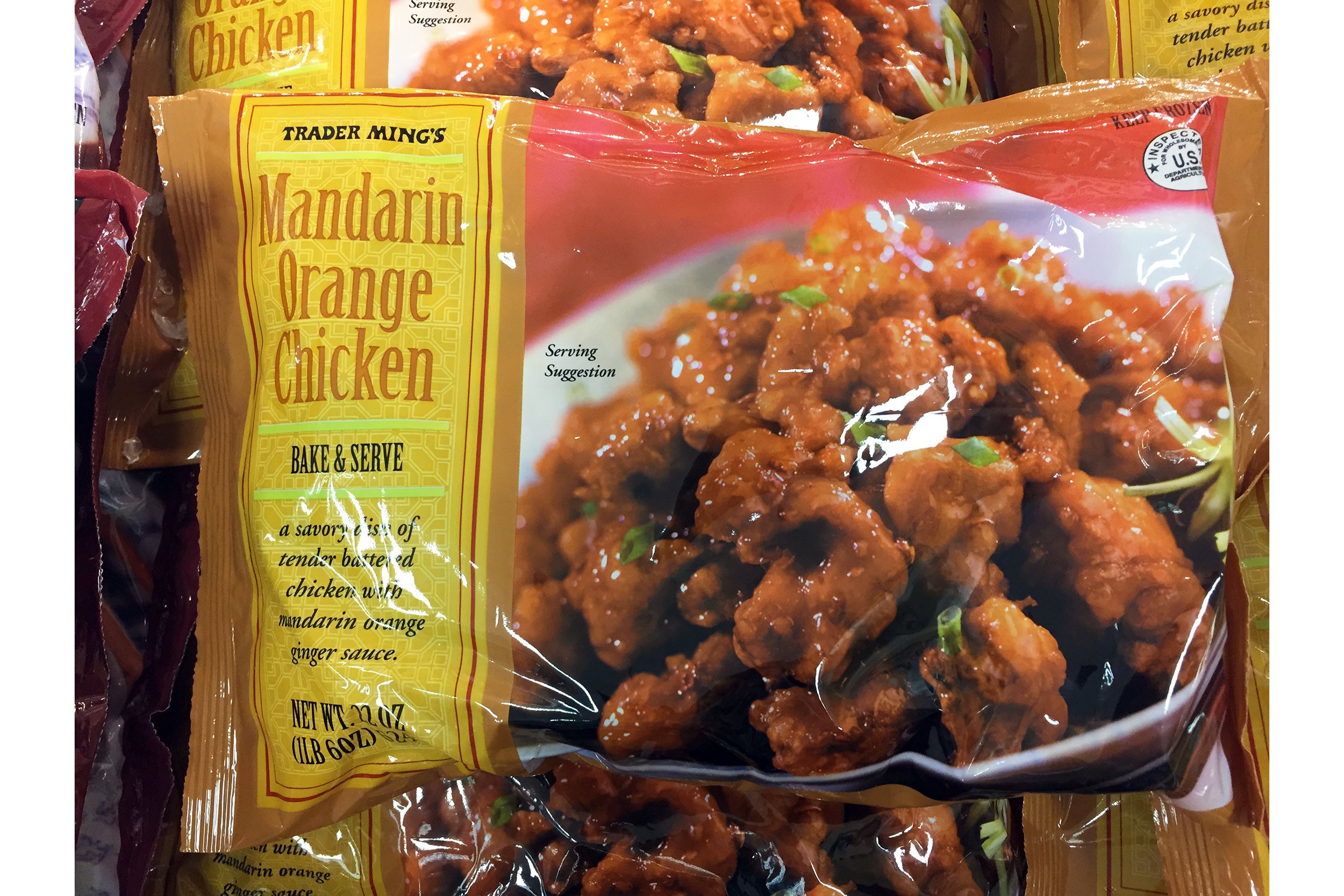
The frozen aisle is where Trader Joe’s shines the most. This is where some of the store’s most reliable, reasonably priced items live — things like the $3.99 Japanese-Style Fried Rice, $3.99 Kimbap, and $2.99 Vegetable Biryani, all of which can stand alone or stretch into multiple meals.
The big advantage is that frozen food doesn’t punish you for not cooking immediately. You can stock up without worrying about waste, which is often where grocery budgets quietly fall apart. Having a few go-to frozen meals or components on hand also makes it easier to skip takeout on busy nights, which is where the real savings come in.
Look For Manufacturers’ Coupons

Trader Joe’s is notorious for its no-gimmicks approach: no sales, no loyalty program, no store coupons. And for the most part, that’s exactly how it works.
But there is one narrow exception.
Trader Joe’s will accept manufacturers’ coupons, but only for products that actually carry the manufacturer’s label — not Trader Joe’s private-label items. In practice, that means coupons are only useful on the small number of national brands the store carries, like Clif Bars or similar products. Since most of the shelves are Trader Joe’s–branded, the opportunities are limited, but they do exist.
Sign up for our newsletter
More From Cheapism

- The Best Trader Joe’s Apps and Snacks for Your Super Bowl Watch Party — When you’re planning what to eat and drink during the big game, check out these much-loved Trader Joe’s Super Bowl snacks.
- Trader Joe’s Unveils a New $6 Sheet Cake, and Shoppers Are in a Frenzy — The latest newcomer in TJ’s dessert section is a decadent one.
- 10 New Trader Joe’s Items People Are Already Talking About — Trader Joe’s recently released a handful of seasonal and year-round products, each quirkier than the last.