
In 2026, many Americans are looking for any excuse to get out of the house and take a break from the daily grind. Travel remains a priority, but rising costs have made vacations harder to justify as airfare, hotels, rental cars, and dining out continue to climb. Over the years, travelers have relied on countless money-saving hacks, but many have become less effective as airlines, hotels, and booking platforms adapted their pricing strategies. Still, savvy travelers continue to find new ways to stretch their budgets and maximize value. The question is: which travel hacks actually work today? We’ve rounded up the tips, booking strategies, and money-saving tricks that can still help you keep more cash in your pocket on your next trip.
Actually Works – Traveling During Shoulder Season

One of the most effective travel hacks is to visit a destination during the off-season. Costs during these less busy times are significantly lower compared to peak season. Hotels, airfare, attractions, and other expenses will drop dramatically when the crowds leave the city. A good example of this is travelers visiting Europe in May or September. And the best part is that you’ll be able to relive the same experience as in those days packed with people.
Actually Works – Using Google Flights Price Tracking

There are two groups of people when it comes to booking flights. Some travelers check prices for several days or even weeks before booking a ticket, while others simply log on and pay within hours. You can use Google Flights to be notified when a particular flight’s price drops. It won’t guarantee the absolute best price, but it will be cheaper than in previous days.
Actually Works – Comparing Nearby Airports

The hack of flying to airports closer to your destination works if you avoid major city airports and fly to one that isn’t in the city center. It’s a good way to save several hundred dollars because these smaller airports offer more competitive airlines and cheaper fares, since they’re farther from the big city. Even covering that distance by renting a car will be cheaper.
Actually Works – Traveling With Carry-On Luggage Only
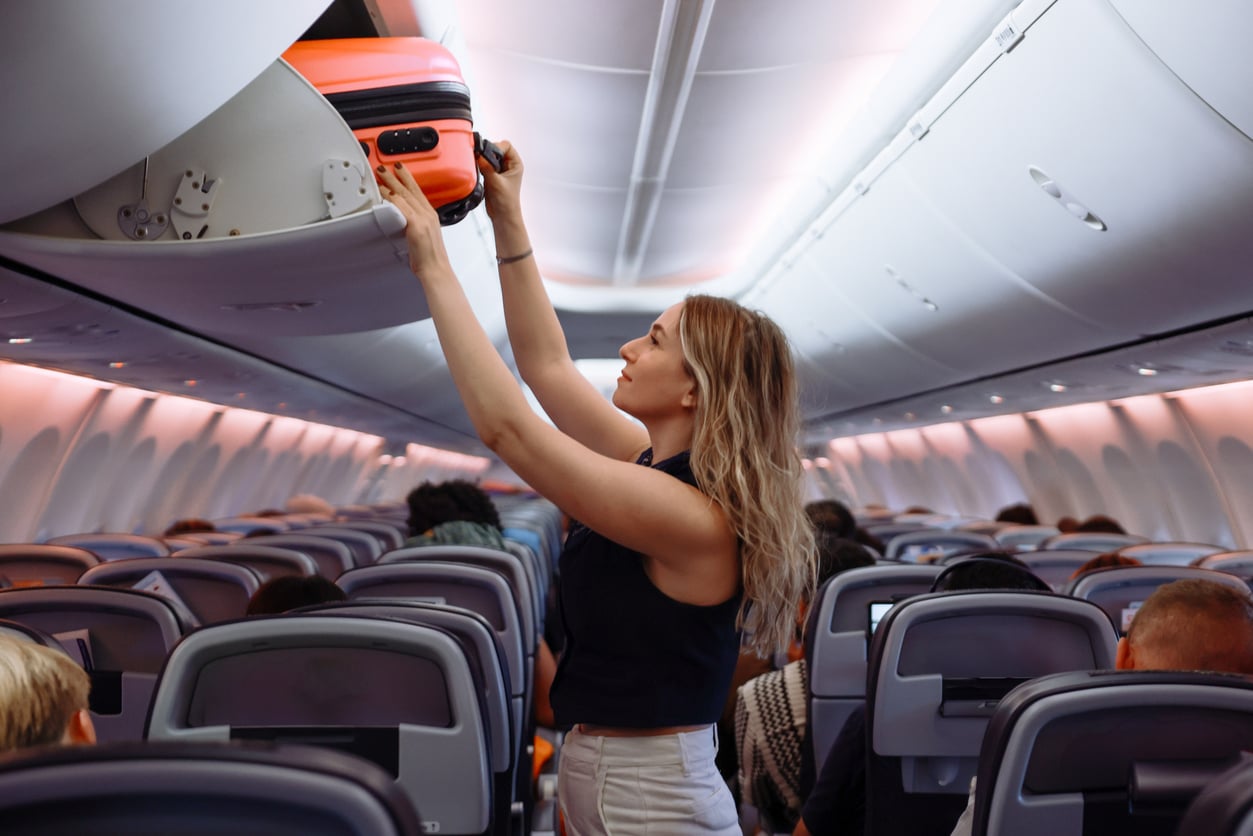
Air travel costs have increased, and you’ll have to pay more for every extra item, from in-flight meals and internet access to carry-on luggage. That’s why experienced travelers try to avoid these extra baggage fees by packing all their clothes into a single suitcase. And if you’re traveling with family, you can also save hundreds of dollars by packing less than you’d expect.
Actually Works – Booking Accommodations With Kitchens

One of the hacks that some people still overlook is booking a room with a kitchenette. Eating out while traveling can be quite expensive, and booking a room with a kitchen incorporated can save you money by the end of your trip. From breakfast to snacks before heading out to explore, those small savings can add up significantly over time.
Trending on Cheapism


Actually Works – Free Walking Tours
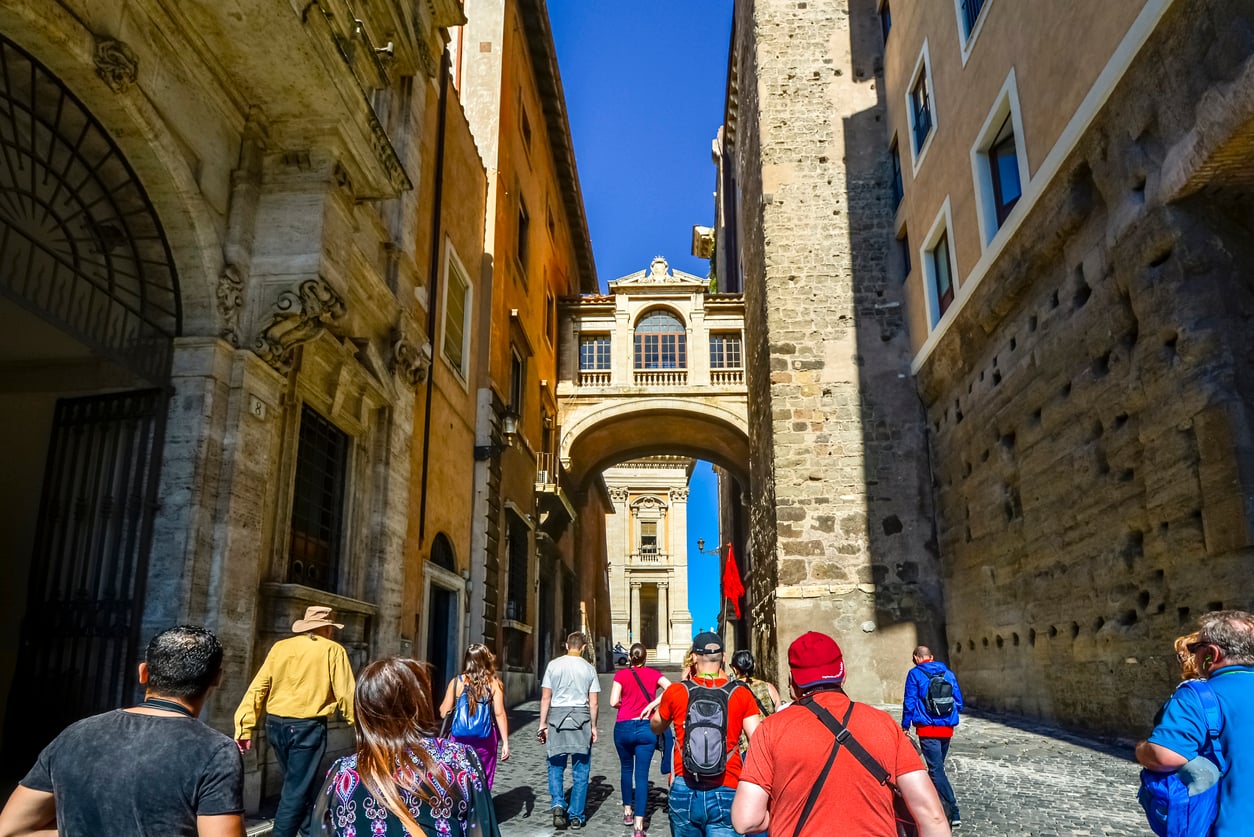
The vast majority of the world’s most popular tourist cities offer walking tours that provide a similar experience to paid excursions. These tours operate on a pay-what-you-want basis, and you’ll receive an online notification specifying the starting point and time at the plaza or intersection. This way, you can learn about the history of the city you’re visiting, gaining a deeper understanding beyond what you see in the street.
Actually Works – Credit Card Points For Planned Spending
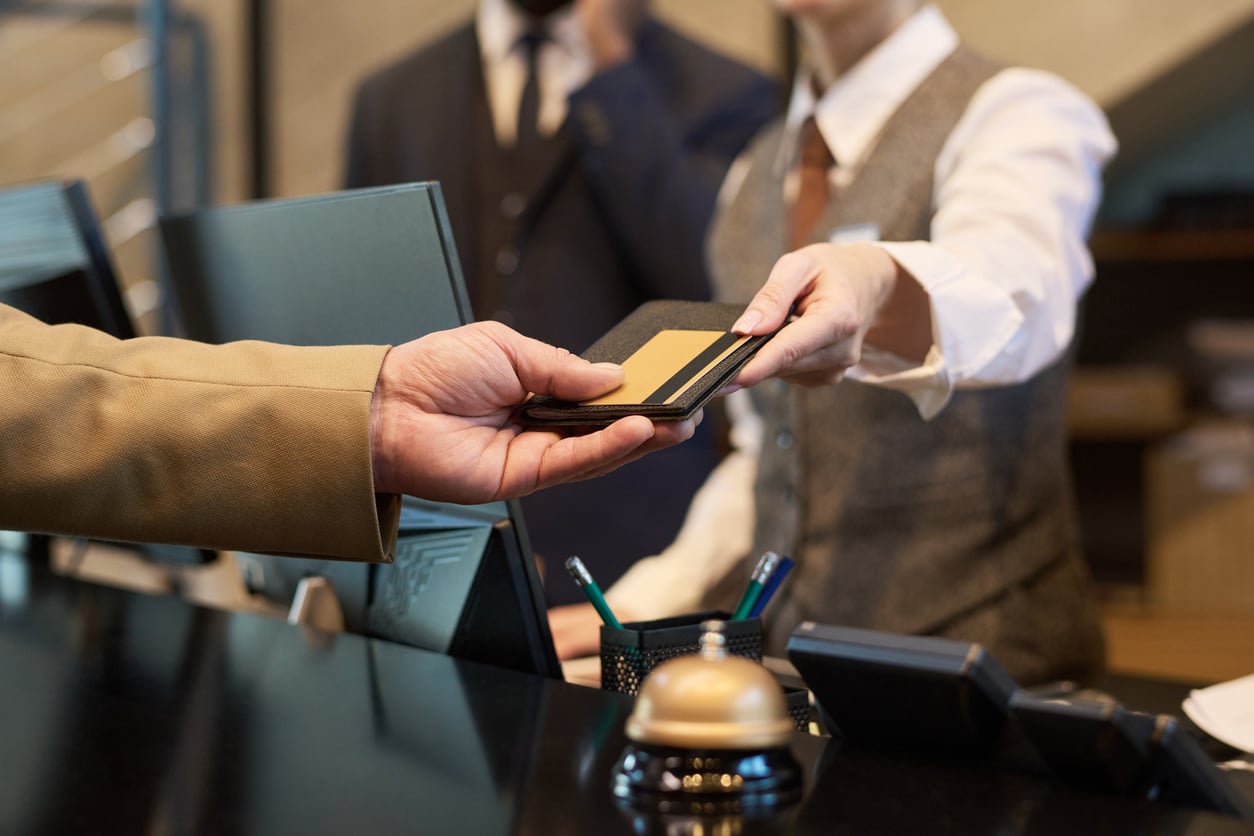
One hack that continues to work over the years is rewarding credit cards. These payment methods often grant points that can be used to book other trips, hotel rooms, or access discounts on other expenses you’ve already planned. The key is to use those points for the discount and not pay more to earn them, but if you are a frequent traveler, you can get more out of it than sporadic, semi-annual traveler.
Actually Works – Visiting Lesser-Known Nearby Destinations

Traveling to the most popular tourist destinations in each region is something we’ve all dreamed of doing, but it also means paying exorbitant prices. If you look for nearby alternatives, you can have the same experience at a lower cost. Instead of traveling to the most famous beaches in Europe, look for beach towns near the more all-known regions. Or, in the case of the United States, look for lesser-known national parks, which can be just as attractive as the most famous ones. The key is to avoid focusing on where all the tourists go.
Sign up for our newsletter
Rarely Works Anymore – Clearing Browser Cookies Before Booking

For years, it was believed that airfare prices on websites varied depending on how often you had searched for that trip in your browsing history. This involved the famous computer cookies that you had to delete before searching for trips, or use incognito mode to do so. Some people still believe this works, but there is no study or compelling evidence showing that it helps lower travel costs. Prices fluctuate naturally, not because of deleting cookies.
Rarely Works Anymore – Asking for Free Upgrades at Check-In

Several years ago, many people would approach the airport counter before boarding their flight to ask if they could be included in the premium section of the plane. This could sometimes happen, but now a system has been designed for loyalty and elite programs that determine who can access those seats. If you travel more frequently, you have a better chance of getting that free upgrade.
Rarely Works Anymore – Booking Flights On a Specific Day of the Week

The magic day when everyone booked their flight was Tuesday, because it was believed that Tuesday offered cheaper prices than the rest of the week. However, this pattern of Tuesday being the cheapest day was never clear, and nowadays prices are much more dynamic. What influences the cost is the season, competition, route demand, and the amount of space on the plane. There is no evidence that cheaper tickets are found on any one day of the week.
Rarely Works Anymore – Hidden-City Ticketing for Most Travelers

The ‘Hiden City’ hack is when you book a flight with a connection and intentionally skip the final leg because it’s cheaper, that is, you don’t take the last connection flight. While it might be technically possible, the chances of problems arising during your trip are quite high. You could lose your luggage because bags are sent directly to the next flight or to your final destination. You could also lose points in your airline loyalty program. Some travelers don’t consider this option because the risks can be as great as the savings.
Rarely Works Anymore – Waiting Until The Last Minute for Cheap Hotels

A few years ago, there were last-minute deals on hotel rooms to avoid losses and ensure they were booked in full, but that’s no longer so predictable. On the contrary, popular destinations became more expensive as availability dwindles. Sophisticated pricing, driven by algorithms, eliminates those incredibly cheap last-minute deals. It’s all about patterns these days, and the prices that reflect them.
Rarely Works Anymore – Sneaking Extra Guests Into Hotel Rooms

What no longer works is the practice of having more people than allowed in a hotel room. These days, when you book a hotel room, you’re given a wristband, parking is monitored, there are cameras everywhere, and other security measures are in place. The strategy of having more people in a room to cut costs is risky, because if you’re caught, you could be fined, denied access to the rest of the hotel, or even face worse consequences.
Rarely Works Anymore – Buying Travel Guidebooks for Deal Information

Guidebooks are relics of the past that enriched our understanding of history, culture and were useful for planning trips, but they no longer fulfill their function of revealing price information because prices fluctuate so much. The cost of restaurants, hotel rooms, and transportation changes rapidly, and now you can have your cellphone and apps to check those prices. Guidebooks are still useful, but not for determining costs.
Rarely Works Anymore – Assuming Airbnb is Always Cheaper

At the beginning of Airbnb history, the app was looking to make a name for itself in the industry, so it offered cheaper prices than booking directly with the hotel. Currently, service fees have increased the cost of Airbnb, so it’s not always the cheapest option. Travelers have started relying more on direct calls to the hotel, which can cost the same or less, depending on the season. Don’t assume that one option is always cheaper than the other, go for one of this travel hacks.
Why The Best Travel Hacks Are Usually The Least Exciting

The strategies people should develop when planning a trip are simple. The more flexibility you have throughout your trip, the more money you can save by comparing prices on different dates and in other destinations, and avoiding fares that will generate an unjustified increase. The idea is to save your money with this travel hacks and make it go further, so make smart decisions instead of looking for secret hacks online.