Pay more for less has become one of the most frustrating parts of everyday shopping. From smaller grocery packages and hidden checkout fees to subscriptions, app-only deals, and downgraded ingredients, many companies have found quieter ways to raise costs without making the price hike obvious. For shoppers trying to stretch their budgets, spotting these tricks can make a real difference.
Shrinkflation
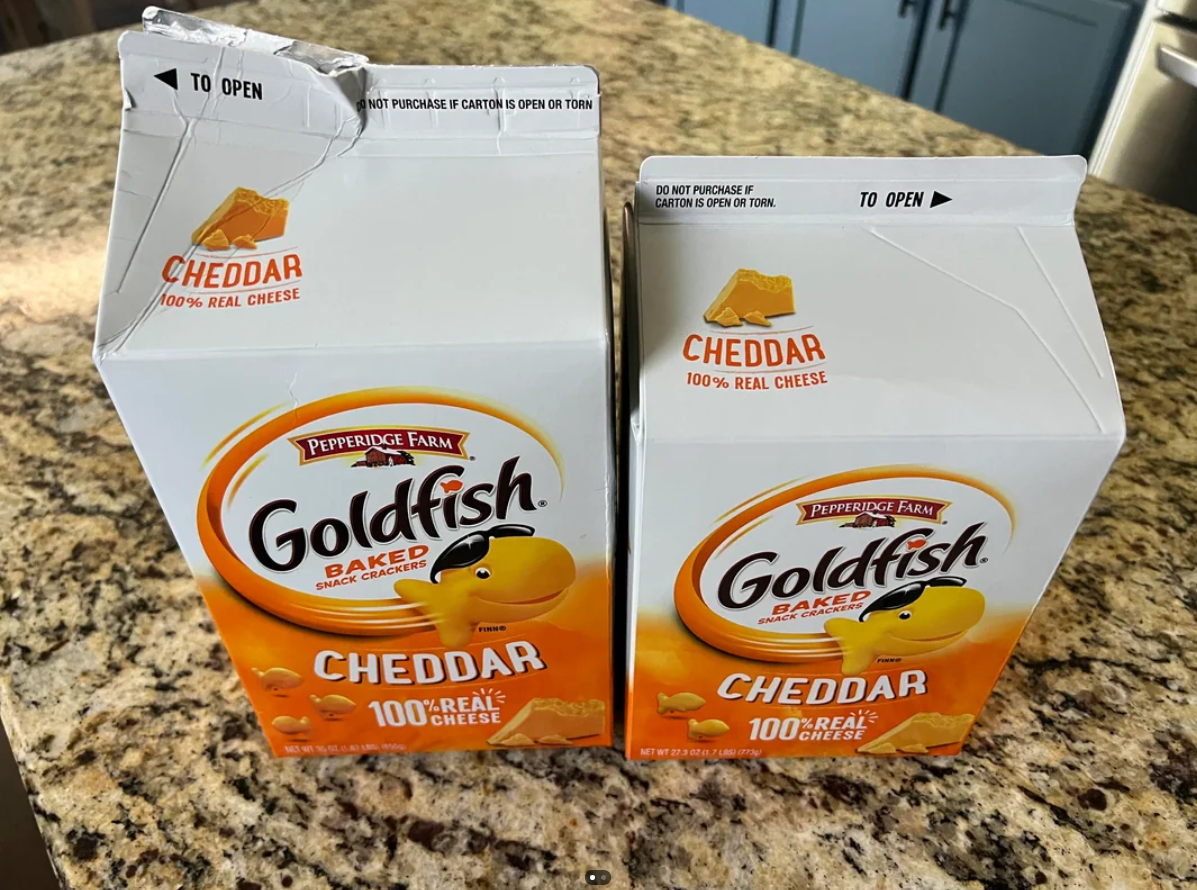
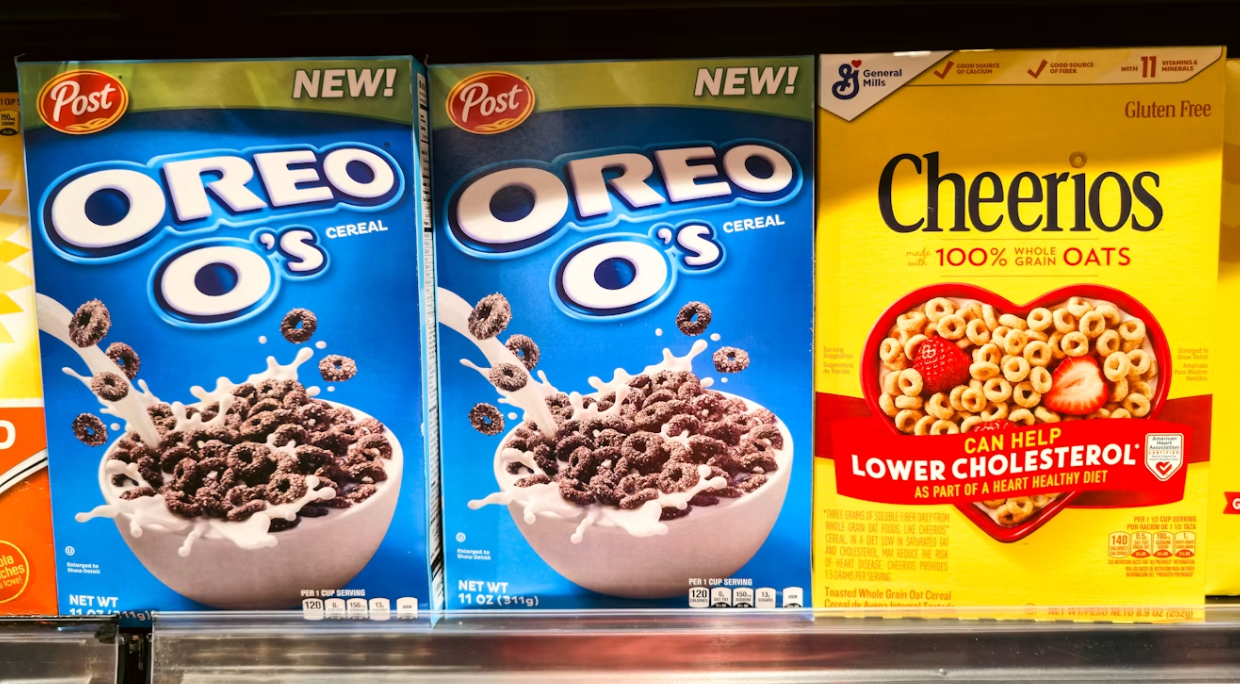
Shrinkflation is the trick many shoppers now know by name: the price looks familiar, but the package quietly gets smaller. A cereal box may look almost the same on the shelf, but hold fewer ounces. A snack bag may keep the same shape while giving you fewer chips. The Bureau of Labor Statistics says it tracks size changes in the Consumer Price Index, but that does not make the grocery aisle any less annoying for shoppers comparing old habits with new prices.
Skimpflation: Makes You Pay More for Less Quality
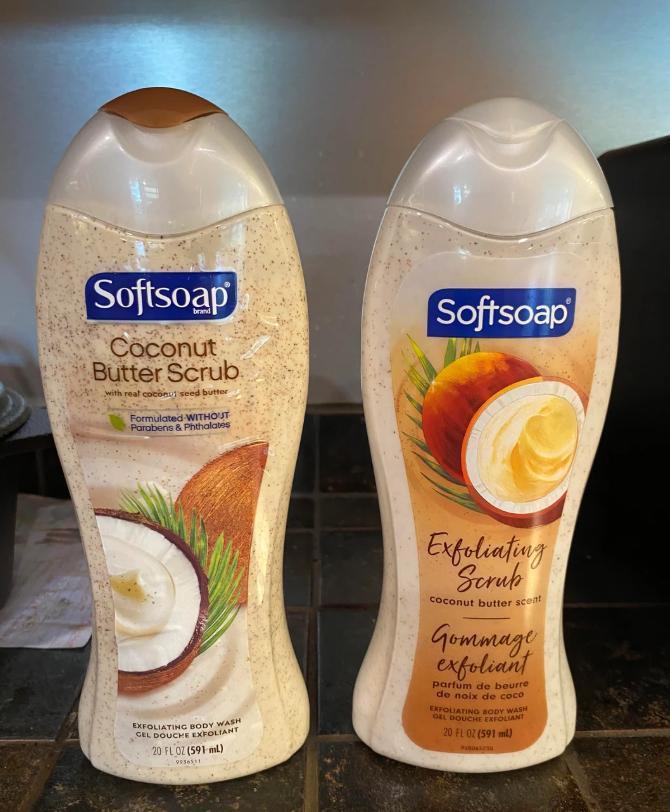
Skimpflation is sneakier because the box may not shrink at all. Instead, the product feels cheaper: thinner sauce, less meat in a prepared meal, weaker customer service, or a recipe that no longer tastes quite right. For older shoppers who have bought the same brands for decades, this is often the change they notice first: “This used to be better.” Ingredient lists and customer reviews can help confirm whether nostalgia is the only thing at work.
Hidden Fees That Appear After You’re Hooked

Few things make a bargain feel fake faster than a fee that appears only after you have picked the room, ticket, or service. The FTC’s junk fee rule targets bait pricing in live event tickets and short term lodging, where mandatory charges can make the final cost much higher than the advertised number. This does not mean every fee is illegal, and taxes can still show up separately.
Subscriptions That Replace Things You Used to Own

Software, television, music, cloud storage, fitness programs, and even some car features have moved from one time purchases to monthly bills. A few dollars here and there can feel harmless, which is exactly why the model works. The value is not always bad; subscriptions can be convenient. The trap is paying every month for something you barely use, simply because canceling feels like another chore.
Free Trials That Turn Into Paid Bills
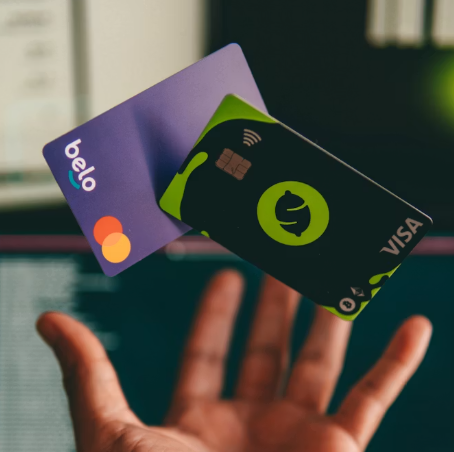
A free trial is only free if you remember the cancellation date. The CFPB has warned about “negative option” programs, where a customer is charged unless they actively cancel. For shoppers, the practical lesson is the same: a company may be counting on forgetfulness. The safest move is to cancel immediately after signing up when the service allows it, or set a calendar reminder for a few days before the trial ends.
Trending on Cheapism

Convenience Charges That Turn a Small Order Into a Big One

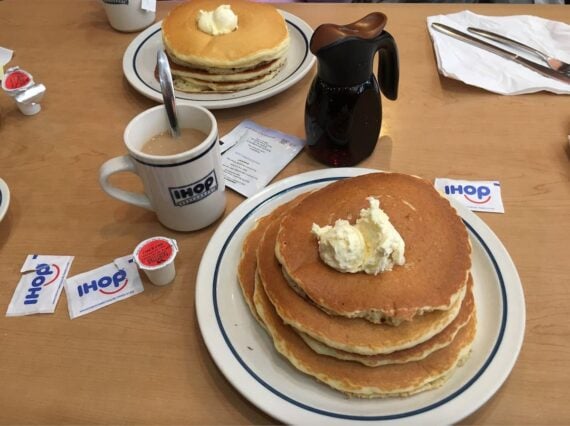
Convenience has become its own product. Delivery fees, service fees, priority fees, processing fees, and tips can turn a modest meal or grocery order into a much more expensive purchase. This does not mean delivery is never worth it, especially for people with mobility issues or busy schedules. It does mean the menu price is not the real price until every add on is visible.
Basic Plans Buried Behind Flashier Options
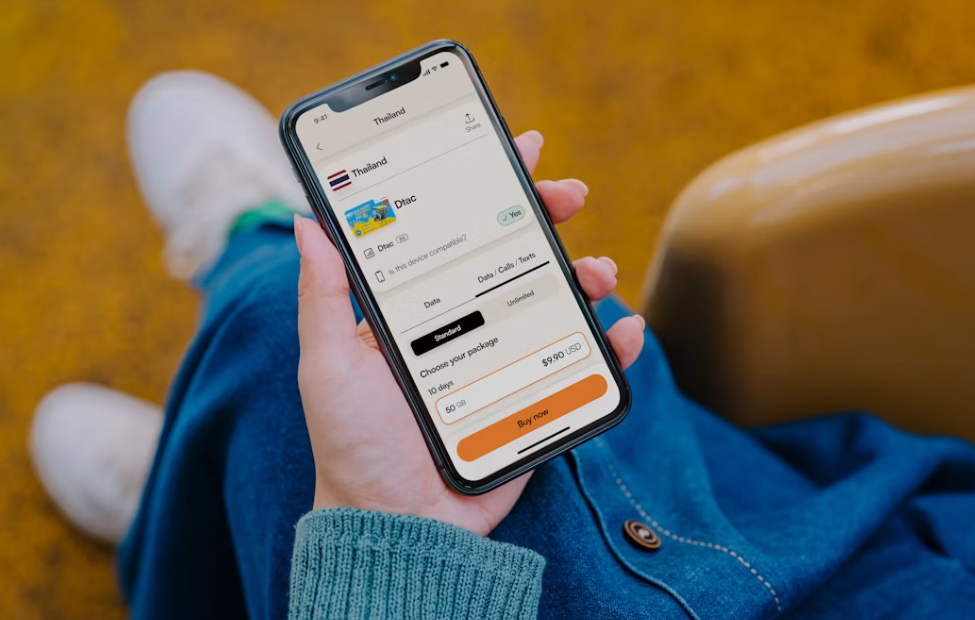
Many companies still offer a cheaper plan, but they do not always make it the easiest one to find. The FTC’s dark-patterns report calls out designs that bury key terms, hide fees, make cancellation difficult, or steer people toward choices they may not have picked on a clearer page. You see this in travel, streaming, software, phone plans, and insurance. The page may show the premium plan in a bright box and the basic plan in tiny text.
Loyalty Programs That Nudge You to Spend More
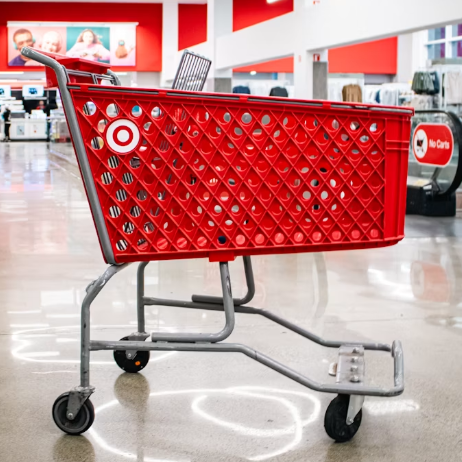
Loyalty programs can save real money, especially at grocery stores and pharmacies. The catch is that rewards are often designed to change behavior. Spend $10 more to unlock a coupon. Visit one more time this week to earn a free drink. Add an item you did not need because the app says you are close to a reward. Deloitte’s 2026 loyalty research found many consumers say loyalty programs make them more likely to spend with a preferred brand.
Sign up for our newsletter
Restaurant Portions That Quietly Get Smaller
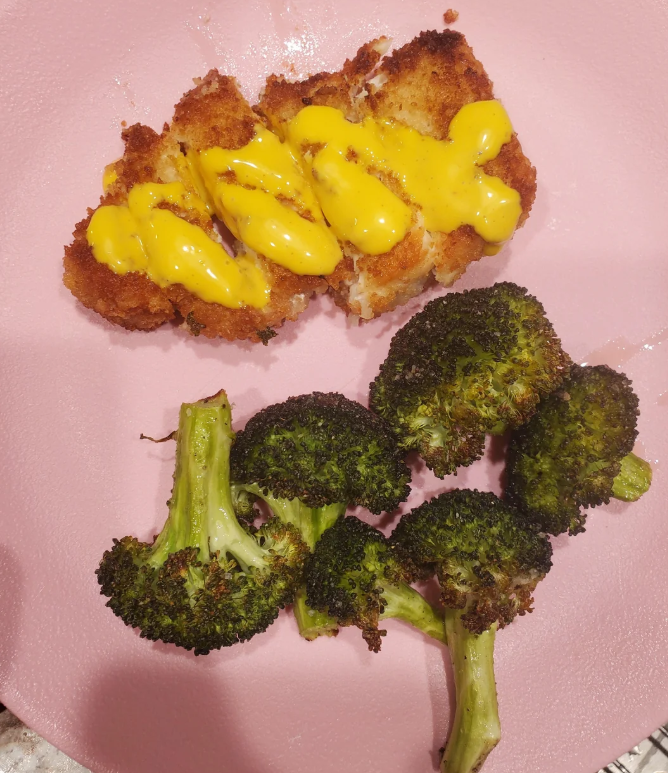
A menu price can stay familiar while the plate changes. Maybe there are fewer fries, a smaller dessert, less protein in the bowl, or an appetizer that now feels like a tasting sample. Portion changes are hard to verify across the whole restaurant industry because chains rarely publish old and new serving weights. Still, consumer complaints about smaller portions have become common, and restaurants face real pressure from food and labor costs.
Airline Unbundling: A Cheap Fare With Expensive Add-Ons

Airfare is one of the clearest examples of paying less upfront and more later. A ticket may look cheap until you add a carry-on, checked bag, seat selection, or change option. The bigger consumer lesson remains useful: compare the whole trip, not just the base fare. A slightly higher ticket that includes bags or seats may be a better deal than the “cheapest” fare after add-ons.
App-Only Deals That Leave Some Shoppers Paying More

Digital coupons can be great. But for many older shoppers, the move from paper coupons to app-only deals can feel like a hassle. The sale price may be on the shelf tag, but only after you clip the offer in an app, log into an account, or scan a loyalty card. Consumer Reports has advised shoppers to use store perks and loyalty programs carefully to save money, but the system can be frustrating when the best price is locked behind a phone.
Dynamic Pricing That Changes While You Shop
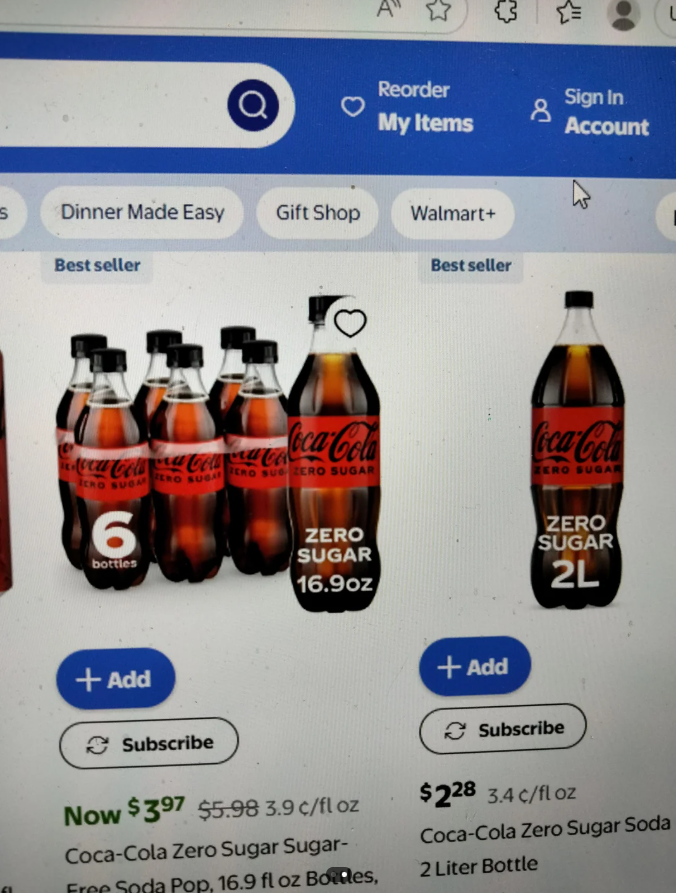
Dynamic pricing is not new; airlines and hotels have used demand-based pricing for years. What worries consumer advocates now is the possibility of more individualized pricing based on data such as location, browsing behavior, or shopping history. In 2025, the FTC said early findings from its surveillance-pricing study showed a wide range of personal data could be used to target consumers with different prices for the same goods and services.
Packaging Redesigns That Make Less Look Like More
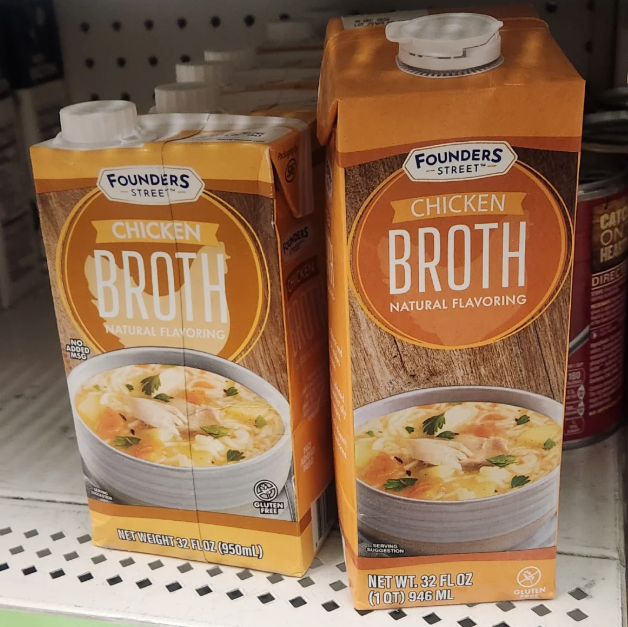
A package redesign can be perfectly innocent: new branding, easier storage, less plastic, or better freshness. But redesigns can also make downsizing harder to notice. Taller boxes, deeper indents, bigger lids, and brighter labels can distract from a smaller net weight. That is why unit pricing matters more than the size of the container.
Premium Versions of Ordinary Basics
Water, chips, yogurt, coffee, soap, paper towels, and even store brands now come in “premium” versions. Sometimes the higher price is justified by better ingredients or stronger performance. Sometimes the difference is mostly packaging, flavor names, and a feeling of treating yourself. The money saving test is simple: compare ingredients, unit price, and whether the premium version actually solves a problem the basic one does not.
Paid Memberships That Make You Chase the Value

Warehouse clubs, delivery memberships, retailer memberships, and “plus” programs can be worth it for the right household. The trick is psychological: once you pay the membership fee, you may shop there more often just to feel like you are getting your money’s worth. Reddit’s frugal communities are full of people doing the math on whether memberships actually save them money, and the answer depends heavily on household size, storage space, and buying habits.
Bank and Payment Fees That Hit at the Worst Time
Paying more for less is not limited to food and travel. Bank fees can also quietly drain a budget, especially overdraft fees, nonsufficient funds fees, late fees, and payment processing charges. Rules and enforcement have shifted with court and political changes, so consumers should check current account terms. The practical move is to choose accounts with clear fee schedules, low-balance alerts, and no overdraft program unless you truly need it.