Ever wondered what happens to unsold hotel rooms when the night is almost over? Unlike clothing or furniture, a hotel room can’t be saved and sold later for the same date. That’s why hotels constantly adjust prices, track cancellations, and look for ways to fill vacancies before it’s too late. According to the University of West Florida’s guide to hotel revenue management, hotels use several strategies to manage empty rooms and maximize revenue. But do those last-minute vacancies actually mean cheaper stays for travelers? Here’s what happens behind the scenes.
An Empty Hotel Room Represents Revenue That Can Never Be Recovered

A hotel room is a little like an airline seat: once the night has passed, the chance to sell it for that date disappears. Hotels call this perishable inventory, and it explains why occupancy matters so much. Even when rooms sit empty, properties still have expenses such as insurance, utilities, and staffing. Managers track measures like revenue per available room to understand how effectively they’re using their inventory. The physical room will still be there tomorrow, but the money it could have earned tonight is gone.
Hotels Start Trying to Fill Empty Rooms Long Before Midnight

Don’t expect hotel managers to wait until 11:59 p.m. before worrying about empty rooms. Many properties monitor reservations days or weeks in advance, comparing actual bookings with expected demand. If rooms aren’t selling as quickly as anticipated, they might adjust rates, launch promotions, or make more inventory available through booking websites. On particularly busy dates, prices can move in the opposite direction. For travelers, this means a good last-minute deal might appear several days before arrival rather than in the final hours of the night.
Some Empty Rooms Are Discounted Without Revealing the Hotel’s Name

Ever seen a hotel deal that promises a certain star rating and neighborhood but won’t tell you the property’s name? That’s an opaque booking offer, and it gives participating hotels a way to sell discounted rooms without advertising lower rates directly to everyone. Priceline’s Express Deals are one example. Travelers can sometimes save money by accepting the mystery, but there’s a catch: the hotel’s identity is revealed only after booking, and cancellation options may be limited. It’s worth checking the location, amenities, and total price before committing.
Hotels Sometimes Accept More Reservations Than They Have Rooms

It sounds risky, but some hotels deliberately accept more reservations than their available room count. This practice, known as overbooking, is based on the expectation that a certain number of guests will cancel or never arrive. When those predictions work, fewer rooms sit empty. When they don’t, the hotel may have to find accommodations elsewhere for an affected guest, a process known as walking. Travelers arriving late during major events should confirm their reservation and communicate their expected arrival time, especially when nearby hotels are likely to be full.
A Guest Who Never Arrives May Still Be Charged

An empty room doesn’t always mean the hotel earned nothing. If someone reserves a room but never checks in, the property may charge a no-show fee under the reservation’s terms. Some bookings carry a first-night penalty, while prepaid or nonrefundable reservations can have stricter conditions. These policies help hotels recover some revenue when it’s too late to find another guest. If your plans change, canceling properly is better than simply not showing up. Always check the deadline, especially when booking through a third-party website.
Trending on Cheapism


An Unsold Luxury Suite Might Become a Complimentary Upgrade

When a hotel has an empty premium room, it may occasionally offer an upgrade to a loyalty member, a returning guest, or someone celebrating a special occasion. Moving a guest into an otherwise vacant suite can create goodwill without publicly discounting the room. But there’s no rule requiring hotels to give away unsold upgrades, and some reserve their better rooms for paying customers or late arrivals. Asking politely at check-in costs nothing, although travelers shouldn’t count on receiving anything beyond the room category they booked.
Hotels Don’t Always Lower Prices Just Because Rooms Are Empty
You might assume a hotel would rather accept almost any offer than leave a room vacant, but that’s not always how pricing works. Each additional guest can bring expenses, including cleaning, laundry, amenities, and booking commissions. Hotels may also have minimum acceptable rates or prefer not to train customers to expect deep last-minute discounts. During a busy convention or holiday, prices can actually rise as availability shrinks. The lesson for bargain hunters is simple: an empty room doesn’t automatically mean a cheap room.
Late Cancellations Can Put Rooms Back on the Market

A hotel that appeared completely booked in the afternoon might suddenly have availability that evening. Guests cancel for all sorts of reasons, including delayed flights, illness, and changed travel plans. When a reservation is canceled, the room may return to the hotel’s inventory and become available through its website or booking partners. That doesn’t necessarily mean the price will be lower, but it can give travelers another opportunity to book a preferred property. If your first choice is sold out, checking again later may be worthwhile.
Sign up for our newsletter
Some Hotels Rent Rooms for Just a Few Hours During the Day
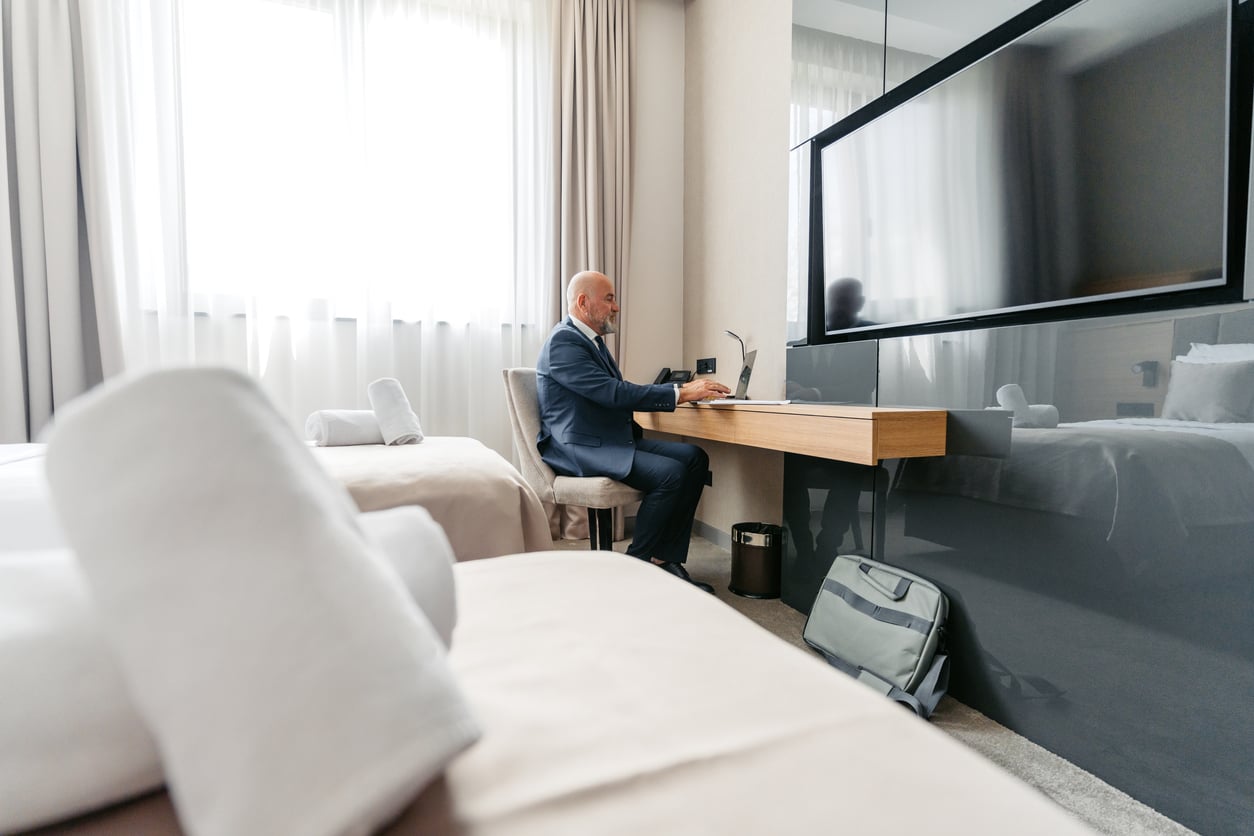
Not every hotel booking involves spending the night. Some properties offer day-use rooms for travelers who need a shower, a nap between flights, or a quiet place to work. These shorter stays can help hotels earn additional revenue during hours when rooms might otherwise be unused. However, day-use bookings aren’t simply leftover overnight rooms being sold cheaply. They have their own availability, rates, and check-in windows. For someone facing a long airport layover, a daytime room may be more practical than paying for an entire night.
A Vacant Room Might Be Used for Repairs or Deep Cleaning

Just because a room is empty doesn’t mean the front desk can sell it. Hotels regularly take rooms out of service for plumbing repairs, broken air conditioners, carpet cleaning, and other maintenance work. Quieter periods can be a convenient time to handle jobs that would otherwise disturb guests. Hotel inventory systems distinguish between rooms available for sale and those temporarily unavailable. So when a property says it’s fully booked, the situation can be more complicated than every bed being occupied. Some rooms simply aren’t ready for guests.
The Night Audit Determines What Happened to the Rooms

While most guests are asleep, many hotels complete a process called the night audit. This involves checking reservations, payments, room charges, occupancy records, and other transactions before closing the business day. It’s also when outstanding reservations may be reviewed and no-shows recorded according to hotel policy. Interestingly, the accounting day doesn’t necessarily end at midnight. Some properties complete their audit in the early morning hours. That’s one reason showing up at 2 a.m. doesn’t guarantee a discounted room or a checkout time the following afternoon.
Last-Minute Booking Apps Can Help Sell Rooms Before the Night Ends

Hotels sometimes use mobile booking platforms and special promotions to reach travelers who need a room on short notice. Services such as HotelTonight focus on near-term reservations, while other booking websites offer app-only rates or limited-time deals. These channels give participating properties another opportunity to sell available rooms, but the discounts aren’t guaranteed. A last-minute rate can still be expensive during a major event or busy weekend. Before booking, compare the hotel’s direct price, taxes, additional fees, cancellation rules, and checkout time to see whether the offer is actually worthwhile.