Certain pantry staples can be used to create dozens of different meals, making it essential to keep some of them on hand at home. Baby Boomers have mastered the art of preparing practical, versatile dishes using long-shelf-life ingredients. We reveal the pantry staples Baby Boomers always like to keep in stock because they can be transformed into a complete meal!
Canned Tomatoes

One pantry staple with a long shelf life is canned tomatoes. These cans can transform a dish, changing its flavor profile entirely. Whether diced, crushed, or whole, they can be added to soups, sauces, casseroles, and skillet meals. Pantry staples like canned tomatoes can be turned into chili, pasta sauce, stew, and even shakshuka-style eggs, or braised dishes.
Eggs
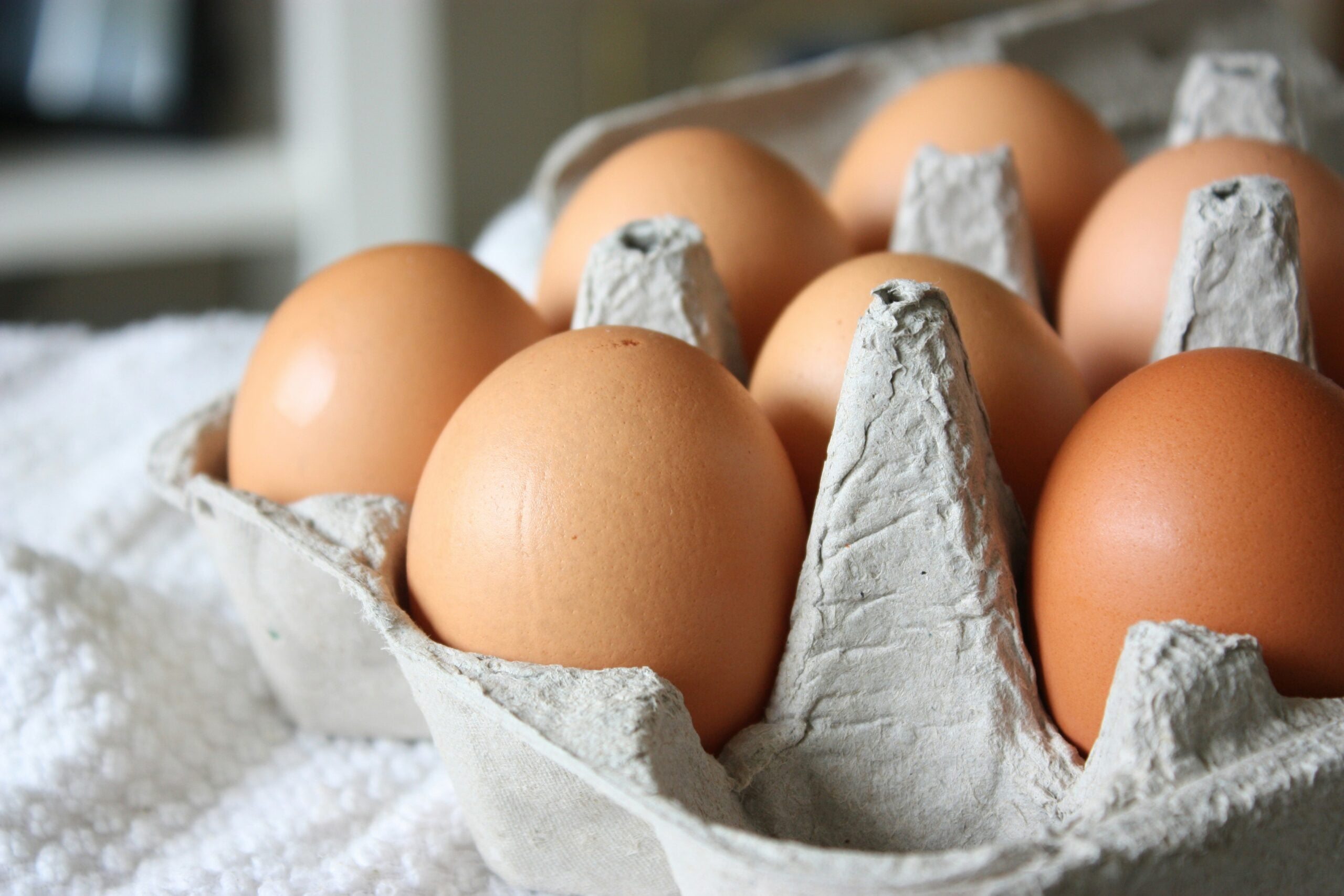
Eggs are a pantry staple for Baby Boomers. This highly nutritious animal-based food can be incorporated into breakfast, lunch, or dinner, or even used as an ingredient in casseroles or baked goods. From omelets to breakfast sandwiches, pantry staples like eggs take up relatively little refrigerator space and can be used un means throughout the day.
Bread
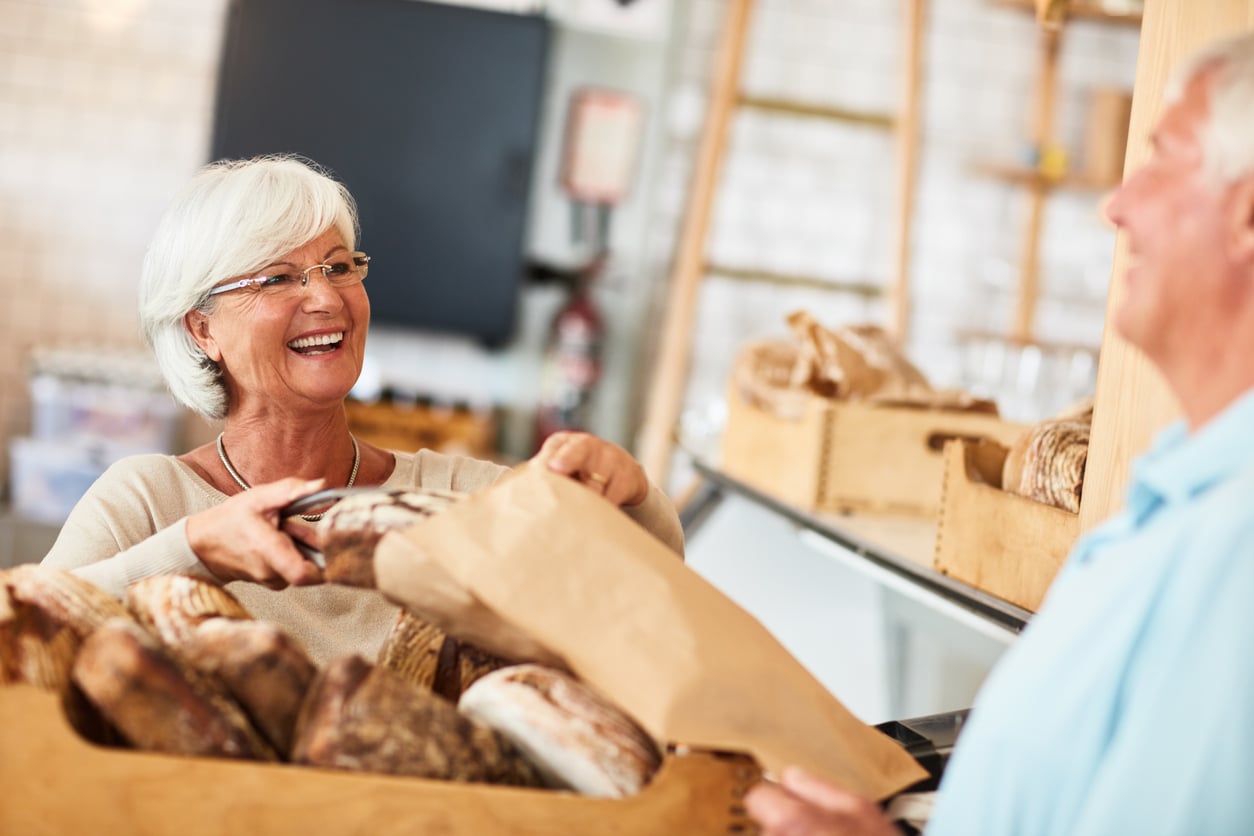
Bread can be included in any meal of the day, as it takes the form of toast, sandwiches, French toast, breadcrumbs, stuffing, grilled cheese, bread pudding, and more. In fact, stale bread has earned a place among pantry staples because it has far more uses than people realize.
Potatoes
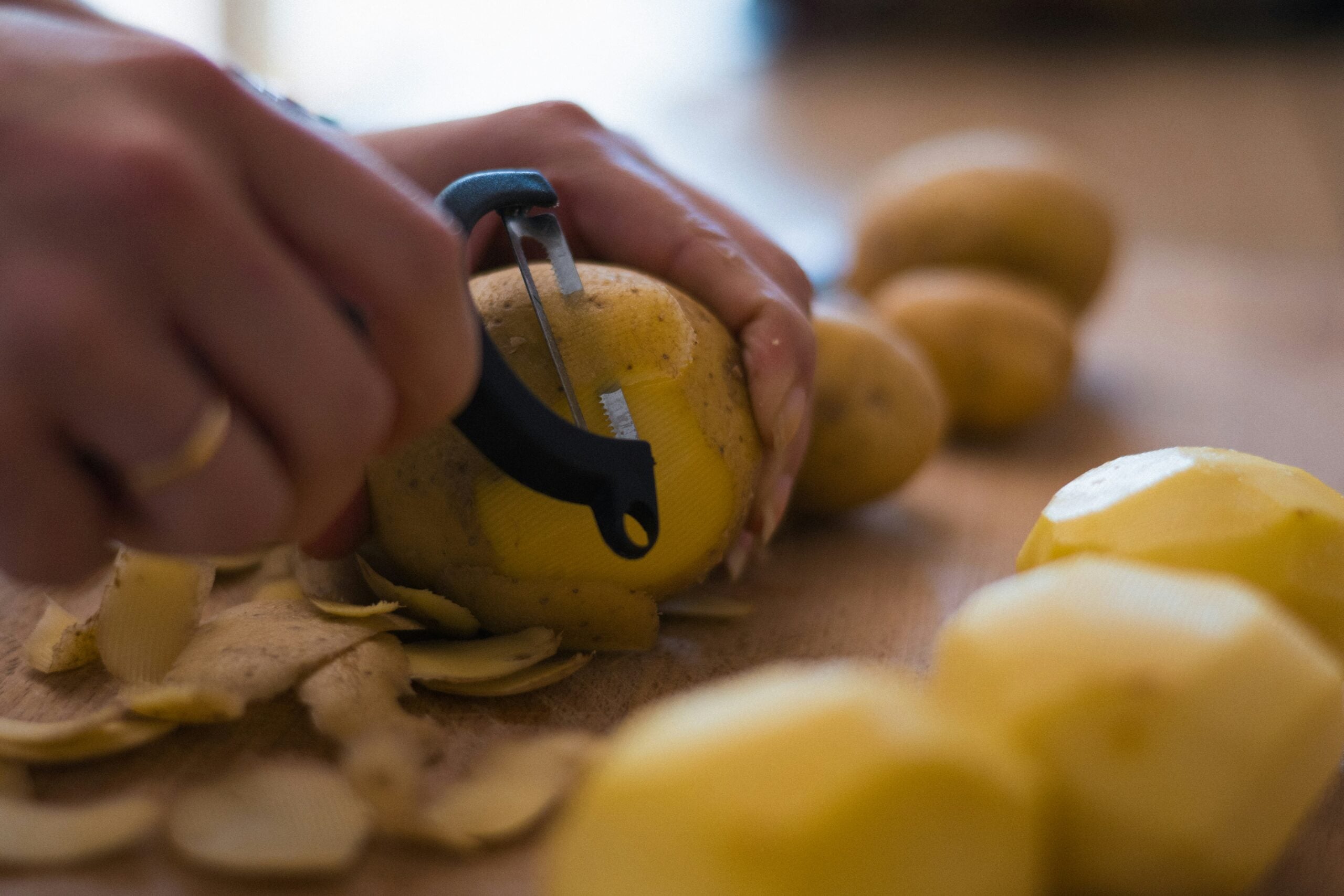
Potatoes are versatile, allowing people to prepare them baked, as hash browns, mashed, in soups, as potato salad, in skillet meals, and more. Baby Boomers are turning to potatoes as pantry staples because they are inexpensive, a key factor when saving money is a priority. Furthermore, potatoes are filling and can add substance to any dish without feeling repetitive.
Canned Beans

Canned beans are a vital pantry staples that provide fiber and require little effort to prepare. They can bulk up meals that might otherwise lack substance. Dishes featuring canned beans include chili, soups, salads, dips, tacos, casseroles, and even rice-based meals. If you keep more than one variety in your pantry, adding them will create different flavor profiles for your meals.
Trending on Cheapism


Canned Tuna
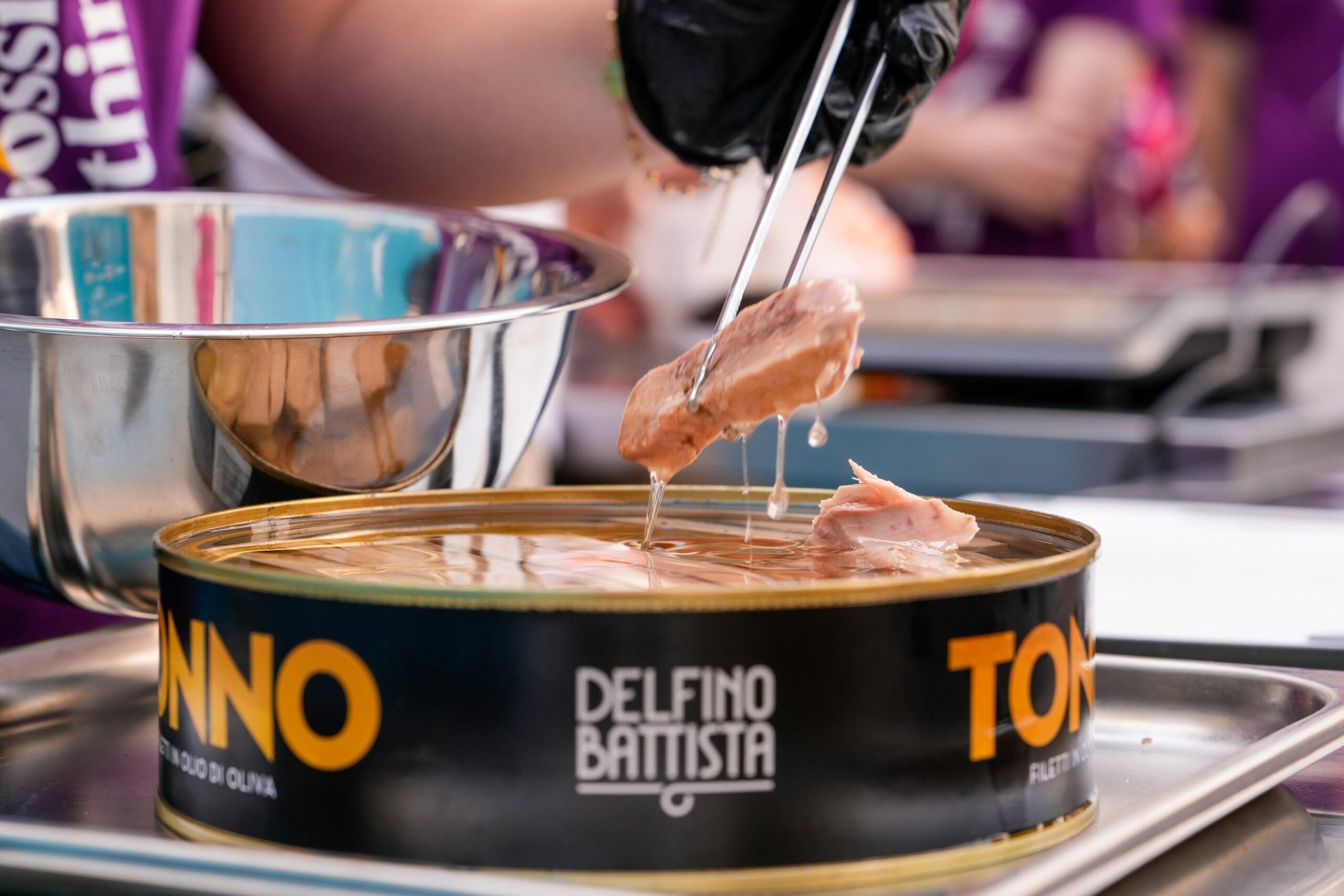
One of the advantages of canned tuna, and a reason why Baby Boomers choose it as one of the pantry staples, is its long shelf life. When properly stored, unopened canned tuna has a long shelf life. It also requires little preparation and serves as a great source of nutrients for a meal. You can incorporate it into a wide variety of dishes, ranging from tuna salads, melts, casseroles, and pasta salads to stuffed tomatoes and sandwiches.
Cheese
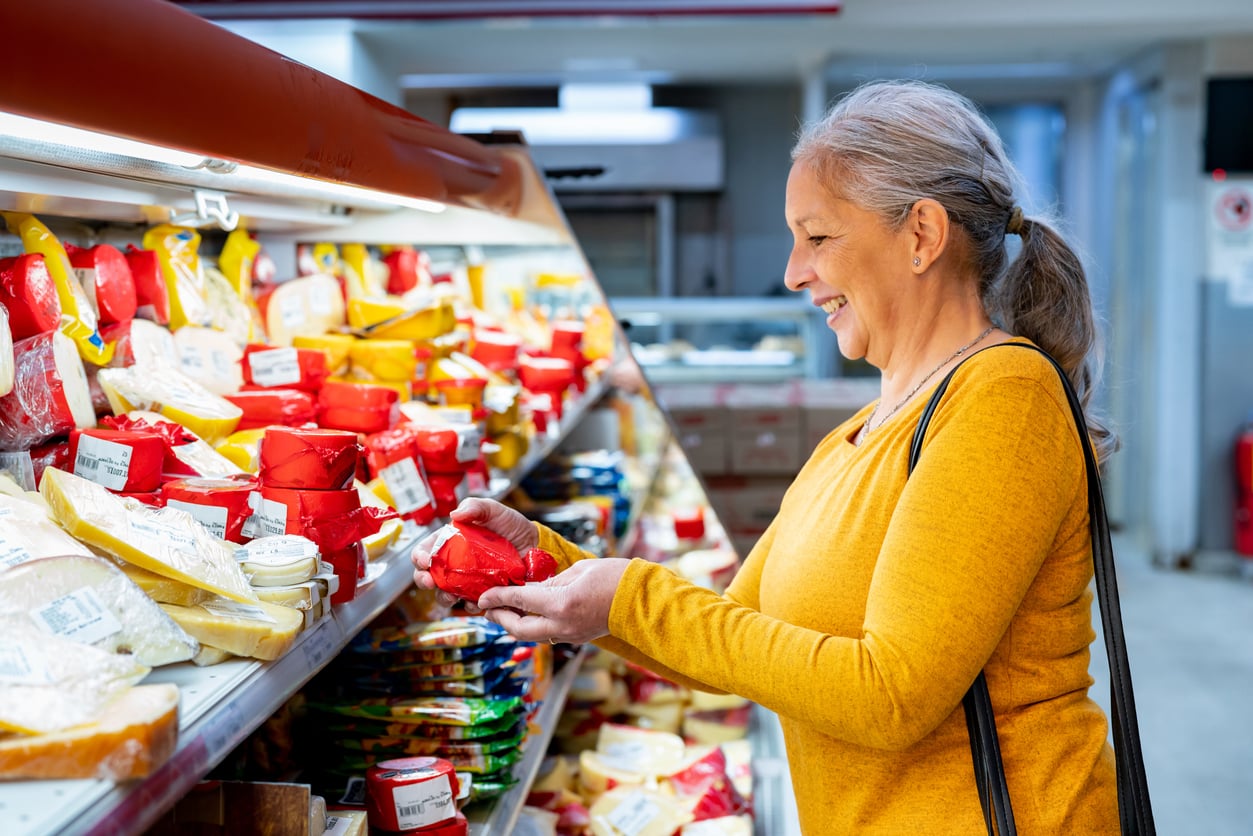
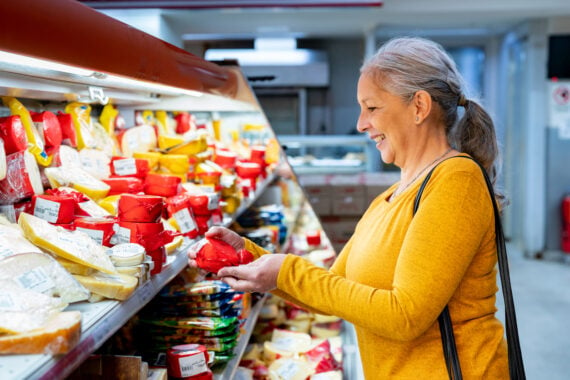
Cheese is ideal for transforming a dish of leftovers into something new, provided you have eggs, vegetables, or bread in the leftovers. Also, when storing cheese, you should keep harder varieties separate from softer ones; the former have a longer shelf life than softer varieties. Pantry staples such as cheese can be used to create dishes such as grilled cheese sandwiches, omelets, casseroles, pasta, quesadillas, and baked potatoes, among others.
Rice
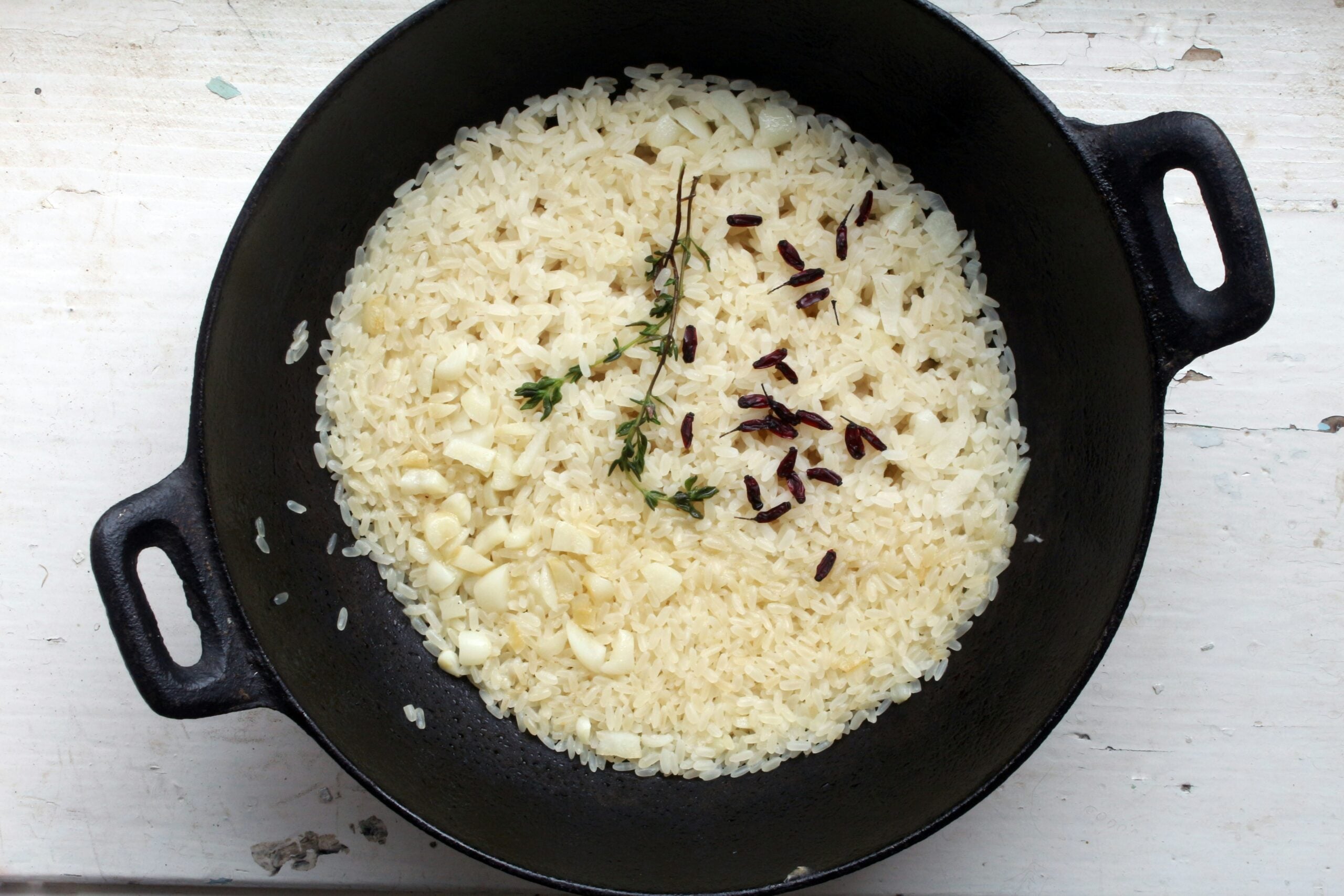
Rice is very filling, making it ideal for stretching out meat, vegetables, or leftovers. It can serve as either the base of a meal or a side dish. From fried rice, casseroles, soups, and rice bowls to pudding or stuffed peppers, rice can easily feature multiple times in your weekly menu. Like potatoes, rice is inexpensive; simply adding some to the previous day’s leftovers creates a whole new meal to enjoy.
Sign up for our newsletter
Ground Beef
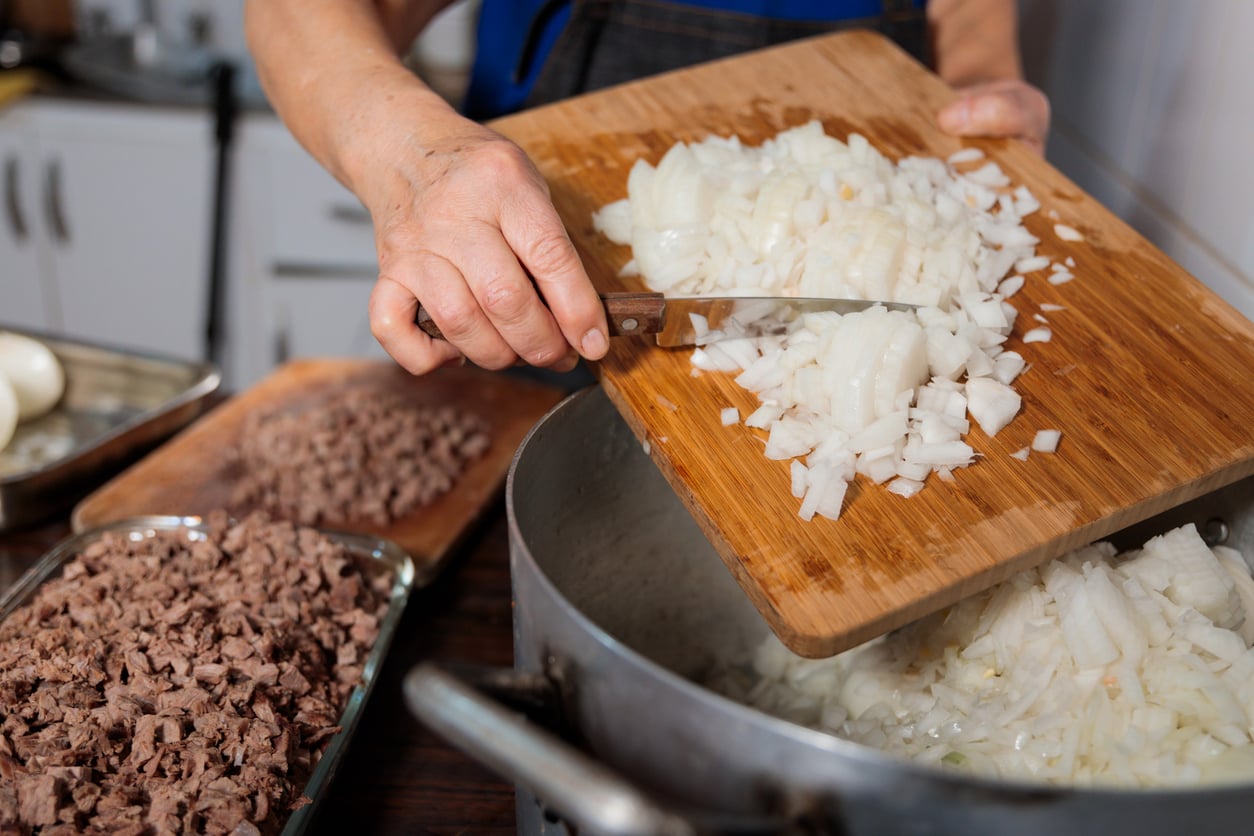
Once you buy ground beef, you can store it in pre-portioned frozen batches, extend it with other ingredients, or keep it as a fully prepared dish. Ground beef is a great addition for households where meat is a weekly menu staple. From meatloaf, burgers, and tacos to stuffed peppers, casseroles, and chili, ground beef pairs well with many other foods, such as vegetables or pasta. Once you cook a large batch of ground beef, you can simply use the portions as needed over the following weeks.
Pasta
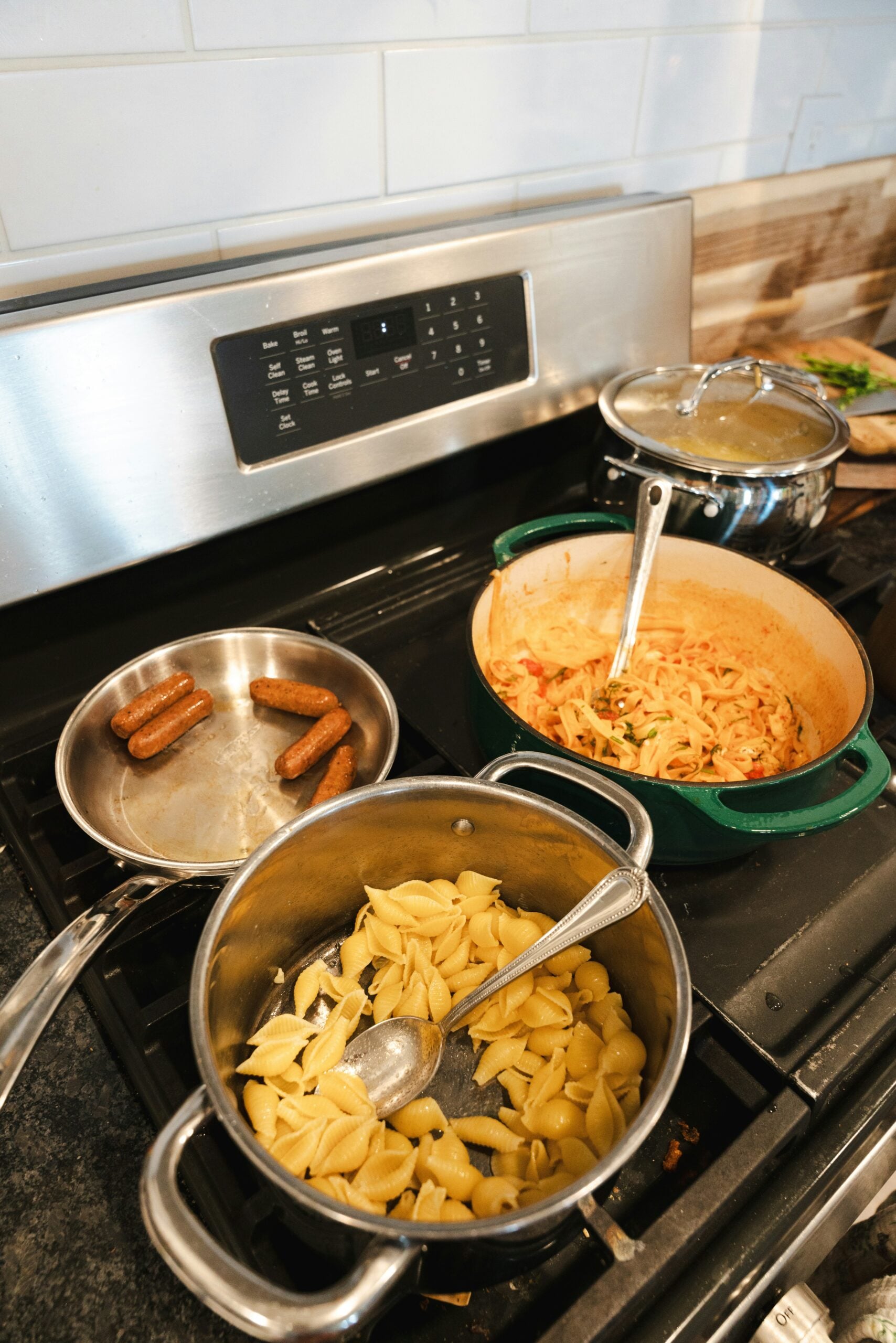
Dried pasta is shelf-stable, inexpensive, and pairs with almost any sauce you know how to make. Plus, you can combine it with leftover ingredients to create a new dish. It can be served hot, cold, baked, or in soup, which is why staple pasta is always found in Baby Boomers’ pantries. Thanks to the variety of pasta shapes available, Baby Boomers can use staples such as spaghetti, gnocchi, or cappelletti to create different meals.
Conclusion
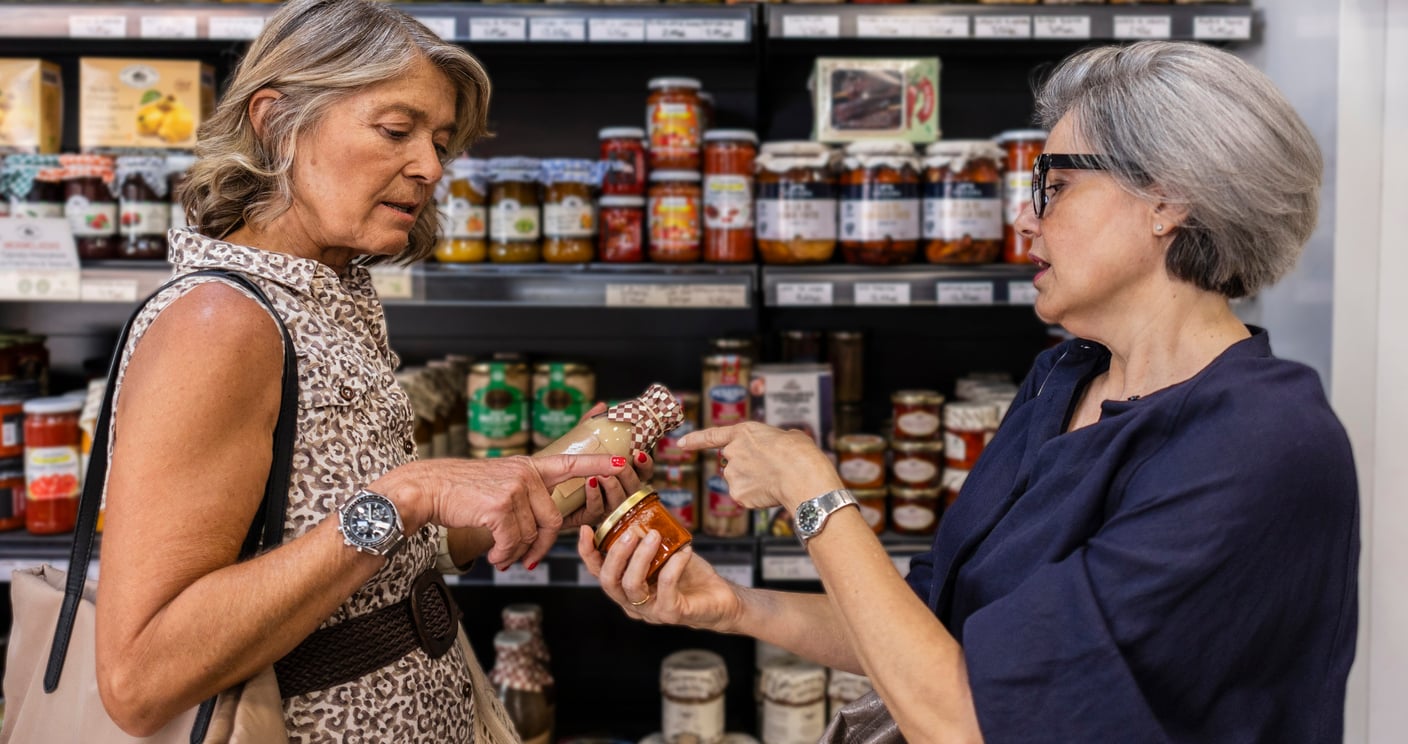
What Baby Boomers look for in the food staples they keep at home is versatility that allows them to prepare a variety of dishes. They are not seeking an ingredient for one specific recipe. Rather, items such as eggs, pasta, bread, and beans are ideal for contributing to a complete meal. This habit stems from their youth, a practice of keeping basic foods on hand to save money and avoid food waste.