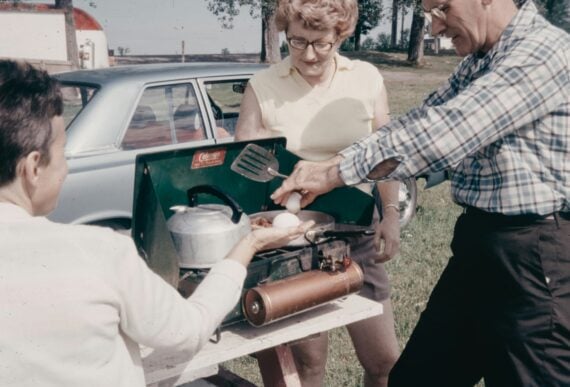
A five-dollar bill represented far more purchasing power in the 1960s than it does today. Simply saying “everything was cheaper” is an oversimplification, but pointing out that 1960s prices were low enough to pay for a Major League Baseball ticket makes a much stronger impression. We’ll reveal what you could do with a five-dollar bill a few decades ago according to TastingTable and 24/7 WallSt. Some things you might not even remember!
A Major League Baseball Ticket
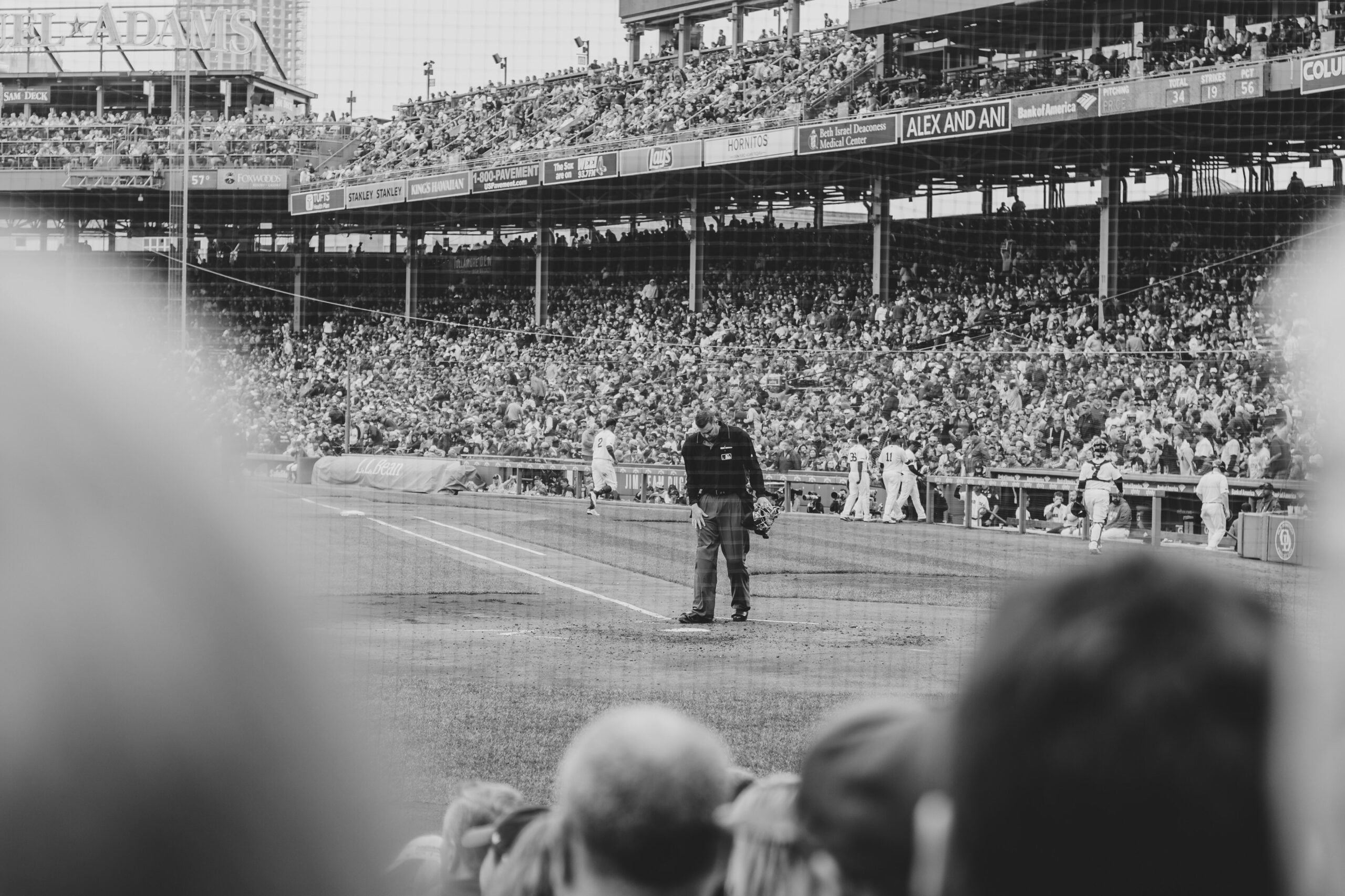
The average cost of a Major League Baseball ticket was $2.29 in 1965. Original tickets sold on eBay reveal their design and pricing. At that price, you would still have nearly three dollars left over for food, transportation, or other inexpensive purchases. Throughout most of the 1960s, ticket prices remained below three dollars, reflecting the era’s 1960s prices.
Four Ticket Movies
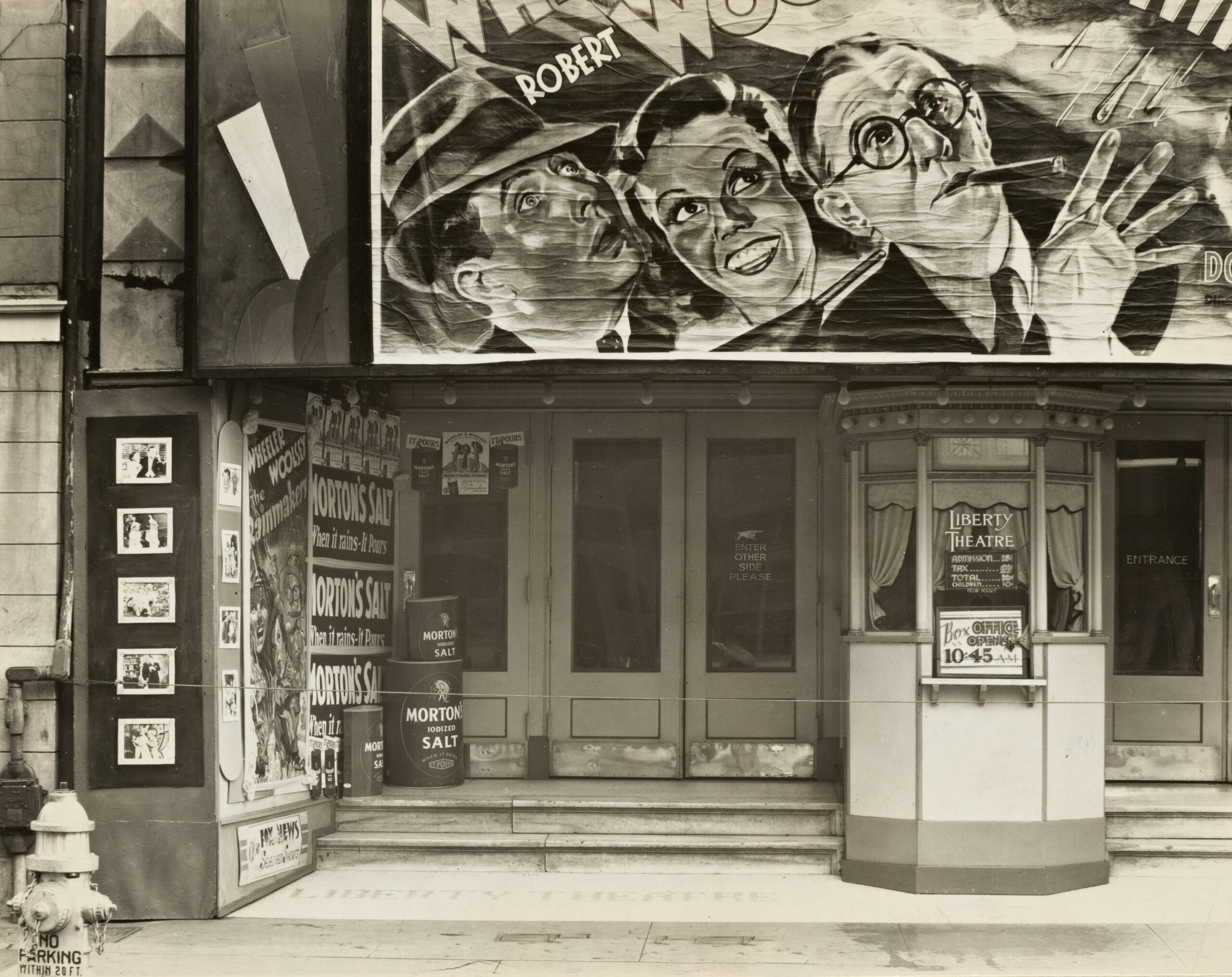
According to the website 24/7 WallSt., a movie ticket cost about $1 in the 1960s, meaning you could buy four tickets, with money to spare, if you wanted to be entertained that way. During that decade, you could have enjoyed movies like “The Sound of Music”, “A Charlie Brown Christmas”, and “Thunderball.” By the end of the decade, 1960s prices had risen, with the average movie ticket reaching $1.42 in 1969.
A Disneyland Ticket Book
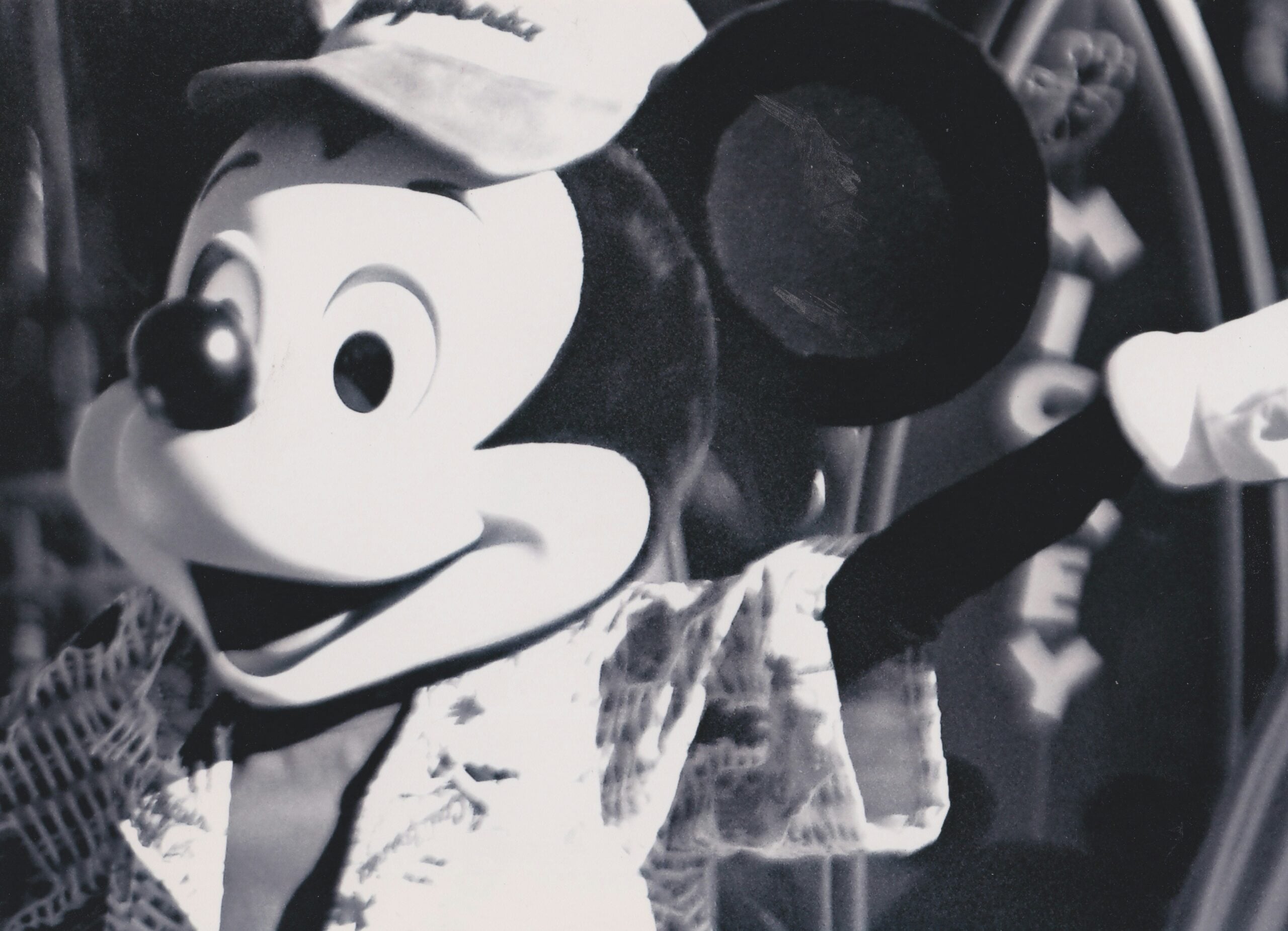
Historical pricing for Disneyland shows that an adult could enjoy park entry and get a Big 10 ticket book for $4 according to some ticket images from those years. This was because Disneyland had not yet adopted the all-inclusive admission model; a ticket covering 15 attractions cost $5. These were remarkably low 1960s prices, considering the theme park was already a major tourist destination.
More Than 30 McDonald’s Hamburgers
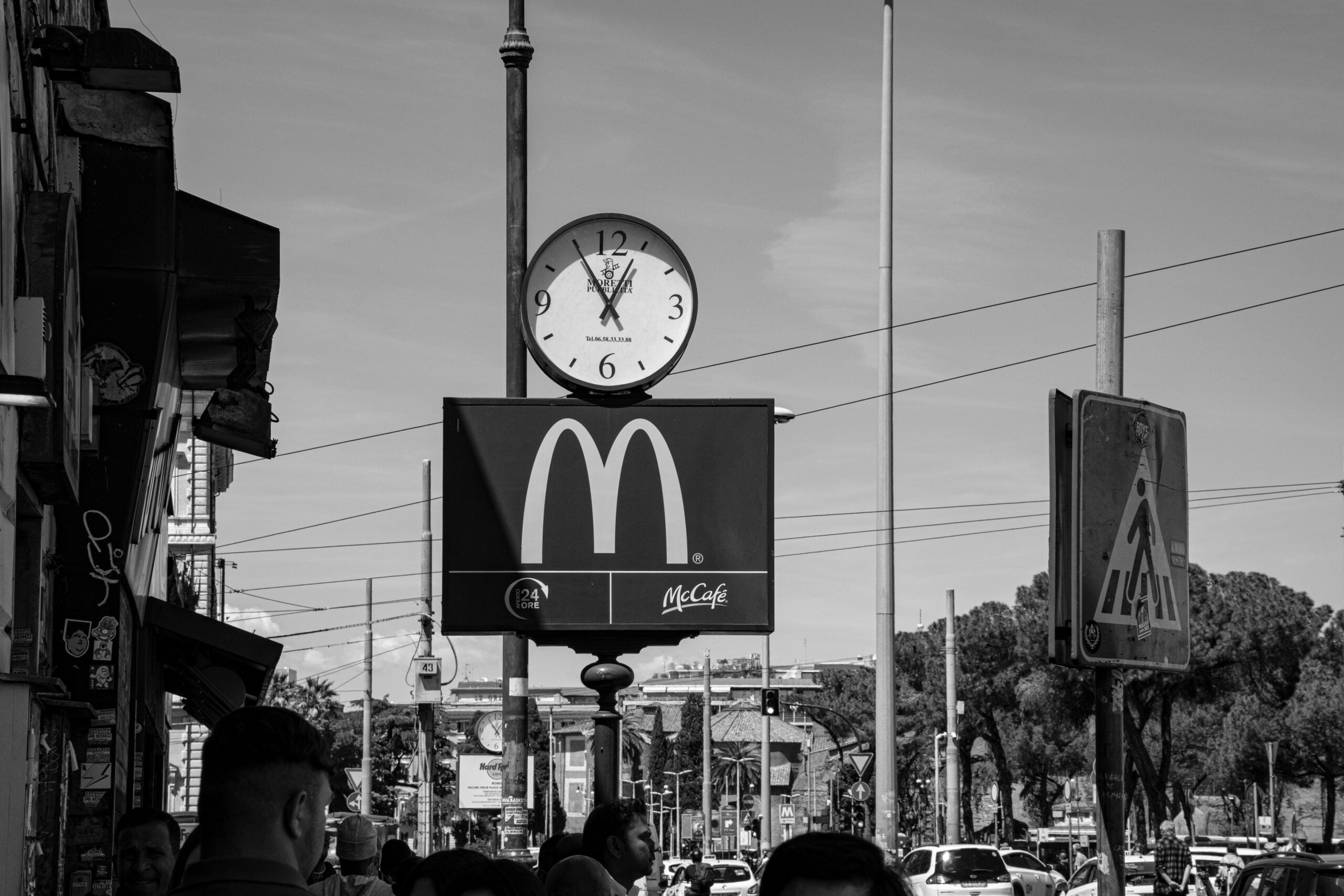
Images from the era revealed that McDonald’s hamburgers cost around 15 cents for much of the 1960s; consequently, $5 was enough to buy 33 hamburgers. Other prices offered by the fast-food chain included French fries for 12 cents and soft drinks for 10 cents. To a large extent, McDonald’s success was driven by its original business model and its ability to maintain low 1960s prices.
Around 16 Gallons of Gas
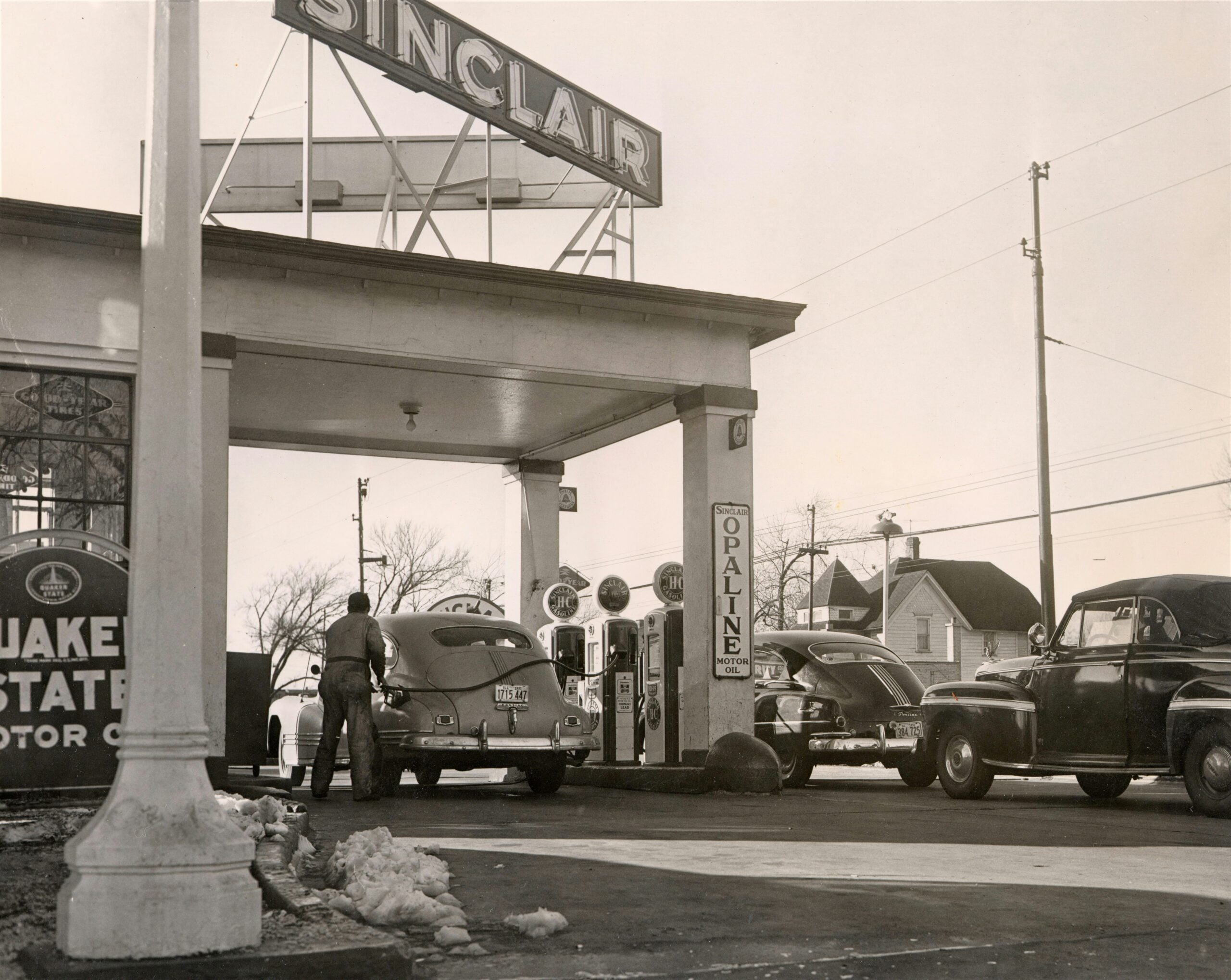
A gallon of gasoline cost around 31 cents in 1965 according to the U.S. Energy Information Administration. Consequently, for $5, you could put 16 gallons in your car, enough to almost fill the tanks of many family vehicles and cover an estimated 240 miles at 15 mph. These 1960s prices helped make driving more affordable and contributed to the growth of suburban living and the rise of roadside restaurants, motels, and drive-in culture.
Trending on Cheapism
Nine Dozen Eggs
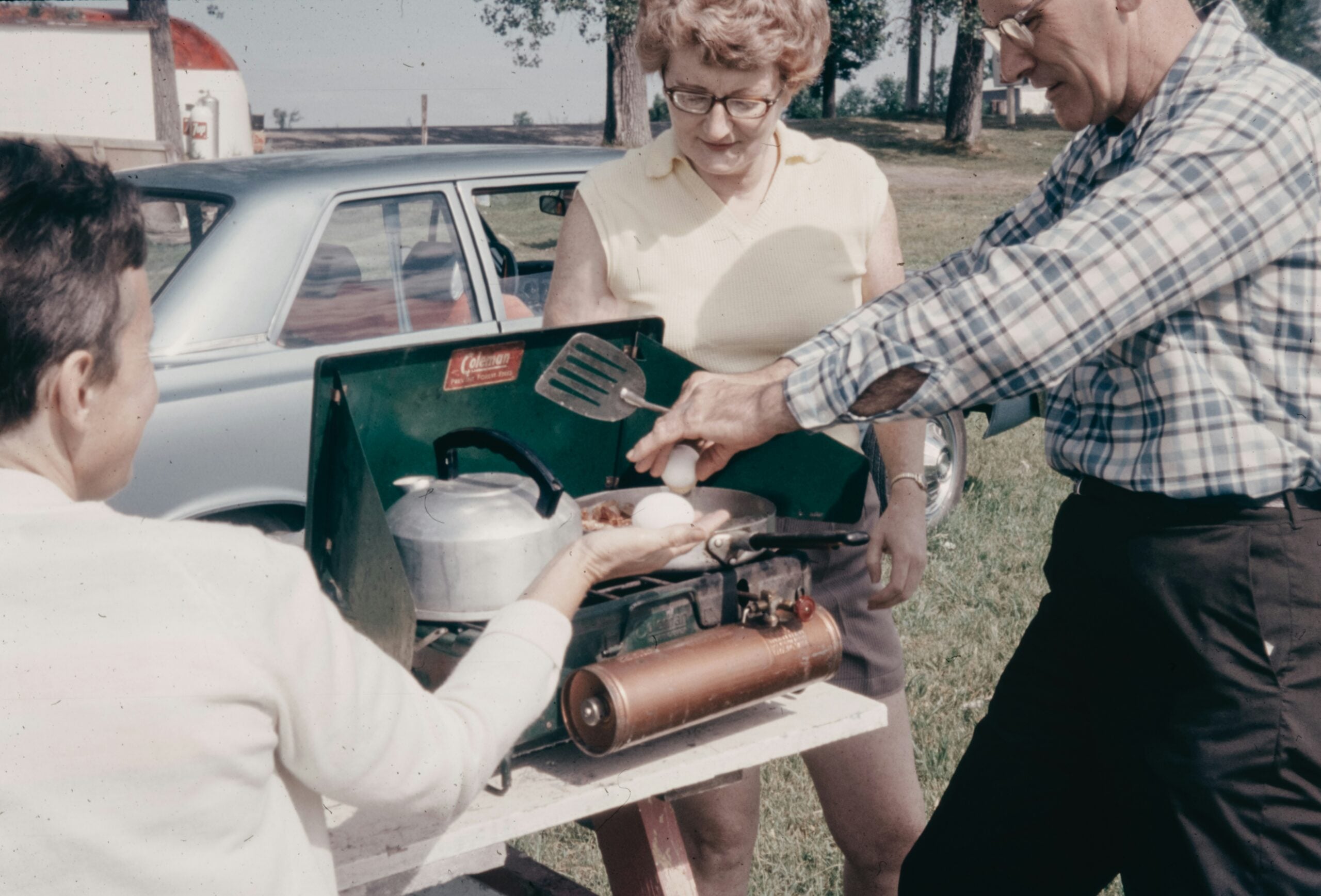
A dozen eggs cost around $0.53 in 1965, meaning $5 could get you about nine dozen eggs, or 108 eggs, to your home, with money left over. Eggs were an inexpensive source of protein commonly used for breakfast, just as they are today. These 1960s prices made it possible for families to enjoy omelets, casseroles, deviled eggs, and egg salad without worrying about the cost.
More Than Four Pounds of Round Steak
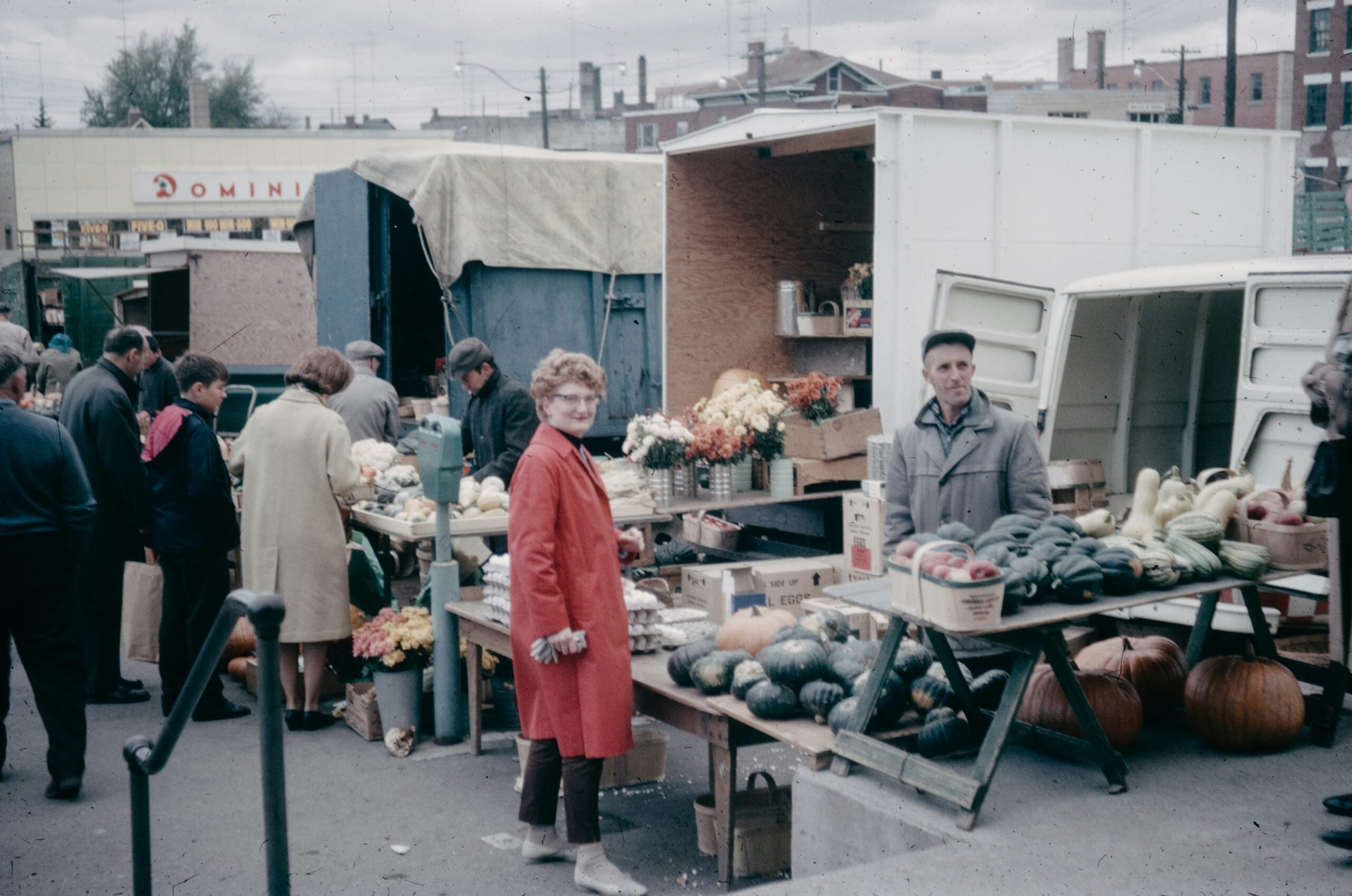
The average cost of round steak in the 1960s was $1.08 per pound, meaning $5 could put 4.6 pounds of beef on the table. Beef played a central role in American meals, prepared in various ways ranging from Swiss steak and pot roasts to grilled steaks and casseroles. This figure may be striking, as meat is one of the grocery categories where modern shoppers most notice rising prices compared with 1960s prices.
Nearly 10 Half-Gallons of Milk
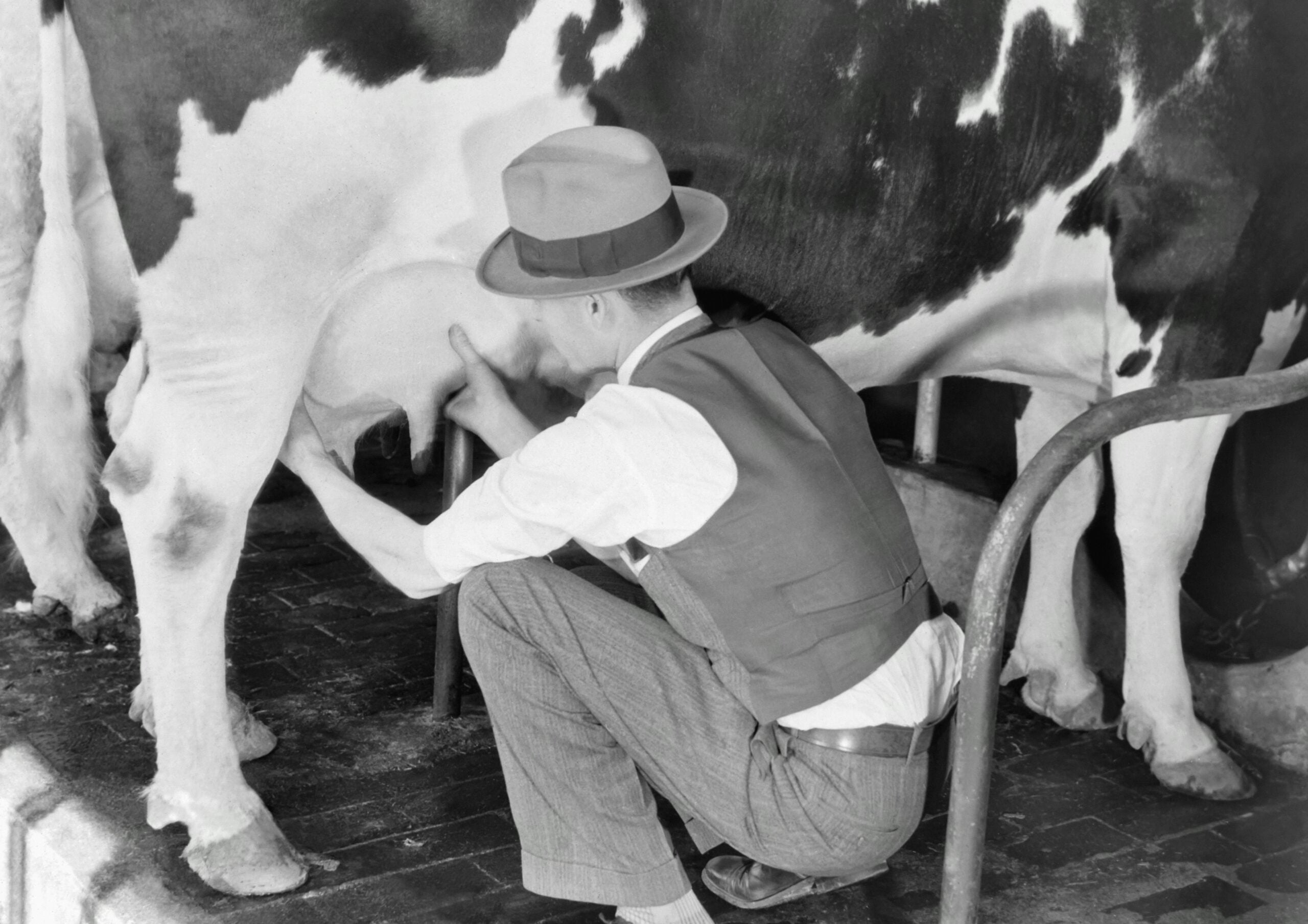
A half-gallon of milk averaged $0.53 in 1965, meaning that with $5, you could buy 4.7 gallons and still have money left over. Milk consumption played a significant role in American breakfasts during that decade, closely tied to children getting ready for school. Compared with today’s costs, these 1960 prices allowed families to cover a large portion of their weekly dairy needs.
Sign up for our newsletter
Six Pounds of Coffee
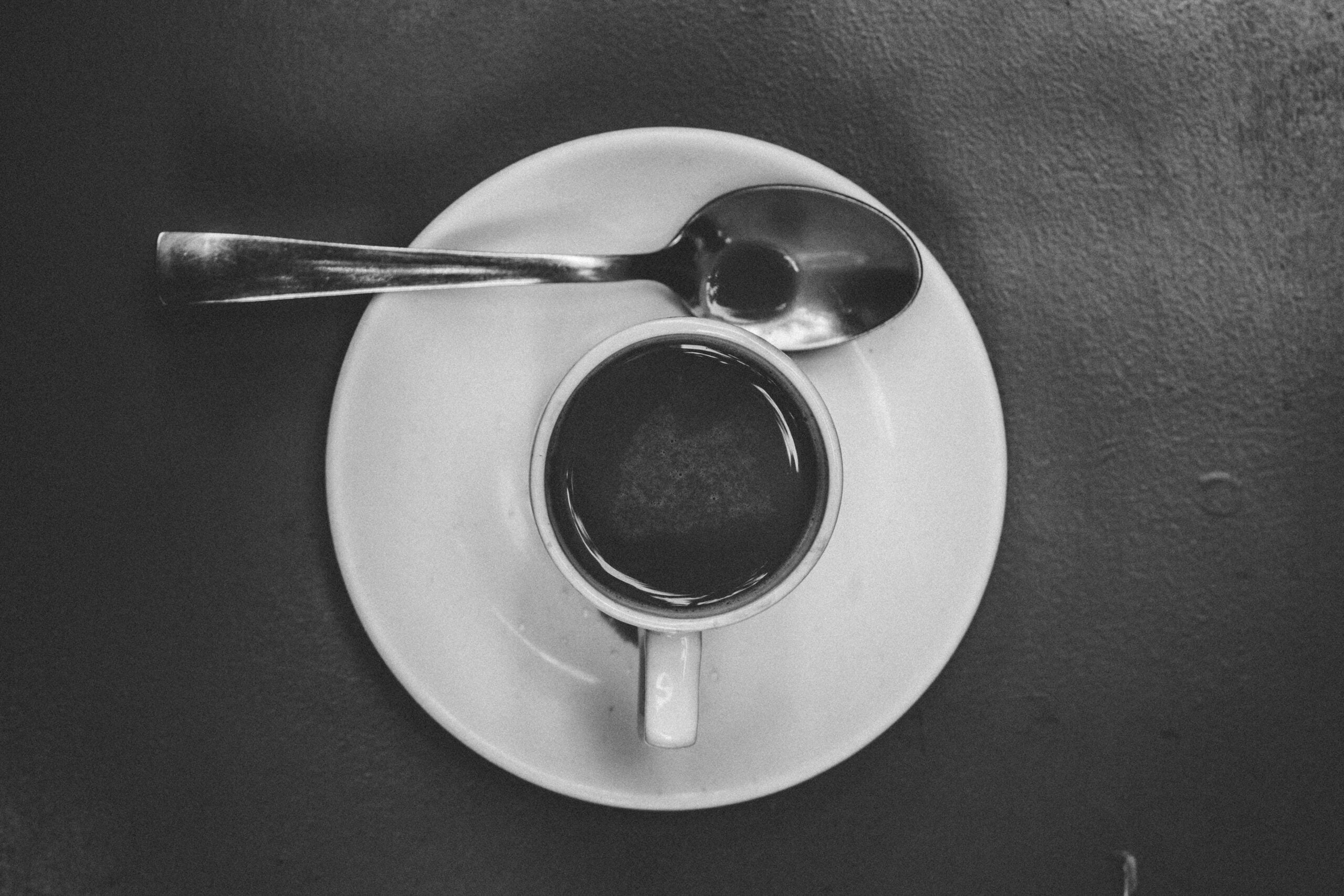
Coffee cost around $0.83 in the mid-1960s. That meant you could buy six pounds, or about 96 ounces, of coffee for $5. According to government records, retail coffee prices were below a dollar back then. These 1960s prices contrast sharply with today’s specialty coffee shops, where a single coffee can cost $5.
Five 10-Pound Bags of Potatoes
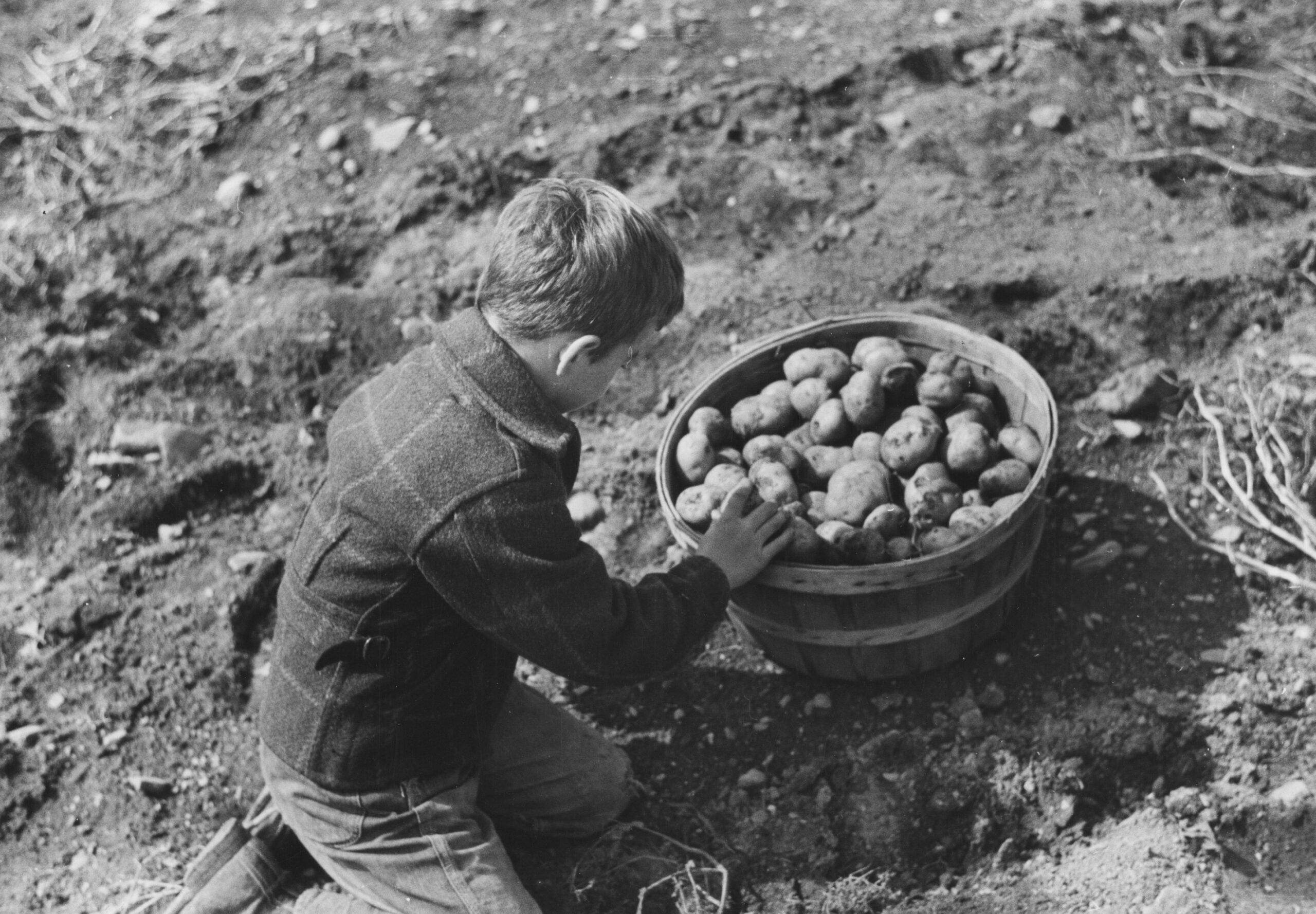
With the average cost of $0.94 for ten pounds of potatoes in 1965, you could buy 50 pounds of potatoes for $5 and still have nearly $0.30 left over. Just as they are today, potatoes were very versatile, as they could be turned into mashed potatoes, baked potatoes, casseroles, soups, and breakfast dishes. Because of these low 1960s prices, families could buy them in large quantities.
Six New Paperback Books
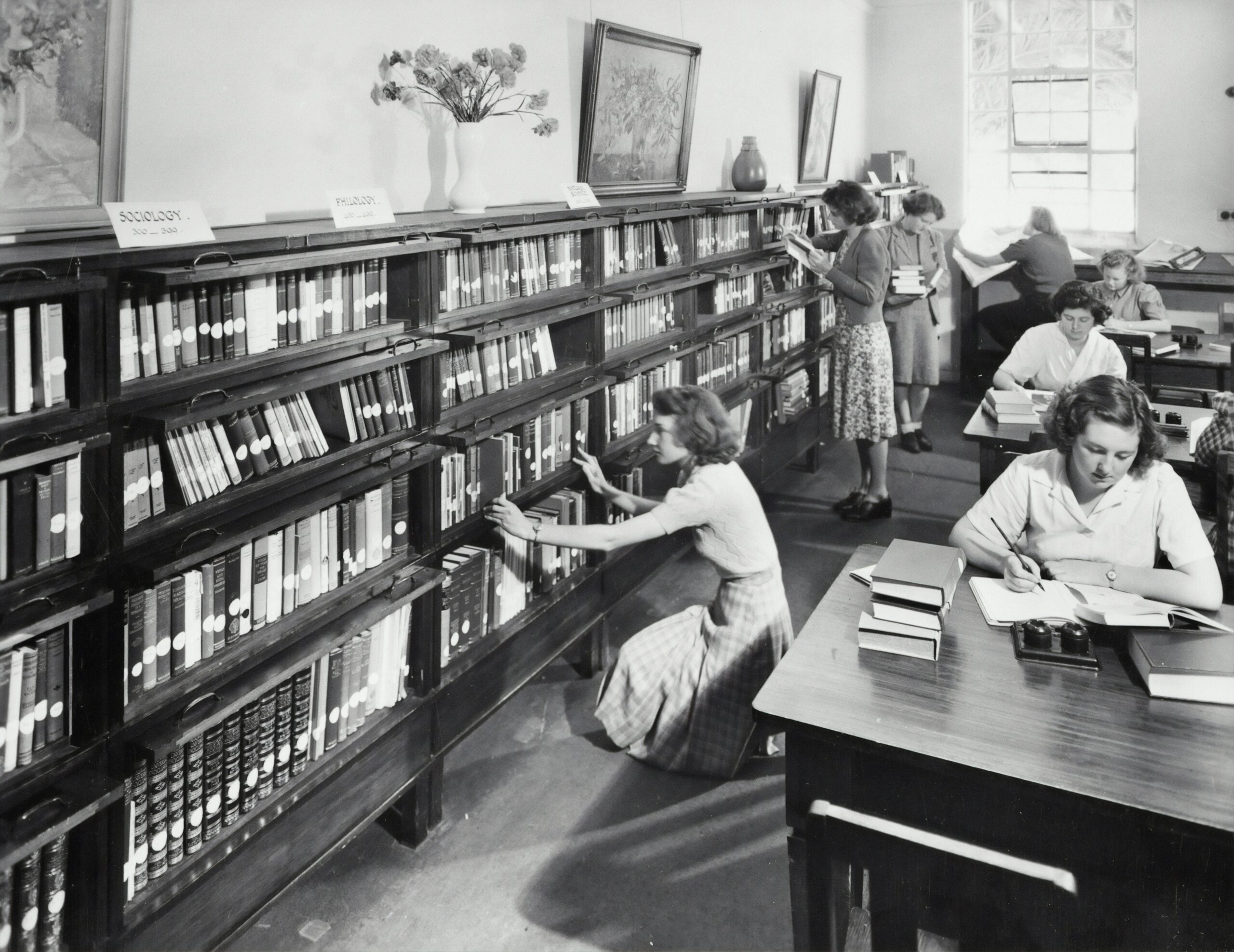
Mass-market paperbacks like “Fiddler on the Roof” cost $0.75 in 1965, as did the edition of “Madame Curie”, meaning that $5 could buy you six new paperbacks with money to spare. These mass-produced paperbacks were designed to be affordable, portable, and entertaining; consequently, 1960s prices allowed $5 to cover a full week’s worth of reading entertainment.
50 Copies of The New York Times
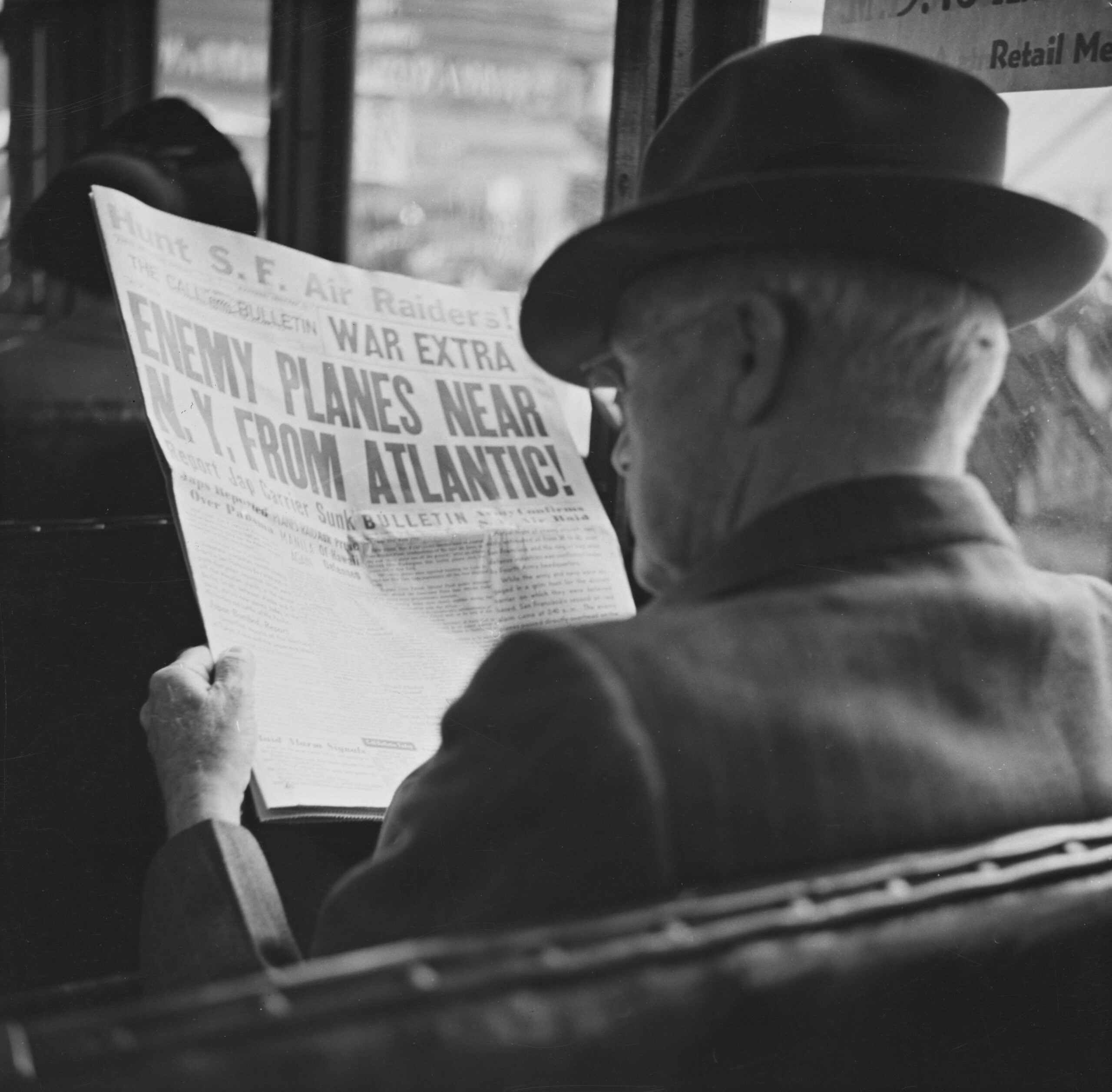
Although people today do not buy print newspapers in general, preferring online versions instead, an edition of The New York Times cost just $0.10 in 1965. That meant you could buy 50 newspapers if you spent the full $5. In that decade, buying a newspaper was a routine habit and one of the best ways to stay informed about local news and sports events, showing just how affordable 1960s prices could be.
Conclusion
A five-dollar bill went much further with a simple purchase in the 1960s than it does today. From a ticket to Disney theme parks to dozens of newspapers, or even a ticket to a Major League Baseball match, price inflation has soared, and the real value of money has plummeted. Wages were lower, but some everyday expenses also consumed a small share of household budgets.