Some of America’s most recognizable tourist attractions started with ideas that had little to do with vacations. A drugstore offered free water to passing motorists, a town built a palace out of corn, and a boardwalk was created to keep sand out of hotels. As the National Park Service’s history of Mammoth Cave shows, even a place once used to produce gunpowder can eventually become a major tourist attraction. These 12 American destinations have surprisingly strange origin stories that make them even more interesting to visit today.
Hot Springs, Arkansas – A Resort Built Around Supposed Miracle Cures
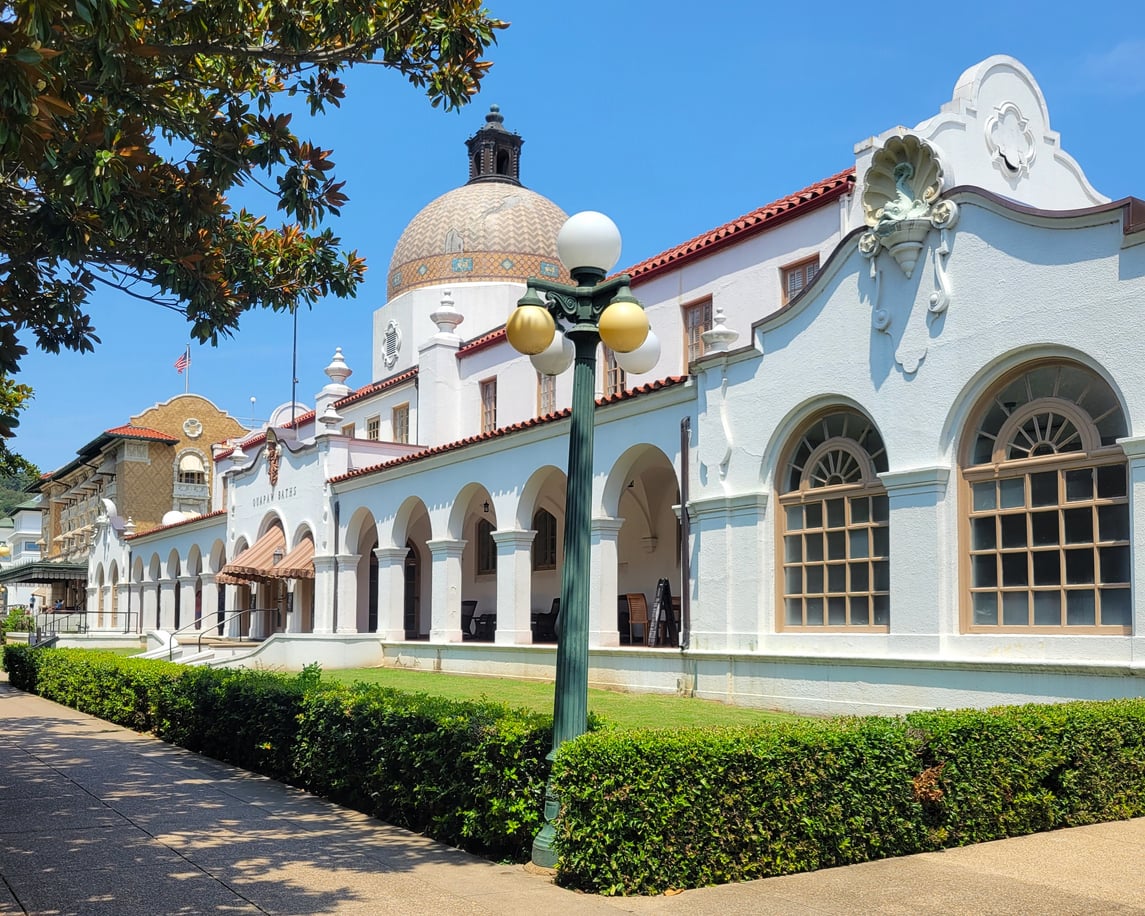
Long before spa weekends became fashionable, people traveled to Hot Springs hoping its naturally heated waters would ease everything from arthritis to serious illnesses. By the 19th century, bathhouses and hotels were catering to visitors seeking relief through mineral baths. The federal government protected the springs in 1832, nearly 90 years before the area became a national park in 1921. Today, the elaborate buildings along Bathhouse Row are reminders of that health craze. The baths remain an attraction, but the old promises of miracle cures shouldn’t be taken literally.
Mammoth Cave, Kentucky – A Gunpowder Mine Turned Tourist Attraction
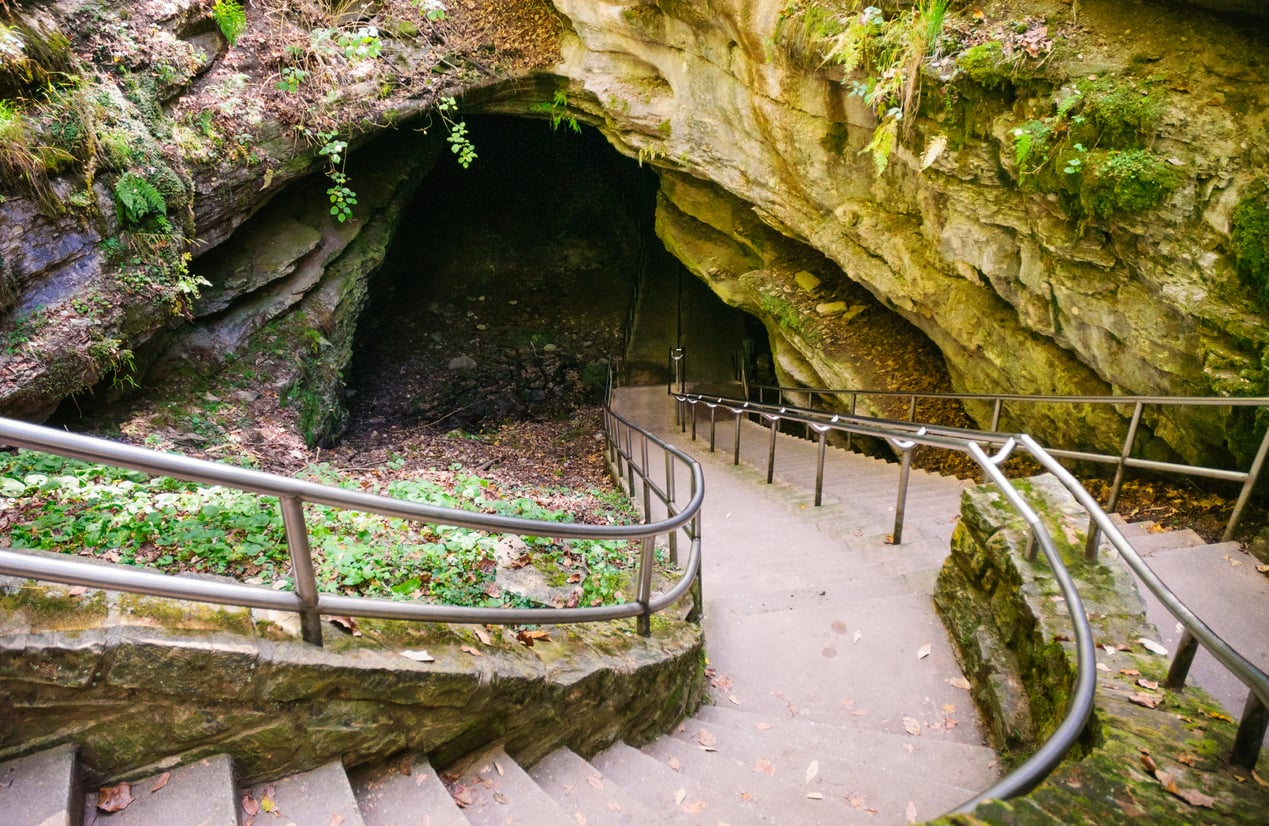
Mammoth Cave was once valuable for something other than sightseeing. During the War of 1812, enslaved workers extracted saltpeter from its soil, supplying an ingredient used to make gunpowder. When demand fell after the war, the cave’s owners increasingly welcomed visitors, with formal tours documented by 1816. Its history took another strange turn in the 1840s, when a doctor housed tuberculosis patients underground, hoping the cave air would help them recover. The experiment failed. Today, visitors can still see remnants of the mining operation on certain cave tours.
Wall, South Dakota – Free Ice Water Created a Roadside Empire
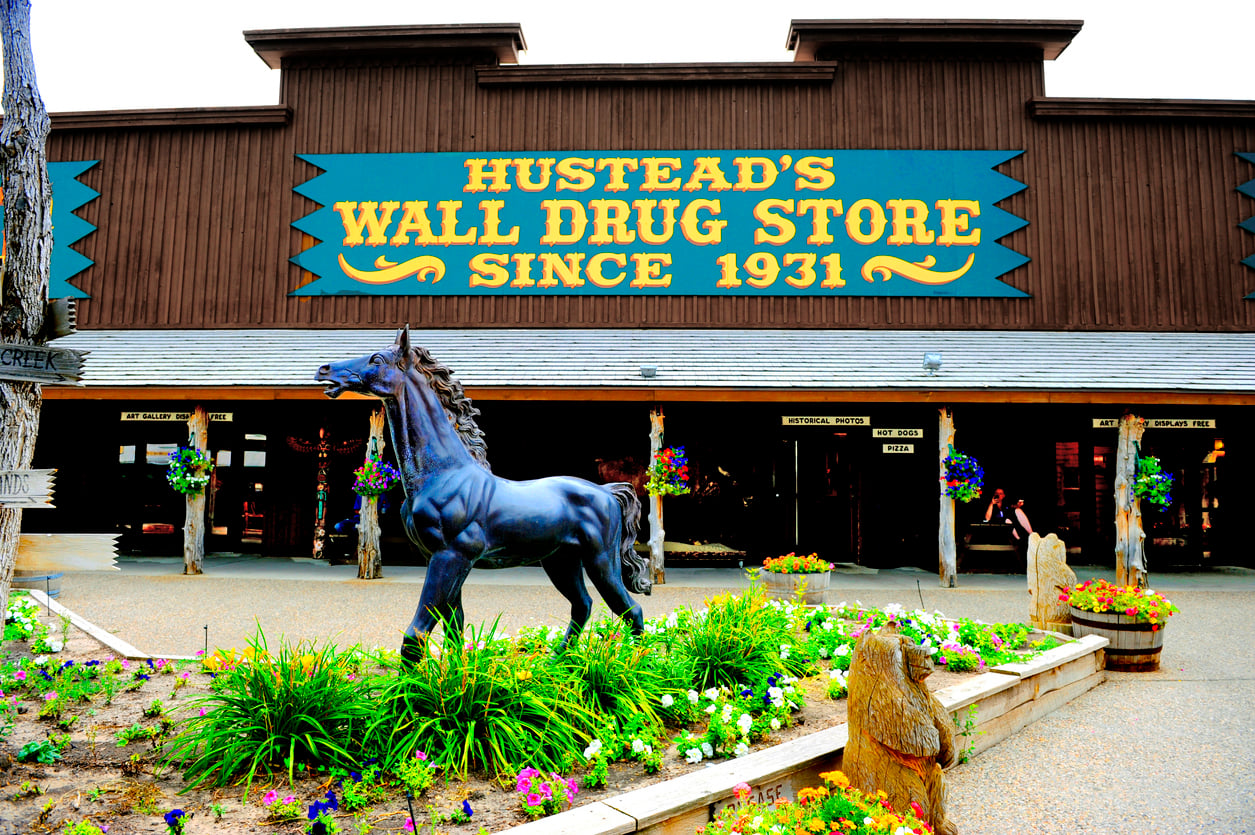
In 1936, Ted and Dorothy Hustead were struggling to keep their small South Dakota drugstore afloat. Dorothy noticed motorists passing through the hot prairie without stopping and suggested a simple advertisement: free ice water. Signs went up along the highway, and thirsty travelers began pulling over. The idea worked so well that Wall Drug eventually grew into a sprawling collection of shops, restaurants, and roadside attractions. Visitors can still get free water today, although the souvenirs and tourist displays are now a much bigger part of the experience.
Mitchell, South Dakota – A Corn Palace Built to Attract Settlers
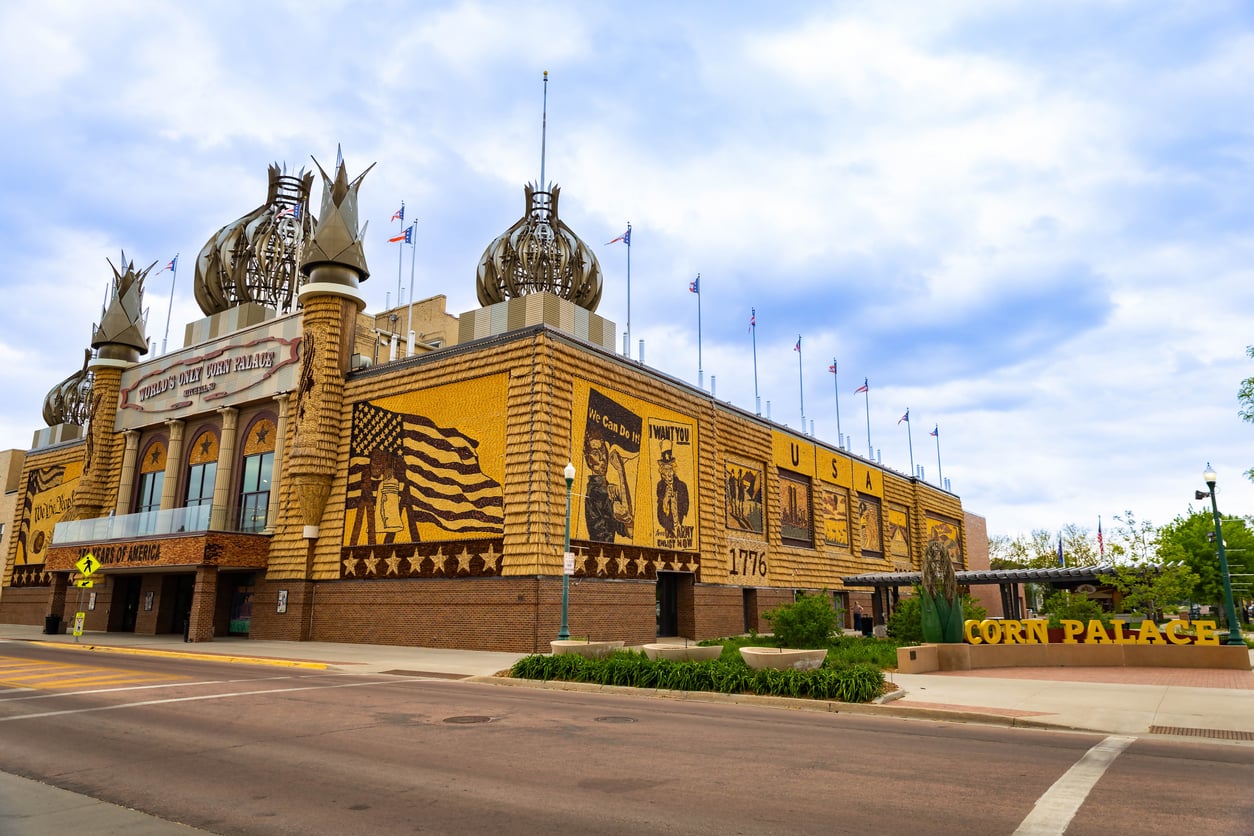
Mitchell’s famous Corn Palace wasn’t originally intended as a quirky photo stop. When the first version opened in 1892, local leaders wanted to demonstrate that South Dakota had fertile farmland and could support a growing community. The building helped promote the area’s agricultural potential while hosting harvest celebrations and entertainment. Its exterior became known for elaborate murals made from corn, grains, and grasses. Those decorations are still redesigned regularly, giving visitors something different to see over time. It’s an unusual reminder that even agricultural advertising can become a lasting tourist attraction.
Roswell, New Mexico – A Military Mix-Up Inspired Alien Tourism
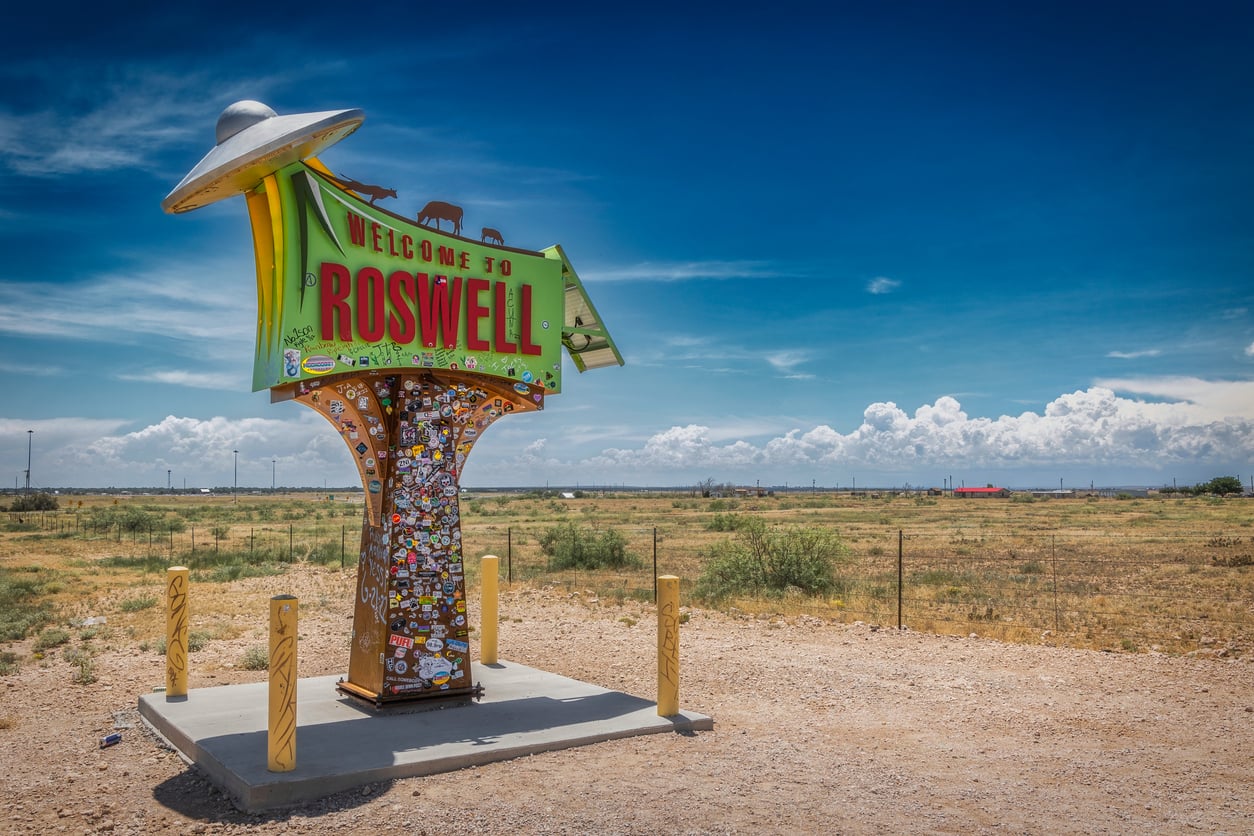
Roswell’s alien reputation began with a confusing announcement in 1947. Military officials initially reported recovering a flying disc from a nearby ranch, only to identify the debris as balloon equipment shortly afterward. The conflicting explanations helped fuel decades of UFO speculation, eventually inspiring museums, alien-themed businesses, and festivals. A later U.S. Air Force investigation linked the debris to Project Mogul, a classified balloon research program. That hasn’t stopped Roswell from embracing its extraterrestrial image. Visitors come for the stories and kitschy attractions, not because an alien landing has been proven.
Trending on Cheapism

Alliance, Nebraska – A Family Memorial Became Carhenge
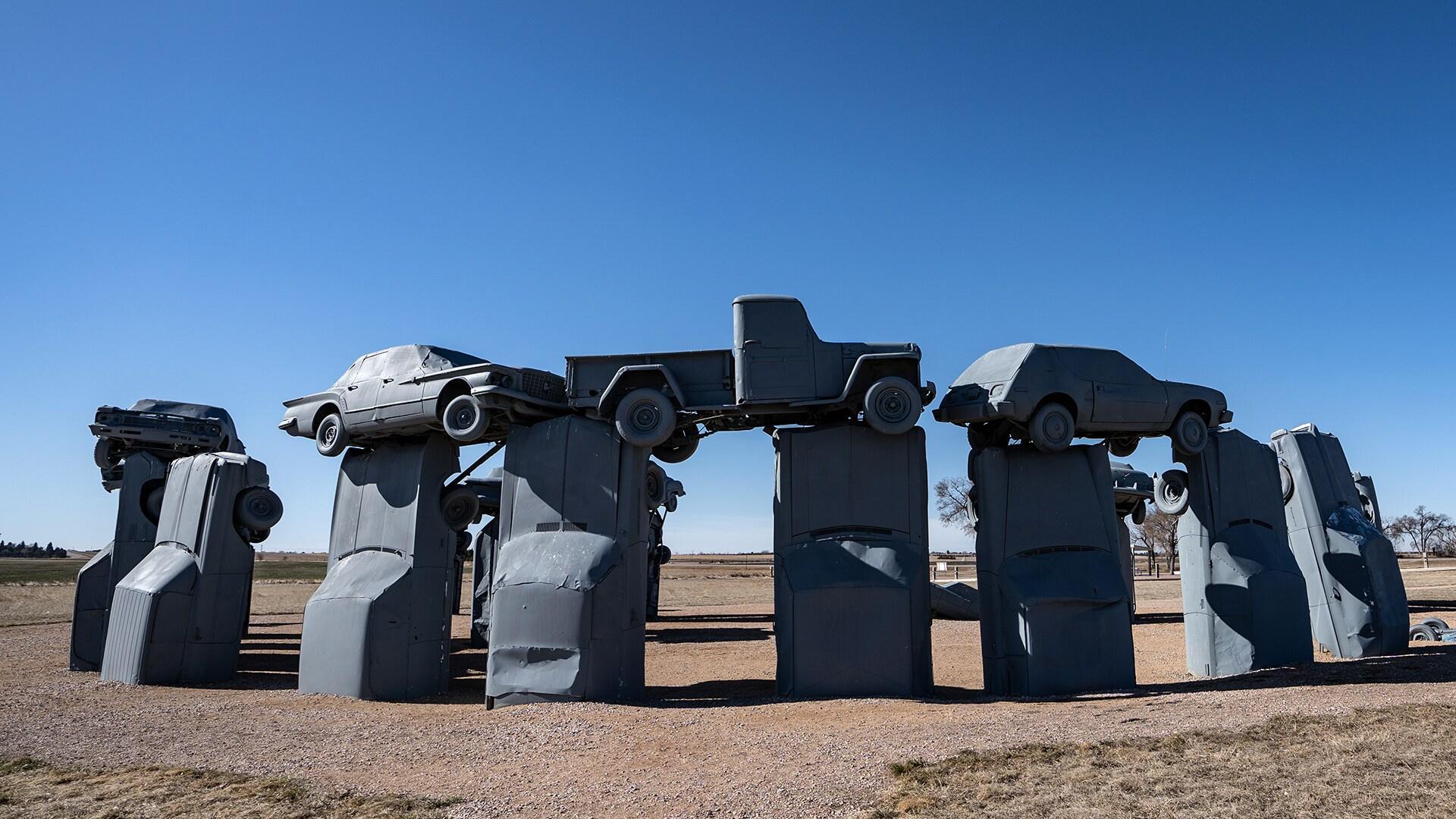
Most families honor a loved one with a photograph or memorial plaque. Jim Reinders had something considerably stranger in mind. In 1987, he and his relatives assembled old American automobiles into a replica of England’s Stonehenge as a tribute to his father. The cars were painted gray and arranged to resemble the famous stone monument. What began as a family project gradually became a recognizable Nebraska roadside attraction. Today, travelers stop to photograph the unusual sculpture and explore nearby car-themed artwork. It’s an entertaining detour, though not something that requires an entire afternoon.
Niland, California – A Failed Hot-Air Balloon Became Salvation Mountain
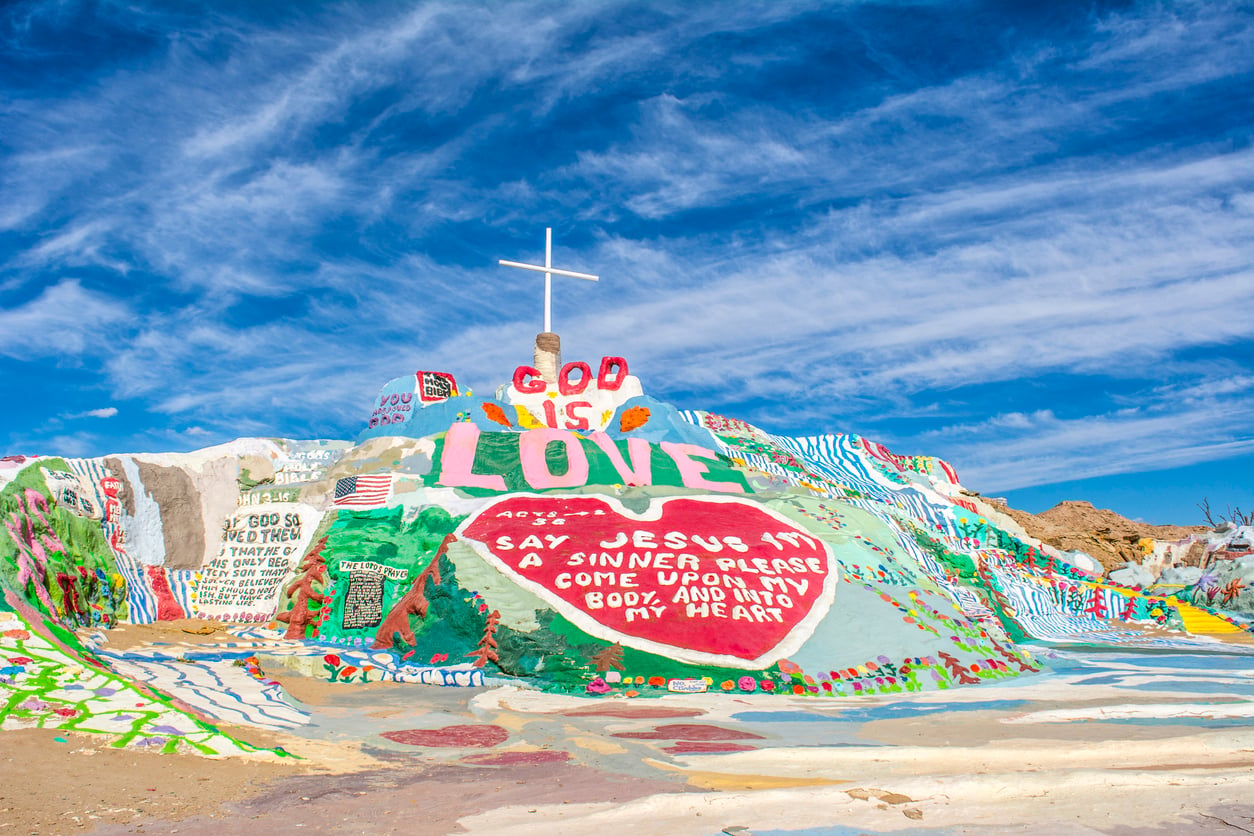
Leonard Knight originally wanted to spread his religious message using an enormous hot-air balloon. After years of work, the balloon proved too difficult to launch, and he abandoned the idea in the California desert. Instead, he began building a small monument with cement, sand, discarded materials, and paint. That modest project eventually grew into Salvation Mountain, a brightly colored landmark covered in religious messages and handmade artwork. Its appearance reflects decades of personal dedication rather than conventional tourist planning. The remote desert location can be extremely hot, so visitors should plan accordingly.
Margate City, New Jersey – A Giant Elephant Built to Sell Real Estate
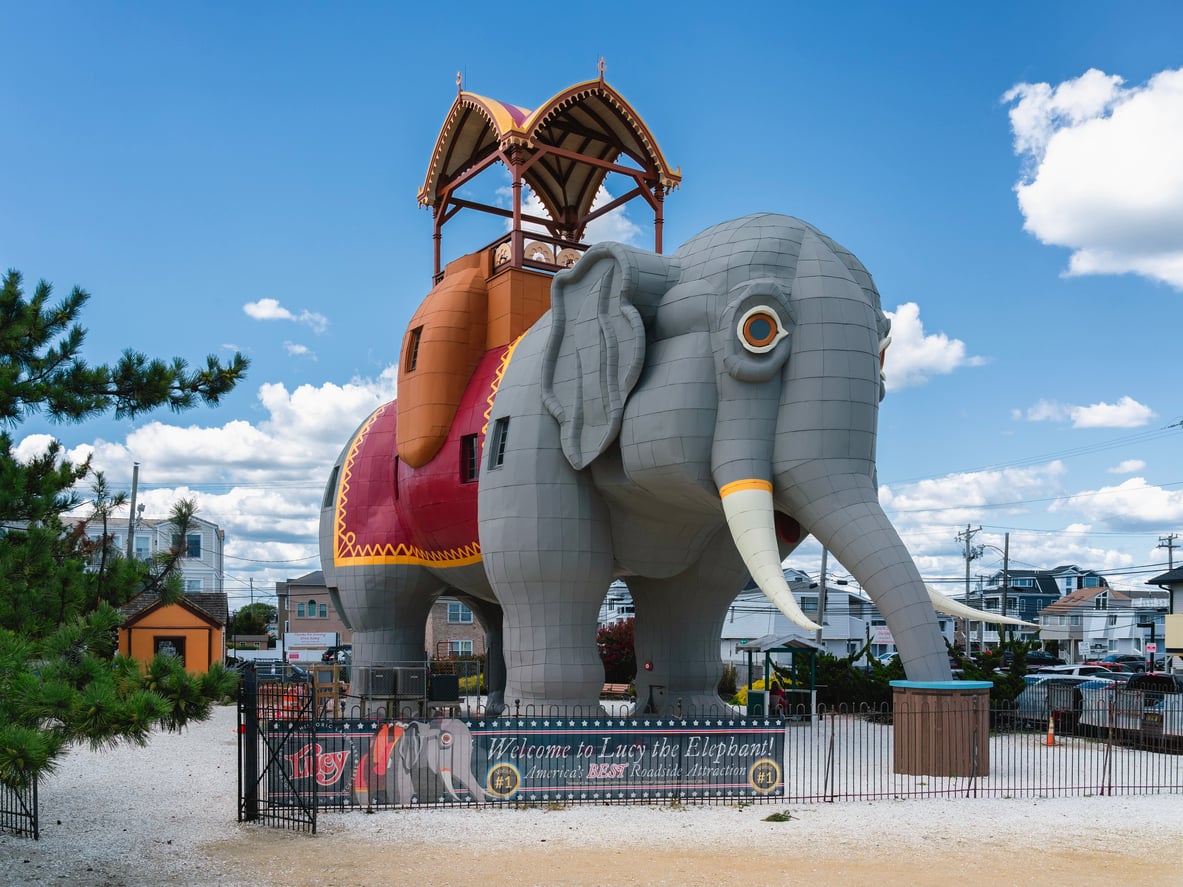
Lucy the Elephant looks like something designed for a children’s amusement park, but her original purpose was selling property. Built in 1881 by developer James V. Lafferty, the six-story elephant-shaped structure was intended to attract attention to real estate in the area south of Atlantic City. Over the years, Lucy served several purposes, including offices and a residence, before becoming a protected historic landmark. Visitors now come to admire the unusual architecture and explore the interior. It’s a reminder that attention-grabbing advertising existed long before billboards and social media.
Sign up for our newsletter
Carlsbad Caverns, New Mexico – Bats Helped Make a Cave Famous
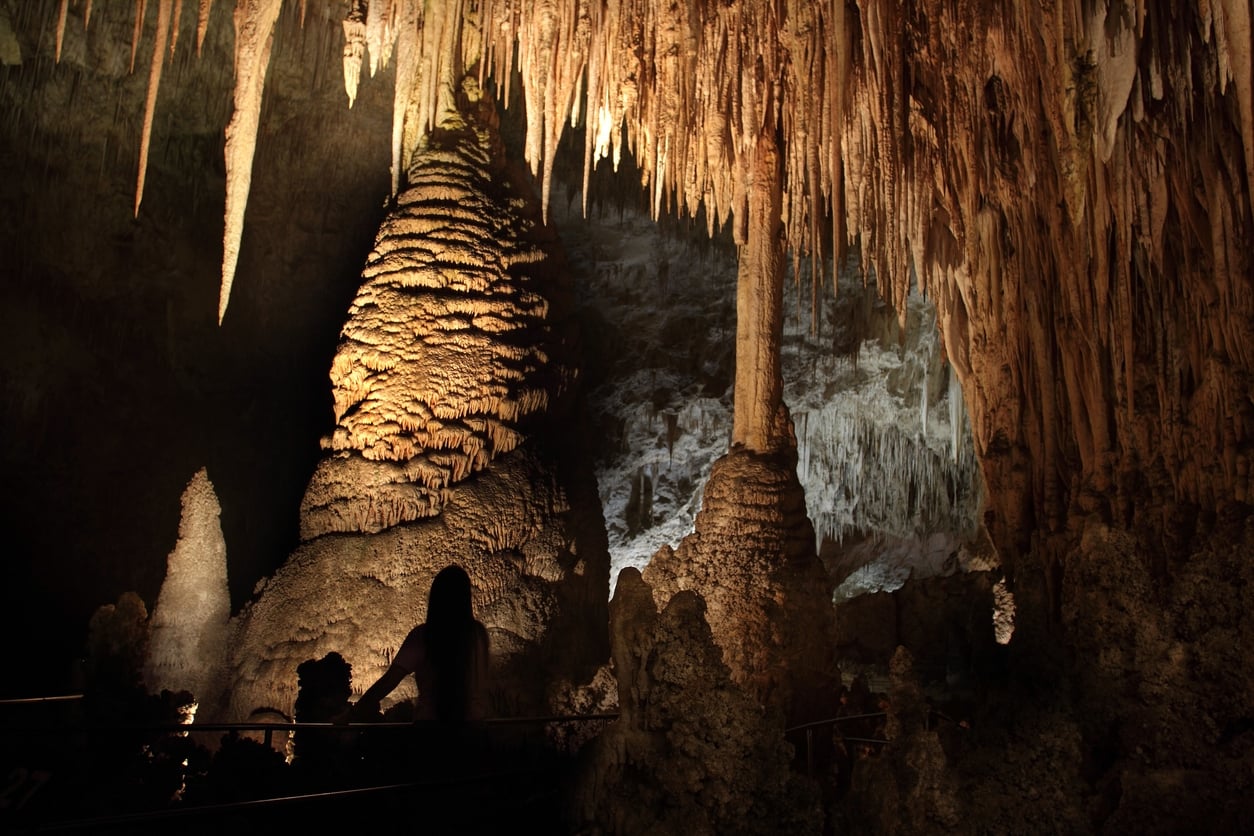
Long before Carlsbad Caverns became a national park, enormous clouds of bats emerging from the desert attracted attention to the underground passages. In the late 1800s, Jim White began exploring the cave system and later helped publicize its extraordinary chambers. Indigenous peoples had known about the caves long before his explorations, but White played an important role in their development as a tourist destination. Today, visitors come for the limestone formations and seasonal bat flights. The evening spectacle is free, although it depends on the season and weather, and cameras aren’t permitted during the program.
Santa Cruz, California – A Tilted Cabin Became a Gravity Mystery
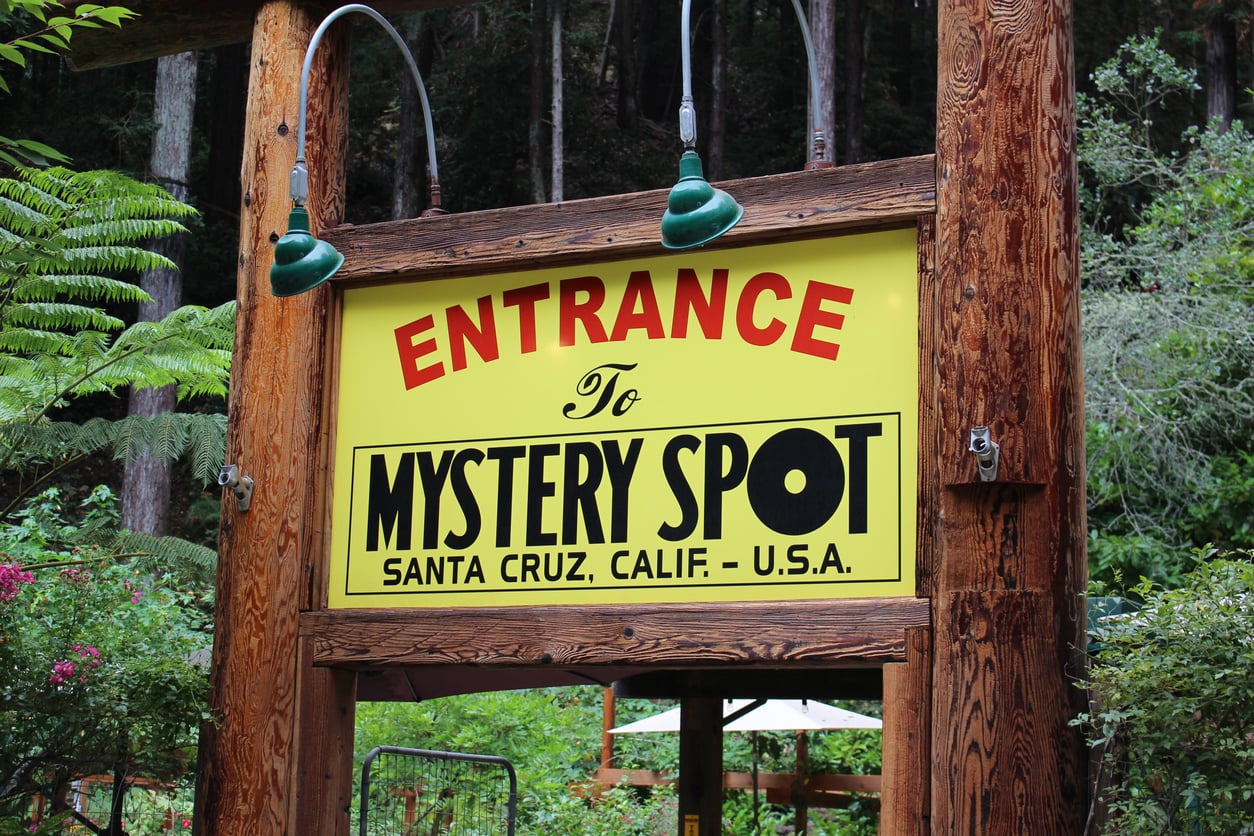
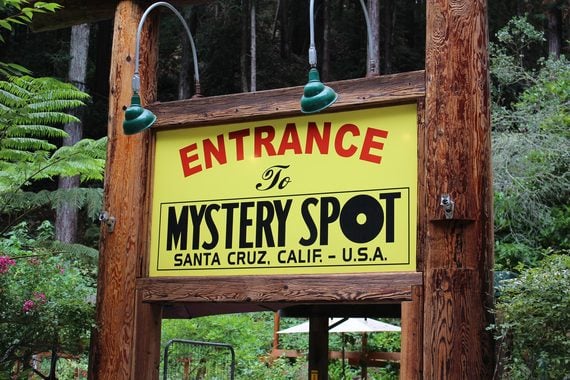
The Mystery Spot began with a hillside property that its owners originally considered for a summer home. Instead, the site became a roadside attraction featuring tilted structures and demonstrations that make visitors feel as though gravity is behaving strangely. Opened in the early 1940s, it became a familiar stop for California road-trippers. The unusual sensations come from perspective and optical illusions, not a mysterious change in gravity. Today, guided tours still invite visitors to test their balance and question what they’re seeing. It’s entertaining, but those sensitive to dizziness may find the experience uncomfortable.
San Jose, California – Endless Renovations Created the Winchester Mystery House
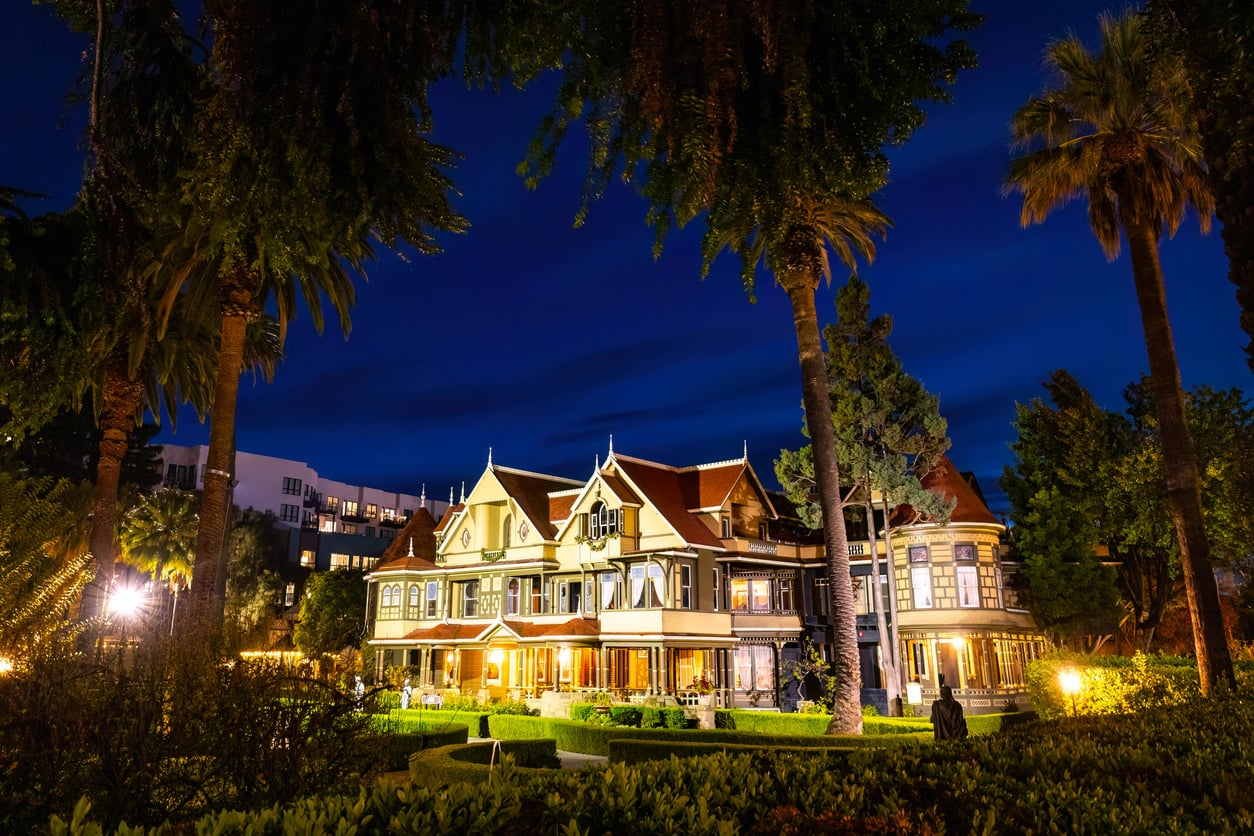
Sarah Winchester purchased a modest farmhouse in San Jose in 1886 and spent decades expanding it into an enormous mansion. The result included unusual staircases, confusing passageways, and rooms that seemed to serve no obvious purpose. After her death, stories spread that she had kept building to satisfy spirits connected to the Winchester rifle fortune. Those supernatural explanations remain unproven, but they helped turn the property into a famous tourist attraction. The house opened for public tours in 1923. Today, visitors explore its architectural oddities, although seeing the mansion generally requires a paid tour.
Atlantic City, New Jersey – A Boardwalk Built to Keep Sand Out
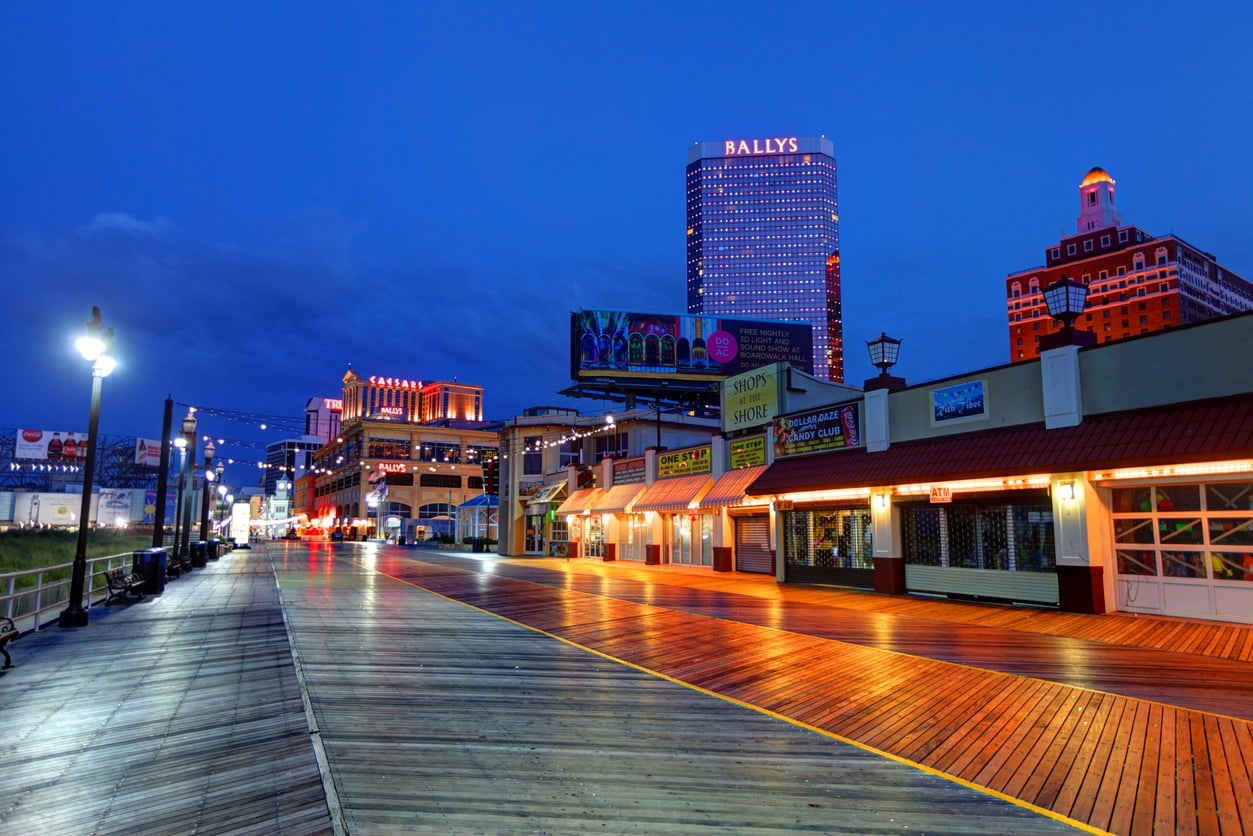
Atlantic City’s boardwalk began with a surprisingly ordinary problem: tourists kept tracking beach sand into hotels and railroad cars. In 1870, local business interests helped create a wooden walkway to keep visitors’ shoes cleaner. The earliest version was temporary and could be dismantled during the winter. As the resort grew, the boardwalk expanded into a destination lined with shops, restaurants, and amusement piers. Today, strolling along the waterfront is part of the Atlantic City experience. What started as a housekeeping solution became one of America’s most recognizable seaside traditions.