
Some of America’s most beloved dishes weren’t born in fancy kitchens. They came from families stretching their groceries, workers needing filling meals, and home cooks finding creative ways to use whatever they had on hand. Over time, these practical solutions became traditions passed down through generations. As the Indiana Historical Society’s look at sugar cream pie shows, even a dessert made from simple pantry staples can become part of a state’s identity. From Depression-era burgers to old-fashioned pies and hearty one-pot meals, these 12 American food traditions show how making do often led to something worth keeping.
Oklahoma Fried Onion Burgers Made a Little Beef Go Further
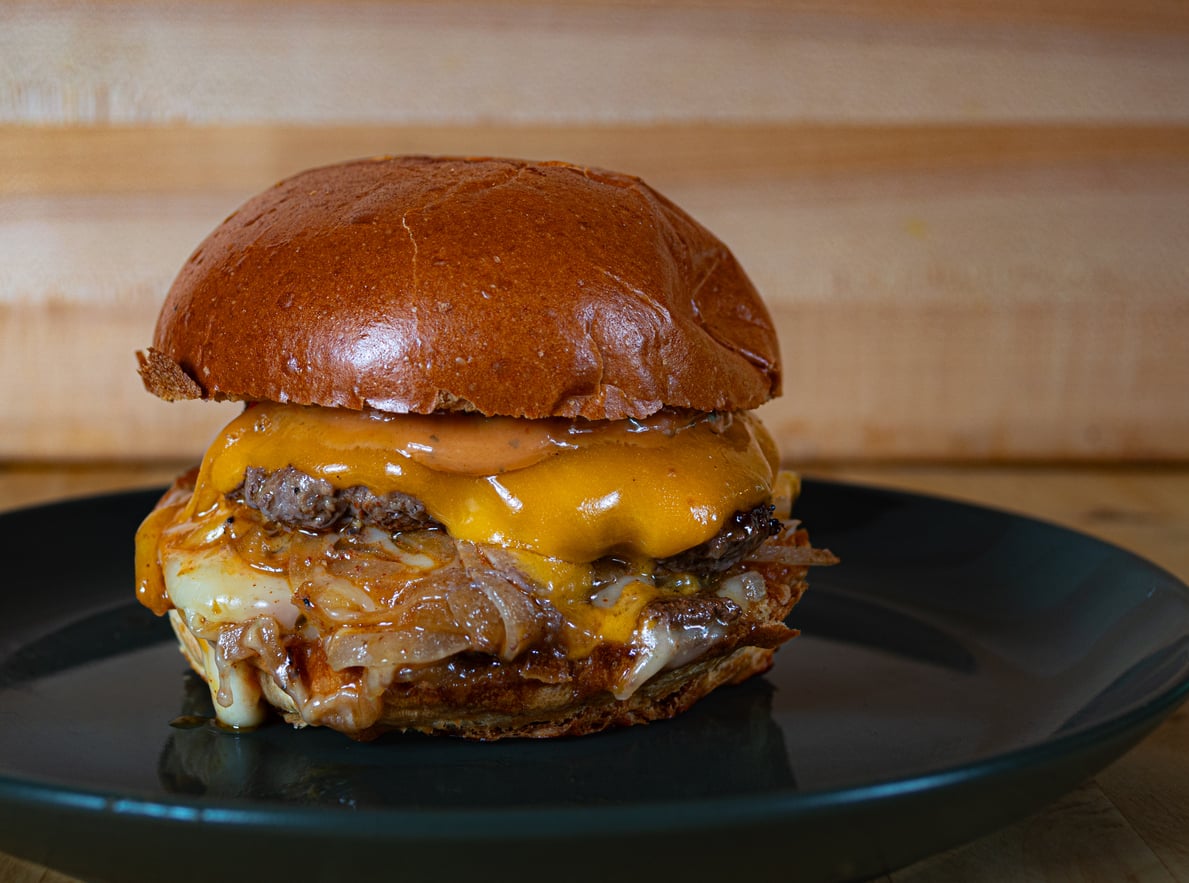
A hamburger doesn’t need a thick patty to be satisfying, and Oklahoma cooks figured that out during hard economic times. In El Reno during the 1920s, restaurants began pressing generous amounts of thinly sliced onions into small portions of ground beef. The onions were cheaper than meat, helping keep burgers affordable while adding plenty of flavor. As they cooked on the griddle, they softened and browned alongside the beef. What began as a way to stretch an expensive ingredient became a regional favorite that’s still celebrated today.
Pennsylvania Scrapple Used Nearly Every Part of the Pig
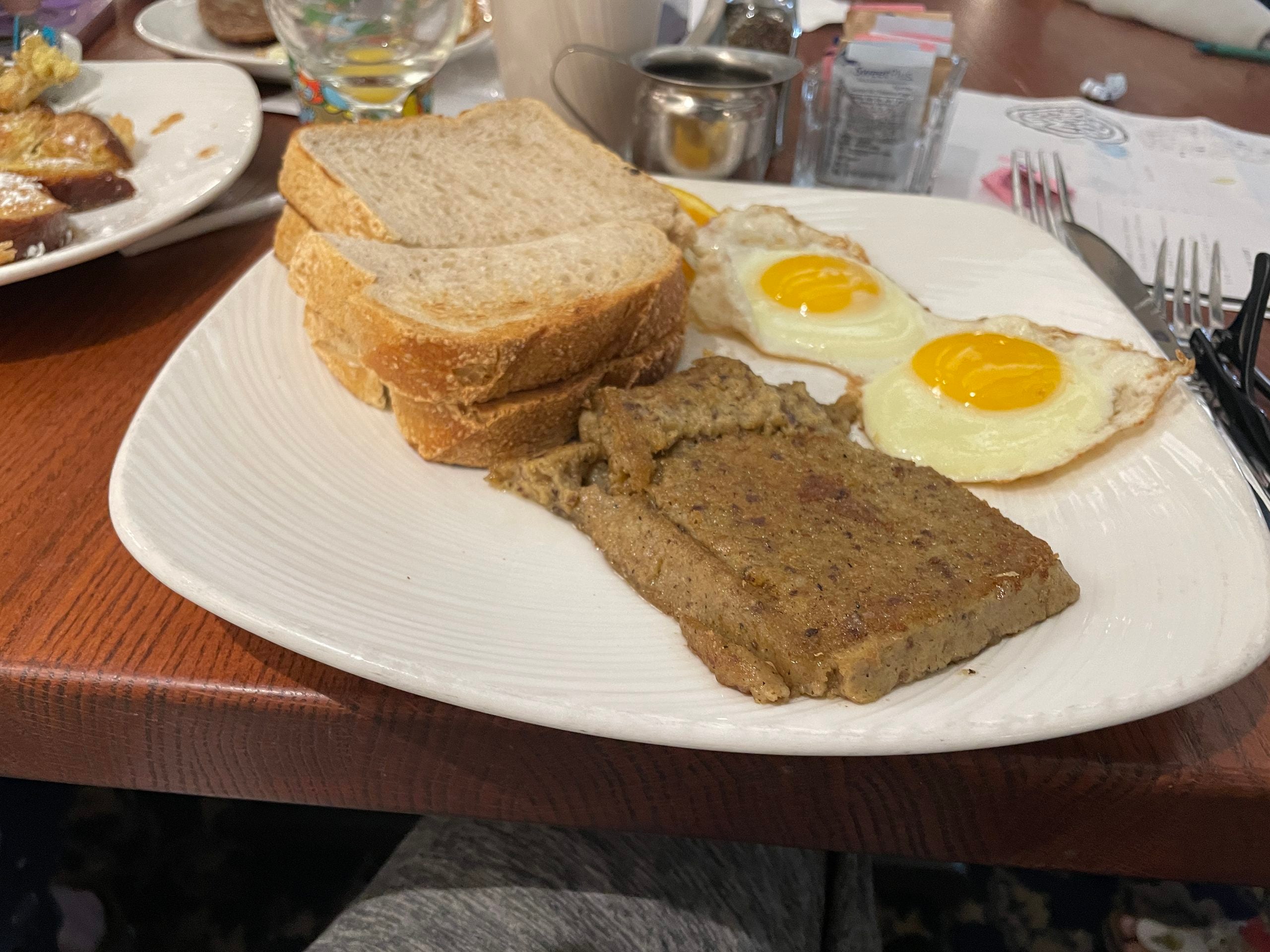
Long before people talked about reducing food waste, Pennsylvania Dutch families were making scrapple. This traditional breakfast food combines cooked pork trimmings with cornmeal or buckwheat, then forms the mixture into a loaf that can be sliced and fried. It developed from German food traditions that encouraged families to use as much of a butchered hog as possible. The outside becomes pleasantly crisp while the middle stays soft. Scrapple isn’t for everyone, especially those unfamiliar with organ meats, but it remains a reminder of practical, economical home cooking.
Pennsylvania Dutch Chow-Chow Saved the Last Garden Vegetables
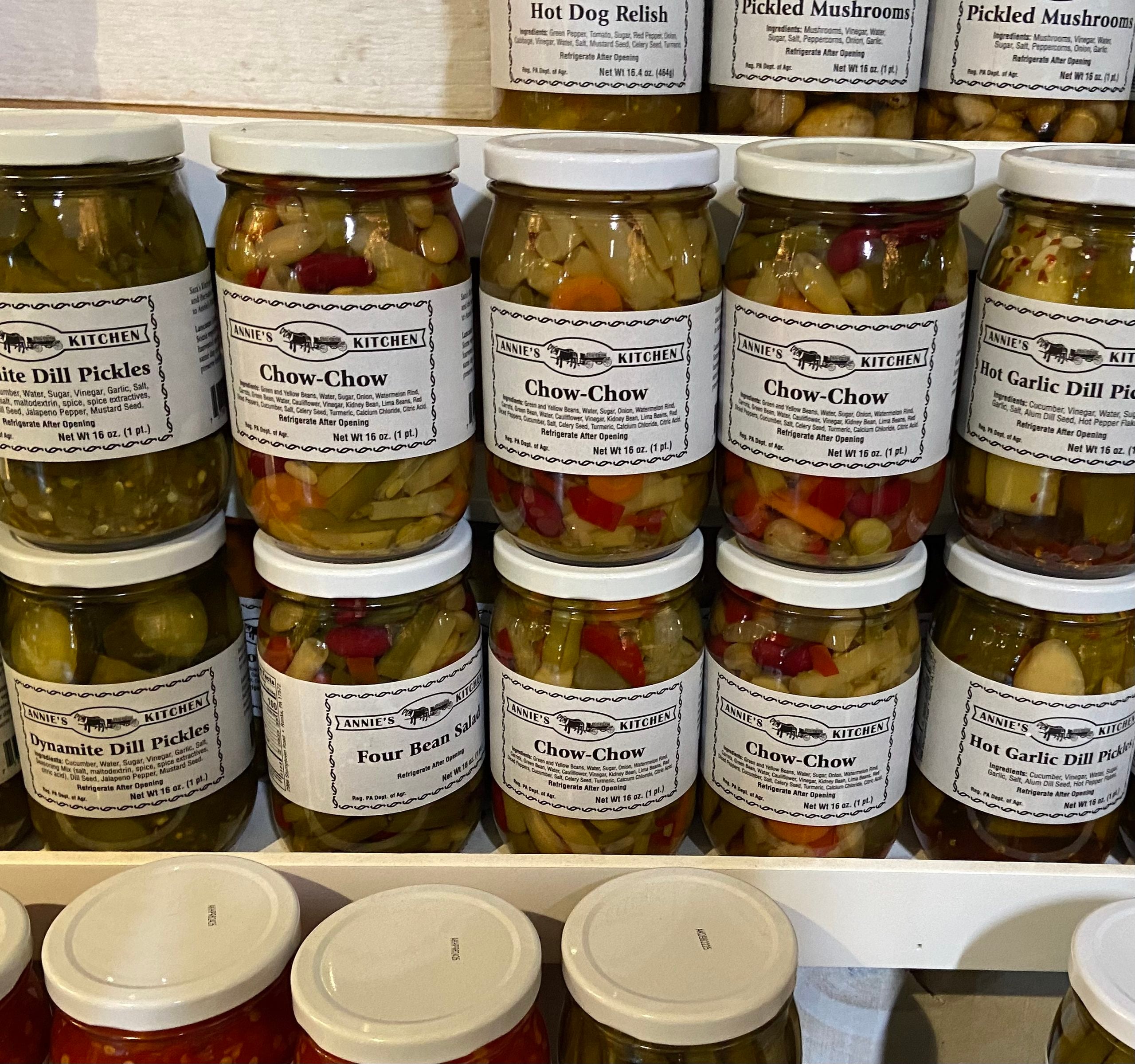
When the growing season ended, Pennsylvania Dutch families weren’t about to let leftover vegetables go to waste. Chow-chow offered a way to preserve whatever remained in the garden, including cauliflower, green beans, peppers, carrots, and onions. The vegetables were pickled in a sweet-and-sour vinegar mixture, creating a colorful relish that could be enjoyed long after harvest. Recipes varied depending on what each household had available. Today, chow-chow still appears alongside hearty meals, proving that a practical preservation method can become a lasting family tradition.
Indiana Sugar Cream Pie Didn’t Need Fresh Fruit
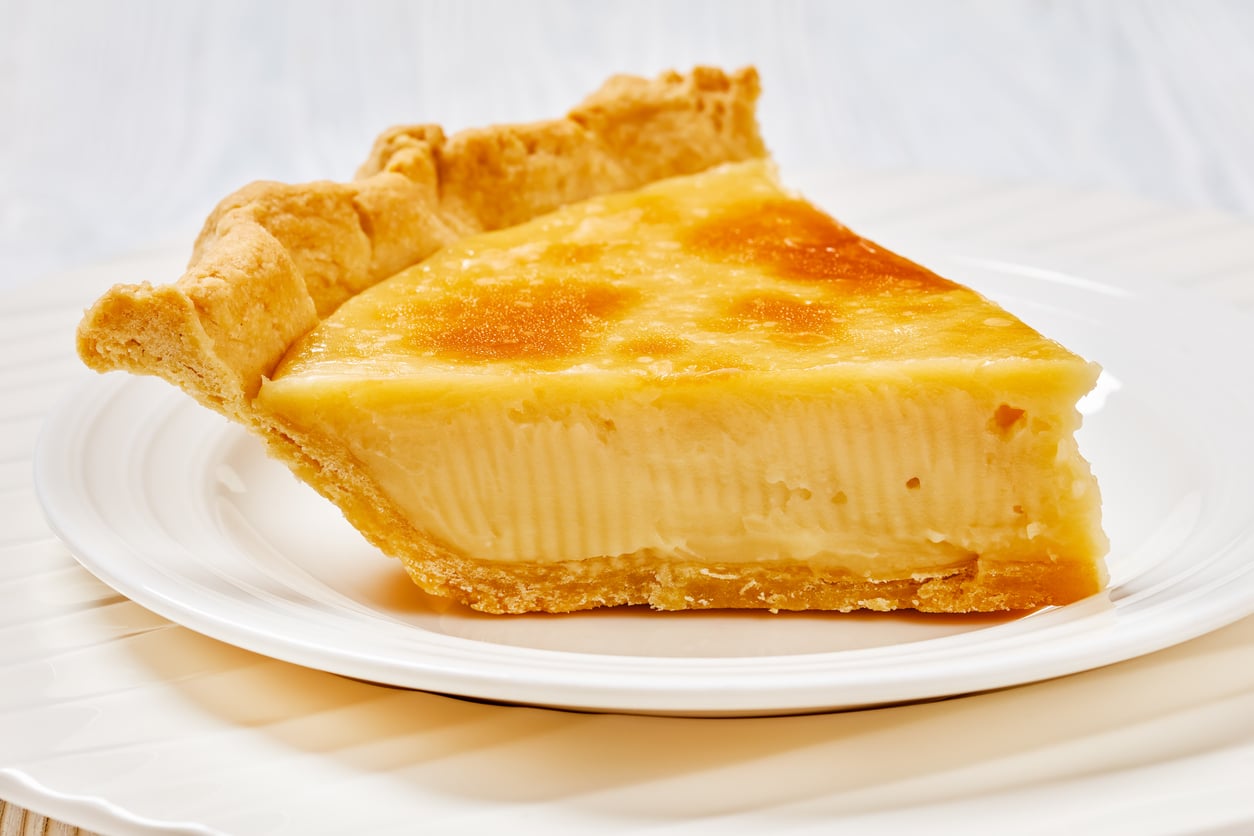
What do you bake when you want dessert but don’t have fresh fruit? In Indiana, sugar cream pie became one delicious answer. Often called a desperation pie, it uses simple ingredients such as sugar, cream, and flour to create a smooth, custard-like filling. Its exact origins remain uncertain, with connections to Shaker and Amish baking traditions. Unlike seasonal fruit pies, it could be made with ingredients already in the kitchen. The result is rich and sweet, showing how a few pantry staples could turn an ordinary day into something special.
New Orleans Calas Turned Leftover Rice Into Breakfast
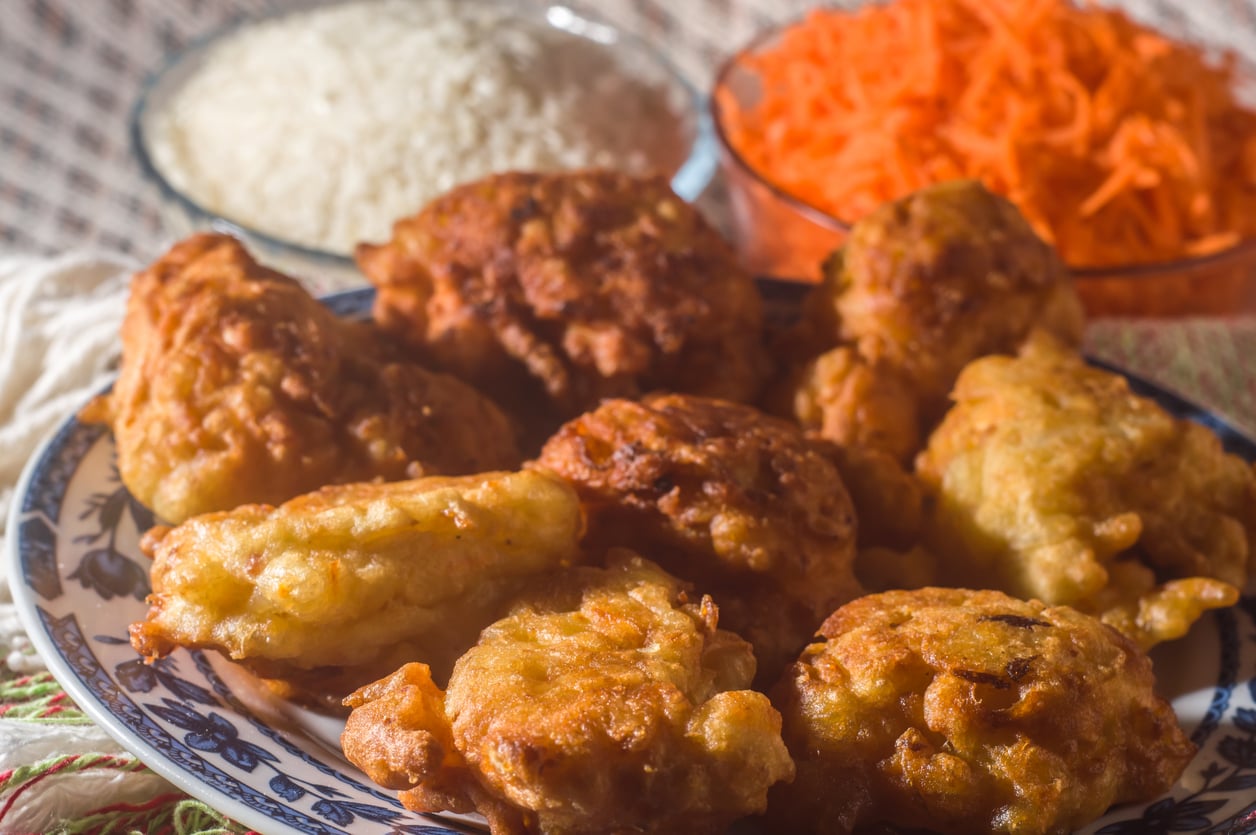
In old New Orleans, yesterday’s rice could become the next morning’s treat. Calas are small fried cakes made with cooked rice, flour, eggs, and sugar, then cooked until golden. Their history reaches back to West African food traditions carried to Louisiana through the transatlantic slave trade. During the 19th century, Black women sold calas on city streets, turning a humble food into a source of income. Crispy outside and tender inside, these rice fritters show how resourcefulness could create both a memorable breakfast and an important local business tradition.
Trending on Cheapism

Vinegar Pie Replaced Fruit With a Pantry Staple
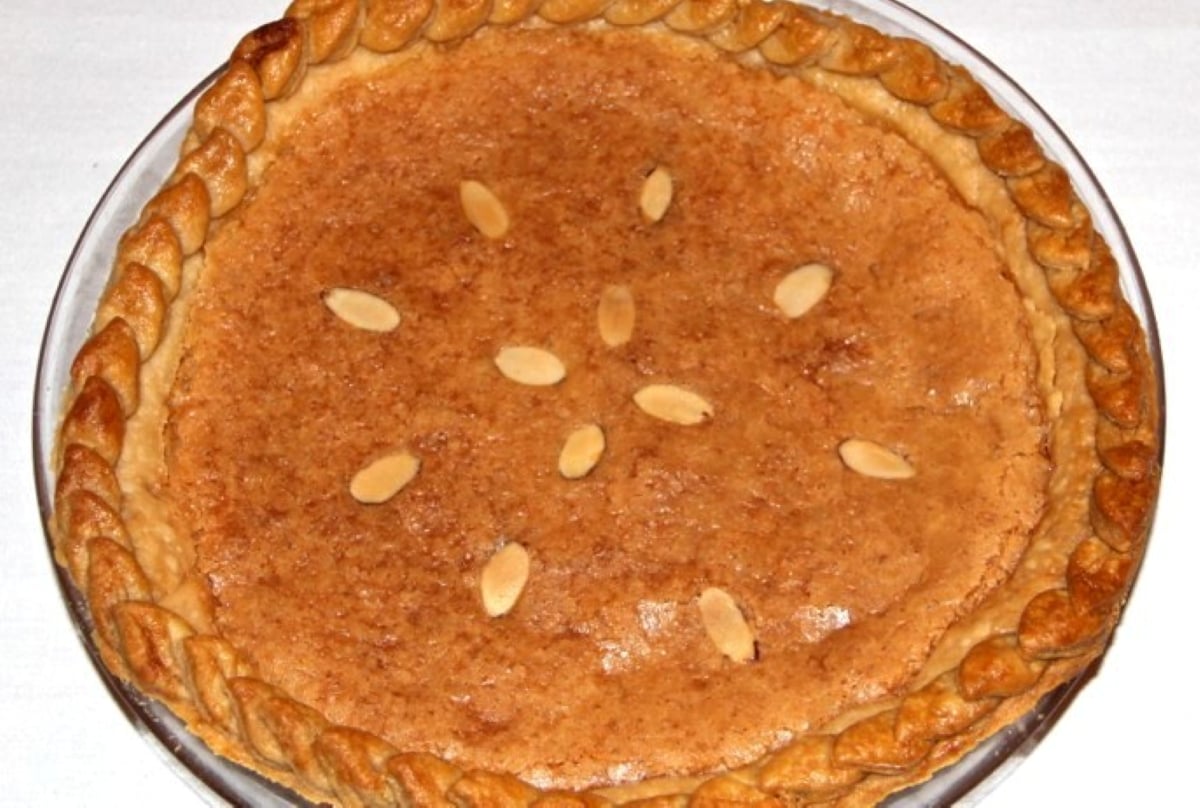
Vinegar might sound like an unusual ingredient for dessert, but American cooks once used it to give pies a tart flavor when fresh fruit or lemons weren’t available. Vinegar pie combines a little vinegar with ingredients such as sugar, eggs, and flour to create a sweet, custard-like filling. Recipes appeared in print as early as the 1850s, long before the Great Depression. The vinegar adds brightness without making the pie taste like salad dressing. It’s an example of how ordinary pantry ingredients could stand in for more expensive or seasonal foods.
Appalachian Salt-Rising Bread Worked Without Commercial Yeast
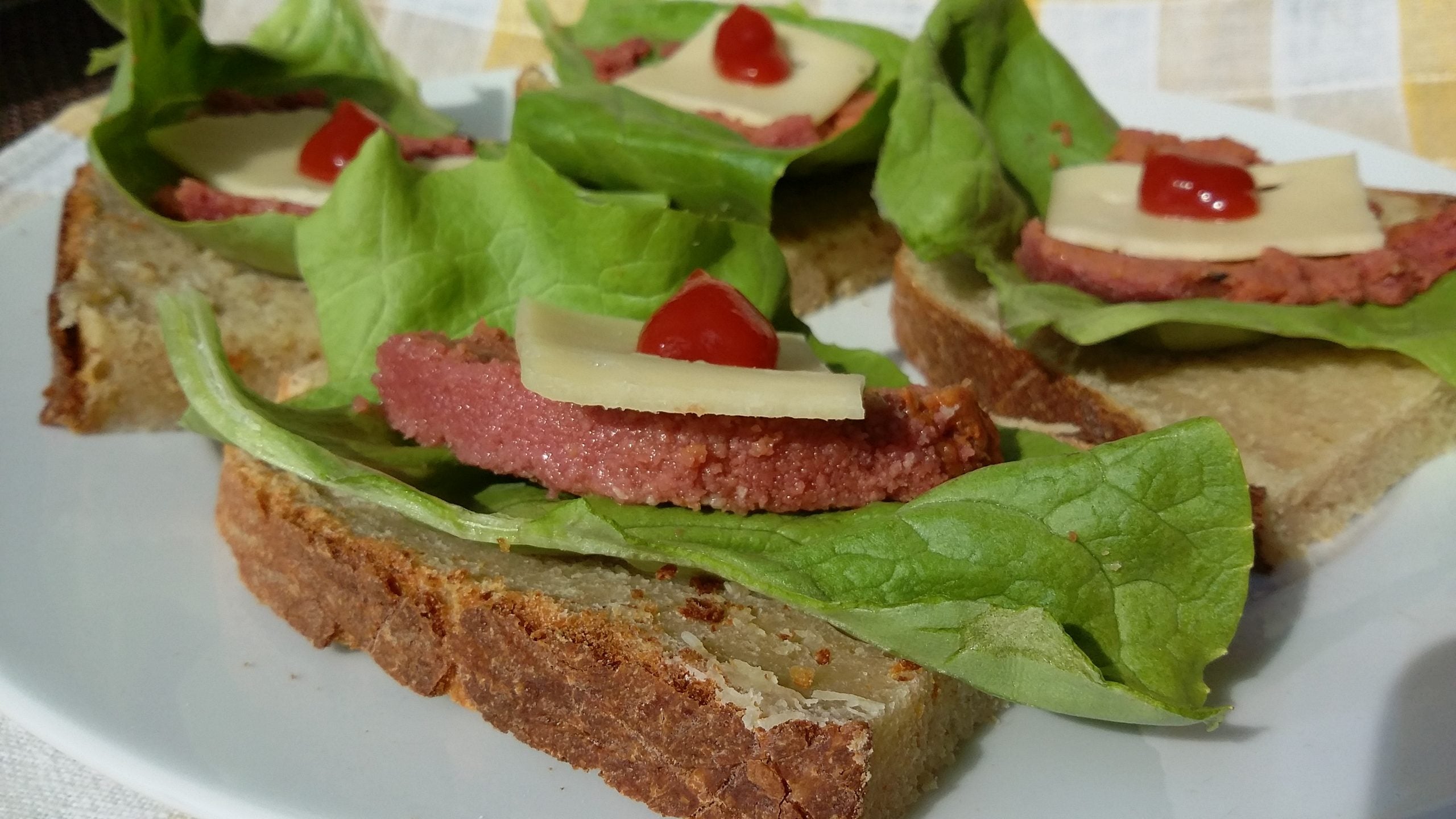
Before packets of yeast were easy to buy, Appalachian bakers found other ways to make bread rise. Salt-rising bread uses a special fermented starter, traditionally prepared with ingredients such as cornmeal, potatoes, or milk, rather than ordinary baker’s yeast. Despite its name, salt isn’t what makes the dough rise. The method requires careful preparation and produces a dense loaf with a distinctive aroma and slightly cheesy flavor. It’s more demanding than regular breadmaking, but its survival reflects generations of home cooks adapting to limited supplies and passing along specialized knowledge.
New England Brown Bread Made Use of Available Grains
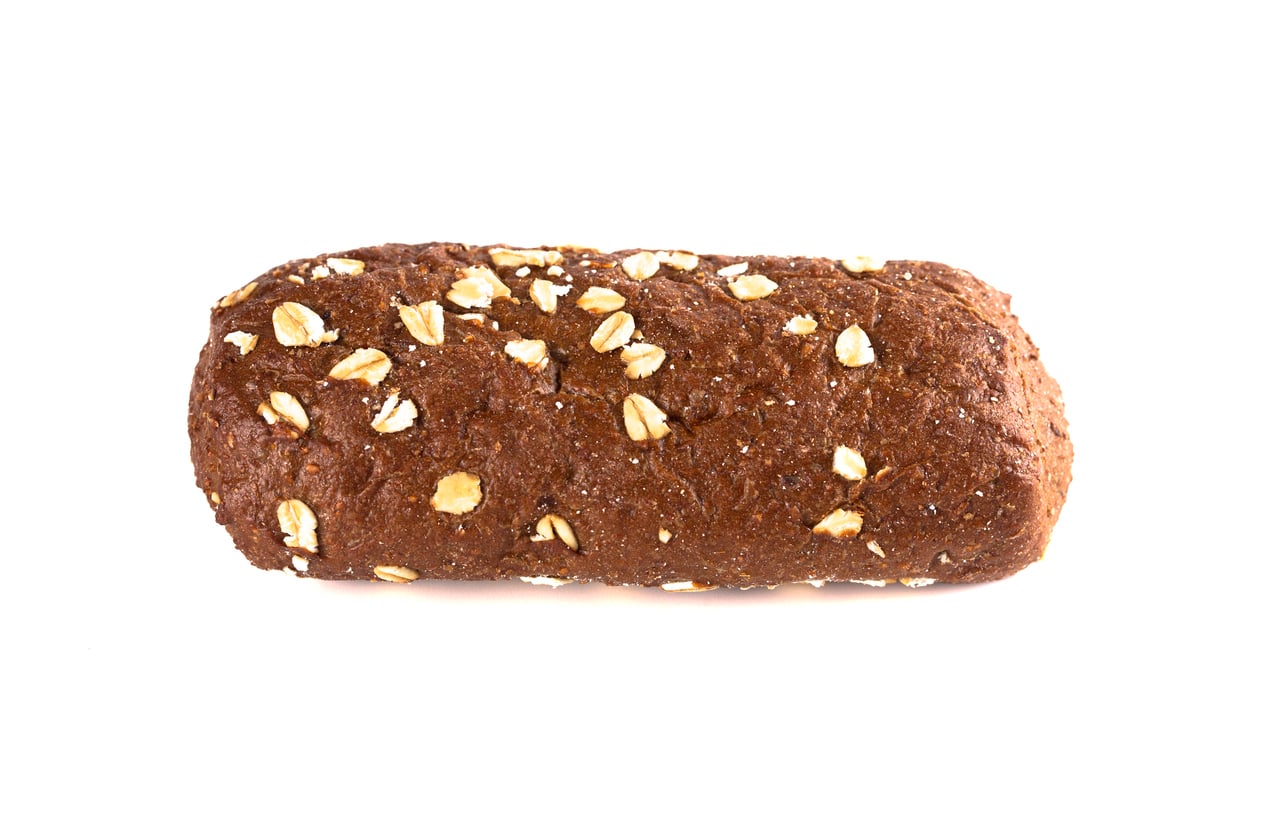
White flour wasn’t always the everyday baking staple it is now. Early New England households often relied on a combination of cornmeal, rye, and wheat flour to make a hearty brown bread. Molasses added sweetness, while steaming the batter produced a dense, moist loaf. Some versions were even cooked in cylindrical molds, a tradition that eventually led to canned brown bread. Served with baked beans, it became a familiar New England meal. The recipe reflects a time when families worked with the grains they could obtain rather than expecting a fully stocked pantry.
Sign up for our newsletter
Kentucky Burgoo Made a Meal From Whatever Meat Was Available
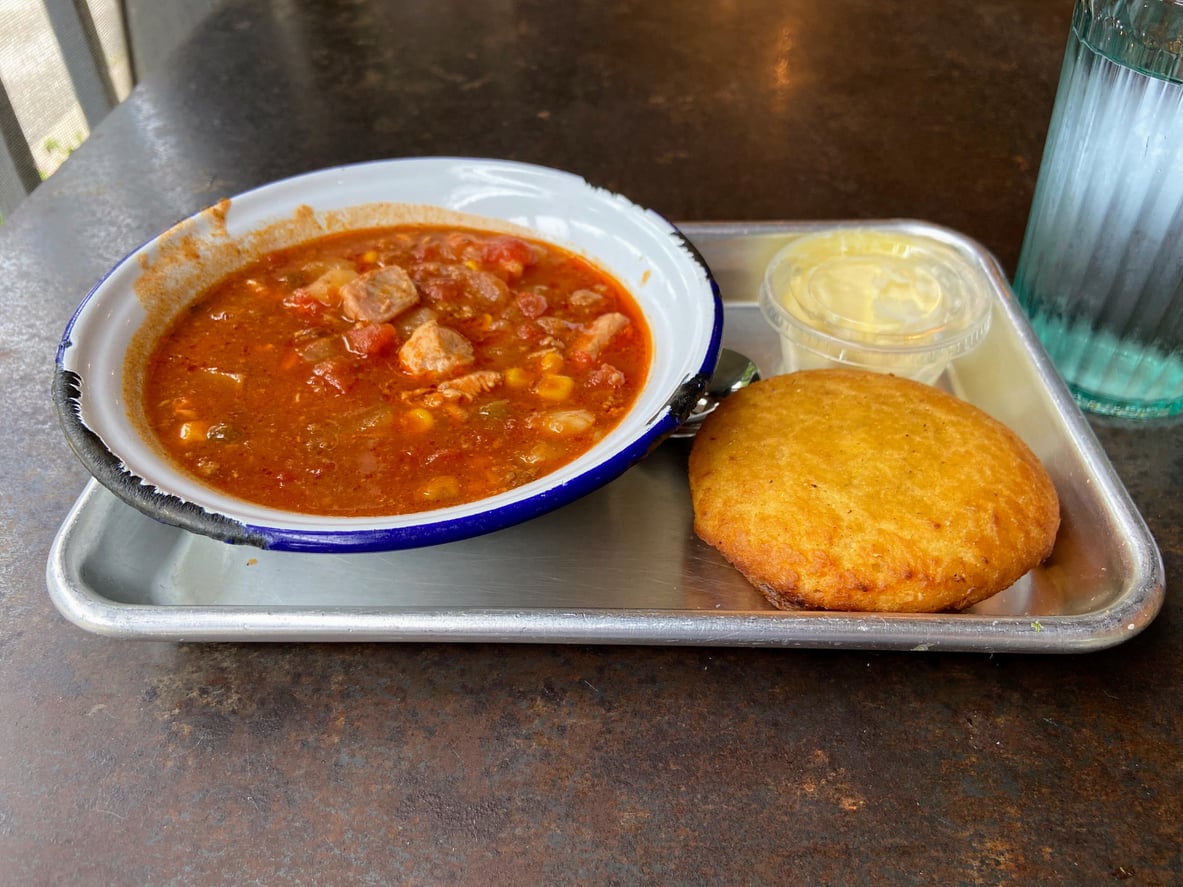
Kentucky burgoo has never depended on one strict recipe, and that’s part of its history. This thick stew traditionally combined whatever meats were available with vegetables and seasonings, then simmered for hours in large pots. Earlier versions sometimes included wild game such as rabbit, squirrel, or venison, while modern recipes often use chicken, beef, or pork. Burgoo became associated with community gatherings, political events, and other occasions when large crowds needed feeding. It shows how flexible cooking could turn modest ingredients into a substantial meal meant to be shared.
Southern Hush Puppies Made Simple Cornmeal Into a Side Dish
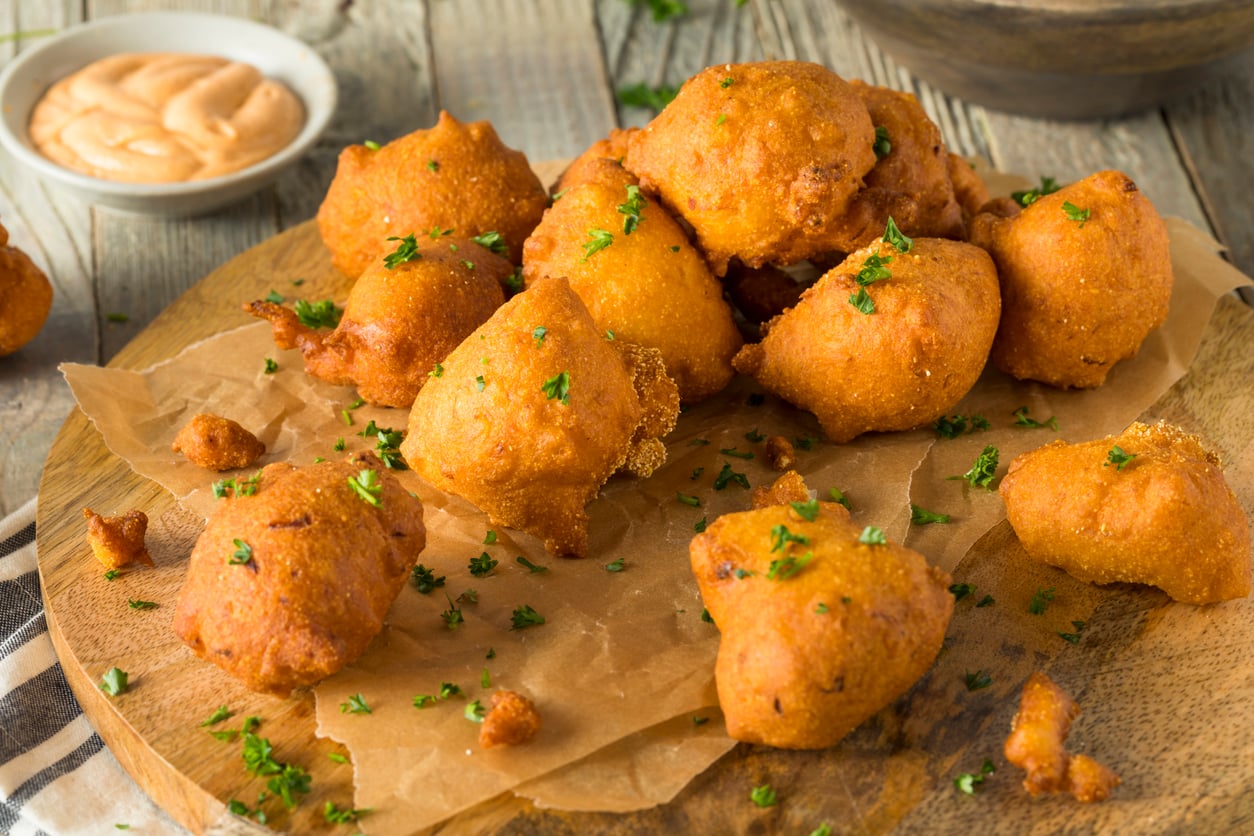
A little cornmeal, some seasoning, and hot oil can go a long way. Hush puppies became a familiar Southern side dish by turning a basic batter into small, golden fried bites. Their history reflects a combination of Indigenous corn traditions and West African frying techniques. Although the familiar story says they were tossed to barking dogs, historians haven’t established that explanation as fact. Today, hush puppies are often served with fried fish or barbecue. They’re a good example of how an inexpensive staple could become something people look forward to eating.
West Virginia Pepperoni Rolls Were Made for Long Workdays

Coal miners couldn’t always stop for a proper lunch, so a meal that fit in one hand made good sense. West Virginia’s pepperoni rolls combined soft bread and cured meat into something filling, portable, and easy to eat without utensils. Italian immigrant food traditions helped shape the snack, and Fairmont baker Giuseppe Argiro began selling them commercially around 1927. As the rolls baked, the pepperoni flavored the surrounding bread. They eventually spread from mining communities into bakeries and grocery stores, becoming a statewide favorite that still reflects the practical needs of working families.
South Carolina Chicken Bog Fed a Crowd With One Pot
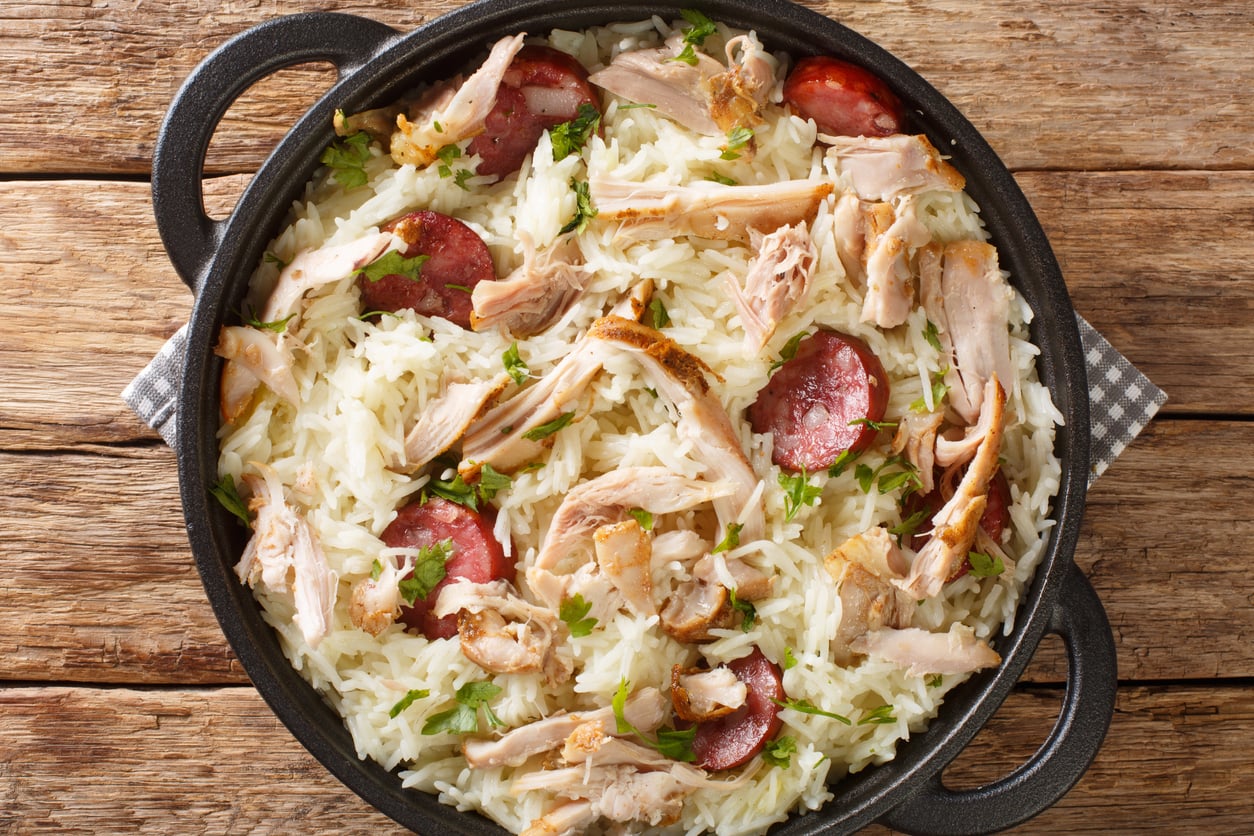
When a large group needed feeding, cooking everything in one pot saved time and effort. Chicken bog, a traditional dish from northeastern South Carolina, combines chicken, rice, broth, and often sausage into a hearty meal. By the 1920s, it was associated with gatherings after tobacco harvesting, when workers needed something substantial after a long day. The rice absorbed the flavorful broth while the meat helped feed a crowd. Recipes still vary from family to family, but the idea remains simple: make a satisfying meal from accessible ingredients without wasting much.