People’s daily food choices have evolved over the years. Families adopt routines featuring meals associated with specific times of the year, such as cold or warm seasons, the Christmas holidays, and vacation periods. Grocery shopping habits have shifted, and certain customs are gradually changing. However, many Baby Boomers hold fast to food traditions and continue to maintain these mealtime customs.
Sunday Dinner
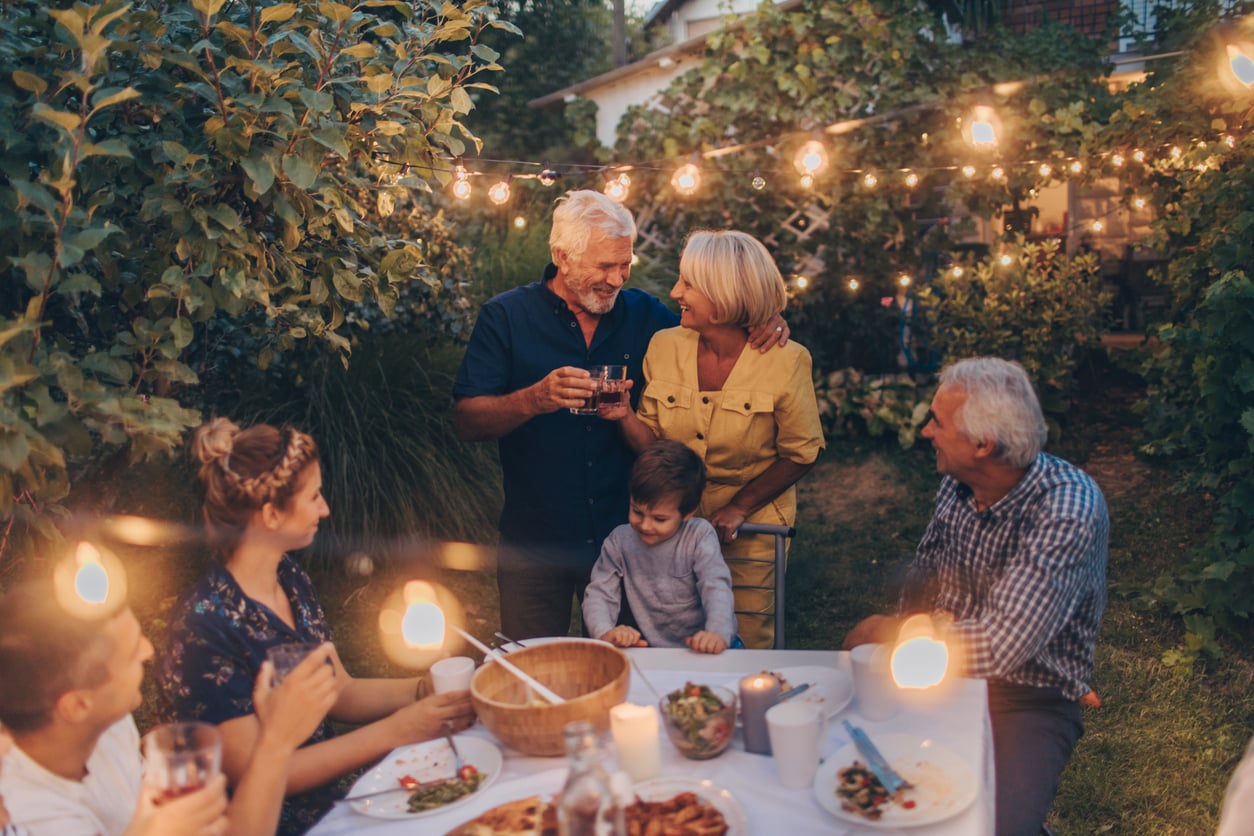
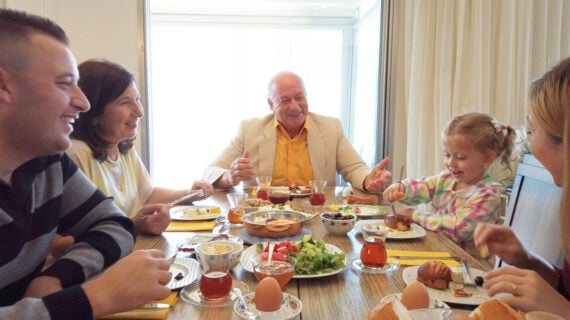
As the week draws to a close, one of the family food traditions maintained by Baby Boomers is having Sunday night dinner together. The menu may vary, but the main thing is for everyone to gather and spend quality time together. Whether it involves roast chicken, pasta, vegetables, or dessert, it is a great excuse for a family get-together.
Keeping a Handwritten Recipe Box
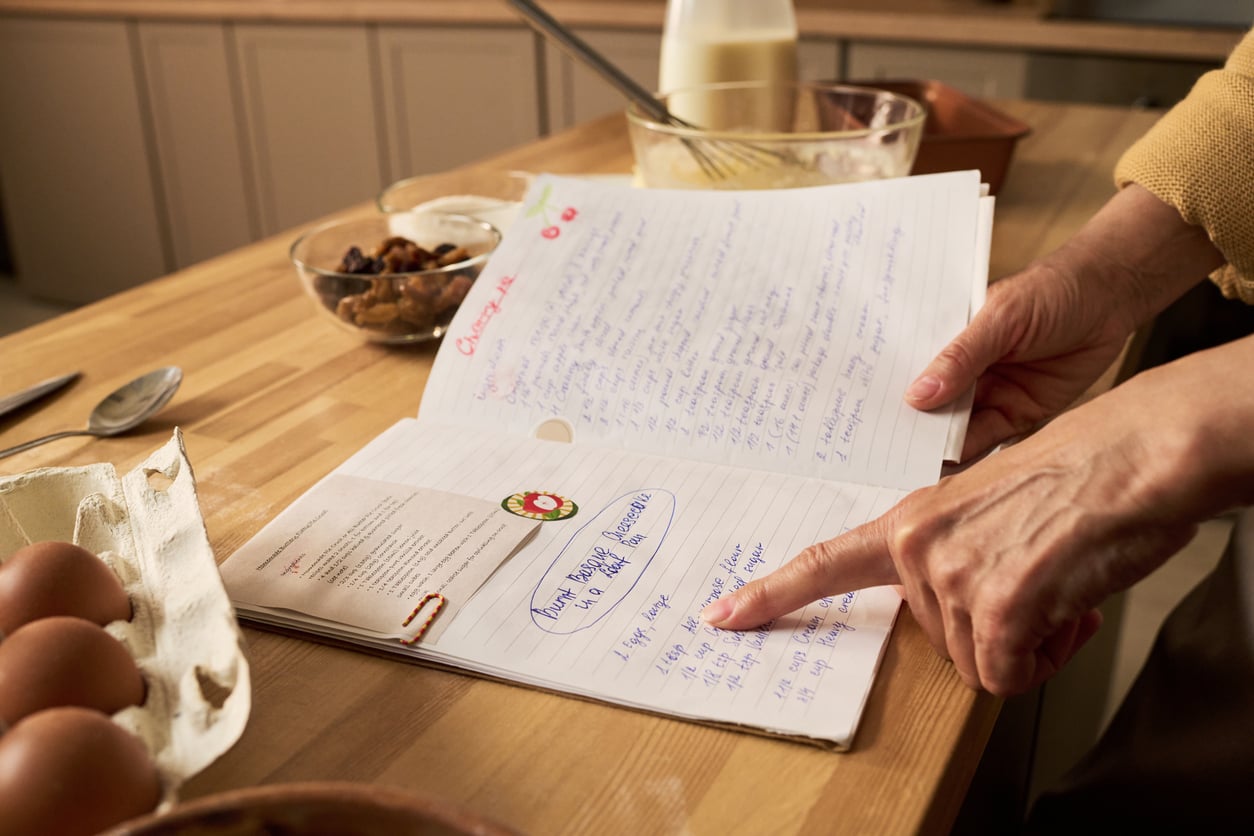
Baby Boomers do not always embrace new technologies and the convenience they offer. Consequently, their recipes may still be handwritten on scraps of paper. In an era where online recipes are trendy and convenient, Boomers prefer handwritten cards that preserve family history, featuring recipes from grandparents or parents. One of these food traditions evokes a strong sense of nostalgia every time they use them.
Bringing a Dish Whenever Someone Hosts
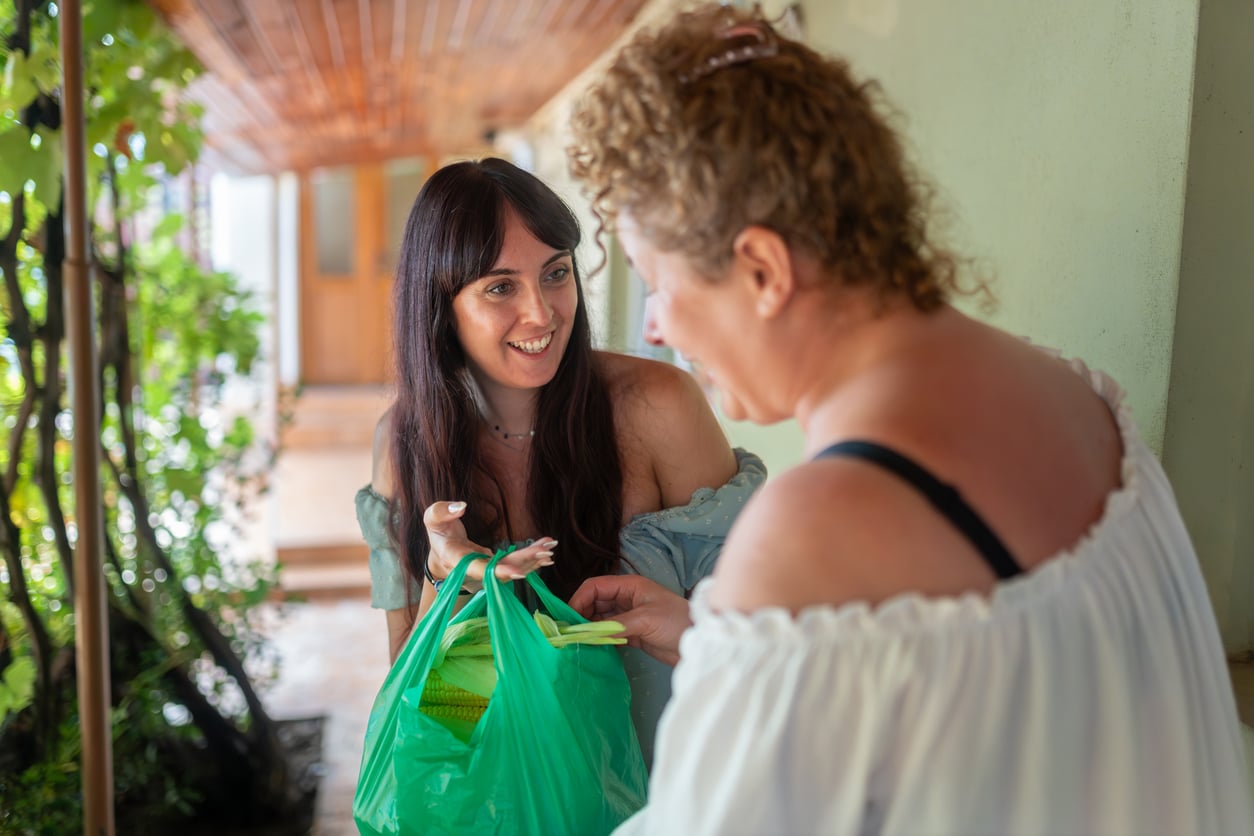
Another of the food traditions that Baby Boomers have maintained despite the passage of time is the practice of showing up at someone else’s home with a dish in hand, rather than arriving empty-handed. Whether at a gathering with family or friends, bringing a pie, salad, appetizer, or casserole serves as a courteous contribution to the event.
Cooking From Scratch for The Holidays
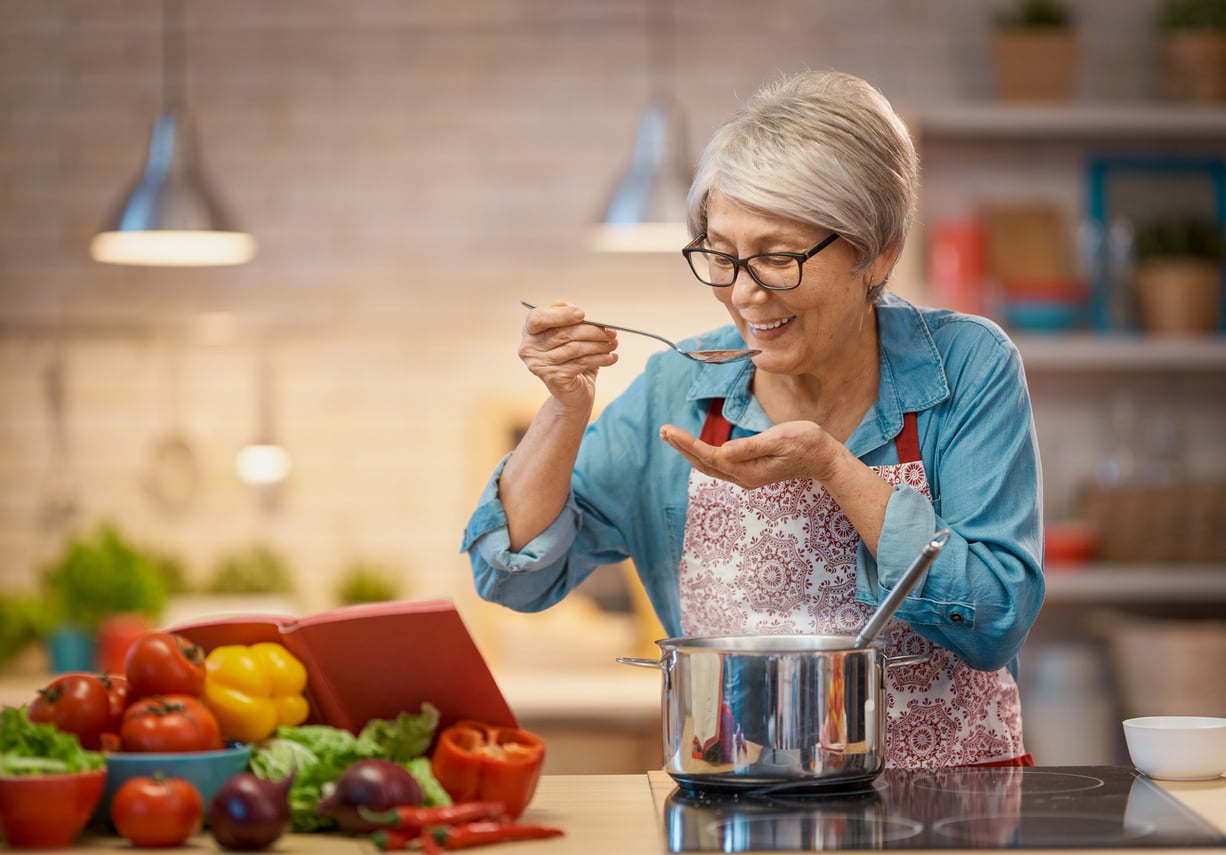
When the holiday season arrives, food traditions dictate that families prepare a traditional dish, as the process itself is part of the annual ritual. Even though convenience foods are simpler and save time, Baby Boomers expect dishes like stuffed entrees, gravy, cookies, and similar foods at events such as Thanksgiving and Christmas.
Saving Bacon Grease
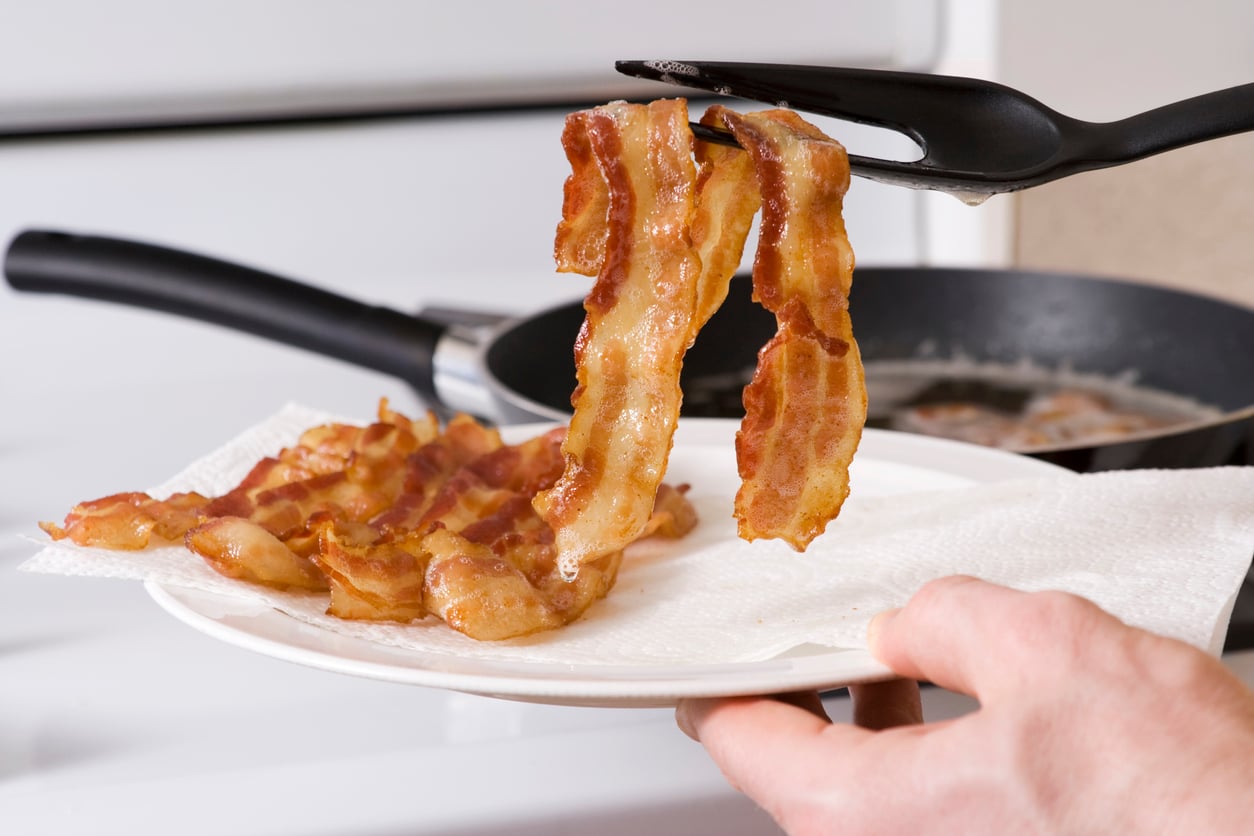
Since Baby Boomers came of age during a time when food was not to be wasted and everything had to be fully utilized, many dishes were prepared using rendered bacon fat, whether for cooking eggs, seasoning vegetables, or adding flavor to cornbread and beans. One of these food traditions involved keeping a jar or container of bacon grease in the refrigerator for later use, a practice associated with Southern-style cooking.
Trending on Cheapism
Making Coffee the Same Way Every Morning
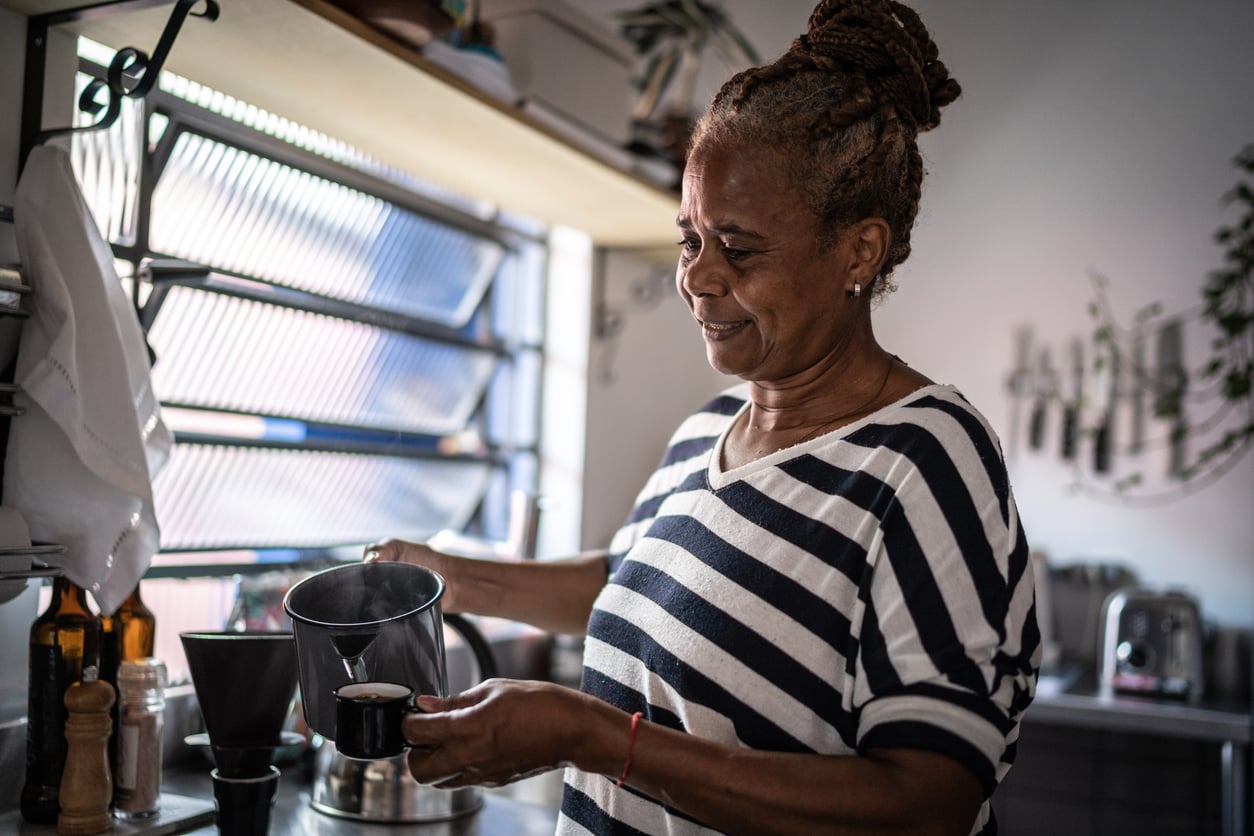
The habit of buying a coffee on the way to work was not one that Baby Boomers adopted when they were young. They prepared their routine coffee as part of their morning ritual before heading out the door. Drip coffee, percolators, familiar mugs, and the same brand every morning were part of the food traditions many found more satisfying than coffee prepared at a shop.
Keeping a Full Cookie Tin for Visitors
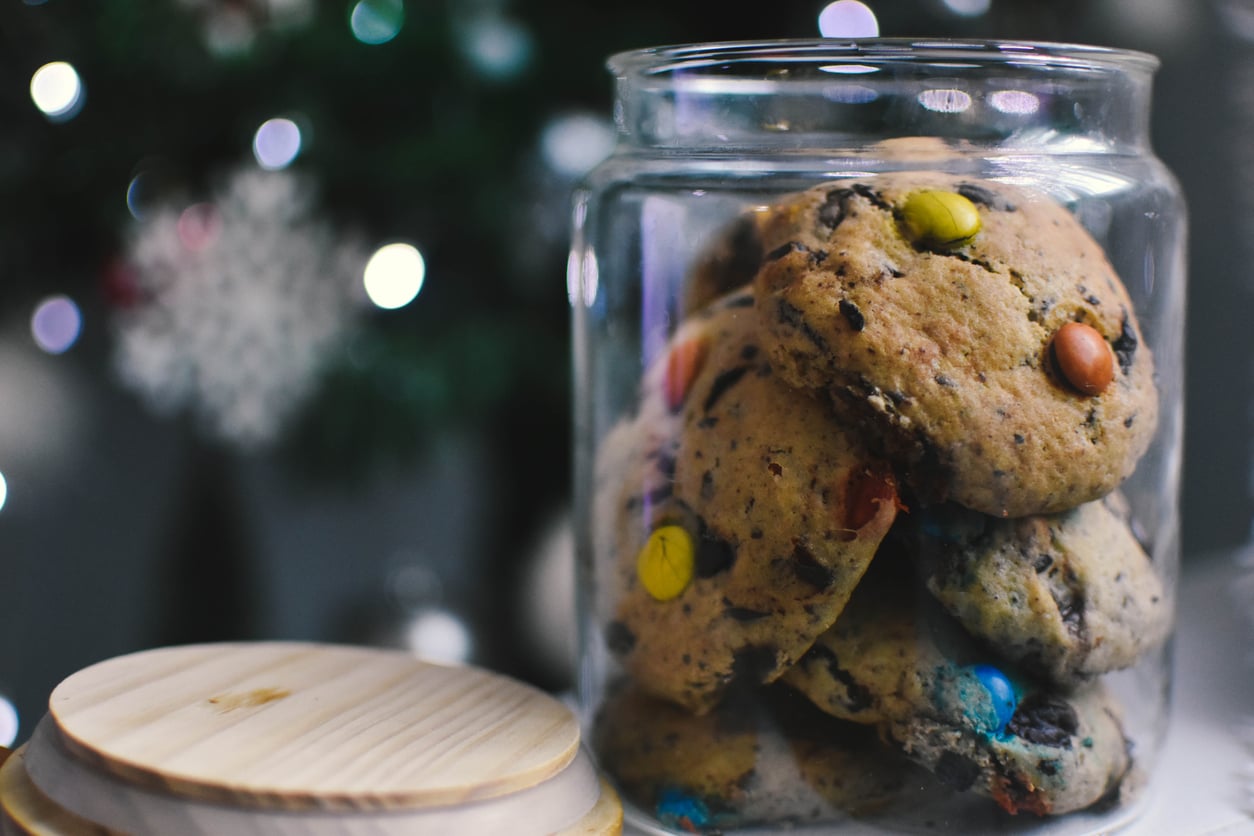
One of the food traditions that made guests feel welcome upon their arrival was offering a full tin of cookies. Many homeowners would offer visitors cookies, crackers, nuts, or candy as a hospitable welcome. That tin had to remain stocked and might contain anything from butter cookies to the homemade Christmas cookies that Baby Boomers used to make.
Freezing Leftovers Instead of Throwing Them Away
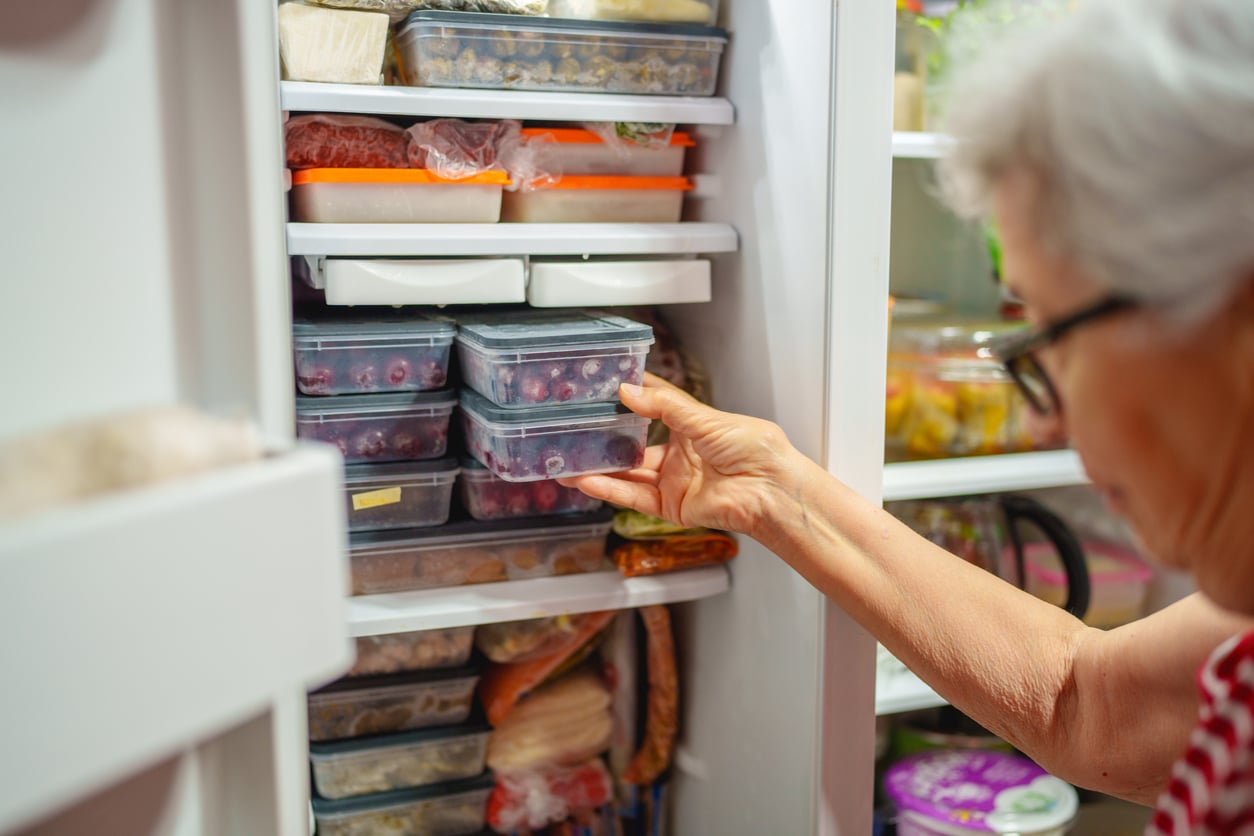
In many of the homes where Baby Boomers grew up, food could not be wasted. Families made the most of the meals they cooked. Leftovers were frozen rather than thrown in the trash. Everything from soups, casseroles, bread, and meat to holiday meals went straight into the freezer if not consumed, and items were labeled once stored. This is one of the food traditions that reflected a period when families were often careful about spending and avoiding waste.
Sign up for our newsletter
Eating Certain Meals on Certain Days
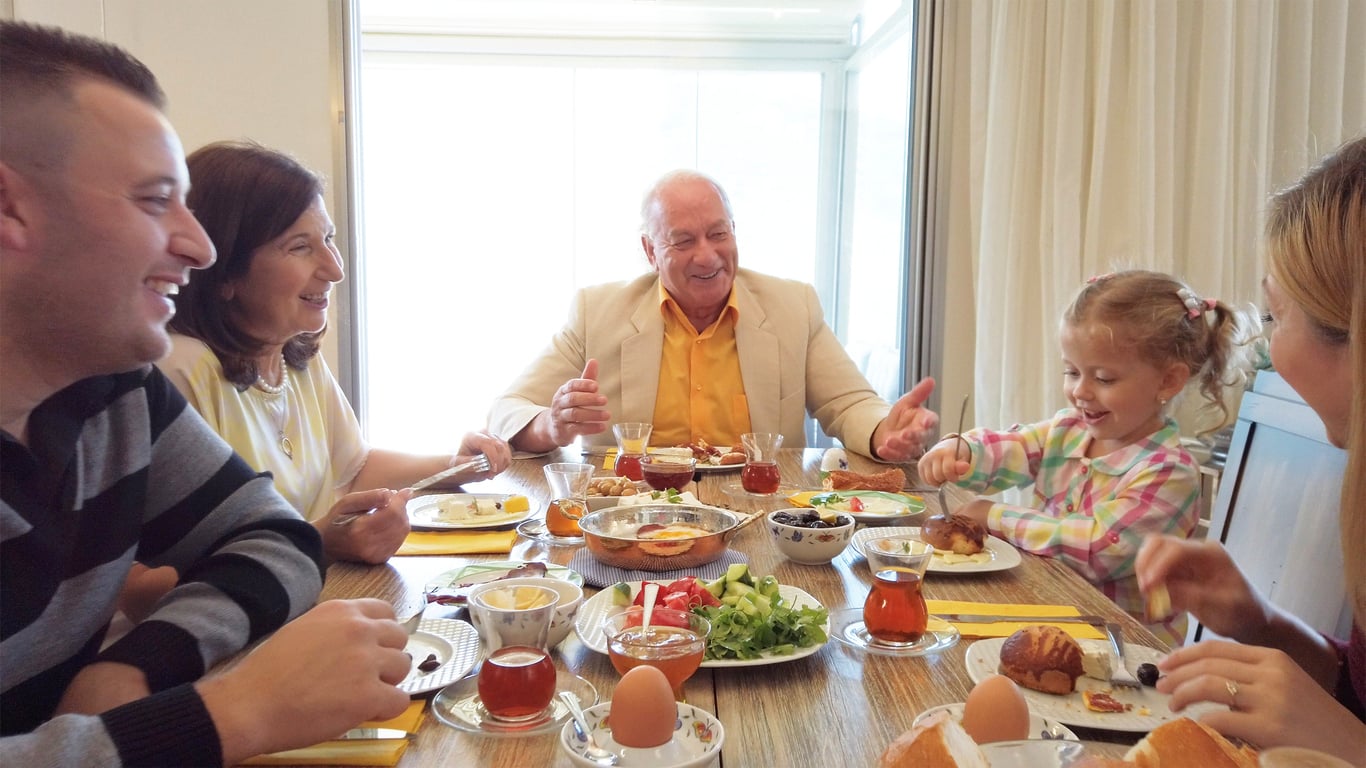
Some families headed by Baby Boomers maintained a schedule for weekly chores, grocery shopping, and meals. Certain households designated specific days for particular meals, such as fish on Fridays and a roast on Sundays. “Taco Tuesday” might be another example, though factors like religion, or regional U.S. traditions also played a role in these food traditions.
Keeping the Family’s “Special Occasion” Dish Alive
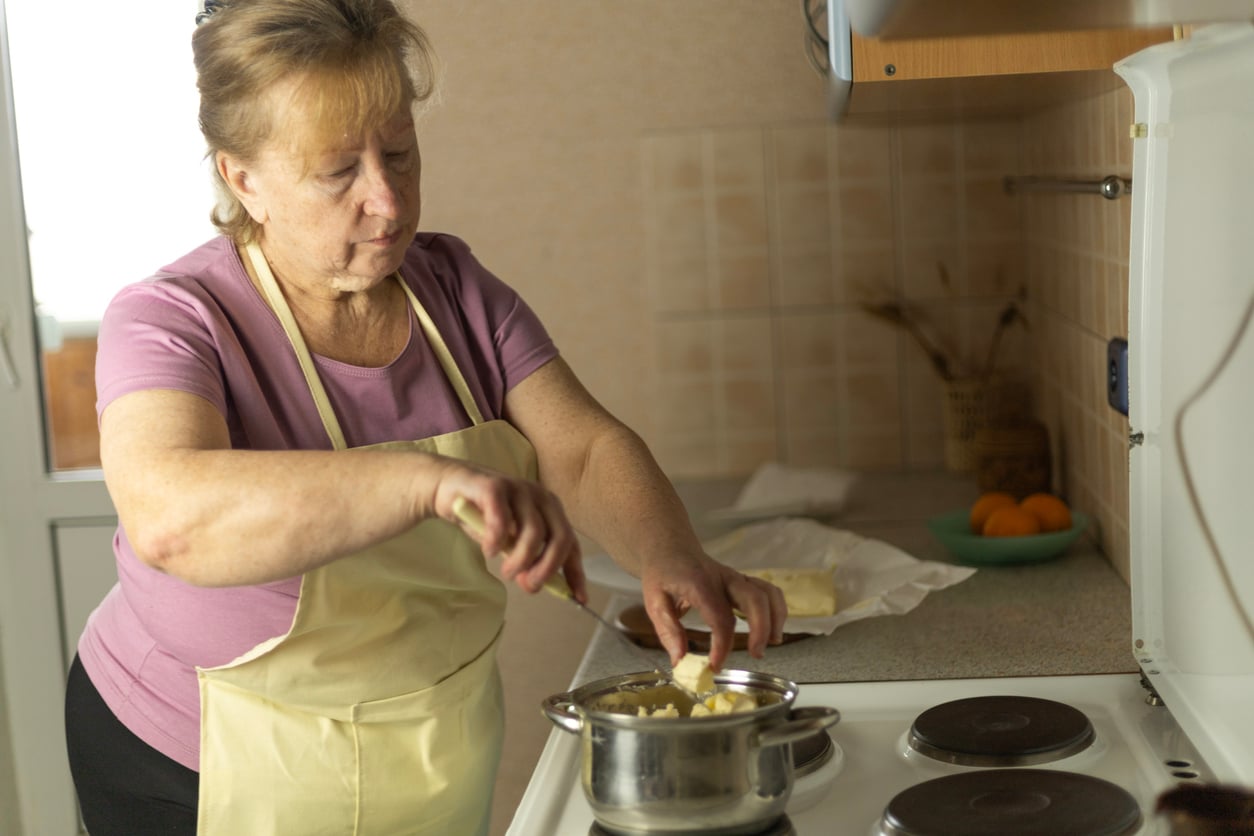
Many families prepared a dish that was special to their clan, the kind of meal that appeared at every gathering, birthday, or holiday. To other families, it might have seemed ordinary or uninspired, but within the family, it was understood to be a special dish. One of these food traditions could range from baked beans, gelatin salad, to scalloped potatoes or deviled eggs. This food varied from family to family.
Eating at the Same Longtime Local Restaurant
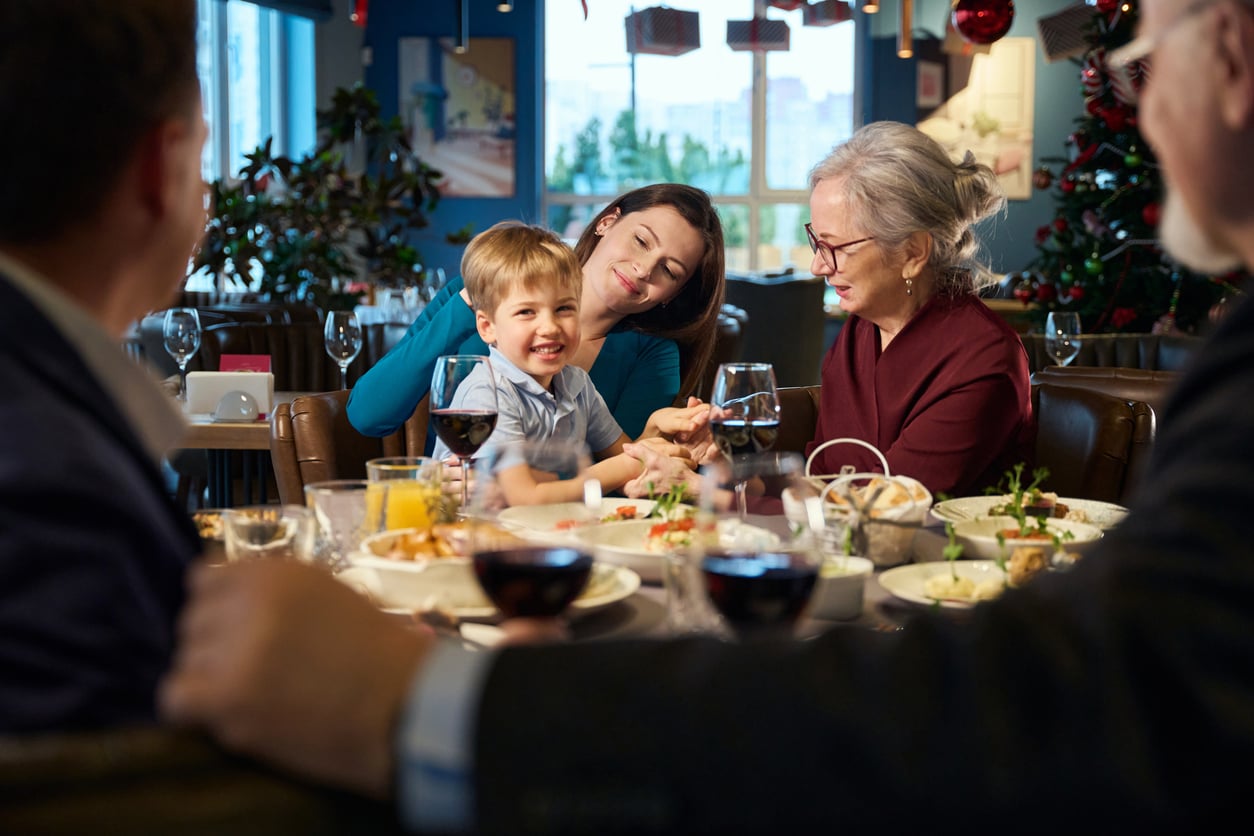
Certain establishments could embody a strong sense of identity for Baby Boomers because they were places where they dined with their families, enjoyed familiar menus and atmospheres, and even became acquainted with the staff. Being able to order their “usual” dish was a choice many Baby Boomers made in their youth at family dinners, supper clubs, and neighborhood spots.
Sending People Home with Food
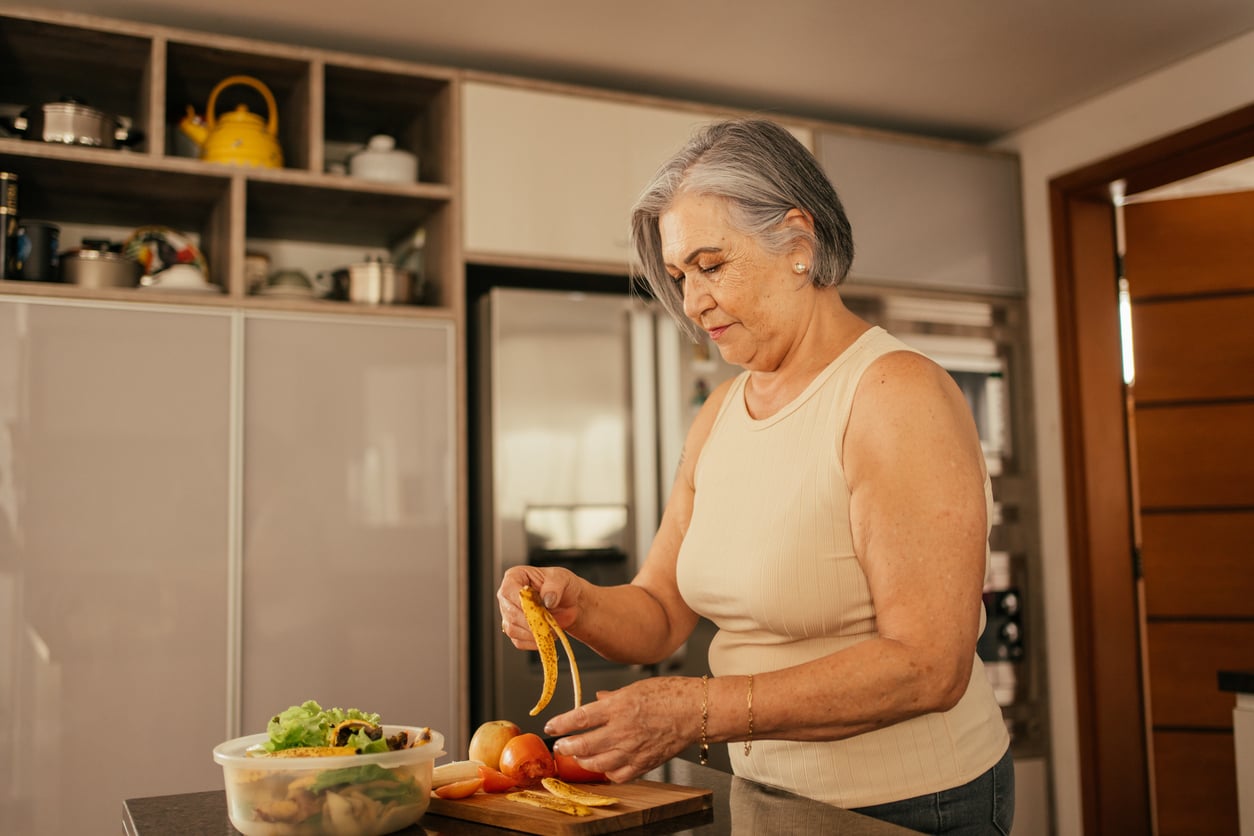
Baby Boomers often extended their hospitality even after the meal had ended and guests were preparing to leave. Many would pack up leftovers, such as wrapped slices of pie, in containers and give them to their guests, so they would have food for the following day. One of these food traditions was an expression of care for family and friends, reflecting a long-standing tradition.
Conclusion
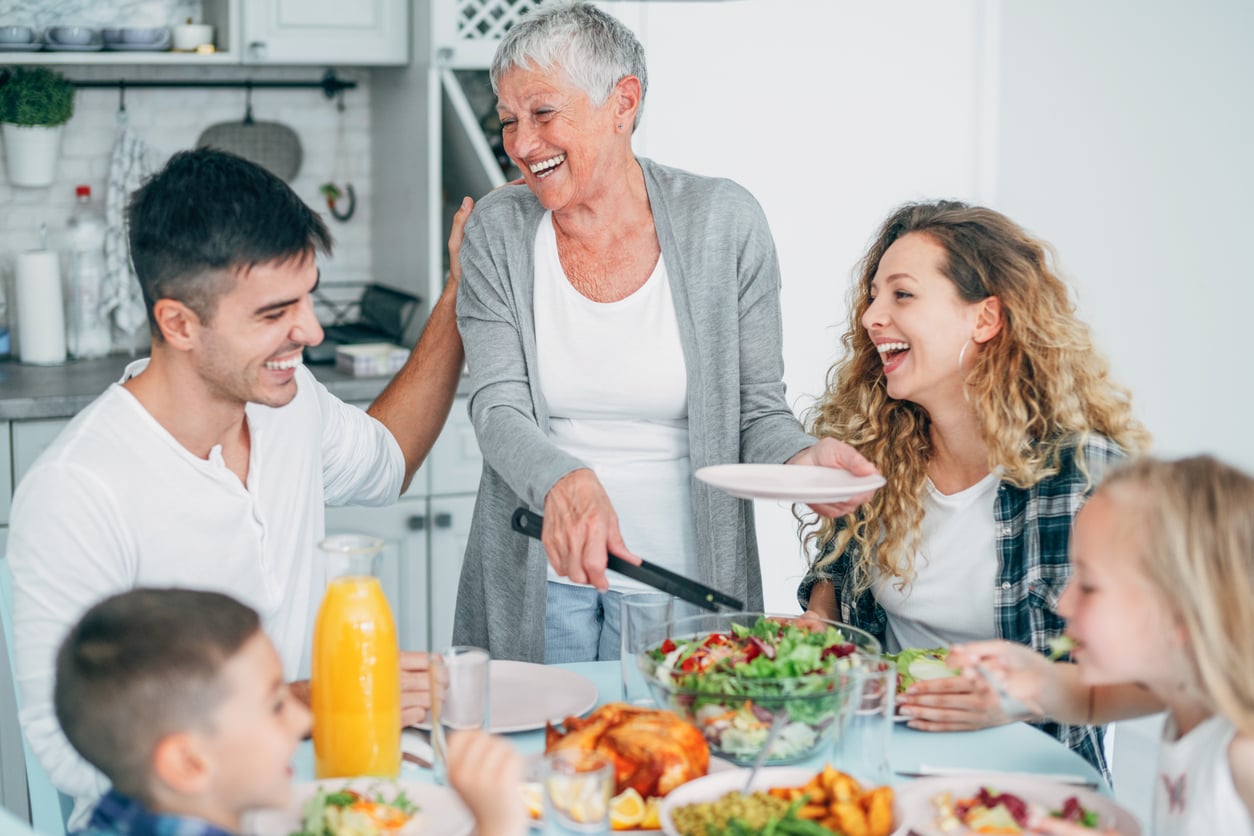
The food traditions upheld by Baby Boomers go far beyond taste and preparation. They are about caring for a family member, hospitality, and routine. While some practices might seem old-fashioned, fostering family gatherings transforms a meal into a unique and special occasion. As generations pass, we will discover whether any of these traditions endure.