Newer generations are accustomed to the convenience offered by appliances and mobile phones, as well as the fast-paced lifestyle they lead. Past generations, such as the Baby Boomers, took their time and acted differently. That is why Baby Boomers stand out when it comes to recognizing the things that were genuinely better before everything became “more convenient”!
Repairing Things Instead of Replacing Them

Many Baby boomers were accustomed to trying to repair items, such as appliances, furniture, or clothing, whenever they broke. Such repairs could extend the useful life of these items and fostered a deeper understanding of the objects around them. Today, however, as society has shifted toward mass production, many electronic devices are easily replaced, and consumers expect them to last fewer years before a new one is purchased, such as televisions, cellphones, and refrigerators.
Talking to a Real Person When Something Went Wrong

When a problem arose with a company, some Baby boomers used to speak directly by phone to a company representative, a real person. Nowadays, if you have an issue with a travel provider, a supermarket, or many other businesses, it might take longer to resolve because you can get stuck in automated menus and chatbots. Baby boomers note that a human could easily understand an everyday problem and, consequently, find a faster solution.
Shopping From Smaller Local Stores
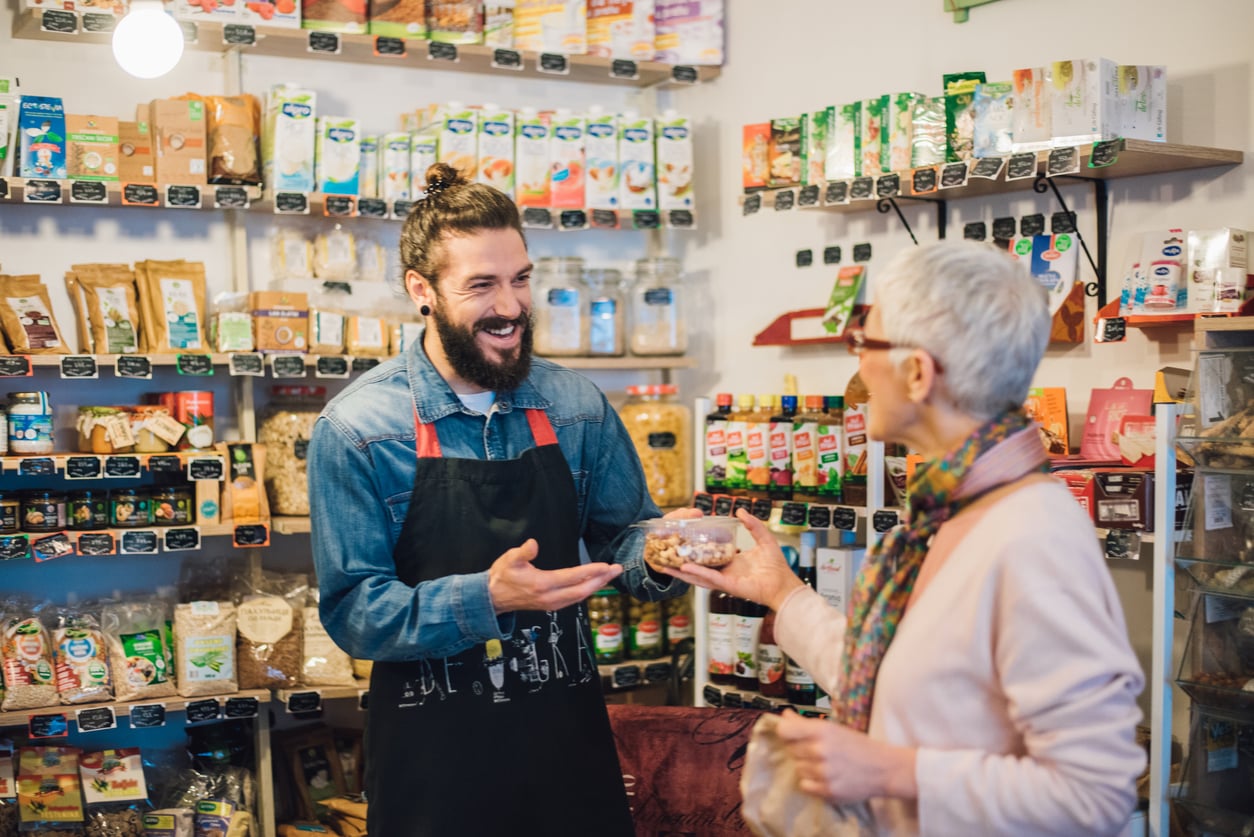
Baby boomers did not have access to countless online sites for purchasing food, clothing, appliances, and other goods. Instead, they had to visit local shops, thereby building relationships with clerks, butchers, pharmacists, and the like. Nowadays, given the vast array of online shopping options, many people turn to that convenient alternative but fail to develop personal expertise.
Waiting for Photos to Be Developed

A few decades ago, people had more patience because everything took longer to accomplish. Photography is a prime example. You had a limited number of shots available, and to see the results, you had to wait several days for the film to be developed and the photos printed. People used to gather to open the envelope of prints and look at the photos together. Digital cameras, and later, smartphones, completely changed that dynamic.
Eating What Was in Season

Many of the foods we consume today at any time of year could not have been prepared just a few years ago because of seasonal availability. Certain fruits and vegetables, such as strawberries, peaches, tomatoes, and corn, were tied to specific months and were in limited supply, so Baby boomers made the most of those weeks. Everything changed when global supply chains made it possible for many foods to be available year-round.
Trending on Cheapism


Planning a Trip With Maps and Advice From People

When Baby boomers had to plan a trip, they relied on maps, travel guides, and motel recommendations, and had to talk to people along the way to ensure they were on the right track. Newer generations enjoy the convenience of GPS and review apps, which simplify travel, reducing the likelihood of people getting lost or accidentally discovering other cities.
Having Fewer TV Choices

Because there were fewer channels available, a large number of people watched the same television programs, giving colleagues, family members, and neighbors a shared form of entertainment to discuss. That changed when newer generations ushered in streaming services and a wider variety of television options. People still talk about it, but it’s harder than before for them to be watching the same shows.
Buying Furniture That Was Expected to Last
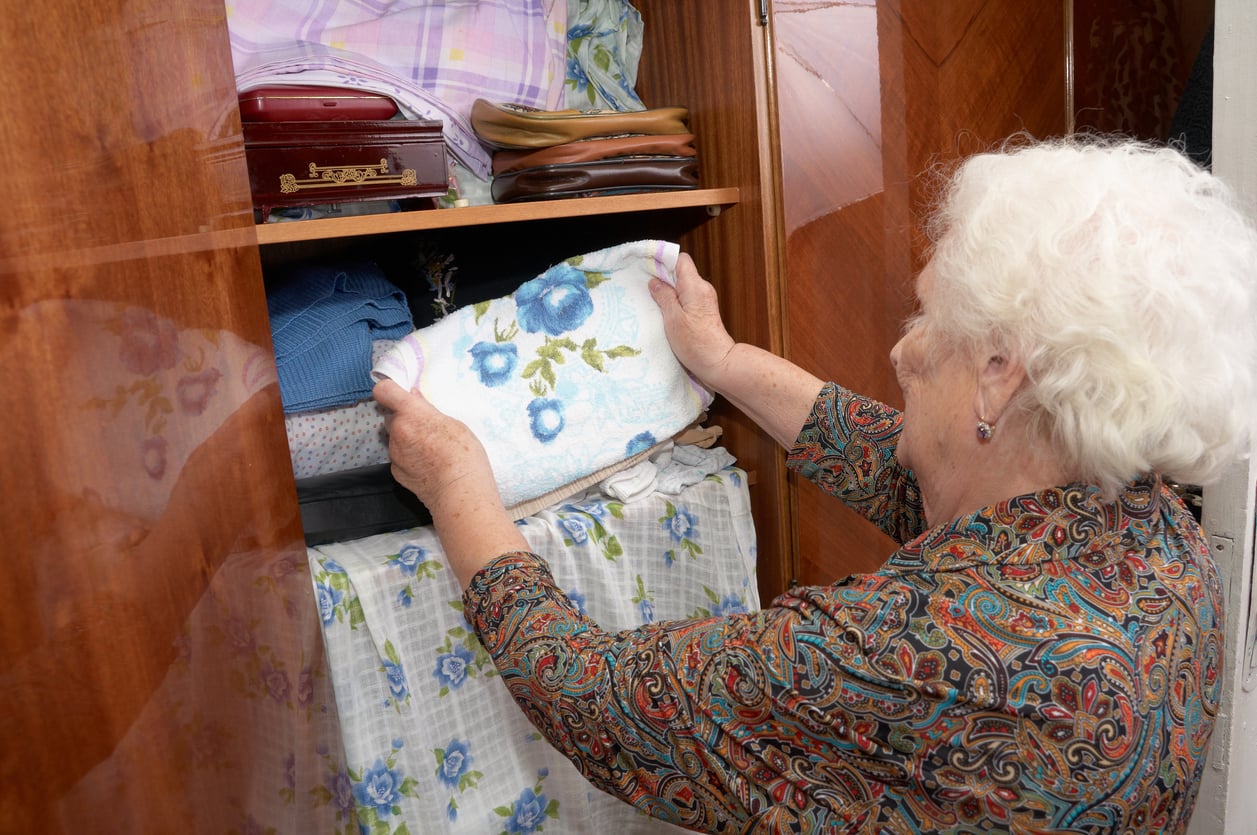
The furniture purchases that defined the Baby boomer generation were not expected to be repeated for years, as their tables were solid, dressers featured sturdy joinery, and beds had reliable springs. Newer generations opt for inexpensive, flat-pack furniture; they spend less money upfront but face shorter replacement cycles.
Sign up for our newsletter
Cooking Dinner Without an App Involved
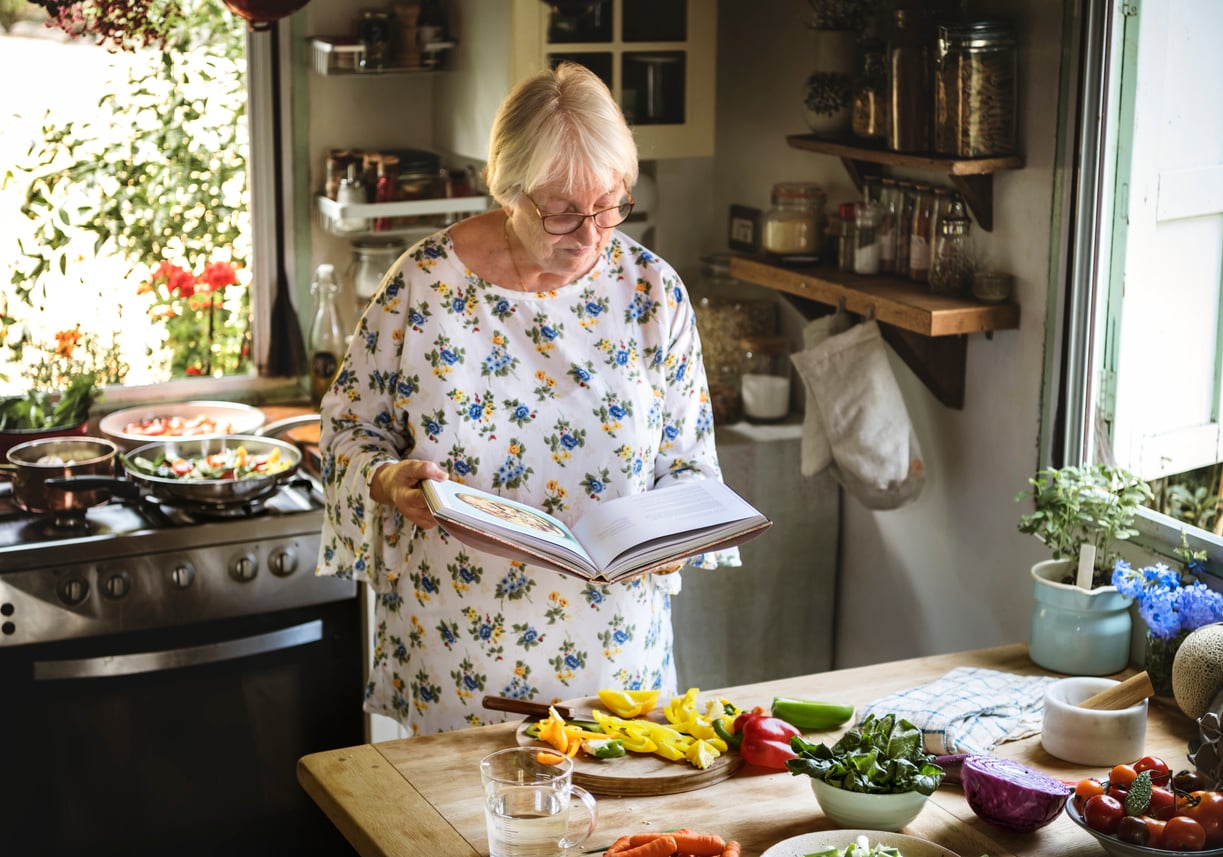
Nowadays, young people enjoy the convenience of smartphones; these devices not only allow them to order food delivery and skip cooking altogether, but also, they give access to recipes and ingredients from around the world, complete with measurements and videos, right at their fingertips. In contrast, Baby boomers relied on familiar recipes, handwritten by family members or found in cookbooks, and a more limited range of ingredients than what is available today.
Calling Instead of Texting

Baby boomers used landlines to call family or friends and could hold the other person’s attention when calling for at least a few minutes and gauge how they were doing based on their tone of voice. Nowadays, almost everyone sends text messages; while they are faster, you can’t quite tell how the other person is really doing because you can’t pick up on their tone.
Owning Fewer Household Gadgets

Appliances and gadgets of the past were multipurpose. A knife, a skillet, a mixer, and a few other basic tools could handle everything needed for cooking. Newer generations have created cheap specialty appliances, and with the taste of online shopping, it has become simple to accumulate gadgets that are used only a few times a year.
Letting Boredom Happen

In keeping with the slower pace of life led by Baby boomers, they allowed themselves to experience boredom; this gave them the space to reflect on their feelings and consider whether they were making good life decisions. Younger generations, by contrast, fill the time spent in waiting rooms, car rides, and checkout lines by browsing social media. Those moments of boredom could foster creativity and reflection.
Conclusion

Many Baby boomers notice that certain aspects of life have disappeared, evoking a sense of nostalgia. Many realize that face-to-face interaction is less frequent and that repair skills, once common among older generations, are no longer valued. Modern life moves faster and offers quicker access to things, yet faster does not always mean better.