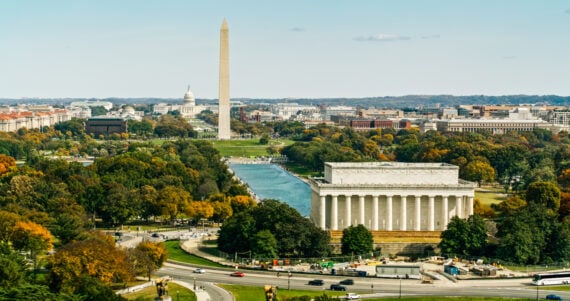
Big cities in America may seem like expensive vacation choices, but many offer more free and low-cost experiences than travelers realize. From no-admission Smithsonian museums in Washington, D.C., to public parks, historic districts, waterfront paths, and affordable transit, visitors can fill several days without constantly buying tickets. The Smithsonian Institution, for example, provides free admission to its Washington museums, showing how choosing the right attractions can make an urban vacation far easier on the budget.
Chicago, Illinois
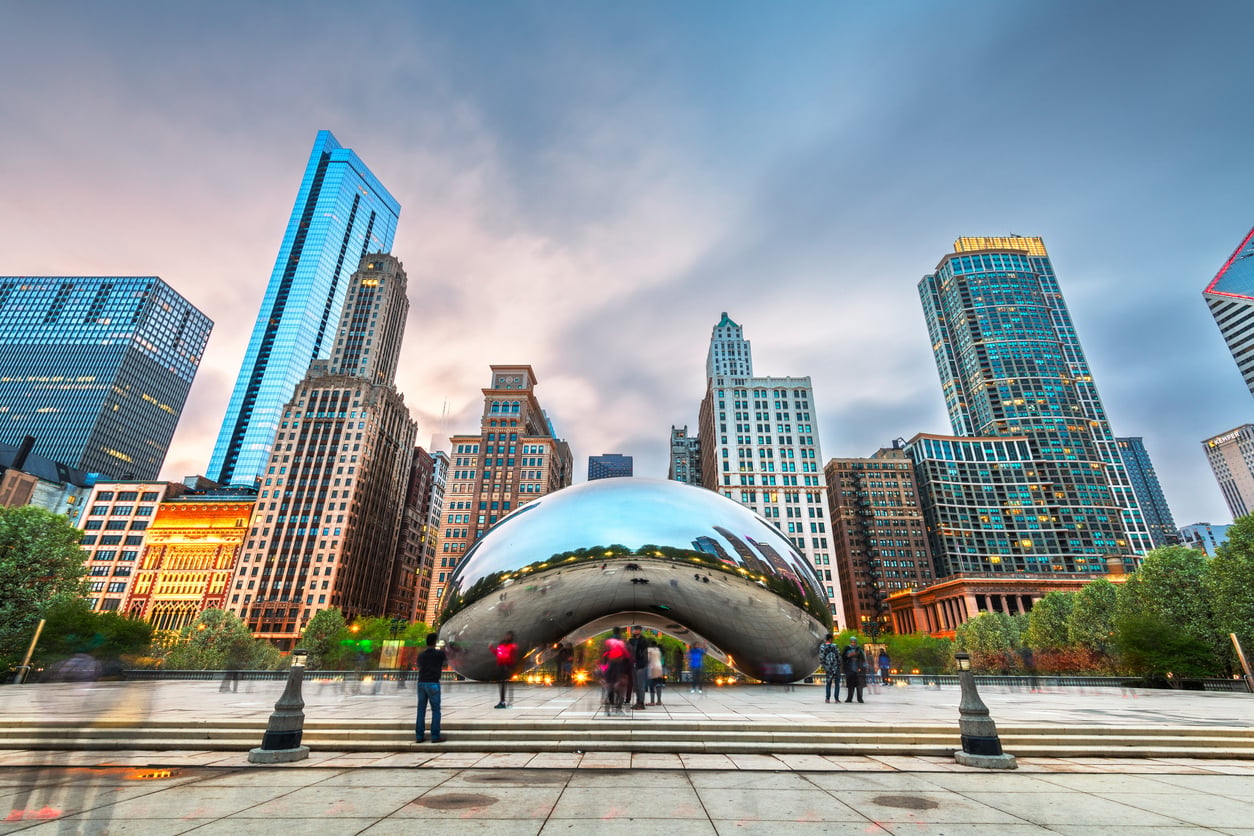
Chicago provides an unusually large amount of sightseeing before travelers buy a single ticket. Millennium Park, Cloud Gate, the Chicago Riverwalk, and miles of Lake Michigan shoreline are free, as is Lincoln Park Zoo. A CTA pass can replace parking fees and rental-car expenses while connecting downtown with neighborhoods where meals are often less costly. The drawback is lodging: summer weekends and major events can be expensive.
Washington, D.C.
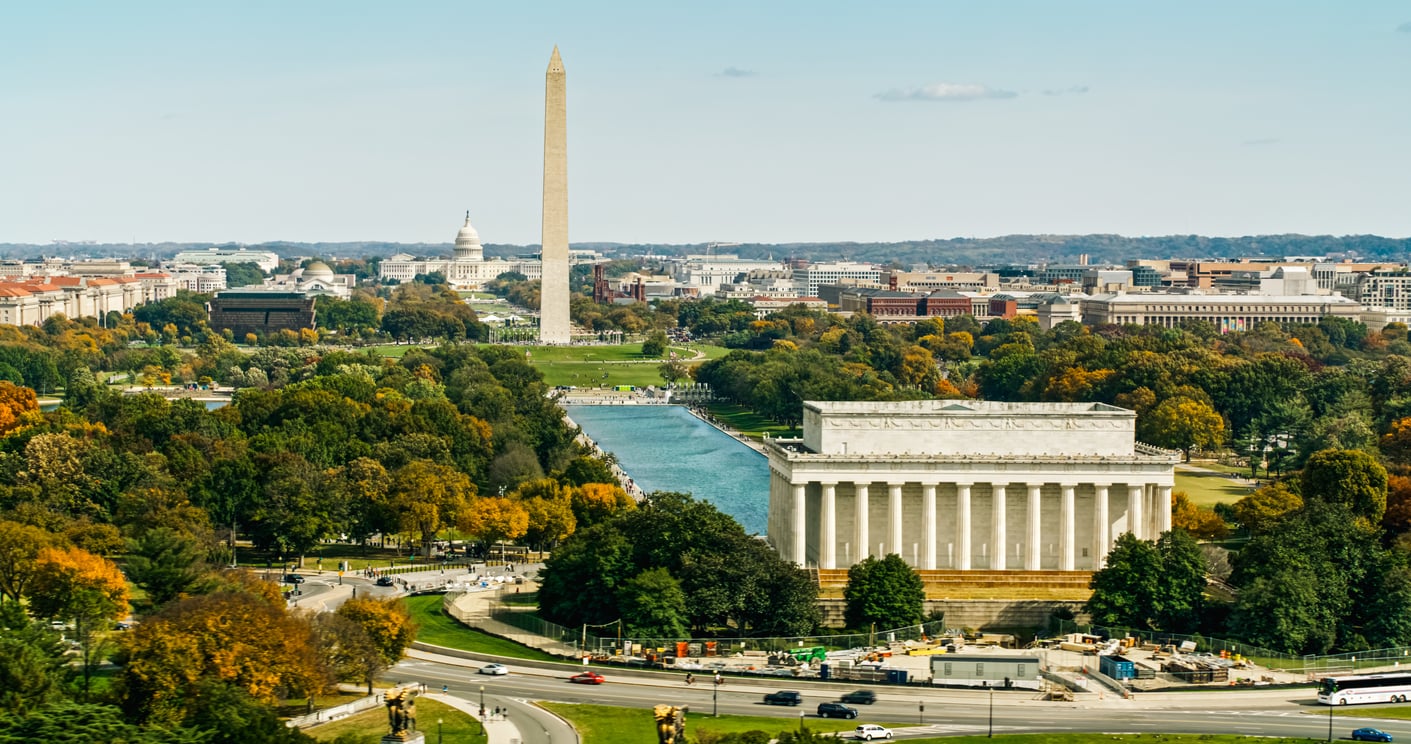
Few American cities provide as much free indoor sightseeing as Washington. Smithsonian museums, including the National Museum of American History and the National Air and Space Museum, generally charge no admission, while the National Gallery of Art, monuments, and memorials add several more days of low-cost activities. Some popular sites require free timed reservations, however. Metro makes staying outside the immediate National Mall area practical.
New Orleans, Louisiana
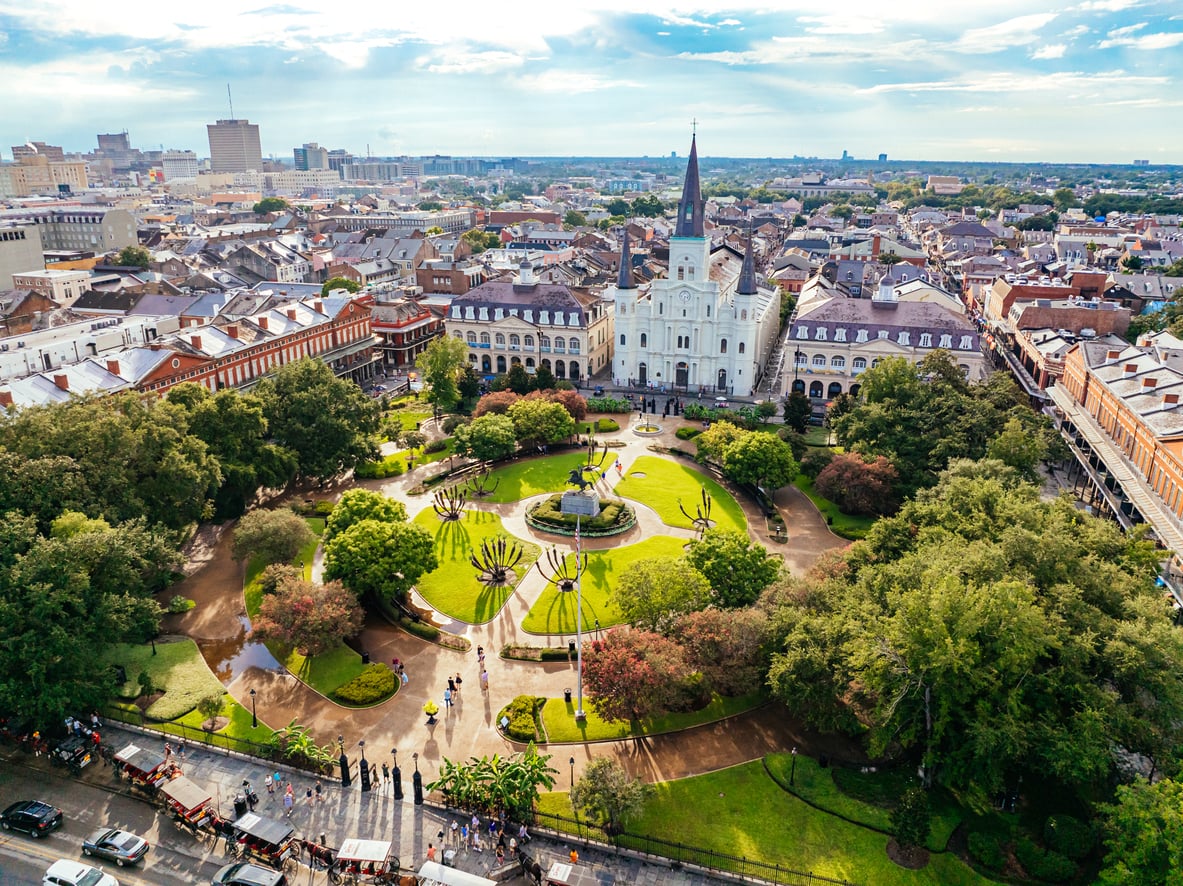
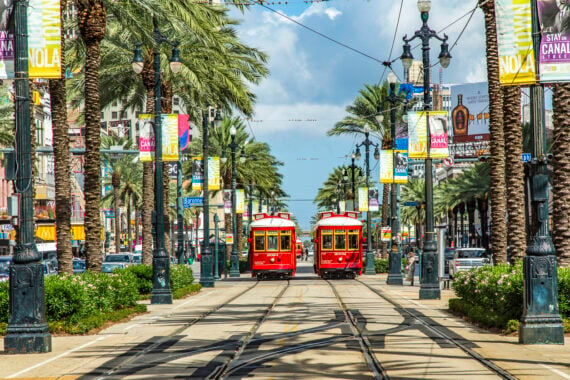
New Orleans rewards travelers who treat its neighborhoods as attractions. Walking through the French Quarter, watching street performers, exploring the Garden District, and browsing Frenchmen Street can fill much of a day without admission charges. Historic streetcars also remain unusually affordable: a single ride costs $1.25, while a one-day Jazzy Pass is $3.
Philadelphia, Pennsylvania
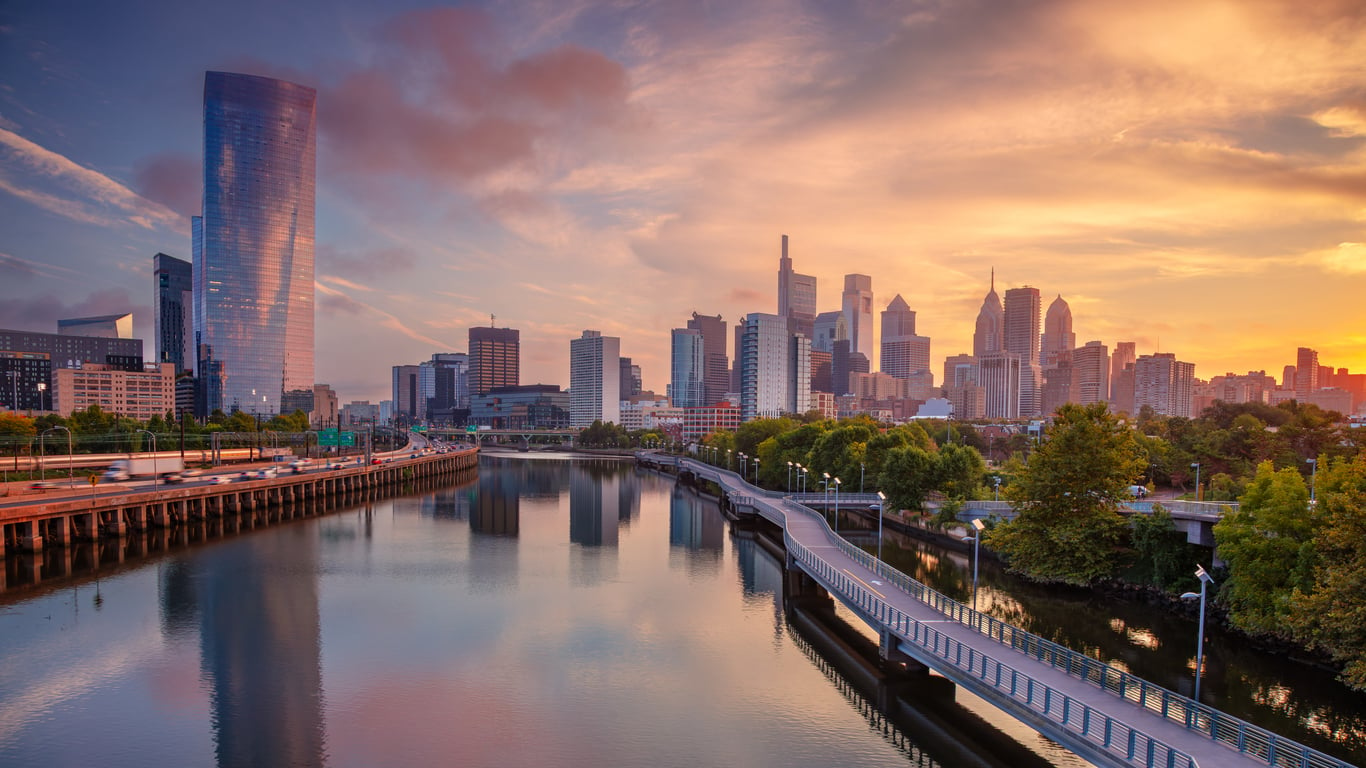
Philadelphia’s historic center functions almost like a large, mostly free outdoor museum. Travelers can see the Liberty Bell, explore Independence National Historical Park, and walk past colonial buildings without purchasing a conventional attraction ticket. Independence Hall tours are free, though timed reservations may carry a $1 processing charge at certain times. SEPTA connects the historic district with museums and neighborhoods, while Reading Terminal Market offers meals at several price levels.
Pittsburgh, Pennsylvania
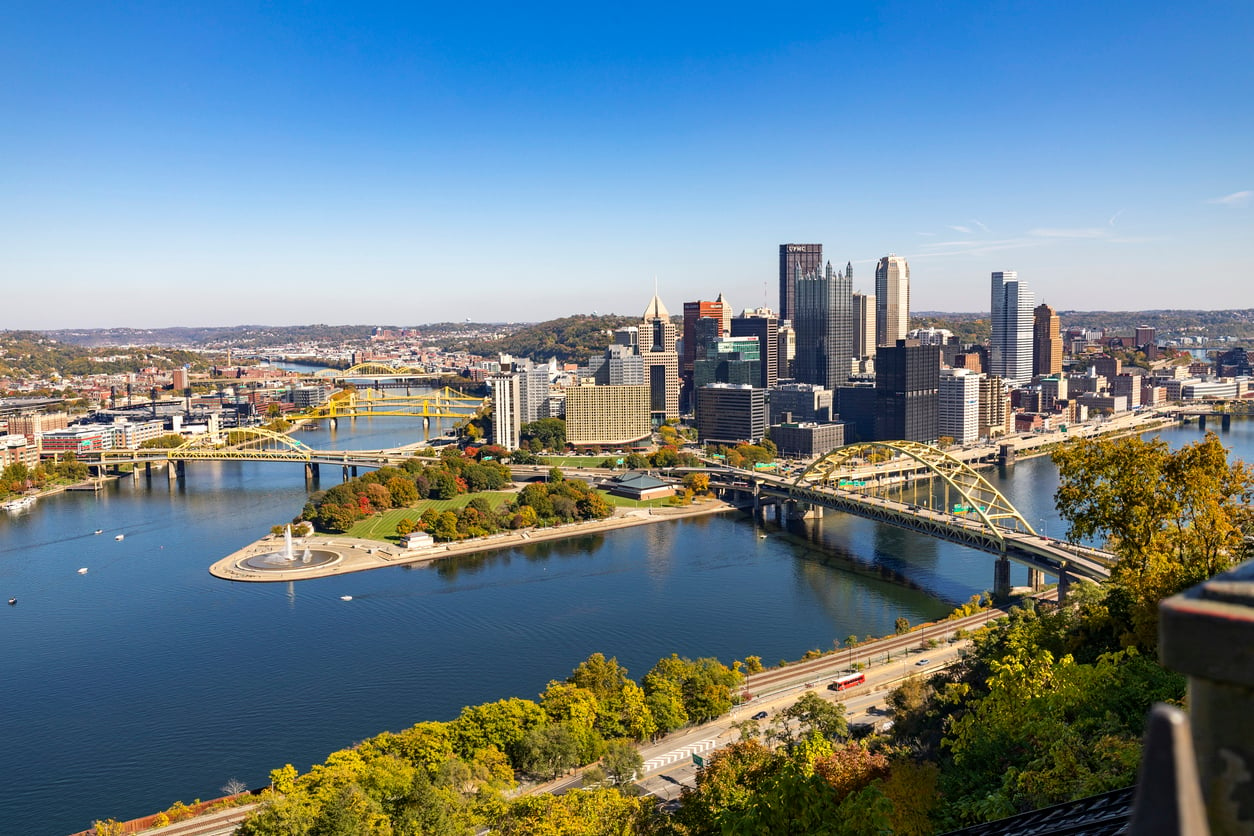
Pittsburgh offers its strongest value outdoors. Point State Park, riverfront paths, bridges, and hillside overlooks cost nothing, while the Duquesne Incline provides a memorable city view for $5 round trip for most adults. The Carnegie museums are paid attractions, but one ticket covers both the art and natural-history collections, and discounted weekday admission is sometimes available after 3 p.m. The city’s hills and scattered neighborhoods can make walking tiring, so a centrally located hotel remains important.
Trending on Cheapism

San Antonio, Texas
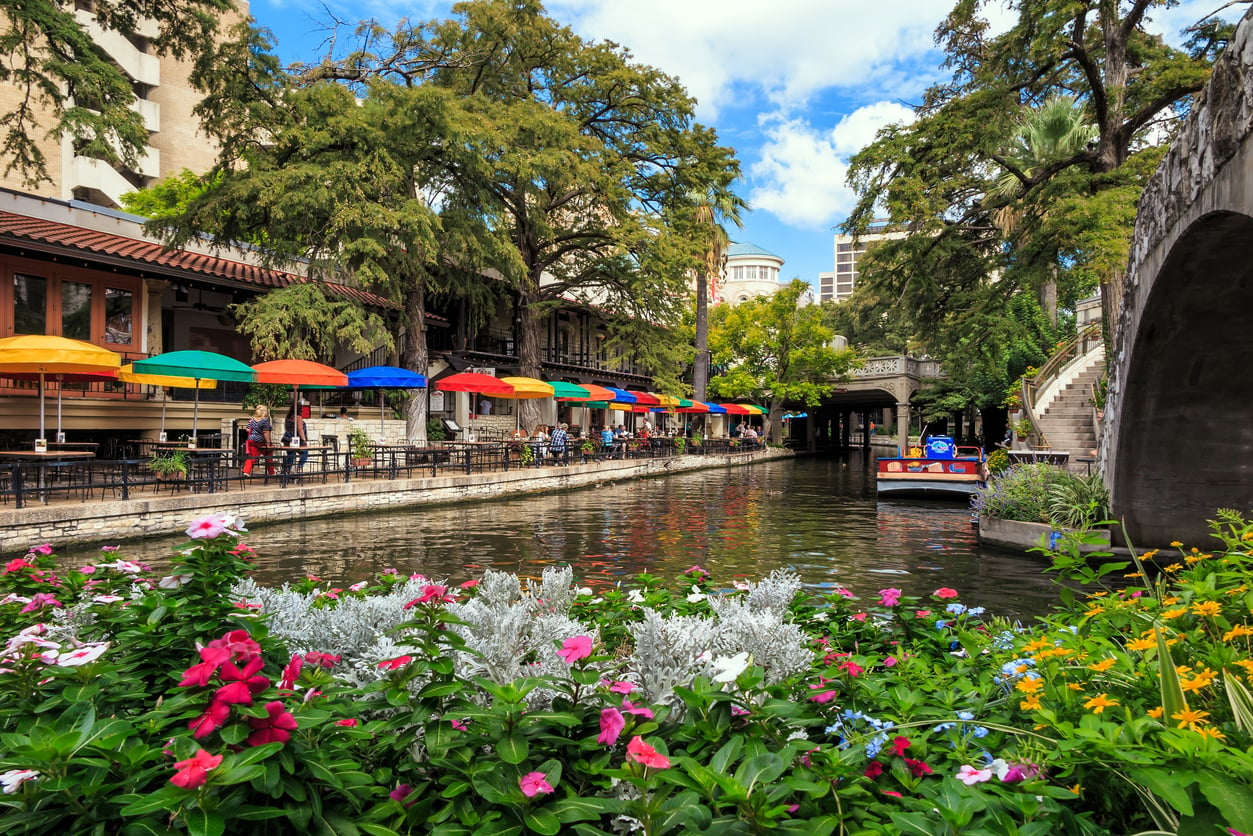
San Antonio’s most recognizable sights are unusually easy to experience without paying admission. Walking the River Walk is free, and entry to the Alamo Church, Long Barrack, and grounds remains free with a reserved ticket. Downtown attractions are close enough to combine on foot, reducing the need for a rental car. The recently reopened Paseo del Alamo has also restored an accessible connection between the Alamo area and River Walk. Boat tours, parking, and ticketed museums can still increase costs considerably.
Minneapolis, Minnesota
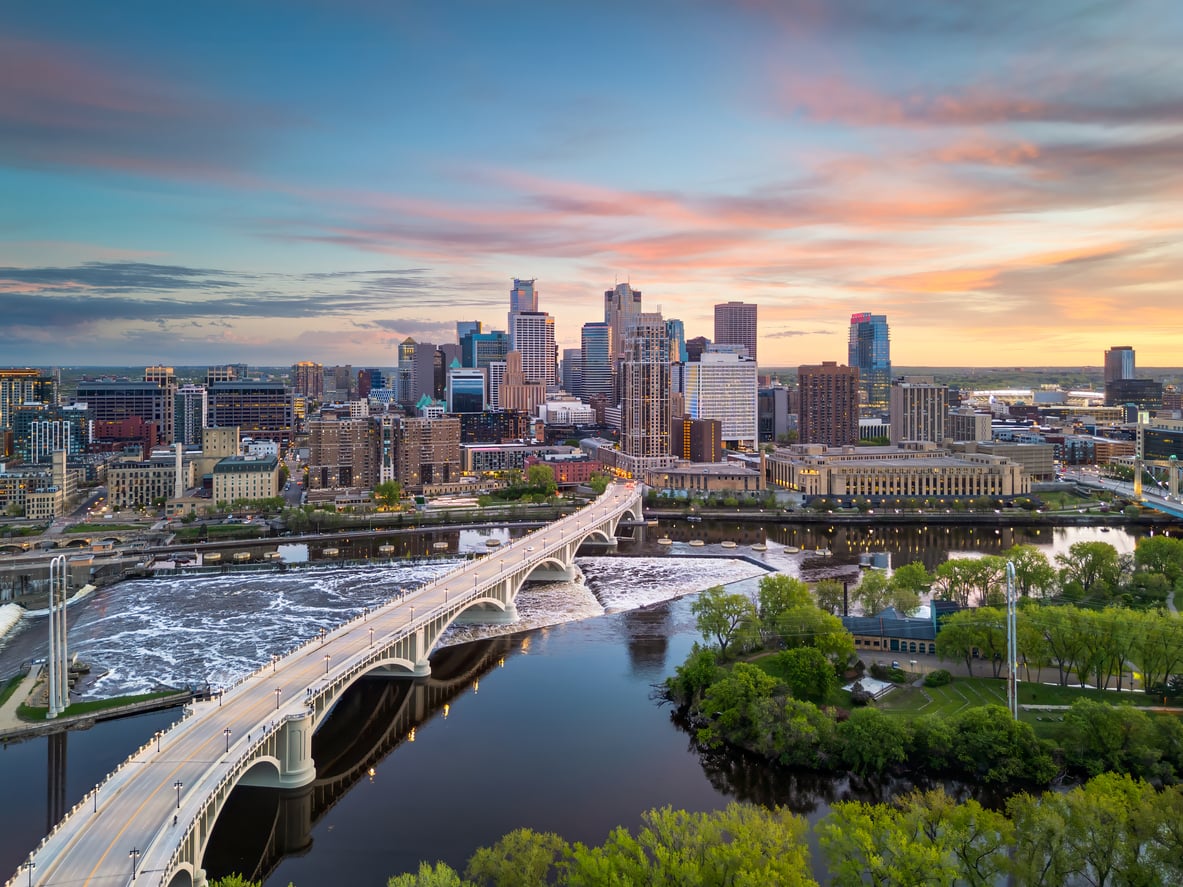
Minneapolis makes good use of attractions that residents already enjoy for free. Minnehaha Regional Park contains a 53-foot waterfall, limestone bluffs, and walking paths, while the Chain of Lakes provides miles of waterfront recreation. The Minneapolis Sculpture Garden is another practical no-admission stop near downtown. Light rail and buses reach several visitor areas, although standard fares rise during weekday rush periods.
Atlanta, Georgia
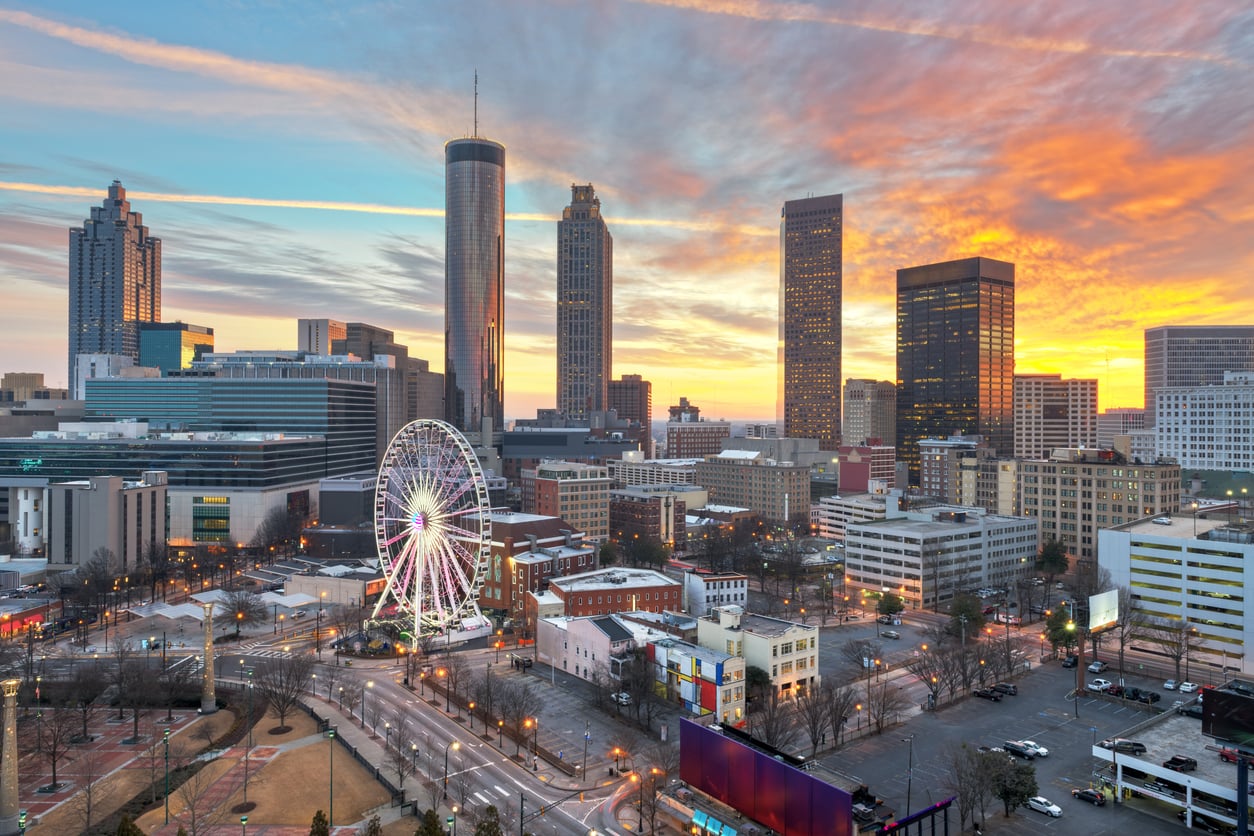
Atlanta becomes more affordable when visitors build the trip around its free public spaces. The Martin Luther King Jr. National Historical Park is free, while the Atlanta BeltLine combines trails, murals, parks, and neighborhood stops along a growing 22-mile corridor. The Atlanta Streetcar charges $1 and connects the King historic site with the Centennial Olympic Park area. Atlanta is still spread out, however. Travelers staying far from MARTA or the BeltLine may spend heavily on rideshares.
Sign up for our newsletter
St. Louis, Missouri
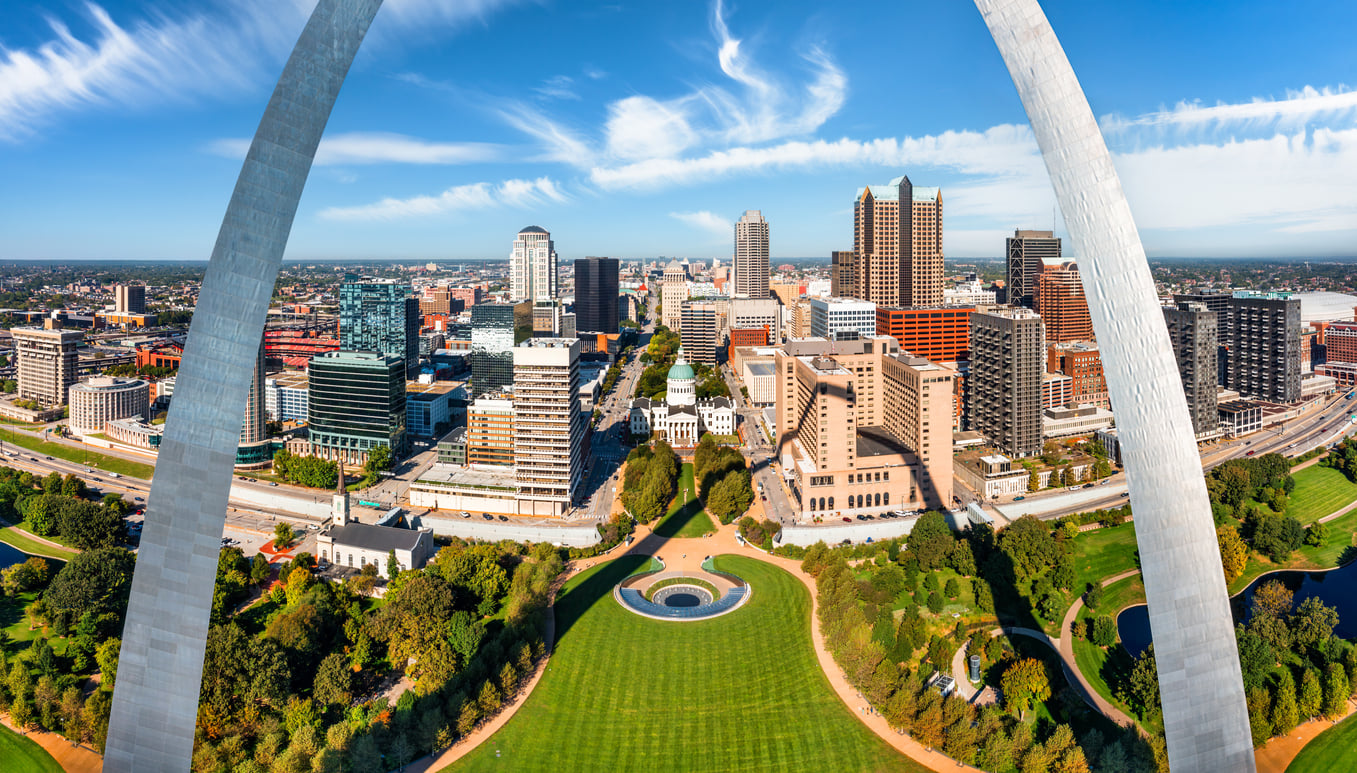
St. Louis has one of the country’s most useful clusters of free family attractions. Forest Park contains the Saint Louis Zoo, Saint Louis Art Museum, Missouri History Museum, and other cultural institutions, several of which offer free general admission. That allows a family to plan more than one full day without repeatedly buying tickets. The catch is transportation: zoo parking now costs $20 for nonmembers, and some special exhibitions or activities cost extra.
Kansas City, Missouri
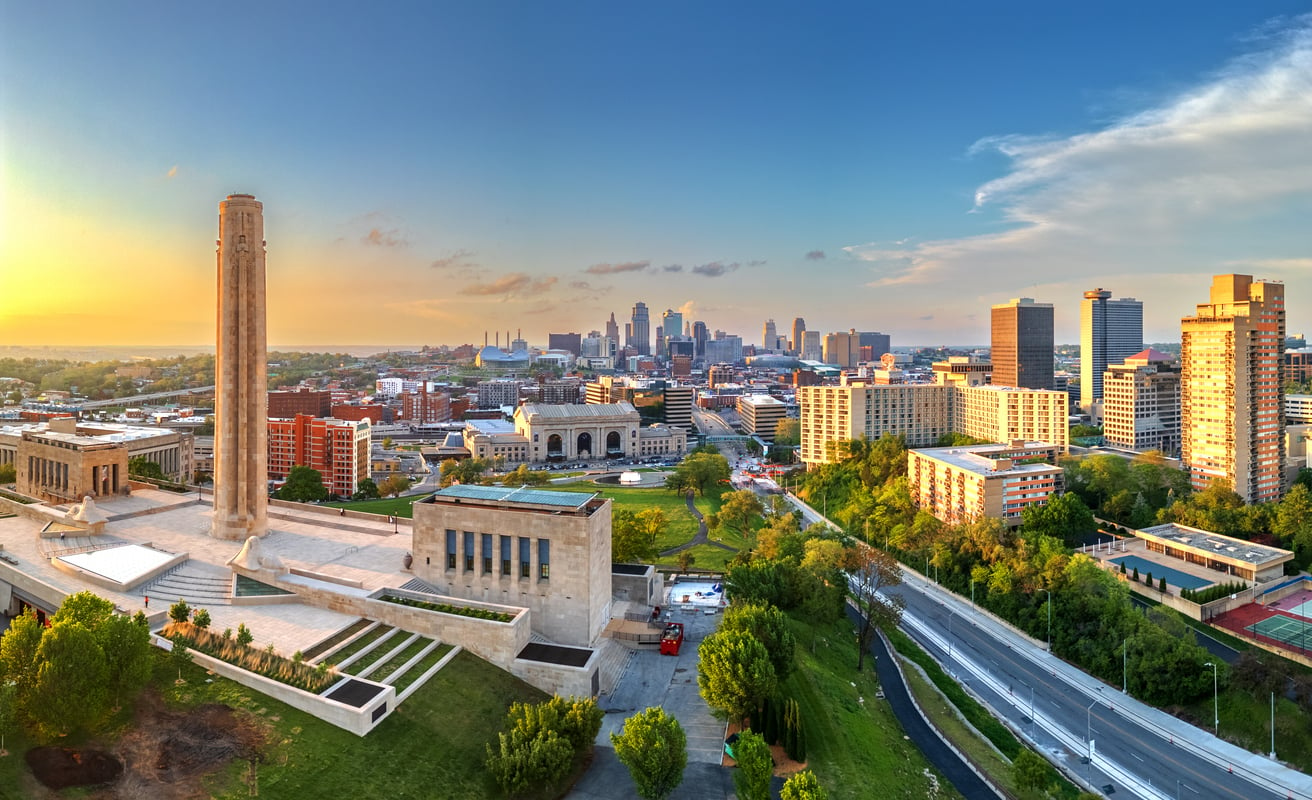
Kansas City’s recently expanded streetcar has strengthened its case as an affordable urban getaway. The 5.7-mile system is free and now connects downtown areas with an Art Museums stop near the Nelson-Atkins Museum of Art. General admission to the Nelson-Atkins is also free, though certain temporary exhibitions cost extra. Visitors can combine the museum, Union Station area, River Market, and downtown sightseeing without paying repeatedly for transportation. Attractions outside the streetcar corridor may still require buses, driving, or rideshares.
Baltimore, Maryland
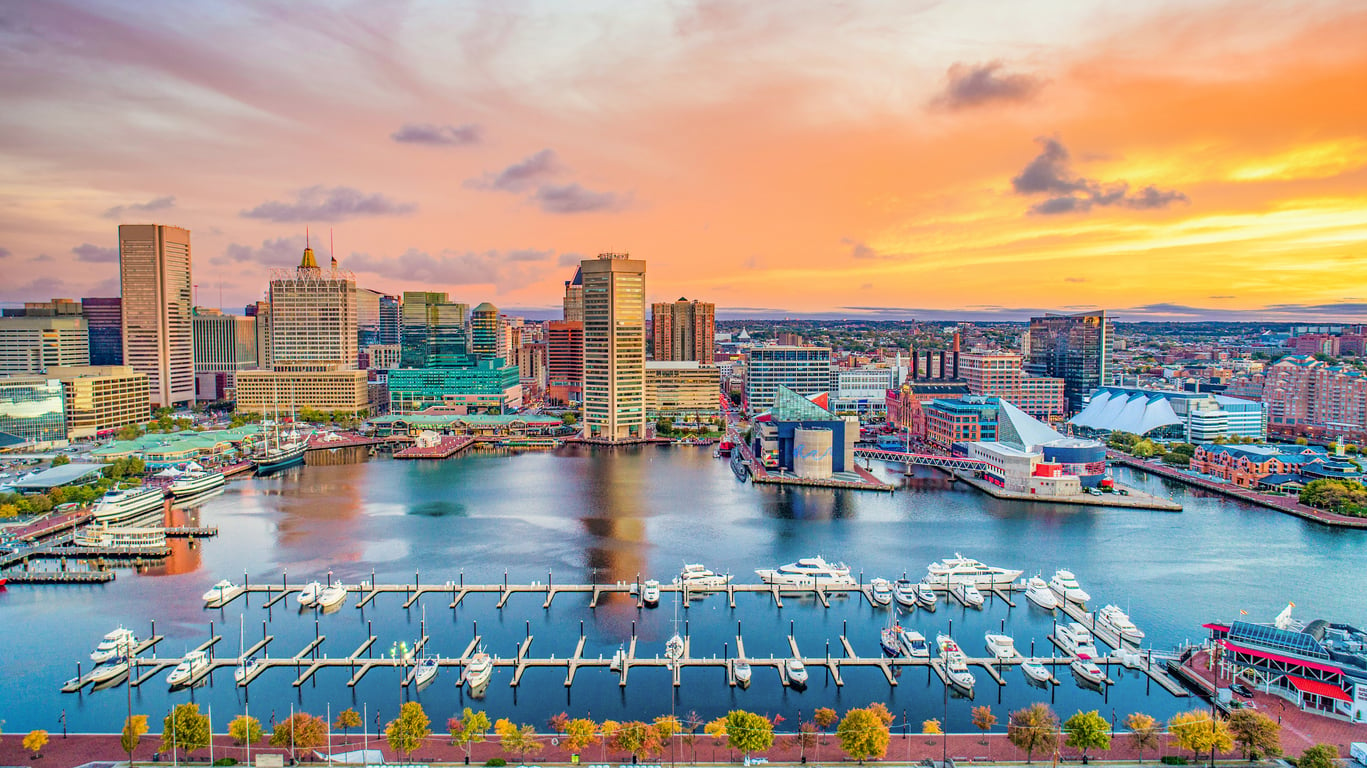
Baltimore has quietly assembled several useful resources for visitors watching their spending. The Walters Art Museum and Baltimore Museum of Art offer free general admission, while the Charm City Circulator provides fare-free service around parts of downtown and nearby neighborhoods. Travelers can walk the Inner Harbor, Mount Vernon, Federal Hill, and historic Fells Point, although not all areas are directly connected. Service intervals on the Circulator vary, and paid harbor attractions can be expensive.
Phoenix, Arizona
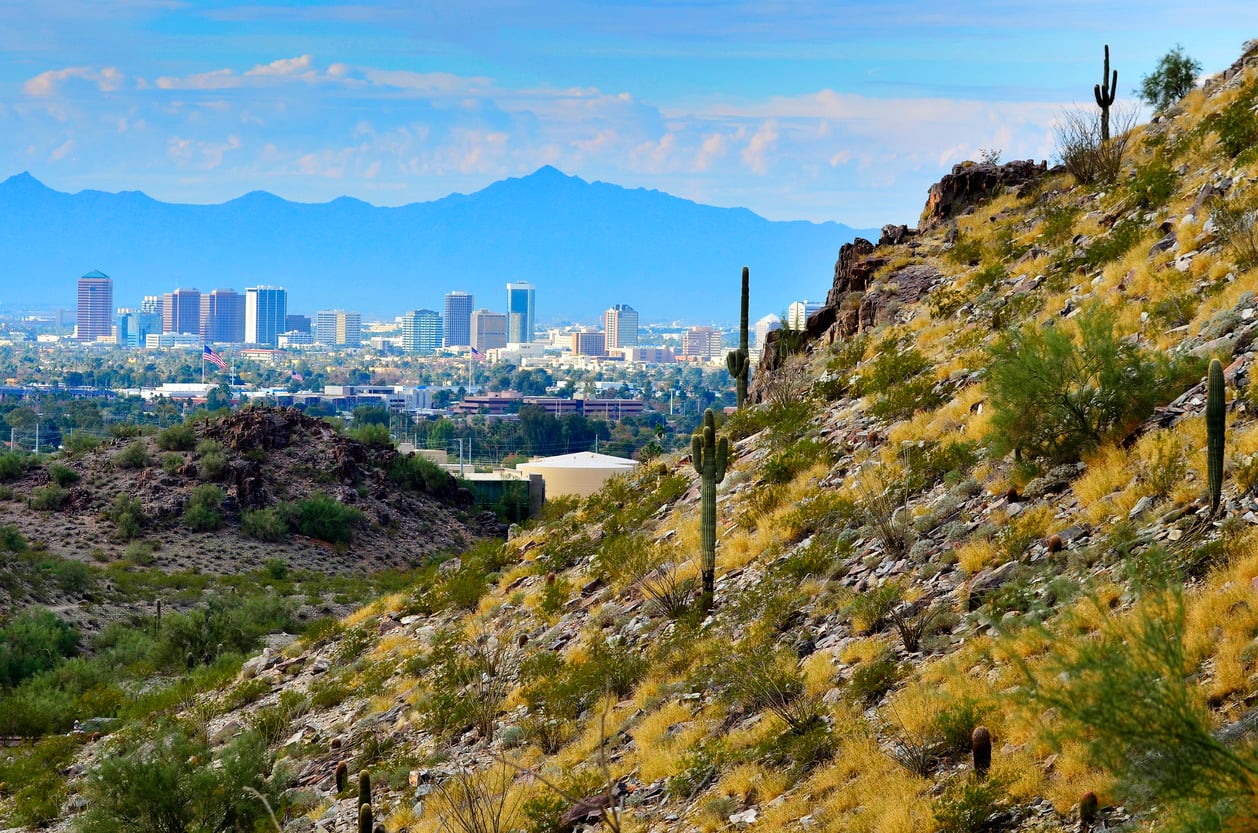
Phoenix can deliver excellent value, but only when travelers respect the season. Desert parks, public art around Roosevelt Row, and many city hiking trails require no admission, while cooler months make outdoor sightseeing comfortable. Late spring and summer often bring lower hotel prices, but those savings come with a serious limitation: extreme heat can trigger daytime trail closures, and temperatures above 105 degrees are common. A safer value strategy is to compare late fall and winter weekdays.