Travelers are increasingly looking beyond famous vacation capitals for places with fewer crowds, memorable attractions, and easier itineraries. These 20 travel destinations have gained attention over the past five years through new museums, revitalized downtowns, expanded outdoor recreation, and improved public spaces. Americans continue to prioritize domestic trips despite higher costs, according to the U.S. Travel Association, helping smaller cities and regional recreation hubs attract more visitors.
Bentonville, Arkansas
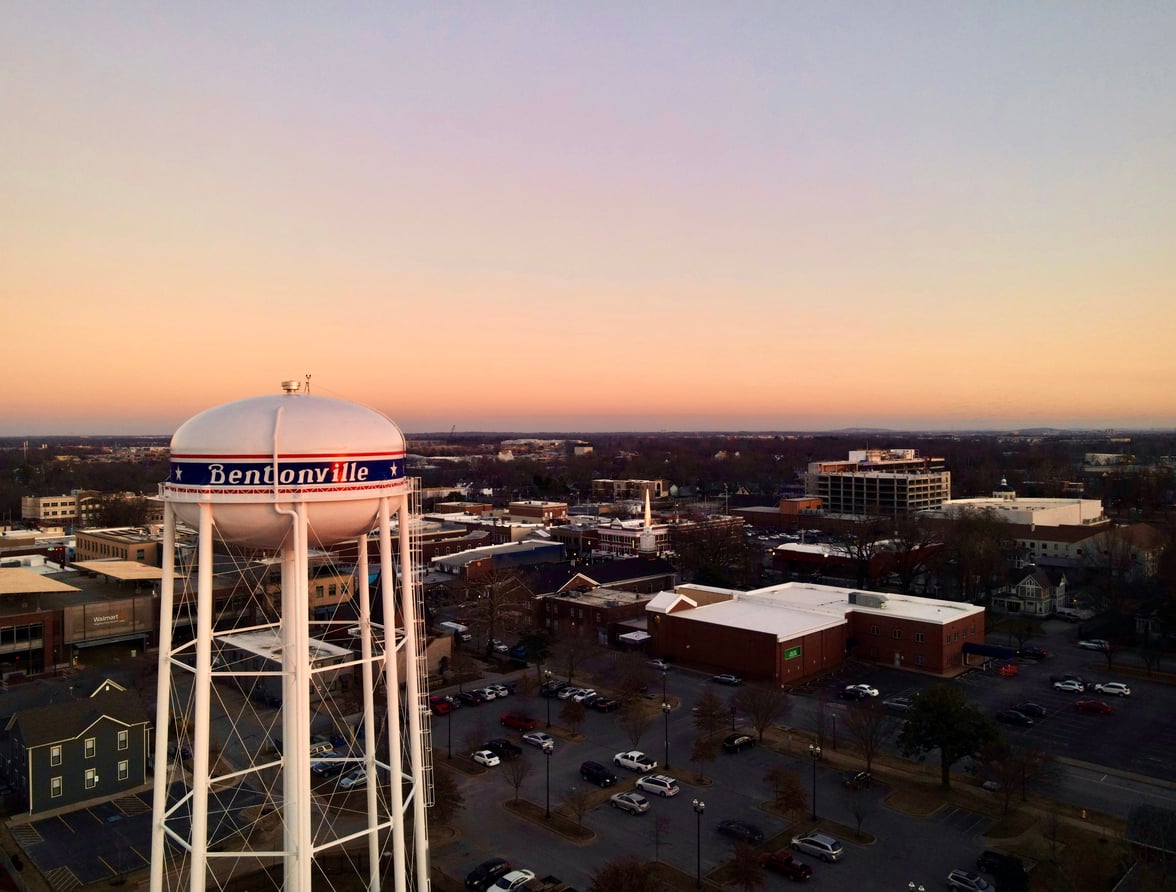
Bentonville’s transformation is difficult to miss. Crystal Bridges Museum of American Art helped establish the city as a serious cultural stop, while an extensive regional trail network made it equally appealing to cyclists. New hotels, restaurants, public art, and the 2026 OZ Trails Bike Park have added still more reasons to stay overnight. Crystal Bridges offers free general admission, which helps balance the increasingly upscale dining and lodging scene. Weekends and major cycling events can now feel surprisingly busy.
Chattanooga, Tennessee
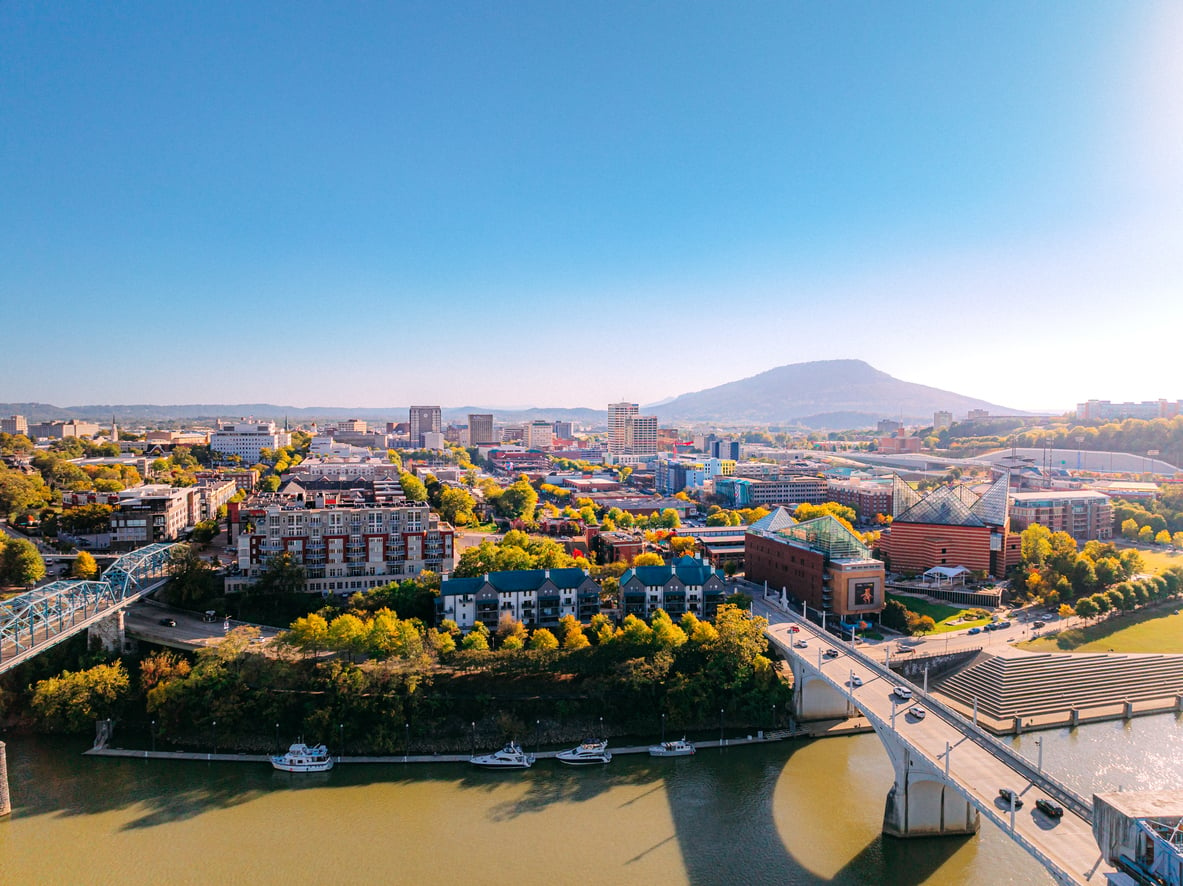
Chattanooga offers a combination that many larger cities struggle to provide: a lively riverfront and genuine outdoor recreation within a short drive of downtown. Visitors can walk along the Tennessee River, visit the aquarium, hike nearby ridges, paddle, cycle, or explore the area’s substantial climbing scene. Continued investment in outdoor events has helped raise its profile beyond the Southeast. Hotel prices can jump during festivals, and reaching some trailheads or mountaintop attractions is considerably easier with a car.
Greenville, South Carolina
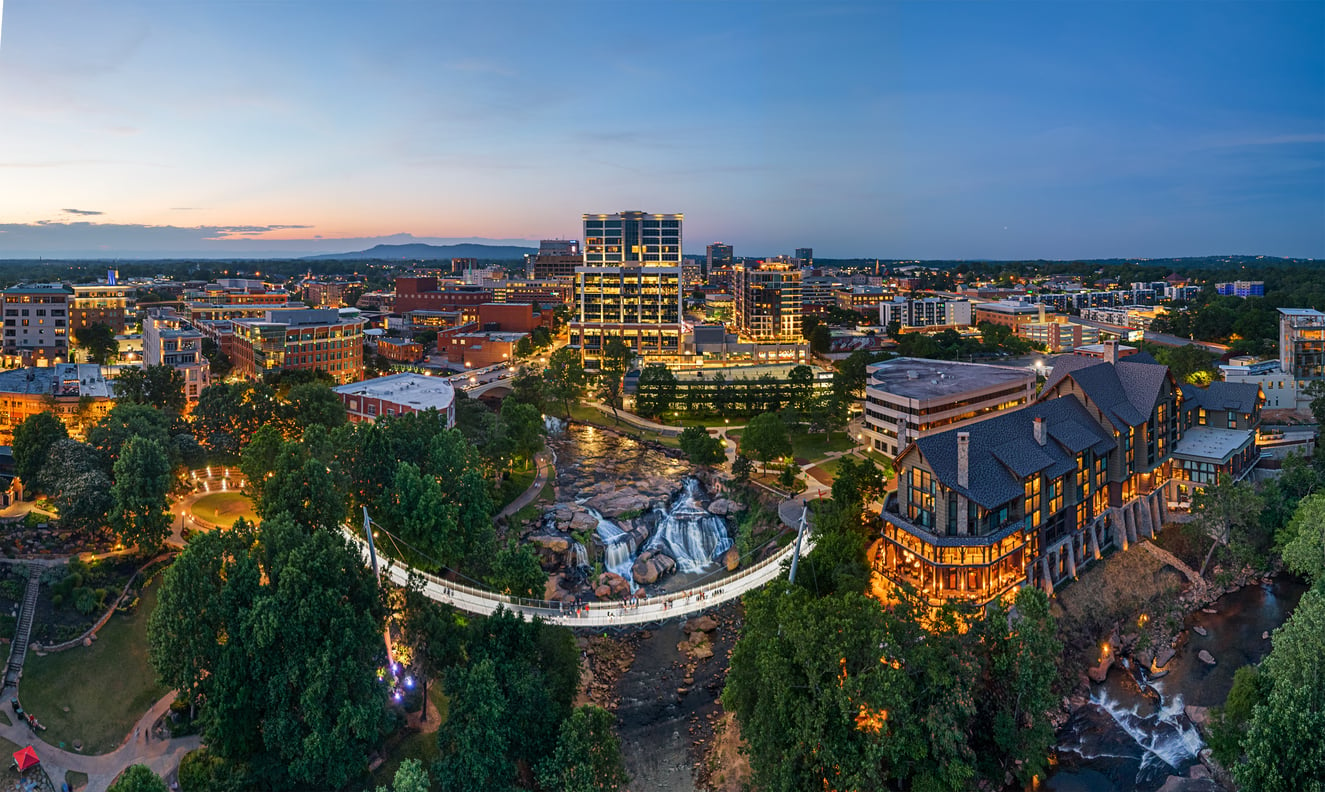
Greenville has steadily developed from a convenient business stop into a popular weekend destination. Falls Park on the Reedy gives the compact downtown an unusually scenic centerpiece, while Main Street is lined with restaurants, shops, hotels, and shaded places to sit. The Swamp Rabbit Trail also connects the city with Travelers Rest. Tourism’s economic impact has reached record levels in Greenville County, although the city’s popularity means downtown rooms and restaurants are not always the bargain visitors expect.
Boise, Idaho
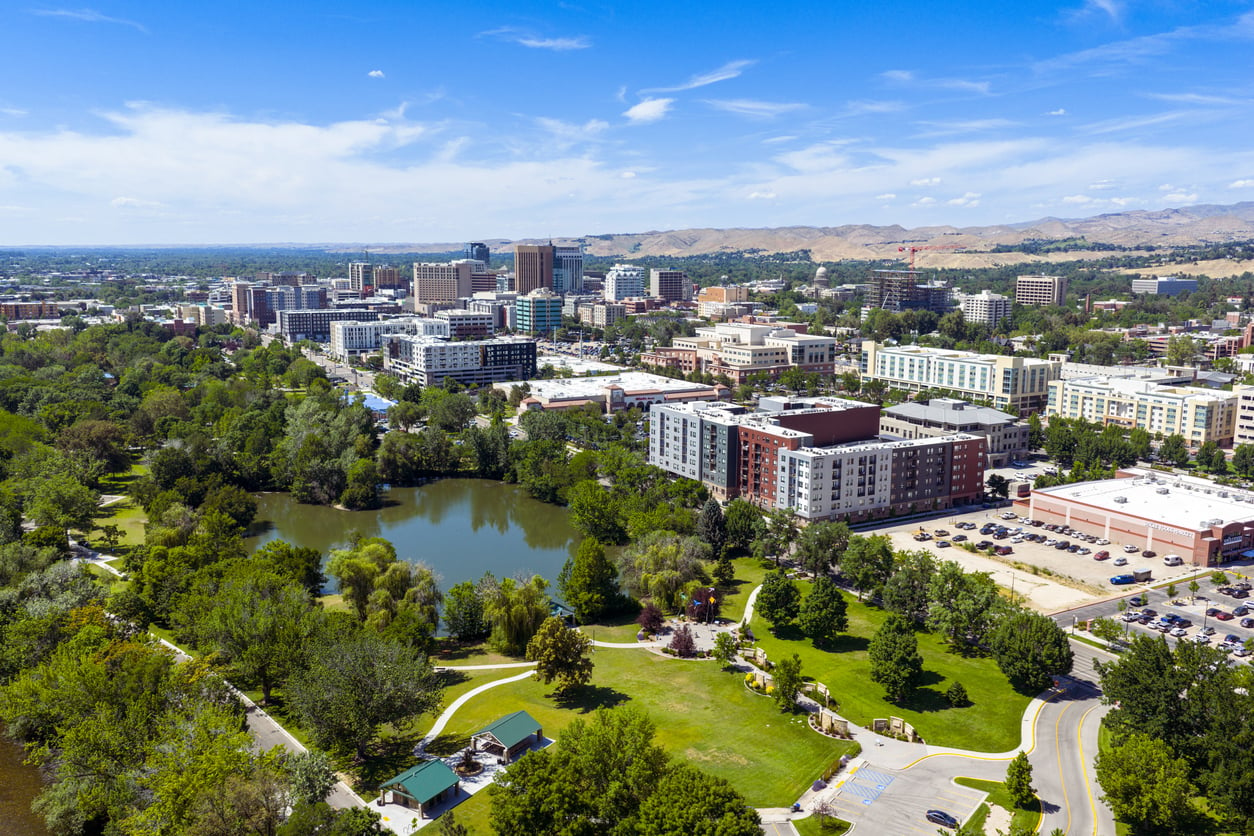
Boise has benefited from growing interest in cities that combine urban conveniences with easy outdoor access. The Boise River Greenbelt runs through the city, and foothill trails, river recreation, skiing, and hot springs are all within practical reach. New hotels, expanded air service, and national travel coverage have made the city easier to consider for a long weekend. Boise is still generally calmer than major Western tourism centers, but rapid regional growth has raised lodging costs.
Traverse City, Michigan
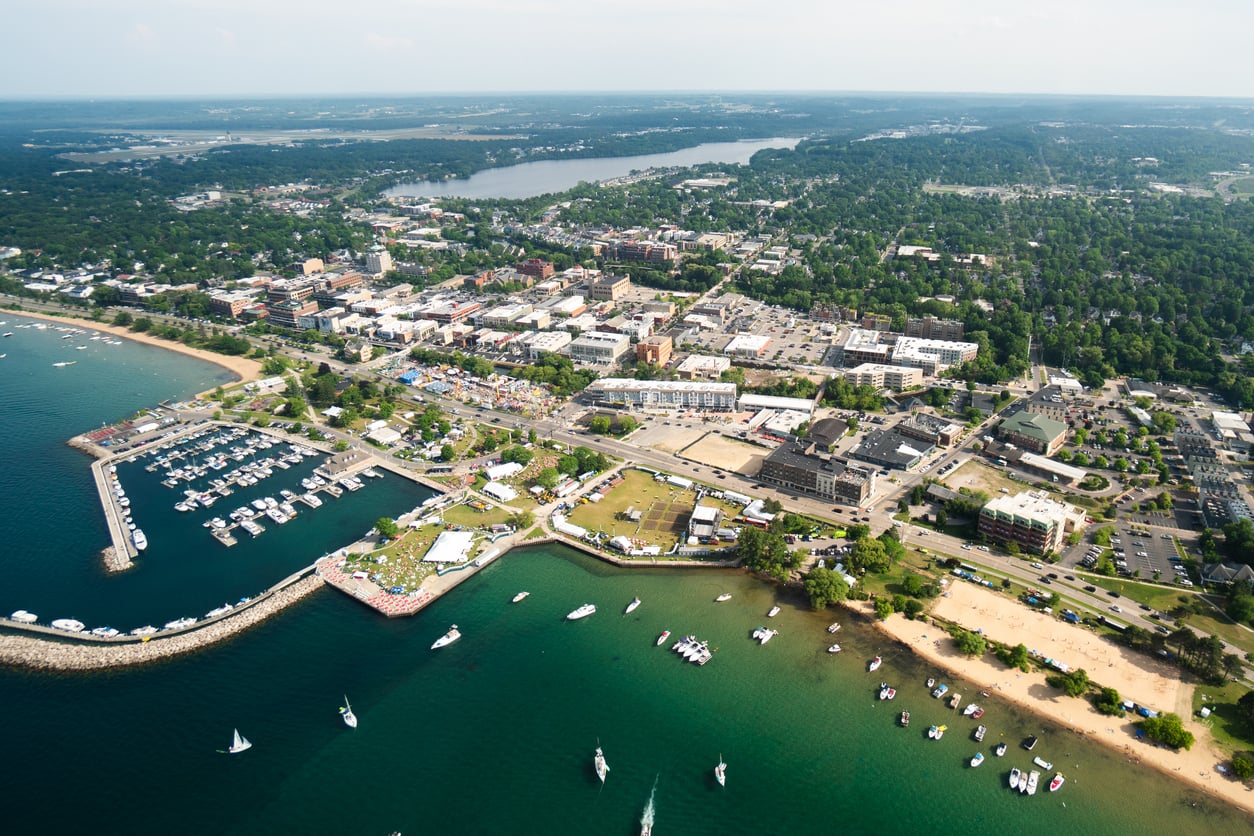
Traverse City has moved well beyond its identity as a cherry-season stop. It now draws wine travelers, food-focused weekenders, and visitors using the city as a base for Sleeping Bear Dunes and the Leelanau and Old Mission peninsulas. The surrounding landscape is especially appealing in summer and fall, when wineries, farm stands, and lake views are easy to combine. The drawback is popularity itself: peak-season traffic is heavy, reservations matter, and waterfront lodging can be expensive.
Trending on Cheapism
Kansas City, Missouri
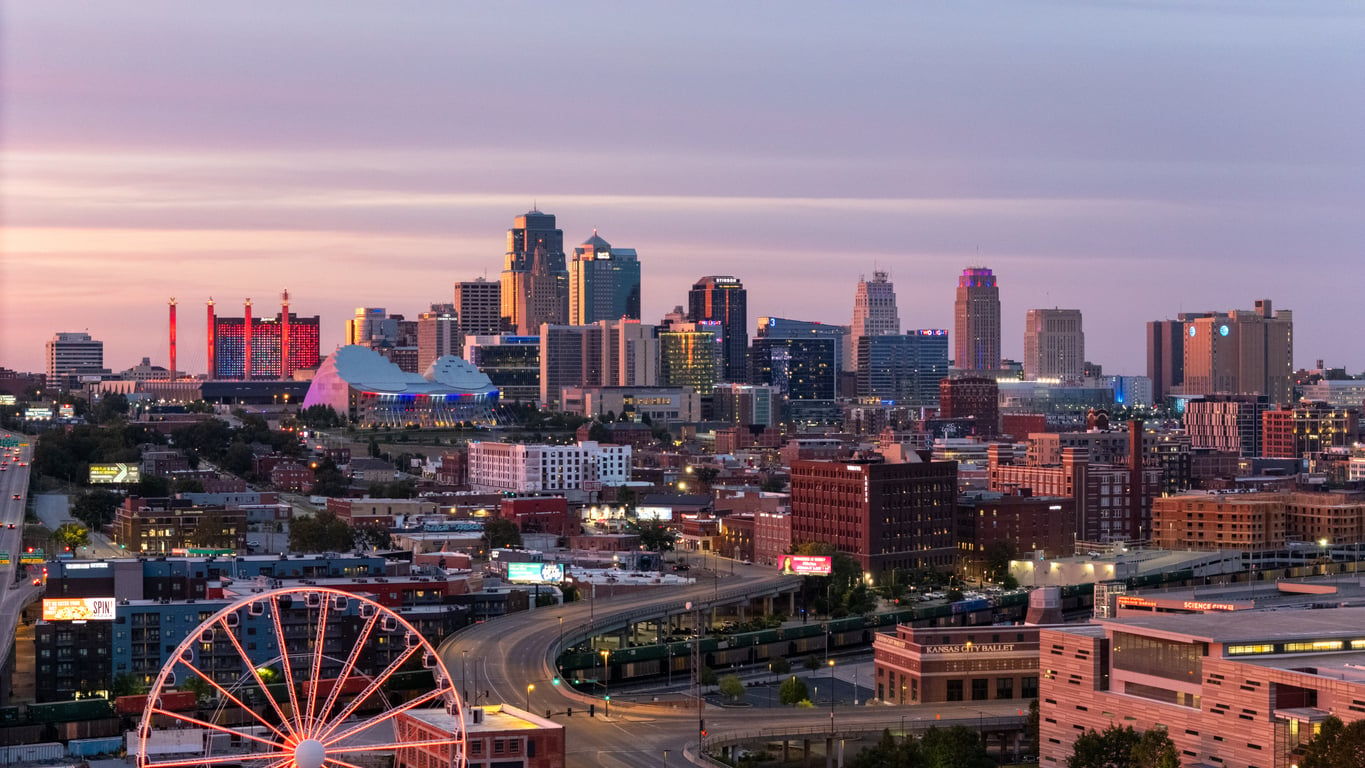
Kansas City’s profile has risen through sports, major events, museum investment, and a food scene that extends well beyond barbecue. The expanded airport has improved the arrival experience, while attractions such as the National WWI Museum and Memorial, Negro Leagues Baseball Museum, and Nelson-Atkins Museum give visitors plenty to do without building an expensive itinerary. The region welcomed roughly 29 million annual visitors and generated about $4 billion in direct visitor spending in 2025.
Big Sky, Montana
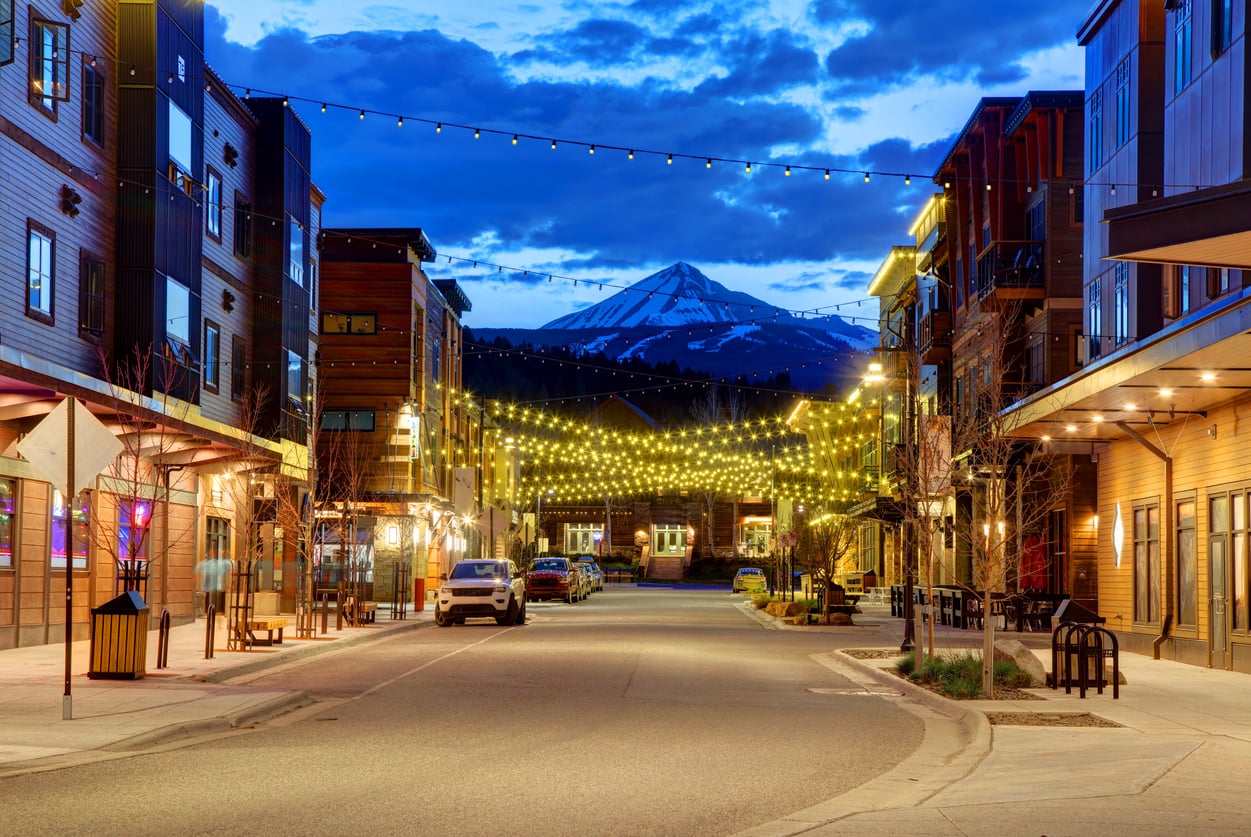
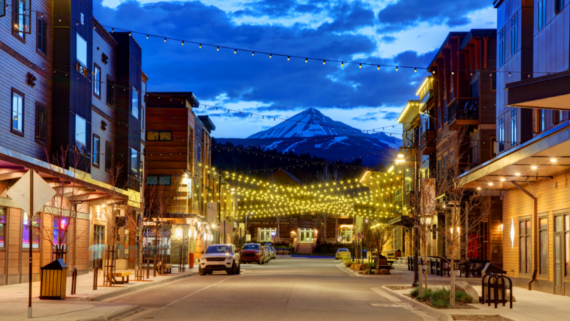
Big Sky’s rise has been driven by both winter sports and its location near Yellowstone National Park. Major resort investment, new luxury properties, and increased summer programming have turned it into more of a year-round destination. Travelers can ski, hike, or ride mountain trails. This is not a budget substitute for Aspen: accommodations, meals, rental cars, and resort activities can be expensive, especially during ski season and midsummer.
Missoula, Montana
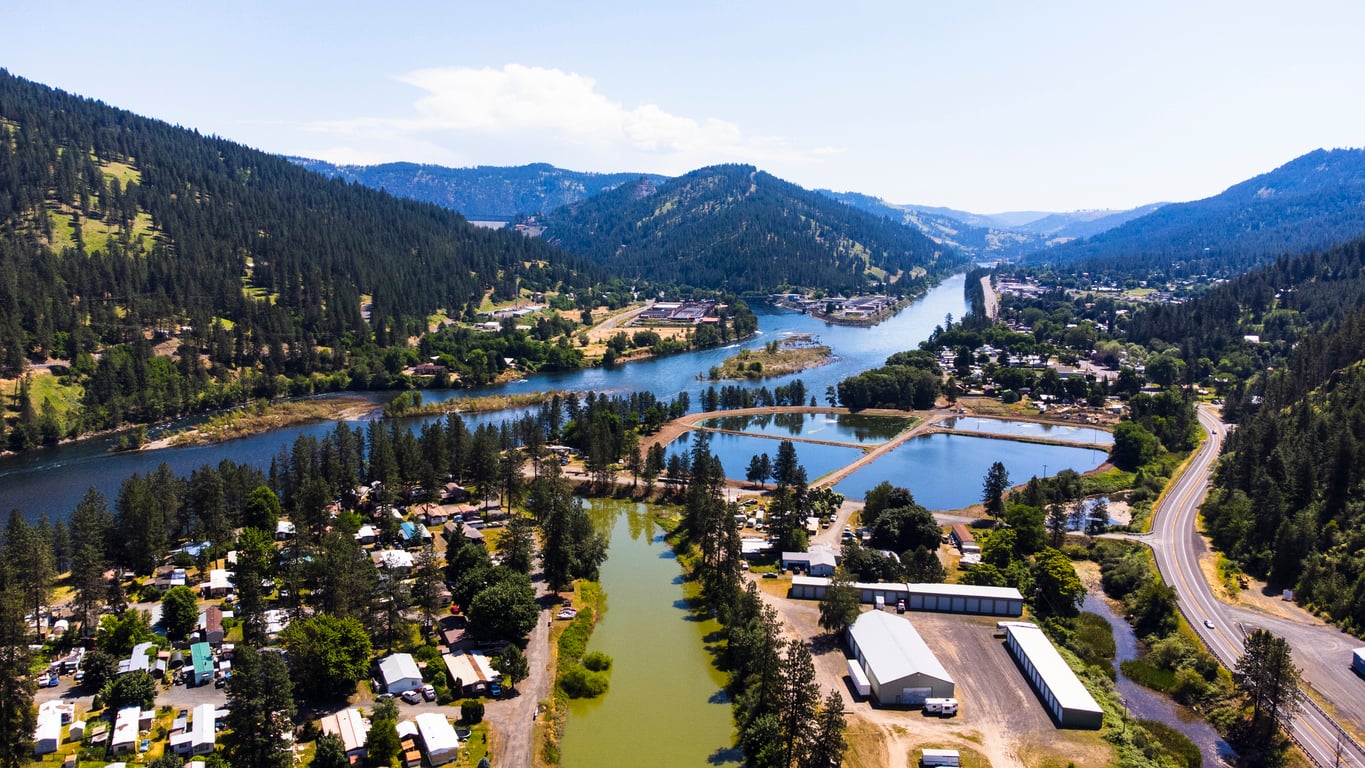
Missoula appeals to travelers who want rivers, trails, breweries, bookstores, and a manageable downtown without committing to a remote wilderness vacation. The Clark Fork River runs through the city, and hiking, fishing, rafting, and cycling are readily accessible. Growing flight interest and national coverage have brought more attention to the city as a Western recreation base. Missoula is sometimes marketed as a gateway to Glacier National Park, but the park is roughly a three-hour drive away.
Sign up for our newsletter
Hood River, Oregon
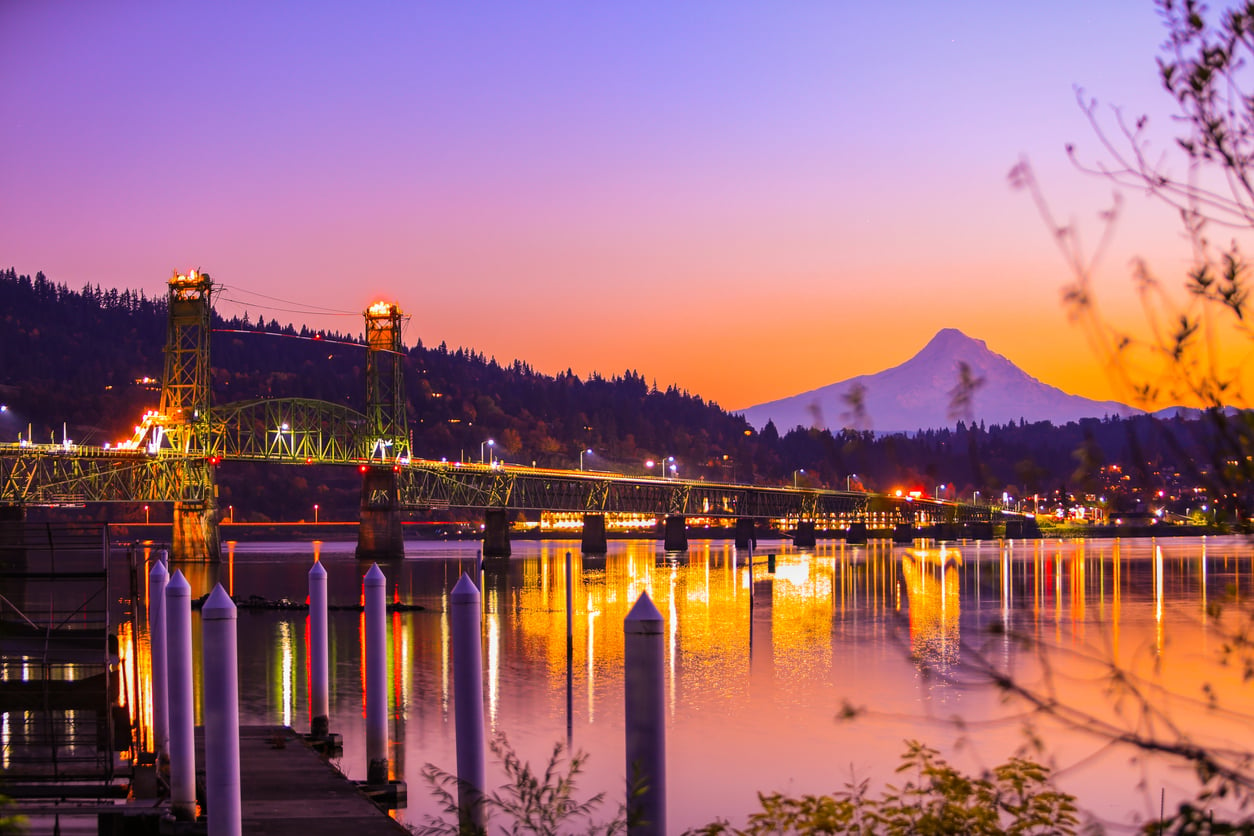
Hood River has developed into one of the Columbia River Gorge’s busiest recreation towns. Windsurfing and kiteboarding first built its adventure reputation, but wineries, orchards, breweries, and boutique lodging have broadened its appeal. The compact downtown is enjoyable between outings, and the surrounding Fruit Loop provides an easy scenic drive. Visitors should not expect hidden-gem prices, however. Summer weekends can bring crowded roads, limited parking, and high room rates.
Duluth, Minnesota
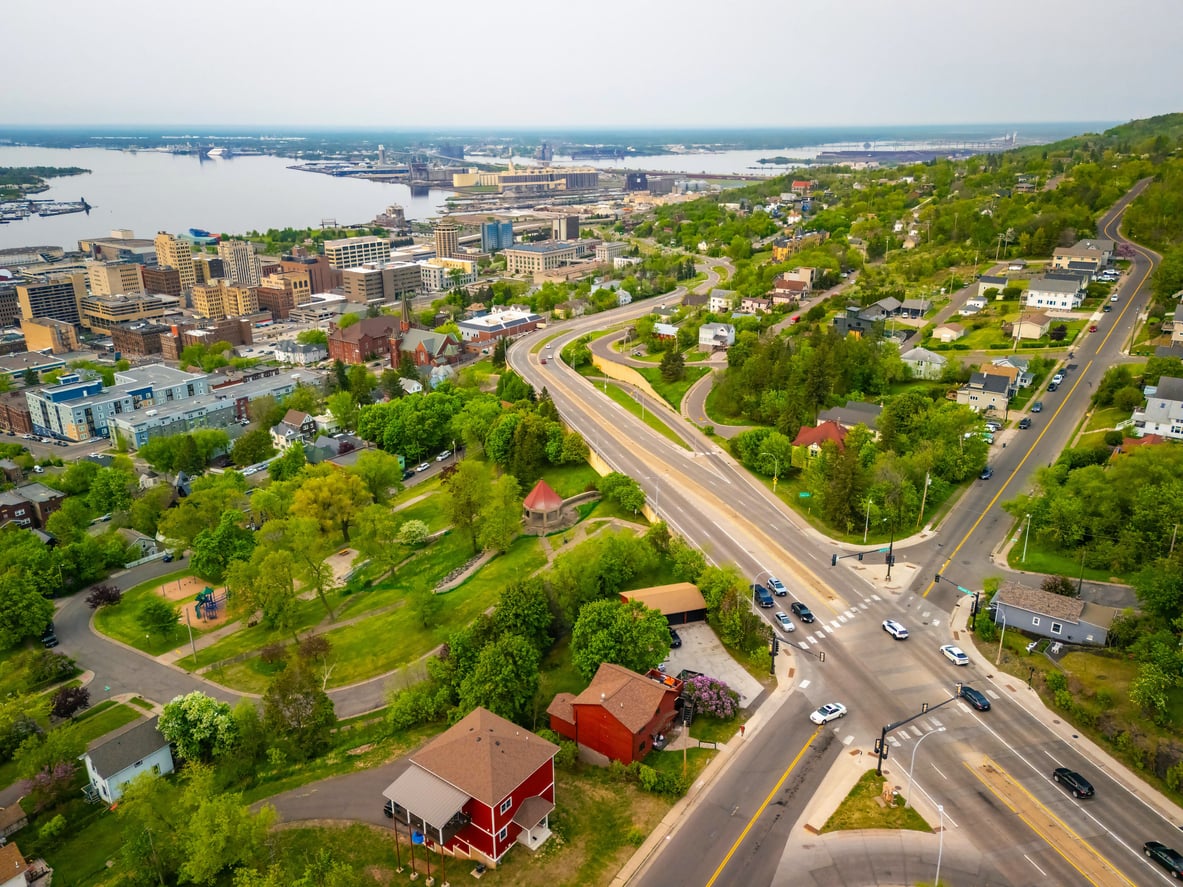
Duluth has gained attention as travelers seek cooler summer destinations and affordable alternatives to heavily visited mountain towns. Lake Superior, the Lakewalk, historic Canal Park, and easy access to the North Shore create a trip that feels outdoorsy without requiring strenuous activity. Hikers and cyclists have increasingly more trail options, while scenic drives work well for less-mobile visitors. The lake moderates summer temperatures, but it can also produce fog, wind, and sudden cold.
Rapid City, South Dakota
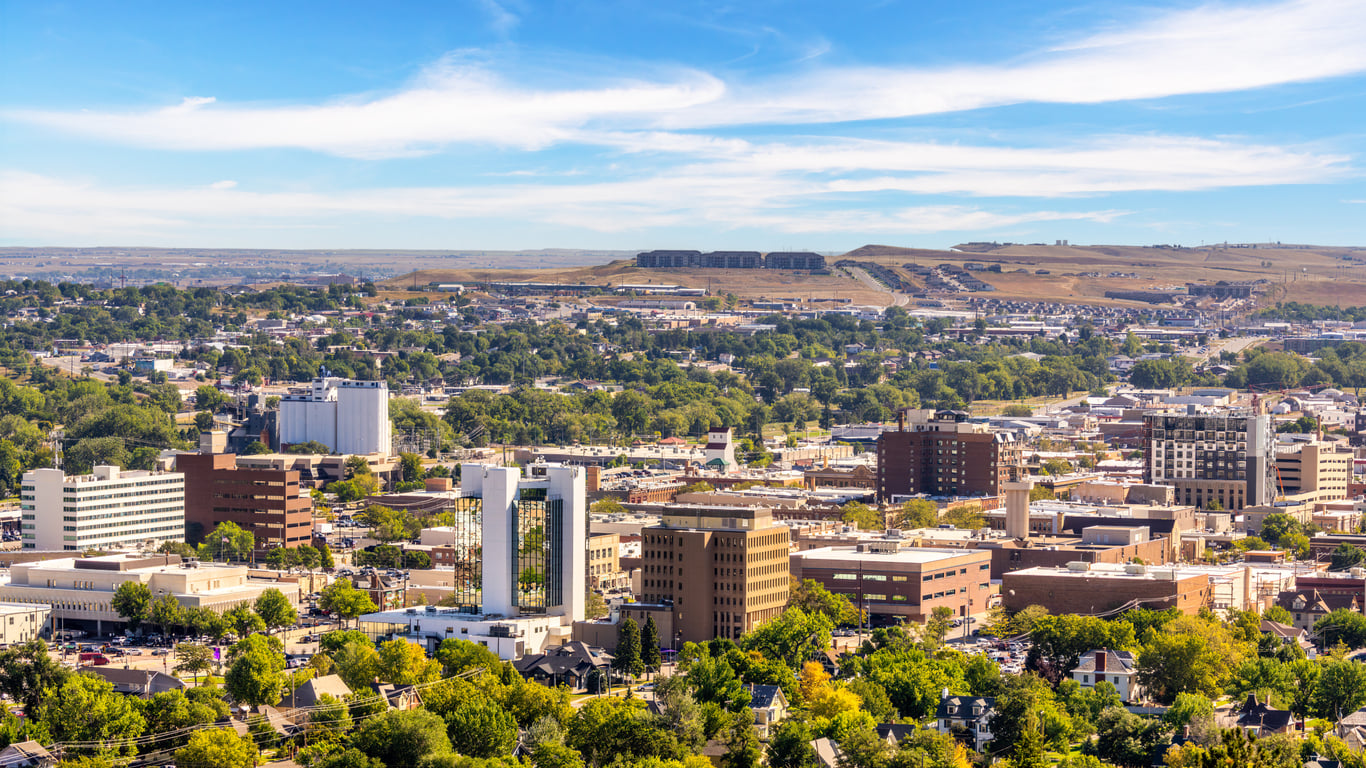
Rapid City is becoming more than a place to sleep between Black Hills attractions. Its walkable downtown, public art, restaurants, and Journey Museum make it a practical base for Mount Rushmore, Custer State Park, Badlands National Park, and the Crazy Horse Memorial. The city welcomed 3.93 million visitors in 2025, up 1.4% from 2024, while visitor spending also increased. Distances between regional sights are substantial, so travelers should budget for fuel and avoid packing too many drives into one day.
Sarasota, Florida
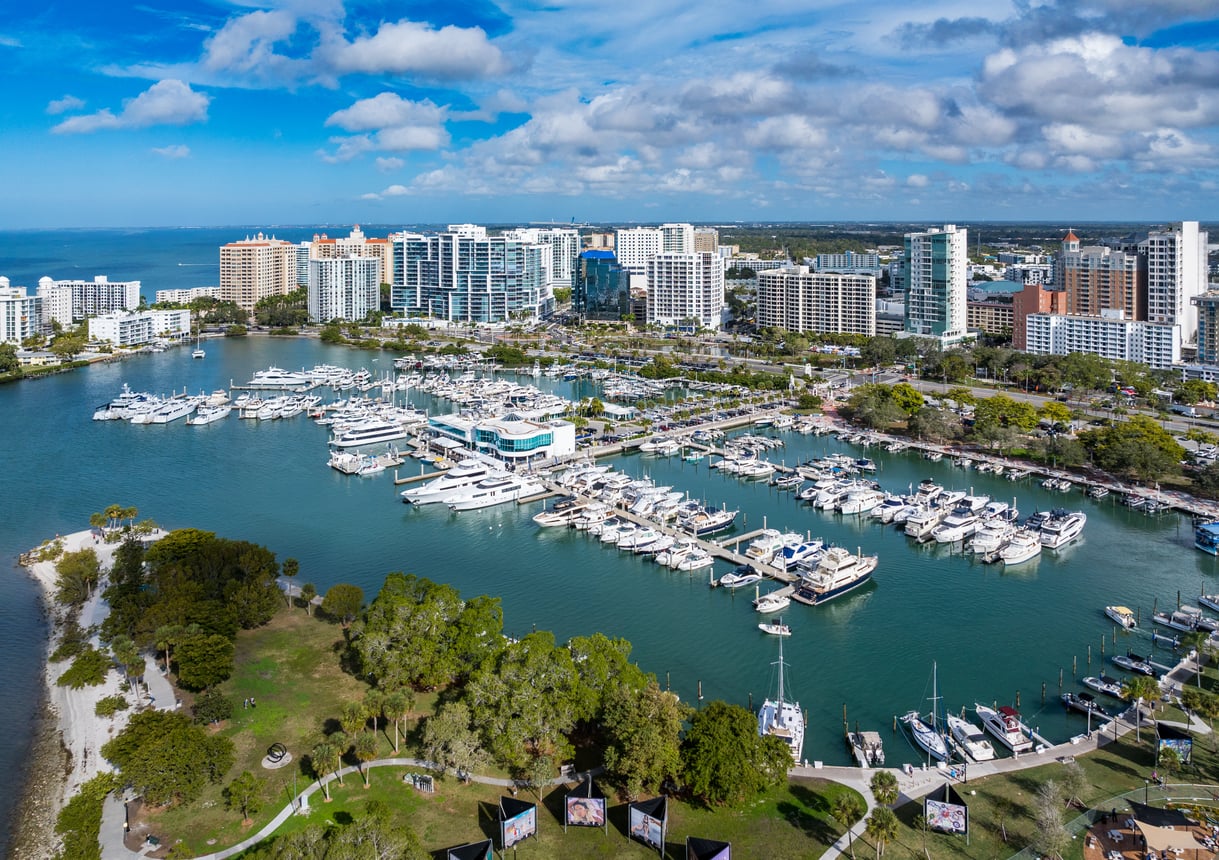
Sarasota’s reputation has expanded beyond retirement communities and winter residents. Gulf beaches remain the major draw, but the Ringling museum complex, performing arts, botanical gardens, and a growing collection of polished hotels give visitors alternatives when the weather is uncooperative. It is not necessarily inexpensive, though. Beachfront rooms, parking, and restaurant bills climb during winter, while hurricane season can disrupt plans and intensify travel-insurance concerns.
Tulsa, Oklahoma
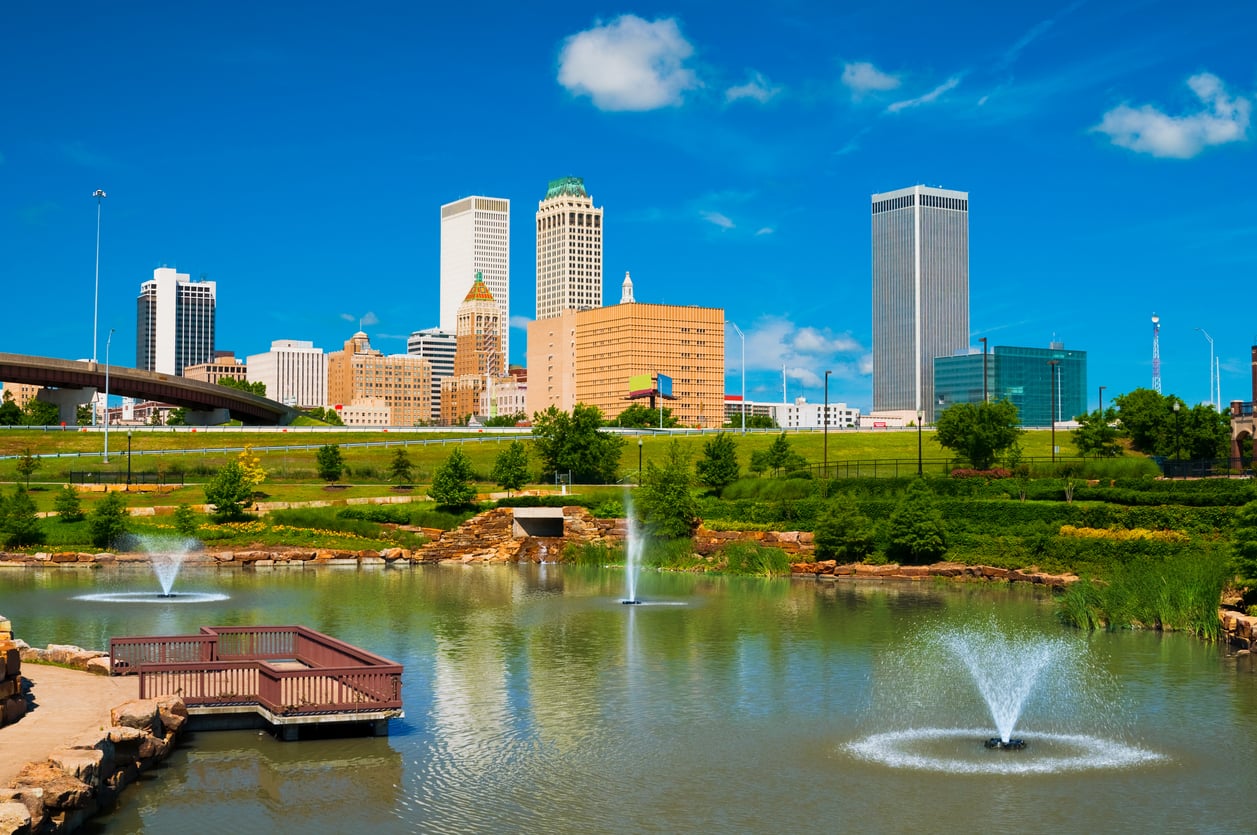
Tulsa has gained traction through unusually ambitious public-space and cultural investments. Gathering Place turned the Arkansas River waterfront into a major free attraction, while the Bob Dylan Center, Woody Guthrie Center, Art Deco architecture, and renewed interest in Route 66 provide several distinct reasons to visit. Downtown becomes quiet in places outside event hours, and many attractions are scattered enough that visitors will probably find a car more convenient than public transportation.
Omaha, Nebraska
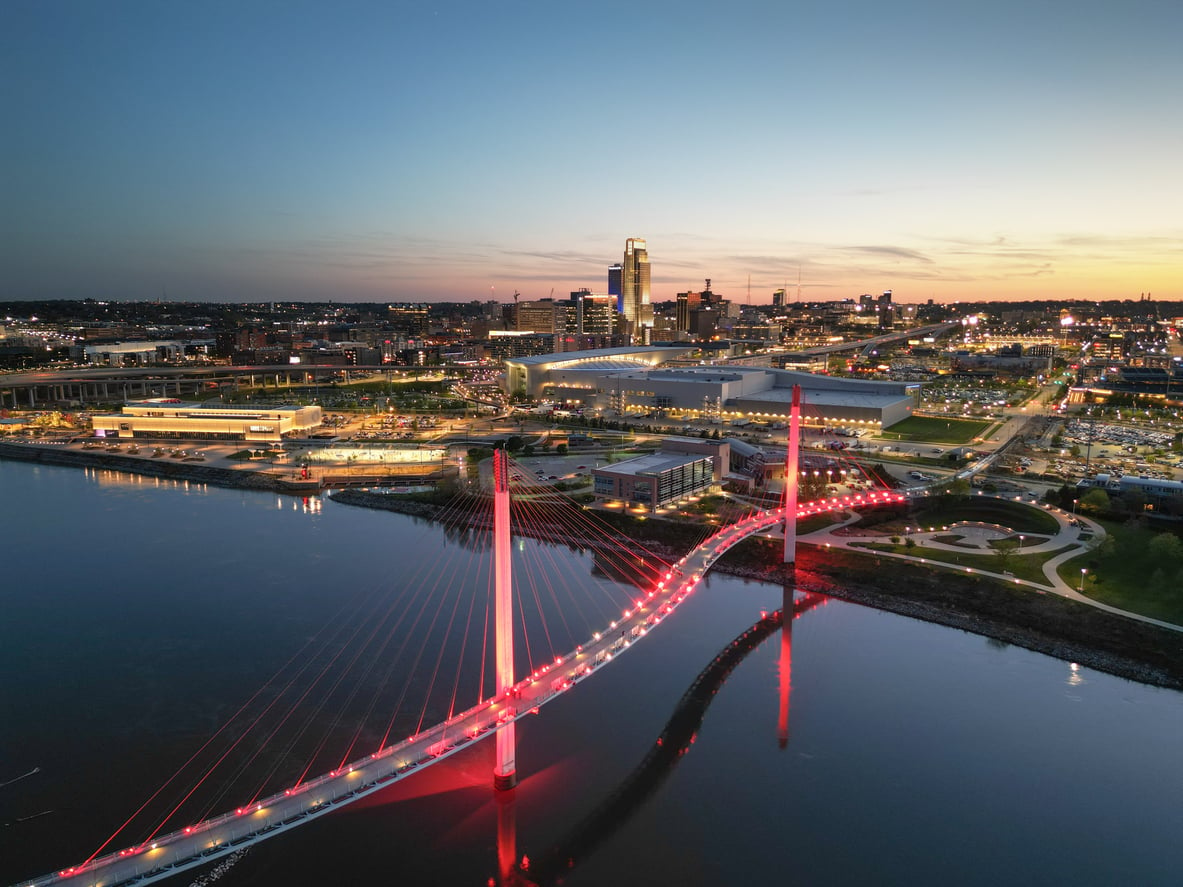
Omaha is increasingly being treated as a leisure destination rather than merely a convention or business stop. The extensively renovated riverfront connects downtown parks and public spaces, while the Henry Doorly Zoo and Aquarium remains a substantial family attraction. The Old Market offers historic buildings, restaurants, and shops in a walkable area. Fora has included Omaha among rising second cities. The city is easy to navigate.
Baltimore, Maryland
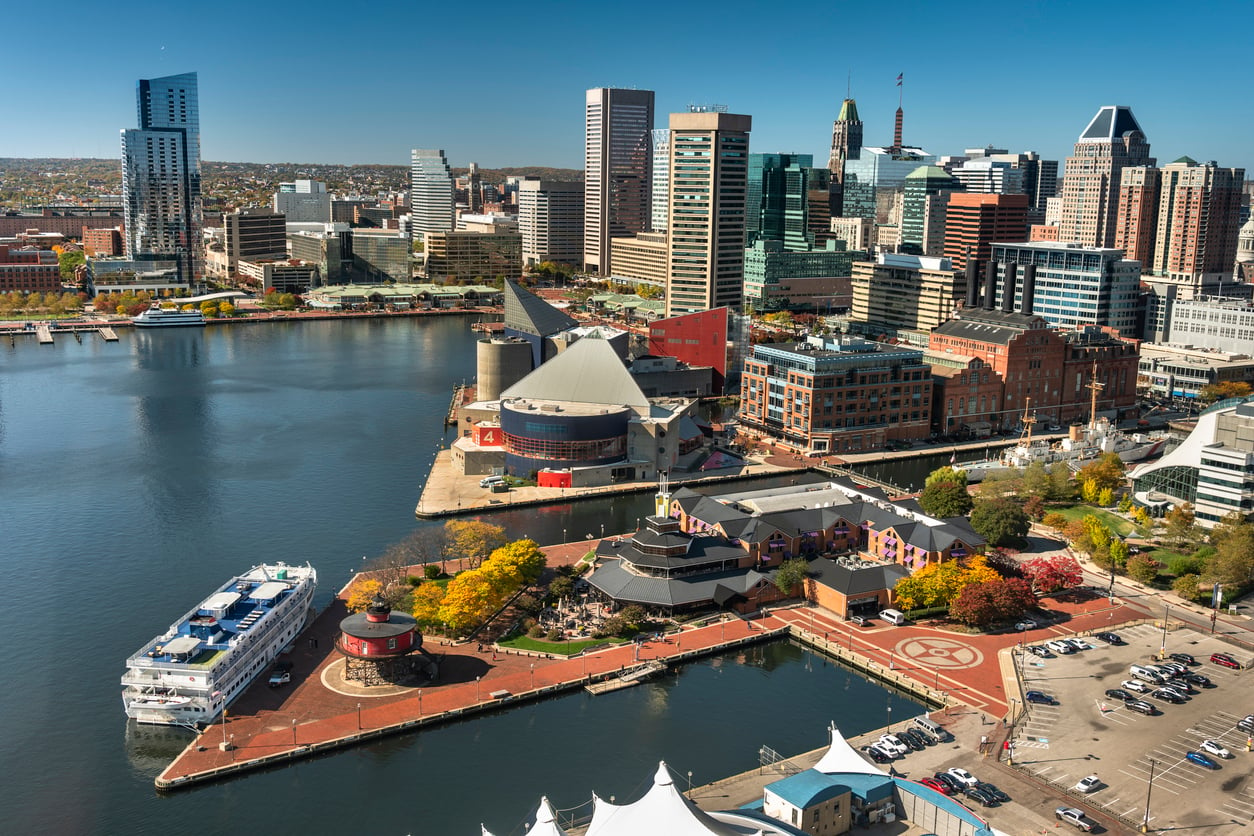
Baltimore is drawing renewed interest from travelers seeking a less-expensive East Coast city break with major museums, historic neighborhoods, and serious seafood. The American Visionary Art Museum, Walters Art Museum, Fort McHenry, railroad history, and neighborhoods such as Fells Point provide more variety than the Inner Harbor alone suggests. Visitors should research neighborhoods carefully, because conditions can change within a few blocks and the downtown waterfront remains uneven following years of redevelopment.
St. Petersburg, Florida
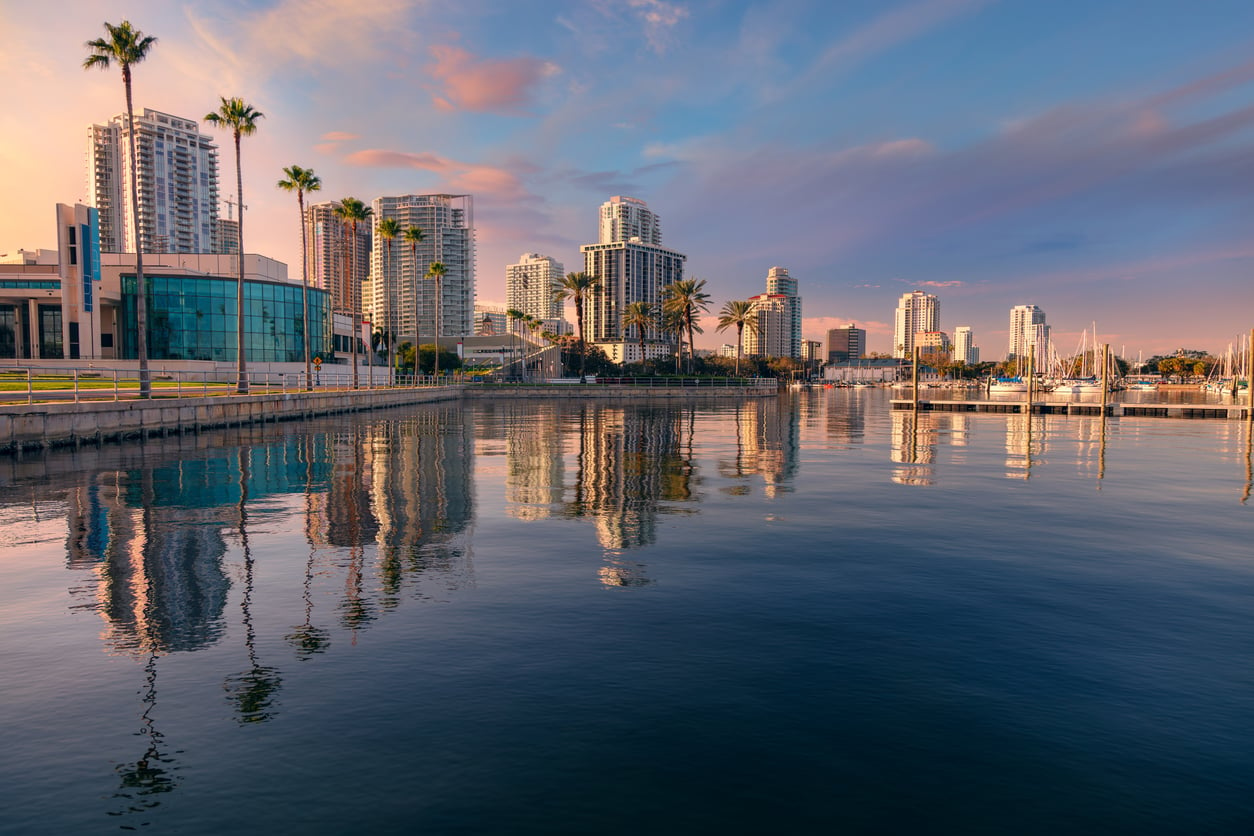
St. Petersburg has grown from a quieter Tampa Bay beach base into a destination with a recognizable cultural identity. The Dali Museum, Museum of the American Arts and Crafts Movement, murals, independent restaurants, and a redeveloped waterfront have helped make downtown worth several days on its own. Nearby Gulf beaches add an easy second half to the trip. St. Petersburg and St. Pete Beach should not be treated as interchangeable, however; traffic between downtown and the coast can be slow.
Carlsbad, California
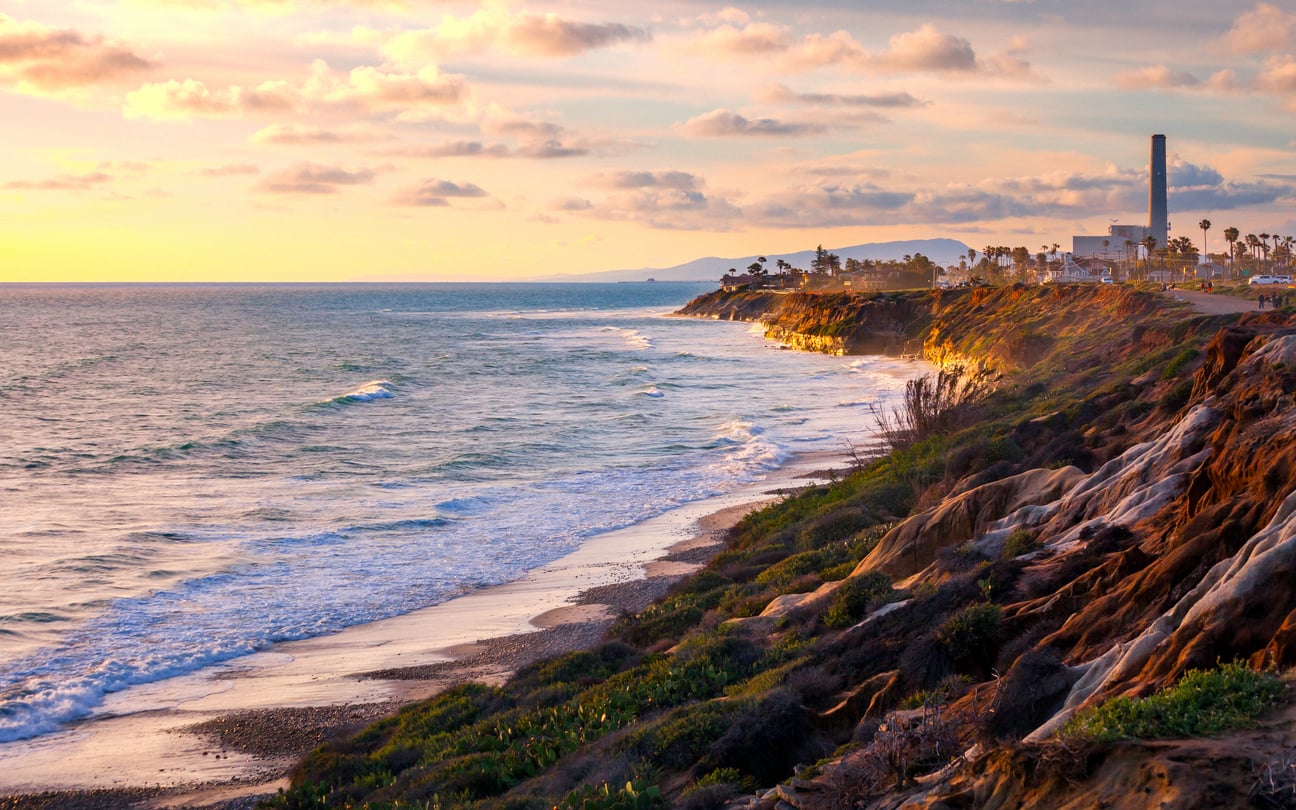
Carlsbad offers an easier-paced alternative to central San Diego, particularly for families combining beach time with LEGOLAND California. Carlsbad Village is walkable, the state beaches receive strong traveler reviews, and the seasonal Flower Fields add a recognizable spring attraction. The city’s growing resort inventory has increased its visibility, but affordability is relative. Coastal hotels, theme-park tickets, and restaurant meals can add up quickly.
Buffalo, New York
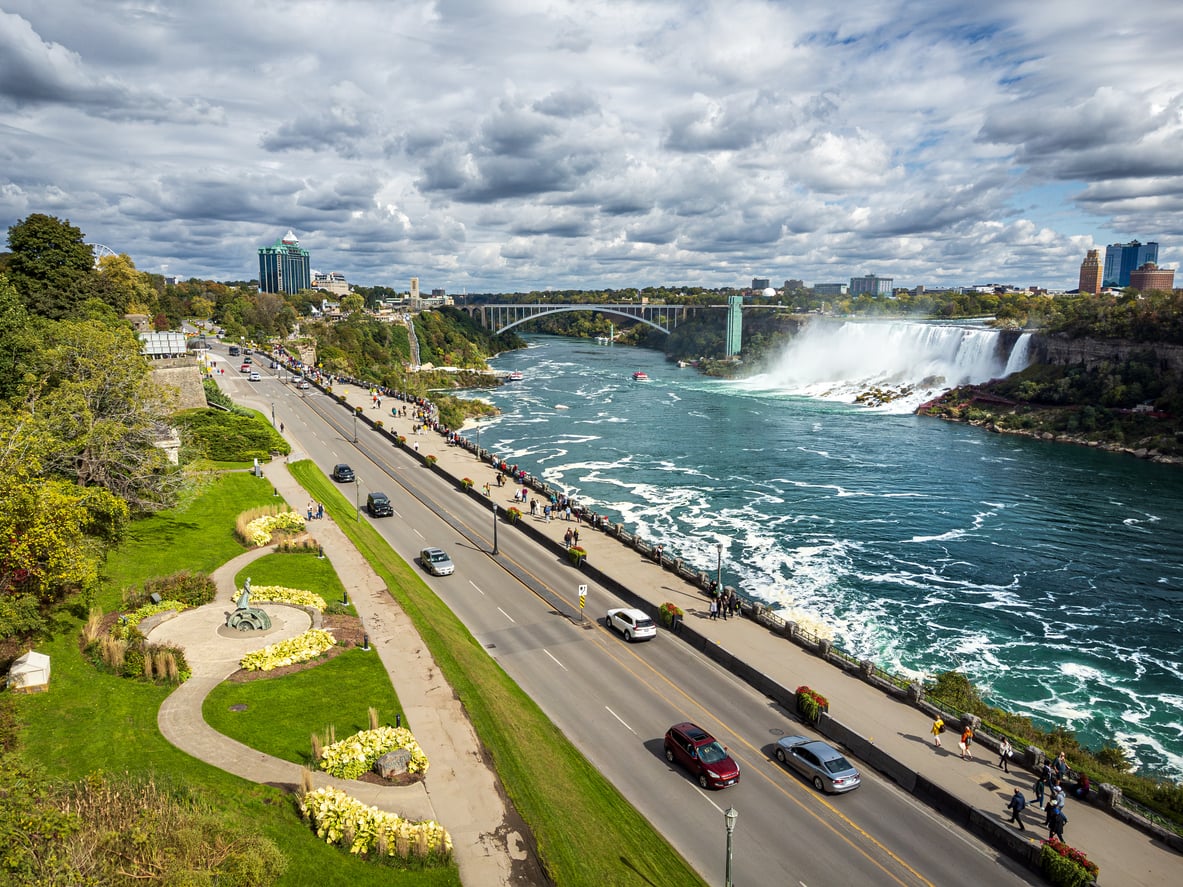
Buffalo’s architectural and cultural revival has given travelers reasons to stay rather than pass through on the way to Niagara Falls. Restored historic buildings, Frank Lloyd Wright sites, the expanded Buffalo AKG Art Museum, waterfront development, and a distinctive neighborhood food culture have all strengthened the city-break appeal. Conde Nast Traveler included Buffalo among its U.S. destinations to watch for 2026.
Knoxville, Tennessee
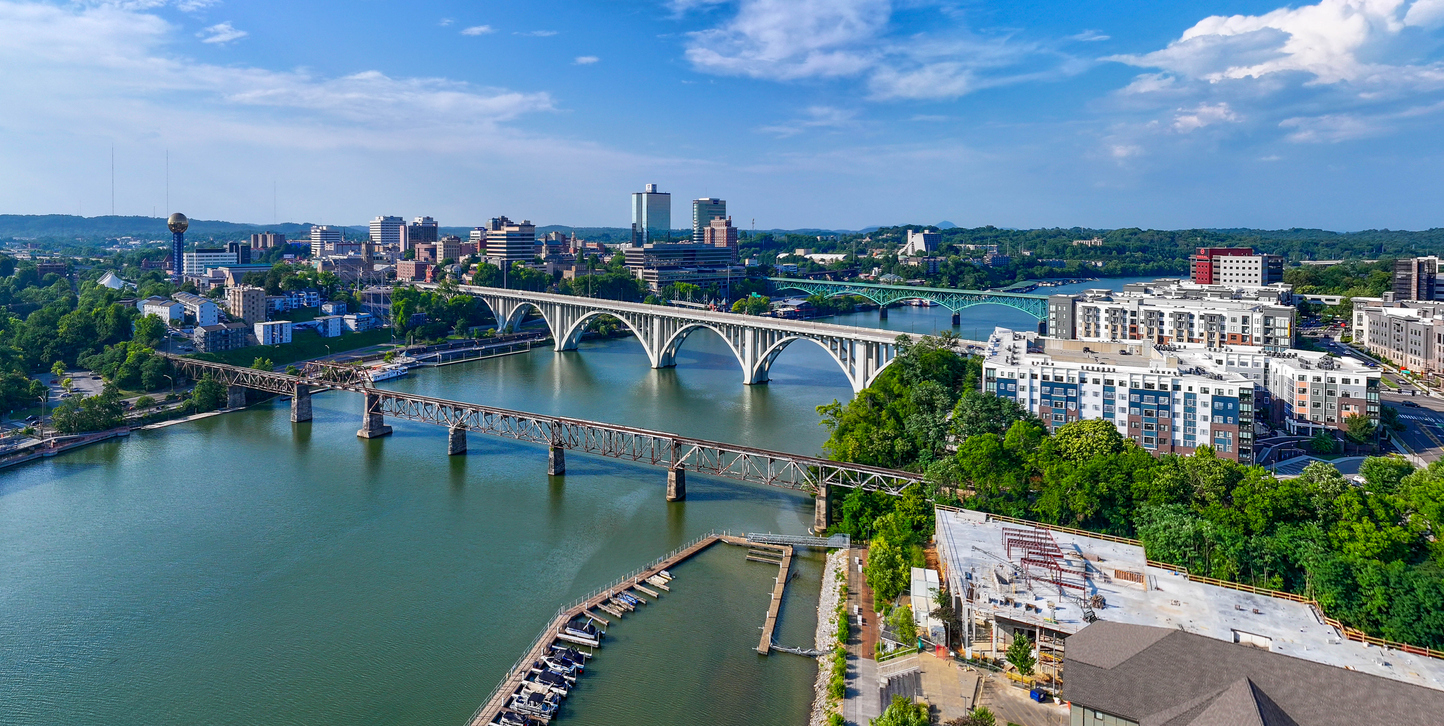
Knoxville is benefiting from growing interest in East Tennessee and the Great Smoky Mountains, but the city has enough character to work as more than a gateway. Market Square, the Tennessee River, Ijams Nature Center, live music, and the city’s University of Tennessee energy create a varied weekend itinerary. New regional trails and outdoor investments are bringing additional attention to the area. Football weekends can make rooms scarce and expensive, while reaching the Smokies and smaller mountain communities still requires a car.
Indianapolis, Indiana
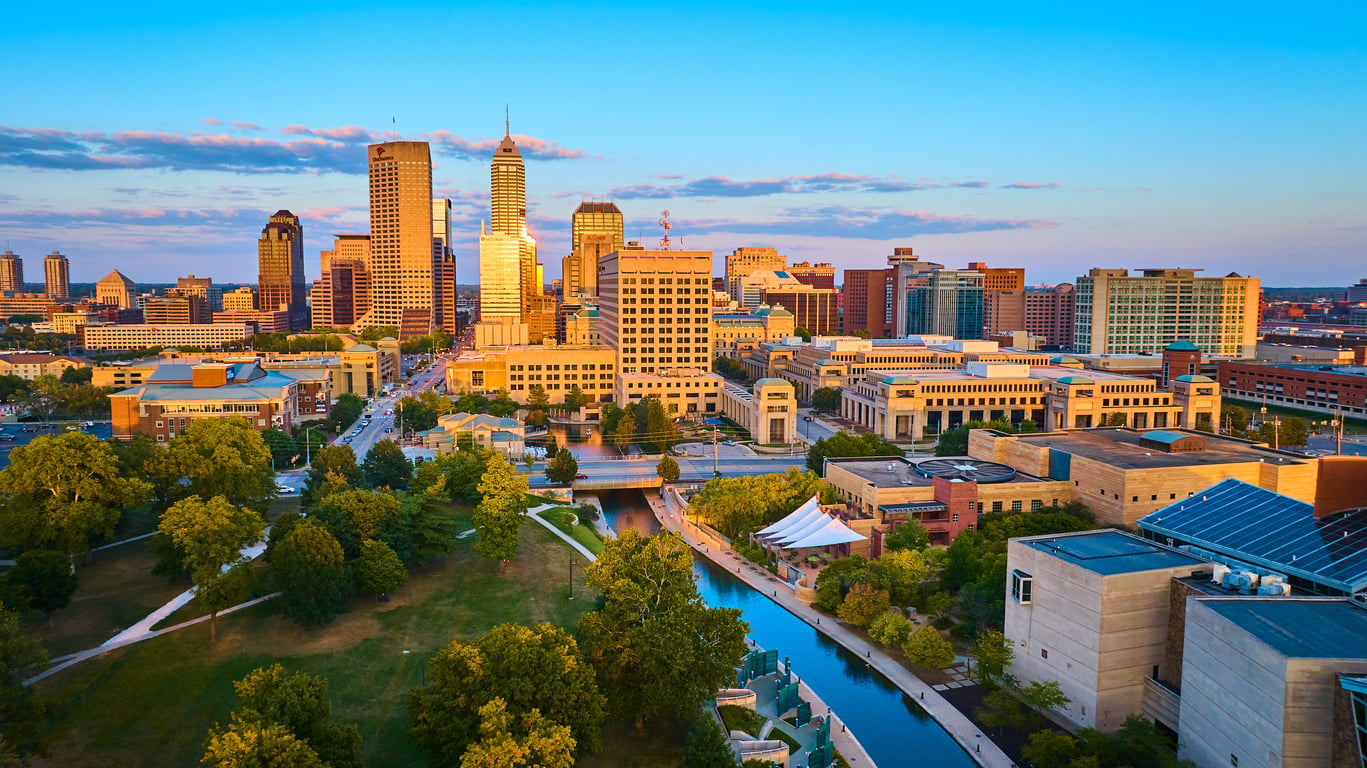
Indianapolis has been quietly expanding its appeal beyond conventions and major sporting events. The Indianapolis Cultural Trail connects downtown districts, while Newfields, the Eiteljorg Museum, and the Indiana State Museum. New parks and green-space projects have also helped national travel publications reconsider the city. Downtown is straightforward to navigate, but visitors should check event calendars: major races, tournaments, and conventions can sharply raise hotel prices and fill restaurants.