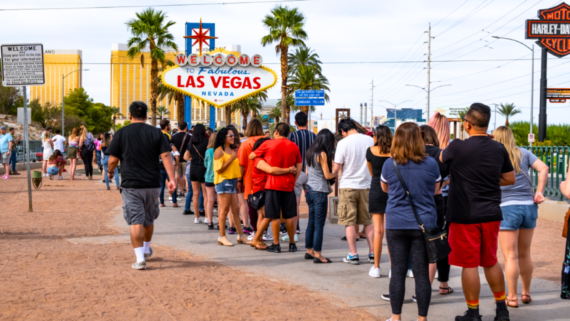
Every destination has its telltale tourist mistakes that instantly reveal someone is visiting for the first time. Sometimes it’s harmless, like stopping in the middle of a busy sidewalk to admire a landmark. Other times it’s waiting in a two-hour line for an attraction that locals intentionally avoid.
Across Reddit, city forums, neighborhood Facebook groups, and travel discussions, residents often joke that they can spot tourists within seconds—not because of what they’re wearing, but because of the small habits that stand out to people who navigate these places every day. While there’s nothing wrong with being a visitor, understanding a few local customs can help travelers avoid unnecessary stress, save time, and experience a destination in a way that feels a little less rushed.
Here are some of the behaviors locals across the United States say immediately reveal someone is visiting from out of town.
Stopping in the Middle of the Sidewalk
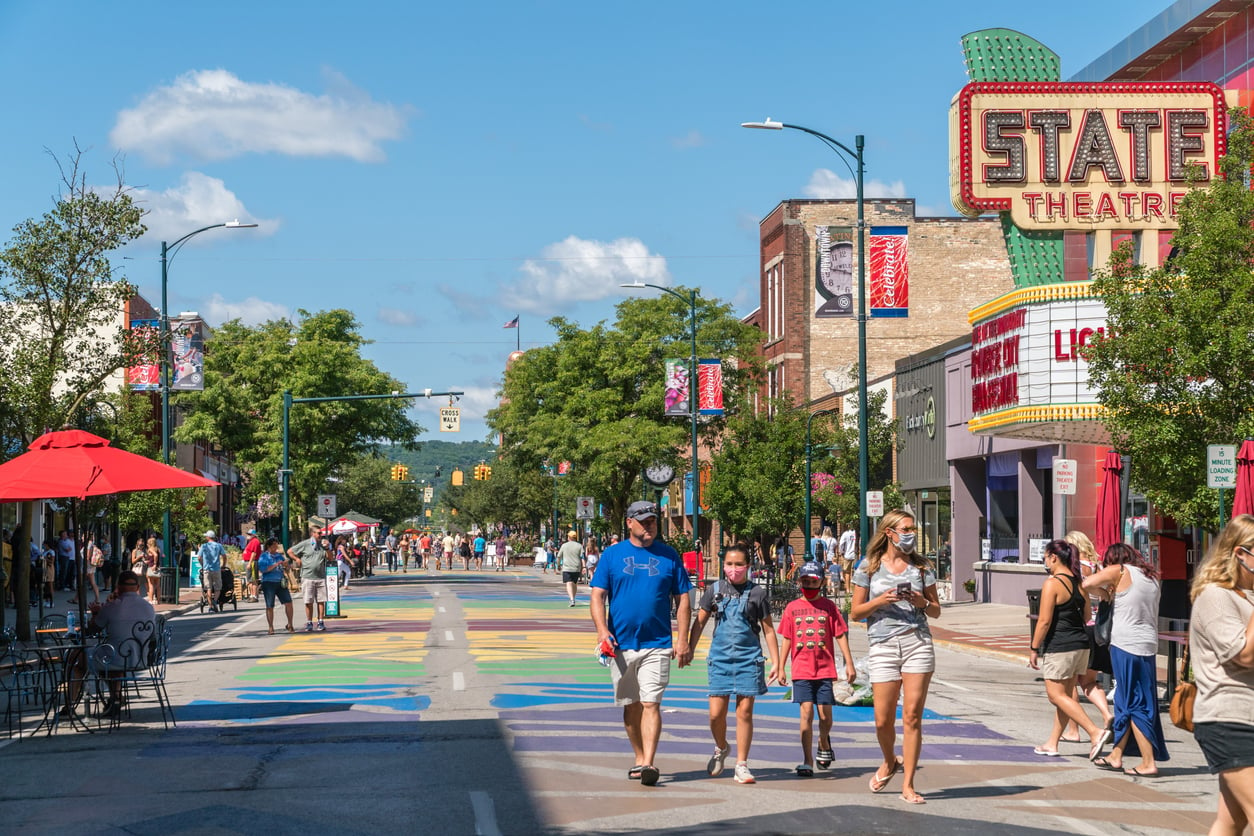
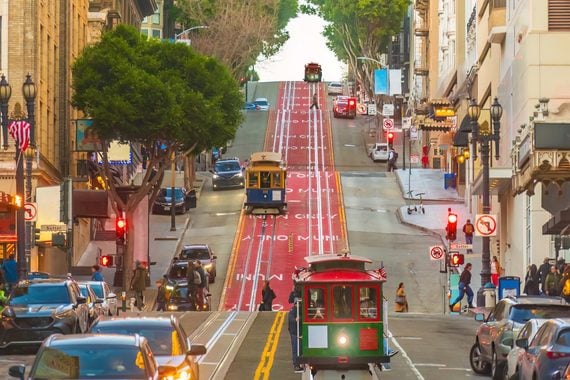
In cities like New York, Chicago, Boston, and San Francisco, sidewalks function almost like roads. Residents expect pedestrian traffic to keep moving, especially during commuting hours, so someone suddenly stopping to check directions, admire a landmark, or snap a photo can create an instant bottleneck. It’s one of the quickest ways locals identify first-time visitors—not because sightseeing is unusual, but because longtime residents have learned to step aside before pausing.
Reddit discussions in communities like r/AskNYC and r/Chicago frequently remind visitors to treat sidewalks the same way they’d treat traffic lanes. If you need to look at a map, tie a shoe, or take a picture, simply move toward the edge of the sidewalk before stopping. You’ll still get the same view without bringing foot traffic to a halt.
Waiting in the Longest Restaurant Line
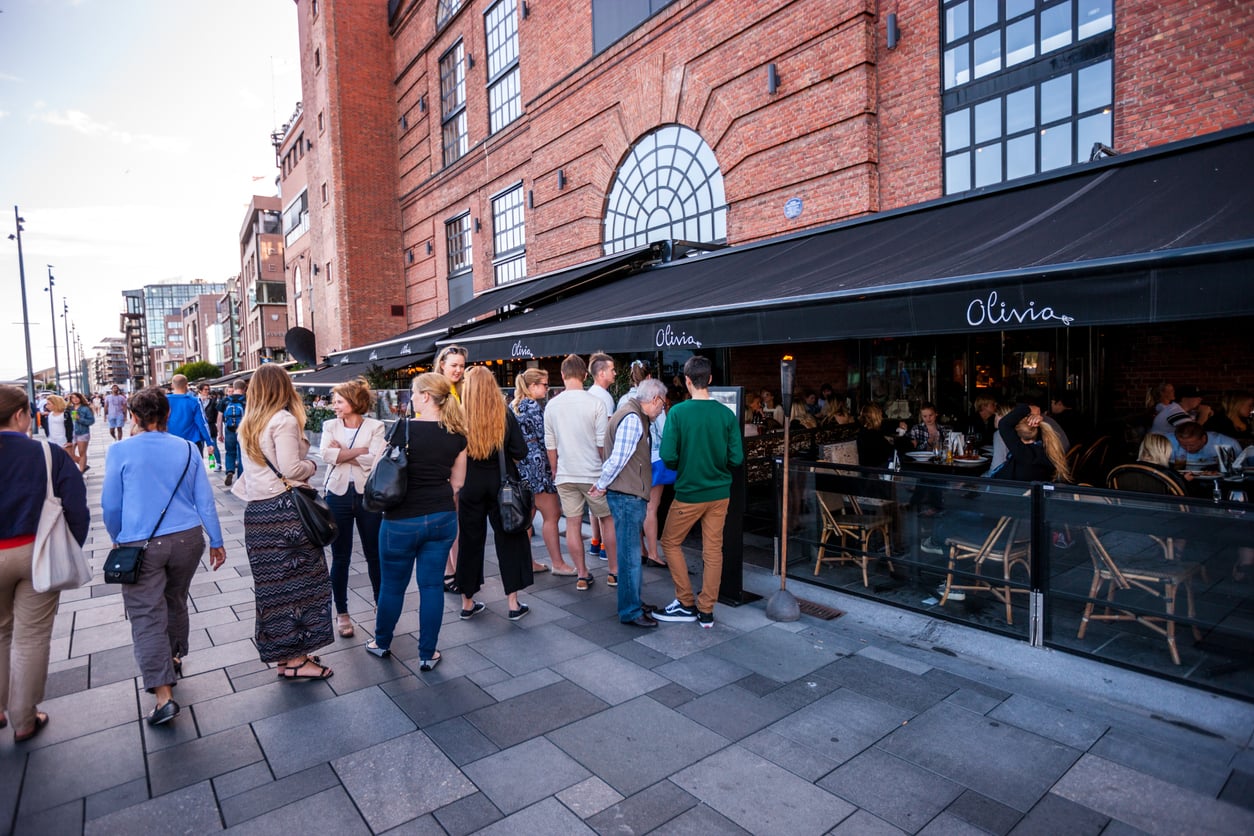
Visitors often assume that the restaurant with the longest line must serve the city’s best food. In destinations like Nashville, Austin, Charleston, and New Orleans, however, locals say the most crowded spots are frequently the ones that have gone viral on TikTok or appear on every travel guide, while equally good restaurants sit just a few blocks away with little or no wait.
Residents on Reddit regularly recommend looking beyond the internet’s most famous lists and asking locals where they actually eat. Walking just 10 or 15 minutes outside the busiest tourist areas can often lead to shorter waits, lower prices, and a meal that’s every bit as memorable.
Renting a Car Where You Don’t Need One

Many travelers automatically reserve a rental car without considering whether they’ll actually use it. In cities like New York, Boston, Washington, D.C., and San Francisco, locals point out that traffic congestion, expensive parking, and limited spaces often make driving slower and more stressful than taking public transportation.
Tourism agencies and local travel guides consistently recommend relying on trains, buses, subways, or rideshare services before committing to a rental. In many cases, visitors save both money and time by leaving the car behind.
Eating Only Near Major Attractions
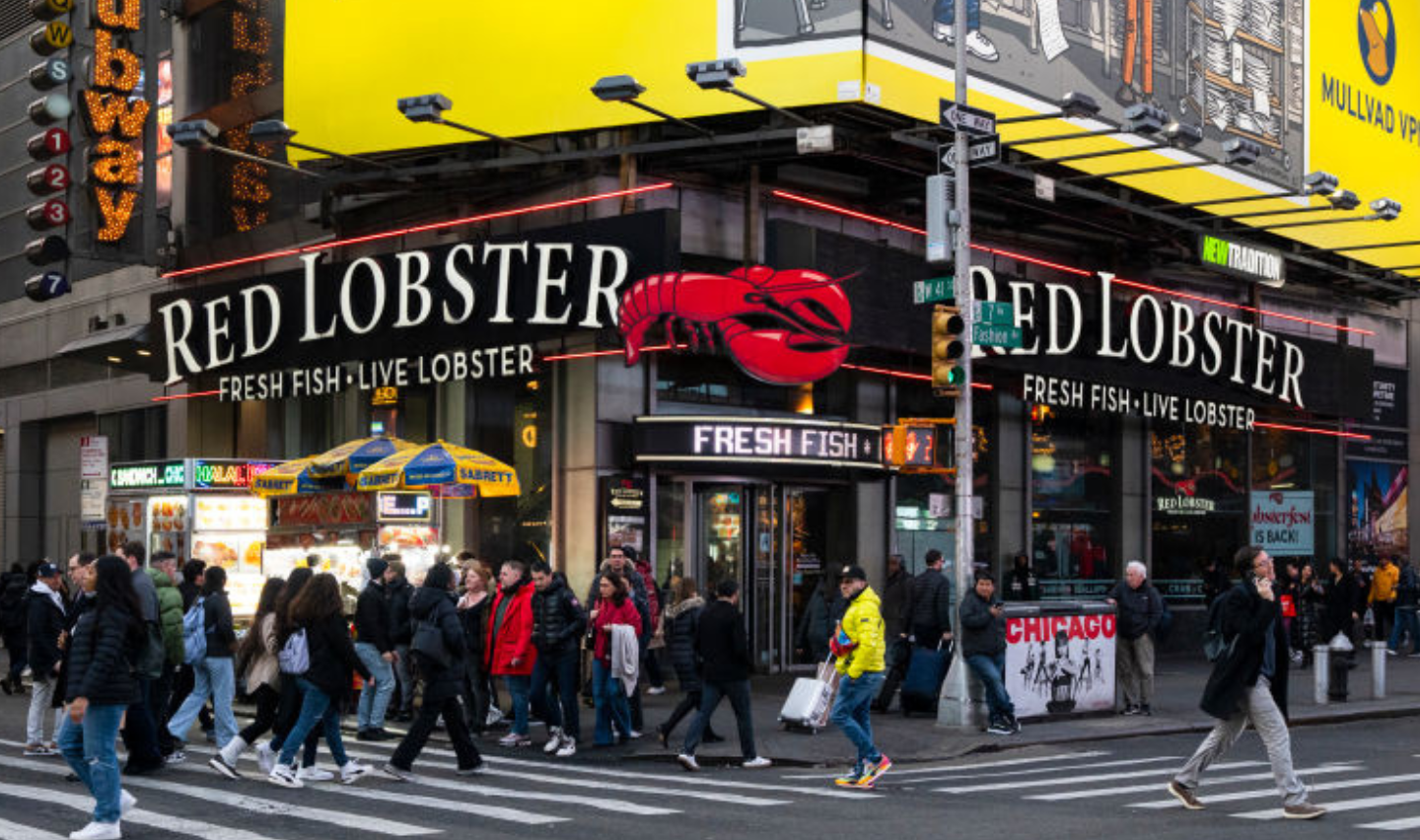
Restaurants directly beside major attractions tend to cater almost entirely to tourists. Around Times Square, the Las Vegas Strip, Hollywood Boulevard, and Orlando’s busiest theme park areas, locals often avoid dining within the immediate tourist zone because prices are higher and the food isn’t always representative of the city’s best offerings.
Tripadvisor forums and resident recommendations frequently suggest walking 10 to 15 minutes away from the main attraction before choosing a restaurant. That short detour often opens up a much wider selection of neighborhood favorites and locally owned businesses.
Wearing Brand-New Outdoor Gear Everywhere
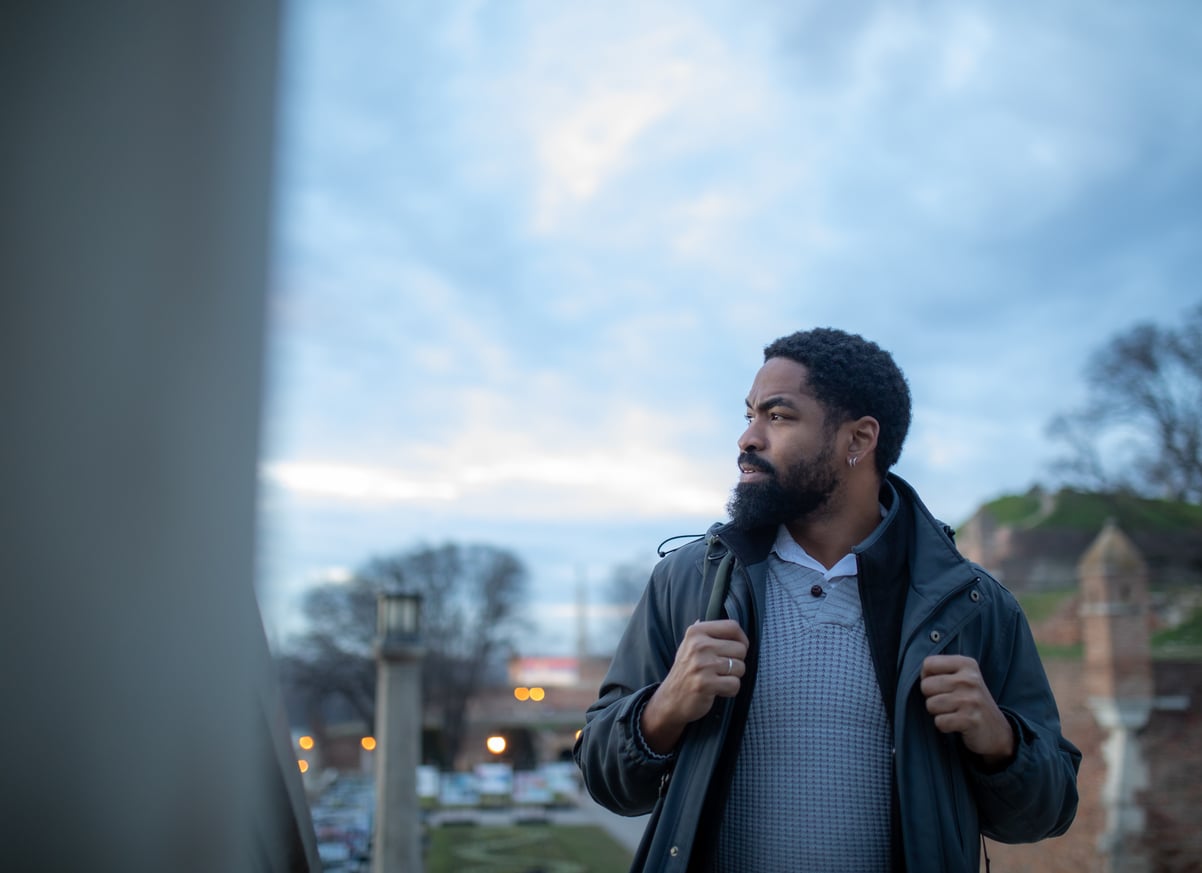
Cities surrounded by outdoor recreation, including Denver, Jackson, Asheville, and Bend, attract plenty of visitors eager to hit the trails. Locals say what often stands out isn’t the hiking clothes themselves—it’s seeing someone wearing brand-new technical jackets, trekking poles, and hiking boots while sitting in a downtown coffee shop or browsing bookstores.
Residents generally recommend dressing for the day’s activities rather than wearing trail gear throughout the entire vacation. Comfortable casual clothes help travelers blend in while still being perfectly prepared when it’s actually time to head outdoors.
Trending on Cheapism

Trying to Visit Everything in One Day
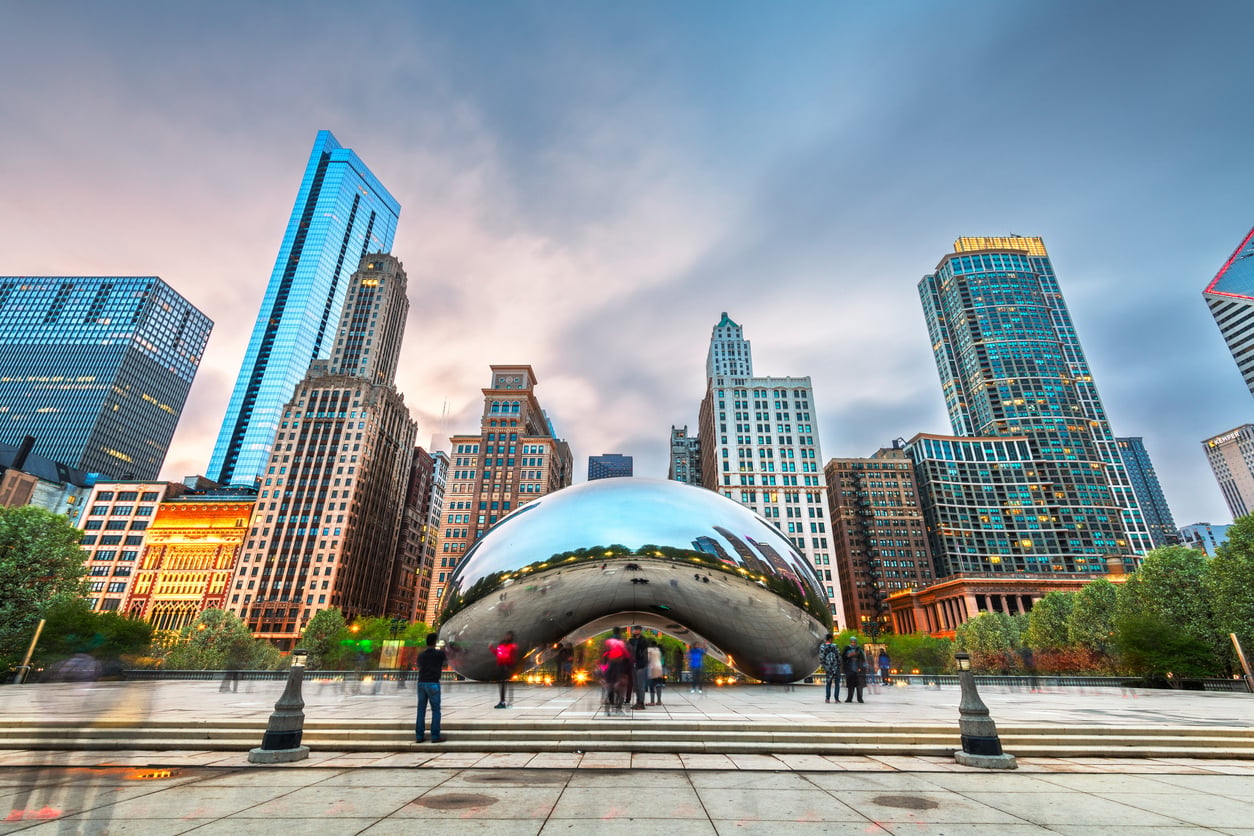
Many first-time visitors underestimate just how large major cities really are. In New York, Chicago, and Washington, D.C., ambitious itineraries often involve crisscrossing the city several times in a single day, leaving travelers spending more time commuting than actually enjoying the attractions.
Locals usually recommend exploring one neighborhood at a time. Grouping nearby museums, restaurants, parks, and landmarks together creates a much more relaxed schedule while reducing unnecessary travel across the city.
Standing on the Left Side of Escalators
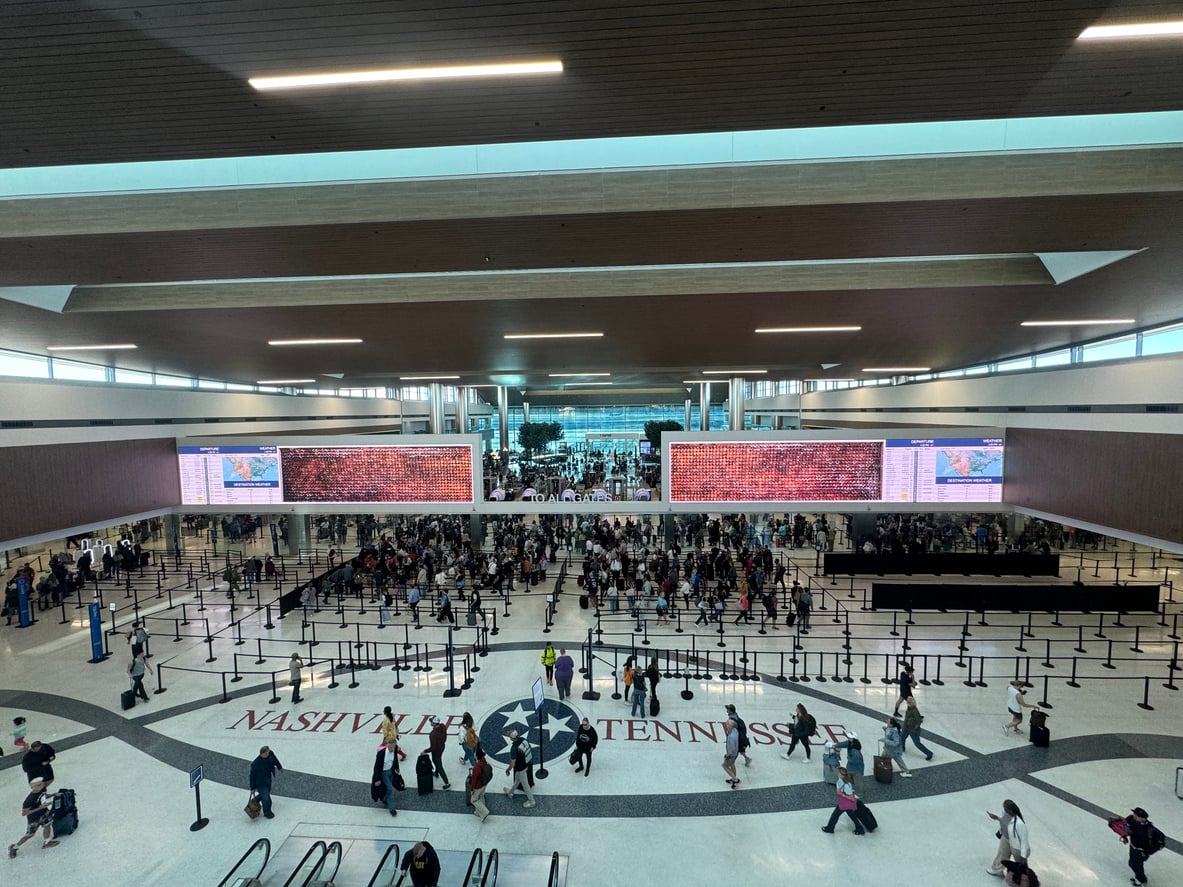
In many transit systems, especially the Washington Metro, New York subway stations, and major airports, commuters follow an unwritten rule: stand on the right and leave the left side open for people walking. Visitors unfamiliar with the custom often unintentionally block faster-moving commuters during busy periods.
While etiquette varies slightly from city to city, paying attention to how locals use escalators is usually the safest approach. Following the flow of traffic helps everyone move more efficiently.
Taking Photos of Everyday Things
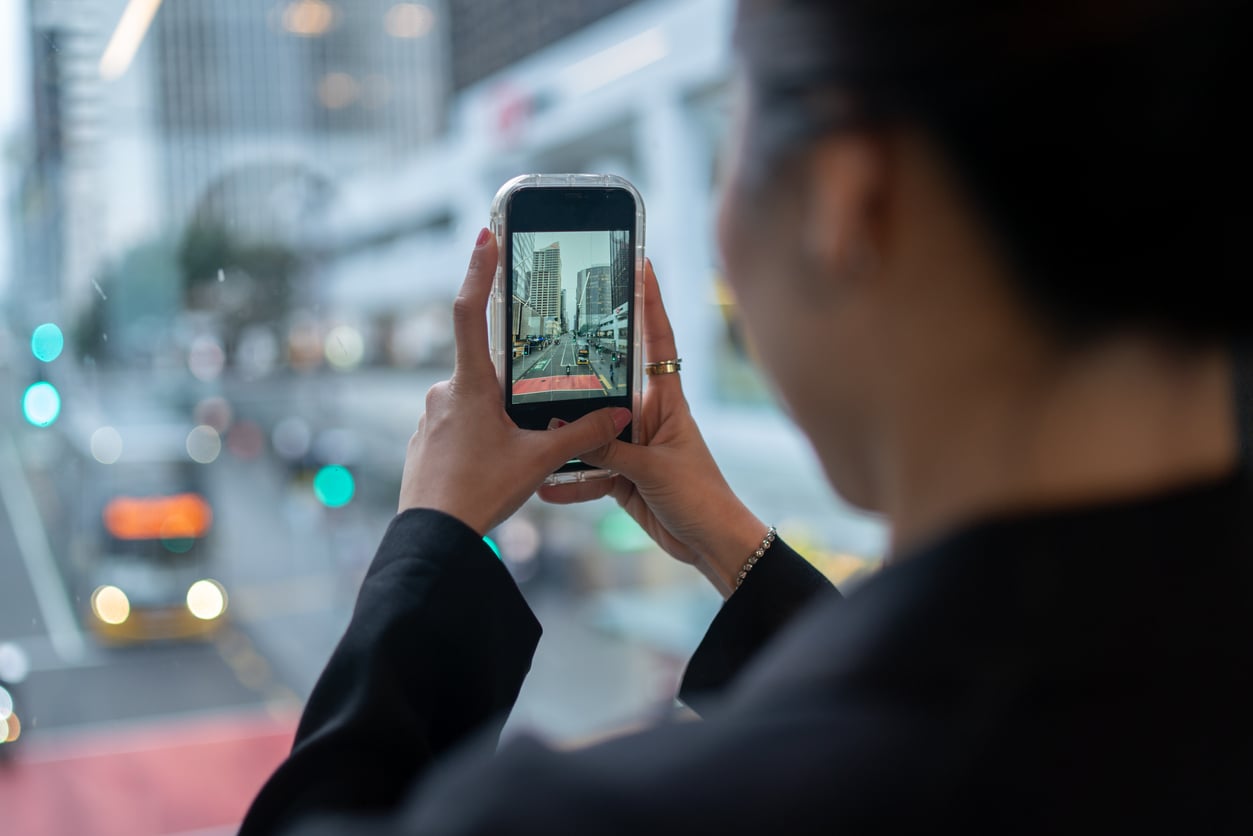
To someone visiting for the first time, even an ordinary apartment building, subway entrance, historic storefront, or neighborhood street can feel worth photographing. Locals in cities like New York, Seattle, and San Francisco often smile when they see visitors capturing scenes they walk past every day without a second glance.
There’s absolutely nothing wrong with taking photos, but longtime residents suggest being mindful of your surroundings. Stepping off the sidewalk or out of the busiest pedestrian areas makes it easier for everyone to continue moving while you capture the perfect shot.
Sign up for our newsletter
Overpacking for the Weather
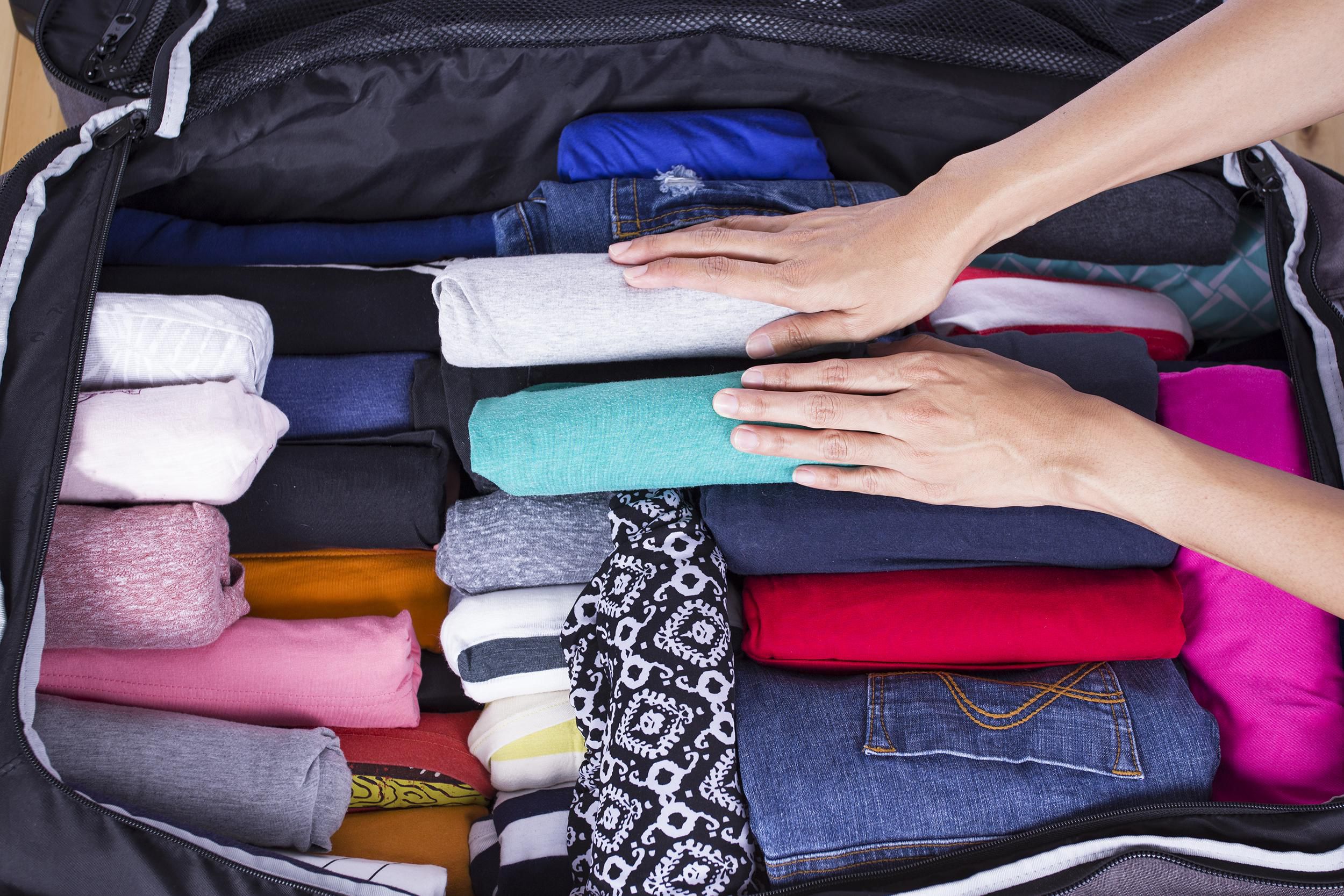
Visitors heading to destinations like Florida, Southern California, or Hawaii sometimes prepare for every possible forecast by bringing far more clothing than they actually need. Locals point out that many travelers underestimate how quickly conditions can change—or overestimate how cold certain destinations really become.
Checking local forecasts a day or two before departure often provides a much clearer picture than relying on seasonal averages. Packing lighter also makes moving between hotels, airports, and attractions much easier.
Assuming Every Famous Attraction Is Worth the Wait
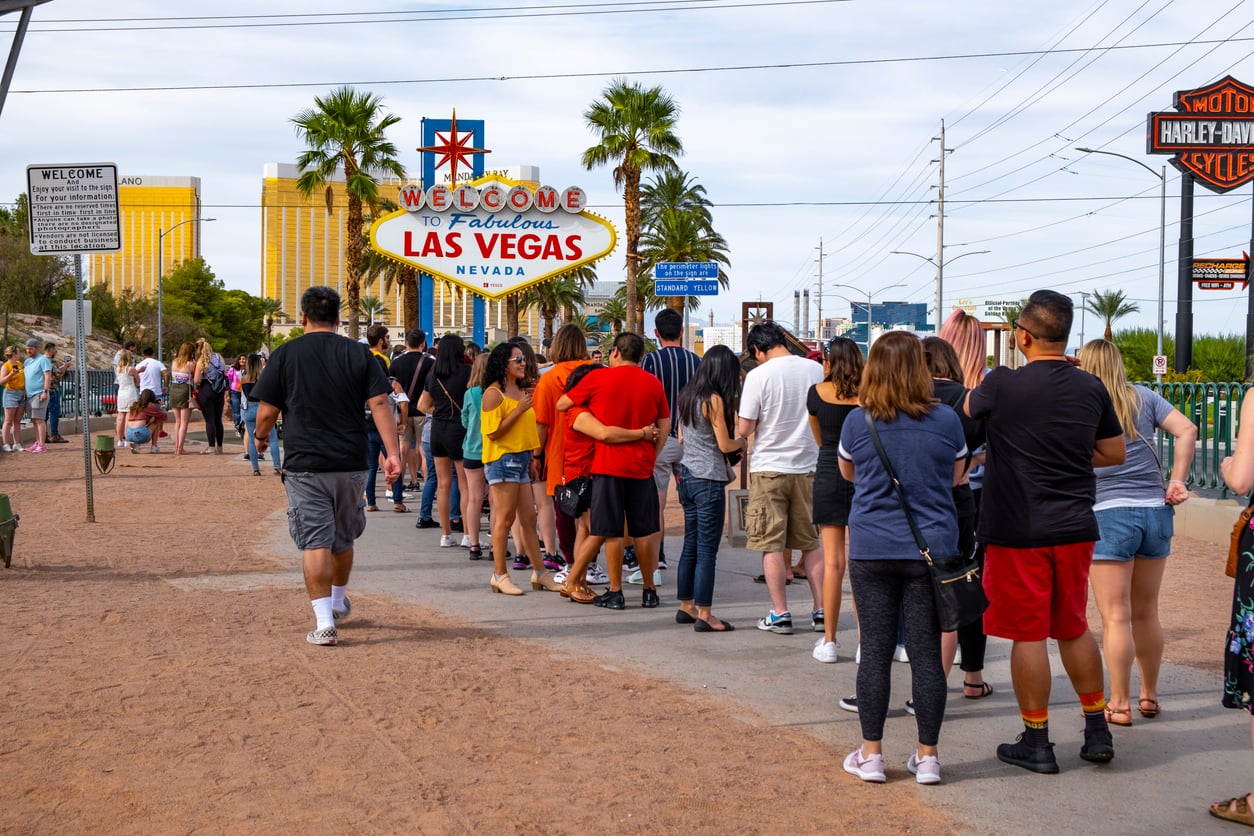
Just because an attraction appears on every travel guide doesn’t necessarily mean it’s worth spending hours in line. In destinations like Orlando, Las Vegas, and Los Angeles, locals often point out that some famous experiences involve lengthy waits for attractions that take only a few minutes to complete.
Before committing several hours of your vacation, it’s worth checking whether timed-entry reservations, early-morning visits, or off-peak hours are available. A little planning can dramatically improve the experience.
Driving Too Slowly While Sightseeing
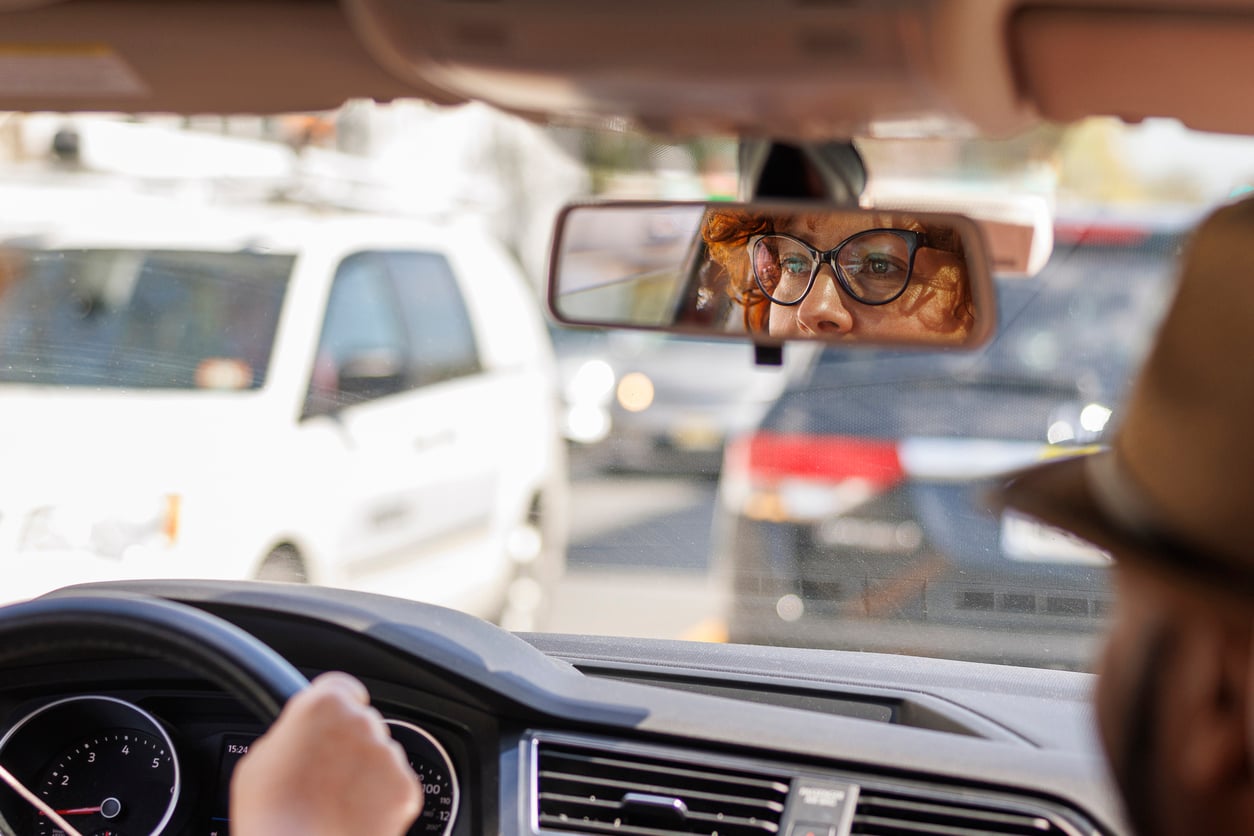
Scenic highways, national parks, and coastal roads naturally encourage visitors to slow down and admire the scenery. The problem arises when drivers unexpectedly brake in the middle of the road to take photos, creating hazards for everyone behind them.
The National Park Service and other transportation authorities encourage visitors to use designated overlooks and pullouts whenever possible. You’ll enjoy a safer experience while giving yourself a much better opportunity to appreciate the view.
Shopping Only at Souvenir Stores
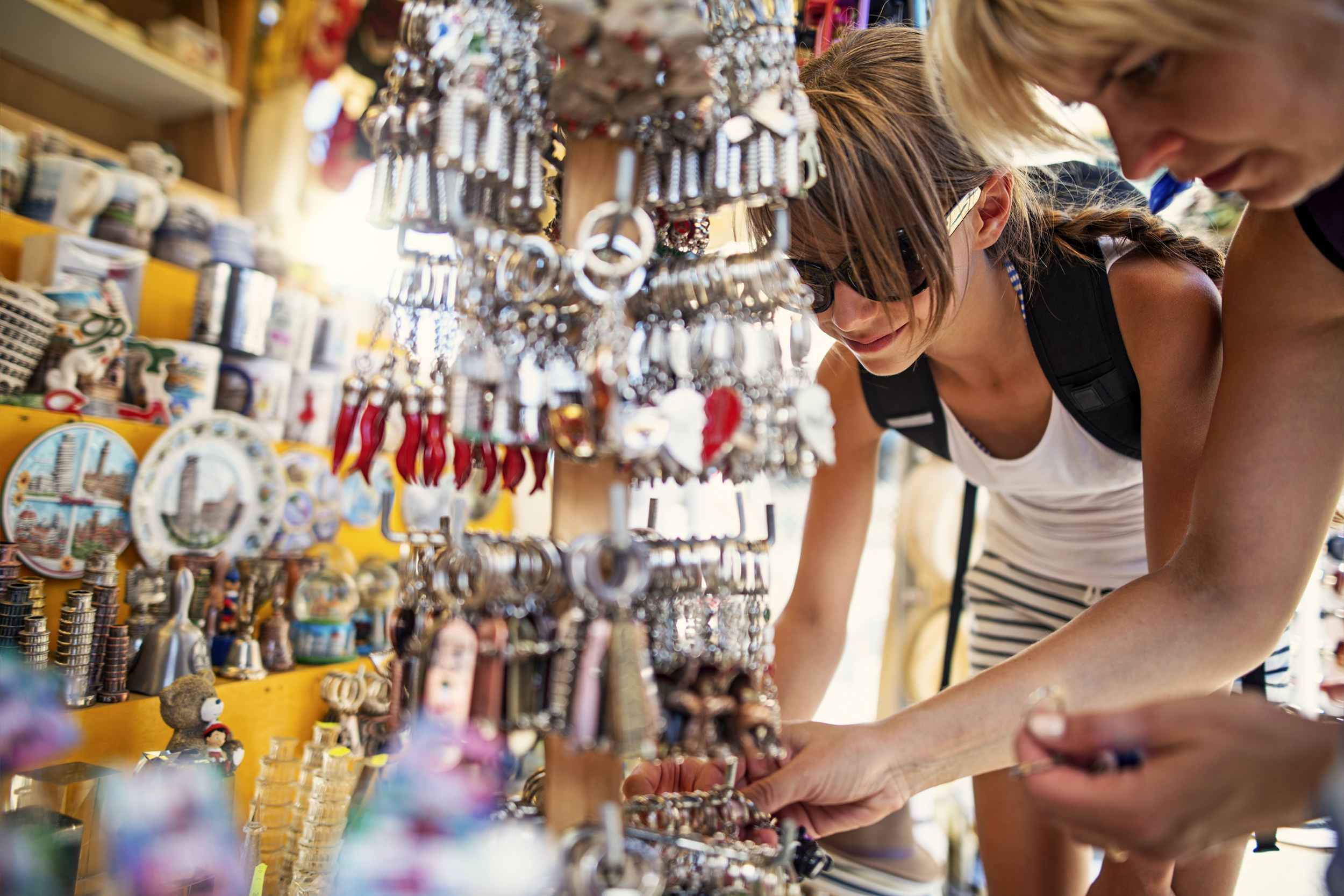
Many visitors purchase all of their gifts from the first row of souvenir shops surrounding major attractions. In places like Gatlinburg, Myrtle Beach, Niagara Falls, and Key West, locals often recommend venturing just a few streets away, where independent boutiques, artisan markets, and locally owned businesses offer far more distinctive keepsakes.
Exploring beyond the busiest shopping district can also uncover handmade products and regional specialties that feel much more connected to the destination than mass-produced souvenirs.
Eating Dinner at 5 P.M. Because the Internet Said To
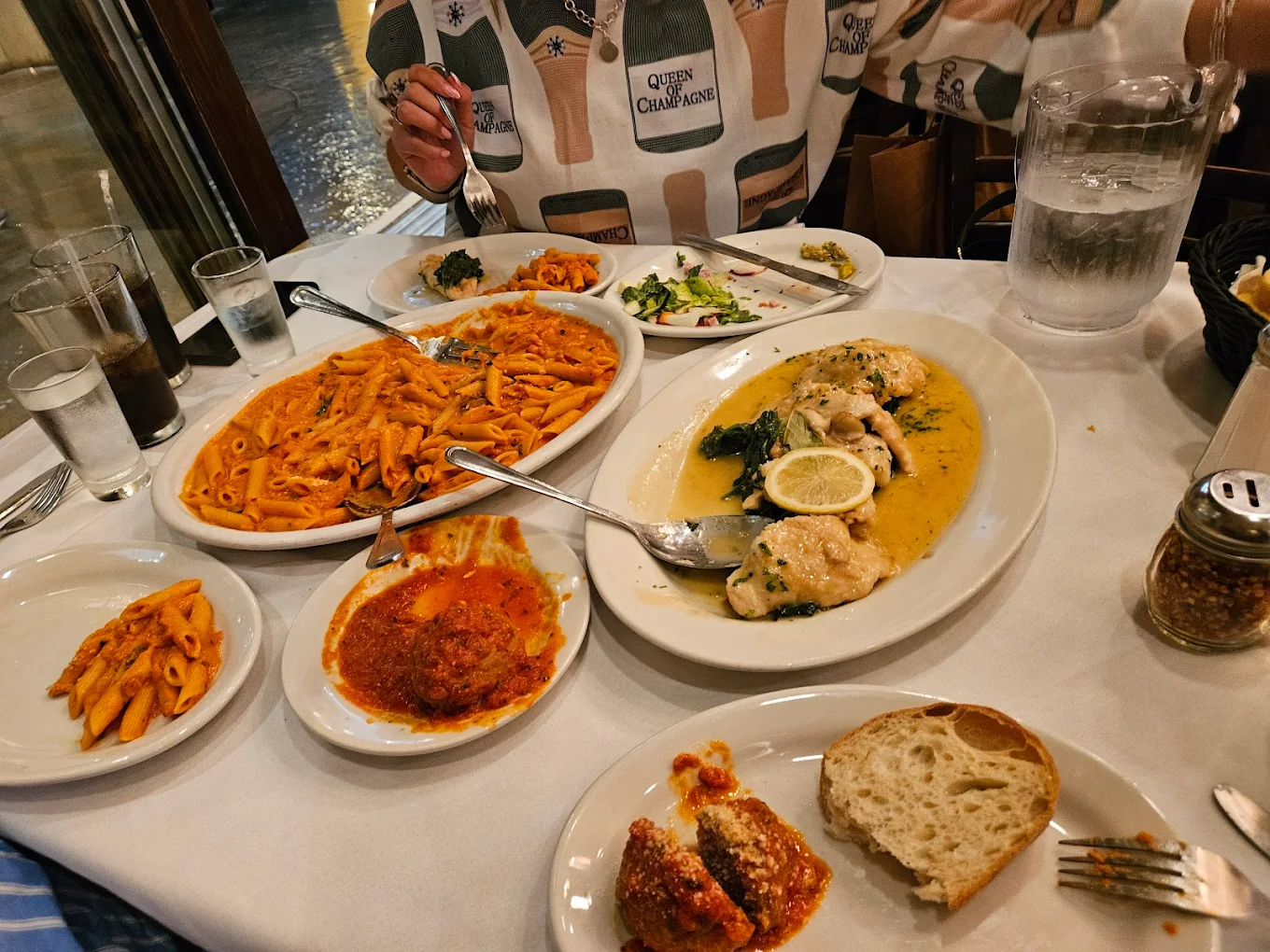
Online travel advice often encourages visitors to book extremely early dinner reservations to avoid crowds. While that strategy can work, locals in cities like Charleston, Savannah, and Napa Valley note that it has also created new rush periods as thousands of travelers follow the exact same recommendation.
Instead of relying solely on generic travel advice, asking hotel staff or local residents about quieter dining windows can sometimes lead to much shorter waits without requiring such an early meal.
Ignoring Local Transit Apps
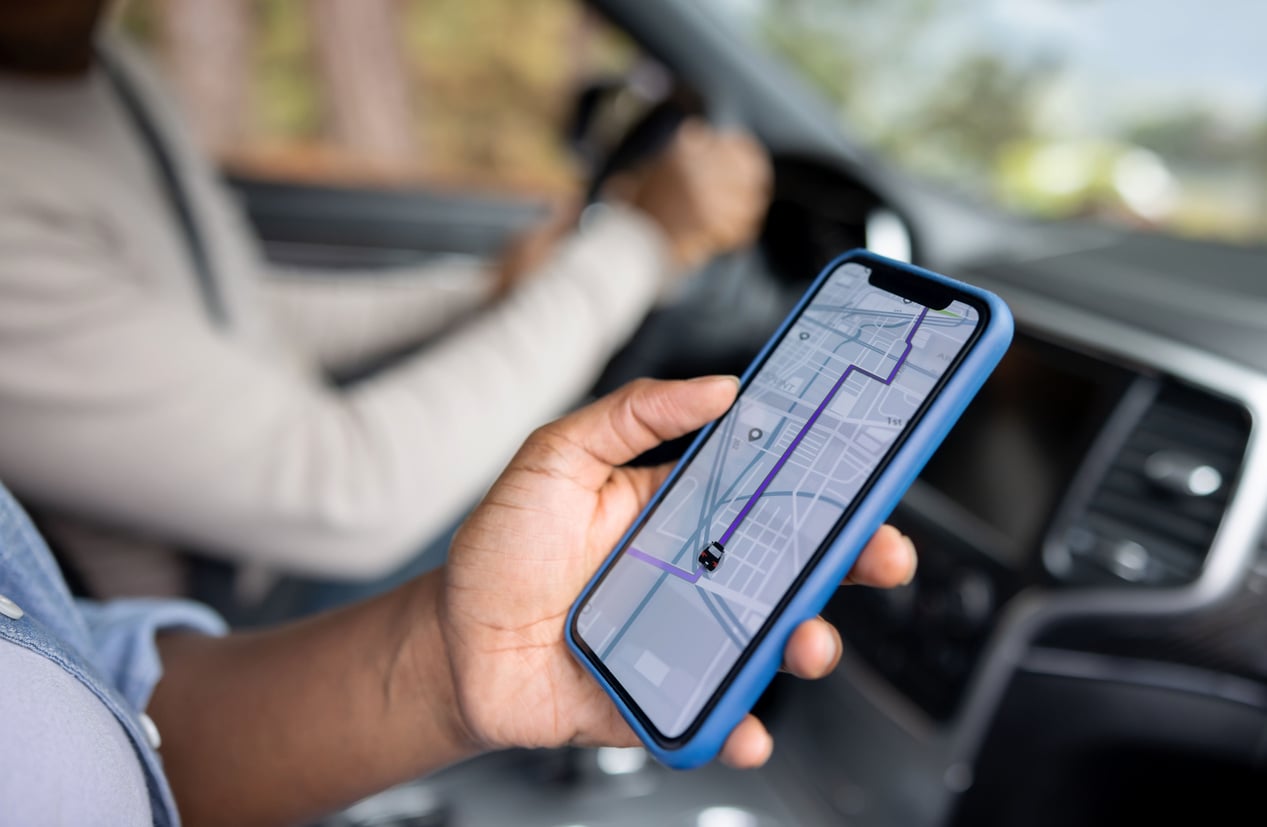
Many travelers rely exclusively on Google Maps for navigating unfamiliar cities. While it’s an excellent tool, residents of Chicago, Seattle, Portland, and Washington, D.C., often point out that official transit apps provide more accurate real-time arrival information, service alerts, and temporary route changes.
Downloading the city’s official transit app before arriving can make getting around considerably easier, especially when delays or maintenance affect normal schedules.
Spending the Entire Trip in the Tourist District
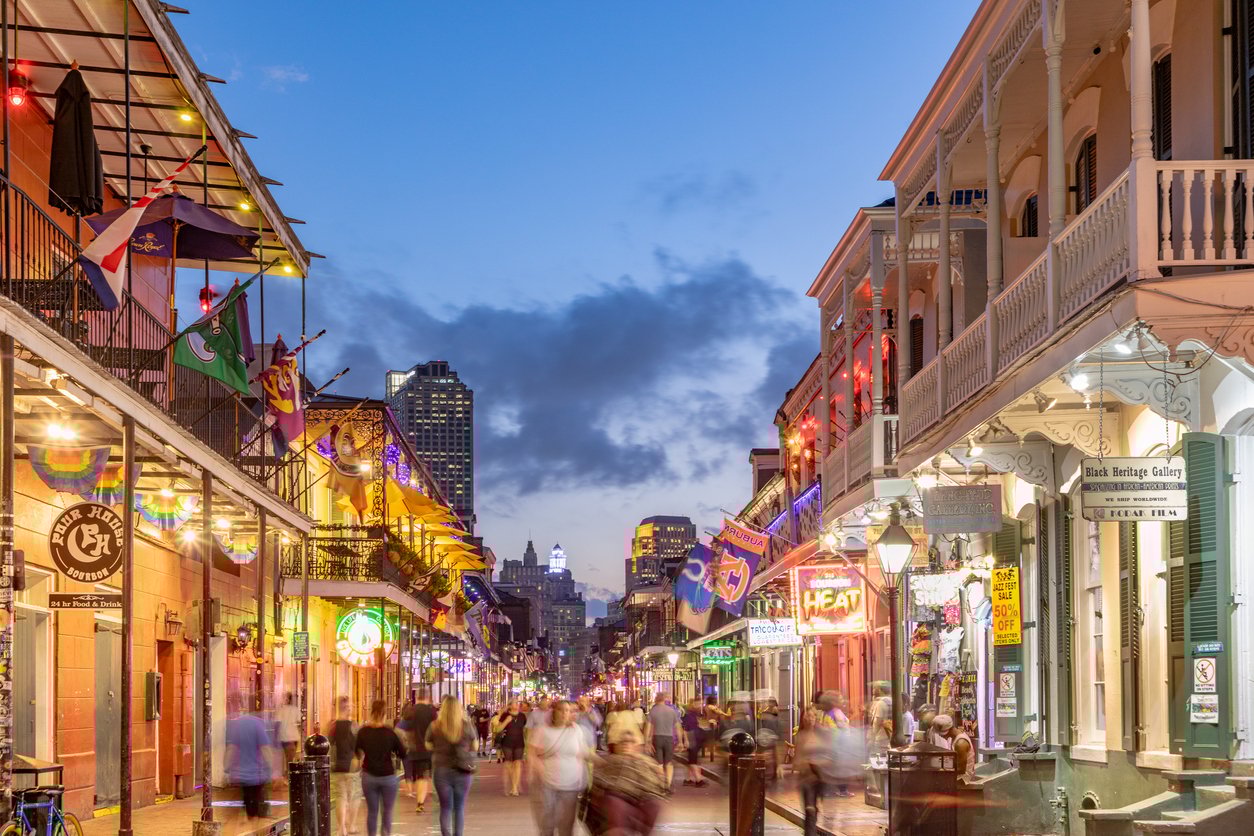
It’s easy to spend an entire vacation inside the city’s most famous neighborhood, especially in destinations like Nashville, New Orleans, Boston, and San Diego. But locals frequently say many of their favorite restaurants, coffee shops, parks, and shopping streets are located just outside the busiest tourist zones.
Setting aside even one day to explore nearby neighborhoods often provides a more authentic sense of the city while introducing visitors to places they may never have found through traditional travel guides.
Assuming Locals Love the Most Famous Attraction
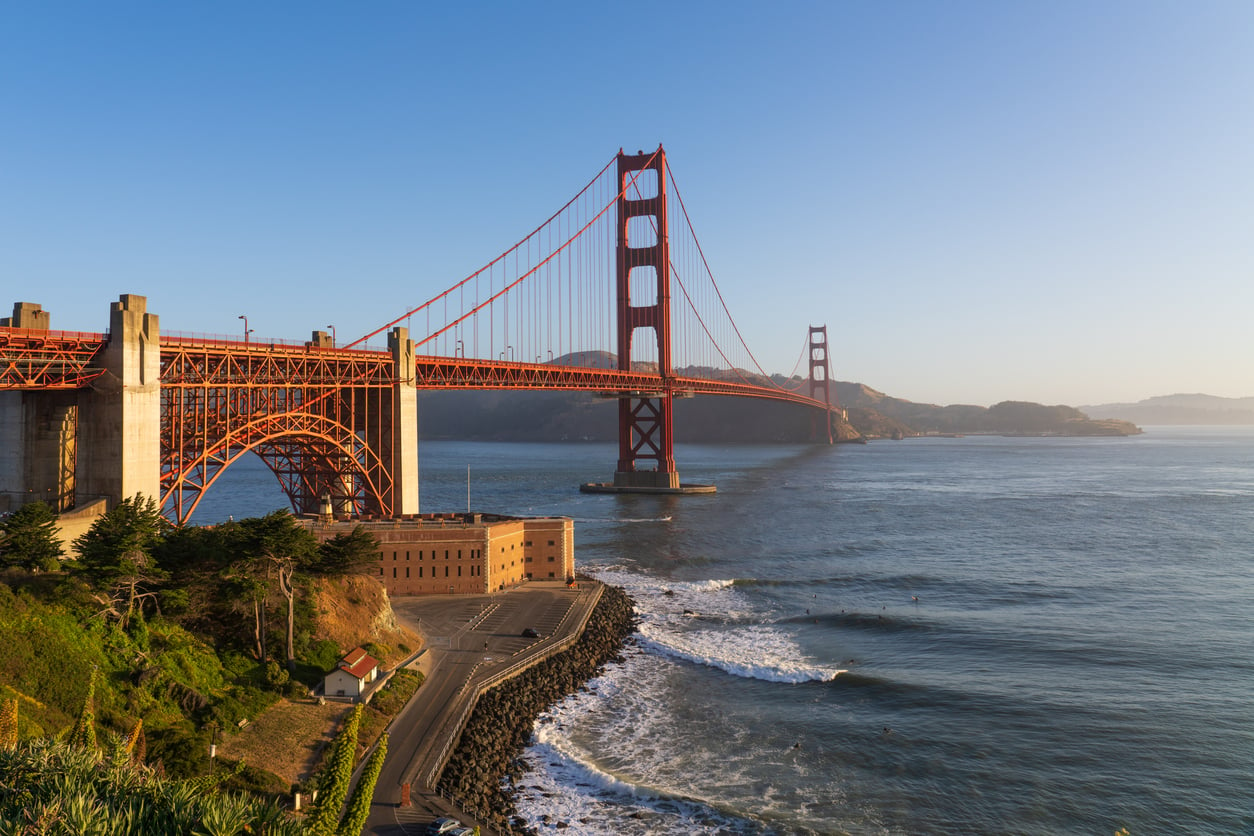
Visitors sometimes assume residents spend their weekends at the city’s biggest landmark. In reality, locals often appreciate those attractions but rarely visit them unless they’re entertaining friends or family from out of town.
Instead of asking what attraction everyone should see, ask locals where they personally spend a free Saturday. Their recommendations frequently include neighborhood parks, favorite restaurants, scenic walks, farmers markets, and lesser-known attractions that rarely appear on the typical tourist itinerary.
Travel Like a Local, Not Just a Visitor
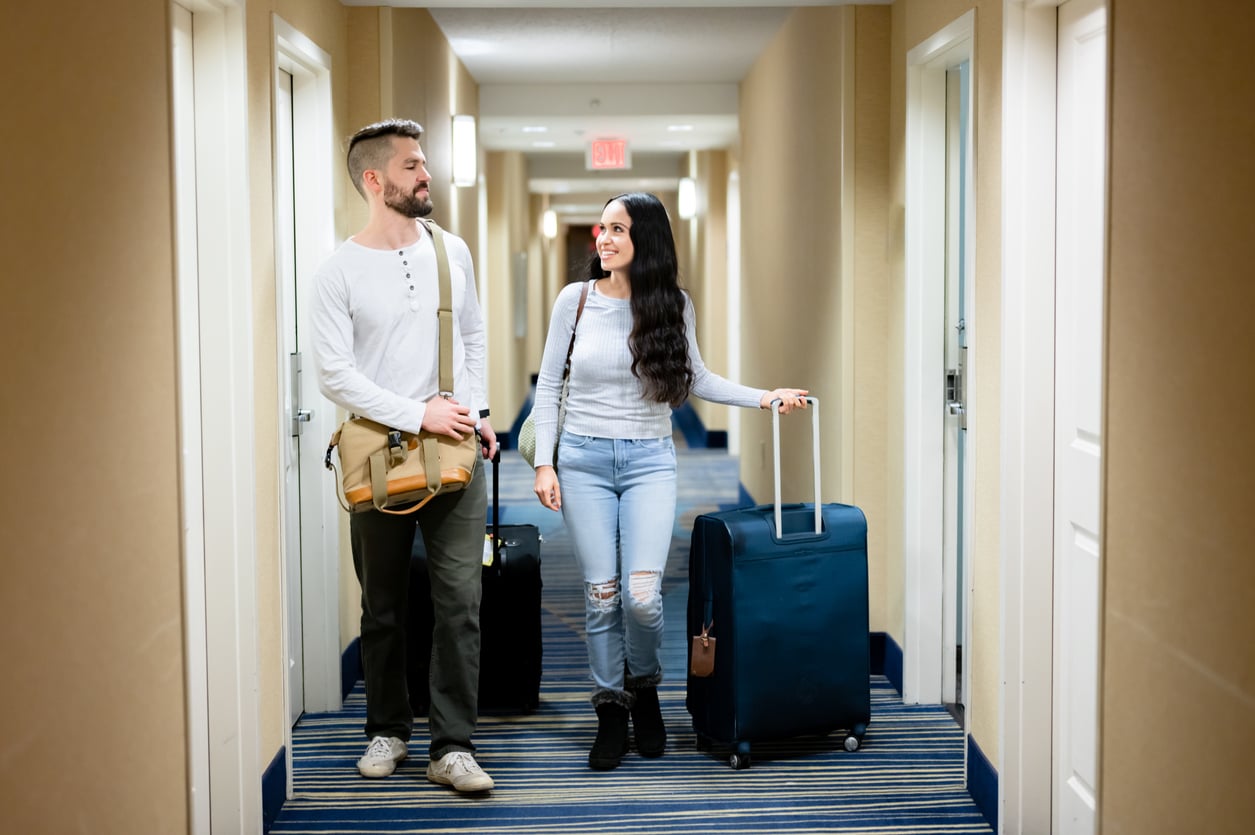
The easiest way to blend in while traveling isn’t changing how you dress—it’s paying attention to how locals move through their own city. Small habits like stepping aside before checking directions, venturing beyond the busiest streets, and keeping a flexible itinerary can make a trip feel much smoother from start to finish.
Perhaps more importantly, avoiding common tourist mistakes by listening to local advice often leads to experiences that guidebooks overlook. The restaurants without two-hour waits, the quieter viewpoints, and the neighborhoods just beyond the tourist district are often the places residents genuinely enjoy—and they may end up becoming the highlights of your trip as well.