Fast food started out as an option customers chose because it was cheap and quick to prepare. While these characteristics often still hold true, that hasn’t stopped fast-food prices from rising. Take a look at some of these items from Taco Bell, McDonald’s and other chains that were originally conceived as “value-menu” offerings that have seen the biggest price hikes since 2010!
Taco Bell – Beefy 5-Layer Burrito
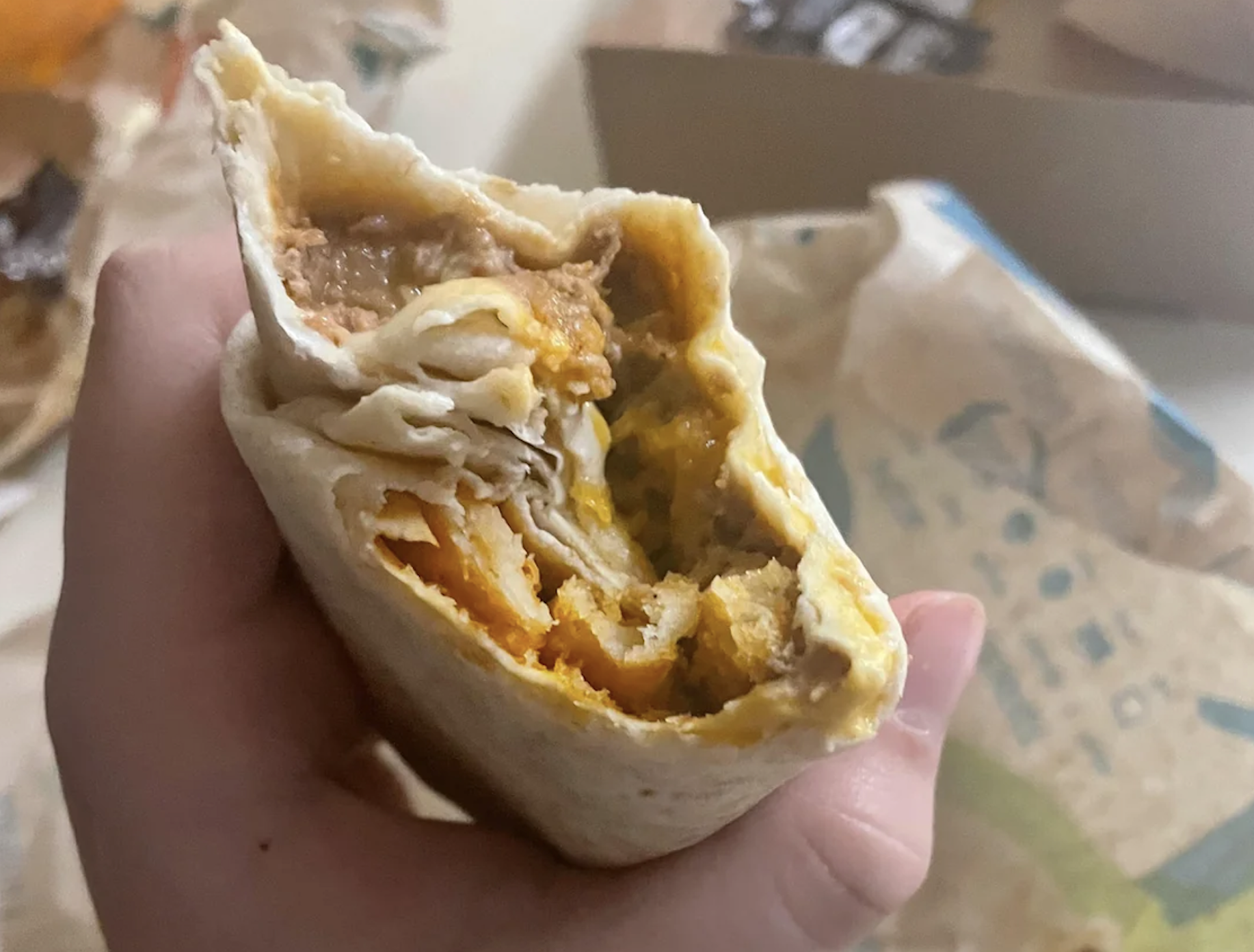
The Taco Bell Beefy 5-Layer Burrito has an average current price of $5.40, whereas in 2009 it cost just $0.89. This represents a 507% price increase, making it one of the items that has seen the steepest rise in cost over the years. Composed of beef, beans, nacho cheese, sour cream, shredded cheese, and a tortilla, this item was one of the cheapest options in the early 2010s, highlighting how much fast-food prices have changed.
McDonald’s – McDouble
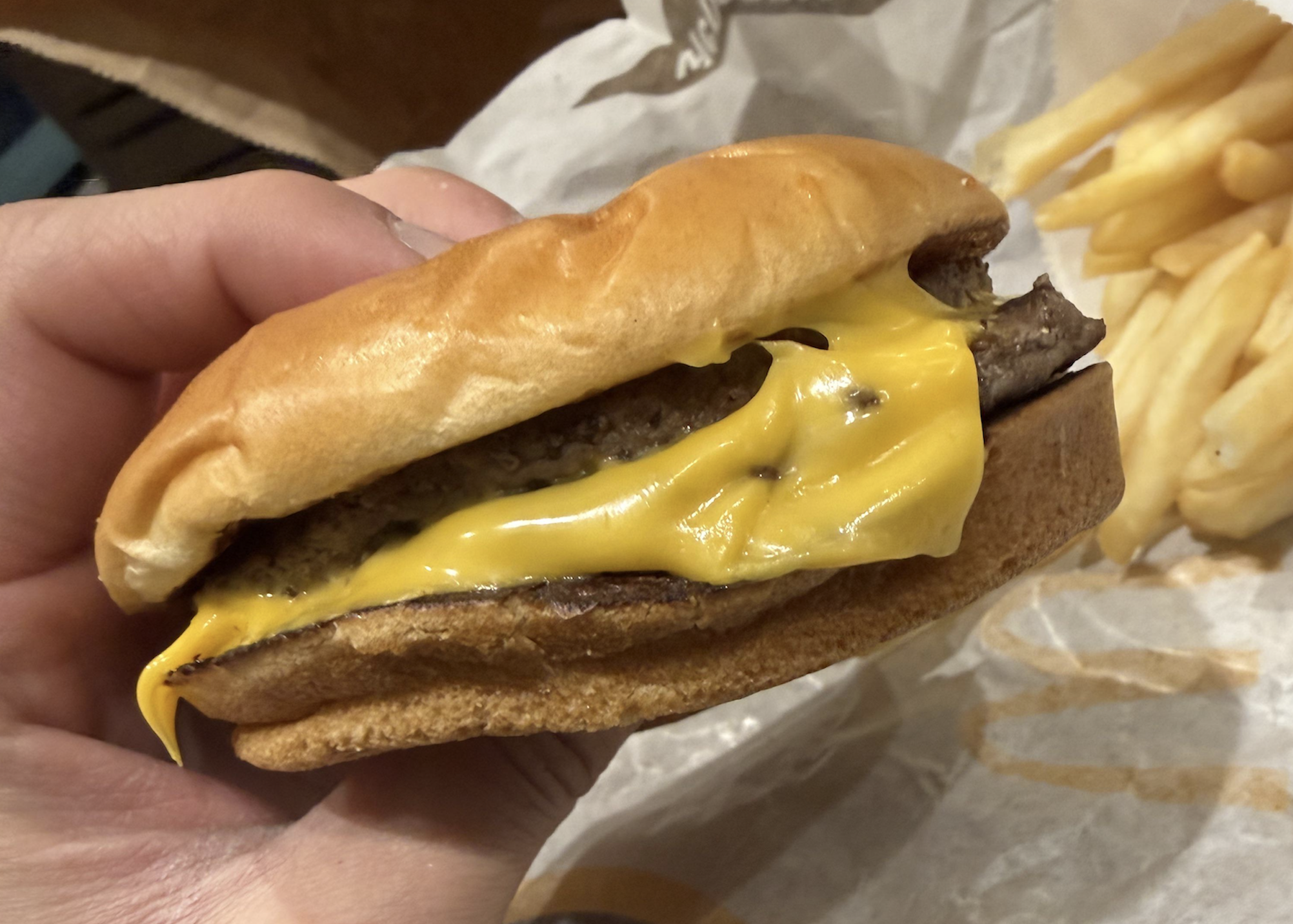
With a 259% increase, the McDonald’s McDouble is another item that has seen one of the largest price increases over the last decade; its price rose from $1.00 in 2010 to $3.59 in 2026. Even today, the McDouble remains one of the cheapest options on the Golden Arches’ menu, and still offers two beef patties with cheese, despite rising fast-food prices.
McDonald’s – McChicken
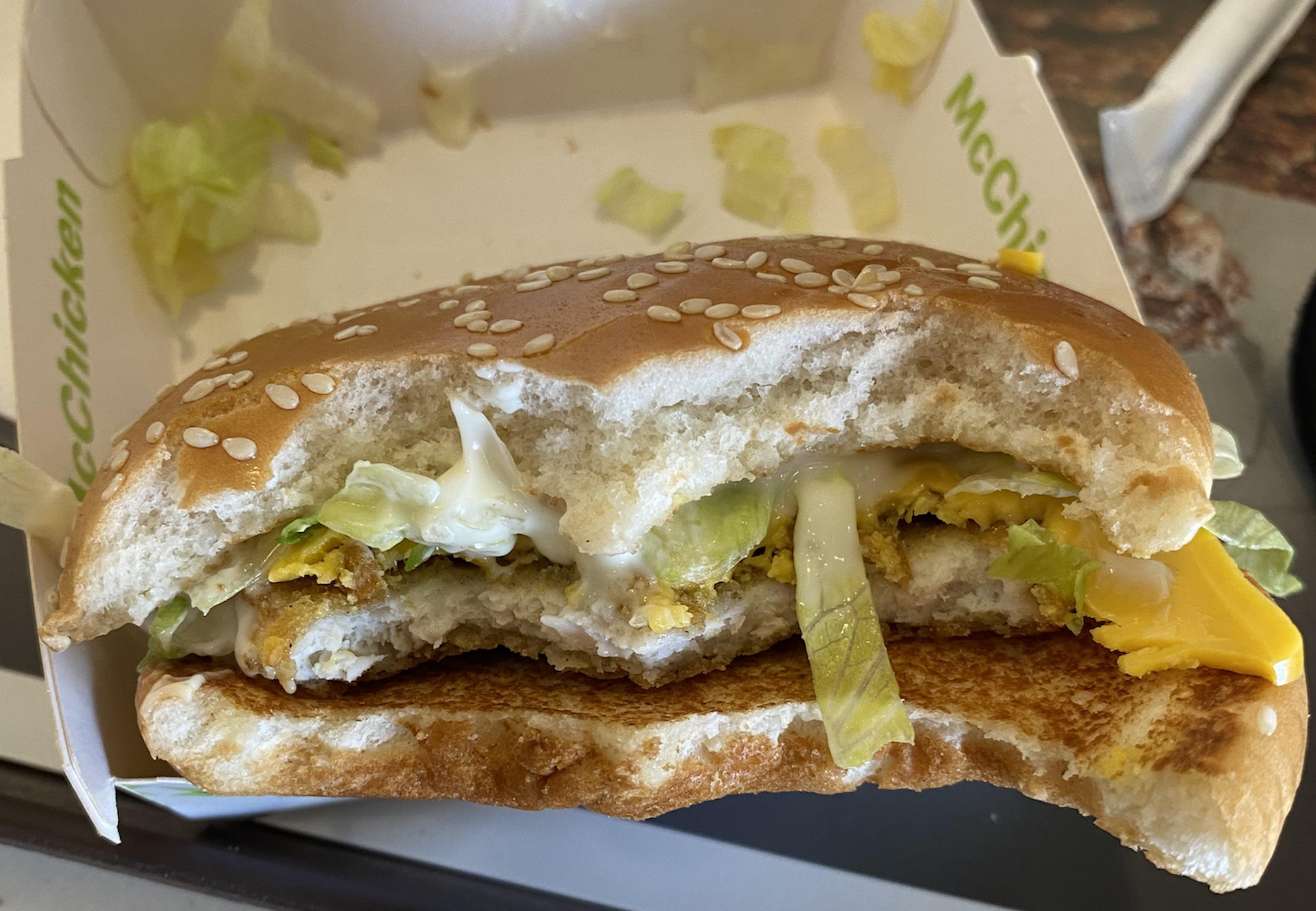
Just like the McDouble, the McChicken was another menu item directly linked to the $1 price point, but that $1 price point disappeared long ago. Today, a McChicken costs around $3.36, representing a 236% increase. While prices vary by state, this is another burger that has lost the value customers once perceived, illustrating the broader rise in fast-food prices.
Wendy’s – Small Frosty
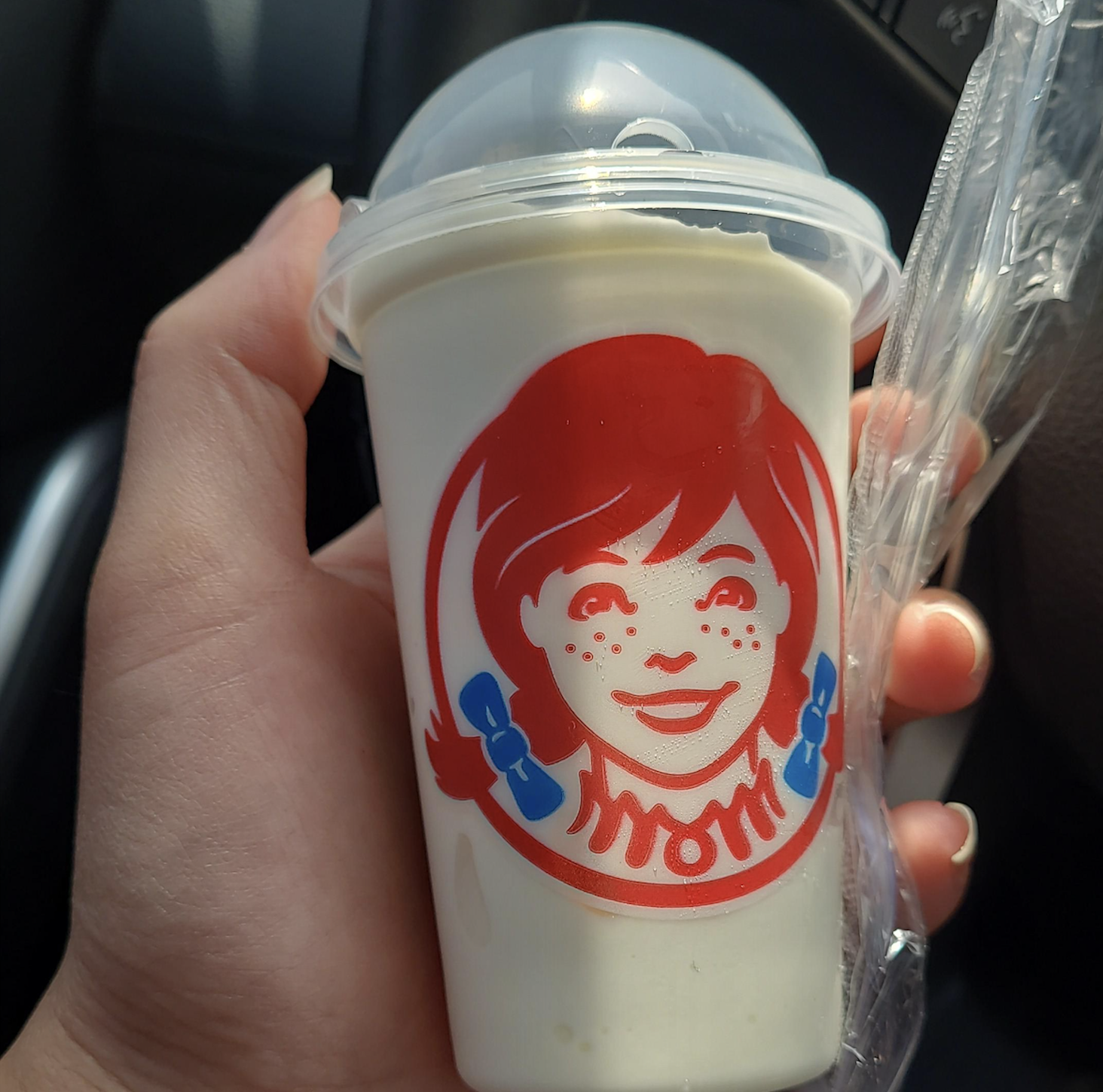
In 2010, a small Frosty at Wendy’s cost $0.99, but over the years, a 152% price increase raised it to $2.49. What is striking is that Wendy’s has a limited-time promotions of its 2010-era $0.99 Frosty on special occasions, to attract more customers. Nowadays, desserts are often impulse purchases, so even a $1 or $2 increase can change whether customers add one as fast-food prices continue to rise.
Taco Bell – Cheesy Gordita Crunch
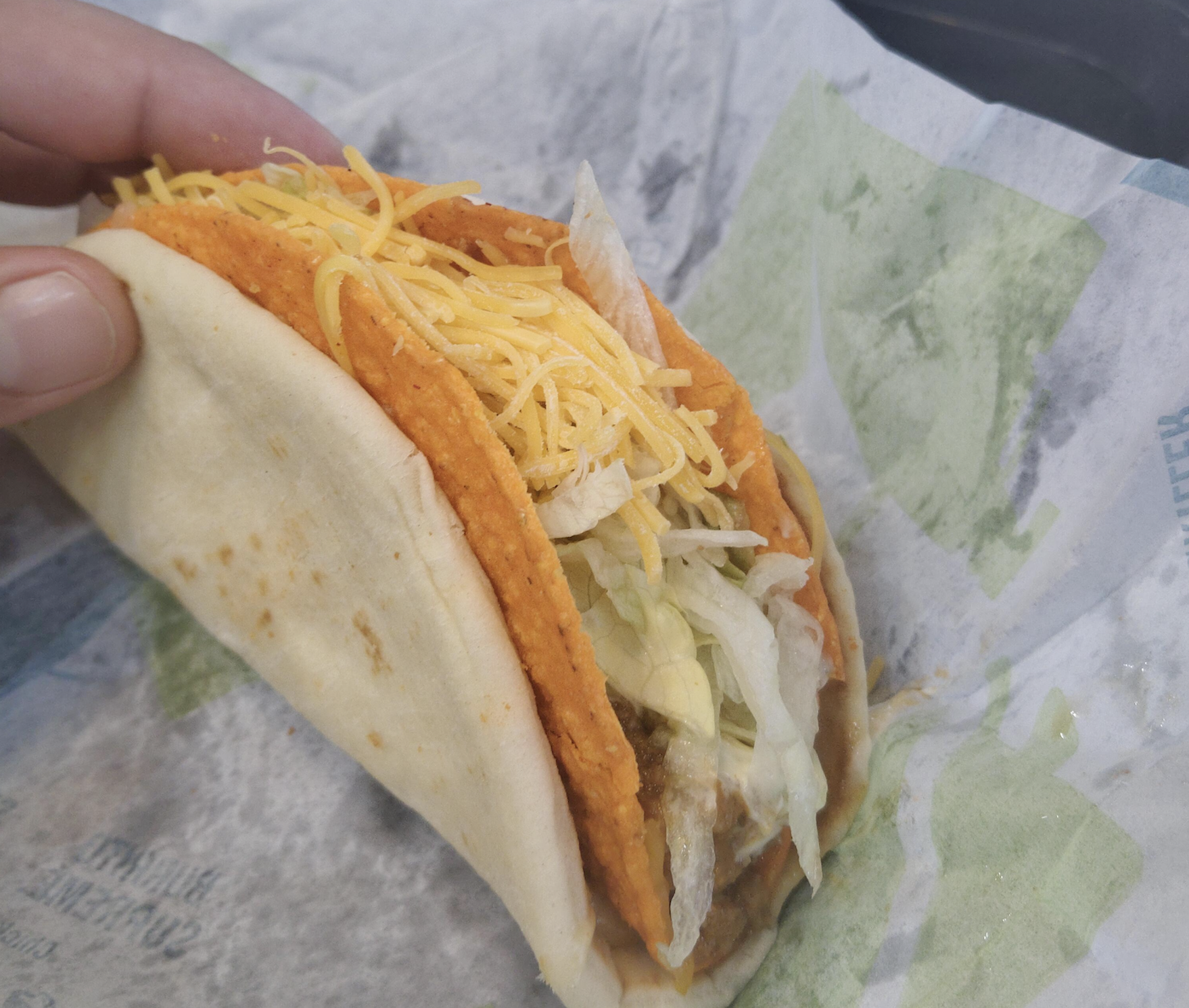
With a 302% price hike, Taco Bell’s Cheesy Gordita Crunch that once cost $1.49 now goes for $5.99. Even at its launch in 2006, this taco was a premium menu item despite its low price point, but its prices later increased substantially over time. The item, which remains on the menu, consists of a crunchy taco wrapped in a cheese-lined flatbread with sauce, serving as a clear example of rising fast-food prices.
Trending on Cheapism

Taco Bell – Chalupa Supreme
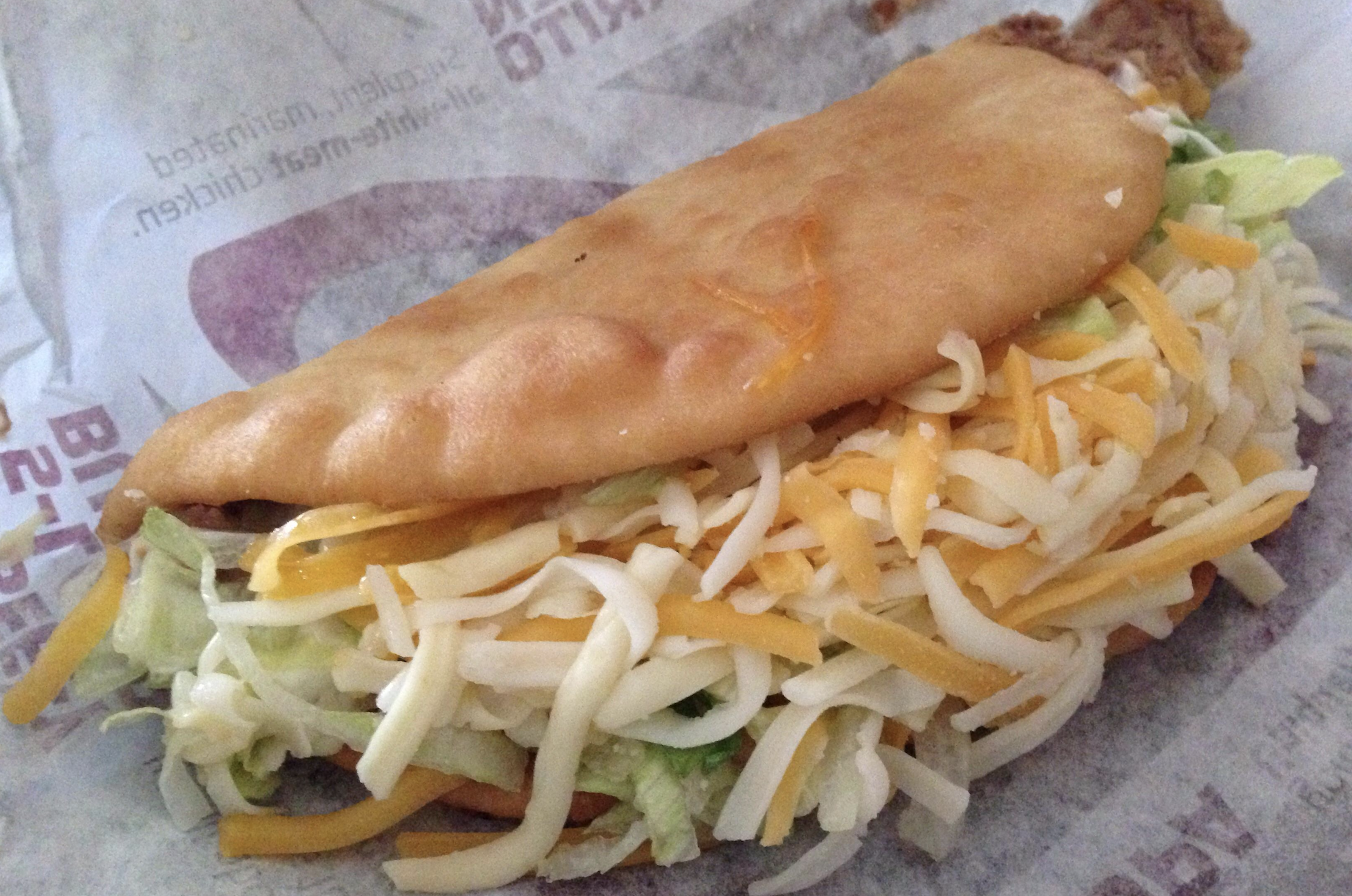
The Taco Bell Chalupa Supreme is another product that has seen a significant price hike. This menu item was a specialty item in 2010, and it used to be priced in the $2 range. Following a 175% increase, it now costs $5.49. The Chalupa is offered as an individual menu item, but it is also available in combo/meal configurations. This dish is a clear example of how fast-food prices have increased over time.
McDonald’s – Medium Fries
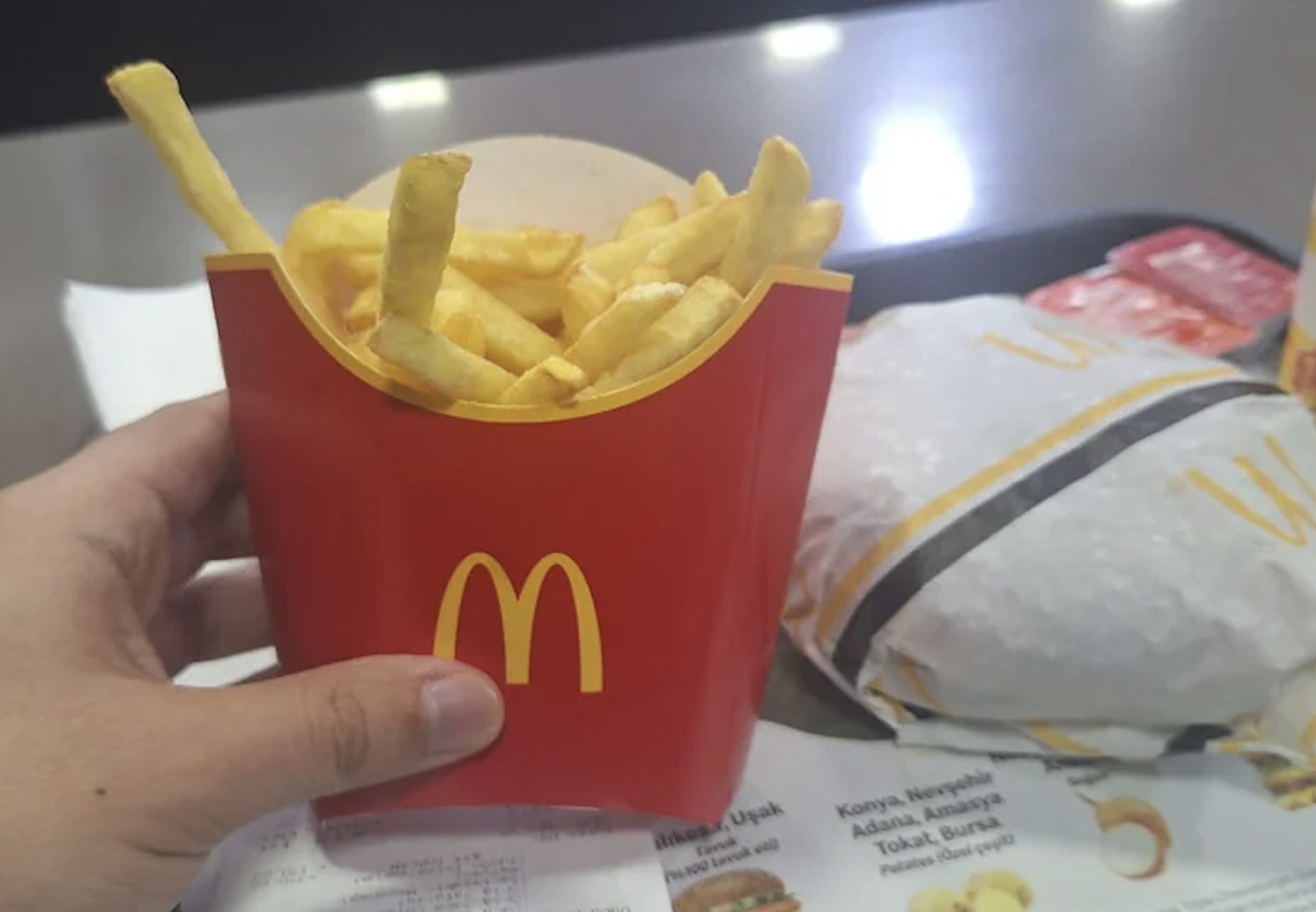
McDonald’s medium fries are another example of how fast-food prices have changed. If the price rose from $1.49 to $3.89, that represents an increase of about 161%. Fries may still be one of the more affordable additions to a meal, but they are no longer a cheap side. To make matters worse, fries contain a small amount of protein. On the bright side, McDonald’s frequently offers discounts on fries through its app.
Popeyes- 4-Piece Chicken Meal
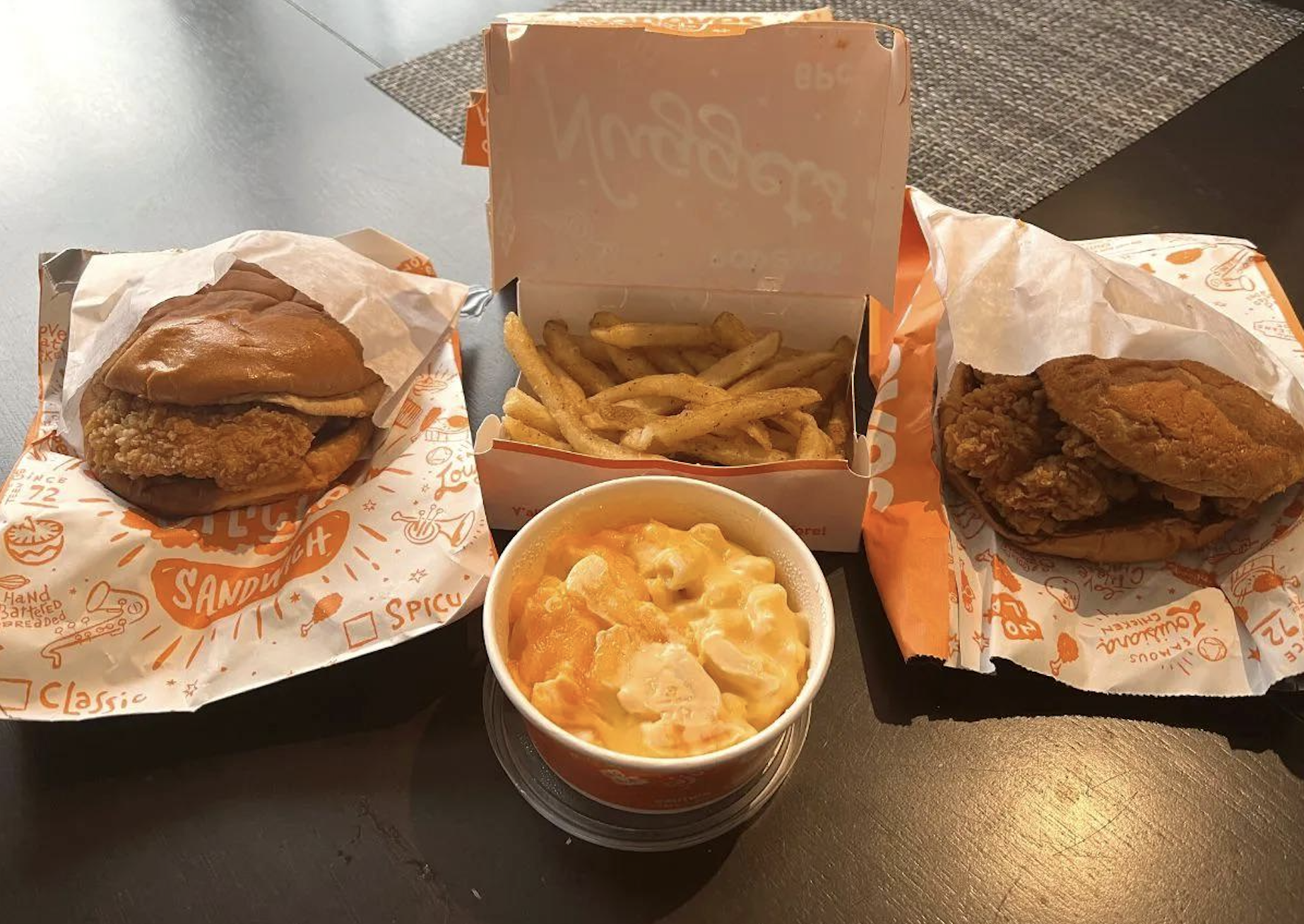
Popeyes offers a 4-piece chicken meal. That meal cost $5.50 in 2010, but by 2026, the price had risen to $10, depending on the location. This 82% increase is comparable to meals that can cost around $13, depending on the market. Although this particular item is not a sandwich or a side dish, the bone-in chicken meals do include various sides, showing how fast-food prices have changed across different types of meals.
Sign up for our newsletter
Burger King – Whopper
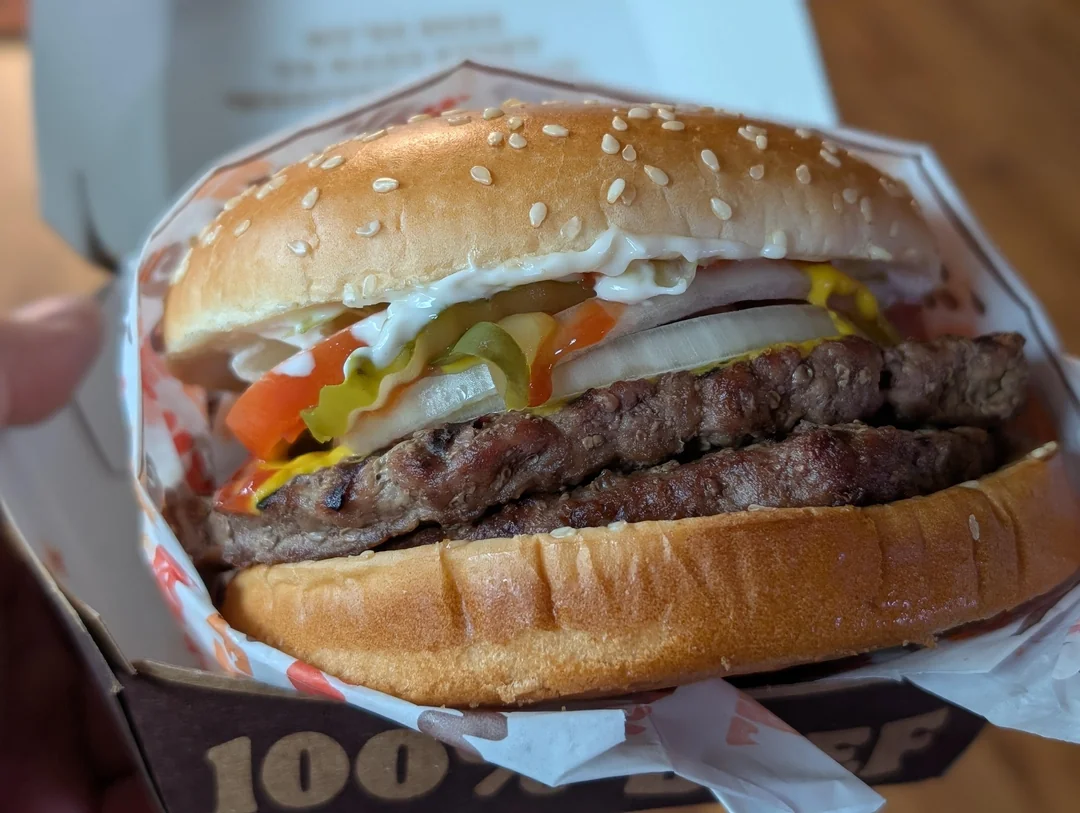
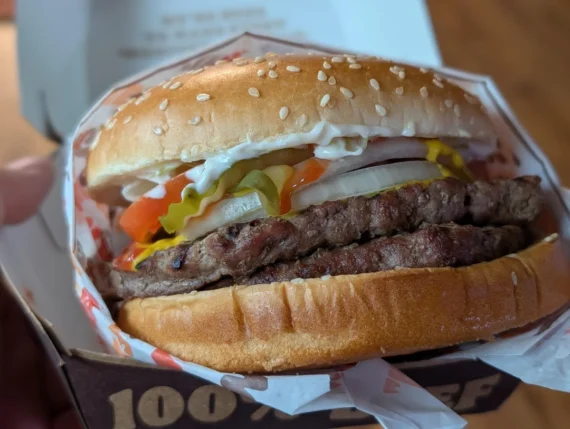
A standalone Whopper typically cost roughly $3 in the early 2010s. Later, its price surged by 117%, reaching the $6.50 range. This figure reflects the price of the burger without cheese or bacon, which would add to the cost. As for the burger’s composition, little has changed over the years, making it a useful example when examining fast-food prices over time.
Chipotle – Barbacoa Burrito, Bowl, or Tacos
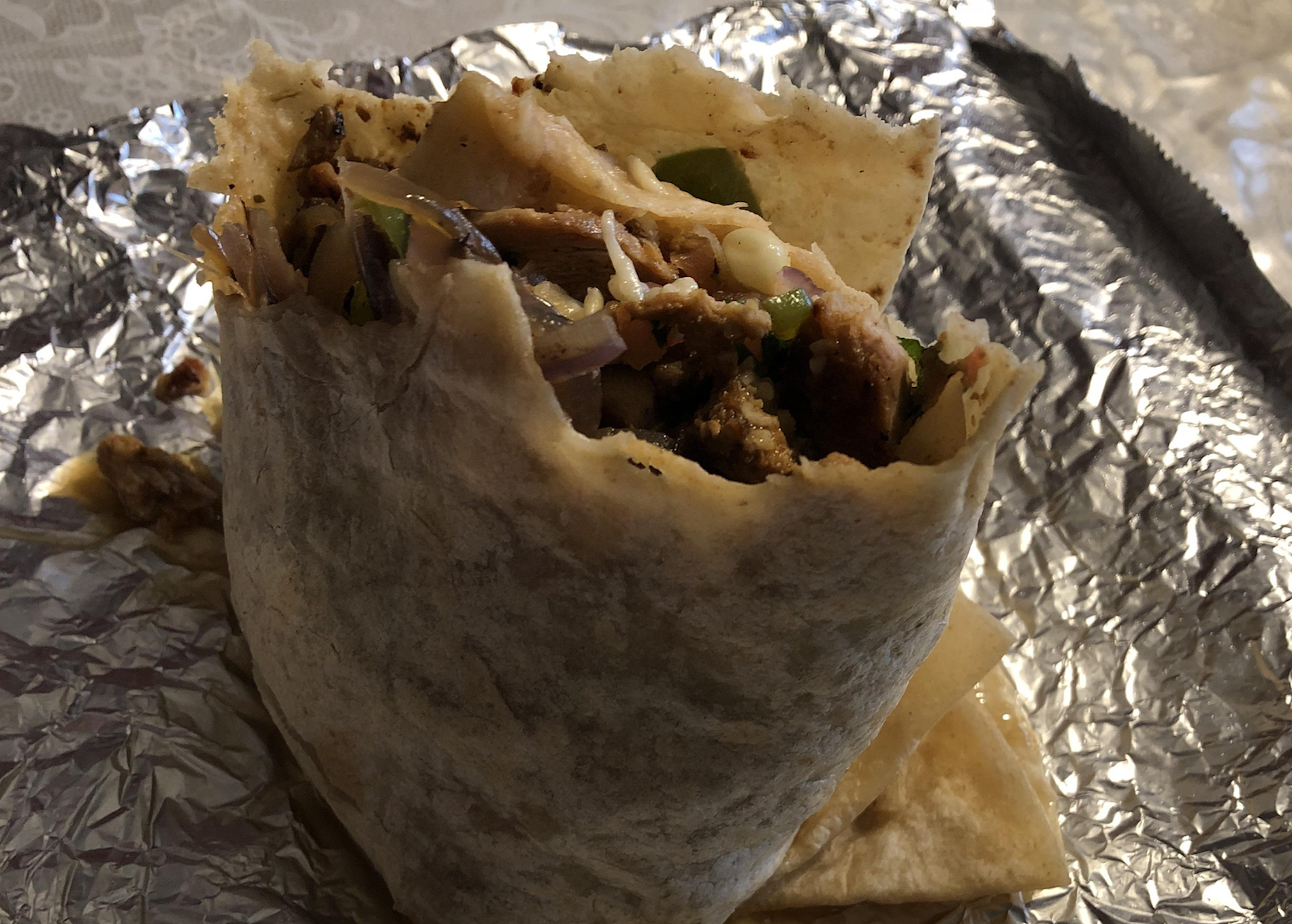
With an average price increase of 89%, the Chipotle Barbacoa Burrito went from costing $7 to $13.20. In 2010, Chipotle’s entrées were priced around $6.50, but costs skyrocketed due to inflation, labor costs, ingredients, operation cost and other factors. The price also rises if you want to add guacamole, cheese, chips, or a drink to your meal. A notable feature is that Chipotle has not changed the format of that original barbacoa burrito, even as fast-food prices have risen.
Chipotle – Chicken Burrito or Bowl
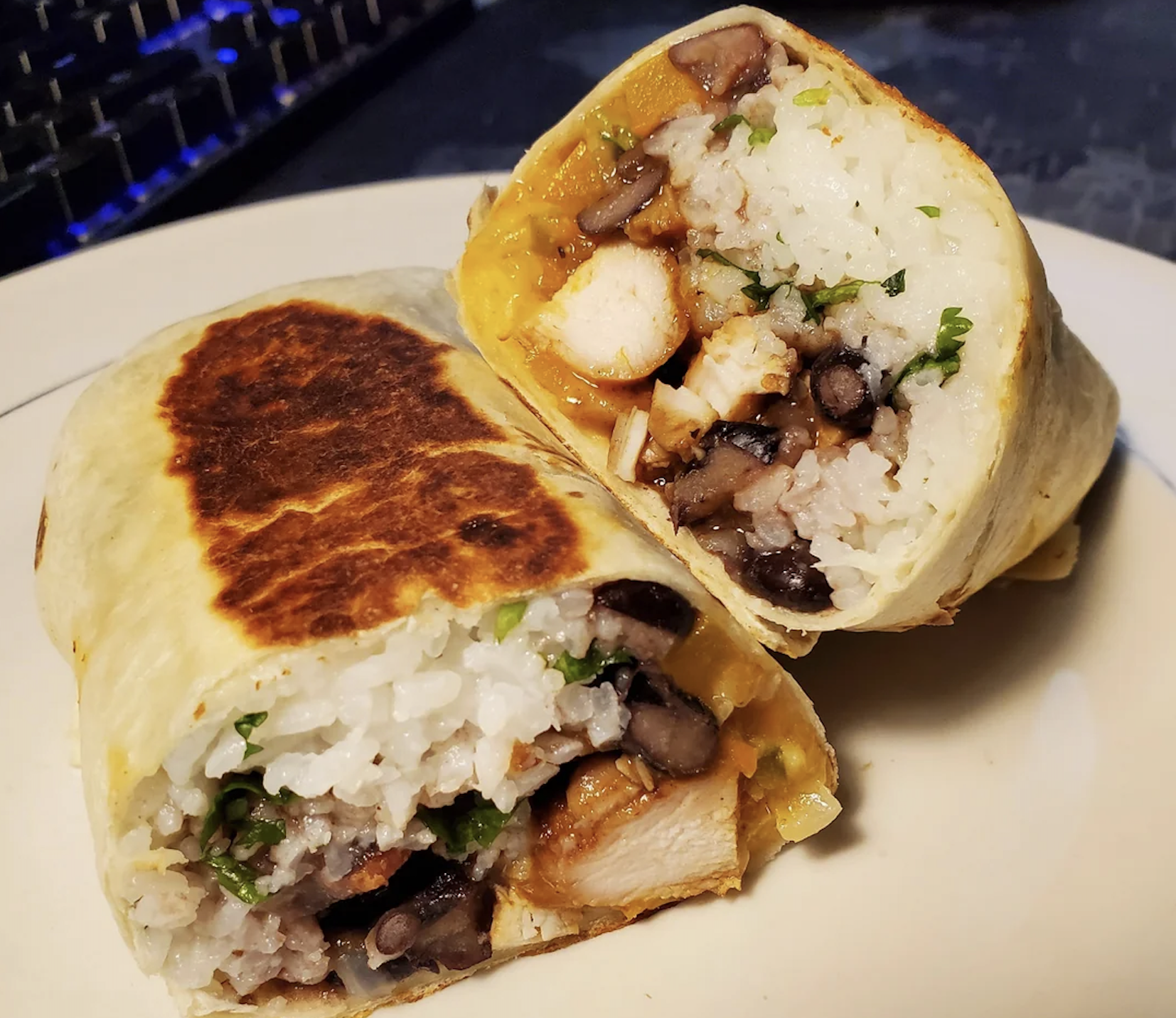
Depending on where you wanted to buy a Chipotle Chicken Burrito in 2010, it would have cost you between $6.00 and $6.50. That price had risen by 55-81%, reaching a range of $9.30 to $11.75. This standard chicken entrée was one of the cheapest options on the Chipotle menu during the 2010s, yet the company could not escape the impact of general inflation.
McDonald’s – Big Mac
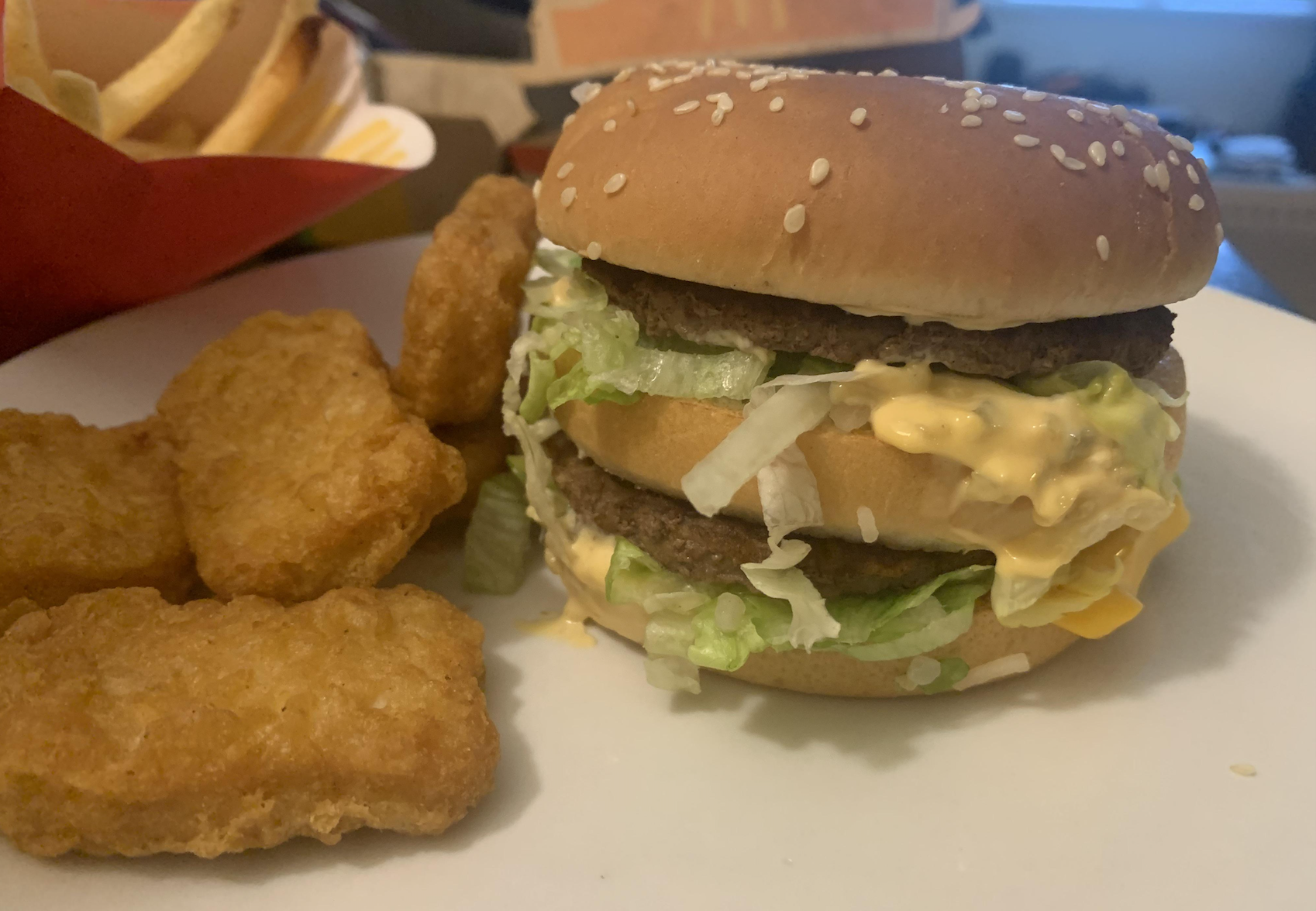
Despite a 58% price increase, rising from $3.73 to $5.91, the Big Mac remains one of the most famous fast-food sandwiches in history, and people continue to choose it. Furthermore, it serves as a valuable tool for analysts; some economists track the price of this burger to compare purchasing power and currency valuations across countries. The percentage increase is lower than other items like the McChicken and McDouble because the Big Mac was not originally positioned as a $1 menu item.
Conclusion
Many of these meals used to define the offerings of fast-food chains when the chains first became established, representing a significant value proposition. However, the passage of time led to rising costs, both for raw materials and production, resulting in price increases similar to those seen with other everyday products in your daily life.