
Many trends in life are cyclical, from clothing, appliances, and cars coming back into style decades after becoming obsolete, to food traditions. A host of old-fashioned eating habits have made a comeback in the United States, and we’ve gathered information from the USDA regarding food-safety and preservation information, to show you what it’s all about!
Home Canning
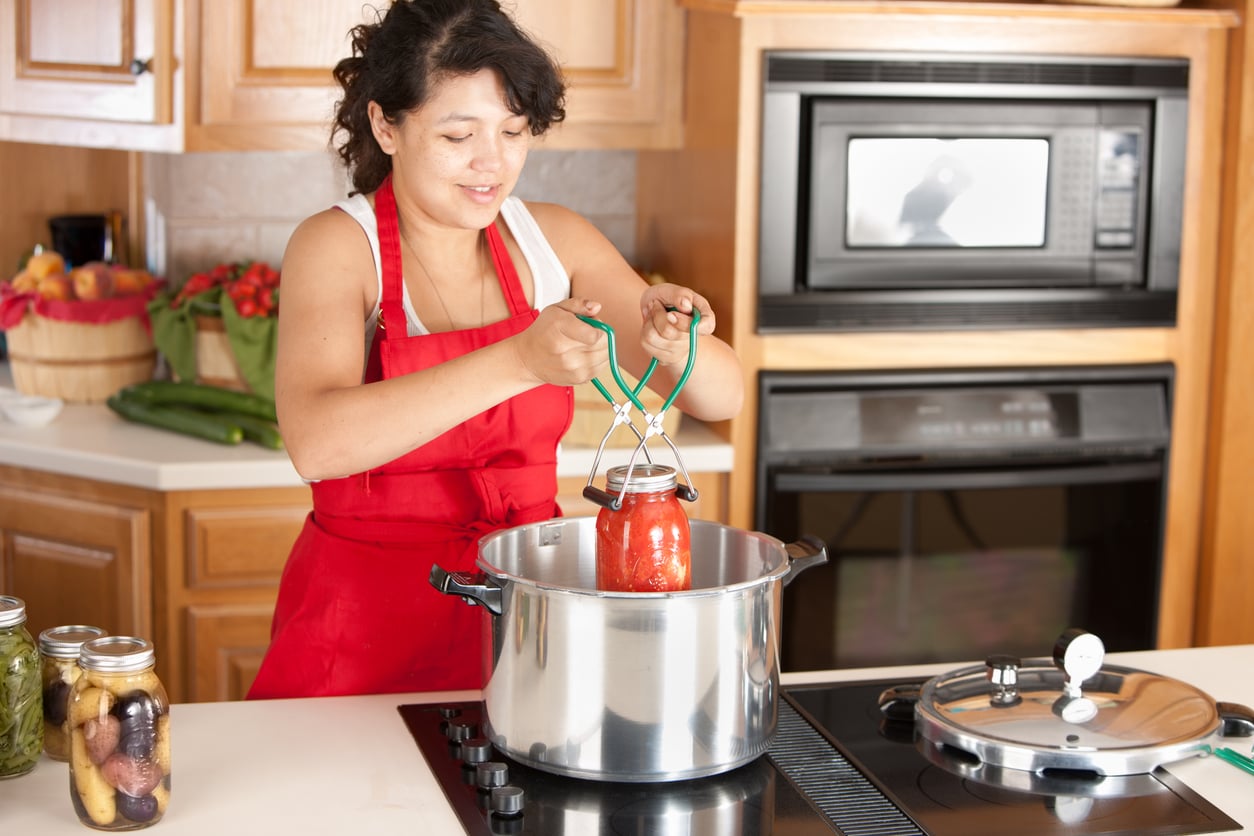
People used to stock their home pantries with jars of tomatoes, pickles, jams, and preserves. While this practice can save money in the long run, given the rising cost of these inexpensive staples, food traditions such as canning have emerged among gardeners and homesteaders who preserve the food they harvest themselves, following food safety guidelines to ensure the process is done correctly.
Sourdough Bread
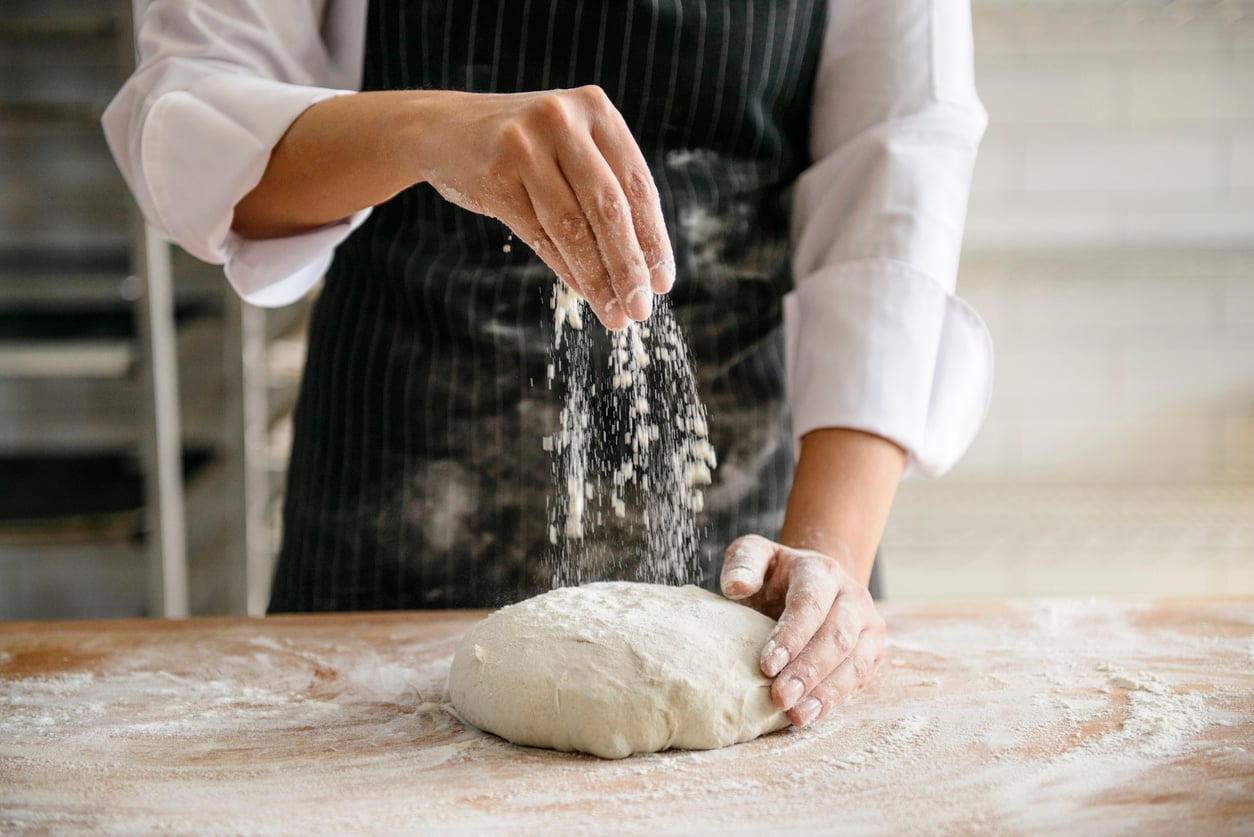
Baking your own bread stems from an ancient tradition, though supermarkets later made access easier thanks to the wide variety on their shelves. In recent years, however, the practice of sourdough baking has made a comeback, with many households embracing one of these food traditions inspired by artisan bakeries. People seem to enjoy the ritual of flavoring the dough, letting it ferment, and preparing a meal at a slower pace.
Supper Clubs

Participating in a supper club meant dedicating several hours of your day to a meal that served not merely to nourish you, but to foster social connections with others. One of these food traditions, once a staple of the local culture, is making a comeback in various cities across the U.S. Midwest. It represents a shift from the quick-service restaurant model to a more leisurely dining experience, yet one where you can still find the prime rib and relish trays of yesteryear.
Butcher-Shop Shopping
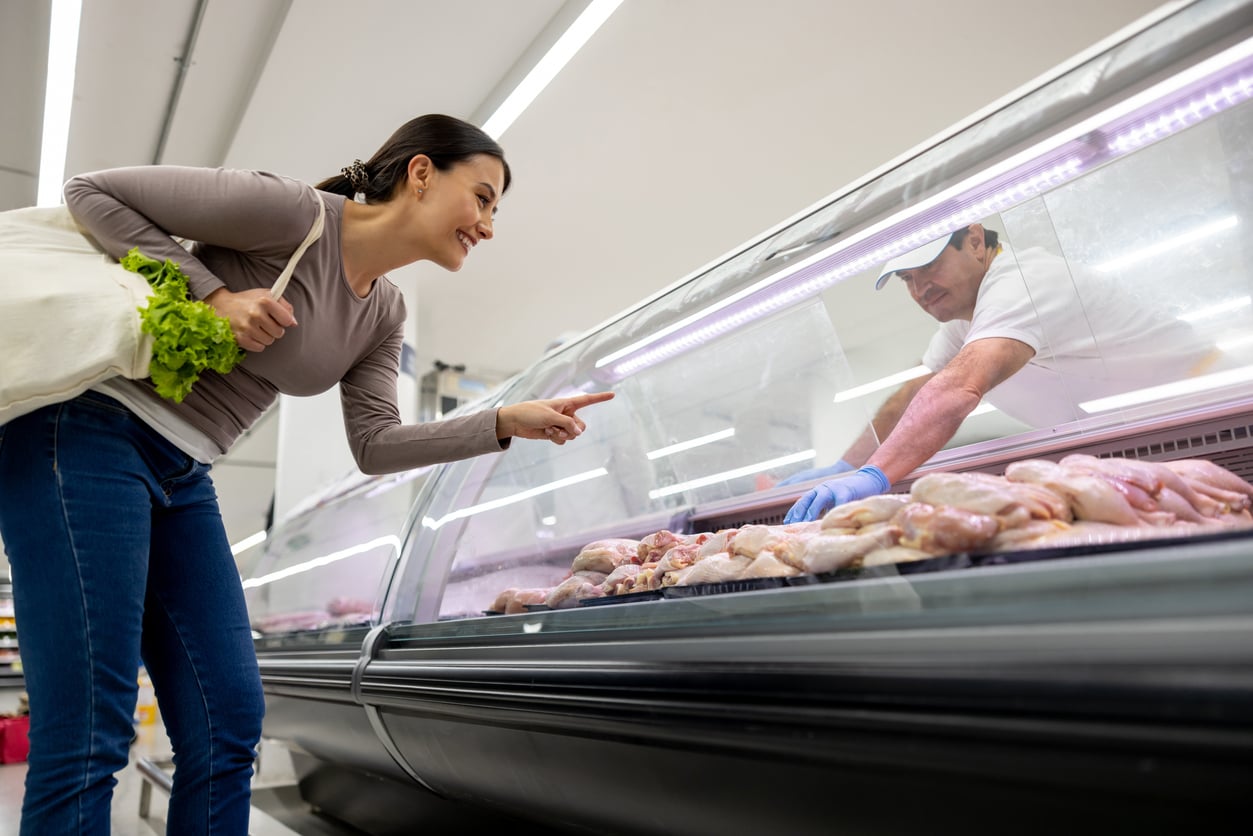
Families used to buy meat from a butcher shop because the staff could provide information about the cuts and explain which one was best for the meal you wanted to prepare. That practice fell by the wayside in favor of the convenience of going to the supermarket and picking a package of meat from a refrigerated case, but butcher shops are slowly making a comeback because people are valuing meat expertise. One of these food traditions also highlights the importance of safe food handling, cooking, and storage, which the USDA says are essential for preventing foodborne illness.
Fermenting Food at Home
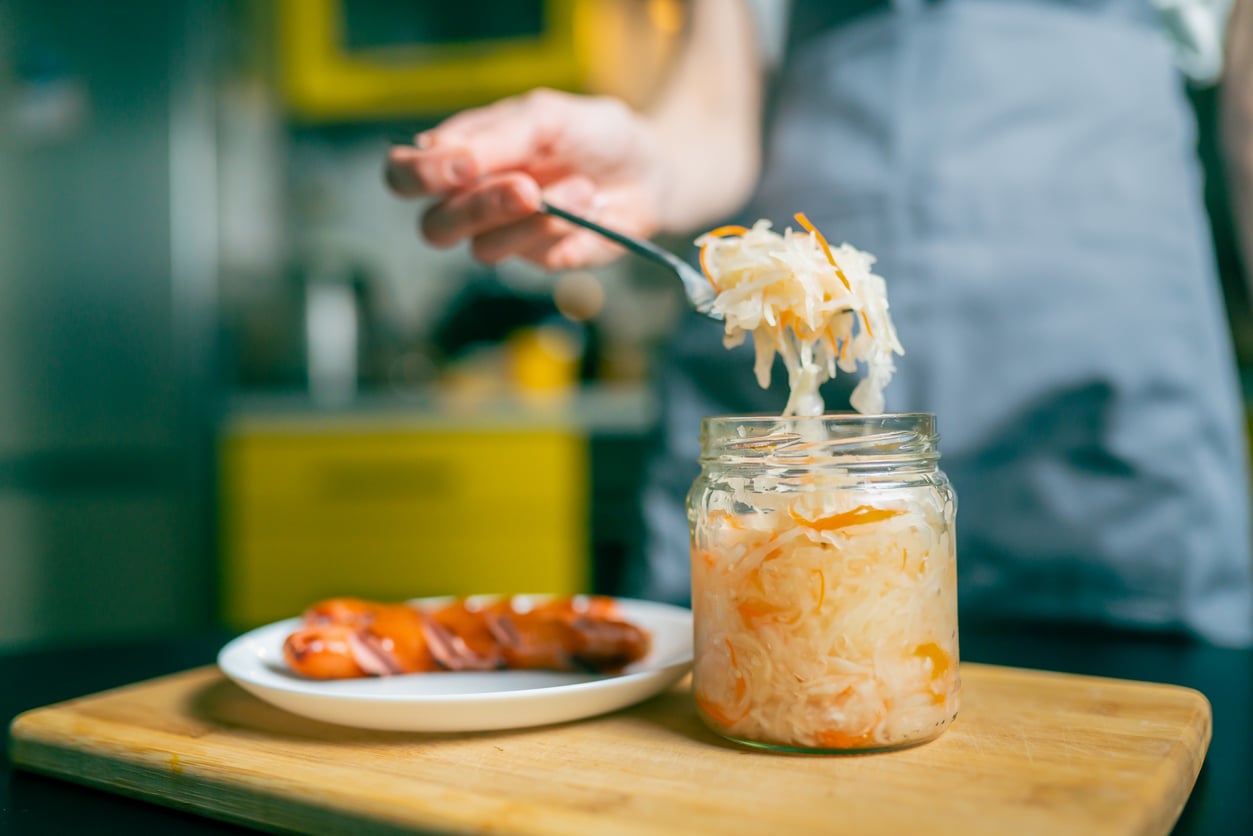
One method used to preserve food before the advent of refrigeration was fermentation with safety considerations, a technique applied to pickles, sauerkraut, and kimchi, among others. One of these food traditions has made a comeback as people seek to rediscover the bold flavors characteristic of fermented foods. It allows inexpensive vegetables to be transformed into items with a long shelf life, while also imparting that distinctive taste.
Trending on Cheapism

Cast-Iron Cooking
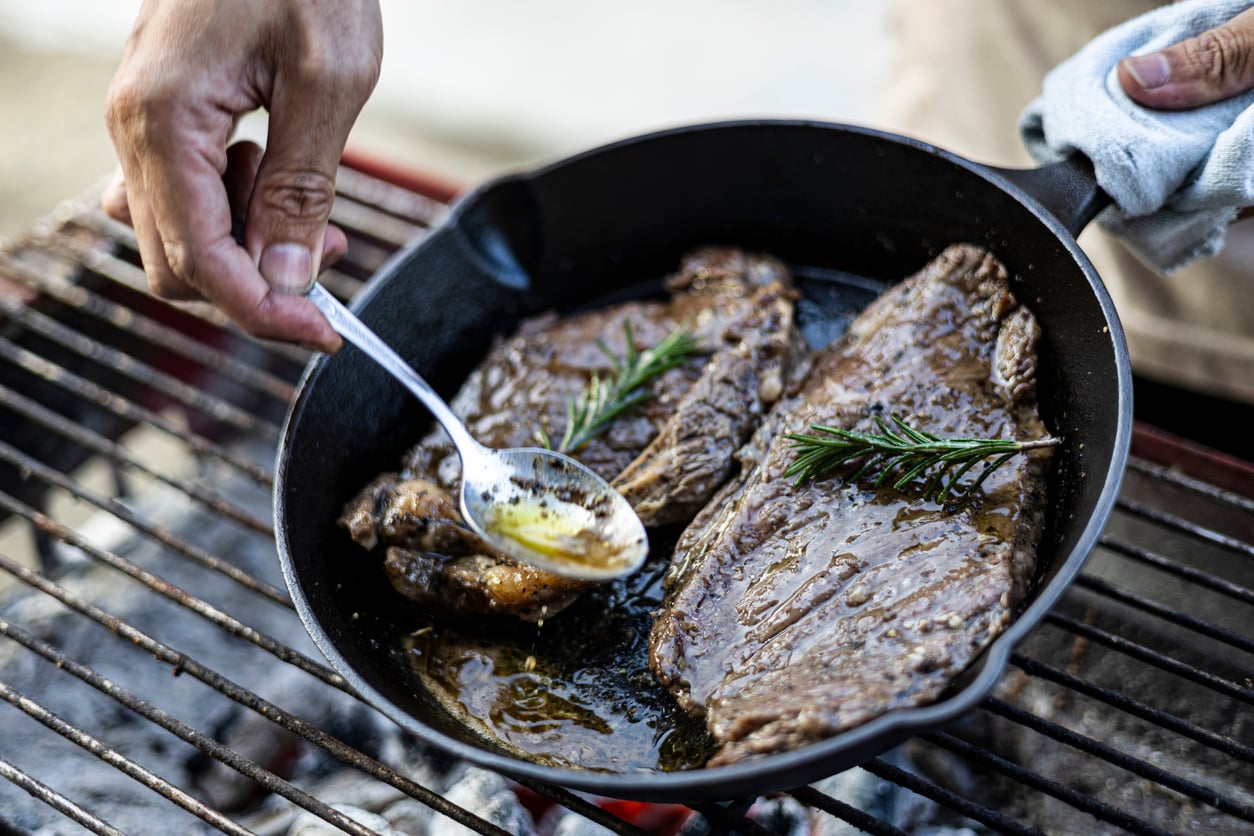
Cast-iron skillets are truly durable cooking tools. While the handle might occasionally need repair if it’s made of wood, the rest is highly durable. Although they were long considered inconvenient due to their significant weight, one of these food traditions has regained popularity because a well-seasoned pan is hard to beat. Furthermore, you can use them on stovetops, in ovens, and even over campfires.
Sunday Roast and Big Family Meals

As people’s lives seem to move at a much faster pace these days and individuals are busier than before, the tradition of formal Sunday gatherings, where families would come together for a meal, had begun to fade. However, many families have missed this weekend custom, and one of these food traditions is making a comeback because it offers a great way to socialize while potentially being more economical and less stressful. The USDA recommends planning food shopping and measuring the portions to prevent food waste at gatherings.
Pickling Almost Everything
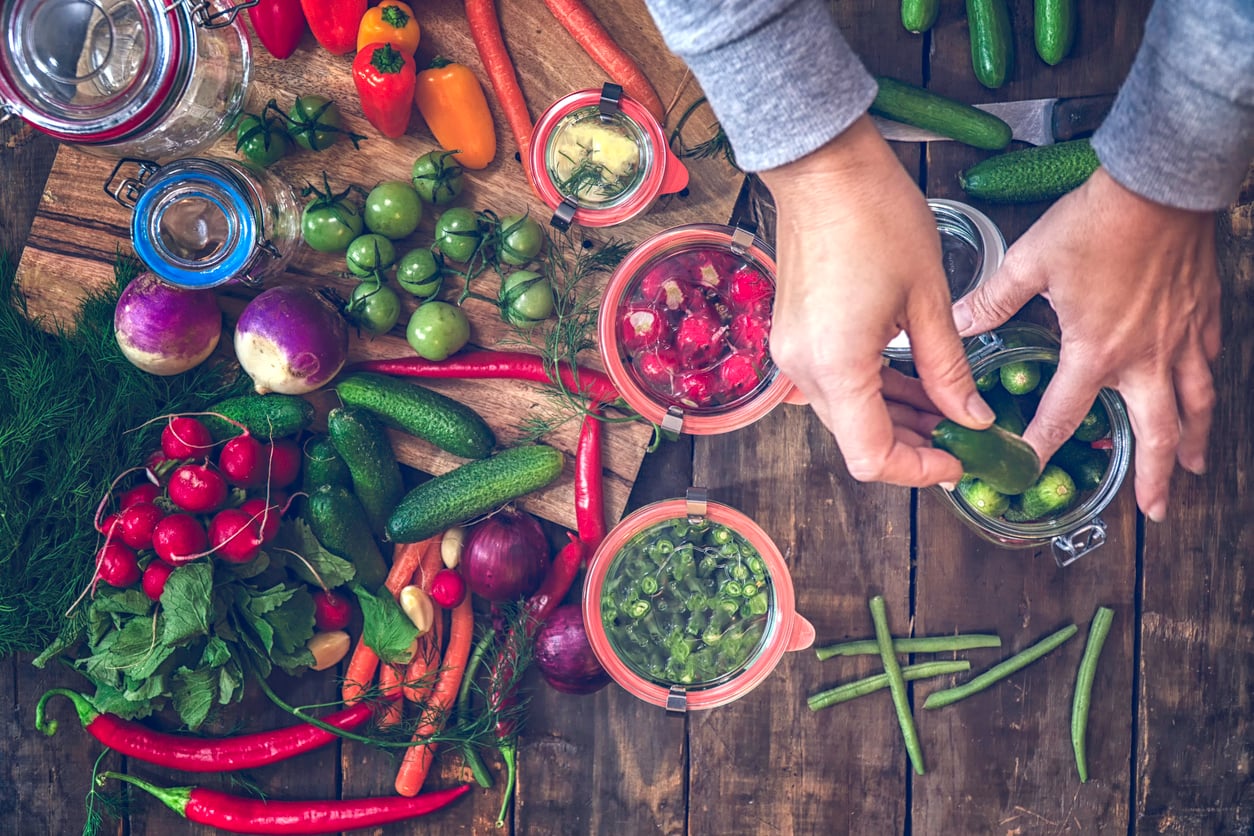
Quick-pickled and preserved vegetables are currently trendy restaurant garnishes, but in the past, they were everyday kitchen staples, as chefs and home cooks alike would pickle onions, carrots, radishes, cucumbers, and peppers. One of these food traditions has come back into fashion because it allows you to stretch your produce and reduce waste.
Sign up for our newsletter
Pie Shops and Old-Fashioned Bakeries
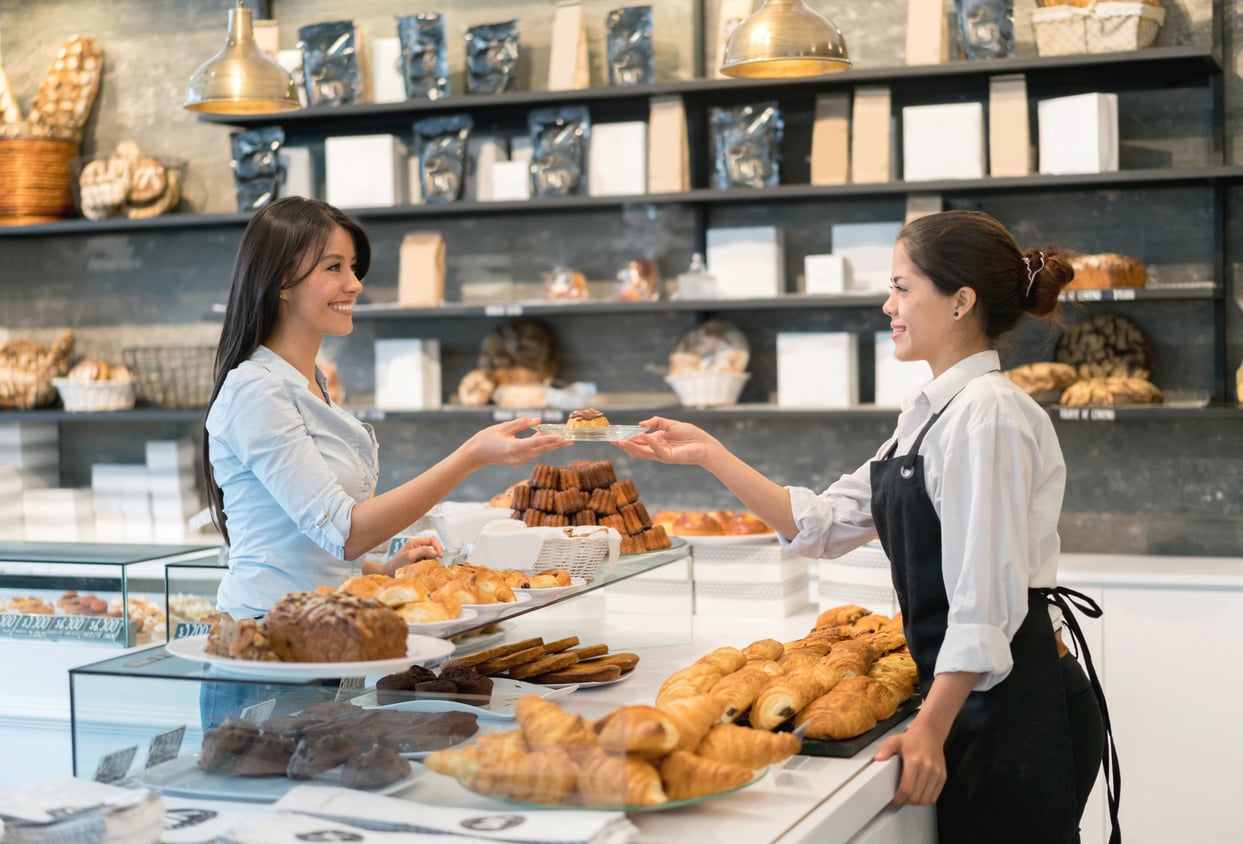
Independent bakeries specializing in pies, layer cakes, biscuits, and nostalgic desserts are once again capturing people’s attention. One of these food traditions is drawing customers who are willing to drive a few extra miles to get those unique specialty items rather than buying a generic version of a baked good at a supermarket.
Making Stock From Scraps
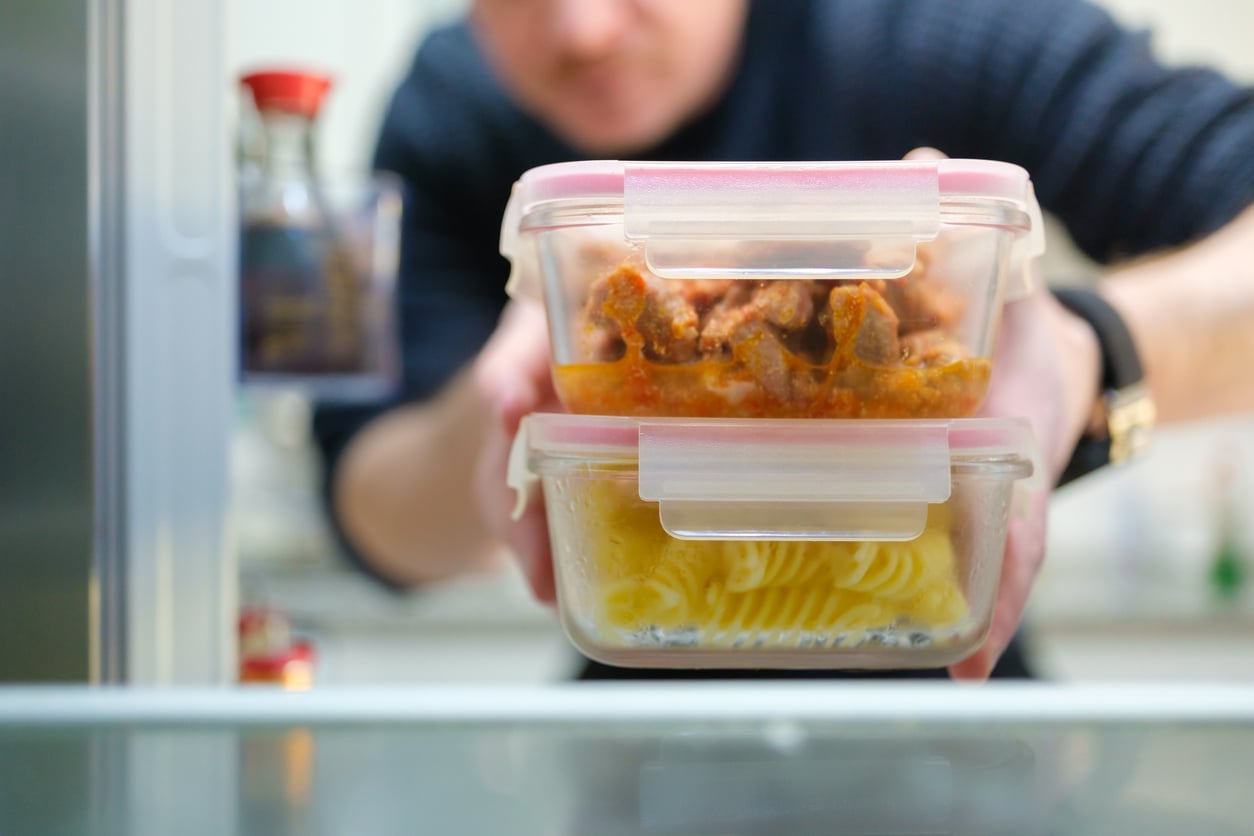
By making stock from scraps, you prevent food from spoiling and ending up in the trash. The USDA provides a food-waste guidance to use leftovers. In past generations, turning vegetable trimmings and leftovers into new dishes was common practice, though it hasn’t been a priority for years. This habit is slowly making a comeback as home cooks pay closer attention to using what they buy and getting better value for their money through planning.
Relish Trays and Snack Platters
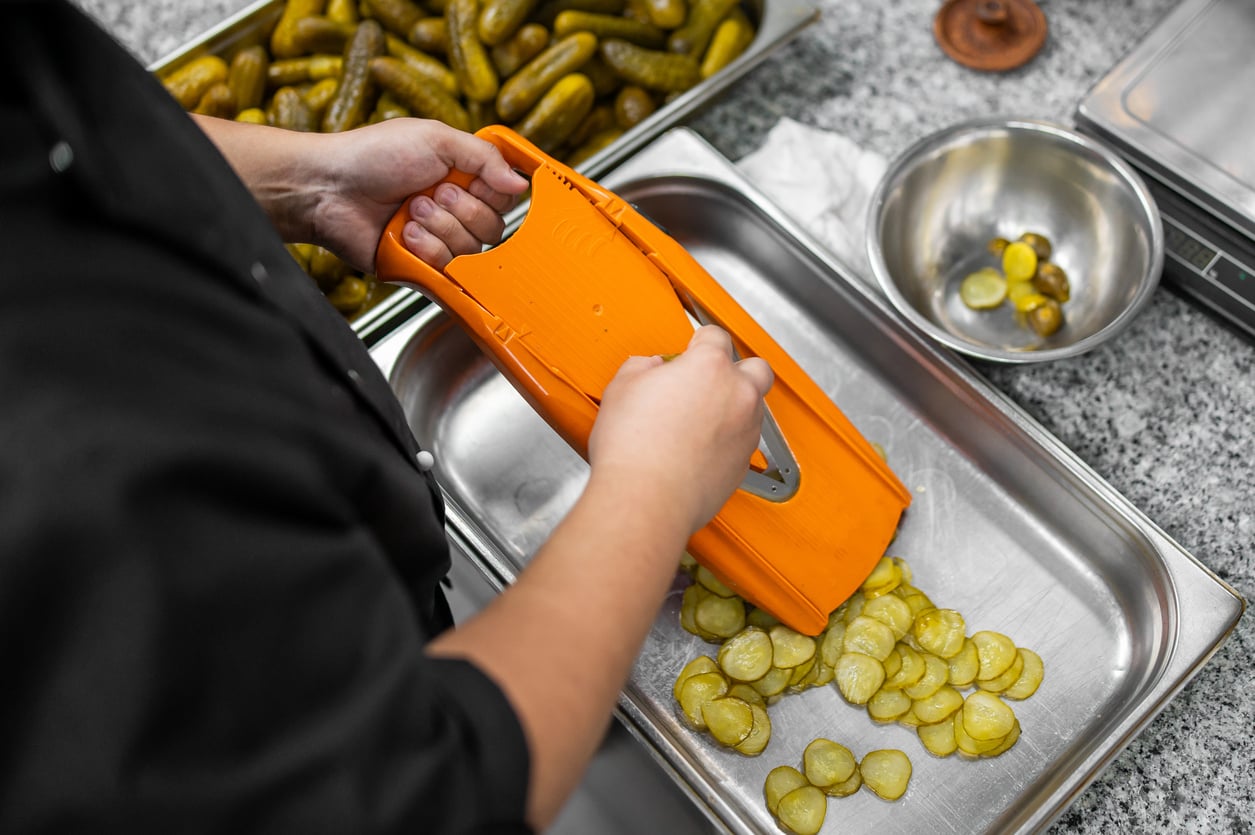
Relish trays and snack platters are making a comeback in the culinary scene, as they offer something to nibble on before dinner while adding a special touch to the meal. Modern versions of these food traditions feature a mix of old-school pickles and olives alongside cheeses, charcuterie, and spreads.
Cooking From Handwritten Family Recipes
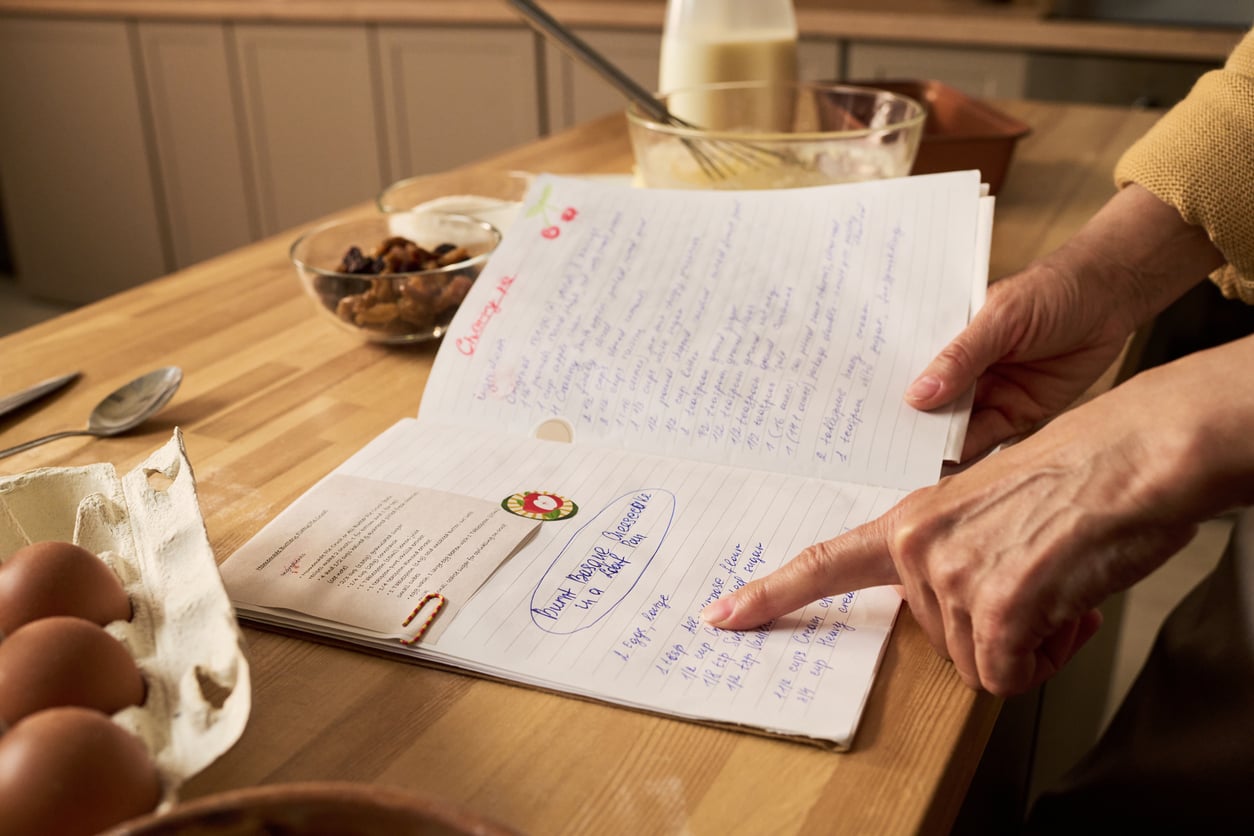
One way to preserve family recipes was to write them down on paper, capturing the handwriting of a mother or grandmother. As handwriting has faded over the last few generations and everything has gone digital, many grandparents’ recipes are now stored and viewed digitally. Yet, for many families, nostalgia outweighs technological convenience. A stained index card can hold more emotional value than the best recipe found on the internet.
Conclusion
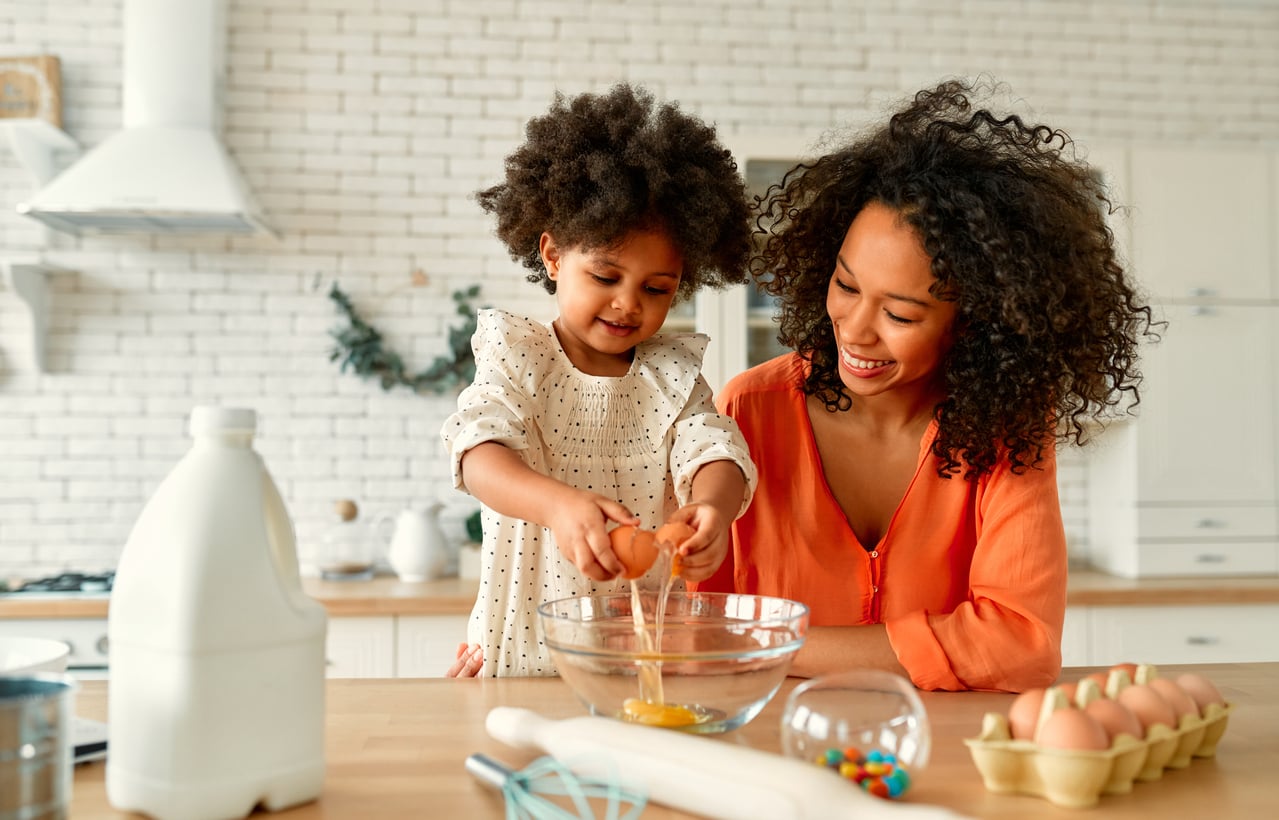
This resurgence of food traditions is happening because it offers many people the chance to return to traditions of slow cooking and waste reduction, recreate meaningful food rituals, and forge a connection with the significance of meals. It is not about the idea that the past was better, but rather about keeping alive certain habits that enrich a person’s daily life.