A fancy dining room and an expensive menu don’t always guarantee a great meal. Sometimes, the simplest dishes reveal the most about a kitchen’s skills, from how well the rice is cooked to whether the meat is tender and flavorful. If you want to know whether a restaurant knows what it’s doing, paying attention to the basics is a good place to start. As Serious Eats demonstrates through its cooking guides and recipe testing, even familiar dishes require careful technique. Here are 12 foods that can tell you a lot about the kitchen before you’ve finished your first few bites.
Pho: The Broth Should Taste Good Before You Add Anything
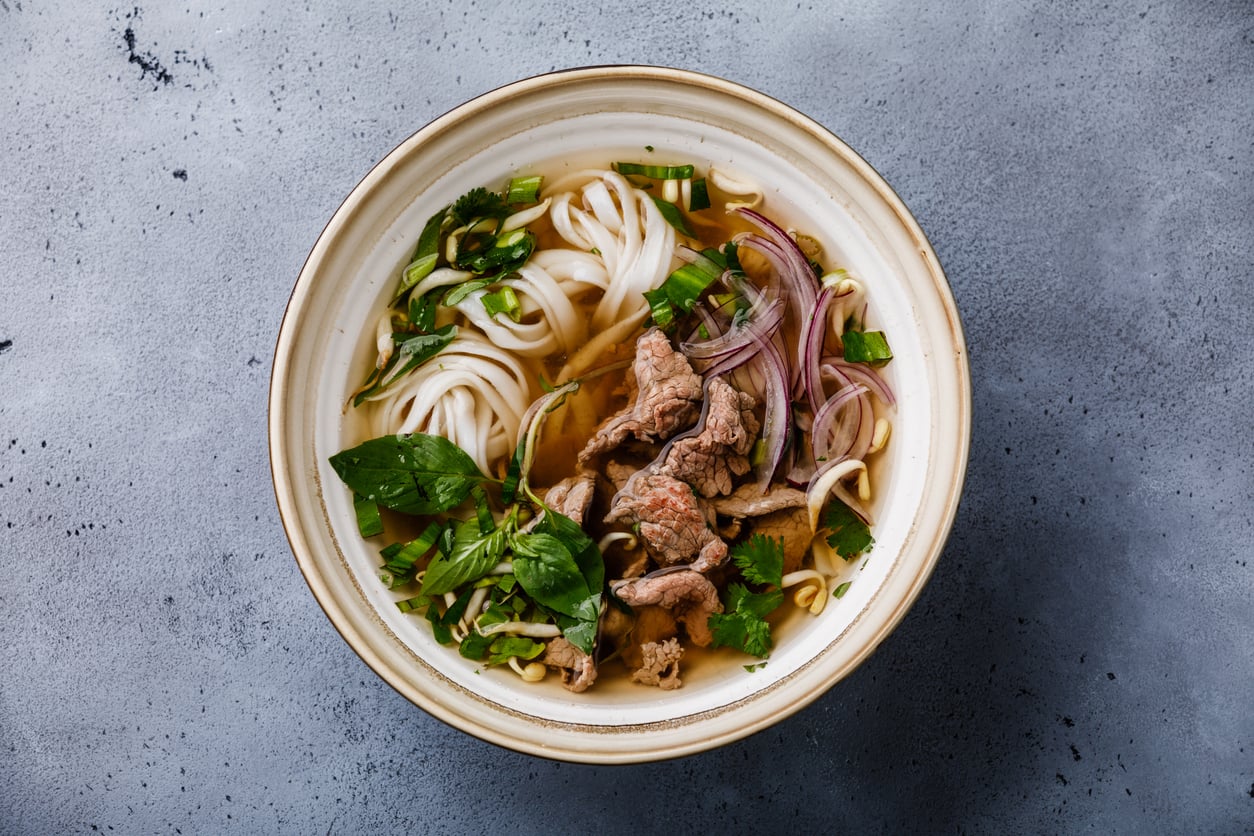
A steaming bowl of Vietnamese pho might arrive with fresh herbs, lime wedges, and plenty of sauces, but the broth is where the real work shows. Traditionally prepared pho develops its flavor from carefully simmered bones or other stock ingredients, aromatics, and spices. Take a spoonful before adding anything. It should taste balanced and satisfying, not overwhelmingly salty or sweet. Different regional styles have their own characteristics, so stronger isn’t necessarily better. If the broth tastes flat without a generous squeeze of sauce, the noodles and toppings probably won’t rescue it.
Har Gow: The Dumpling Wrapper Should Be Delicate, Not Gummy
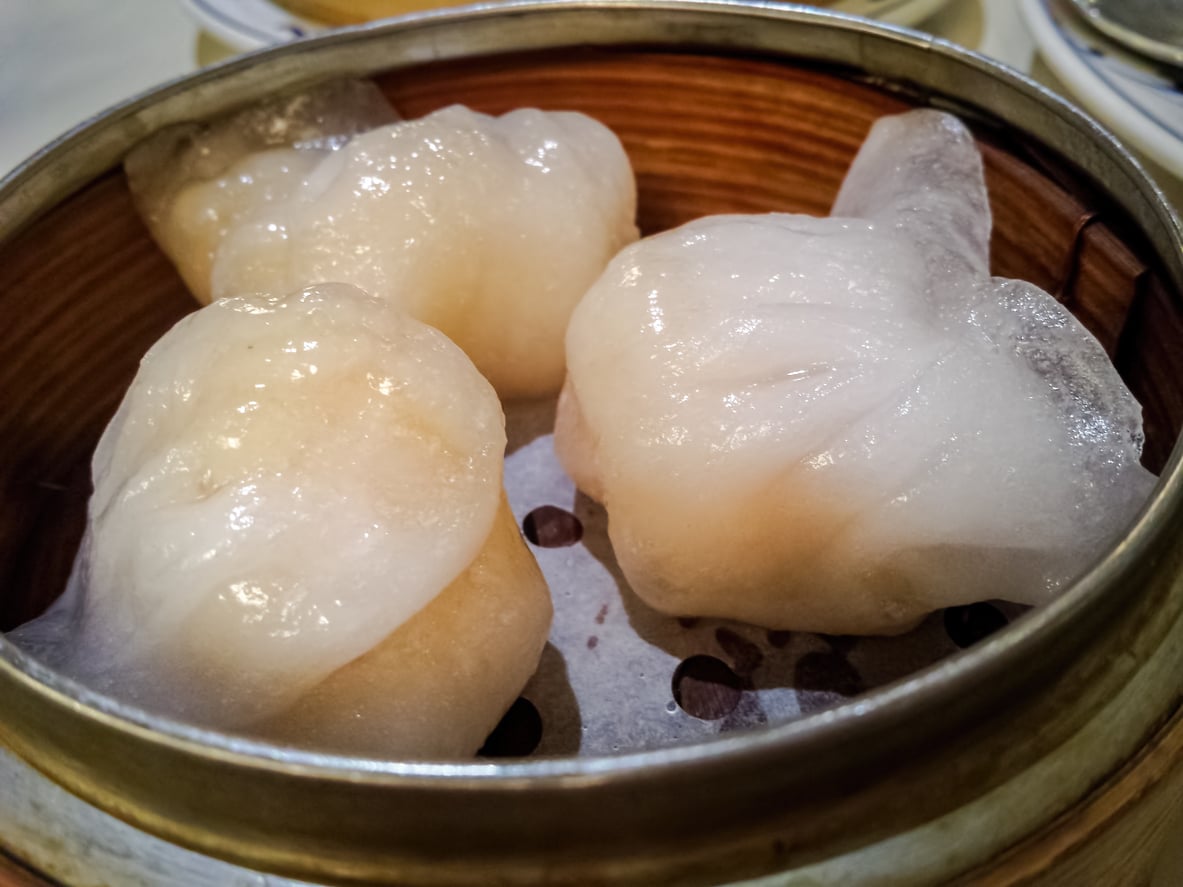
Those translucent shrimp dumplings served at dim sum restaurants might look simple, but they’re surprisingly tricky to make. Har gow requires a thin, slightly chewy wrapper that holds together without overwhelming the filling. The shrimp inside should be juicy and pleasantly springy, not rubbery or mushy. Beautiful pleats are a nice touch, but texture matters more than decoration. If the wrapper tears apart immediately or feels like a thick layer of paste, something may have gone wrong during preparation or steaming. It’s a revealing test of a dim sum kitchen’s technique.
Risotto: Creamy Rice That Still Has Some Bite
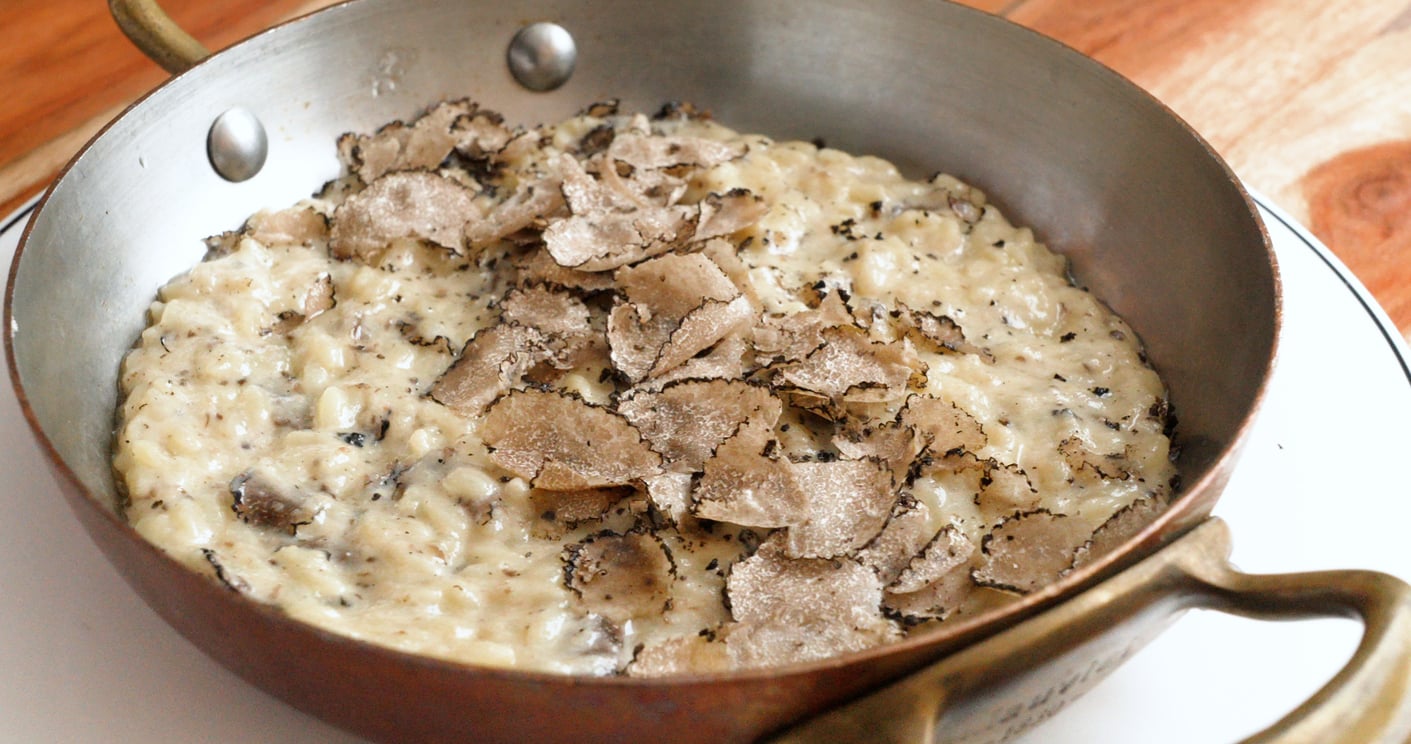
Risotto shouldn’t resemble a dry mound of rice, but it shouldn’t be a bowl of mush, either. A well-prepared version has a creamy consistency, with individual grains that retain a little firmness. The rice should spread gently across the plate rather than sitting in a stiff pile. Restaurants sometimes partially cook risotto ahead of time and finish it when customers order, which isn’t necessarily a problem. What matters is the result. If the rice is crunchy in the center, completely mushy, or swimming in watery liquid, the kitchen may have missed the mark.
Barbecue Brisket: Tender Meat That Doesn’t Fall to Pieces
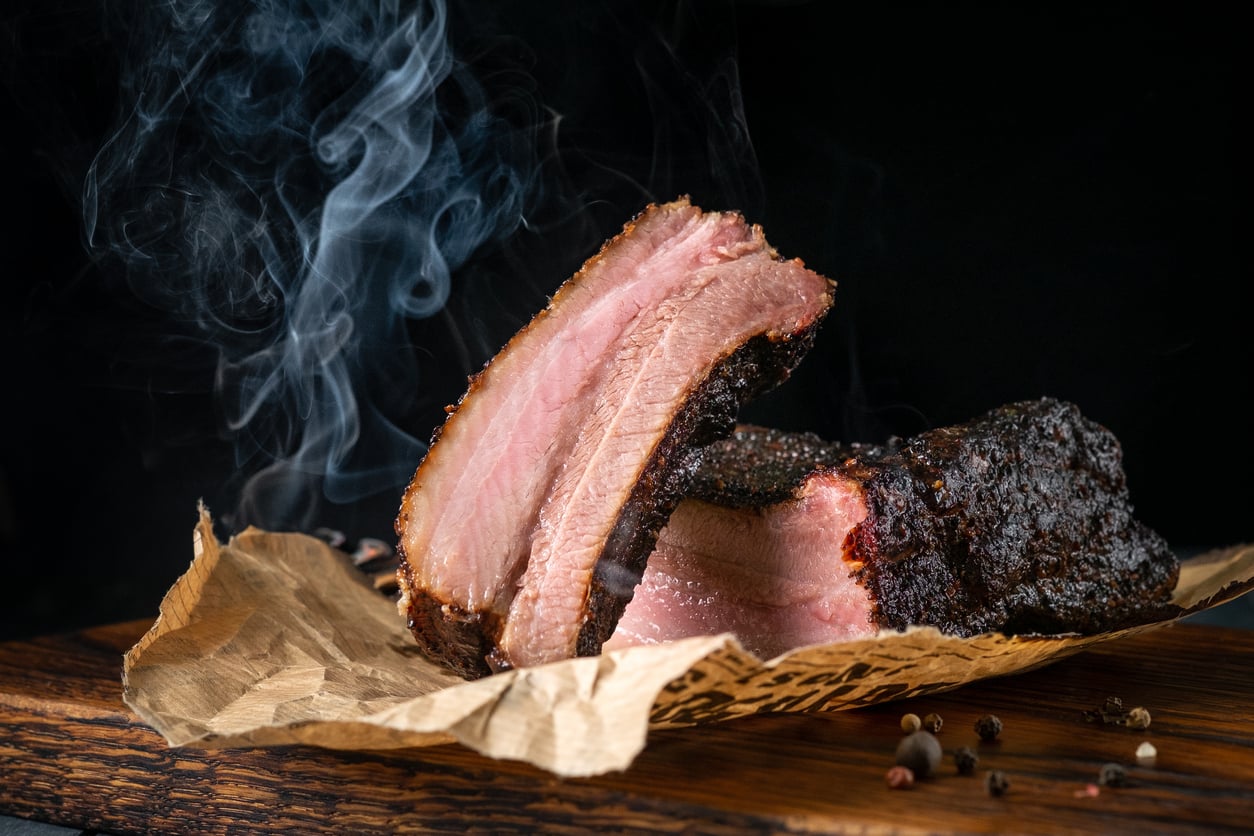
Brisket can spend hours in a smoker, but that doesn’t guarantee a good result. Properly cooked barbecue brisket should be tender enough to bite through easily while still holding together when sliced. Look for a flavorful outer crust, known as bark, and meat that isn’t excessively dry or crumbly. A little fat is normal and helps give brisket its richness. If every slice needs a generous helping of sauce to taste good, that’s disappointing. A small order of brisket can tell you plenty about a barbecue restaurant’s patience and technique.
Falafel: A Crispy Outside With a Tender, Flavorful Center
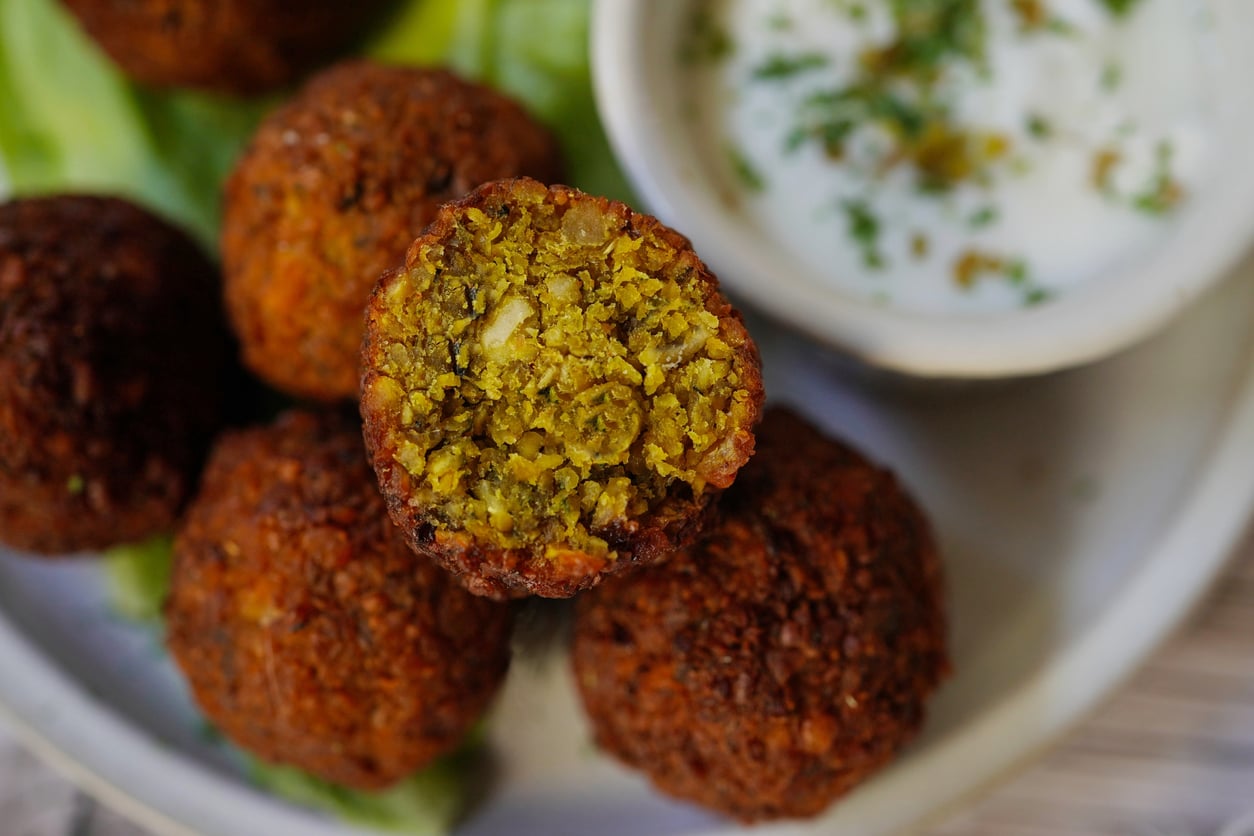
Good falafel should have a crisp, golden exterior that gives way to a tender, well-seasoned center. Break one open before covering it with tahini sauce or stuffing it into pita bread. Depending on the herbs and ingredients, the inside might be bright green or golden, but it shouldn’t be heavy, gummy, or dripping with oil. Falafel depends on properly prepared chickpeas or other legumes and careful frying. If the outside is greasy while the middle feels dense and underwhelming, the kitchen may be struggling with its mixture or frying technique.
Trending on Cheapism


Tamales: The Masa Matters as Much as the Filling
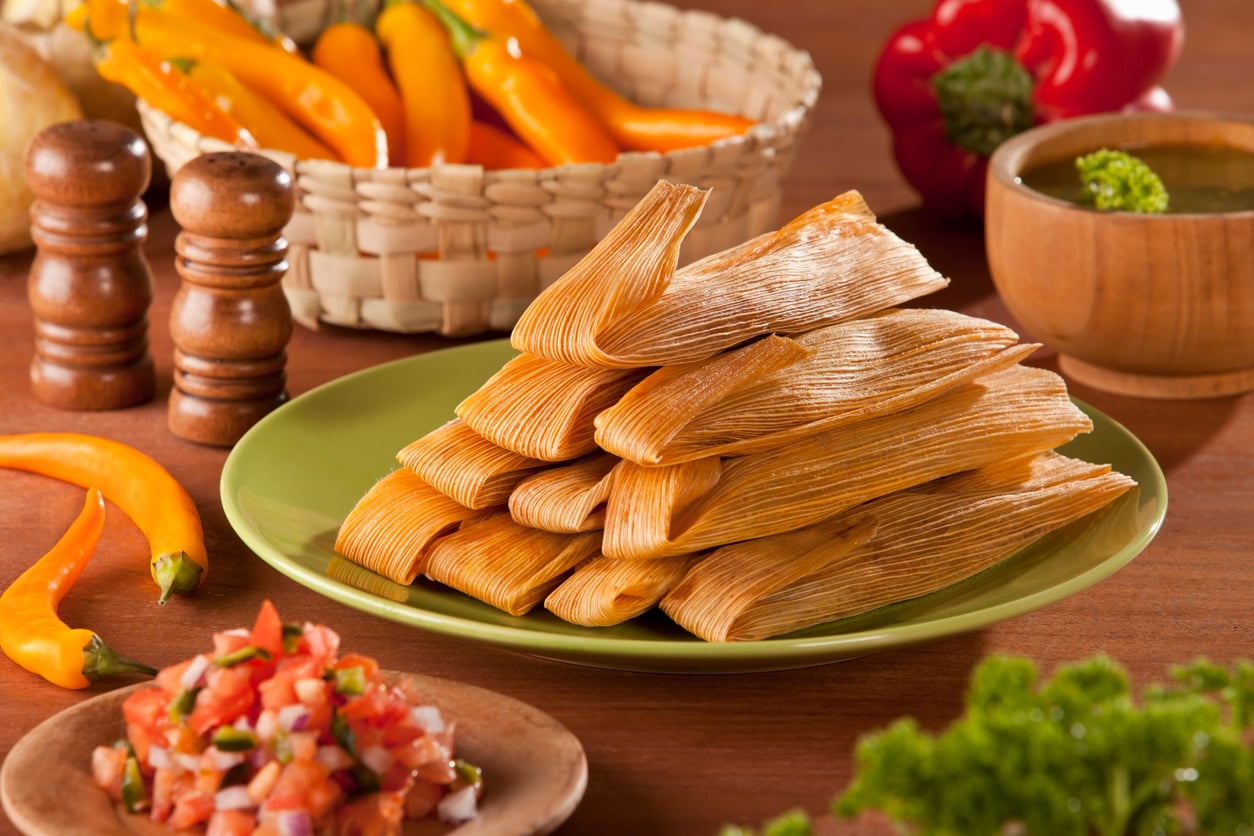
It’s easy to focus on what’s inside a tamale, but the surrounding masa deserves just as much attention. Made from corn dough, masa should be tender, flavorful, and cohesive rather than dry or unpleasantly gummy. A properly cooked tamale generally separates from its corn husk without leaving a sticky mess behind. Different regional recipes have different textures and proportions of filling, so there’s no single perfect version. Still, if the dough tastes bland or falls apart into dry crumbs, even a delicious meat or cheese filling won’t completely make up for it.
Carnitas: Crispy Edges Without Drying Out the Pork
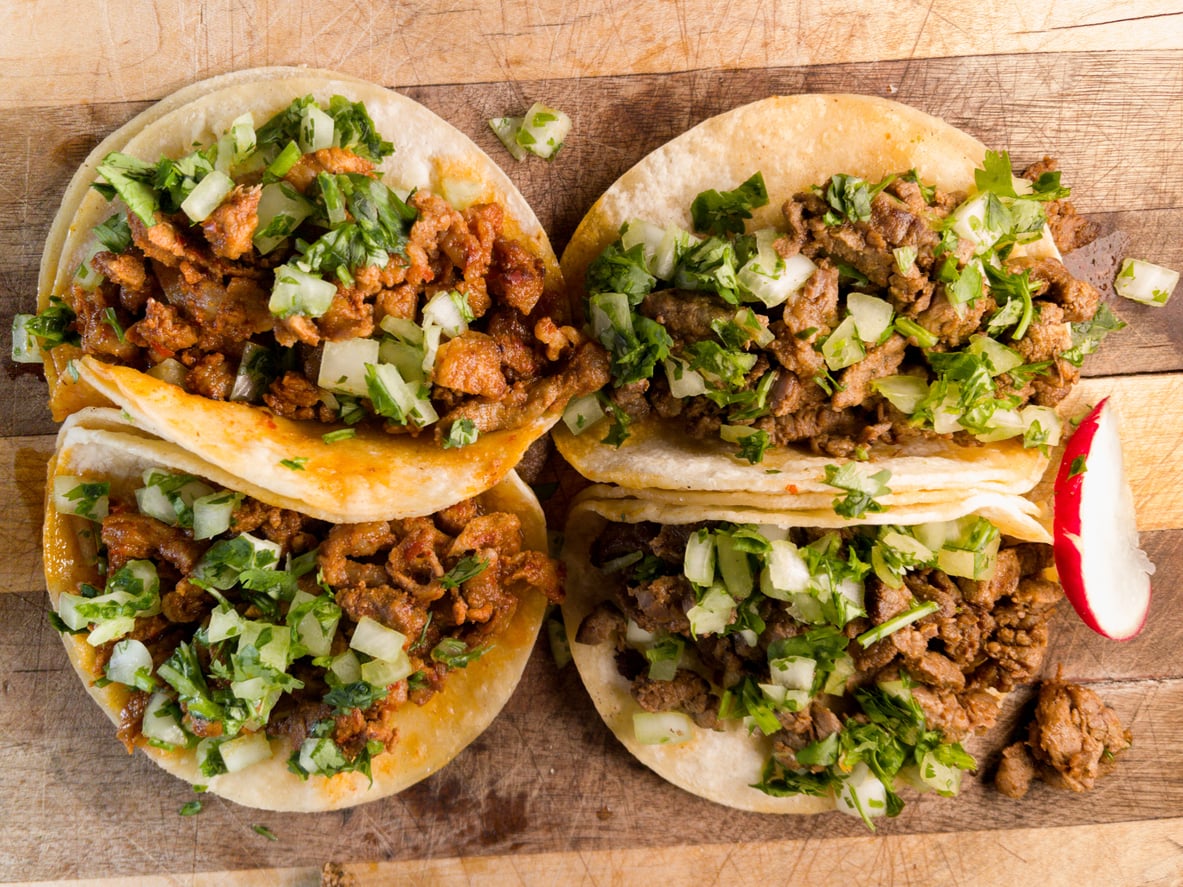
Carnitas should deliver the best of both worlds: rich, tender pork with some beautifully browned edges. The meat is traditionally cooked slowly until tender, then sometimes crisped before serving. Take a bite before adding salsa or squeezing lime over everything. The pork should have enough seasoning and flavor to stand on its own. If it’s uniformly dry, tough, or swimming in grease, something may have gone wrong. Not every regional version emphasizes crispy pieces, but good carnitas should still taste juicy and satisfying rather than like reheated leftovers.
Fresh Bagels: Chewy Without Being Tough as Rubber
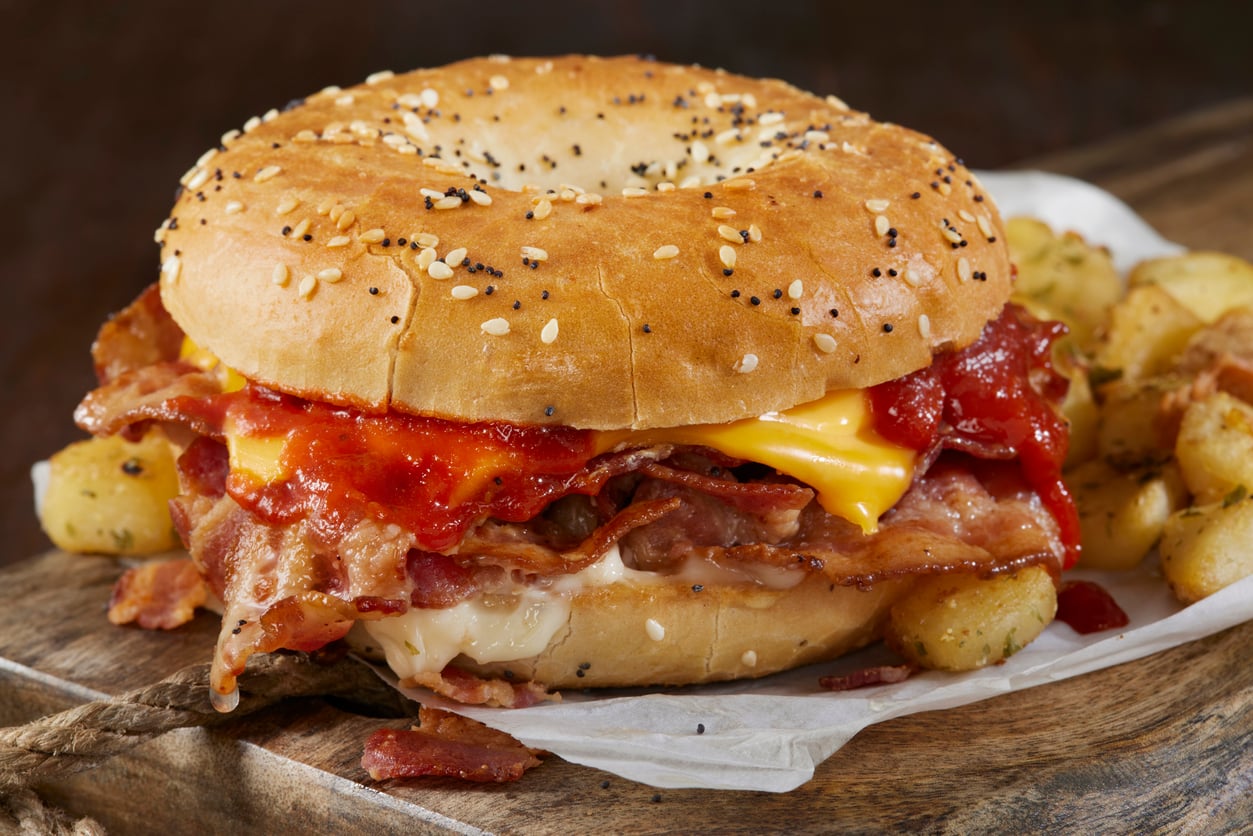
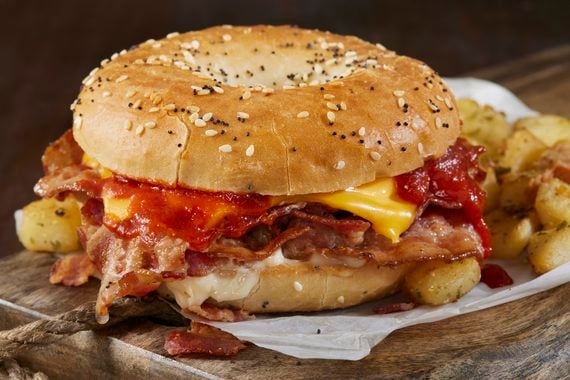
A good bagel has a satisfying chew, a substantial interior, and a crust that offers a little resistance when you bite into it. Traditional bagel-making involves developing the dough, allowing it to rise, and boiling it before baking. Those steps help create the texture that distinguishes a bagel from an ordinary bread roll. Try a plain or sesame bagel before piling on cream cheese and smoked salmon. If it tastes like soft sandwich bread or requires a serious workout to chew, the bakery may not have mastered the basics.
Sign up for our newsletter
French Onion Soup: Rich Flavor Beneath the Melted Cheese
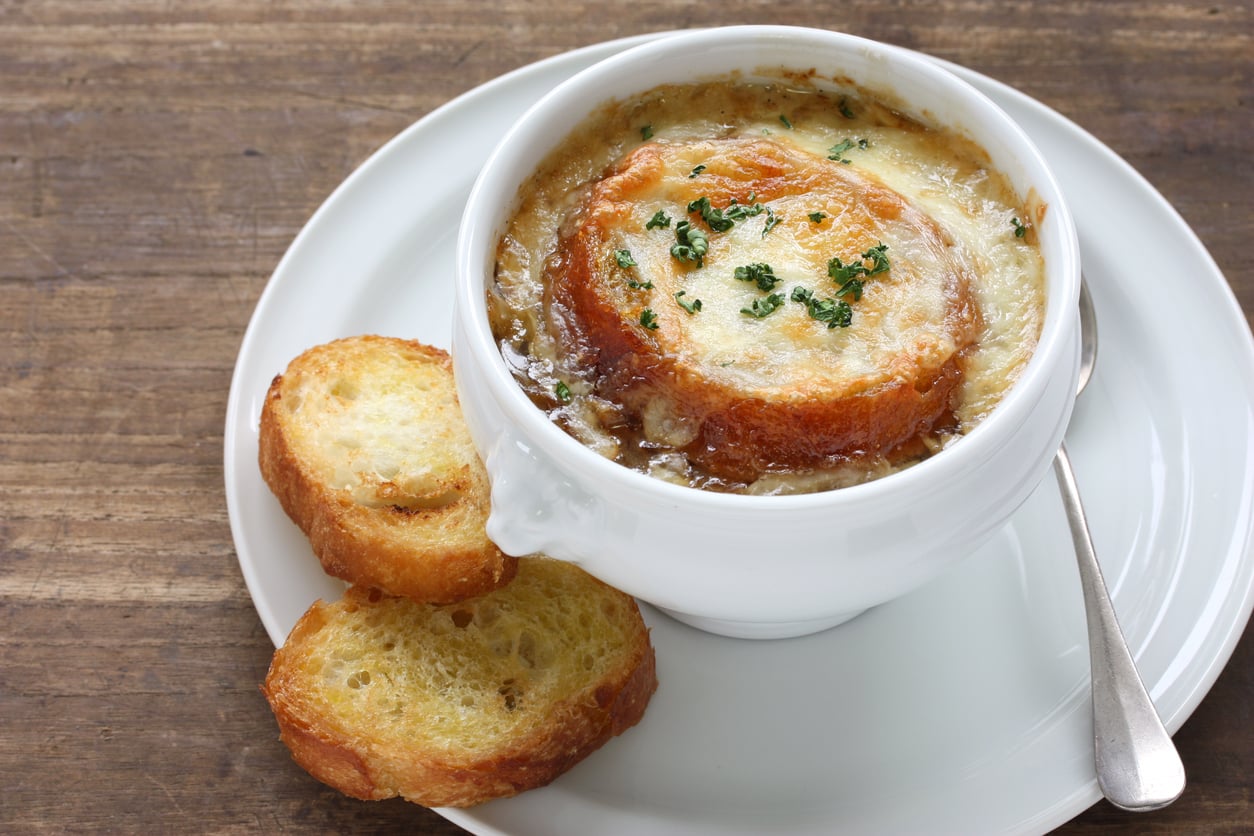
A bubbling layer of melted cheese can make almost any bowl of French onion soup look irresistible. But underneath that topping should be deeply flavored onions and a savory broth that tastes good on its own. Properly browned onions develop sweetness and complexity that can’t be replaced by simply adding more salt. The bread should soak up some broth without becoming an unappealing pile of mush immediately. Different recipes use different stocks and cheeses, but if the soup tastes mostly like salty water beneath the topping, the kitchen may have rushed an important step.
Hummus: Balanced Flavor Without a Gritty Texture
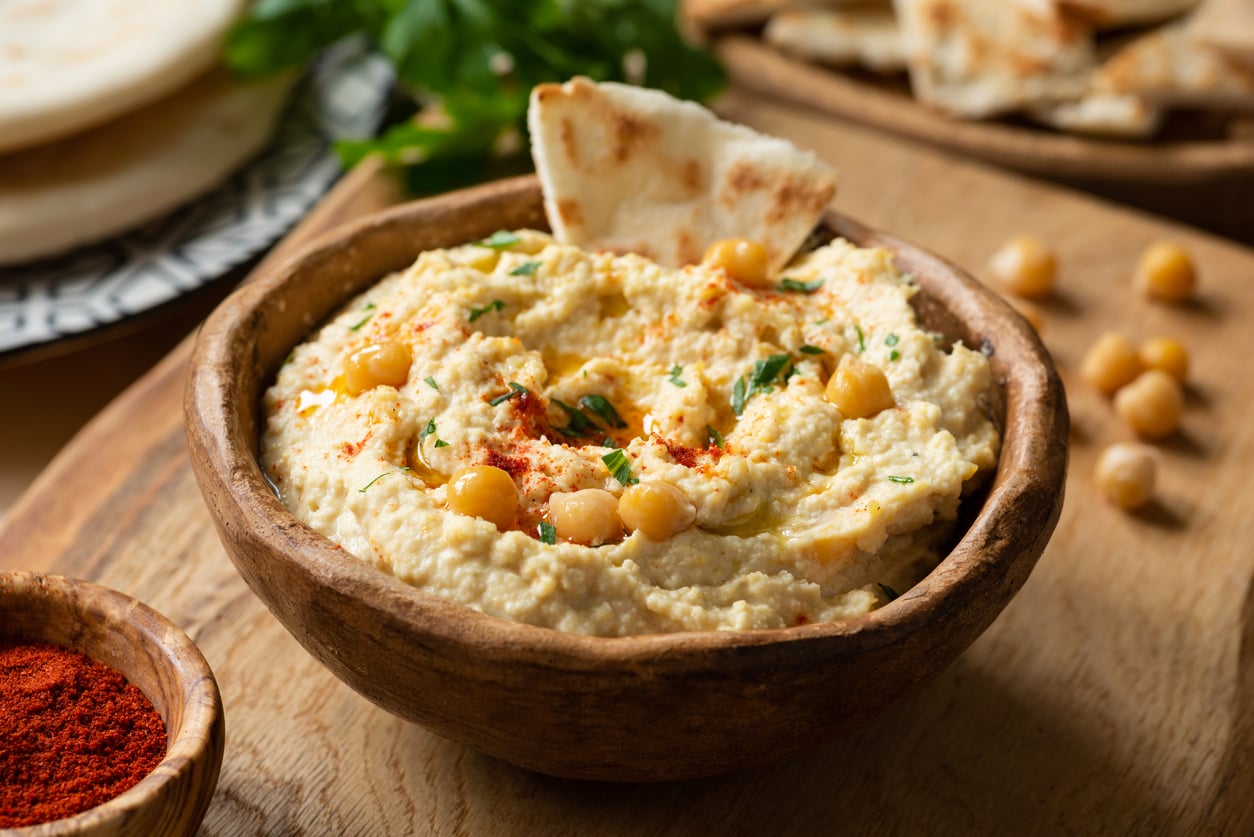
Hummus doesn’t have many ingredients to hide behind, which makes it a useful test of a kitchen’s attention to detail. Chickpeas, tahini, lemon, and garlic need to work together rather than compete for attention. Many restaurants aim for a smooth, creamy texture, although some traditional variations are intentionally more rustic. What you don’t want is an unpleasantly gritty dip or one dominated by bitterness and excessive garlic. Taste it before adding extra olive oil or toppings. Good hummus should be enjoyable with nothing more than a piece of warm pita.
Nigiri Sushi: The Rice Should Be Just as Good as the Fish
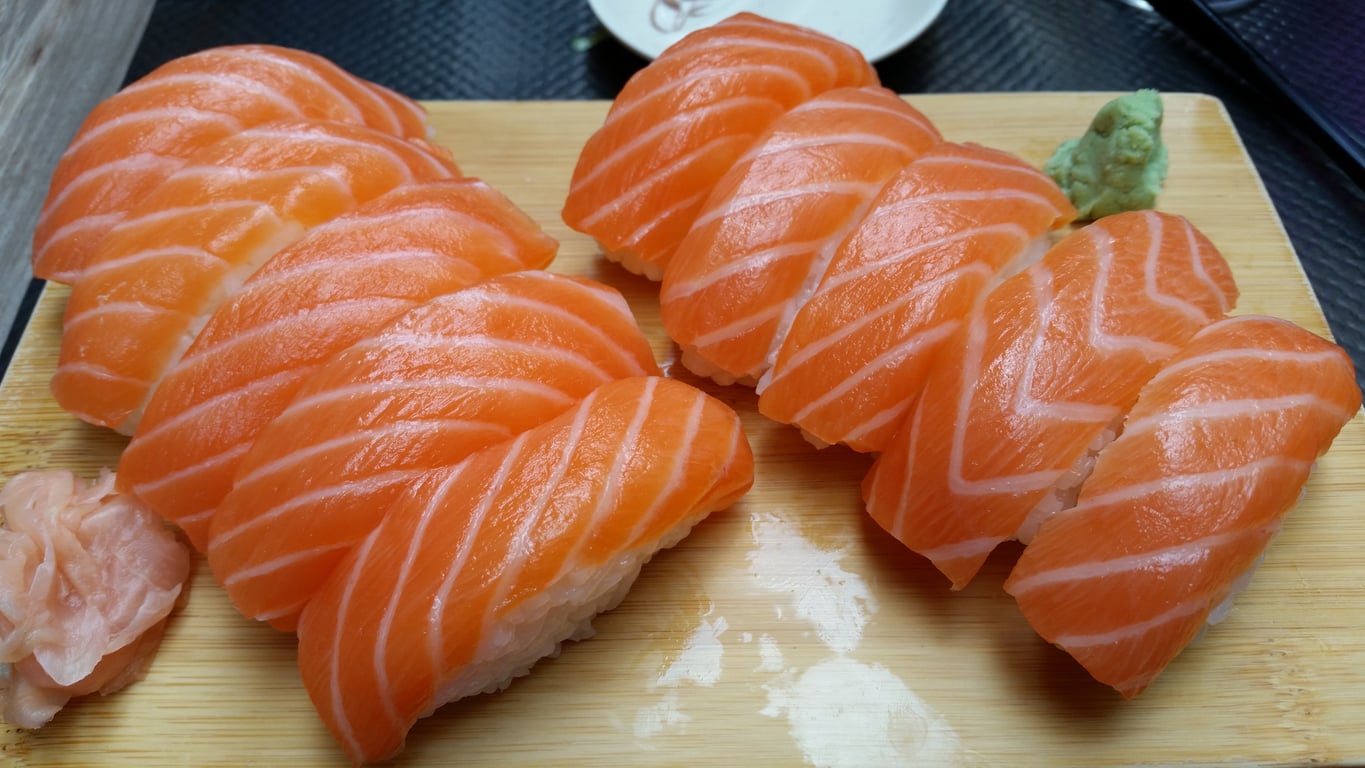
When ordering nigiri sushi, most people focus on the seafood, but the rice can reveal just as much about the chef’s technique. It should be properly seasoned, gently shaped, and cohesive enough to hold together without becoming a tightly compressed lump. The grains should separate pleasantly when you eat them, rather than feeling hard or mushy. Good seafood matters, too, but expensive fish can’t rescue poorly prepared rice. Just remember that appearance and flavor alone can’t tell you whether raw fish has been handled safely.
Creme Brulee: A Crisp Sugar Shell Over Silky Custard

Few desserts reveal a kitchen’s timing quite like creme brulee. The first test comes when you tap the caramelized sugar topping with your spoon. It should crack cleanly, revealing a smooth, creamy custard underneath. The sugar shouldn’t be so thick that it’s difficult to break, and the custard shouldn’t be grainy, watery, or scrambled. Traditionally, the custard is served chilled beneath a freshly caramelized topping. If the whole dessert is warm and runny or the sugar tastes unpleasantly burnt, the kitchen may have struggled with the finishing touches.