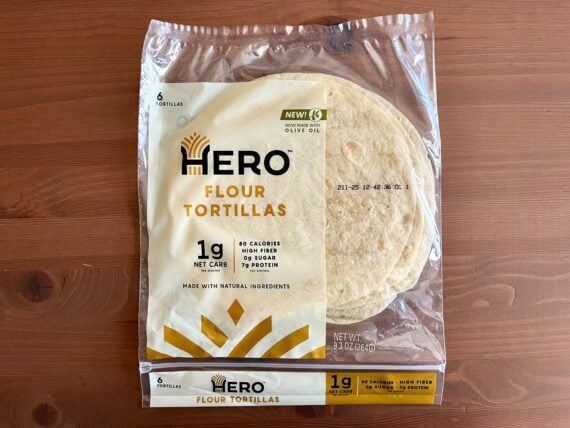
Some of the purchases that go unnoticed occur in our day-to-day lives, yet by the end of the month, they add up to a substantial amount. Drawing on information from the U.S. Department of Agriculture, the EPA, and other sources, we will reveal these everyday expenses and hidden costs, ranging from convenience packaging to service charges, that deserve a closer look before you agree to pay for them!
Single-Serve Snack Packs

Individually packaged chips, crackers, and cookies cost significantly more per ounce than larger bags or boxes of the same product. If you are a fan of one of these snacks, compare the unit price against the price of the individual portion-sized snack, and, whenever possible, buy in bulk. One of the USDA’s recommendations is to buy in bulk to save money in the long run. These hidden costs are easier to avoid when you compare package sizes before making your purchase.
Bottled Water Bought One Bottle at a Time

Buying individual bottles at gas stations and convenience stores can be more expensive than refilling your own bottle with tap water. Since you never know when you might need one, it’s best to carry a reusable bottle and refill it at home or at a suitable public water fountains or bottle-filling stations. Check the EPA’s information and local provider’s information to find out whether the water is safe to drink. Avoiding these hidden costs can also help reduce the amount of single-use plastic you consume.
Pre-Cut Fruit in Small Containers
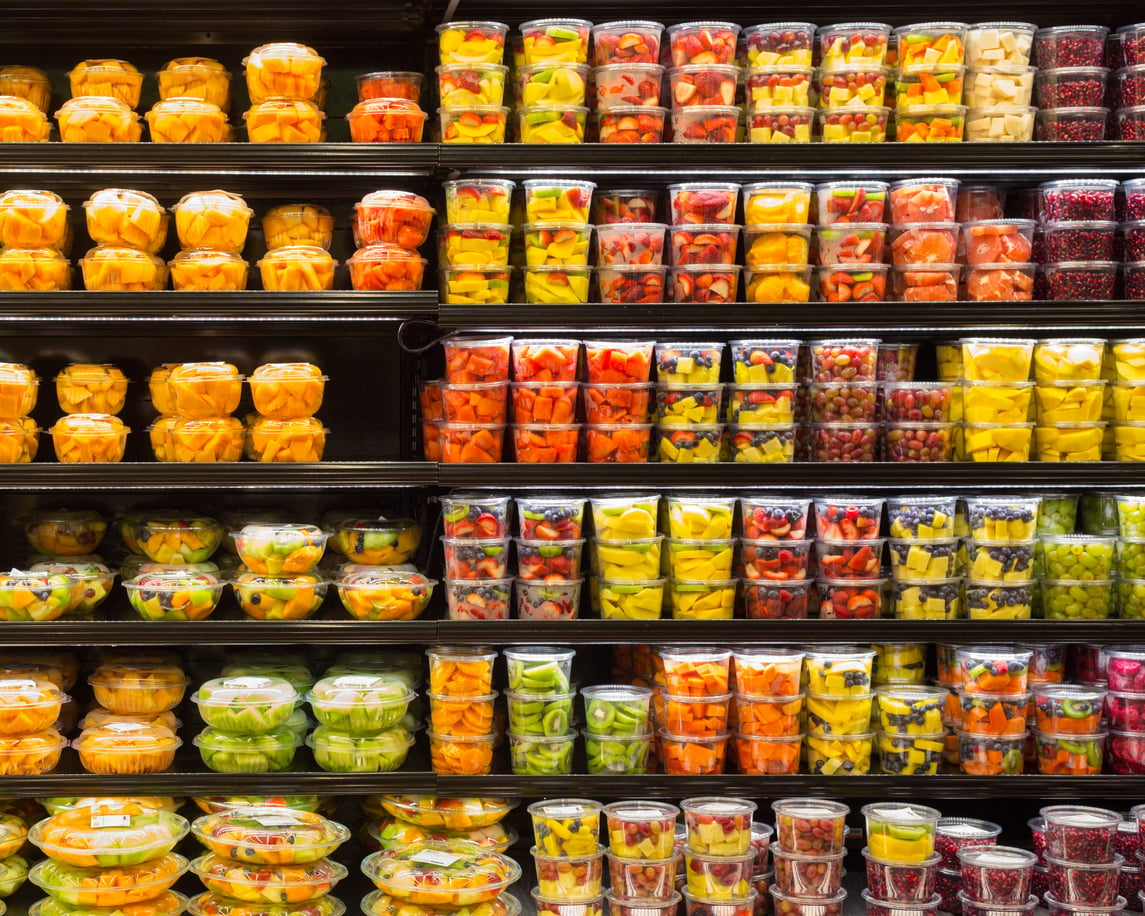
Pre-cut fruit in small containers is more expensive than buying whole fruit and cutting it yourself. Comparing the price per ounce of whole fruit like melons, pineapples, or apples, with the cost of pre-cut portions they receive, they’ll realize it’s more cost-effective to prepare the fruit themselves from scratch. Although prices may vary, and identifying the hidden costs and determine whether preparing the fruit is more economical is the best approach.
Coffee-Shop Drinks Purchased Almost Every Day

The coffees you buy at coffee shops on your way to work or while you’re out and about add up to expenses that can become substantial by the end of the month. From flavored lattes to specialty drinks, it’s best to prepare your own beverages at home and save coffee shop visits for special occasions. A basic coffee maker can help people avoid these hidden costs without requiring any expensive investment in equipment.
Food Delivery Orders with Multiple Added Fees
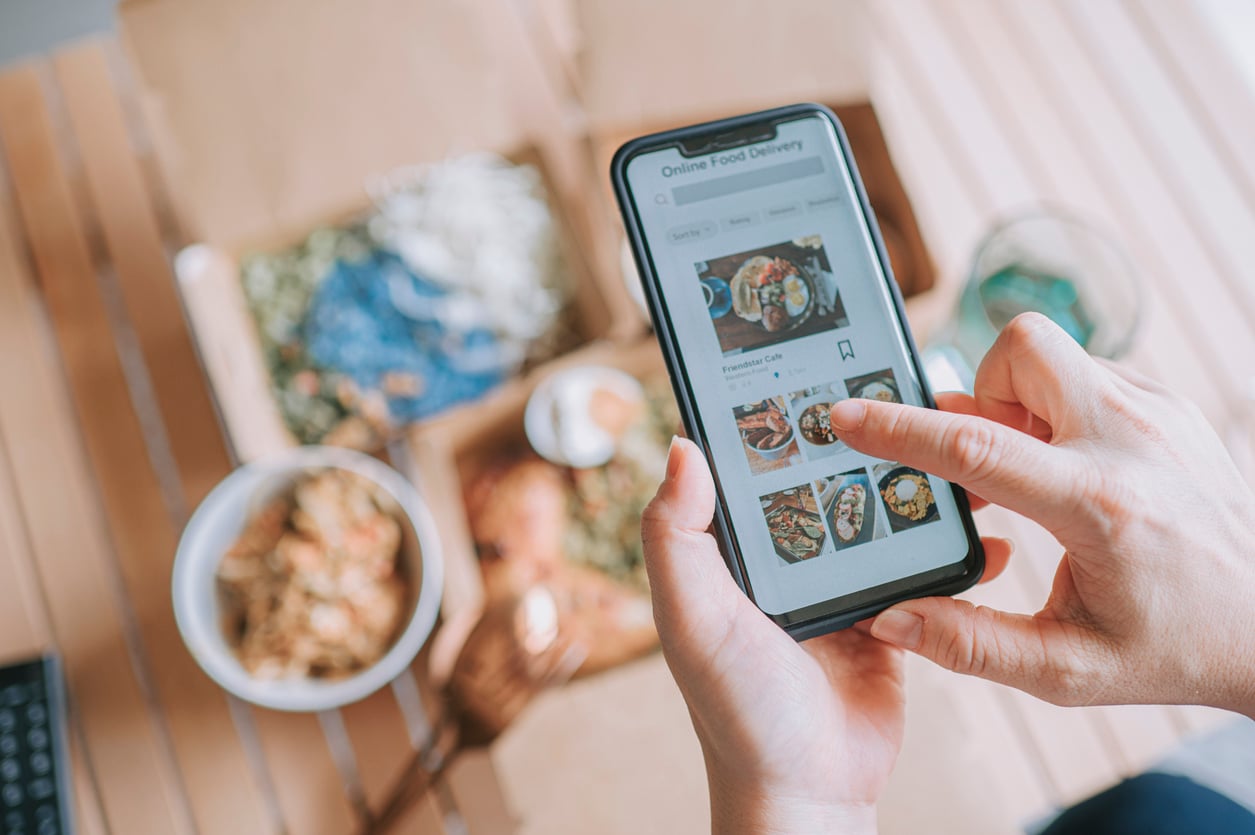
Food delivery orders come with added fees that people can avoid by picking up the food from the restaurant themselves, or, for an even less expensive option, by buying the ingredients at a supermarket and preparing the meal at home. Check for service charges, tips, and potentially higher menu prices before paying, so you can decide whether it’s worth the cost next time. These hidden costs can make an otherwise affordable meal considerably more expensive.
Trending on Cheapism


Brand-Name Over-the-Counter Products With Equivalent Store Brands

When a person is faced with a well-known drug brand that may cost a bit more than a generic product, they should check the active ingredients, the dosage form, and the intended use to determine whether the extra cost is justified. Confirming that the products are truly equivalent, and asking the pharmacist whether an approved generic equivalent is available. These hidden costs can accumulate when people consistently choose more expensive brand-name medications without comparing their options.
Cleaning Products Sold as Single-Purpose Specialty Sprays

Cleaning products sold as single-purpose specialty sprays often cost more, even though a suitable multipurpose product could handle several tasks. Always check surface compatibility, and never mix household cleaning chemicals unless specifically approved for such use, as advised by the EPA. These hidden costs can be avoided by choosing versatile products that meet your household’s cleaning needs.
Small Bags of Shredded Cheese

Pre-shredded cheese involves additional processing and offers convenience, which can result in a higher price per ounce compared to buying a block of cheese and grating it yourself. You should consider how you plan to use it. If you only need a small amount, buying a whole block might lead to having to throw the remainder away, wasting both money and food.
Sign up for our newsletter
Laundry Detergent Used in Excess
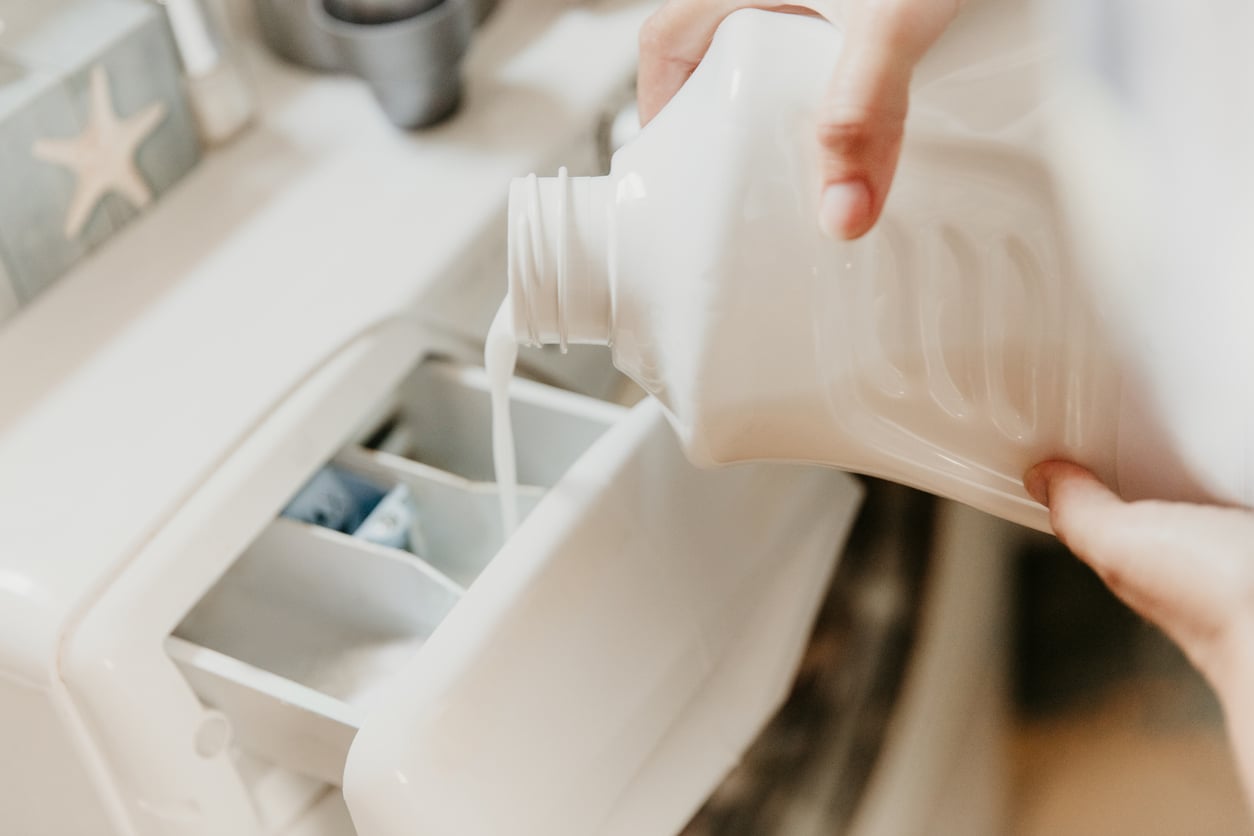
Adding detergent to a washing machine without measuring it can lead to wasting the product, and cost people money. The best approach is to follow the instructions on the detergent label, taking into account the load size and water conditions. The American Cleaning Institute points out that using more detergent does not necessarily mean your clothes will come out any cleaner. These hidden costs can be avoided by measuring each dose instead of pouring detergent directly into the machine.
Subscription Services Nobody Regularly Uses

The problem about streaming, fitness apps, digital storage, and other subscriptions is that they are charged automatically, which means they can easily go unnoticed throughout the year. Review these monthly expenses and consider whether you are actually using the subscription or if it no longer provides any value. The FTC recommends keeping track of free trial periods and auto-renewal dates, so you know exactly when you need to make a decision.
Convenience-Store Groceries Purchased in Emergencies

When you buy milk, snacks, bread, and household supplies during an emergency or in small quantities, you end up paying a high price. Instead, keep a short list of these essentials you use regularly and restock them when they go on sale. In addition, don’t make an extra-long drive solely to save a few cents on one item, because you’ll be spending more on fuel than food.
Bank Accounts That Regularly Charge Avoidable Fees

Bank accounts often charge fees, such as overdraft or maintenance fees, that people can avoid. Check the account terms, set up low-balance alerts, and consider low-fee accounts as an alternative. The CFPB notes that many banks and credit unions charge $30 or more for an overdraft transaction, although fees vary and some institutions have eliminated them. These hidden costs can add up quickly if people regularly overlook your account’s fee structure.
Conclusion

You should be wary of small convenience charges and recurring purchases, as these hidden costs can add up to significant expenses over time. Whenever possible, compare unit prices, plan your purchases, and review your subscriptions to cut down on costs. While you might be careful when making a major purchase, pay close attention to those small, everyday expenses as well.