Some hotels and inns in the United States have been welcoming travelers for over two centuries, having endured periods of war, economic crises, and profound shifts in modes of transportation. Drawing on information about Historic Hotels of America, the Omni Hotels collection, and others, we’ll introduce you to these storied, traditional establishments that stand apart from modern hotels!
Longfellow’s Wayside Inn – Sudbury, Massachusetts
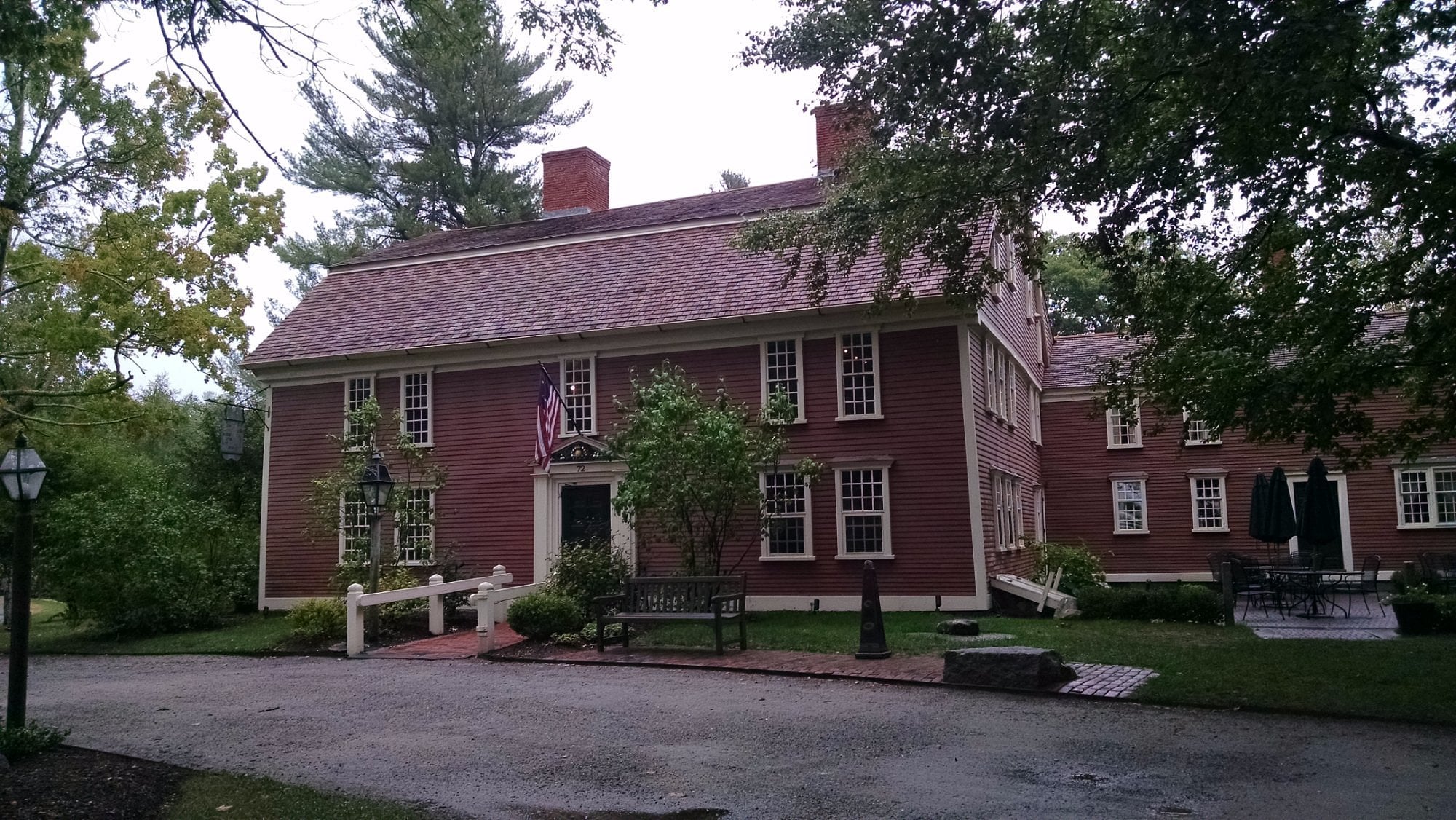
Longfellow’s Wayside Inn was founded in 1716 and began by serving travelers along the Old Boston Post Road during the colonial era, before the United States was an independent country. Over time, the inn became associated with the poet Henry Wadsworth Longfellow, though it underwent several changes in ownership and periods of restoration throughout the years.
Beekman Arms and Delamater Inn – Rhinebeck, New York
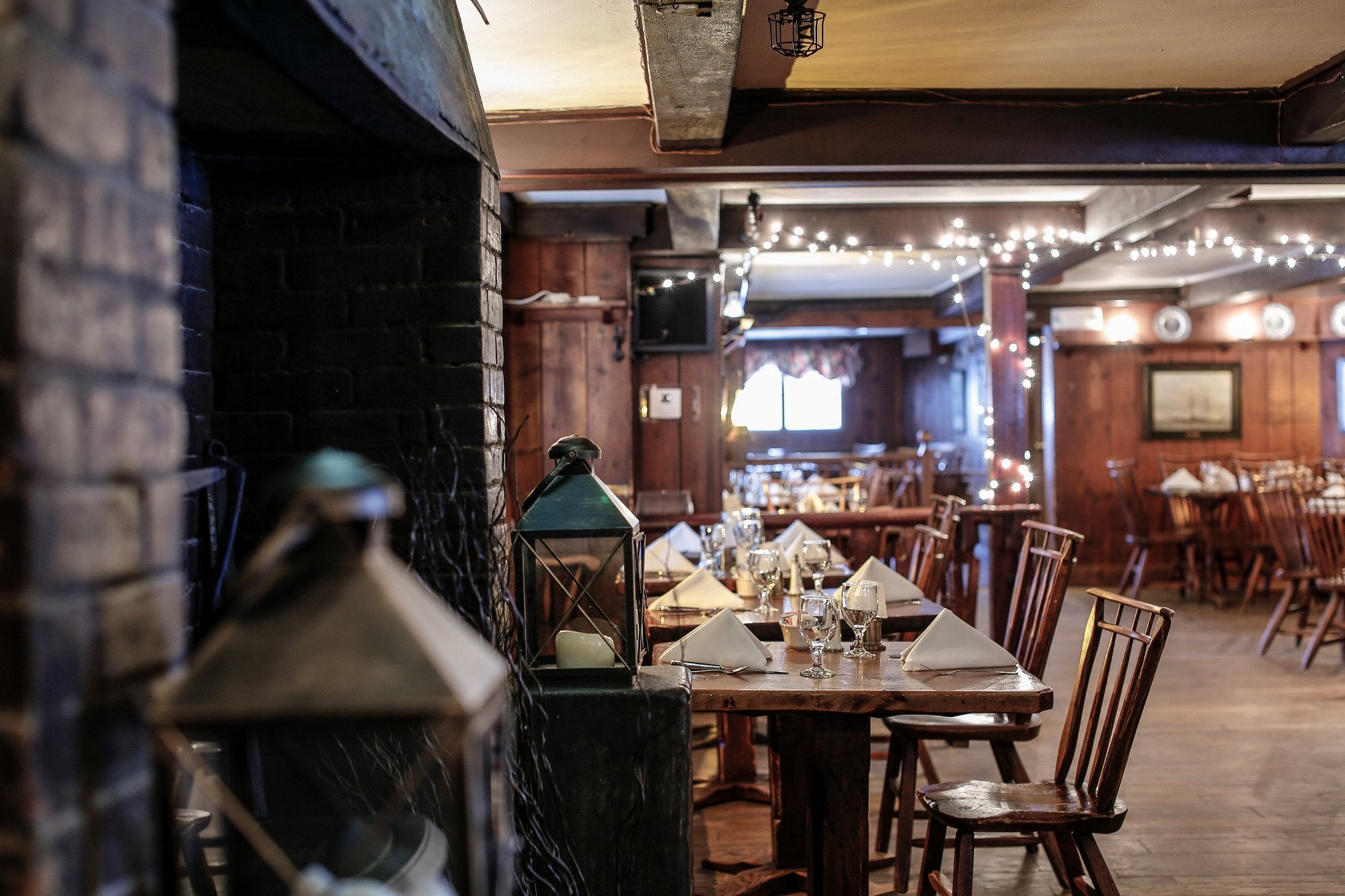
The Beekman Arms and Delamater Inn has occupied its current historic location since 1766, when it served as a type of tavern where travelers in the Hudson Valley would stop. During the Revolutionary era, and in the decades that followed, as American independence took hold, notable political figures such as George Washington, Alexander Hamilton and Franklin D. Roosevelt were associated with this hotel.
The Omni Homestead Resort – Hot Springs, Virginia
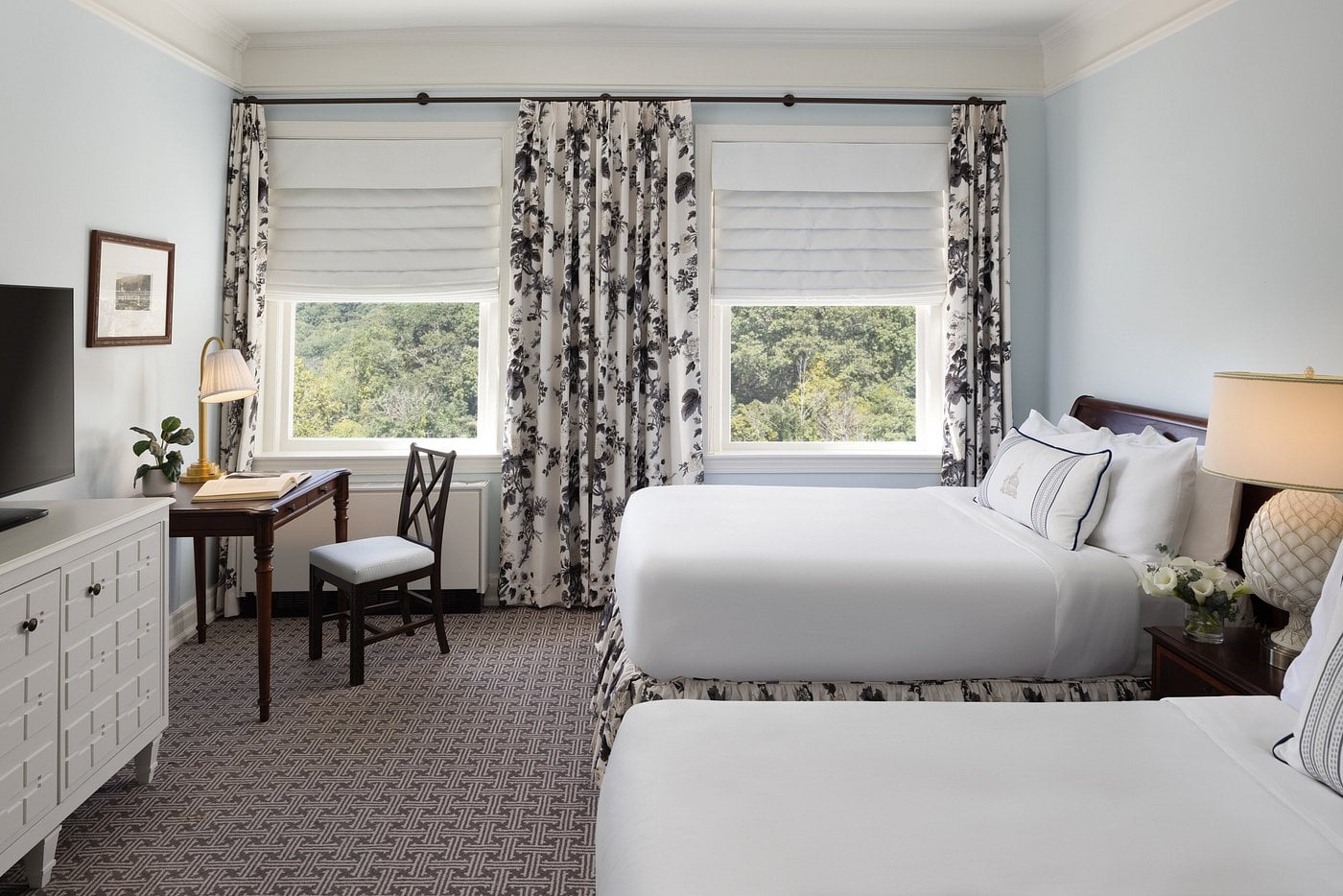
The Hot Springs, Virginia area, home to The Omni Homestead Resort, is rich in mineral springs, which have drawn visitors since 1766, when it was believed that these waters offered therapeutic benefits. Over the years, the hotel has undergone major expansions, evolving from a relatively modest lodging establishment into a full-scale luxury resort. Its transformation makes it one of America’s most remarkable historic hotels.
The Red Lion Inn – Stockbridge, Massachusetts
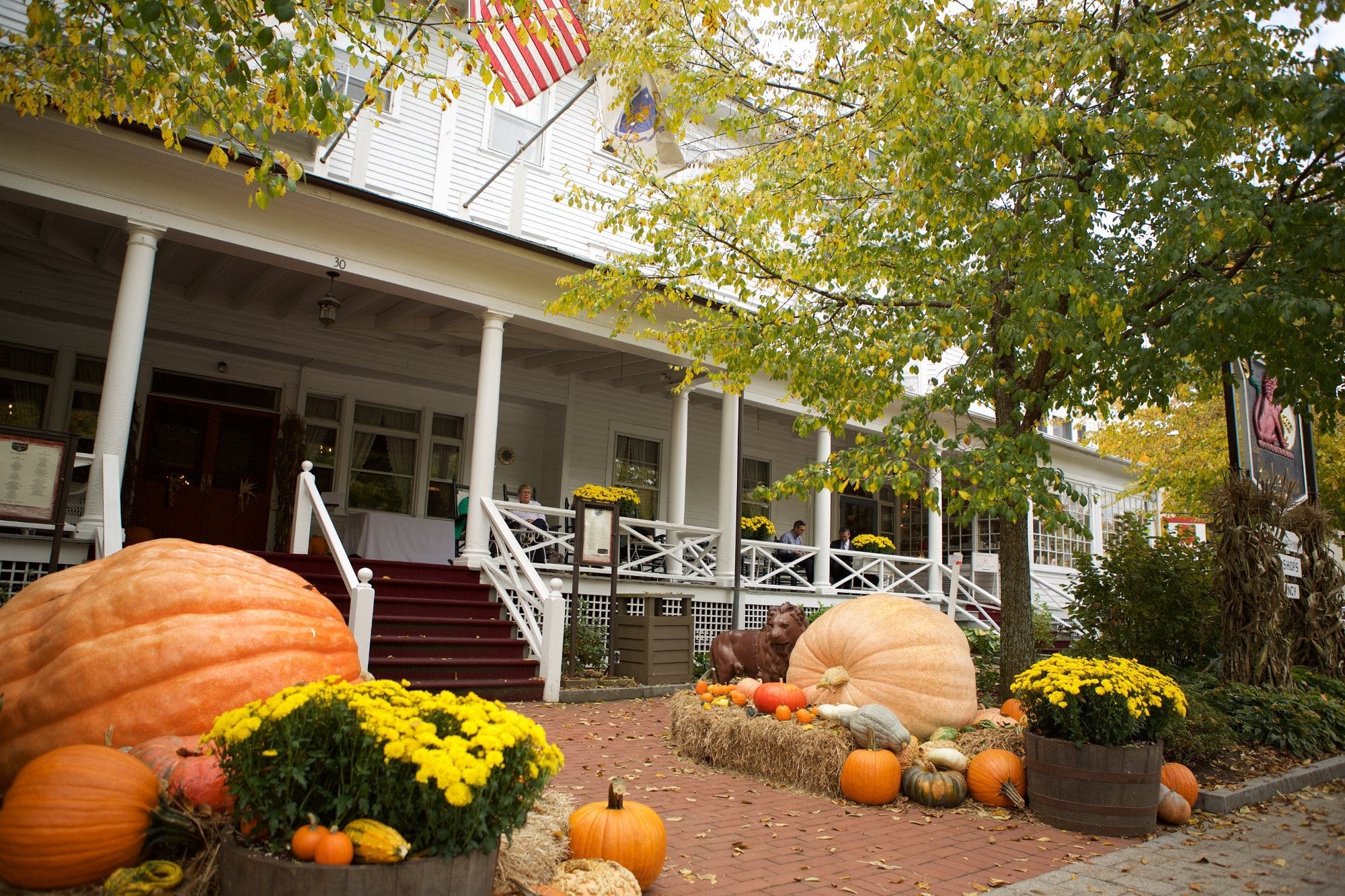
Another hotel that began as a tavern in the colonial era and was later transformed into an inn is The Red Lion in Stockbridge, Massachusetts. It is one of the most recognizable historic hotels, featuring rooms filled with antiques, traditional dining, and a prominent downtown location that draws in visitors. Although the hotel dates back to 1773, it suffered a fire in 1896, had to be rebuilt and was back in operation the following year.
The Griswold Inn – Essex, Connecticut
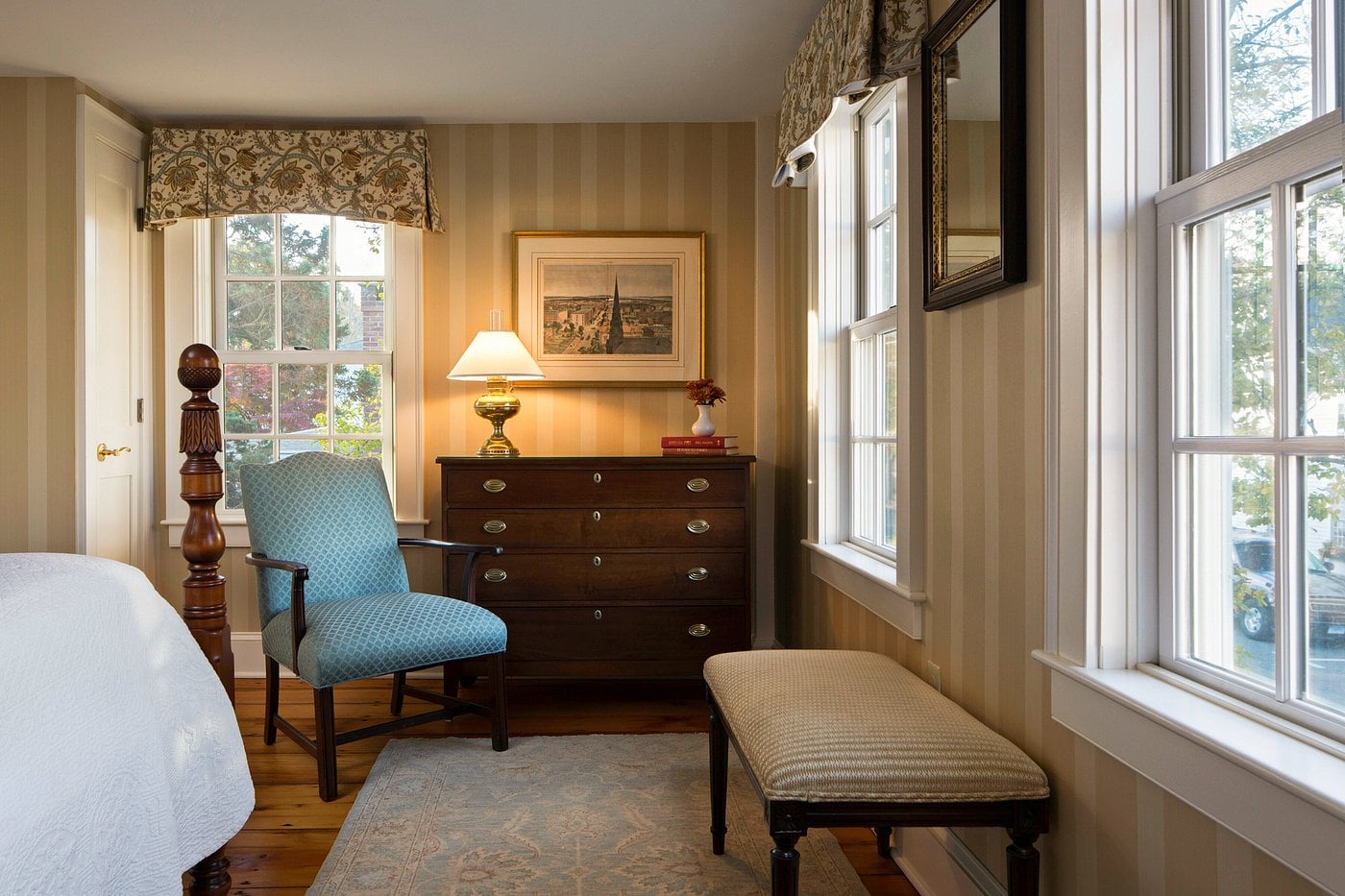
The Griswold Inn served as a hub for travelers during the American Revolution, benefiting from its proximity to the Connecticut River, which facilitated shipbuilding activity. Its historic rooms, infused with a maritime atmosphere, and traditional dining spaces make it an appealing destination for those who appreciate colonial-era historic hotels and the heritage of Essex.
Trending on Cheapism


Omni Parker House – Boston, Massachusetts
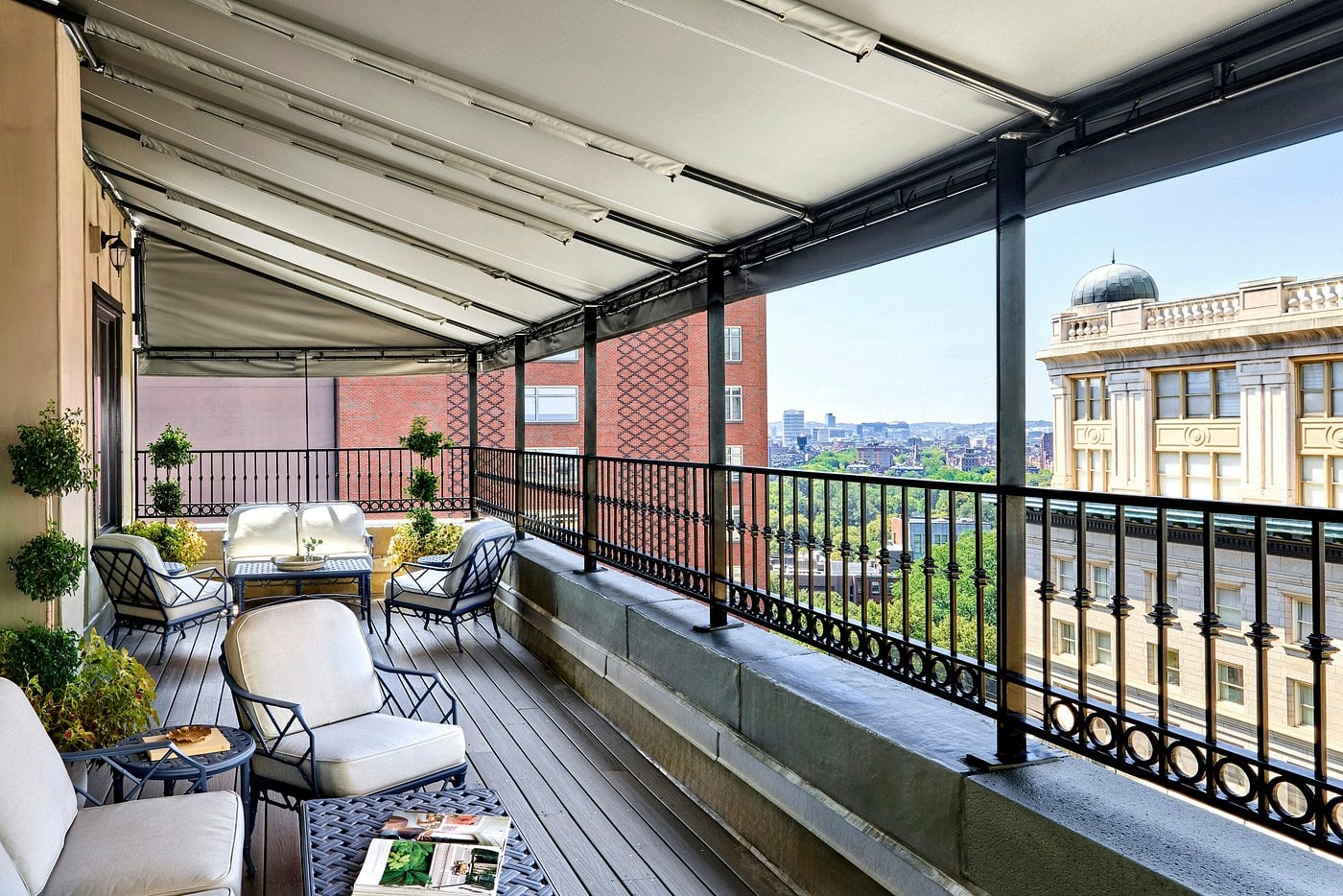
In the 19th century, the Omni Parker House gained significant renown for its connections to the prominent writers, politicians, and entertainers who passed through its doors. However, it is not only its guests that make the establishment notable. Its food, such as the Parker House roll and the Boston cream pie, is also deeply linked to the venue, making it one of Boston’s most celebrated historic hotels.
Menger Hotel – San Antonio, Texas
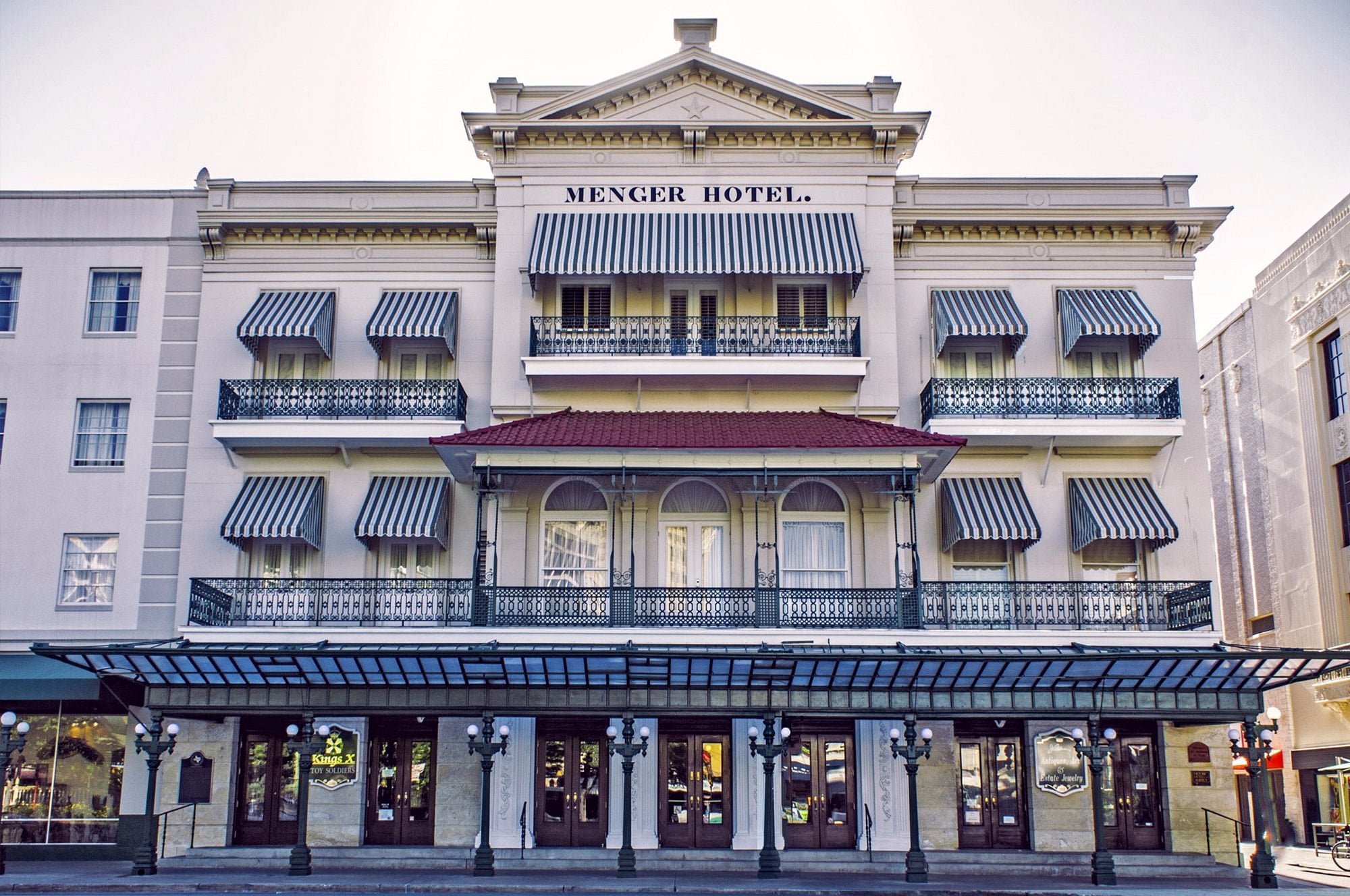
The Menger Hotel became a prominent venue for gatherings as travelers, political figures, and military personnel passed through its doors. Since 1859, the hotel has featured historic interiors, a central courtyard, and a long-established bar that remains an integral part of the guest experience. These features help distinguish it among America’s historic hotels.
Mohonk Mountain House – New Platz, New York
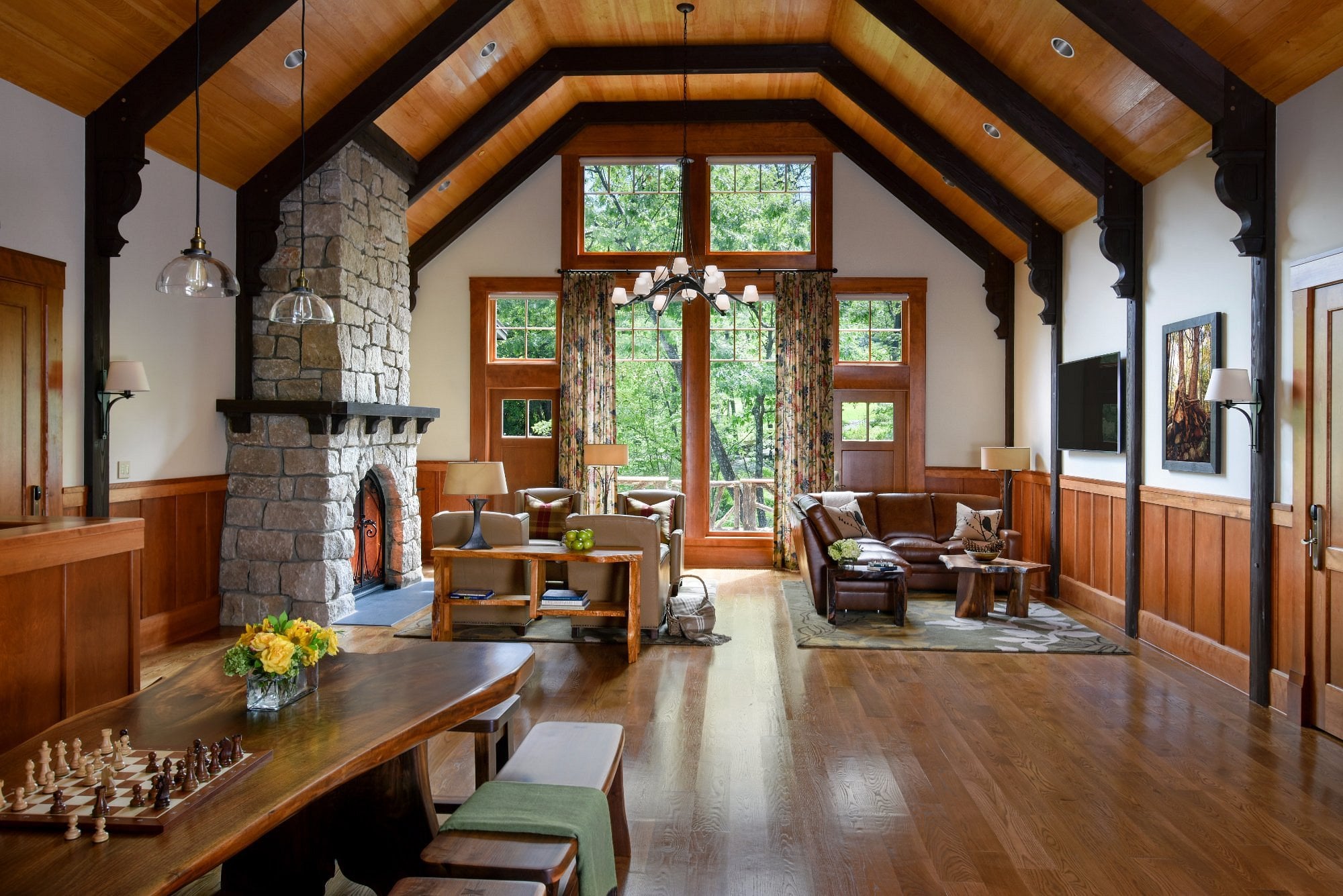
Mohonk began as a place to spend the night when Albert Smiley purchased an existing 10-room inn. It first opened in 1869, but it subsequently underwent changes, evolving into an elaborate, Victorian-style property overlooking a glacial lake. Its architectural design is dramatic, complemented by surrounding trails and long-standing outdoor recreation traditions that offer guests an experience far from the conventional.
Sign up for our newsletter
Palmer House – Chicago, Illinois
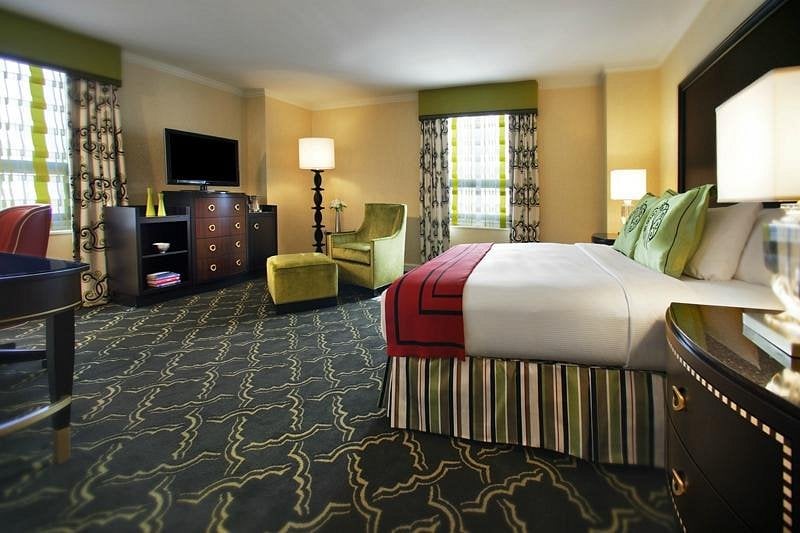
The Palmer House became one of the most prominent hotels in the city of Chicago, thanks to its luxurious interiors and a long history that reflects the city’s rapid growth. Having begun operations in 1871, the establishment was destroyed by the Great Chicago Fire. Its subsequent rebuilding demonstrated the hotel’s resilience that helped establish it among the city’s most enduring historic hotels.
Grand Hotel – Mackinac Island, Michigan
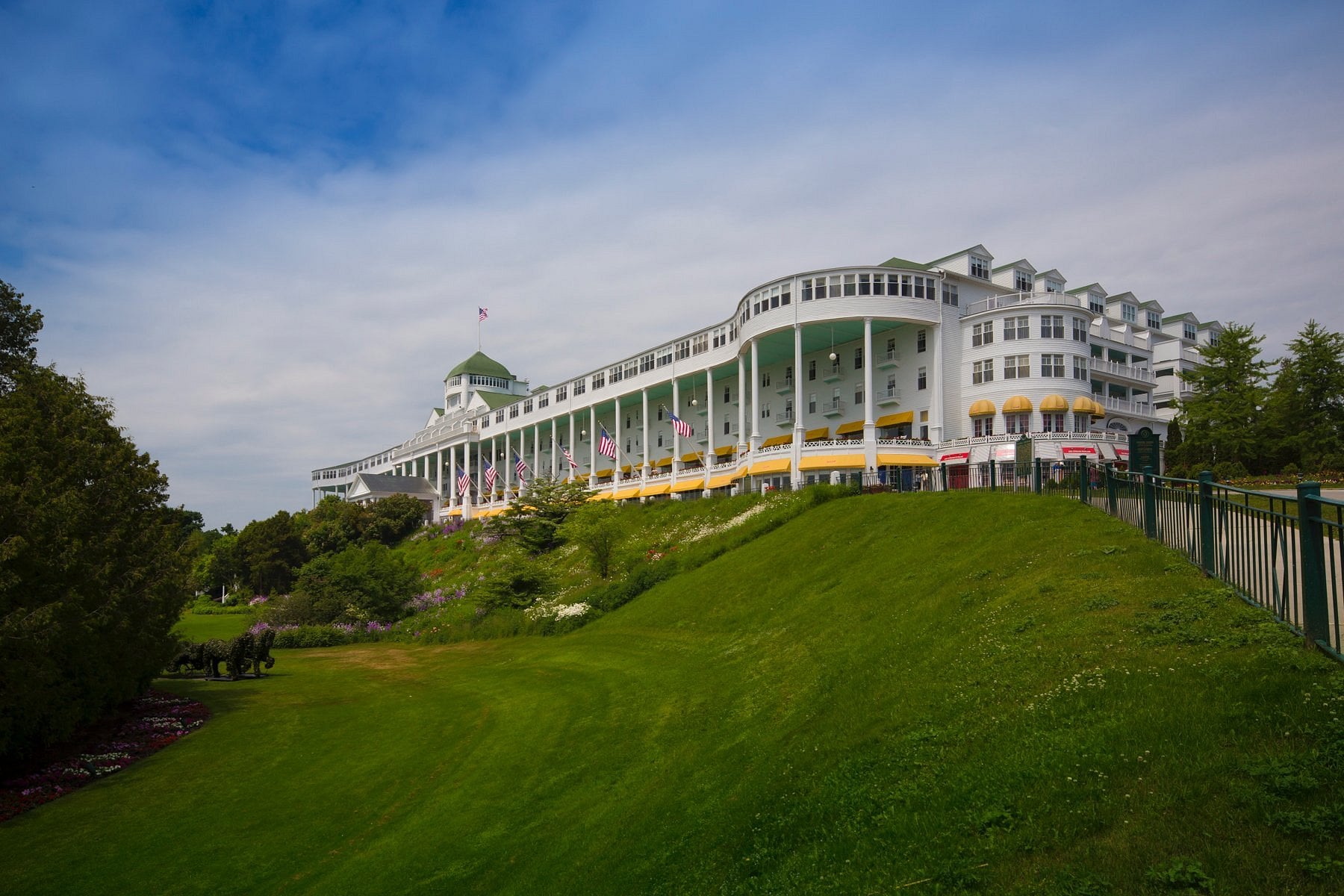
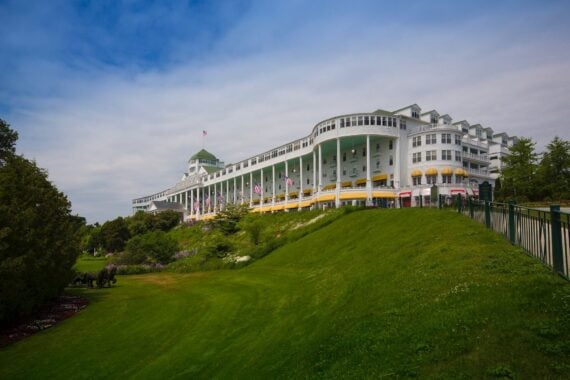
The Grand Hotel originated in an era when Mackinac Island was reached by rail or steamship during the summer holiday. The visitors would travel by train to Michigan and then took a steamer to Mackinac island. Upon arrival, visitors could enjoy the sweeping porch, formal atmosphere, and scenic views over the Straits of Mackinac. Even today, this establishment remains one of the country’s best-known historic hotels, attracting tourists with its traditional summer resort atmosphere.
Jekyll Island Club Resort – Jekyll Island, Georgia
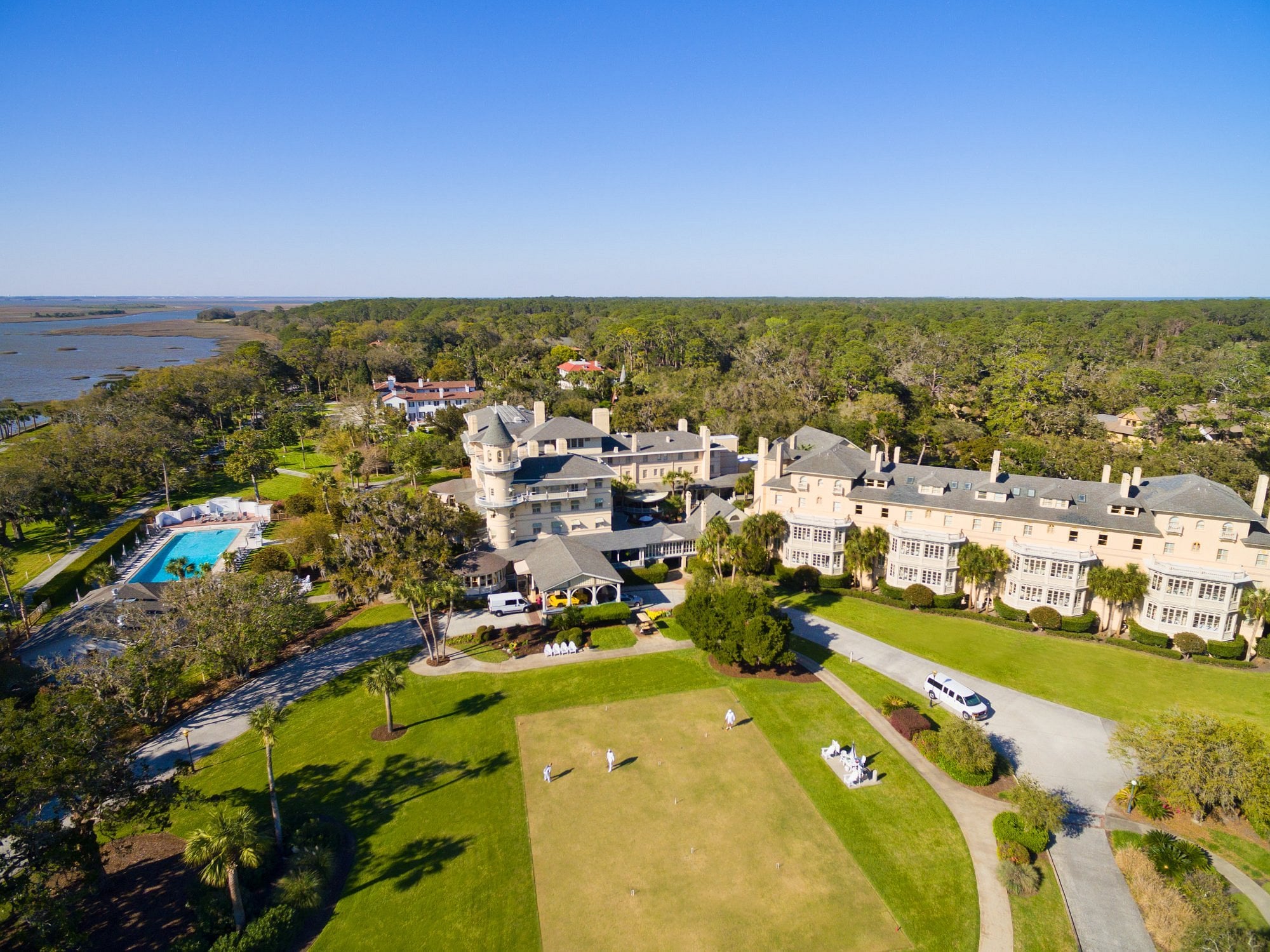
The Jekyll Island Club began as an exclusive retreat for some of the wealthiest families in the United States, including prominent industrialists and financiers. The club purchased the island in 1886 and officially opened its clubhouse in January 1888. Today, this restored establishment retains traces of its origins, and its grounds offer visitors the opportunity to explore one of America’s most fascinating historic hotels.
Hotel Del Coronado – Coronado, California
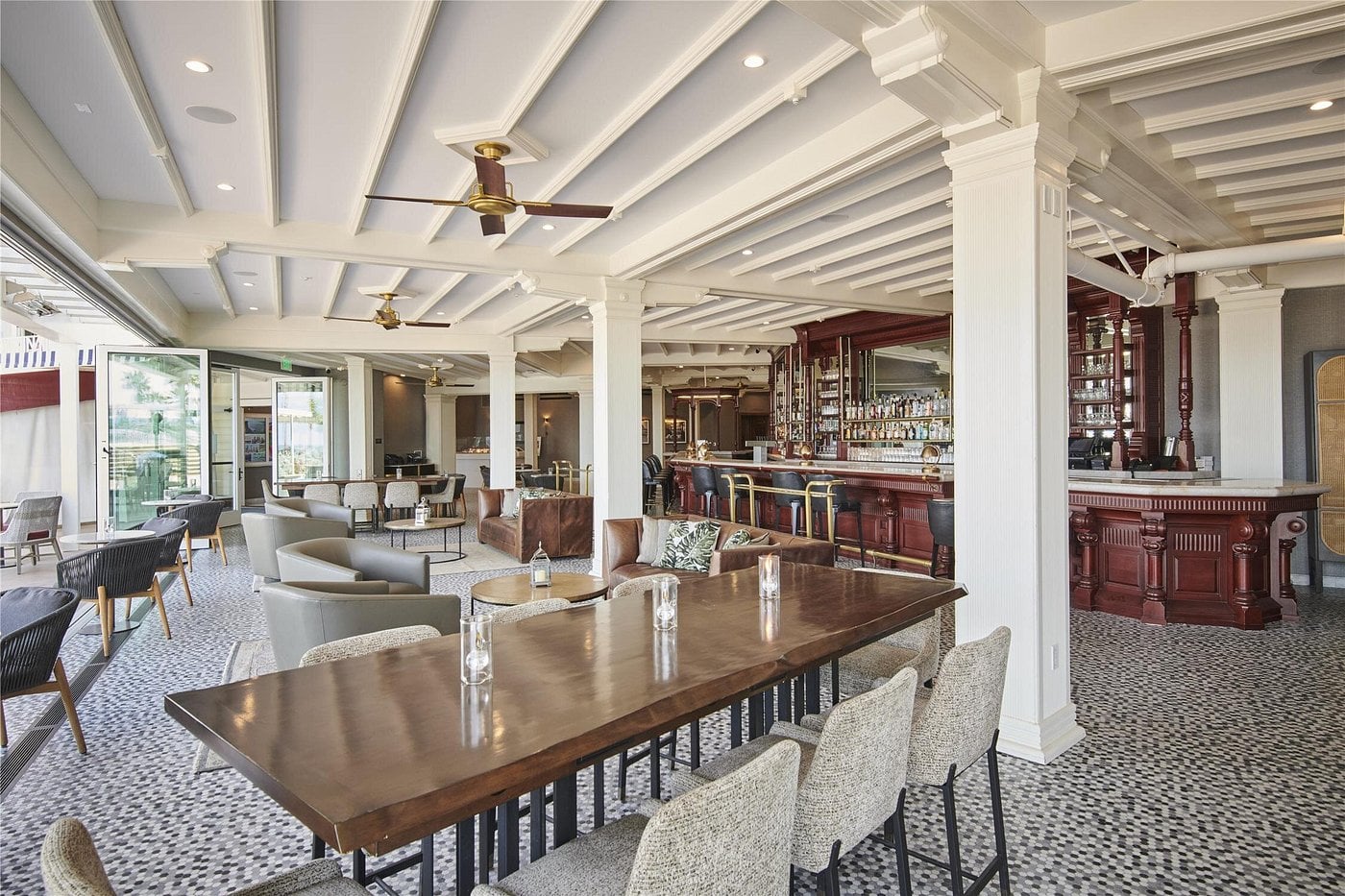
The Hotel Del Coronado stands out for its imposing Victorian beachfront building, which became a landmark of Southern California tourism in the late 19th century. Its red-roofed structure, featuring elaborate wooden architecture, continues to attract visitors, as do the hotel’s luxurious accommodations and historic amenities. Opened in 1888, it remains among the most recognizable historic hotels in the United States.
Conclusion
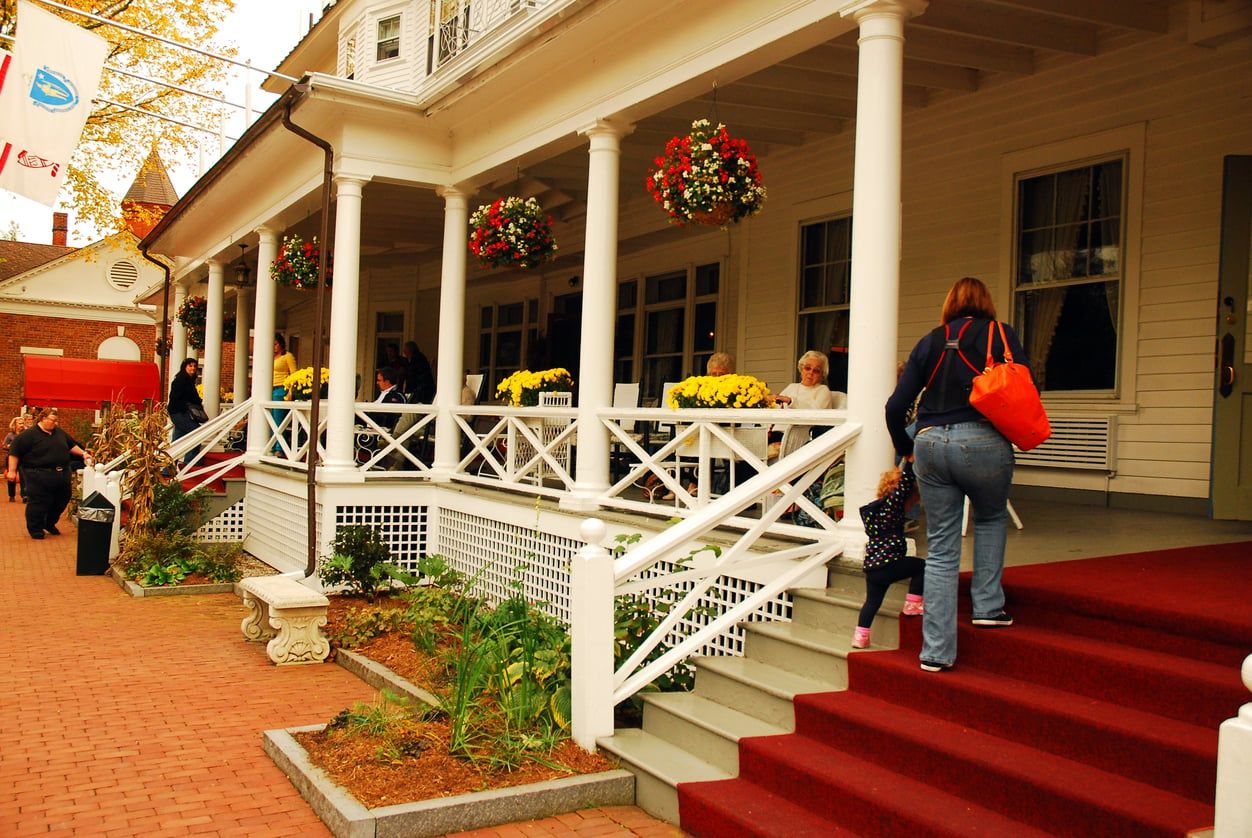
These historic hotels, among the oldest in the nation, are linked to the colonial era, the historical culture of resorts, and significant moments in the country’s history. The current state of these hotels belies their great age and their long-standing status as traditional establishments. Yet, even now, following various renovations and improvements, travelers continue to choose them as places to relax.