Hotels rely on complex operational systems that allow guests to enjoy their stay without ever seeing the effort required to ensure that the breakfast is prepared on time and served hot each morning, or what room rates and other services are priced appropriately. Drawing on information from Hotel Tech Report and Oracle Hospitality, we’ll reveal some behind-the-scenes realities of hotel operations that you might not have been aware of!
The Same Hotel Room Can Have Several Different Prices In One Day

A single hotel may employ management systems that adjust room rates based on demand, local events, and booking patterns. Consequently, the price of a given room might be one amount in the morning and then increase or decrease later even though no actual accommodation has changed. These pricing adjustments are an important part of modern hotel operations.
Your Hotel Room Might Not Receive Housekeeping Every Day
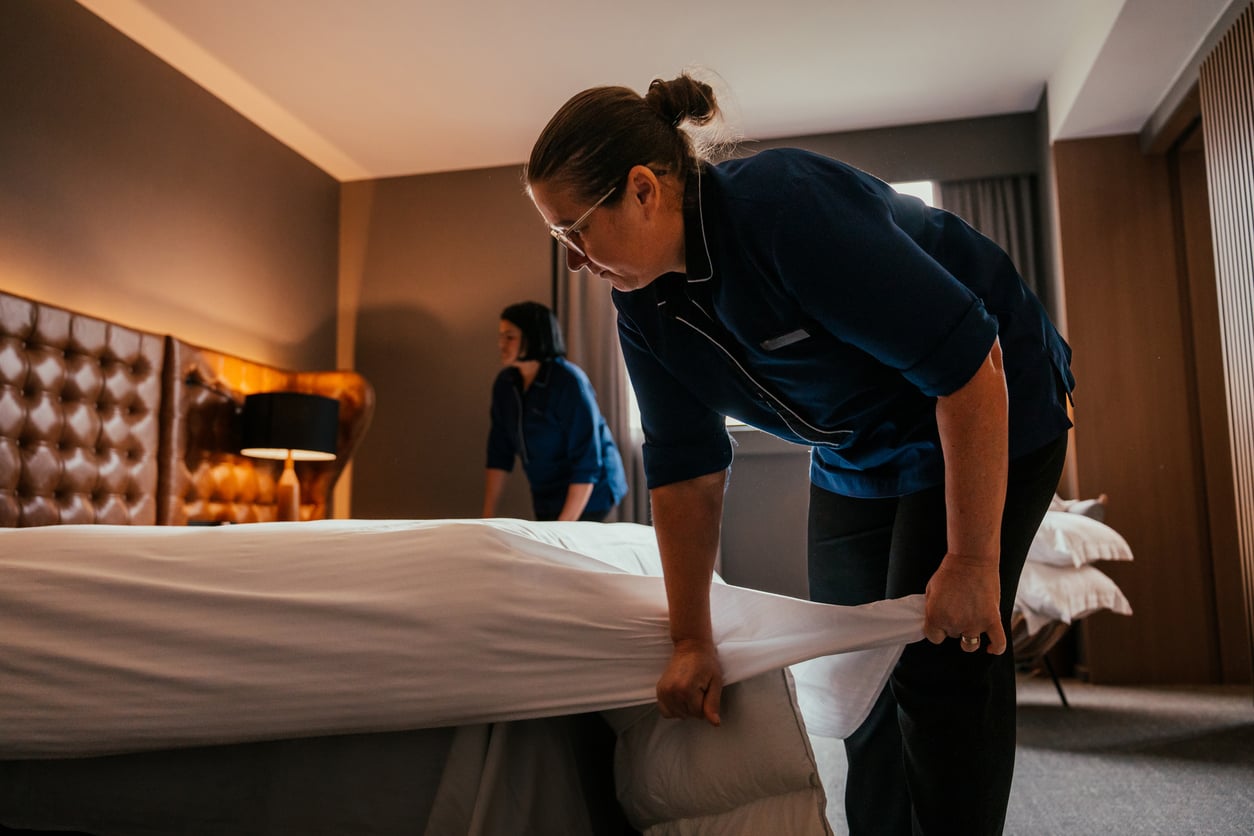
Not all hotel brands provide daily room cleaning. Therefore, if guests would like fresh towels or daily cleaning, they should check the specific hotel policy rather than assuming their room will be cleaned and tidied every day. Some hotels, such as Hilton, provide housekeeping every other day, according to Hilton’s housekeeping policy, although policies can differ.
Hotels Have a Job Dedicated to Predicting Who Won’t Show Up
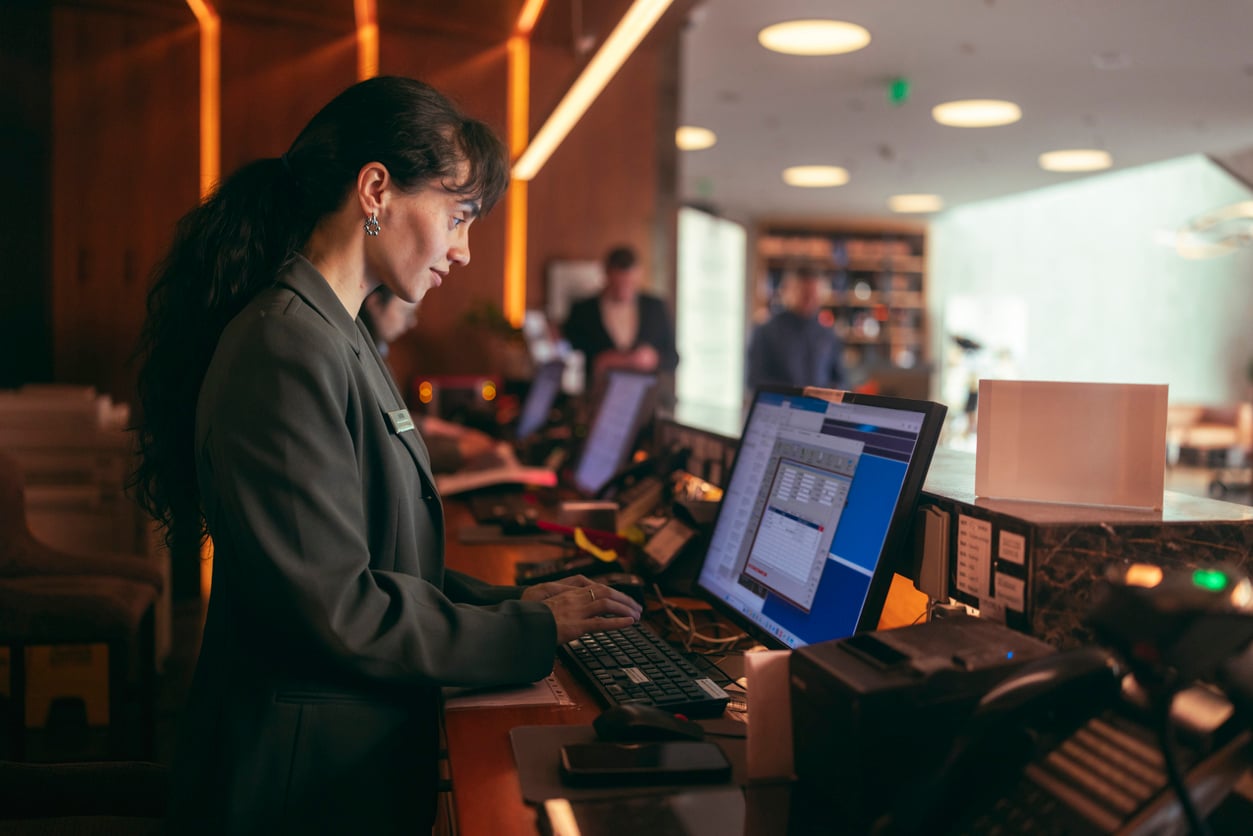
Hotel revenue managers can monitor reservation cancellations and instances where travelers fail to show up. Consequently, some establishments accept bookings that exceed their available room count, anticipating that some guests will cancel or not arrive to occupy their rooms, according to Hotel Tech Report. This practice, known as overbooking, is one of the strategies used in hotel operations to manage occupancy.
Housekeeping Staff Often Have Tight Time Targets for Each Room

Hotel housekeeping staff dedicate varying amounts of time to different rooms. Whether a room needs a thorough cleaning after a guest’s departure or only a light stayover service, room attendants use digital systems that identify which rooms are occupied, vacant, or in need of cleaning. These procedures help streamline hotel operations and ensure rooms are ready for incoming guests.
Hotels Can Track Whether a Room Has Been Cleaned Without Entering It
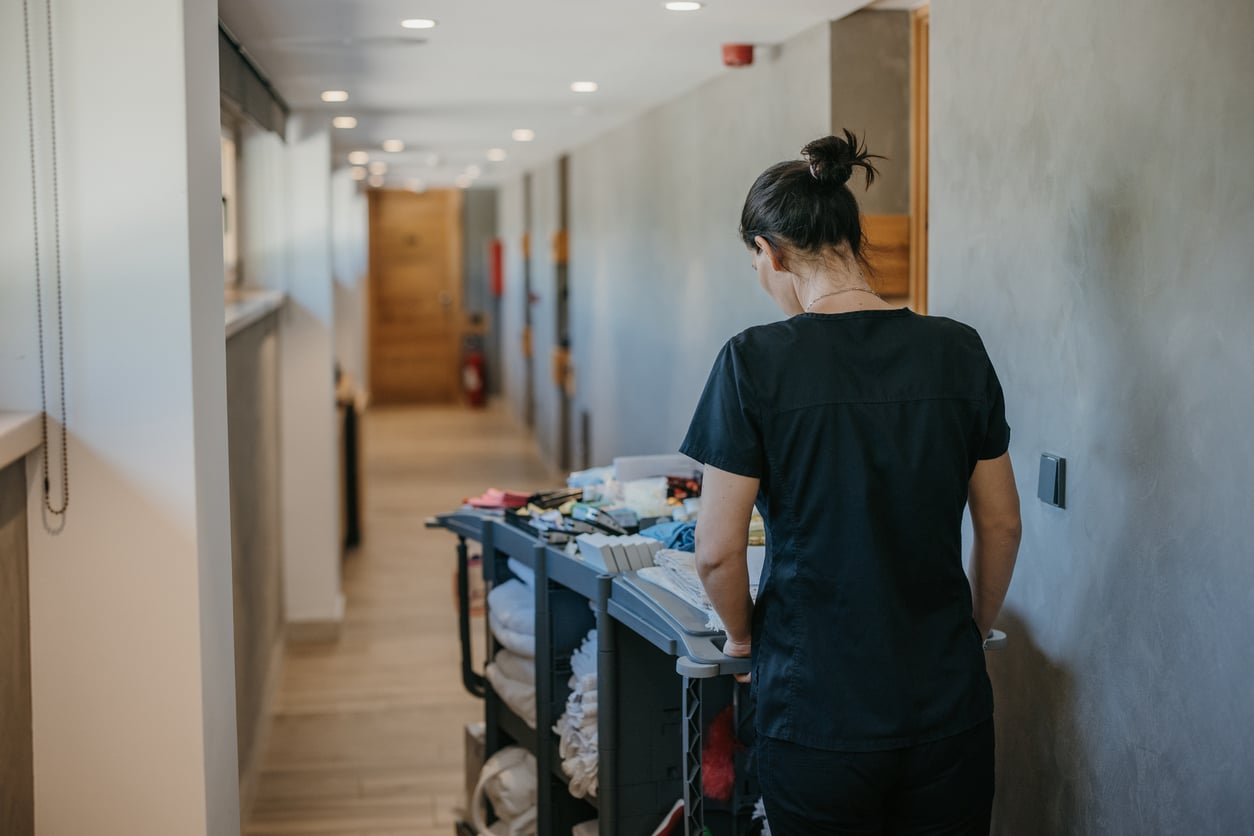
Housekeeping software used by some hotels allows for the updating of room status as cleaning teams complete their tasks. According to Oracle Hospitality, the front desk can determine whether a room is awaiting cleaning, is currently being cleaned, or is ready for a new guest. This technology makes hotel operations more efficient by improving communication between departments.
Trending on Cheapism


Some Hotel Rooms Automatically Reduce Their Energy Use When Guests Leave
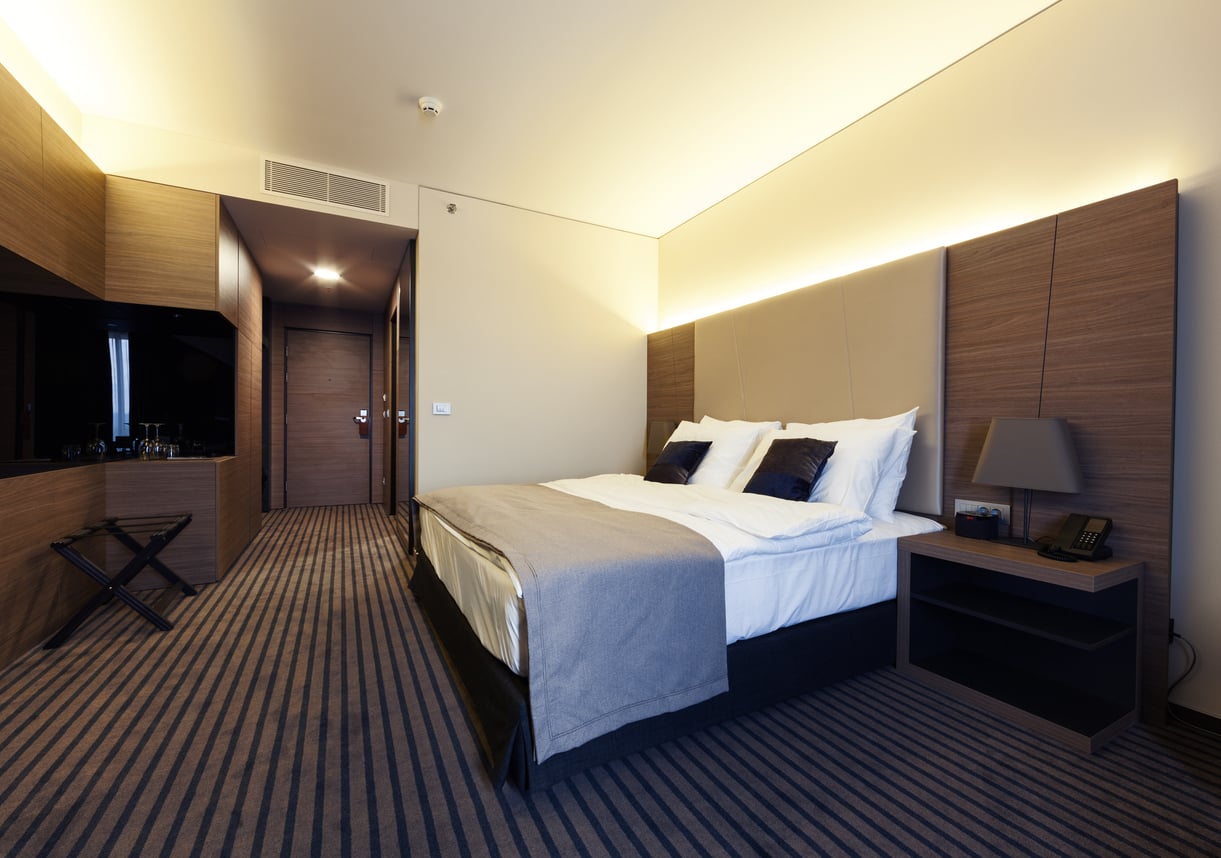
Occupancy sensors can automatically adjust lighting and heating or cooling systems when rooms are unoccupied. They reduce the energy supplied to the centrally controlled heating and cooling systems, thereby preventing energy waste. Certain rooms automatically adjust these settings when the sensors indicate that no one is present. These energy-saving measures have become increasingly important in modern hotel operations.
Hotel Laundry Operations Can Be Almost as Complicated as a Factory

Another task that hotels work hard to manage is laundry, as they handle hundreds of sheets, towels, pillowcases, table linens, and uniforms that must be collected, washed, dried, folded, and returned to the rooms. Hotels maintain extra linen supplies to ensure they can accommodate new arrivals and replace used items without delays. Managing this inventory is an essential part of hotel operations.
The Front Desk May Know Your Room Preferences Before You Arrive

If you are a guest returning to a specific hotel, the front desk may already be aware of your loyalty membership details, previous service requests, and personal preferences. Depending on the property and applicable privacy policies, this information helps the staff prepare your room for special occasions and ensure your personal preferences are taken into account.
Sign up for our newsletter
Complimentary Breakfast Is Carefully Calculated Into the Hotel’s Business Model
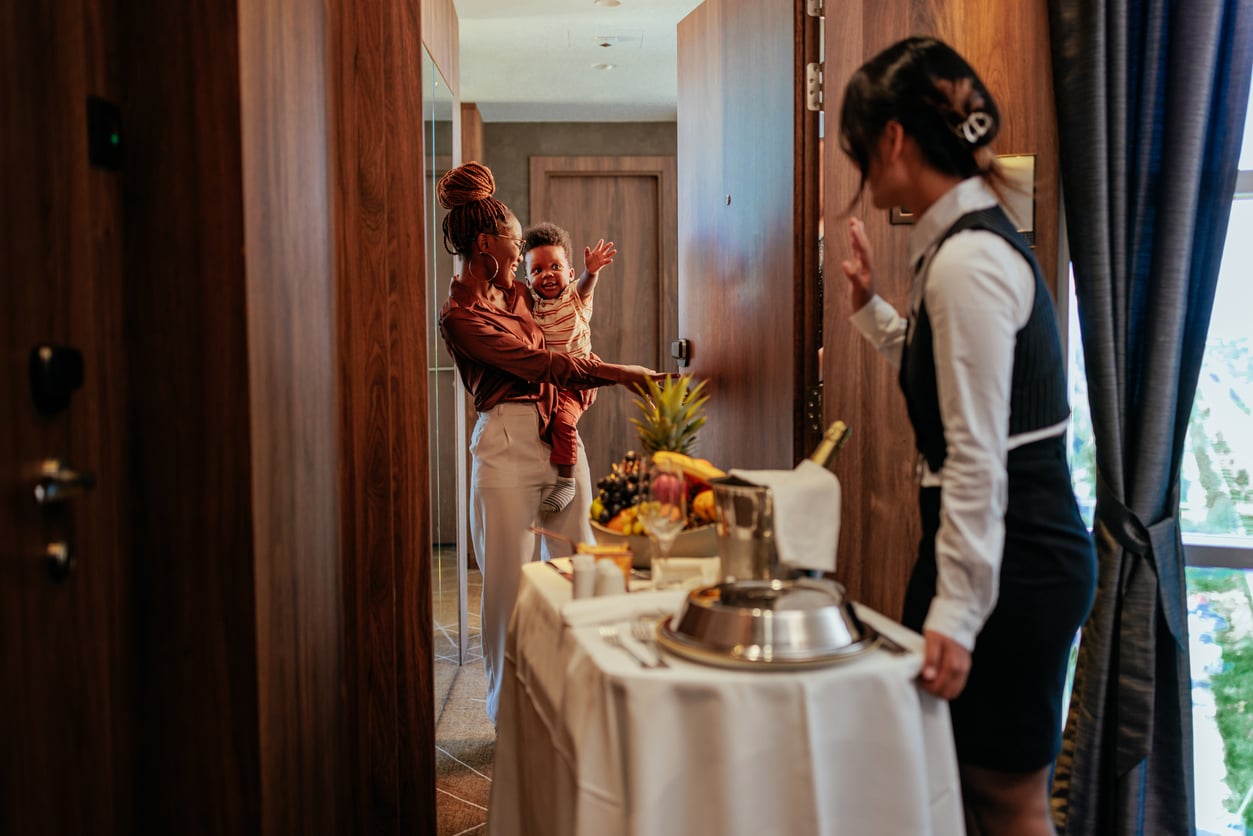
Although breakfast is advertised as included, its cost is generally incorporated into the room rate or covered through the hotel’s operating budget. Buffet layouts and menus require labor, supplies, and equipment, and they are designed around ingredients that can be prepared efficiently and replenished in large quantities. Breakfast planning is therefore an important consideration in hotel operations.
A Hotel May Have Several Different Room Categories That Look Almost Identical

Hotels categorize their accommodations based on factors such as size, view, bed configuration, and including amenities. However, two nearly identical rooms might fall into different categories. For instance, a room facing the waterfront or located on a higher floor could belong to a different category from another room. When requesting an upgrade, be sure to consider the specific changes that the new room will entail.
Hotels Use Demand Forecasting to Determine How Many Employees They Need

By considering factors such as arrivals, departures, restaurant demand, and scheduled events, hotel managers determine the number of employees they will need. The difference between a smooth hotel stay and a long wait for a clean room can be linked to staffing forecasts, a factor that often determines whether a guest’s stay is a positive one. Effective workforce planning is essential for successful hotel operations.
A Room Can Be Taken Out Of Service Even When Nobody Is Staying In It
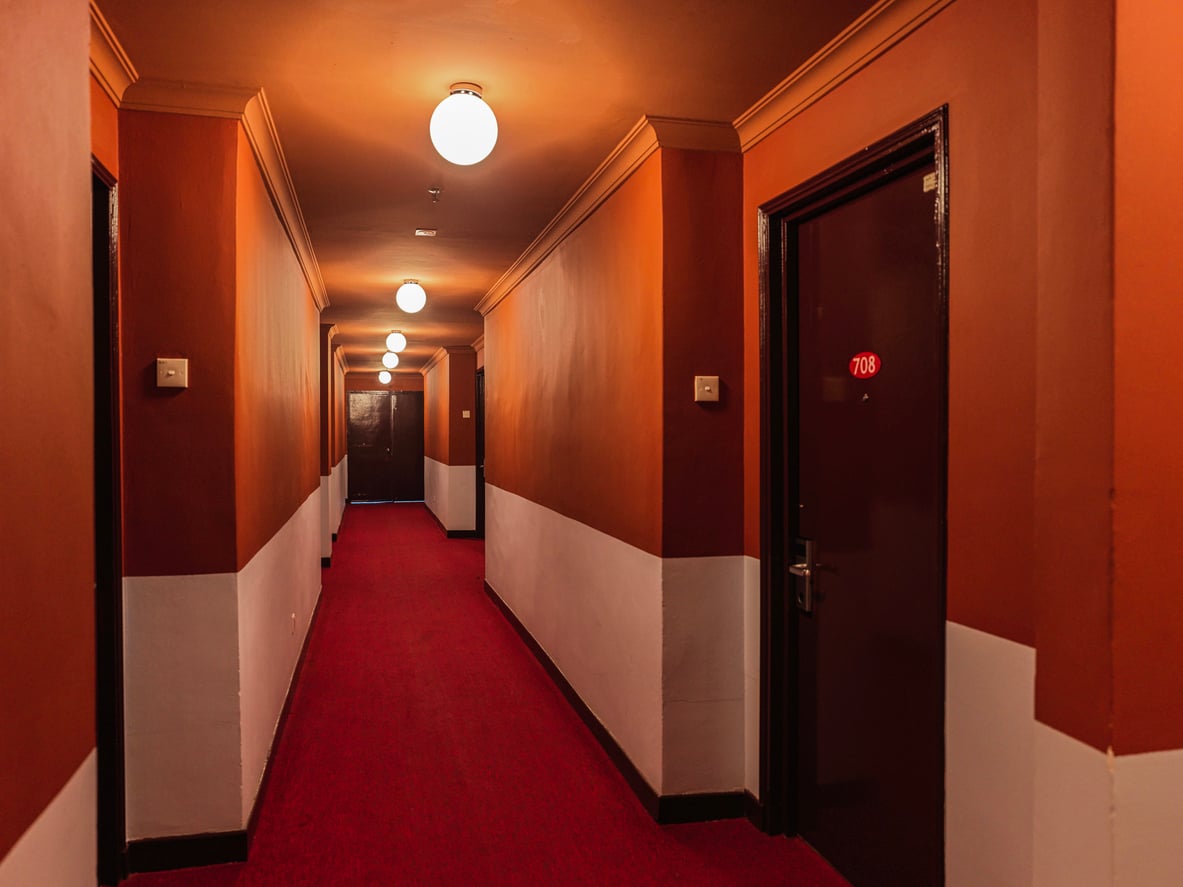
Another situation that occurs in hotels is that certain rooms must be taken out of service, becoming temporarily unavailable due to repairs, inspections, or other operational requirements. These rooms may appear as unavailable in the system, potentially causing an online booking platform to indicate that the entire hotel is full, even though some rooms are simply unavailable for those reasons.
Conclusion
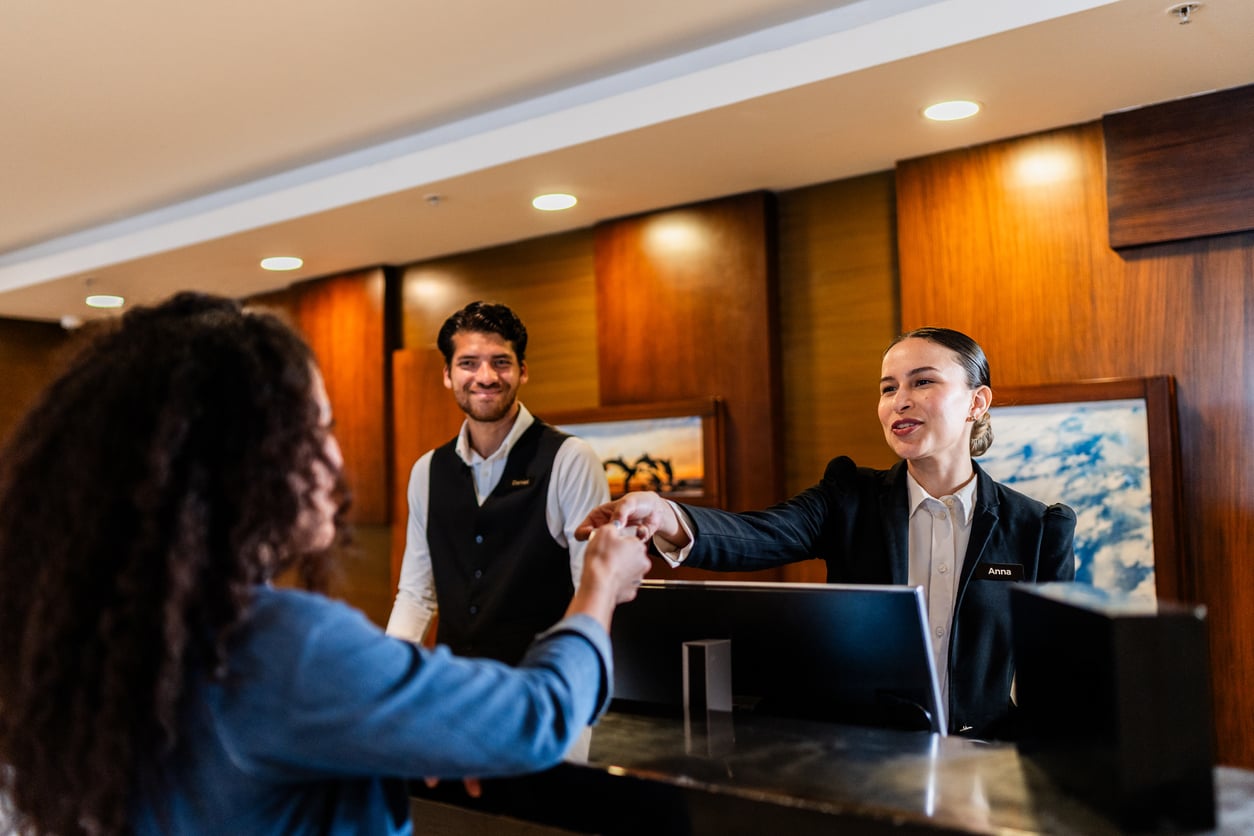
These sophisticated hotel operations define guest comfort, staffing, inventory, and maintenance during a stay. From managing daily reservations to maintaining facilities, these behind-the-scenes responsibilities show how much coordination is required to deliver a consistent guest experience. Understanding how reservations, housekeeping, and room categories work can help travelers make better decision and appreciate the complexity of hotel operations.