Some of America’s most popular destinations make it remarkably easy to spend an entire vacation within a few tourist-packed blocks. But as NYC Tourism’s neighborhood guide shows, even places known for major attractions can have completely different dining, shopping, and local experiences just beyond the obvious visitor zones. These places where tourists overpay are a reminder that walking a little farther can open up more choices and potentially better value without skipping the famous sights altogether.
Las Vegas, Nevada: Get Off the Strip
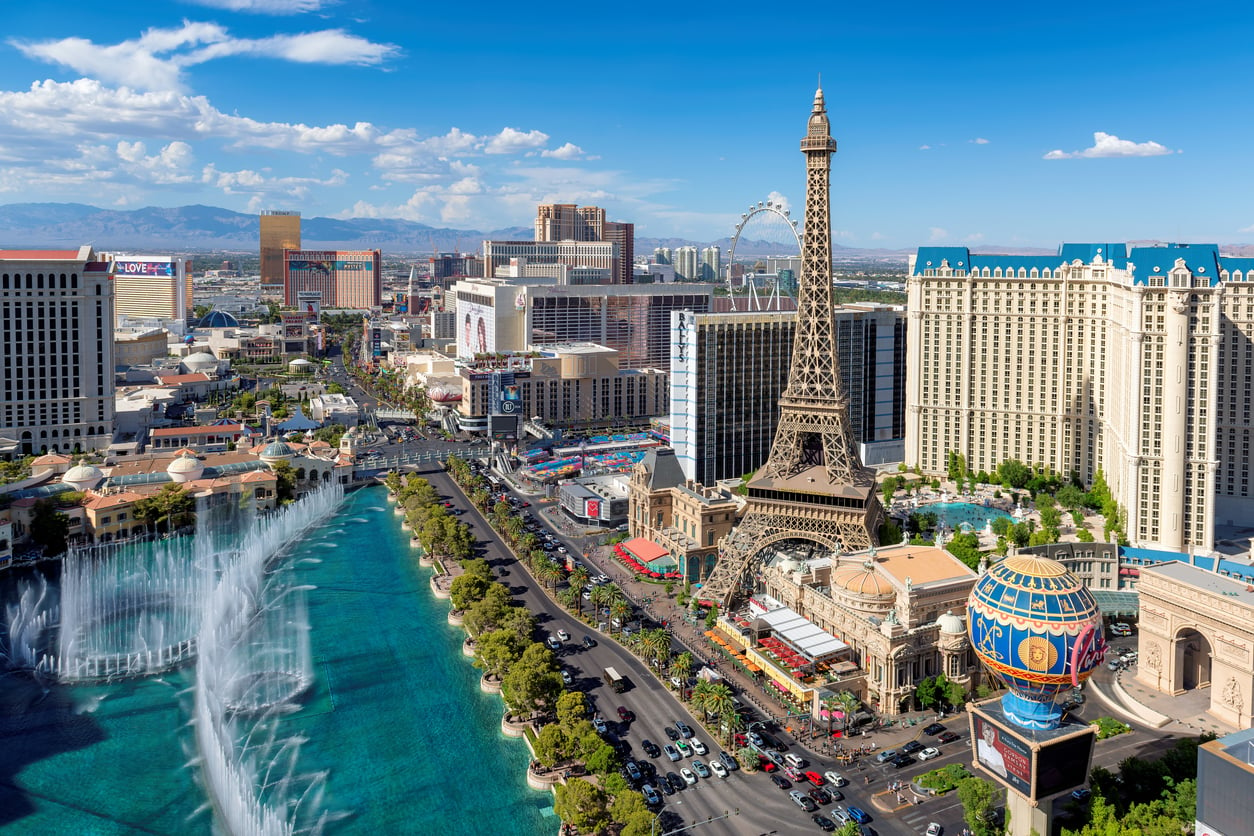
Las Vegas Boulevard makes spending money almost effortless. Resort restaurants, cocktail bars, convenience stores, shows, and shops can cover practically every need without guests leaving their hotel complex. But Downtown and the Arts District give visitors a much broader set of choices, including casual restaurants, breweries, vintage stores, galleries, and bars outside the giant Strip resorts. There’s no reason to skip the Strip itself. Just compare prices before automatically charging breakfast, drinks, snacks, and every dinner to your resort room.
Honolulu, Hawaii: Venture Beyond Waikiki
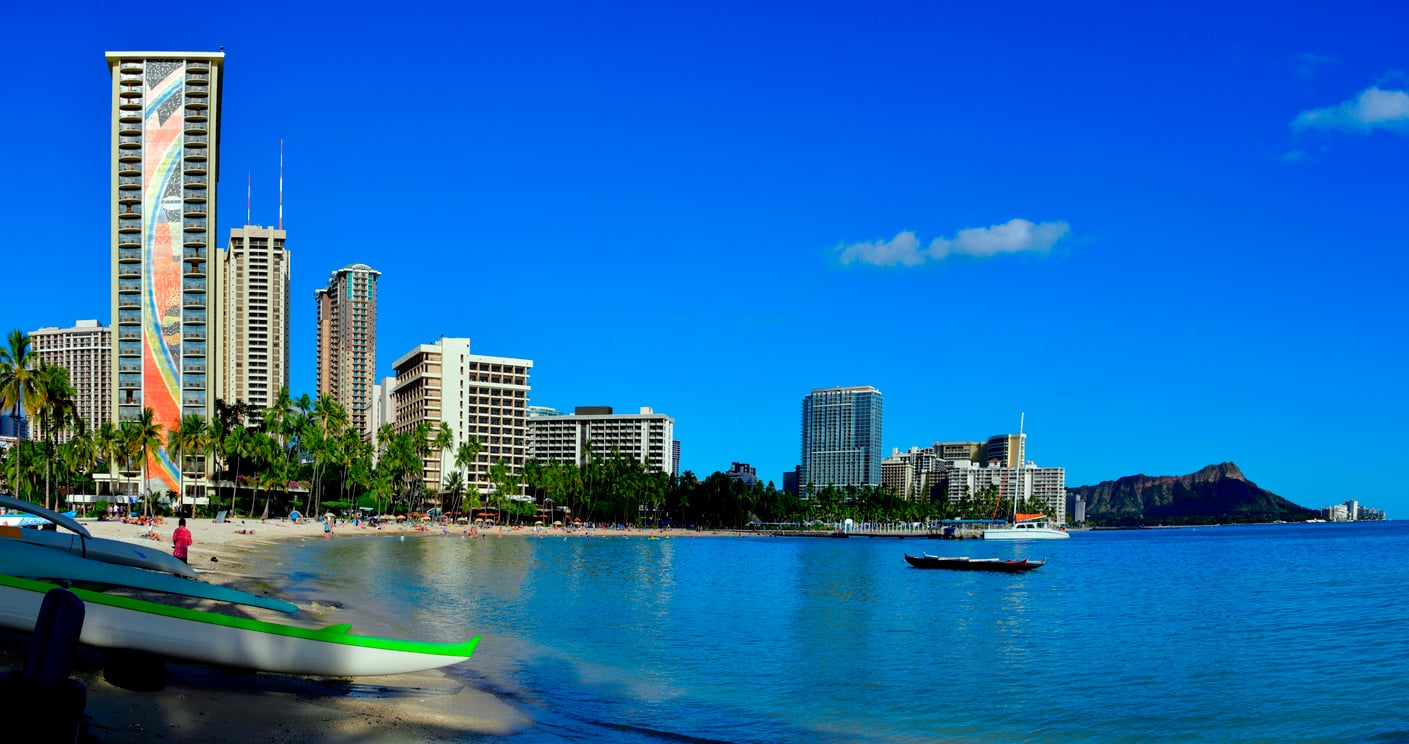
Waikiki packs a remarkable number of hotels, restaurants, shops, and attractions into a small stretch of Honolulu, which makes staying put extremely tempting. But nearby Kapahulu is only minutes away and offers everything from plate lunches and malasadas to shave ice and Asian restaurants. Kaimuki adds another neighborhood packed with independent dining options. Leaving Waikiki doesn’t guarantee a cheaper bill, but it dramatically expands your choices. Save the beachfront premium for meals where an ocean view actually matters rather than paying it at every stop.
New Orleans, Louisiana: Look Beyond the French Quarter
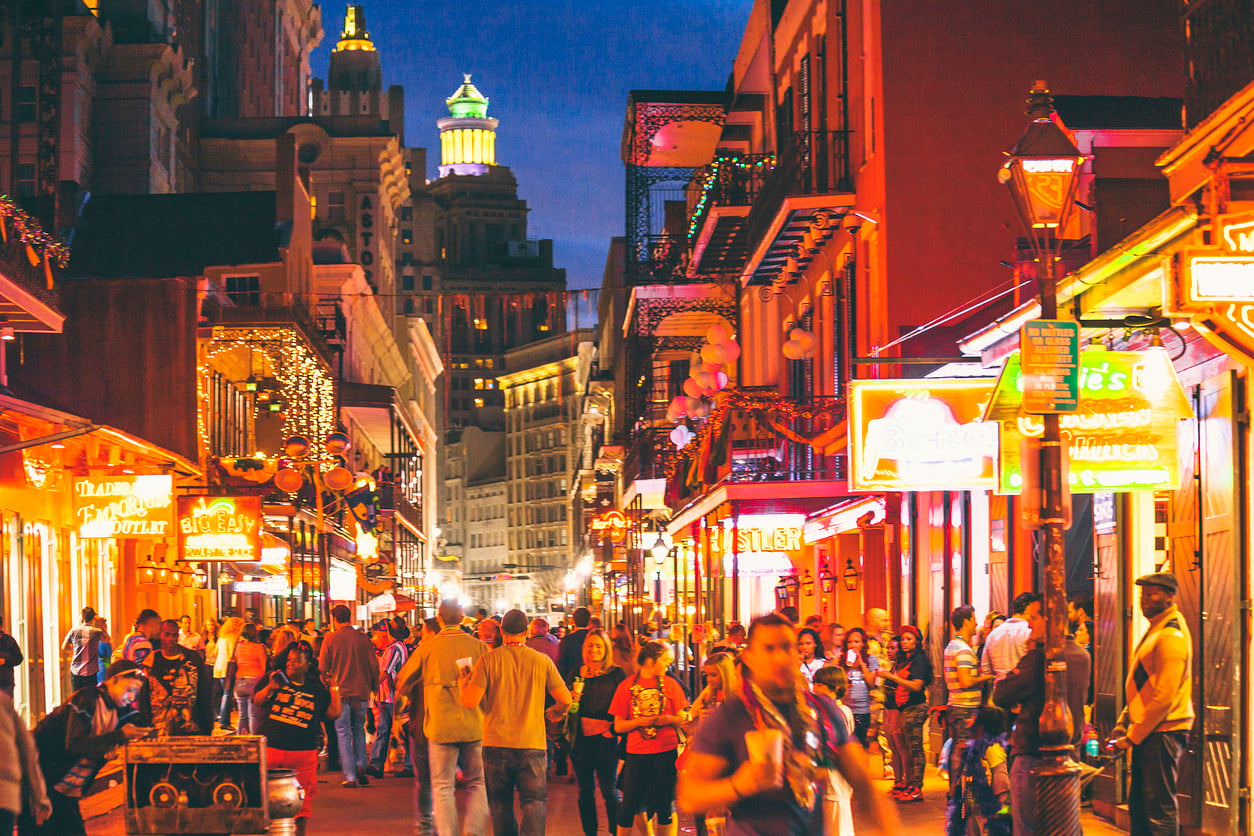
The French Quarter deserves its fame, and skipping its historic restaurants simply to save a few dollars would miss part of the New Orleans experience. But eating every meal around Bourbon Street is another matter. Magazine Street runs for roughly six miles through several neighborhoods and mixes bakeries, casual restaurants, bars, locally owned shops, and more ambitious dining. Enjoy the beignets, Creole institutions, and nightlife of the Quarter, then head Uptown when you want an ordinary breakfast, lunch, drink, or shopping trip with far more options.
Nashville, Tennessee: Leave Lower Broadway for a Meal
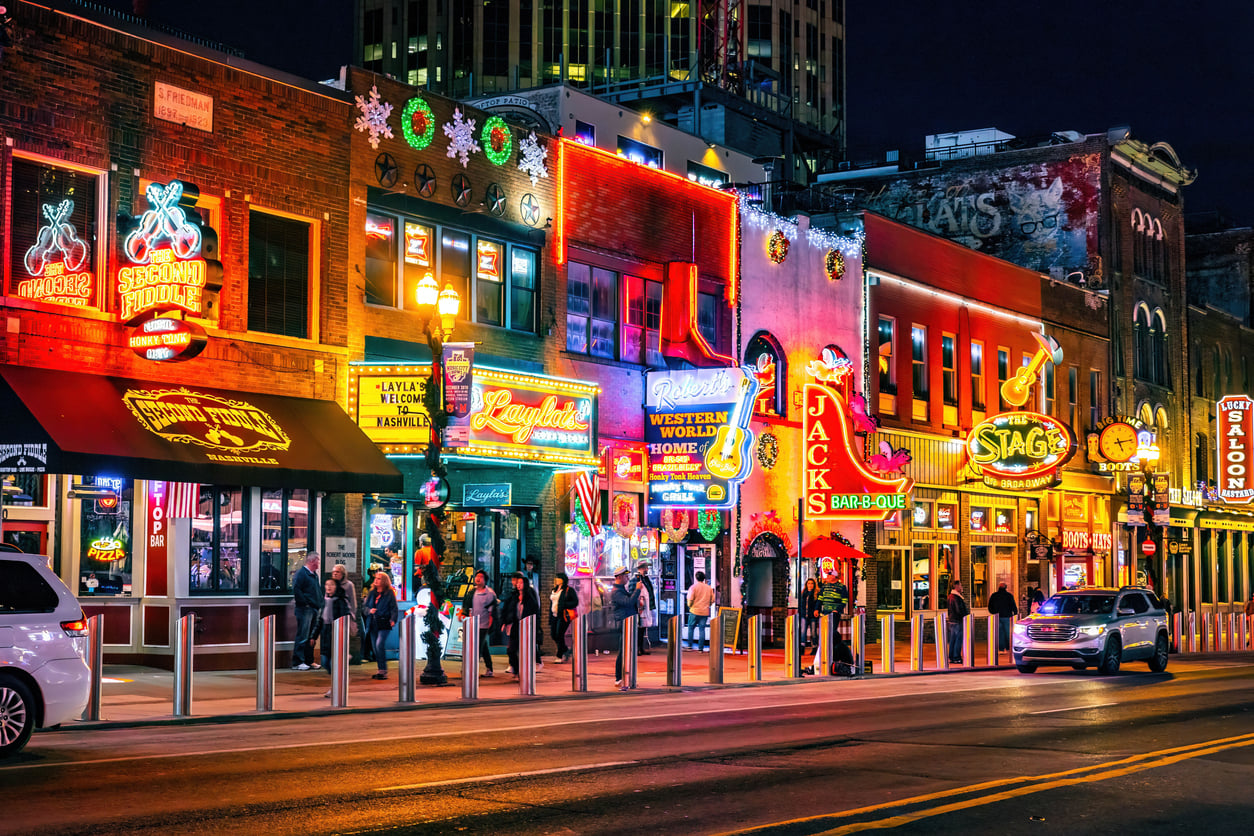
Lower Broadway delivers exactly what many visitors came to Nashville for: neon, live music, honky-tonks, crowds, and a party that can begin before lunchtime. That doesn’t mean every meal and drink needs to happen there. East Nashville has developed a substantial restaurant, coffee, cocktail, and independent-shopping scene of its own, while Germantown and Hillsboro Village provide still more alternatives. Spend money on Broadway when the location and live music are part of what you’re buying. For an ordinary meal, compare what the neighborhoods offer first.
San Francisco, California: Walk Past Fisherman’s Wharf
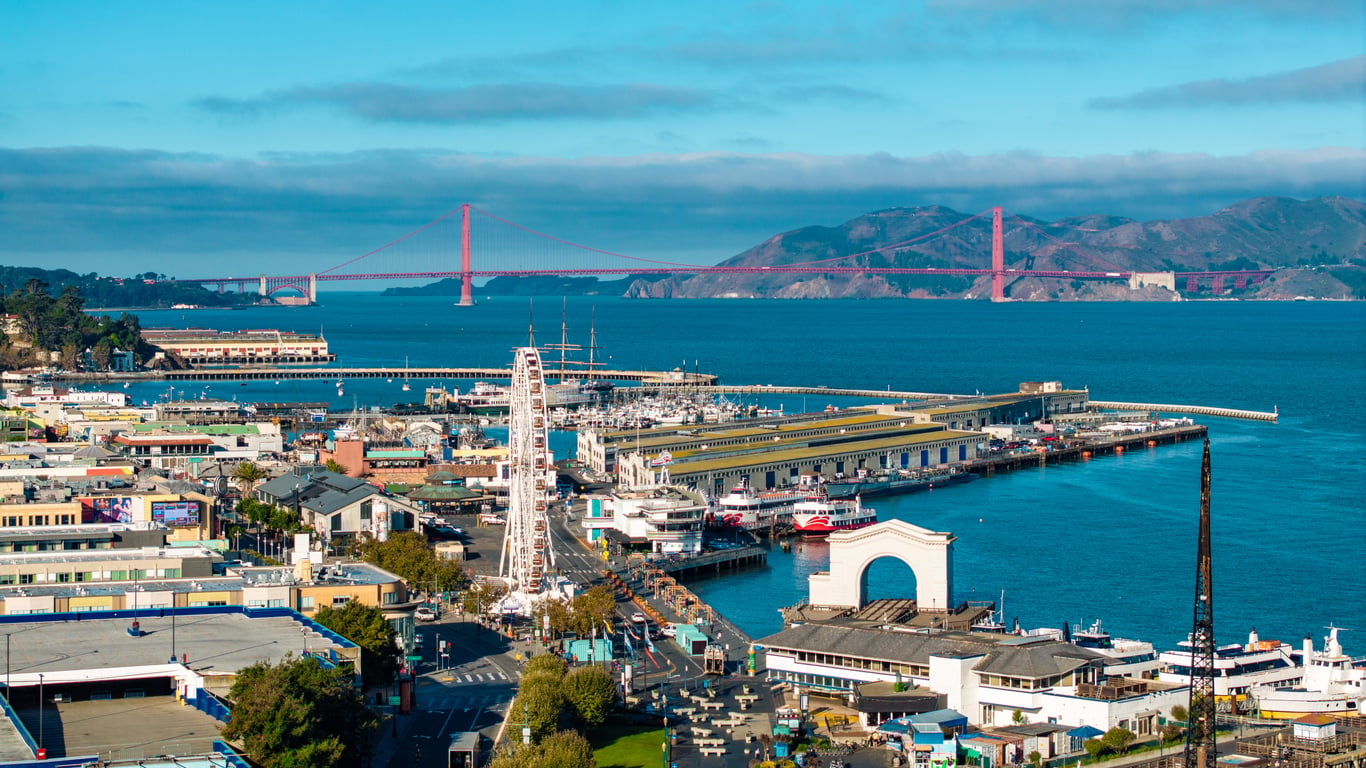
Fisherman’s Wharf is worth seeing. The waterfront, sea lions, historic ships, sourdough, Dungeness crab, and proximity to Alcatraz departures make it one of San Francisco’s defining visitor areas. It also puts restaurants, souvenir stores, and attractions directly in front of tourists all day. Rather than making it your headquarters for every purchase, use Muni or simply walk toward North Beach and Chinatown, where the restaurant selection changes considerably. And don’t write off the Wharf entirely: several long-established restaurants there are destinations in their own right.
Trending on Cheapism


Savannah, Georgia: Go Beyond River Street
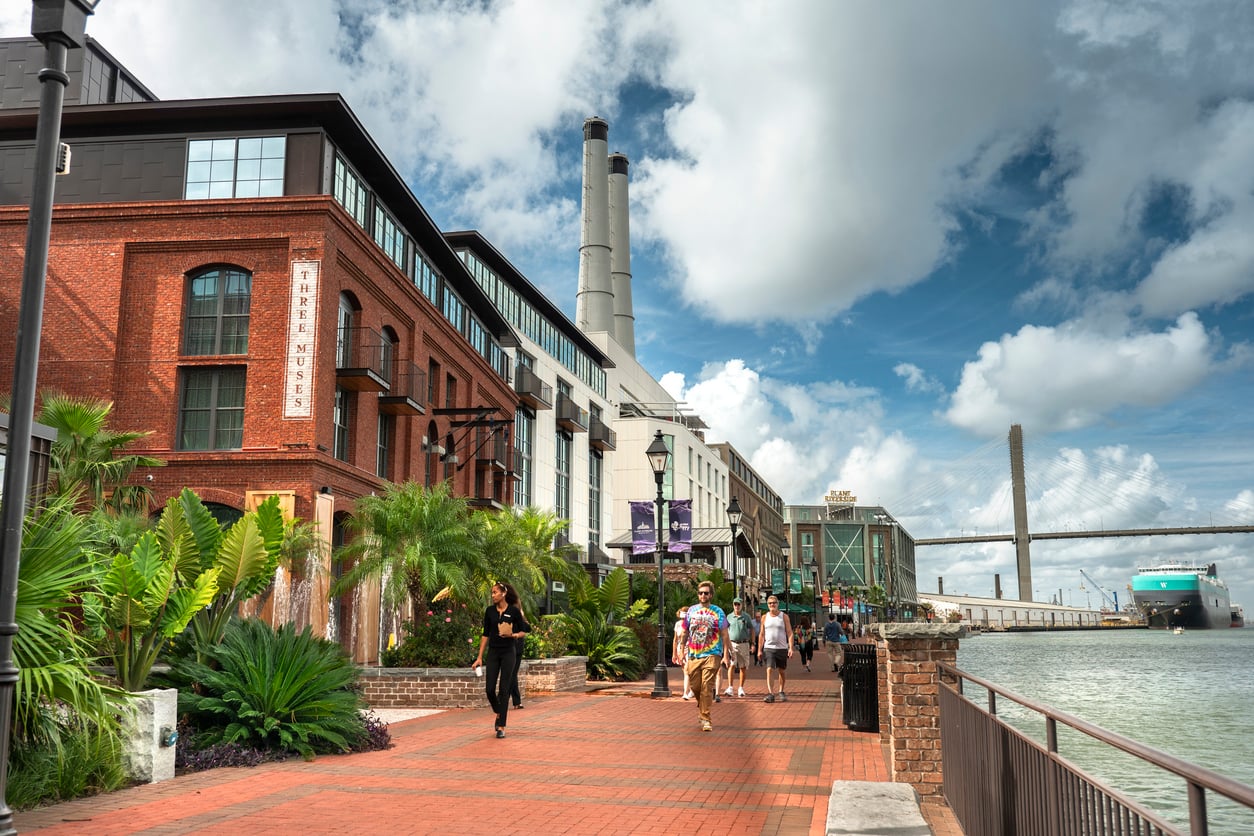
River Street makes it remarkably easy to spend an afternoon without leaving the waterfront. Shops, restaurants, bars, galleries, and river views are packed along its historic buildings, and that’s part of the appeal. But Savannah has much more happening inland. Head toward the Starland District and the mix shifts toward independent restaurants, coffee shops, bars, galleries, vintage stores, and creative businesses. Starland isn’t automatically cheap – it includes upscale dining, too – but it gives travelers more opportunities to compare rather than paying for convenience every time they’re hungry.
San Antonio, Texas: Don’t Eat Every Meal on the River Walk
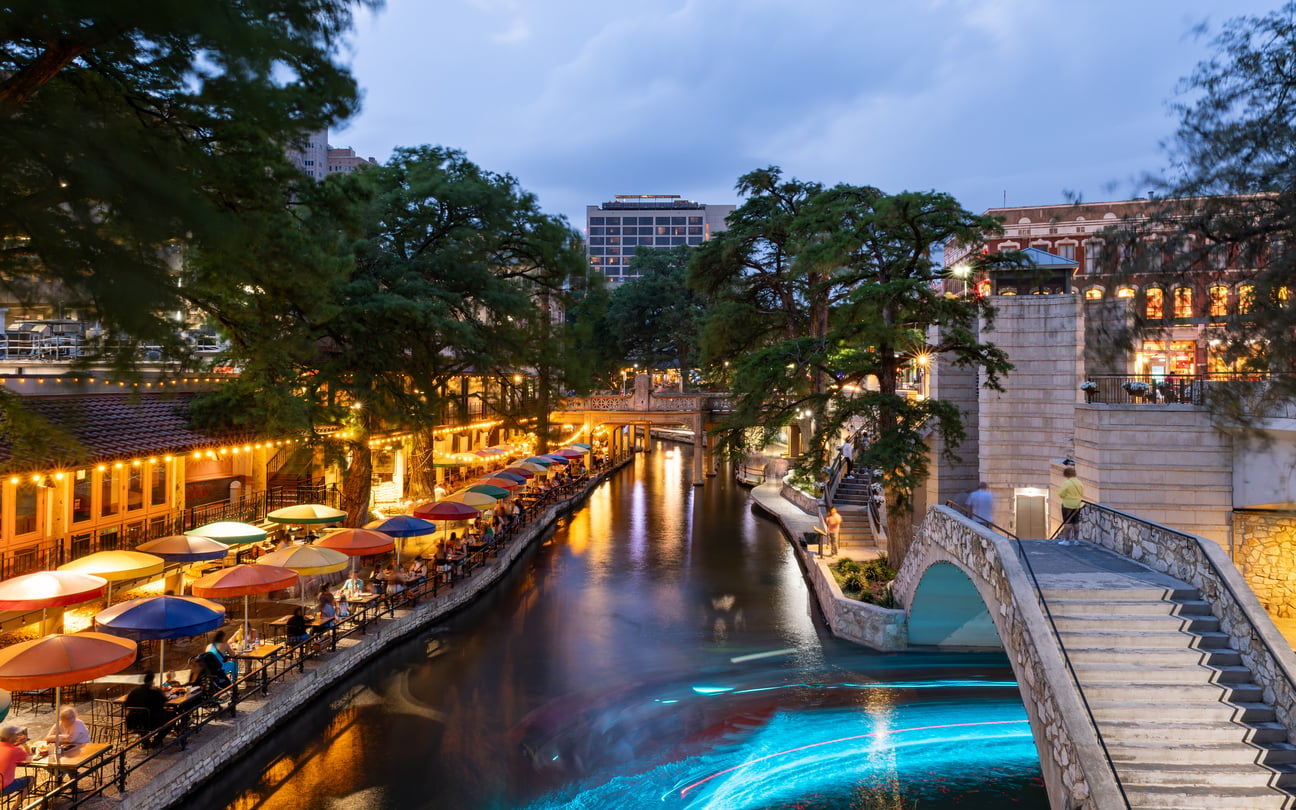
A margarita or dinner beside the water can absolutely be worth paying for. San Antonio’s River Walk has legitimate local restaurants alongside businesses aimed heavily at visitors, and the setting is part of what you’re buying. But the city doesn’t stop at the downtown riverbanks. Southtown and King William add cafes, bars, restaurants, breweries, galleries, and neighborhood businesses within relatively easy reach. Have the riverside meal when you want the riverside experience; for breakfast, coffee, or an ordinary lunch, see what else is nearby before taking the first available patio table.
Boston, Massachusetts: Step Away From Quincy Market
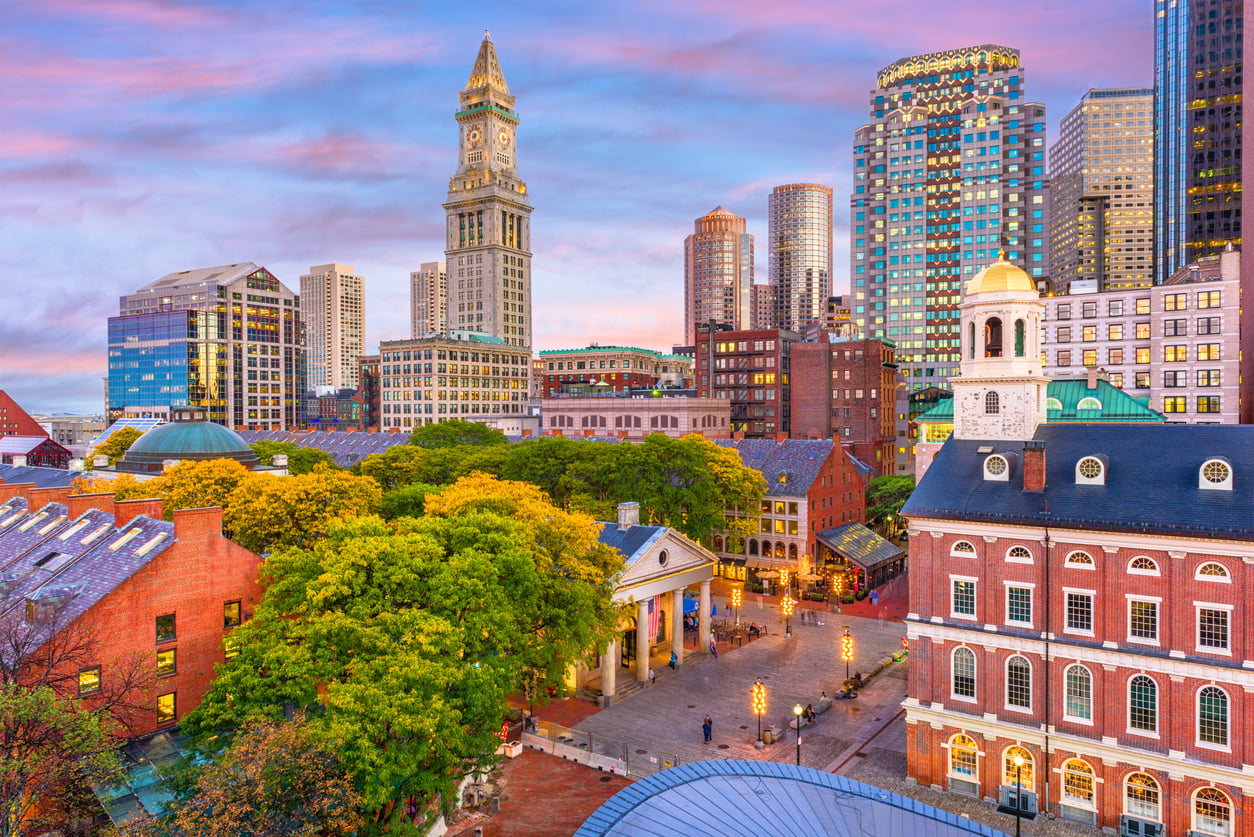
Quincy Market solves a tourist’s biggest problem almost too efficiently: dozens of food choices and major historic sights occupy the same compact area. It’s convenient and worth walking through, but there’s little reason to make it the source of every meal and souvenir. Boston’s compact layout puts other food neighborhoods within reach. Chinatown offers a dense collection of restaurants and bakeries, while the North End has Italian restaurants, cafes, pastry shops, and neighborhood institutions. Sample something at the market if it catches your eye, then keep walking before deciding on dinner.
Sign up for our newsletter
Charleston, South Carolina: Don’t Stop at the Historic Core
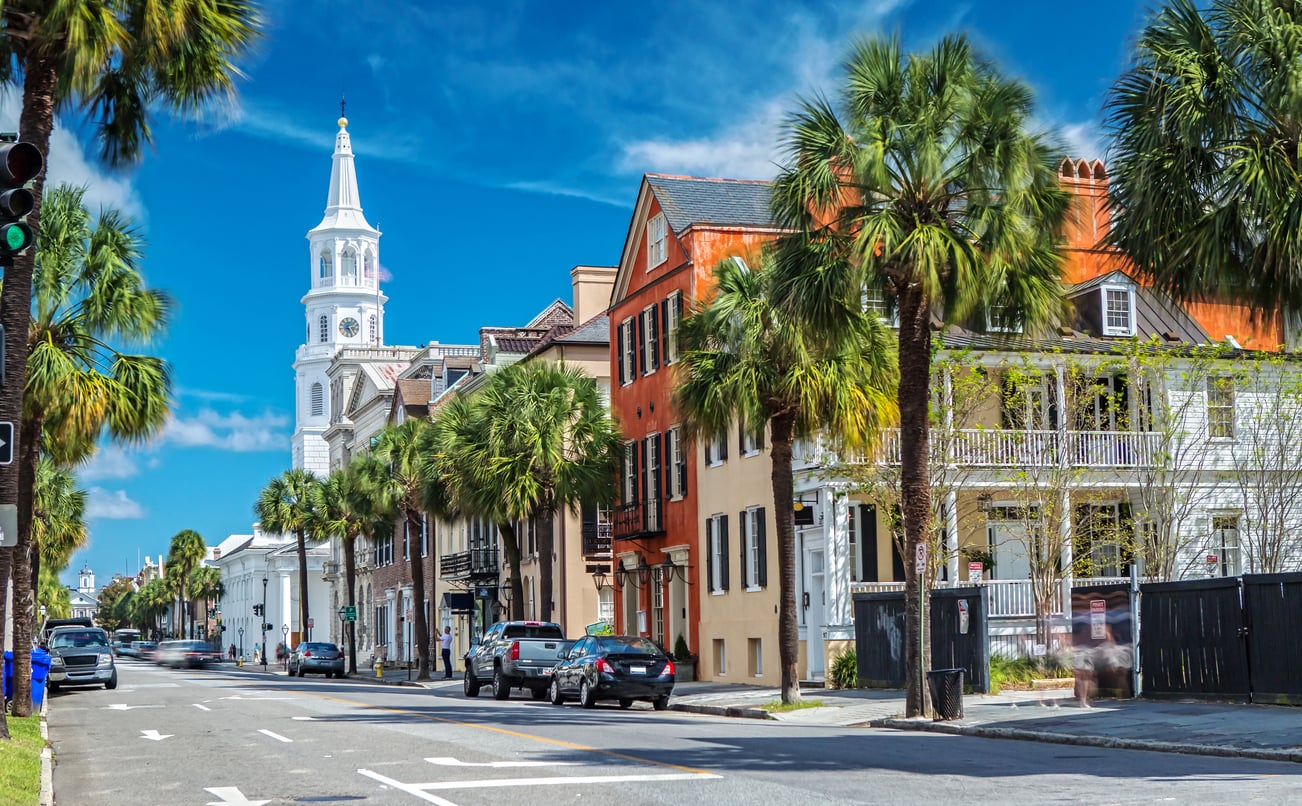
Charleston’s historic center makes lingering easy. King Street combines hotels, boutiques, bars, restaurants, and shopping with many of the sights visitors already came downtown to see. Convenience, however, isn’t the same thing as value. The city’s restaurant scene stretches beyond the blocks tourists naturally walk between attractions. Upper King broadens the selection without leaving downtown, while neighborhoods farther out add still more choices. Rather than picking dinner because a restaurant happens to sit beside your sightseeing route, decide what you actually want to eat and search from there.
New York City: Escape the Times Square Bubble
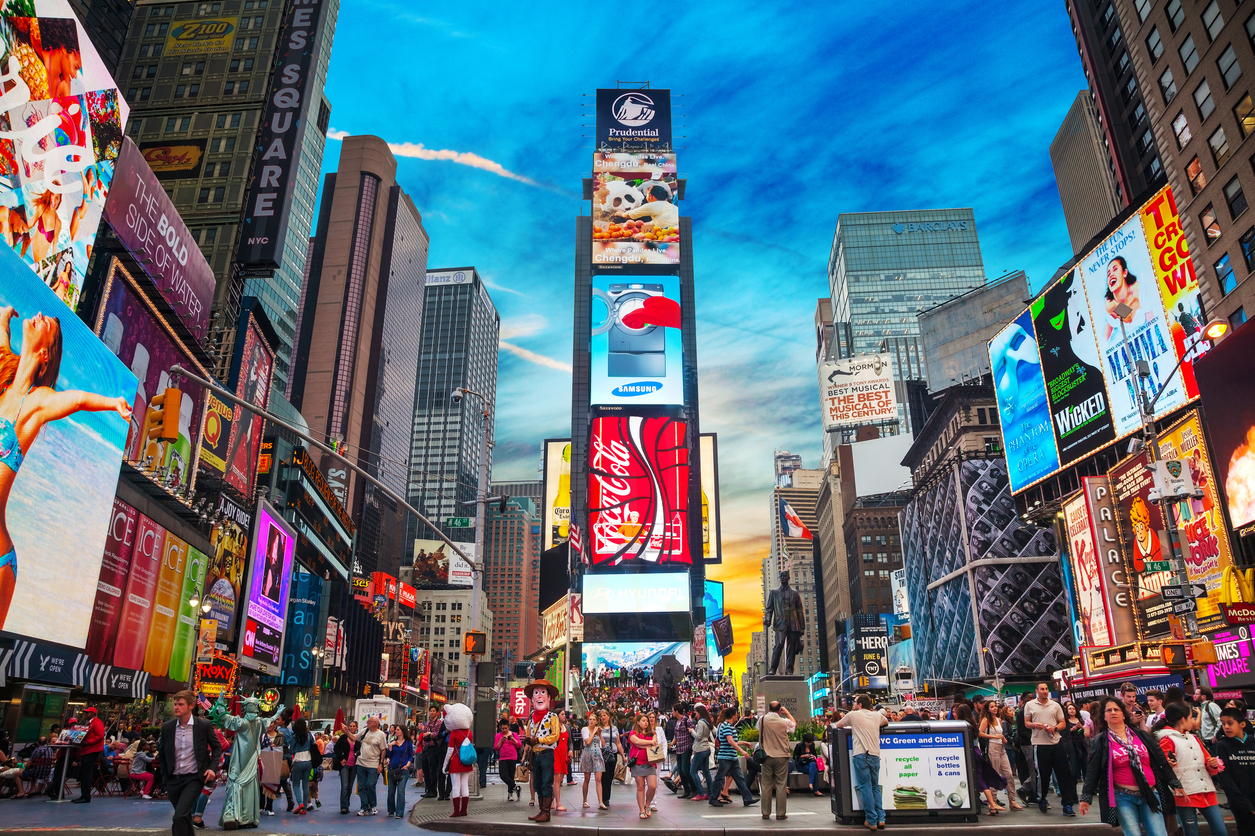
Times Square might be America’s ultimate example of convenience pricing. Restaurants, souvenir shops, attractions, theaters, and convenience stores compete for the attention of an enormous stream of visitors who often don’t know the surrounding city yet. See the lights, take the pictures, and enjoy the spectacle, then broaden the search before dinner. Hell’s Kitchen sits just to the west, while Koreatown, Chelsea, and countless Midtown options aren’t far away. The goal isn’t to obey an arbitrary number of blocks; it’s simply to stop treating Times Square as if it were all of Manhattan.
Key West, Florida: Wander Off Duval Street
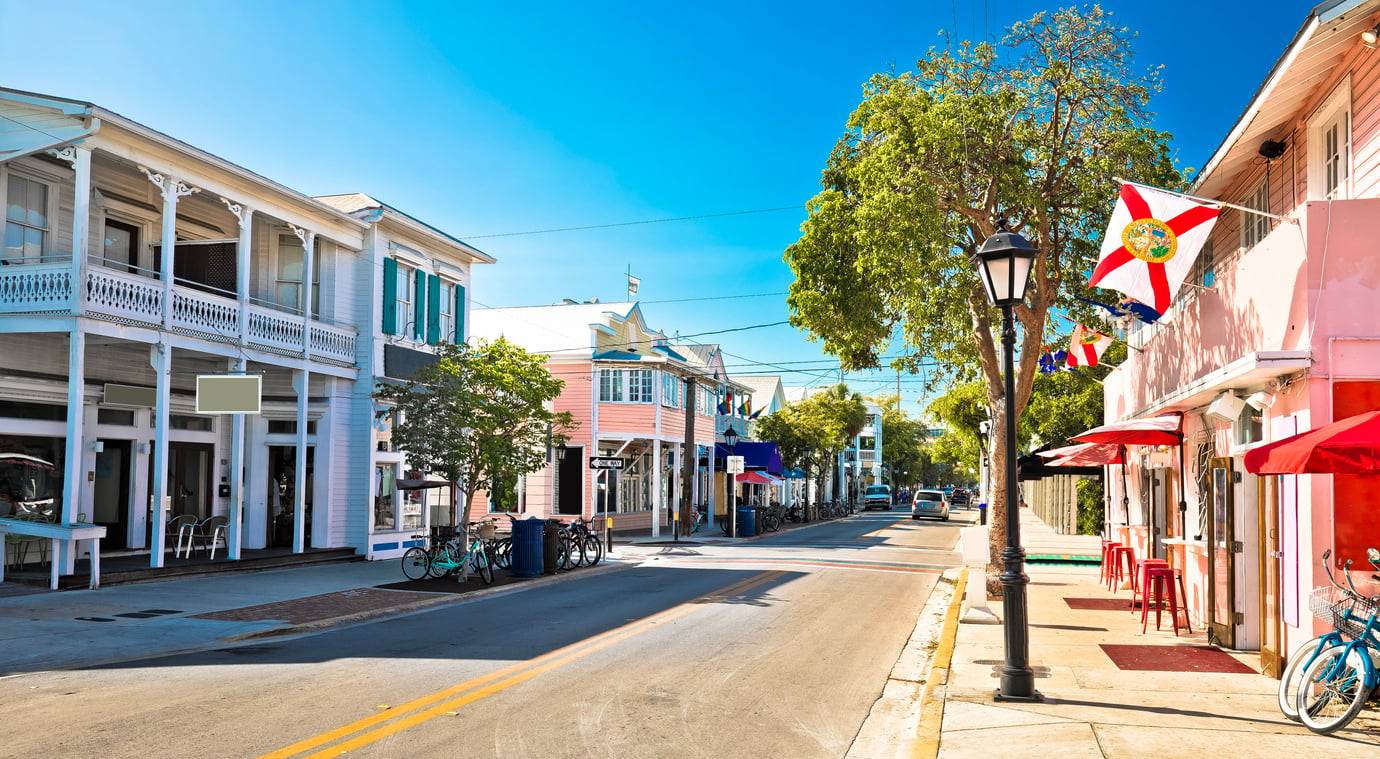
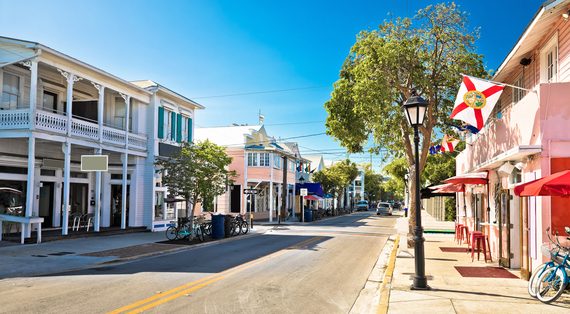
Duval Street is supposed to be touristy. The bars, restaurants, galleries, shops, and nightlife are a huge part of why people visit Key West, and trying to avoid it completely would be missing the point. But staying on Duval for every meal can mean overlooking side-street cafes, Cuban food, seafood spots, and marina restaurants elsewhere on the island. Travelers with transportation can also look toward neighboring Stock Island. Spend on Duval when you want the Duval experience, then cast a wider net when all you need is breakfast or a casual seafood lunch.
Santa Monica, California: Walk Inland From the Pier
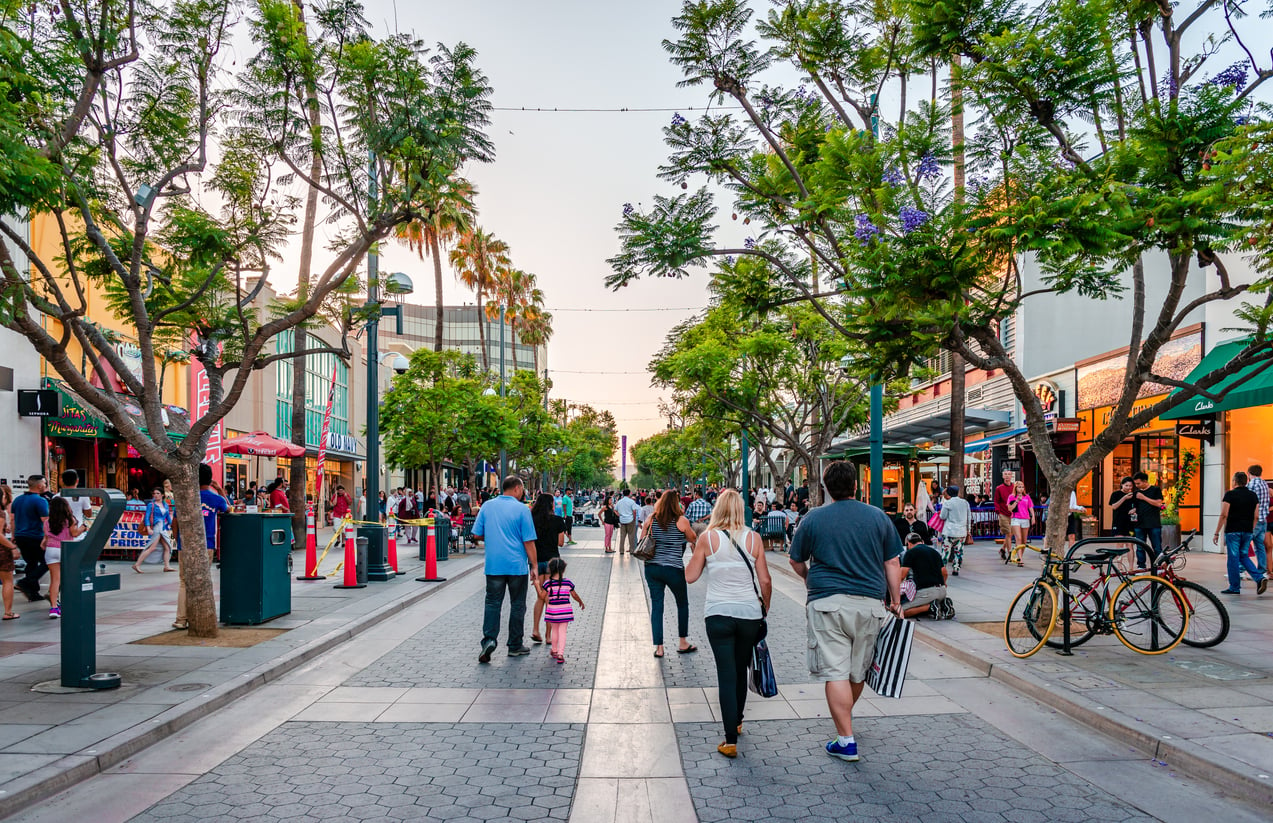
The Santa Monica Pier and nearby Third Street Promenade naturally collect visitors, restaurants, retailers, entertainment, and hotels in a very compact area. But Santa Monica itself has eight distinct neighborhoods, so there’s little reason to treat those few blocks as the entire city. Pico Boulevard offers a long stretch of dining options, while Main Street combines restaurants, cafes, boutiques, and a more neighborhood-oriented atmosphere. An oceanfront drink at sunset may justify paying for the location. A basic breakfast or bottle of water probably doesn’t need the same view.