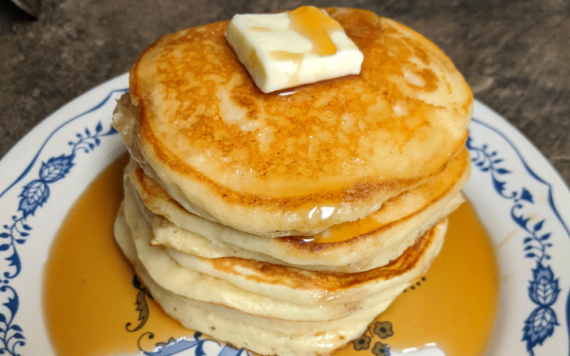

While most people buy their groceries at the supermarket, the quality of certain foods can vary significantly if you purchase them from a shop specializing in that particular item. From bread to fish, we have gathered information from the USDA and the FDA to highlight the foods that are worth the extra drive to specialty stores!
Fresh Bread – Independent Bakery
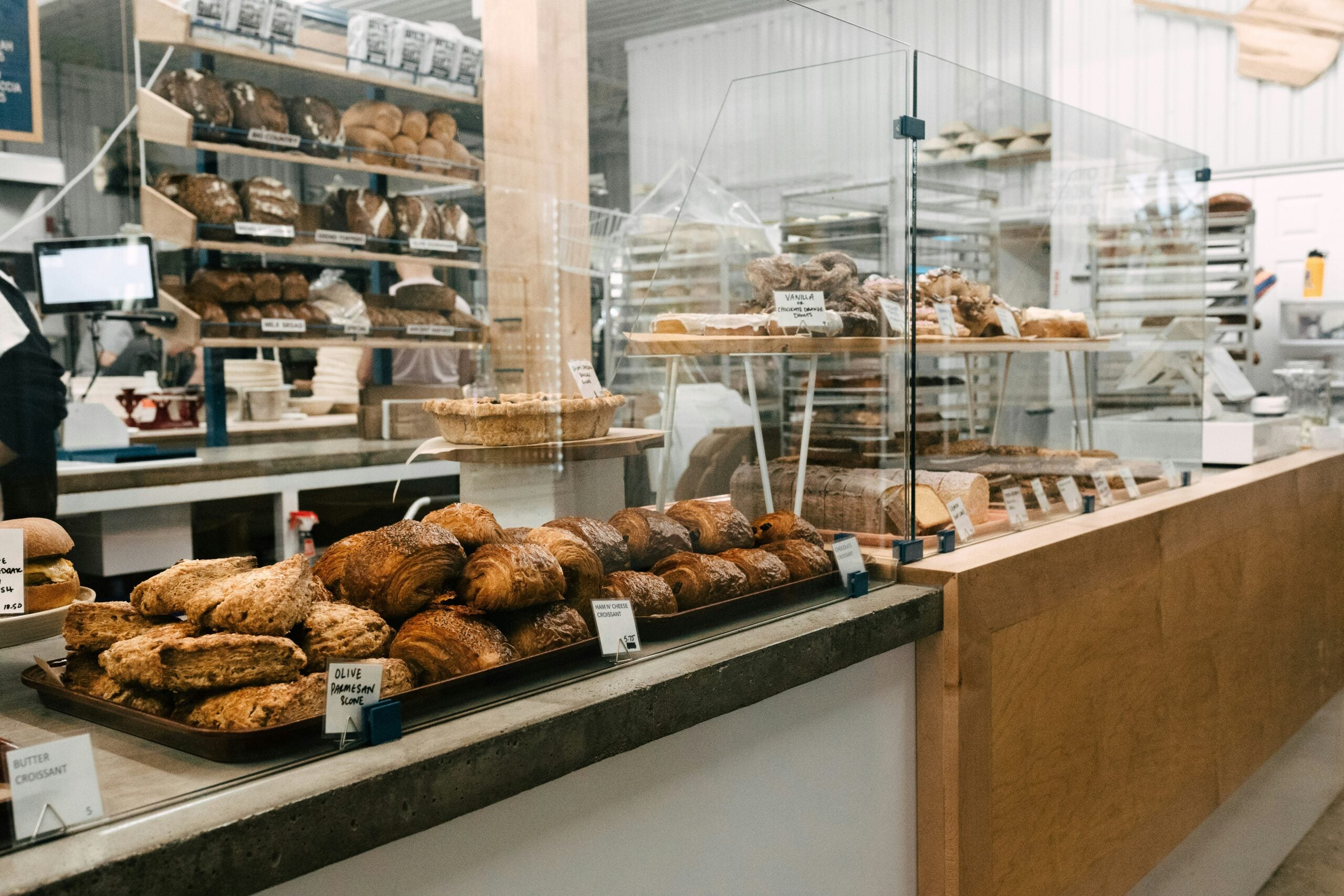
The reason it is better to buy fresh bread from an independent bakery is that they sell it just hours after it comes out of the oven, while the crust is still crisp and the interior remains moist. In contrast, supermarket bread may have been sitting on the shelf for days, making specialty stores a better choice for freshness.
Sausages – Butcher Shop
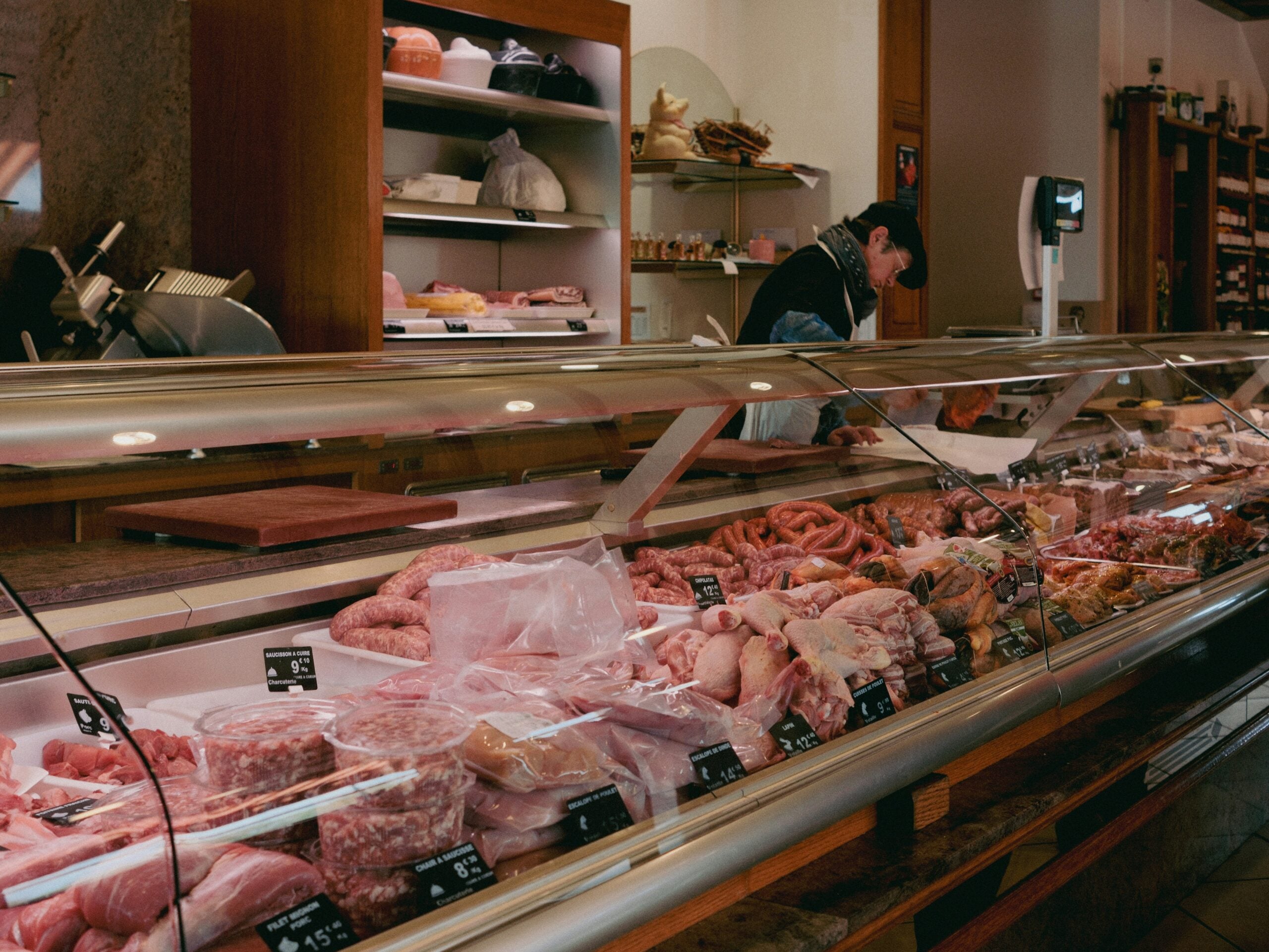
A good butcher shop prepares its own sausages in-house, offering customers fresher links, unique seasonings, and regional varieties not typically found in supermarkets. Furthermore, the butcher can provide personalized recommendations on which sausage best suits the dish you want to create, whether it’s for pasta, breakfast, slow cooking, or grilling, making specialty stores particularly useful for finding the right option.
Fresh Mozzarella – Italian Market
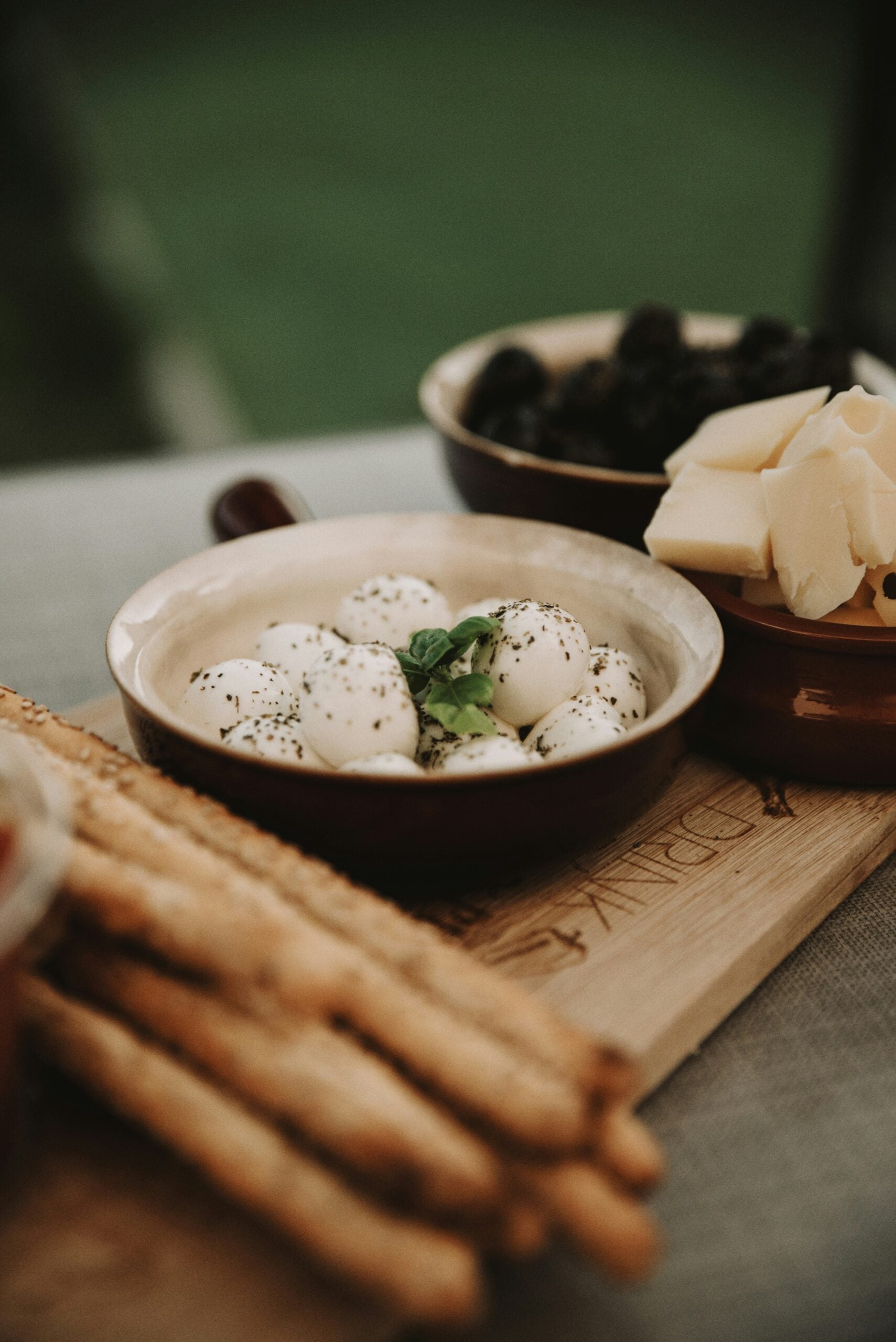
Fresh mozzarella has a distinctive flavor when eaten natural. That high moisture content is noticeable and can transform an ordinary dish into a great one. That is why, if you can visit an Italian market or a specialty cheese shop, your taste buds will thank you later. These specialty stores, such as Italian markets often carry locally produced mozzarella, making it fresher than the packaged versions found in supermarkets, which are designed primarily for a much longer shelf life.
Fish for a Special Dinner – Fishmonger
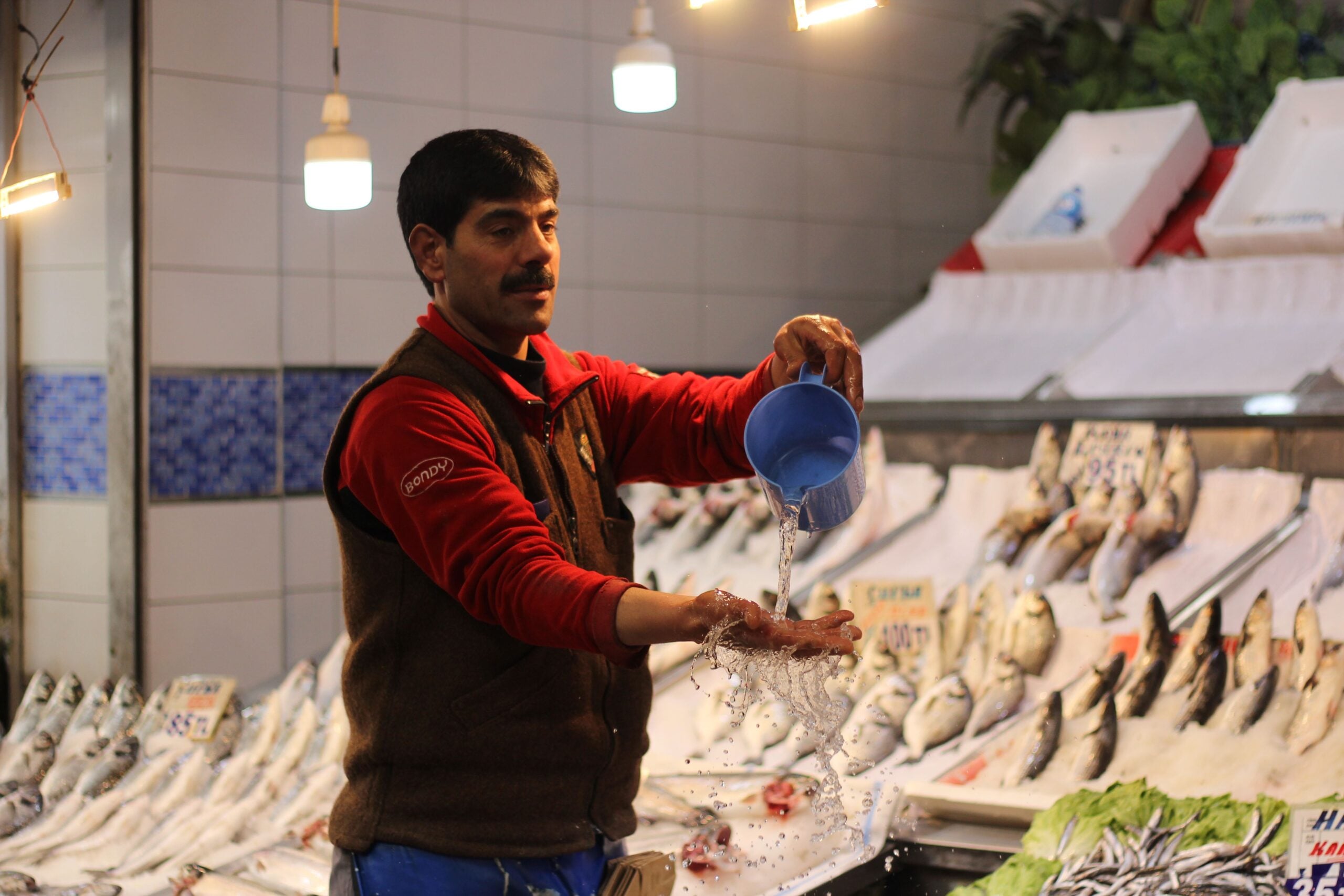
According to the FDA, the quality of the seafood you buy depends largely on the storage temperature during transport, the method of transportation, and the expertise to determine whether that specific catch was appropriate for that day. An experienced fishmonger has knowledge of the best catch and knows how to clean a whole fish and remove pin bones, skills that make specialty stores useful when buying seafood.
Tortillas – Tortilleria
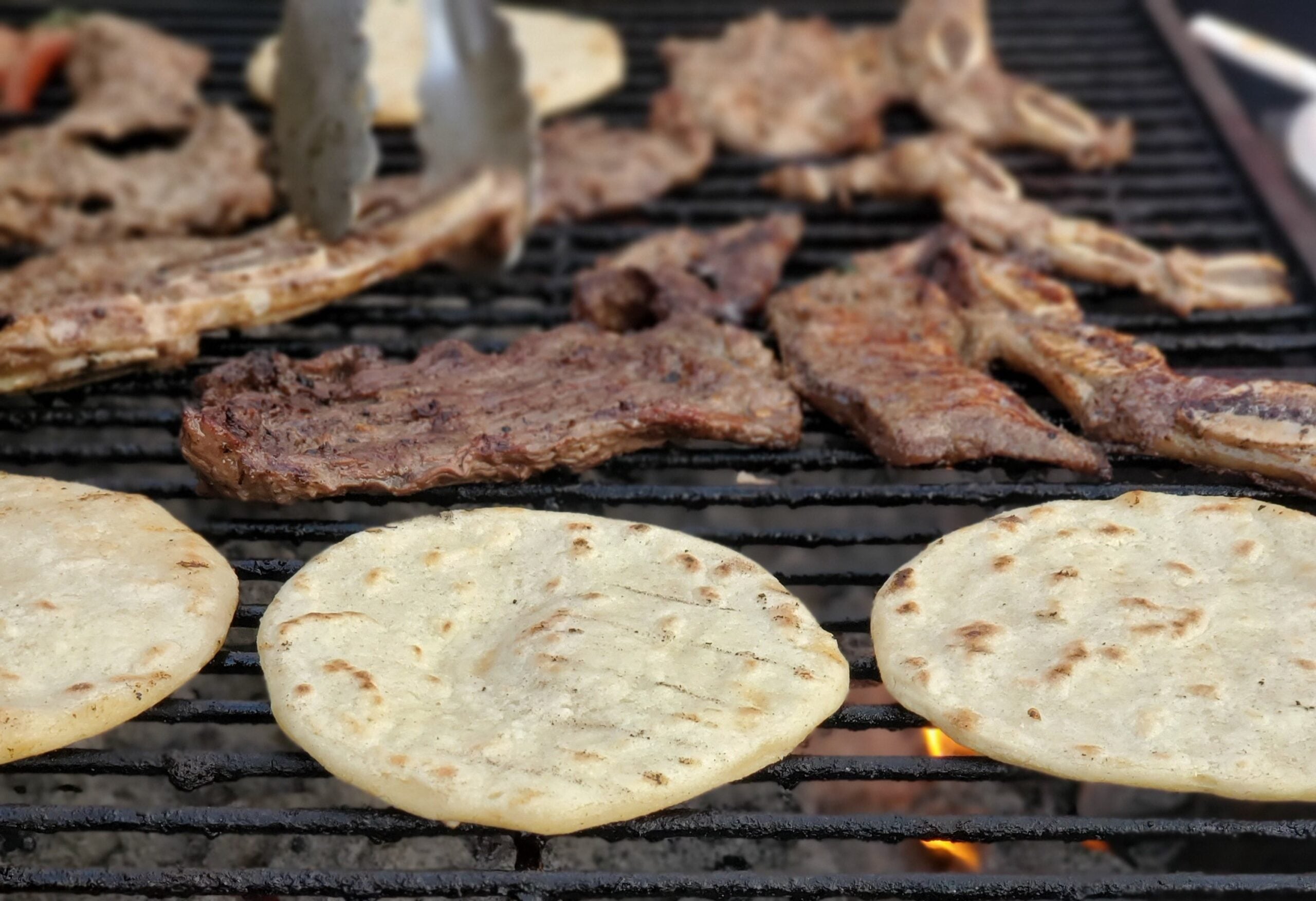
If you can head to a ‘Tortilleria’ to buy your daily tortillas, you’ll be choosing a product that might still be warm when you get it, boasting the aroma, pliability, and corn flavor that signal it was made recently and is still fresh. These qualities are impossible to find in shelf-stable supermarket versions, making specialty stores a good choice for taco night, enchiladas, quesadillas, or simply for creating a new meal out of leftovers.
Trending on Cheapism

Bagels – Dedicated Bagel Shop
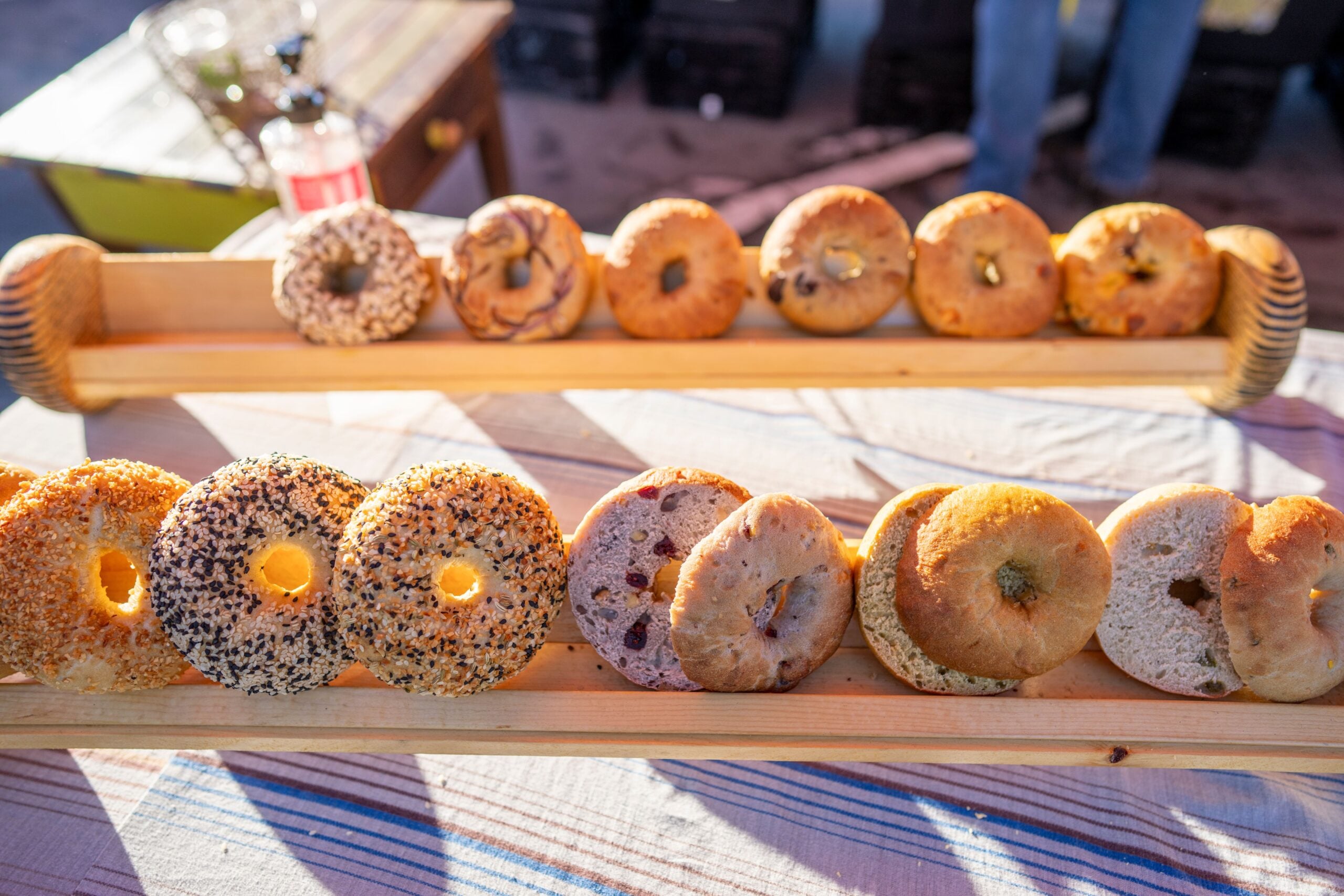
Bagel shops typically prepare their products during the early hours of the day they are served, significantly shortening the time between baking and consumption. Traditional bagel production usually involves boiling the shaped dough before the baking process. This step creates the chewy crust and dense interior that people expect from this type of bread, making specialty stores worth considering for fresh bagels.
Spices – Dedicated Spice Market
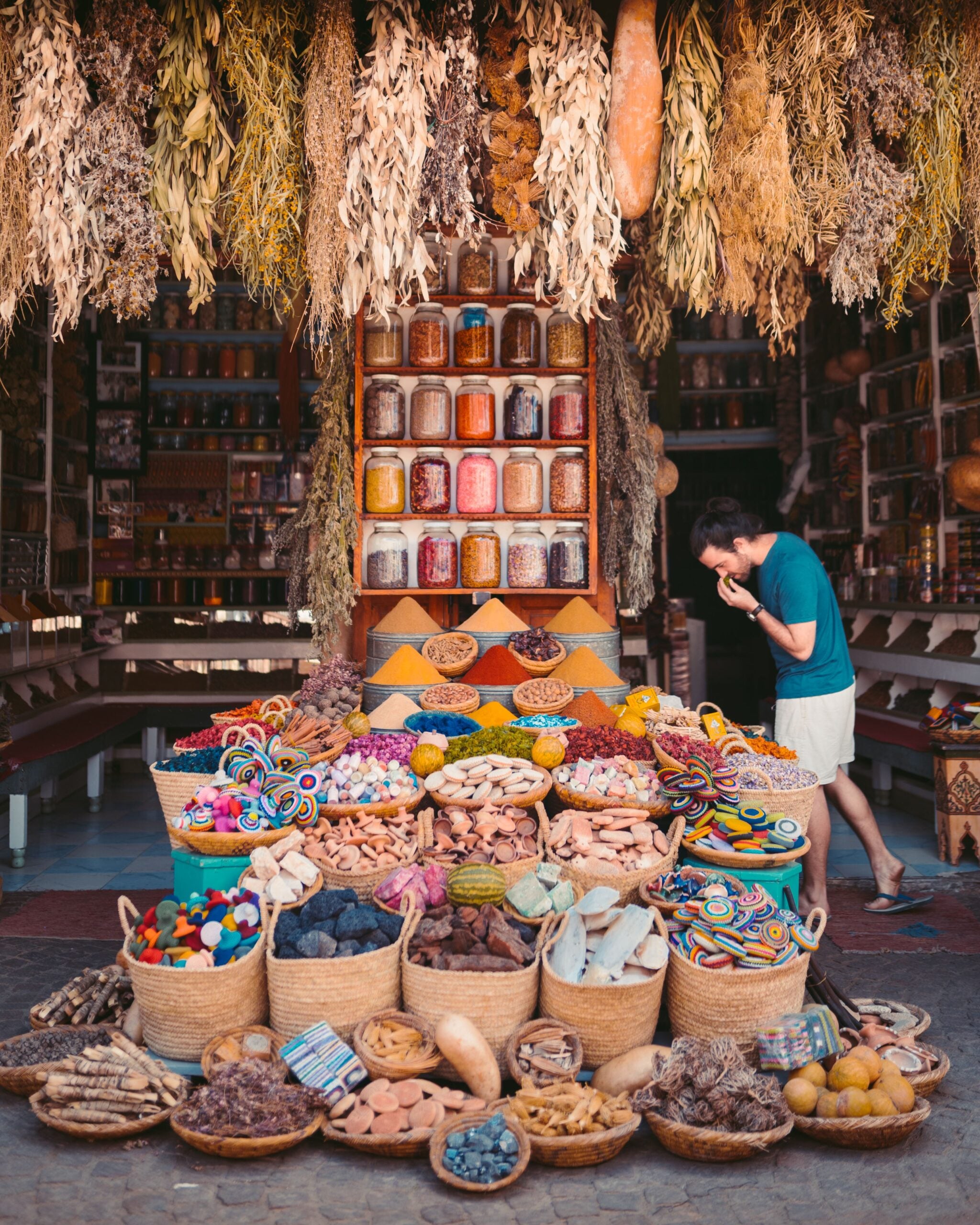
The issue with ground spices is that they lose their aromatic and flavor compounds over time, which affects the dishes they are used in. However, unlike a supermarket, a dedicated spice market has a higher turnover of spices, offers a wide variety of chilies, and allows you to buy smaller quantities, rather than stocking up on large supermarket jars only to watch them lose their flavor in your home pantry. Specialty stores can therefore be useful for buying spices in quantities you’ll actually use.
Prosciutto and Other Cured Meats – Salumeria
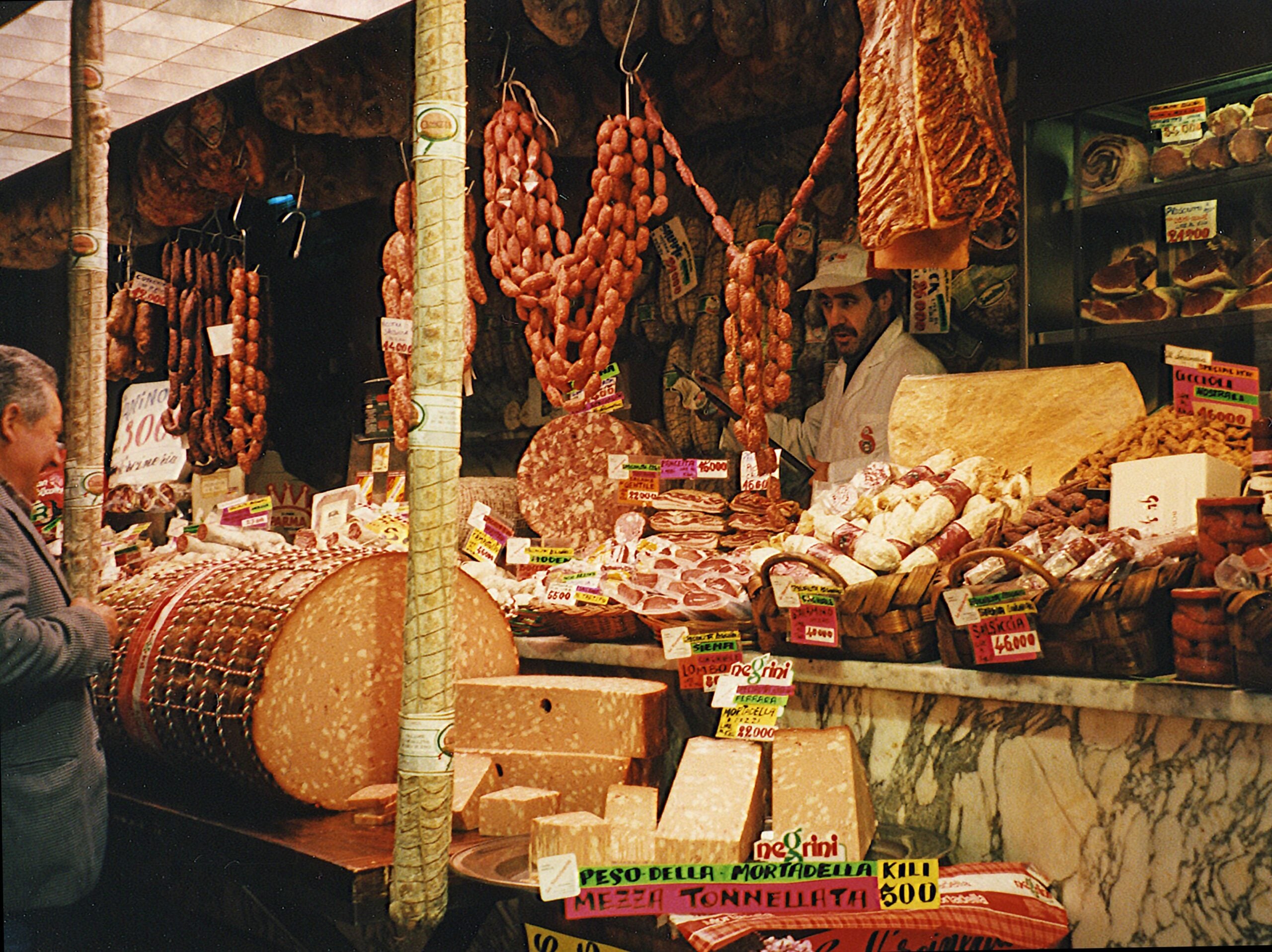
Specialty delis, such as Italian ones, often take greater care to slice cured meats extremely thin, making the difference easily noticeable compared to what you buy at a standard grocery store or supermarket. Furthermore, Italian delis or ‘salumerias’ offer a wide variety of products with different aging processes and styles you can see firsthand, rather than choosing from just two vacuum-packed options. These specialty stores can provide much more variety.
Sign up for our newsletter
Coffee Beans – Local Coffee Roaster
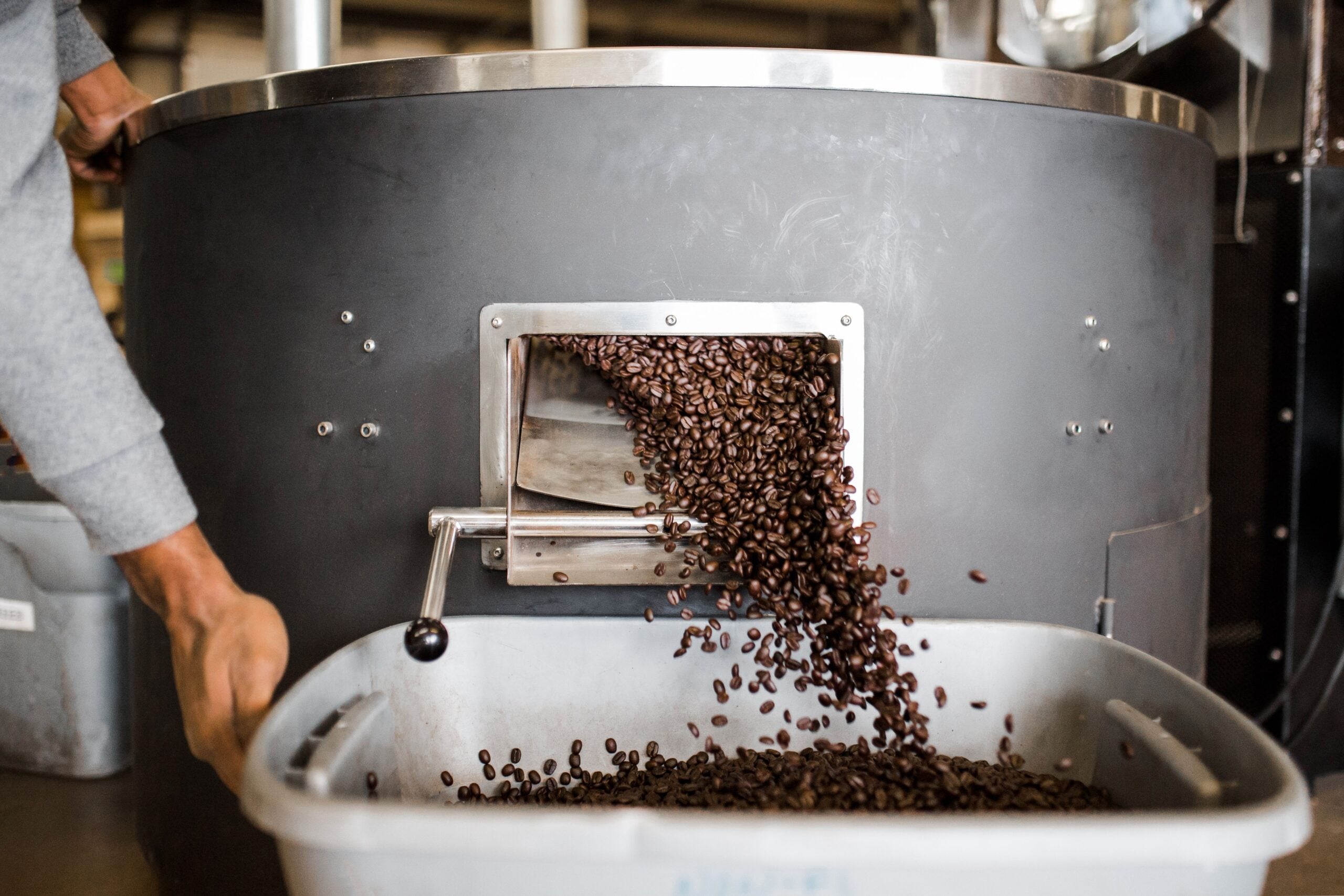
Coffee has specific aromatic, roasting, and color characteristics that allow you to distinguish a bean worth buying from one that isn’t. Specialty stores roasters usually provide that roast date; the closer it is to the day of purchase, the fresher the coffee will be. Additionally, they are knowledgeable about the coffee’s origin and can offer brewing recommendations tailored to that specific type of coffee.
Steak – Independent Butcher
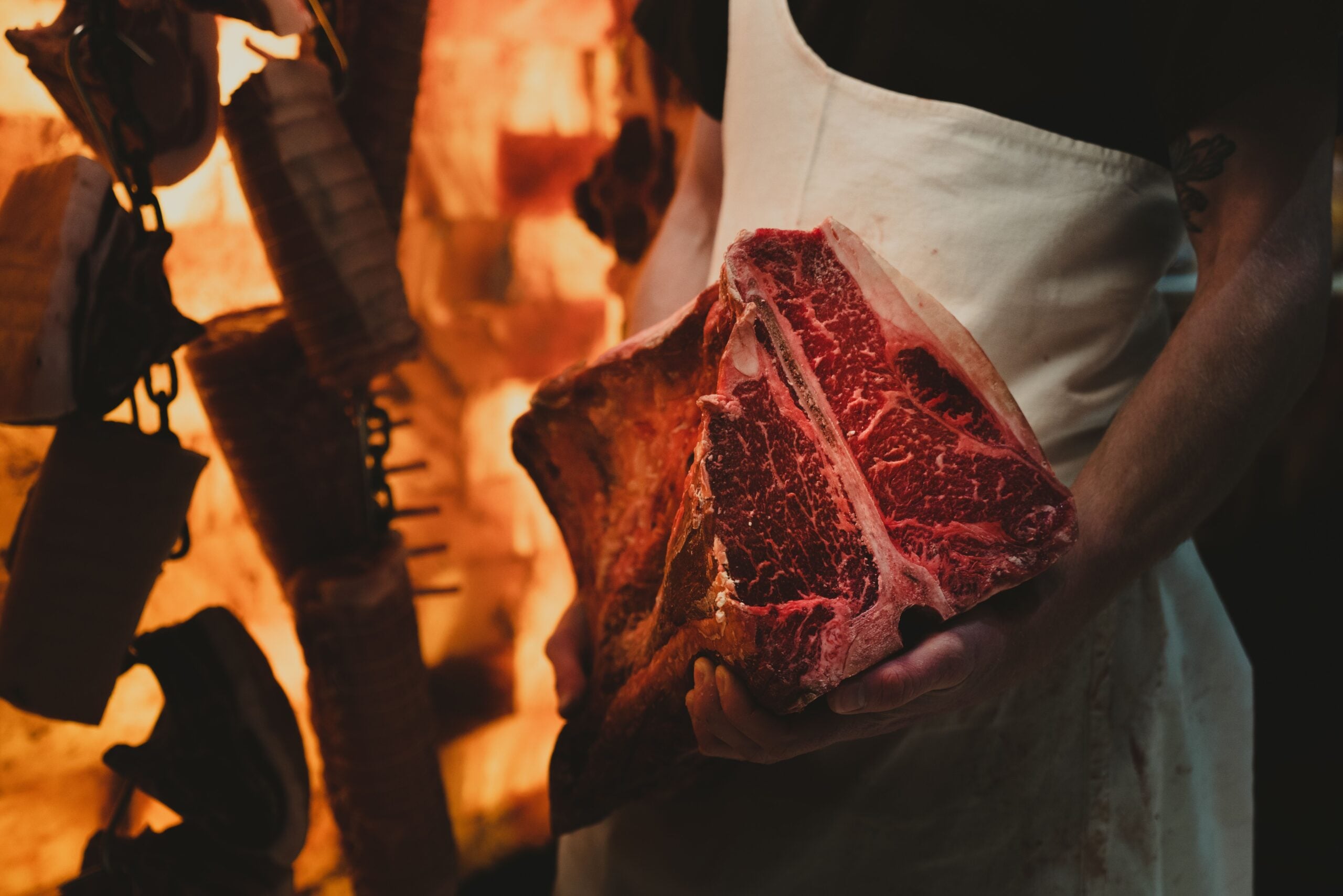
When buying steak, a supermarket might offer you pre-cut portions on a tray, whereas an independent butcher can provide the exact amount you need for your meal. You can ask the butcher for thicker or thinner cuts, request specific trimming, or make other special requests. The USDA centers on beef safety, inspection, handling and storage. If steak is the main course for a birthday party, cookout, or anniversary, don’t hesitate to buy it from a local butcher shop.
Fresh Pasta – Italian Market
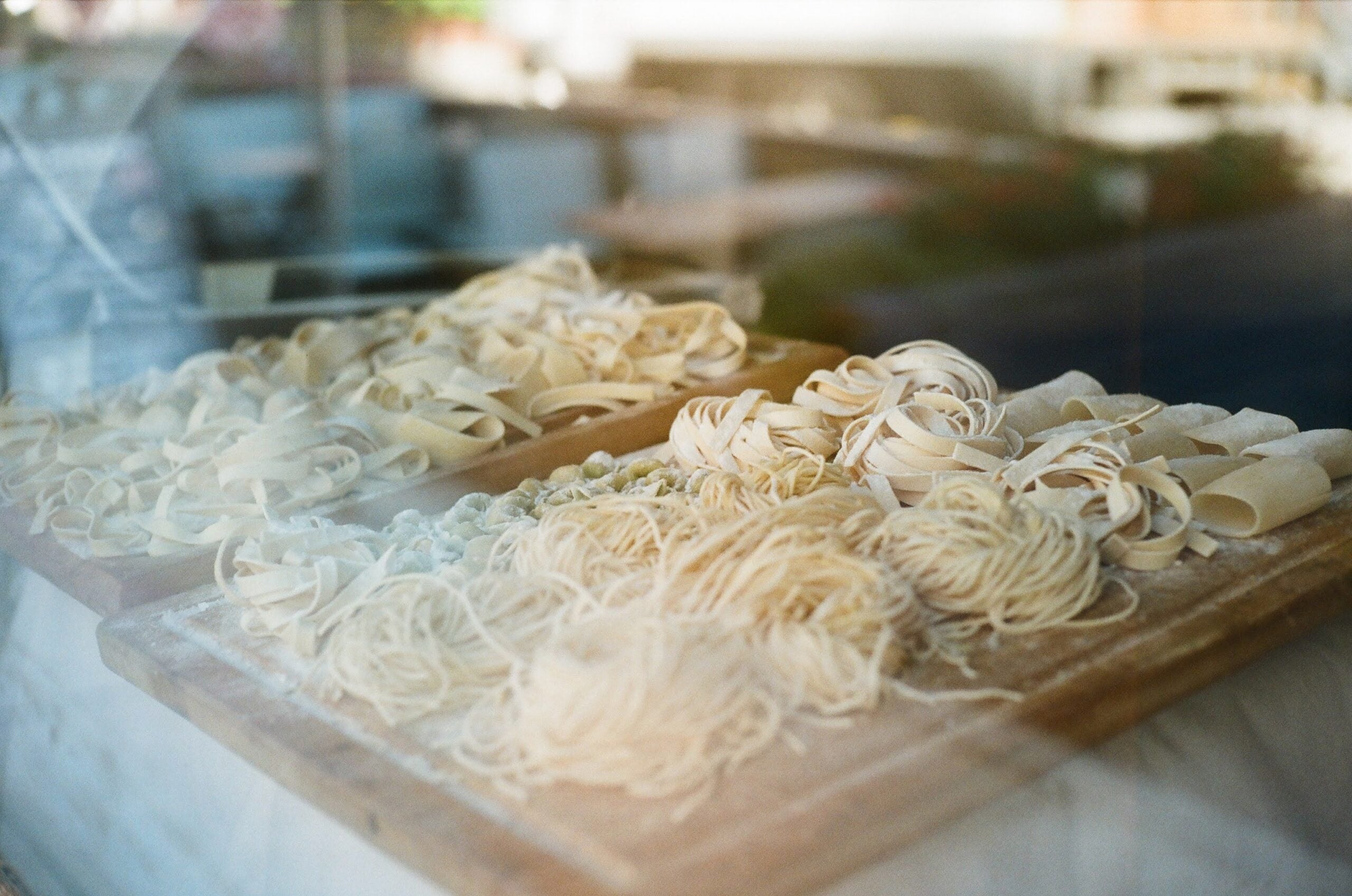
Fresh pasta differs from dried pasta, as it serves a distinct purpose in a dish and yields unique, delicate textures. However, specialty pasta shops often carry shapes that are hard to find in supermarkets, such as tagliatelle, pappardelle, ravioli, and tortellini. If you want something beyond the standard noodles you eat all week, the stuffed pasta available at these specialty stores is a superior choice.
A Serious Cheese Board – Cheesemonger
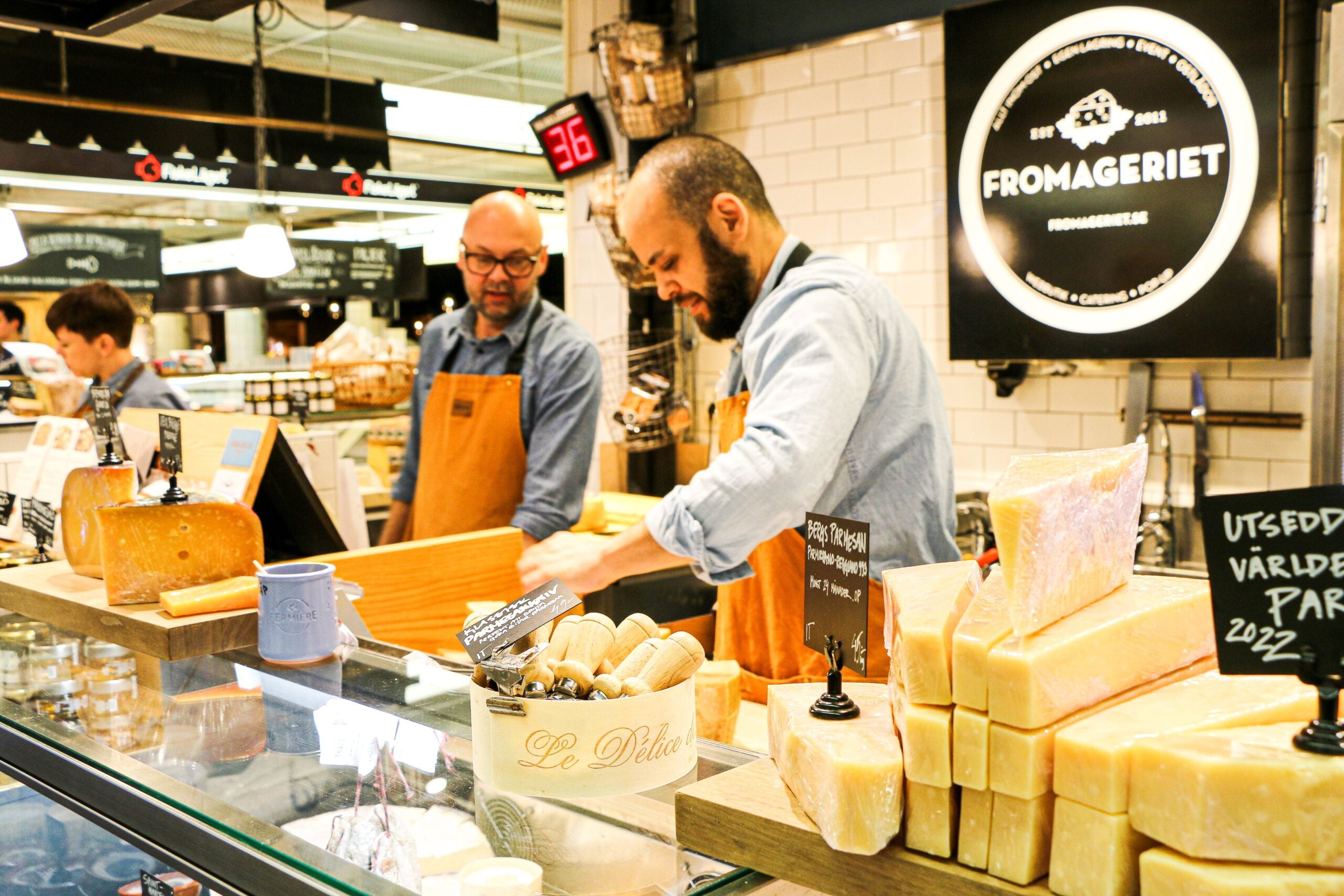
If you want to put together a cheese board, visiting a cheesemonger is the best option. A specialist can advise you on flavor profiles that match your preferences and help you decide whether to buy small quantities or curate a selection based on your budget. In contrast, at a supermarket, you have to hope the cheese is in good condition, fresh and recently cut, and you cannot choose the exact amount you want. Specialty stores give you more opportunity to tailor your selection.
Conclusion
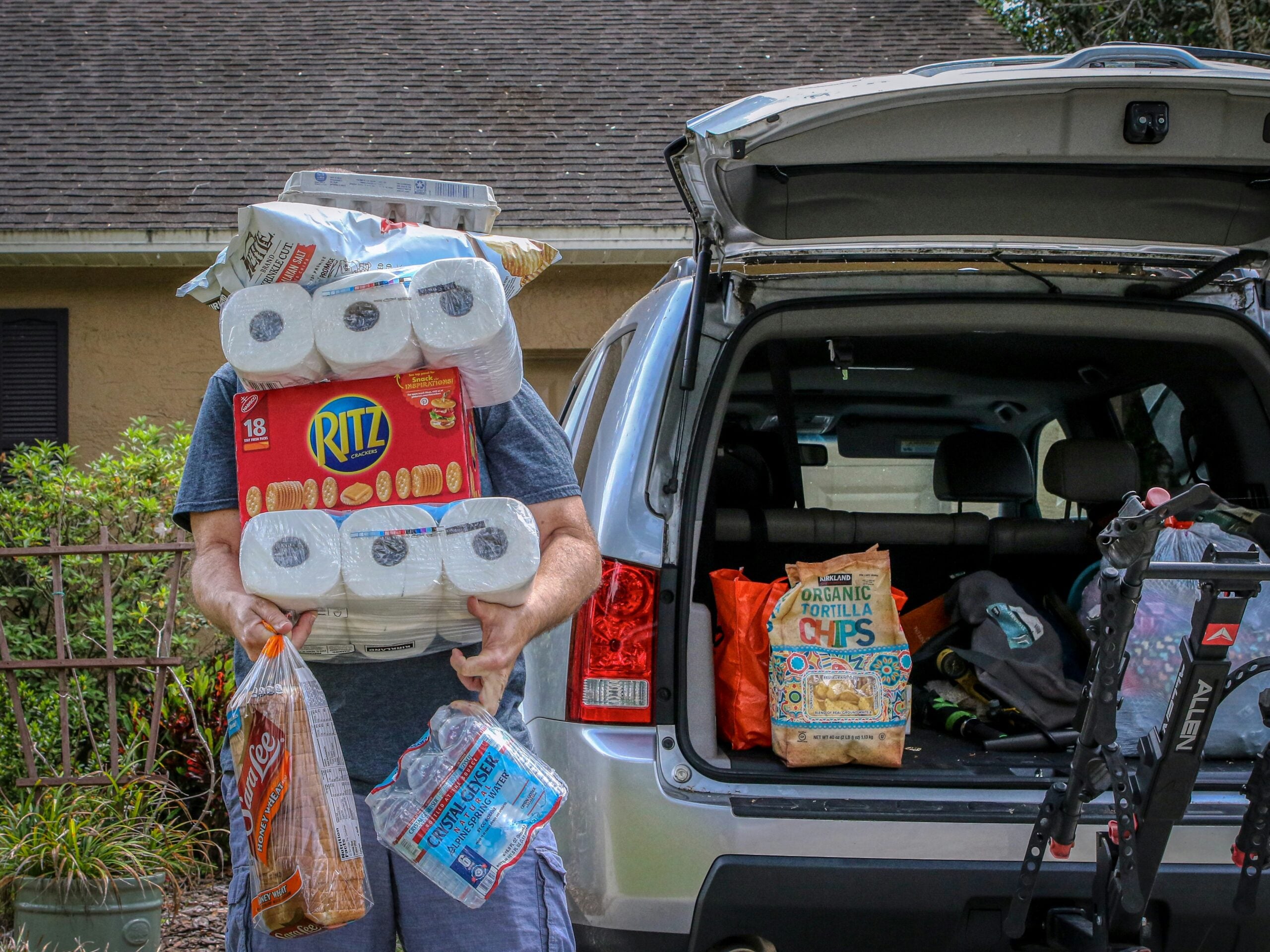
The major difference between shopping at these specialty stores and the supermarket is that you gain in terms of freshness, product handling, and the expertise you absorb by asking the vendor. Even though buying from specialty places might involve more driving and splitting up the errands you could otherwise complete in one grocery store. Plus, you could learn about cooking techniques for the meal by talking to the local vendors.