When something stops working properly, buying a replacement can seem like the easiest solution. But some of the things people keep replacing aren’t actually broken. A dryer that takes forever to dry clothes might have a clogged vent, while a refrigerator that struggles to stay cold could have a worn door seal. As ENERGY STAR explains, problems like poor insulation and air leaks can also make heating and cooling equipment seem less effective. Before spending money on something new, here are 12 things worth checking first.
Refrigerators When the Door Seal Is Worn Out

A refrigerator that runs constantly or struggles to keep food cold might seem ready for replacement, but the problem could be something much smaller. A worn or dirty door gasket can let warm air inside, forcing the appliance to work harder. Blocked interior vents and dirty condenser coils can also affect cooling. Before shopping for a new refrigerator, inspect the door seal, check the temperature settings, and follow the manufacturer’s cleaning instructions. If temperatures remain unsafe, have a technician diagnose the problem rather than guessing.
Clothes Dryers When the Exhaust Vent Is Clogged
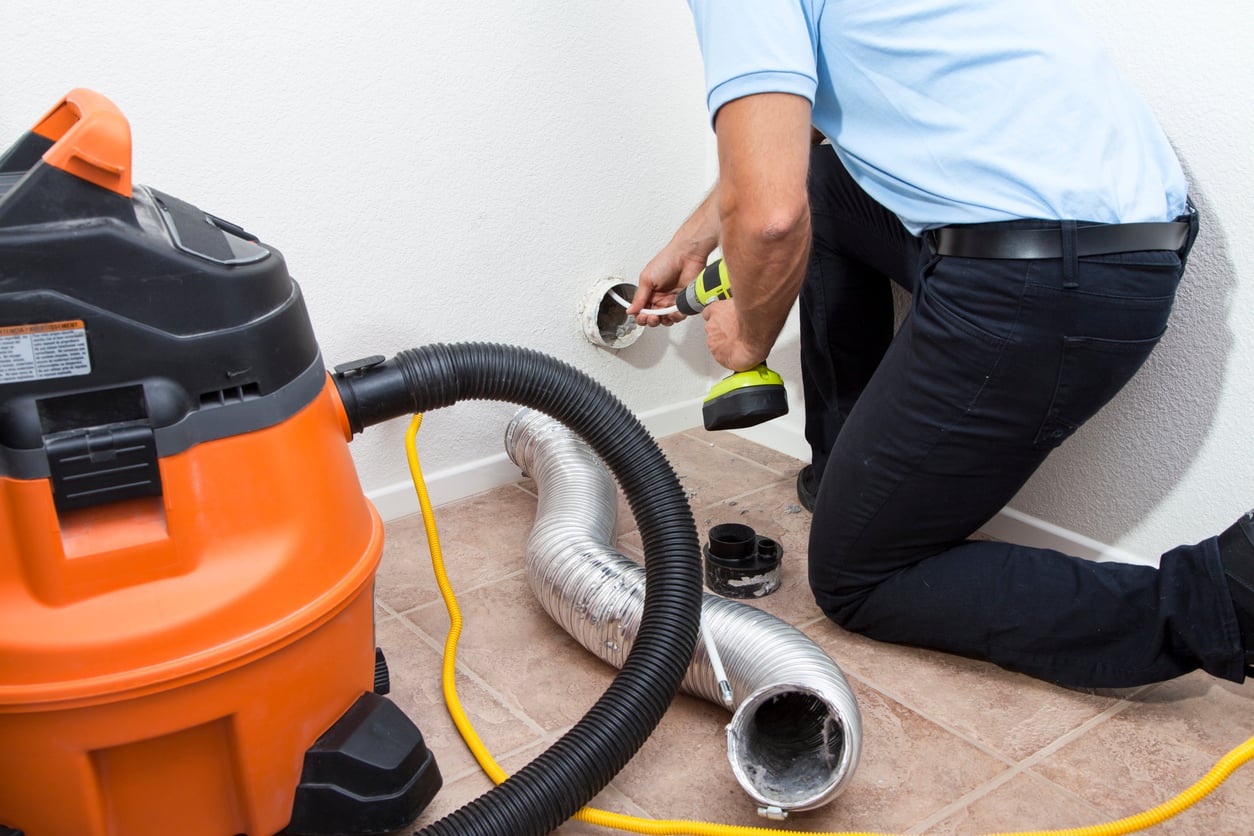
When towels need two or three drying cycles, it’s tempting to blame an aging dryer. But lint buildup in the exhaust vent or a crushed duct behind the machine can restrict airflow and leave clothes damp. This isn’t just an efficiency problem, either. Blocked dryer vents can increase the risk of fire. Clean the lint screen regularly and check that the outdoor vent opens properly during operation. If the dryer overheats or produces a burning smell, stop using it and arrange for professional service.
Air Conditioners When the House Has Poor Insulation

That bedroom that never seems to cool down might not need a bigger air conditioner after all. Poor attic insulation, gaps around windows, and leaky ductwork can let cooled air escape or allow heat inside. Installing a more powerful unit without addressing those problems may simply increase your expenses. Start by checking for drafts, blocked vents, and obvious insulation issues. A home energy assessment can help identify trouble spots. If the equipment needs replacing, proper sizing matters more than buying the largest model available.
Printer Ink Cartridges When the Printheads Are Clogged
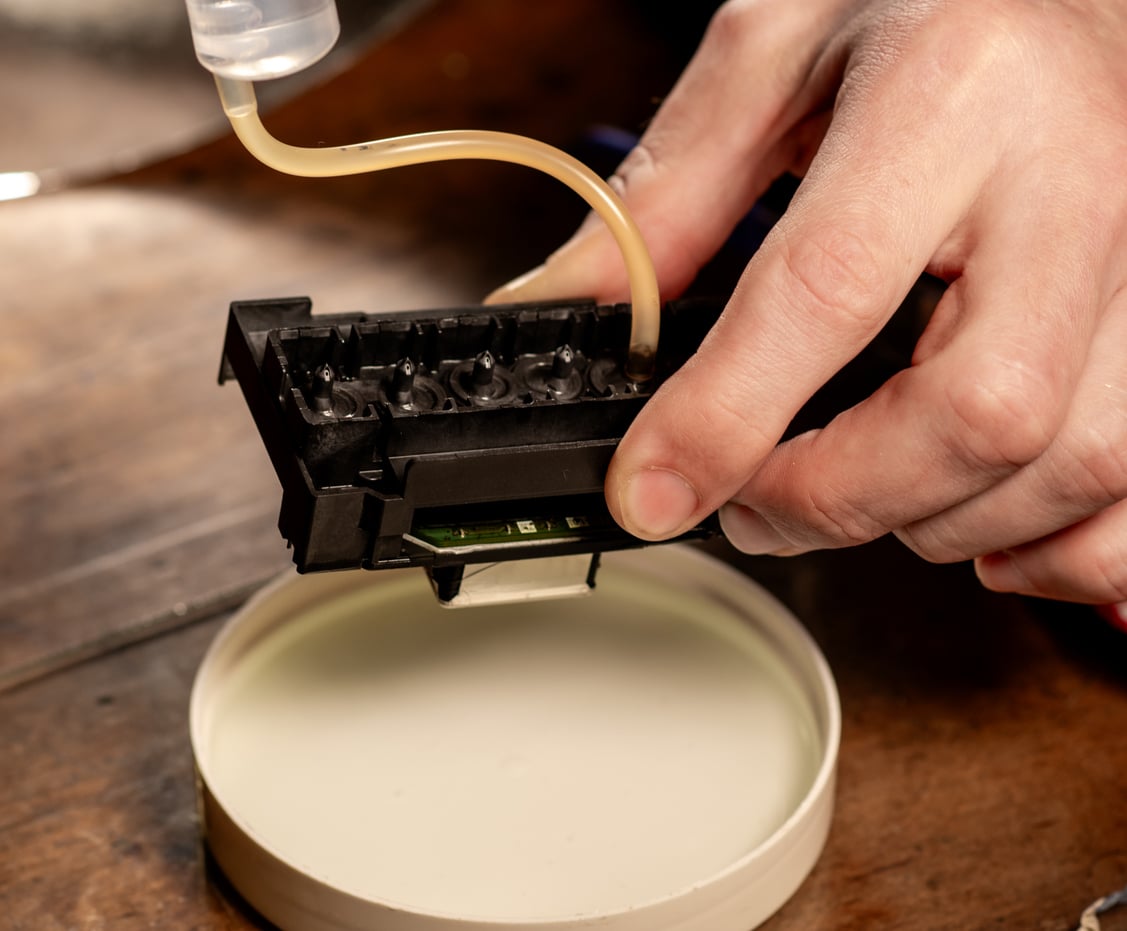
Faded documents and streaky photographs often send people straight to the store for more ink. But a cartridge isn’t necessarily empty just because the printer produces poor results. Dried ink can clog printhead nozzles, particularly when an inkjet printer sits unused for long periods. Incorrect paper settings or printhead alignment can also affect quality. Before opening another expensive cartridge, check the ink levels and print a diagnostic page. Try the manufacturer’s recommended cleaning procedure, but avoid unnecessary repeated cycles because they consume ink.
Wi-Fi Routers When the Signal Can’t Reach Every Room

A slow connection in the upstairs bedroom doesn’t automatically mean your router is outdated. Wi-Fi signals weaken as they travel through walls, floors, and other obstacles, especially in larger homes. A router tucked behind a television or inside a cabinet may also struggle to provide reliable coverage. Before replacing it, compare internet speeds near the router and in the problem room. Moving the device to a more central, open location might help. Persistent dead zones may call for a mesh system or access point instead.
Trending on Cheapism


Vacuum Cleaners When the Filters or Hoses Are Blocked
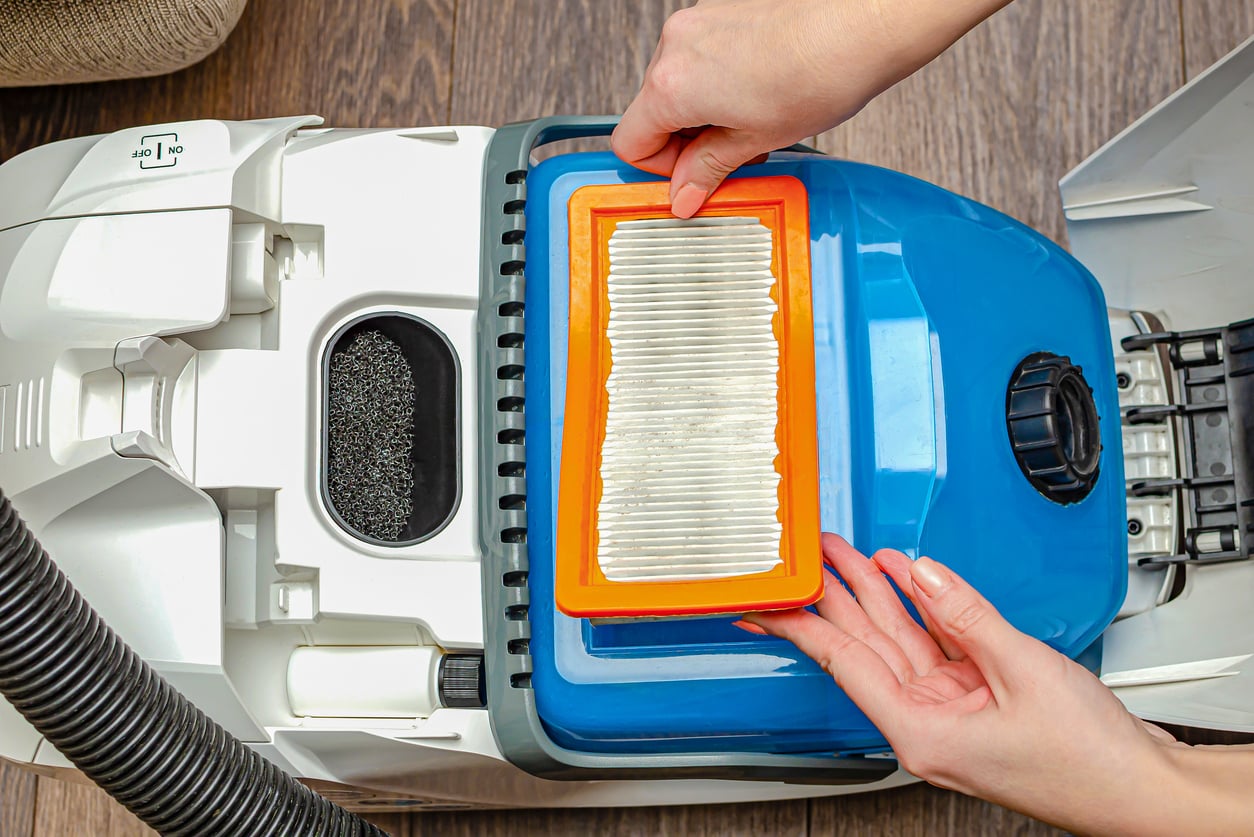
A vacuum that barely picks up crumbs can make a brand-new model look appealing. But weak suction often has a simpler explanation, such as an overflowing dust container, clogged filter, or obstruction inside the hose. Hair wrapped around the brush roll can also reduce cleaning performance. Before replacing the machine, unplug it and inspect the accessible parts according to the owner’s manual. Clean or replace the filters as directed, since some aren’t washable. If suction remains weak after maintenance, a repair assessment may be worthwhile.
Light Bulbs When the Dimmer or Fixture Is the Problem

If a light keeps flickering after you’ve replaced the bulb, buying another package may not solve anything. Some LED bulbs aren’t compatible with older dimmer switches, which can cause buzzing, flashing, or uneven brightness. A loose connection or faulty fixture can also create lighting problems. Check that the bulb is suitable for the fixture and labeled for dimmer use if necessary. If lights repeatedly fail, flicker unexpectedly, or show signs of overheating, have an electrician investigate. Electrical problems aren’t worth experimenting with.
Bath Towels When the Laundry Routine Is the Problem
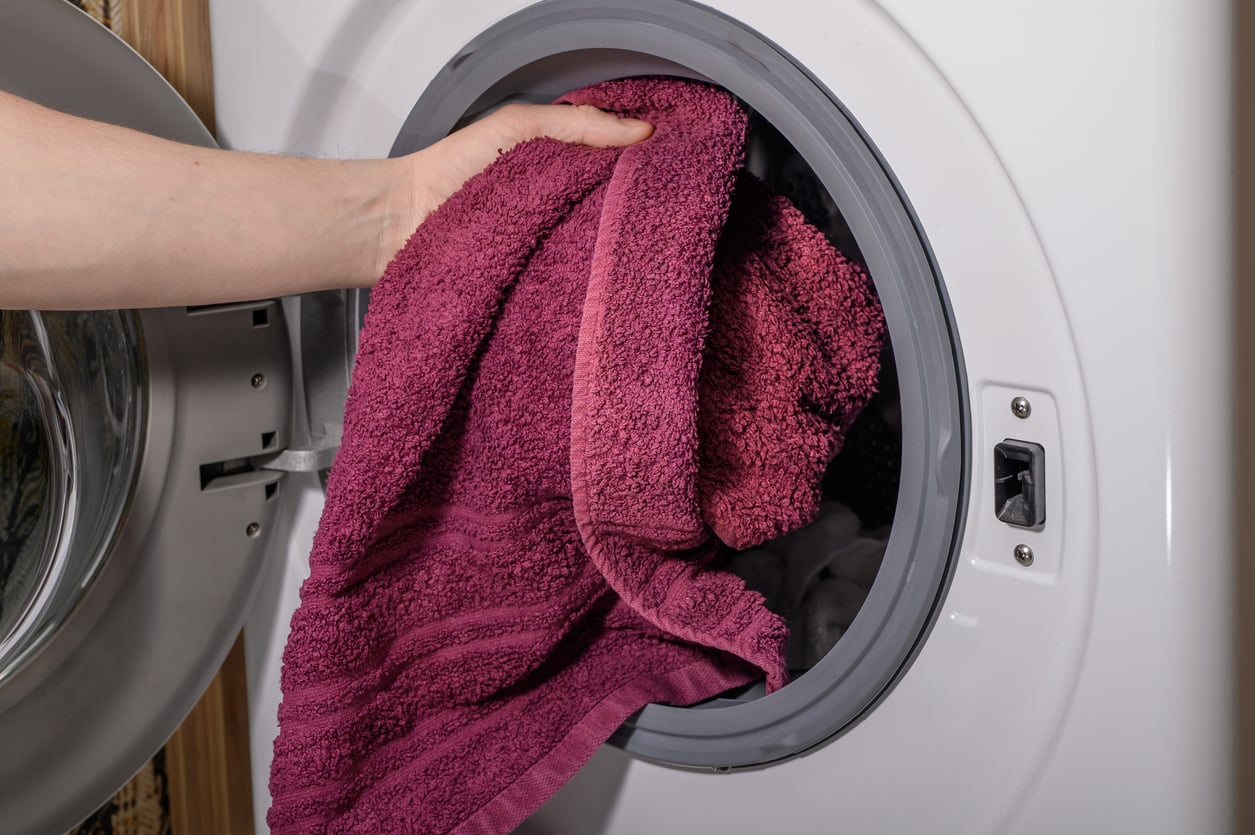
Towels that once felt soft and absorbent can become stiff or unpleasant, making a fresh set seem like the obvious answer. But the washing routine may be contributing to the problem. Too much detergent, poor rinsing, or mineral-heavy water can leave fabrics feeling rough. Before replacing otherwise usable towels, check the care labels and measure detergent according to the product instructions. Avoid overloading the washer so items can rinse properly. Fabric softener use also deserves a second look, although its effects vary by product and amount.
Sign up for our newsletter
Dishwashers When the Filter or Spray Arms Are Dirty
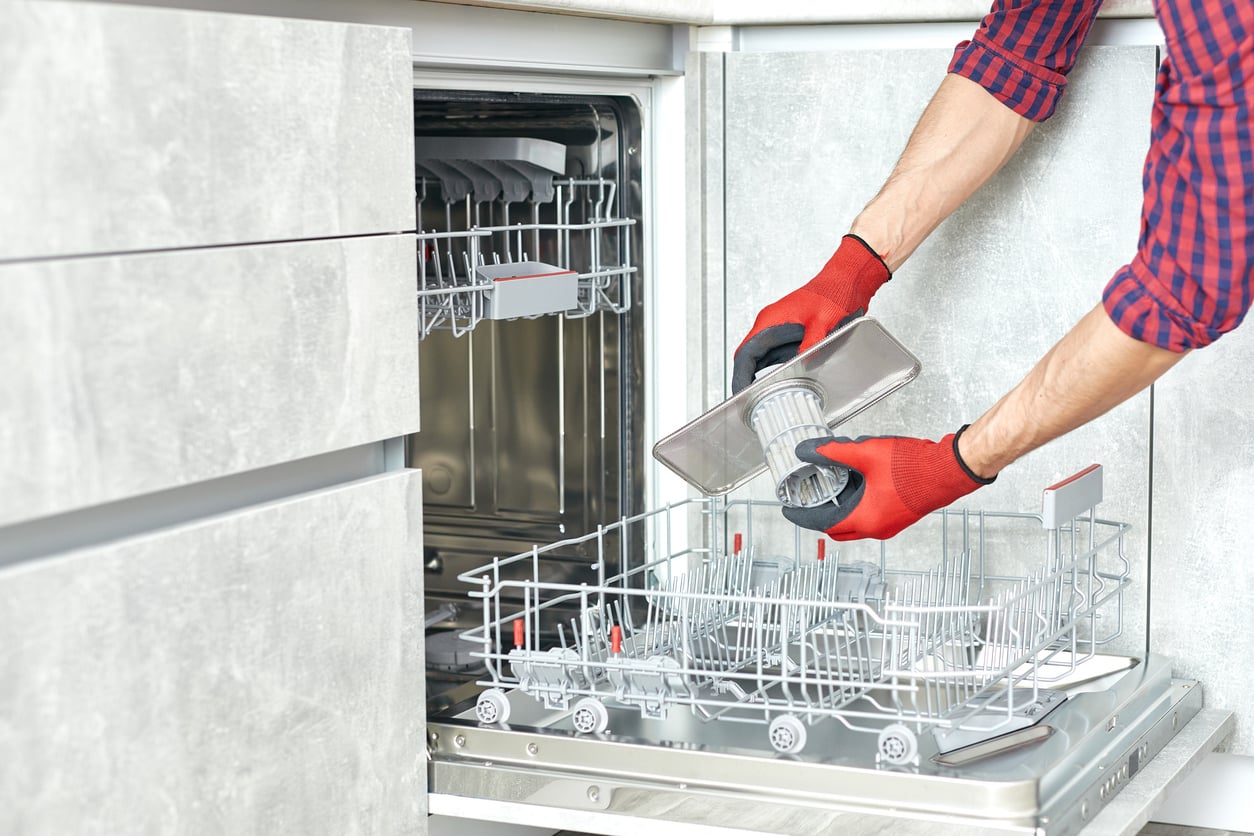
Opening the dishwasher to find yesterday’s dinner still stuck to the plates is frustrating, especially after a full wash cycle. But poor cleaning doesn’t always mean the appliance is failing. Food debris can clog the filter, while blocked spray-arm openings or overcrowded racks can prevent water from reaching dishes properly. Check the removable filter and make sure the spray arms can rotate freely, following your owner’s manual. Correct loading and detergent also matter. If cleaning problems continue after these checks, professional service may be needed.
Smartphones When Apps Are Draining the Battery

A phone that suddenly needs charging by lunchtime can make an expensive upgrade seem unavoidable. But increased battery drain doesn’t always mean the device is worn out. Background app activity, frequent notifications, poor cellular reception, and recent software changes can all affect how long a charge lasts. Before buying another phone, open the battery settings and see which apps are using the most power. Check the battery’s health, too. If it’s significantly degraded, replacing the battery may be more economical than replacing the entire phone.
Dehumidifiers When Water Keeps Entering the Basement
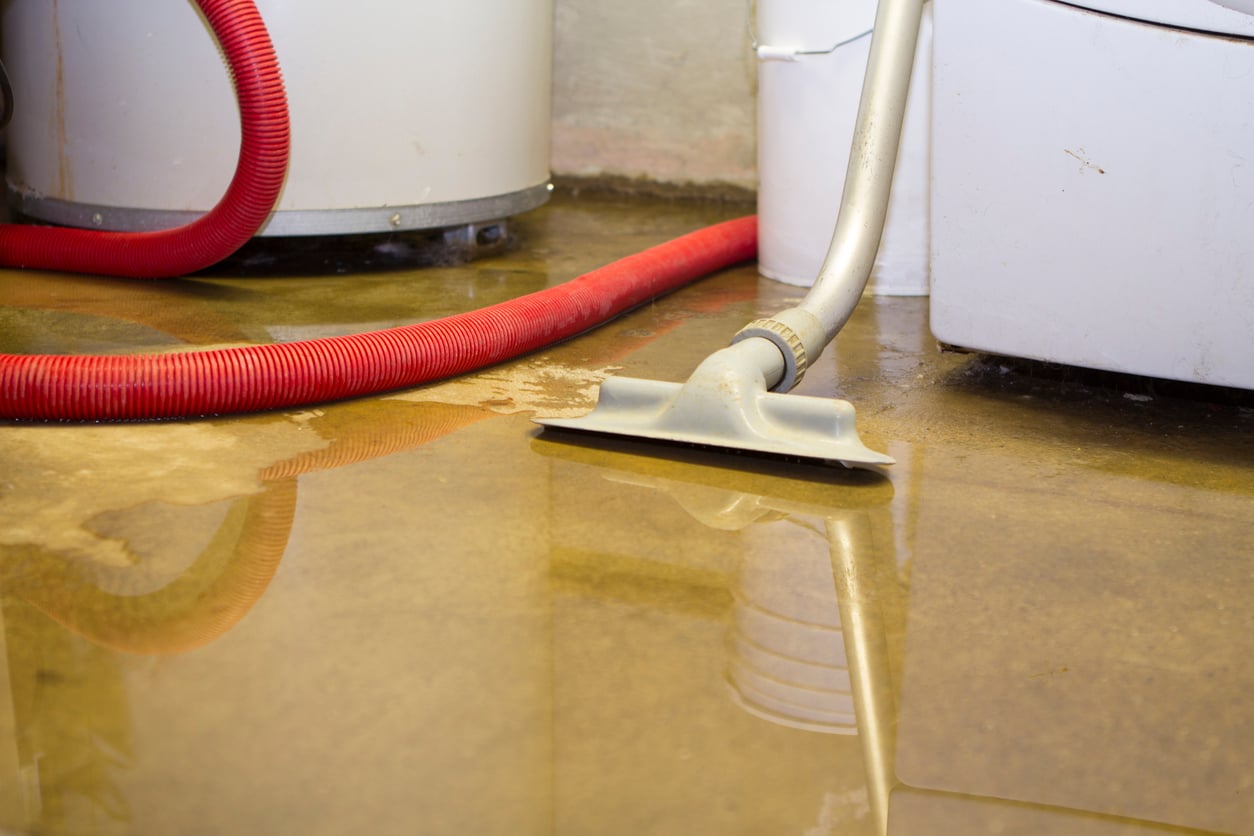
A dehumidifier that runs constantly without making the basement feel dry might seem too small or simply worn out. But if water is entering through a foundation crack, leaking pipe, or drainage problem, another machine won’t address the source. Dehumidifiers remove moisture from the air, not the underlying cause of an ongoing leak. Check for damp walls, puddles, condensation, and plumbing problems before upgrading. Fixing the water source is essential, particularly if mold is developing. Significant water damage may require professional inspection and cleanup.
Window Air Conditioners When the Electrical Circuit Is Faulty
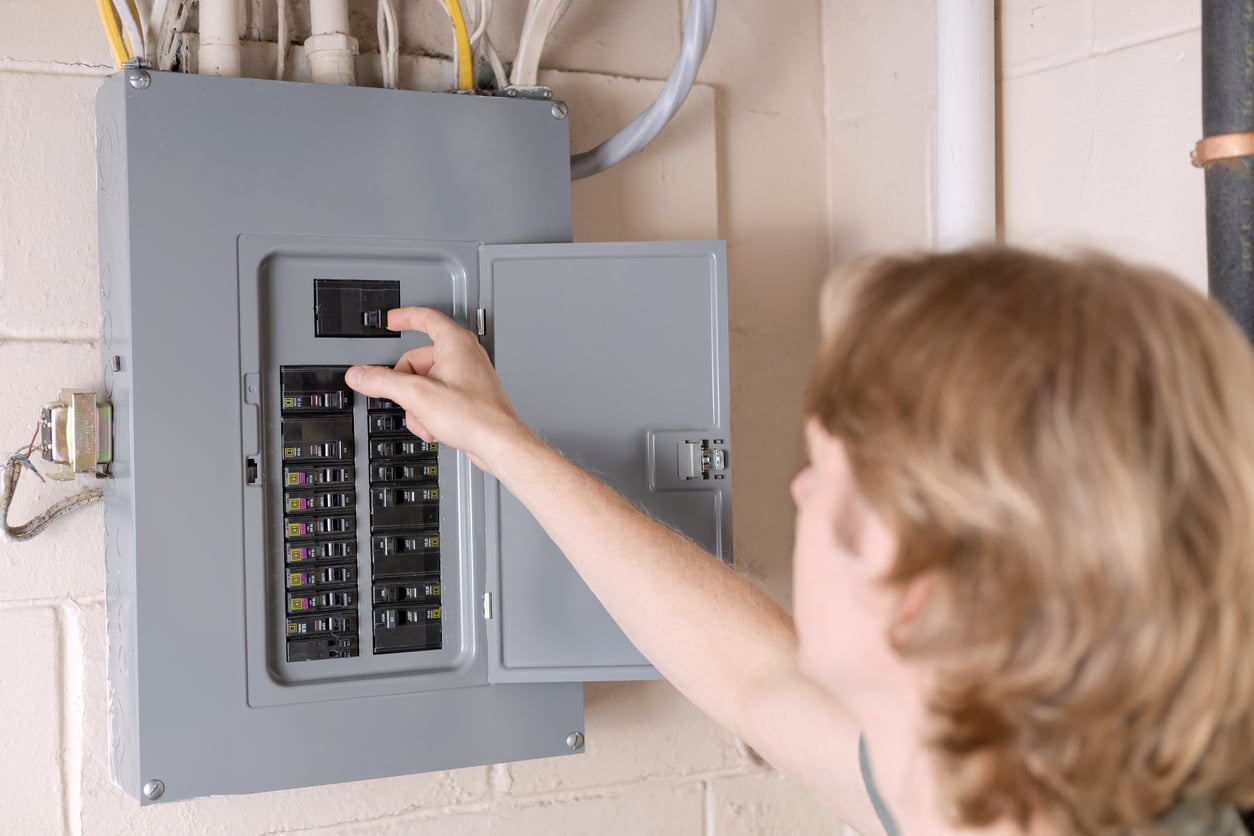
When a window air conditioner repeatedly shuts off or trips a circuit breaker, replacing the unit might seem like the quickest fix. However, the problem could involve an overloaded circuit, an unsuitable outlet, or damaged electrical components rather than the air conditioner itself. Another unit could produce the same symptoms or introduce additional safety risks. Don’t keep resetting a breaker or use an extension cord to work around the issue. Stop using the equipment and have a qualified electrician or appliance technician identify the cause before spending money on a replacement.