The most practical home upgrades are those designed to withstand storms, flooding, power outages, and other disruptions. While some people focus primarily on a home’s appearance, its resilience is essential for maintaining its functionality. Therefore, based on information from the Federal Emergency Management Agency, the Natural Resources Canada, and other sources, we highlight several upgrades that homeowners are choosing to implement in their homes!
Battery Backup Systems for Sump Pumps
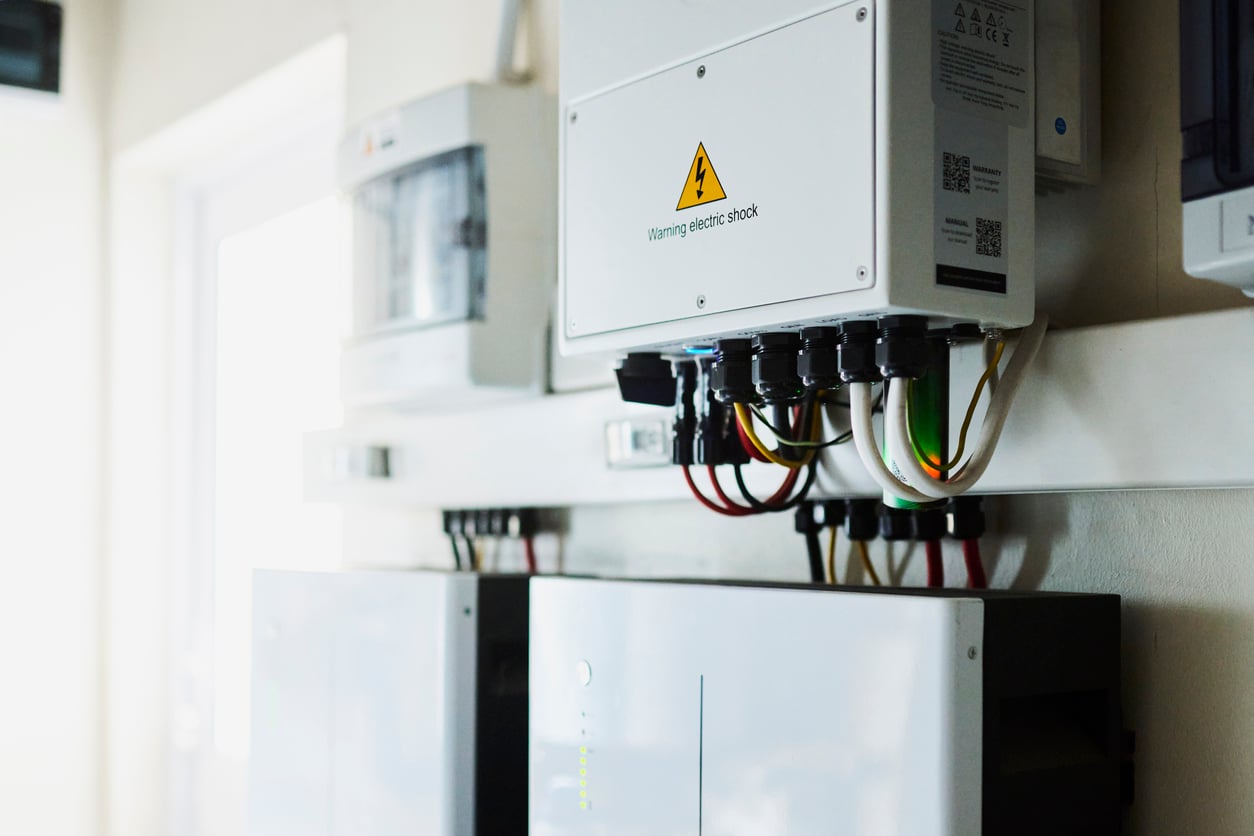
When heavy rainfall occurs, potentially putting your basement at risk of flooding or causing a power outage, a sump pump can help resolve this dire situation. Having a backup system provides one of the home upgrades and an additional way to remove water should the primary pump fail. Therefore, an extra battery backup system can help mitigate such a problem. These home upgrades can make a significant difference in how well a property withstands unexpected emergencies.
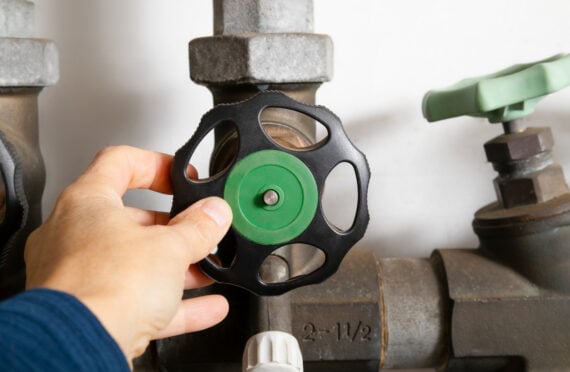
Automatic Water Shutoff Valves
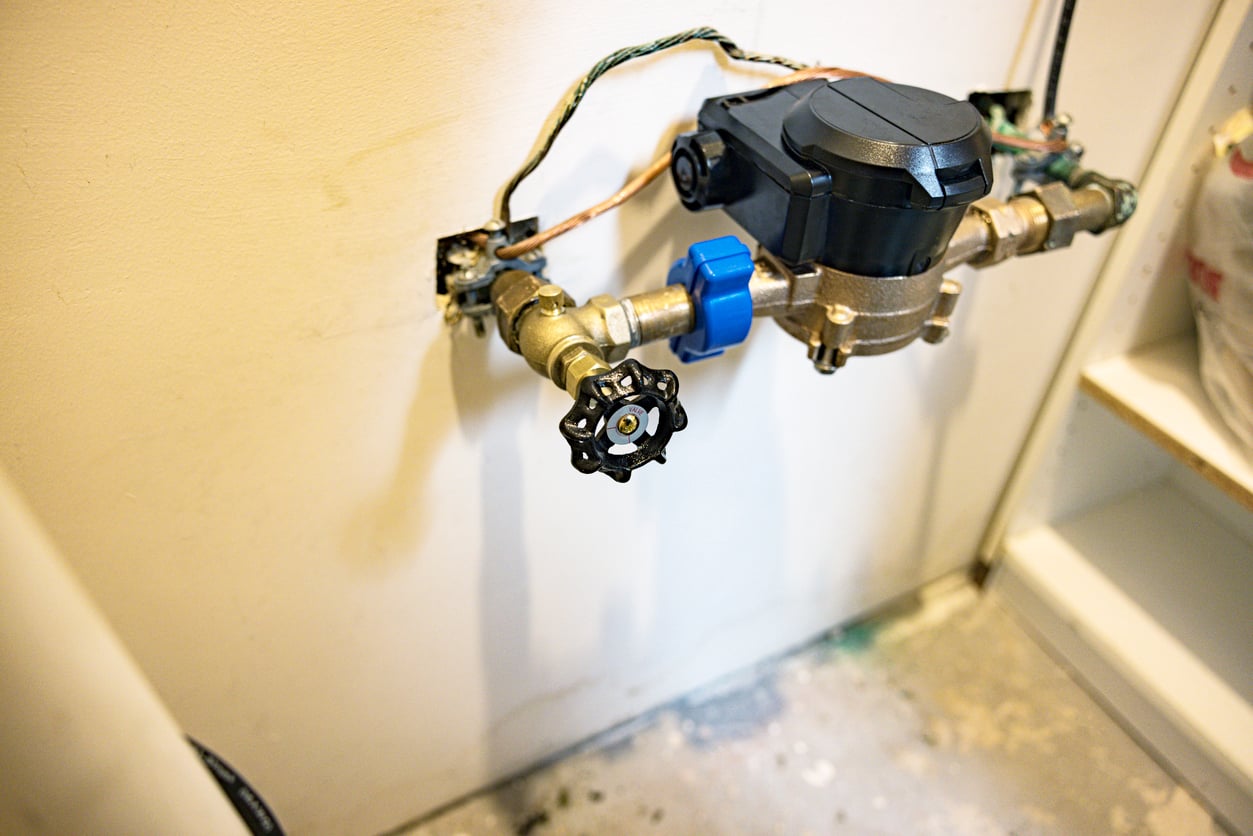
Issues such as faulty hoses or failed plumbing connections, which can lead to a burst water supply line, can result in significant water bills if the leak continues for hours while no one is home. For this reason, leak detection systems paired with automatic shutoff valves can automatically cut off the water supply upon detecting such problems and could be one of the home upgrades. Among the most useful home upgrades for flood prevention, battery-backed sump pumps provide an extra layer of protection.
Whole-House Surge Protection
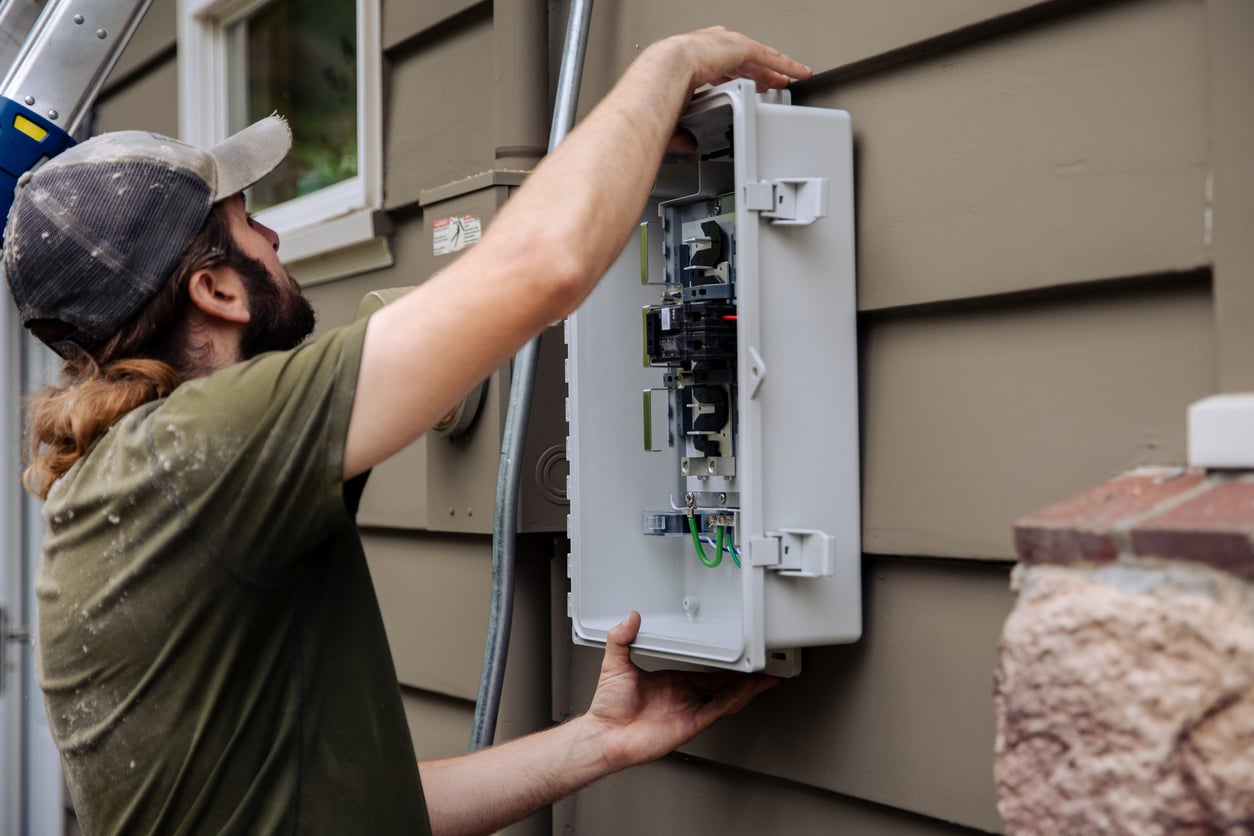
Power surges pose a threat to home electronics, appliances, and equipment connected to your electrical system. Upgrading your home with a whole-house surge protection system provides an additional layer of defense for your appliances, a better solution than relying solely on individual plug-in surge strips. From refrigerators to heating equipment, your valuable electronics and appliances will be better protected with this system in place.
Backup Power for Essential Household Circuits
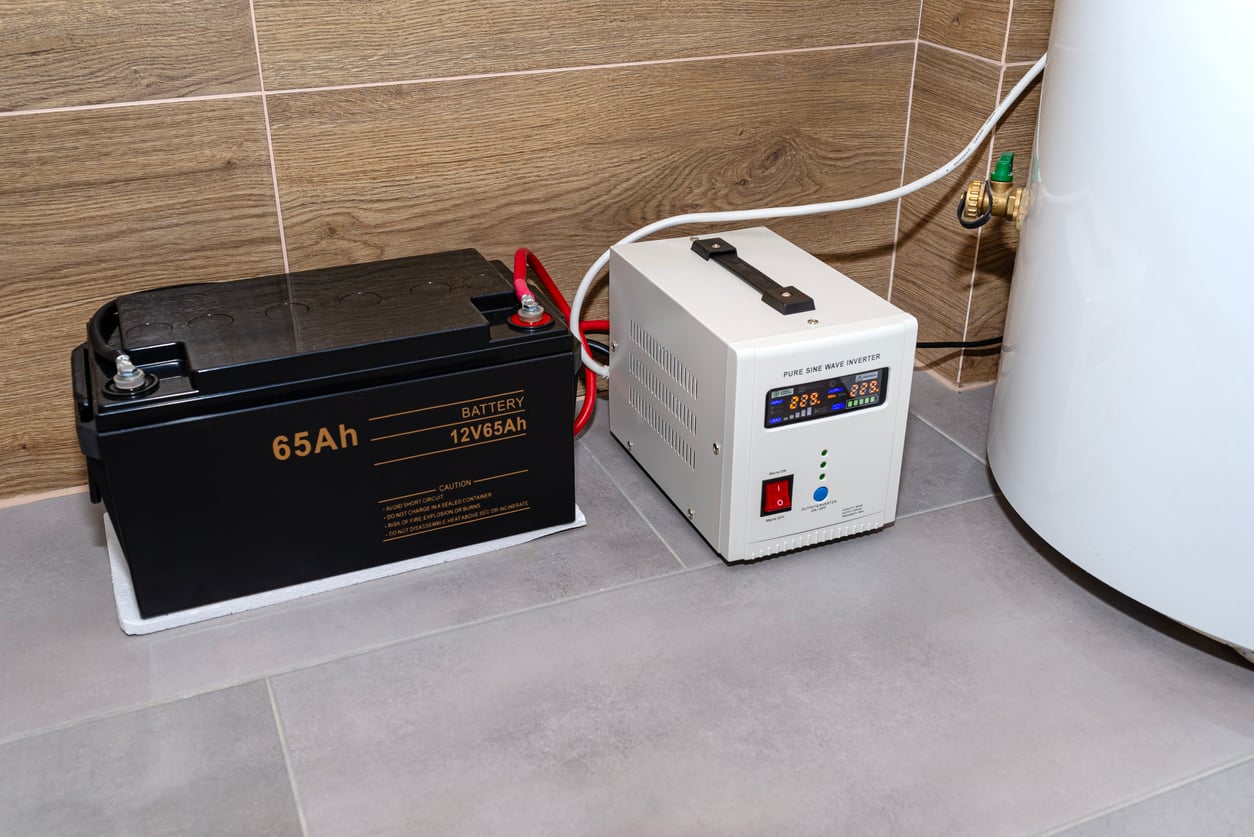
Having a backup power source for essential household circuits is another way to upgrade your home. A generator can be connected to various household appliances and equipment that you need to keep running during an extended power outage, from refrigerators and medical equipment to other essential loads, allowing you to choose which items remain powered. Such home upgrades are particularly valuable for protecting expensive electronics and household appliances from unexpected electrical surges.
Sewer Backflow Prevention Valves
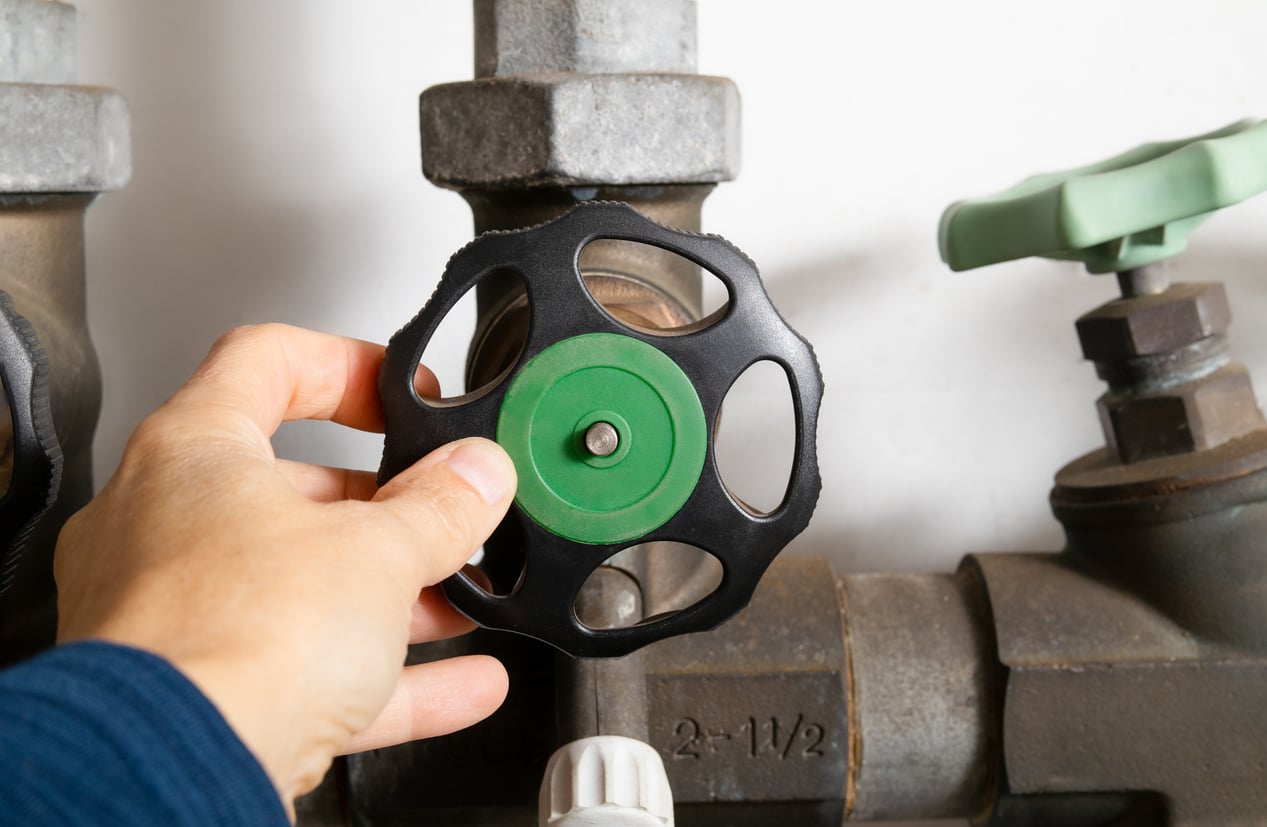
Since heavy rainfall can overwhelm drainage systems, increasing the risk of sewage backing up through lower-level fixtures, it is best to have prevention valves installed. Among practical home upgrades, sewer backflow prevention systems can help protect lower-level spaces from contaminated wastewater. A backwater valve prevents reverse flow into the home but does not eliminate the risk of flooding, according to FEMA.
Trending on Cheapism

Impact-Resistant Windows and Storm Shutters
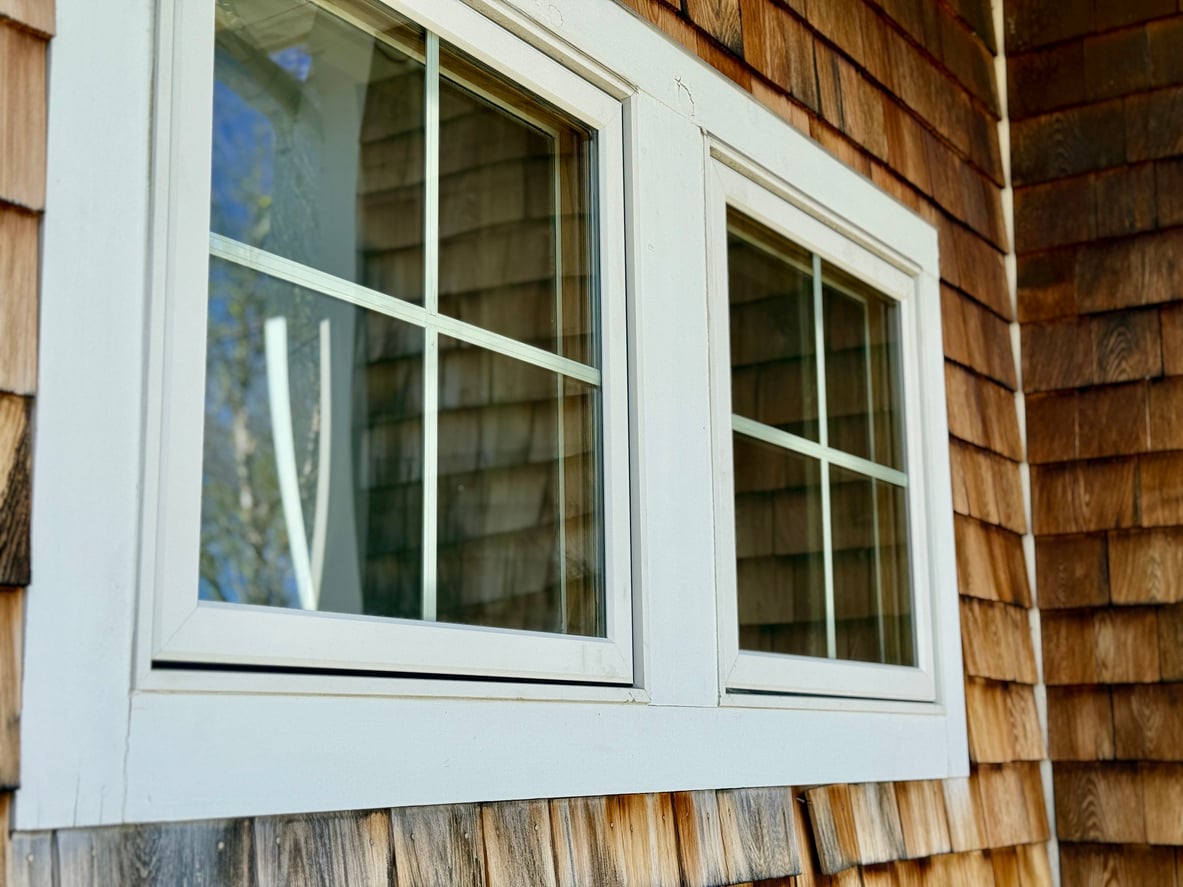
In regions where homes are exposed to hurricanes, windborne debris can damage windows and wreak havoc inside a house; therefore, installing impact-resistant windows and storm shutters is an ideal way to upgrade your home. In this case, aesthetic considerations should take a back seat to the safety of the occupants and the property, as these measures reduce the risk of damage during severe storms, according to the Natural Resources Canada.
Stronger Roof-to-Wall Connections
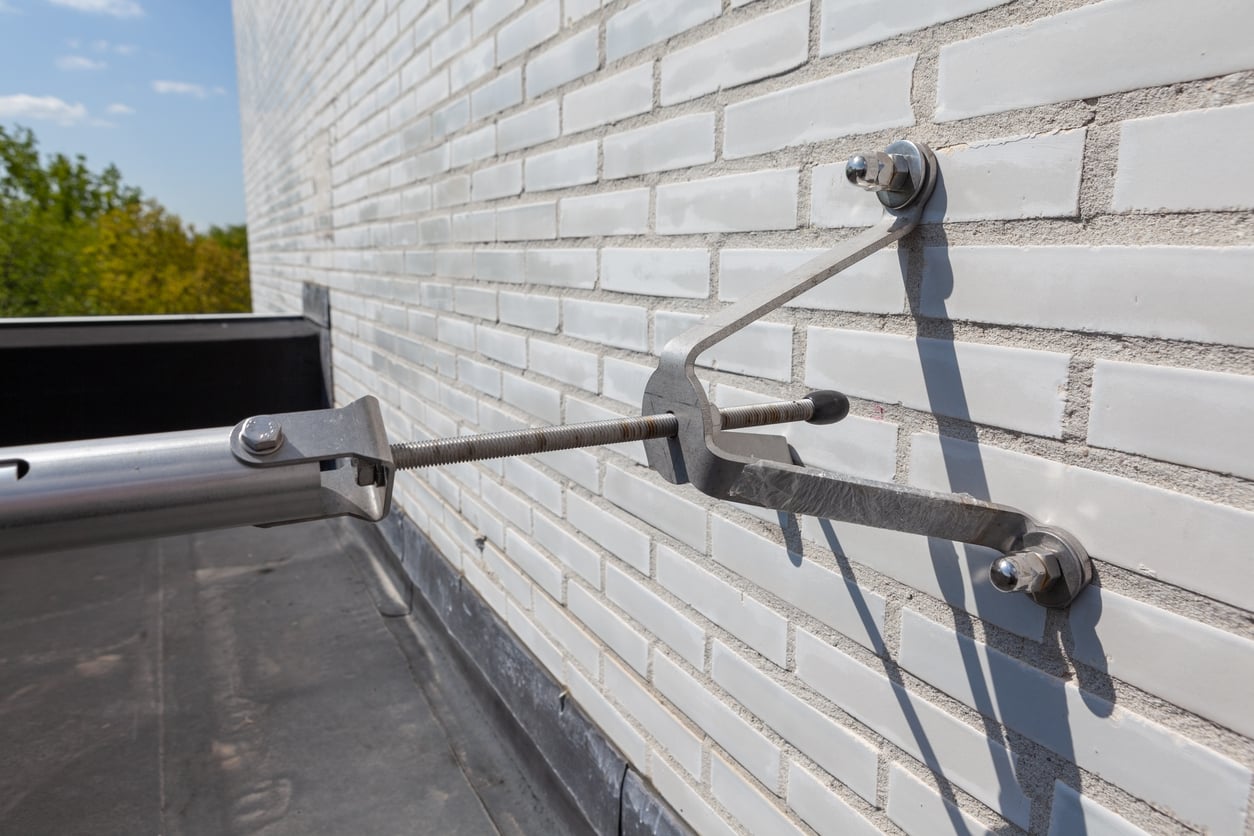
Having stronger roof-to-wall connections in your home provides a more robust barrier against strong winds, which could otherwise lift a roof or damage a structure that lacks wind-resistant connections. Elements such as hurricane straps, appropriate anchors, and improved roof-sheathing fasteners help keep structural components secure, ensuring they do not fail during a natural disaster.
Better Yard Grading and Longer Downspouts
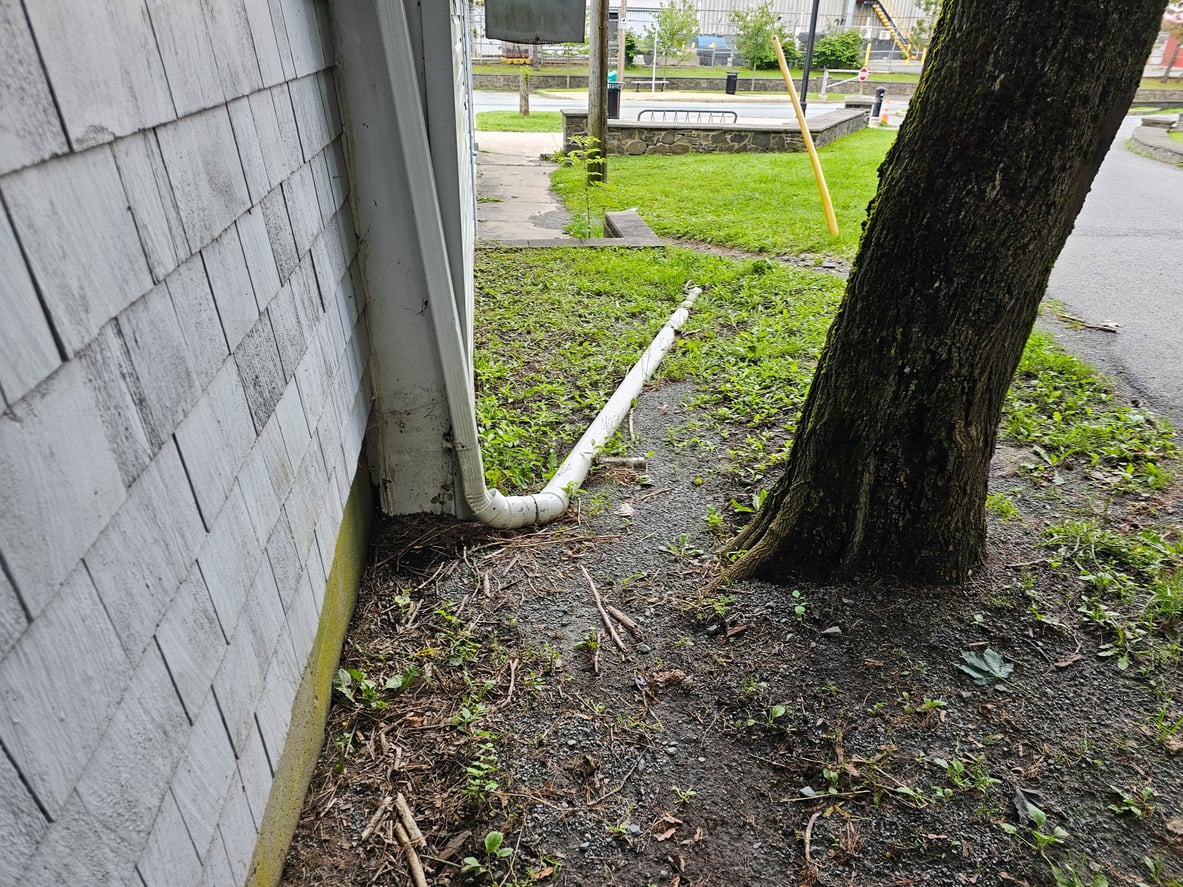
One issue that some people often overlook is water pooling next to a foundation, which can contribute to basement moisture problems in a home. For this reason, according to FEMA, improving yard grading and using longer downspouts can help redirect water that collects near your home to another area. These home upgrades can also prevent water from accumulating around the foundation and threatening the basement.
Sign up for our newsletter
Ember-Resistant Attic and Crawlspace Vents
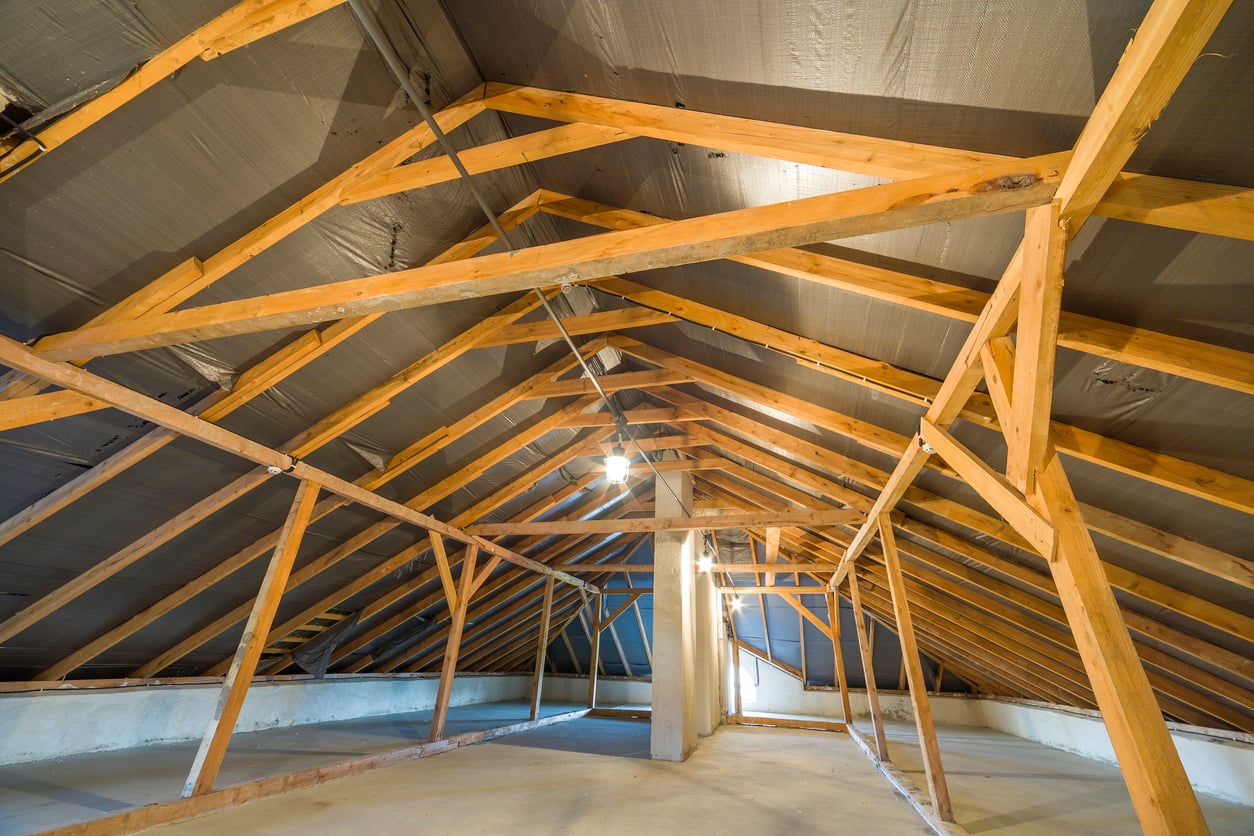
In areas where homes are prone to wildfires, windblown embers can enter a house and ignite vulnerable materials. In such areas, it is recommended to have appropriate ember-resistant vents installed, and for residents to pay attention to any gaps or accumulated vegetation near their homes. Such home upgrades are particularly important for homeowners living in wildfire-prone areas. Additionally, it is advised not to block necessary ventilation or not to place mesh over dryer exhausts.
Fire-Resistant Roofing Materials
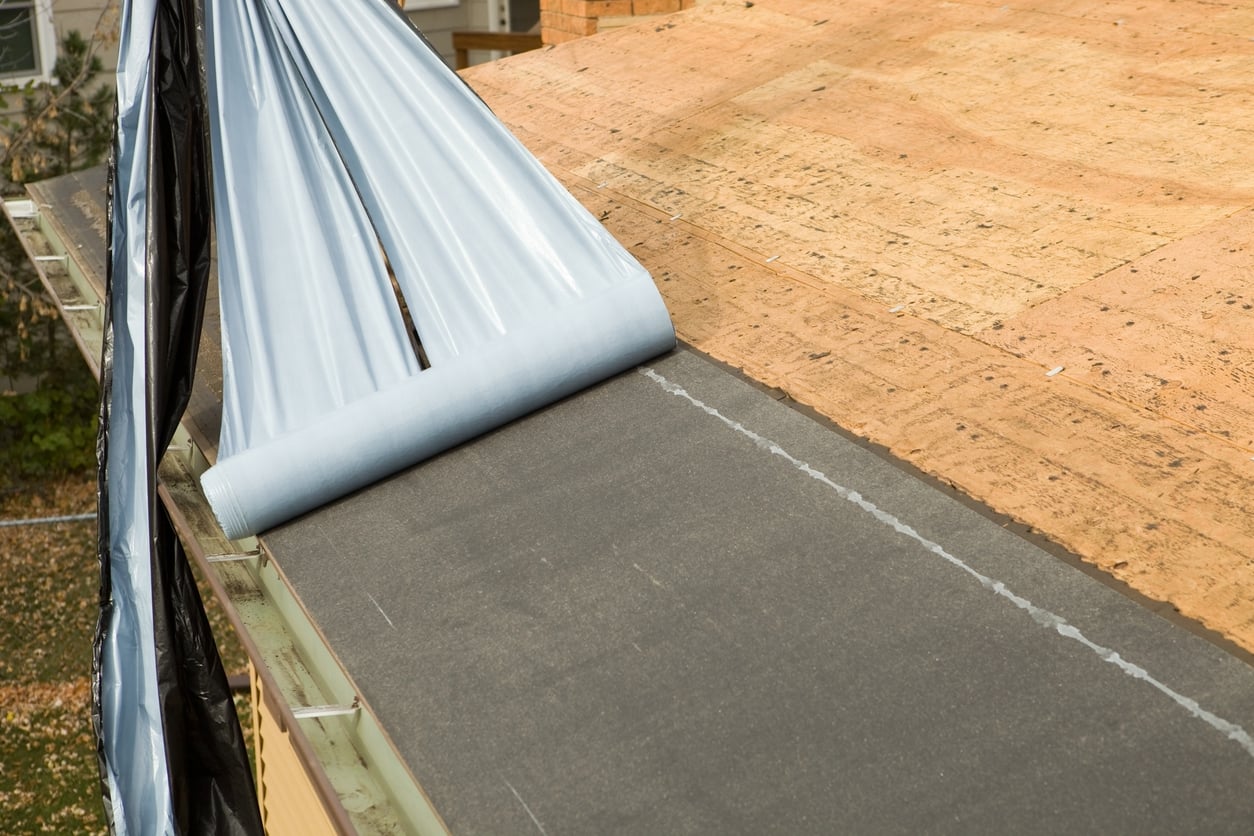
Since roofs are vulnerable to embers and other wildfire-related threats, selecting the right material when it comes time to replace an aging roof is crucial. Choosing a Class A-rated roof means opting for the highest standard of fire-resistance classification for roof coverings. While such a roof is not entirely fireproof, other factors, including roof edge materials, vents, the presence of debris, and nearby combustible materials, also play an important role.
Elevating Basement Utilities and Mechanical Equipment
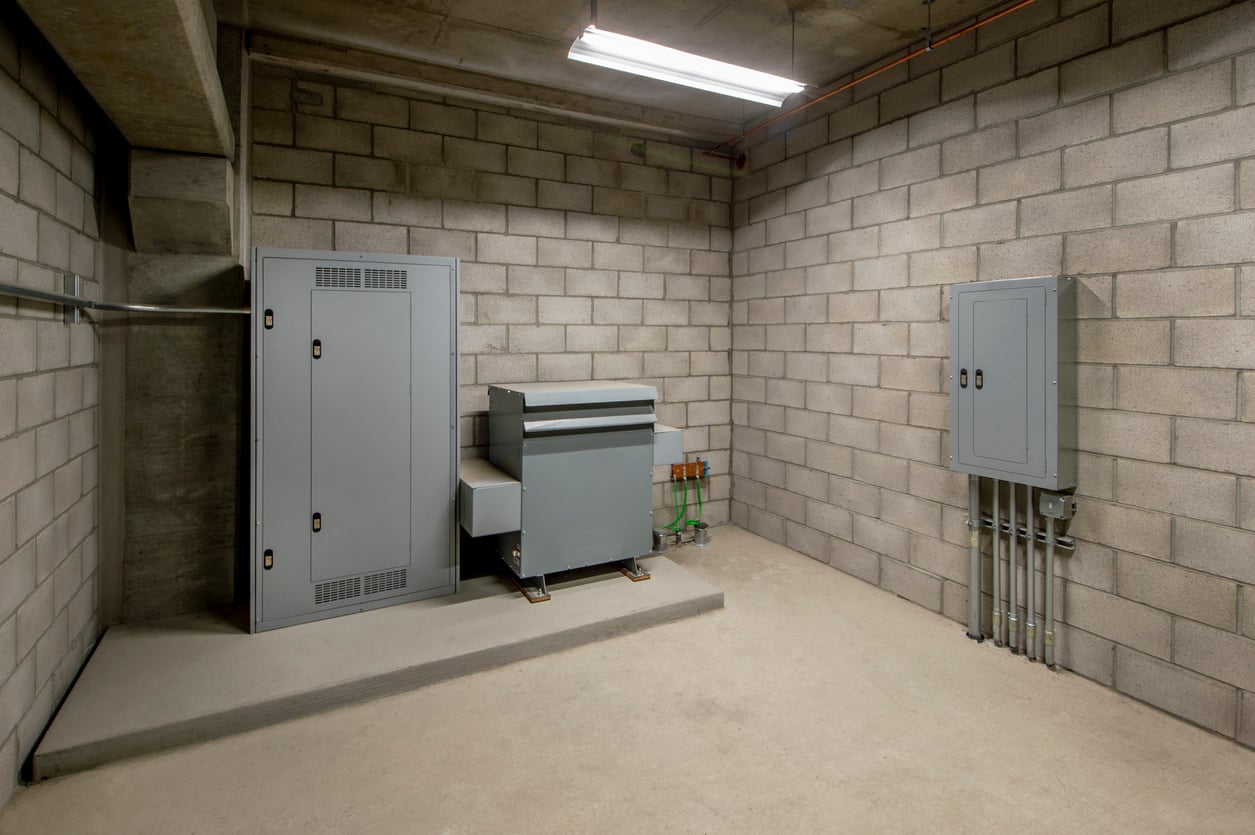
In many homes, furnaces, water heaters, electrical equipment, and other systems are installed in the basement, which can pose a risk of malfunction in the event of flooding. FEMA recommends elevating or relocating these vulnerable utilities. Protecting essential equipment can shorten the recovery period following a flood and reduce the cost of getting the home back up and running. These home upgrades can help homeowners avoid costly equipment replacements and restore essential household services more quickly after flooding.
Water-Resistant Materials in Flood-Prone Basements
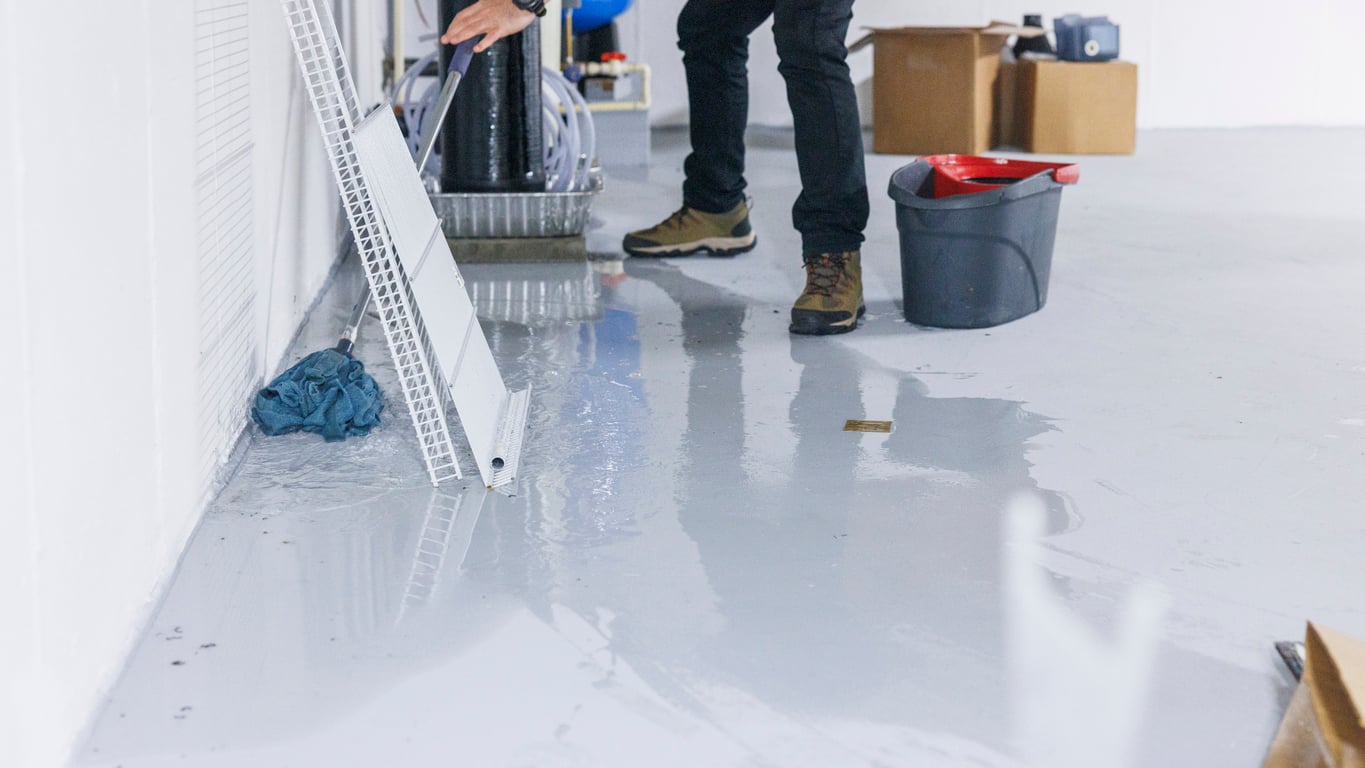
For flood-prone basements, using water-resistant materials is an ideal way to upgrade your home. Many people already opt for basement finishes that can withstand moisture, rather than installing standard carpeting or drywall, but FEMA advises that it is even better to use materials specifically resistant to flood damage, which can make future cleanup less destructive and less costly. These home upgrades can make future flood recovery considerably easier while reducing the need for expensive repairs.
Conclusion
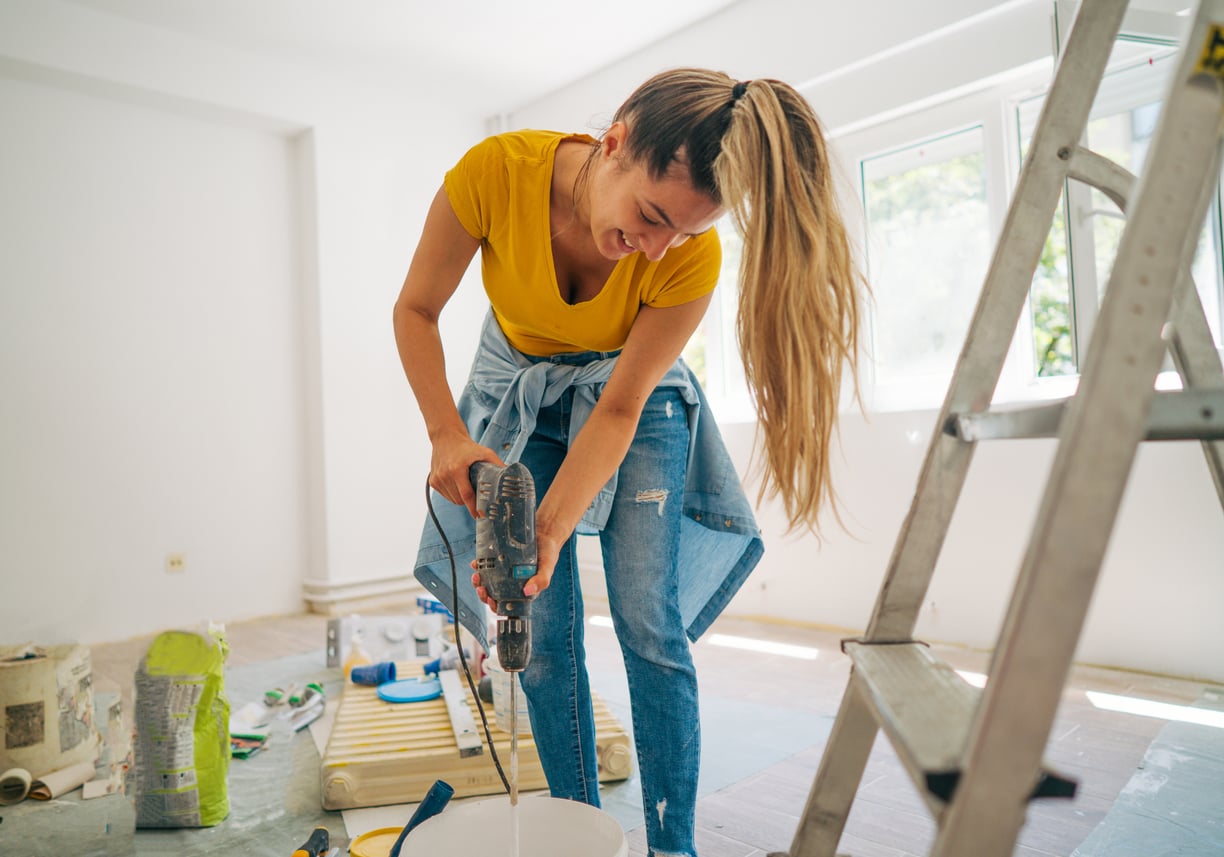
These resilience home upgrades protect a home’s systems and structures, ensuring it remains functional rather than merely improving its appearance. Such improvements are truly valuable, as they address potential hazards, including flooding, severe winds, wildfires, or prolonged power outages. These are the areas homeowners should prioritize, as they represent common vulnerabilities in most houses. Failing to protect them can lead to significant expenses.