
Smart home devices promise convenience, efficiency, and even lower utility bills — but the reality isn’t always so simple. In fact, many homeowners don’t realize that smart home devices could be costing them more until their bills start creeping up. While gadgets like smart thermostats, voice assistants, and connected security systems can streamline your life, they can also quietly add to your monthly expenses in ways you might not expect. From hidden subscription fees to increased energy use, the cost of a “smarter” home can sneak up on you fast.
Before you load up your house with the latest tech, it’s worth understanding how these devices might be doing more harm than good to your wallet.
Phantom Energy Use Adds Up
Even when you’re not actively using them, smart devices constantly draw power to stay connected. This “phantom” or standby energy use can quietly increase your electricity bill over time, especially if you have multiple devices running 24/7.
Subscription Fees You Didn’t Factor In
Many smart devices require ongoing subscriptions to unlock full features. Think security cameras with cloud storage, video doorbells, or advanced automation services. These monthly fees can quickly turn a one-time purchase into a long-term expense.
Frequent Upgrades and Short Lifespans

Tech evolves fast, and smart home devices can become outdated within a few years. Manufacturers may stop supporting older models, pushing you to upgrade sooner than expected—adding to your overall cost.
Locked Into a Single Ecosystem
Once you commit to a system like Alexa, Google Home, or Apple HomeKit, switching can be expensive and inconvenient. Devices don’t always work seamlessly across platforms, which may force you to replace perfectly good products just to stay compatible.
Increased Data Usage
Smart devices rely on your home internet to function. More connected gadgets mean more bandwidth usage, which can lead to higher internet bills — especially if you need to upgrade to a faster plan to keep everything running smoothly.
Trending on Cheapism


Installation and Setup Costs
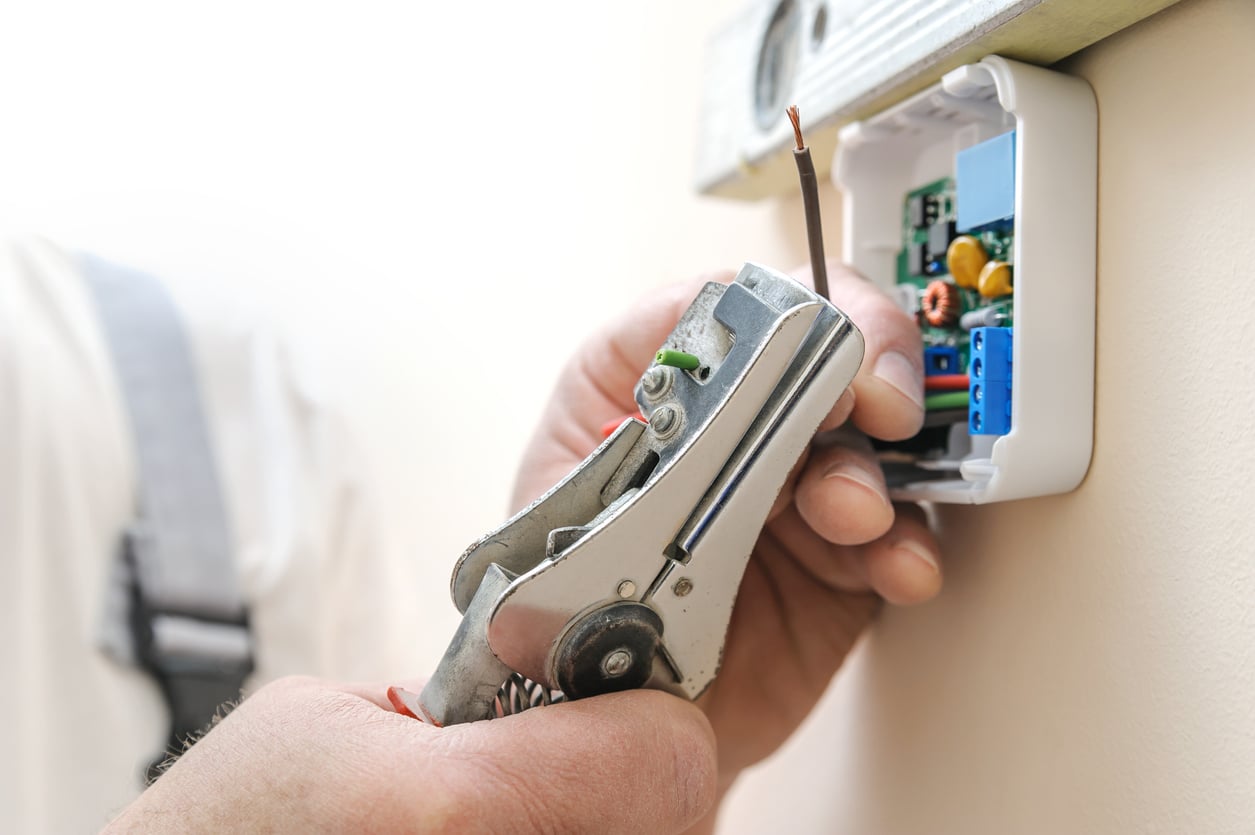
Some smart home upgrades, like smart thermostats, lighting systems, or security setups, may require professional installation. These upfront costs can significantly increase the overall price beyond the device itself.
Automation That Backfires
While automation is meant to save energy, poorly configured settings can do the opposite. Lights left on, thermostats running unnecessarily, or devices triggering at the wrong times can all lead to higher utility bills.
Security and Privacy Add-Ons
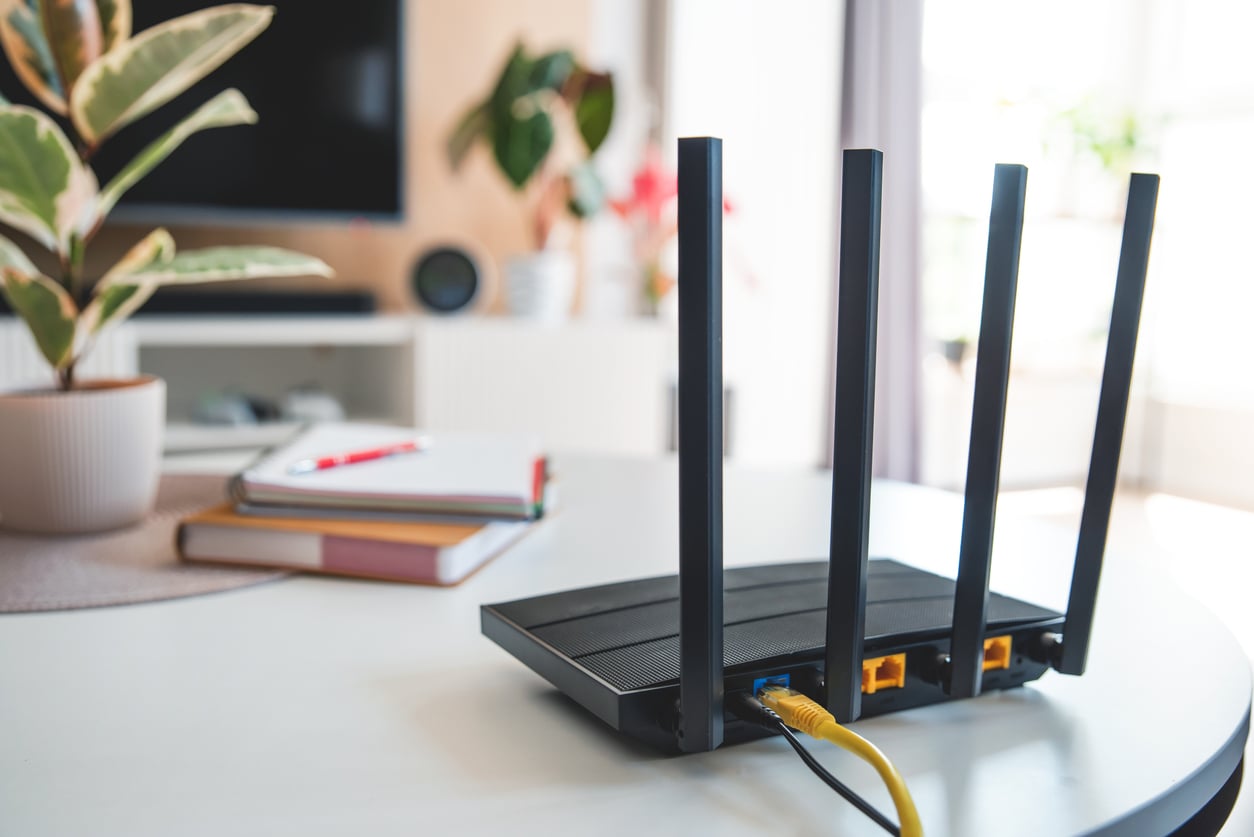
To protect your smart home network, you may need to invest in additional cybersecurity tools, like premium router features or monitoring services. These extra layers of protection often come with their own costs.
Sign up for our newsletter
More From Cheapism

- Sneaky Phone Plan Add-Ons You Can Remove to Save Money — Your phone bill might be creeping up thanks to hidden extras like unused data, insurance, and subscriptions you forgot about—but cutting them could save you hundreds a year.
- The One Word in Almost Every Scam Email — Plus Other Phishing Tipoffs — Spotting one common word and a few telltale red flags can help you quickly identify scam emails before they trick you into giving away personal information.
- Do You Really Need Wi-Fi at Home? Some Say Unlimited Phone Data Is Cheaper — With rising internet costs, some people are ditching Wi-Fi altogether in favor of unlimited data plans—but whether it actually saves money depends on your habits.