The holiday season can get expensive fast, especially when you’re planning trips to see family, preparing your home for winter, or shopping for Christmas gifts. And for retirees living on a fixed income, unexpected expenses can be particularly frustrating. While November is often associated with Black Friday bargains, it’s also a good opportunity to take care of purchases that could become more expensive, harder to find, or simply more inconvenient once December arrives.
Of course, not everything costs more in December. Many retailers offer substantial holiday discounts throughout the month, and some products become even cheaper after Christmas. But when it comes to winter essentials, holiday travel, and purchases that require advance planning, waiting until the last minute isn’t always the best strategy.
Whether you’re preparing for freezing temperatures, visiting grandchildren, or getting a head start on holiday shopping, here are 12 things retirees should buy before December to avoid unnecessary expenses and last-minute headaches.
Christmas Flights to Visit Children and Grandchildren
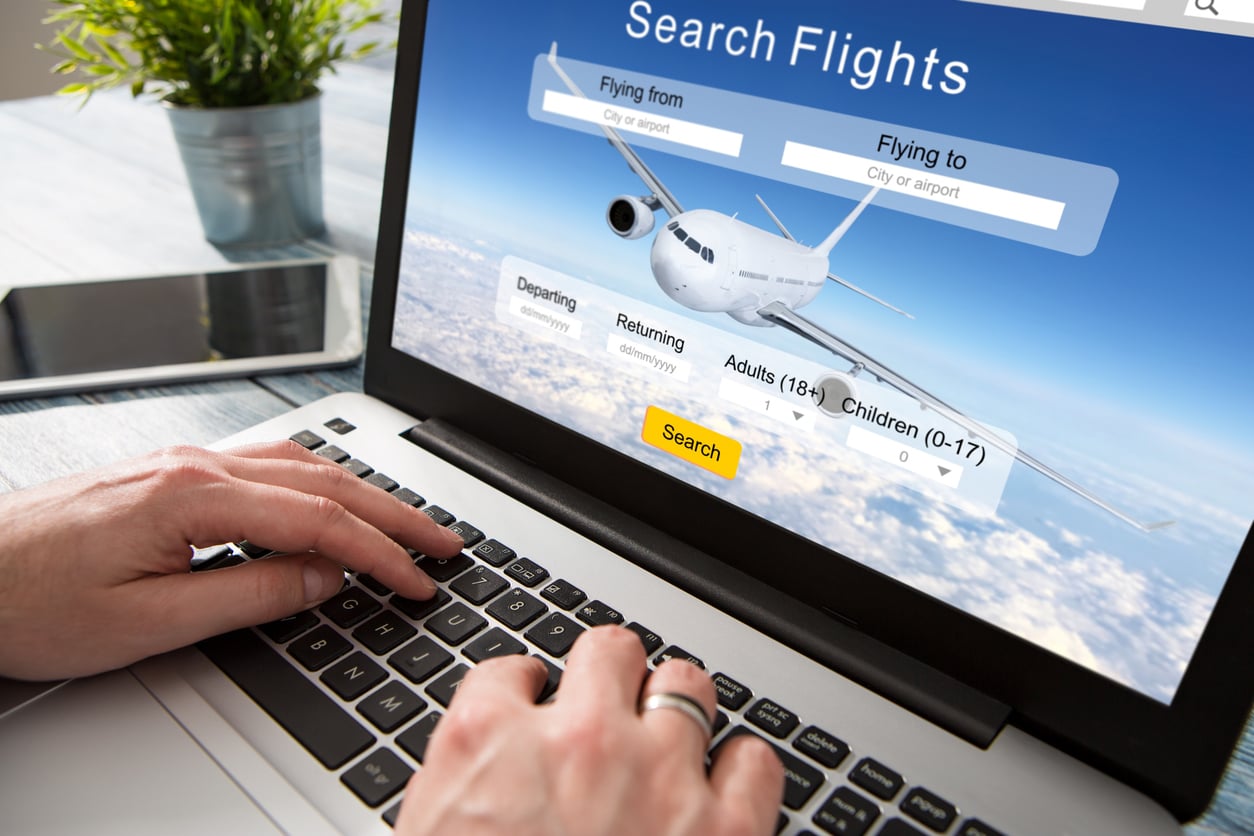
If you’re planning to spend Christmas with family, booking your flights before December could save you from a last-minute financial headache. According to AAA’s September 2026 travel guidance, domestic Christmas airfares have historically been competitive roughly one to two months before departure, although prices vary by route and demand. mwg.aaa.com Waiting until the final weeks can also mean fewer nonstop flights, less convenient departure times, and limited seating options. Before booking, compare fares across nearby dates and factor in baggage fees and seat selection. After all, the cheapest advertised ticket isn’t always the best deal.
Winter Tires Before the First Serious Snowstorm
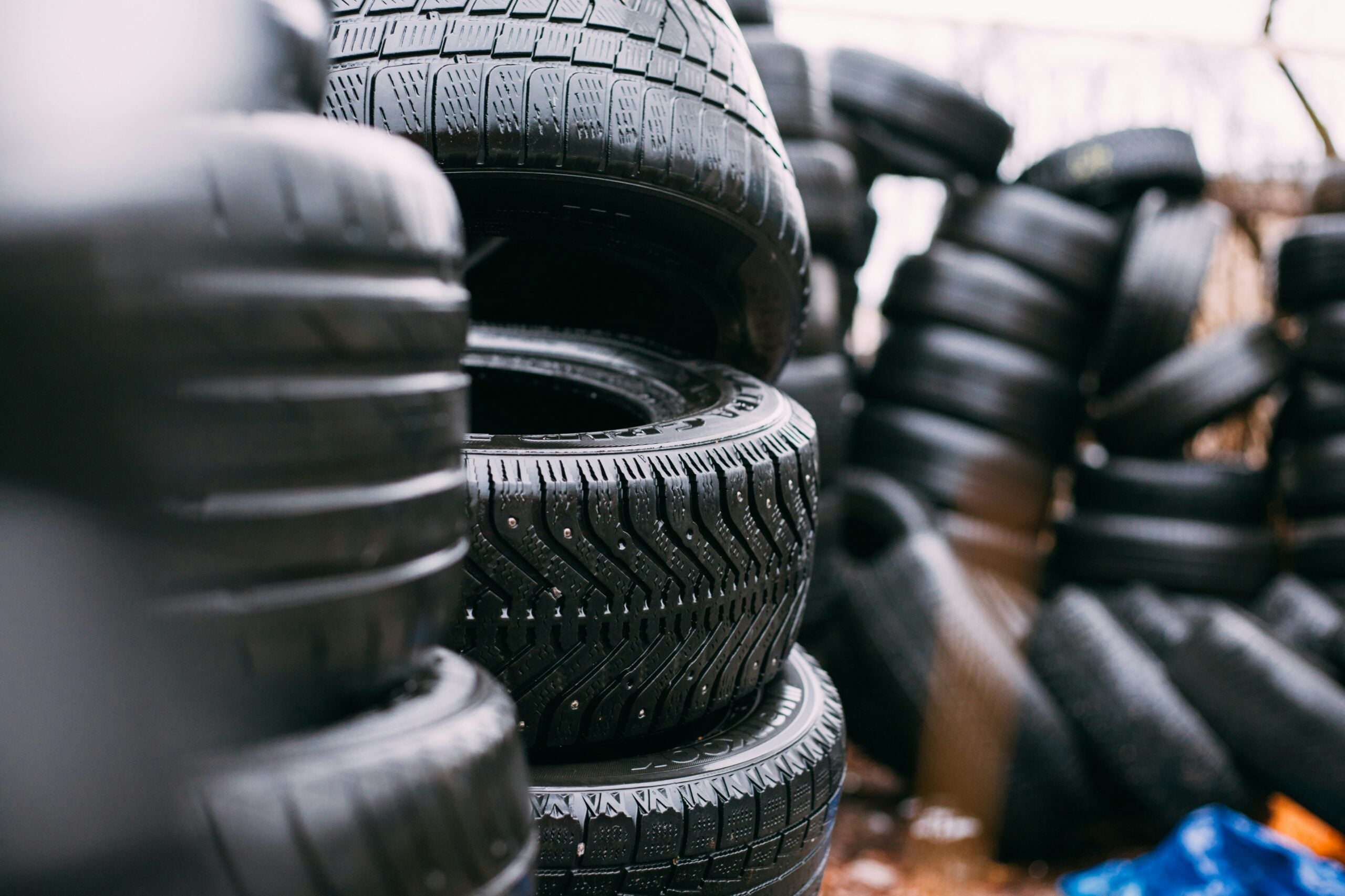
For retirees living in areas with harsh winters, replacing worn tires or investing in winter-rated ones is a purchase worth considering before snow starts falling. Winter tires are designed to provide better traction in cold, slippery conditions, and waiting until a major storm approaches could leave you competing for installation appointments or struggling to find the right size. The National Highway Traffic Safety Administration recommends inspecting tire tread and considering snow tires when appropriate. NHTSA Before buying, compare the total installed cost, including mounting and balancing, rather than choosing based on the sticker price alone.
Ice Melt and Sidewalk Traction Supplies
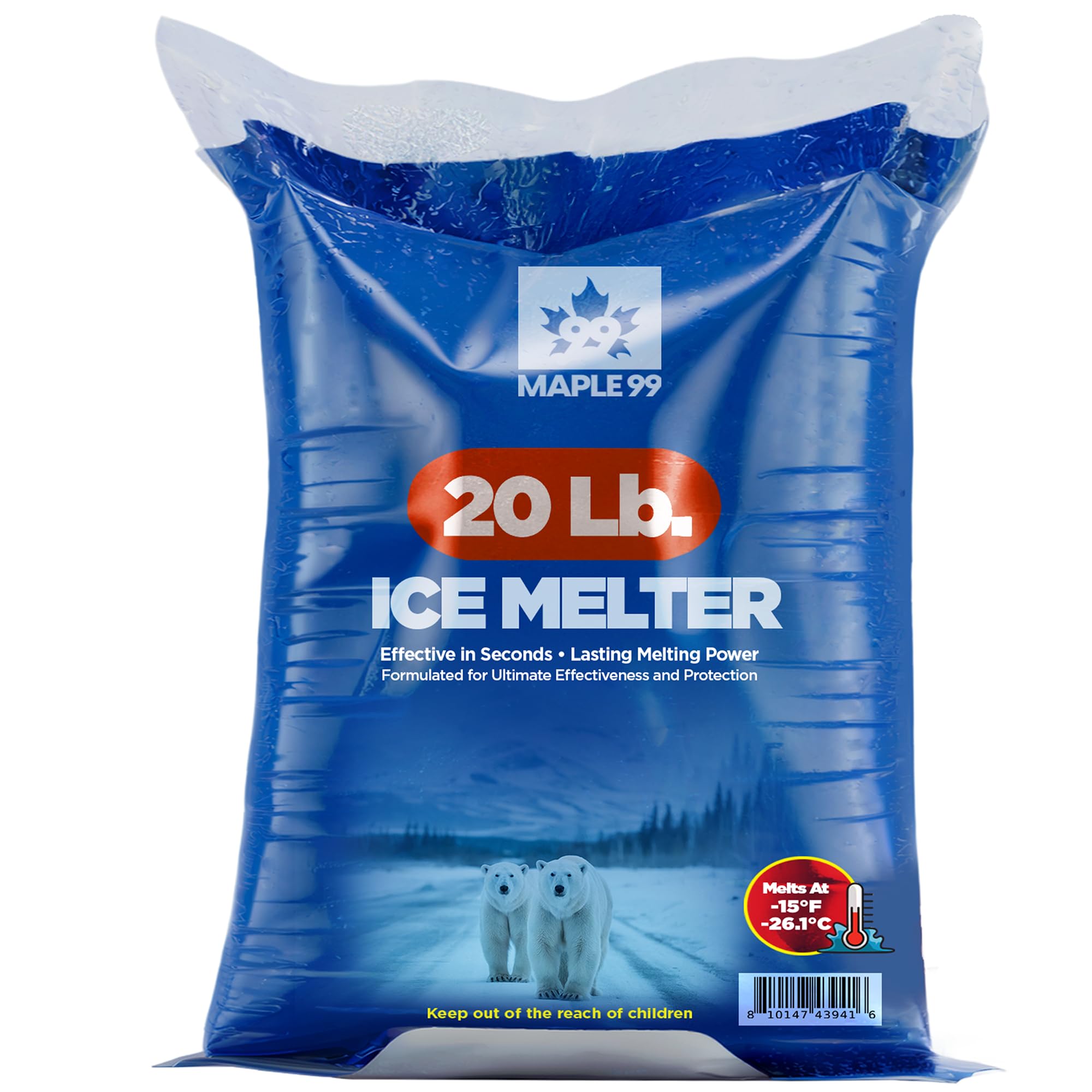
Nobody wants to discover they’re out of ice melt after the driveway or front steps have already turned into a skating rink. For retirees, keeping walkways clear can be especially important, since a fall on icy pavement can result in serious injuries. Buying ice melt, sand, or other traction materials in November means you’ll have them ready before the first major winter storm. It also gives you time to compare prices instead of grabbing whatever is left at the hardware store. Just make sure the product you choose is appropriate for your driveway, landscaping, and pets.
A Lightweight Snow Shovel or Snow Removal Service
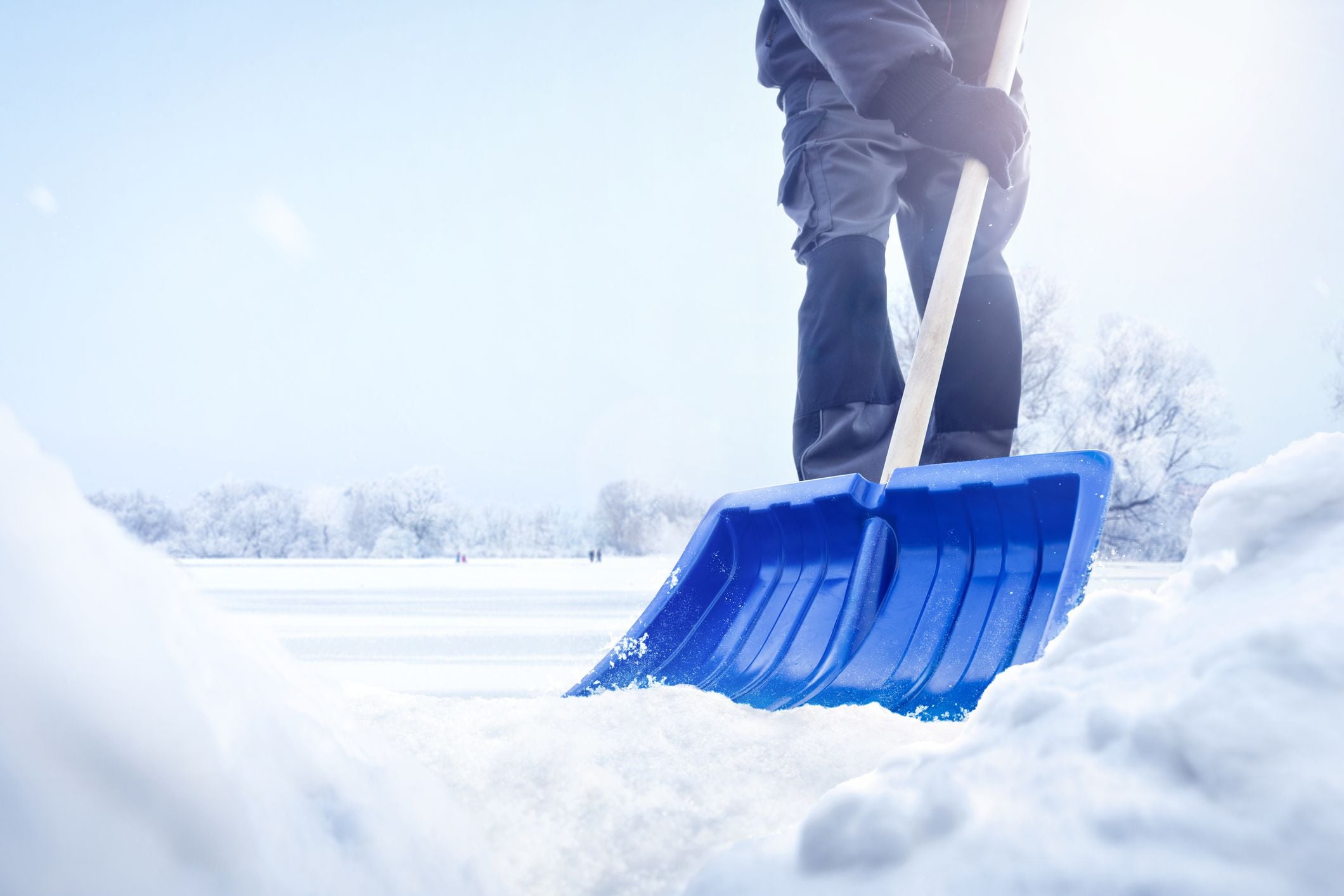
Shoveling heavy snow isn’t exactly anyone’s idea of a relaxing retirement activity, and it can be especially strenuous for older adults. If you live somewhere that regularly gets snow, November is a good time to check whether your existing shovel is still practical or arrange for someone to handle clearing your driveway. Booking a snow removal service before the first major storm also gives you time to compare rates and availability. And if you have heart problems or other health concerns, hiring help may be much safer than attempting strenuous snow removal yourself.
Weatherstripping for Drafty Doors and Windows
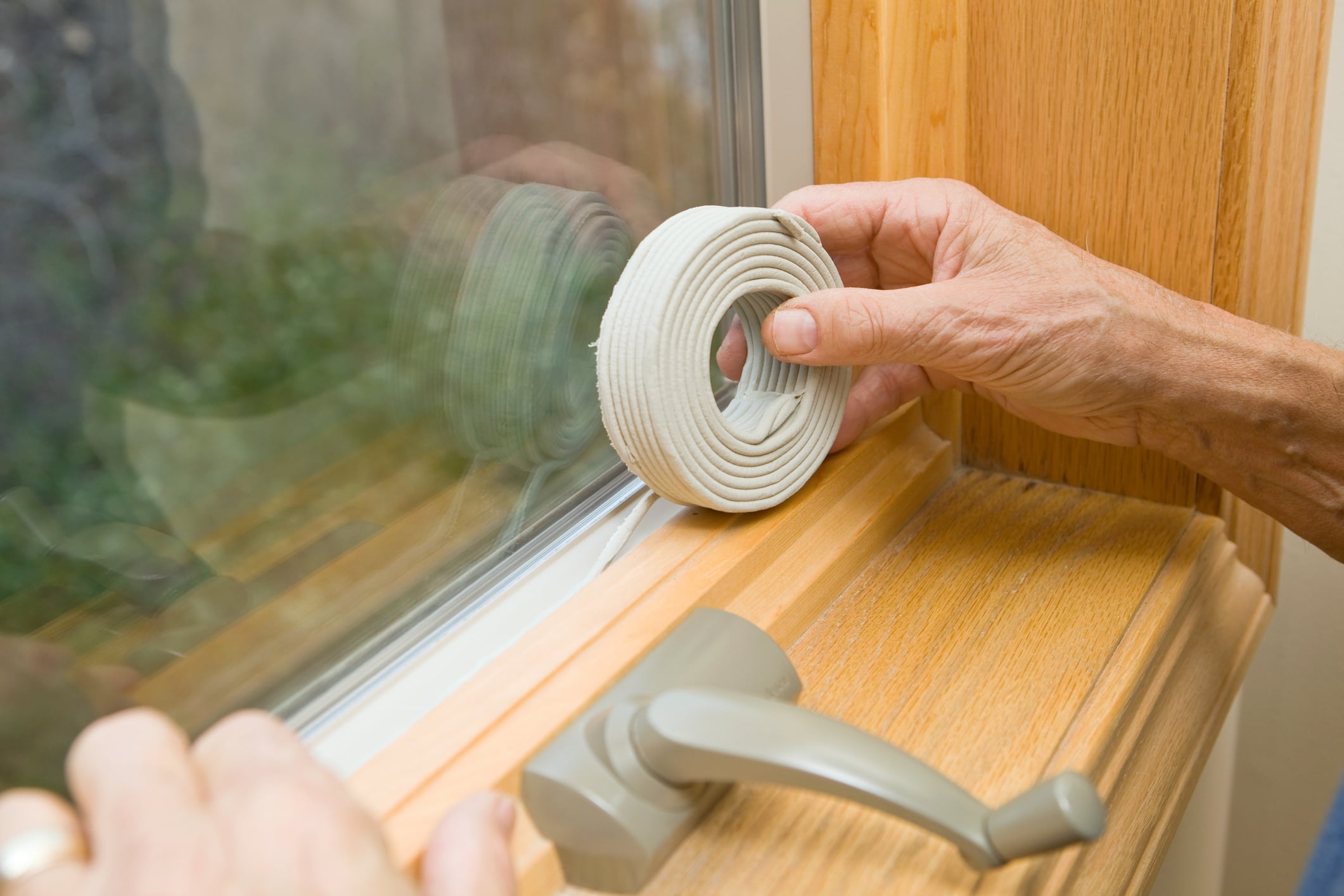
If you can feel cold air sneaking in around your doors or windows, your heating system may be working harder than necessary. Fortunately, weatherstripping is a relatively affordable home improvement that can help seal suitable gaps and make indoor temperatures more comfortable. The U.S. Department of Energy recommends identifying air leaks and sealing them to improve energy efficiency. The Department of Energy’s Energy.gov Taking care of the job before December means you’ll benefit throughout the colder months instead of dealing with drafts during a winter storm. Just identify where the air is entering before buying supplies, and avoid blocking necessary ventilation.
Trending on Cheapism


A Replacement Furnace Filter and Scheduled Heating Service
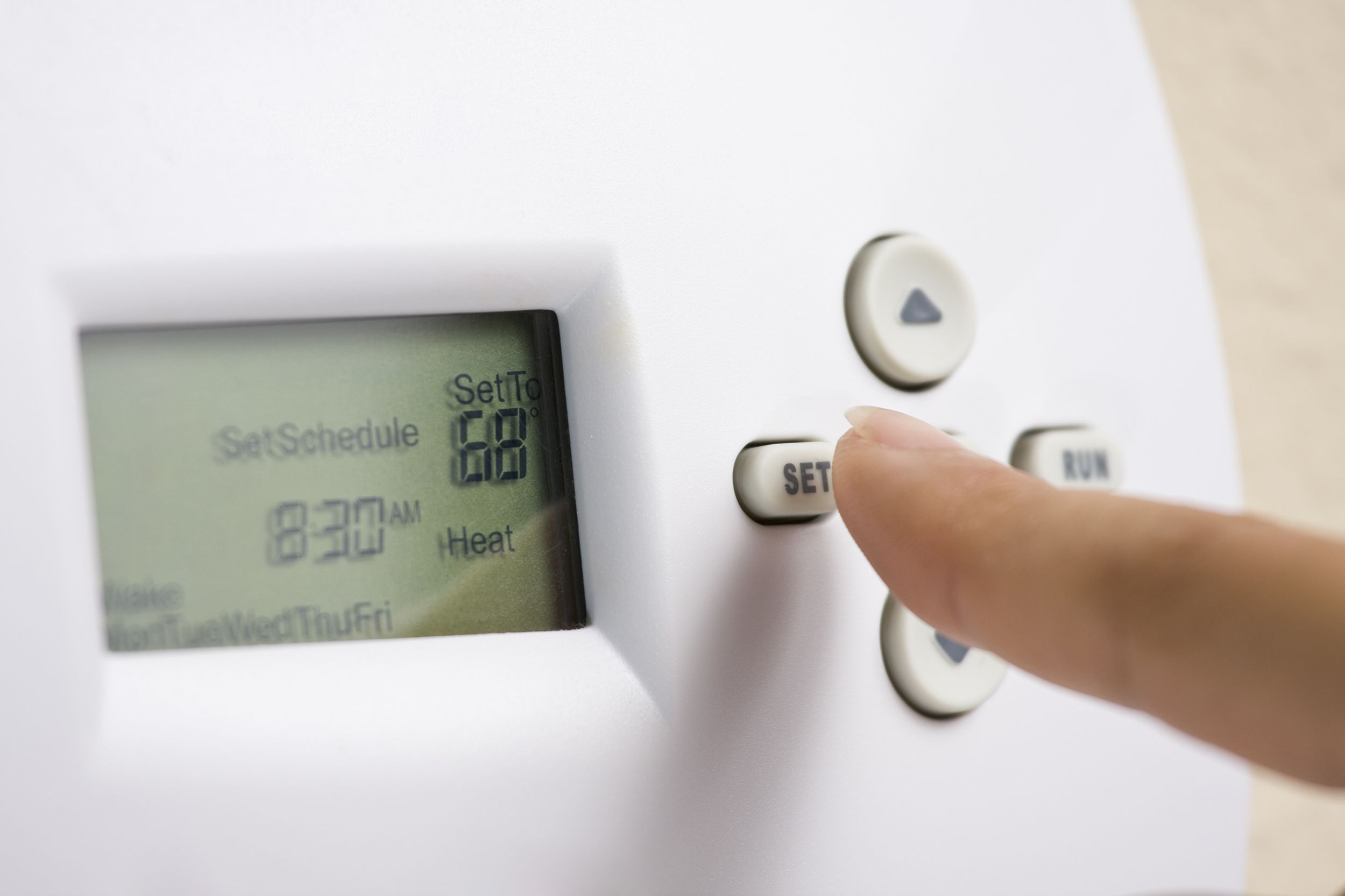
The last thing you want during a freezing December night is to discover that your heating system isn’t working properly. Checking your furnace filter and scheduling routine maintenance before winter gets underway can help prevent inconvenient surprises. A dirty filter may restrict airflow, while neglected equipment could require repairs at the worst possible time. The U.S. Fire Administration recommends having heating equipment professionally inspected and maintained. U.S. Fire Administration If your system needs attention, arranging service in advance may also give you more flexibility when choosing an appointment. And remember, the most expensive replacement filter isn’t necessarily the right one for your furnace.
A Safe Portable Space Heater, if You Actually Need One

A portable space heater can be useful for warming a particularly chilly room, but it’s not something you should rush to purchase when your primary heating system suddenly stops working. Shopping ahead gives you time to compare models, safety features, and energy requirements. Look for a heater certified by a recognized testing laboratory and equipped with automatic tip-over protection. The U.S. Fire Administration advises keeping portable heaters at least three feet from combustible materials, plugging them directly into wall outlets, and turning them off before leaving the room or going to sleep. U.S. Fire Administration And if you don’t actually need supplemental heating, there’s no reason to spend money on one.
A Winter Emergency Kit for the Car
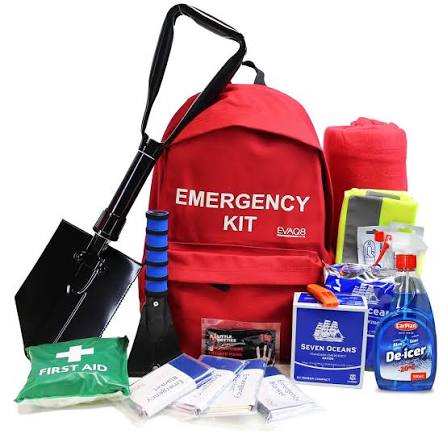
Whether you’re driving to medical appointments, visiting grandchildren, or heading out on a winter road trip, having emergency supplies in your vehicle can make a big difference when the weather turns bad. NHTSA recommends carrying essentials such as blankets, a flashlight, jumper cables, first-aid supplies, nonperishable food, water, and a phone charger. NHTSA Rather than waiting until a storm is forecast, assemble your kit before December and check that everything works. You might not even need to buy a premade kit, since many of the recommended items could already be sitting in your garage or closets.
Sign up for our newsletter
A Backup Supply of Essential Household Batteries

A winter power outage is a particularly inconvenient time to discover that your flashlight batteries are dead. Before December, check the batteries in your emergency radio, flashlights, and any smoke or carbon monoxide alarms that use replaceable batteries. Having the correct spares on hand means you won’t need to make an emergency shopping trip when severe weather is approaching. And while bulk packages can sometimes offer better value, there’s no reason to stock up on more batteries than you’ll realistically use. Check expiration dates, buy the right sizes, and follow the manufacturer’s instructions for devices with sealed long-life batteries.
Pantry Staples for Winter Storms and Unexpected Guests
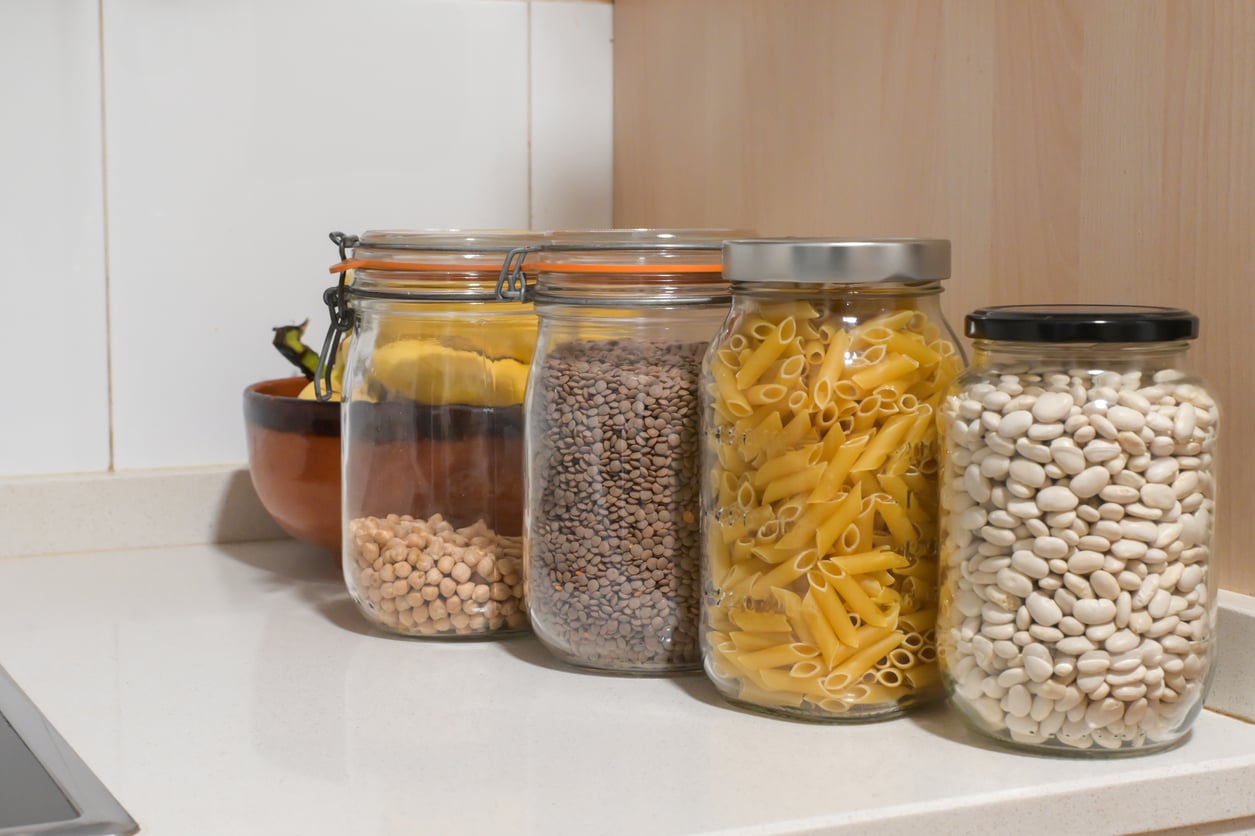
Between holiday visitors, family gatherings, and the possibility of snowstorms, December can put your pantry to the test. Stocking up gradually on shelf-stable essentials such as canned soup, pasta, rice, peanut butter, and bottled water can help you avoid expensive last-minute grocery trips. You’ll also have something to serve if relatives stop by unexpectedly. The trick is to focus on foods you already enjoy rather than buying emergency supplies that will sit untouched until they expire. Compare unit prices, check expiration dates, and take advantage of worthwhile November promotions to spread your grocery spending over several weeks.
Spare Eyeglasses and Necessary Medical Supplies

A broken pair of glasses or an unexpected shortage of essential medical supplies can be frustrating at any time of year, but holiday closures and winter weather can make replacements even more complicated. If you rely on prescription glasses, hearing-aid batteries, or other medical equipment, November is a good time to review what you have and determine whether anything needs replacing. Ordering ahead may provide enough time for shipping, fittings, or insurance processing before offices become harder to reach. Just check your coverage and actual supply needs first, and don’t stockpile prescription medications outside arrangements approved by your healthcare provider.
Holiday Gifts That Require Shipping or Personalization

Personalized photo calendars, custom ornaments, handmade presents, and photo books can make wonderful Christmas gifts, especially for grandchildren. Unfortunately, they’re also the kinds of purchases that can become stressful when you wait until December to order them. Production times, shipping delays, and holiday order deadlines may leave you paying extra for rush delivery or scrambling to find an alternative. Ordering in November gives you more flexibility and time to correct mistakes if something arrives damaged or incorrectly personalized. For ordinary gifts, however, don’t assume earlier is always cheaper. Consumer Reports notes that many products receive substantial discounts throughout December. Consumer Reports
Why Shopping Early Isn’t Always About Getting the Lowest Price
For retirees, getting ahead of December expenses isn’t necessarily about buying everything before Thanksgiving. It’s about knowing which purchases benefit from early planning and which ones can wait for a better deal. Winter equipment, home maintenance, essential supplies, and personalized gifts are often worth handling before they become urgent. But electronics, appliances, and other nonessential purchases may be just as affordable, or even cheaper, during December sales or postholiday clearance events. A little preparation, some price comparison, and a willingness to skip unnecessary purchases can make the holiday season considerably less stressful — and easier on your retirement budget.