Shopping at Whole Foods for Thanksgiving might sound like an easy way to blow your holiday budget. Between the organic turkeys, fancy cheeses, prepared side dishes, and specialty ingredients, it’s not hard to walk out with a grocery bill that’s much higher than expected. But just because Whole Foods has a reputation for expensive groceries doesn’t mean you have to spend a fortune putting together a holiday feast.
In fact, there are several ways to make Thanksgiving shopping at Whole Foods more affordable, especially if you know where to look. From the store’s 365 private-label products to seasonal turkey promotions and discounts for Amazon Prime members, a little planning can make a noticeable difference at checkout. And sometimes, saving money is as simple as buying a smaller turkey or skipping a prepared side dish you could easily make yourself.
Whether you’re hosting a dozen relatives or preparing a quiet Thanksgiving dinner at home, these 12 Whole Foods shopping tricks can help you keep holiday spending under control without sacrificing the foods everyone looks forward to.
Check the Turkey Promotions Before Choosing a Bird
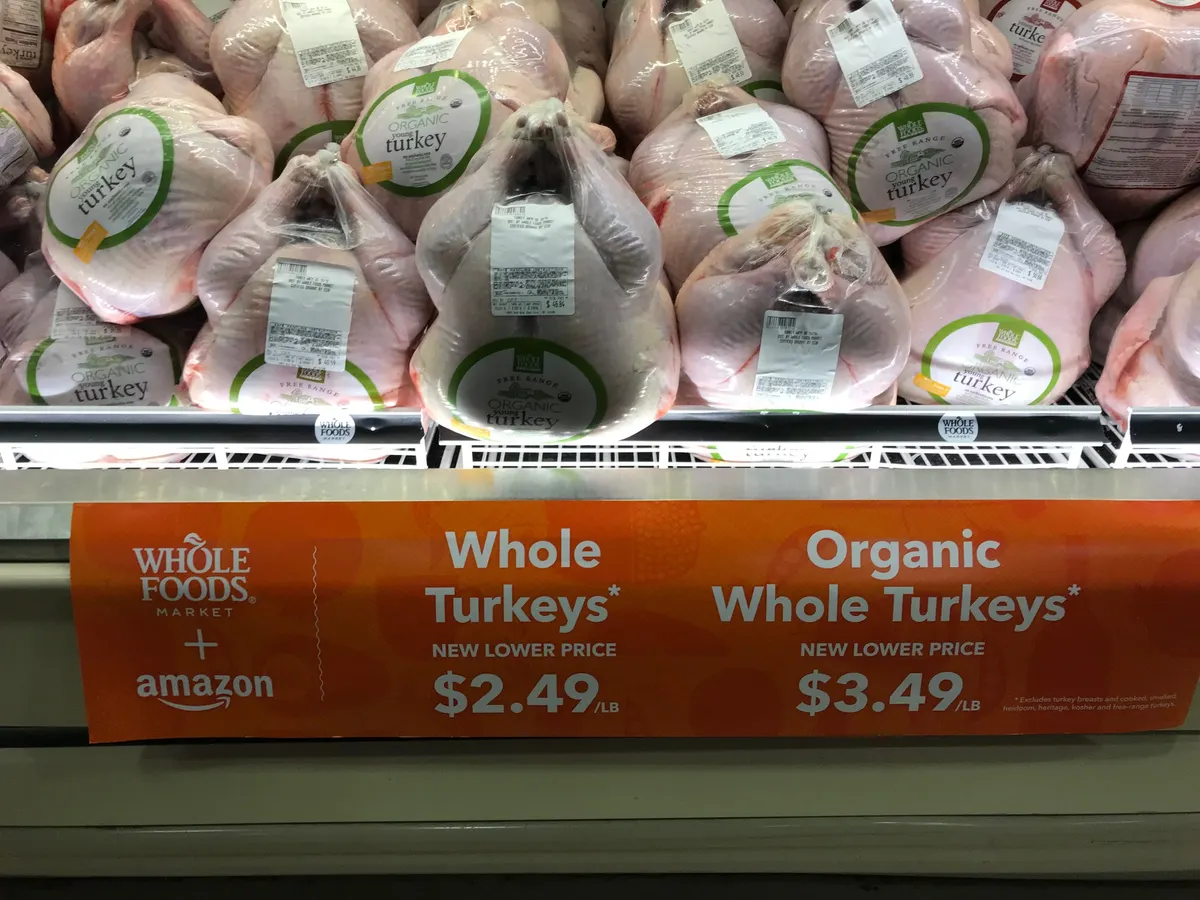
Before grabbing the first turkey you see, take a few minutes to compare Whole Foods’ seasonal offers. The grocery chain frequently advertises special Thanksgiving prices on select fresh turkeys, which can be considerably cheaper than the organic, heritage, or specialty birds displayed nearby. For example, its holiday planning materials have advertised conventional fresh turkeys for $2.99 per pound and organic options for $3.99 per pound, although prices and availability depend on the promotion. Check your local store’s current offers and compare prices per pound with other supermarkets before committing to a bird.
Buy 365 Brand Ingredients for Traditional Side Dishes
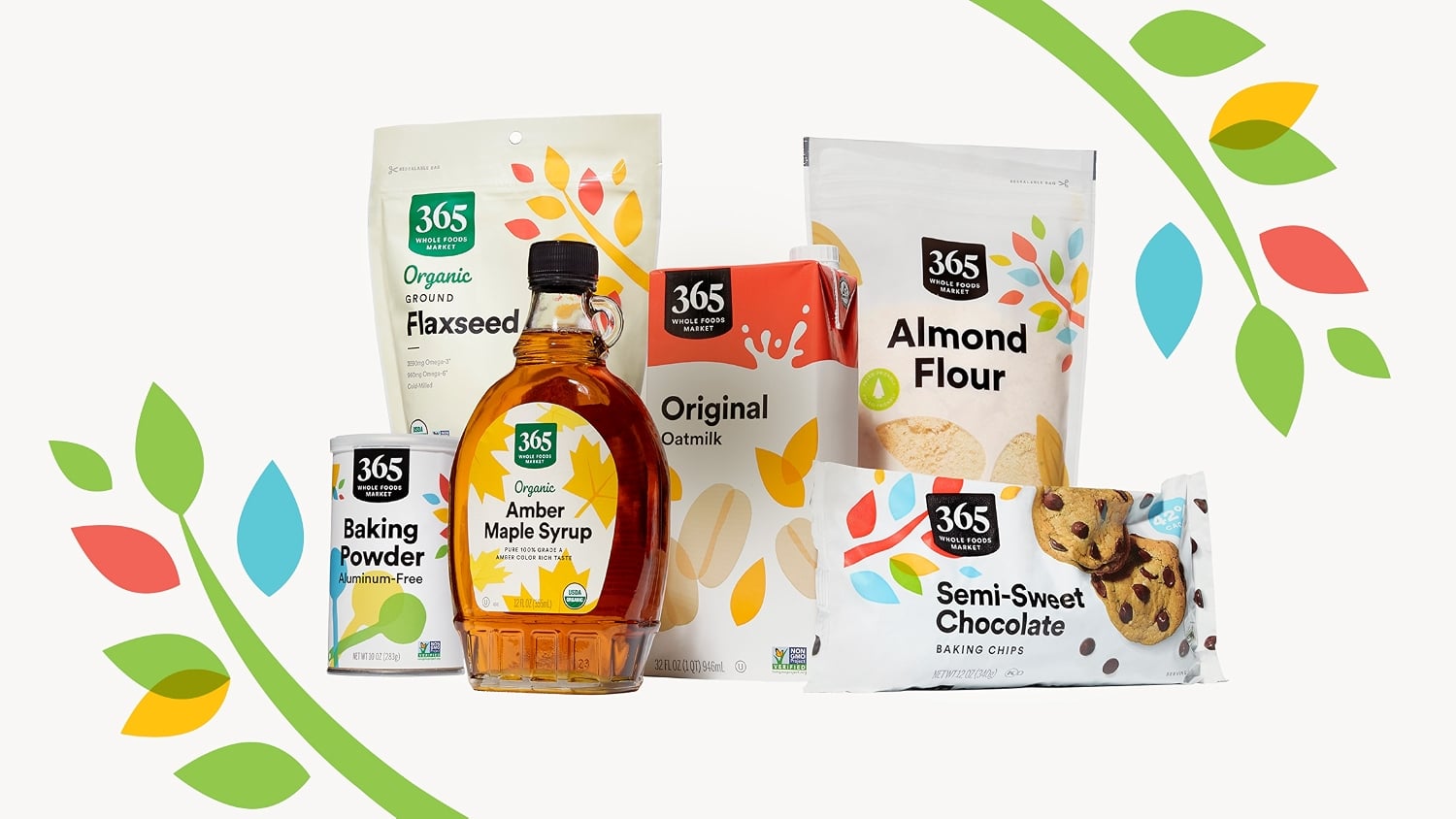
You don’t need premium ingredients to make delicious mashed potatoes, stuffing, or green bean casserole. Whole Foods’ 365 by Whole Foods Market brand offers alternatives to many national-brand pantry staples, including broth, canned vegetables, flour, pasta, and baking ingredients. Choosing these products instead of more expensive brands can help keep the cost of your Thanksgiving sides under control. Just remember to check the unit price and package size before buying, since a store-brand product isn’t automatically the cheapest option on the shelf.
Look for Yellow and Blue Sale Signs
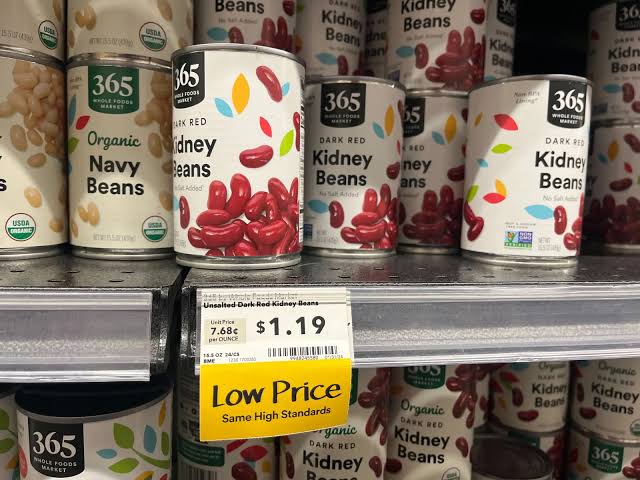
If you’re shopping at Whole Foods without paying attention to the shelf signs, you could be missing out on some easy savings. Yellow signs identify regular sale items, while blue signs highlight special deals for eligible Amazon Prime members. Prime shoppers can also receive an additional 10% off eligible regular sale items, with some exclusions. That can be particularly useful when stocking up on holiday essentials such as butter, cheese, frozen vegetables, and other ingredients you’ll need for multiple recipes. Before filling your cart, check which discounts apply and make sure your Prime account is ready to use at checkout.
Review the Weekly Flyer Before Planning Your Menu

One of the easiest ways to overspend on Thanksgiving is to plan an elaborate menu before checking grocery prices. Instead, take a look at your local Whole Foods weekly sales flyer and see which ingredients are discounted. If Brussels sprouts are on sale, for example, they might make more sense than an expensive vegetable dish requiring several specialty ingredients. The same goes for cheeses, baking supplies, and seasonal produce. Because Whole Foods promotions vary by location, make sure you’re looking at the flyer for the store where you actually plan to shop.
Don’t Automatically Buy the Biggest Turkey
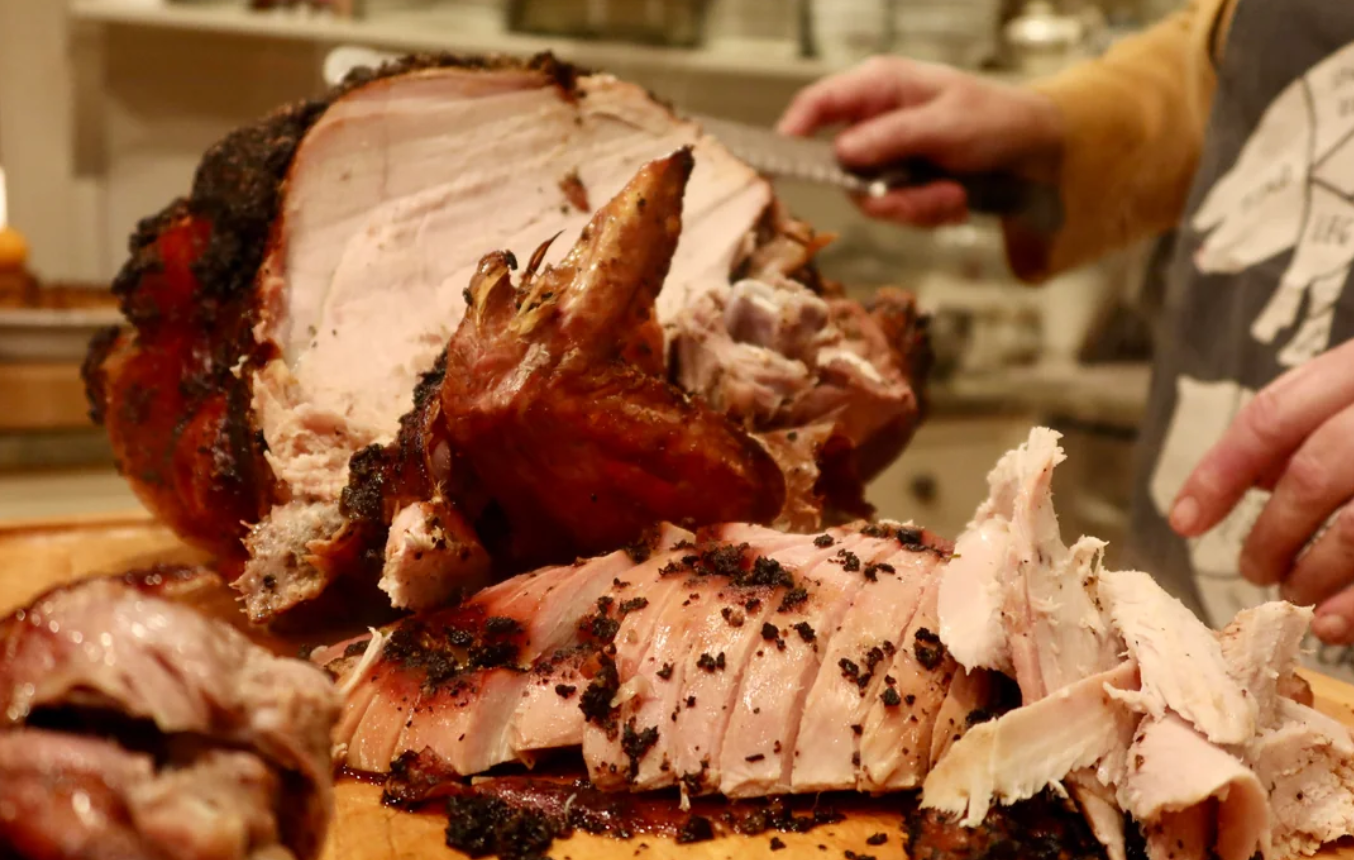
A massive Thanksgiving turkey might look impressive, but it’s not necessarily the smartest purchase. If you’re feeding six people, buying a bird meant for twice that many guests could leave you with more leftovers than anyone wants to eat. Whole Foods’ turkey buying guide suggests a 12- to 14-pound turkey for approximately six people and a 20- to 24-pound bird for around 12 people when planning generous portions. Before choosing a size, think about how many guests are coming, how much turkey they’ll actually eat, and whether your family enjoys leftovers. A smaller bird could save money and valuable refrigerator space.
Trending on Cheapism


Consider a Turkey Breast for a Smaller Thanksgiving

If you’re cooking Thanksgiving dinner for just two to four people, there’s no rule saying you have to roast an entire turkey. A turkey breast might be a more practical option, particularly if everyone prefers white meat anyway. Whole Foods offers different turkey cuts and sizes, including bone-in breasts that can serve smaller gatherings. However, turkey breasts sometimes cost more per pound than whole birds, so compare the total price and amount of edible meat before deciding. The goal is to buy enough for a satisfying dinner without paying for portions that will eventually go to waste.
Compare Prepared Holiday Sides With Homemade Versions
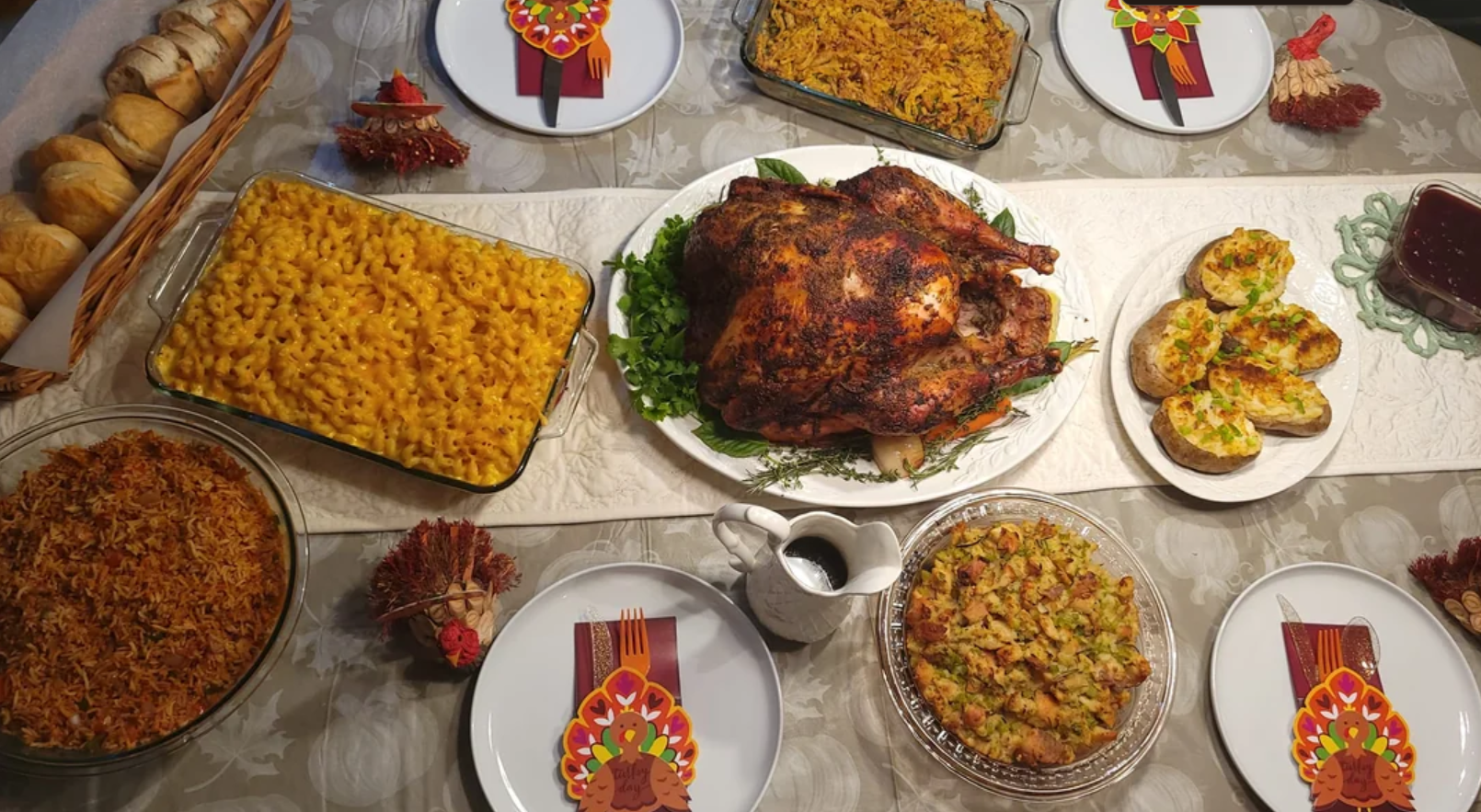
Whole Foods’ prepared foods department can be tempting when you’re juggling a dozen Thanksgiving recipes. After all, picking up ready-made mashed potatoes, stuffing, or roasted vegetables sounds much easier than making everything from scratch. But convenience often comes at a premium, especially when you’re feeding a crowd. Before buying prepared sides, compare their price per serving with the cost of making a simple version at home. You might find that preparing mashed potatoes yourself leaves enough room in the budget to splurge on one specialty dish you really want. Sometimes the smartest approach is a combination of homemade staples and a few convenient shortcuts.
Use the Holiday Servings Calculator Before Ordering Catering

Ordering a prepared Thanksgiving meal from Whole Foods can make hosting much easier, but buying more food than you need can quickly eat into your holiday budget. Before placing an order, figure out how many guests you’re expecting and how much each person is likely to eat. Whole Foods’ holiday planning resources include portion-planning guidance to help shoppers estimate how much turkey and how many side dishes they’ll need. Taking a few minutes to calculate servings can prevent you from spending extra money on food that nobody ends up touching.
Sign up for our newsletter
Compare Individual Prepared Dishes With a Full Holiday Meal Package
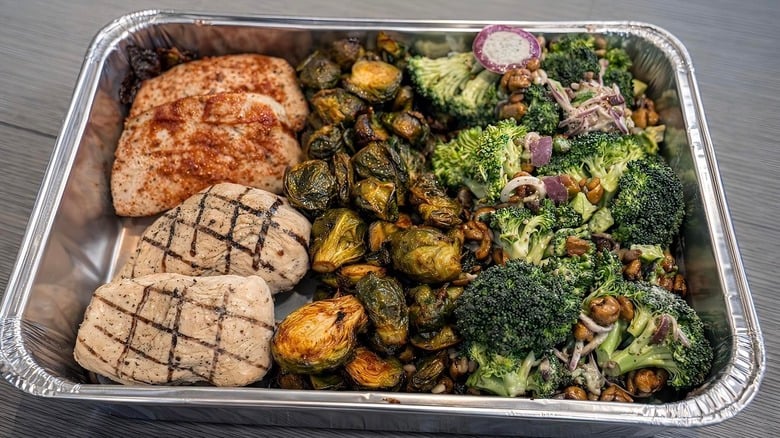
Whole Foods offers holiday catering options that can take much of the work out of Thanksgiving dinner, but a complete meal package isn’t always the most economical choice. If your family doesn’t particularly like certain sides or already has someone bringing dessert, you might be better off ordering individual dishes instead. Compare the total price of the items you actually want with the cost of a complete meal before making your decision. And don’t forget to double-check your order: Whole Foods requires catering modifications at least 48 hours before pickup, and orders canceled too late are charged in full. Whole Foods Market
Make Stock and Gravy Using Economical Turkey Parts
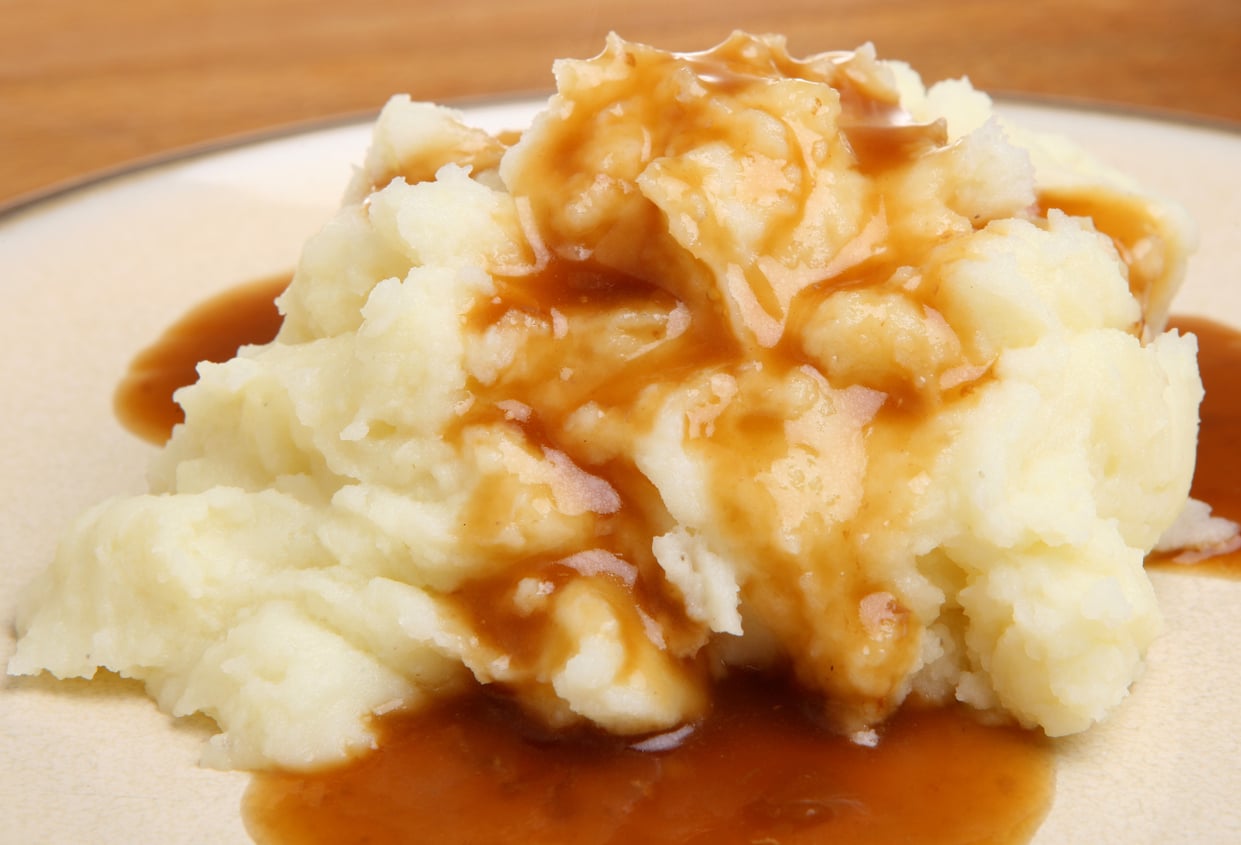
Buying several cartons of premium broth for stuffing, gravy, and leftover turkey soup can add up surprisingly quickly. One alternative is making your own stock using turkey wings, drumsticks, or other inexpensive poultry parts. Whole Foods even recommends preparing turkey stock ahead of Thanksgiving and freezing it until you’re ready to cook. Just compare the price of the meat with packaged broth before assuming homemade is cheaper. If you already have turkey bones or vegetable scraps available, making stock can be an especially economical way to get more out of ingredients you’ve purchased.
Check Delivery Costs Before Ordering a Missing Ingredient

Realizing you’ve forgotten the heavy cream or fresh herbs halfway through Thanksgiving preparations is frustrating enough without paying extra to have a single ingredient delivered. While Whole Foods offers grocery delivery options, fees and eligibility can vary depending on your location and membership. Before placing a small last-minute order, check whether delivery charges, service fees, or a subscription would make the purchase more expensive than expected. If you’re already planning another grocery trip, adding those missing ingredients to your list could be the simpler and cheaper solution.
Freeze Ingredients Early Instead of Shopping at the Last Minute

Waiting until the day before Thanksgiving to buy everything can leave you scrambling for ingredients and paying full price for whatever is still available. Instead, start checking Whole Foods’ weekly promotions a few weeks ahead of the holiday and pick up freezer-friendly ingredients when they’re discounted. Homemade stock, pie crusts, and certain prepared dishes can be frozen in advance, leaving fewer things to worry about during Thanksgiving week. It’s also worth checking your pantry and freezer before shopping so you don’t accidentally buy ingredients you already have.
A More Affordable Whole Foods Thanksgiving

Putting together a Thanksgiving feast at Whole Foods doesn’t have to mean filling your cart with expensive specialty products. By taking advantage of seasonal turkey promotions, comparing 365 store-brand ingredients, and checking weekly sales, you can enjoy many of the store’s holiday offerings without spending more than necessary.
And remember, convenience is worth paying for when it actually makes your life easier. The trick is knowing when to splurge on a prepared dish and when a simple homemade alternative will do the job just as well. With a little planning, you can spend less time worrying about your grocery bill and more time enjoying Thanksgiving with the people around your table.