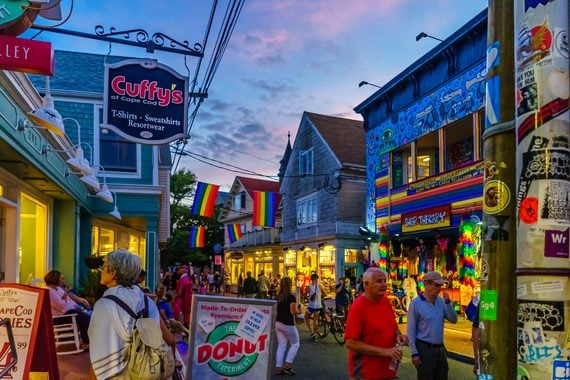

Some destinations that felt a little off the beaten path 10 years ago are now firmly on mainstream vacation lists. New flight routes, easier entry rules, social media, and travelers looking beyond the usual hotspots have all helped reshape where people go. These travel spots stand out because the growth is backed by real tourism numbers, not just buzz. According to the UN Tourism World Tourism Barometer, international travel has rebounded strongly since the pandemic, with many destinations now setting new visitor records.
Japan
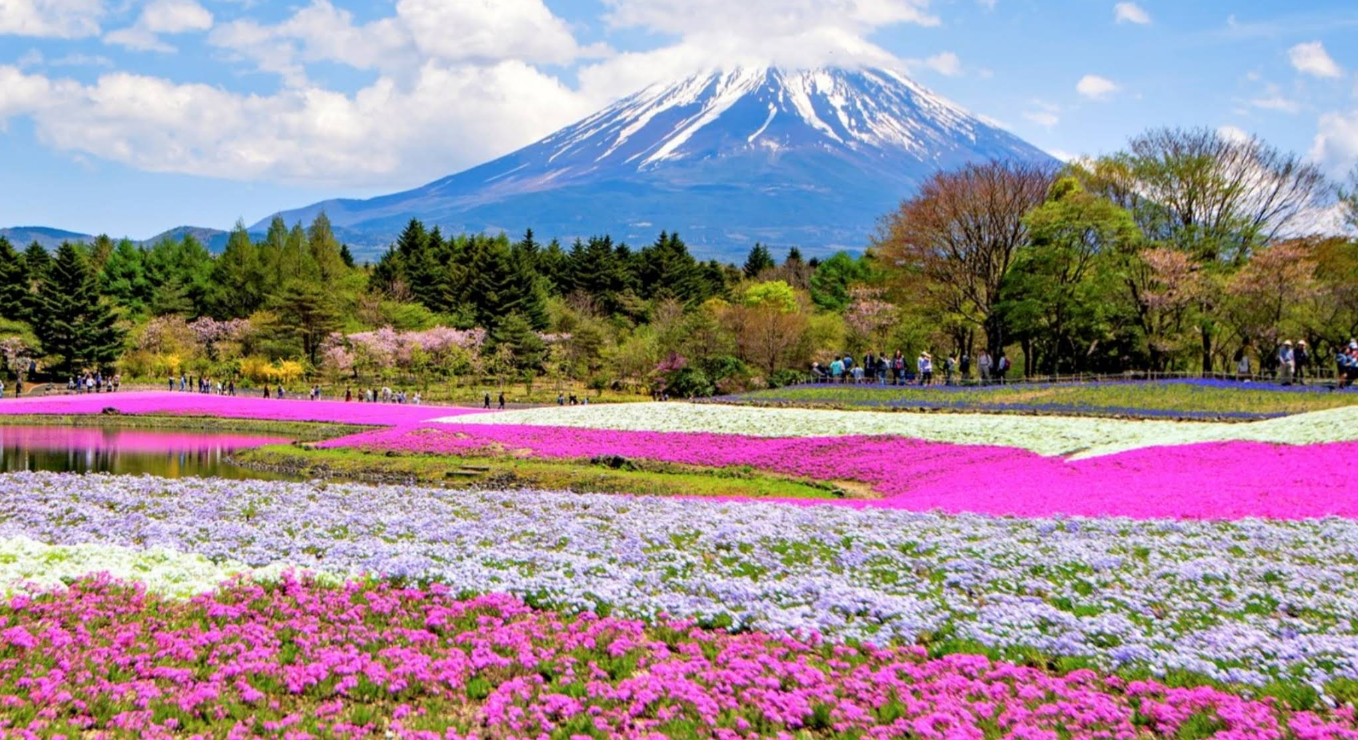
Japan’s tourism boom is hard to miss. The country welcomed about 19.7 million international visitors in 2015, but a record 42.7 million arrived in 2025, more than double the earlier figure. Tokyo, Kyoto, and Osaka still get much of the attention, though travelers are increasingly looking toward Hokkaido, Kyushu, smaller cities, and rural areas. A favorable exchange rate has also helped recent visitors stretch their dollars. The downside is crowding, particularly around Kyoto and other headline attractions.
Albania
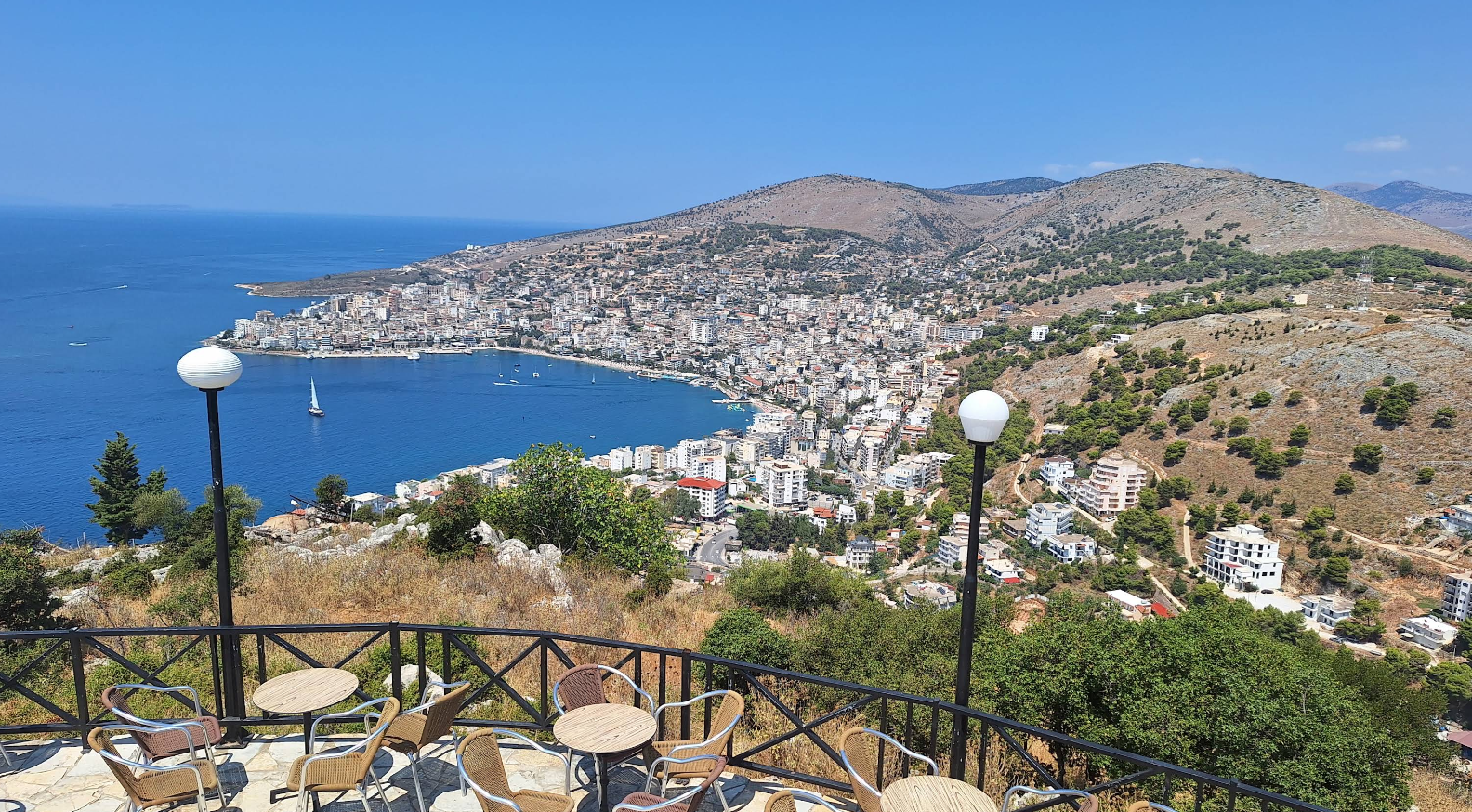
A decade ago, Albania rarely appeared beside Greece, Italy, and Croatia on Americans’ Mediterranean wish lists. That has changed quickly. The country’s tourism agency reported nearly 11.7 million foreign visitor entries in 2024, up 15.2% from 2023 alone. Beaches around Saranda and Ksamil, mountain scenery, historic towns, and relatively moderate prices have helped. The rapid growth has a cost, though: popular coastal towns can feel packed in summer, and infrastructure has struggled to keep pace in some places.
Medellin, Colombia
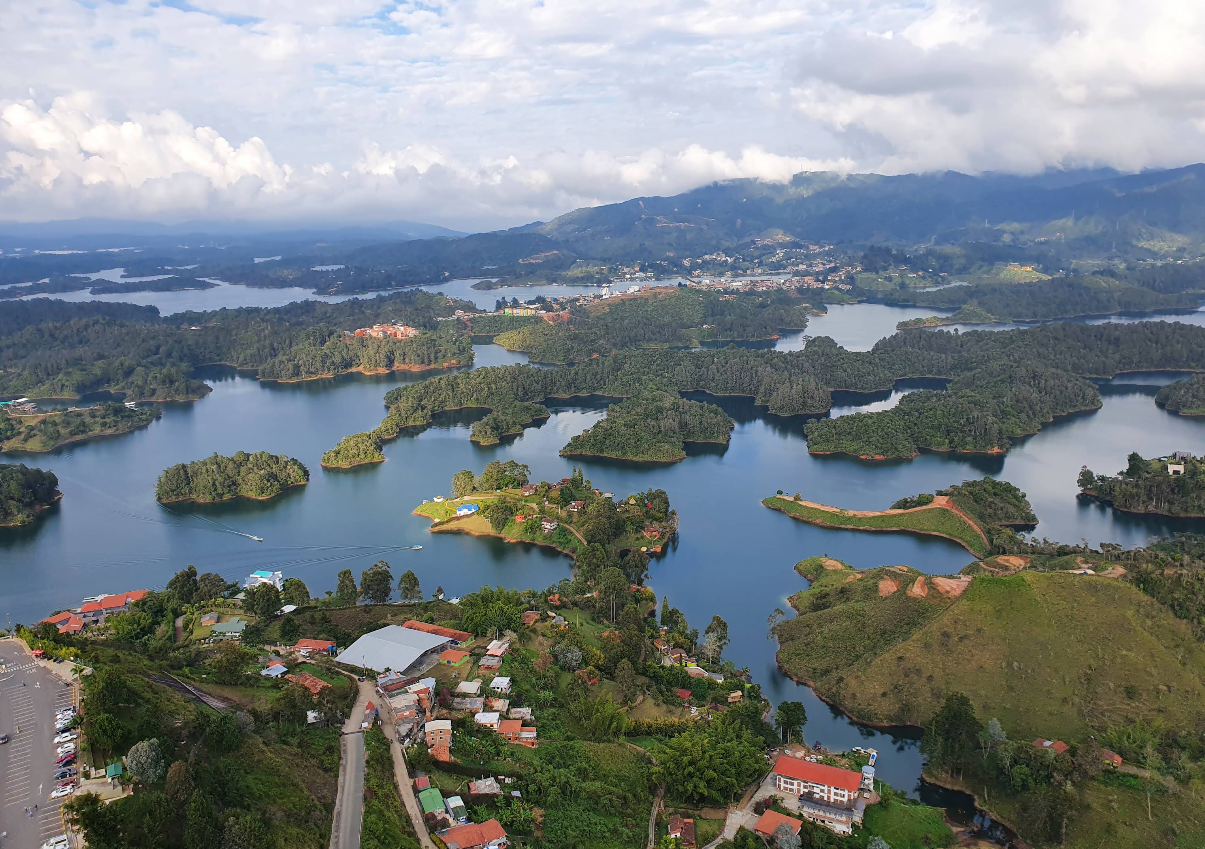
Medellin’s rise is especially noticeable at its main international gateway. Between 2014 and 2024, passenger entries through the immigration checkpoint at Jose Maria Cordova Airport grew 234.9%, according to city officials, with more than 1.8 million entries in 2024. Travelers come for the mild climate, food, nightlife, museums, and neighborhoods such as Comuna 13. Still, this is one destination where popularity comes with a caution: rapid tourism growth has brought congestion and concerns about how visitors affect residential neighborhoods.
Madeira, Portugal
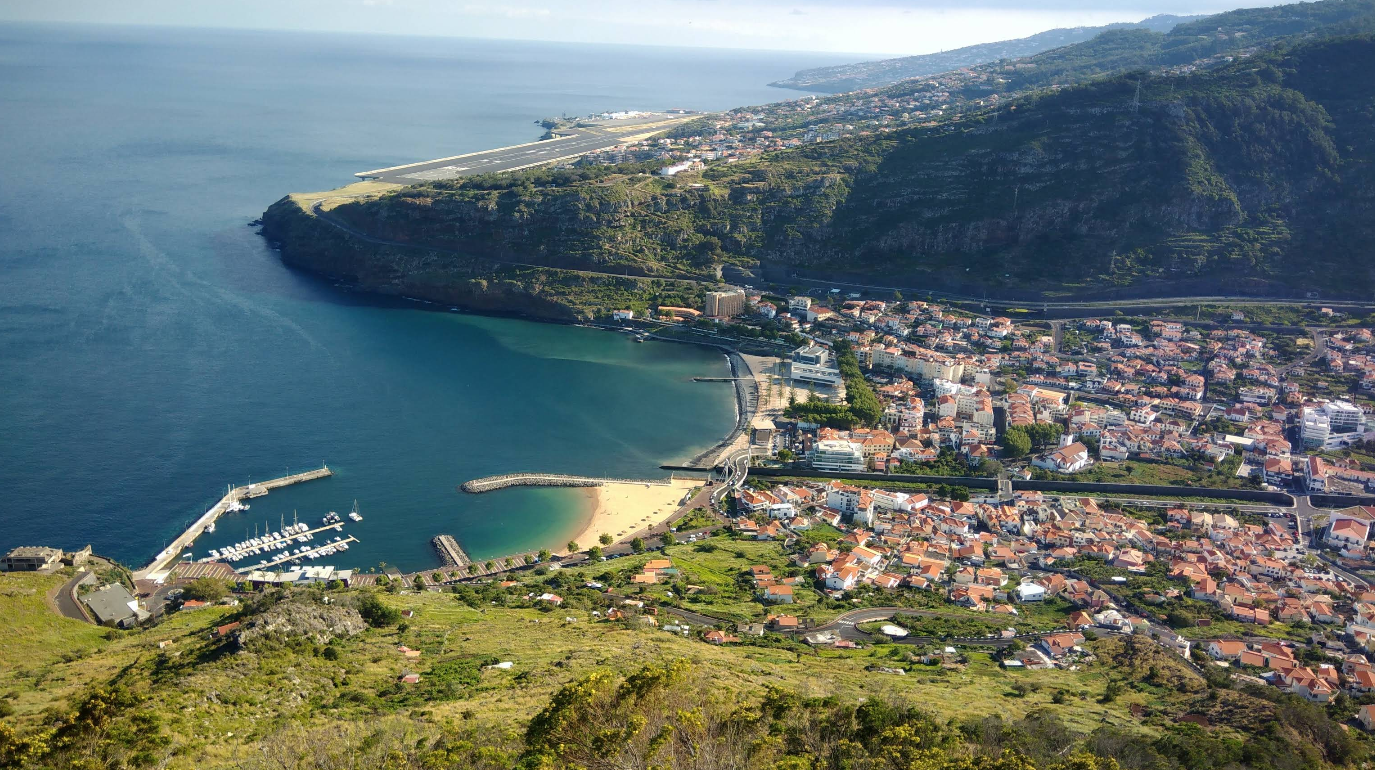
Madeira once had a reputation as a quiet winter getaway, but hikers and independent travelers have dramatically widened its appeal. The Portuguese island region recorded an all-time high 2.4 million guest arrivals and 12.7 million overnight stays in 2025. Famous levada walks, steep green mountains, natural swimming pools, and mild weather make it useful beyond the summer season. More visitors also mean busy trails, harder parking at popular viewpoints, and accommodation prices that are not quite the bargain they once were.
Ljubljana and Slovenia
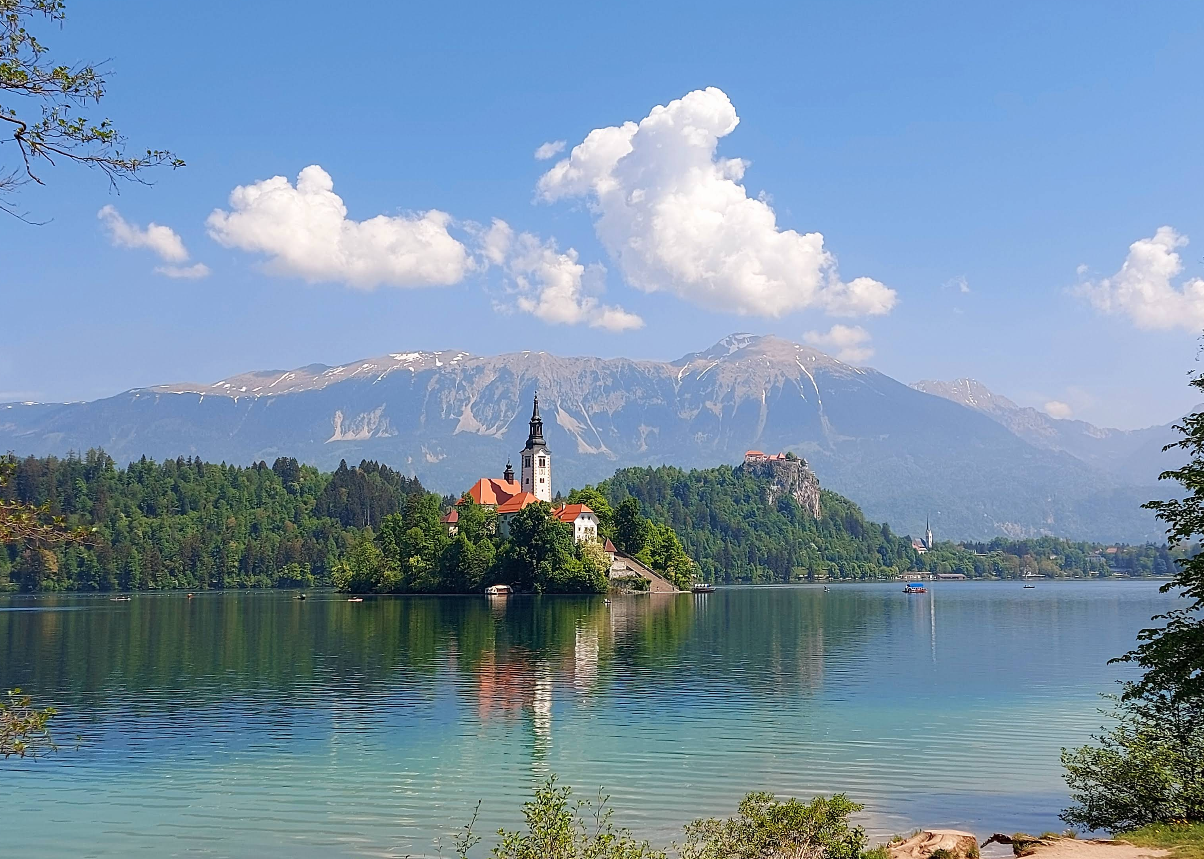
Slovenia has quietly become much harder to call overlooked. It recorded about 3.9 million tourist arrivals and 10.3 million overnight stays in 2015. By 2025, arrivals were approaching 7 million and overnight stays had passed 17.8 million. Ljubljana remains the country’s most visited municipality, but Lake Bled, Bohinj, Kranjska Gora, wine country, and the Julian Alps help spread travelers around. The compact distances are a plus; the drawback is that Bled and central Ljubljana can become noticeably crowded in peak season.
Trending on Cheapism

Dubai, United Arab Emirates
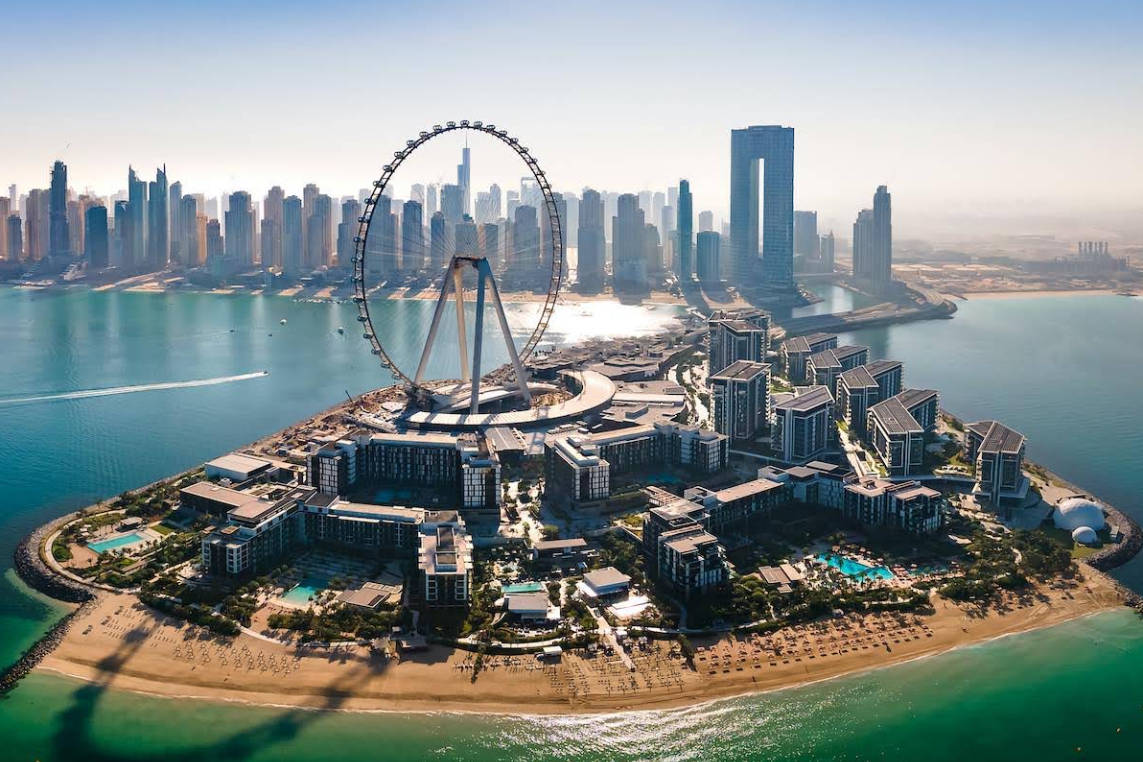
Dubai was hardly unknown in 2015, yet it has kept growing. The city welcomed 14.2 million international overnight visitors that year. In 2025, the figure reached a record 19.59 million, about 38% higher. Part of the appeal is practical: Dubai is a huge aviation hub, so travelers can turn a long connection into a few days of beaches, restaurants, shopping, and sightseeing. It is also highly developed, which means travelers looking for inexpensive or low-key vacations may find better value elsewhere.
Tbilisi, Georgia
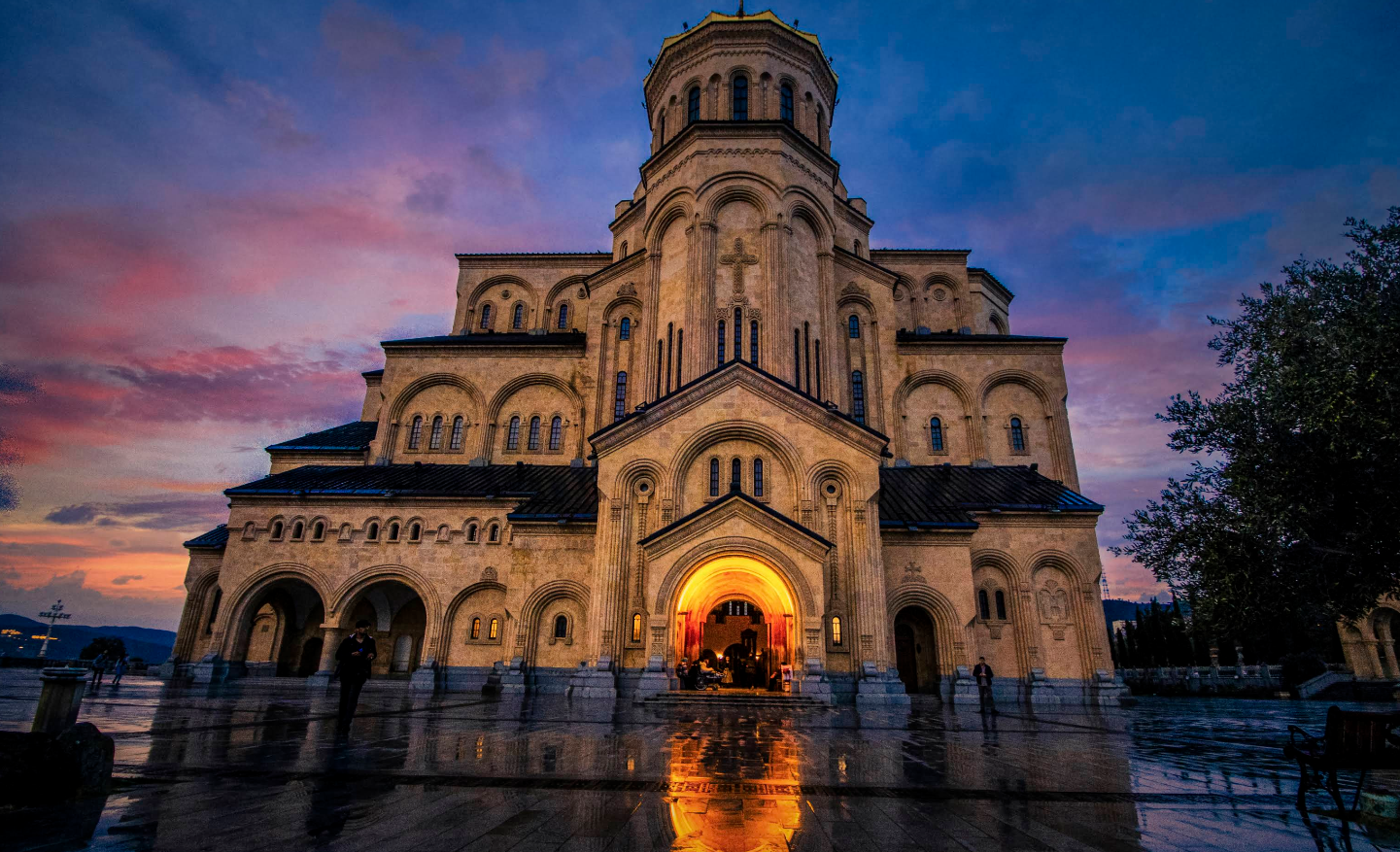
Georgia has become much more visible on European travel itineraries, with Tbilisi usually serving as the starting point. The country recorded a record 5.5 million tourist visits in 2025, up 8.4% from 2024, while visits from EU countries and the U.K. jumped 14%. Tbilisi offers old neighborhoods, sulfur baths, distinctive food and wine, and easy access to the Caucasus. It can still be good value compared with Western Europe, although rising tourism has pushed prices upward in the capital’s most popular neighborhoods.
Kotor and Montenegro
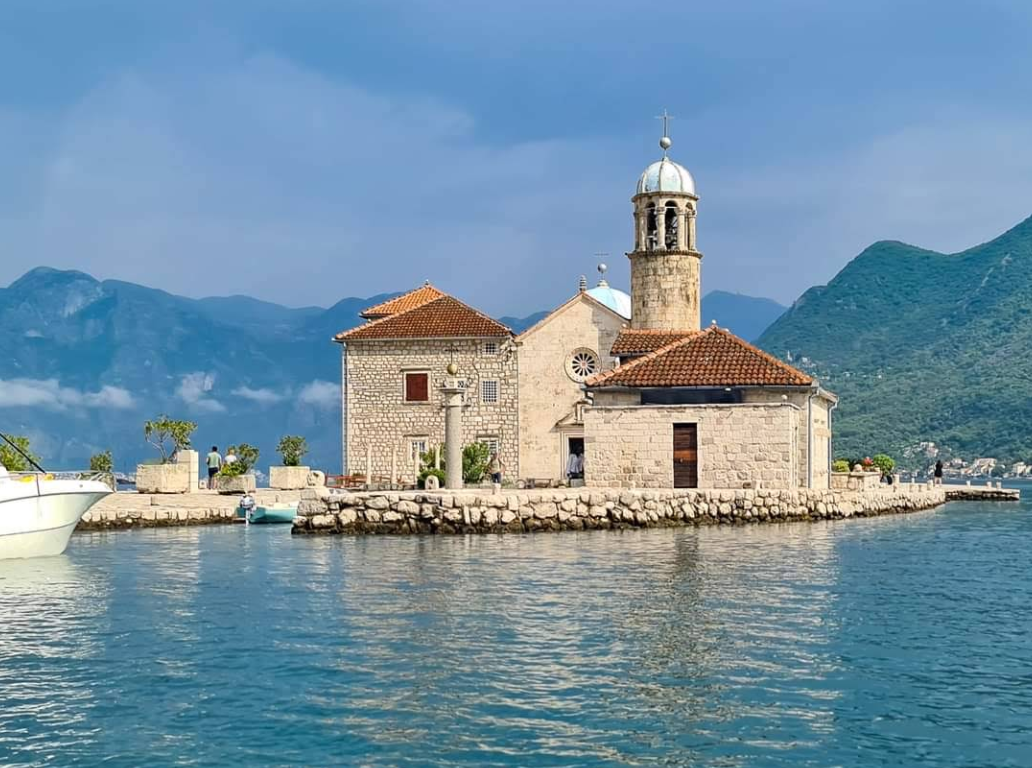
Montenegro recorded about 2.73 million tourist arrivals in 2025, compared with roughly 1.7 million a decade earlier. Most tourism remains concentrated along the coast: 92.6% of overnight stays in 2025 occurred in seaside resorts. Kotor has benefited enormously from that growth, helped by cruise ships, road trips from Croatia, and the dramatic scenery of the Bay of Kotor. Unfortunately, its tiny walled old town has limited room to absorb those crowds, and cruise days can make the center feel considerably busier.
Sign up for our newsletter
Croatia’s Adriatic Coast
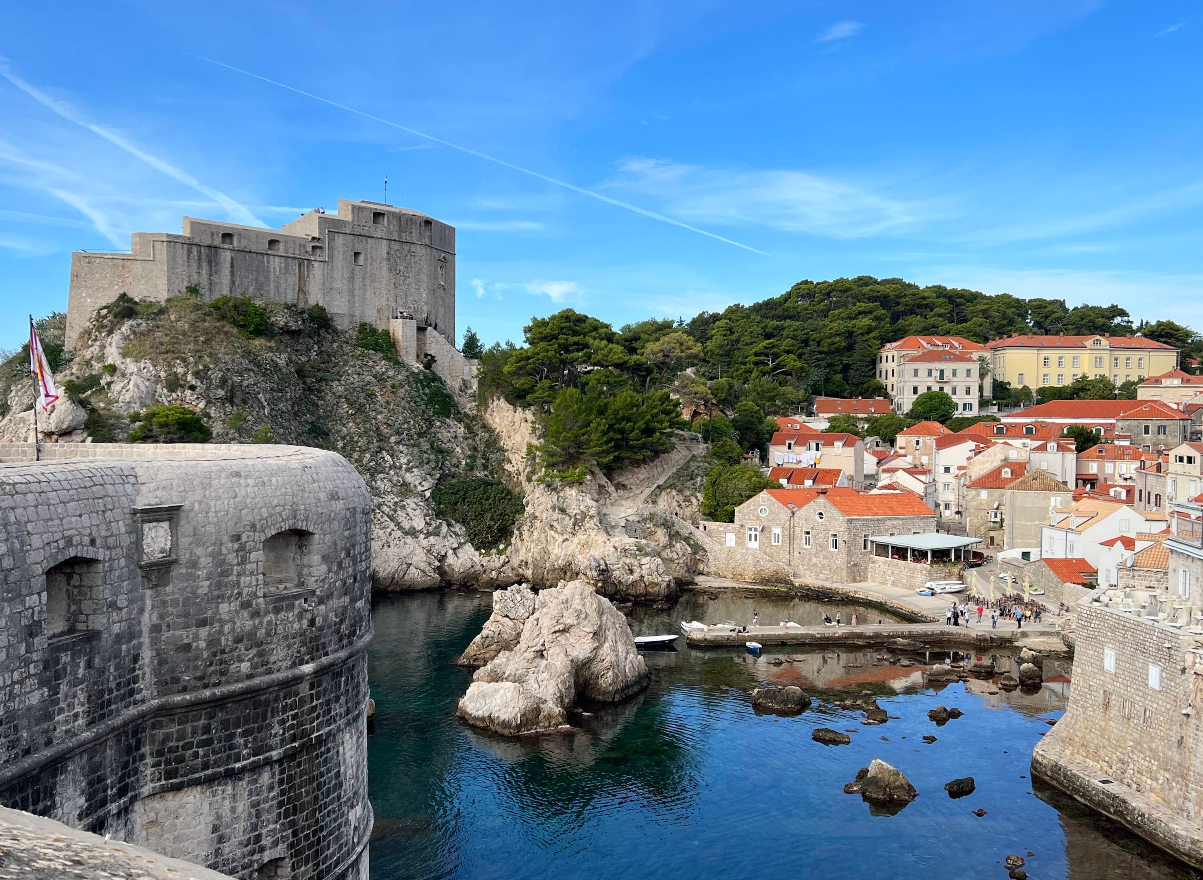
Croatia was already popular in 2015, when it recorded about 14.3 million tourist arrivals. In 2025, arrivals topped 21.8 million, while overnight stays reached a record 110.1 million. Dubrovnik remains the famous name, but Split, Zadar, Hvar, Korcula, and other islands and coastal cities are now fixtures on European itineraries. Travelers have also increasingly embraced spring and fall trips. That can be a smarter move: midsummer brings the biggest crowds and some of the highest accommodation prices.
Iceland

Iceland’s decade-long rise is striking even after several years of unusually fast pre-pandemic growth. About 1.3 million foreign overnight visitors came in 2015; in 2025, the figure was just under 2.3 million. Road trips now extend well beyond Reykjavik and the Golden Circle, with visitors exploring the South Coast, north, Eastfjords, and Westfjords. The landscapes are the draw, but the expense is real. Rental cars, restaurant meals, fuel, and hotels can make an Iceland trip considerably pricier than the cheap stopover vacations once advertised.
Saudi Arabia
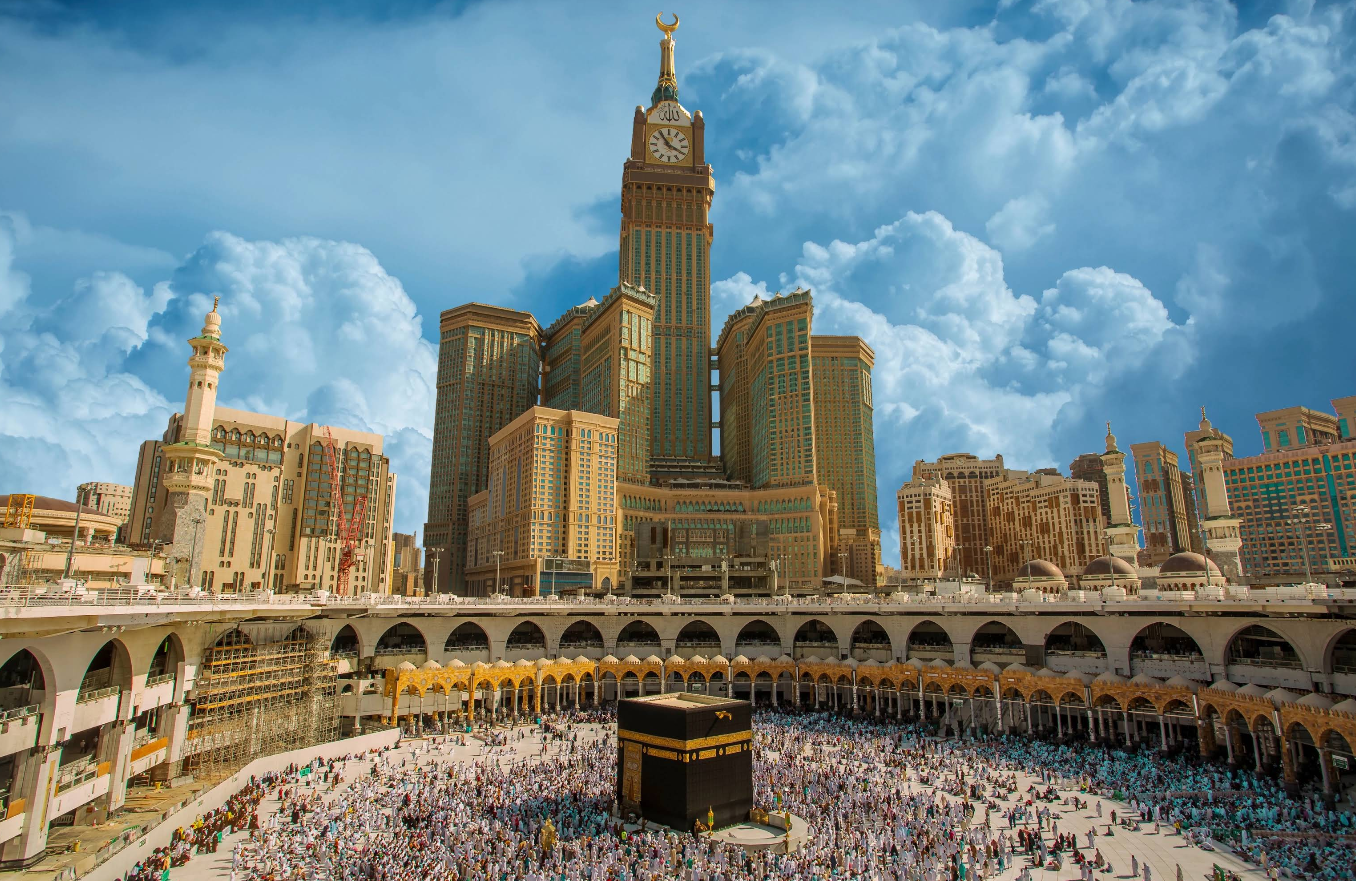
Saudi Arabia barely had an international leisure-tourism industry in its current form a decade ago. The country began opening much more broadly to vacationers in 2019, and by 2025 it recorded 29.3 million inbound tourists. Not all were leisure travelers – religious tourism remains enormously important – but places such as AlUla, Riyadh, Jeddah, Diriyah, and new Red Sea resorts are now heavily promoted to international vacationers. Travelers should research local laws and customs carefully rather than treating it like a typical resort destination.
Uzbekistan
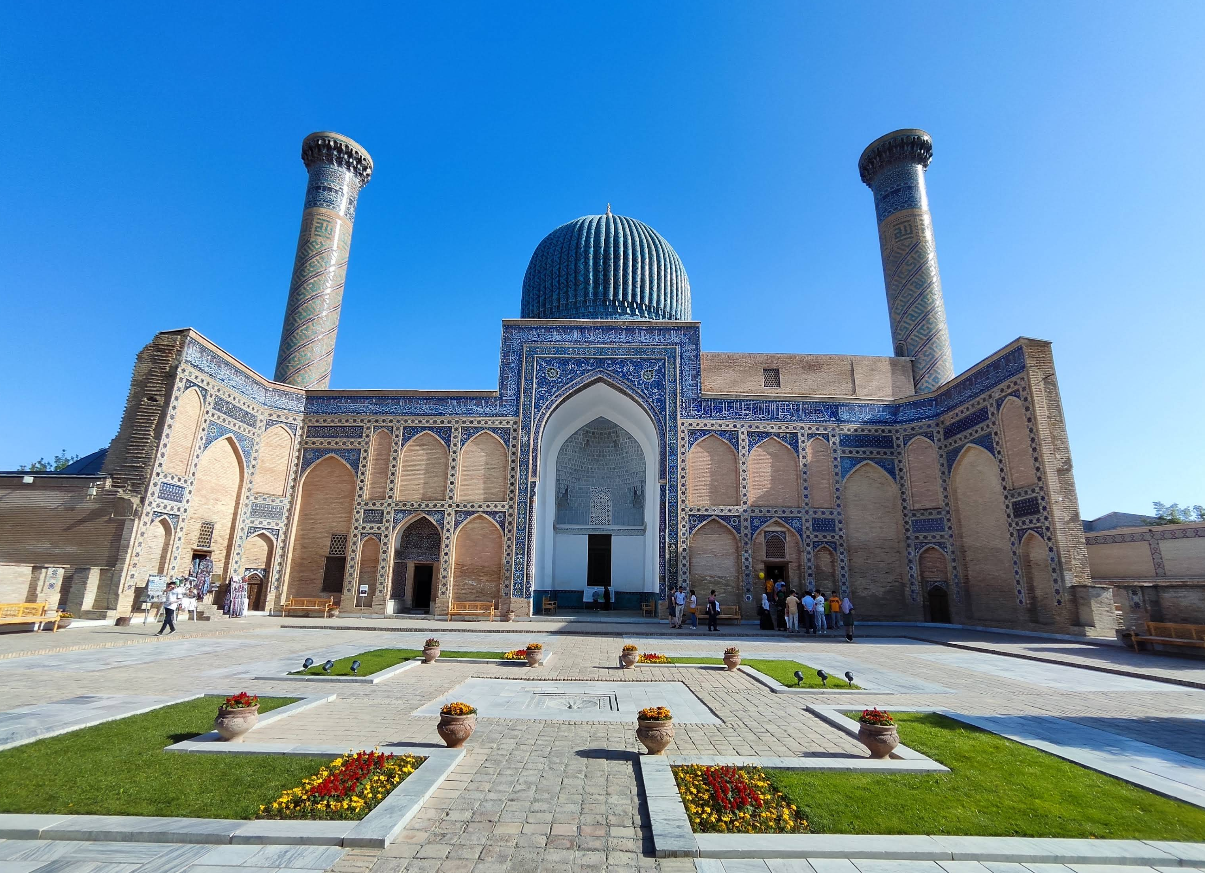
Uzbekistan is the biggest change from the original list, and its numbers make a strong case. Official statistics show about 1.9 million inbound tourism-purpose trips in 2015 and nearly 11.7 million in 2025. Samarkand, Bukhara, and Khiva have become increasingly accessible to travelers interested in Silk Road history and Islamic architecture. One caveat is important: Uzbekistan’s definition includes several tourism purposes, including visits to relatives, and repeat entries can be counted separately. Even with that limitation, the long-term increase is enormous.