Renting a car can seem like a vacation necessity, but in some places it means paying for something that spends most of the trip sitting in a garage. The American Public Transportation Association tracks billions of trips made on public transportation across the country each year, and travelers can take advantage of many of those same networks. These trips that work better when you arrive without a car make it easier to skip parking fees and traffic and explore instead by subway, streetcar, ferry, bike, or on foot.
Mackinac Island, Michigan
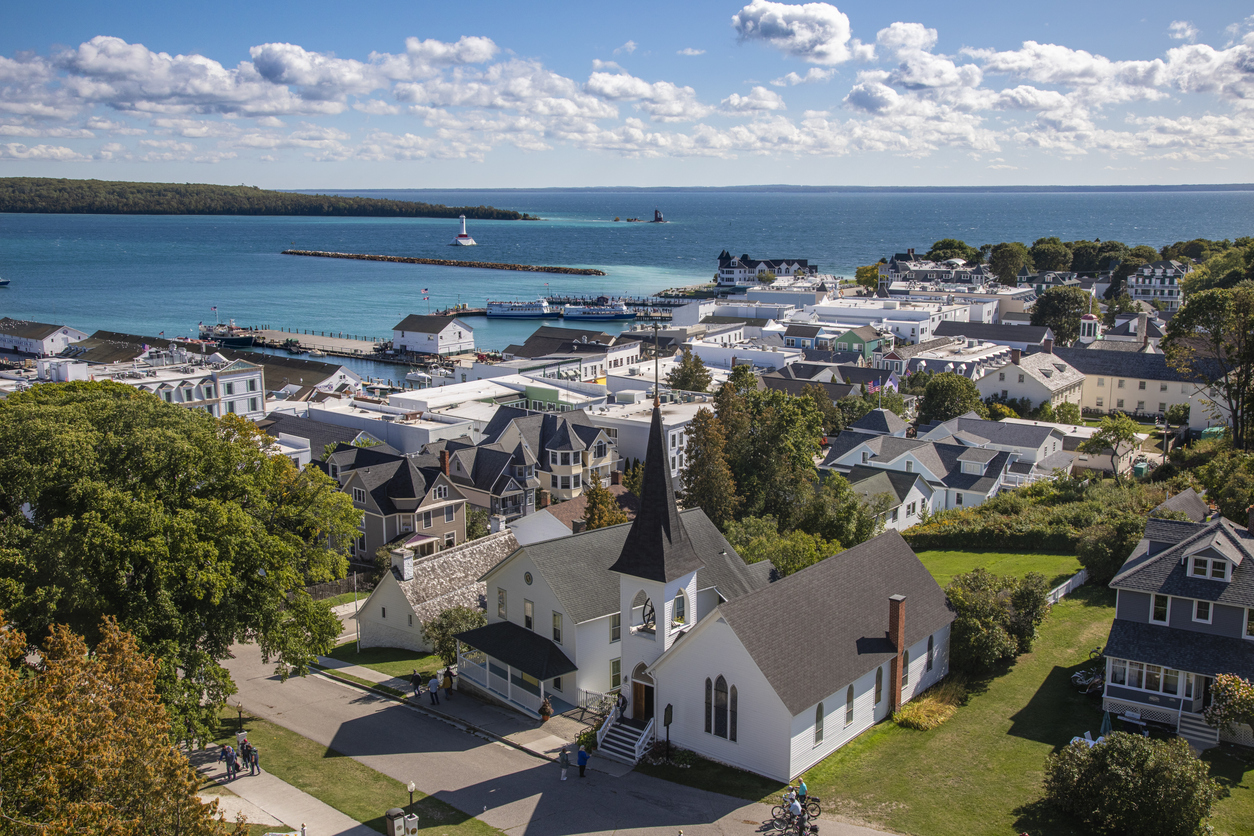
This one makes the decision for you: Mackinac Island is car-free. Most visitors arrive by ferry from Mackinaw City or St. Ignace and get around on foot, bicycle, horse-drawn carriage, or horse-drawn taxi. The famous loop around the island is about 8.2 miles, making a bike rental a practical sightseeing option for many visitors. Travelers with limited mobility can also rent wheelchairs and mobility scooters. Just remember that downtown is flat, but other parts of the island become considerably hillier.
New York City, New York
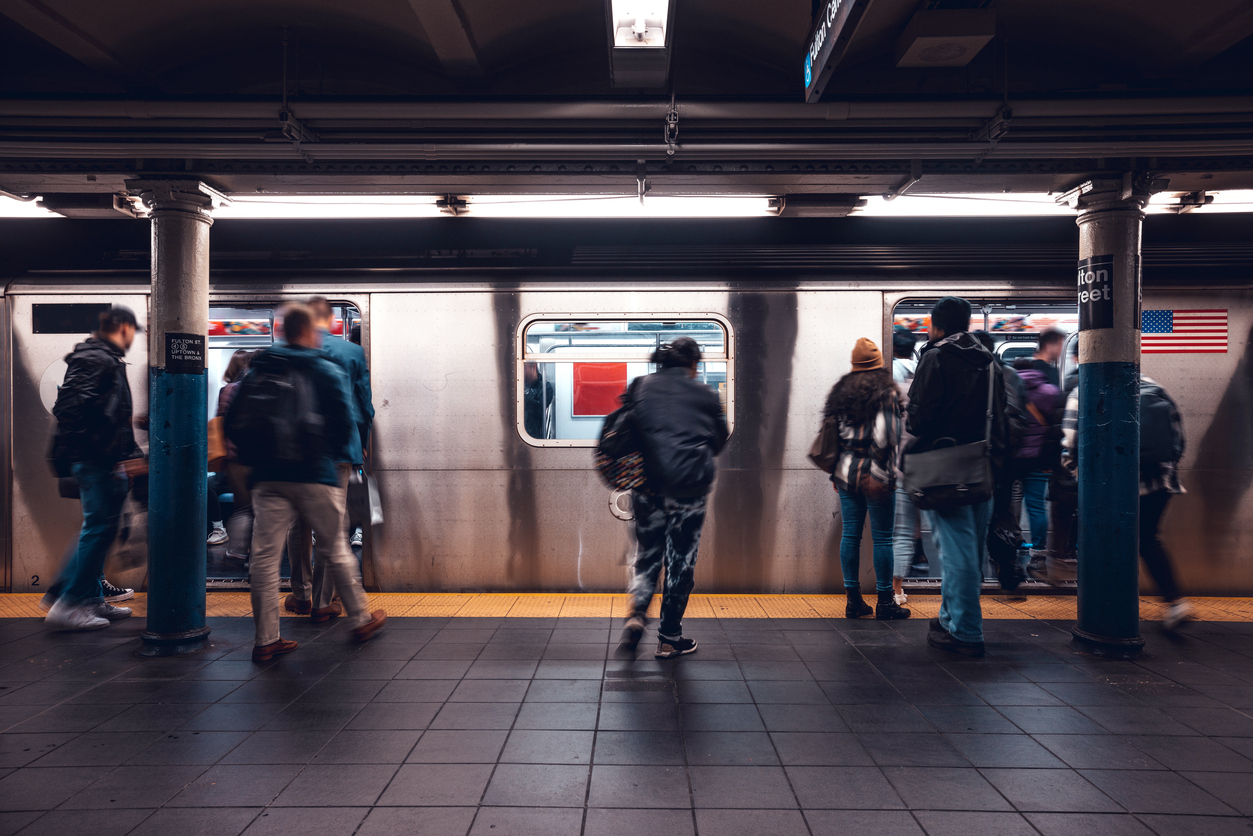
A rental car in Manhattan can quickly become an expensive object you spend the vacation trying to park. Subway trains, buses, taxis, rideshares, ferries, and commuter rail already connect the places most visitors want to see, while many neighborhoods reward simply walking. Pick a hotel near a subway station and group attractions geographically rather than zigzagging across town. The subway can involve stairs and crowded platforms, however, so travelers with mobility concerns should check accessible stations before planning each day’s route.
Washington, D.C.

Washington is particularly well suited to visitors who don’t want to drive. Metro reaches both Reagan National and Dulles airports, while stations serve many of the neighborhoods and attractions travelers use most. Once you’re around the National Mall, walking often makes more sense than repeatedly boarding transit anyway. Skipping the rental also means avoiding downtown traffic and parking. One warning: distances on the Mall can be deceptive. The monuments and Smithsonian museums look close together on a map but can add up to a substantial amount of walking.
Boston, Massachusetts
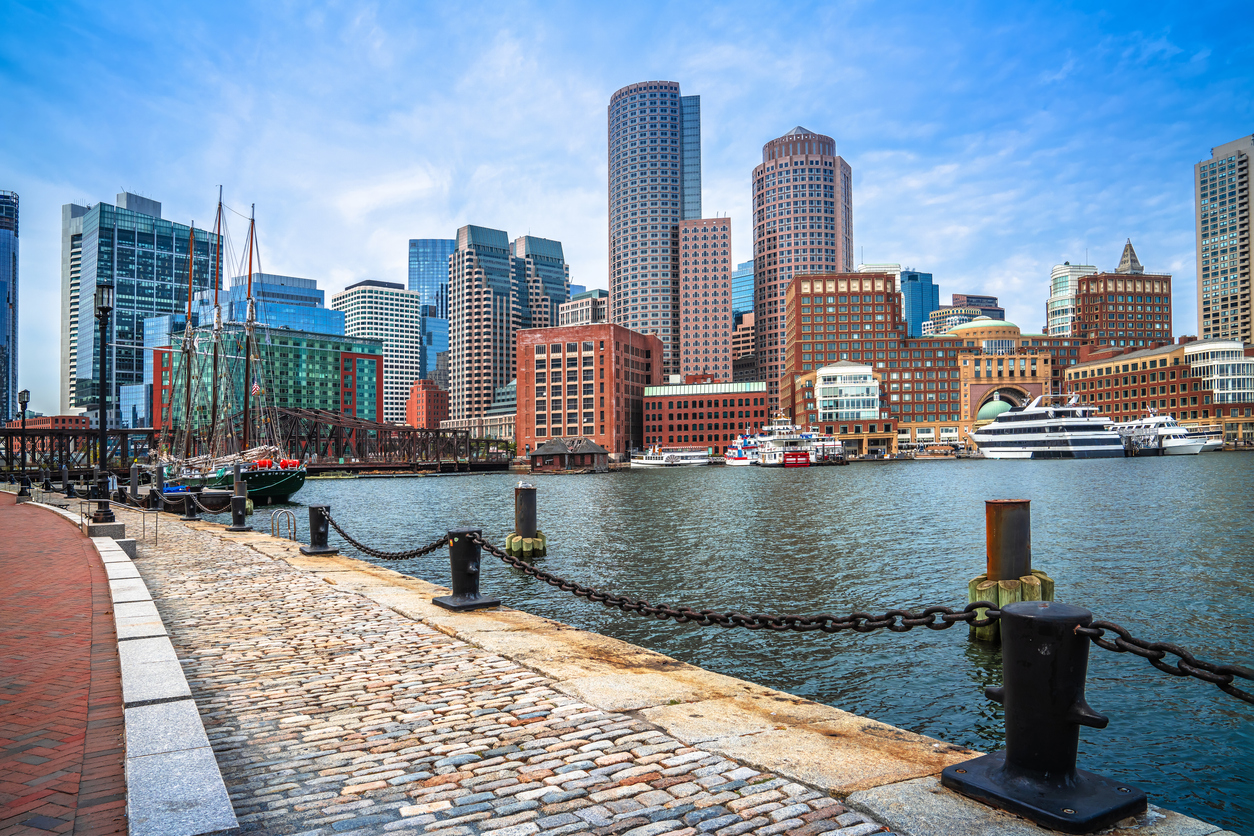
Boston’s crooked streets may be part of its character, but they’re not necessarily something a vacationer needs to navigate behind the wheel. The Freedom Trail links 16 historic sites across roughly 2.5 miles, and neighborhoods including Beacon Hill, the North End, Back Bay, and the waterfront lend themselves to walking. The MBTA’s subway, buses, commuter rail, and ferries handle longer distances. Older travelers should factor in uneven sidewalks and plenty of walking, while anyone relying heavily on the “T” should check for service changes before heading out.
New Orleans, Louisiana
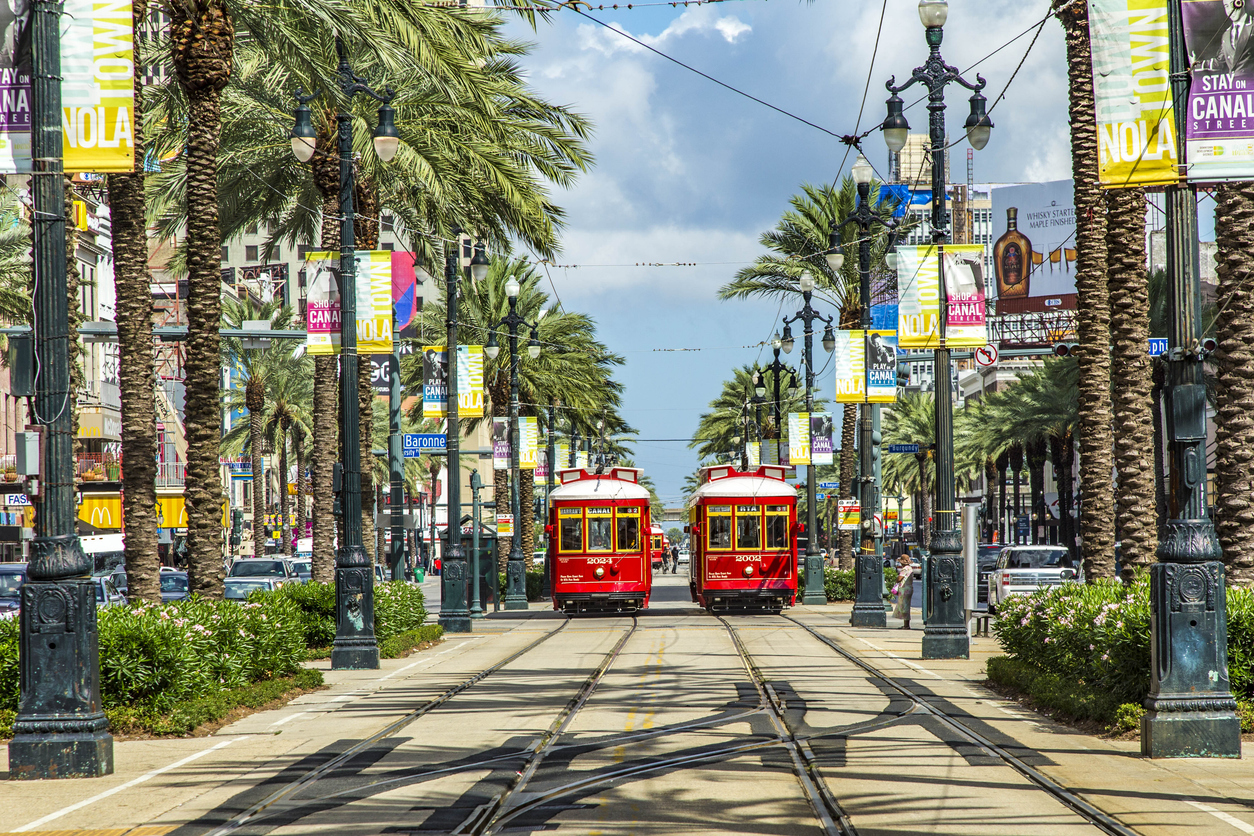
Driving through the French Quarter isn’t much of a vacation upgrade when so much of the experience happens on foot. Stay centrally and you can walk the Quarter and nearby neighborhoods, then use streetcars, buses, ferries, taxis, or rideshares when your destination is farther away. The St. Charles line is an attraction in itself, carrying passengers along its historic route through some of the city’s prettiest neighborhoods. Service can be slower than driving at times, though, so don’t build a tightly timed itinerary around streetcars alone.
Trending on Cheapism

Chicago, Illinois
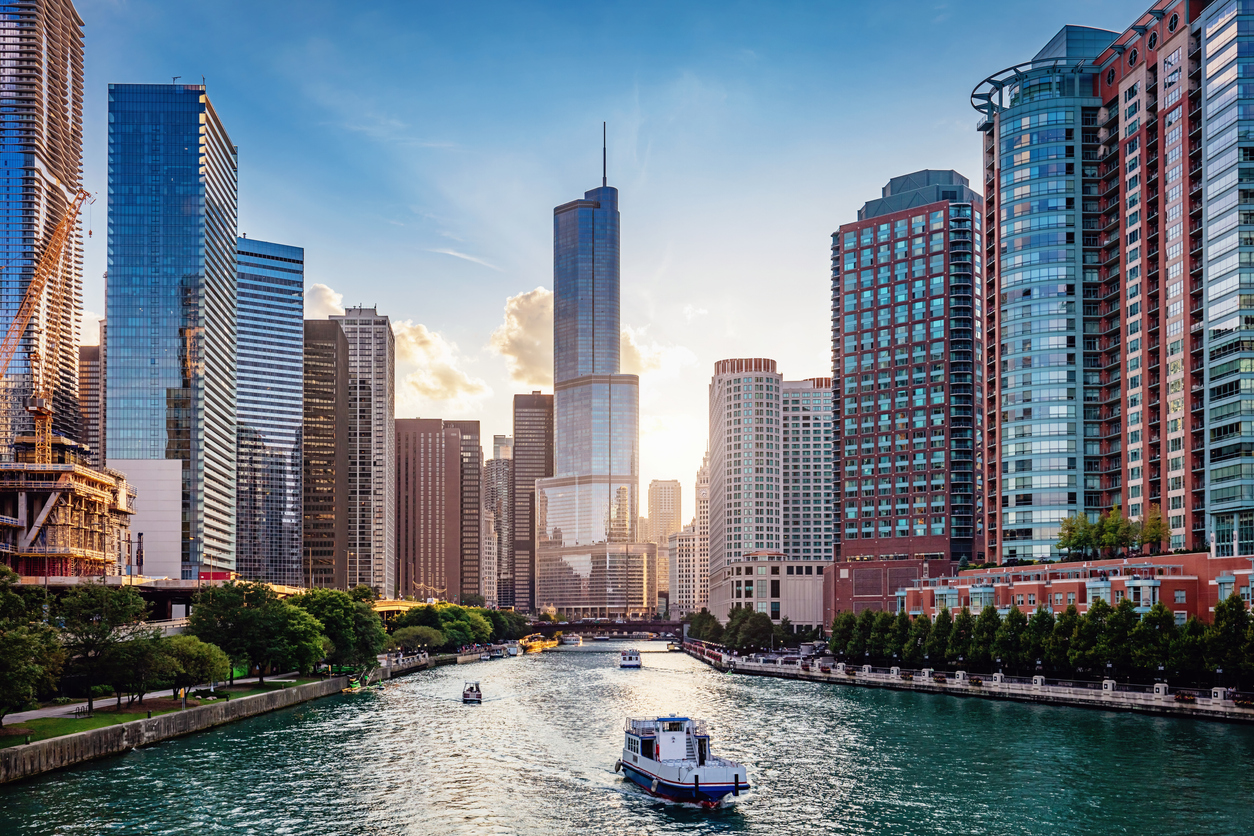
Chicago gives travelers a rare advantage: public transit starts working for you almost as soon as the plane lands. The CTA Blue Line connects O’Hare with downtown in roughly 40 minutes, while the Orange Line trip from Midway takes about 25. The rail system serves 145 stations, making it easy to combine train rides with neighborhood walks. Once downtown, the Riverwalk, Millennium Park, museums, architecture, and lakefront put plenty within reach. Chicago is enormous, however, so organize sightseeing by neighborhood rather than assuming everything is walkable.
San Francisco, California
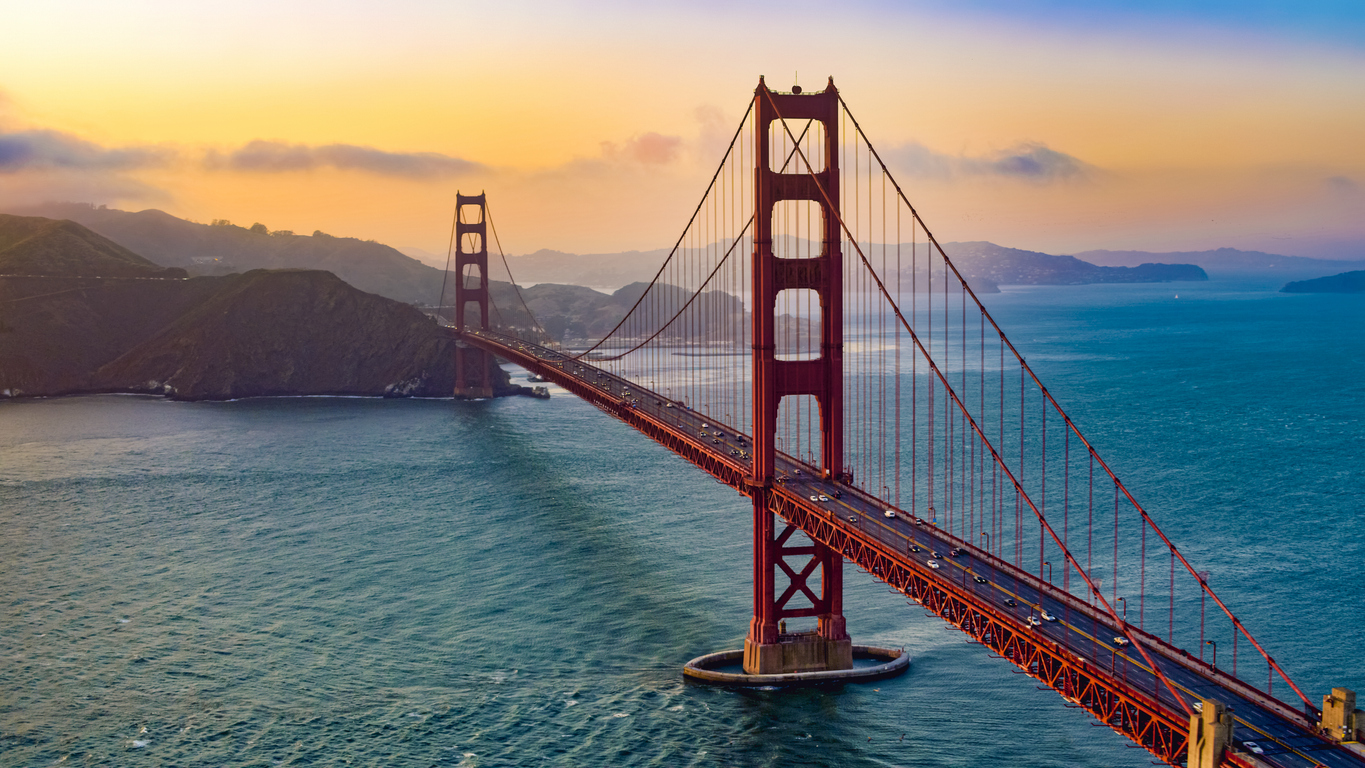
San Francisco is only about 49 square miles, and visitors have BART, Muni buses and trains, historic streetcars, cable cars, ferries, and rideshares instead of a rental car. That’s particularly appealing when the alternative involves navigating steep streets and finding parking. Some transportation even doubles as sightseeing: the F-line runs along Market Street to Fisherman’s Wharf, while cable cars tackle hills most visitors would rather not climb. Those hills remain the catch. Check routes carefully if long or steep walks are difficult for anyone in your group.
Savannah, Georgia
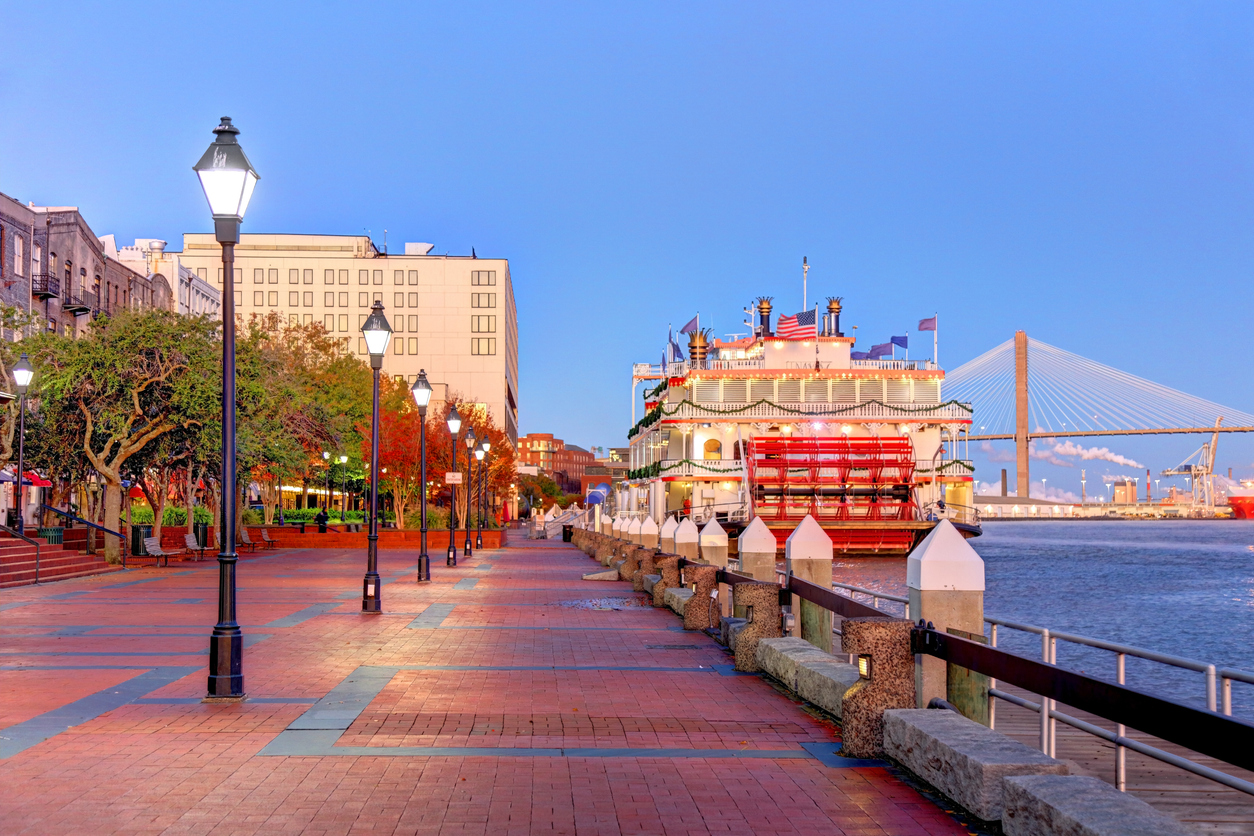
Savannah is a city where moving slowly is part of the point. Its Historic District puts more than 300 shops, restaurants, and attractions within a walkable area, and the flat terrain helps. When your feet need a break, the fare-free DOT shuttle circulates through the district, while the free Savannah Belles Ferry crosses the river. That makes paying for a rental car difficult to justify for a history-and-food weekend centered downtown. A car becomes more useful if you’re adding Tybee Island or other destinations outside central Savannah.
Sign up for our newsletter
Seattle, Washington
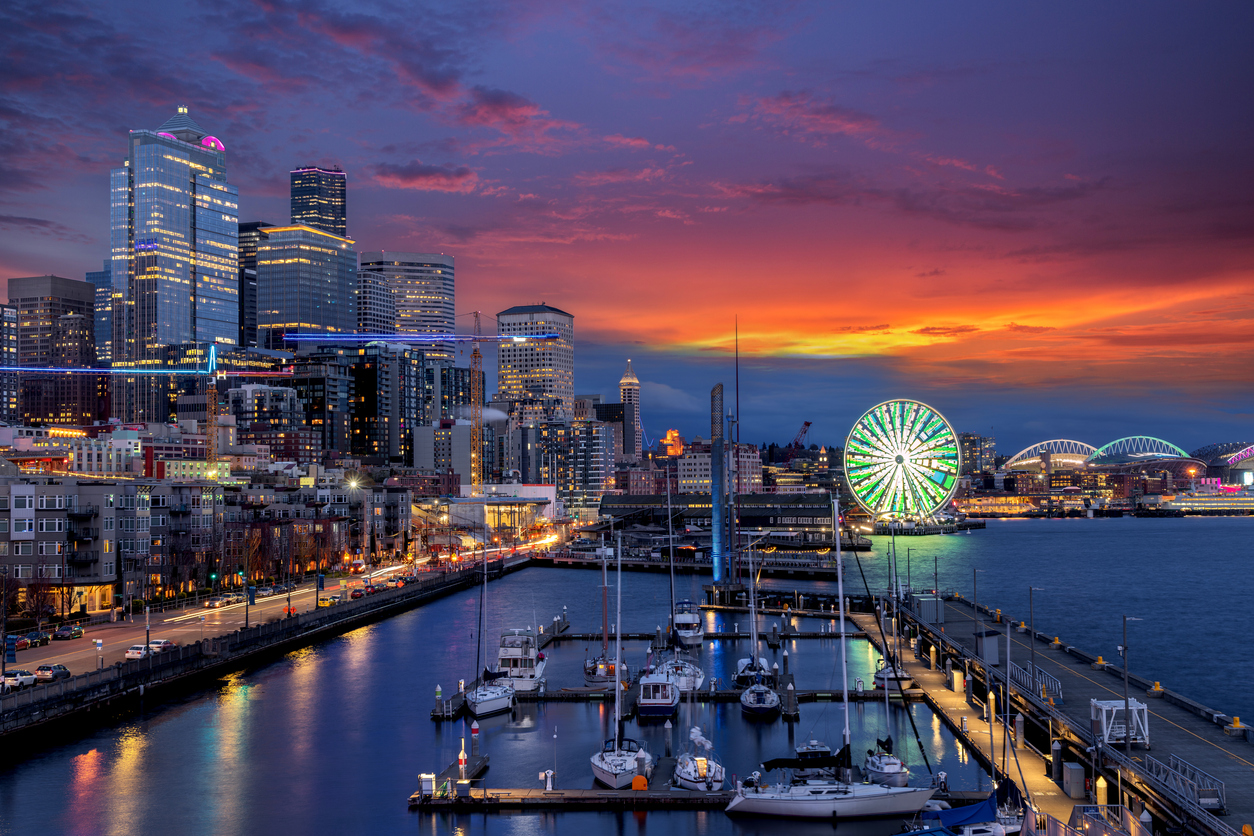
Seattle’s combination of light rail, buses, streetcars, the Monorail, ferries, and water taxis makes a car surprisingly easy to skip. Link light rail connects SEA Airport with the city, while downtown attractions such as Pike Place Market are easily incorporated into a walking-and-transit itinerary. Better yet, some of the transportation is part of the vacation. A ferry across Puget Sound provides city, water, and mountain views without a sightseeing-tour price tag. Seattle is hilly, though, and destinations outside the central neighborhoods may require more planning.
Portland, Oregon
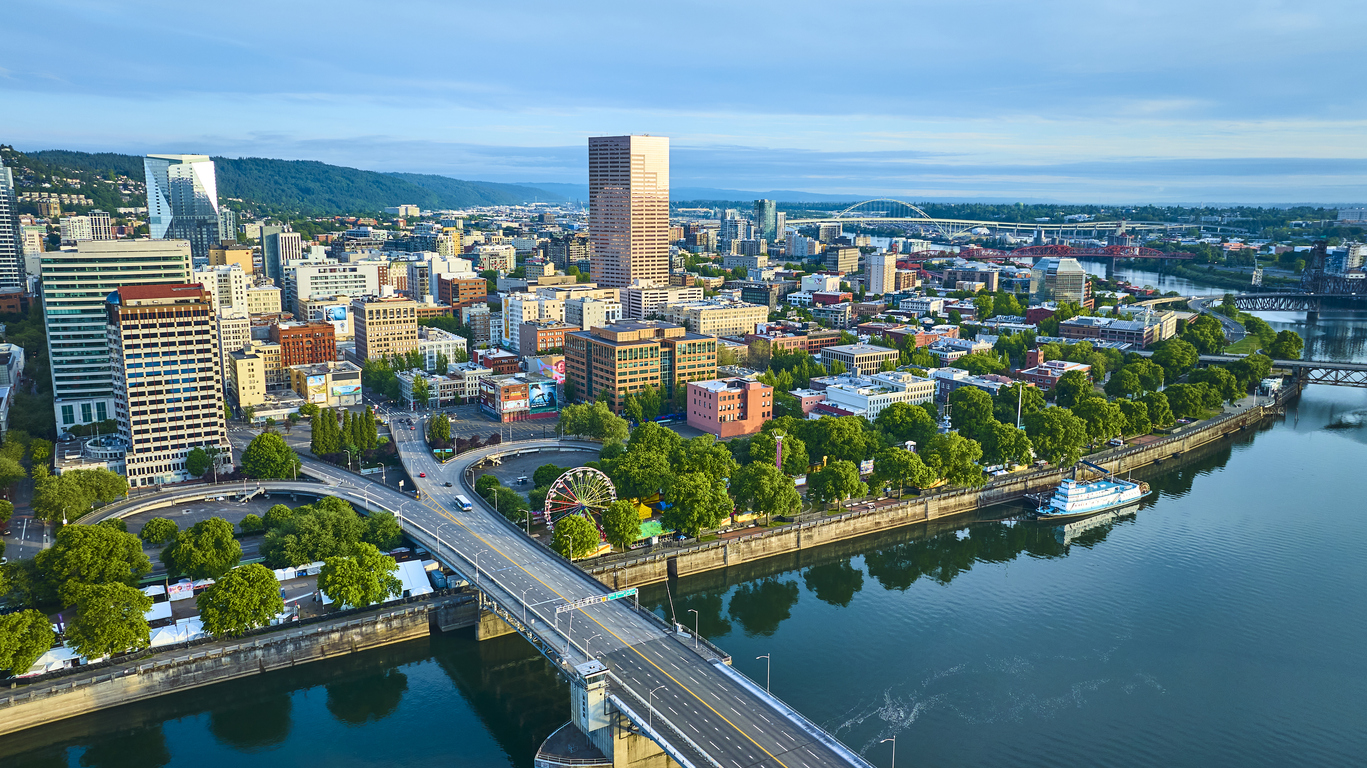
Portland’s MAX light rail has almost 100 stations across about 60 miles of track, including a connection to Portland International Airport. Add buses, streetcars, bike infrastructure, and walkable commercial neighborhoods, and a restaurant-and-neighborhood-focused vacation doesn’t necessarily need a car. Going without one can even extend beyond downtown: regional transportation provides options for reaching some Columbia River Gorge and Mount Hood destinations. That’s where advance planning matters, however. Outdoor transit is far less flexible than driving, particularly when schedules are limited or weather changes your plans.
Key West, Florida
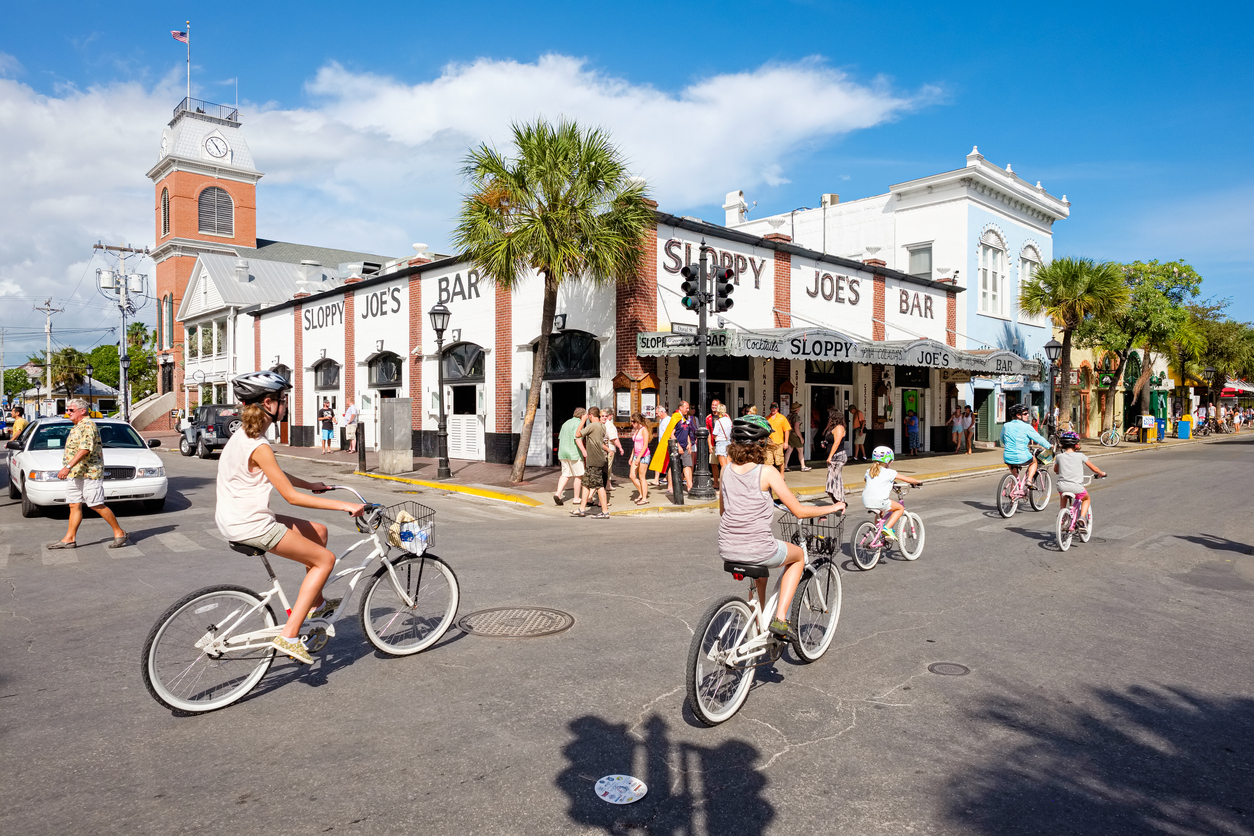
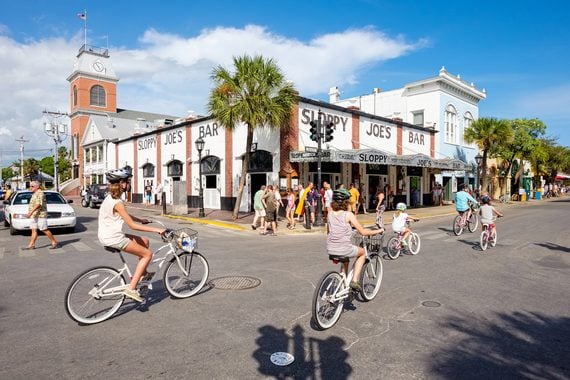
Key West is one of the easiest places in the Florida Keys to explore without a car, especially if you’re staying in Old Town. Walking and biking cover a remarkable amount of ground, while pedi-cabs, buses, taxis, and rideshares can handle longer trips. That means a rental could spend much of the vacation occupying a parking space while you walk to restaurants, historic houses, the waterfront, and Mallory Square. The equation changes if you’re exploring the Lower or Middle Keys, where distances make a vehicle considerably more useful.
Philadelphia, Pennsylvania
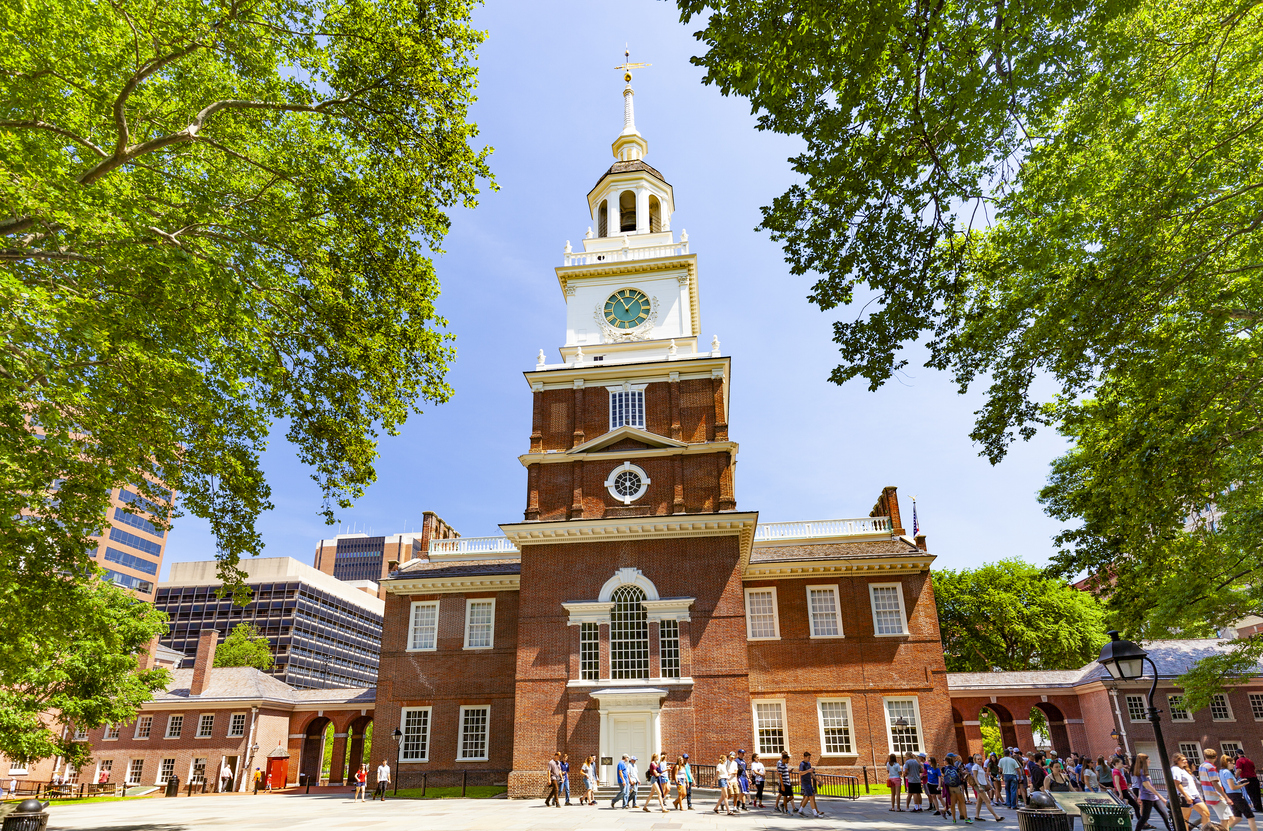
Philadelphia’s biggest sightseeing advantage may be how much history and food are packed into Center City. Independence Hall, the Liberty Bell, Old City, Reading Terminal Market, City Hall, and numerous museums can be combined using walking and SEPTA rather than a rental car. For 2026, the seasonal PHLASH visitor bus costs $5 for an all-day pass and is free for seniors, with stops near many major attractions. Travelers arriving by Amtrak have another advantage: 30th Street Station puts them directly in the city without an airport or rental counter.