
Cars may run fine during the summer and fall, but when temperatures drop, they can start to develop problems that are frustrating for drivers. Drawing on information from the National Highway Traffic Safety Administration -NHTSA- and the Car Care Council, we’ll reveal components ranging from batteries to wiper blades that drivers often forget to replace and need winter car maintenance, before cold weather exposes them!
A Weak Car Battery
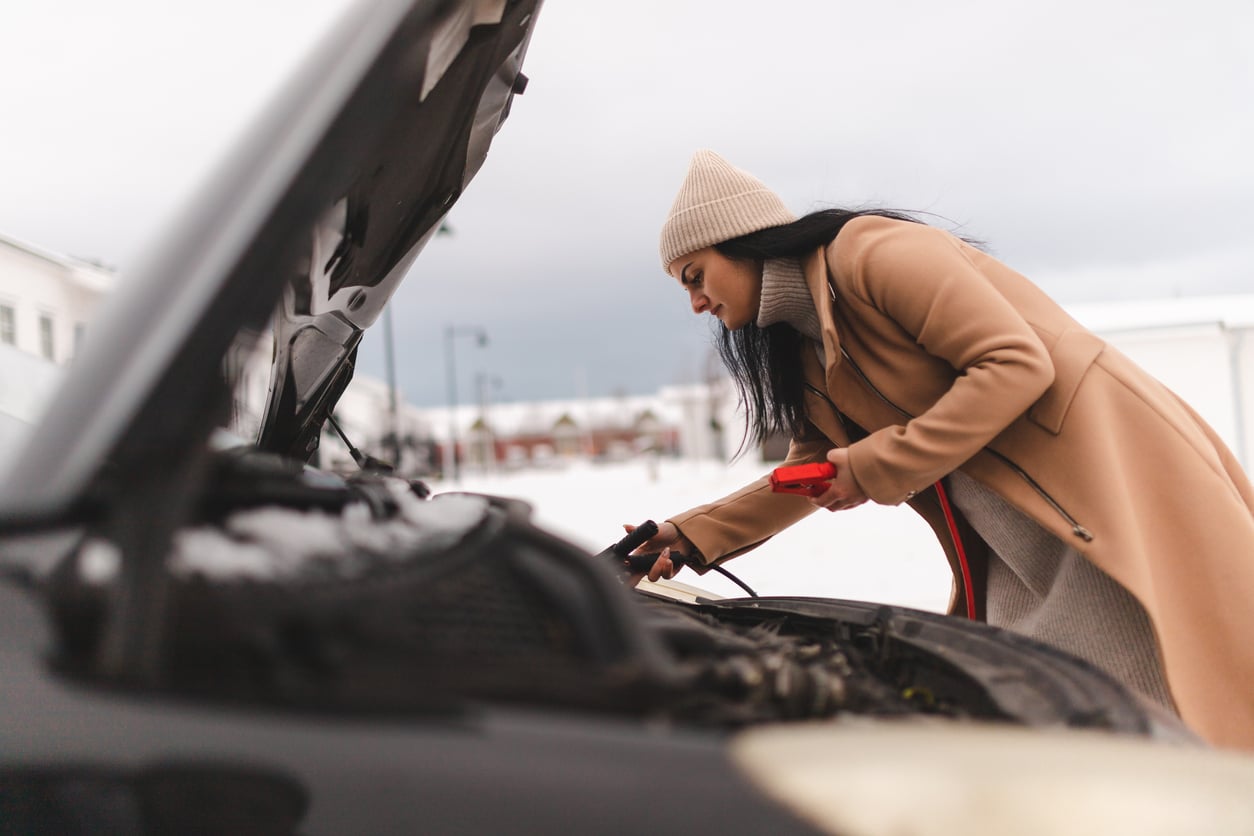
Cold temperatures can reduce a battery’s efficiency, as the engine may require more power to start during the winter. If a battery is already several years old and the charging system has issues, these problems will be more noticeable during cold weeks than in summer. Pay attention to slow cranking, dimming of electrical components during startup, or repeated difficulty starting the vehicle.
Windshield Wiper Blades
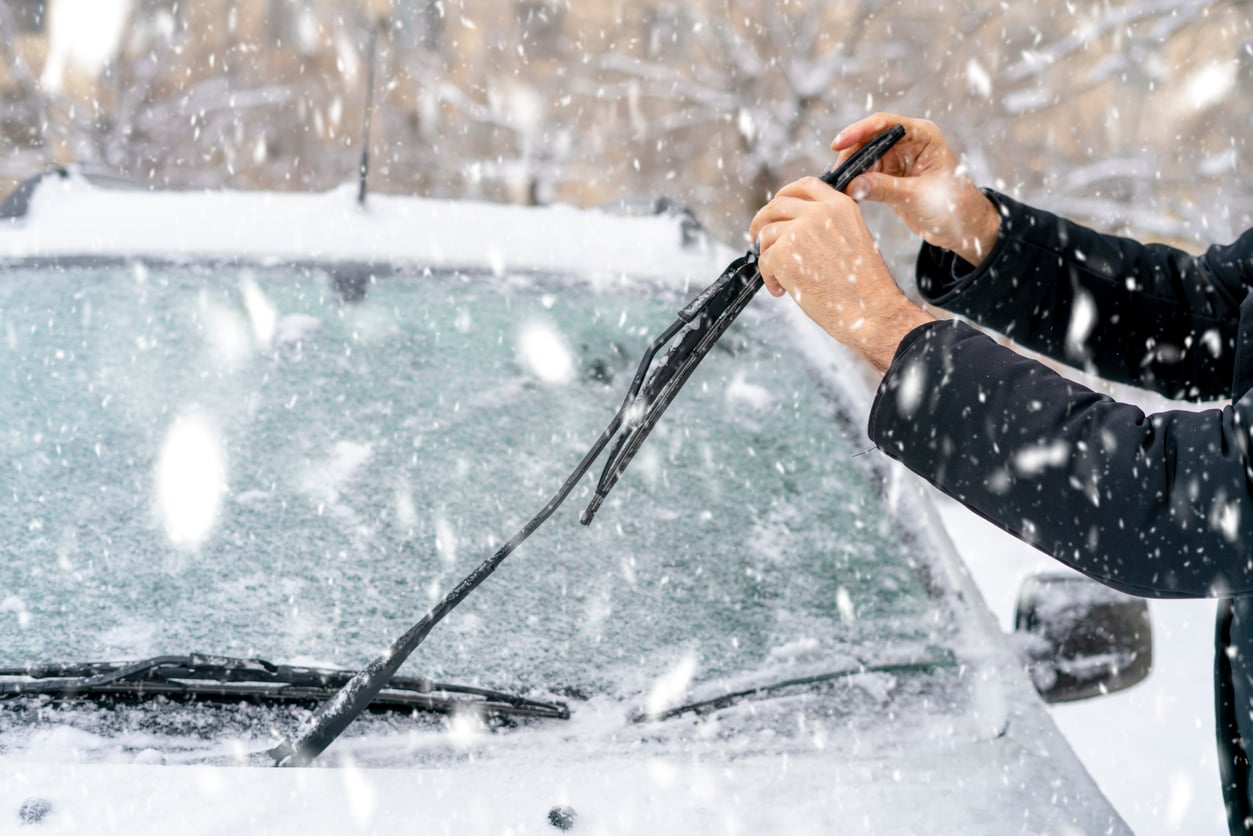
Worn wiper blades can leave streaks or miss areas of the windshield, problems that might seem tolerable during light rain but become more dangerous when freezing precipitation and slush arrive. According to the NHTSA, cracked rubber and damaged blades reduce contact with the windshield, ultimately compromising visibility during storms. Replacing worn blades is an important part of winter car maintenance.
Summer Windshield Washer Fluid
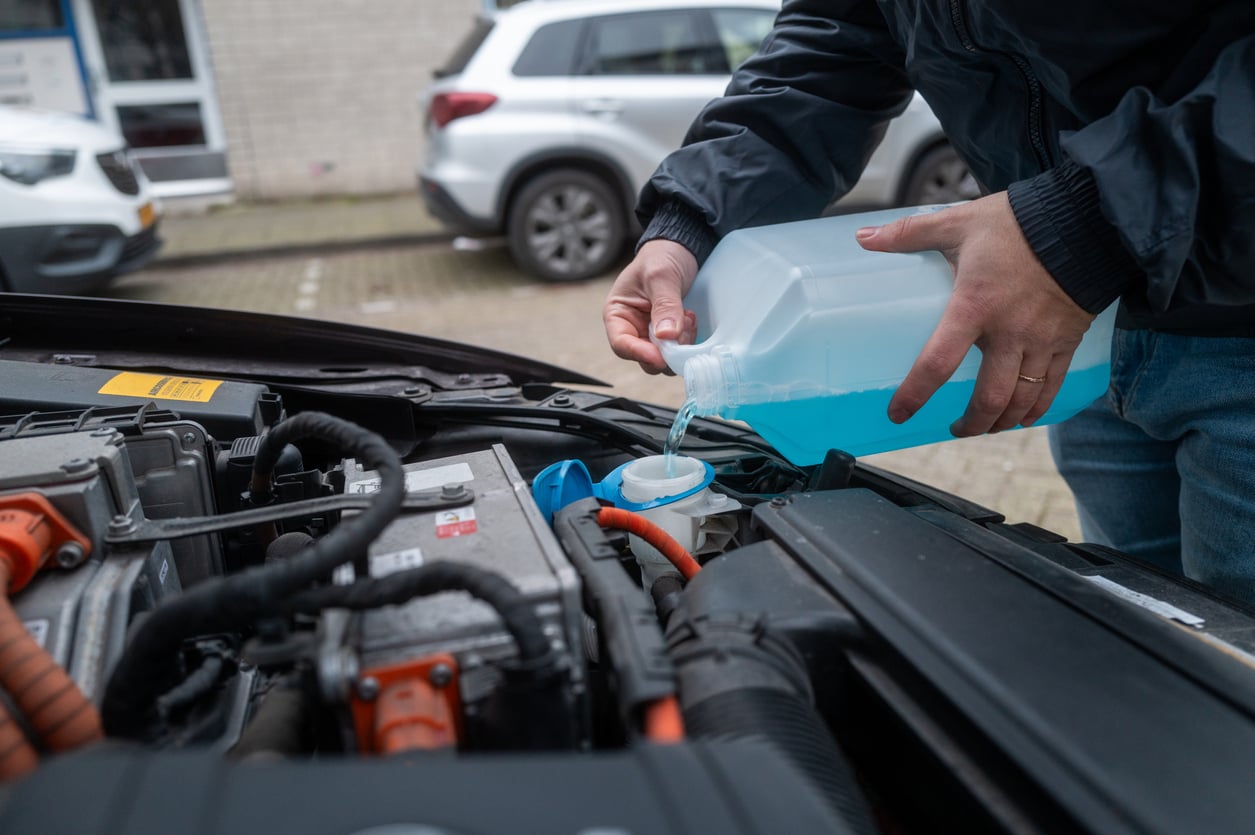
Washer fluid may work perfectly during warm weather, but it does not provide adequate freeze protection when temperatures drop. Drivers should use a winter-grade fluid compatible with their vehicle, as specified in the manufacturer’s guide, and verify that the spray system is still functioning. Winter car maintenance also includes ensuring that washer fluid can withstand freezing temperatures.
Tires With Insufficient Tread
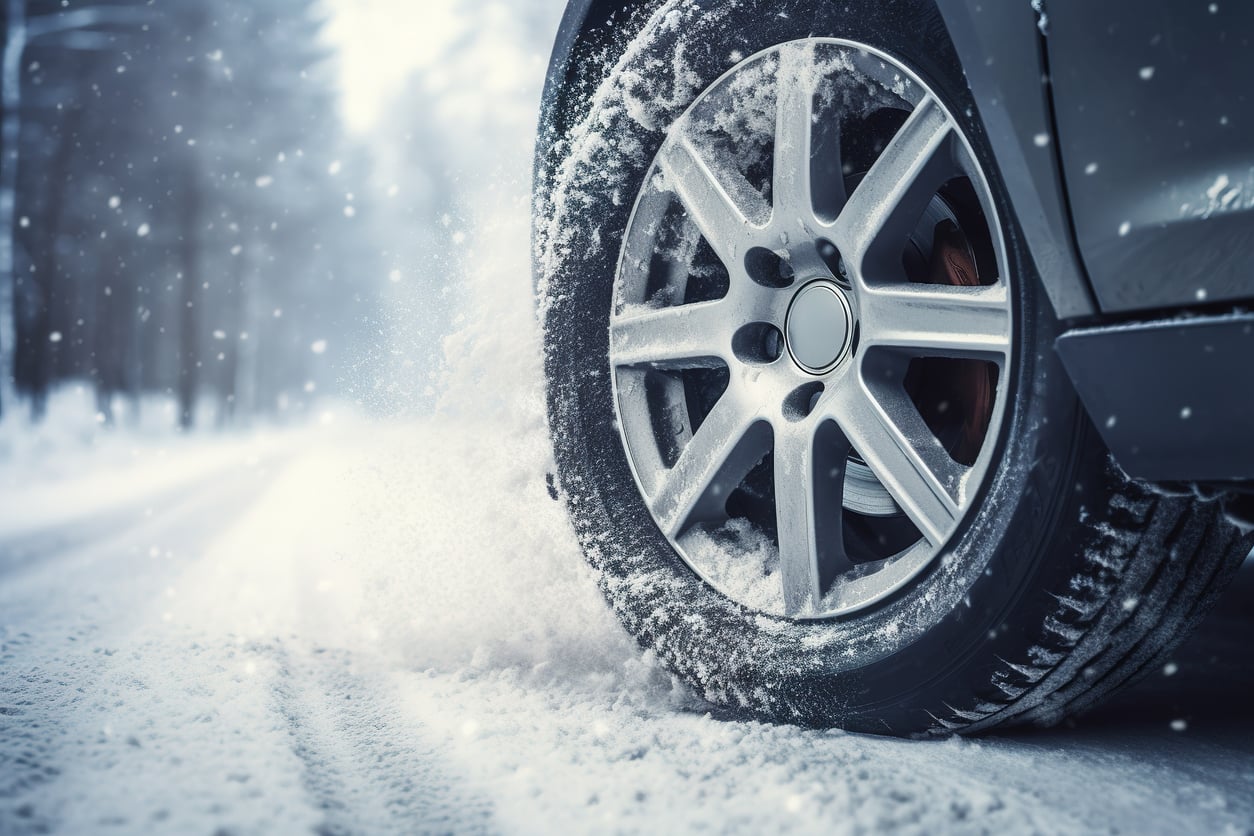
Worn tires can be a particularly dangerous on winter roads because surfaces are wet, icy, or covered in snow, making it harder to grip the road. Additionally, cold weather reduces air pressure, so drivers should be aware of low tread depth, uneven wear, cracks, and regularly inspect their tires. Proper winter car maintenance includes checking tire pressure and condition.
Antifreeze That No Longer Meets Specifications
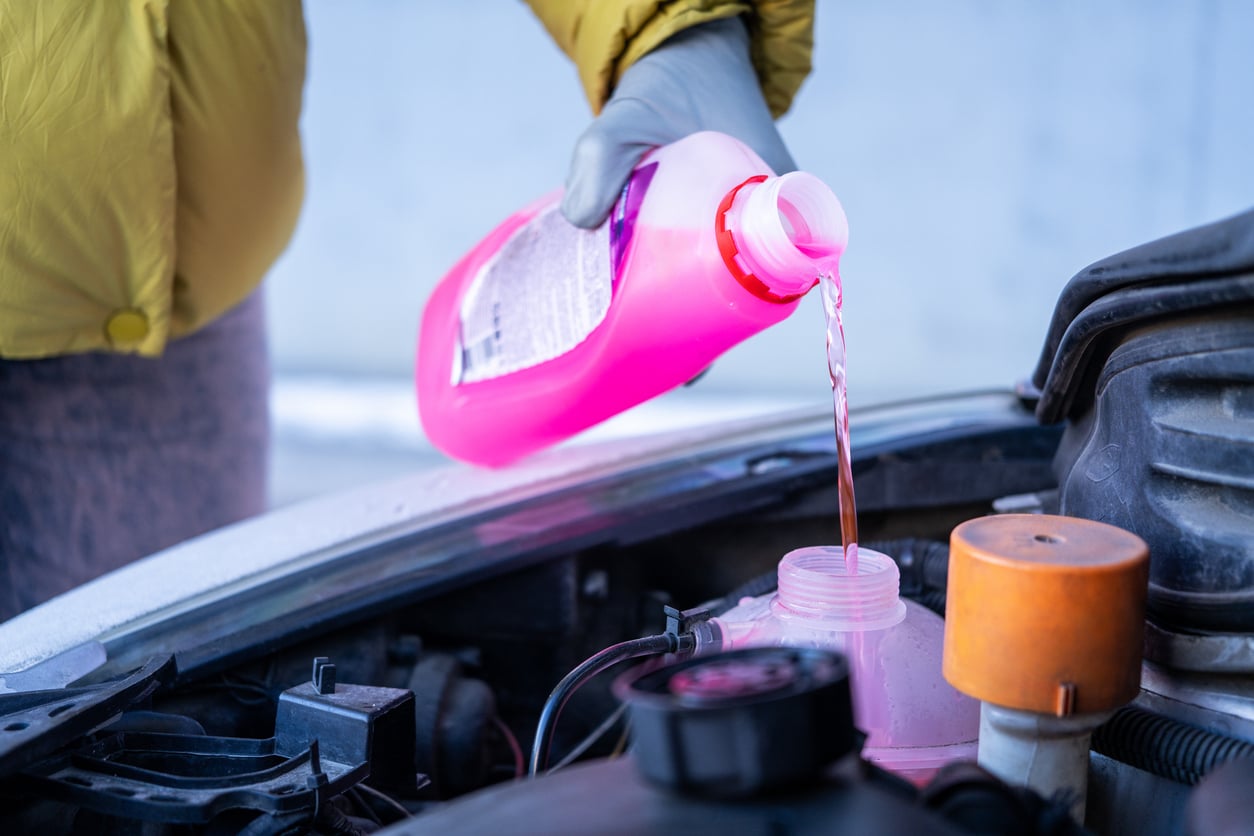
Engine coolant provides freeze protection and temperature control for a car, making it an essential component in extreme weather. However, an incorrect coolant mixture or a leaking cooling system can compromise its effectiveness. Coolant loss and temperature warnings are signs that you should inspect this component. Winter car maintenance should include checking the coolant level and mixture.
Trending on Cheapism

Cracked or Aging Driver Belts
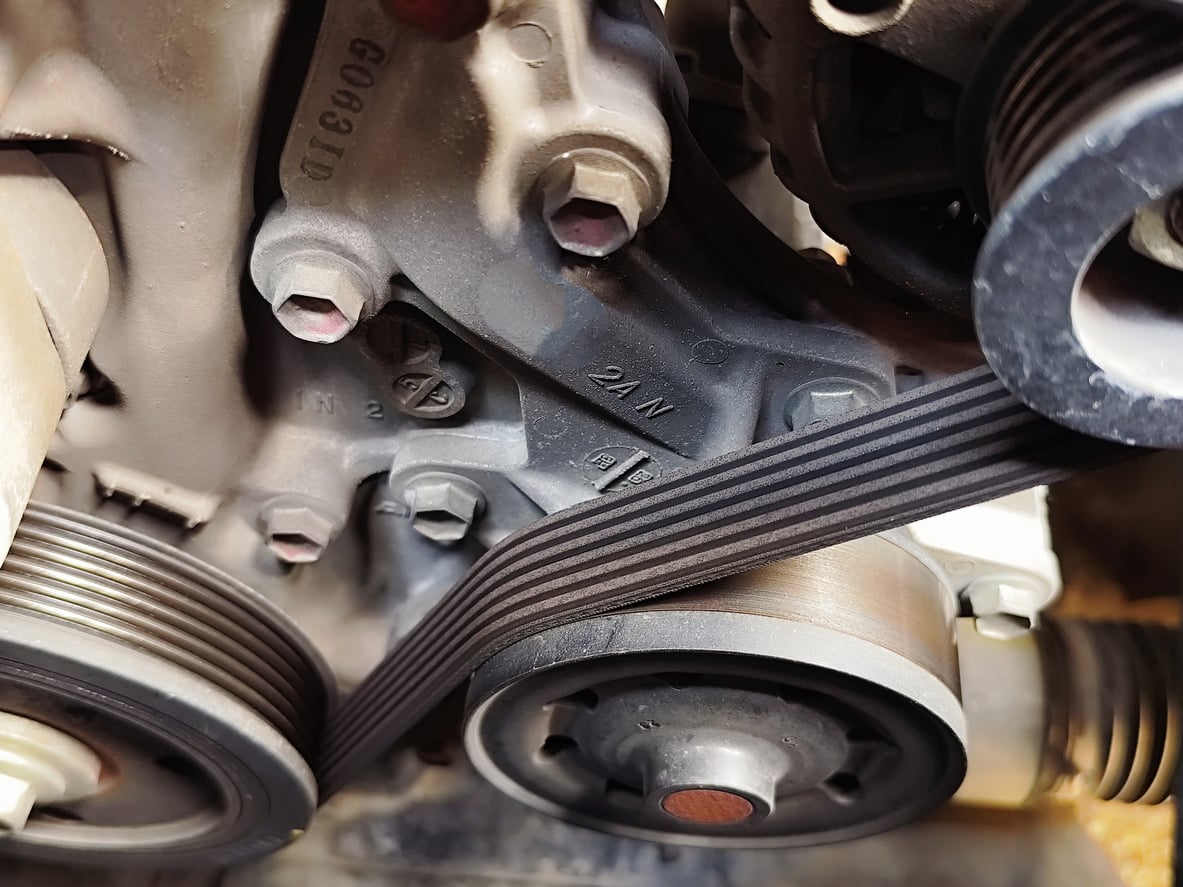
In many vehicles, drive belts power components such as alternators and, in some designs, water pumps and other systems, so deterioration can lead to reliability issues during the winter. Your car could be stranded in severe conditions if the belt is cracked or aging, so pay attention to any cracking, fraying, or abnormal squealing and get it fixed immediately.
Worn Heater or Cooling-System Hoses

Drivers might overlook aging systems until vehicles exhibit coolant loss or heating problems in the winter. But cooling systems can deteriorate over time. Drivers will notice visible leaks, cracked rubber, and swelling, which should be replaced with a component in good condition to ensure effective operation. Winter car maintenance includes inspecting these parts for signs of deterioration.
Burned-Out Headlights and Exterior Bulbs
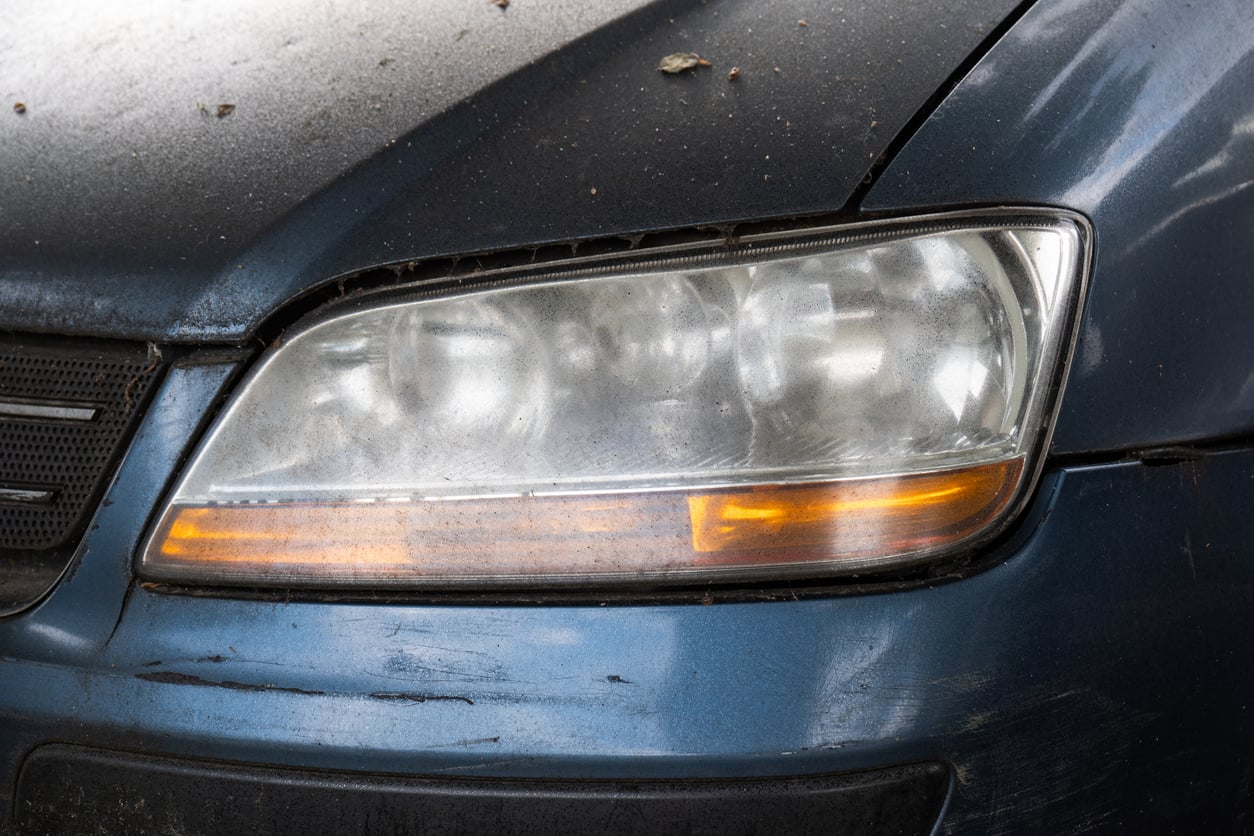
During winter, daylight hours are shorter, so drivers may commute in darkness more often, which will highlight the problem with your car’s headlights, brake lights, and even turn signals if they’re already burned out. Test all your headlights, taillights, brake lights, signals, and emergency flashers to ensure these components are working perfectly before winter arrives. Winter car maintenance also means making sure your vehicle’s lights are ready for darker days.
Sign up for our newsletter
An Old Cabin Air Filter
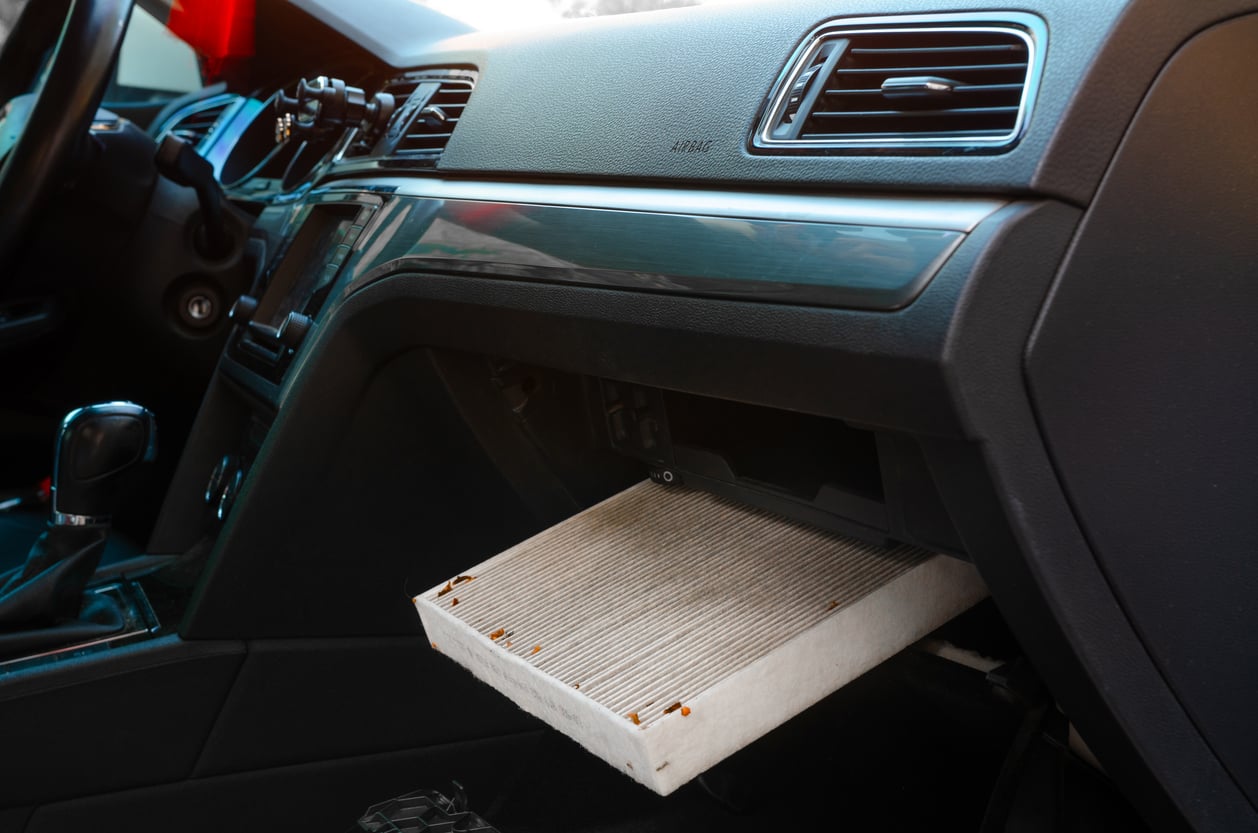
Cabin air filters trap airborne particles as air passes through the vehicle’s ventilation system. These filters require replacement when they are severely clogged because they reduce airflow to the heating and defrosting system, reducing airflow to the heating and defrosting system and potentially making it harder to clear the windshield, according to the Car Care Council.
An Engine Air Filter That’s Already Clogged
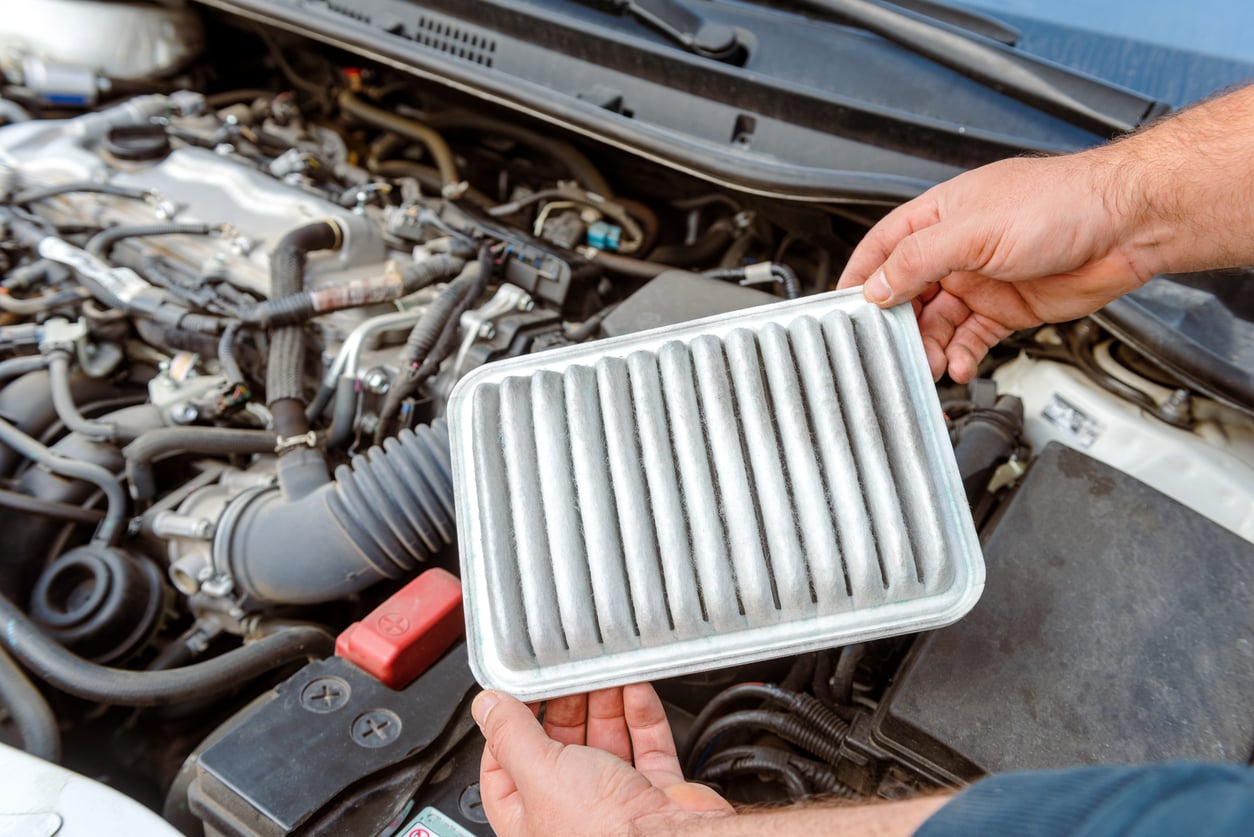
When a car’s engine air filter becomes clogged, it may still function despite the dirt and debris, but its performance will suffer, a situation that could become particularly problematic in winter, when the engine is under greater load during winter. If you notice a visibly contaminated filter, observe relevant diagnostic warning signs, or miss a scheduled maintenance interval, you could be facing a more serious issue. Winter car maintenance is a good opportunity to inspect the engine air filter and replace it if necessary.
Damaged Door Seals and Weatherstripping
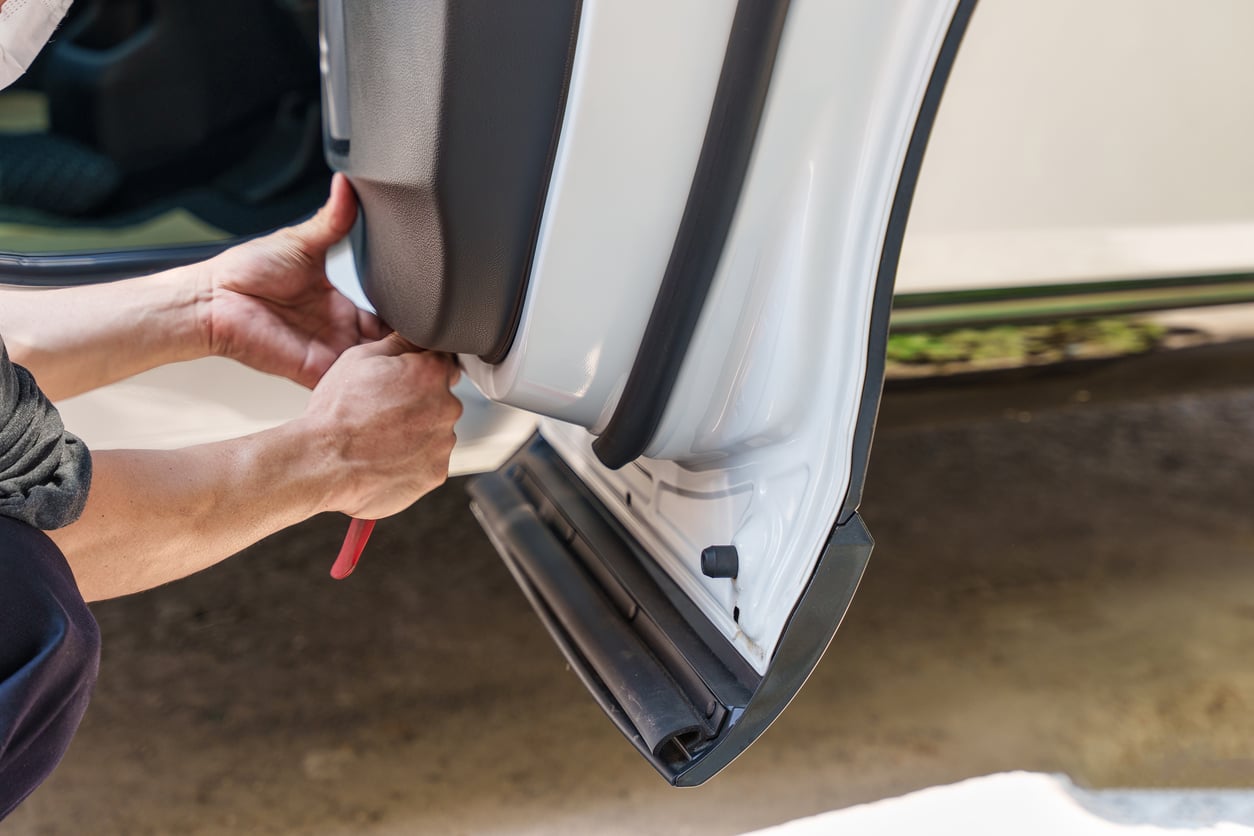
The rubber seals around your vehicle reduce drafts, keeping moisture out of your car’s cabin during the winter. Over time, these seals can become damaged, allowing water to leak into the cabin or causing problems in freezing temperatures. Pay attention to persistent water leaks, unusual wind noise, and visible torn seals so you can fix them promptly. Winter car maintenance also includes inspecting door and window seals.
An Emergency Flashlight With Dead Batteries
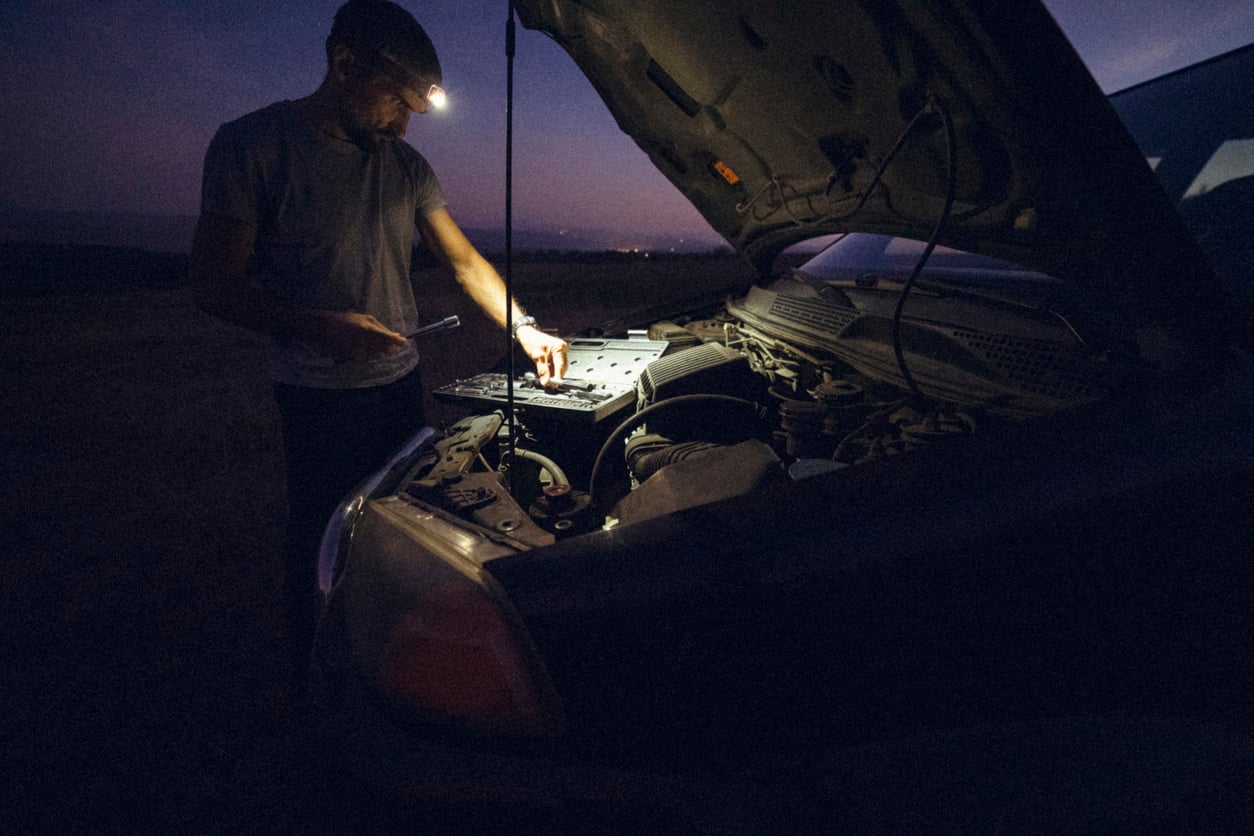
A flashlight in your car could remain in the glove box for months, and drivers might not even realize its battery has started to fail. If you happen to need the flashlight in a roadside emergency during the winter, it would be best to have already verified that it works and to have a spare battery on hand in case the one inside fails. Winter car maintenance should also include checking basic emergency supplies.
Conclusion

Cold weather exposes vehicle issues that may have gone unnoticed for months during the warmer months, problems stemming from a lack of proper maintenance. From batteries and tires to windshield washer fluid and exterior lights, these components require special attention. A winter car maintenance inspection allows you to address many of these issues, potentially saving you from the unnecessary expense of replacing parts that are still in good condition.