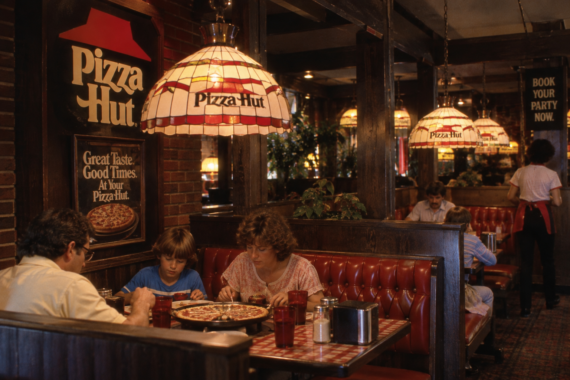
Walking into a fast-food restaurant in the 1980s could feel surprisingly different from grabbing a burger today. These weren’t always places designed to get you through the drive-thru as quickly as possible. Plenty had big dining rooms, elaborate decor, and enough entertainment to convince families and teenagers to hang around long after the food was gone.
Depending on where you stopped, you might find a salad bar, arcade games, a smoking section, or a playground filled with giant McDonaldland characters. Pizza Hut felt closer to a sit-down restaurant, while Wendy’s locations sometimes came with enormous glass sunrooms.
Some of those features disappeared for very good reasons. Others simply couldn’t survive the shift toward drive-thrus, delivery, mobile ordering, and smaller dining rooms. Here are 14 ’80s fast-food restaurant features that made grabbing a burger or pizza feel like an experience — and that you rarely see anymore.
Smoking Sections and Ashtrays on the Tables
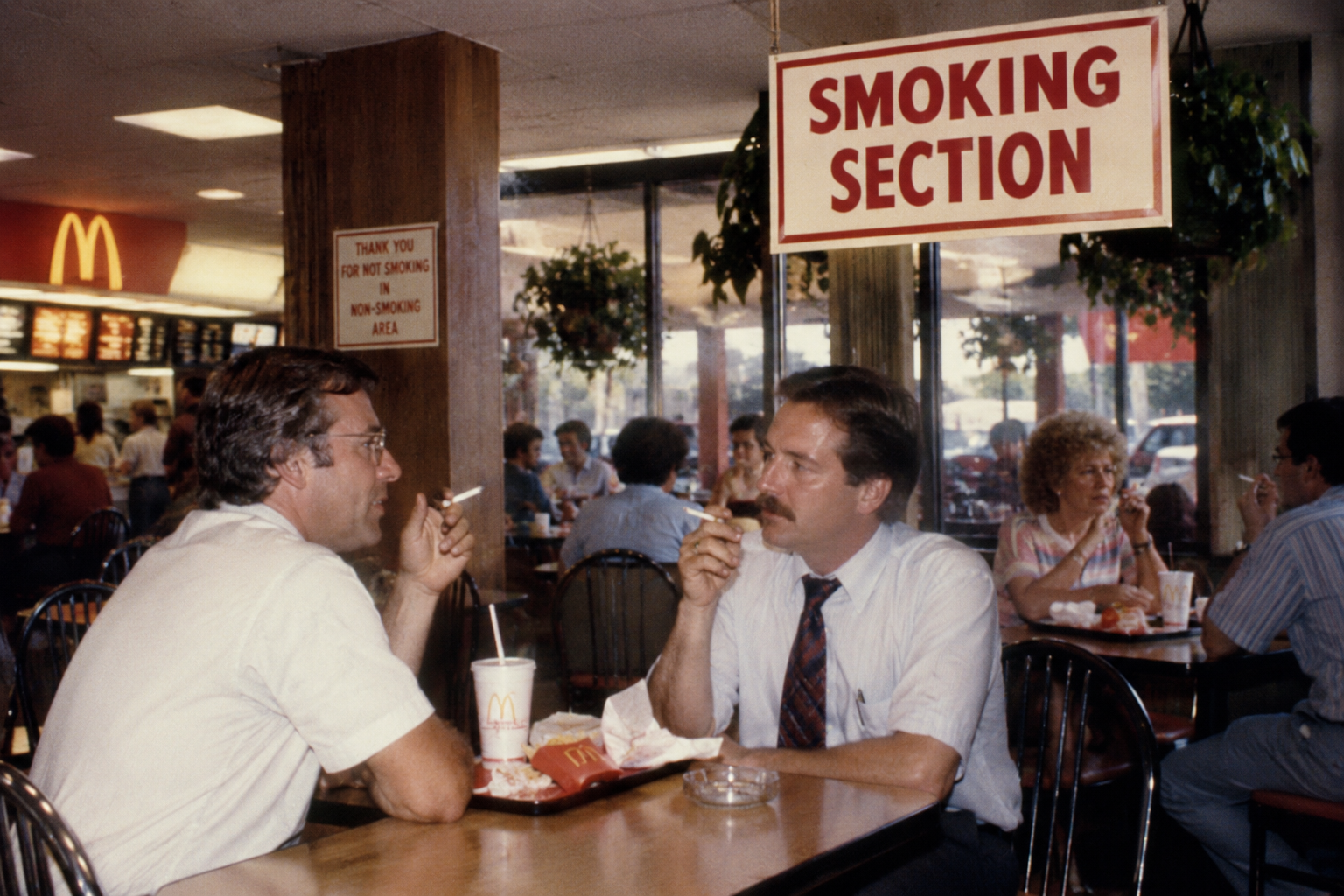
Yes, you could once eat a Big Mac while someone smoked a cigarette a few tables away. Smoking and nonsmoking sections were still common in American restaurants during the 1980s, and McDonald’s even provided ashtrays for customers. Some were made of glass, while others were disposable, and surviving examples have since become collectibles. As state and local restrictions on indoor smoking expanded, the ashtrays and smoking sections gradually disappeared — a piece of fast-food nostalgia that’s probably better left in the past.
Fast-Food Salad Bars
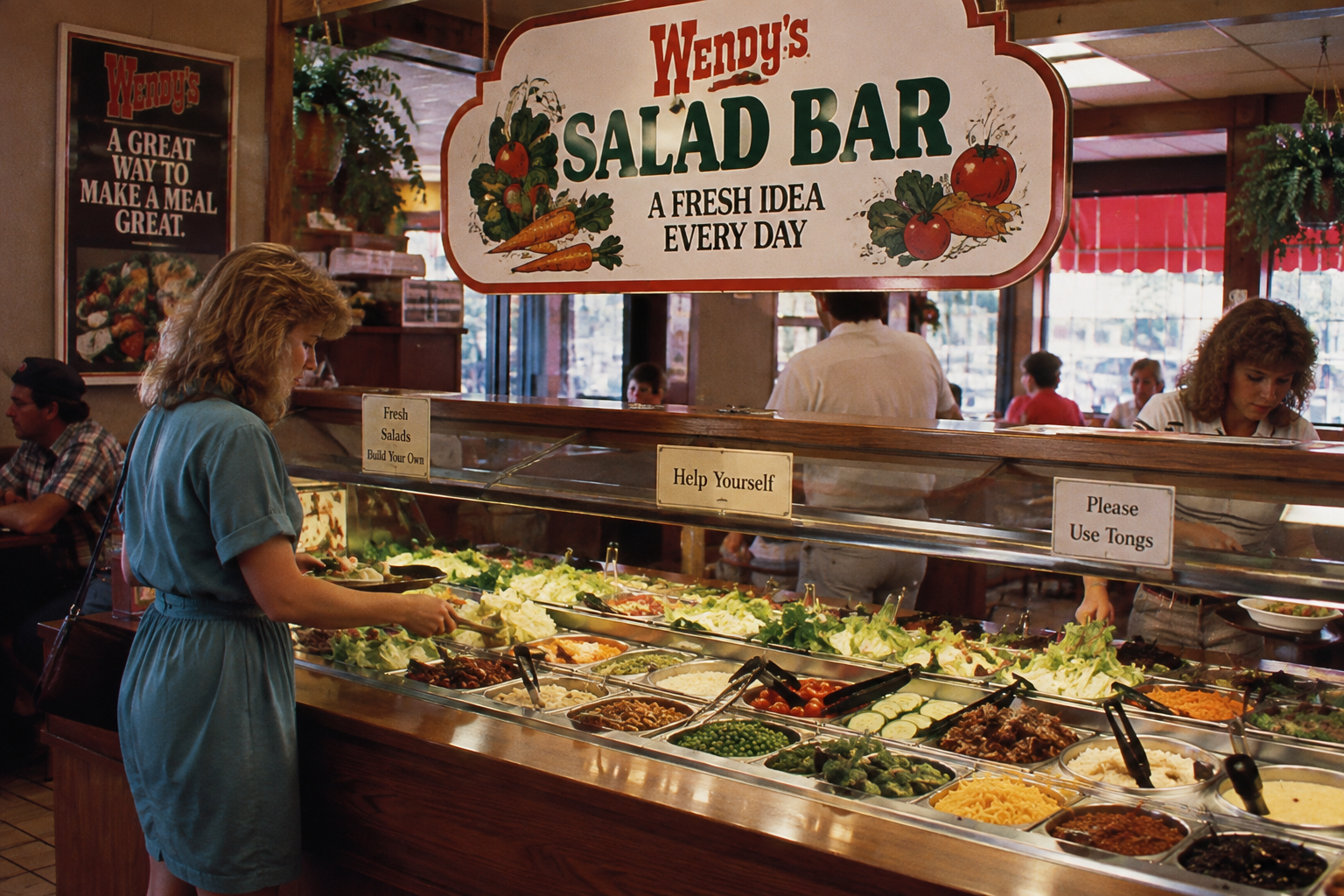
Before prepackaged salads became the fast-food norm, you could actually build one yourself. Wendy’s introduced its salad bar in 1979, and by 1987, The Washington Post reported that the chain’s nearly 4,000 restaurants offered salad bars with roughly 35 items. Burger King and Pizza Hut got in on the trend, too. But keeping dozens of ingredients stocked, fresh, and clean required space and labor, making the concept increasingly awkward for restaurants built around speed and efficiency. Wendy’s eventually phased out its salad bar in 2006.
Wendy’s Giant Glass Sunrooms
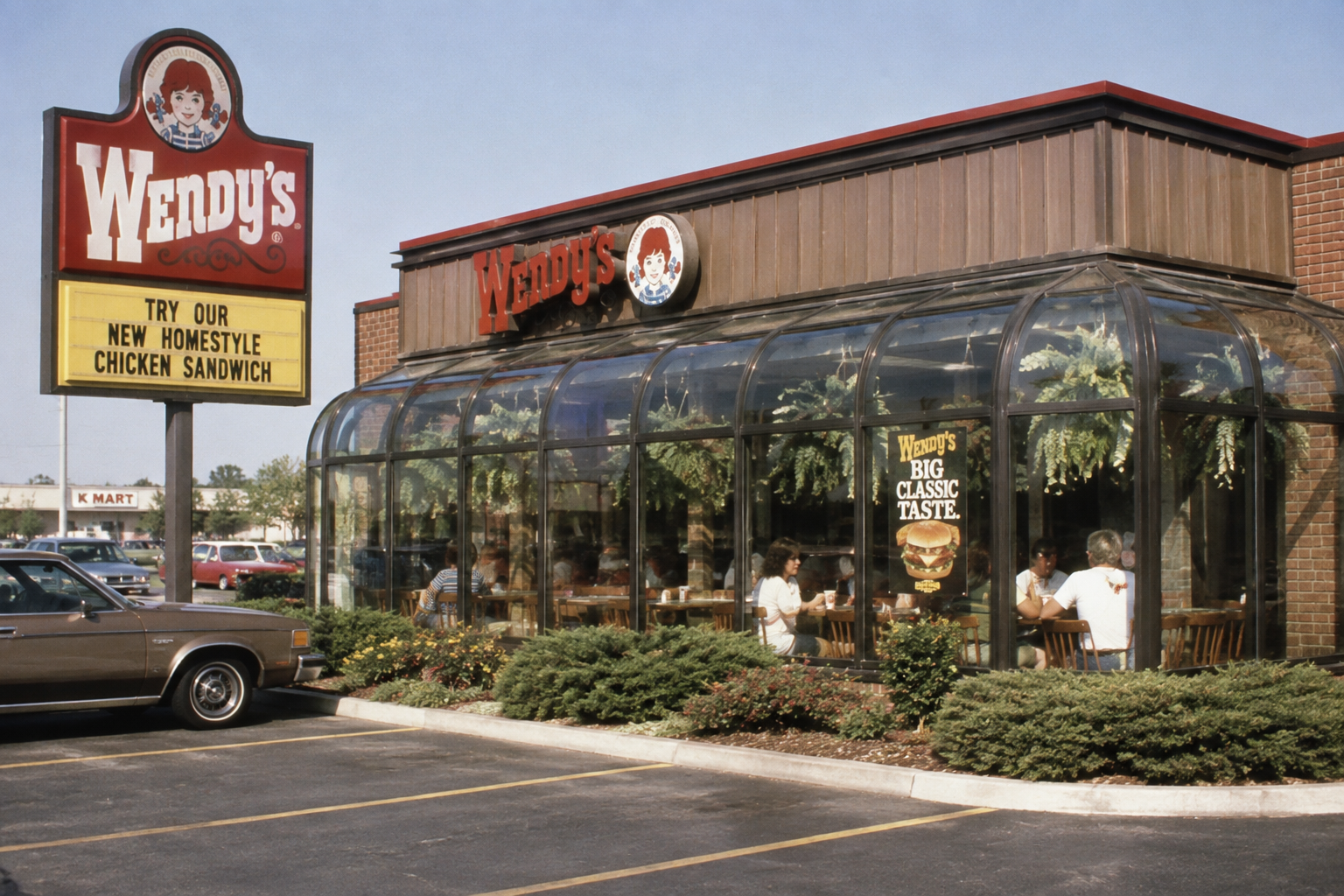
Older Wendy’s restaurants had one architectural feature that was hard to miss: enormous glass solariums jutting from the side of the building. Inside, customers could sit surrounded by natural light, hanging plants, and the wood-heavy decor that seemed to be everywhere at the time. The sunrooms helped make Wendy’s feel more like a place to sit down for lunch than a bare-bones burger joint. They were also expensive to build and inefficient to heat and cool, which helps explain why the distinctive glass rooms largely disappeared as restaurants were remodeled.
Huge Character-Themed Playgrounds
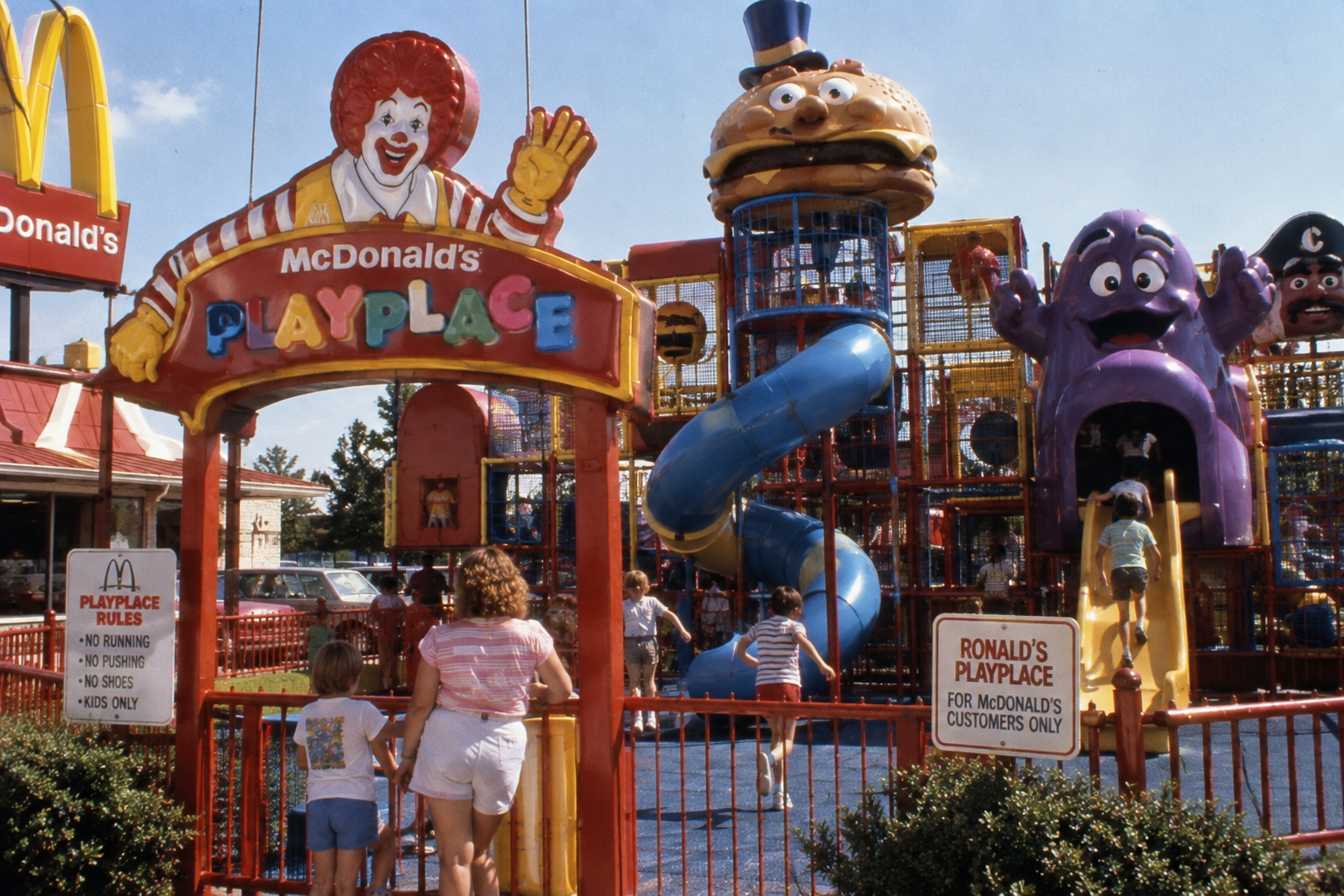
An old-school McDonald’s playground could make today’s modest indoor play areas look downright boring. Earlier playgrounds were filled with equipment modeled after McDonaldland characters, including Officer Big Mac, Fry Guys, and other mascots that essentially turned the restaurant into a miniature theme park. PlayPlaces increasingly moved indoors during the 1980s and helped make McDonald’s a destination for families rather than simply somewhere to grab dinner. Safety concerns, sanitation headaches, renovation costs, and changing restaurant designs have since made elaborate fast-food playgrounds much harder to find.
Elaborate Fast-Food Birthday Parties
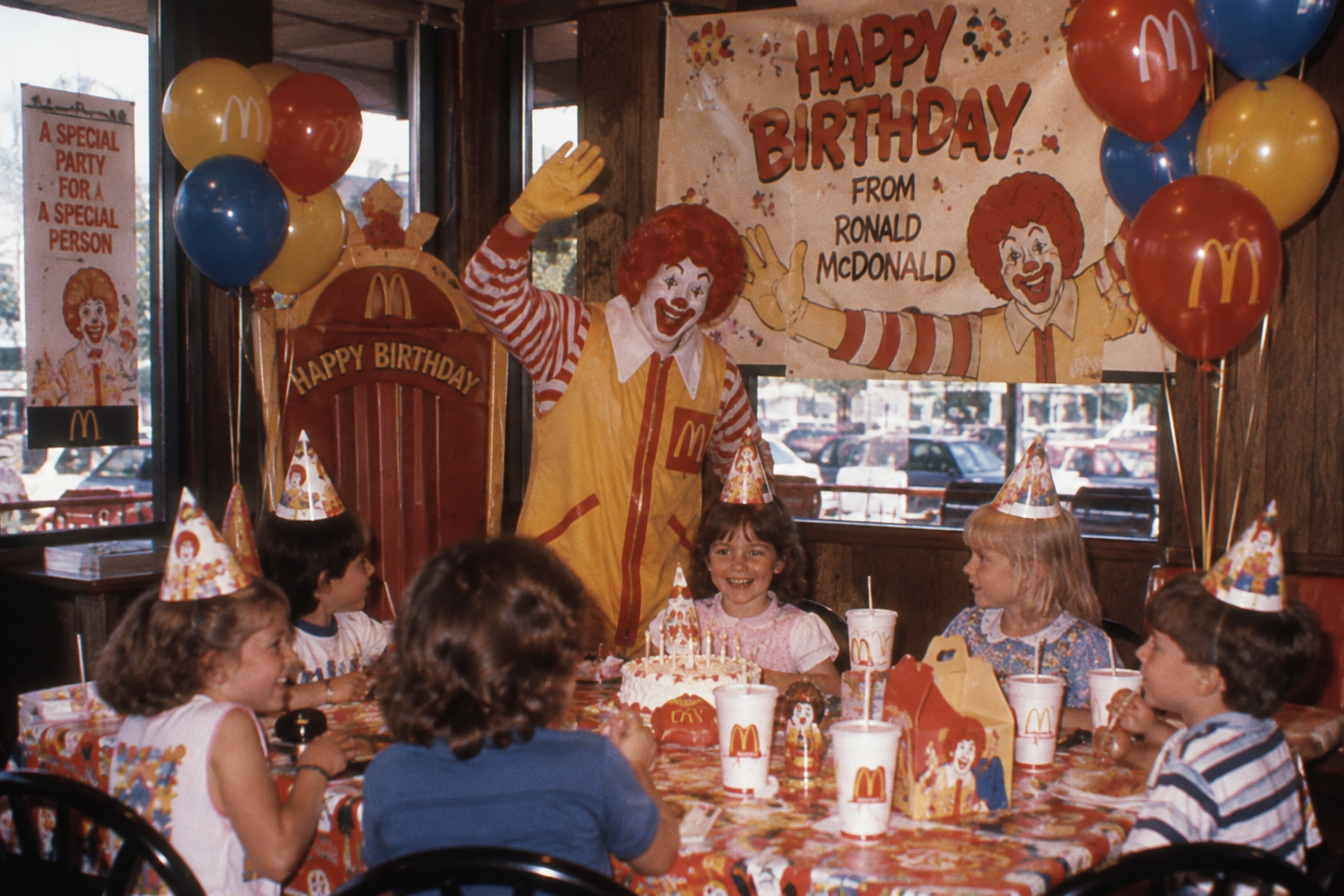
For plenty of ’80s kids, having a birthday party at McDonald’s was a legitimate event. Restaurants could supply character decorations, paper hats, placemats, cakes, and party favors, and some locations even had a special birthday throne for the guest of honor. An entire section of the dining room might be taken over by a group of sugar-fueled children while Ronald McDonald stared down from the decorations. Fast-food chains eventually shifted toward drive-thrus, smaller dining areas, and mobile orders, leaving less space — and incentive — to operate as children’s birthday-party venues.
Trending on Cheapism
Styrofoam Burger Boxes
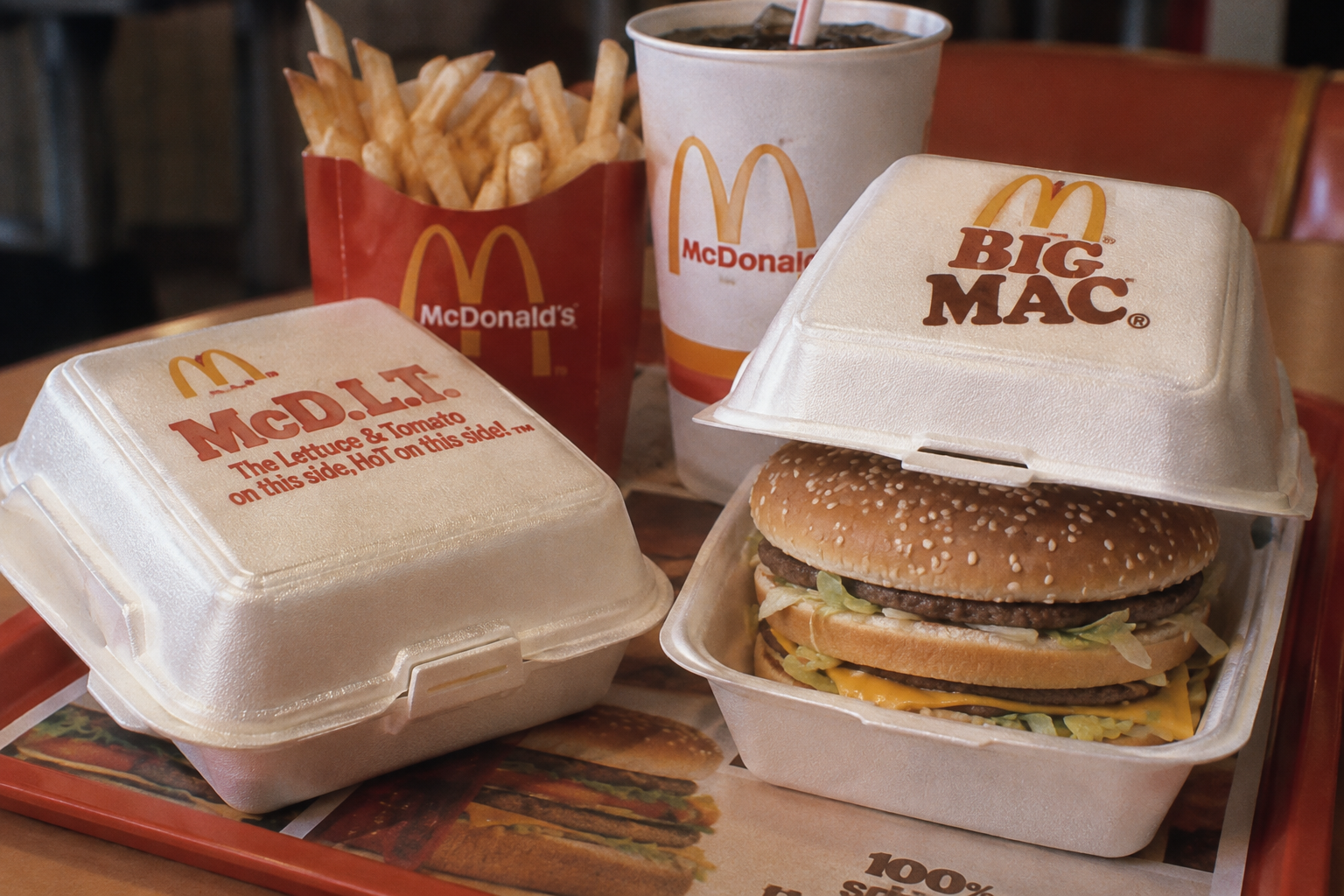
Fast food in the ’80s came with a lot of foam. Burgers and other menu items were commonly served in rigid polystyrene clamshells, including McDonald’s Chicken McNuggets. Nothing embraced the format quite like the McD.L.T., though. Its enormous two-compartment container was designed to keep the burger’s hot side hot and its cool side cool until customers assembled the two halves themselves. Growing environmental criticism made all that foam increasingly difficult to defend, and McDonald’s phased out its familiar foam sandwich containers in 1990 in favor of paper-based packaging.
McDonald’s Cookie Dispensers
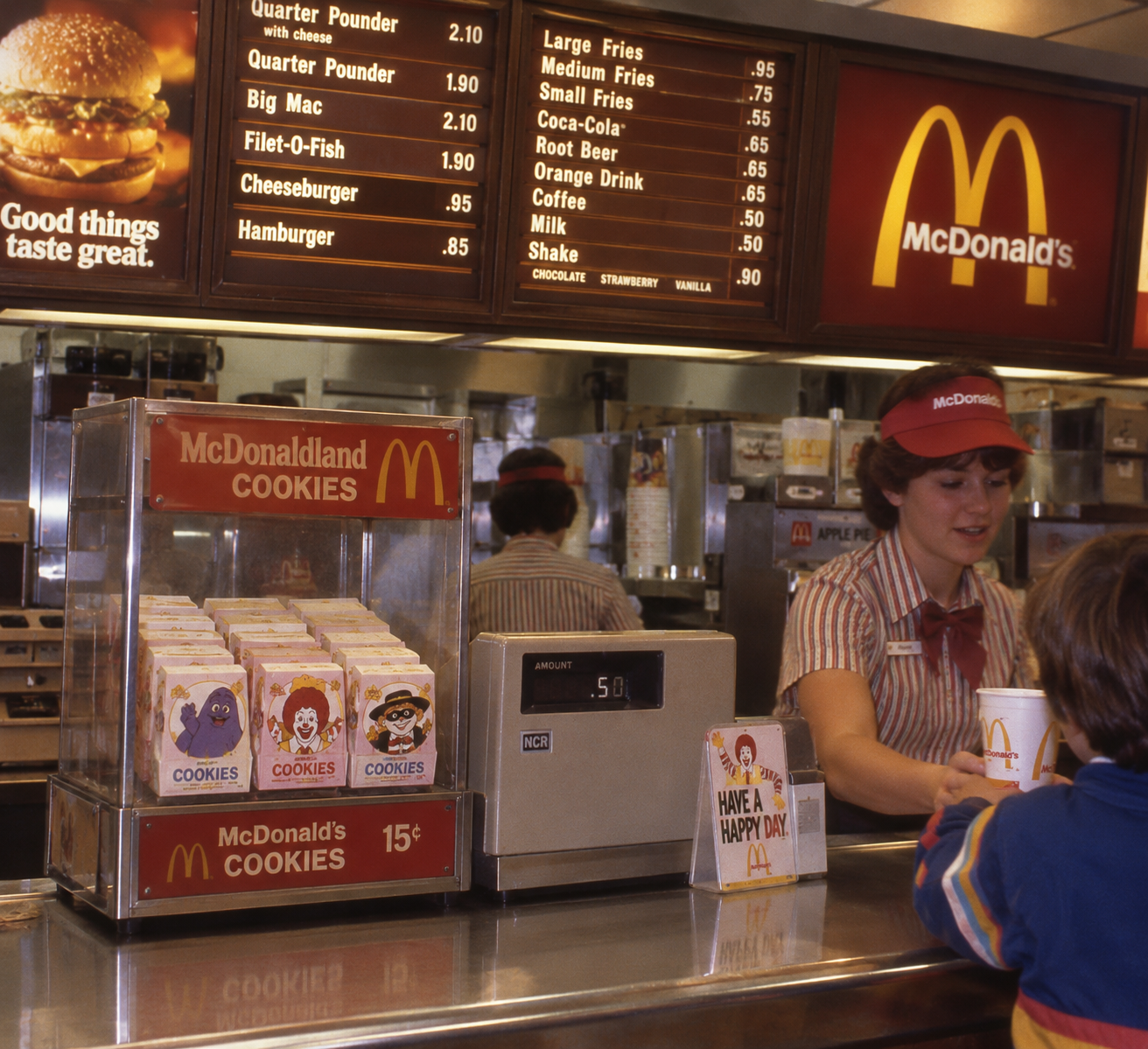
The McDonald’s counter itself looked different in the ’80s, and one small detail you might have spotted was a dispenser filled with boxes of McDonaldland cookies. Vintage restaurant photos show the dispensers positioned near or underneath the menu boards, making the character-shaped cookies an easy add-on while customers ordered. Eventually, the cookies themselves disappeared, and the valuable space around the counter became more useful for digital menu boards, ordering kiosks, and shelves packed with mobile and delivery orders.
Tiffany-Style Lamps Hanging Over Pizza Hut Booths
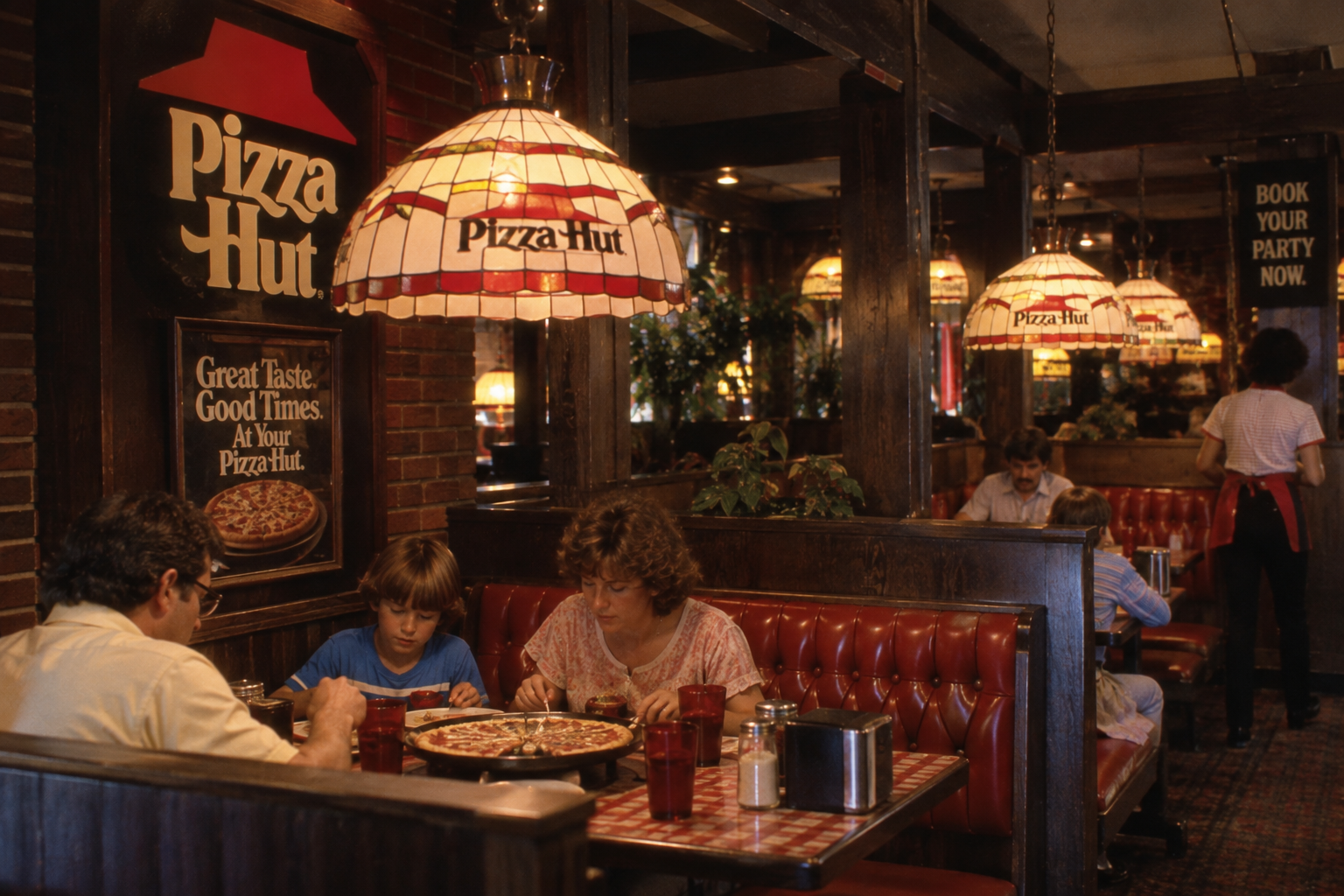
Few restaurant interiors scream vintage Pizza Hut quite like the stained-glass-style lamps that once hung above the booths. Combined with dark interiors, wood paneling, and the chain’s famous red-roof buildings, the lamps made eating pizza feel considerably cozier than most modern fast-food dining rooms. They became so closely associated with the old Pizza Hut experience that some of today’s retro Pizza Hut locations have tracked down originals and replicas while recreating classic dining rooms. Most newer restaurants, meanwhile, favor simpler and brighter interiors that are easier to build and maintain.
Sign up for our newsletter
Arcade Machines in the Dining Room
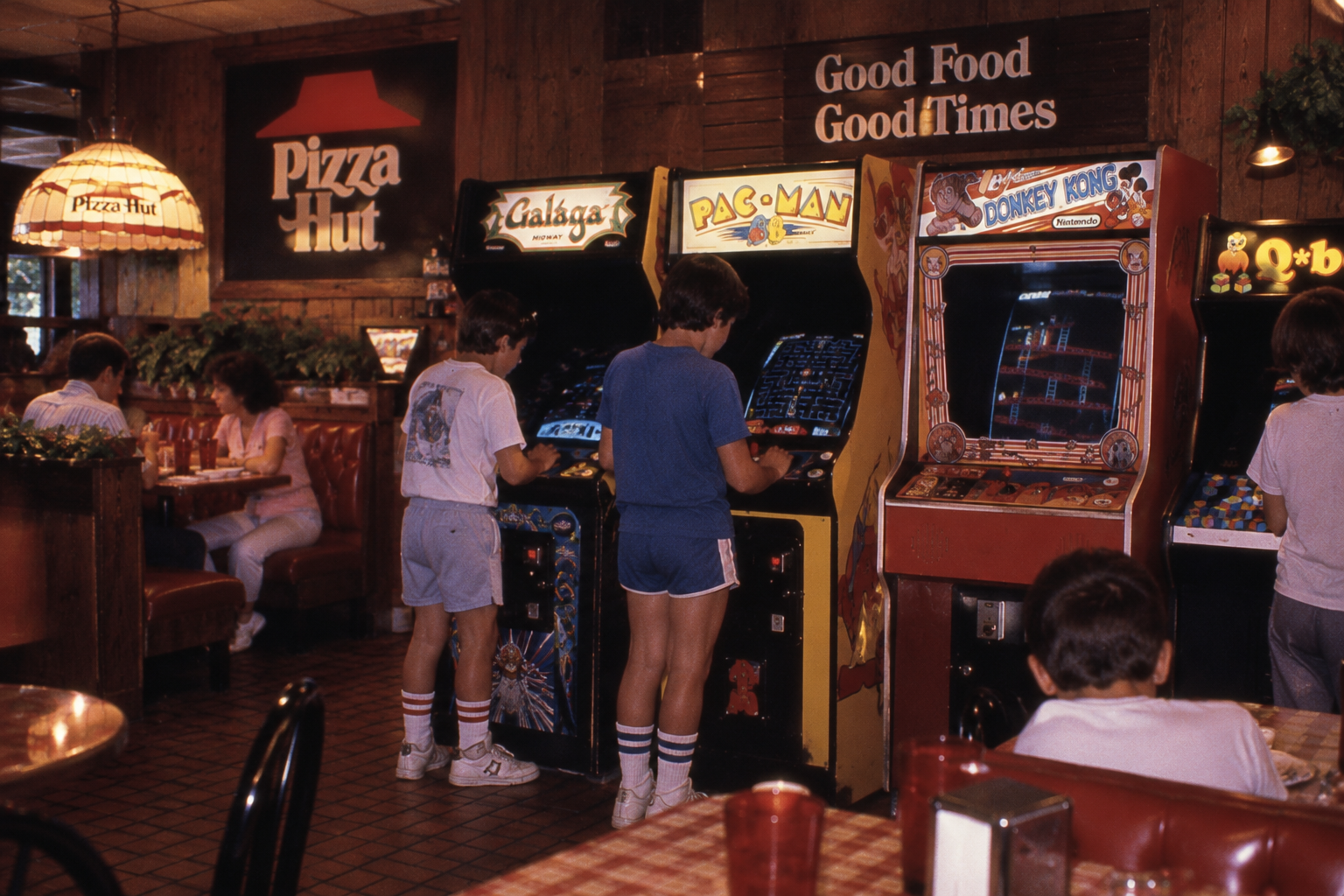
Before everyone carried games around in their pockets, waiting for your pizza could mean dropping a quarter into Pac-Man. Arcade cabinets and tabletop games were particularly at home in old Pizza Hut restaurants, where they gave kids — and plenty of adults — something to do while waiting for a pizza to come out of the oven. They also encouraged customers to stick around after eating. Today, large arcade machines take up valuable restaurant space and require their own maintenance, although some retro Pizza Hut locations have brought them back specifically to recreate the old-school experience.
Jukeboxes
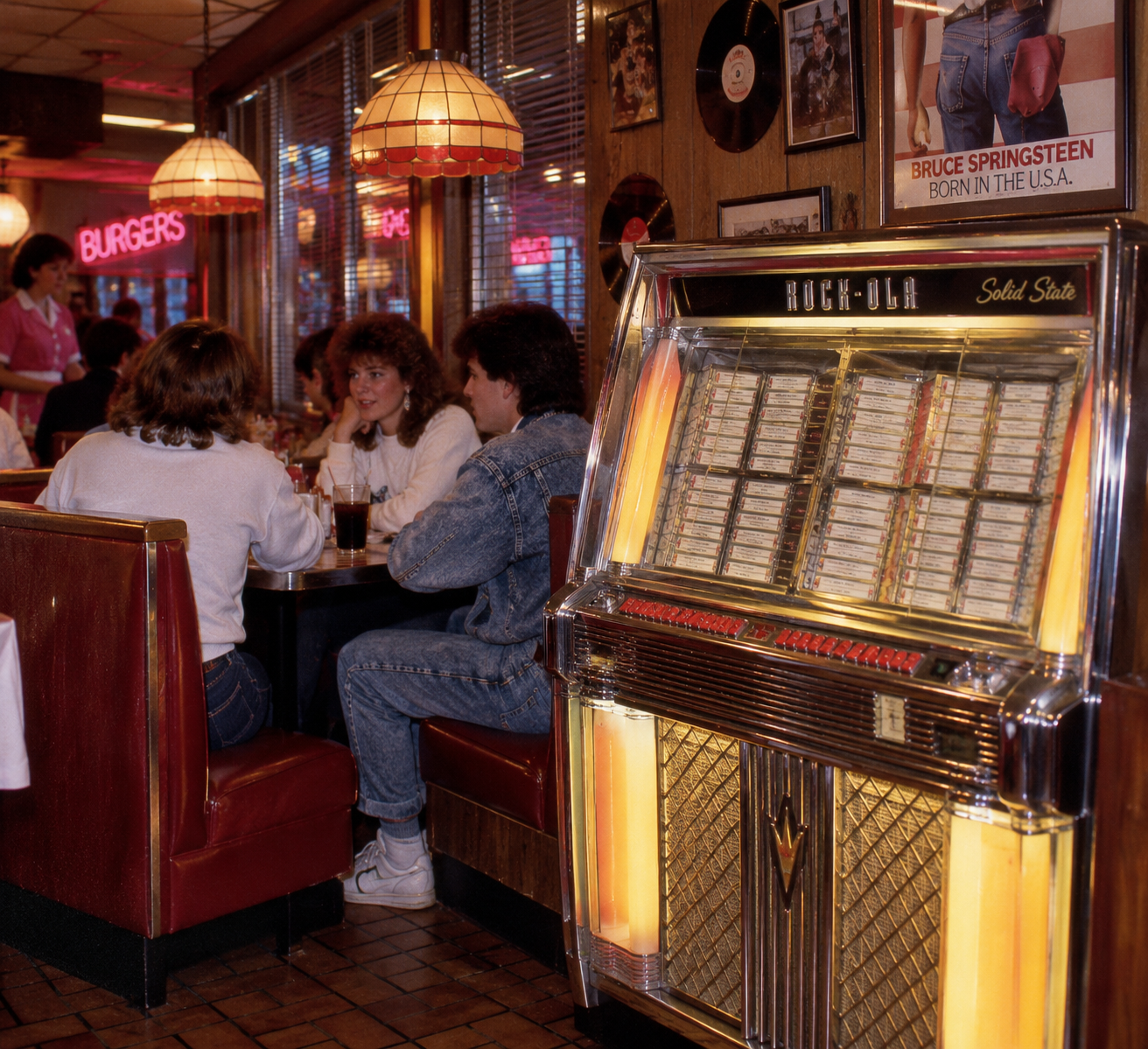
Some Pizza Hut restaurants blurred the line between fast food, pizza parlor, and neighborhood hangout even further with jukeboxes. Instead of a centrally controlled playlist quietly running in the background, customers could actually choose what they wanted to hear. It’s another feature that became unnecessary as restaurant music systems and then digital music took over. Still, the jukebox remains nostalgic enough that some Pizza Hut Classic locations have restored old-style versions alongside vintage booths and other throwback decor.
Actual Table Service at Pizza Chains
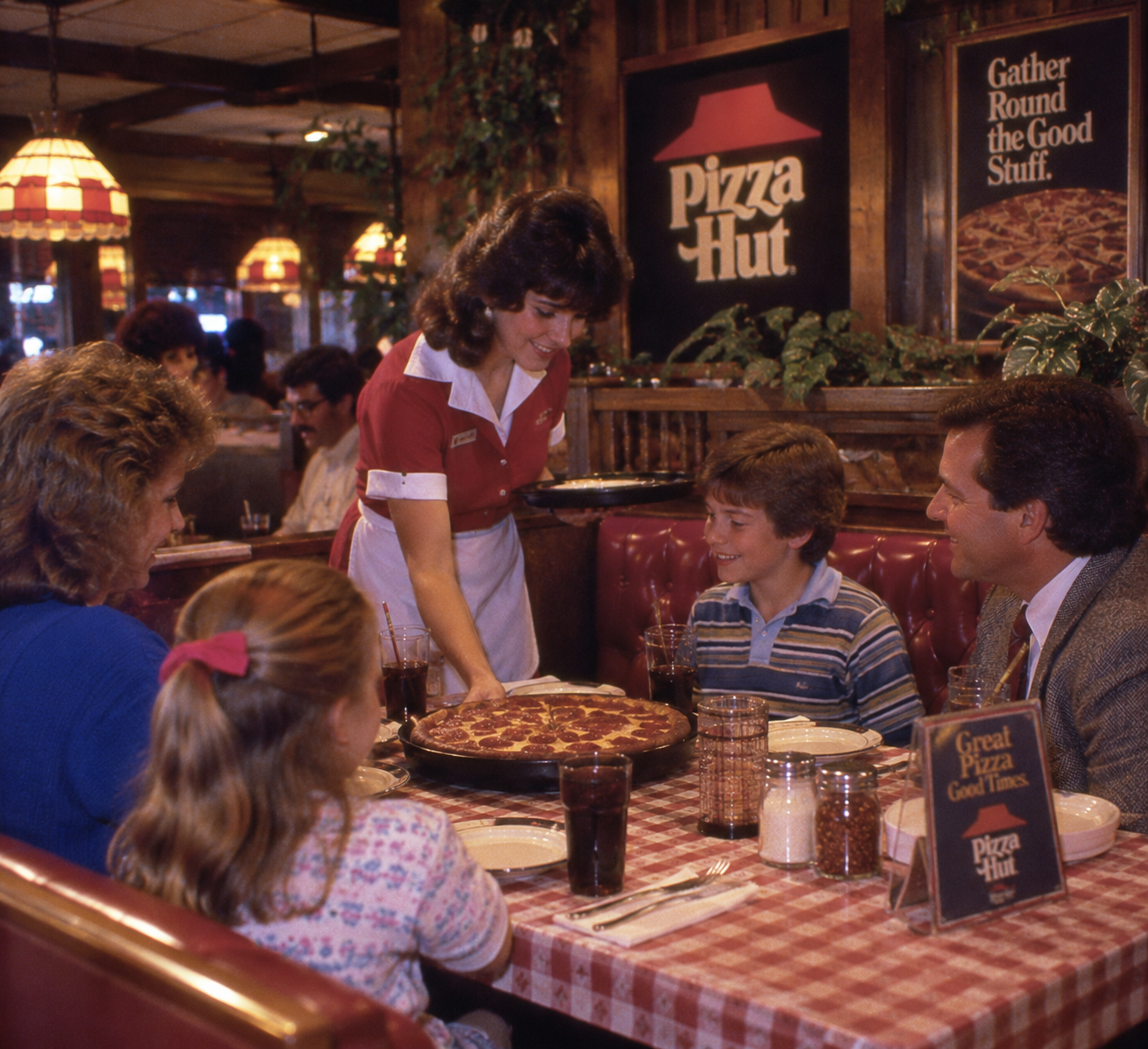
Pizza Hut wasn’t always a place where you picked up a cardboard box and headed home. During its sit-down heyday, families slid into vinyl booths, looked through menus, placed their orders with a server, and waited for a fresh pizza to arrive at the table in its hot metal pan. That made dinner at Pizza Hut feel much closer to visiting a casual restaurant than today’s typical pizza-chain experience. As delivery and carryout became increasingly important to the business, huge dining rooms and full table service made less sense, and many locations moved away from the model.
Red Plastic Cups, Tablecloths, and Full Table Settings
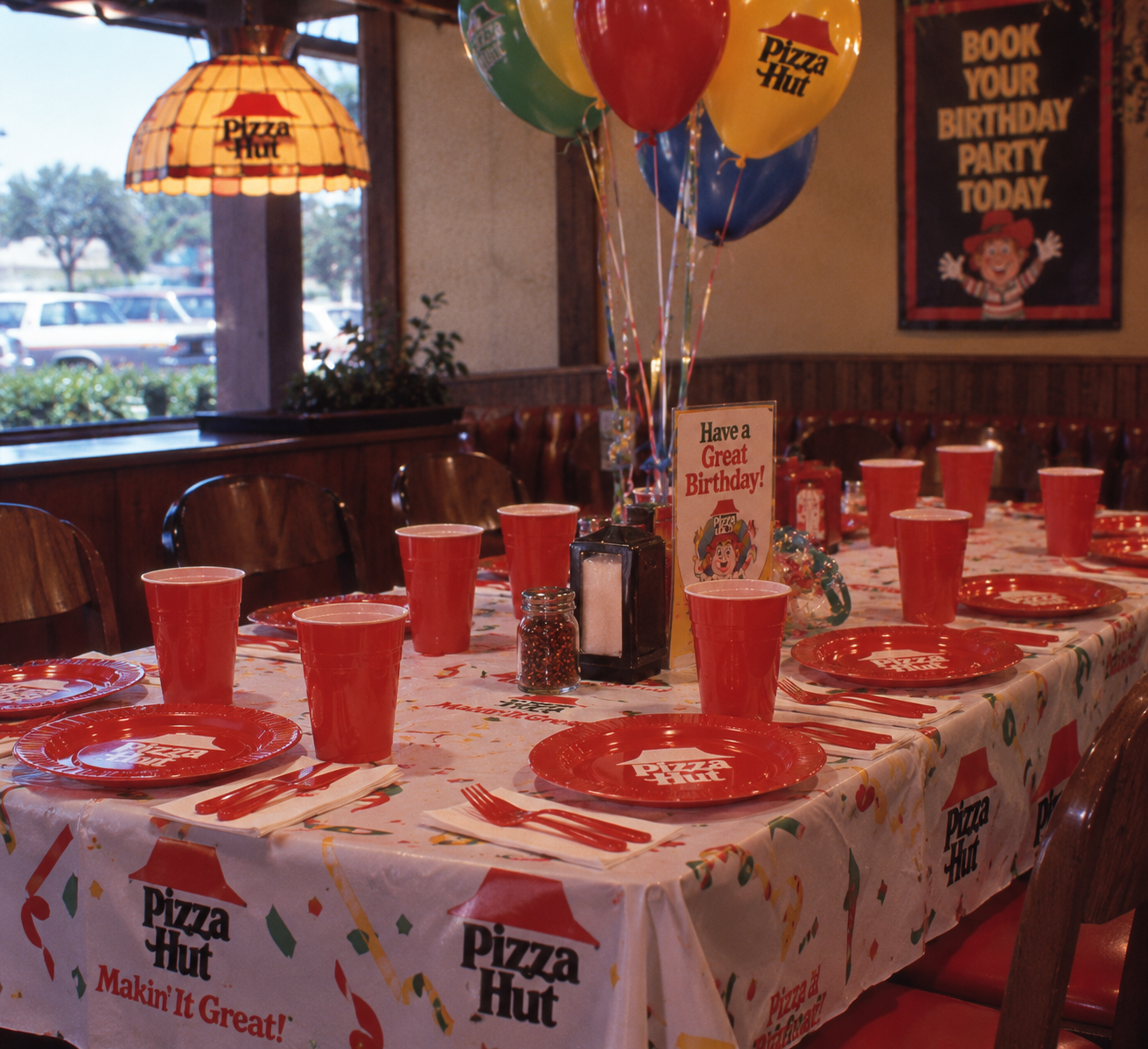
Even the tables at an old Pizza Hut had personality. Pebbled red plastic tumblers became one of the chain’s most memorable objects, accompanied at various times by checkered tablecloths, red candles, table organizers, and shakers of Parmesan and red pepper flakes. They were tiny details, but together they made the dining room feel like somewhere you were supposed to settle in rather than eat as quickly as possible. Modern counter-service restaurants generally favor stripped-down tables and disposable packaging, but retro Pizza Hut locations have started bringing some of those familiar touches back.
All-You-Can-Eat Fast-Food Buffets
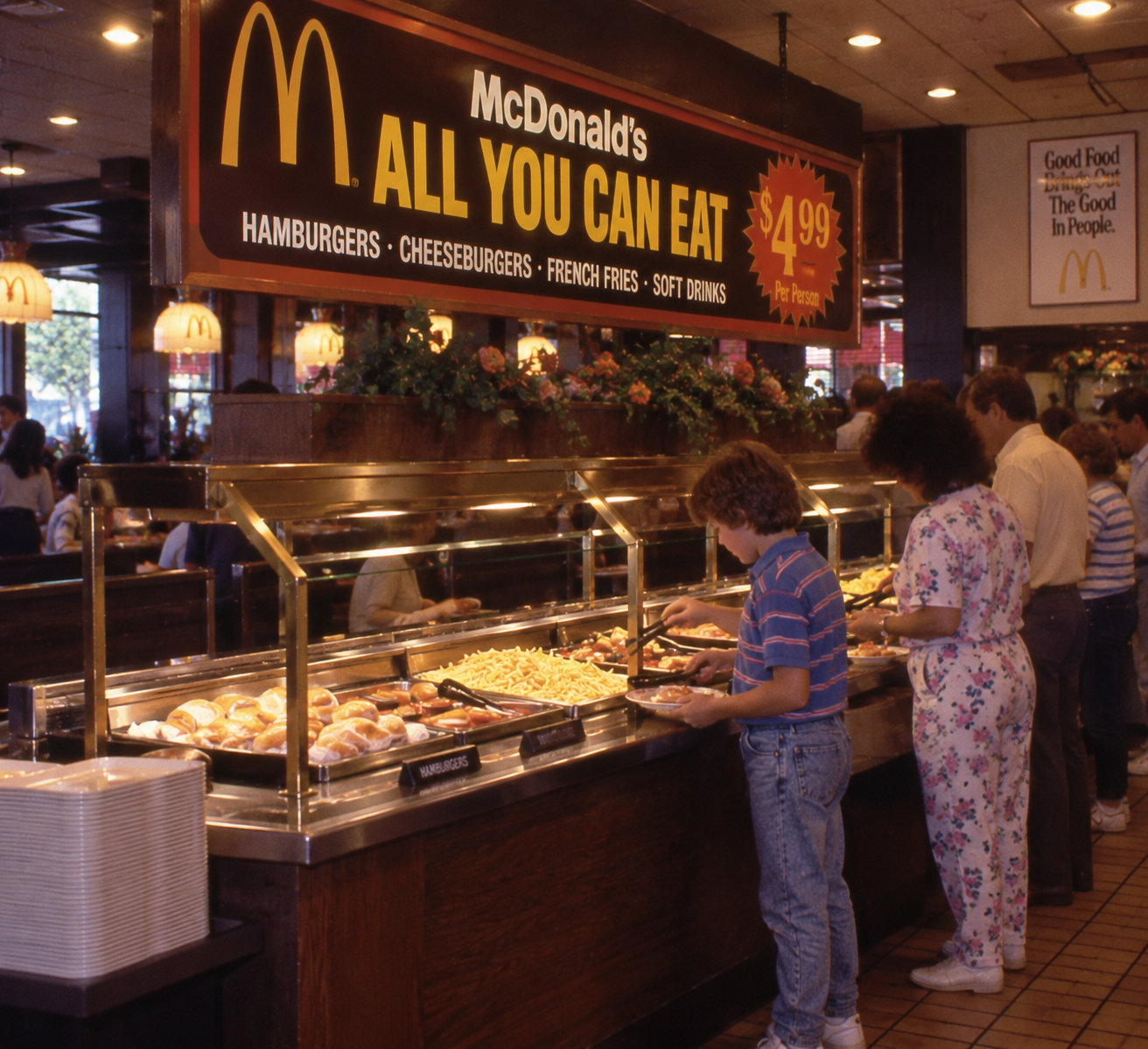
Wendy’s didn’t stop at a salad bar. In 1988, it launched the SuperBar, an all-you-can-eat setup with separate areas for salads, Mexican-inspired dishes, and pasta. In many places, the whole spread reportedly cost just $2.99. Pizza Hut also became famous for its buffet during its sit-down era, giving customers another reason to spend considerably longer inside the restaurant. Buffets are much harder to square with modern fast-food operations, though, thanks to the labor, food waste, sanitation, and constant replenishment involved in keeping them running.
Restaurants Designed to Make You Stay
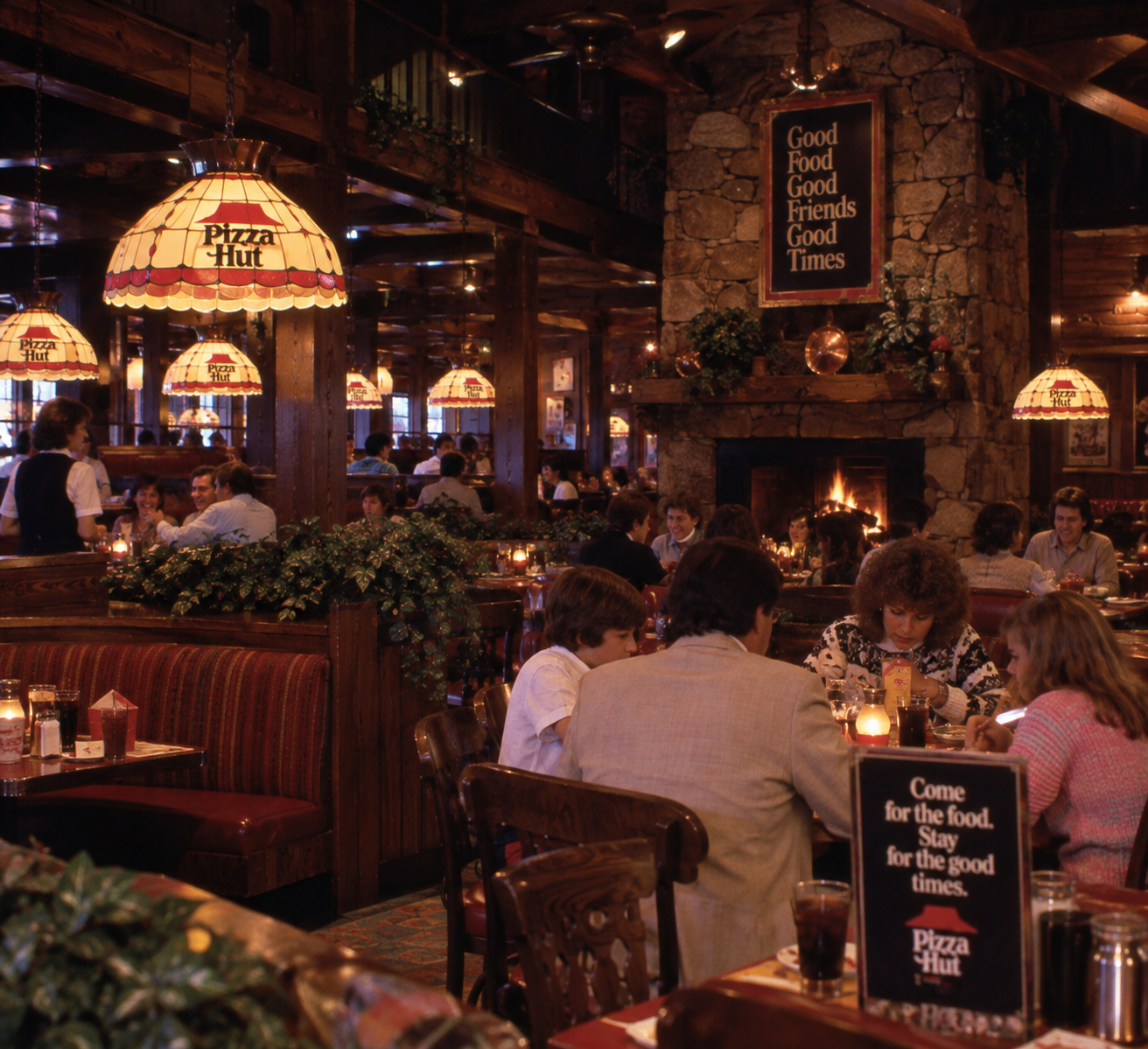
Perhaps the biggest difference between an ’80s fast-food restaurant and one today isn’t any particular ashtray, salad bar, or arcade machine. It’s that many of these restaurants were deliberately designed as places to hang out. Booths, plants, glass sunrooms, games, playgrounds, jukeboxes, birthday parties, and table service all encouraged customers to stick around. Modern restaurants have a very different job: They have to accommodate drive-thru traffic, delivery drivers, mobile pickups, kiosks, and grab-and-go customers. Efficiency increasingly won out over lingering.
Fast Food Was More of an Experience
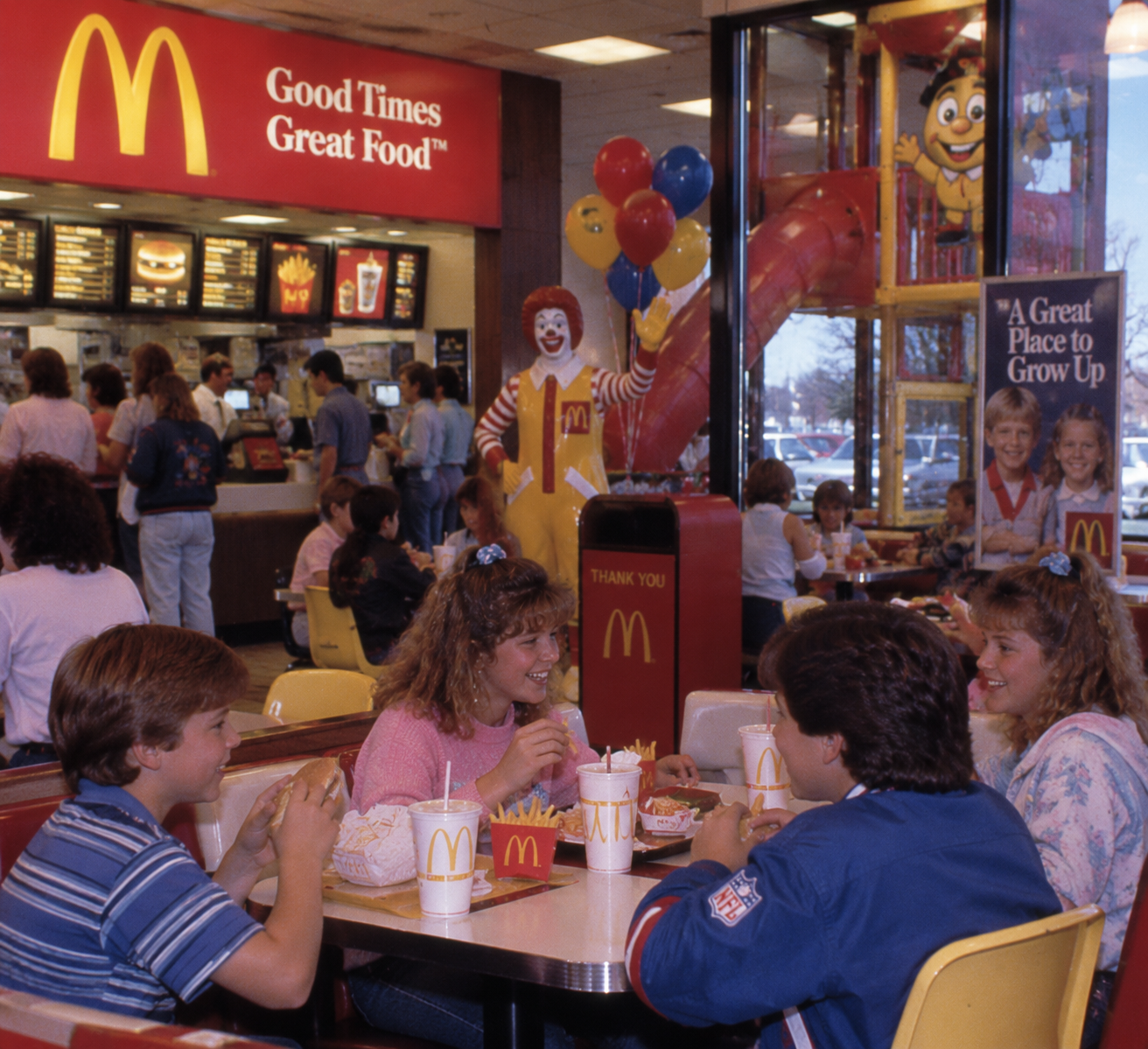
Not every lost feature deserves a comeback. Indoor smoking and mountains of Styrofoam packaging can probably stay in the ’80s. But it’s easy to understand the nostalgia surrounding arcade games, salad bars, playgrounds, cozy booths, and Pizza Hut’s unmistakable red cups and hanging lamps.
In fact, that nostalgia has become strong enough to influence restaurant design again. Some Pizza Hut franchisees are deliberately restoring old-school dining rooms with familiar decor, arcade games, salad bars, and other details customers remember from decades ago. It turns out plenty of people don’t just miss the fast food they ate in the ’80s. They miss the places where they ate it.