Step inside 1940s American homes and everyday life would look considerably more hands-on than it does today. The radio might be the main source of entertainment, laundry could take up much of the day, and preparing dinner often involved sturdy kitchen tools designed to last for years.
World War II also left its mark on the home. Ration books sat in drawers, victory garden produce ended up in canning jars, and repairing, preserving, and reusing what you already owned became especially important. At the same time, electric appliances were slowly changing domestic life and setting the stage for the consumer boom that would follow.
Not every family owned every item here, of course, but these 14 household staples offer a glimpse inside American homes during the 1940s.
A Big Tabletop or Console Radio
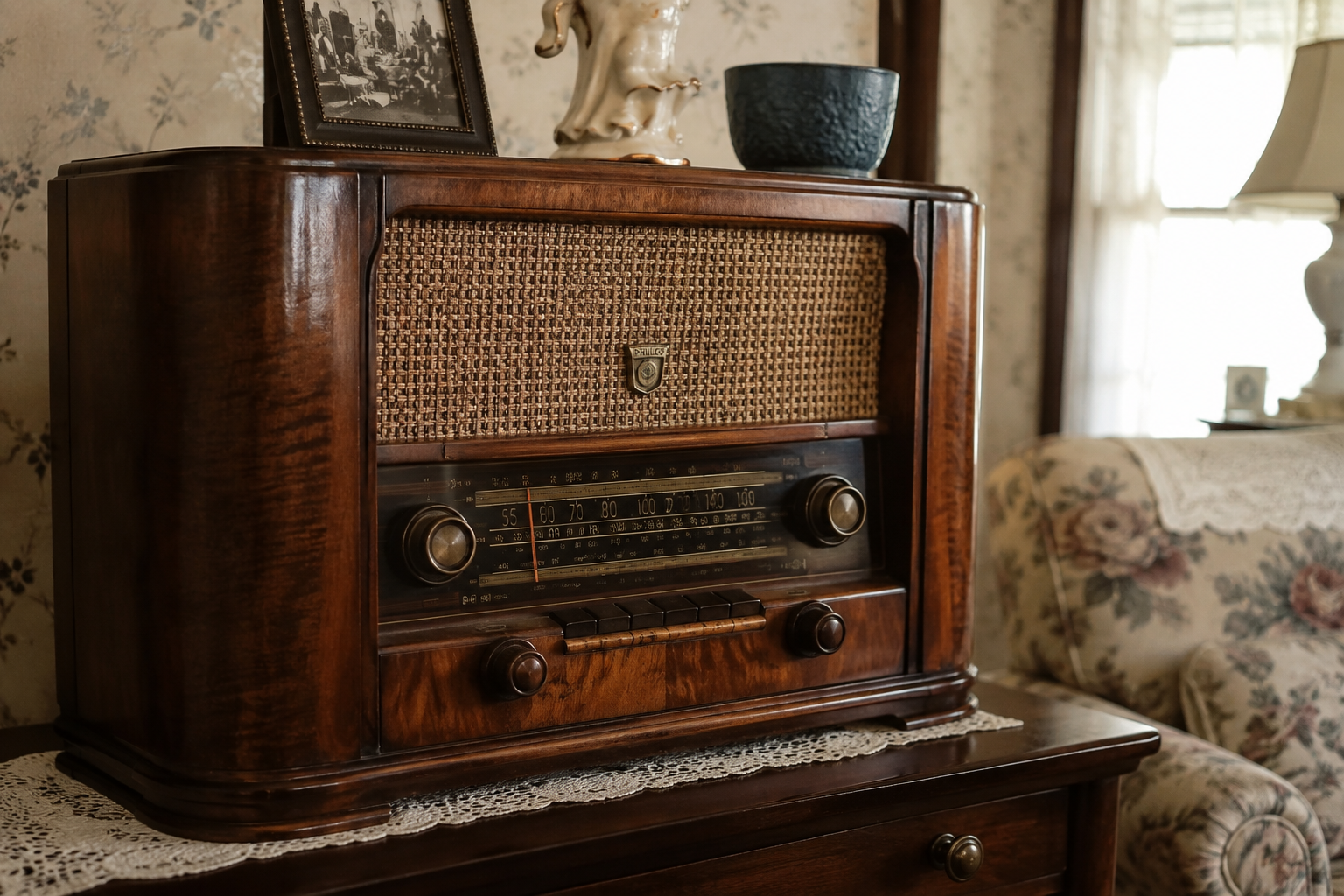
Before television took over the living room, there was the radio. By the 1940s, the big wooden tabletop or console set was a centerpiece of home entertainment, bringing families news, music, sports, comedy, and serialized dramas. During World War II, it was also an essential connection to events happening overseas, including President Franklin D. Roosevelt’s radio addresses. Instead of everyone retreating to separate screens, an evening’s entertainment could mean the whole family gathering around a single speaker to find out what happened next.
Wartime Ration Books
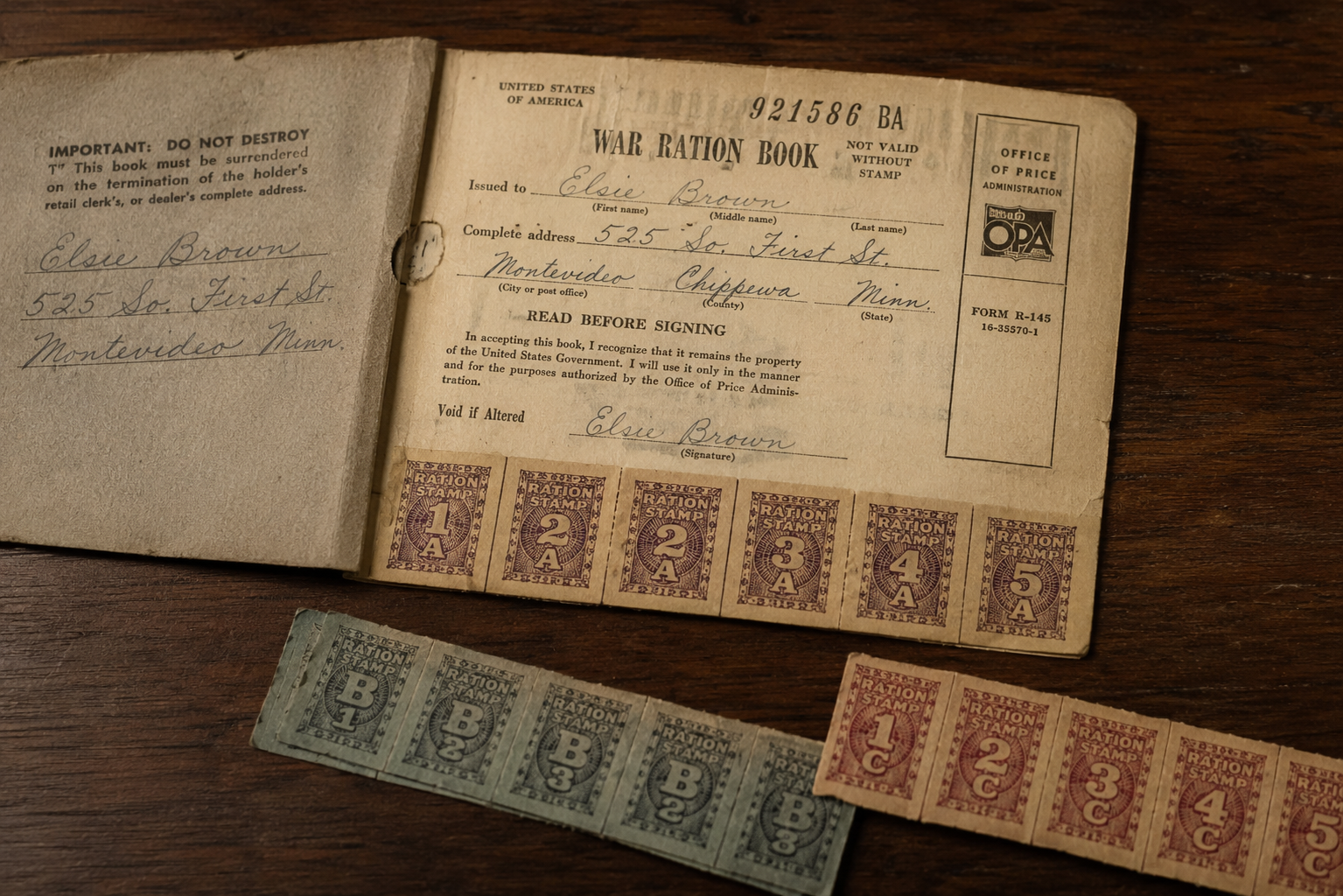
For much of the first half of the decade, a little government-issued booklet could determine what made it onto the dinner table. World War II rationing began in 1942, eventually covering everyday necessities including sugar, gasoline, meat, butter, cheese, and processed foods. Consumers used stamps and points to purchase restricted goods, turning careful meal planning and substitution into part of daily life. A ration book tucked into a kitchen drawer or purse wasn’t a nostalgic keepsake yet — it was something families actually needed to shop.
Canning Jars From the Victory Garden
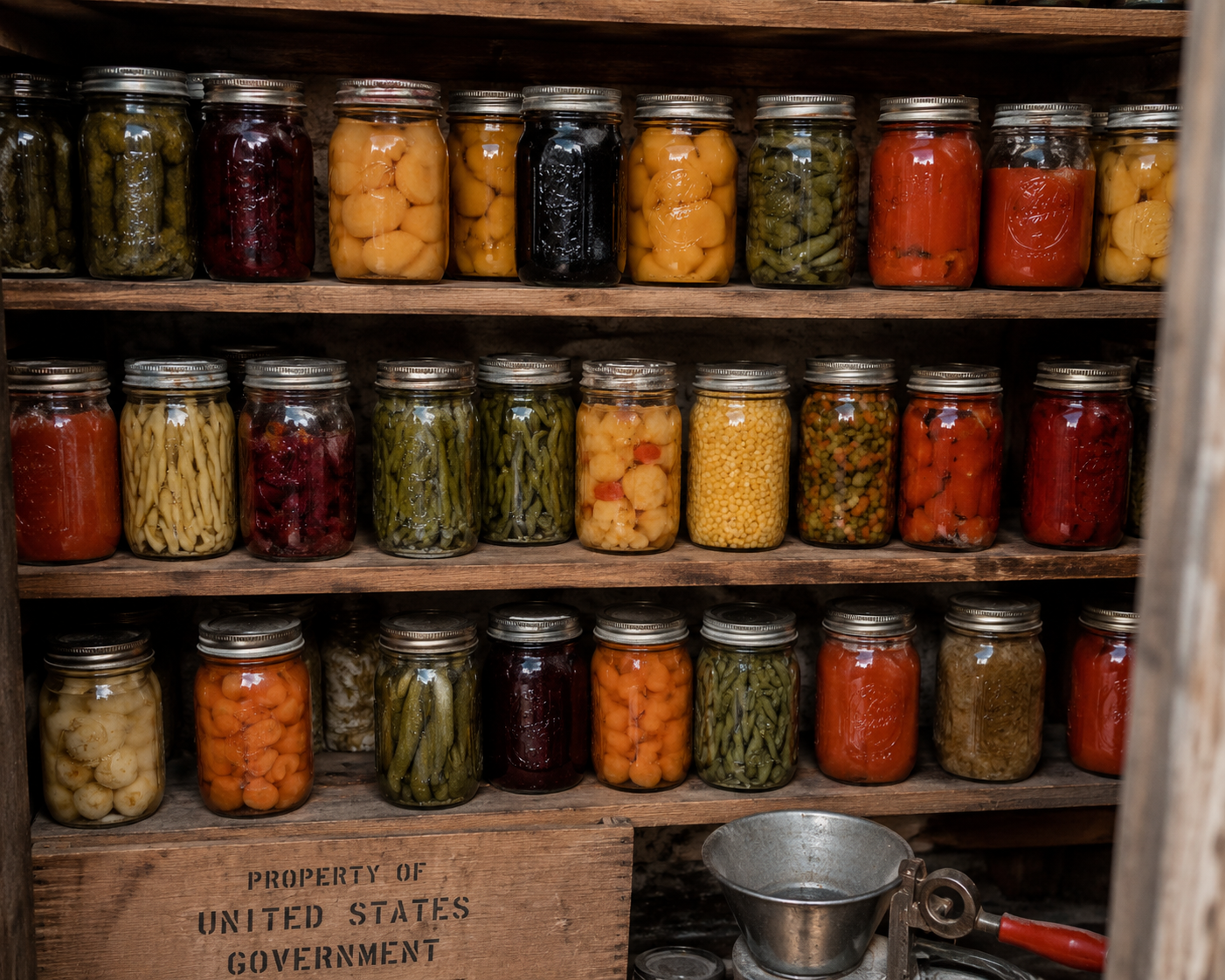
Rows of glass jars filled with tomatoes, beans, peaches, pickles, and preserves were more than pretty pantry decorations. Millions of Americans planted victory gardens during World War II to supplement the nation’s food supply, and home canning allowed families to keep eating that produce long after harvest season ended. Preserving food also fit perfectly with the wartime emphasis on conservation and avoiding waste. Basements, pantries, and cellar shelves packed with jars were a visible reminder of just how much food preparation happened at home.
Colorful Pyrex Mixing Bowls
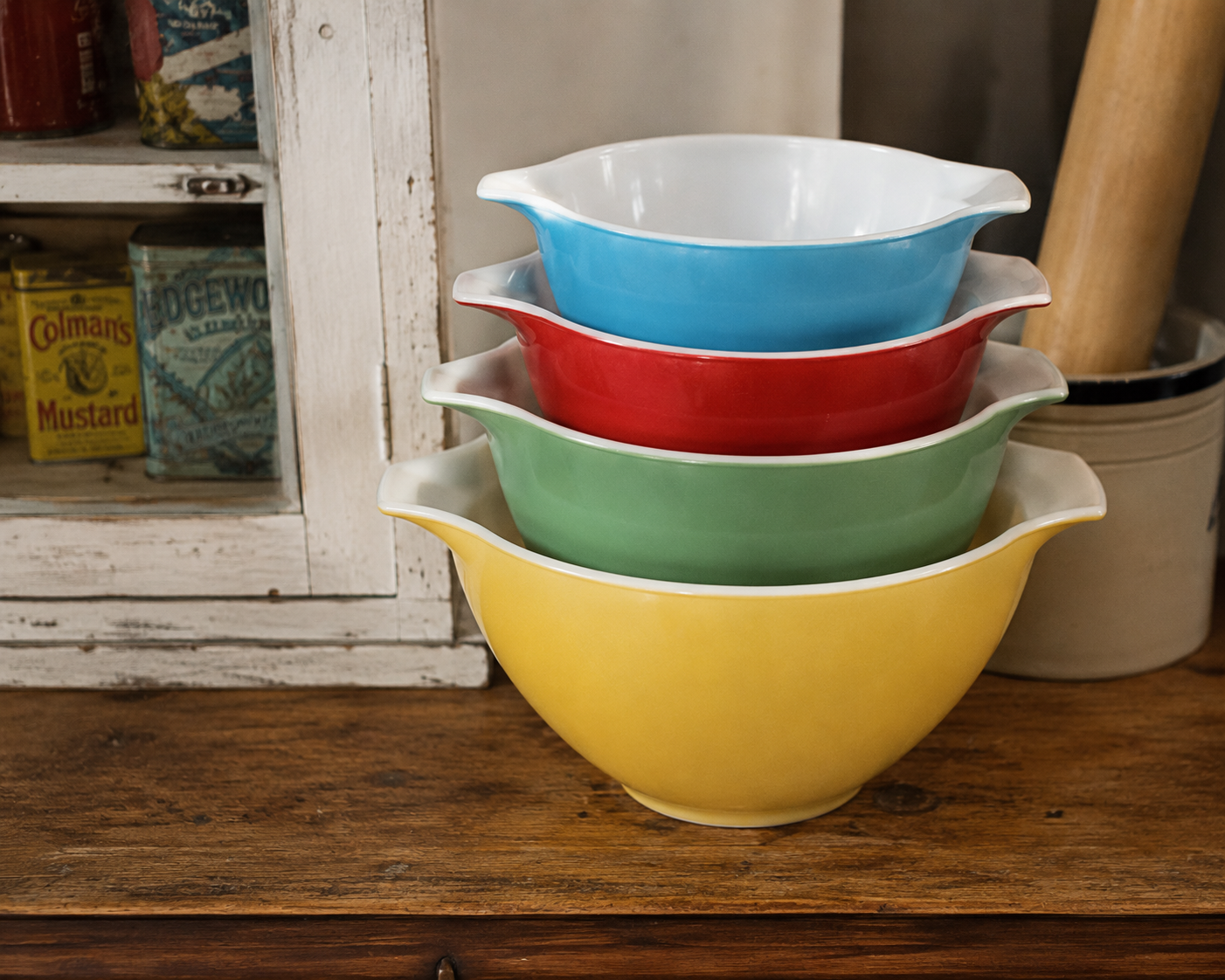
Pyrex was already a kitchen staple, but it got considerably more colorful during the 1940s. In 1945, Corning introduced its now-iconic Primary Colors mixing bowl set, featuring nesting bowls in yellow, green, red, and blue. Refrigerator dishes followed in 1947, giving households another reusable way to store food and leftovers. Those cheerful bowls helped usher in the brightly colored kitchens that would become even more prominent in the postwar years — and vintage originals have since become collectibles.
A Sewing Machine Built Into a Cabinet
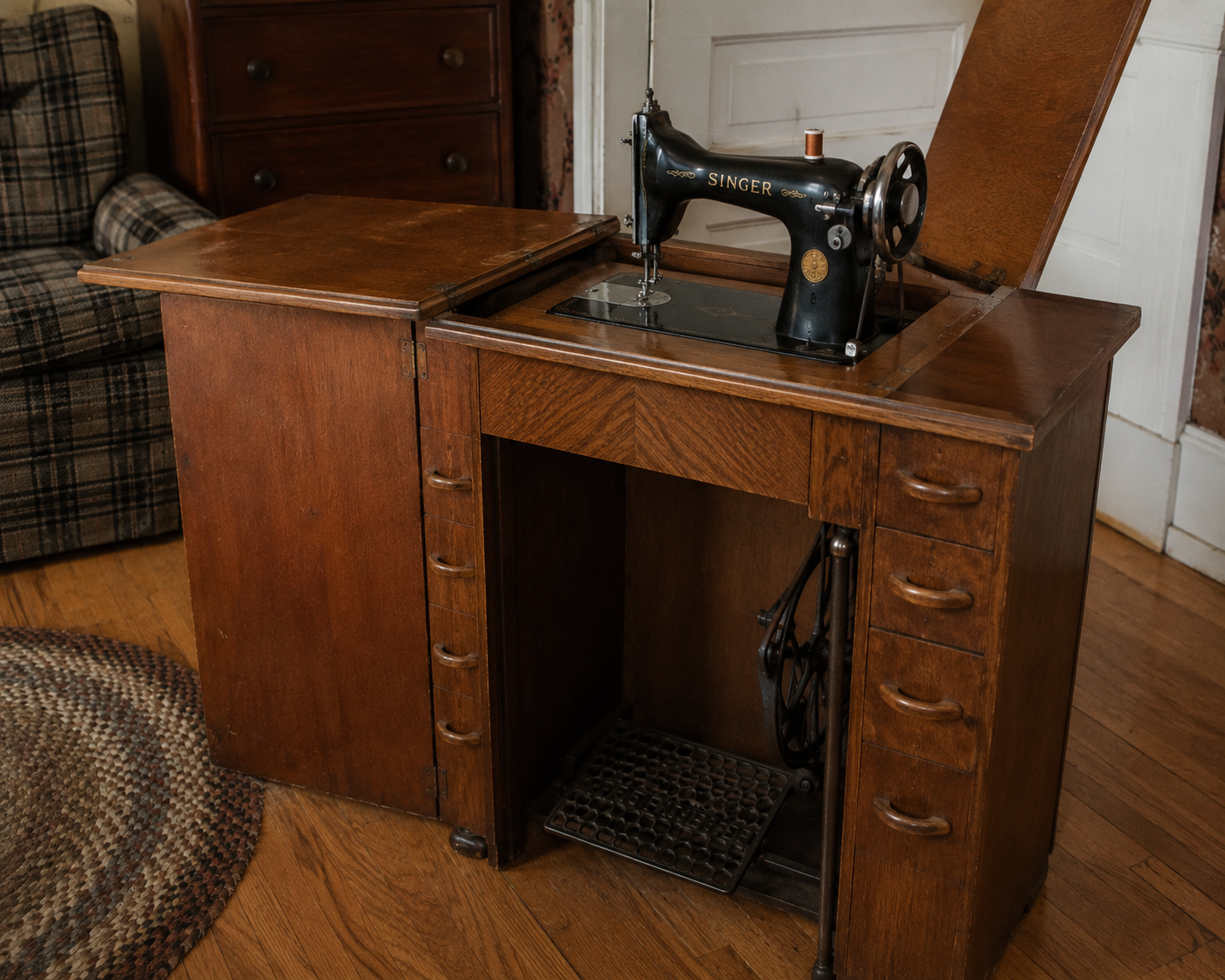
A sewing machine wasn’t necessarily tucked away in a craft room. Many were built into substantial wooden cabinets that looked like ordinary furniture when closed, then opened to reveal the machine inside. Sewing, mending, and altering clothes remained common household skills, particularly when wartime shortages encouraged Americans to make existing garments last. Singer was already a household name, and a dependable sewing machine could handle everything from repairing a torn shirt to making an entirely new dress.
Trending on Cheapism

A Wringer Washing Machine
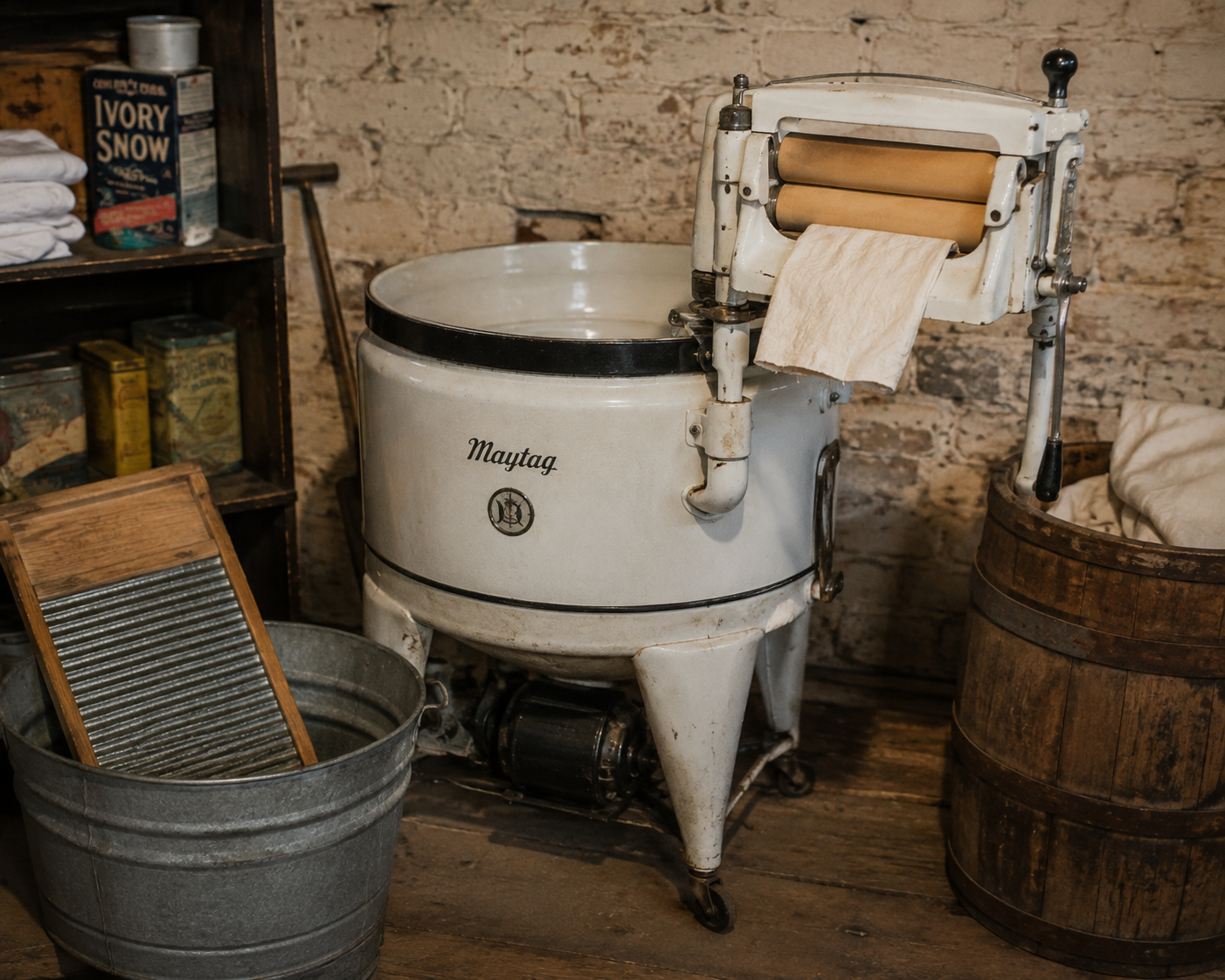
Laundry day required a little more participation than pressing a button and walking away. Wringer washers could agitate and wash clothes, but getting the water out was another matter. Wet garments had to be carefully fed between two rollers that squeezed out excess water before they could be hung to dry. The machines were a major improvement over washing everything entirely by hand, but they were still labor-intensive compared with the fully automatic washers that would become increasingly common in the postwar years.
A Backyard Clothesline
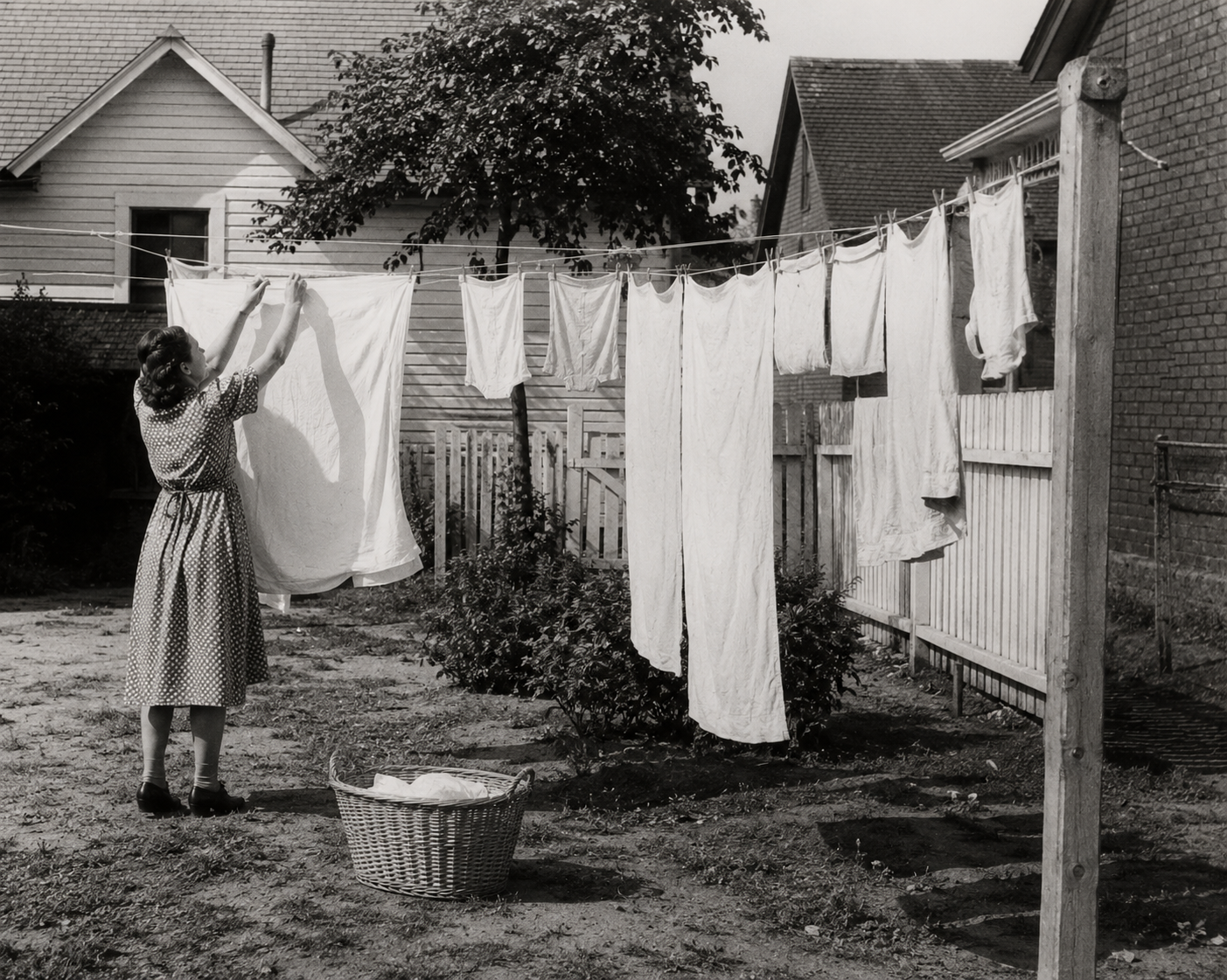
After clothes survived the wringer, their next stop was often the backyard. Household dryers weren’t yet commonplace, so sheets, shirts, socks, and underwear were pinned to clotheslines with wooden clothespins and left to dry in the sun and wind. Bad weather could send everything onto an indoor drying rack instead. Between washing, wringing, hanging, collecting, and ironing, it’s easy to see why laundry day really could occupy a sizable chunk of the day.
A Heavy Rotary Telephone
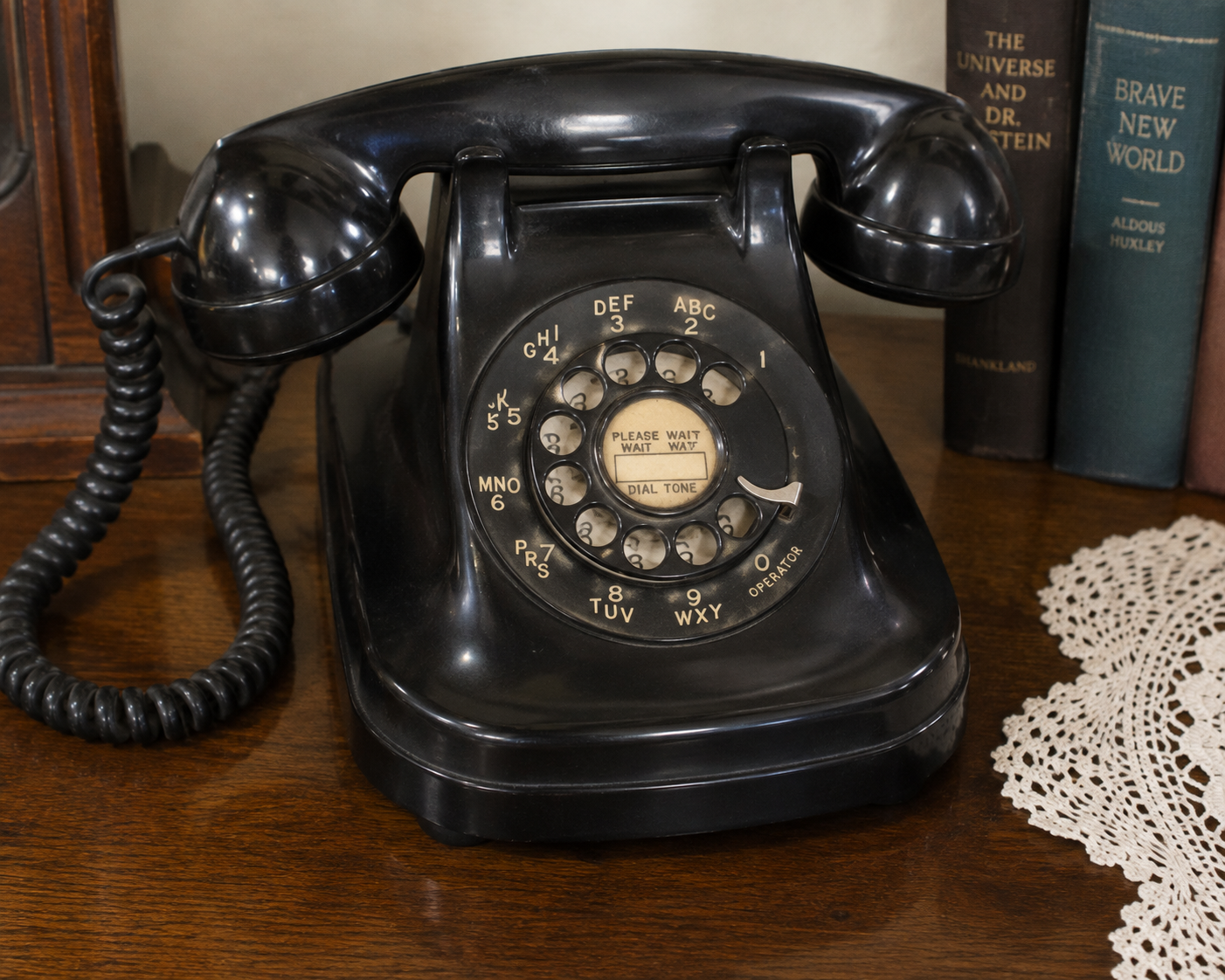
There was no wondering where you’d left your phone because it was attached to the house. A heavy rotary telephone typically occupied a fixed location, and everyone in the family shared it. Making a call meant inserting a finger into the appropriate hole, rotating the dial to the stop, and waiting for it to spin back before dialing the next number. Party lines, in which multiple households shared the same telephone line, also remained common in many communities. And without texting, voicemail, or caller ID, missing a call simply meant missing it.
Sign up for our newsletter
An Electric Refrigerator With Metal Ice Trays
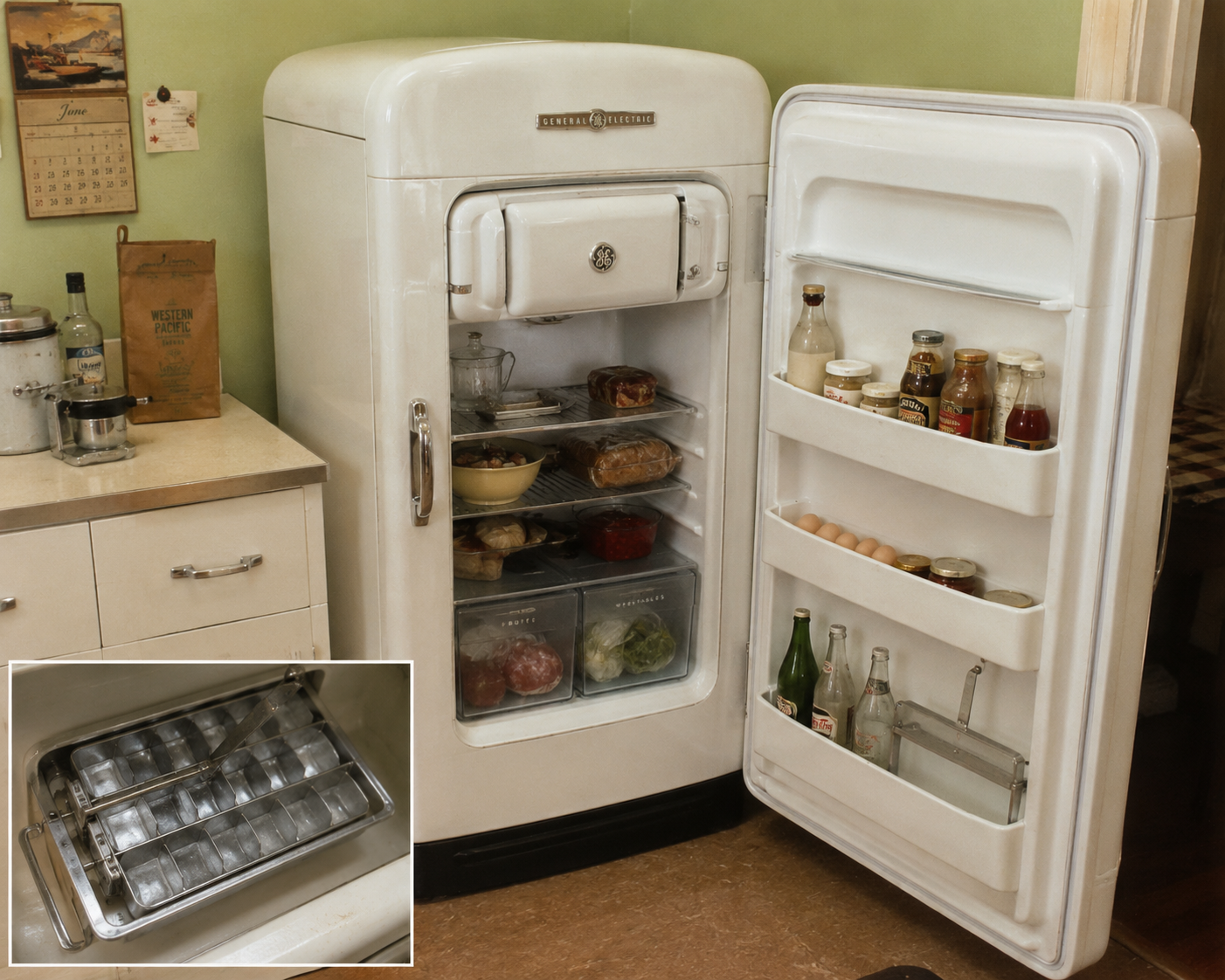
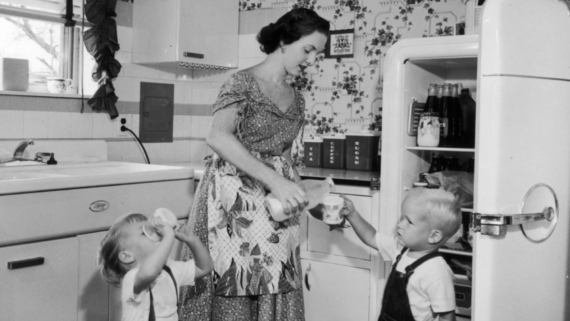
By the 1940s, electric refrigerators were helping push old-fashioned iceboxes toward obsolescence, though the transition wasn’t instantaneous in every household. Refrigerators of the era often had tiny freezer compartments compared with today’s models, and making ice involved rigid metal trays with removable dividers. Getting the cubes out could mean pulling a lever to crack them loose — a satisfying little ritual that plastic trays and automatic ice makers eventually made unnecessary.
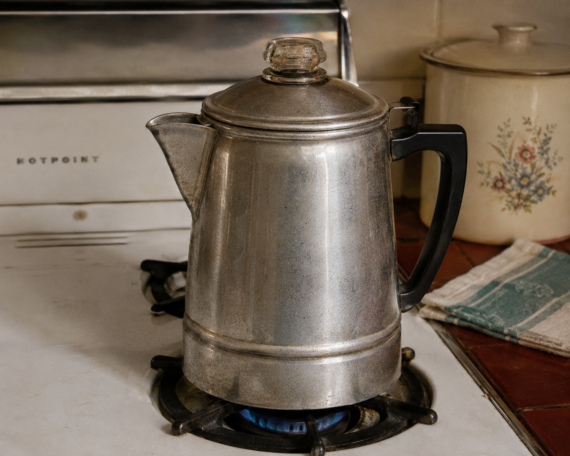
A Stove-Top Coffee Percolator
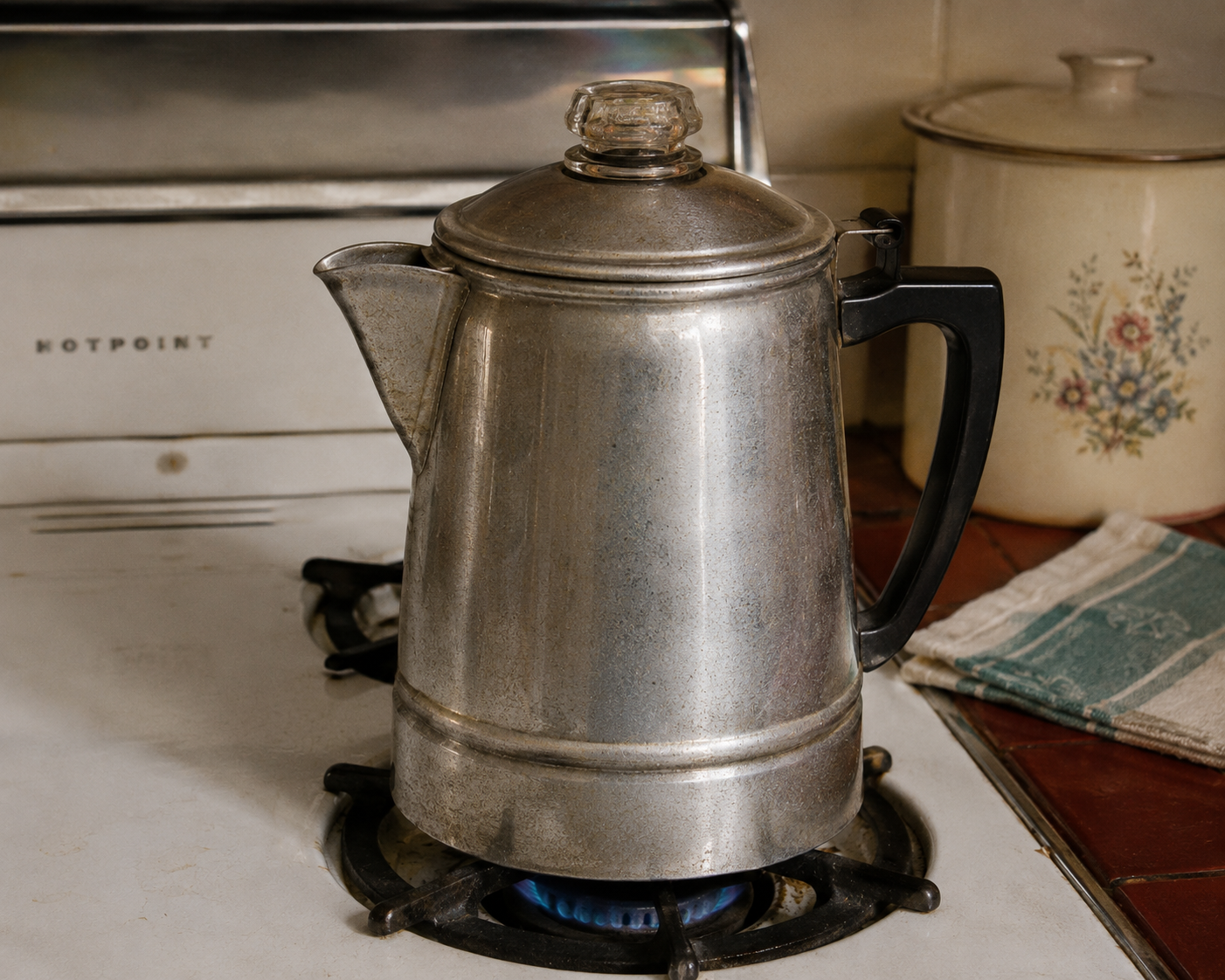
Long before single-serve pods and programmable coffee makers took over kitchen counters, there was the percolator. Water heated in the bottom of the pot and repeatedly circulated up through a tube and over the coffee grounds. Many models had a small glass knob in the lid, letting you watch the coffee bubble away as it brewed. Stove-top versions were common, though electric percolators were also available. The result was strong, piping-hot coffee and a sound and smell plenty of people would later associate with mornings at home.
A Pressure Cooker
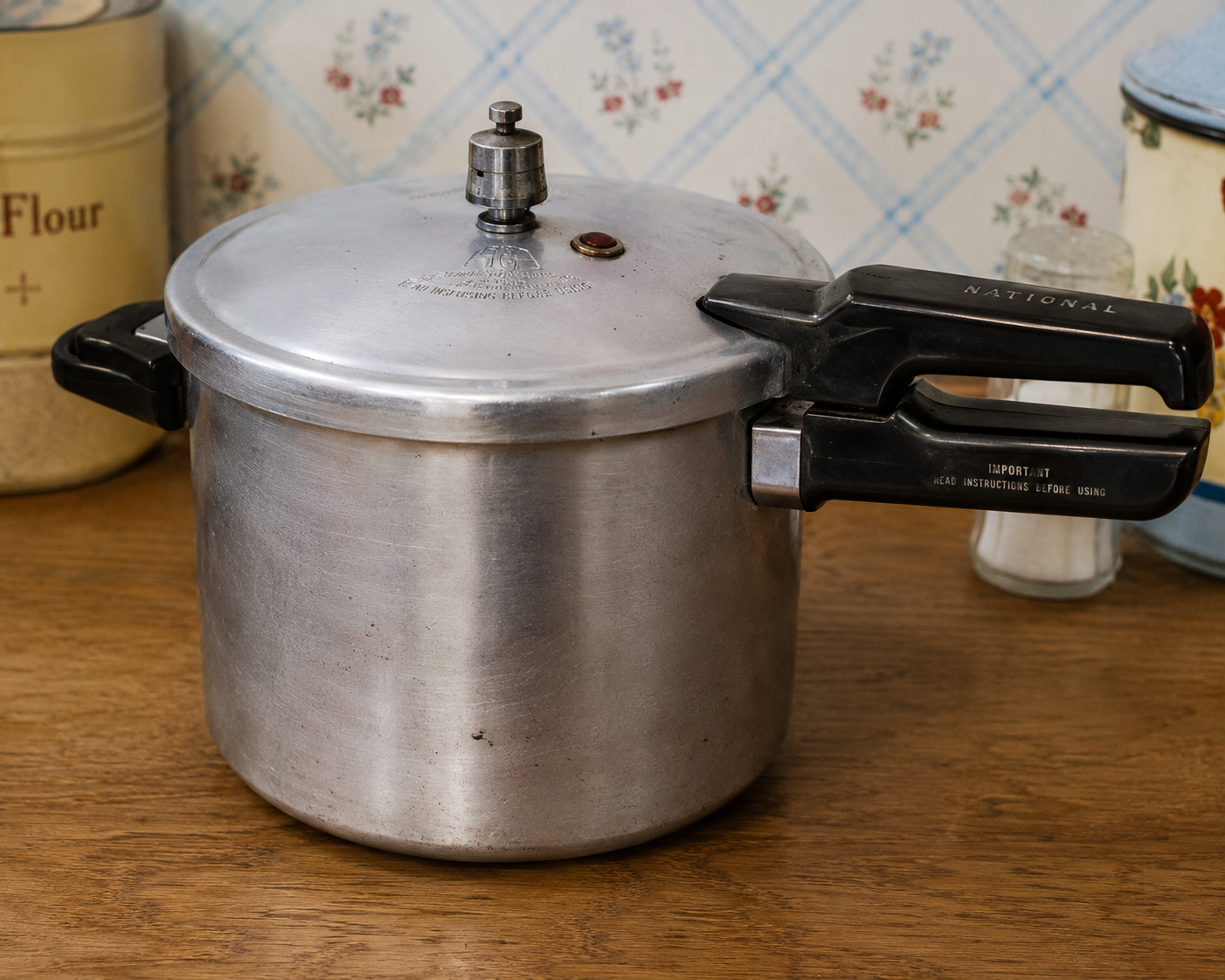
The Instant Pot may feel modern, but pressure cooking certainly isn’t. Heavy stove-top pressure cookers allowed families to prepare beans, stews, vegetables, and tougher — and often cheaper — cuts of meat more quickly. That made them particularly practical for households interested in stretching ingredients and saving cooking time. Older models also came with their own unmistakable soundtrack: the hiss, rattle, and release of steam from a heavy metal pot sitting on the stove.
A Wooden Ironing Board and Heavy Iron
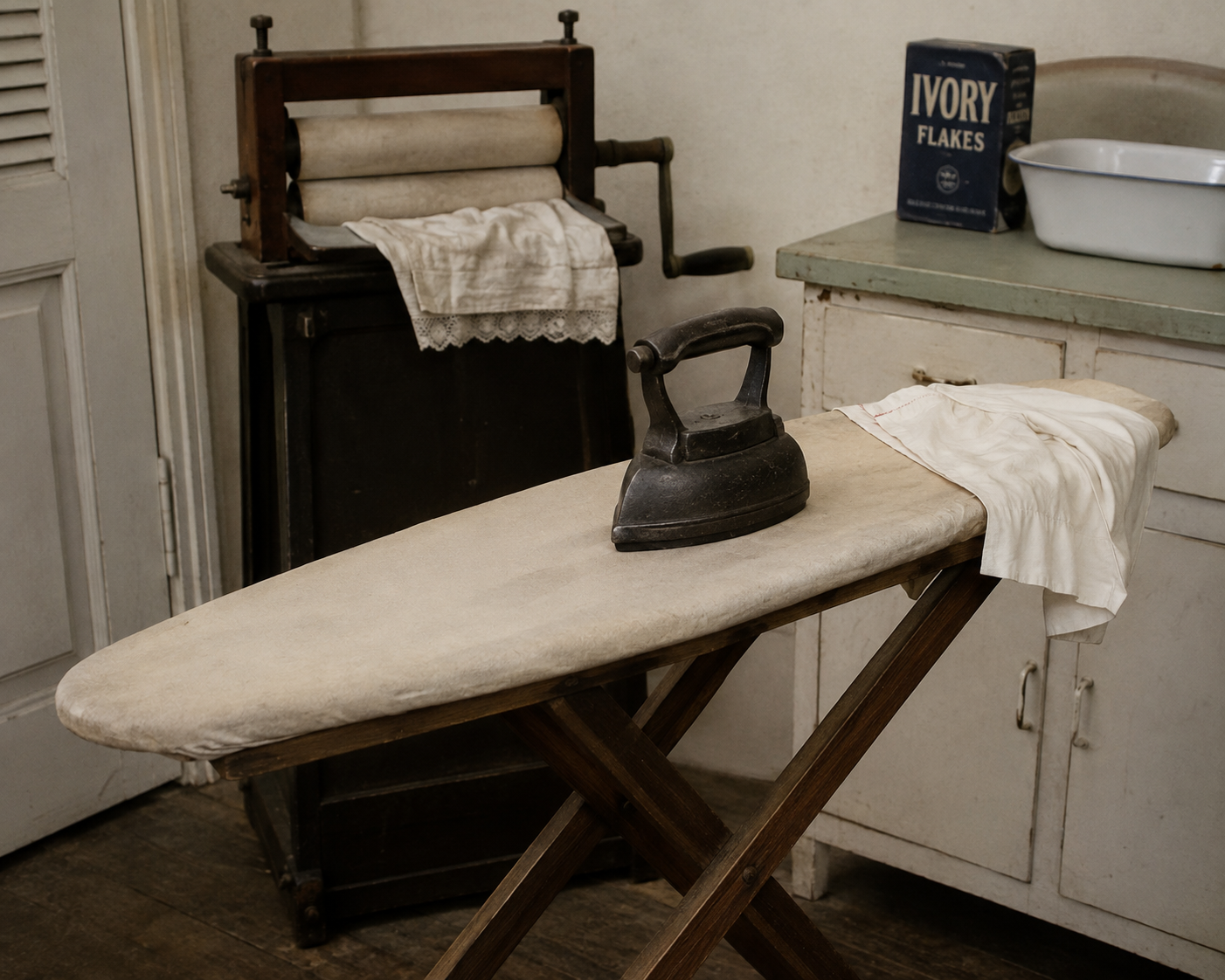
Before permanent-press fabrics and today’s generally more relaxed attitude toward wrinkles, ironing was a much bigger part of keeping a household’s clothes presentable. Cotton shirts, dresses, linens, and work clothes routinely met a hot iron, often atop a sturdy wooden ironing board. Clothes might even be sprinkled with water and allowed to sit before ironing to make stubborn wrinkles easier to remove. Laundry wasn’t really finished when it came off the clothesline — there could still be an entire pile waiting for the iron.
A Vacuum Cleaner or Carpet Sweeper
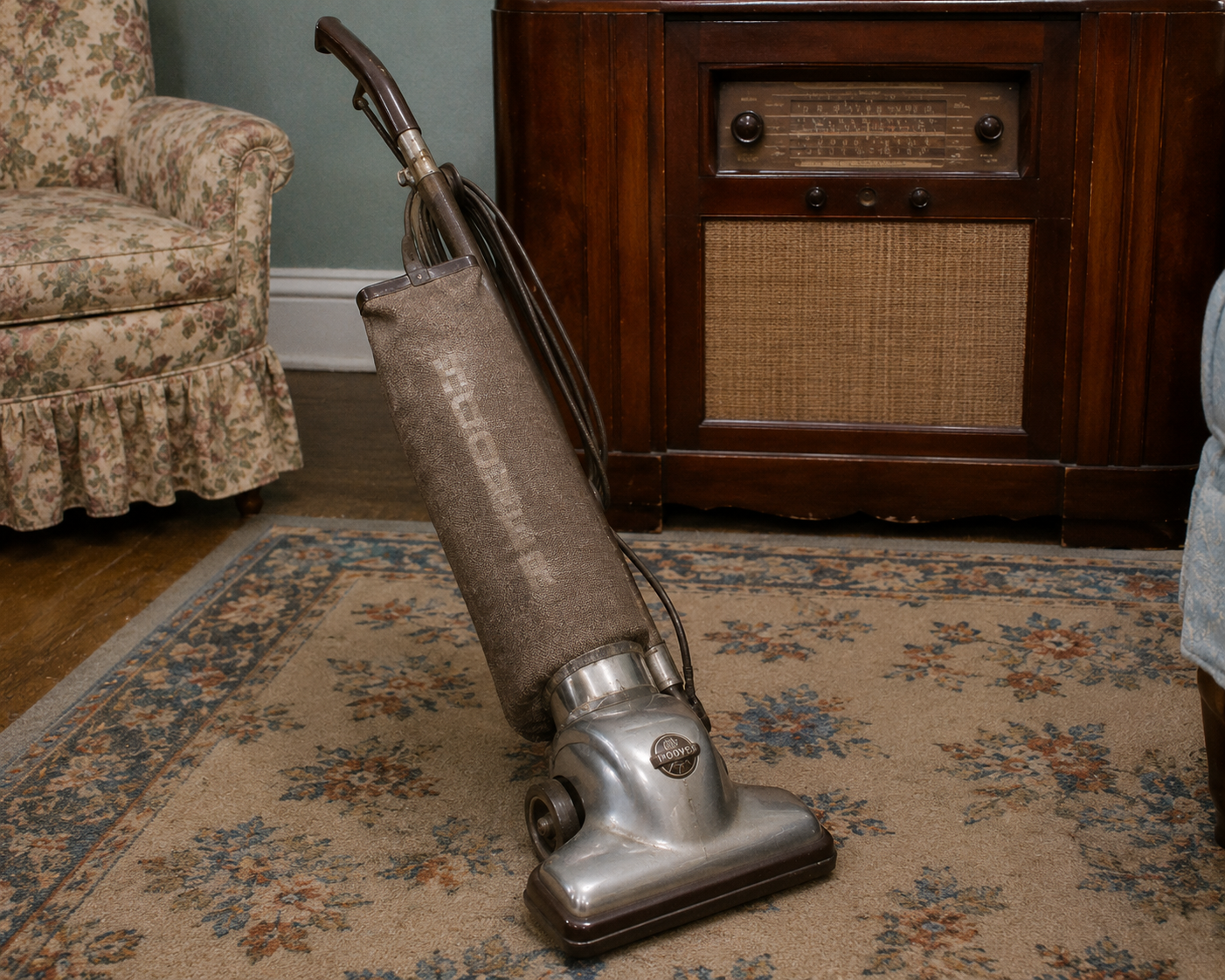
Vacuum cleaners were already saving households from some of the exhausting work involved in keeping rugs and floors clean. They didn’t exactly resemble today’s featherweight cordless models, though. Many were bulky machines with long electrical cords and cloth dust bags that had to be emptied. Manual carpet sweepers also remained useful for quick cleanups without electricity. Either way, these devices were part of a broader technological shift toward appliances designed to reduce the physical labor required to maintain a home.
A Record Player and Stack of 78s
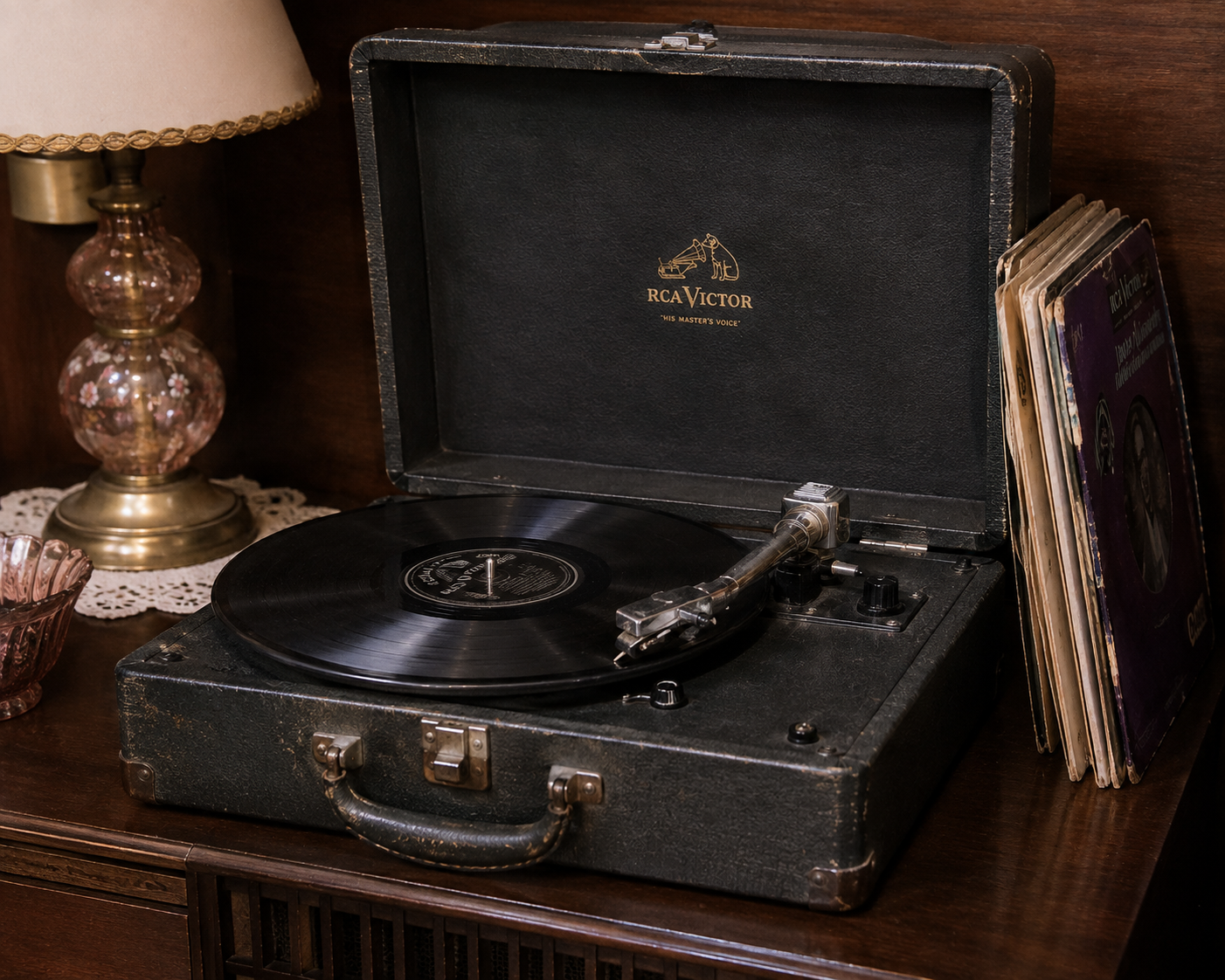
Radio may have dominated home entertainment, but recorded music had its own place in the 1940s household. For most of the decade, that meant thick, fragile shellac records spinning at 78 revolutions per minute. Because 78s could hold only a few minutes of music per side, enjoying several songs meant changing records frequently. Columbia introduced the long-playing record in 1948, signaling a major change to come. But for much of the decade, listening to your favorite music still meant choosing a heavy 78, placing it on the turntable, and carefully lowering the needle.