Growing up in the 1970s came with its own unmistakable soundtrack: the clack of metal lunch boxes, plastic Big Wheel tires rattling down the driveway, and roller skates rolling across the polished floor of the local rink. Childhood entertainment didn’t require Wi-Fi, but it might require a handful of Lite-Brite pegs, a banana-seat bike, or permission to use the oven for your latest batch of Shrinky Dinks.
Not everything we associate with a ’70s childhood was actually invented during the decade. Some favorites had been around for years before becoming fixtures of ’70s toy boxes, kitchens, and playgrounds. Others — including Pop Rocks, Stretch Armstrong, and Atari — were brand-new.
From digging through cereal boxes for the prize to stretching Stretch Armstrong as far as he’d go, these 1970s childhood memories might take you back to moments you haven’t thought about in decades.
Metal Character Lunch Boxes
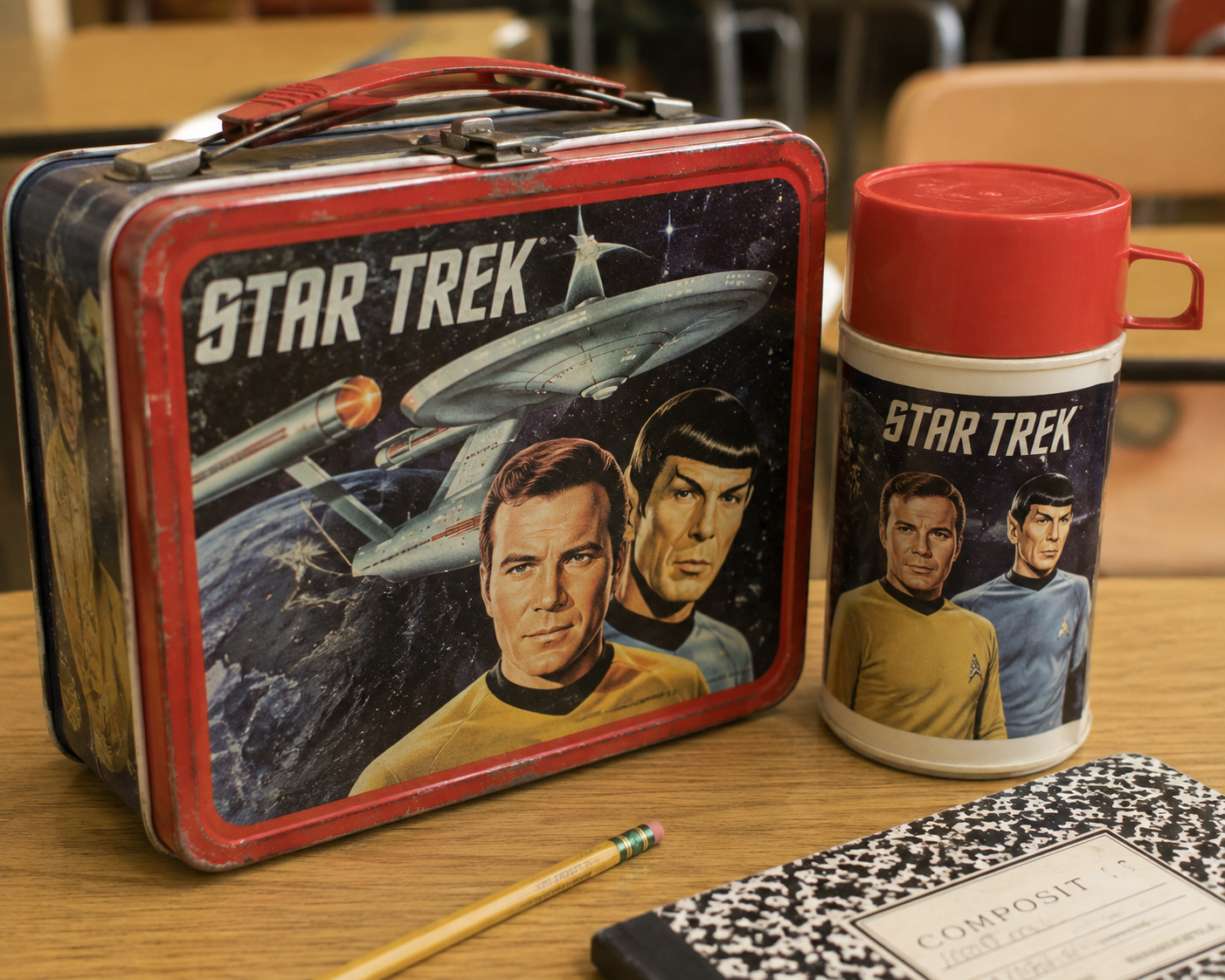
Before insulated lunch bags took over, plenty of kids carried a metal lunch box decorated with their favorite TV show, cartoon character, or superhero. The design was practically a personality statement, while the matching Thermos inside completed the set. Of course, these things took a beating. By the end of the school year, your lunch box probably had scratched paint, dented corners, and a plastic handle that dug into your fingers. And somehow, opening that metal latch at lunchtime produced a smell you can probably still remember.
Banana-Seat Bikes
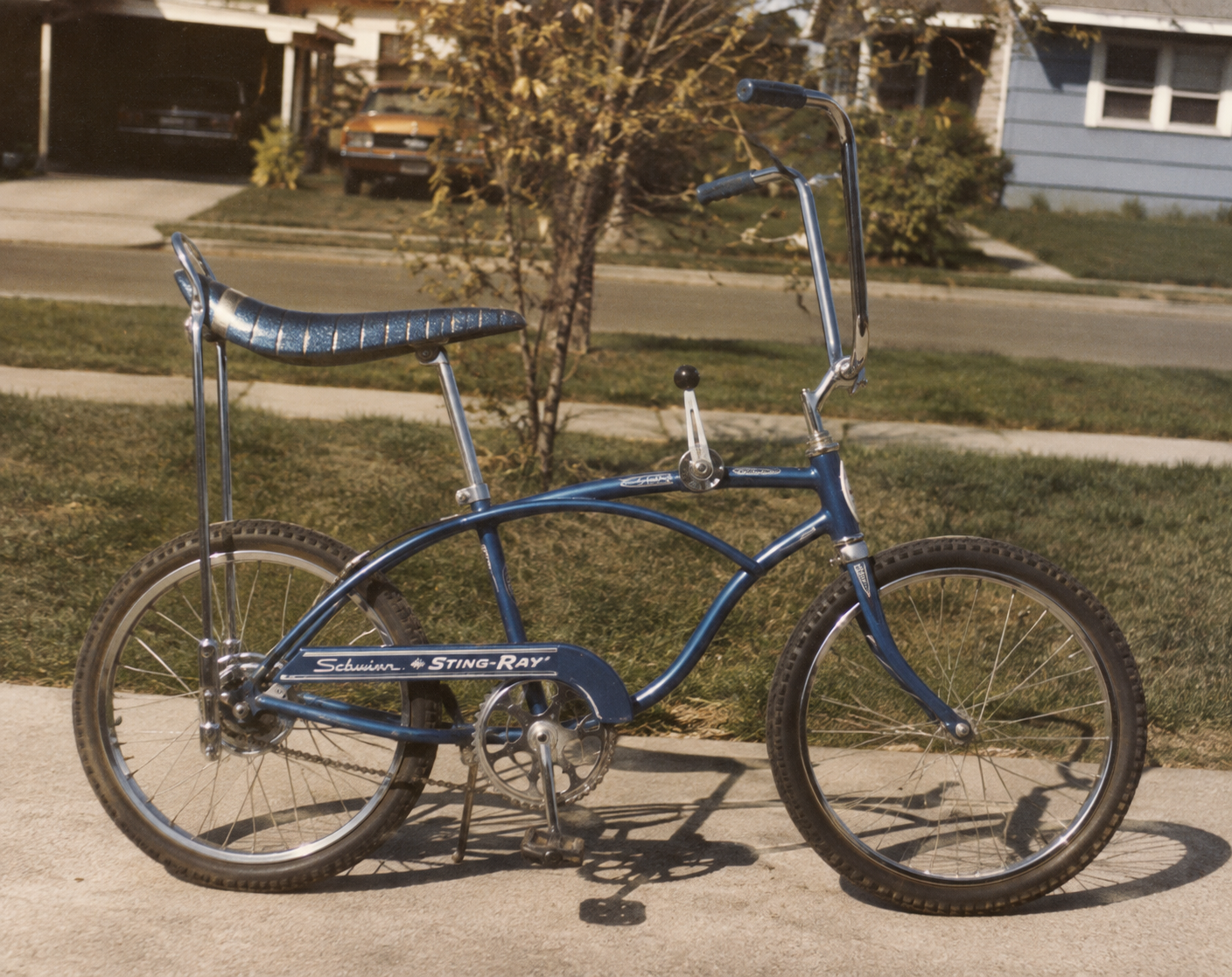
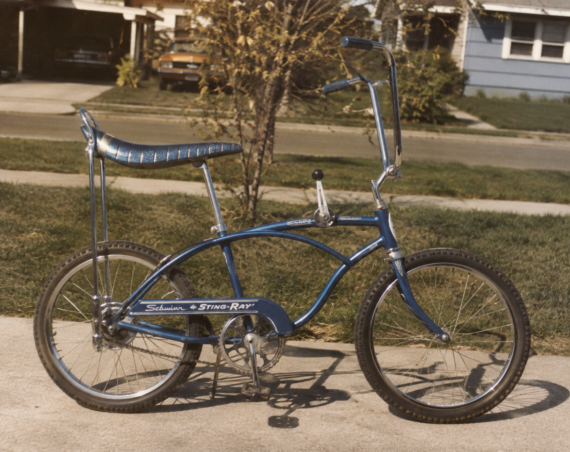
For a ’70s kid, a bicycle wasn’t just a toy. It was transportation, independence, and your ticket to disappearing around the neighborhood with friends for a few hours. Schwinn introduced its famous Sting-Ray in 1963, but banana seats, high-rise handlebars, and muscle-bike styling remained unmistakable parts of childhood throughout the ’70s. Add some streamers to the handlebars or baseball cards to the spokes and you were ready to go. Helmets? Let’s just say scraped knees were a much more familiar sight.
Big Wheels
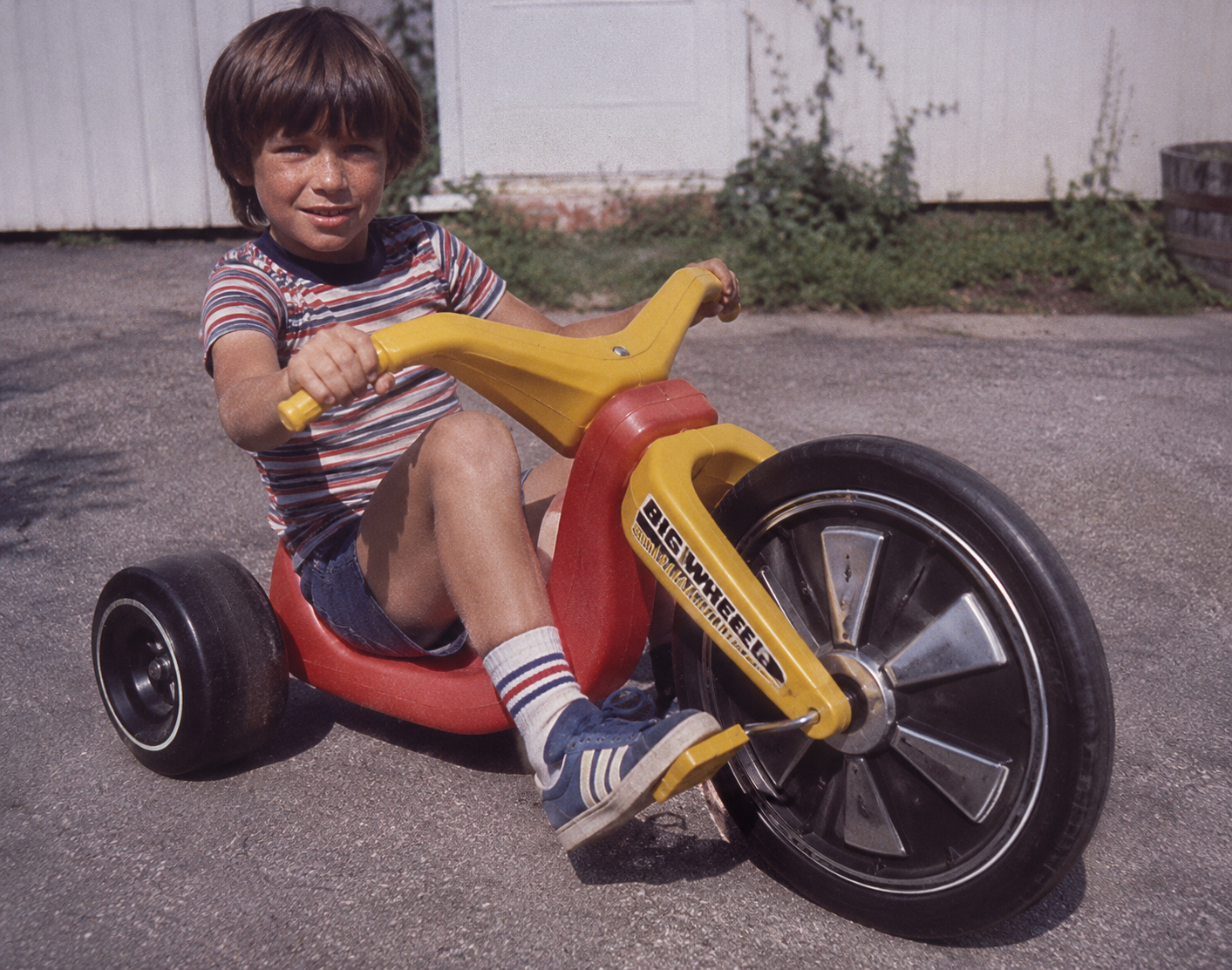
You could usually hear a Big Wheel before you saw one. Introduced in 1969, the low-slung plastic tricycle became an outdoor staple during the following decade, and those hard plastic wheels made an incredible racket rolling across concrete. Kids quickly discovered that simply pedaling forward was the least interesting thing you could do with one. Driveway races, sharp turns, intentional skids, and spinning the front wheel while going absolutely nowhere were all part of the experience.
Roller Skates
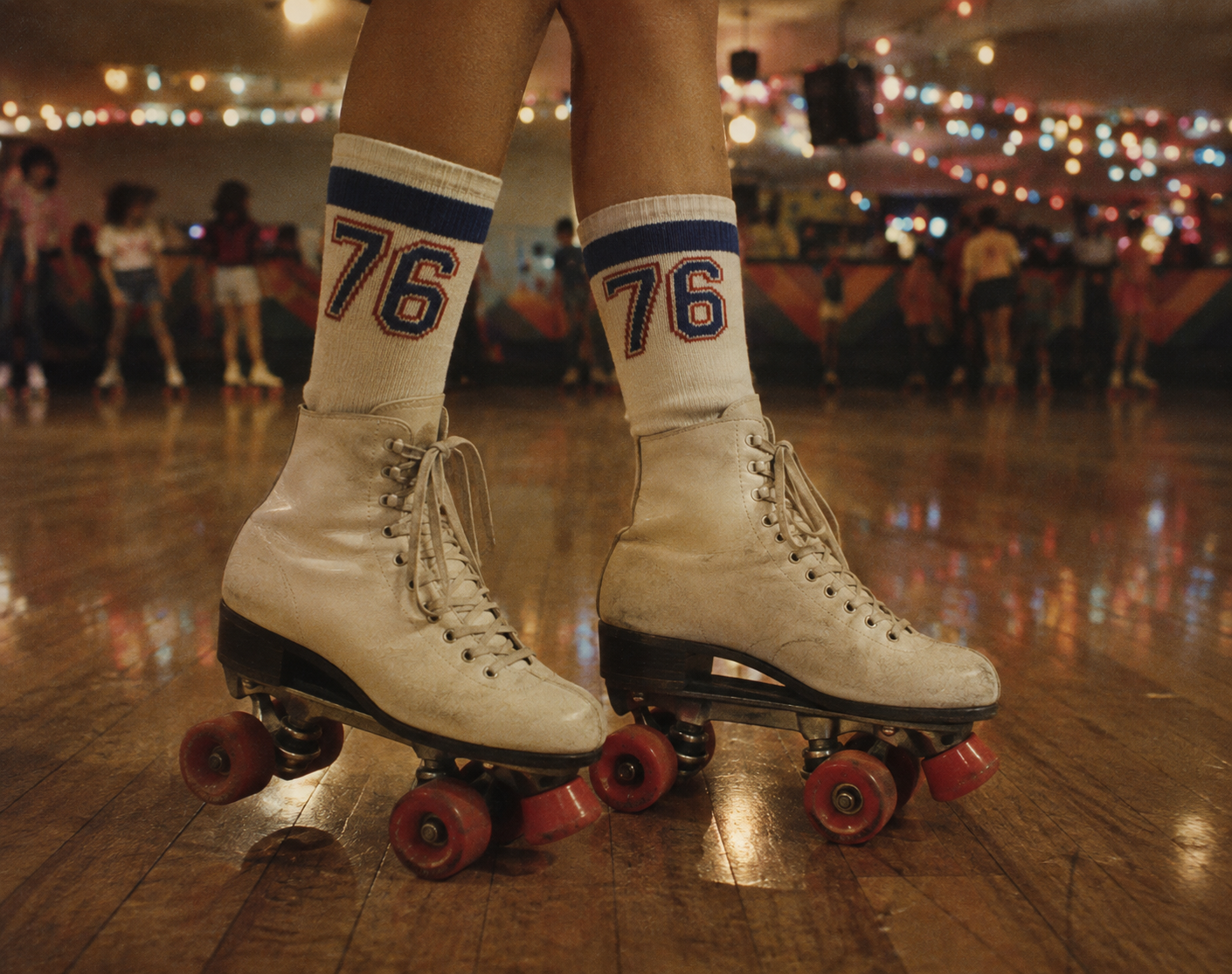
A Saturday afternoon at the roller rink was about much more than skating. There were colored lights, loud music, carpeted walls, rental counters, snack bars, and the terrifying transition from carpet to polished floor. Roller-rink culture became particularly popular during the disco-crazed second half of the ’70s, but plenty of kids were also rolling around sidewalks and driveways on traditional quad skates. And if you never quite mastered the toe stop, there was always the reliable technique of crashing directly into the nearest wall.
Clackers
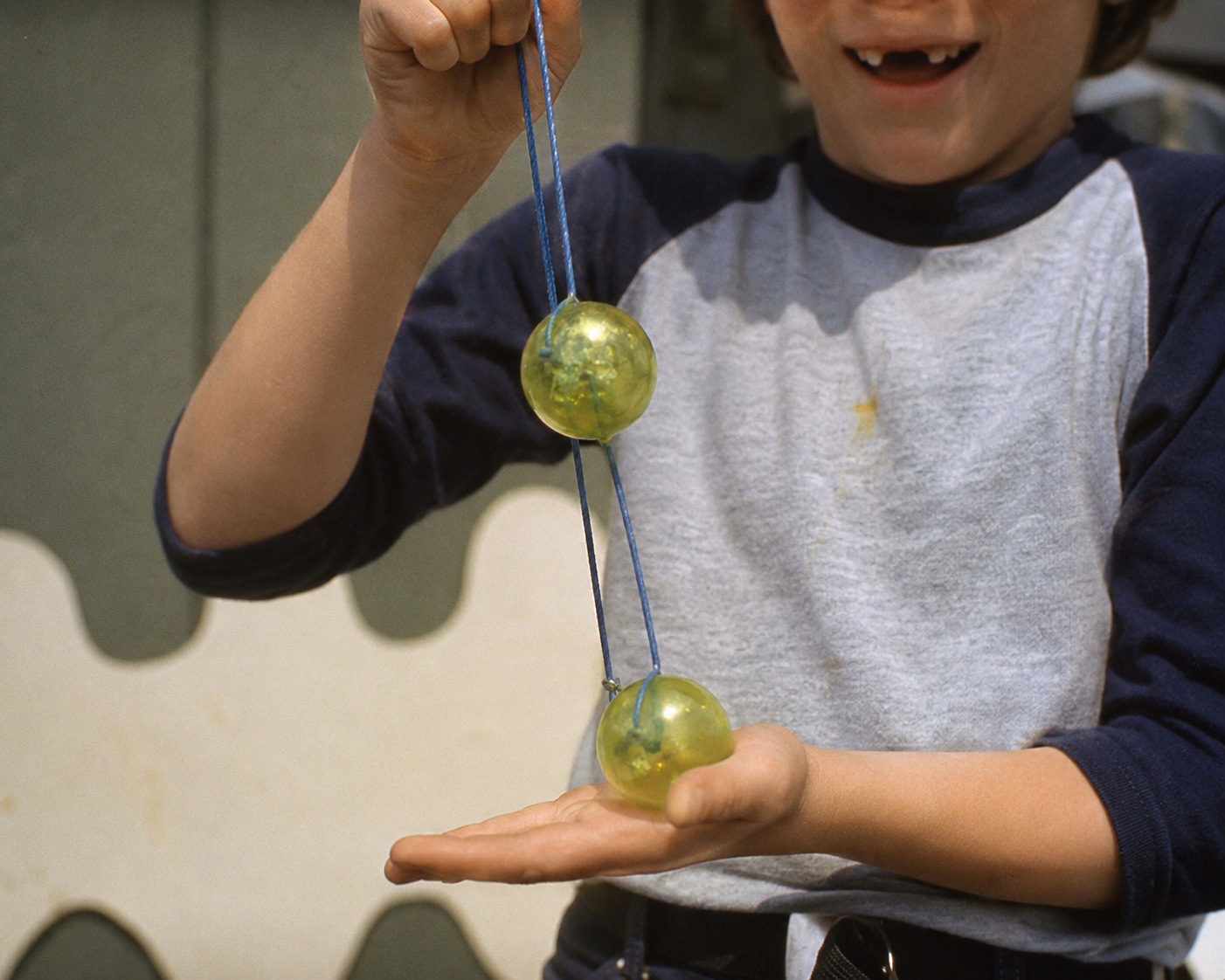
It’s hard to imagine parents willingly handing children one of the loudest toys ever devised, but the early ’70s were a different time. Clackers consisted of two hard balls attached to cords that kids swung so they smashed together above and below the hand. Getting into a steady rhythm was incredibly satisfying. Getting smacked in the wrist was less so. Some versions also cracked, shattered, or came apart, prompting federal regulators to address potentially hazardous clacker balls in the early 1970s.
Trending on Cheapism
Lite-Brite
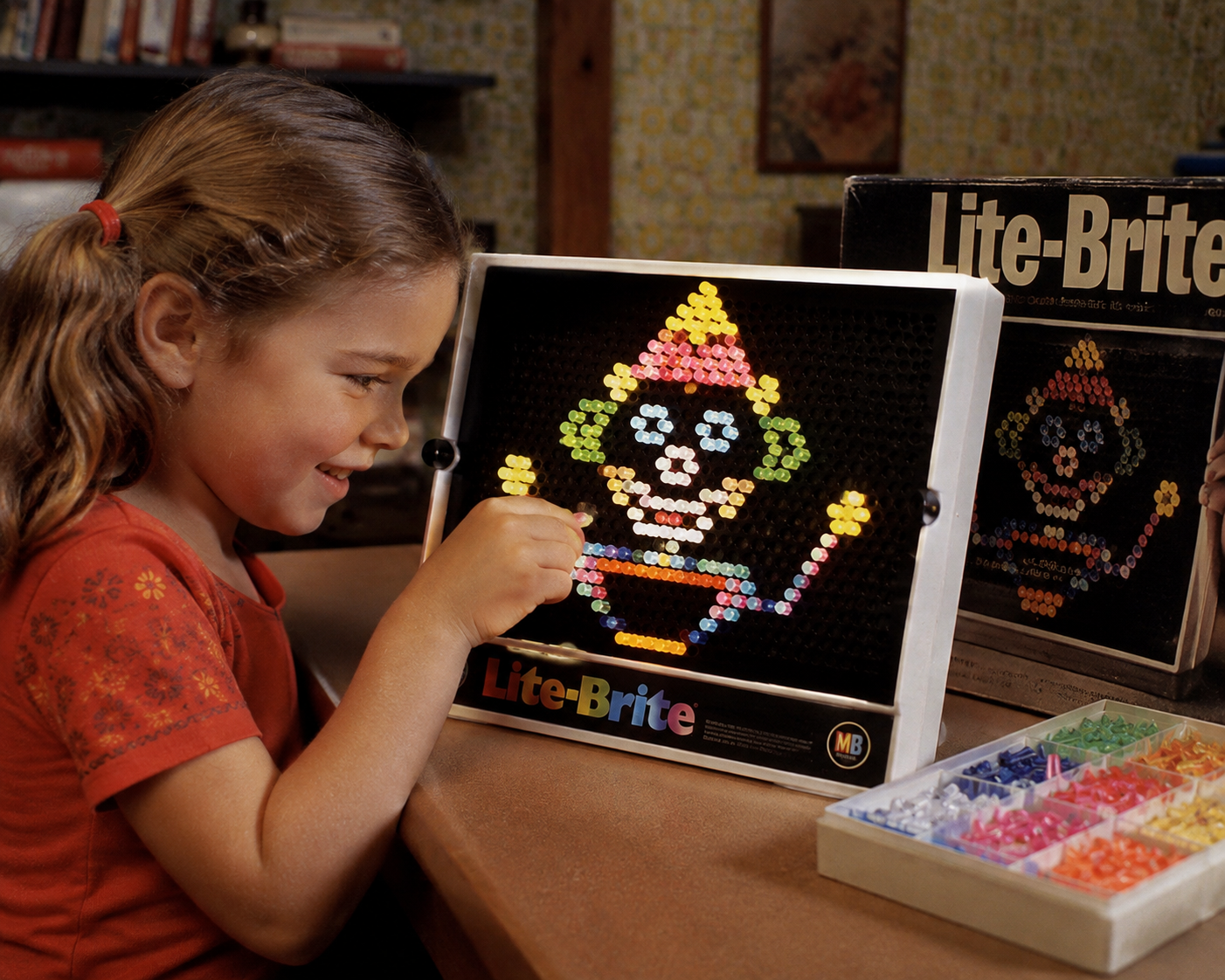
A light box, black paper, and a pile of tiny plastic pegs somehow added up to magic. Lite-Brite debuted in 1967 but remained a childhood favorite throughout the ’70s, letting kids create glowing pictures one colorful peg at a time. Templates provided some guidance, but you could also abandon them and create whatever masterpiece you wanted. Half the fun was pushing each peg through the black paper and watching the picture slowly illuminate. The other half was apparently losing those tiny pegs in every corner of the house.
Shrinky Dinks
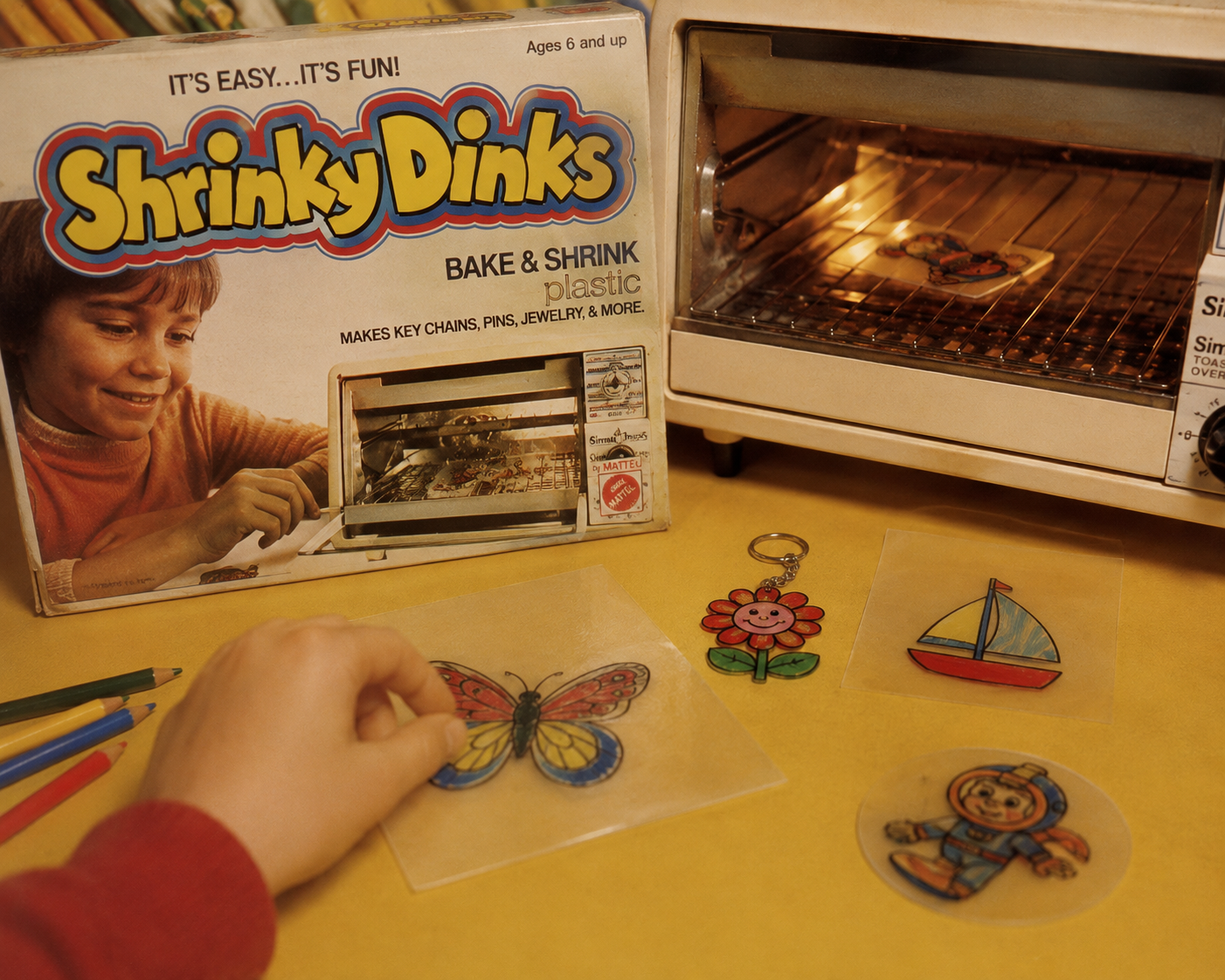
Few craft projects delivered a payoff quite as dramatic as Shrinky Dinks. Invented in 1973, they let kids color designs on thin plastic sheets, cut them out, and put them in the oven. Then came the alarming part: watching your creation curl and twist until you were convinced you’d ruined it. Somehow, it would flatten back out and emerge as a tiny, thickened version of the original. Science might explain the shrinking plastic, but to a kid watching through the oven door, it looked a lot like magic.
Easy-Bake Ovens
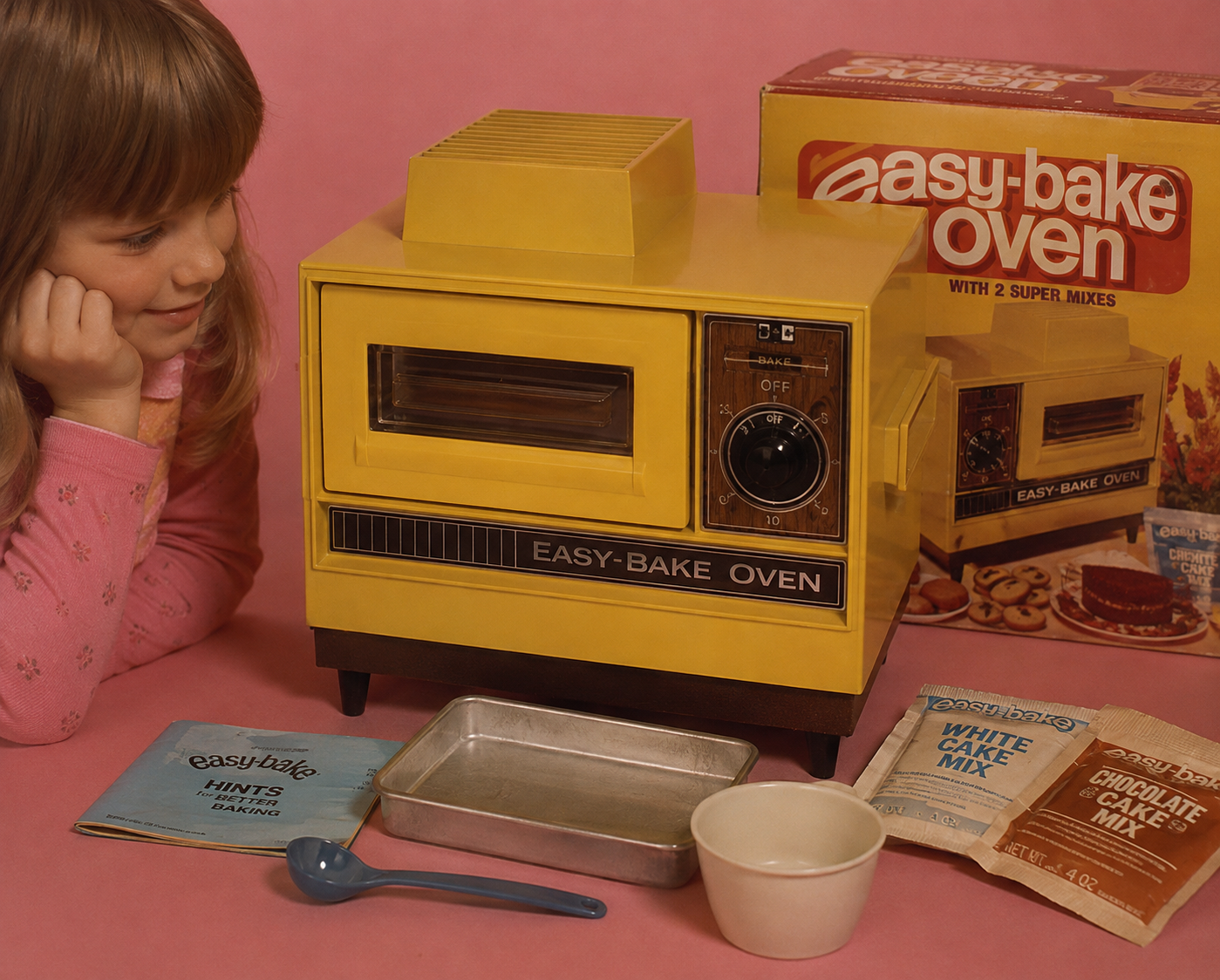
The Easy-Bake Oven technically debuted in 1963, but its ’70s versions couldn’t have looked more at home in the decade. Models came in colors like avocado green, harvest gold, lime green, and burnt orange, essentially turning one of the era’s most recognizable kitchen aesthetics into a children’s toy. The tiny pans and powdered mixes produced equally tiny desserts, and waiting for a miniature cake to finish baking felt like an eternity. The final product wasn’t always delicious, but that didn’t stop kids from proudly serving it to their parents.
Sign up for our newsletter
Weebles
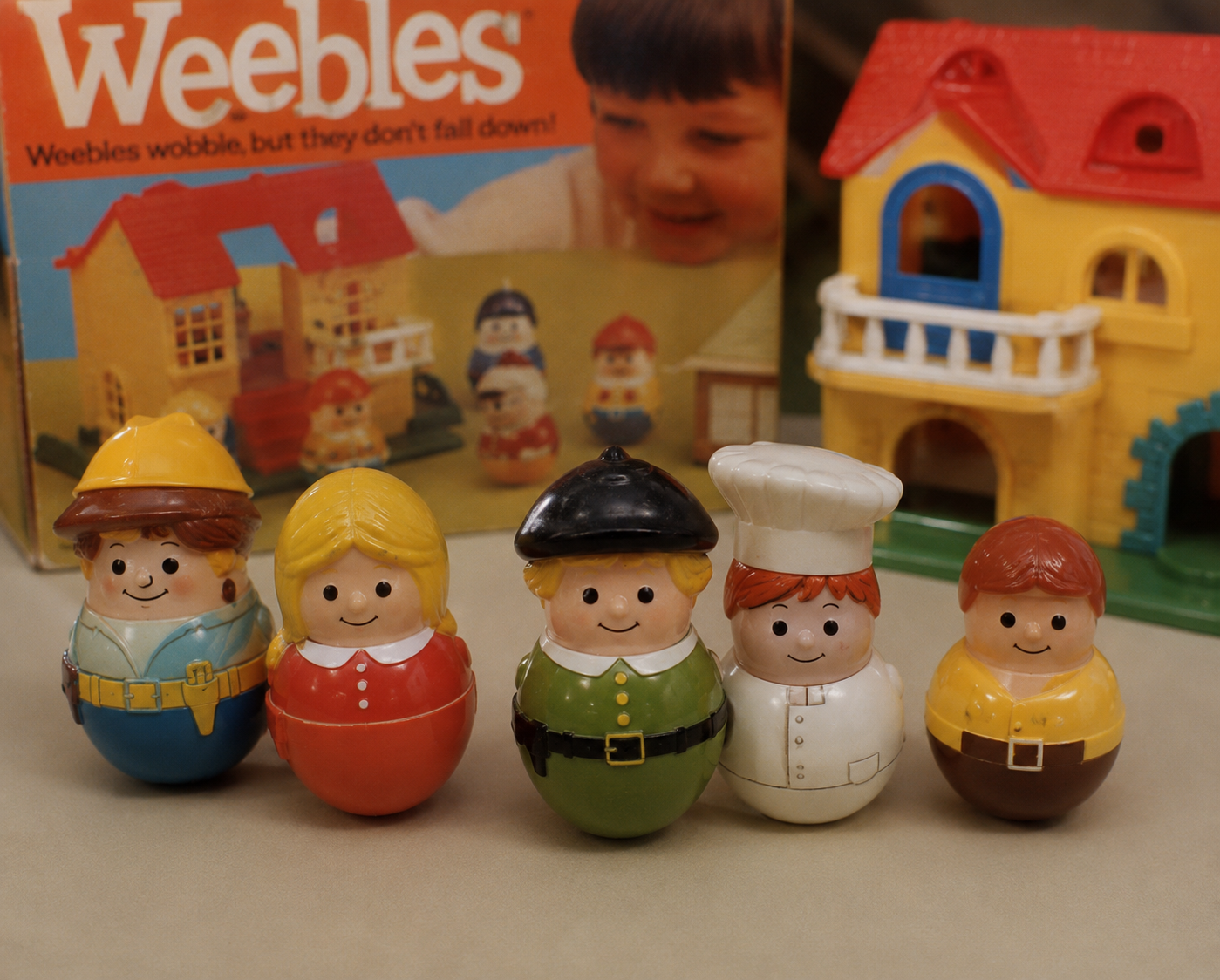
They wobbled. Getting them to actually stay down was another matter. Playskool introduced Weebles in 1971, and their weighted bottoms meant the egg-shaped figures popped upright after being pushed over. Naturally, children took that as a challenge. Weebles soon had houses, vehicles, playgrounds, and other playsets that turned the simple wobbling figures into their own miniature world. Even people who haven’t thought about the toys in decades may still instantly remember the famous commercials.
Stretch Armstrong
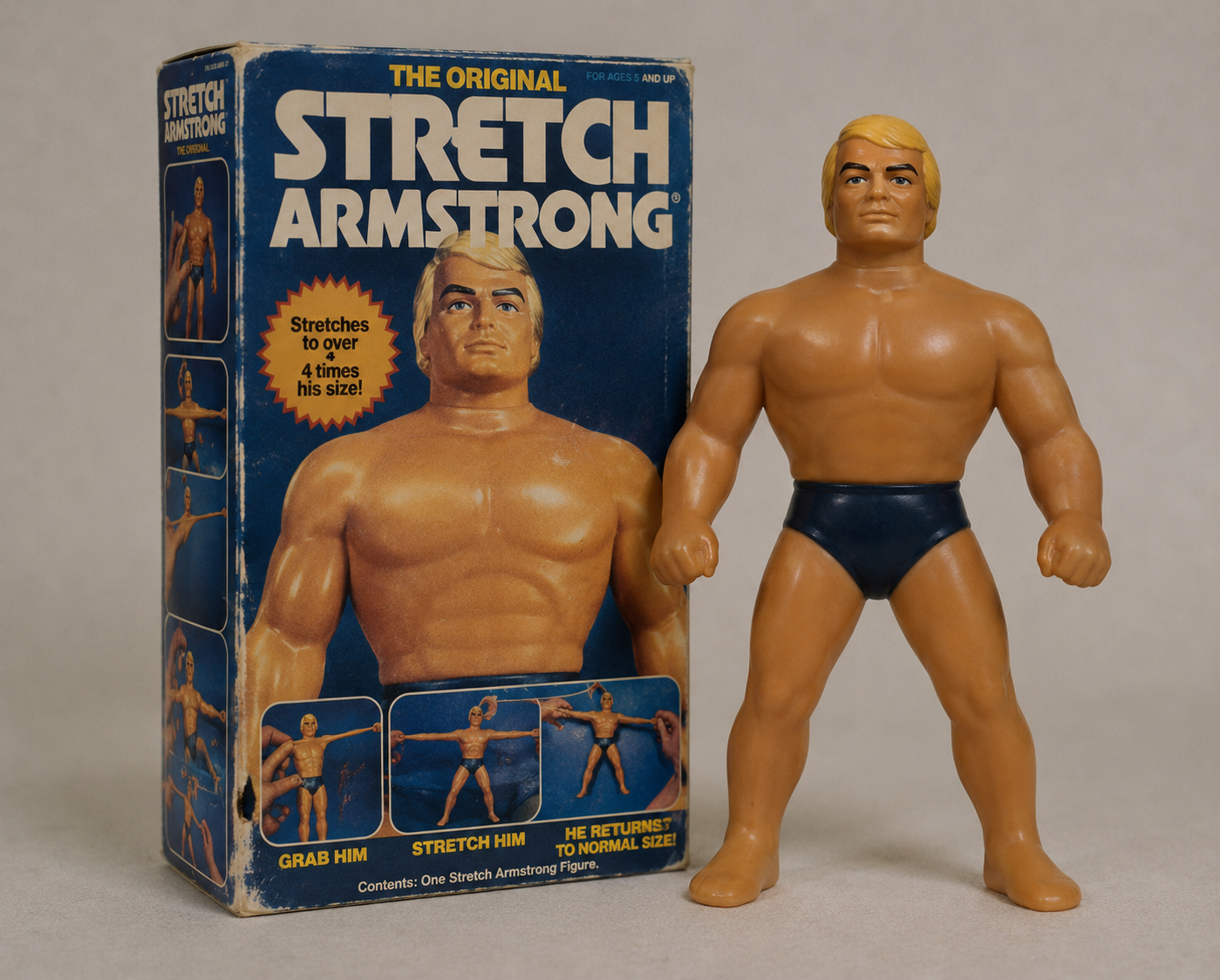
There were action figures, and then there was the action figure you could pull halfway across the room. Kenner introduced Stretch Armstrong in 1976, and the 13-inch muscular figure could reportedly stretch to around four feet. That meant the obvious game was seeing just how far you and a sibling could pull him in opposite directions before somebody got nervous. Plenty of Stretch Armstrongs didn’t survive childhood completely intact, but the strange weight, squishy texture, and irresistible urge to test his limits made him unforgettable.
Star Wars Action Figures
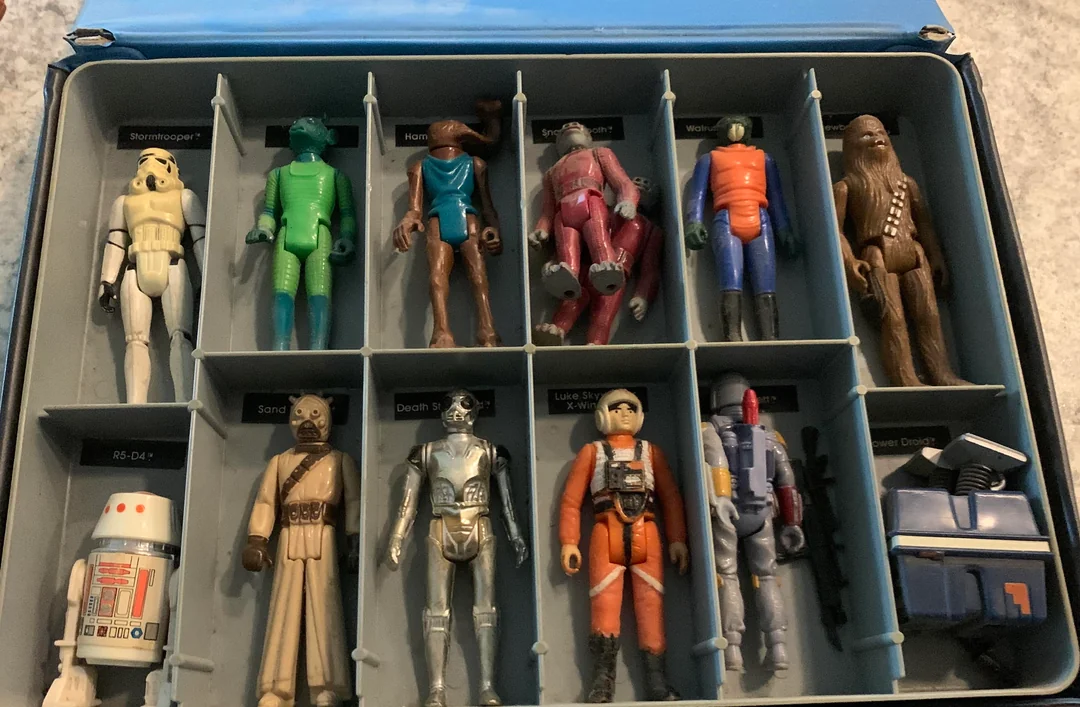
When “Star Wars” arrived in 1977, Kenner wasn’t prepared for just how badly kids would want the toys. The company couldn’t get action figures into stores in time for Christmas, resulting in the unusual Early Bird Certificate Package that essentially promised kids their figures later. The first 3¾-inch figures arrived in 1978, and characters like Luke Skywalker, Princess Leia, Darth Vader, and Chewbacca quickly started taking over toy boxes. These weren’t pristine collectibles yet. They were flown around bedrooms, buried in backyards, and inevitably separated from their tiny accessories.
Pop Rocks
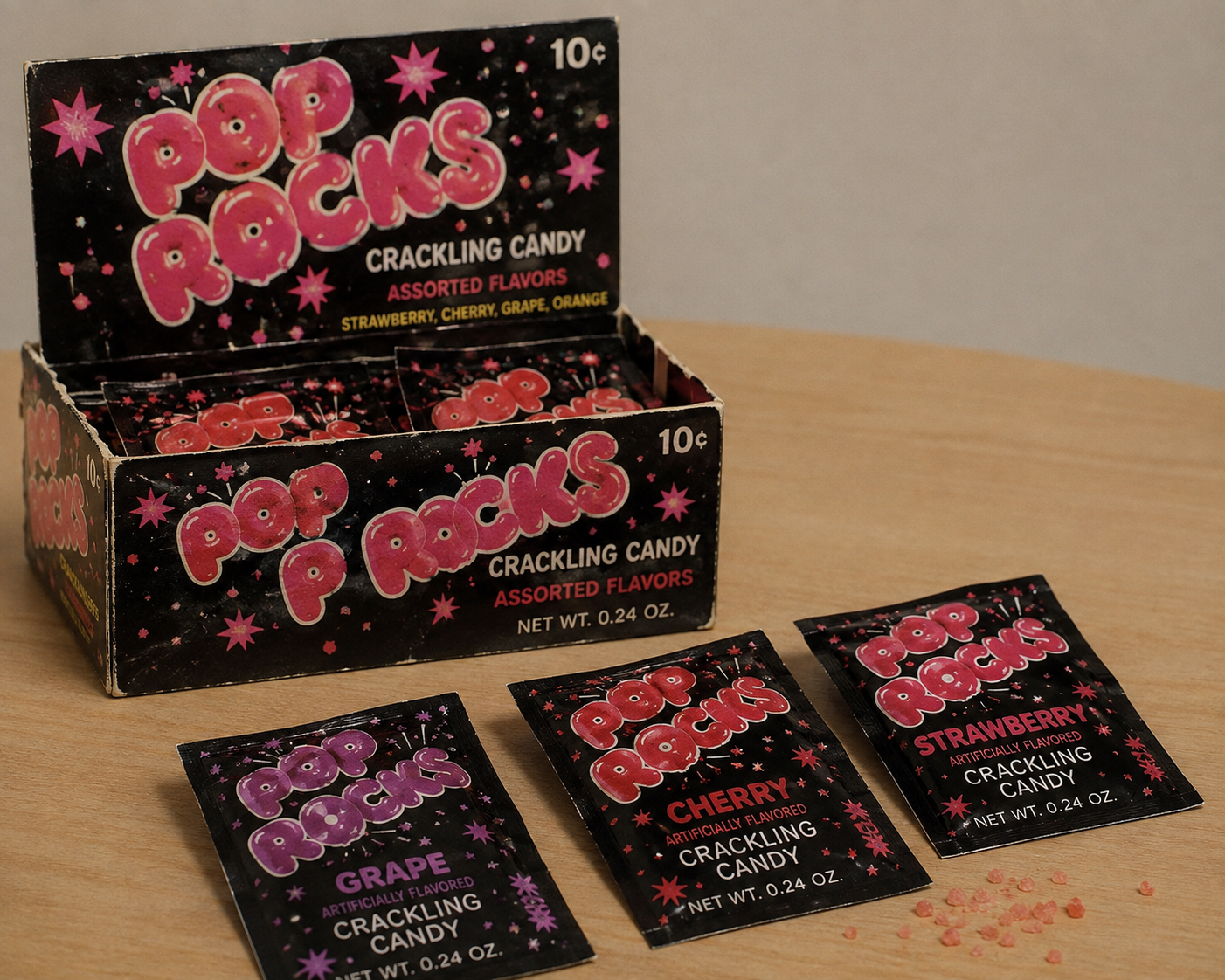
Plenty of candy tasted good, but Pop Rocks felt like it was doing something vaguely dangerous inside your mouth. Introduced nationally in the U.S. in 1976, the tiny pieces crackled and popped when they hit your tongue thanks to trapped carbon dioxide. Naturally, kids turned this into entertainment, opening their mouths so friends could listen and daring one another to eat increasingly large amounts. Wild rumors about the candy’s safety eventually became almost as famous as Pop Rocks themselves, although those frightening playground stories weren’t actually true.
Cereal Box Prizes
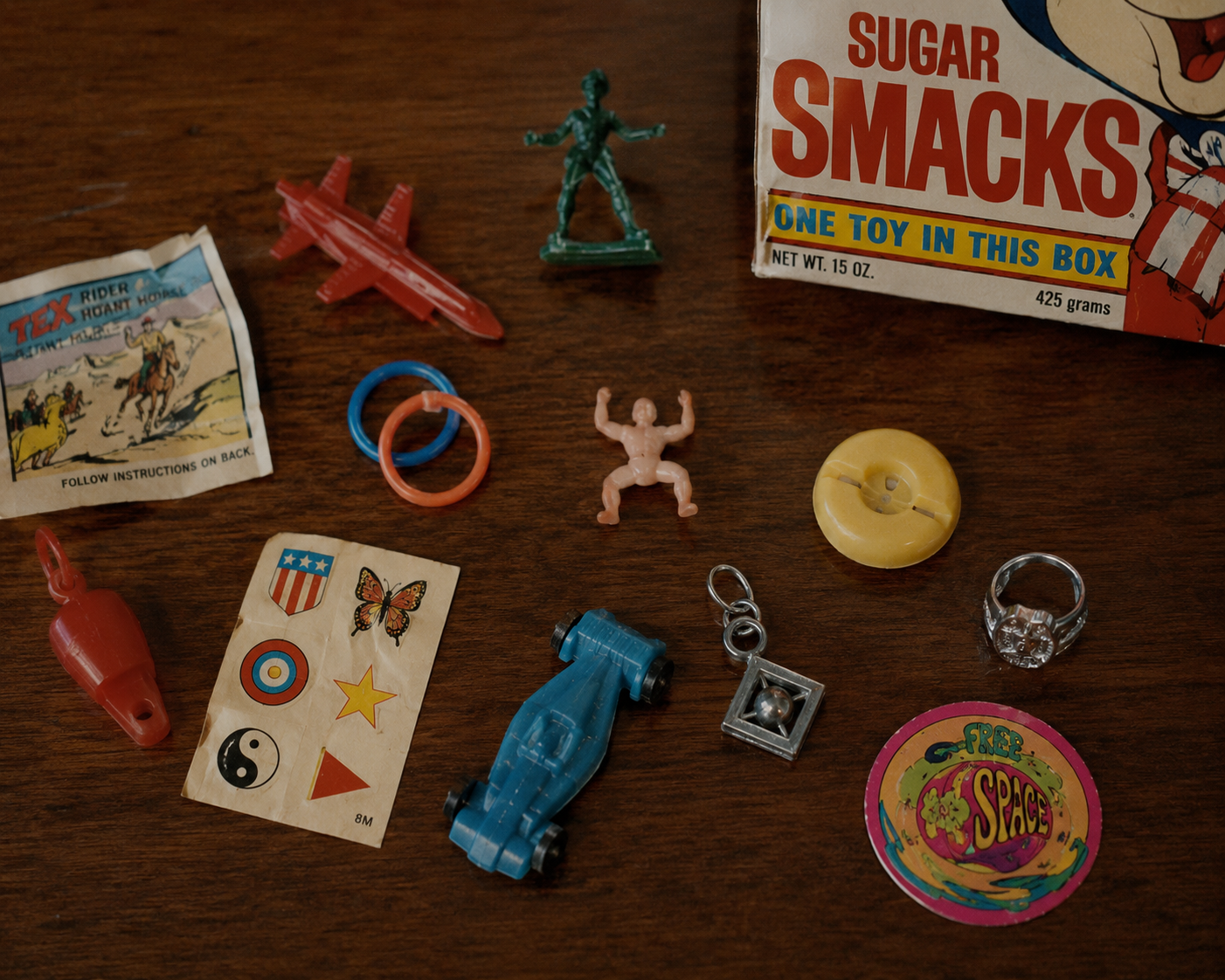
Sometimes the cereal itself was almost beside the point. If a box promised a plastic toy, sticker, card, decoder, or other prize inside, kids suddenly had very strong opinions about what the family should be eating for breakfast. The patient approach was waiting until the prize naturally emerged. The more realistic approach was plunging an arm straight into a newly opened box and digging around until you found it. If you had siblings, discovering the prize was usually followed by an entirely separate argument over who actually got to keep it.
Pitchers of Kool-Aid
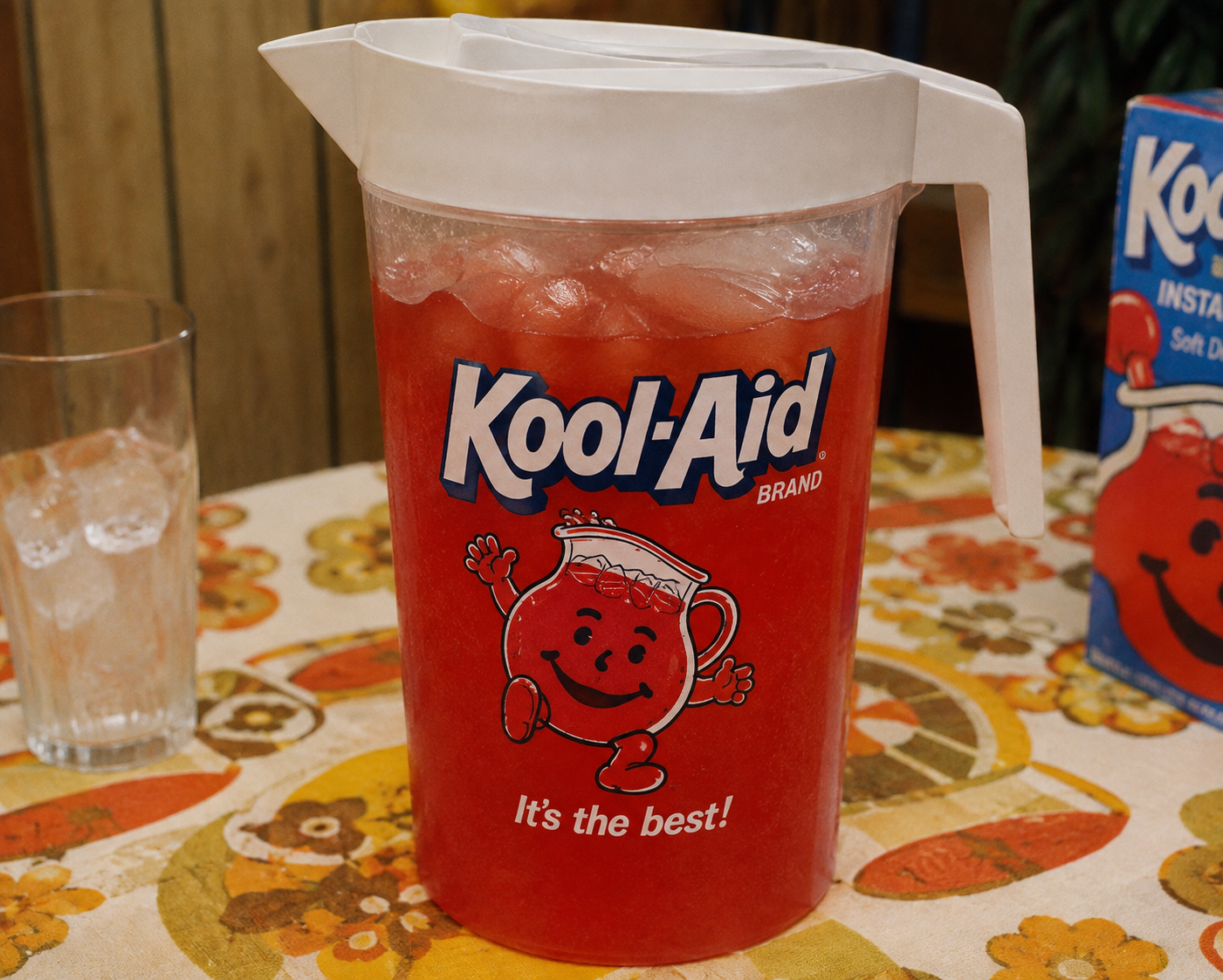
After spending hours riding bikes or running around outside, few things looked better than a pitcher filled with brightly colored Kool-Aid. The powdered mix wasn’t new to the ’70s, but the ritual will feel familiar to plenty of people who grew up during the decade: race into the kitchen, pour yourself a plastic cup, and head straight back outside. Cherry, grape, orange, tropical punch — everyone had a favorite. And if the sugar hadn’t completely dissolved at the bottom of the pitcher? That was just part of the experience.
Atari Joysticks
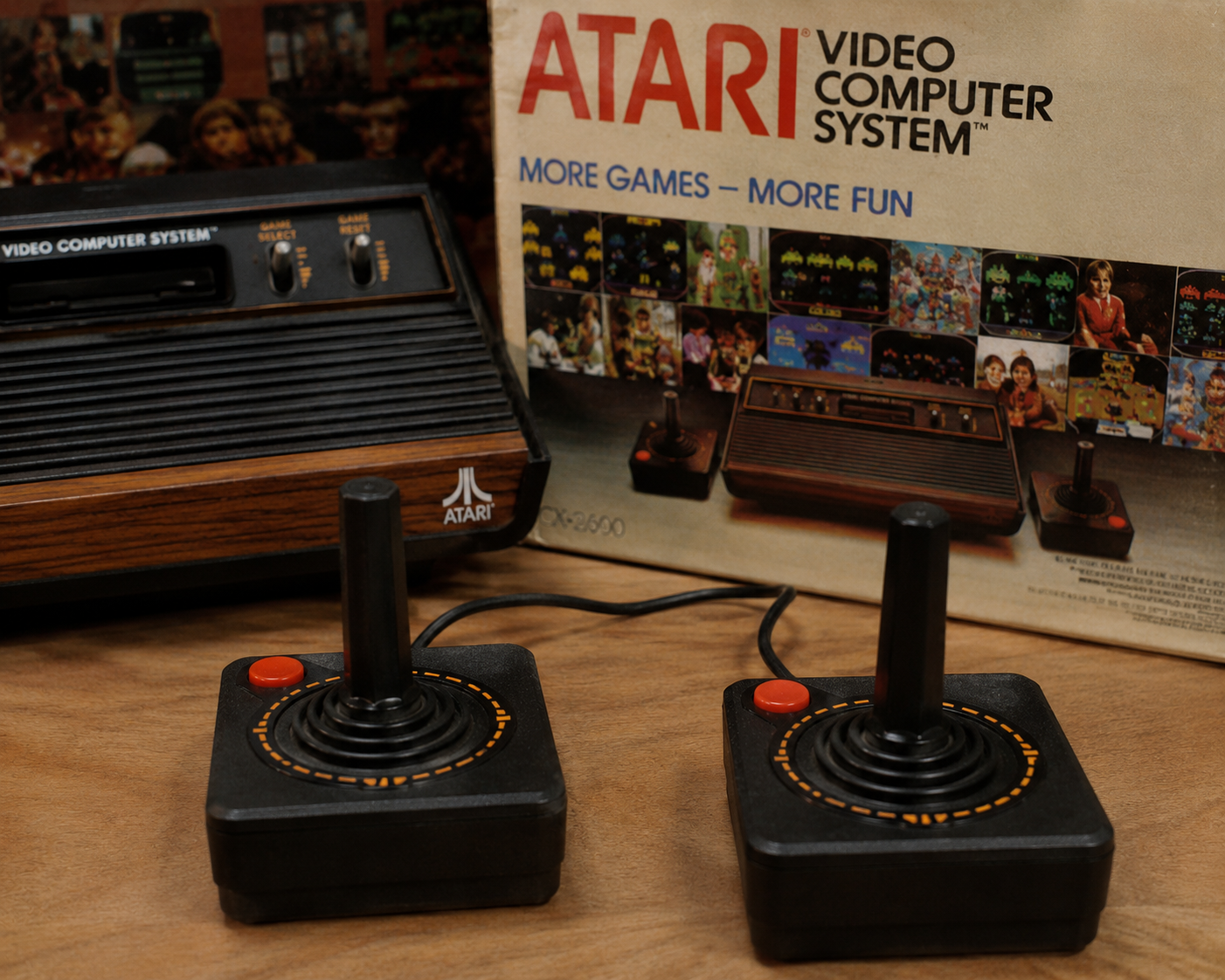
By the end of the ’70s, childhood entertainment was starting to look very different. Atari released its Video Computer System in 1977 — the console later known as the Atari 2600 — bringing interchangeable-cartridge gaming into American living rooms. Compared with today’s controllers, Atari’s joystick and single red button were remarkably simple. But sitting cross-legged on the floor in front of a wood-paneled television and swapping cartridges to play a completely different game felt revolutionary. The electronic childhood of the 1980s was arriving, one stiff joystick at a time.