Some cities are worth visiting partly because of what lies beyond them. Spend a few days in one place and a day trip can trade busy streets and museums for giant redwoods, mountain scenery, beaches, wine country, or even a working space center. The National Park Service even organizes trip ideas by location, activity, and how much time you have. These American destinations make especially useful vacation bases when you want two very different experiences without packing up and changing hotels.
San Francisco, California: Muir Woods National Monument
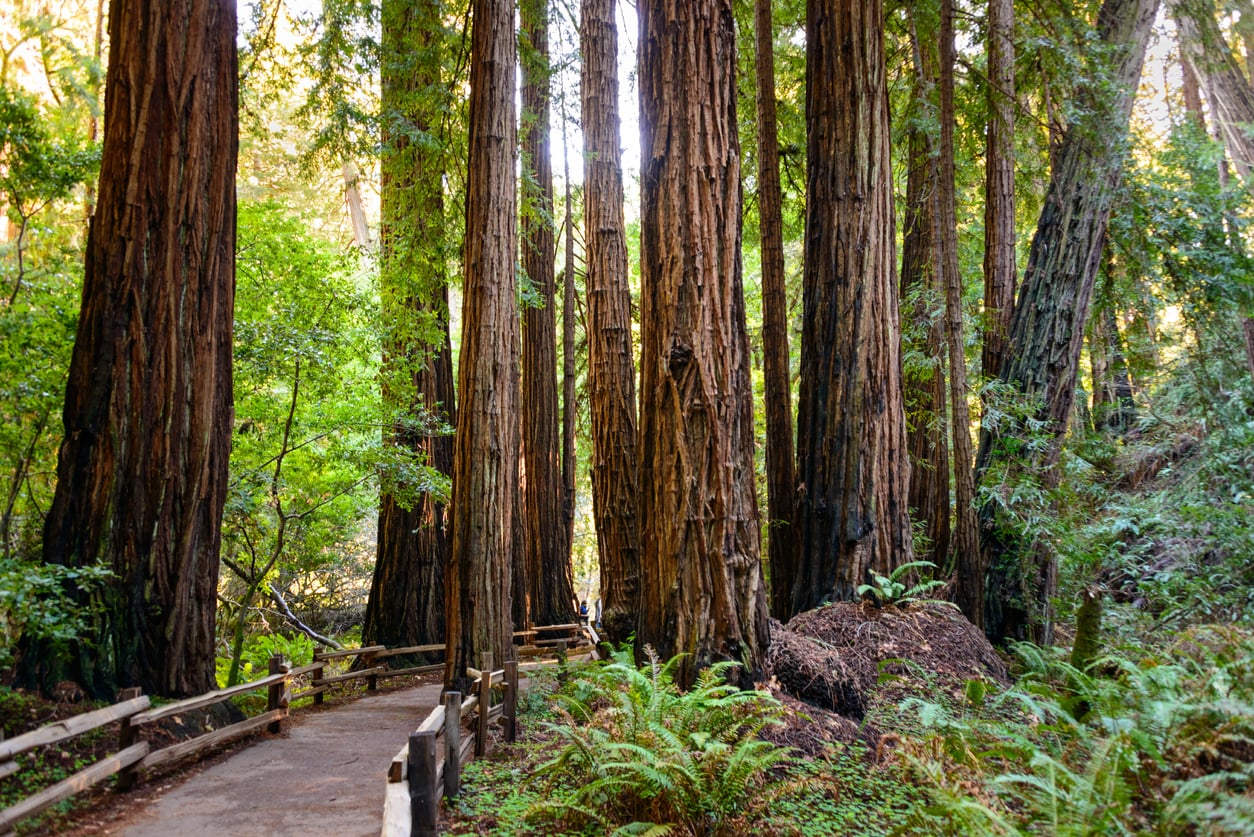
Less than an hour from San Francisco, Muir Woods swaps cable cars and city streets for a cool forest of towering coast redwoods, some estimated to be hundreds of years old. Its relatively easy walking trails make it particularly appealing to travelers who want redwood scenery without driving several hours north to larger parks. The catch is planning: parking reservations are required, as are reservations for shuttle riders, and popular times can sell out. Don’t show up expecting to simply find a parking space.
Las Vegas, Nevada: Valley of Fire State Park
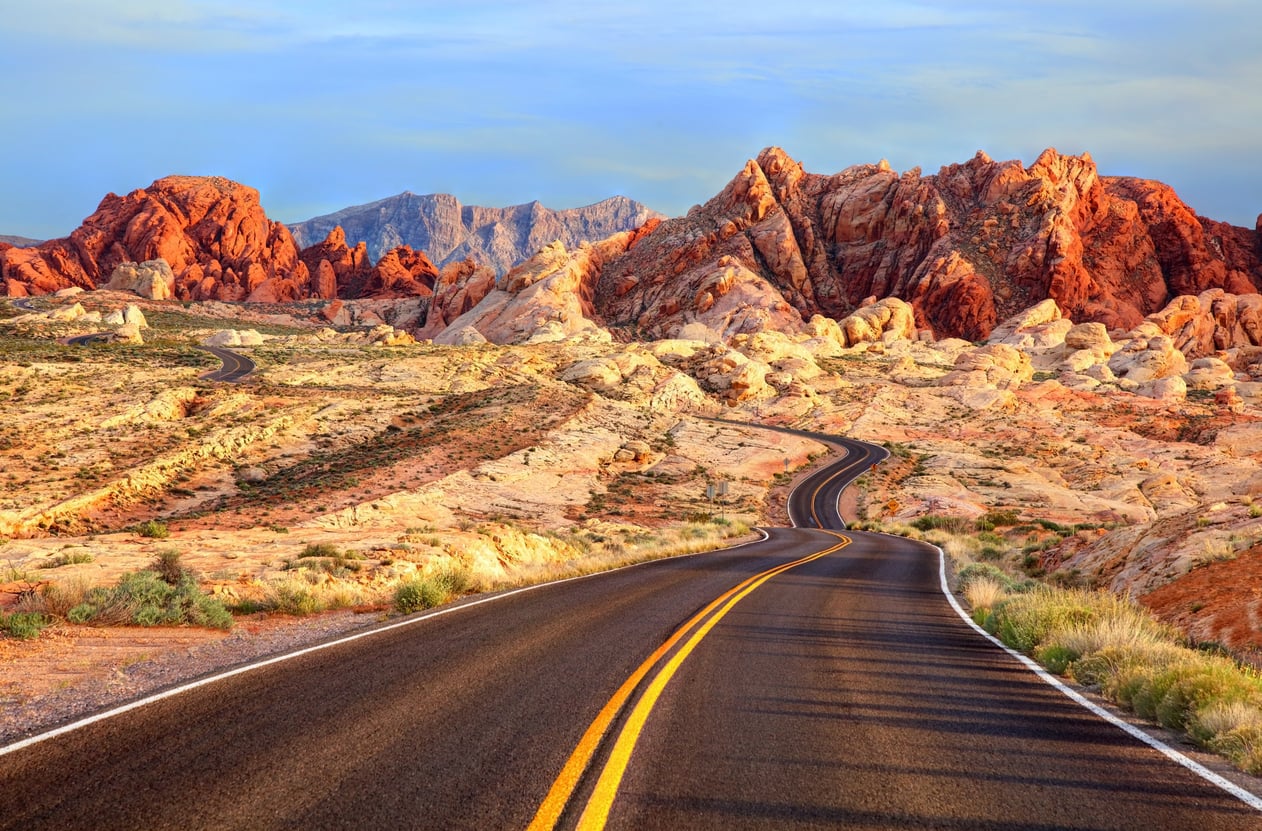
After several days of casinos and neon, Valley of Fire’s red sandstone formations can feel like another planet. The state park is compact enough for scenic driving, overlooks, petroglyphs, and short walks without committing to a Grand Canyon-length excursion. Summer visitors need to be especially careful, though. Many popular trails are closed annually from May 15 through September 30 because of dangerous heat. In late 2026, west-entrance construction also means weekday visitors may need to approach from the east. It’s spectacular, but not a place to improvise in triple-digit temperatures.
Seattle, Washington: Mount Rainier National Park
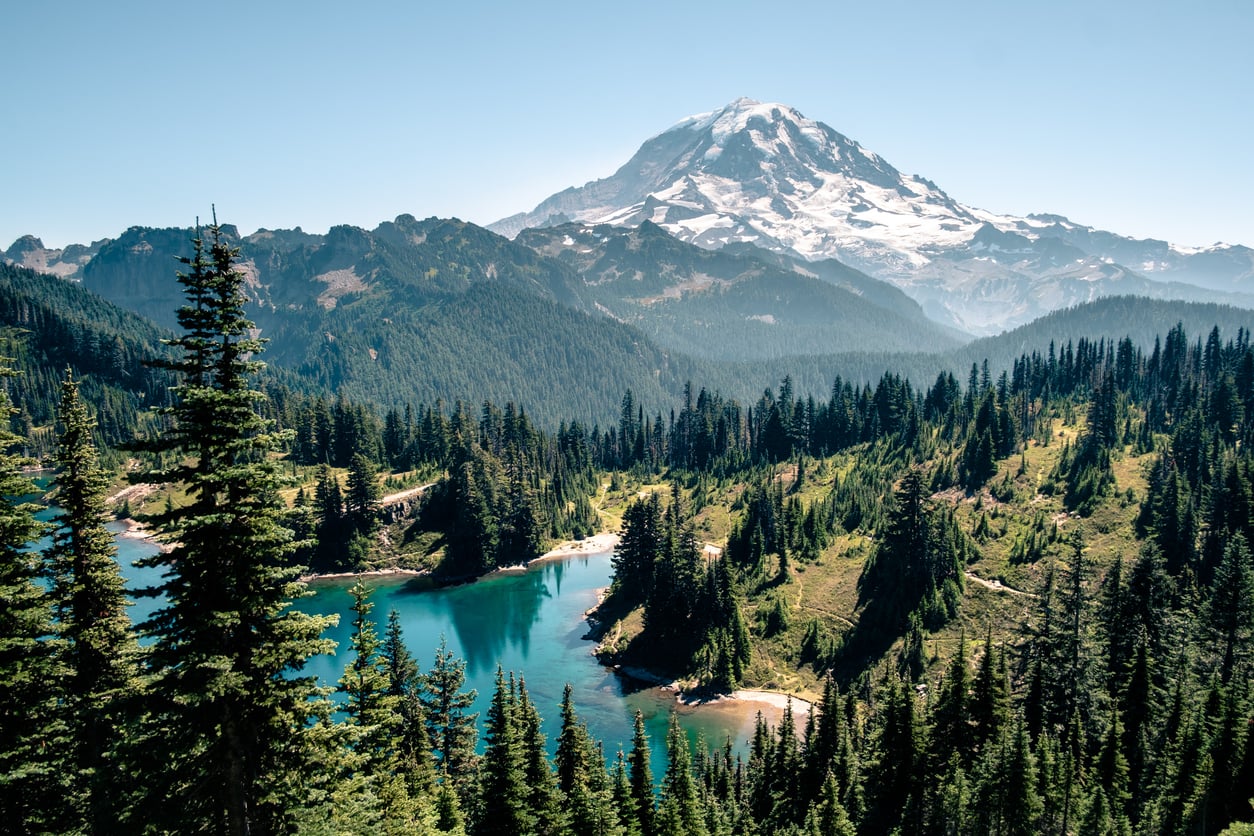
Mount Rainier occasionally appears on Seattle’s horizon like an oversized backdrop, but seeing the 14,410-foot volcano up close is another experience entirely. A long day can include old-growth forest, waterfalls, mountain viewpoints, and, in season, wildflower meadows around Paradise. The park isn’t requiring timed-entry reservations in 2026, but that doesn’t eliminate congestion. Parking can fill during busy periods, and the National Park Service recommends arriving before 7 a.m. or later in the afternoon when possible. From Seattle, this deserves a full day rather than a hurried half-day detour.
Portland, Oregon: Columbia River Gorge
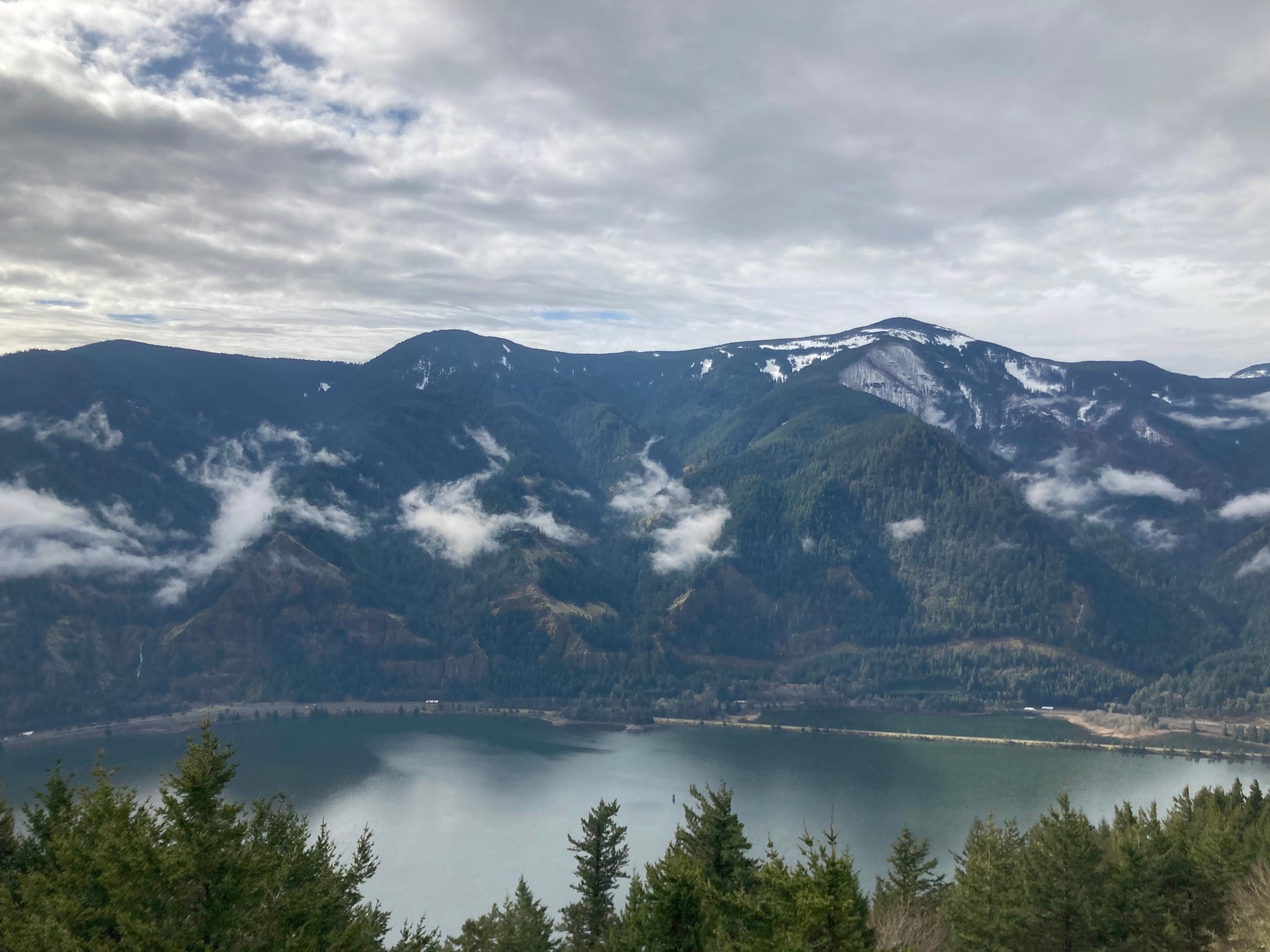
You don’t have to travel far from Portland to make the scenery change dramatically. Roughly 30 miles east, the Columbia River Gorge combines waterfalls, forest, cliffs, river views, and one of America’s great historic scenic highways. Multnomah Falls gets most of the attention, but Vista House, additional waterfalls, hiking trails, and Hood River can easily turn the excursion into a full day. Check current road and trail conditions before leaving Portland, since construction, rockfalls, weather, and maintenance can occasionally disrupt access.
Denver, Colorado: Rocky Mountain National Park
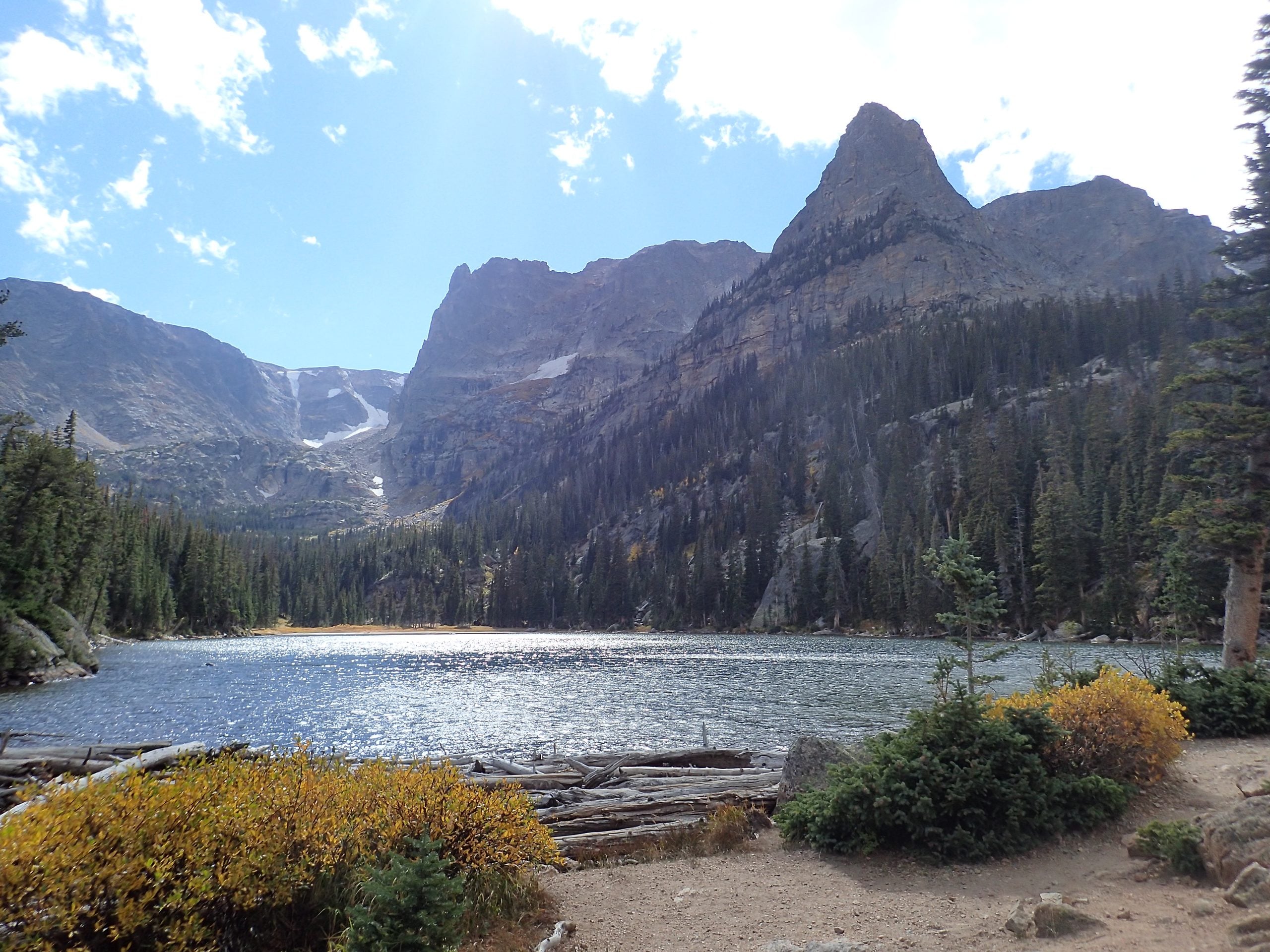
Denver works well as a base for travelers who want city restaurants and museums one day and alpine scenery the next. Rocky Mountain National Park sits roughly 70 miles northwest, with lakes, wildlife, hiking trails, and Trail Ridge Road, which climbs above 12,000 feet when conditions allow. In 2026, timed-entry reservations are required during certain daytime hours from May 22 into October, with separate rules for the popular Bear Lake Road corridor. The elevation also matters: take it easy if you’re not accustomed to thin mountain air.
Trending on Cheapism


Phoenix, Arizona: Sedona
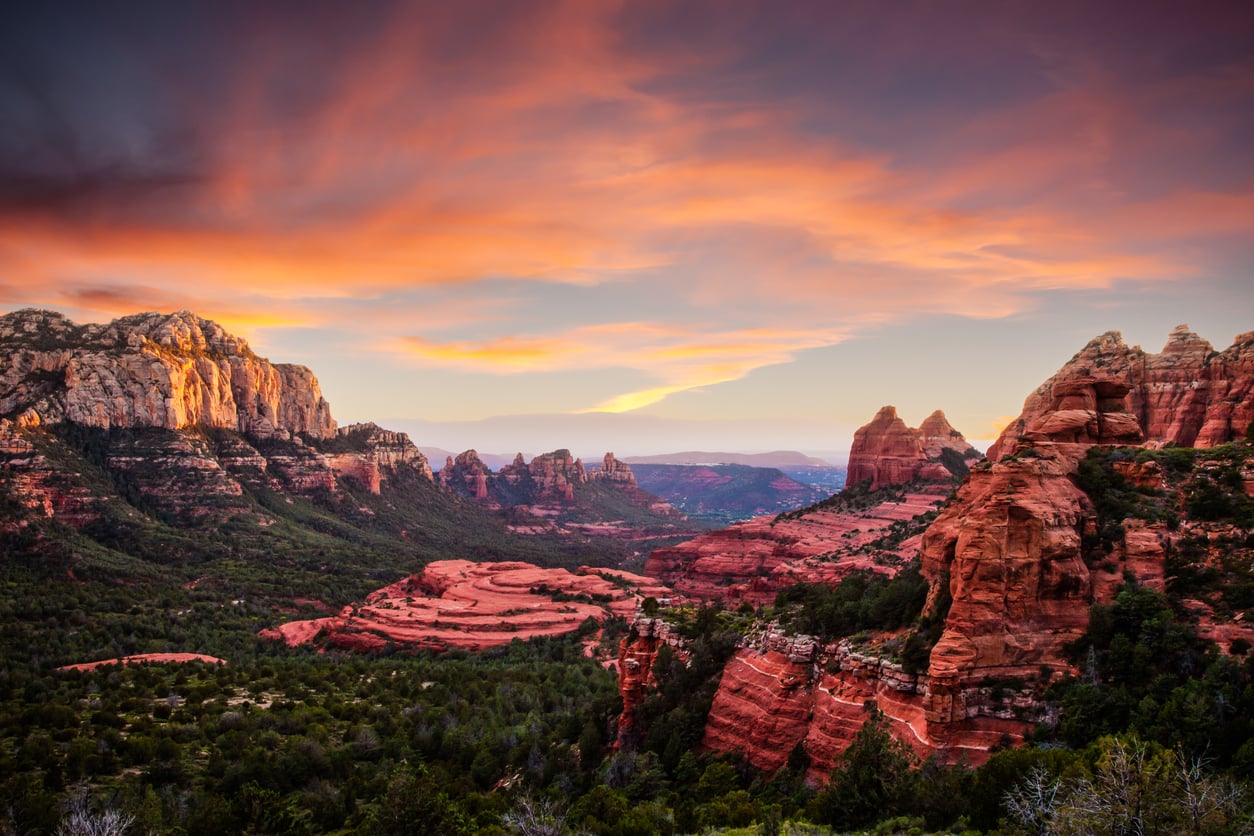
Sedona is less than two hours from Phoenix under favorable traffic conditions, yet the red-rock formations make it feel far removed from the sprawling Valley of the Sun. Hiking is the obvious draw, but galleries, restaurants, shops, viewpoints, Jeep tours, and spas make the trip workable even for people who don’t want a strenuous outdoor day. Parking at famous trailheads can be frustrating. Fortunately, Sedona operates free shuttles to several popular hiking areas, including Cathedral Rock, Soldier Pass, and Dry Creek Vista, making some busy trailheads easier to reach.
Miami, Florida: The Everglades
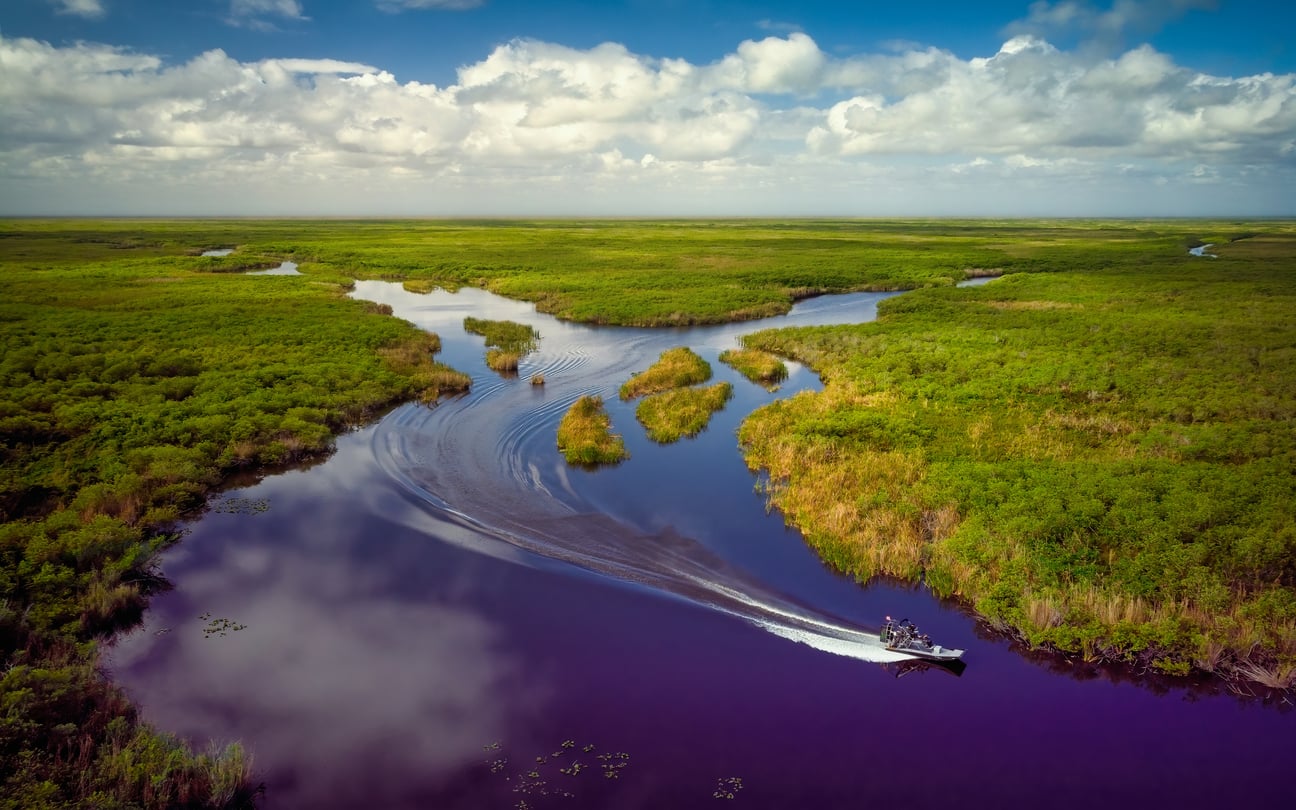
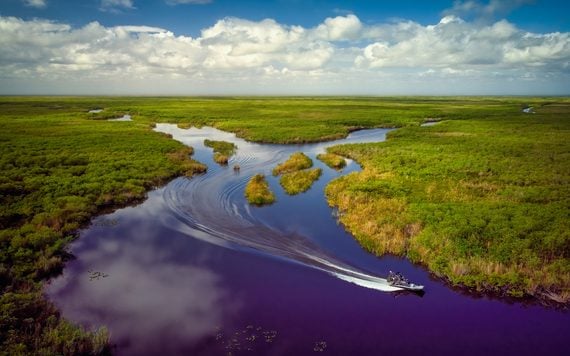
Miami’s towers and beaches give way surprisingly quickly to the wetlands of South Florida. An Everglades day can involve sawgrass marshes, mangroves, birds, alligators, boardwalks, paddling, or an airboat excursion, depending on where you go. One distinction is worth understanding before booking: commercial airboat attractions outside the park are not the same thing as exploring Everglades National Park, where airboats are prohibited through most wilderness areas. Decide whether your priority is an airboat-and-wildlife experience or spending time inside the protected national park ecosystem.
Austin, Texas: Fredericksburg
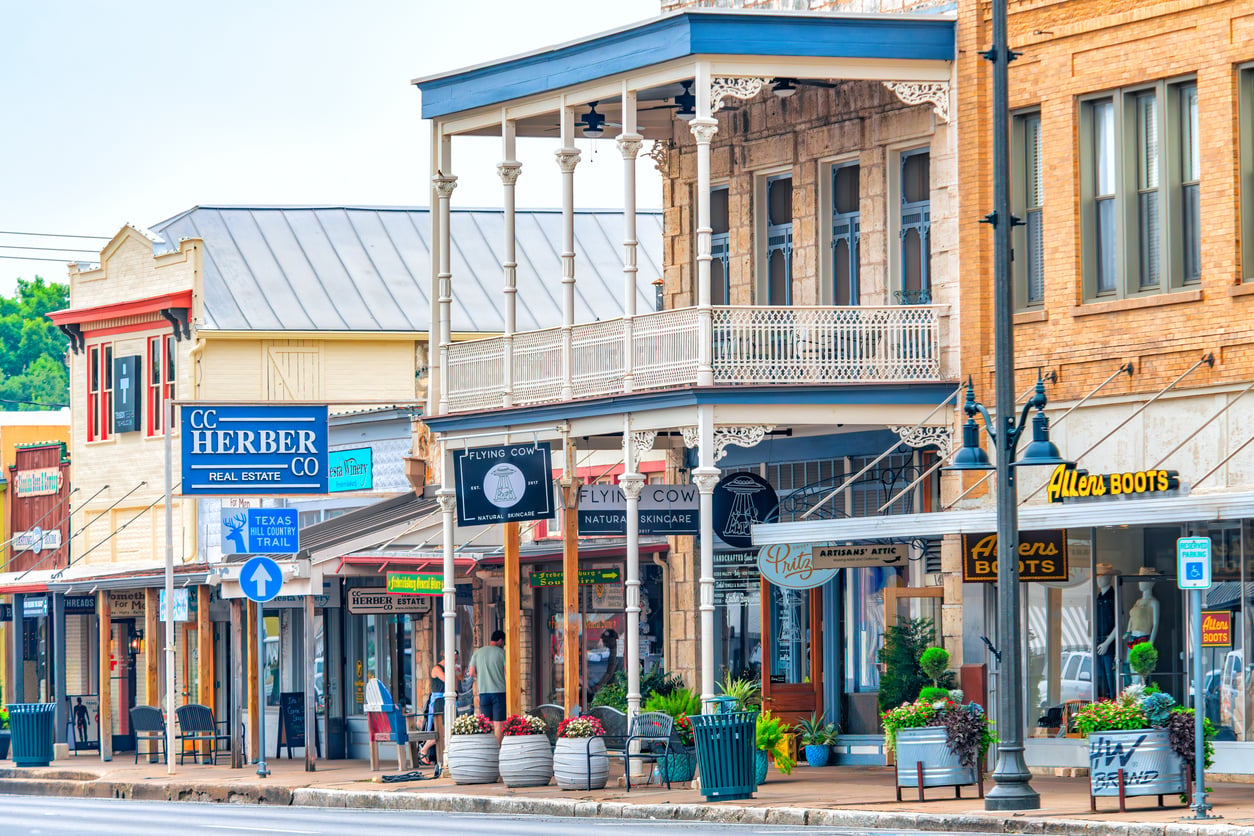
Drive west from Austin and the landscape gradually gives way to Texas Hill Country, where Fredericksburg combines German heritage, historic Main Street, restaurants, shops, wineries, and nearby outdoor attractions. That variety makes it especially useful for groups where not everyone wants to hike all day. Wine has become a major draw: Fredericksburg and Gillespie County now have nearly 100 wineries, vineyards, and tasting rooms. If tastings are central to the plan, use a tour or shuttle rather than assigning somebody the unpleasant job of being the group’s designated driver.
Sign up for our newsletter
New Orleans, Louisiana: The Swamps and Bayous
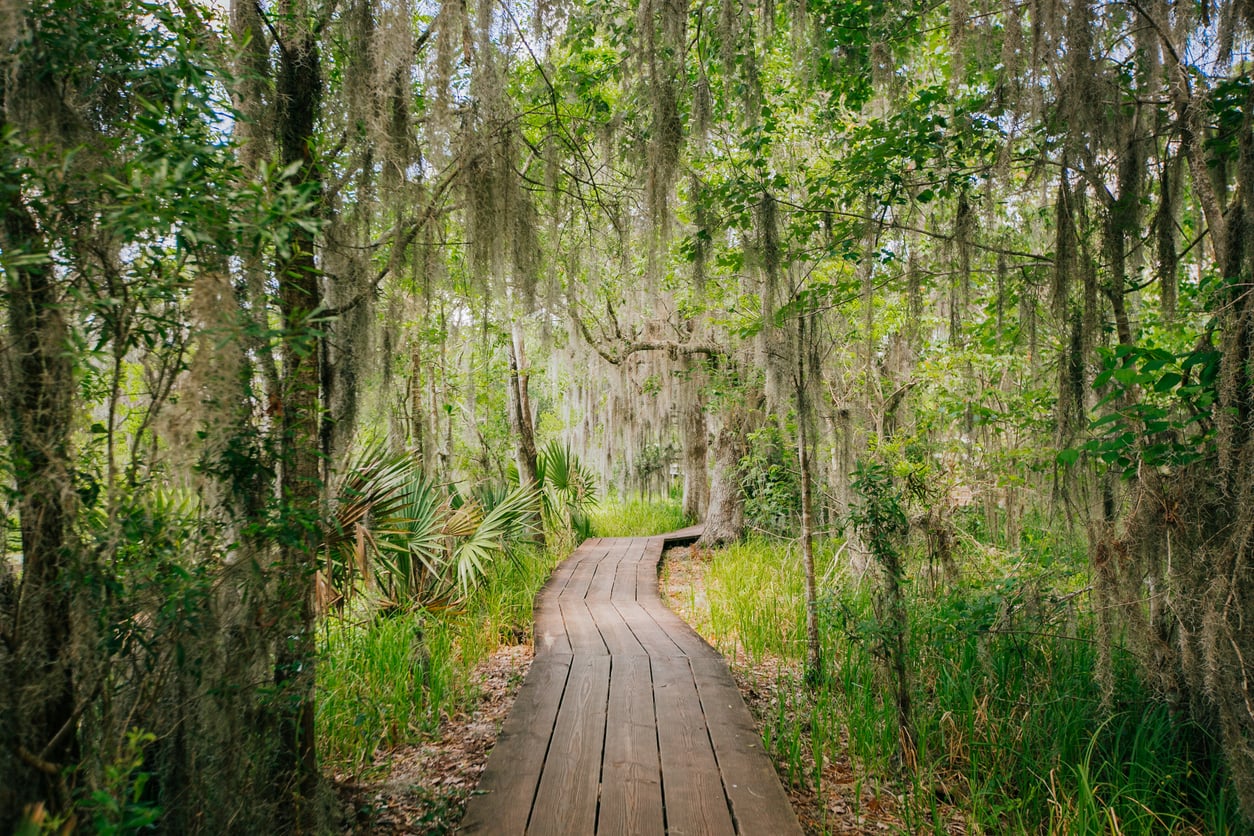
New Orleans can easily fill an entire vacation, but leaving the French Quarter for a few hours reveals the landscape that surrounds the city. Swamp excursions take visitors through moss-draped waterways in search of alligators, birds, and other wildlife, using everything from larger flatboats to airboats and kayaks. Many operators offer hotel transportation, which makes this one of the easier excursions for visitors who didn’t rent a car. Wildlife sightings aren’t guaranteed, of course, and the experience varies considerably depending on the boat, location, weather, and season.
Savannah, Georgia: Tybee Island
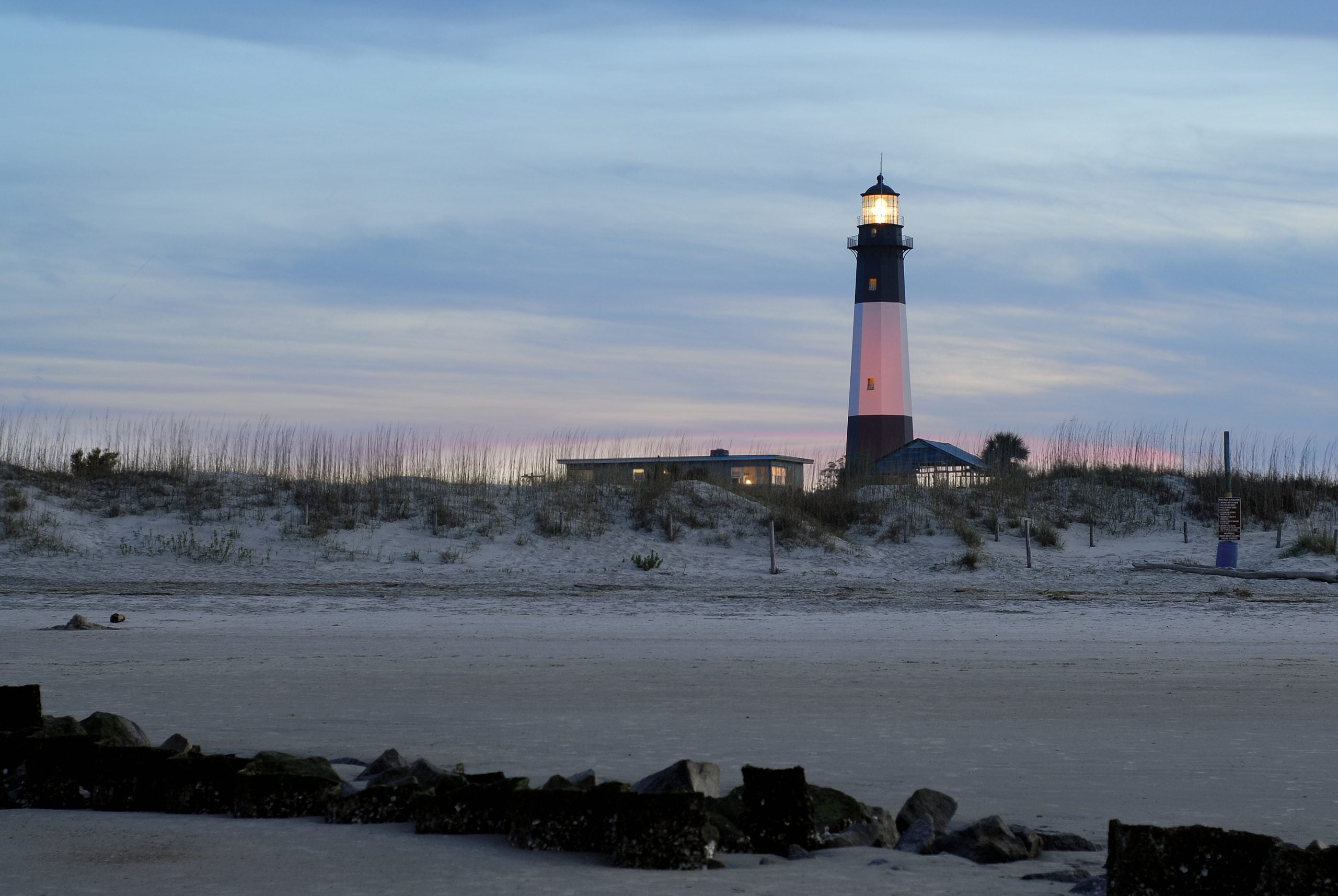
Tybee Island provides an easy change of pace after several days spent walking Savannah’s squares and historic streets. The barrier island offers more than three miles of beaches along with a lighthouse, pier, kayaking, dolphin trips, and casual seafood stops. Fort Pulaski also sits conveniently along the route, making it possible to combine beach time with history. One expense worth remembering is parking: Tybee has no free public parking, and current standard parking costs $4 an hour, so a long beach day can add more to the budget than expected.
Boston, Massachusetts: Salem
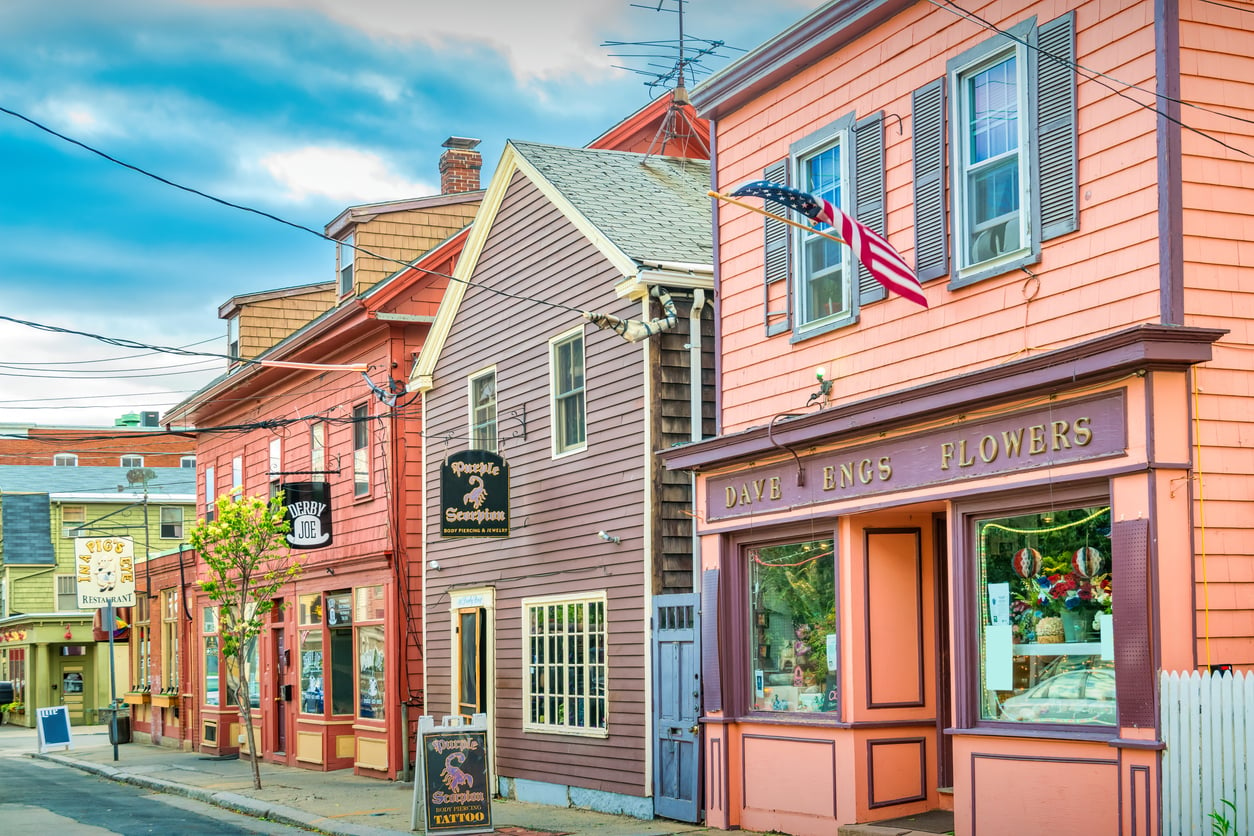
Salem offers a very different history lesson from Boston despite being easy to reach by commuter rail, ferry, or car. The city is known for the 1692 witch trials, but its maritime history, historic streets, museums, and waterfront give visitors considerably more to explore than Halloween attractions. October is the major caveat. Haunted Happenings draws enormous crowds throughout the month, so transportation, restaurant tables, and attraction tickets require more planning. Travelers who care more about history than Halloween atmosphere may actually prefer visiting outside peak fall weekends.
Chicago, Illinois: Indiana Dunes National Park
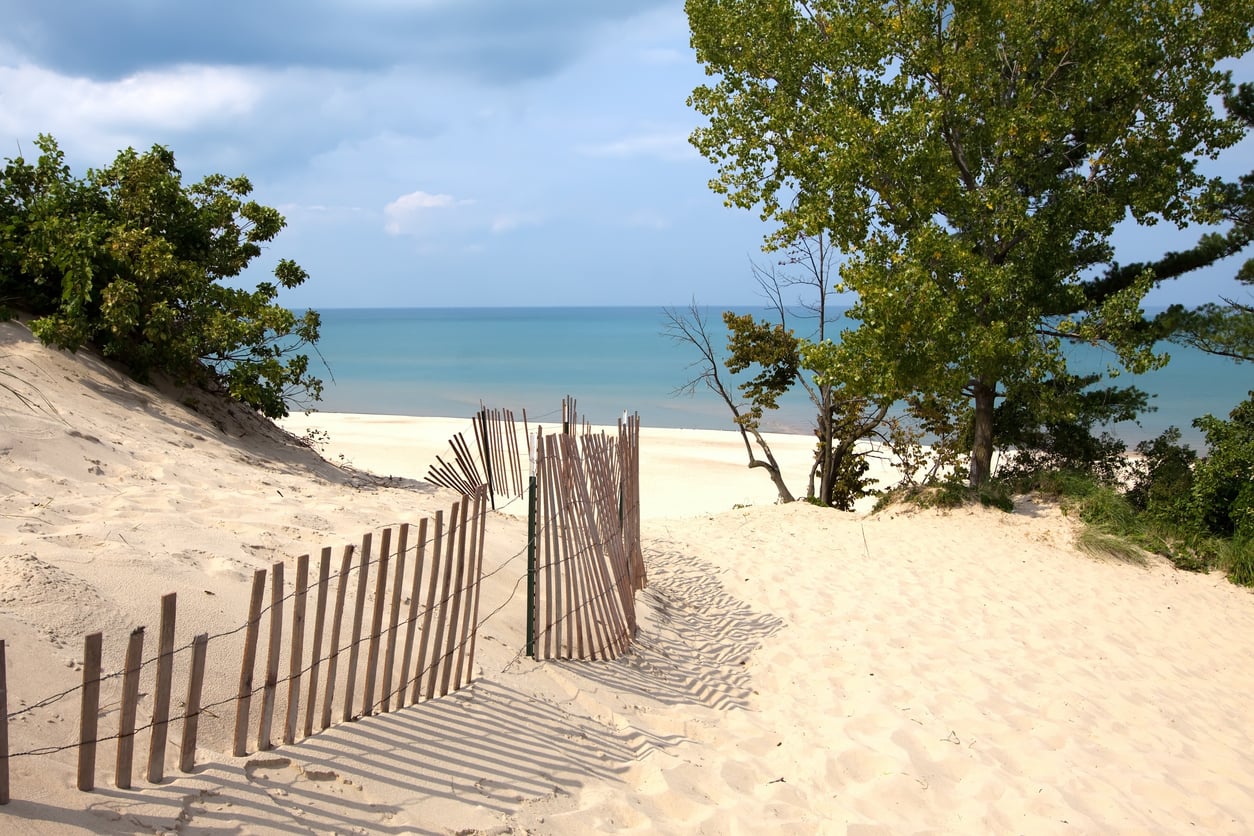
Less than 50 miles from downtown Chicago, Indiana Dunes National Park protects 15 miles of Lake Michigan shoreline along with dunes, forests, wetlands, and roughly 50 miles of hiking trails. In warm weather, it can turn a Chicago vacation into a legitimate beach-and-nature day without requiring another hotel. It’s also one of the more practical excursions for visitors without cars: the South Shore Line has several stops in or near the park. Just research your chosen beach or trail first, since stations aren’t necessarily right beside the attraction you want.
Orlando, Florida: Kennedy Space Center
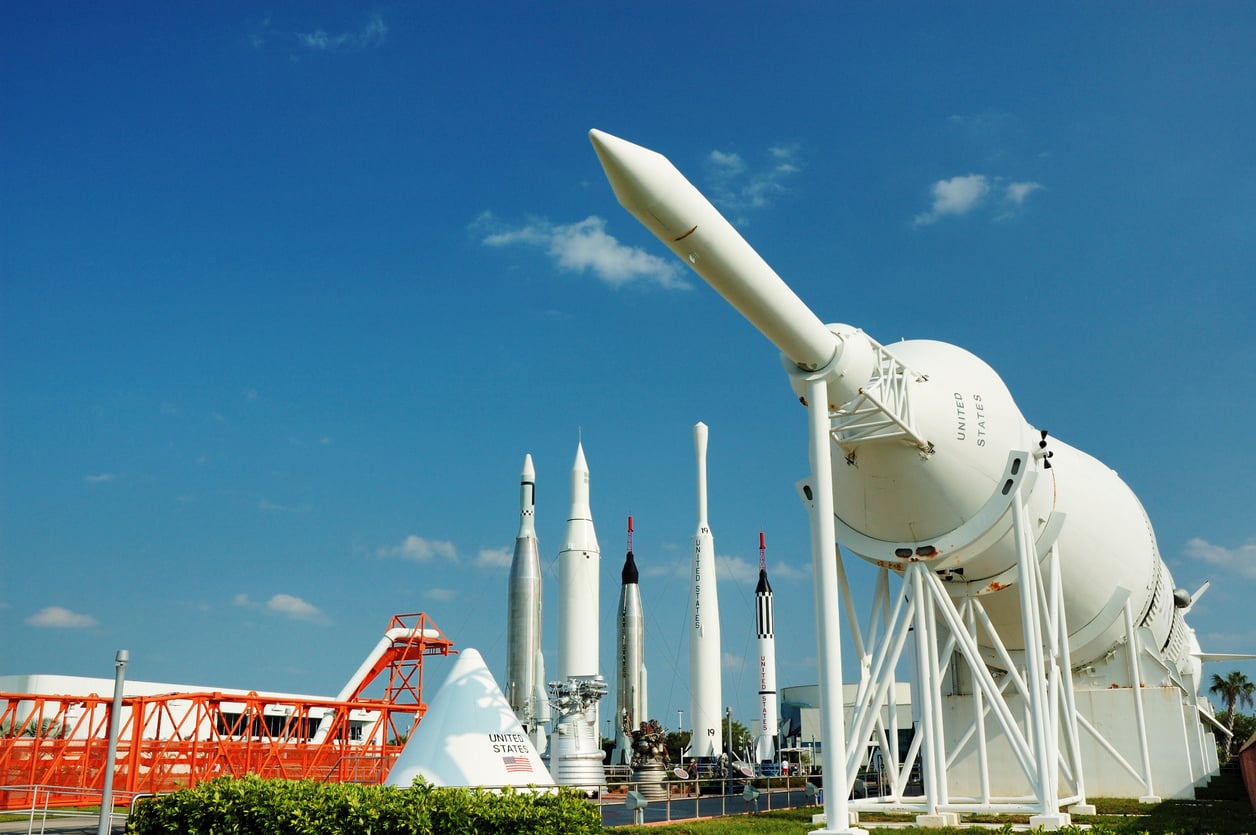
After several days of simulated adventures at Orlando’s theme parks, Kennedy Space Center offers the real hardware. About an hour east of the main tourism districts, the visitor complex can easily occupy a full day with Space Shuttle Atlantis, the Apollo/Saturn V Center, historic spacecraft, exhibits, and bus tours through NASA areas. A launch can make the day extraordinary, but never build an itinerary around one being guaranteed. Launch dates and times can change with little notice, and some viewing opportunities require additional tickets or have limited capacity.
San Diego, California: Julian
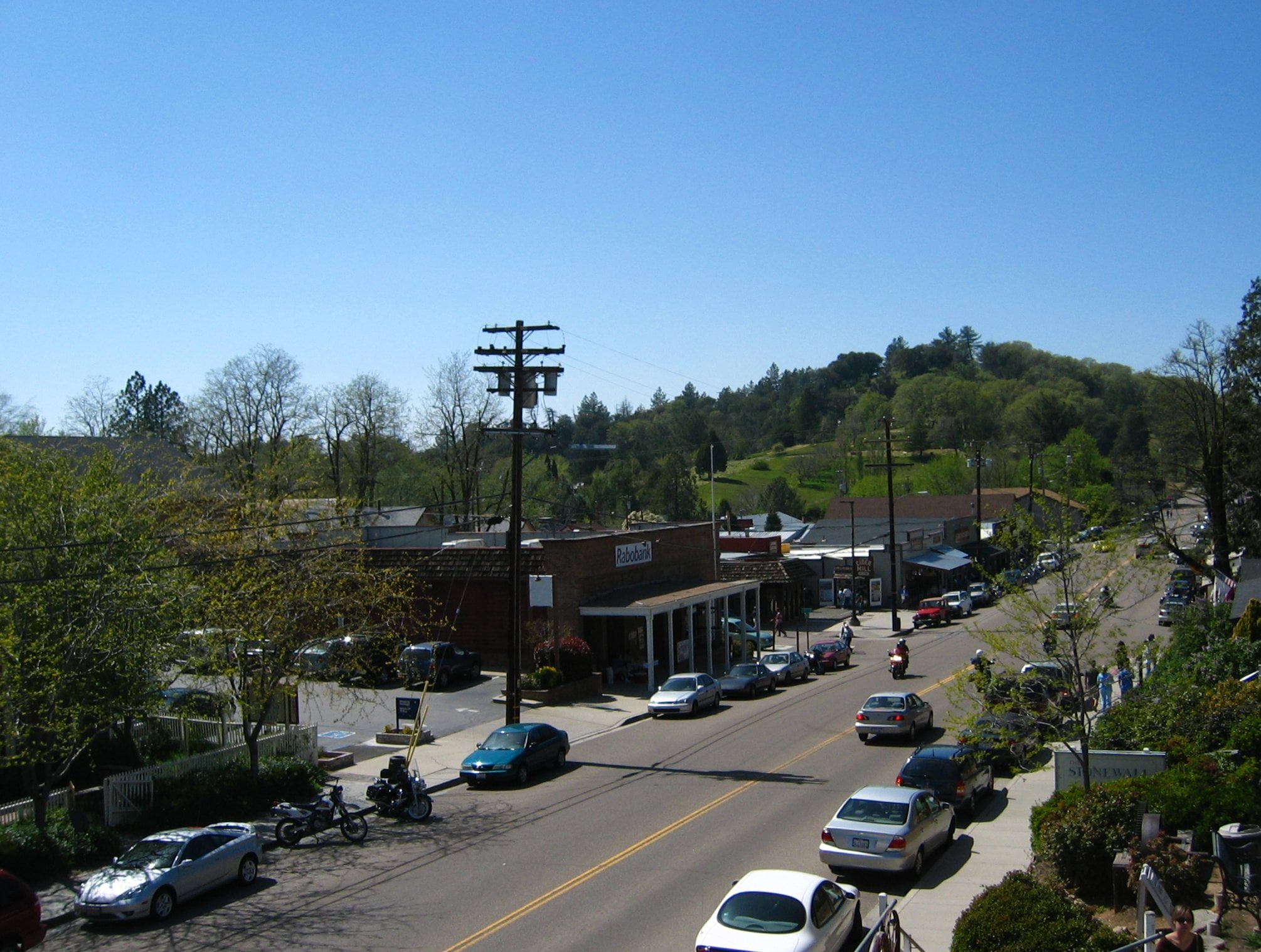
About an hour east of San Diego, Julian trades beaches and palms for pine-covered mountain country and an old gold-rush town atmosphere. Apple orchards and apple pie are its calling cards, particularly in fall, but visitors can also find historic buildings, mining attractions, hiking, cider, wineries, and small independent shops. The biggest surprise may simply be the climate: at roughly 4,200 feet in elevation, Julian experiences four seasons and can even get snow. Fall weekends are popular, so don’t expect an empty mountain town during peak apple season.
Salt Lake City, Utah: Bonneville Salt Flats
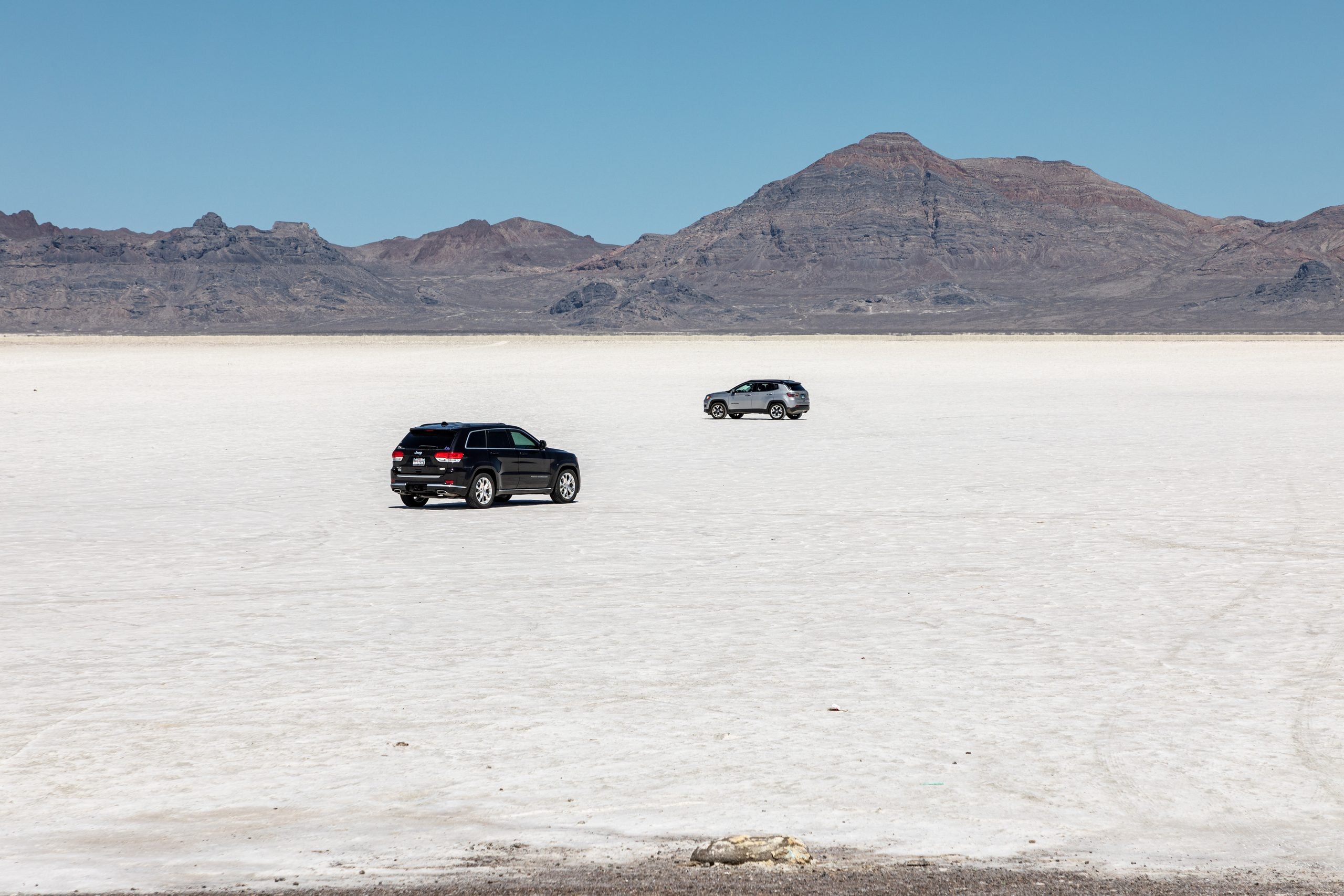
Drive west from Salt Lake City and the landscape eventually becomes a vast white salt crust stretching toward the horizon. The Bonneville Salt Flats cover roughly 30,000 acres and are closely associated with land-speed racing, but you don’t need an event ticket to appreciate the strange scenery. The major warning is under your tires: don’t drive onto the salt when it’s wet or flooded. The Bureau of Land Management imposes seasonal restrictions when conditions require them, and getting stuck in the soft surface is a miserable way to end a day trip.