Checking into a hotel used to come with a lot more little rituals, from newspapers waiting outside the door and metal room keys to tiny shampoo bottles, wake-up calls, and bellhops handling the luggage. Many of these things hotels used to offer guests faded as smartphones, self-service technology, changing travel habits, and ongoing hotel staffing challenges reshaped the industry. Some still survive at luxury or historic properties, but seeing them at an ordinary hotel today can feel like stepping back in time.
Newspapers Delivered to Your Door
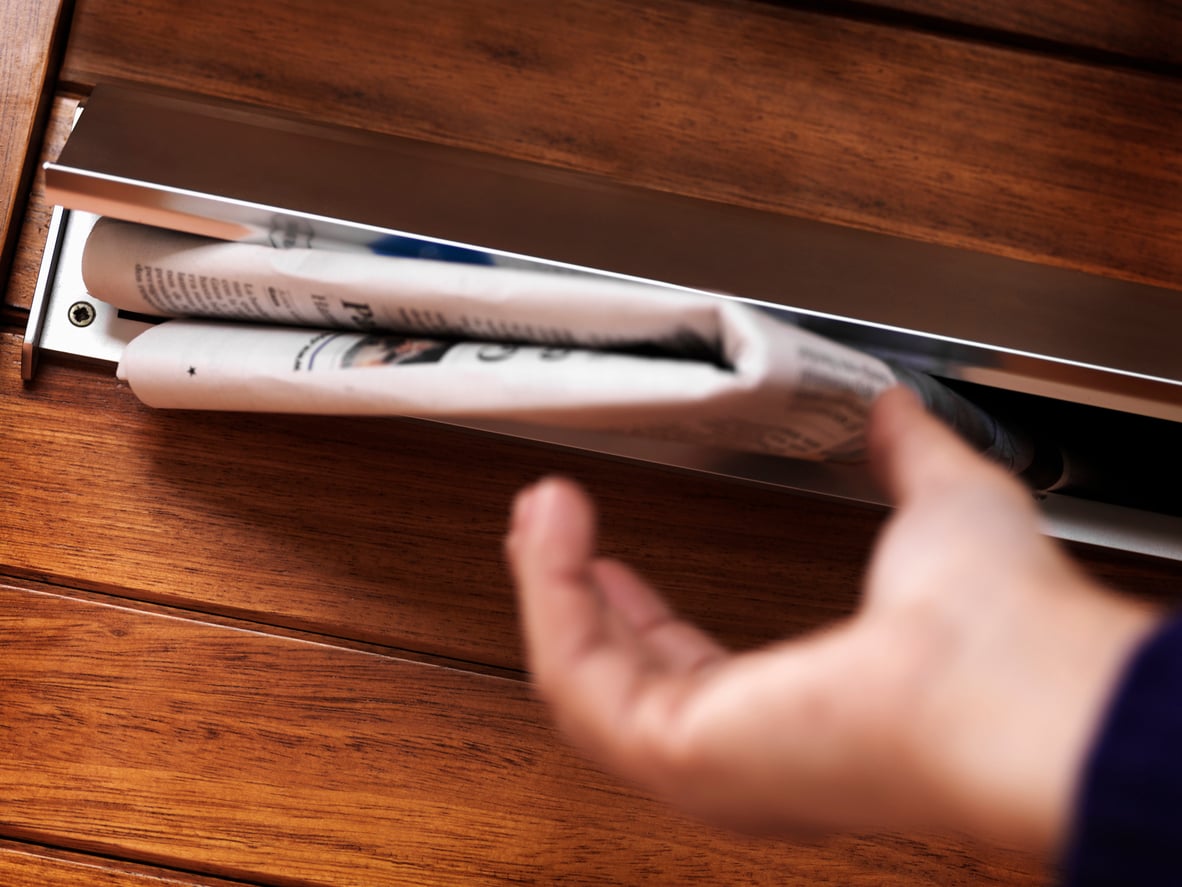
For generations of business travelers, opening the door in the morning and finding a folded newspaper outside was part of the hotel routine. Phones, tablets, and news apps made that expense increasingly difficult to justify, and complimentary papers have largely disappeared from ordinary properties. The ritual isn’t completely extinct, though. St. Regis still says its butlers can deliver the day’s newspaper along with coffee or tea after a guest’s morning wake-up call.
Hotel-Branded Stationery and Envelopes
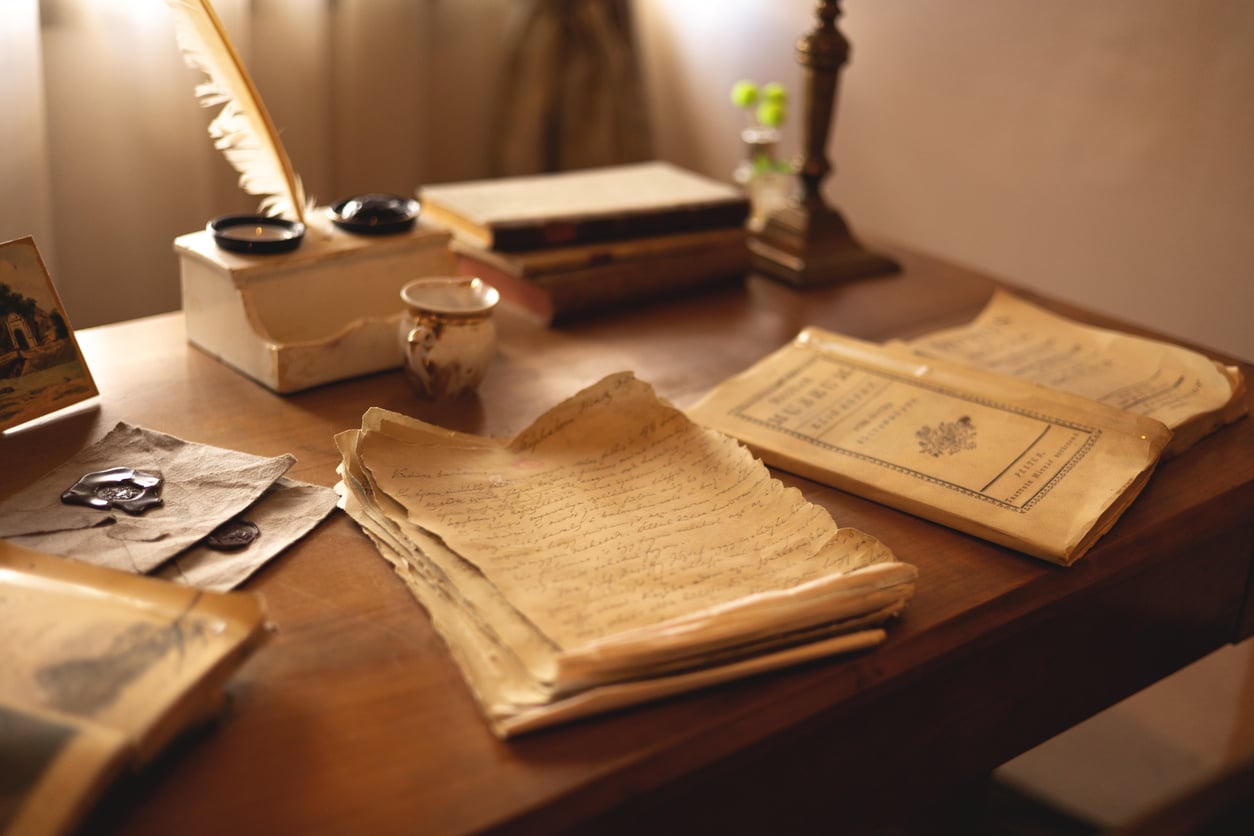
A hotel desk once looked more like an actual writing desk. Guests might find sheets of letterhead, matching envelopes, pens, and sometimes postcards ready for correspondence. The paper served two purposes: helping travelers keep in touch and quietly advertising the property when letters arrived back home. Email and smartphones made most of that unnecessary. Today, hotel desks are more likely to be judged by their outlets, USB ports, and workspace than by the quality of the stationery.
Complimentary Hotel Postcards
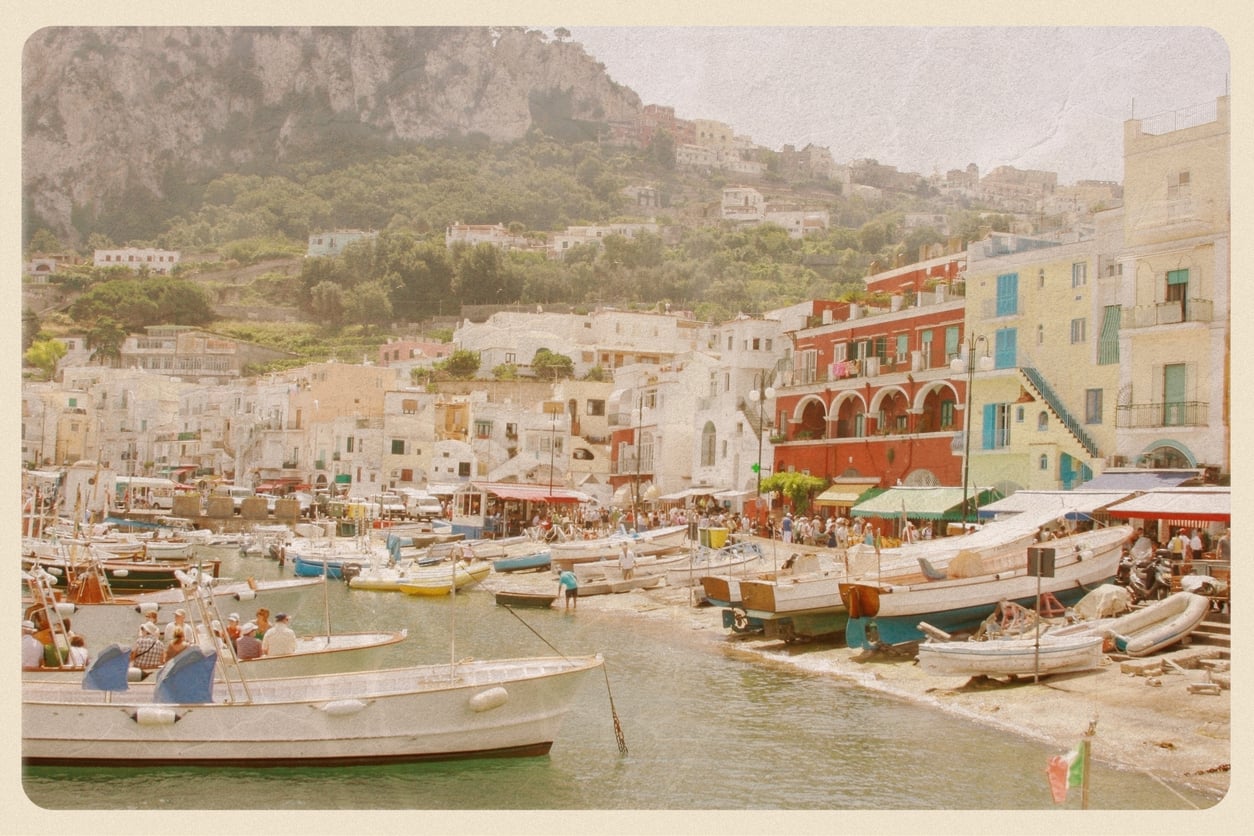
Before sending a vacation photo took seconds, hotels and motels supplied postcards depicting their buildings, swimming pools, restaurants, or gloriously colorful neon signs. Guests could write a few lines, add a stamp, and effectively advertise the property to friends and relatives back home. Those cards are now more likely to turn up in vintage collections than on a hotel nightstand. Texting and social media accomplish the same “look where I am” job instantly, without waiting for the mail.
Hotel Matchbooks
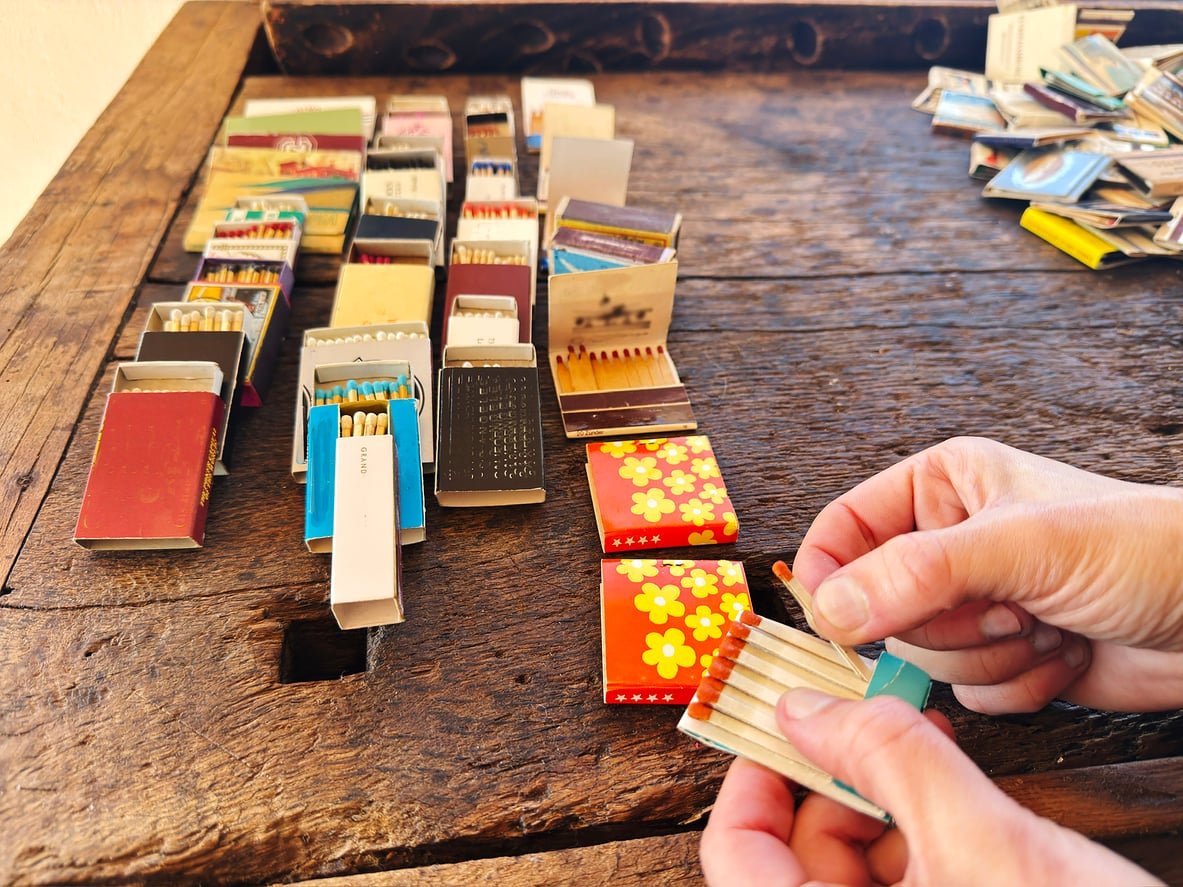
Matchbooks were once one of hospitality’s handiest advertising tools. Hotels, restaurants, bars, and casinos printed their names, addresses, and artwork on something guests would slip into a pocket and carry elsewhere. LODGING Magazine notes that branded matchbooks were both useful to guests and essentially miniature advertisements in an era when smoking was widespread. Smoking restrictions and changing habits largely killed the practical need, although retro matchbooks have recently made a small comeback as collectible branding.
Ashtrays in the Guest Room
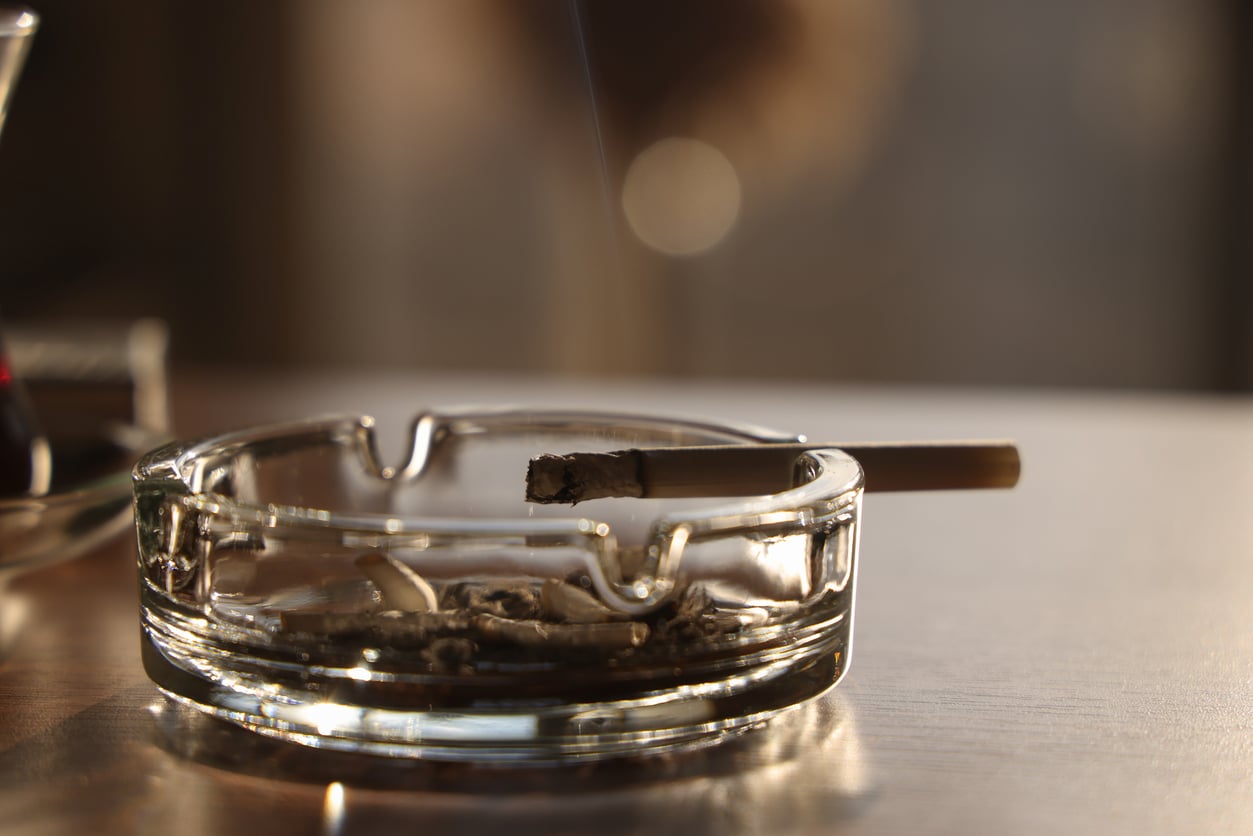
There was a time when finding an ashtray beside the bed or on the hotel-room desk was completely unremarkable. Hotels often branded the heavier ceramic or glass versions, and guests routinely chose between smoking and nonsmoking rooms. As indoor-smoking restrictions expanded and hotel chains embraced smoke-free policies, the ashtray went from ordinary room equipment to vintage memorabilia. Smoking rooms have not vanished everywhere, so this is another case where the change depends heavily on the property and location.
Trending on Cheapism

Heavy Metal Room Keys
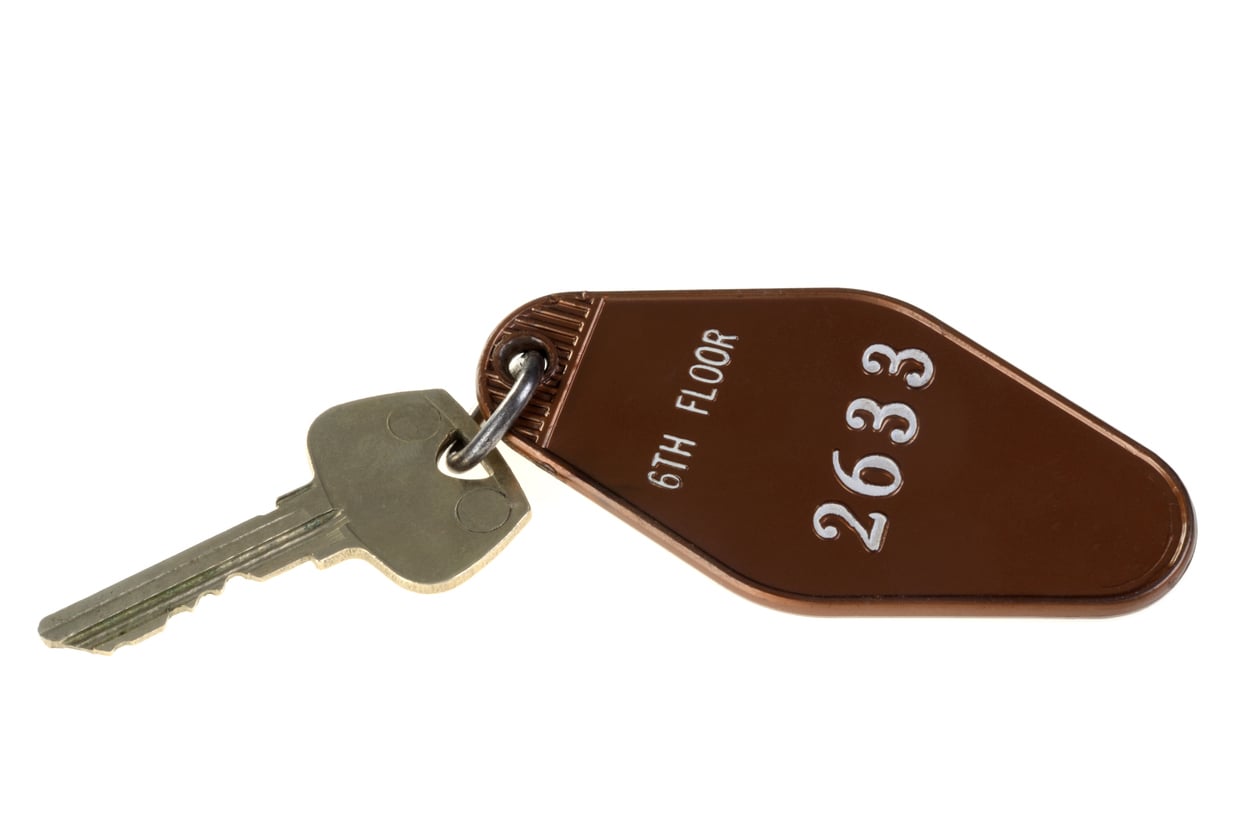
Before plastic key cards and phone apps, guests received an actual metal key, often attached to a chunky fob displaying the room number. Many travelers handed it back to the desk when leaving the hotel rather than carrying it all day. Electronic cards eventually made lost keys easier to deactivate, and digital keys have pushed the process further onto smartphones. Physical keys do survive at some historic hotels and smaller inns, but the giant hotel-key fob has become a nostalgia object.
A Human Telephone Operator
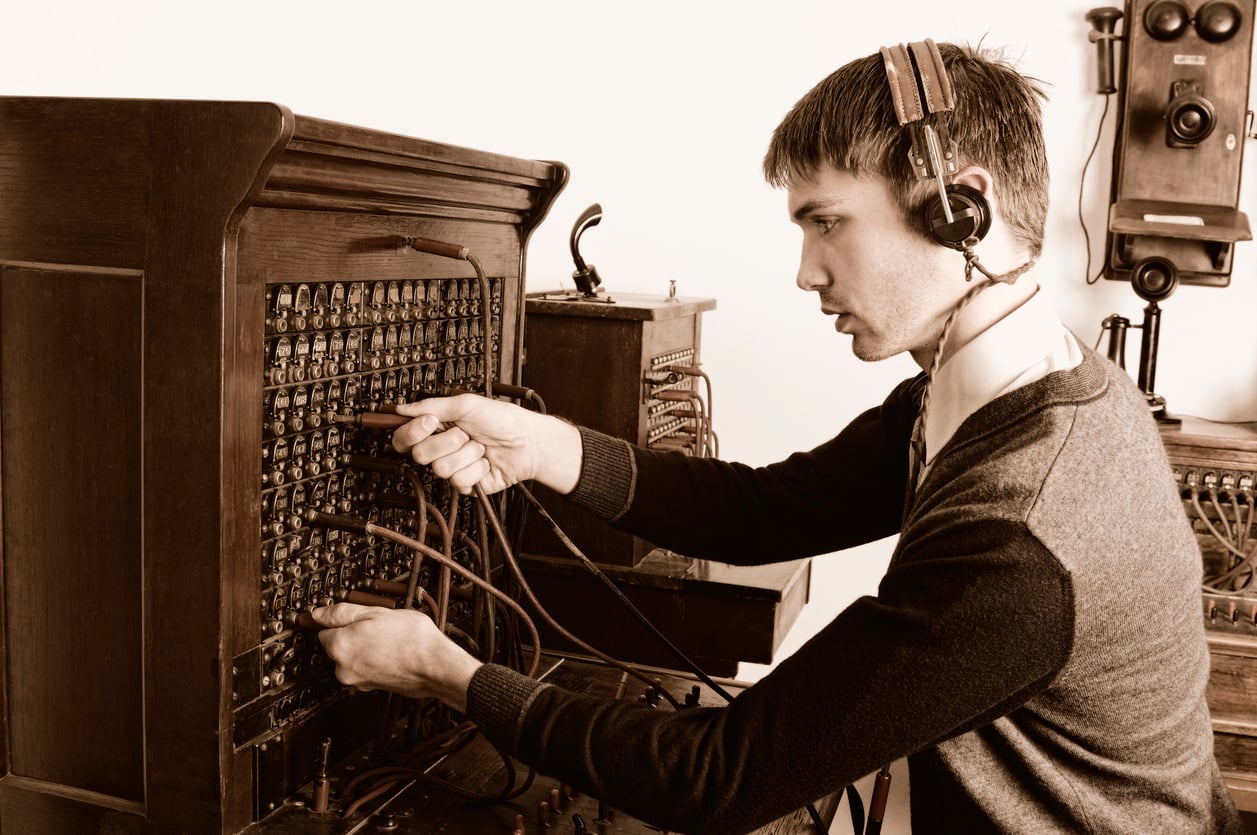
Hotel phones once connected guests to much more than room service. Before direct dialing became commonplace, an operator could connect outside calls, transfer guests between rooms, take messages, and help manage the hotel’s telephone traffic. Hilton’s history illustrates how quickly that technology evolved: by the mid-20th century, hotels were introducing systems that let guests place calls more directly. Cellphones eventually went much further, leaving even the ordinary in-room telephone feeling increasingly secondary.
Personal Wake-Up Calls
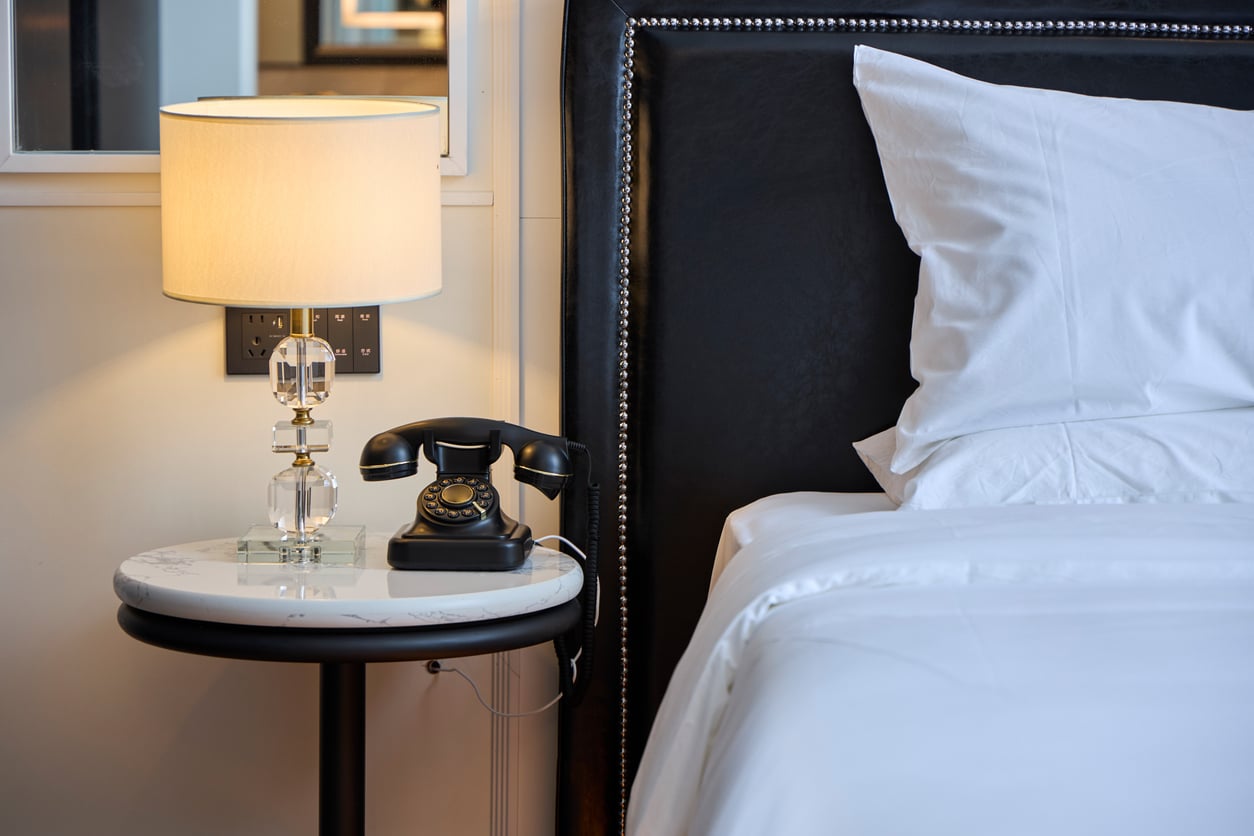
“Could I get a wake-up call at 6:30?” used to be one of the most practical requests a traveler could make. Before smartphones contained several alarms, an early-morning phone call from the hotel could mean the difference between catching a flight and missing it. Automated systems eventually took over much of the job. Wake-up calls are not actually dead, and luxury hotels sometimes make them surprisingly elaborate. St. Regis still pairs them with morning beverage and newspaper service.
Sign up for our newsletter
24-Hour Room Service
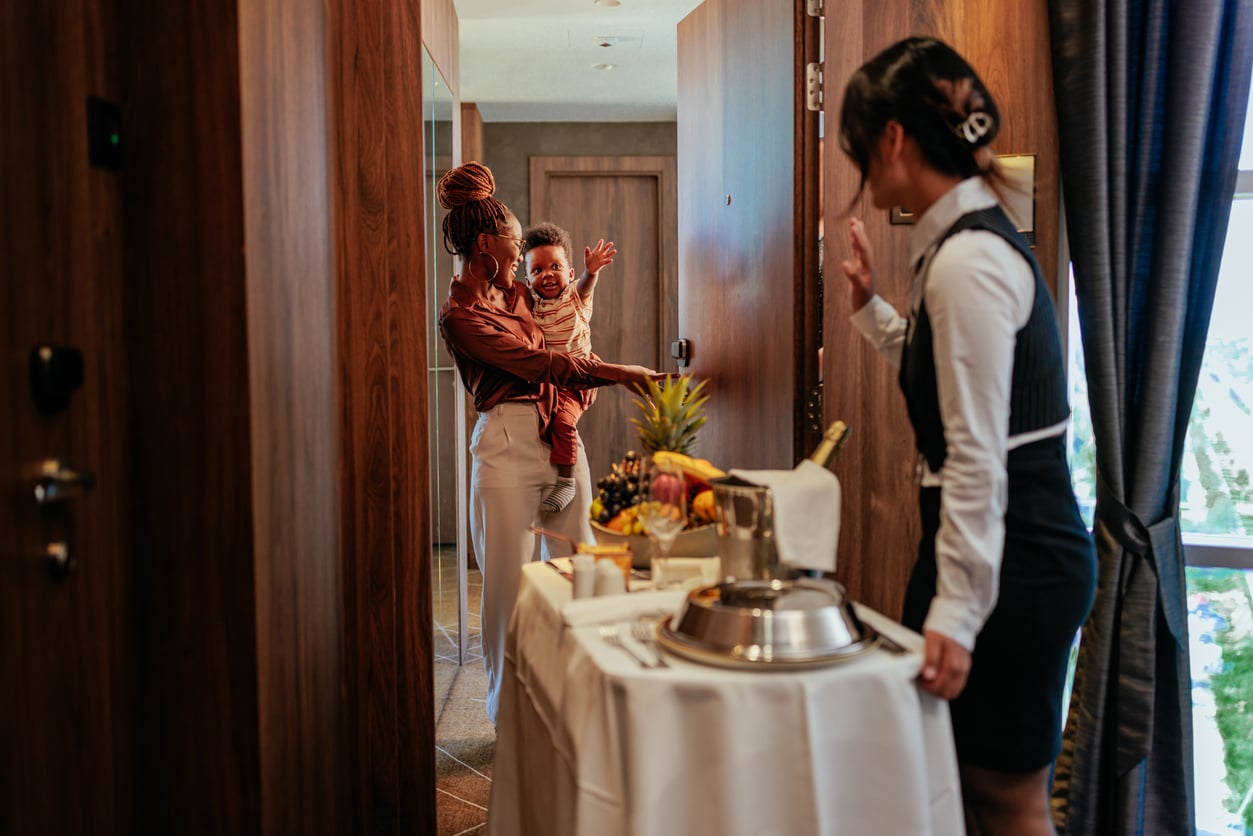
Late-night room service once symbolized a full-service hotel: call downstairs and a covered tray or rolling table could arrive long after nearby restaurants had closed. Around-the-clock dining still exists in some luxury hotels, but it is much harder to assume a hotel will provide it. Shorter food-service hours, grab-and-go markets, and outside delivery have changed the equation. The shift is not entirely new; luxury-hotel reporting was already questioning the expense of maintaining 24-hour room service years ago.
Automatic Daily Housekeeping
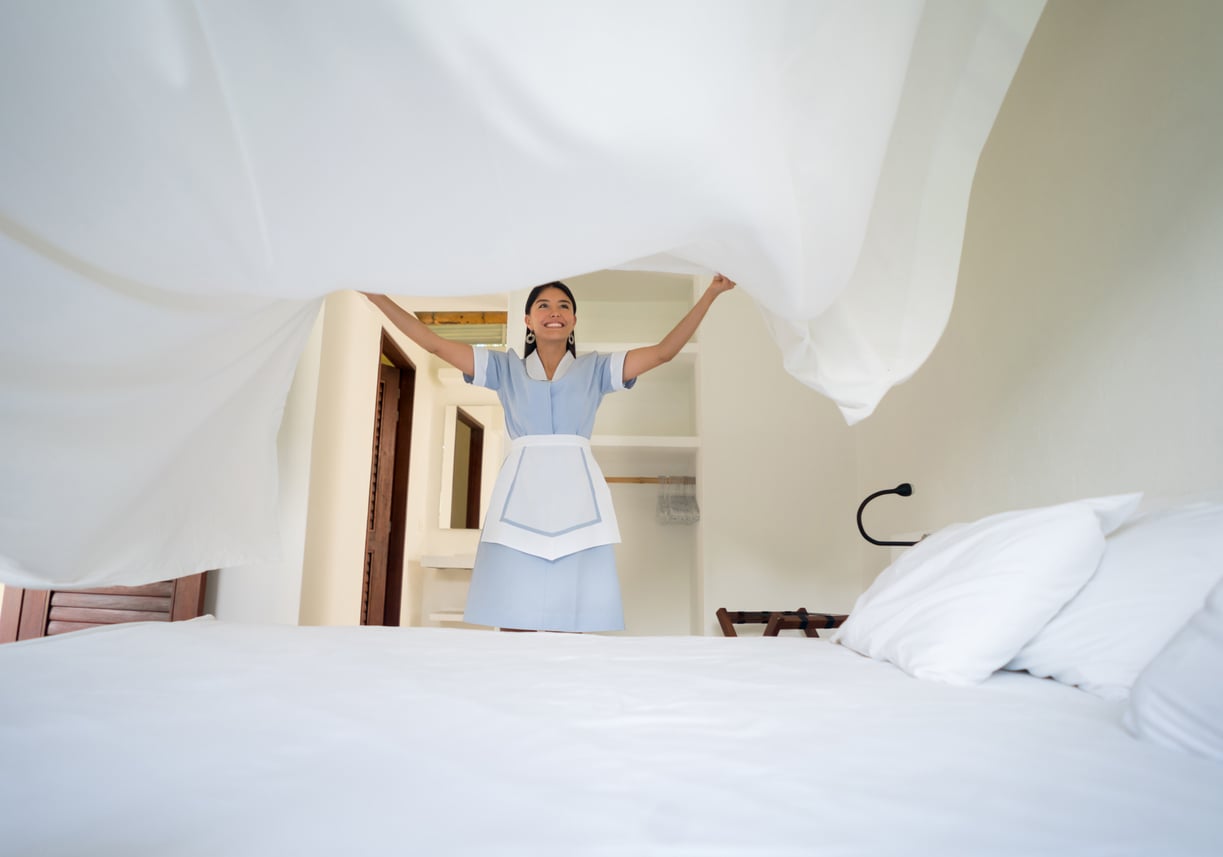
For many travelers, leaving the room in the morning once meant returning to a freshly made bed, emptied trash cans, clean bathroom, and replacement towels without requesting anything. That assumption has weakened substantially. AHLA reported that nearly 93% of surveyed hotels offered daily cleaning upon request, reflecting both post-pandemic practices and changing guest preferences. The industry also continues to struggle with housekeeping recruitment, making this one hotel perk where nostalgia and modern labor realities collide.
Nightly Turndown Service
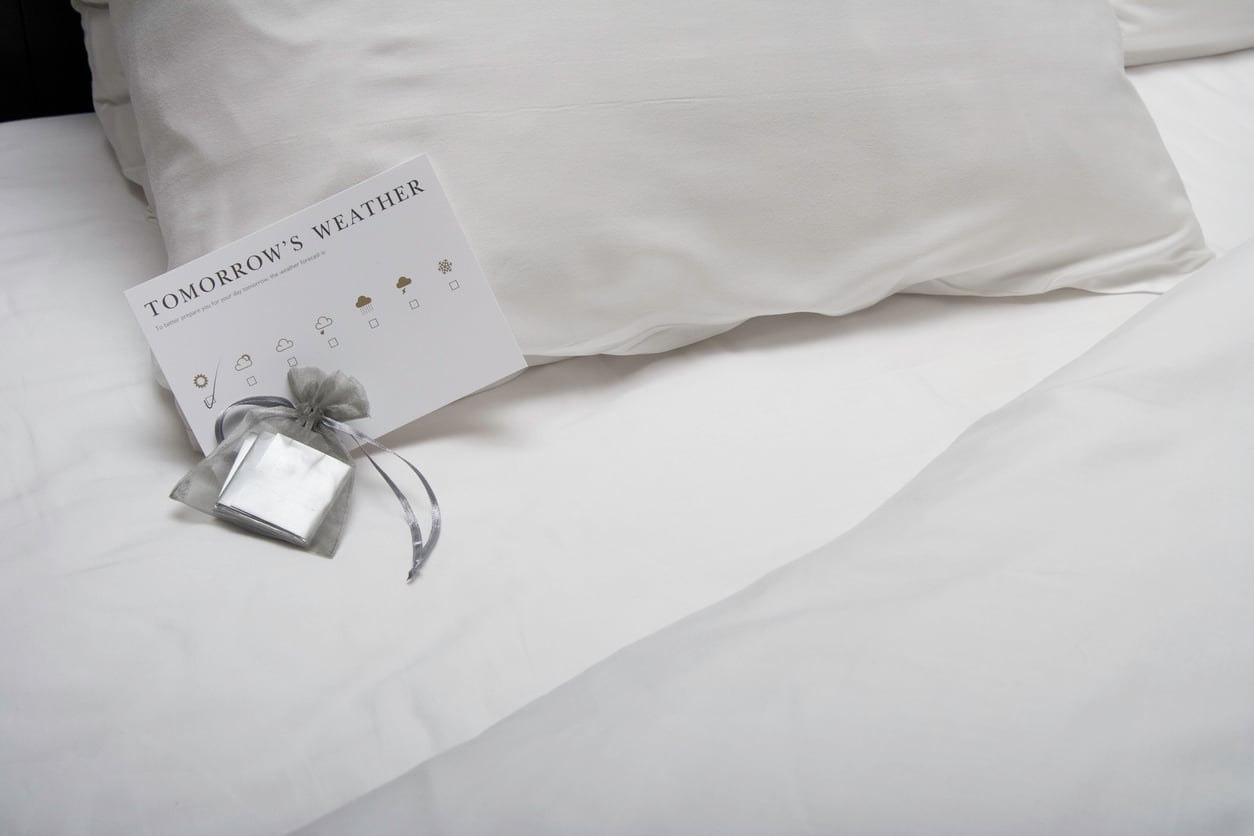
At more upscale hotels, housekeeping sometimes visited twice. During turndown, an attendant could pull back the covers, straighten the room, close the curtains, replace towels, dim lights, and occasionally leave a chocolate on the pillow. It was the kind of small ritual that made a hotel feel especially attentive. These days it is much more closely associated with luxury properties than mainstream lodging, although high-end brands continue to preserve and reinvent the tradition rather than eliminating it entirely.
Sewing Kits Waiting in the Room
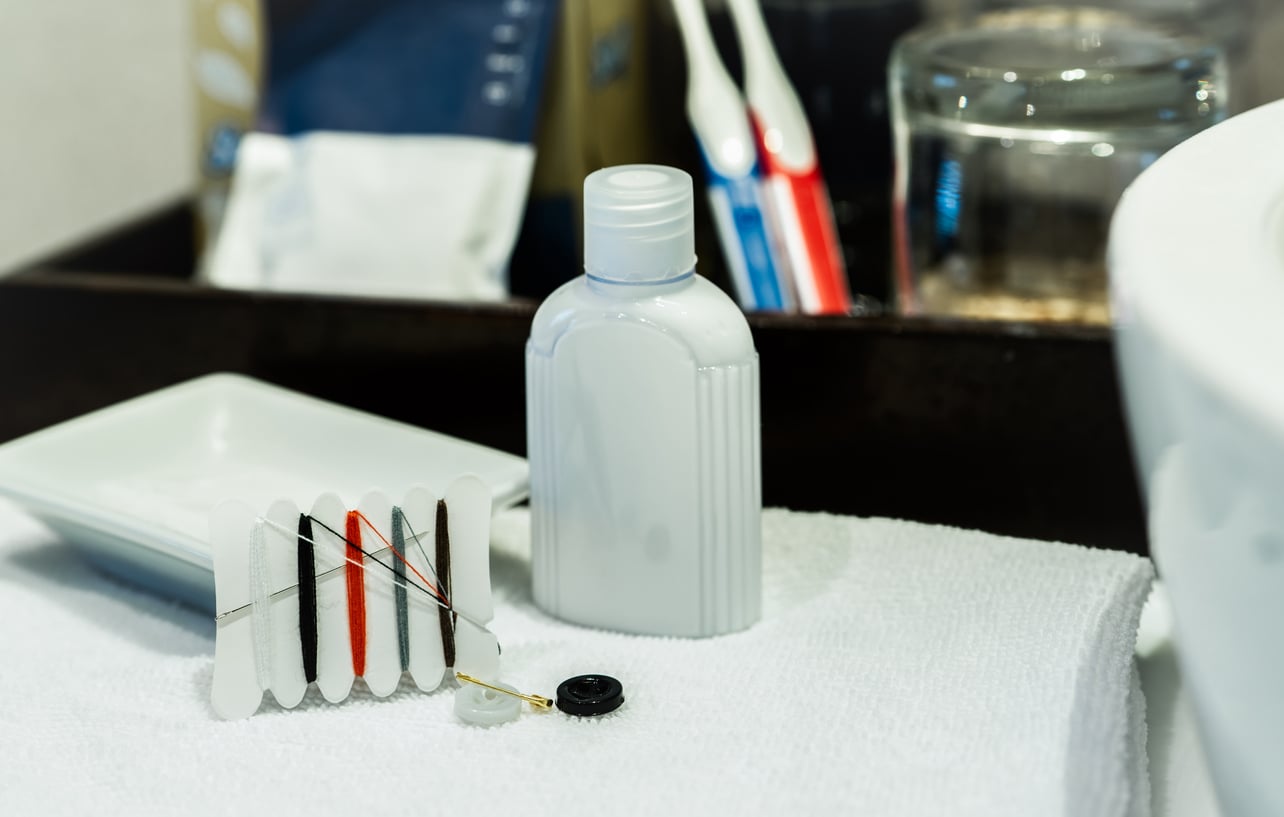
A loose button before a wedding or business meeting was much less alarming when the hotel room contained a tiny sewing kit. Packets usually held basic thread, needles, buttons, or safety pins. Hilton’s own history records introducing a sewing kit and information booklet for female travelers in 1950, an early example of hotels trying to anticipate specific guest needs. Kits still turn up at upscale properties or by request, but routinely finding one among the bathroom amenities is increasingly unusual.
Complimentary Shoeshines
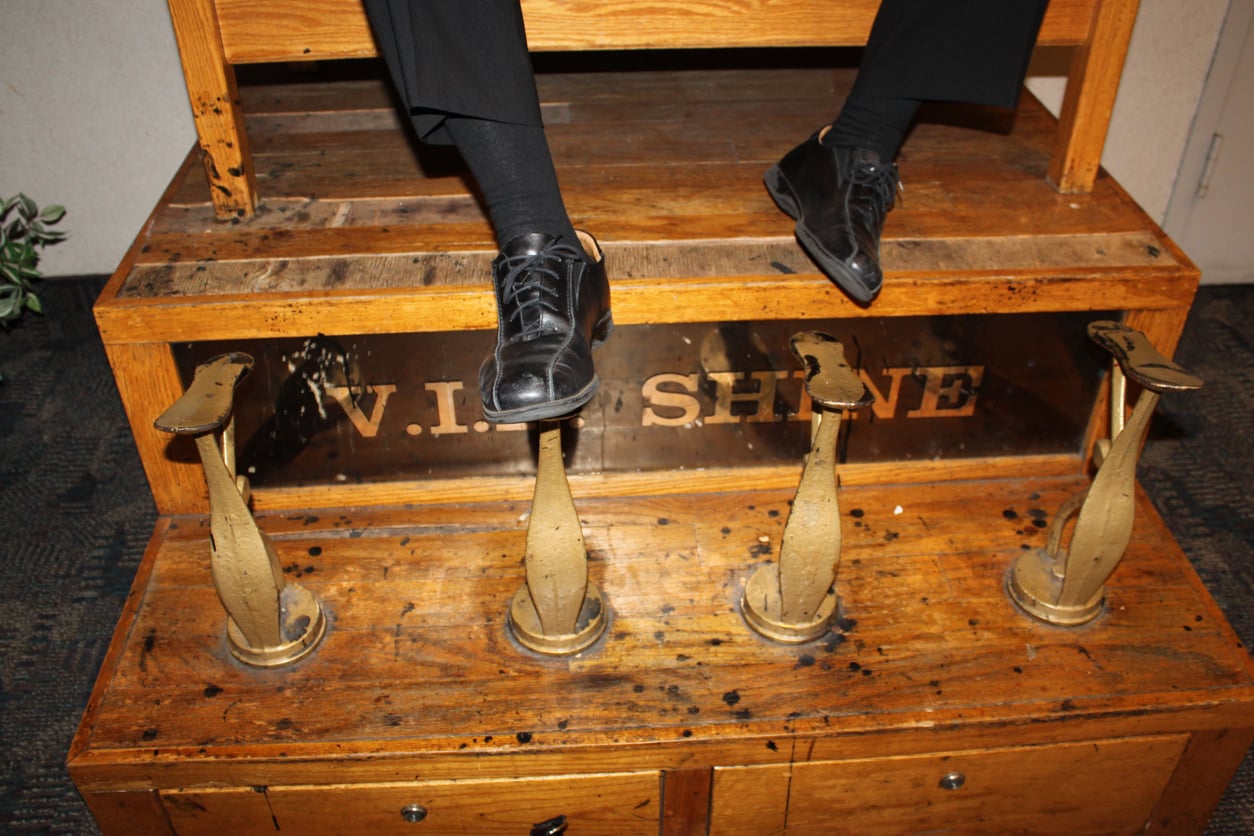
When business travel meant suits and polished leather shoes, a hotel shoeshine made practical sense. Some properties had staffed stands, while higher-end hotels offered overnight cleaning or polishing through bell or valet staff. The guest could hand over a pair in the evening and have them ready for the next morning’s meeting. With workplace clothing becoming more casual and sneakers far more acceptable, the service has retreated toward luxury hotels, clubs, airports, and other places where formal dress still creates demand.
Uniformed Bellhops for Every Bag
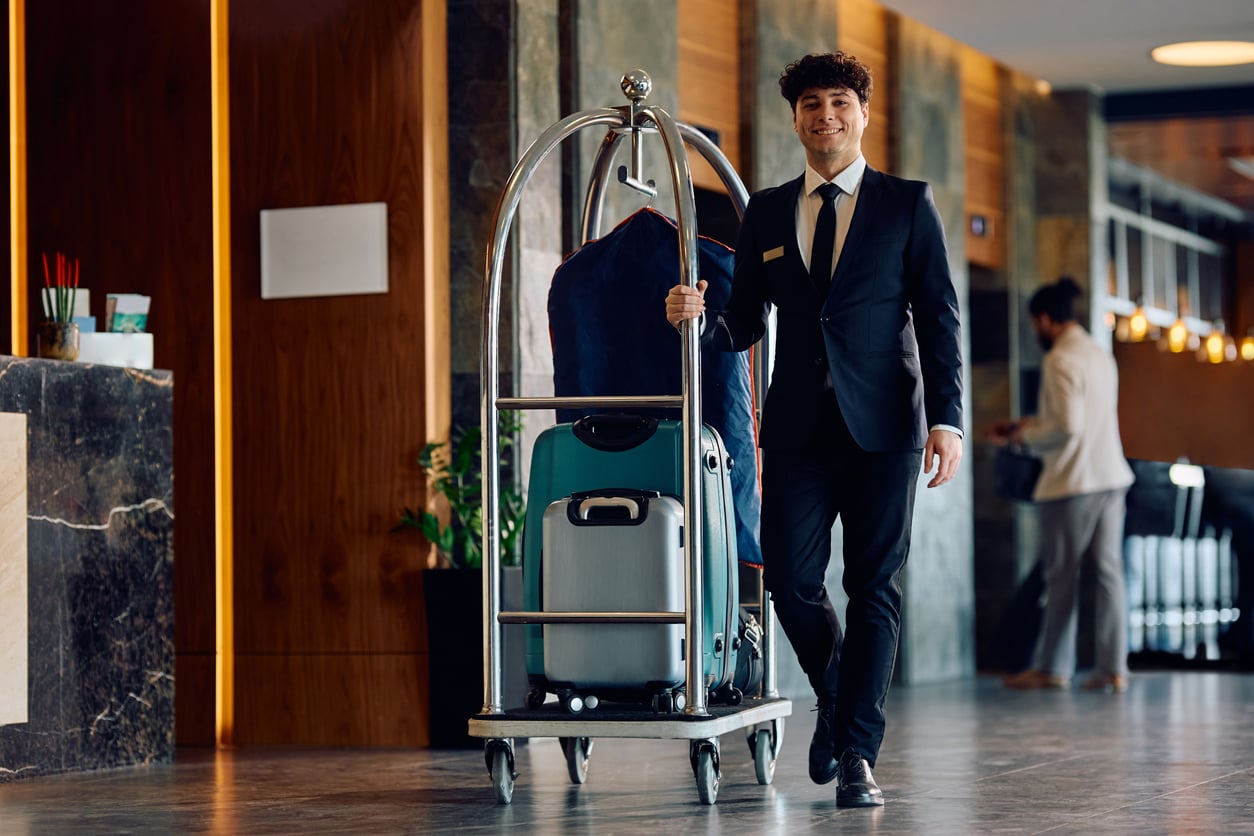
Arriving at a full-service hotel once involved considerably more ceremony. A bellhop might take the luggage, escort guests upstairs, explain room features, and offer basic information about the property. Wheeled suitcases made carrying your own bags much easier, while limited-service hotel models reduced the staff needed around the lobby. Bell service remains common at luxury hotels and large resorts, but at an ordinary hotel today, grabbing your roller bag and heading for the elevator yourself barely registers as self-service.
Fully Stocked Minibars
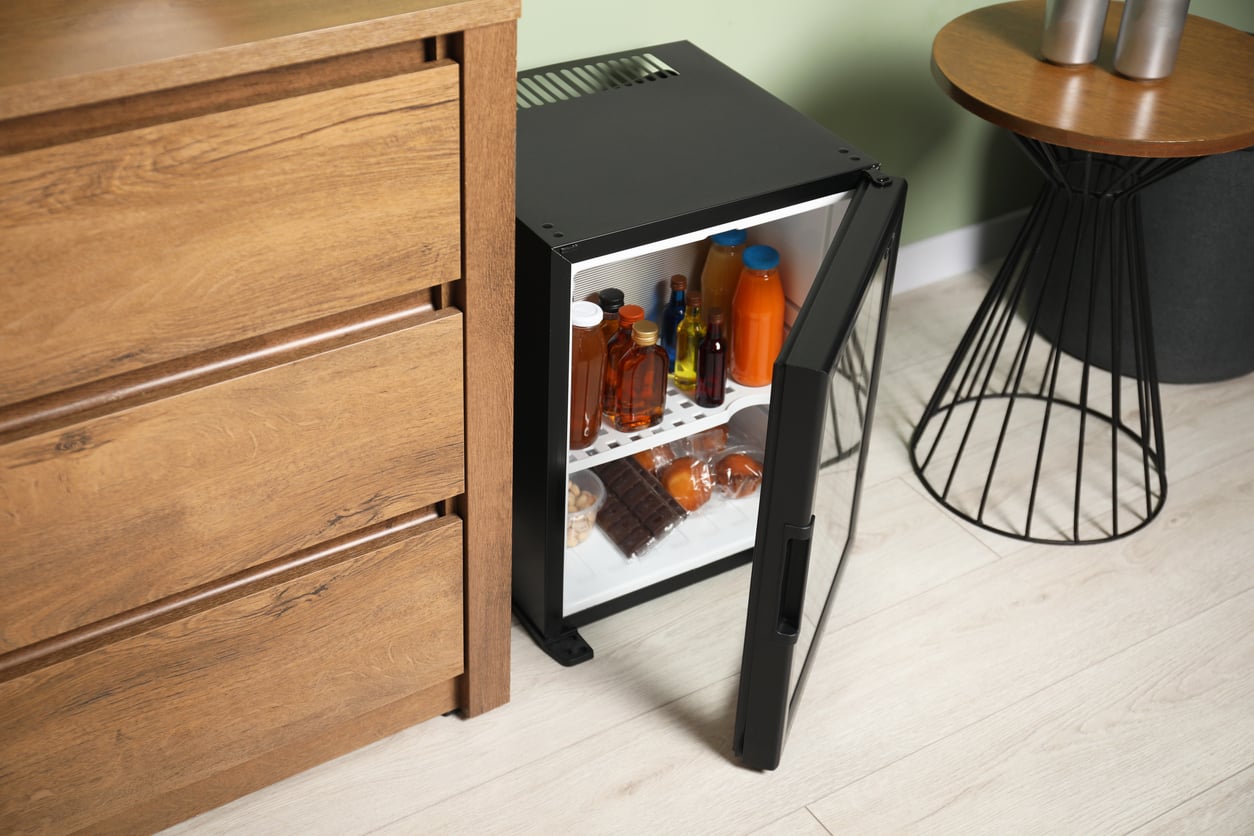
Opening the little refrigerator and finding tiny liquor bottles, sodas, chocolates, and nuts was once part of the upscale hotel experience, along with prices that made guests think twice about touching anything. Automated sensor minibars later created a different headache: items could be charged when removed or moved, leading to complaints and disputed bills. Many properties now favor empty refrigerators or lobby markets, although elaborate minibars remain alive and well at the luxury end of the market.
Tiny Shampoo and Conditioner Bottles
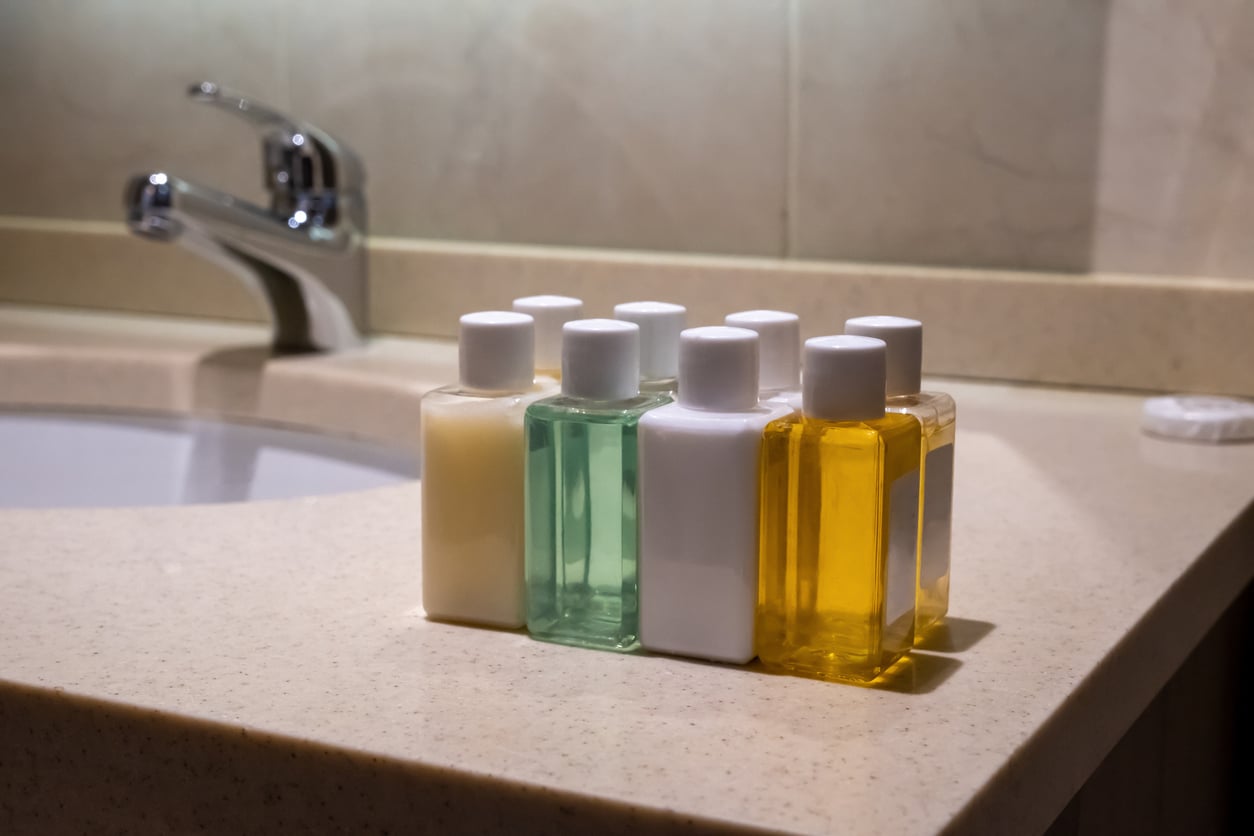
Those little bottles of shampoo, conditioner, lotion, and shower gel were practically souvenirs; plenty of travelers tossed the unused ones into their suitcase at checkout. Refillable wall-mounted dispensers are steadily taking their place, driven partly by efforts to reduce plastic waste and partly by legislation. New York now restricts hotels from providing small plastic bottles of personal-care products, with implementation based on property size. California has adopted similar restrictions.
Pay-Per-View Hotel Movies
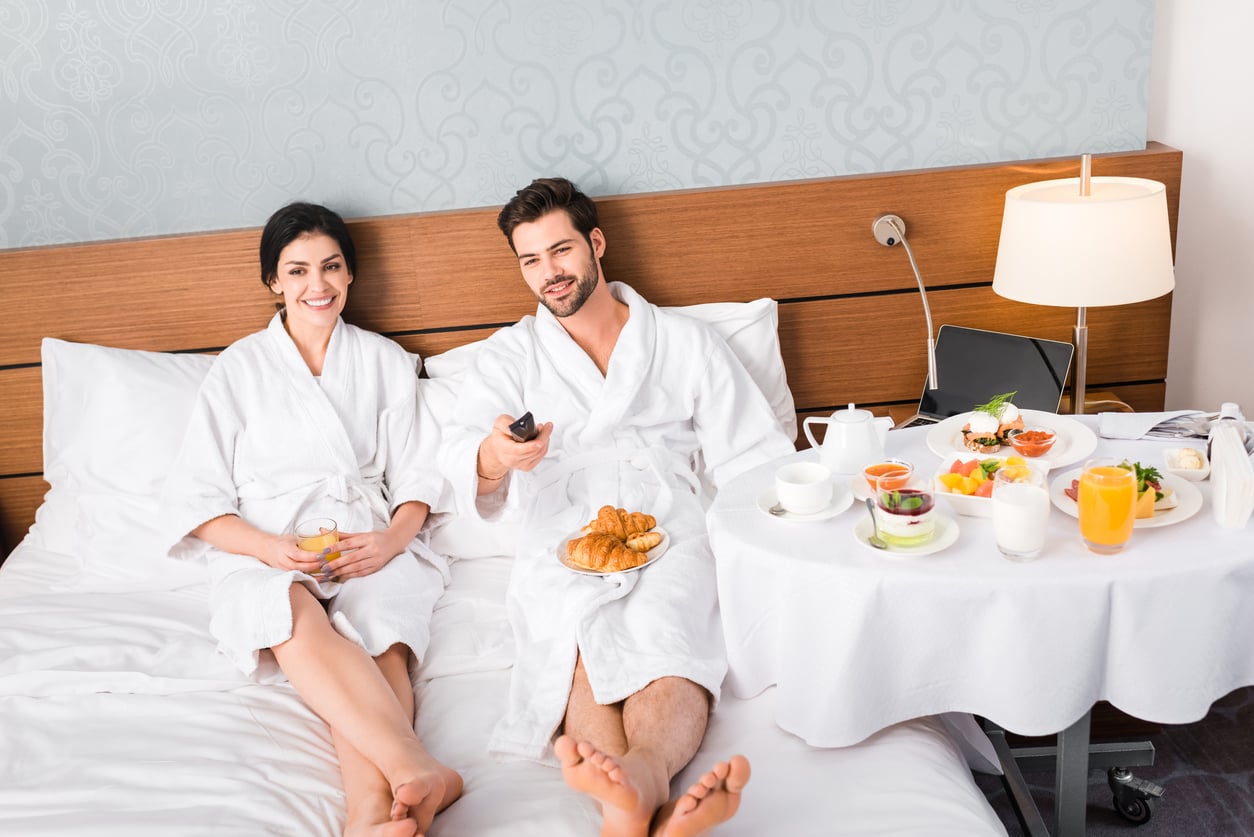
There was a period when paying a hefty fee to watch a relatively recent movie from bed felt like a genuine hotel convenience. In-room systems offered film menus and sometimes games or other paid programming. By 2013, hotel-industry reporting was already describing purchases of traditional pay-per-view movies as rapidly declining as internet entertainment grew. Today’s hotel TV is increasingly expected to work with the content guests already bring, especially streaming services and device casting.
Magic Fingers Vibrating Beds
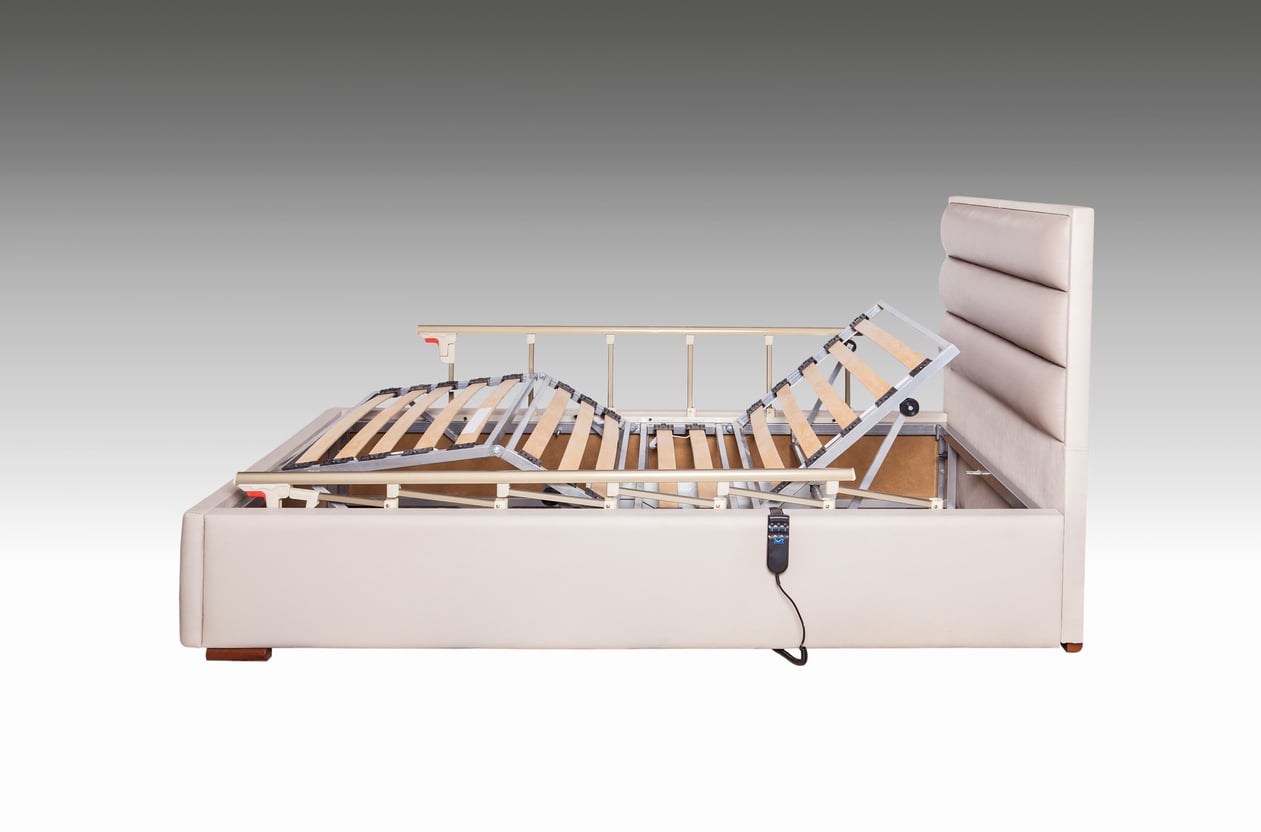
Some motel amenities could only have come from the roadside-travel era. Magic Fingers devices let guests put a coin into a box beside the bed and receive several minutes of mattress vibration. According to the Los Angeles Times, thousands of motels advertised them from the late 1950s into the 1980s. Eventually they became associated more with kitschy motel culture than modern comfort. Today’s hotels sell guests on premium mattresses and elaborate bedding instead with no quarters required.
Printed Hotel Directories and Local Guides
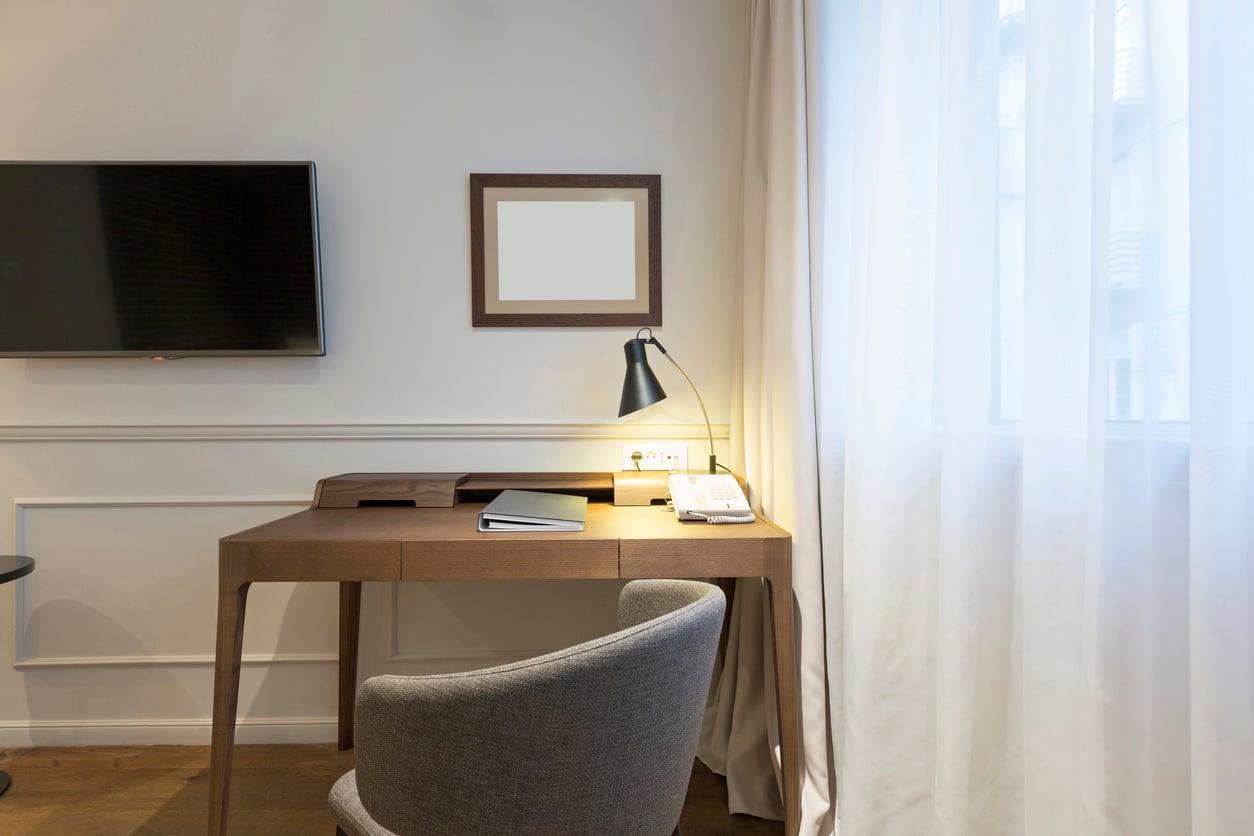
Remember the thick folder sitting on the desk? It could contain restaurant hours, room-service menus, checkout information, phone extensions, hotel rules, nearby attractions, and local maps. Those printed compendiums were useful but annoying to keep current. Digital hotel-directory companies now explicitly market QR codes and web-based guides as replacements, allowing hotels to change hours or information without reprinting a roomful of binders. Convenient, yes, although guests without a smartphone may reasonably miss the old version.
A Concierge Who Knew Everything Nearby
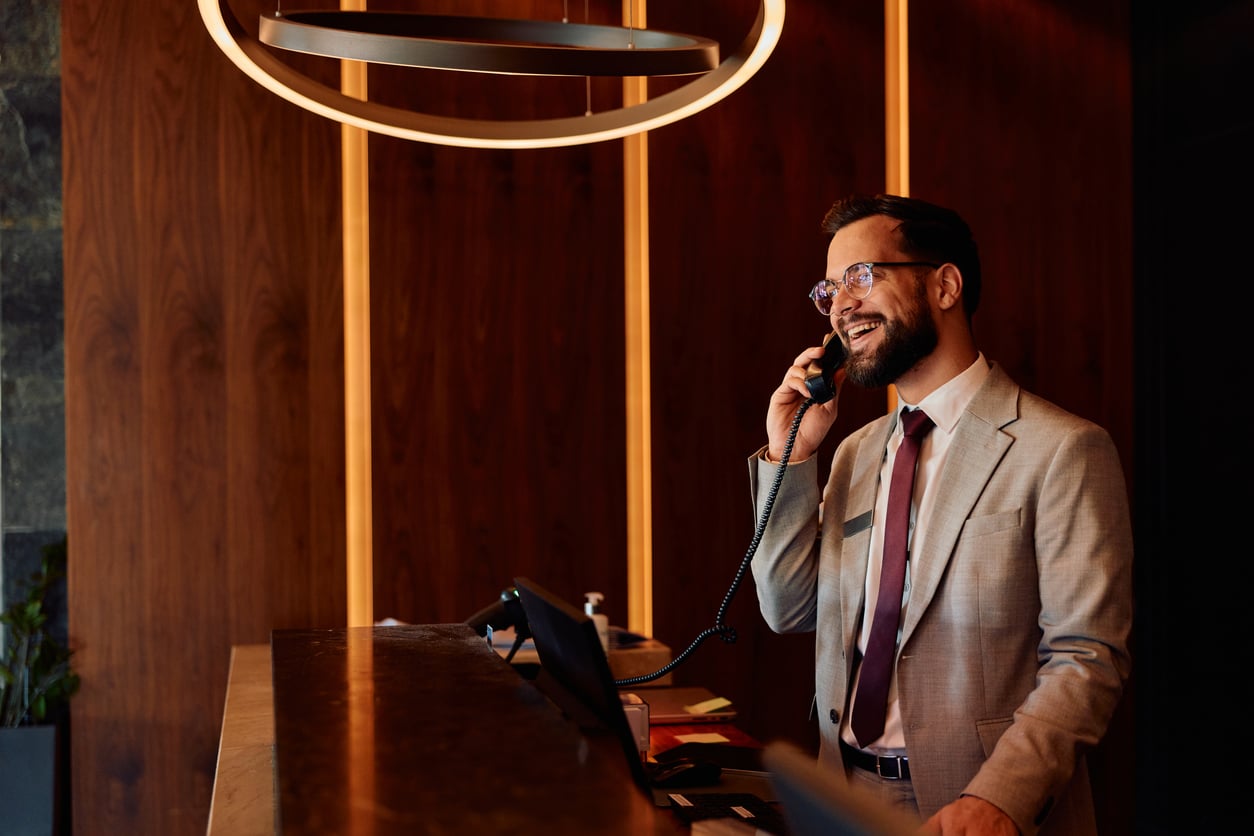
Before Google Maps, restaurant apps, online reviews, and instant ticket booking, the concierge desk could be enormously valuable. A knowledgeable concierge recommended restaurants, made reservations, arranged transportation, found theater tickets, and knew whom to call when ordinary options were booked. Hotels were experimenting with smartphone-based concierge services as early as 2010. Human concierges remain an important luxury-hotel feature, especially for complicated requests, but they no longer have anything close to a monopoly on local knowledge.