A few decades ago, people didn’t turn to experts to solve simple problems. Situations requiring fixing, mending, maintaining, cooking, patching, or sharpening were handled by the individuals themselves. Baby boomers skills often developed simply because professional services were less accessible or less commonly used!
Sewing on Buttons and Mending Clothes

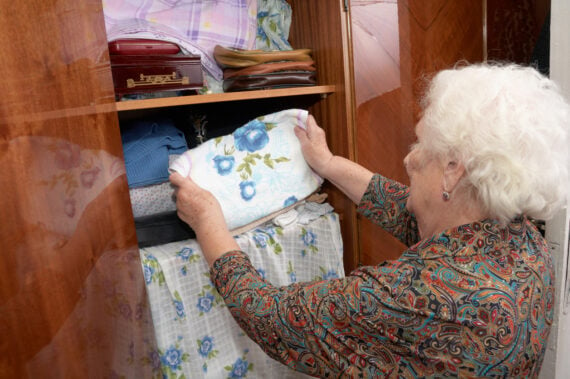
For some people of the current generation, losing a button or tearing a T-shirt can be reason enough to replace the garment. Baby boomers skills included sewing clothes so they would remain wearable for a longer period. Tasks ranging from reattaching buttons to mending seams and patching knees were part of how they saved money and reduced waste.
Changing a Flat Tire

Baby boomers often learned to change a flat tire because they could not always count on having roadside assistance available, particularly during long trips through rural areas. Baby boomers skills included knowing how to use a jack and a lug wrench, and keep a spare tire in the trunk. Nowadays, modern roadside assistance has made these skills less necessary.
Changing Their Own Oil
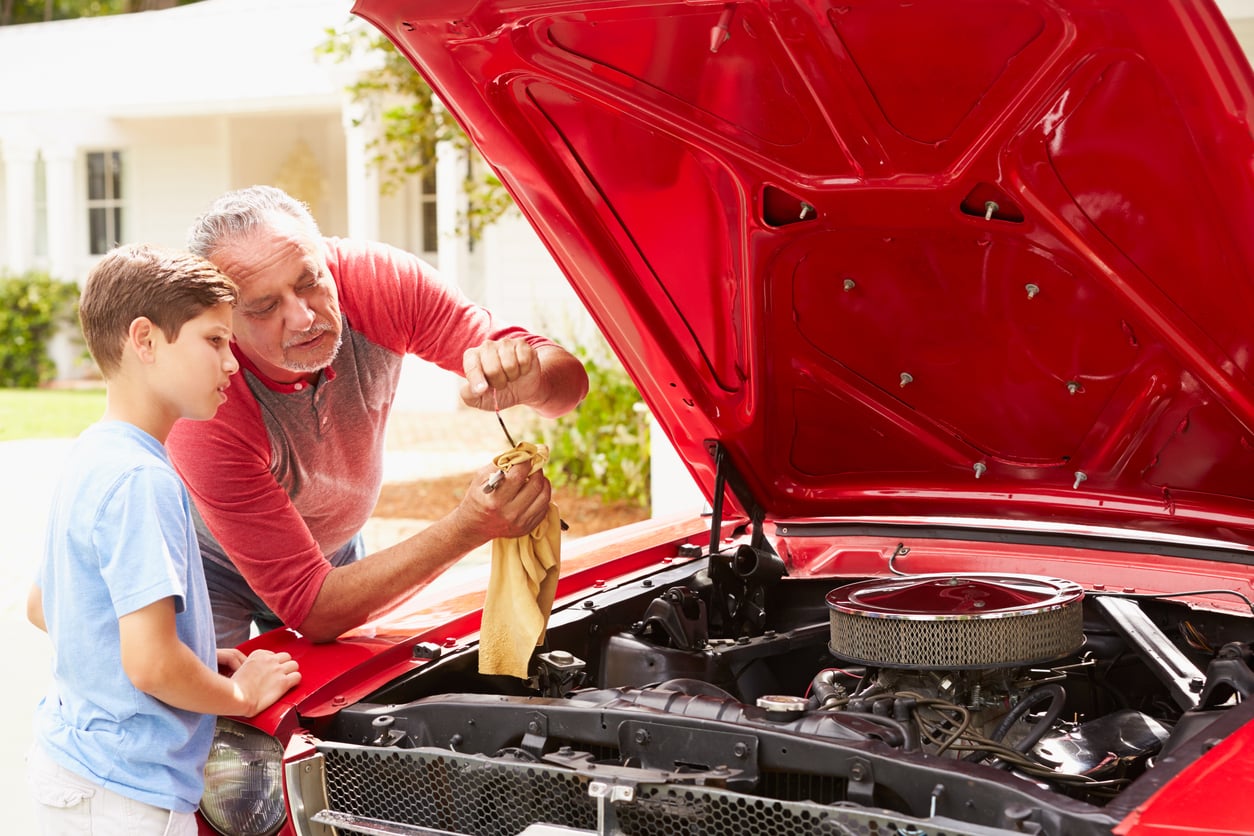
Nowadays, when drivers need an oil change, filter replacement, or fluid check, they make take their cars to a specialized shop, and spend money on the visit. Baby boomers skills often included basic car maintenance, as older vehicles were generally more mechanical and could be easier for owners to work on. In the past, routine car maintenance was often done in the driveway.
Fixing a Running Toilet
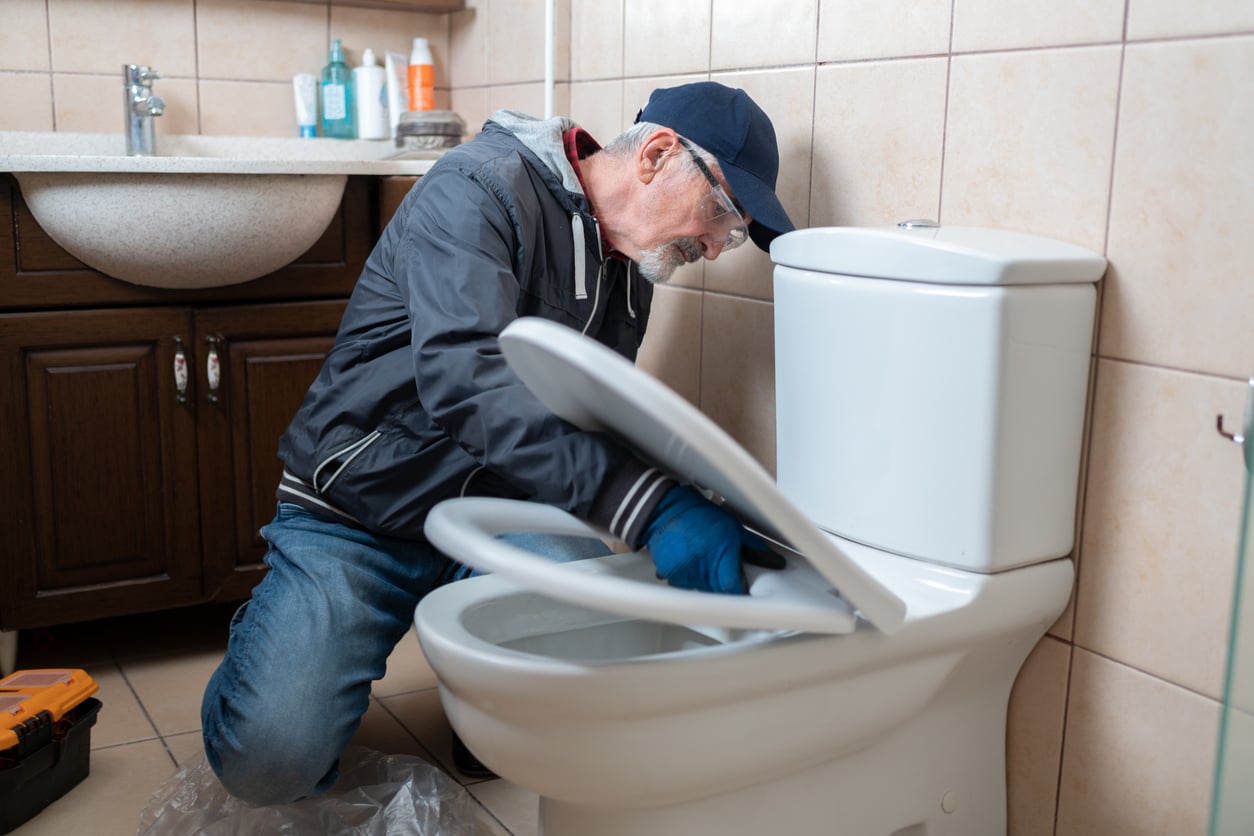
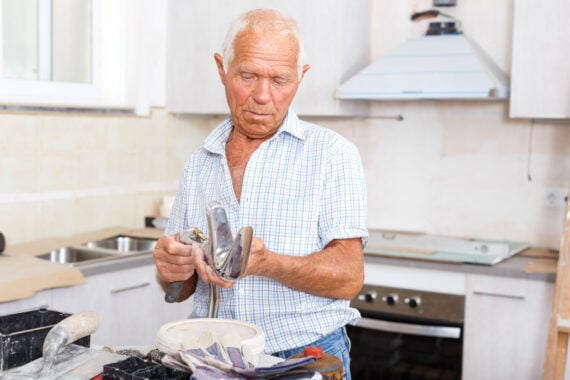
Young adults today often call a plumber for minor issues, which can be quite costly. However, many toilet repairs, such as adjusting floats, replacing flappers, or tightening connections, can be handled by the homeowner at no cost, unlike major leaks or hidden plumbing problems. These are examples of Baby boomers skills that some homeowners still use.
Unclogging a Sink or Drain
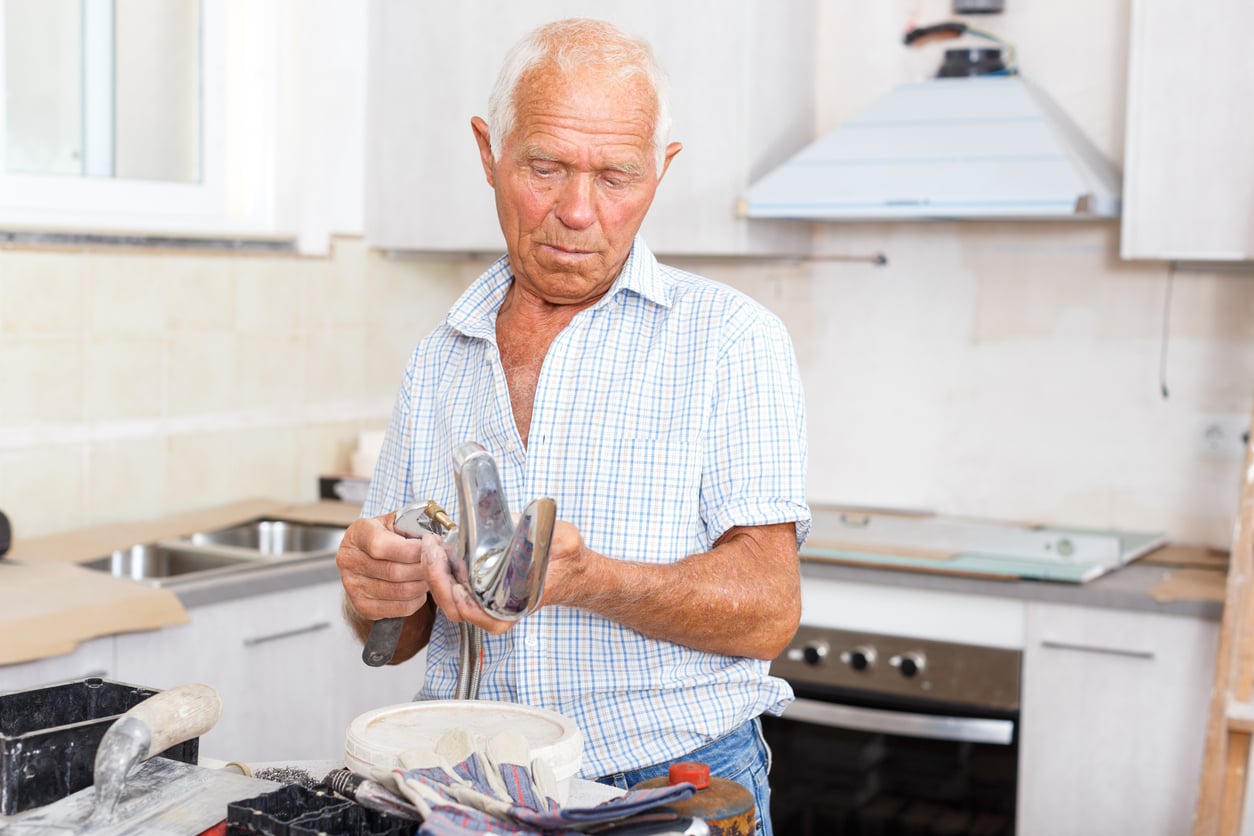
Issues with a sink or drain can often be resolved with a plunger, drain snake, or by carefully dismantling the fixture. Baby boomers skills often included taking things apart to understand how they worked. Nowadays, however, things are different. Young people do not want to spend time on that, and many are unaware of which chemical drain cleaners must not be mixed.
Trending on Cheapism


Painting Their Own Rooms
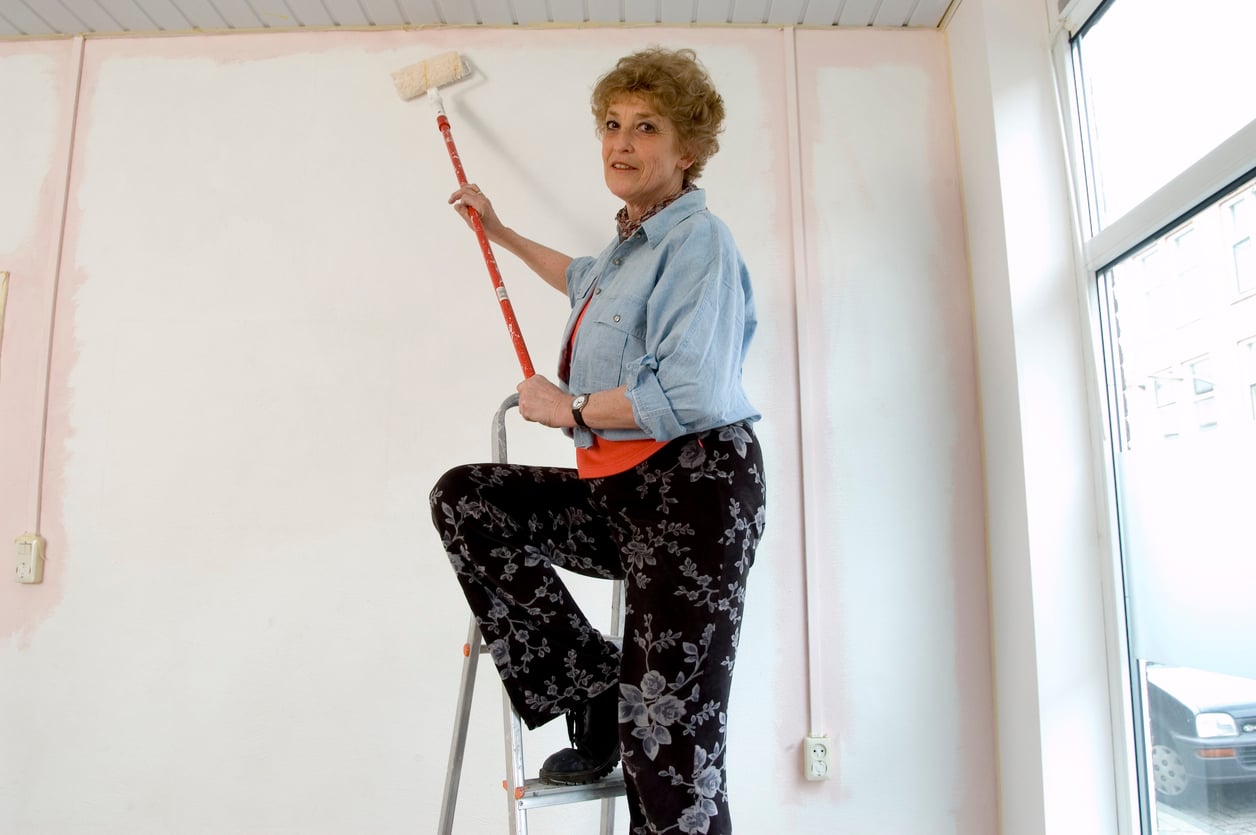
In the past, painting your home’s interior was one of the simplest home improvement tasks, one that could be done without hiring anyone. Families would repaint bedrooms, kitchens, and even entire houses themselves. Emulating Baby boomers skills could save young adults a lot of money in various of these situations. Painting does not always require a professional, although preparing walls and patching small holes are useful skills.
Sharpening Knives and Tools
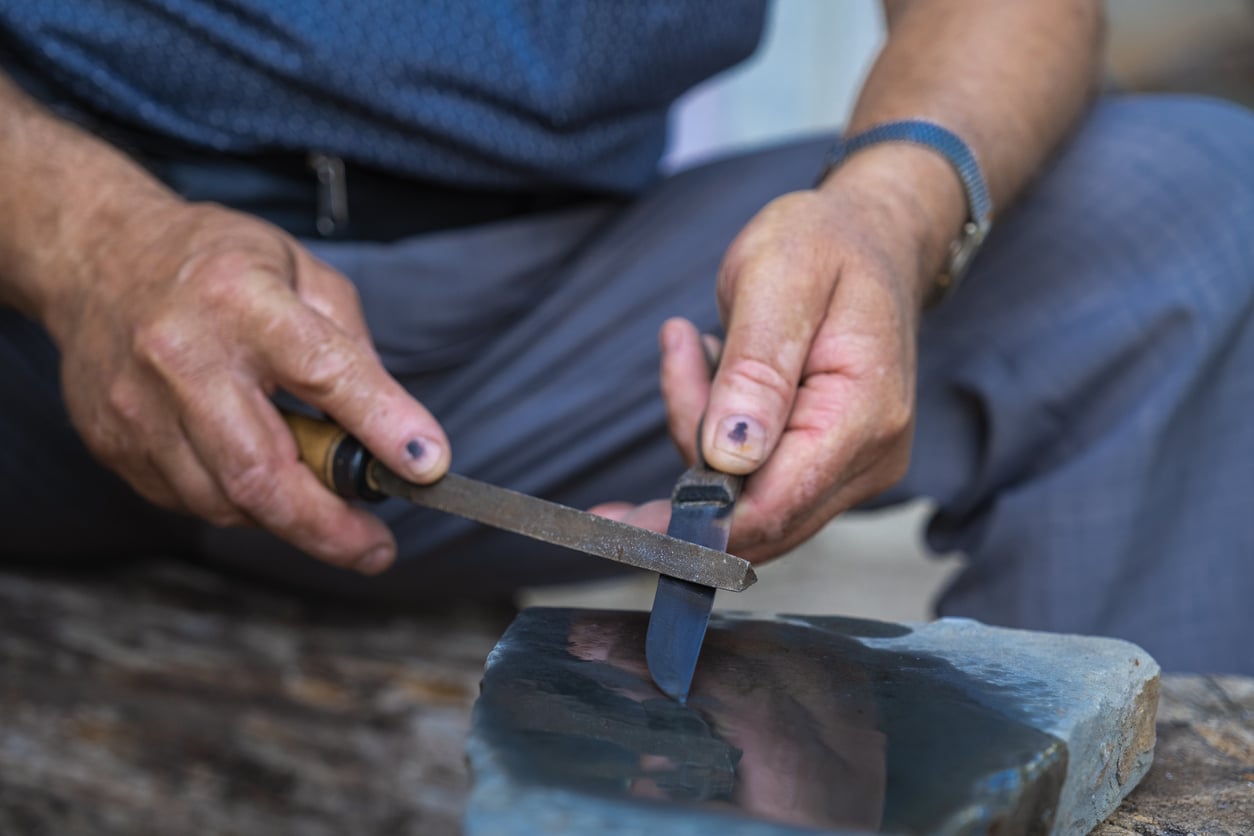
Certain household items lasted longer because people took care of them. When a knife became dull, households would sharpen it, as sharpening stones were considered essential tools to own. Baby boomers skills such as maintaining a proper edge could extend the useful life of these items and save people money by eliminating the need for immediate replacement.
Cooking From Scratch
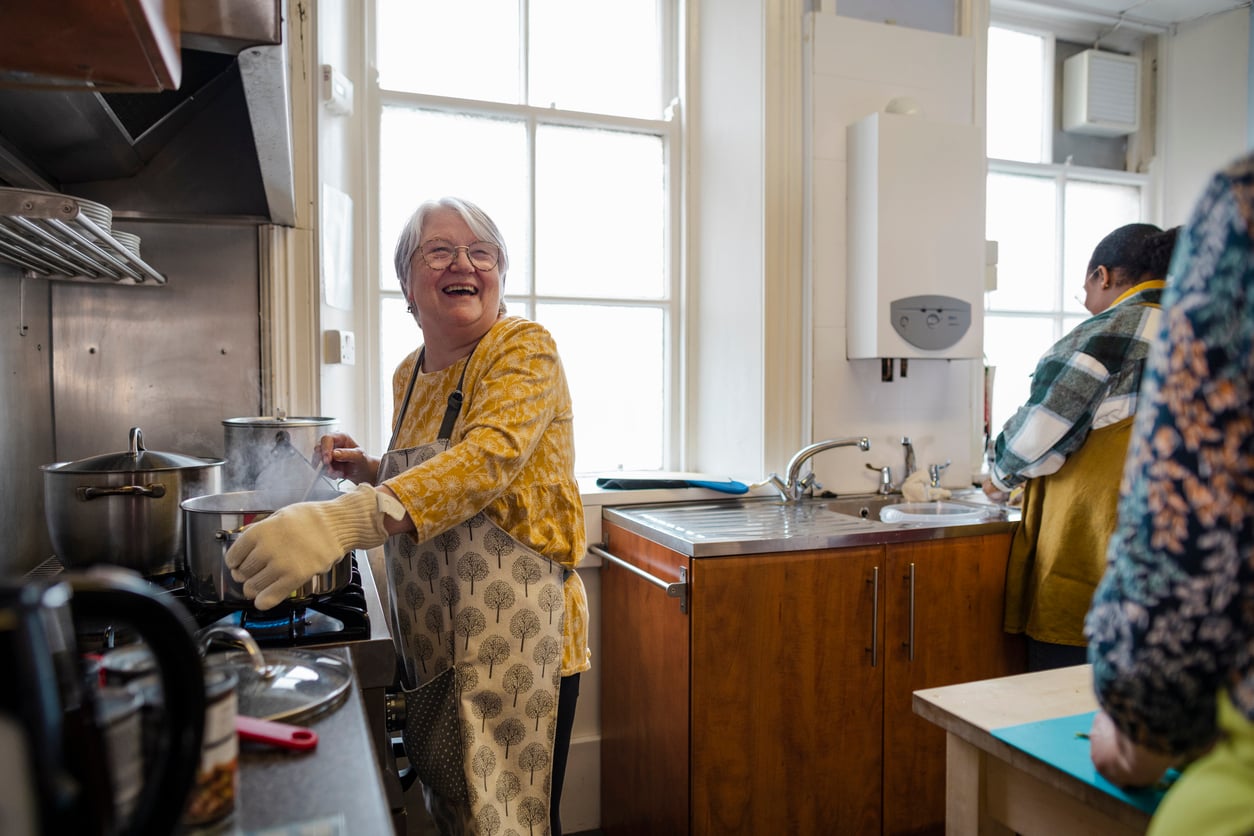
Baby boomers learned to buy basic ingredients and prepare delicious dishes, such as soups, casseroles, breads, sauces, roasts, and full meals. While convenience foods already existed, cooking from scratch offered the ability to utilize pantry staples and create more affordable meals. Baby boomers skills also included making good use of leftovers.
Sign up for our newsletter
Stretching Leftovers Into Another Meal

Since Baby boomers grew up in a United States era where people were conscious about not wasting food, as it wasn’t as plentiful as it is today, some of them mastered the skill of using leftovers. Baby boomers skills included transforming leftover food into new dishes such as soups, hash, and sandwiches, helping families stretch their food budgets.
Basic Carpentry
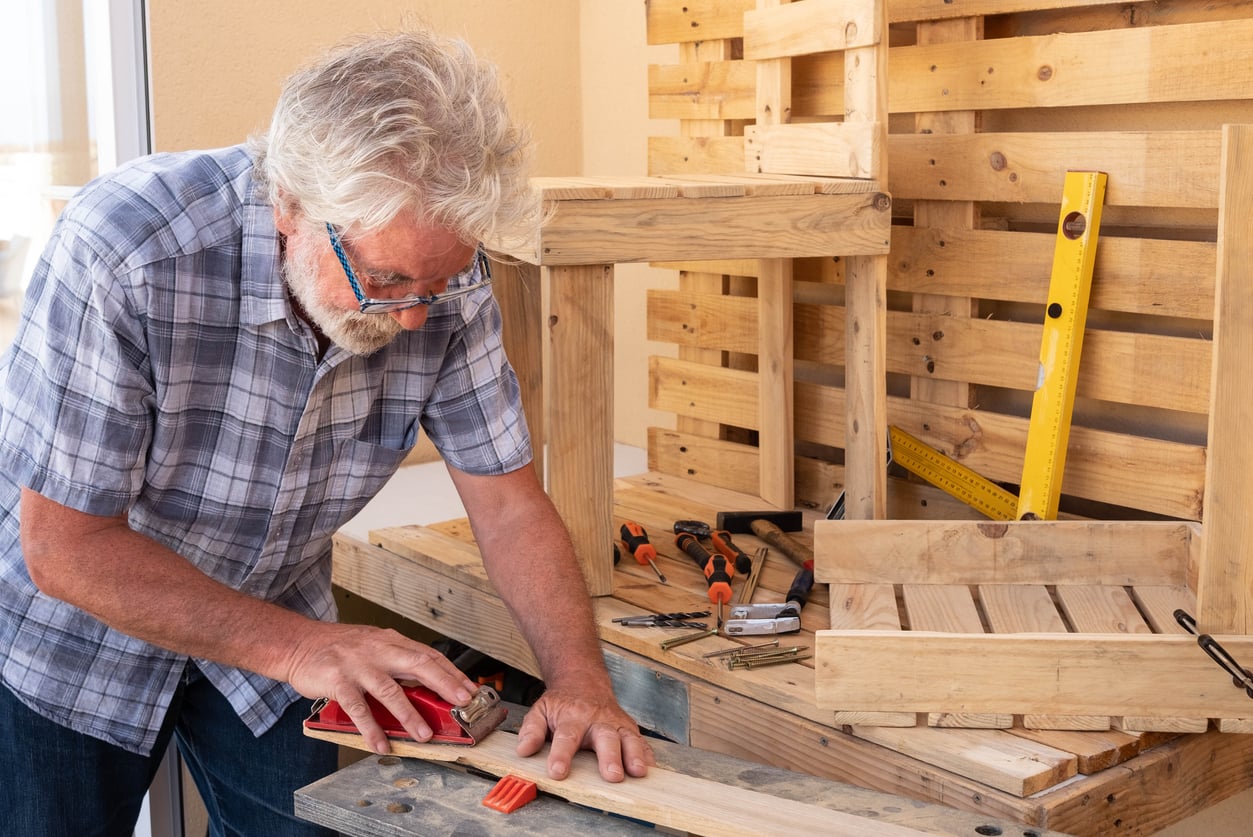
Dealing with shelves, fences, and simple furniture repairs was part of maintaining a home. Having tools like a hammer, a handsaw, and a tape measure was essential for handling necessary repairs. Baby boomers skills often included basic knowledge of structural work and recognizing when a situation required caution because of potential health risks.
Patching Drywall and Plaster
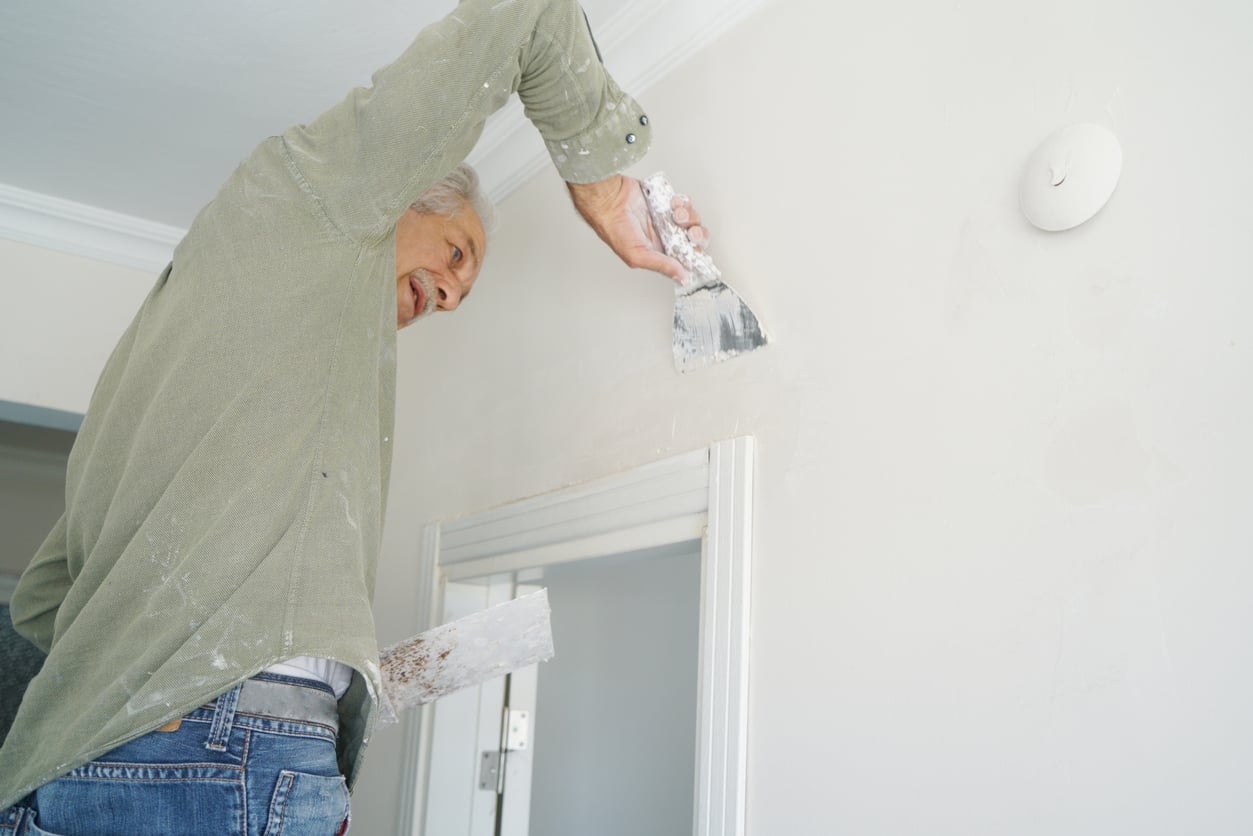
If your house had small holes and cracks, that didn’t justify replacing an entire wall or calling in a construction expert. Homeowners learned to patch, sand, and repaint minor damage. Baby boomers learned skills such as filling nail holes and repairing small cracks. If the household problem was major, such as a structural crack or water damage, it required a specialist.
Maintaining the Lawn Themselves
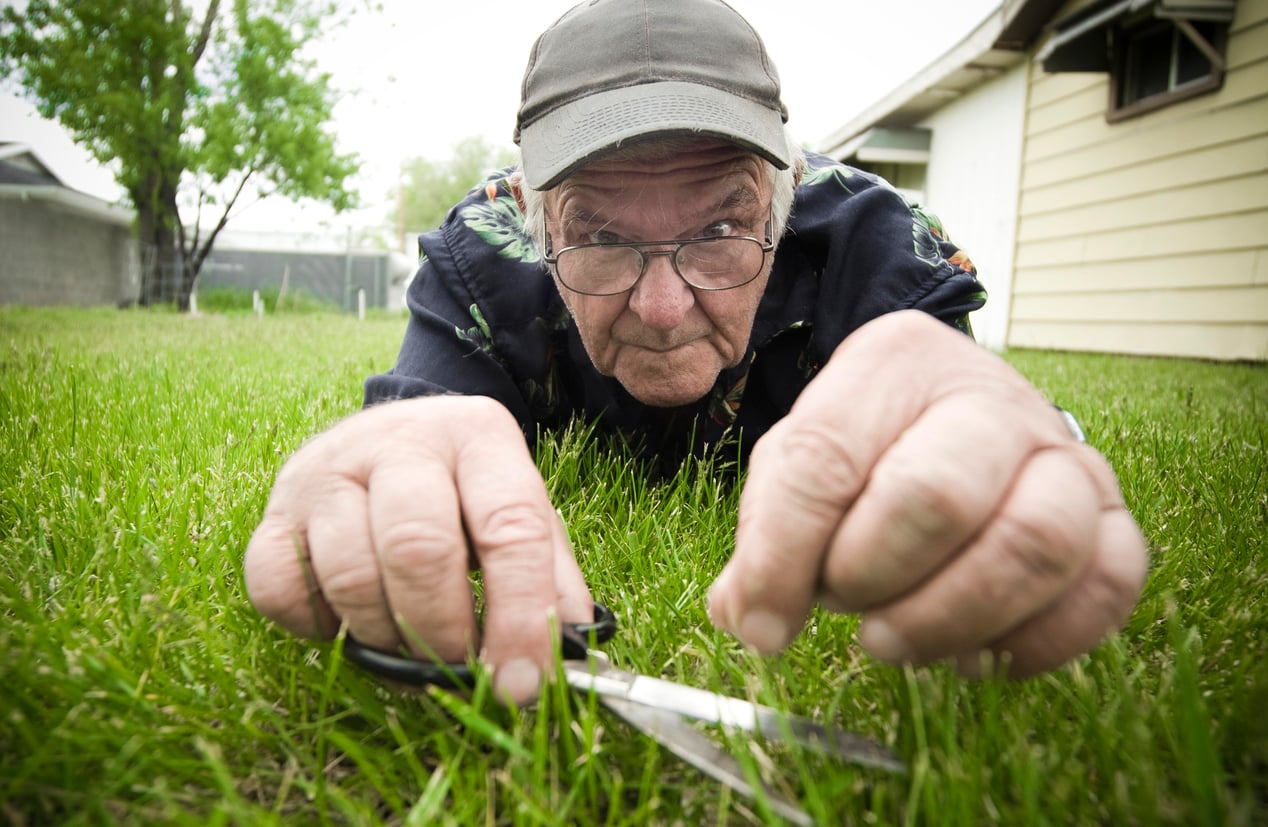
The possibility of hiring someone to tend to your lawn was remote, and even if you managed to do so, it wasn’t a routine occurrence like it is today. Baby boomers had to learn how to mow, rake, trim, and handle basic gardening to get these jobs done. The upside is that continuing these activities, which aren’t essential and shouldn’t be rushed, will keep them moving as time goes on.
Replacing Simple Electrical Fixtures
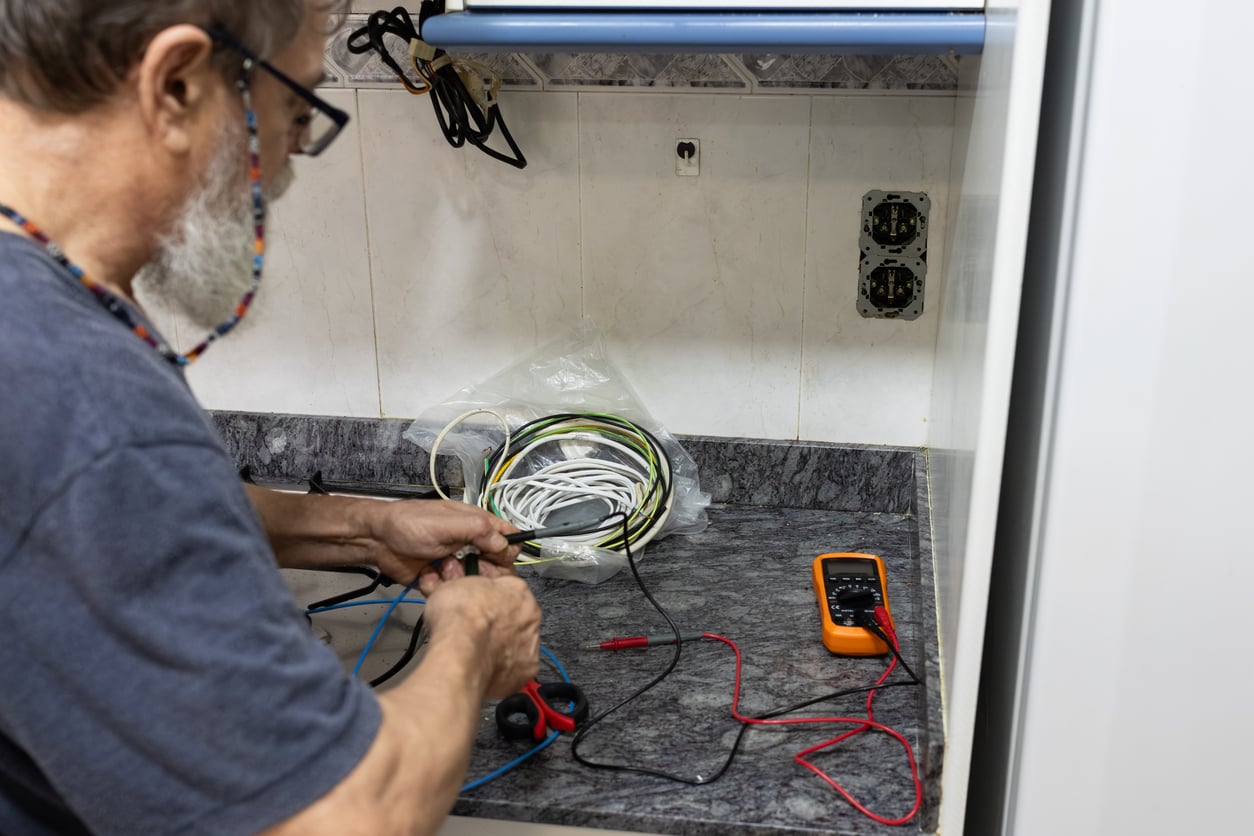
Some Baby boomers feel comfortable replacing switches, lamp cords, outlets, and light fixtures because they possess basic electrical knowledge, often passed down by their parents. However, working with electricity can be very dangerous, so any repairs beyond basic tasks will require a qualified electrician.
Reupholstering or Repairing Furniture
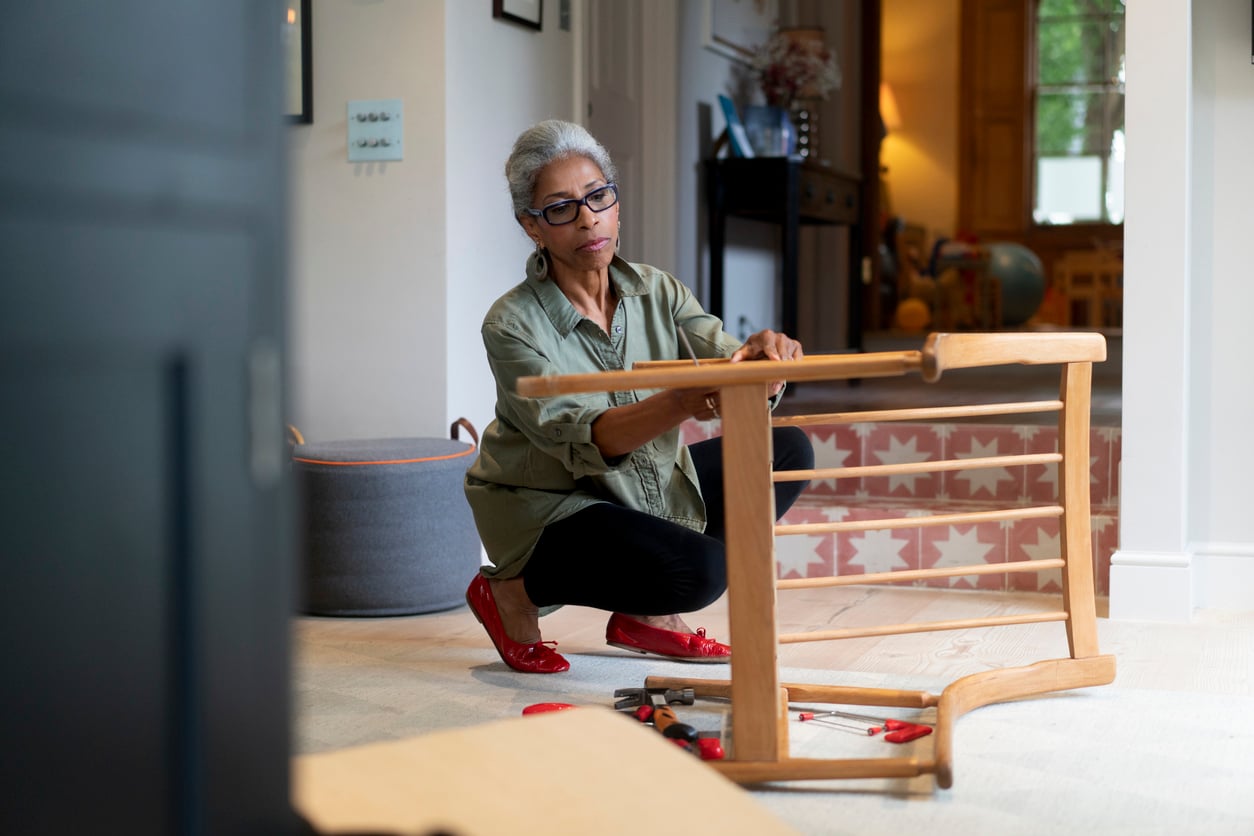
Young people often spend a lot of money by simply discarding a worn chair or sofa and putting it out on the curb at the first sign of trouble. In contrast, many Baby boomers are accustomed to dealing with issues like springs, fabric, cushions, and loose joints, repairing each component individually. Furthermore, older solid-wood furniture can be sometimes more worthwhile to repair than inexpensive modern pieces.
Doing Basic Appliance Troubleshooting
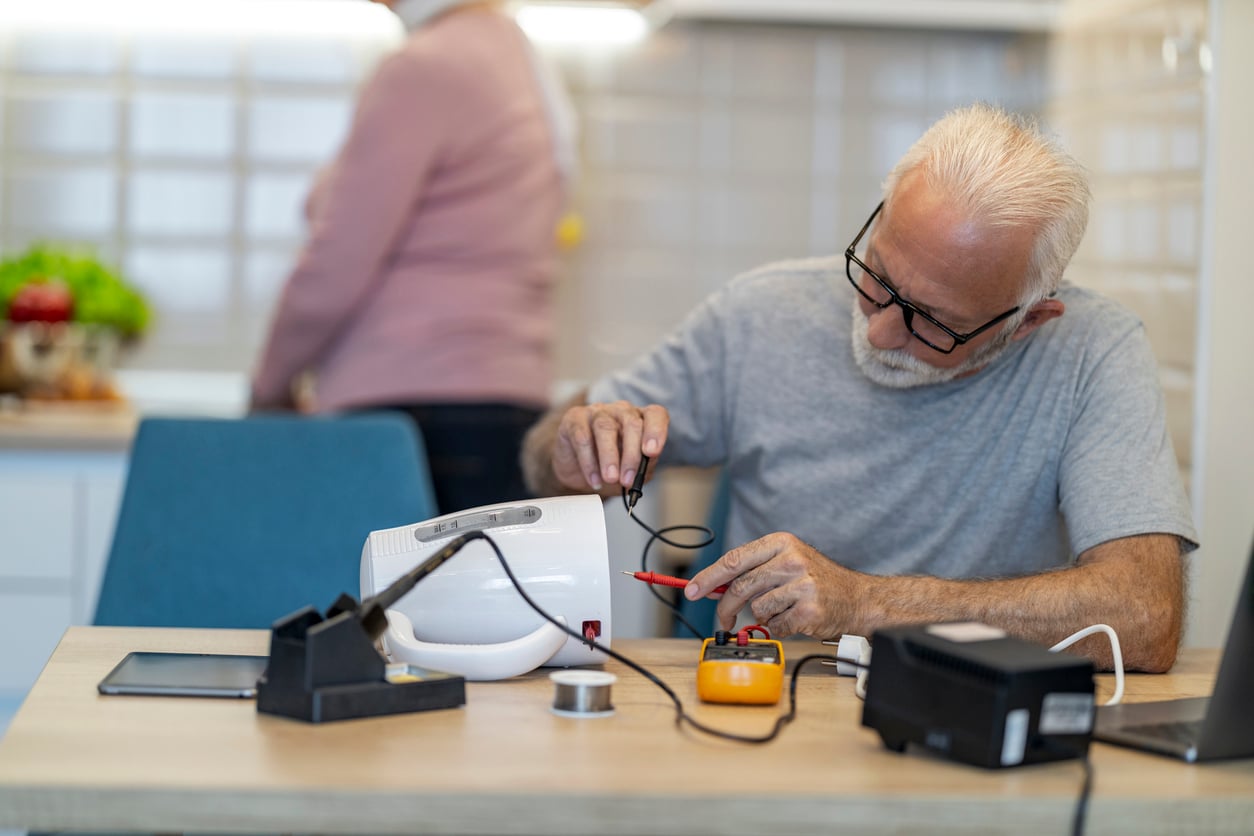
A few decades ago, appliances were expected to last a long time and were built with quality materials. However, problems requiring repairs could arise, and households handled them themselves. From cleaning filters and replacing simple parts to checking connections, they did not call in a specialist. Instead, they tried to resolve the issue themselves, often consulting the appliance’s manual beforehand.
Conclusion
Many Baby boomers developed a habit of keeping their gadgets rather than discarding them at the first sign of trouble. They would first attempt to repair the device themselves, calling in a specialist only if necessary, and replacing the item only as a last resort. The repairs they carried out not only helped them develop skills applicable to other situations, but also saved them money.