A trip through the grocery store today would have looked surprisingly luxurious to shoppers from another era. Many everyday foods that used to be considered fancy were once expensive imports, seasonal delicacies, or dishes reserved for restaurants and special occasions. Pineapples, for example, became such powerful symbols of wealth that, as George Washington’s Mount Vernon explains, they were prized additions to elaborate tables in colonial America. Refrigeration, mass production, better transportation, and global trade eventually brought once-exclusive foods within reach of ordinary households. Here are 15 foods whose fancy reputations have largely faded with time.
Pineapple
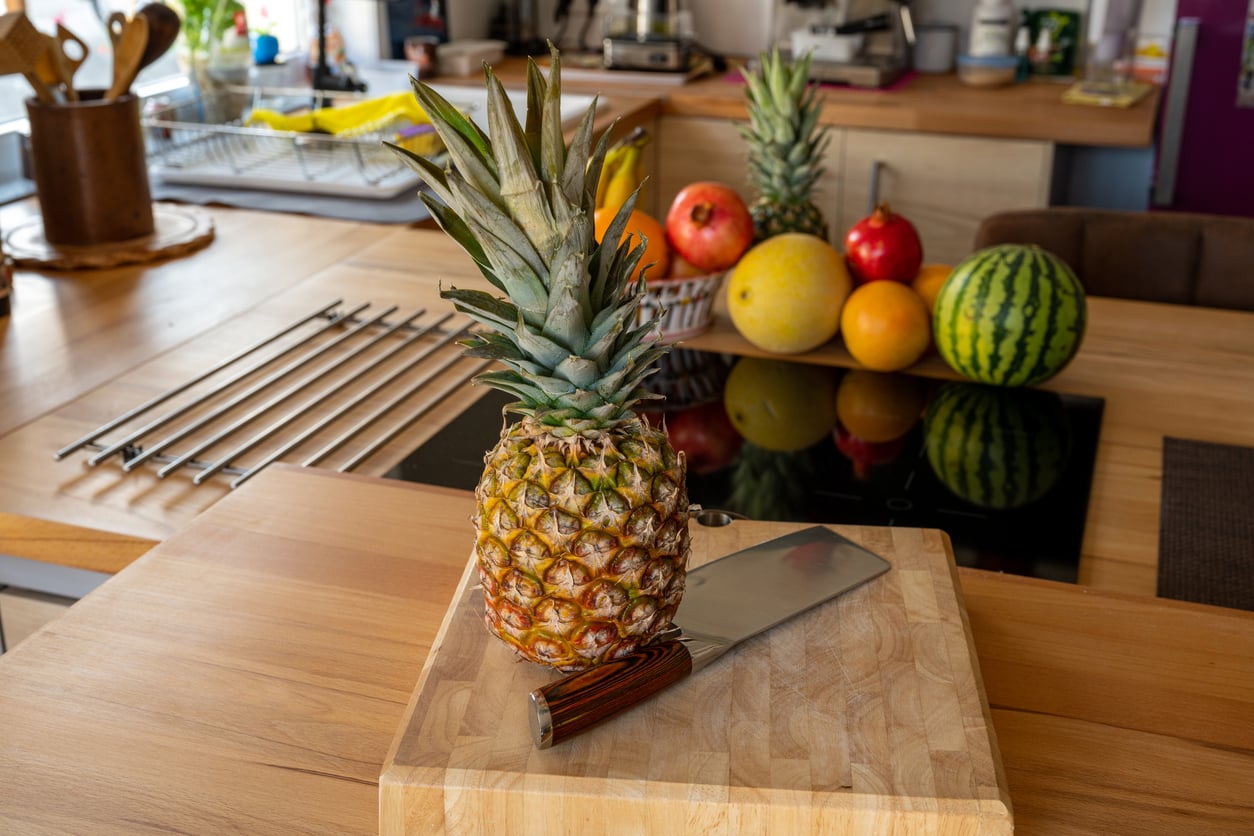
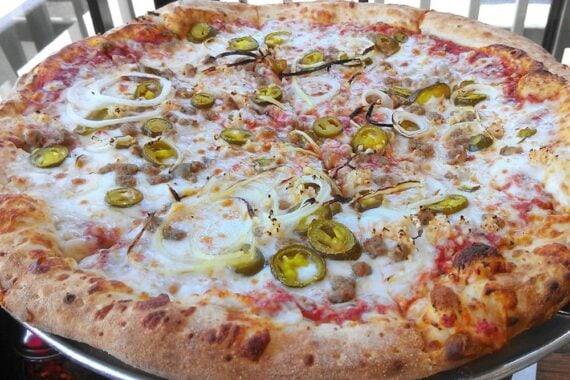
Few supermarket fruits have fallen further down the social ladder than the pineapple. In the 18th century, the tropical fruit was rare and costly enough in Britain to serve as a display of wealth, and wealthy hosts sometimes rented pineapples simply to decorate their tables. Pineapples were prized in colonial America, too. Better transportation, commercial cultivation, and eventually canned pineapple turned an exotic showpiece into something anyone could put in a fruit salad, upside-down cake, or controversial pizza topping.
Ice Cream
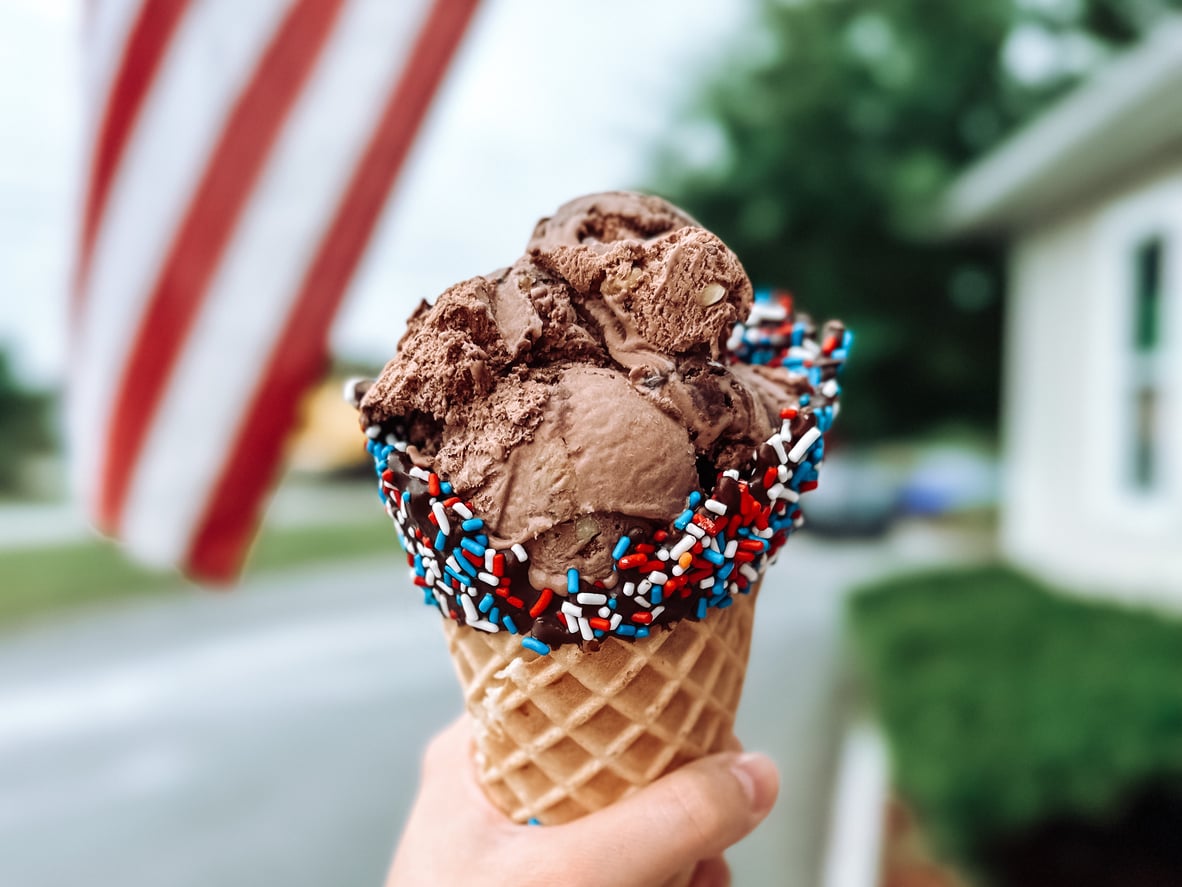
Keeping anything frozen was difficult before mechanical refrigeration, which made early ice cream considerably more labor-intensive than grabbing a pint from the freezer. In early America, the dessert appeared on the tables of figures including George Washington and Thomas Jefferson and was served at presidential functions. Commercial production began expanding during the 19th century, and mechanical refrigeration made distribution much easier. What once required ice, salt, equipment, and considerable effort eventually became one of America’s most ordinary supermarket desserts.
Celery
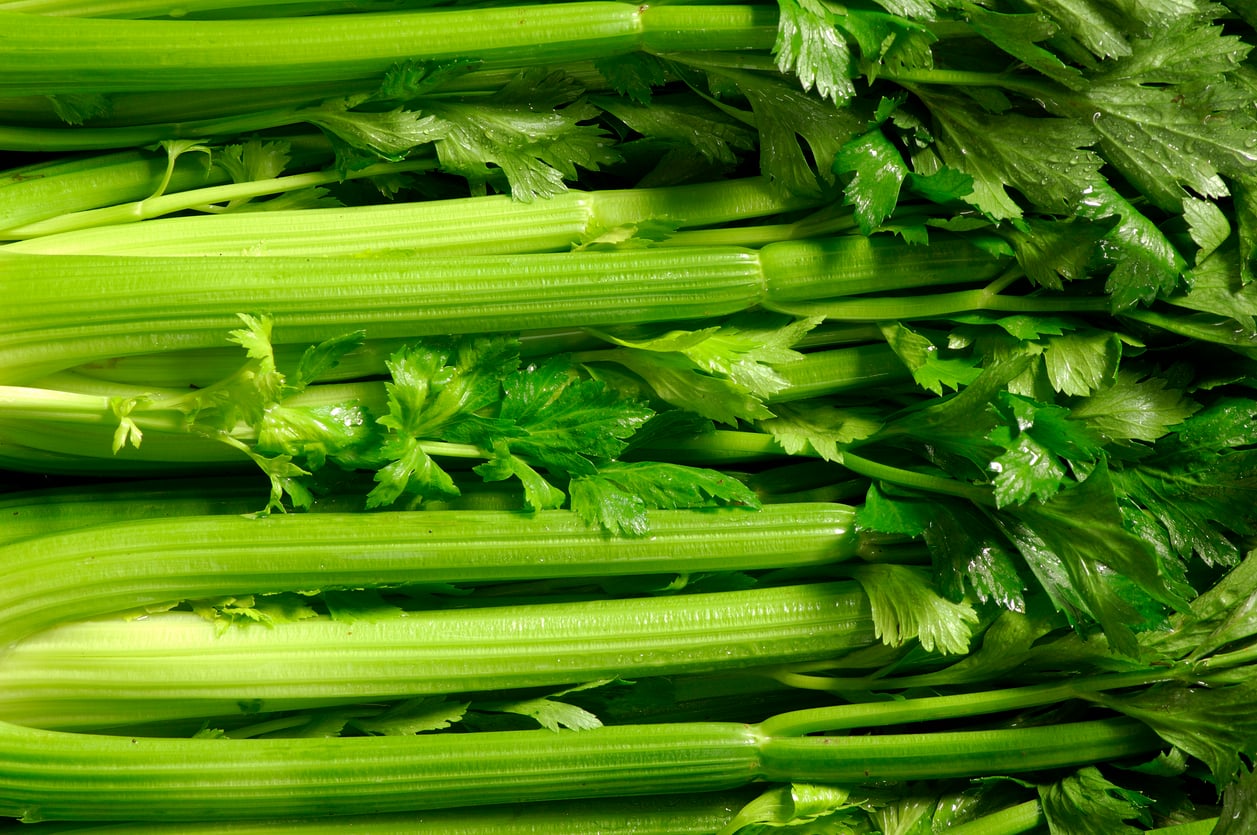
Celery may be the strangest former status symbol on this list. In 19th-century America and Britain, growing crisp celery could be difficult and expensive, making the vegetable fashionable enough to earn its own piece of tableware: the celery vase. Stalks were arranged upright in decorative glass vessels and displayed prominently at formal dinners. As cultivation and transportation improved, celery lost its cachet. Today, the vegetable once shown off like a bouquet is more likely to be chopped into soup or served beside Buffalo wings.
Avocados
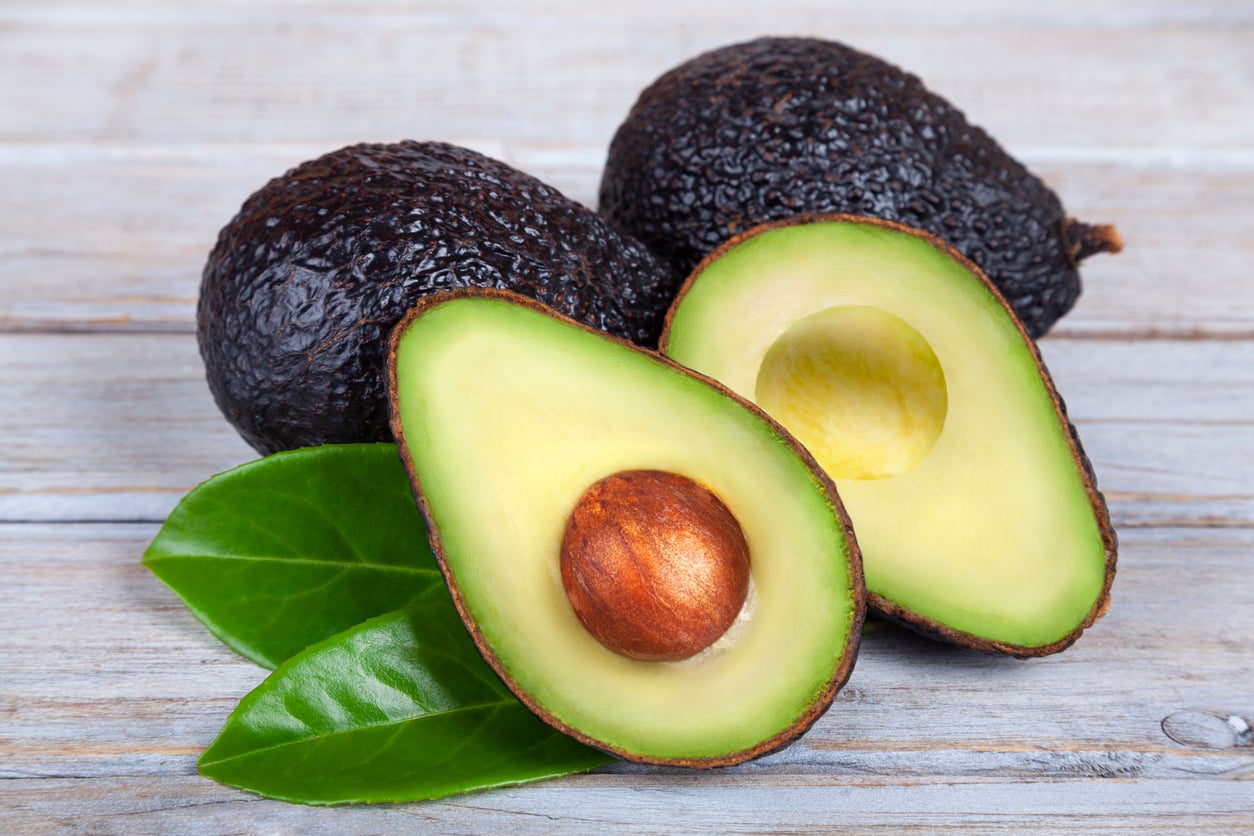
Avocados were not necessarily a luxury everywhere, particularly in places where they had long been part of local cuisines. But for much of the United States, they were once far less familiar and available than they are now. That changed dramatically as imports expanded. USDA data show U.S. avocado availability per person tripled from 2000 to 2021, with imports supplying most of the market. The fruit that once seemed distinctly Californian, Southwestern, or restaurant-worthy is now piled high in supermarkets nationwide.
Shrimp Cocktail
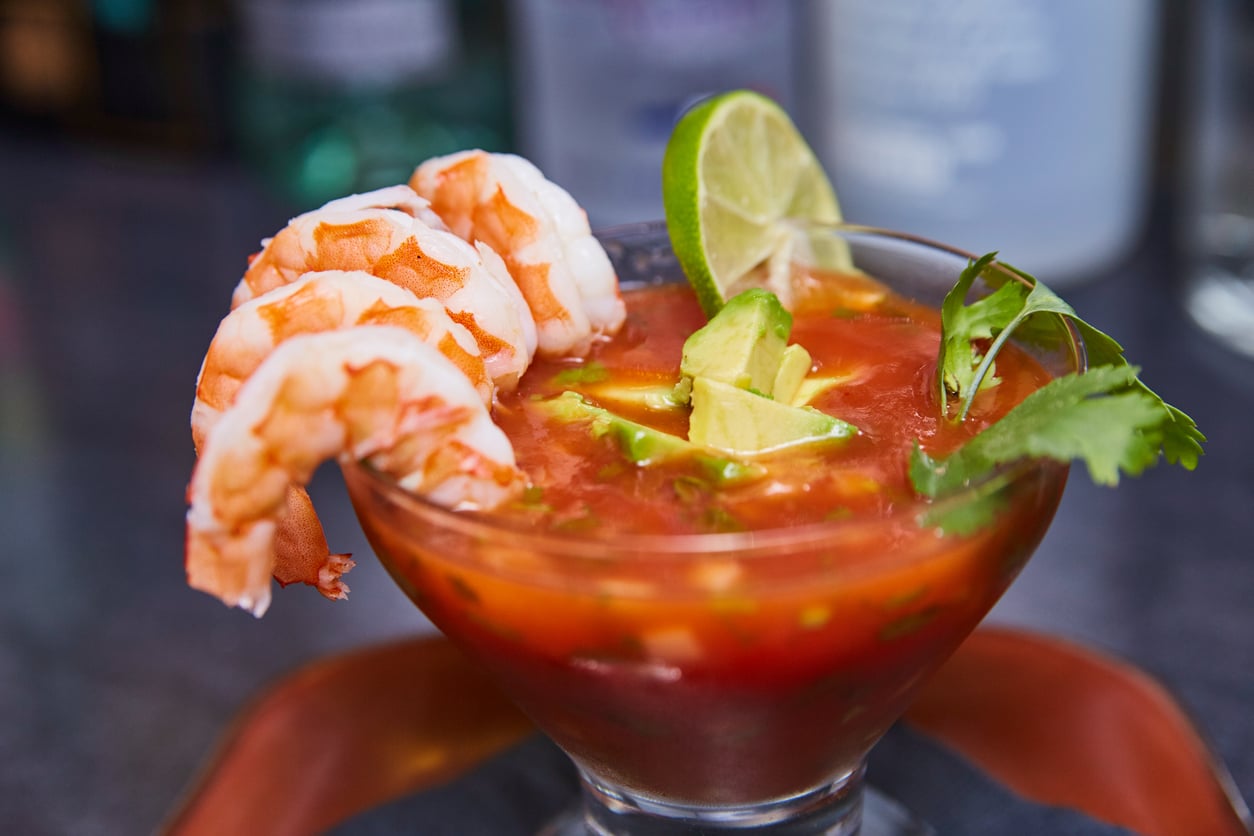
For many Americans who remember mid-century restaurants and dinner parties, shrimp cocktail practically announced that an occasion was special. The chilled shrimp and sharp cocktail sauce became an enormously fashionable appetizer during the 20th century, particularly from the 1960s onward, although Las Vegas famously helped popularize inexpensive versions. Frozen seafood and improved distribution eventually made shrimp much easier to serve at home. These days, ready-to-eat shrimp rings from the supermarket have taken much of the ceremony out of the once-glamorous appetizer.
Trending on Cheapism
Brie
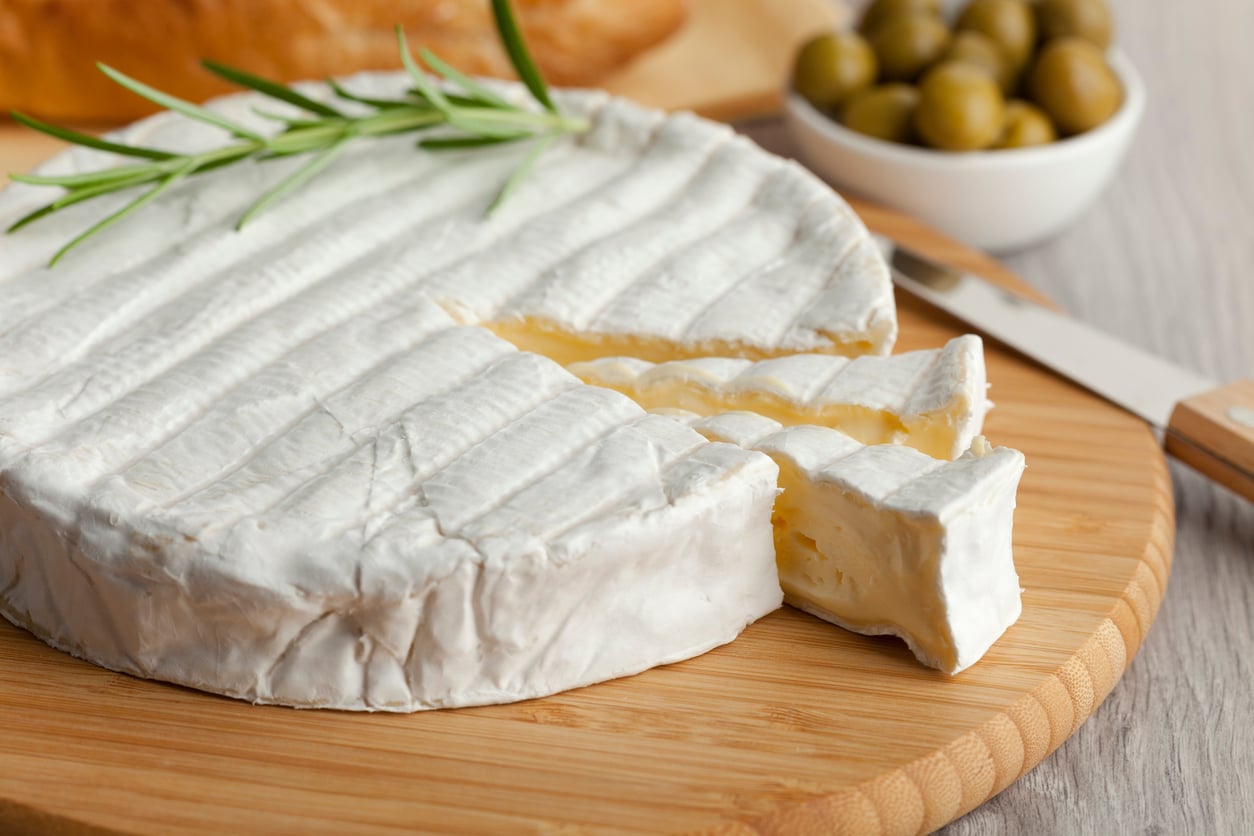
There was a time when putting Brie on the table gave an American gathering an unmistakably continental air. Refrigerated transport helped bring delicate French Brie to the United States beginning in the 1930s, but imported and European-style cheeses remained associated with gourmet shops and sophisticated entertaining for decades. By the end of the 1970s, even contemporary coverage was noting the arrival of “gourmet” cheese coolers in supermarkets. Now Brie is widely stocked alongside far more familiar cheeses, especially around the holidays.
Gelatin Desserts
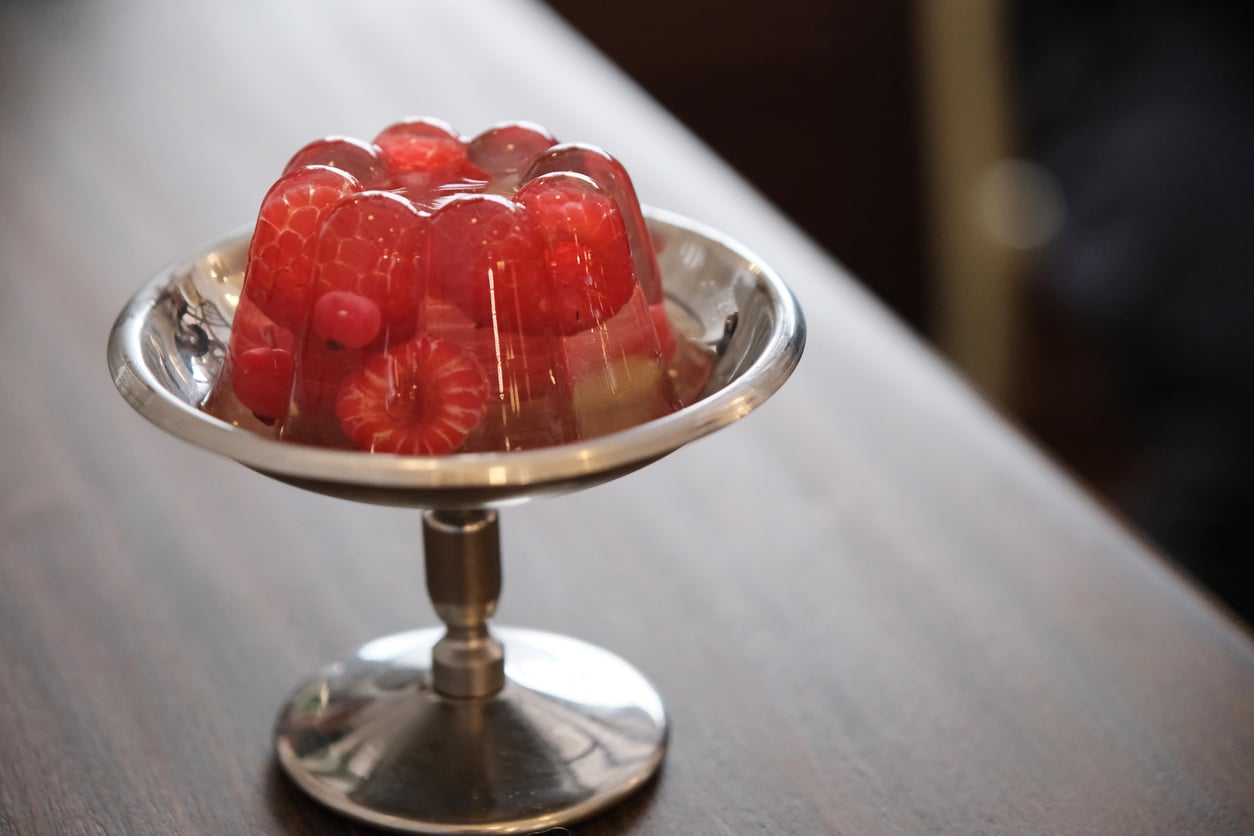
Long before brightly colored gelatin came in an inexpensive box, elaborate jellies could be genuine displays of household wealth. Producing gelatin from animal tissues was time-consuming, and molded gelatin dishes became associated with wealthy households capable of devoting plenty of kitchen labor to them. Powdered gelatin changed the equation in the 19th century, followed by the introduction of Jell-O in 1897. Eventually, something that once demonstrated a cook’s skill and a household’s resources became one of America’s simplest inexpensive desserts.
Asparagus
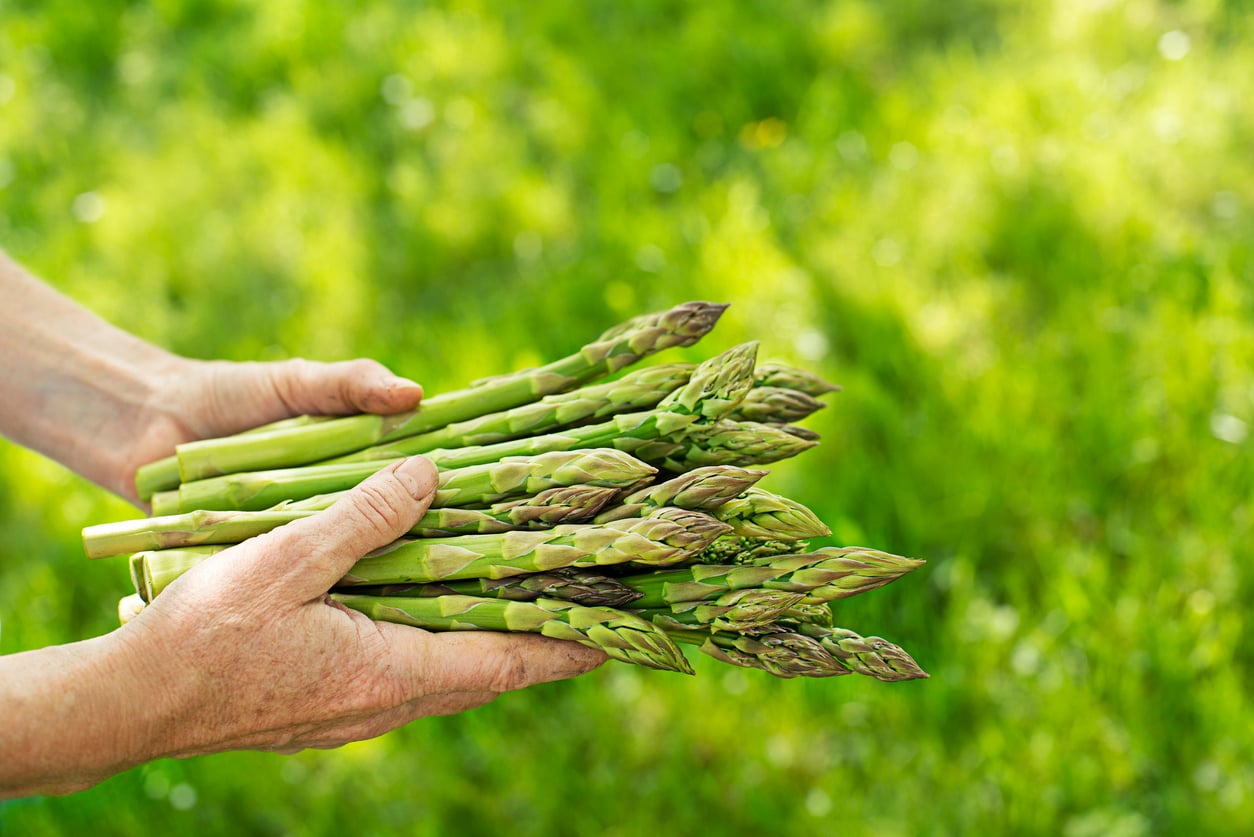
Fresh asparagus once had something today’s shoppers rarely have to think about: a very noticeable season. Before refrigerated transportation and today’s international produce trade, delicate vegetables could not simply be shipped long distances and expected to arrive looking fresh. Asparagus therefore carried stronger associations with seasonal dining and formal spring meals than it does today. Modern cold chains and imported produce greatly extended availability. Now bunches of asparagus are an ordinary supermarket sight, although prices can still jump depending on season and location.
Sign up for our newsletter
Yogurt
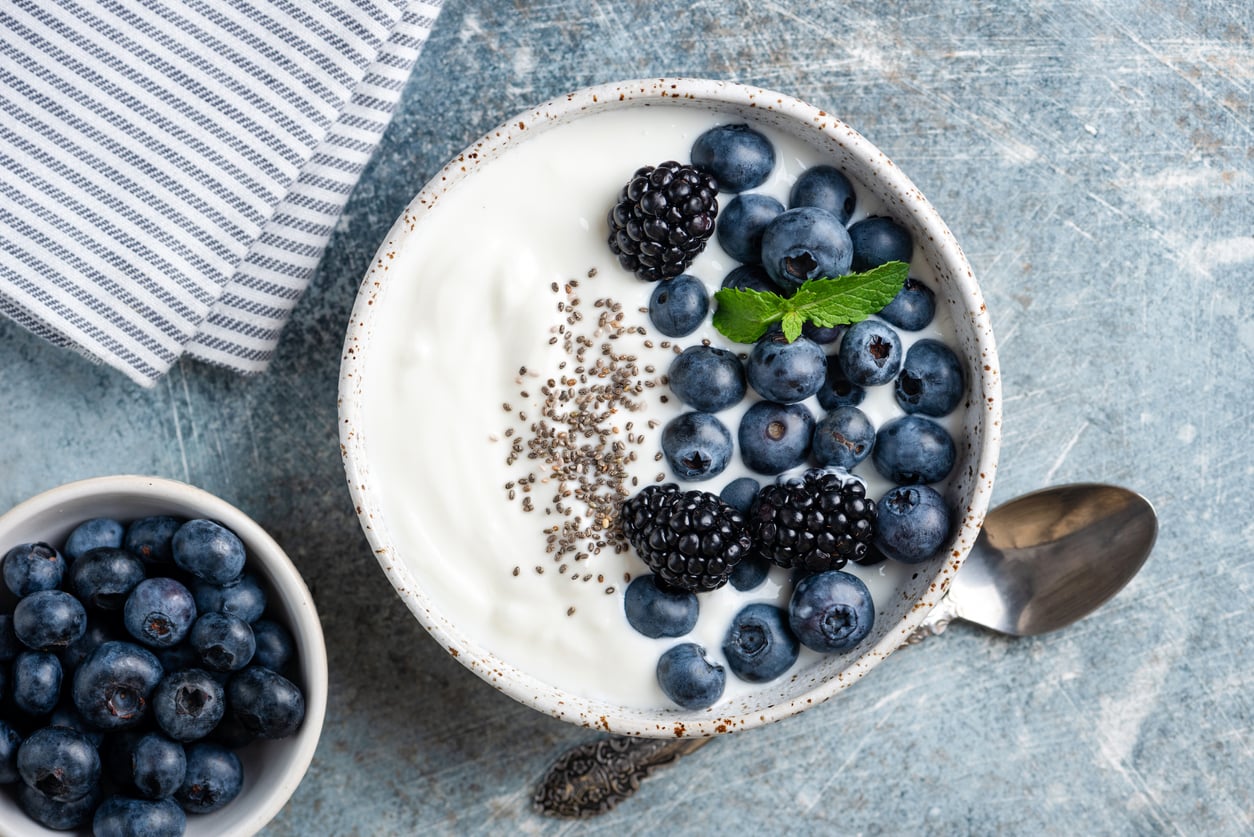
Yogurt’s journey into the American mainstream happened surprisingly recently. When the Carasso family established what became Dannon in the United States during the 1940s, plain yogurt was a tough sell to many American consumers. The breakthrough came in 1947 when fruit preserves were added, helping make the unfamiliar product more approachable. More flavors and brands followed. Today, yogurt is so thoroughly mainstream that supermarkets devote large refrigerated sections to Greek, low-fat, high-protein, plant-based, drinkable, and countless flavored versions.
Croissants
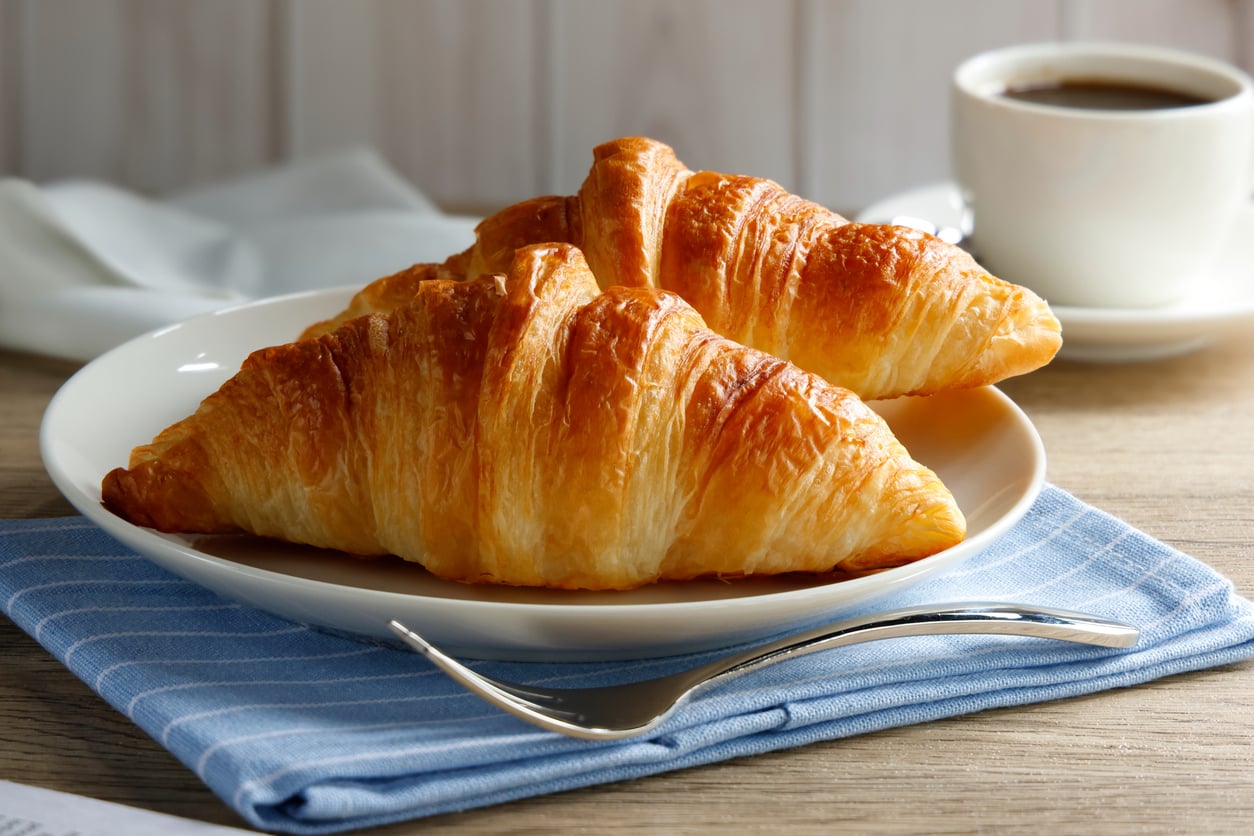
A properly made croissant requires repeated rolling and folding to create delicate layers of dough and butter, which helps explain why Americans once encountered the pastry mainly through French bakeries, restaurants, and hotels. Then came industrial production. Sara Lee introduced frozen croissants in the United States in 1981, and fast-food chains soon incorporated croissants into breakfast sandwiches. By the end of the decade, machinery could turn them out by the thousands. What once suggested a French breakfast now appears everywhere from supermarket bakeries to drive-thrus.
Cheesecake
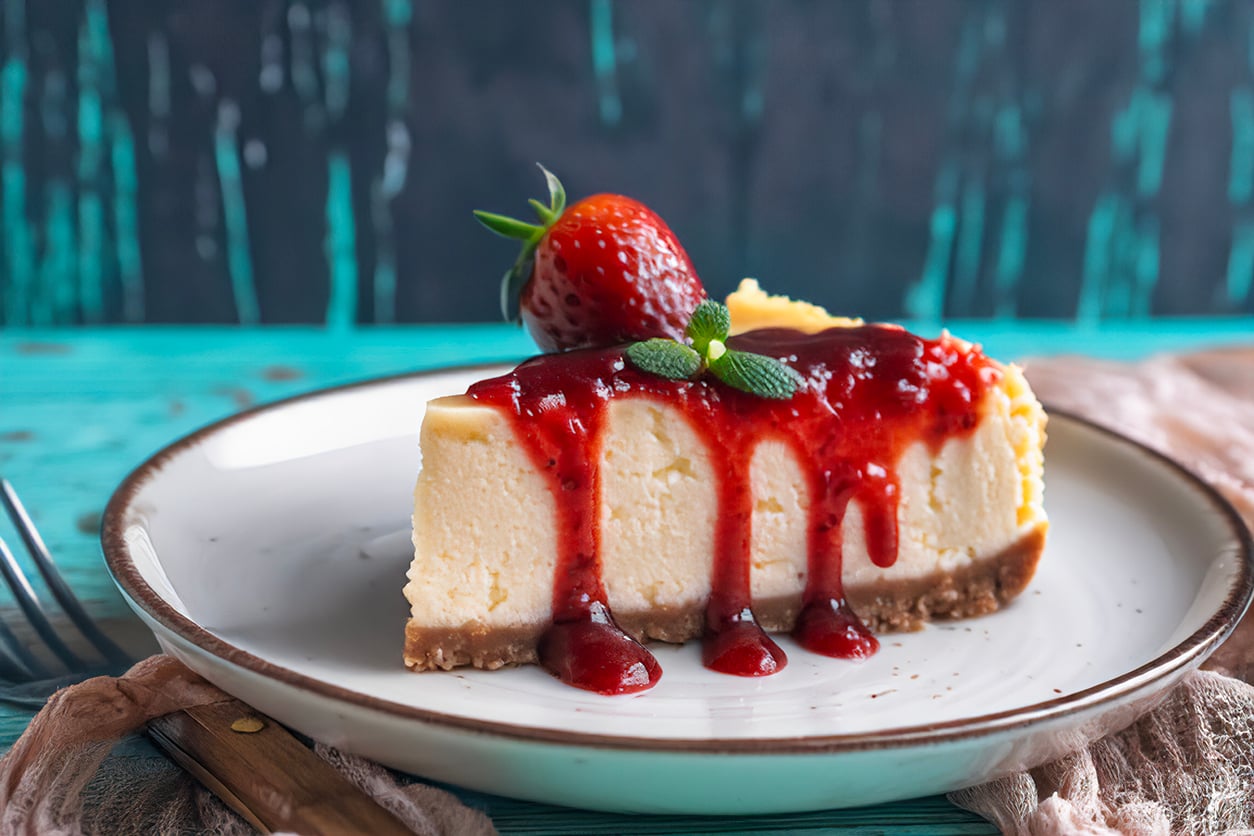
Cheesecake itself is ancient, but the rich cream-cheese version associated with New York developed a particularly glamorous American identity. Restaurants including Reuben’s and Lindy’s helped make New York-style cheesecake famous during the first half of the 20th century, when those establishments attracted theatergoers, celebrities, and visitors to Manhattan. Frozen desserts, supermarket bakeries, restaurant chains, and mass-produced cream cheese eventually took the dessert far beyond New York. A slice can still feel indulgent, but cheesecake is hardly difficult to find anymore.
Sparkling Water
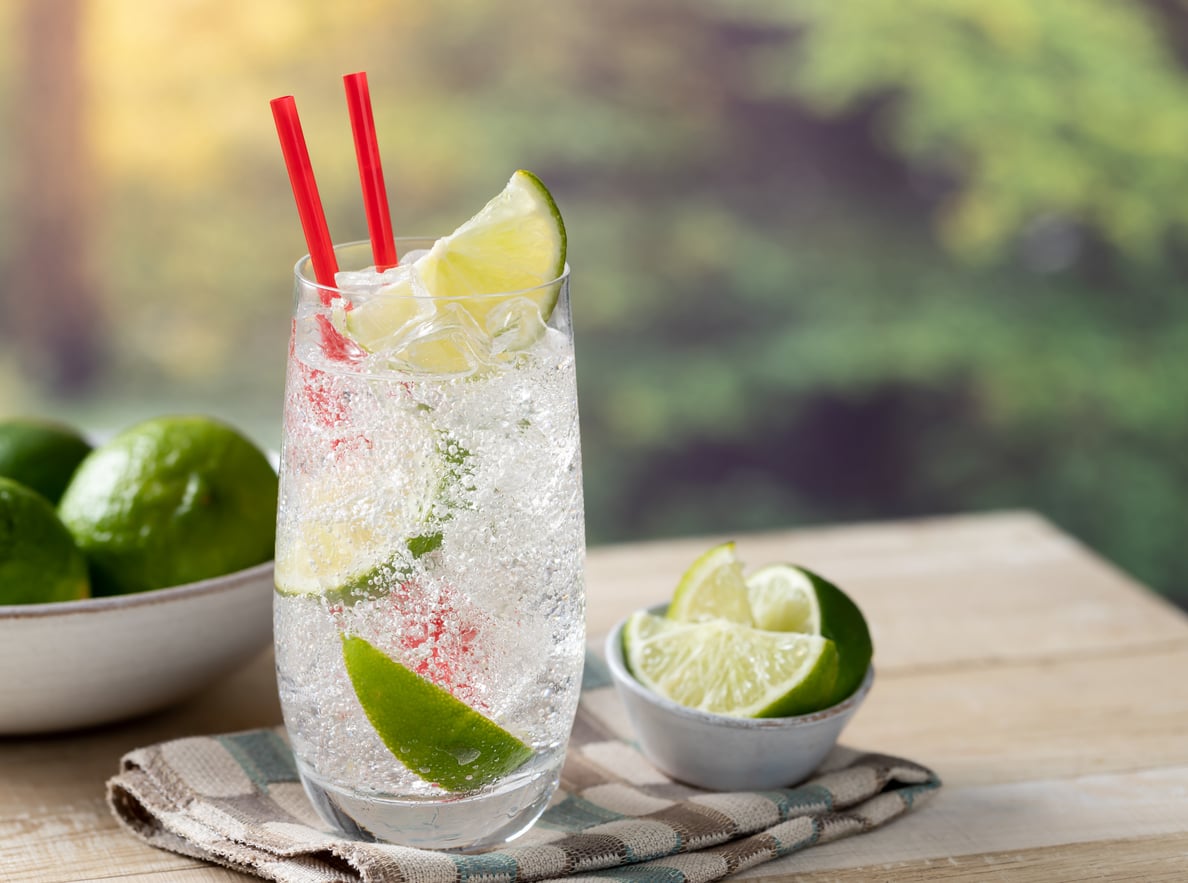
Paying for water once seemed unusual enough in the United States that imported mineral water could carry considerable social cachet. Perrier’s arrival in the U.S. market in 1976, backed by memorable advertising, helped give bottled sparkling water a stylish European identity. Over the decades, the category expanded far beyond imported green glass bottles. Domestic seltzers and flavored canned waters turned fizz into an everyday beverage choice. Now a refrigerator full of sparkling water is hardly a sign that someone is hosting a fancy dinner party.
Olive Oil
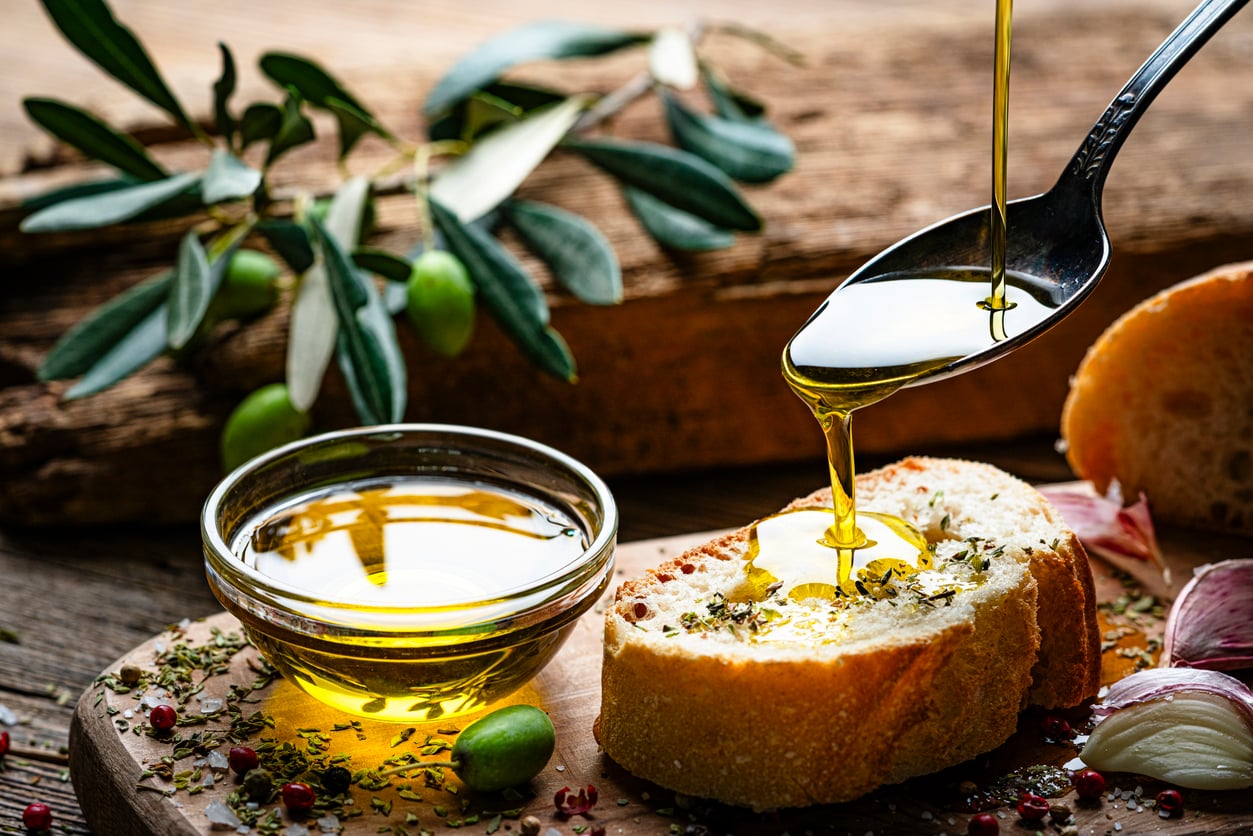
Olive oil was already an everyday kitchen ingredient in many Mediterranean and immigrant households, so calling it universally “fancy” would miss an important part of the story. Across the broader U.S. market, however, it was far less common than it is today. USDA figures show consumption rising from about 28,000 metric tons in the early 1970s to more than 400,000 metric tons in the 2020s. Growing interest in Mediterranean cooking and diet helped move olive oil from specialty shelves into millions of everyday kitchens.
Whole-Bean Coffee
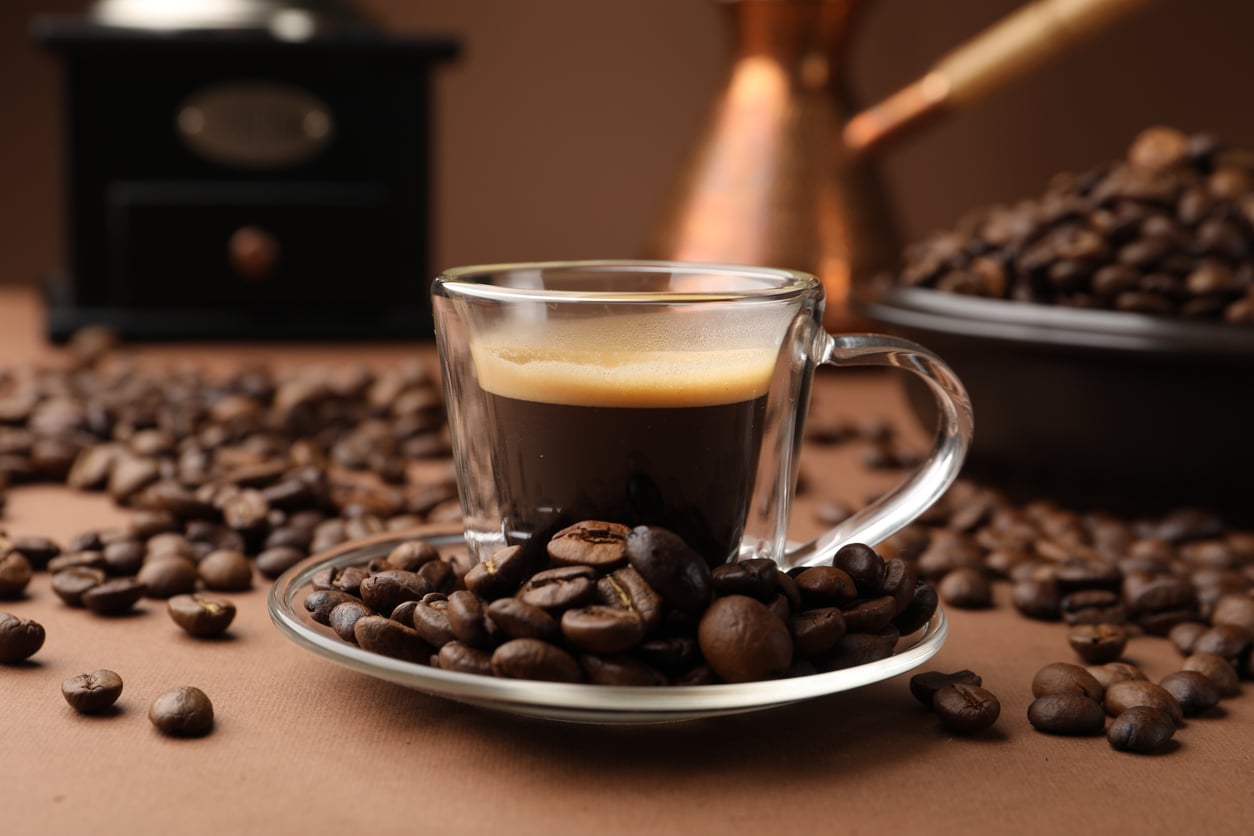
For generations of American coffee drinkers, opening a can of pre-ground coffee was completely normal. The specialty-coffee movement offered something different: beans sold whole, freshly ground, identified by origin, and discussed almost like wine. By the early 1980s, “gourmet” beans commanded enough attention that the Specialty Coffee Association of America was founded in 1982, while consumers increasingly paid premiums for unusual beans and roasts. Today, bags of whole-bean coffee occupy ordinary supermarket shelves, and inexpensive home grinders are hardly specialist equipment.
Bananas
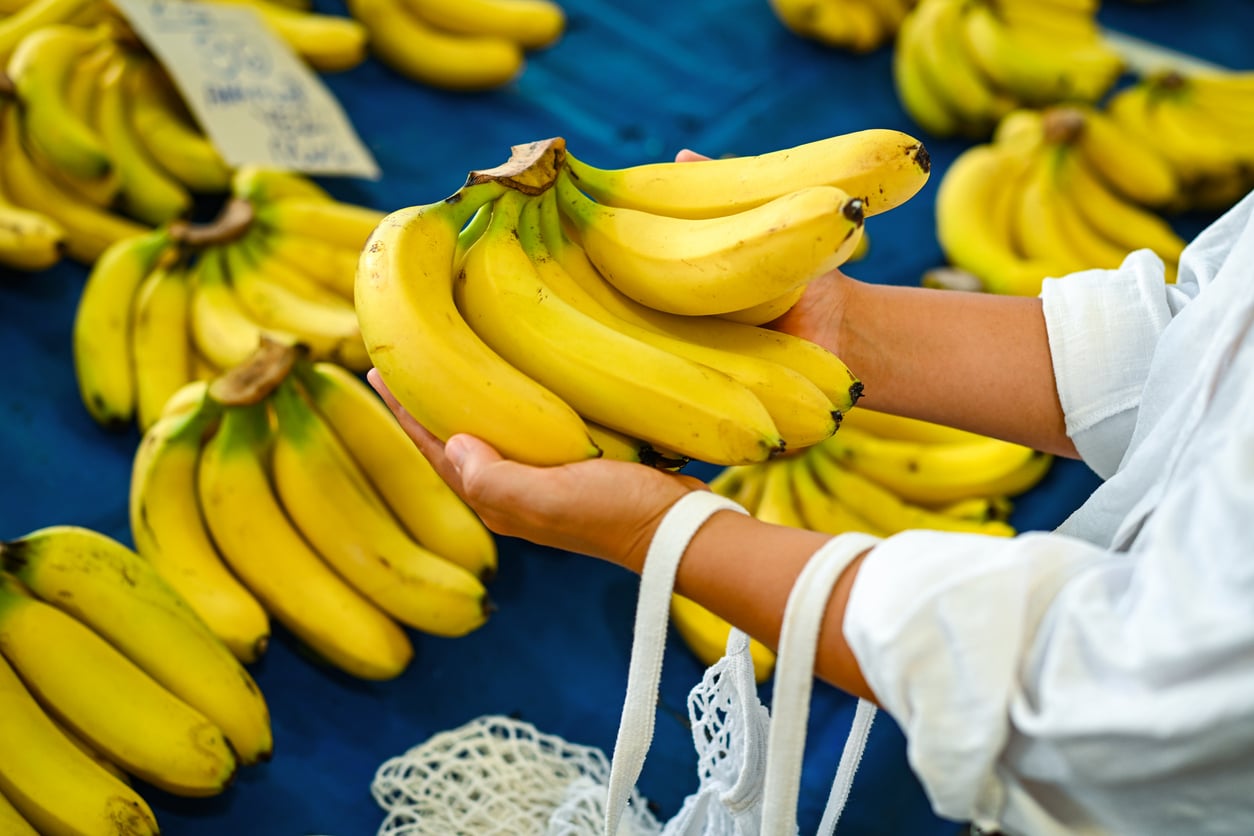
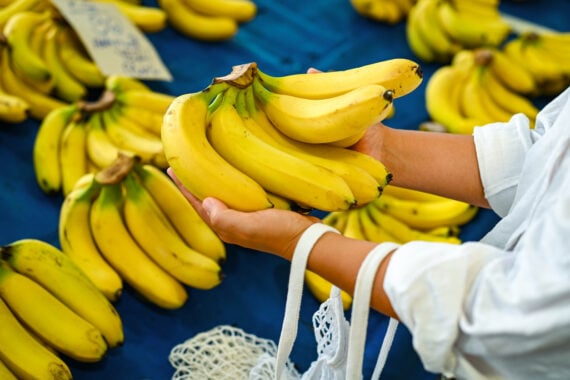
It is difficult to imagine a banana as an extravagant purchase now, but Americans once encountered the tropical fruit as an exotic novelty. Bananas remained unusual in the United States well into the 1870s and appeared on upscale hotel and holiday menus. Expanding plantations, rail networks, steamships, and eventually refrigerated transportation transformed the market. By the early 20th century, bananas had gone from novelty to inexpensive food for a broad range of consumers. Today, their low price makes that former luxury status particularly hard to imagine.