Grocery inflation may have cooled from its worst post-pandemic highs, but that doesn’t mean shoppers are happy with what they’re getting for their money. U.S. food-at-home prices were still 2.7% higher in July 2026 than a year earlier, and some grocery staples have gotten considerably more expensive.
But price isn’t the only complaint. Shoppers are also noticing smaller packages, tinier portions, and products that simply don’t feel like the value they once were. That’s helping push some consumers toward store brands, homemade alternatives, and foods they might previously have considered second choices.
Of course, whether something is “worth it” depends on your budget, tastes, and local prices. Still, these 15 expensive grocery products keep coming up when shoppers talk about foods they have cut back on, stopped buying, or refuse to purchase without a good sale.
Premium Steaks
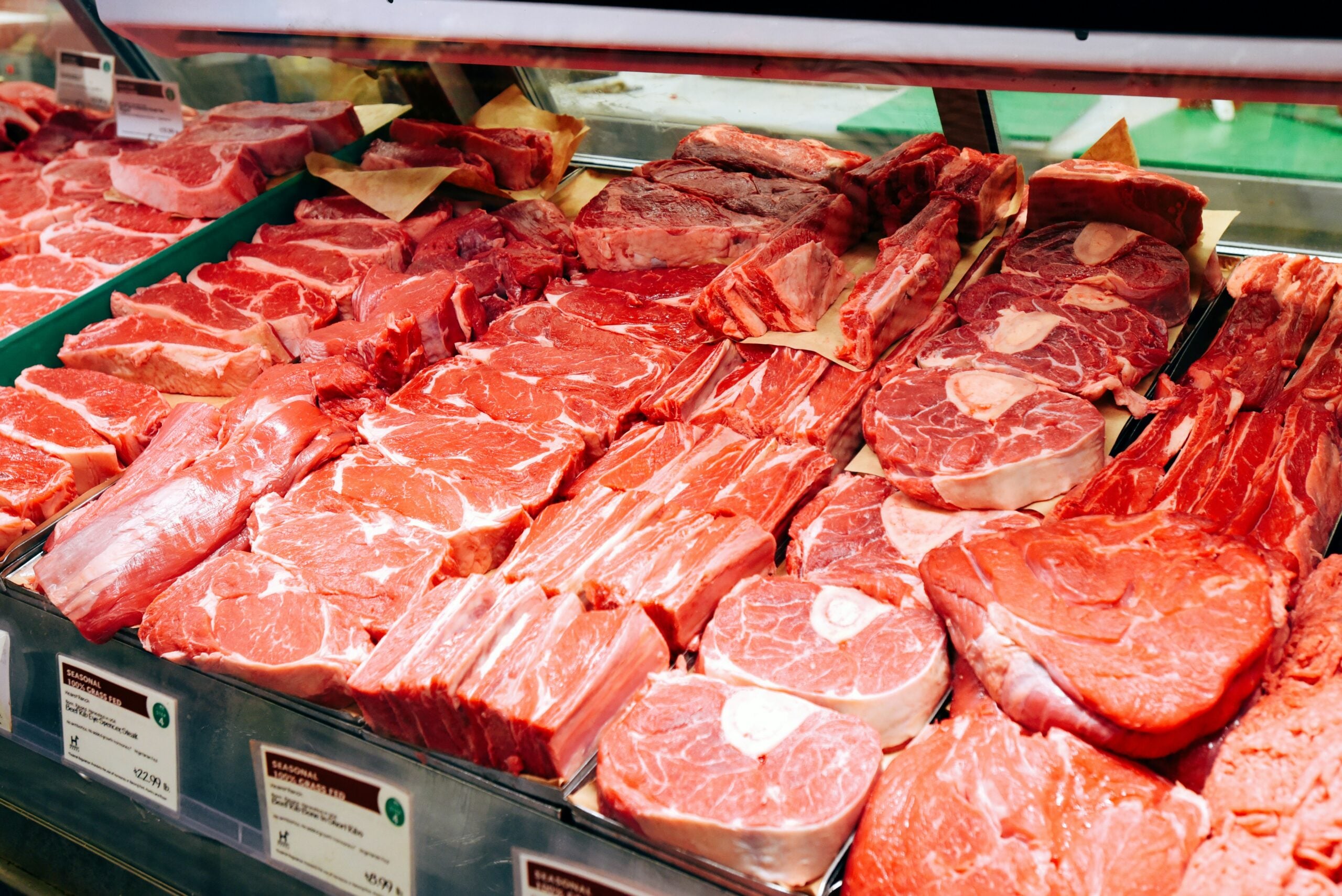
Steak has always been a splurge, but the price is getting increasingly difficult to swallow. U.S. beef and veal prices were 9.4% higher in July 2026 than a year earlier, according to USDA data, far outpacing overall grocery inflation. Once you add sides and other ingredients, a home-cooked ribeye or strip steak dinner can start creeping surprisingly close to restaurant territory. That’s leading some shoppers to trade down to sirloin, chuck eye, or flat iron steak — or skip beef altogether.
Ground Beef

Ground beef used to be the budget-friendly answer when steak was too expensive. These days, even hamburger isn’t necessarily cheap. The U.S. average price was around $6.89 per pound in July 2026, meaning a two-pound meatloaf or batch of burgers can cost nearly $14 before you’ve bought anything else. Some budget-conscious cooks are responding by stretching smaller quantities through chili, tacos, pasta sauces, and casseroles with beans, vegetables, or other inexpensive ingredients.
Coffee
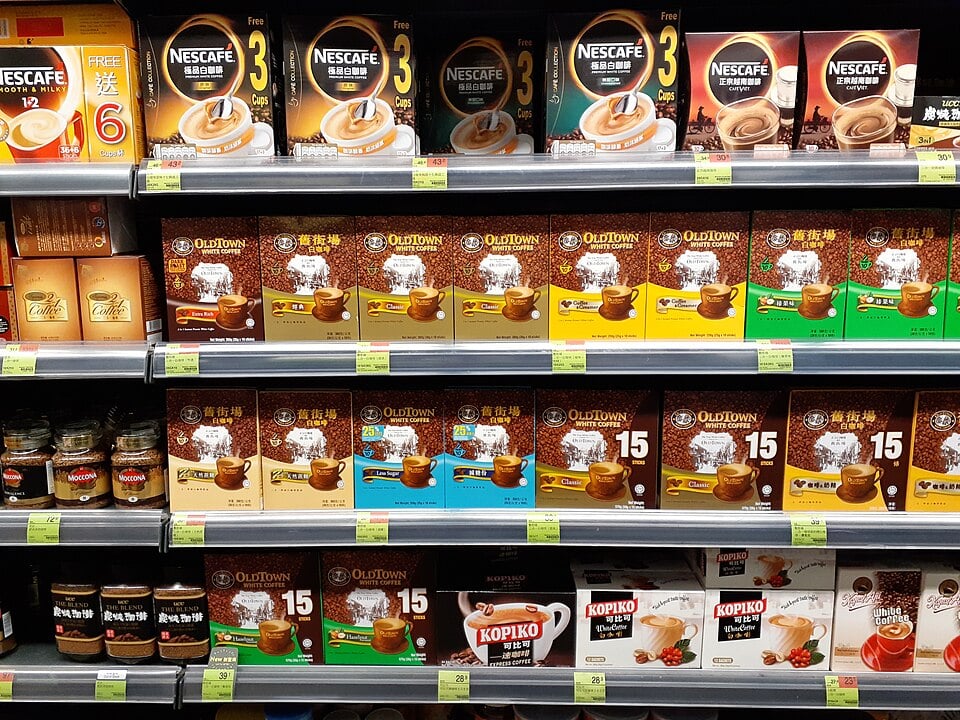
That morning caffeine habit has become a noticeably bigger line item on the grocery receipt. Roasted coffee averaged roughly $9.32 per pound in the U.S. in July 2026 amid ongoing pressure from global supply, weather, production costs, and volatile commodity prices. For households brewing multiple cups every morning, those increases add up quickly. Some shoppers have responded by abandoning premium supermarket bags for store brands, warehouse-size packages, or whatever happens to be on sale.
Orange Juice
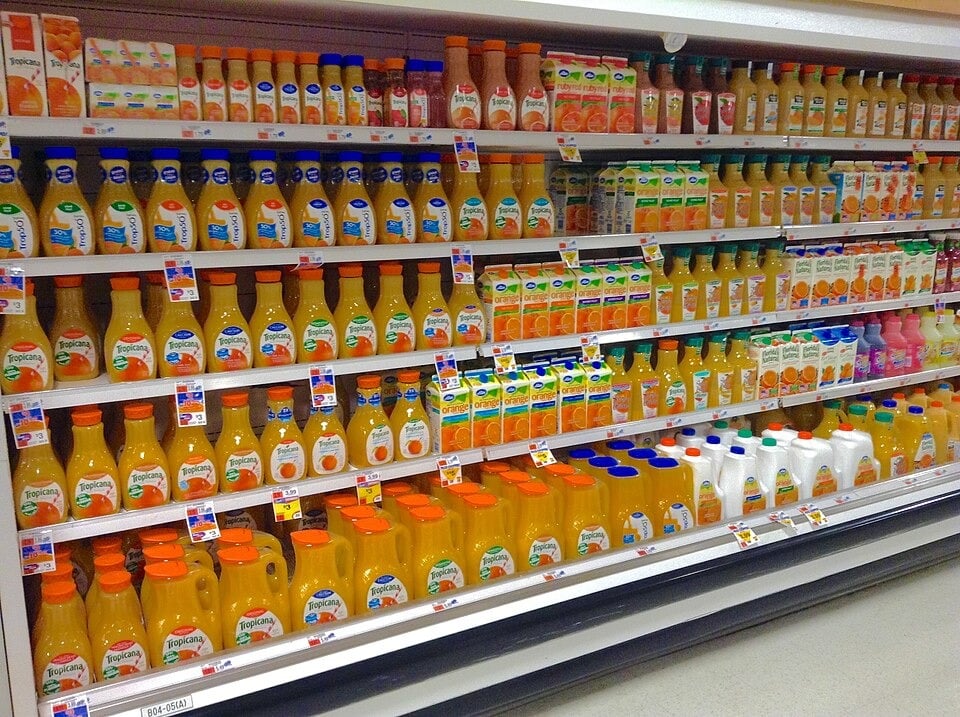
Remember when a carton of orange juice was just a normal breakfast staple? At today’s prices, some shoppers are treating it more like a luxury. Orange juice averaged about $4.82 per 16 ounces in July 2026, while consumers have also complained about cartons getting smaller. Traditional 64-ounce containers have increasingly given way to 59-, 52-, and other smaller sizes. Whole oranges, frozen concentrate, and store-brand juice can suddenly look a lot more appealing.
Name-Brand Potato Chips
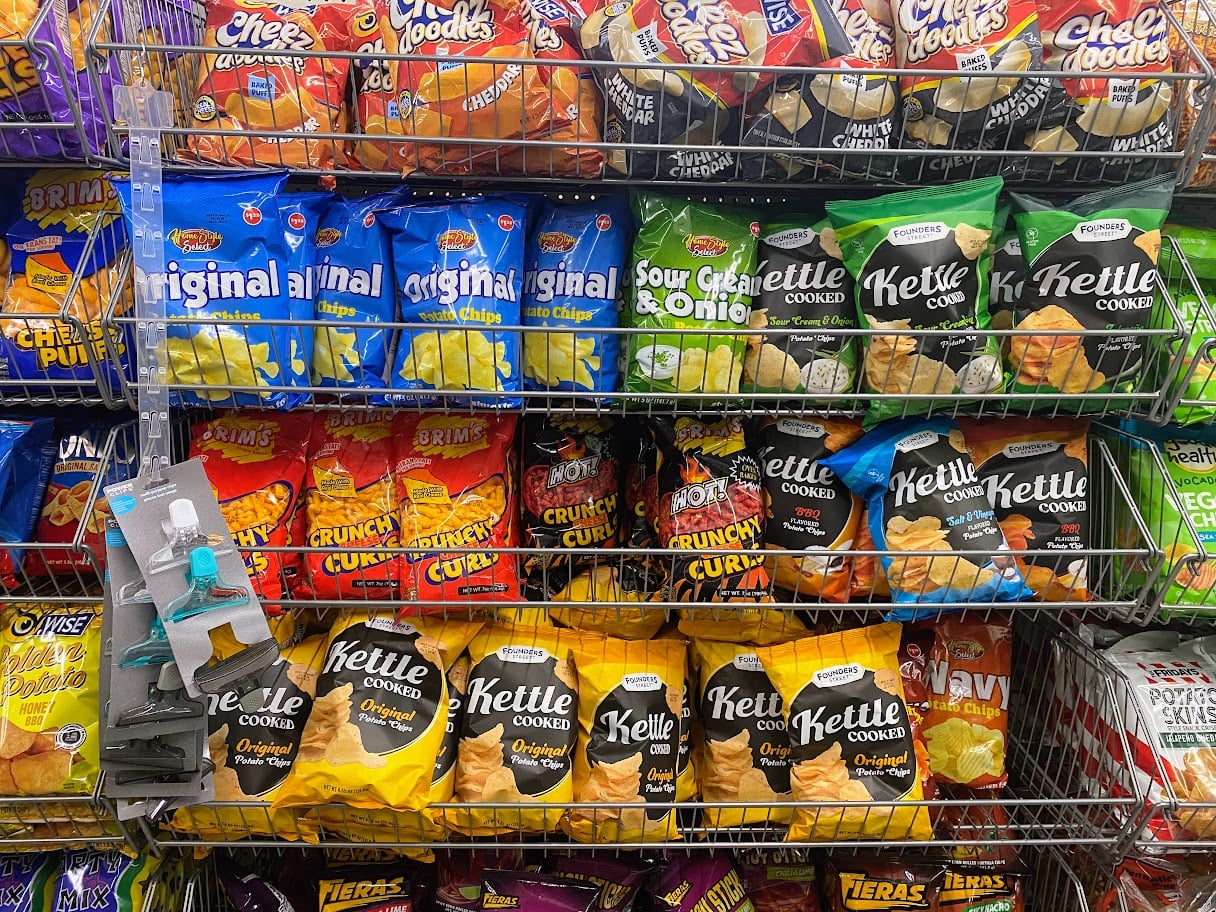
It’s difficult to justify a $6 bag of chips when half the family can make it disappear during one movie. A 16-ounce equivalent of potato chips averaged roughly $6.56 in recent U.S. price data, and shoppers regularly complain about the value they’re getting from familiar national brands. Package size is another source of frustration, though it’s worth remembering that the empty space inside chip bags is partly there to protect the contents. For many shoppers, store brands and homemade popcorn are increasingly winning on price.
Trending on Cheapism

Name-Brand Breakfast Cereal
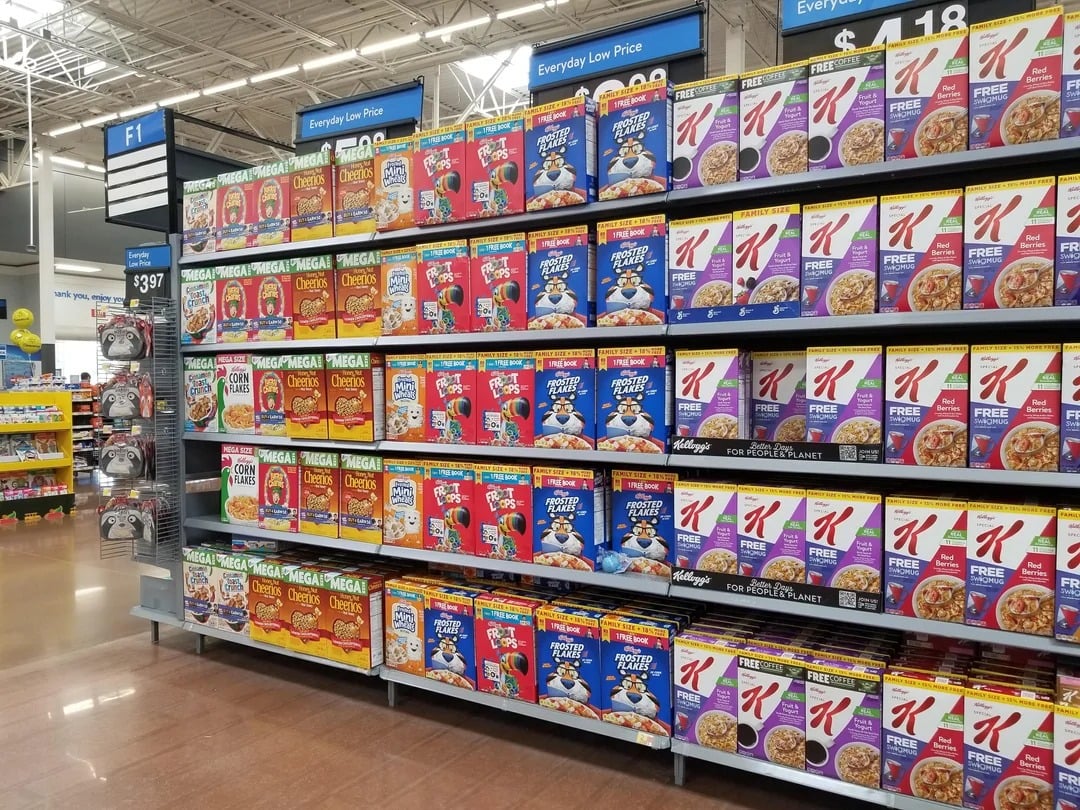
Cereal used to be one of the easiest inexpensive breakfasts. Now, seeing a name-brand box priced north of $6 isn’t particularly shocking. At the same time, shoppers regularly complain that boxes don’t seem to contain as much cereal as they remember. That’s where unit pricing becomes important: Two similarly sized boxes can contain very different amounts of food. Store-brand cereal, oatmeal, eggs, and toast can all start looking pretty competitive once you calculate what each breakfast actually costs.
Granola Bars
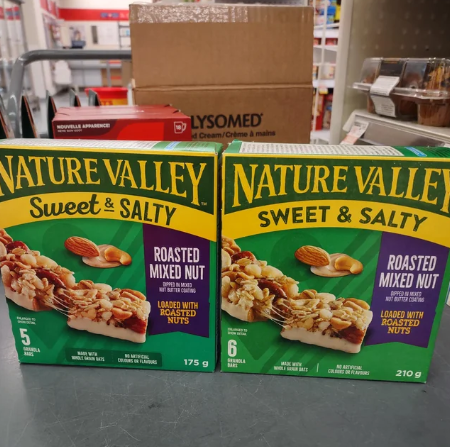
Some shoppers joke that today’s regular granola bars look suspiciously like yesterday’s “fun-size” snacks. The category frequently comes up in shrinkflation discussions because both the size of individual bars and the number inside a box can affect how much value shoppers actually get. Families packing multiple school or work lunches can burn through those little boxes especially quickly. Buying store brands, larger packages, or portioning out nuts and other snacks at home may stretch the snack budget further.
Premium Ice Cream
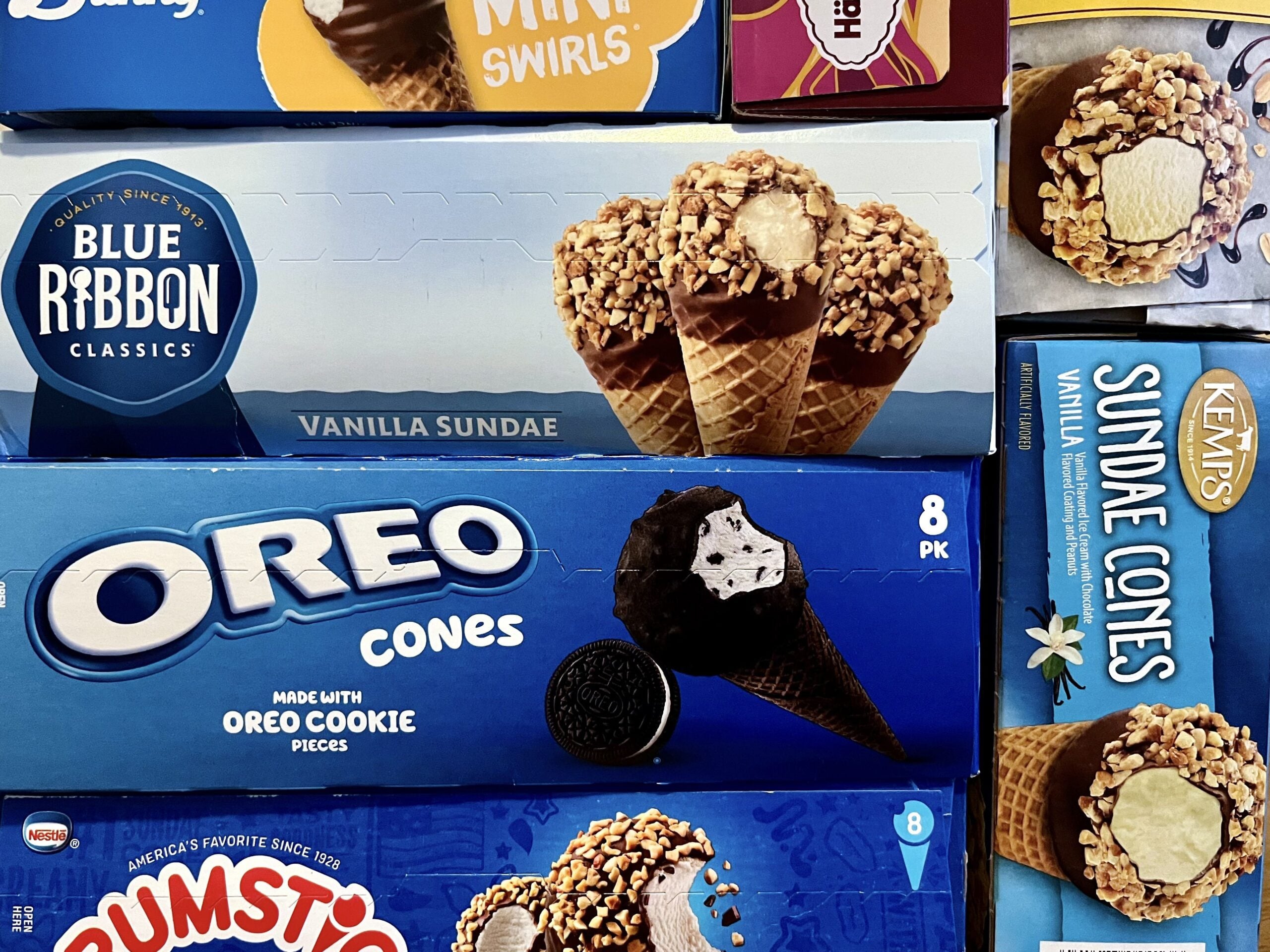
Premium ice cream was never supposed to be the cheapest thing in the freezer aisle, but shoppers are increasingly reluctant to pay full price for small containers. Complaints about rising prices and shrinking package sizes have helped turn some premium brands into sale-only purchases. The sticker price can also hide just how expensive they are: Compare the price per ounce of a premium container with a larger store-brand tub and the difference can be substantial.
Sign up for our newsletter
Chocolate Bars and Packaged Candy
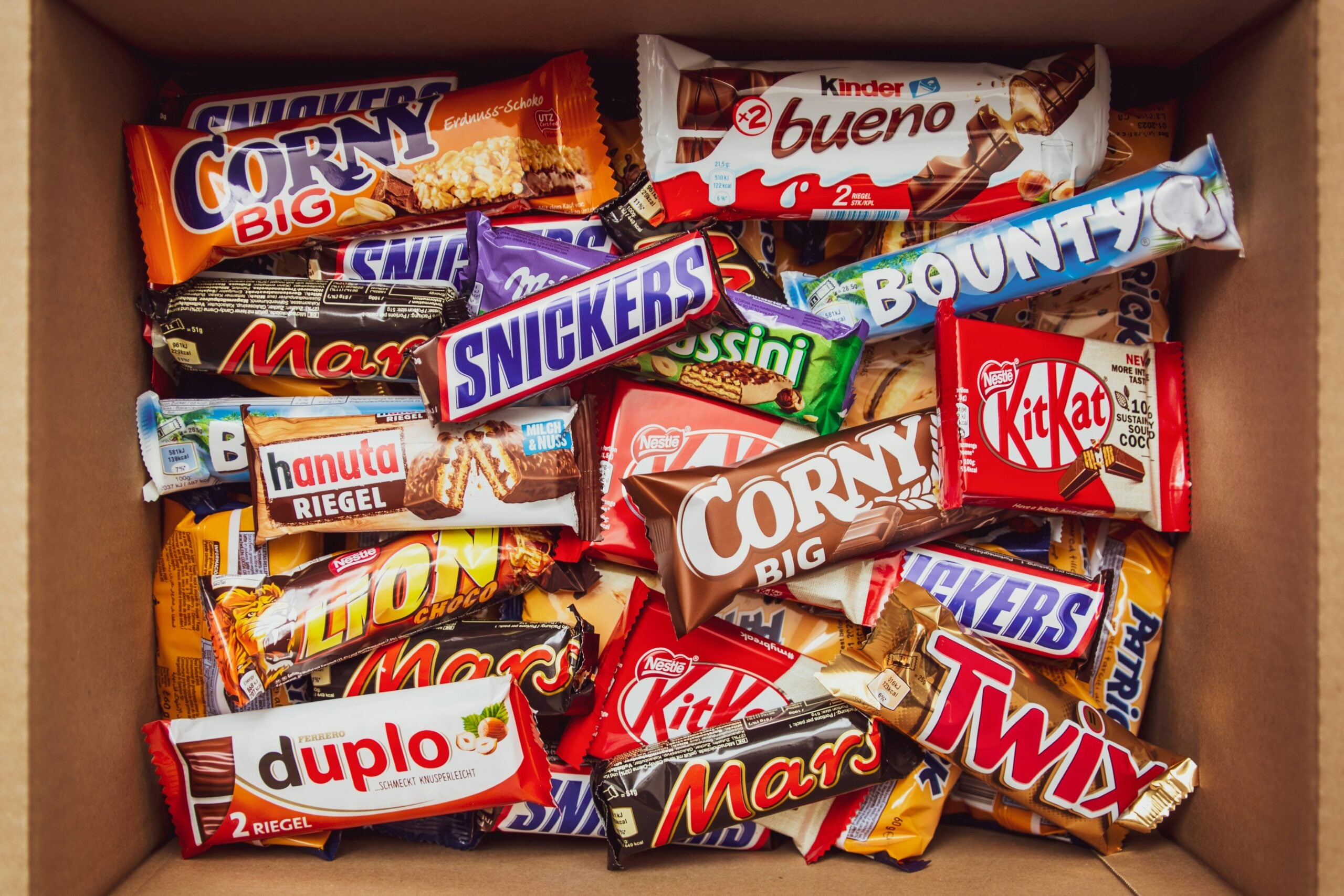
Chocolate is another treat that shoppers may be thinking twice about before tossing into the cart. USDA expects sugar and sweets prices to rise faster than their historical average in 2026, while cocoa markets have faced significant supply pressure in recent years. Individual candy bars are also particularly vulnerable to shoppers noticing smaller sizes because the familiar packaging can make changes less obvious. Multipacks, store-brand chocolate, and post-holiday clearance aisles can offer considerably better value.
Bacon
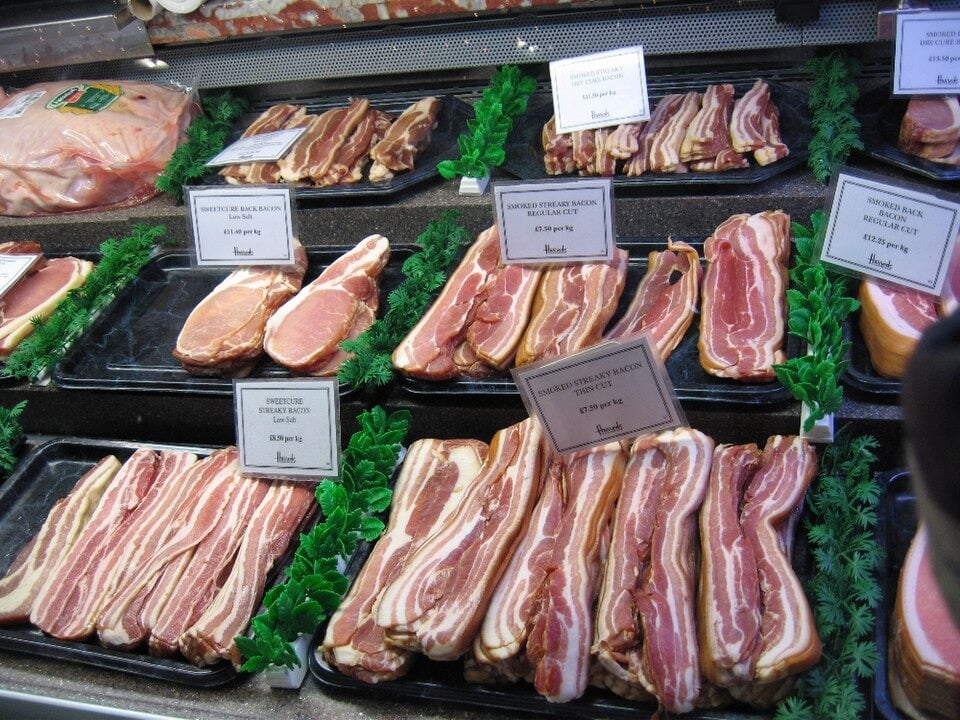
A pound of bacon averaged roughly $6.58 in recent U.S. price data, and the package seems to disappear even faster once all that fat cooks away. For some households, that has pushed bacon from an ordinary weekend-breakfast staple into occasional-indulgence territory. If you don’t want to give it up entirely, using a smaller amount to flavor soups, pasta, potatoes, or other dishes can make a package last considerably longer.
Premium Deli Meat
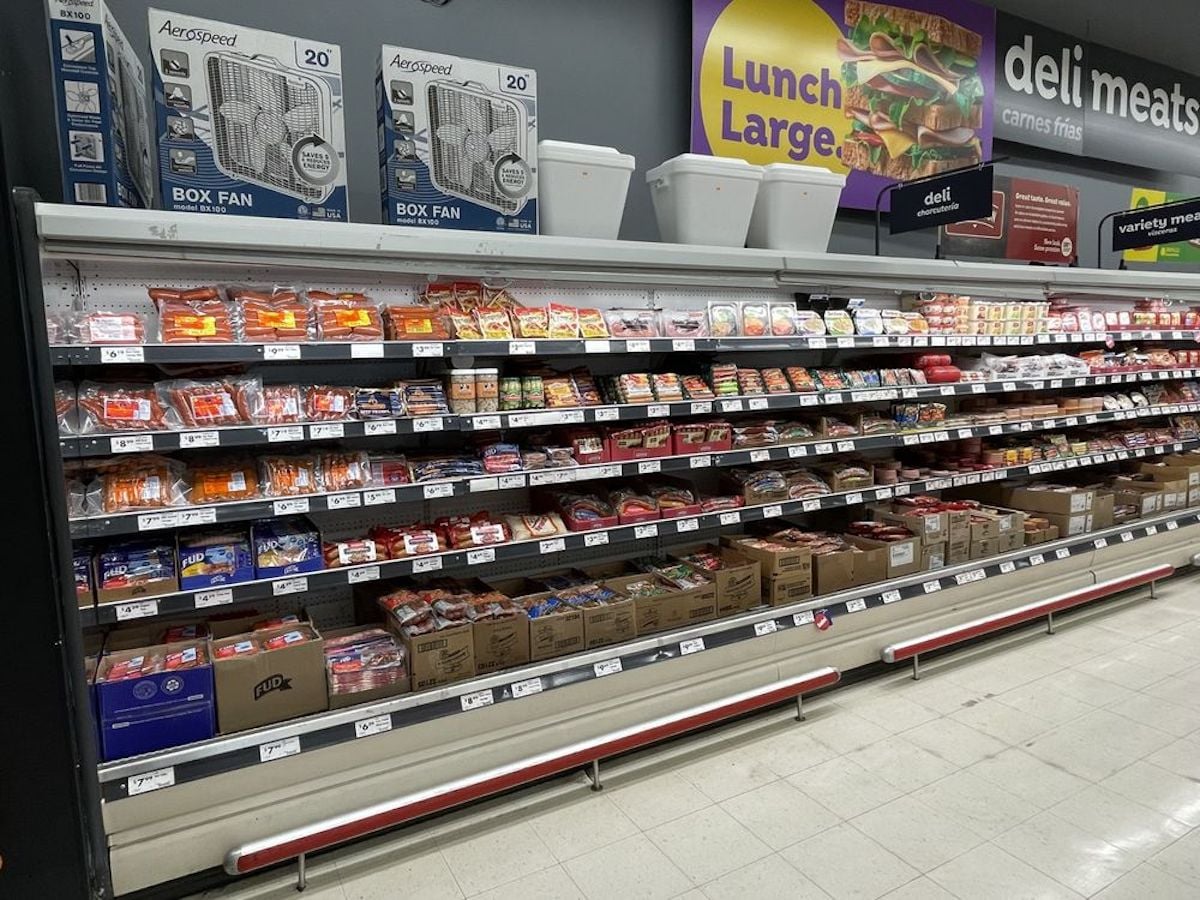
Buying sliced turkey or roast beef might save you the work of cooking lunch meat yourself, but you’re paying for that convenience. Premium deli products are among the grocery categories some consumers report cutting back on as food costs rise. The price per pound can sometimes rival uncooked meat, which makes alternatives like leftover rotisserie chicken, tuna, egg salad, or store-brand sliced turkey much harder to ignore — especially if you’re making several sandwiches every day.
Frozen Pizza
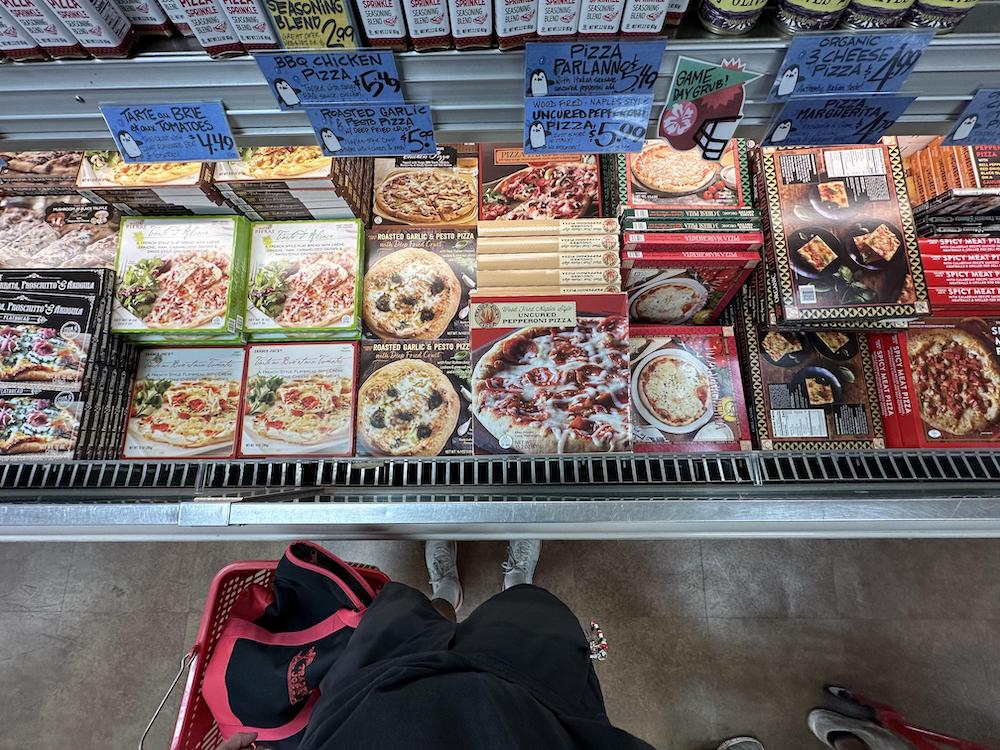
Frozen pizza’s greatest selling point used to be obvious: It was much cheaper than ordering delivery. With some premium frozen pizzas now creeping toward restaurant prices, that calculation isn’t always as convincing. Canadian data, for example, recently put frozen pizza prices about 21.9% above 2020 levels. Store brands can still be inexpensive, but before dropping close to $10 on a premium frozen pie, it may be worth checking what the local pizza chain is charging for carryout.
Name-Brand Bagels
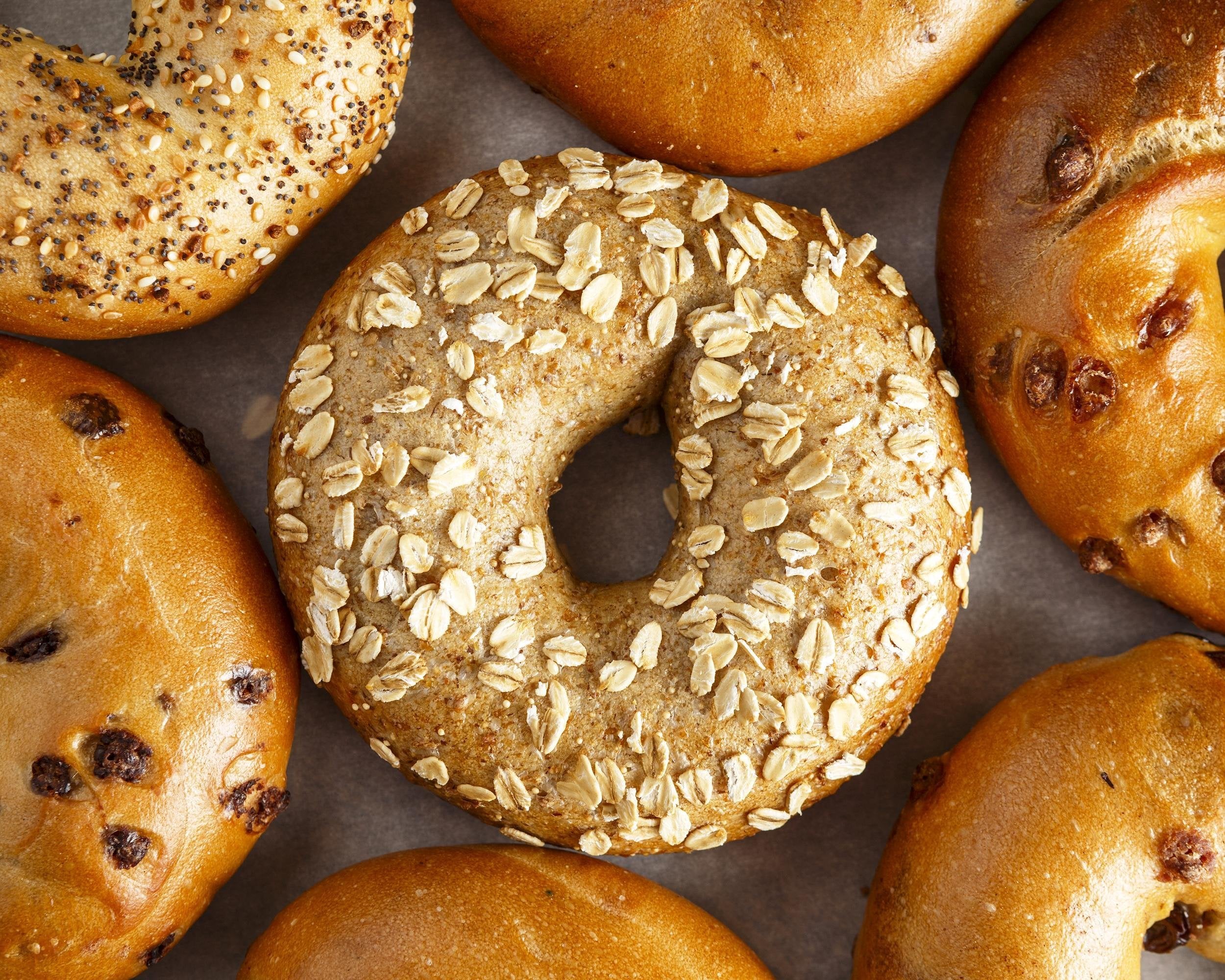
Bagels aren’t necessarily among the most expensive products at the supermarket, but shoppers have another complaint: Some familiar packaged varieties simply don’t feel as substantial as they used to. When you’re paying the same or more for what seems like a smaller breakfast, grocery-store bakery and store-brand alternatives start looking more attractive. Bagels also freeze particularly well, so stocking up when the bakery section has a good deal can be an easy workaround.
Prepared Grocery-Store Meals
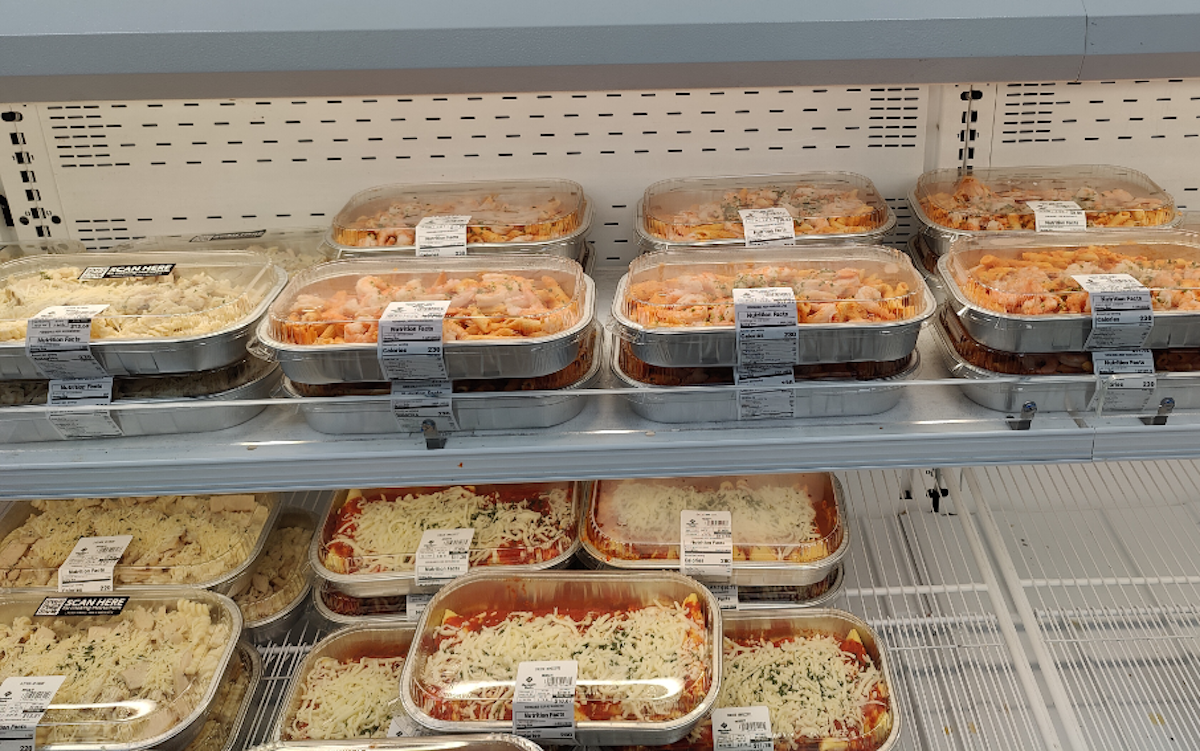
Prepared supermarket meals occupy an increasingly awkward middle ground. They’re supposed to save you the trouble of cooking without costing as much as takeout, but once a single-serving entrée hits $10 to $15, that compromise starts losing some appeal. Consumers reported reducing their spending on prepared meals in a recent 2026 grocery survey. The math gets especially rough for families who need several portions, making a rotisserie chicken or simple batch-cooked dinner look considerably more economical.
Premium Single-Serve Snacks
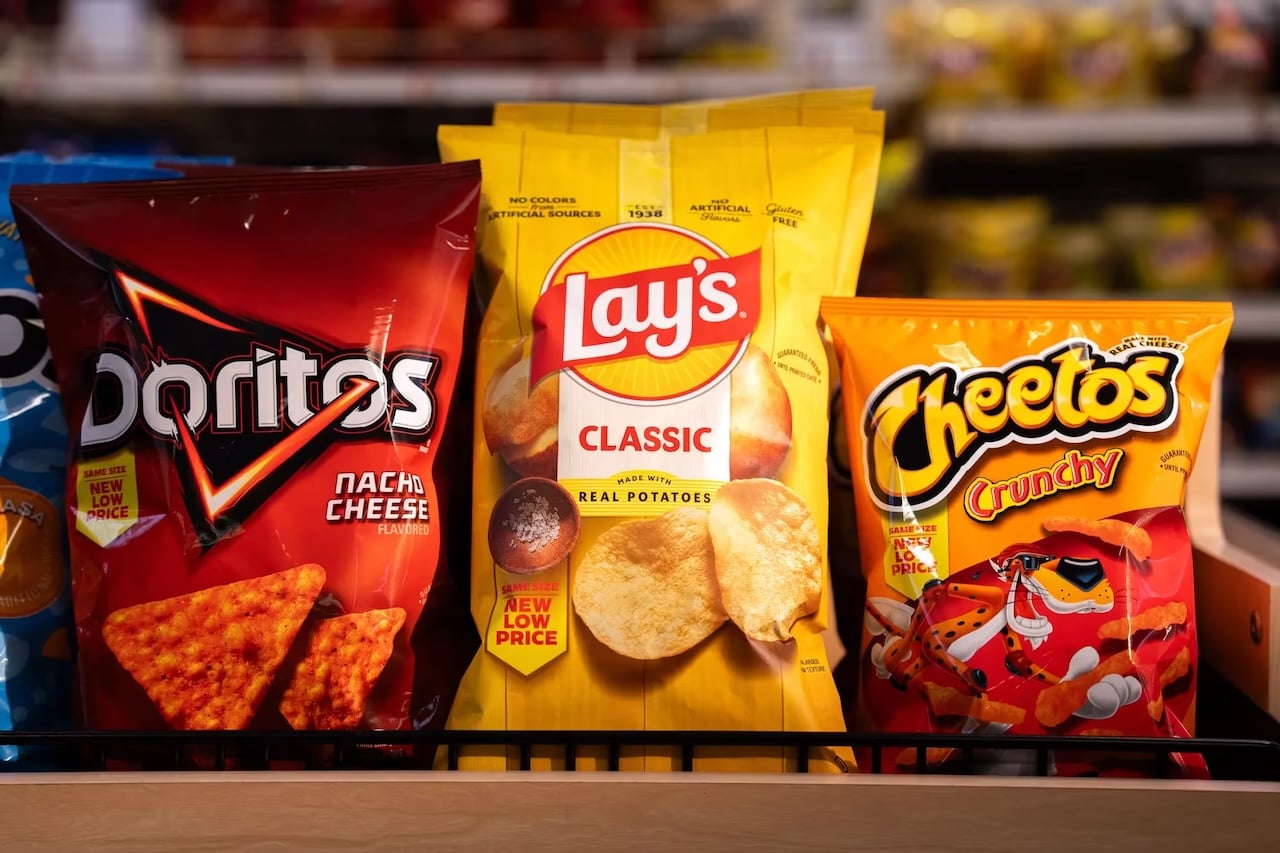
Those individually wrapped bags of chips, cookies, crackers, and other snacks are undeniably convenient, particularly when you’re packing lunches. They’re also an expensive way to buy food. Shoppers have complained about both smaller portions and fewer packages in variety boxes, including one recent example in which a shopper said a chip multipack dropped from 24 bags to 18. Buying a full-size bag and dividing it into reusable containers takes a little more work but can bring the cost per ounce down substantially.
When Convenience Stops Feeling Worth It
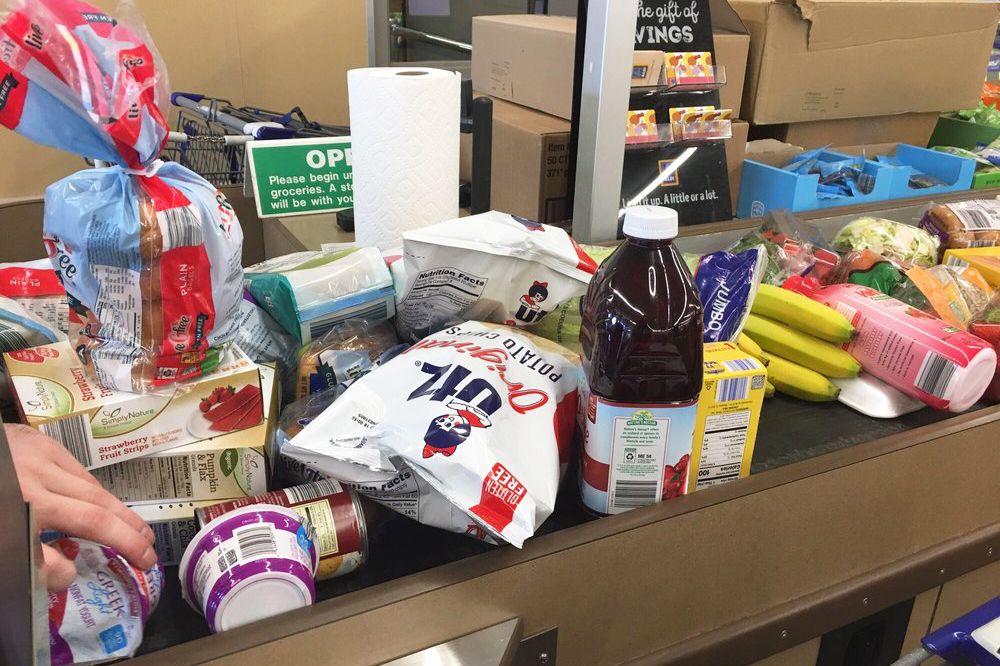
The grocery value problem in 2026 isn’t simply that everything costs more. It’s that certain products have gotten expensive enough — or small enough — that shoppers are reconsidering whether they’re worth buying in the first place.
That’s especially apparent when an easy substitute exists. Store-brand cereal can replace the name brand, popcorn can replace pricey chips, and leftover chicken can take the place of premium deli meat. Comparing unit prices rather than package prices can also reveal just how much you’re actually paying for that convenience.
What grocery item have you stopped buying because the price finally got ridiculous?