Going to Grandma’s house in the 1980s was a little like stepping into another decade — or several decades at once. While your own house might have had a VCR, colorful plastic toys, and the latest kitchen gadgets, Grandma was perfectly happy with the floral couch she’d owned forever, a rotary phone that still worked just fine, and casserole dishes that seemed older than you were.
And then there were the little things you could always count on: the candy dish that was somehow never empty, crocheted blankets on every available surface, and enough porcelain figurines to make walking through the living room feel mildly dangerous.
Not every grandma’s house looked exactly the same, of course. But if you were a kid in the ’80s, chances are at least a few of these staples from an ’80s grandma’s house will look very familiar.
The Glass Candy Dish That Was Always Full
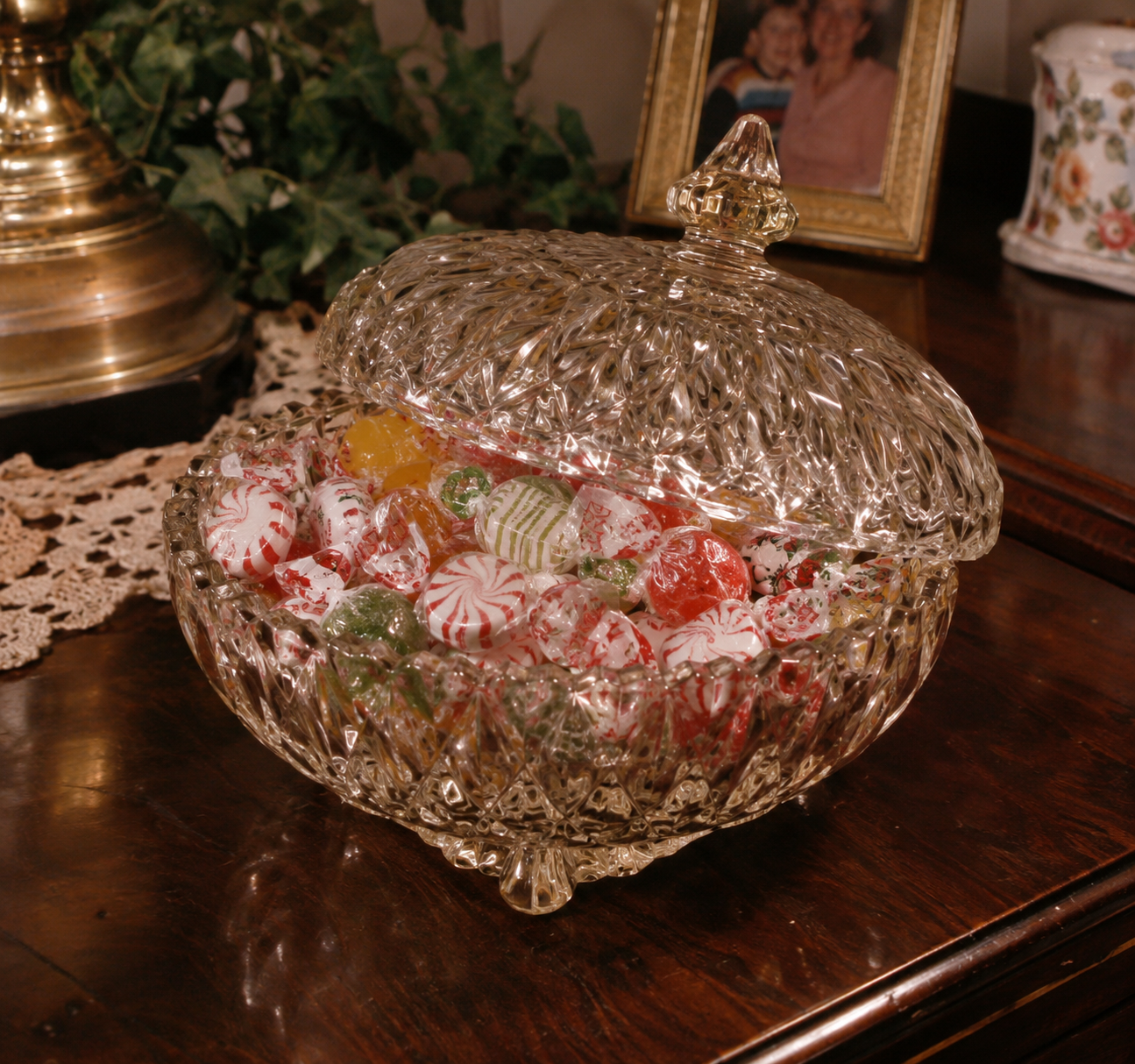
You barely had your coat off before checking the candy dish. It might have been cut glass, colored glass, or fancy ceramic, but the contents were remarkably predictable: butterscotch disks, peppermints, fruit candies, or ribbon candy around Christmas.
The real challenge was lifting that heavy lid without making a sound, even though Grandma almost certainly knew exactly what you were doing.
A Crocheted Afghan Draped Across the Sofa
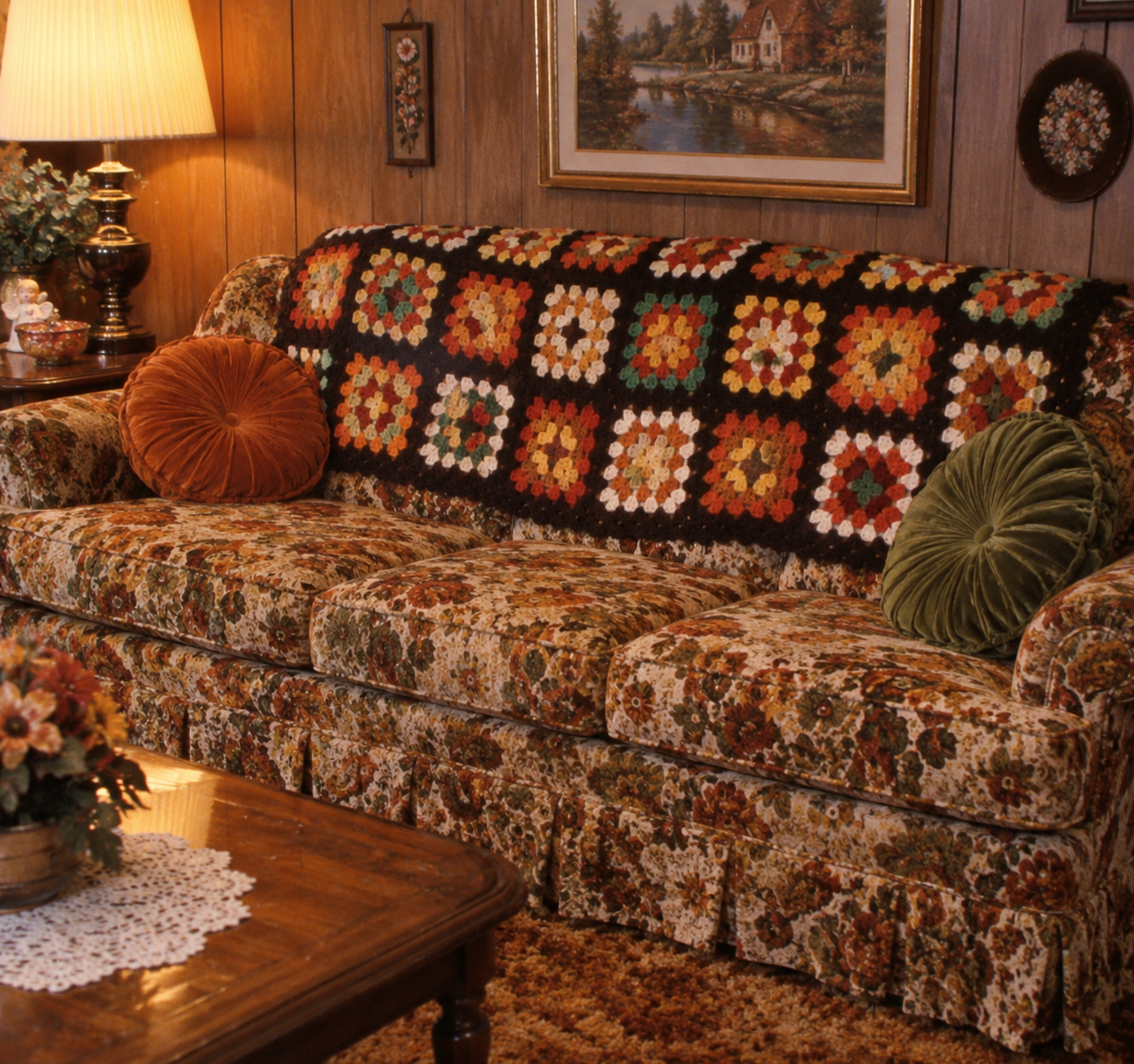
Before throw blankets were carefully coordinated with the couch, Grandma had an enormous crocheted afghan that somebody in the family had probably made by hand. Granny-square versions could combine seemingly every color imaginable, while others leaned heavily into the browns, oranges, and yellows of decades past.
They were heavy, warm, full of holes, and somehow perfect for falling asleep under while the adults continued talking.
The Floral Sofa That Had Already Survived Several Decades
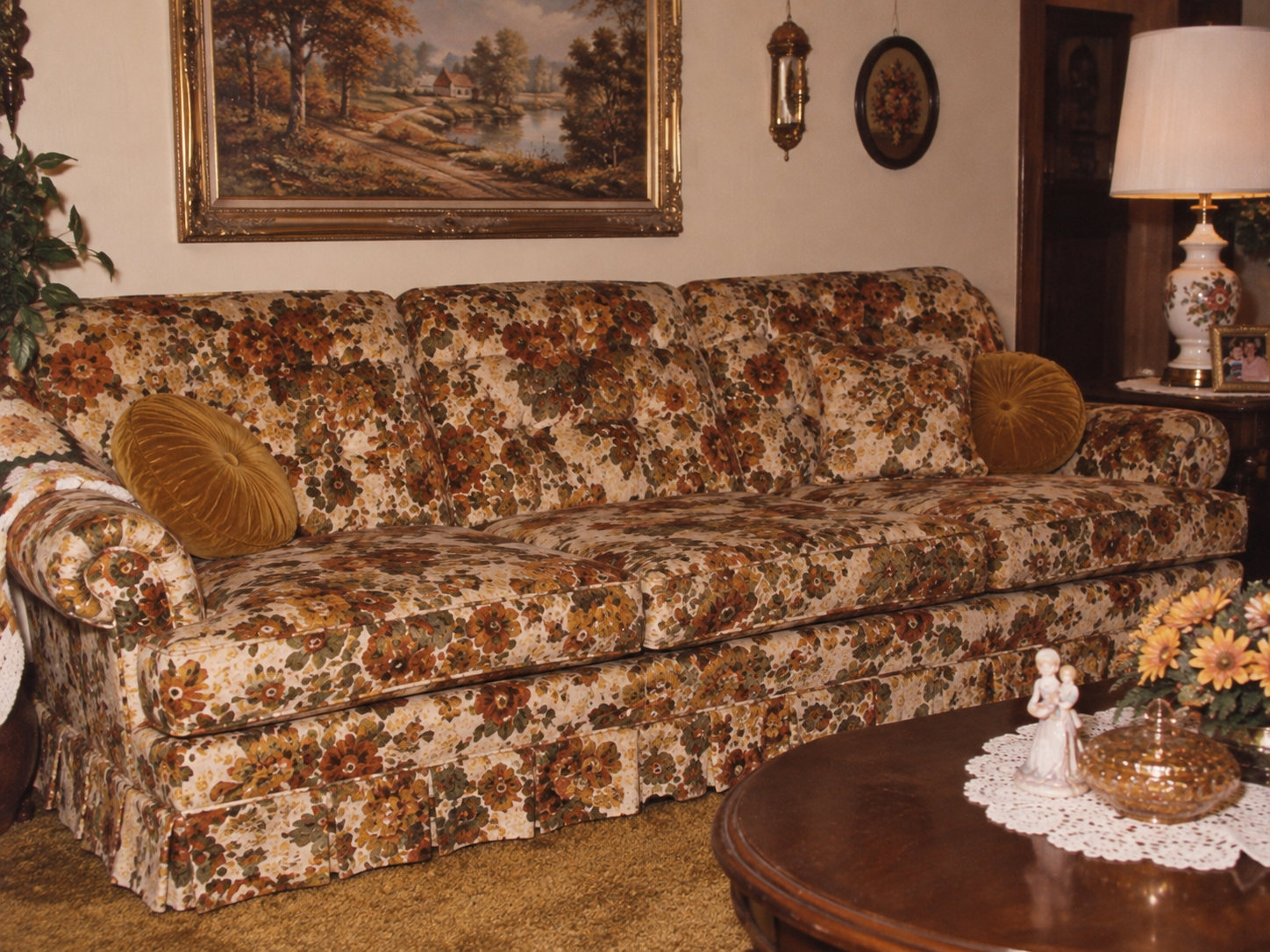
Grandma wasn’t replacing a perfectly good sofa just because decorating trends had changed. That meant many ’80s kids spent their visits sitting on couches left over from the ’60s or ’70s, complete with oversized flowers, textured upholstery, dark wooden trim, and plenty of brown, orange, rust, avocado, and harvest gold.
It was the kind of couch that looked incredibly soft from across the room and turned out to be inexplicably scratchy once you sat on it.
Lace Doilies Under Practically Everything
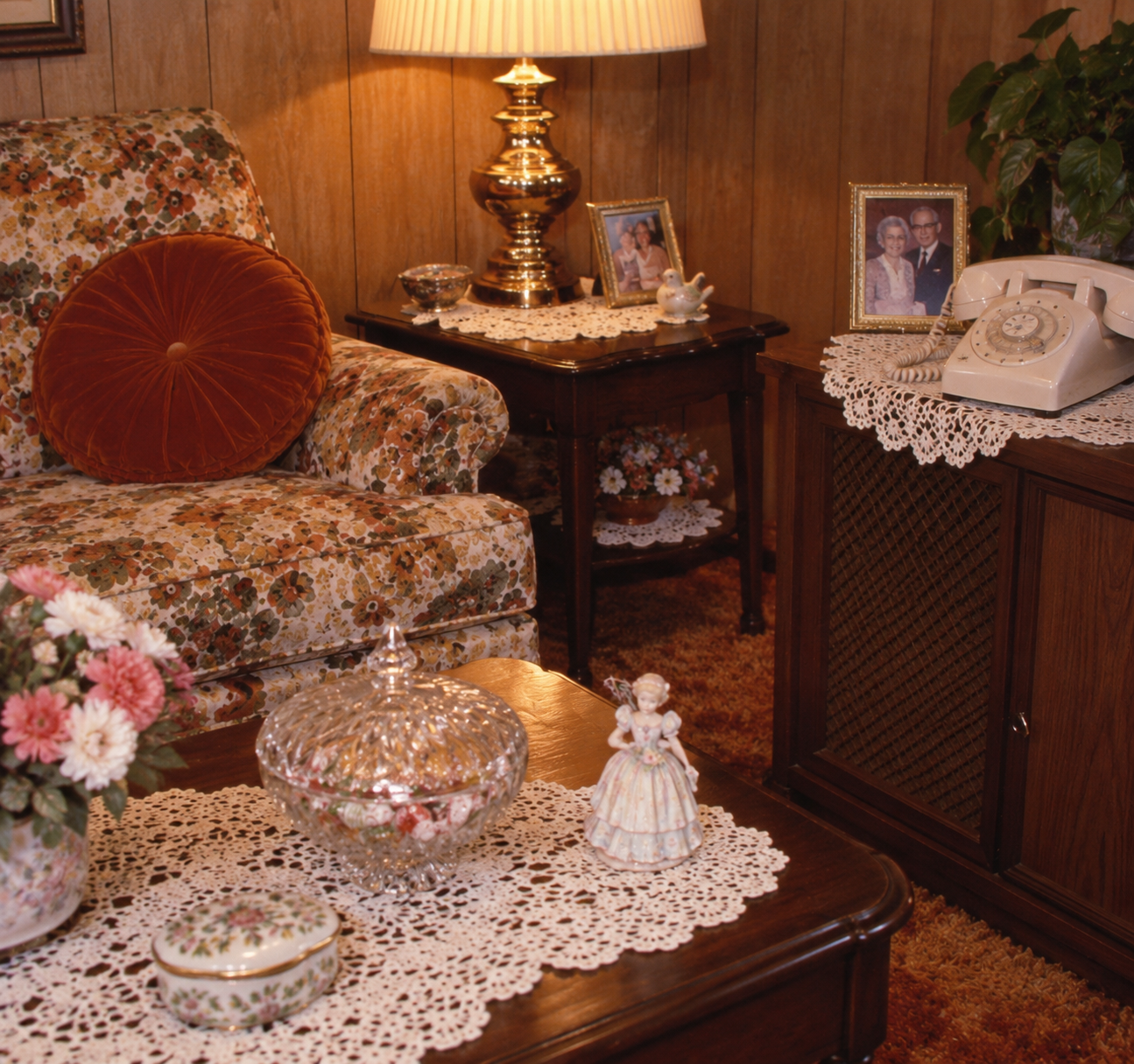
Apparently, no surface at Grandma’s house was complete without a tiny decorative mat on top of it. Lamps had doilies. Telephones had doilies. Candy dishes had doilies. Porcelain figurines that already existed purely as decoration could somehow have their own decoration underneath them.
Many were handmade, and they helped protect furniture while dressing up ordinary surfaces. As a kid, you mostly noticed them when you moved something and discovered the doily underneath seemed permanently attached to its exact spot.
A Giant Wood-Framed Console Television
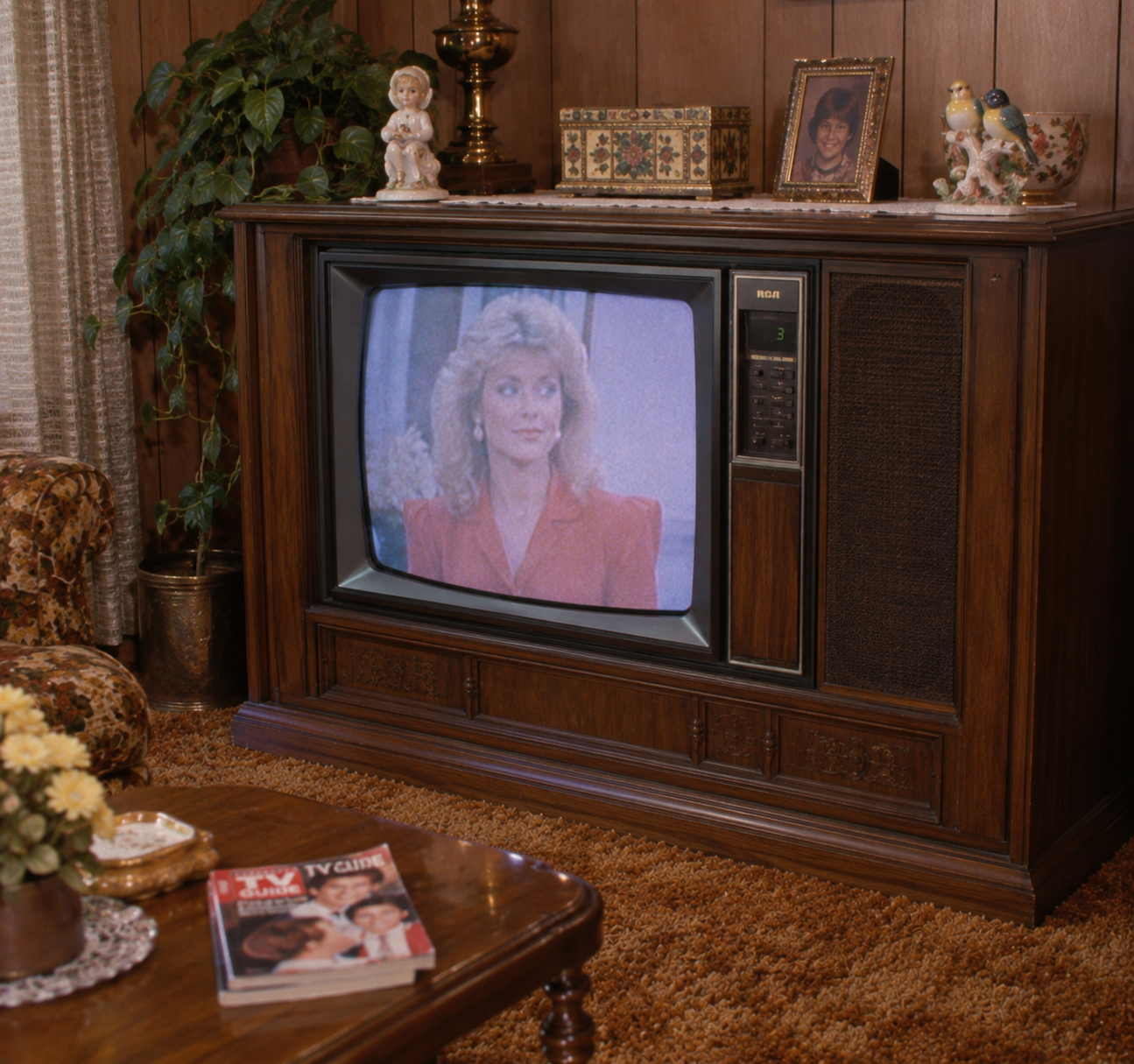
Long before flat-screens could hang on the wall, some TVs practically were the wall. Grandma might still have had an enormous television housed inside a wood-grain cabinet, complete with physical channel dials and possibly a pair of rabbit ears on top.
If there was no remote, changing the channel required the household’s youngest able-bodied person to walk across the room and turn the knob. And if Grandma didn’t have cable? You were watching whatever the antenna decided to give you.
Trending on Cheapism


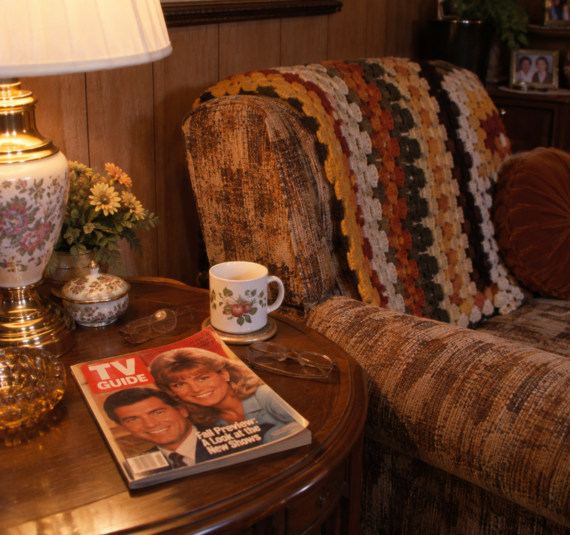
The TV Guide Beside Grandma’s Chair
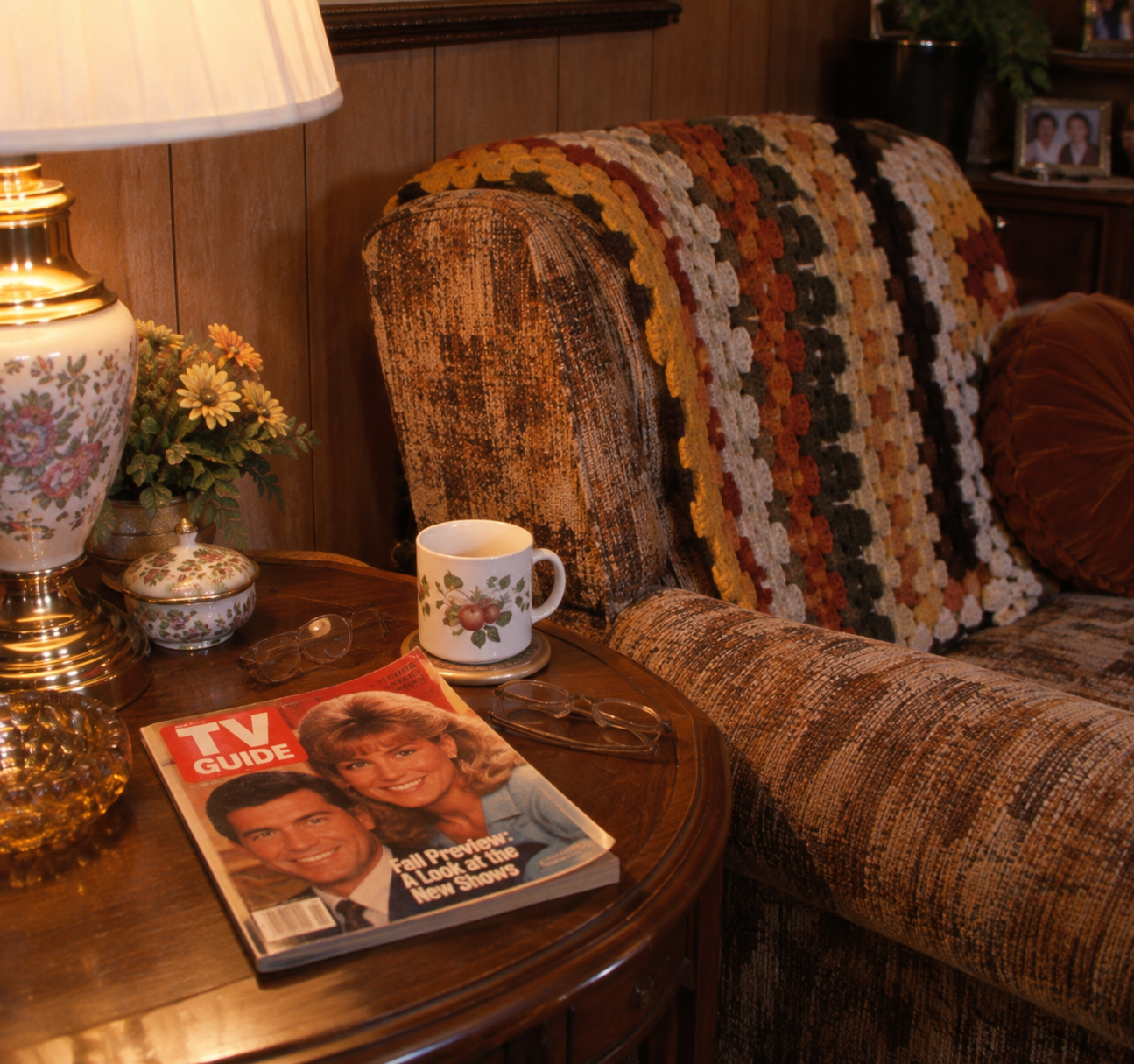
Want to know what was on television tonight? There was no scrolling through an on-screen menu. Grandma simply reached for the little TV Guide sitting beside her chair.
The tiny magazine could be filled with folded corners, handwritten circles, crossword answers, and minuscule listings telling you exactly when your favorite show would air. Missing it wasn’t an option, either. There was no streaming it tomorrow.
A Rotary Phone or Heavy Wall Phone With a Huge Cord
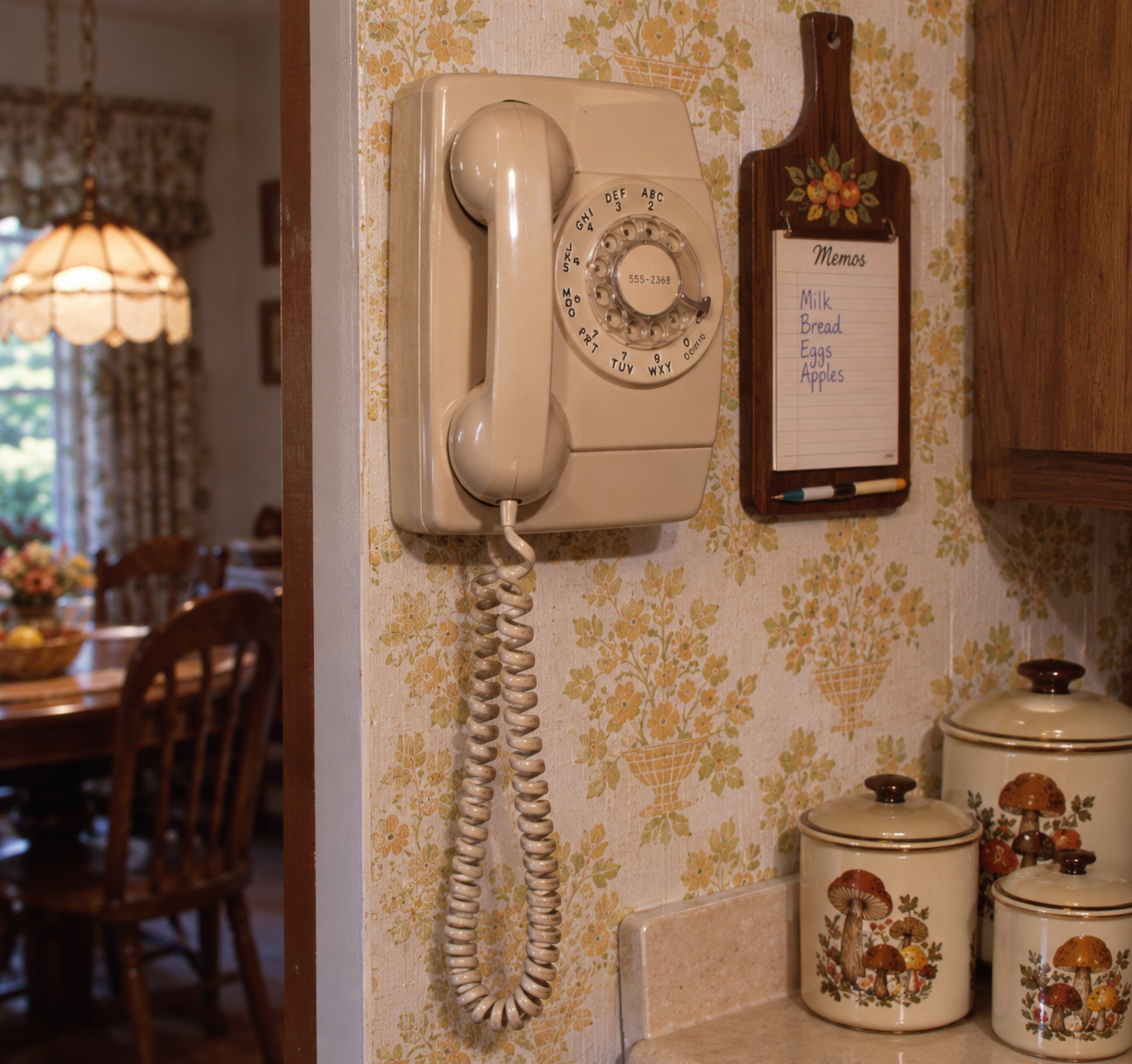
By the 1980s, rotary phones were already becoming old-fashioned, but try telling Grandma that when hers still worked perfectly well.
Some kitchens had heavy wall-mounted phones with cords long enough to stretch across half the room, while others still required you to stick your finger into a rotary dial and wait patiently for it to spin back after every number. Somewhere nearby was probably a little handwritten address book containing every phone number Grandma actually needed.
A Sewing Basket Full of Mysterious Supplies
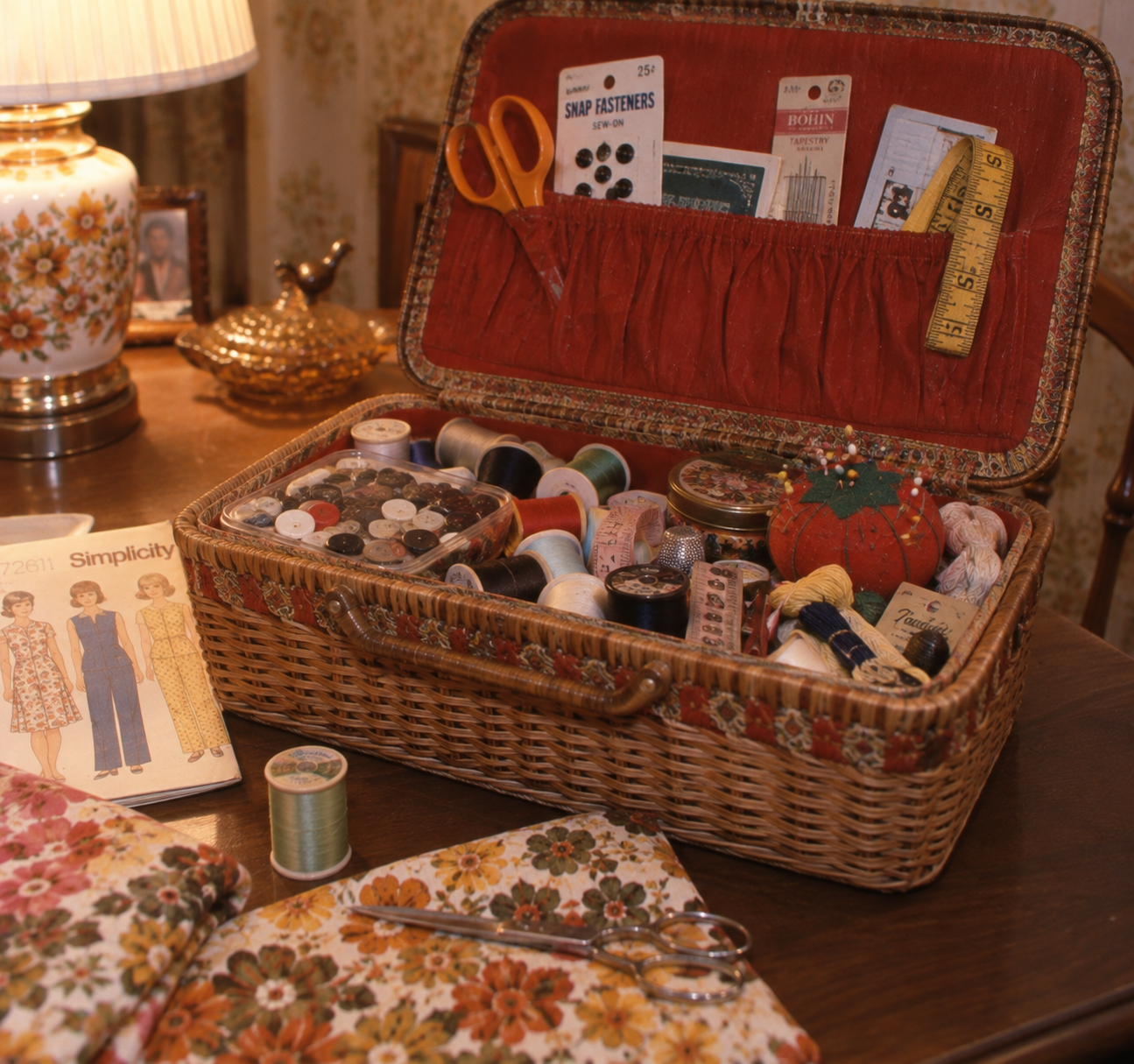
Open Grandma’s sewing basket and you could uncover an entire miniature world: spools of thread, thimbles, fabric scraps, elastic, tiny scissors, needles, and approximately 4,000 loose buttons.
There was often a tomato-shaped pincushion involved, too. And sometimes the “sewing basket” was actually an old cookie tin — a discovery that disappointed generations of hungry grandchildren who opened it expecting cookies and found thread instead.
Sign up for our newsletter
Corelle Plates With Flowers Around the Edge
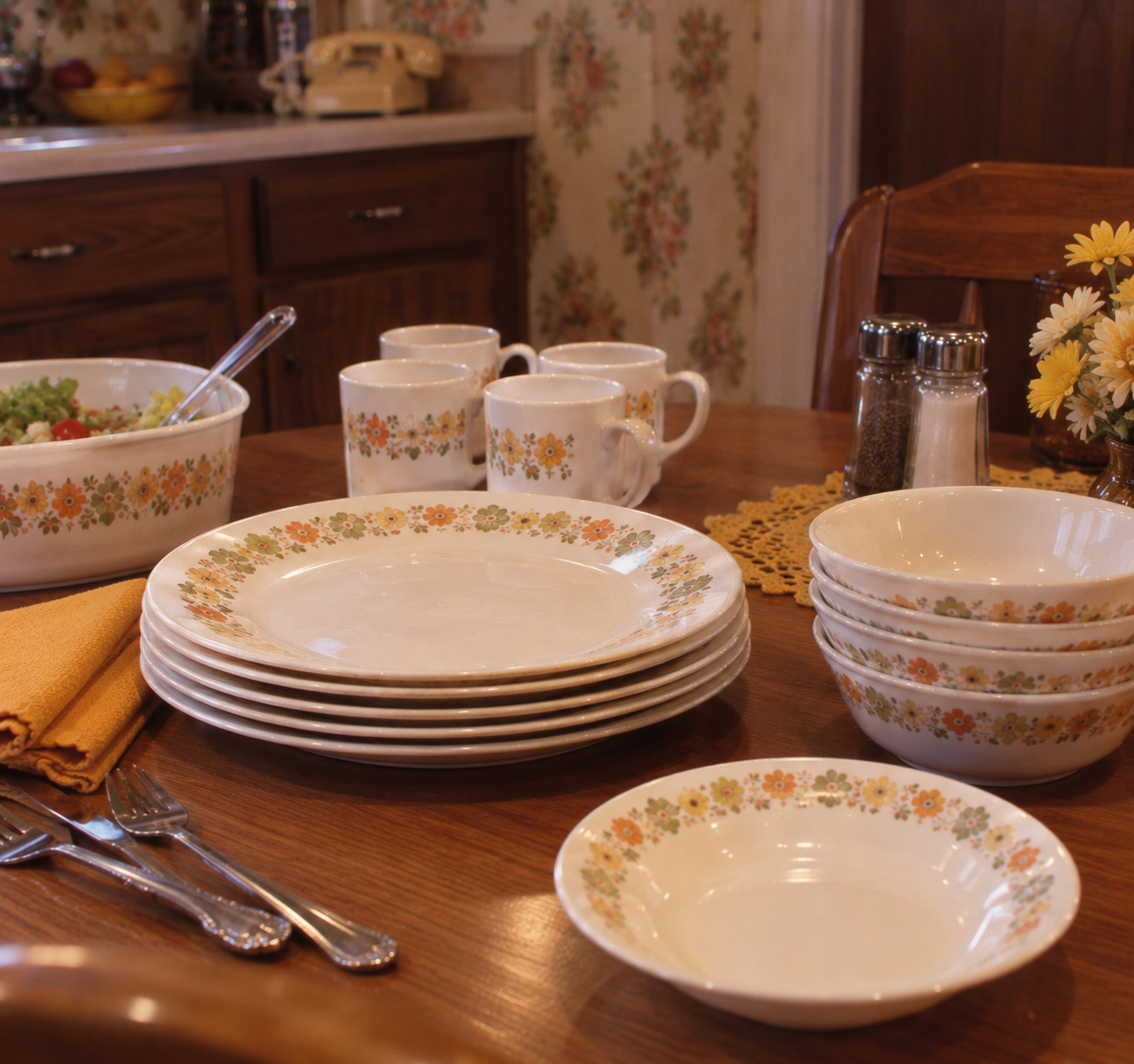
You probably didn’t know what Corelle was. You just knew that every sandwich, piece of toast, or slice of cake at Grandma’s house arrived on the same little flowered plates.
Corelle debuted in 1970 and became a kitchen staple thanks to its lightweight, stackable, durable design. Patterns such as Butterfly Gold and Spring Blossom Green were especially recognizable, which meant plenty were still going strong when grandchildren arrived for visits throughout the ’80s.
A CorningWare or Pyrex Casserole Dish
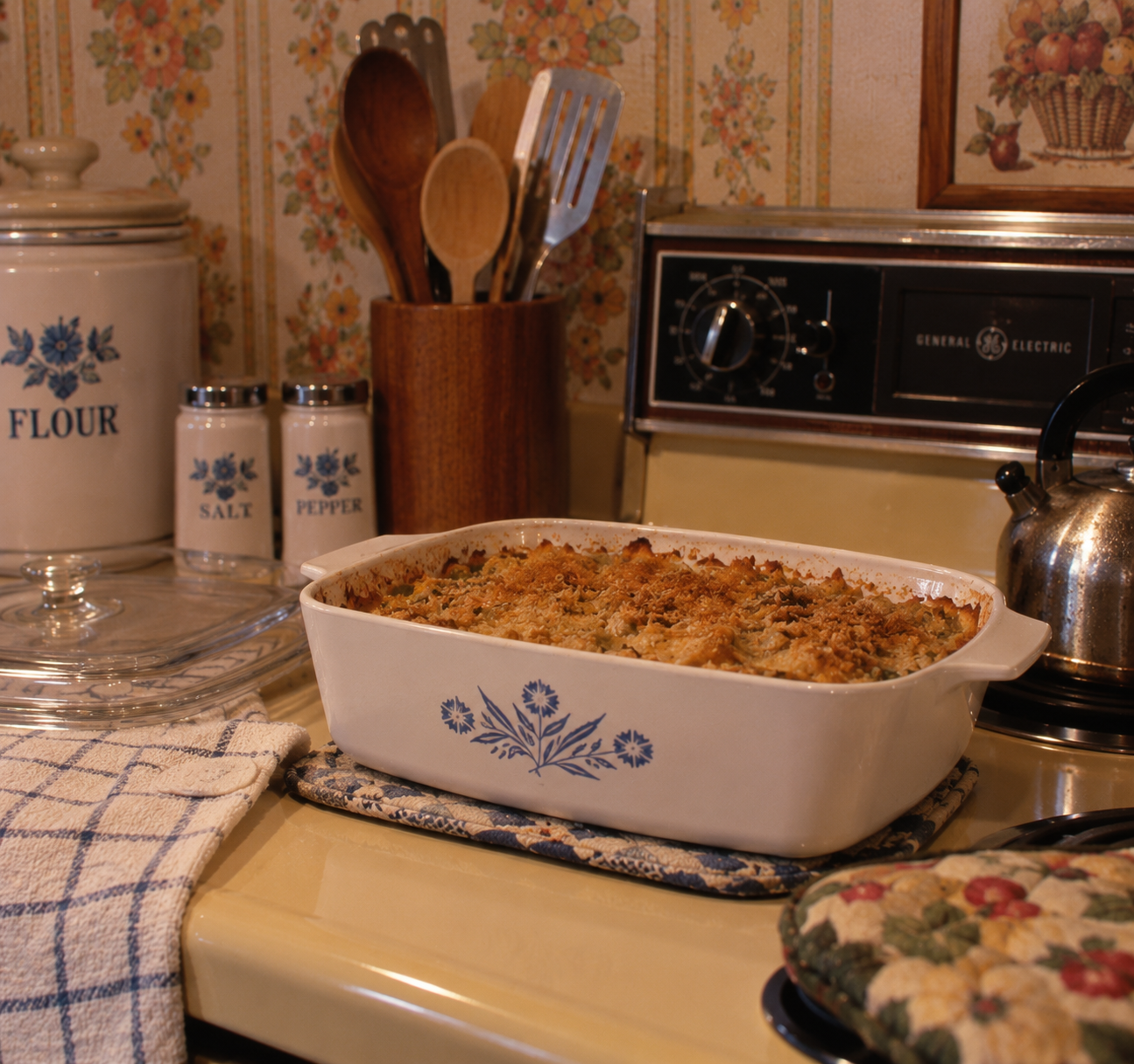
Somehow, Grandma’s baked beans, casseroles, leftovers, and holiday side dishes always seemed to emerge from the same collection of patterned cookware.
There was CorningWare with its famous blue cornflower design and Pyrex in unmistakably ’70s patterns like Woodland and Autumn Harvest. These dishes weren’t treated as trendy kitchen accessories; they were sturdy cookware meant to last. And judging by how many are still floating around family kitchens today, they succeeded.
Porcelain Figurines Nobody Was Allowed to Touch
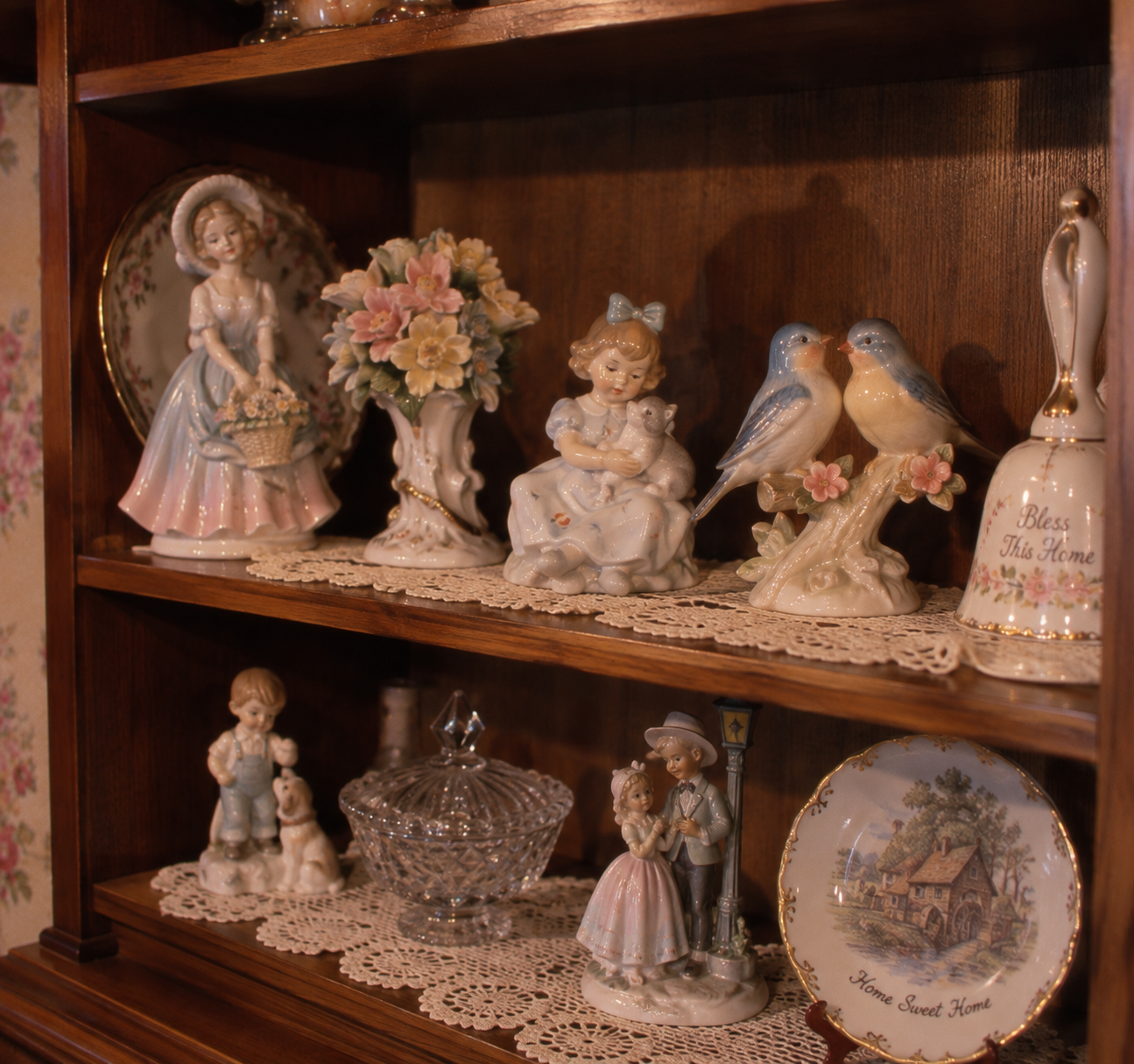
They looked like toys. They were roughly the size of toys. They depicted children, animals, angels, and other subjects that seemed specifically designed to interest children.
But make no mistake: These were not toys.
Grandma’s porcelain figurines lived on shelves and inside china cabinets alongside souvenir plates, commemorative spoons, and other mysterious collectibles. You were welcome to stare at them for as long as you wanted. Touching them was another matter entirely.
A Toilet Paper Roll Hidden Under a Crocheted Doll
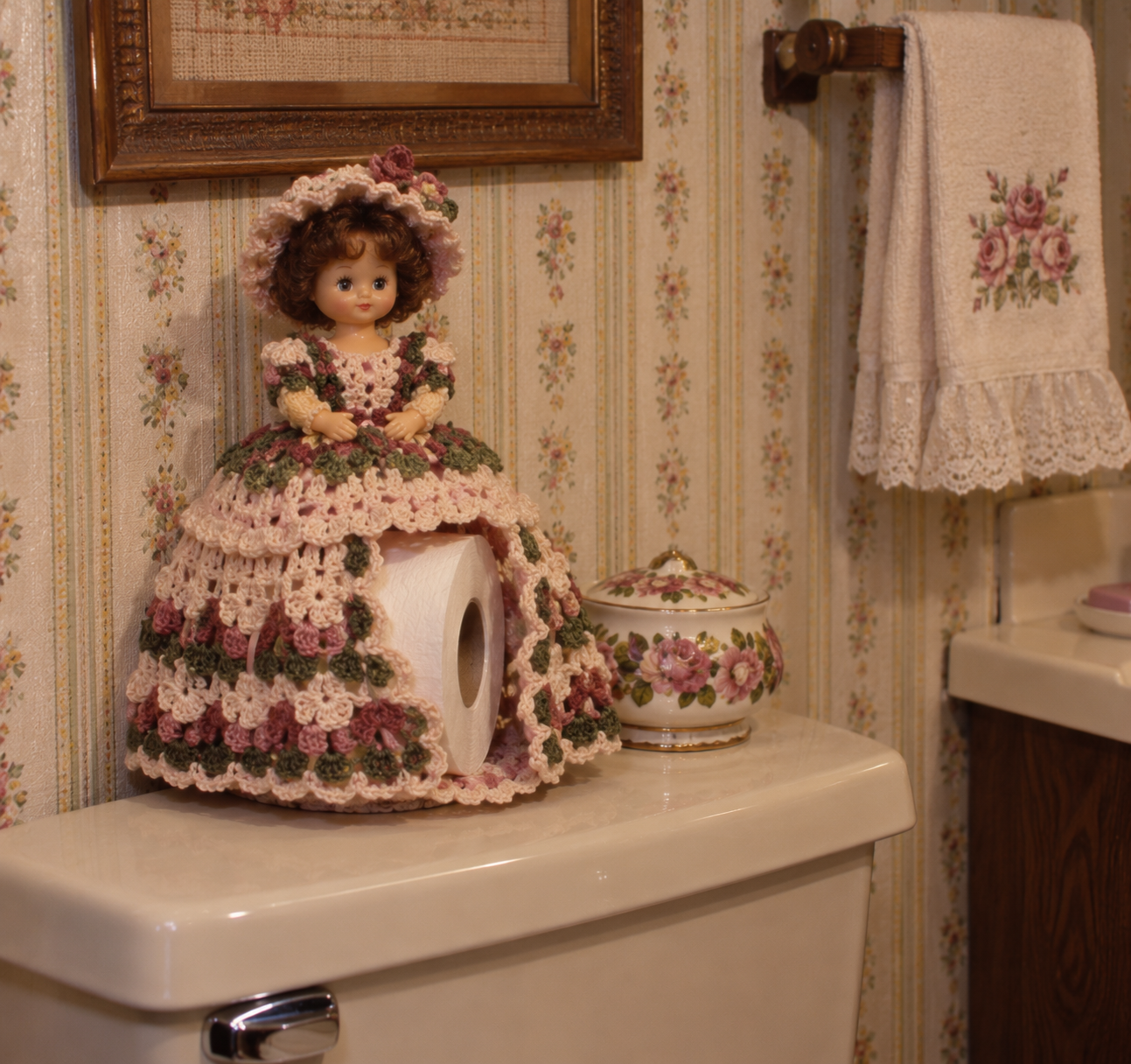
For reasons that may never be fully understood by younger generations, a spare roll of toilet paper occasionally needed a formal outfit.
Crocheted toilet paper covers often resembled enormous dresses with a little doll emerging from the top, turning an extremely ordinary bathroom necessity into full-blown decor. Tissue boxes sometimes received similar treatment. As a kid, the biggest mystery was figuring out whether you were actually allowed to move the doll when the toilet paper was needed.
Stacks of Reader’s Digest, Newspapers, and Old Magazines
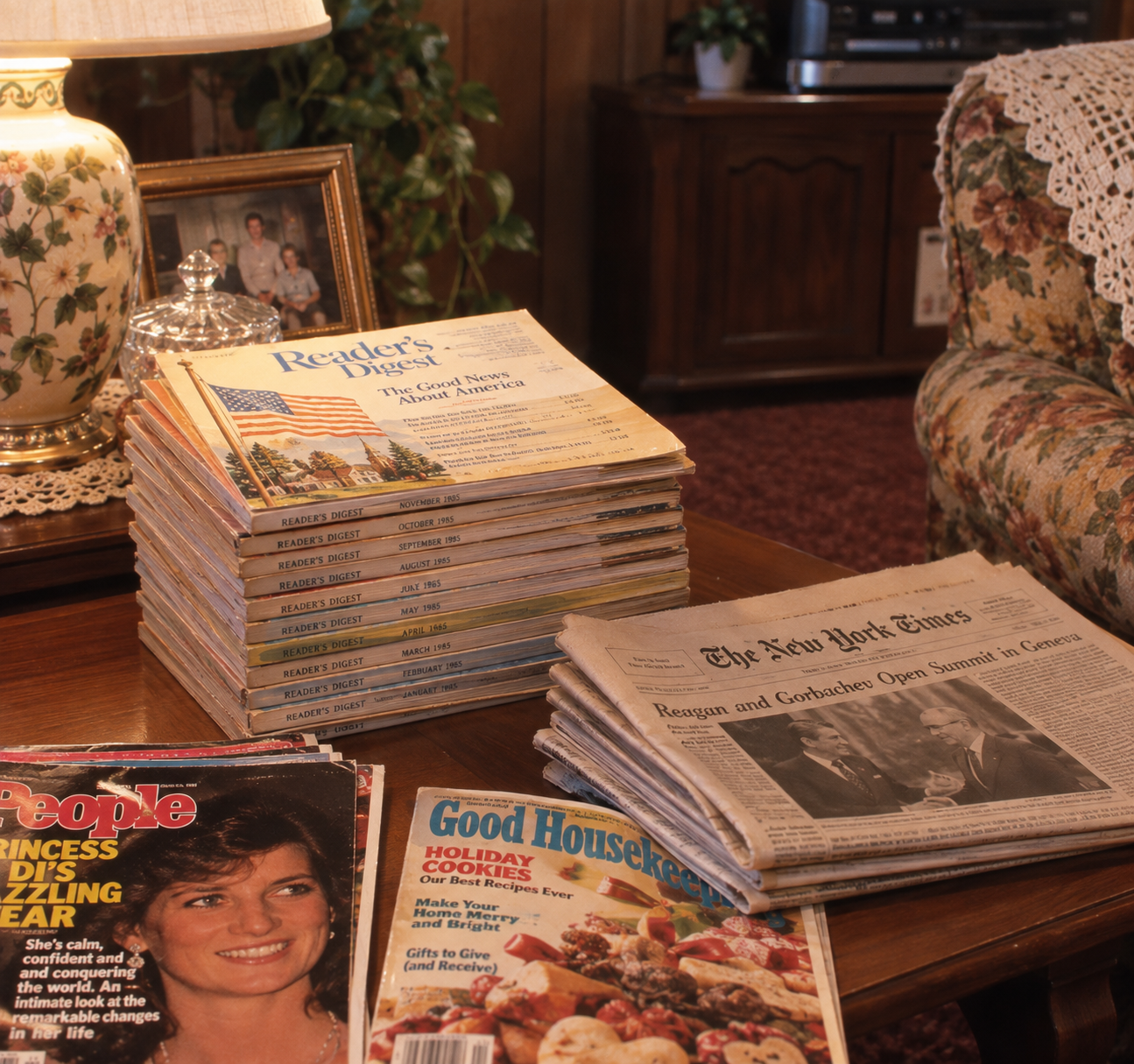
Grandma’s house could have enough reading material to operate a small waiting room. Reader’s Digest, National Geographic, local newspapers, catalogs, and magazines accumulated in racks, beside recliners, and underneath coffee tables.
Nobody seemed particularly concerned that some of the issues were several years old. And with no tablet to hand a bored grandchild, digging through the stack for something vaguely interesting was simply part of the visit.
Every Grandchild’s School Picture on Display
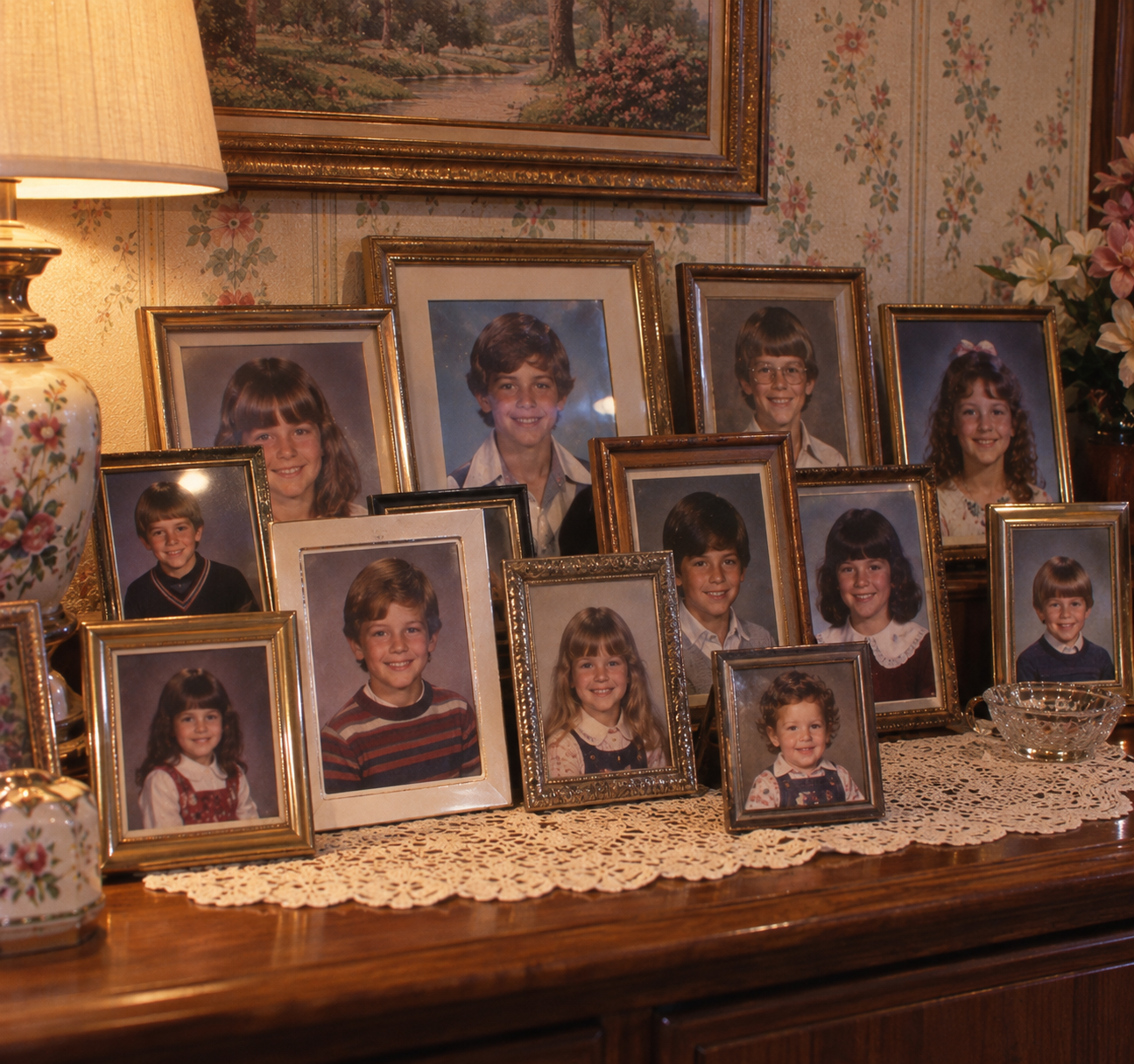
Long before relatives could keep up with you through social media, Grandma’s walls provided the family updates. School portraits, baby pictures, wedding photos, graduation shots, and increasingly embarrassing family photographs covered shelves, walls, mirrors, and end tables.
Wallet-size school photos might be tucked into the corner of a frame or mirror, too. And don’t expect Grandma to replace your awkward second-grade portrait just because you’re in high school now. She likes that one.
A Cuckoo Clock or Loud Mantel Clock
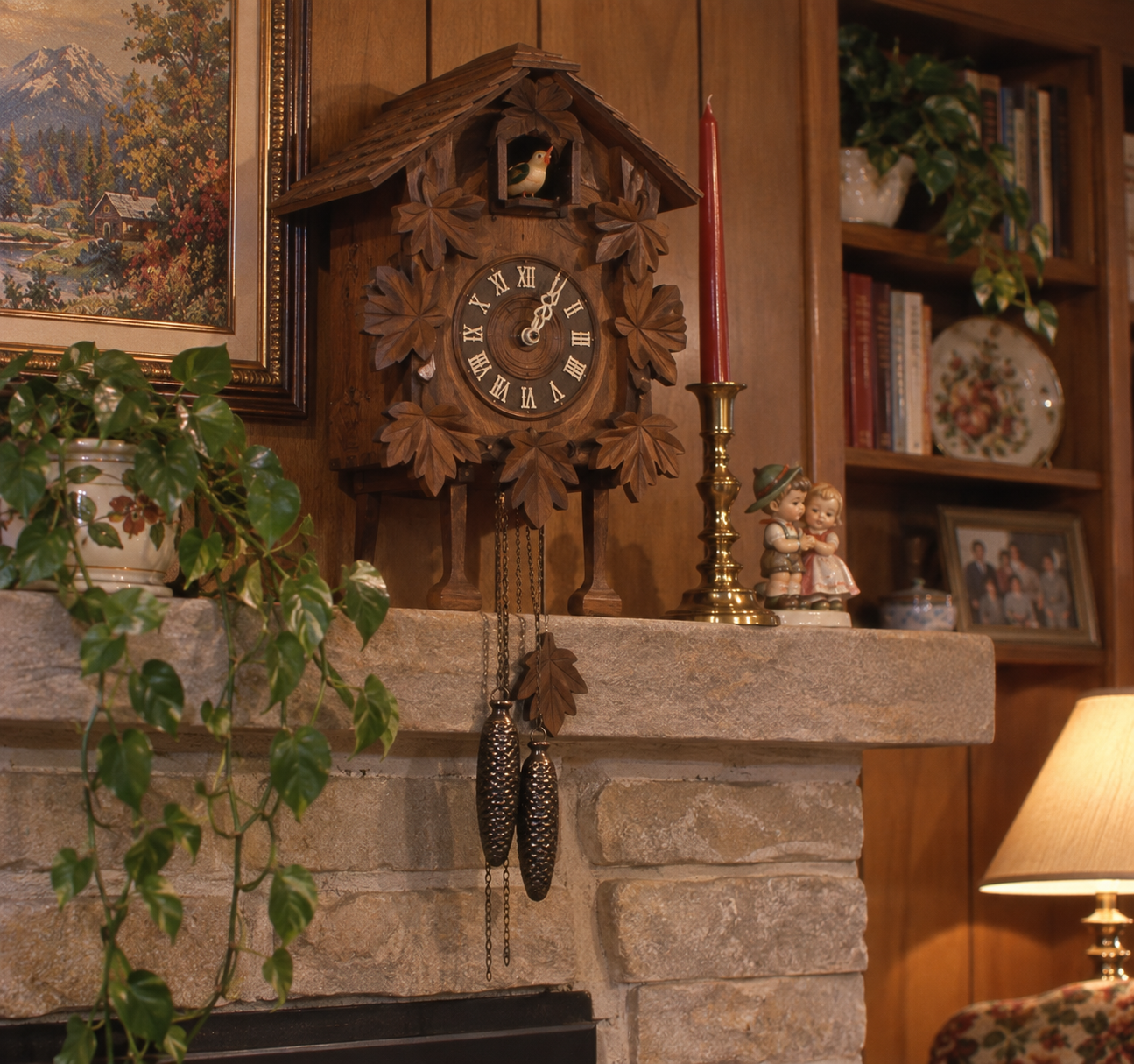
You didn’t need to check the time at Grandma’s house because eventually the house itself would announce it.
Cuckoo clocks and wooden mantel clocks weren’t just practical; they were substantial pieces of decor. Some chimed every hour or even every quarter hour, making them endlessly fascinating to visiting kids. You could stand around waiting impatiently for the little bird to emerge even though you’d watched the exact same thing happen 20 minutes earlier.
An ’80s Grandma’s House Was Its Own Kind of Time Capsule

What made Grandma’s house so memorable in the 1980s was that it rarely belonged entirely to the 1980s. A Corelle plate from the ’70s might sit in a cabinet near cookware that was even older, while a rotary phone shared the house with a wood-paneled TV and a couch that had already survived several decorating trends.
But it’s often the smallest details that bring the memories flooding back: lifting the candy-dish lid, flipping through TV Guide, digging through the sewing basket, or spotting your school picture still sitting proudly on the shelf.
Grandma didn’t need to redecorate. Everything was exactly where it was supposed to be.